
How Do You Learn Best?
Learn by Listening
Start with the 3-minute audio summary to get the key facts and narrative highlights quickly.
Learn by Reading
Immerse yourself in the 10-minute visual lesson for a comprehensive understanding of the topic.
Learn by Reviewing
Jump directly to the key facts, timeline, and vocabulary lists to build a solid foundation of details.
Learn by Doing
Challenge yourself! Jump straight into the interactive games to learn by trial, error, and discovery.
Audio Library
As one of our featured lessons, this topic includes premium audio guides.
Unlock the Wizard's Cram Session
This powerful audio study guide is a Pro-exclusive feature. Upgrade to Memory Wizards Pro to access this and all of our premium learning tools.
Upgrade to ProMeasure for Measure in 10 Minutes
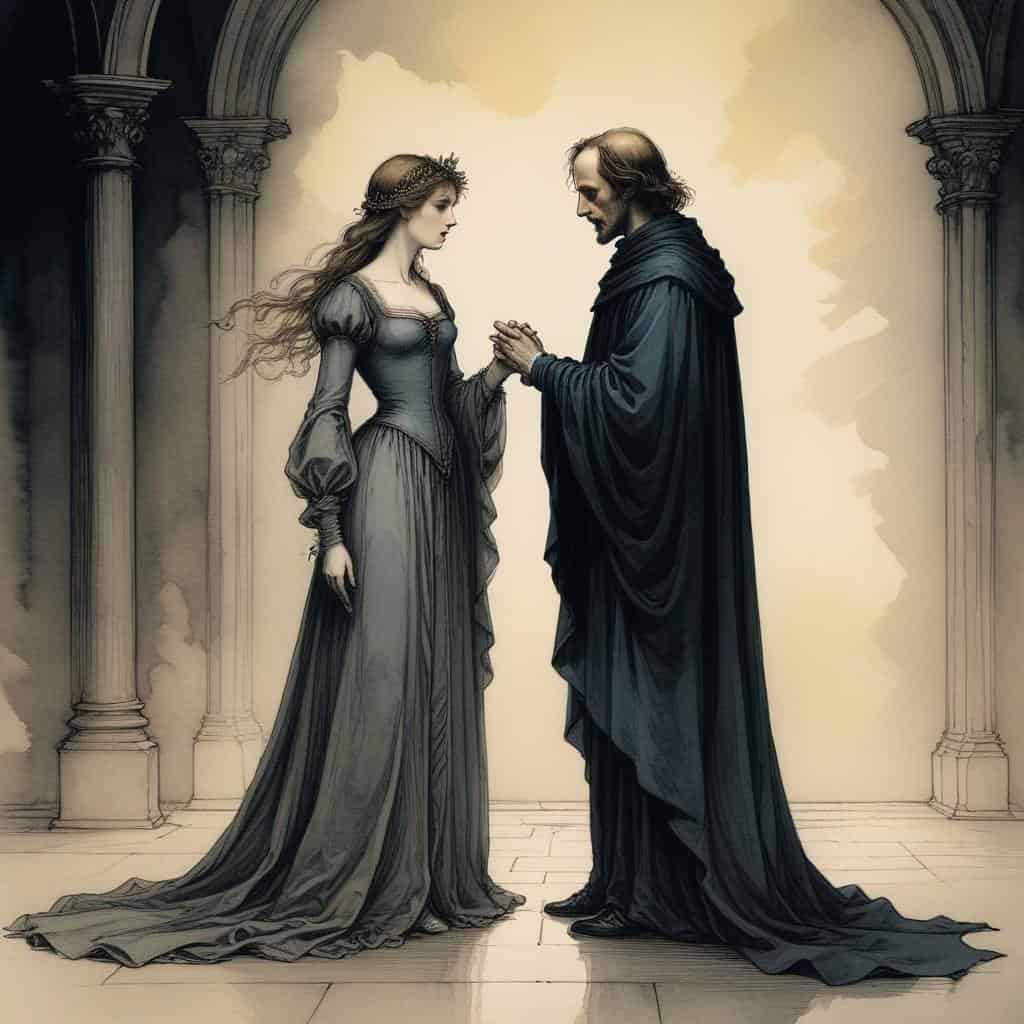
Introduction
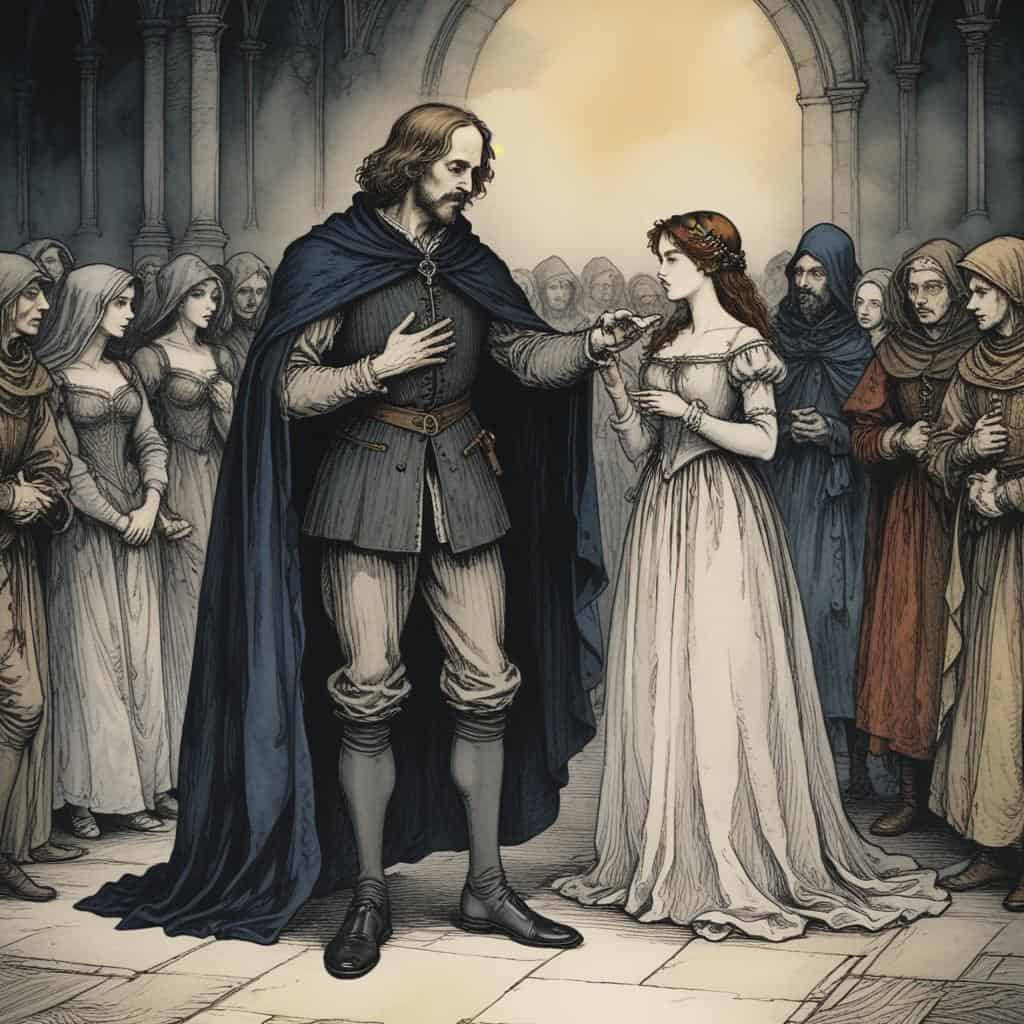

Isabella

Angelo

Duke Vincentio

Claudio

Lucio

Mariana
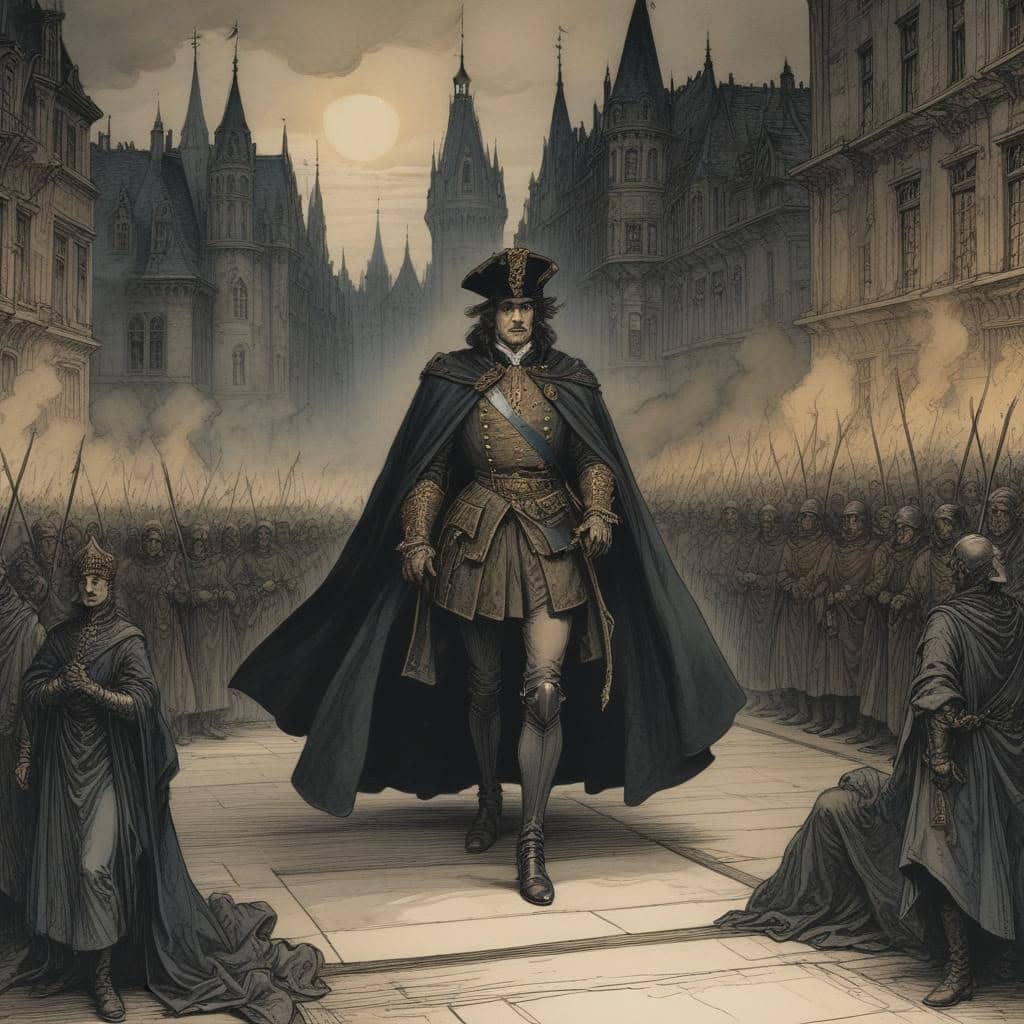
The Dukes Plan
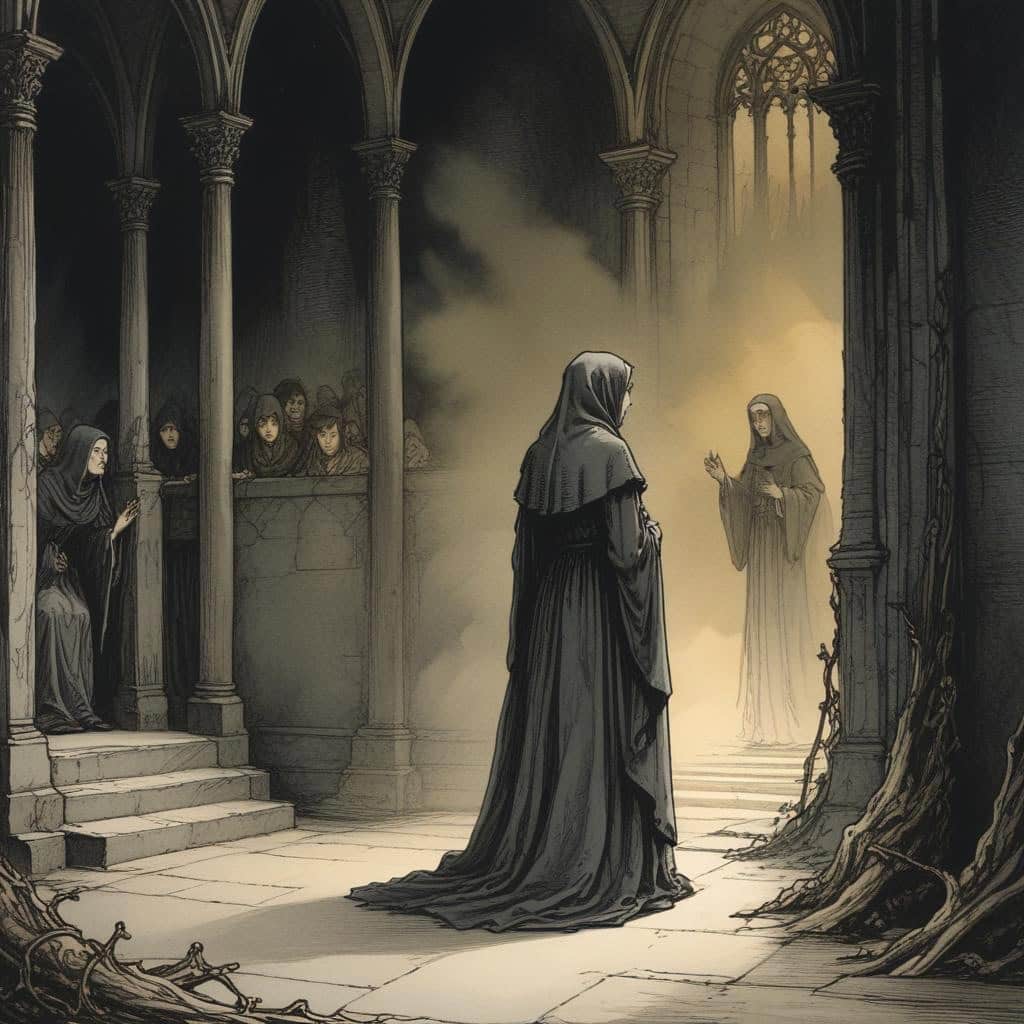
Isabellas Plea
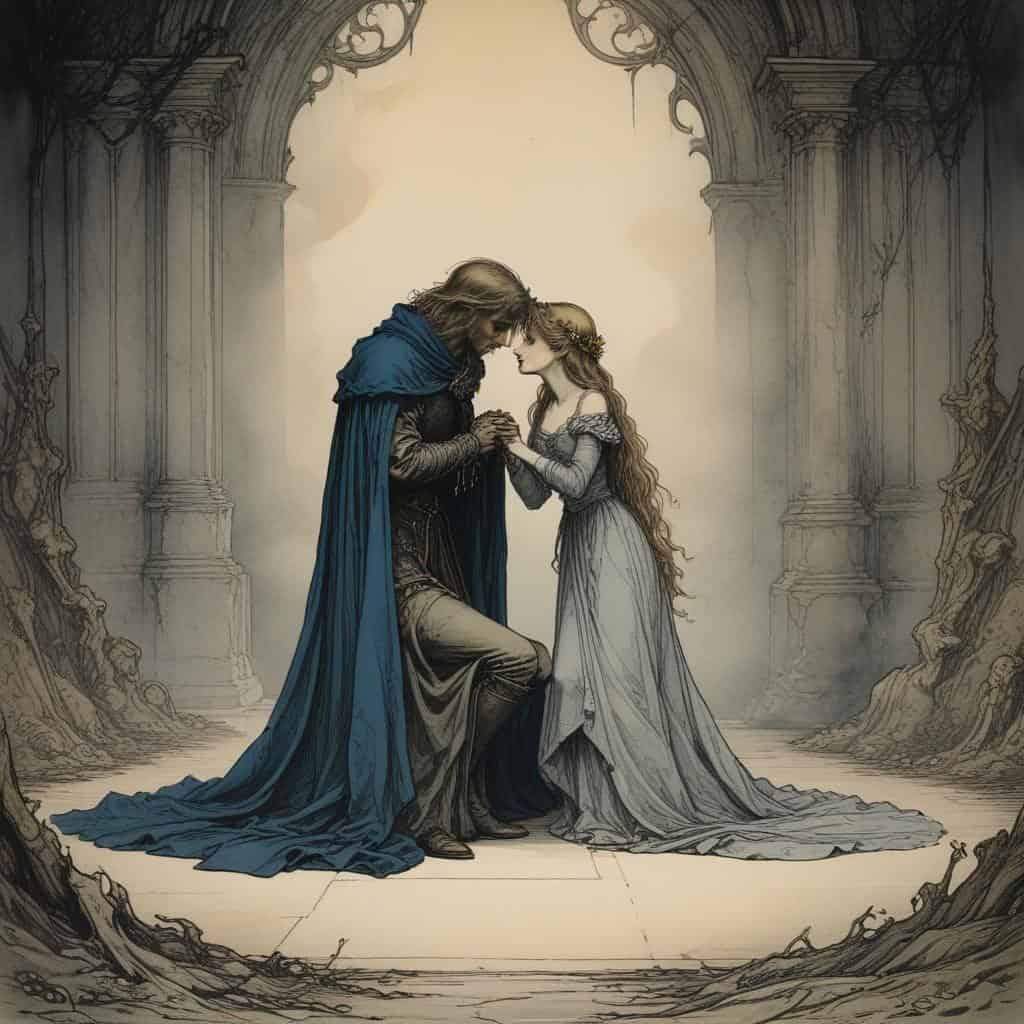
The Proposition
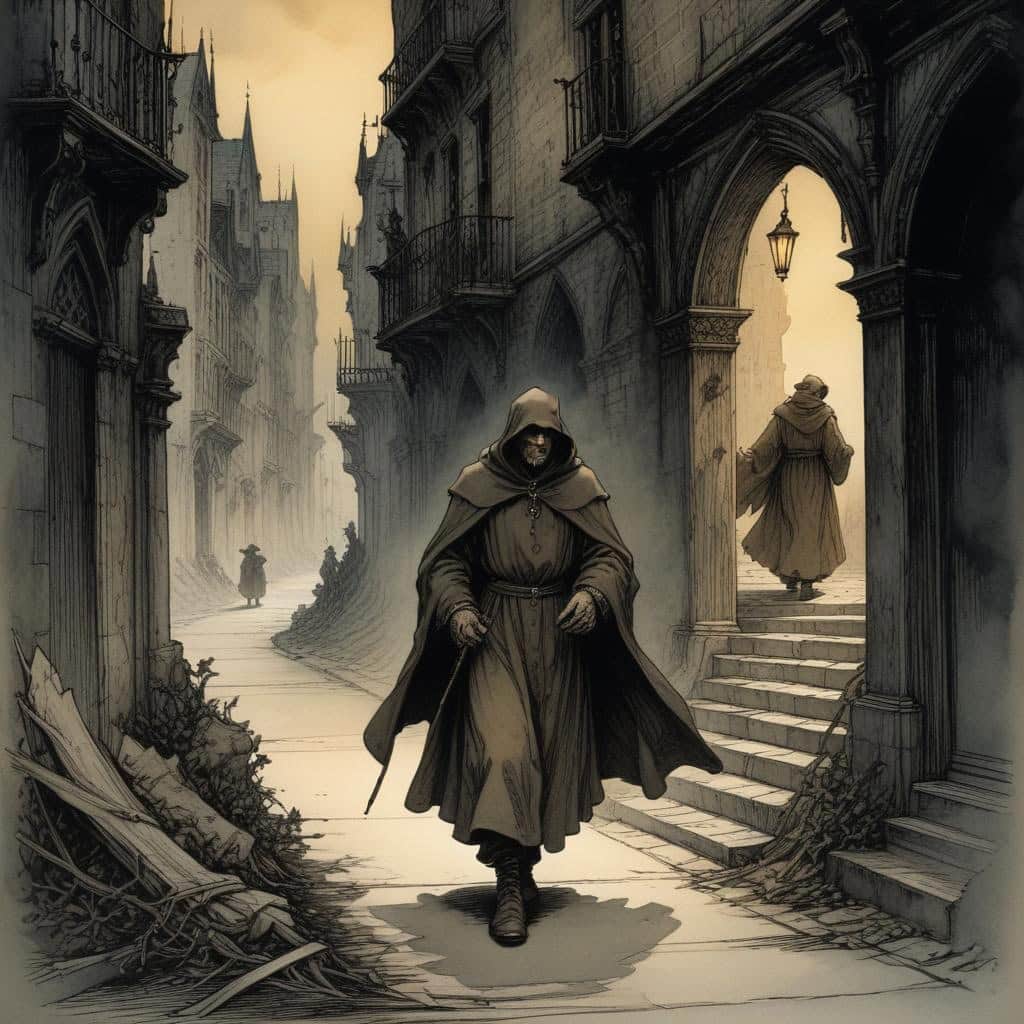
The Dukes Return
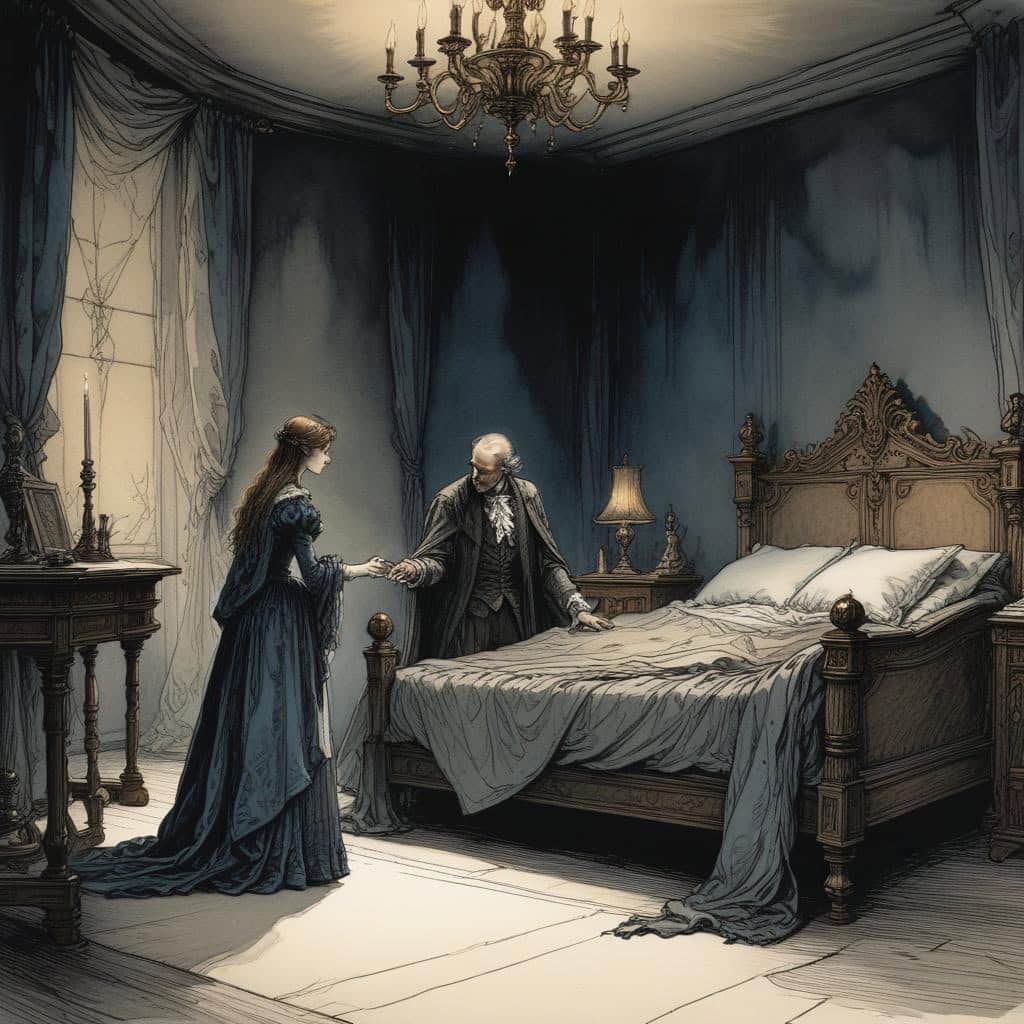
The Deception
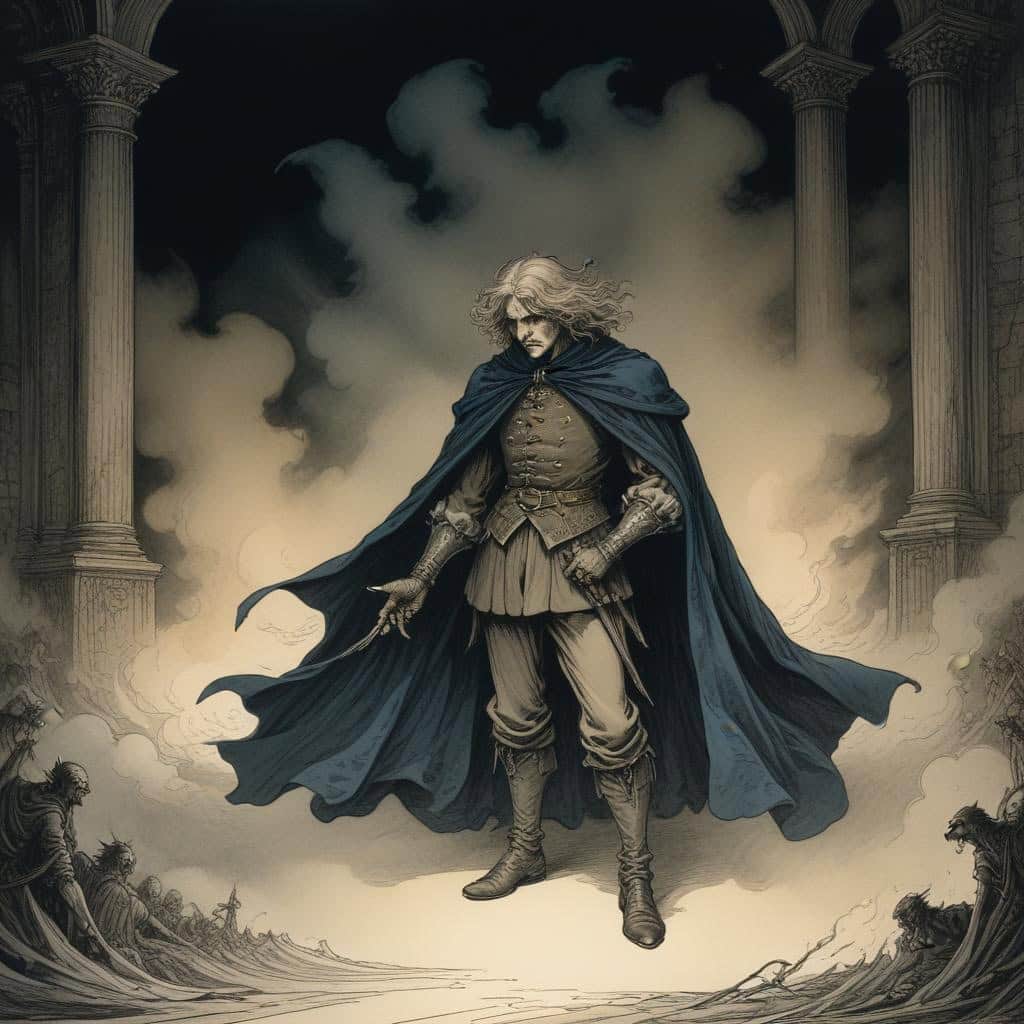
The Unmasking
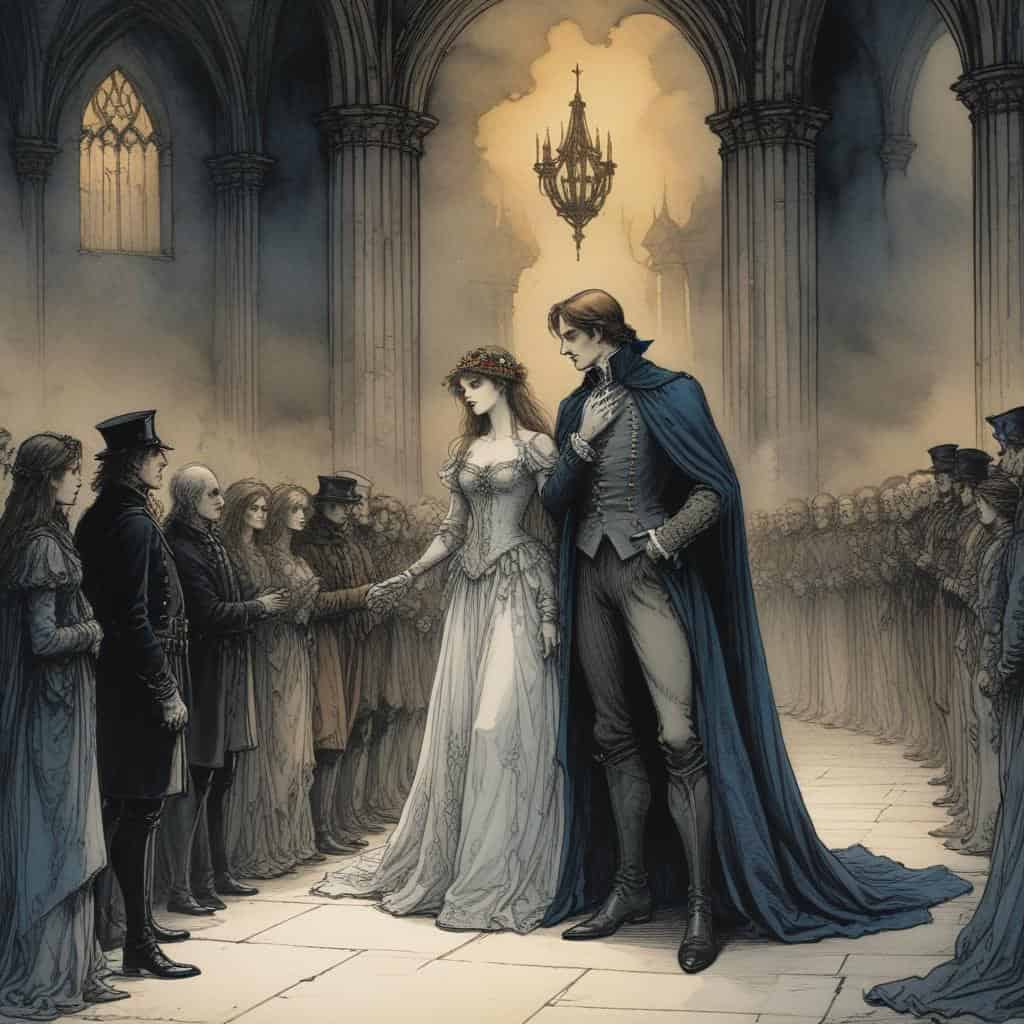
The Reconciliation
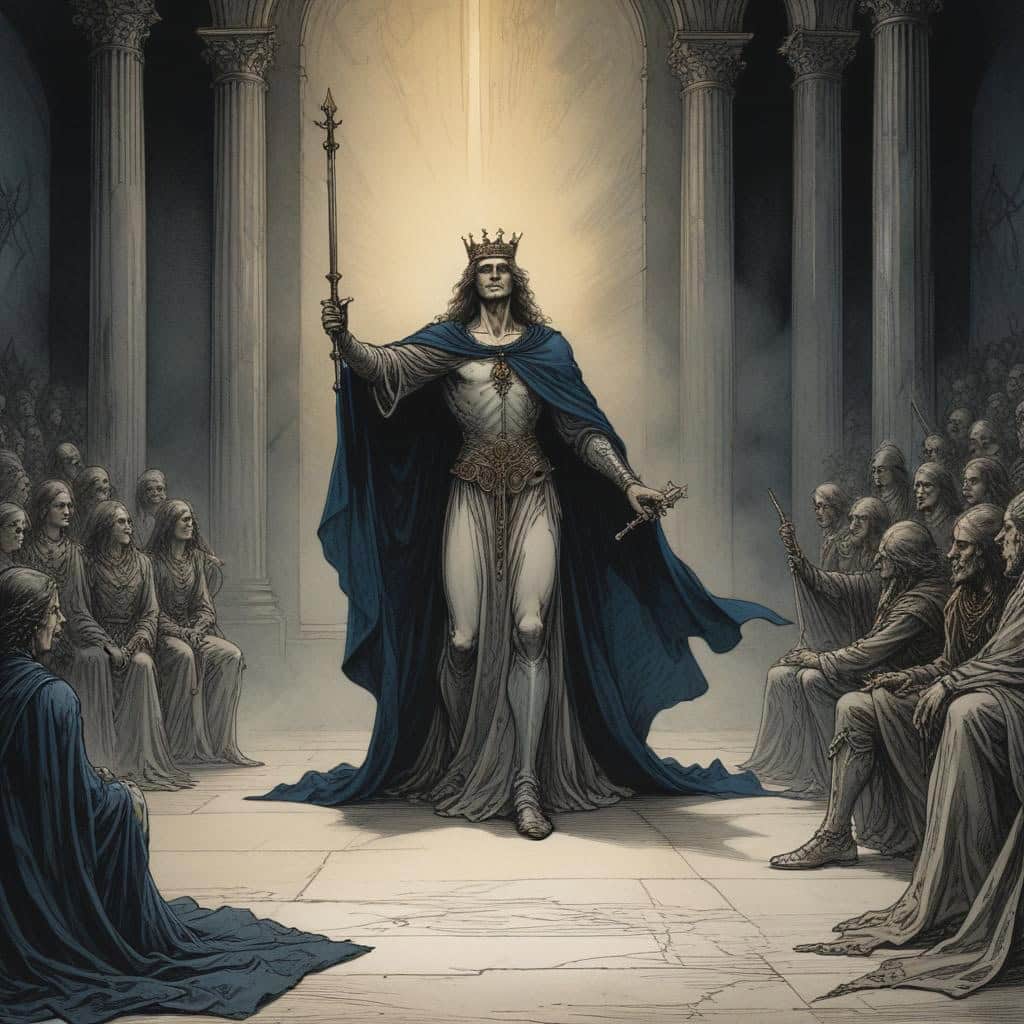
Justice Served
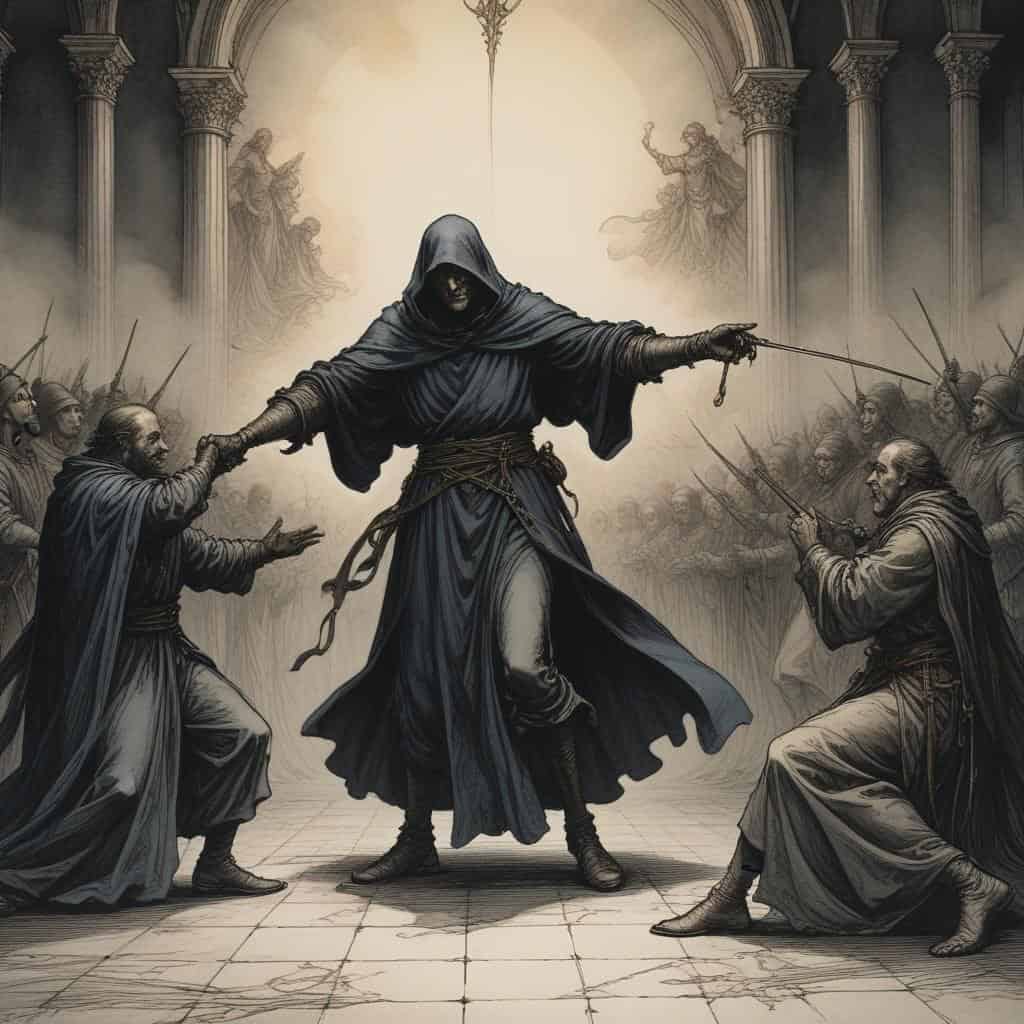
Lessons Learned
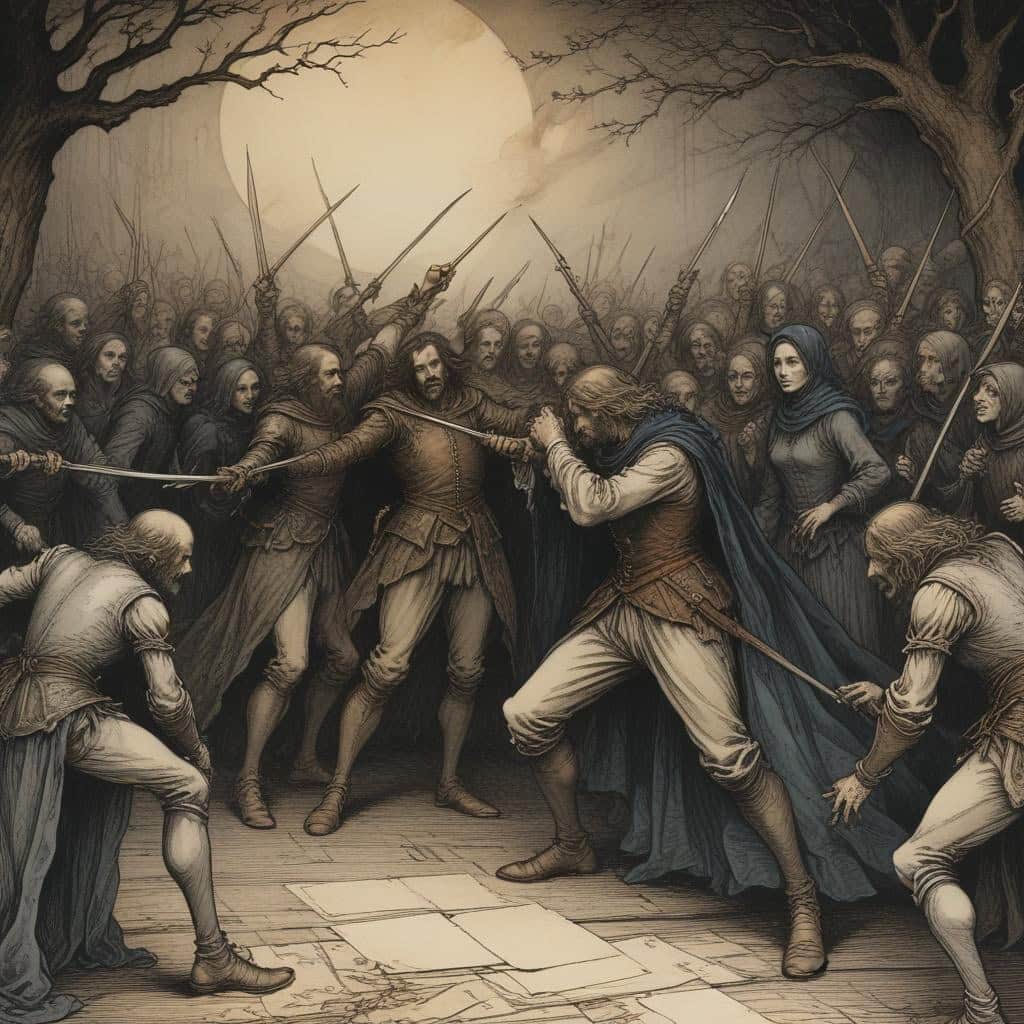
Enduring Themes
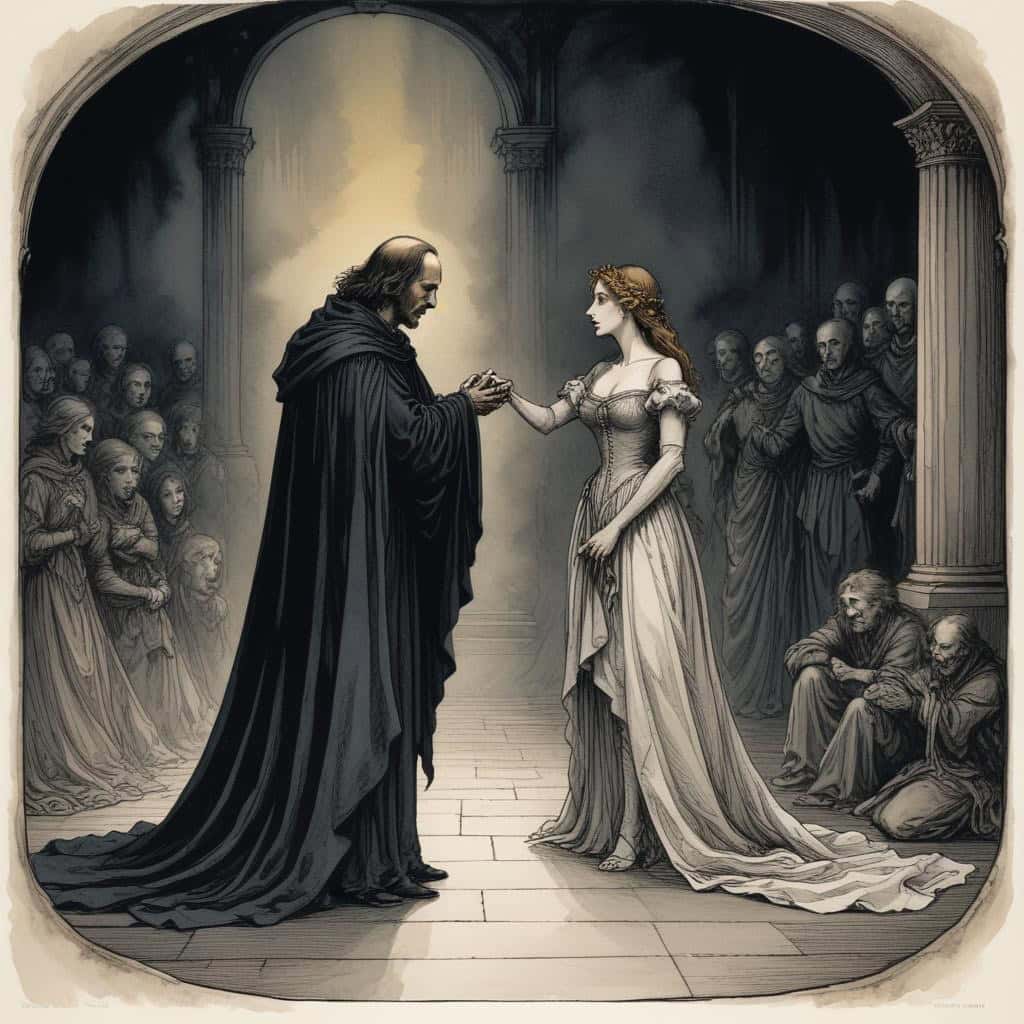
Lesson Details & Resources
In a Nutshell
- What: ‘Measure for Measure’ by William Shakespeare
- When: Written in the early 17th century
- Who: Main characters include Isabella, Angelo, and Duke Vincentio
- Theme: The core theme revolves around justice, morality, and the abuse of power
List of Characters in Measure for Measure
-

Isabella
A young novice nun who is virtuous and principled.
-

Angelo
The temporary ruler of Vienna, who is strict and moralistic.
-

Duke Vincentio
The disguised Duke who observes the events in Vienna.
-

Claudio
Isabella's brother who is sentenced to death for impregnating his lover.
-
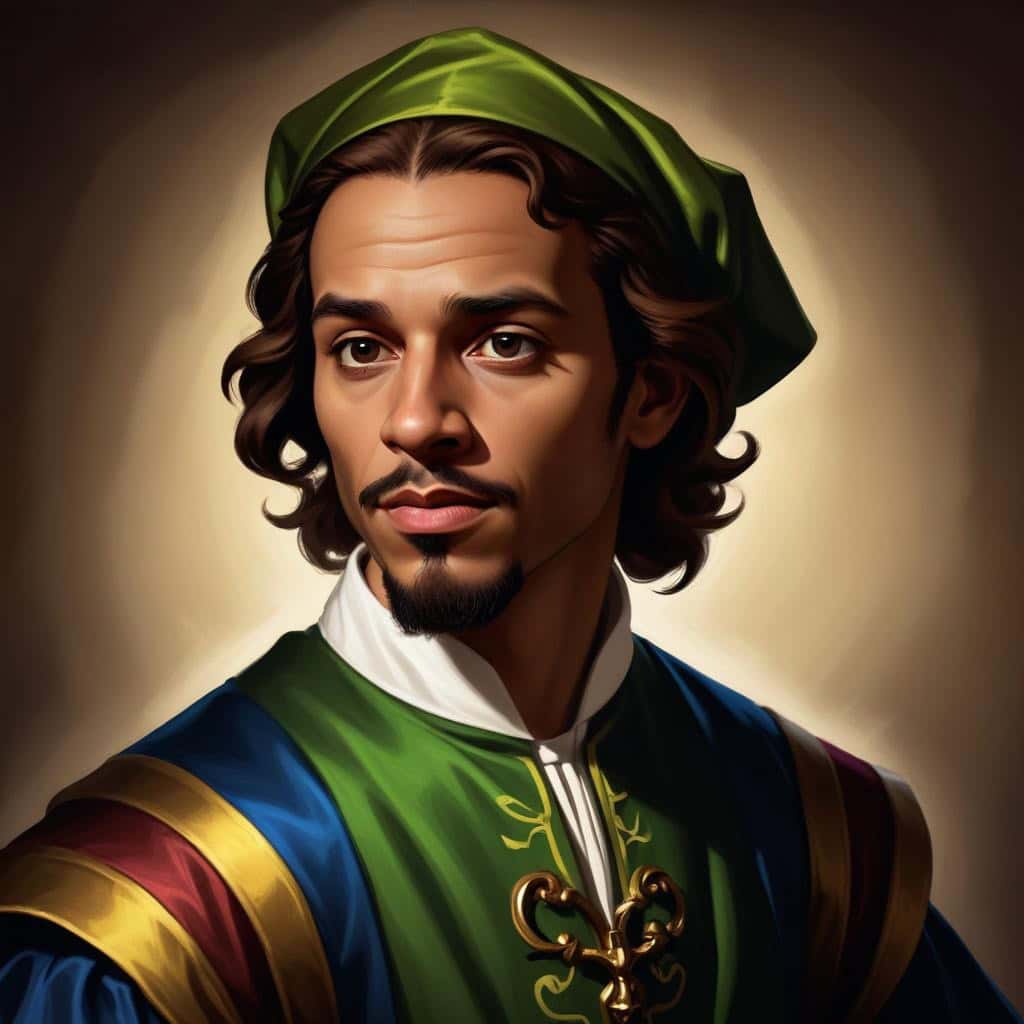
Lucio
A witty and humorous friend of Claudio who provides comic relief.
-

Escalus
An upright and fair-minded official in Vienna.
-

Mariana
Angelo's ex-fiancée who is used to trick him.
-

Pompey
A bawdy and comical character who runs a brothel in Vienna.
-
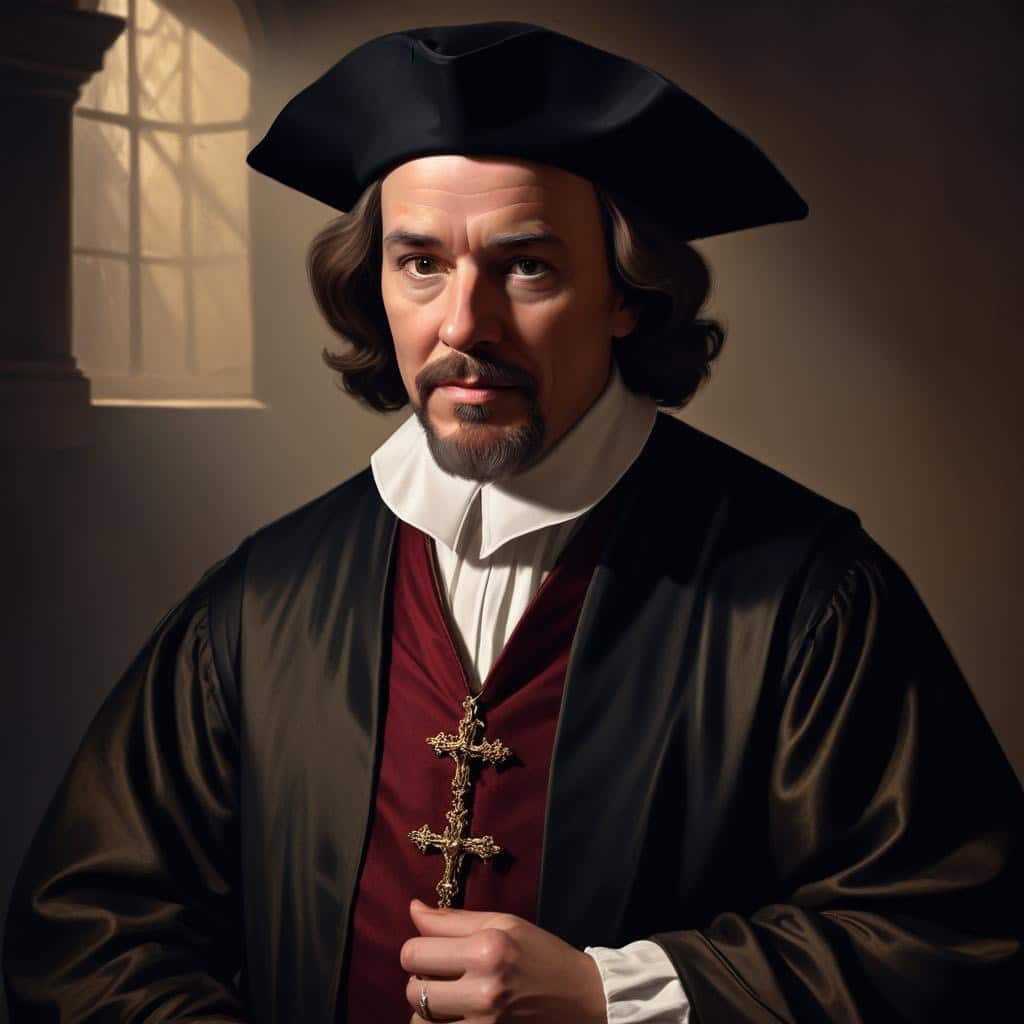
Provost
The officer in charge of the prison where Claudio is held.
Timeline of Measure for Measure
The Duke of Vienna decides to leave the city and appoints Angelo as his deputy.
Claudio is arrested and sentenced to death for impregnating his fiancée Juliet out of wedlock.
Claudio's sister, Isabella, who is about to become a nun, pleads with Angelo to spare her brother's life.
Angelo propositions Isabella, offering to release Claudio if she sleeps with him.
Isabella consults with Claudio about Angelo's proposition and they decide to reveal his corruption to the Duke.
The disguised Duke returns to Vienna as a friar and overhears conversations about Angelo's misconduct.
The Duke, disguised as the friar, advises Isabella to agree to Angelo's proposition but send Mariana in her place.
Mariana agrees to the plan and sleeps with Angelo, while Isabella collects evidence of his corruption.
The Duke, still disguised, arranges for Claudio's execution to be faked and replaces his head with that of a dead pirate.
The Duke reveals his true identity to Angelo and forces him to marry Mariana as punishment for his actions.
The Duke confronts Isabella with the evidence against Angelo and asks her to marry him, but she refuses.
The Duke publicly exposes Angelo's corruption and pardons Claudio.
The Duke proposes to Isabella again, and this time she accepts.
The play ends with the Duke announcing his intention to reform the city's laws and enforce justice.
Vocabulary List
- Measure
- A plan or course of action taken to achieve a particular purpose
- Forbear
- Refrain from doing or using something
- Virtuous
- Having or showing high moral standards
- Vice
- Immoral or wicked behavior
- Pardon
- The action of forgiving or being forgiven for an error or offense
- Corruption
- Dishonest or fraudulent conduct by those in power
- Chastity
- The state or practice of refraining from extramarital, or all, sexual intercourse
- Deception
- The action of deceiving someone
- Justice
- Fair behavior or treatment
- Hypocrisy
- The practice of claiming to have moral standards or beliefs to which one's own behavior does not conform
- Temptation
- The desire to do something, especially something wrong or unwise
- Perjury
- The offense of willfully telling an untruth in a court after having taken an oath or affirmation
- Pilgrimage
- A journey, especially a long one, made to some sacred place as an act of religious devotion
- Execution
- The carrying out or putting into effect of a plan, order, or course of action
- Messenger
- A person who carries a message or is employed to carry messages
- Villain
- A character whose evil actions or motives are important to the plot
- Compassion
- Sympathetic pity and concern for the sufferings or misfortunes of others
- Reputation
- The beliefs or opinions that are generally held about someone or something
- Clamor
- A loud and confused noise, especially that of people shouting
- Condemn
- Express complete disapproval of, typically in public
- Purity
- Freedom from adulteration or contamination.
Key Facts
This is the information used in the fact matching game
- - Measure for Measure is a play written by William Shakespeare.
- - The play is believed to have been written in 1603 or 1604.
- - It is classified as a comedy, but contains elements of tragedy and dark themes.
- - Measure for Measure is set in Vienna, Austria.
- - The main plot revolves around the strict enforcement of long-dormant laws against sexual immorality.
- - The play explores themes of justice, mercy, and the abuse of power.
- - The Duke of Vienna decides to leave the city and appoints Angelo as his deputy, giving him full authority.
- - Angelo starts enforcing the laws with great severity, sentencing Claudio to death for impregnating his fiancée before marriage.
- - Claudio's sister, Isabella, who is about to become a nun, pleads for her brother's life.
- - Angelo offers to spare Claudio if Isabella sleeps with him, which she refuses.
- - The disguised Duke returns to Vienna and devises a plan to expose Angelo's corruption.
- - The Duke disguises himself as a friar and manipulates the events to bring about justice.
- - Isabella's faith and moral integrity are tested throughout the play.
- - There are several subplots involving other characters, including the humorous interactions between Pompey, a bawd, and various characters.
- - The play tackles themes of hypocrisy, moral ambiguity, and the complexity of human nature.
- - Measure for Measure explores the concept of mercy and the potential for redemption.
- - The ending of the play is open to interpretation, as some characters face punishment while others are left with unresolved situations.
- - The play was not widely performed during Shakespeare's lifetime.
- - It gained more popularity in the 19th and 20th centuries, with various adaptations and interpretations.
- - Measure for Measure continues to be studied and performed today, offering insights into the complexities of human behavior and the pursuit of justice.
Analysis & Significance
Impact on Literature
Shakespeare’s ‘Measure for Measure’ is a complex exploration of justice, morality, and power that continues to influence literature today. Its intricate plot and nuanced characters have inspired countless adaptations and interpretations in various forms of media.
Enduring Themes
The play’s themes of corruption, hypocrisy, and the struggle between mercy and justice remain relevant in modern society. The exploration of moral ambiguity and the consequences of power dynamics resonate with audiences across generations.
Cultural Significance Today
‘Measure for Measure’ has been adapted into numerous films, plays, and novels, showcasing its lasting impact on popular culture. Its examination of social issues and ethical dilemmas continues to provoke thought and discussion in today’s world, cementing its status as a timeless literary work.
Measure for Measure Games


Take Your Learning Offline
Want a convenient, print-ready study guide for this lesson? Become a Memory Wizards Pro member to unlock the downloadable " Memory Scrolls" for this topic and our entire library!
- ✓ Complete Vocabulary Lists
- ✓ Key Facts & Timelines
- ✓ Beautifully Formatted for Print & Mobile