
How Do You Learn Best?
Learn by Listening
Start with the 3-minute audio summary to get the key facts and narrative highlights quickly.
Learn by Reading
Immerse yourself in the 10-minute visual lesson for a comprehensive understanding of the topic.
Learn by Reviewing
Jump directly to the key facts, timeline, and vocabulary lists to build a solid foundation of details.
Learn by Doing
Challenge yourself! Jump straight into the interactive games to learn by trial, error, and discovery.
Audio Library
As one of our featured lessons, this topic includes premium audio guides.
Unlock the Wizard's Cram Session
This powerful audio study guide is a Pro-exclusive feature. Upgrade to Memory Wizards Pro to access this and all of our premium learning tools.
Upgrade to ProA Midsummer Night’s Dream in 10 Minutes
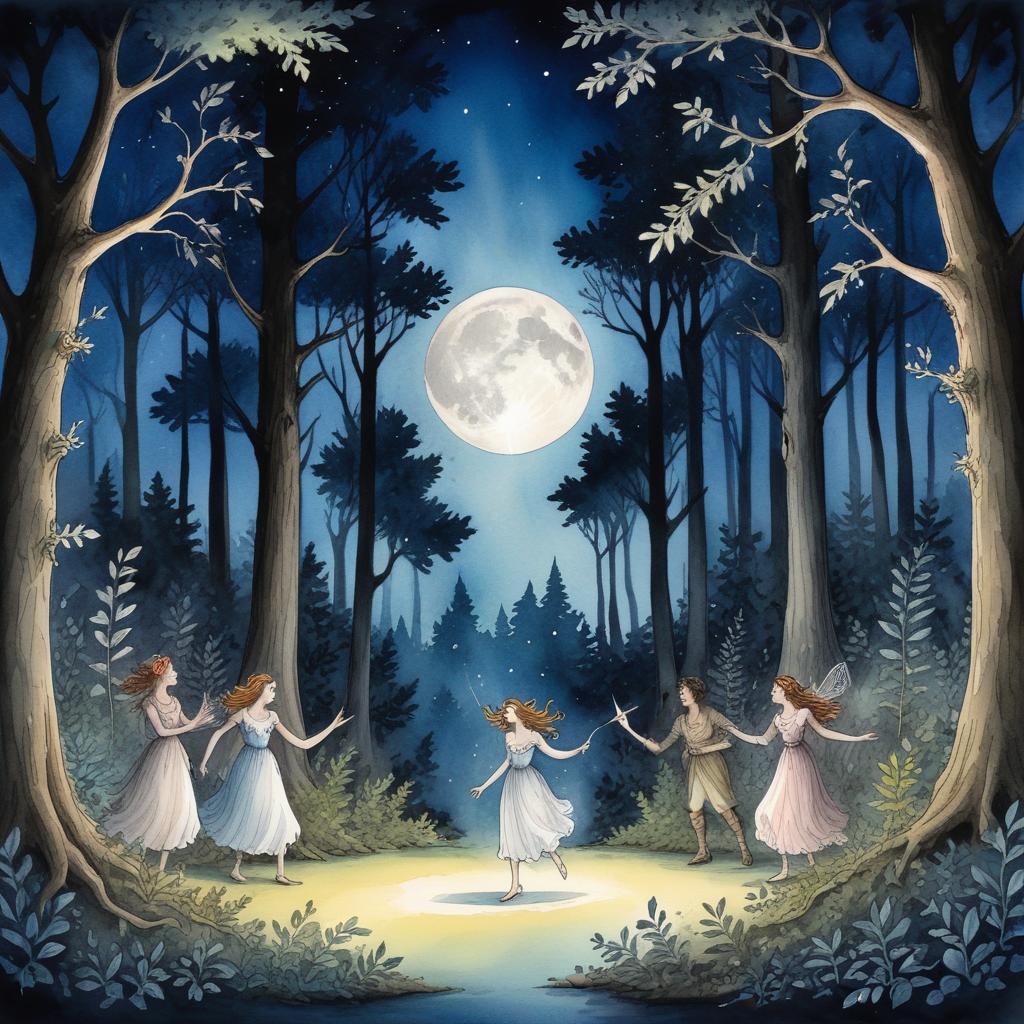
Introduction
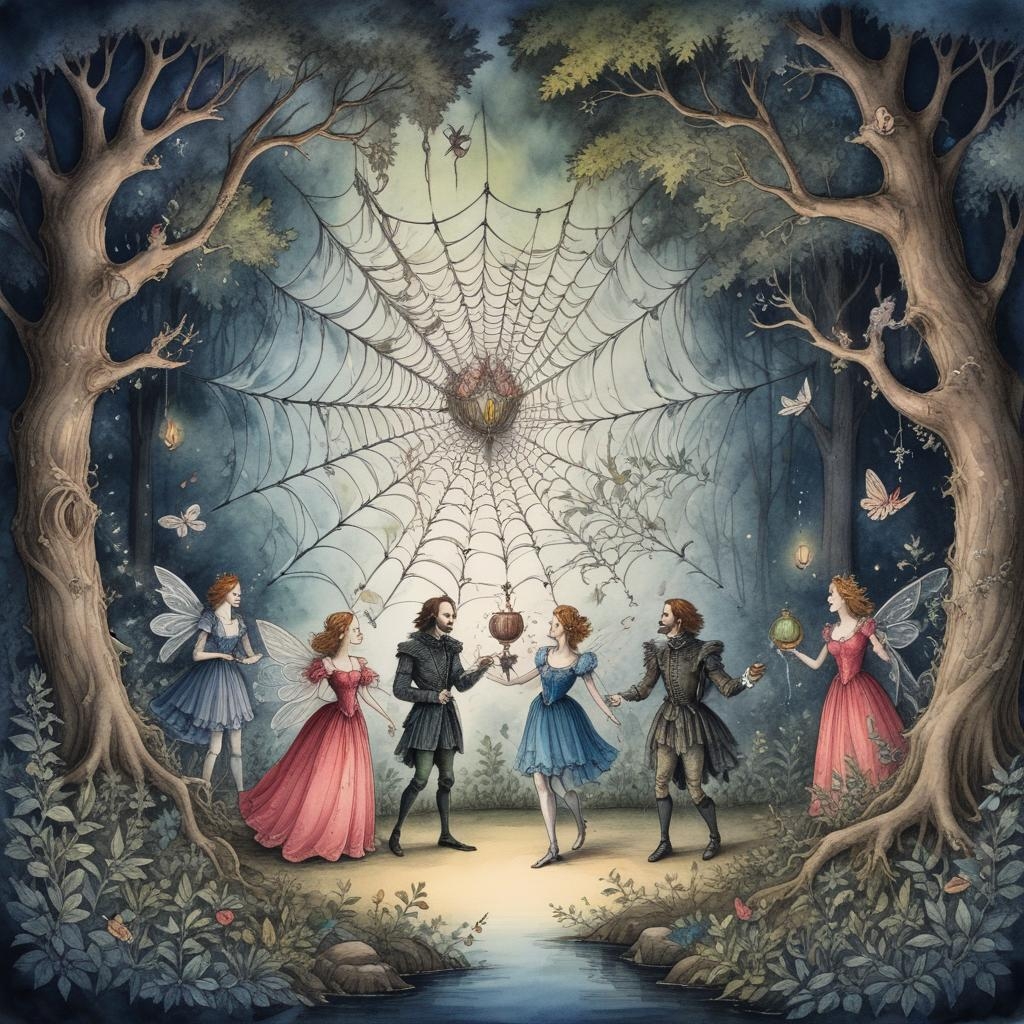
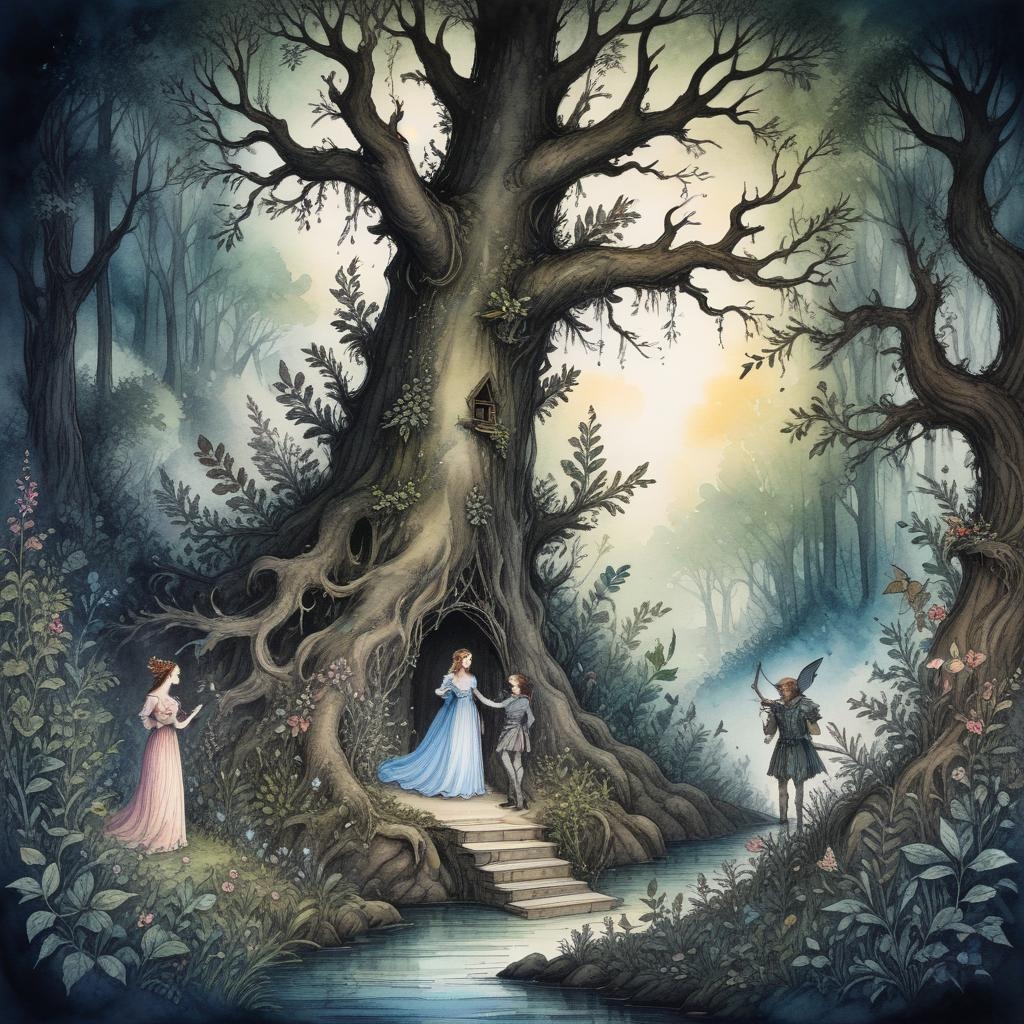

Theseus

Hippolyta

Hermia

Lysander
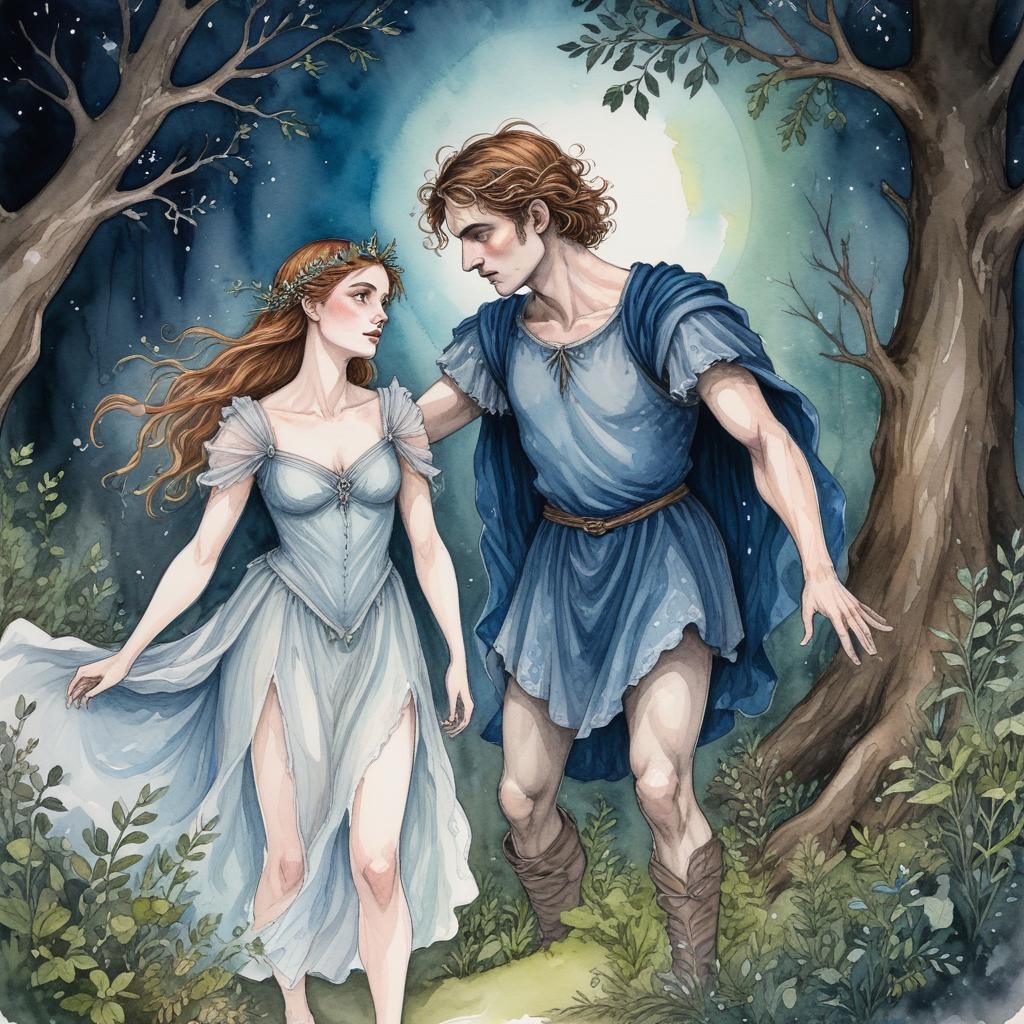
Demetrius

Helena

Oberon

Titania
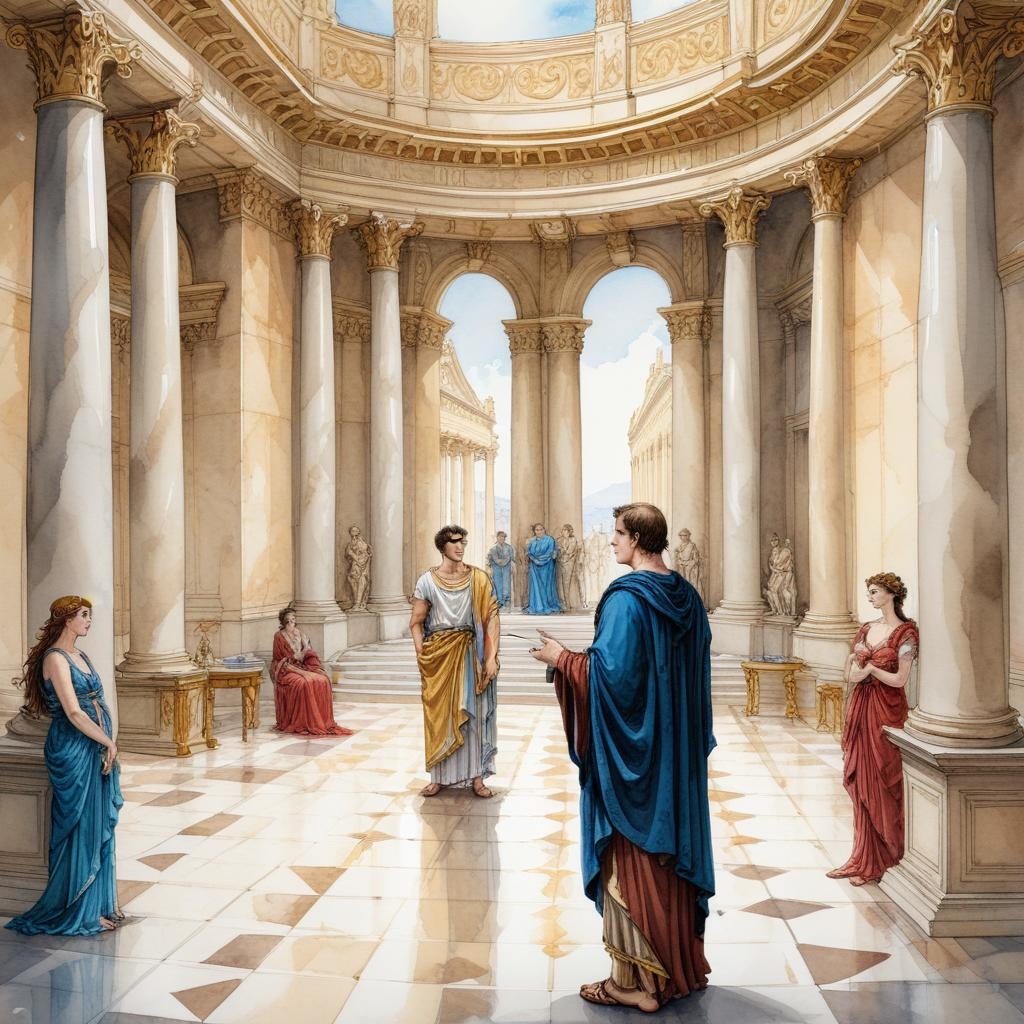
The Dukes Dilemma
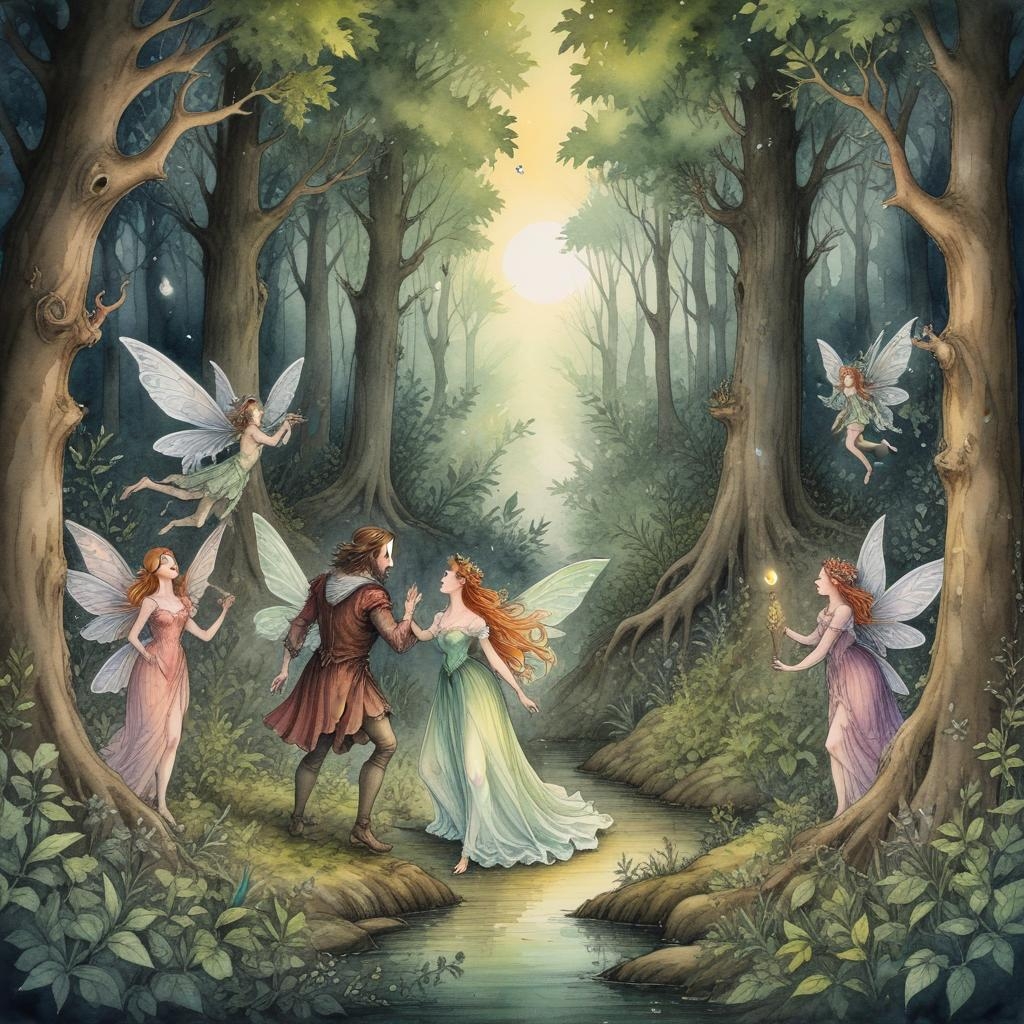
Love in the Woods
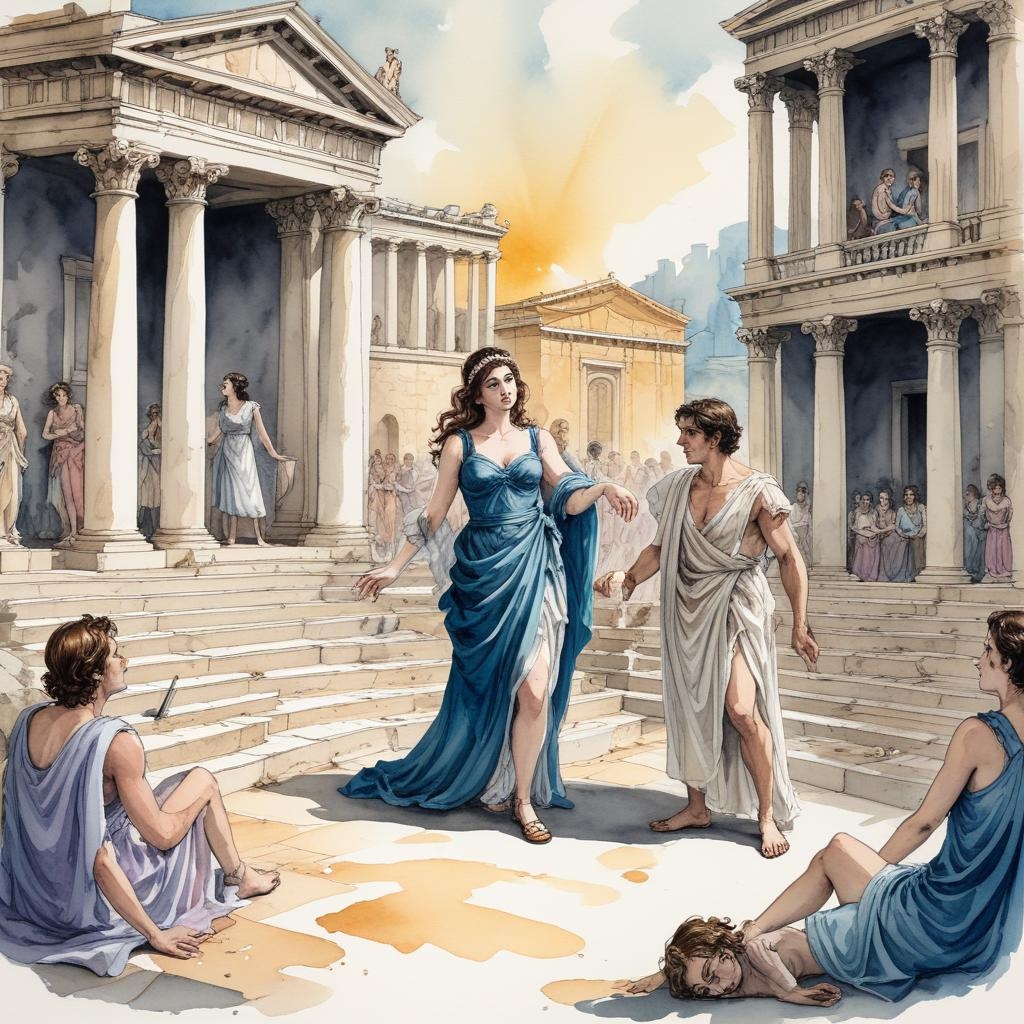
A Comedy of Errors
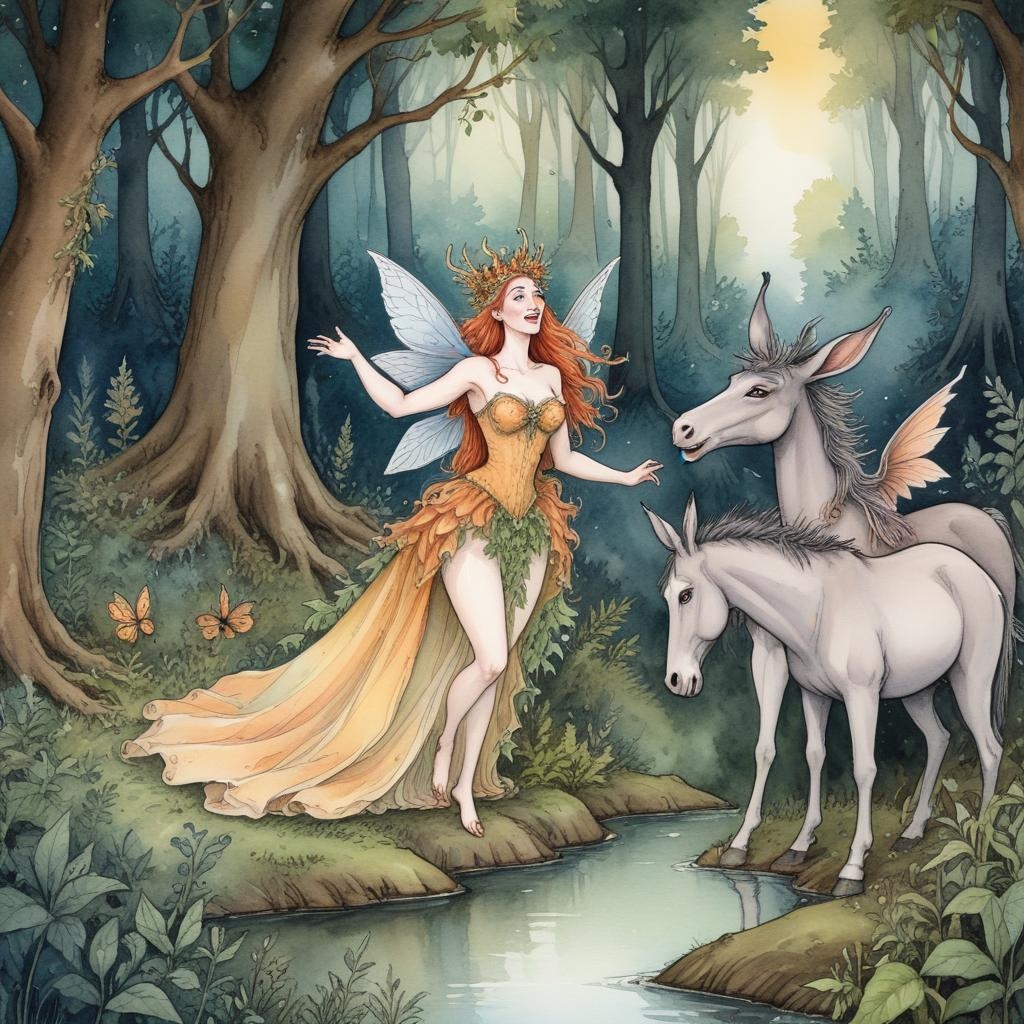
The Fairy Queens Trickery
Lesson Details & Resources
In a Nutshell
- What: A Midsummer Night's Dream by William Shakespeare
- When: Written in the Elizabethan era
- Who: Main characters: Hermia, Lysander, and Puck
- Theme: The complexities of love and the nature of reality vs. illusion
List of Characters in A Midsummer Night’s Dream
-
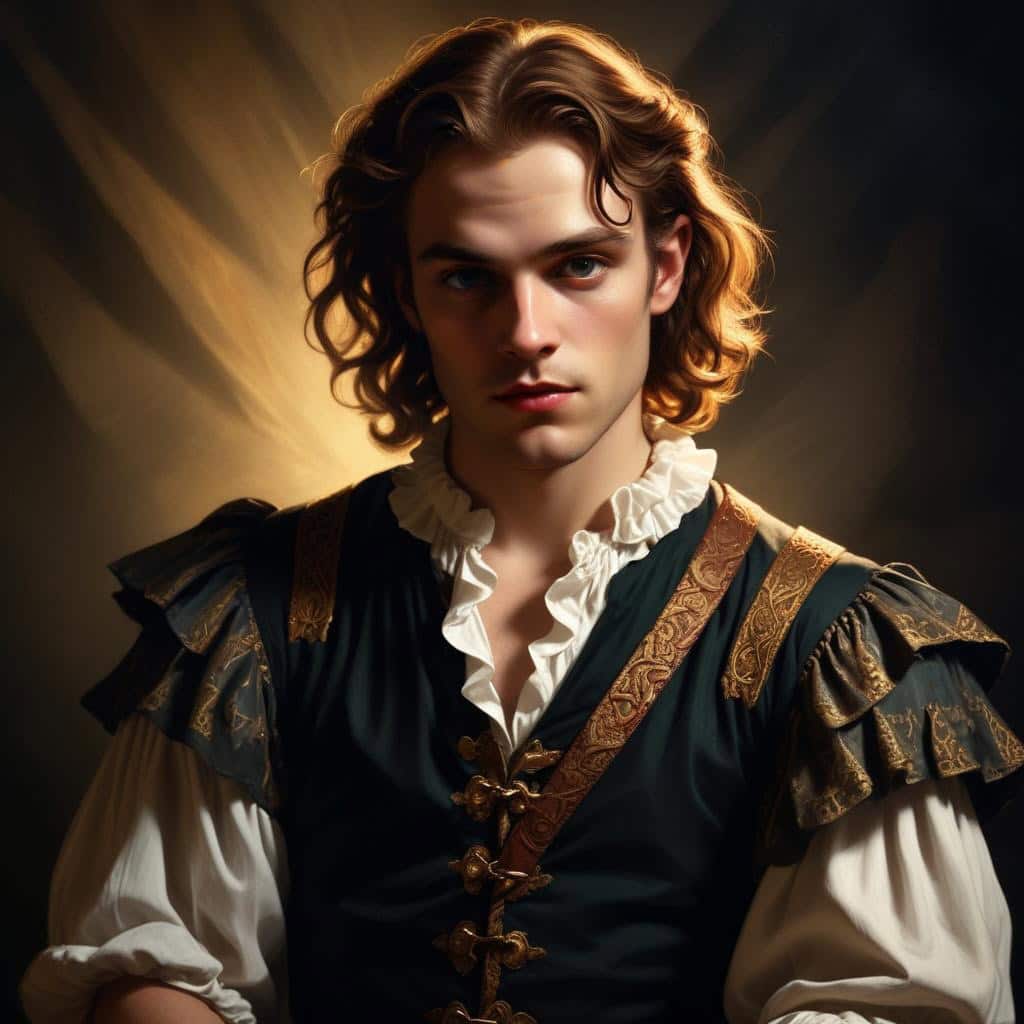
Lysander
Lysander: A young man in love with Hermia, who becomes tangled in a love quadrangle.
-
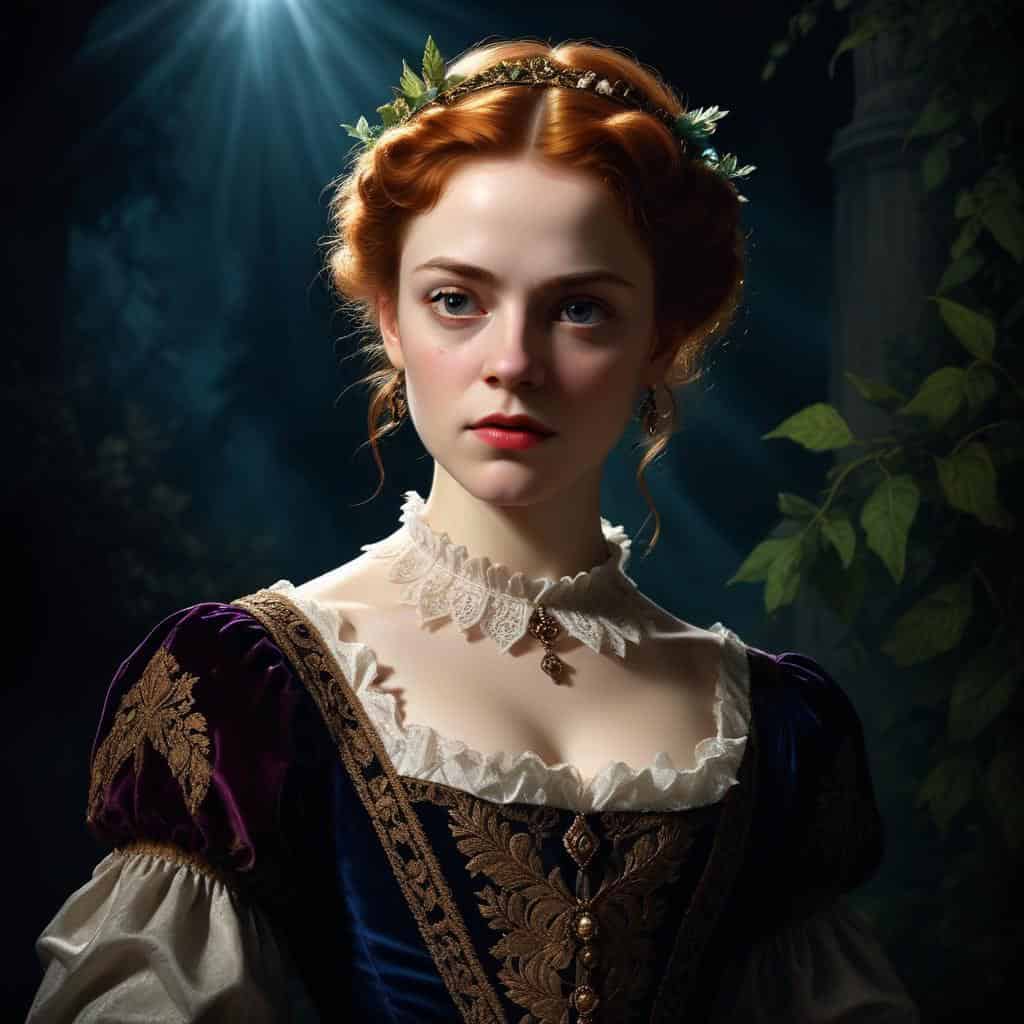
Hermia
Hermia: A young woman in love with Lysander, who faces pressure to marry someone else.
-
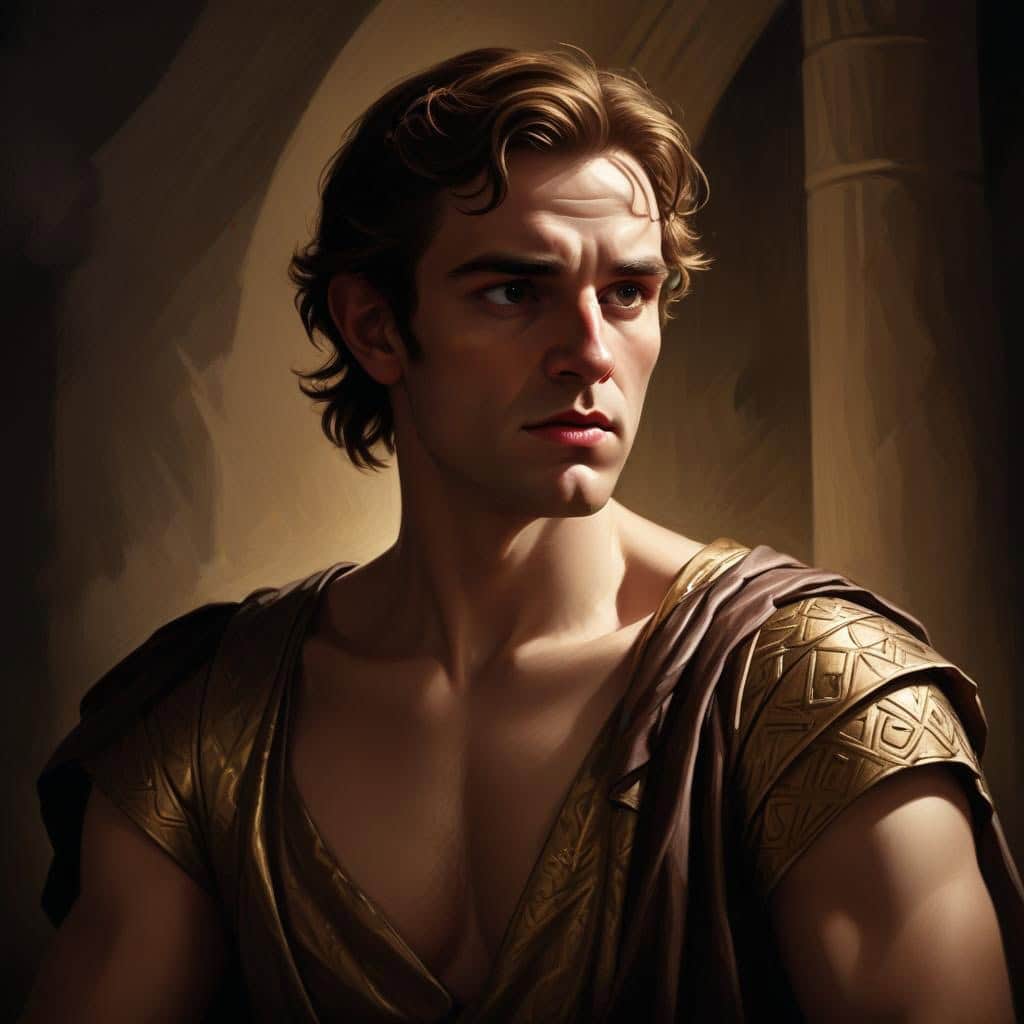
Demetrius
Demetrius: A young man initially in love with Hermia, but later becomes infatuated with Helena.
-
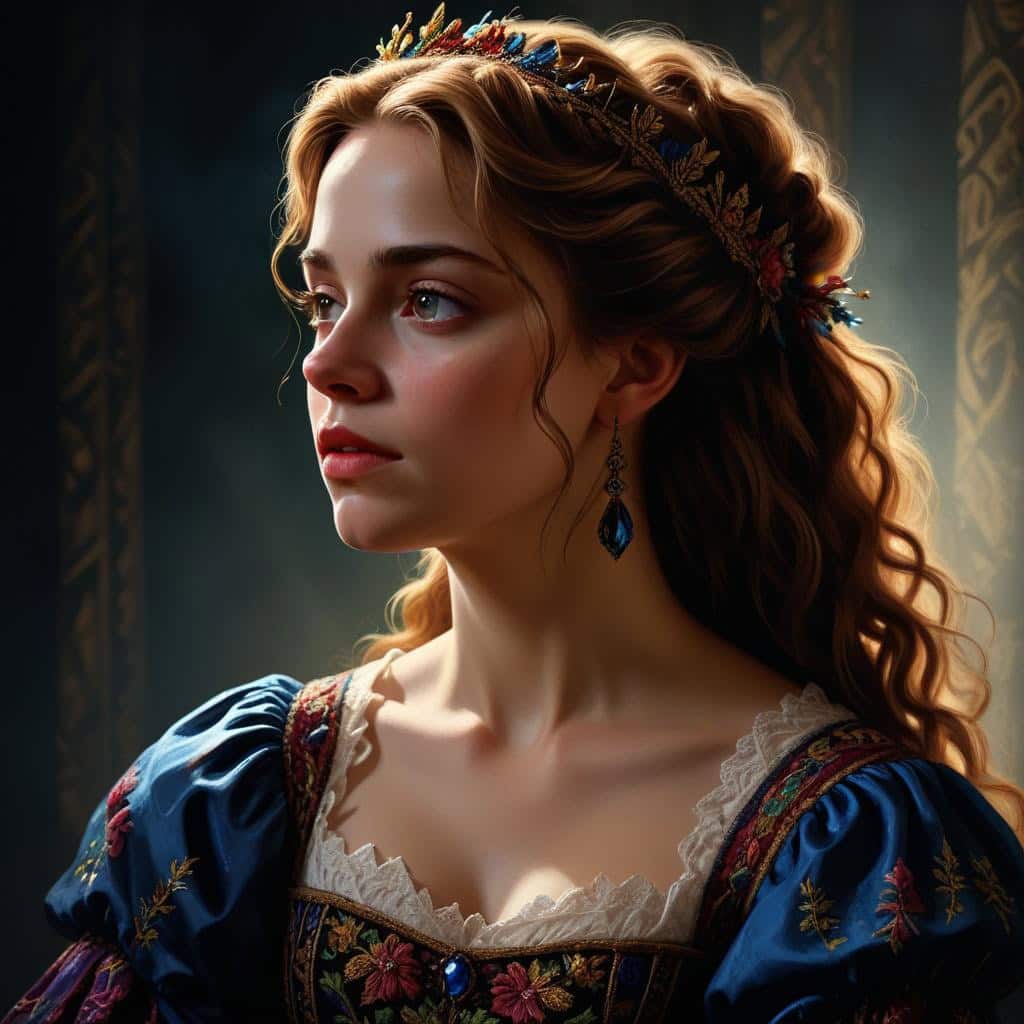
Helena
Helena: A young woman desperately in love with Demetrius, who is caught up in the love confusion.
-
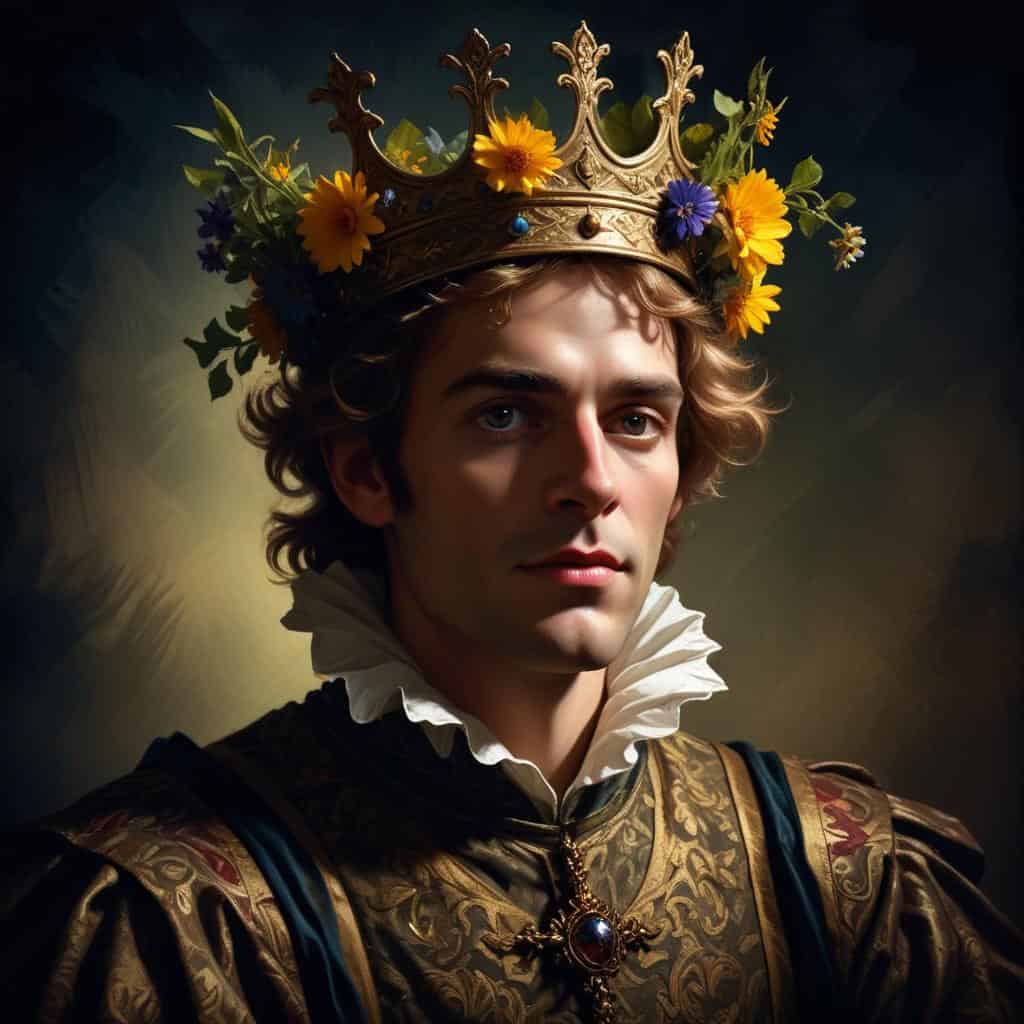
Oberon
Oberon: The king of the fairies, who causes mischief with his magical powers.
-
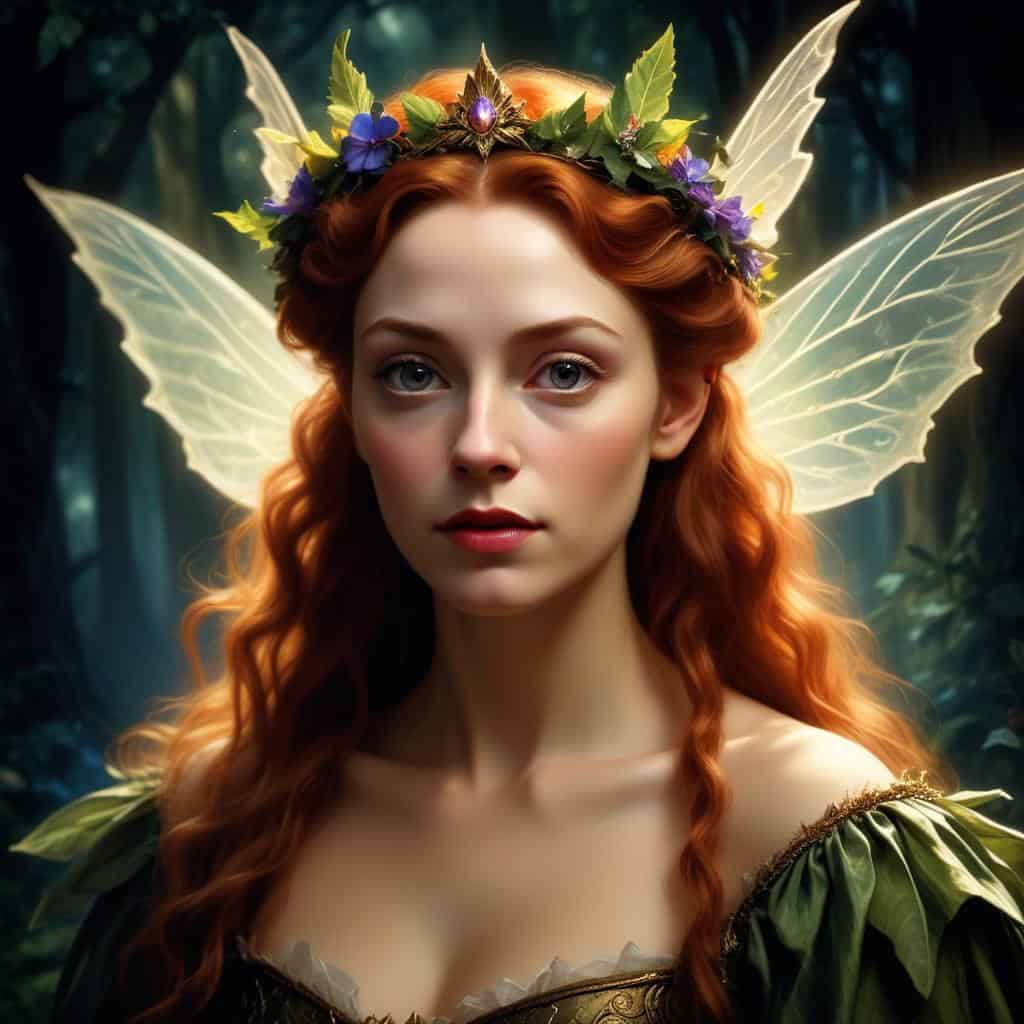
Titania
Titania: The queen of the fairies, who becomes entangled in a dispute with Oberon.
-
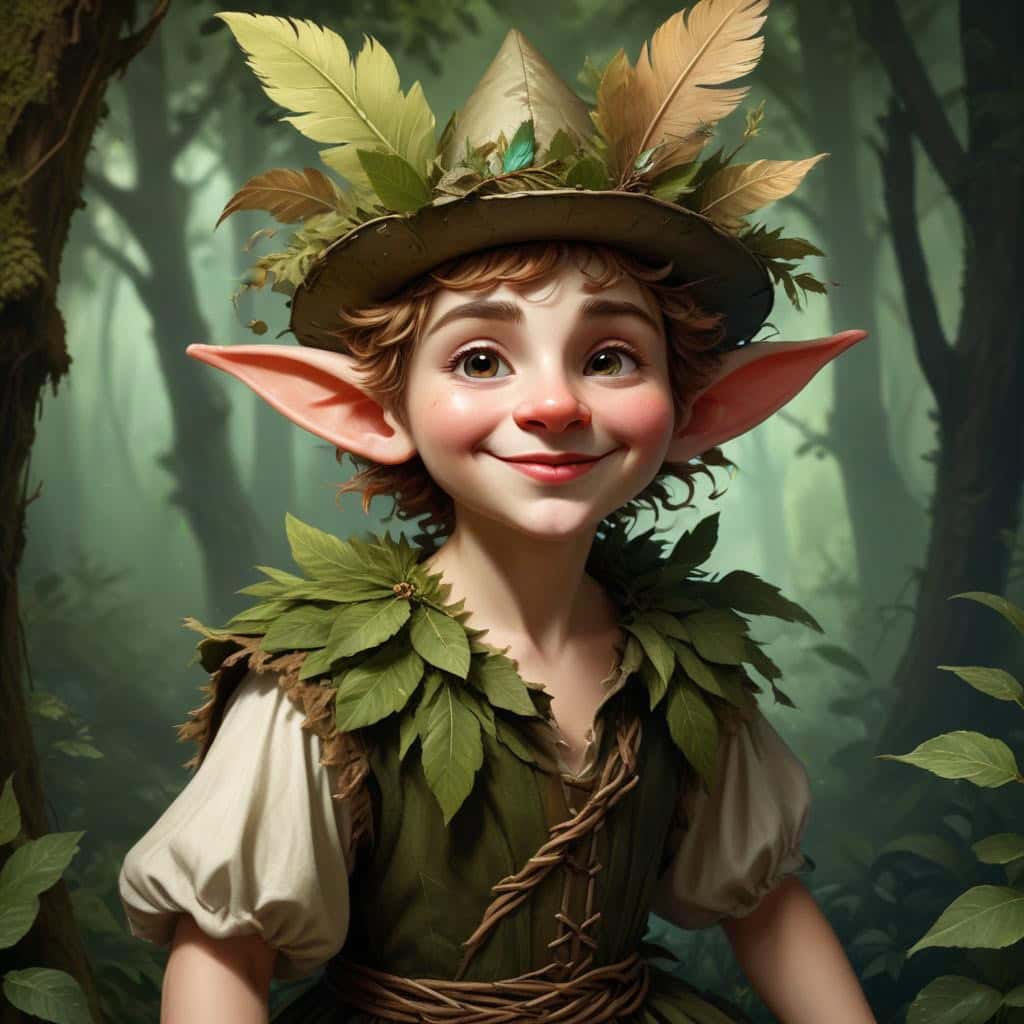
Puck
Puck: A mischievous fairy who serves Oberon and creates chaos with his magical pranks.
-
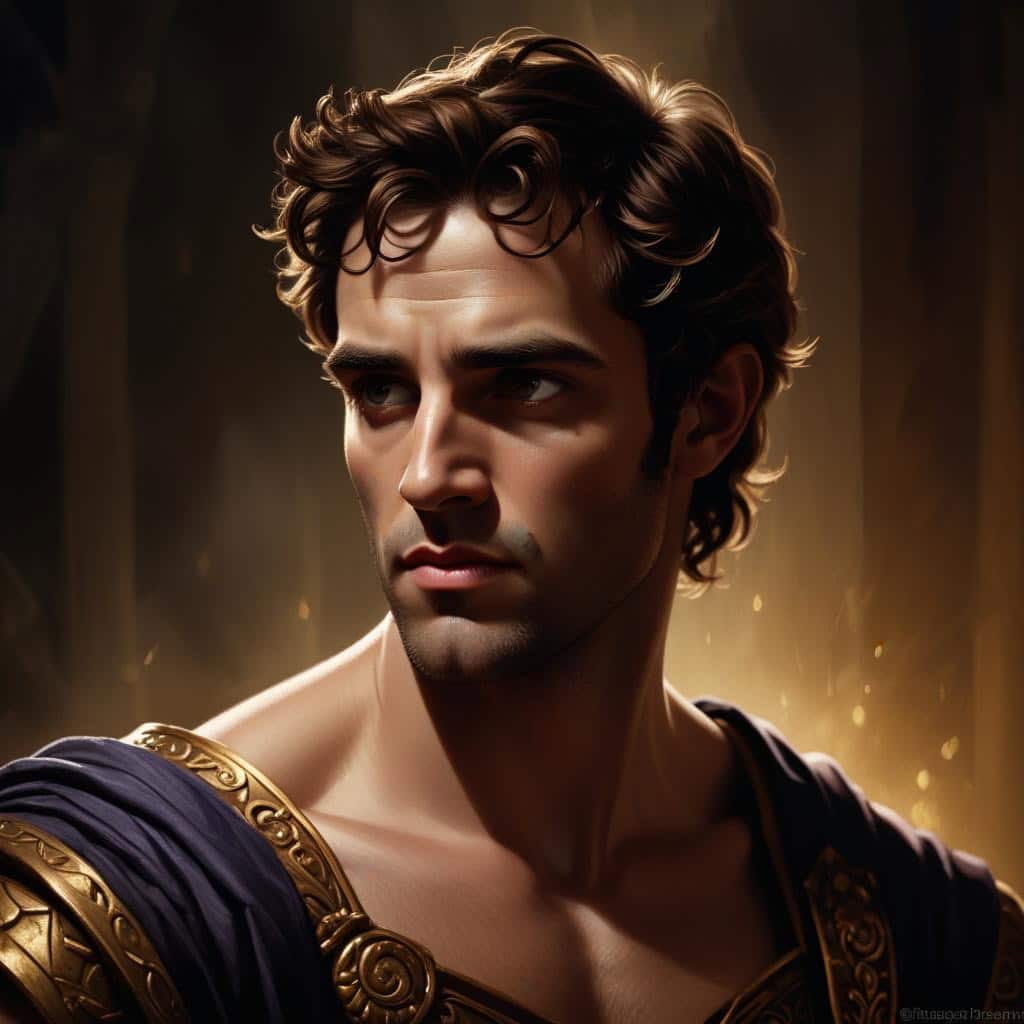
Theseus
Theseus: The Duke of Athens, who is preparing for his wedding to Hippolyta.
-
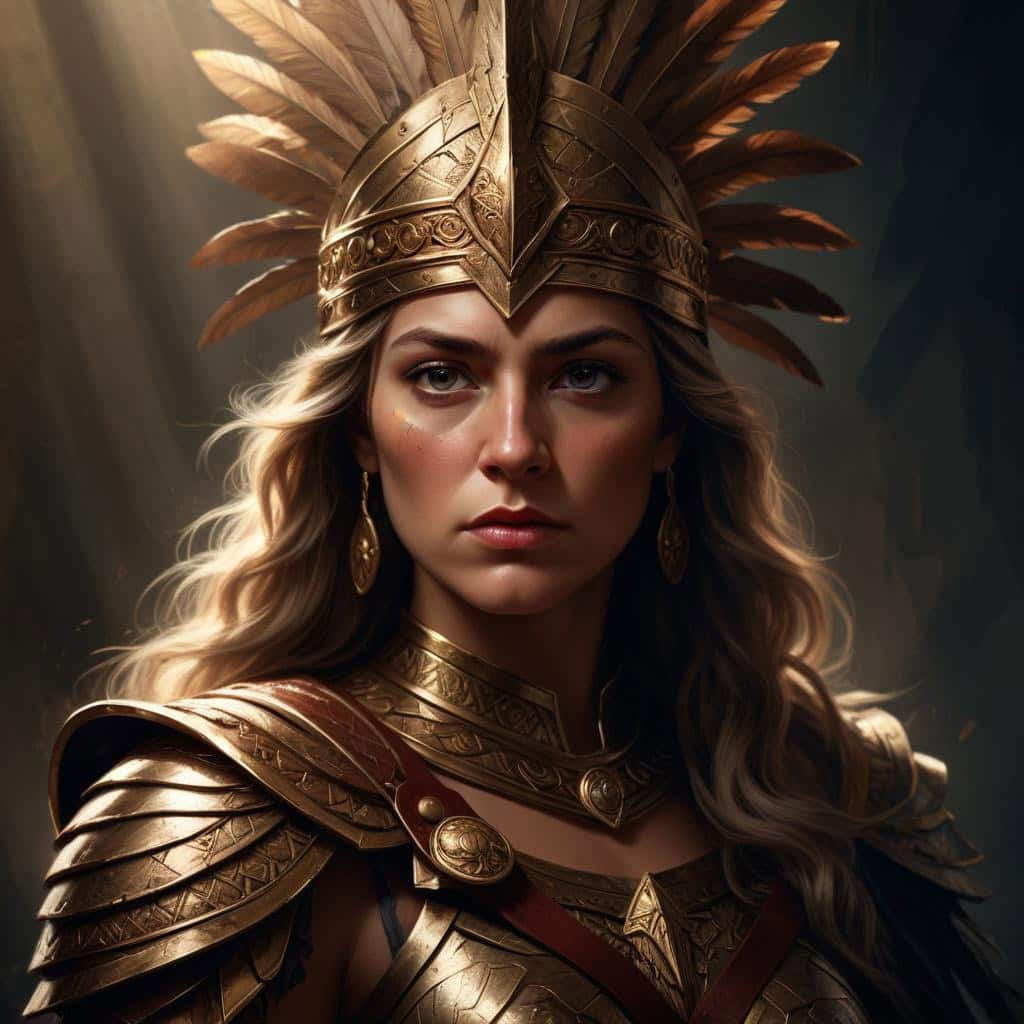
Hippolyta
Hippolyta: The Queen of the Amazons, who is engaged to Theseus.
-
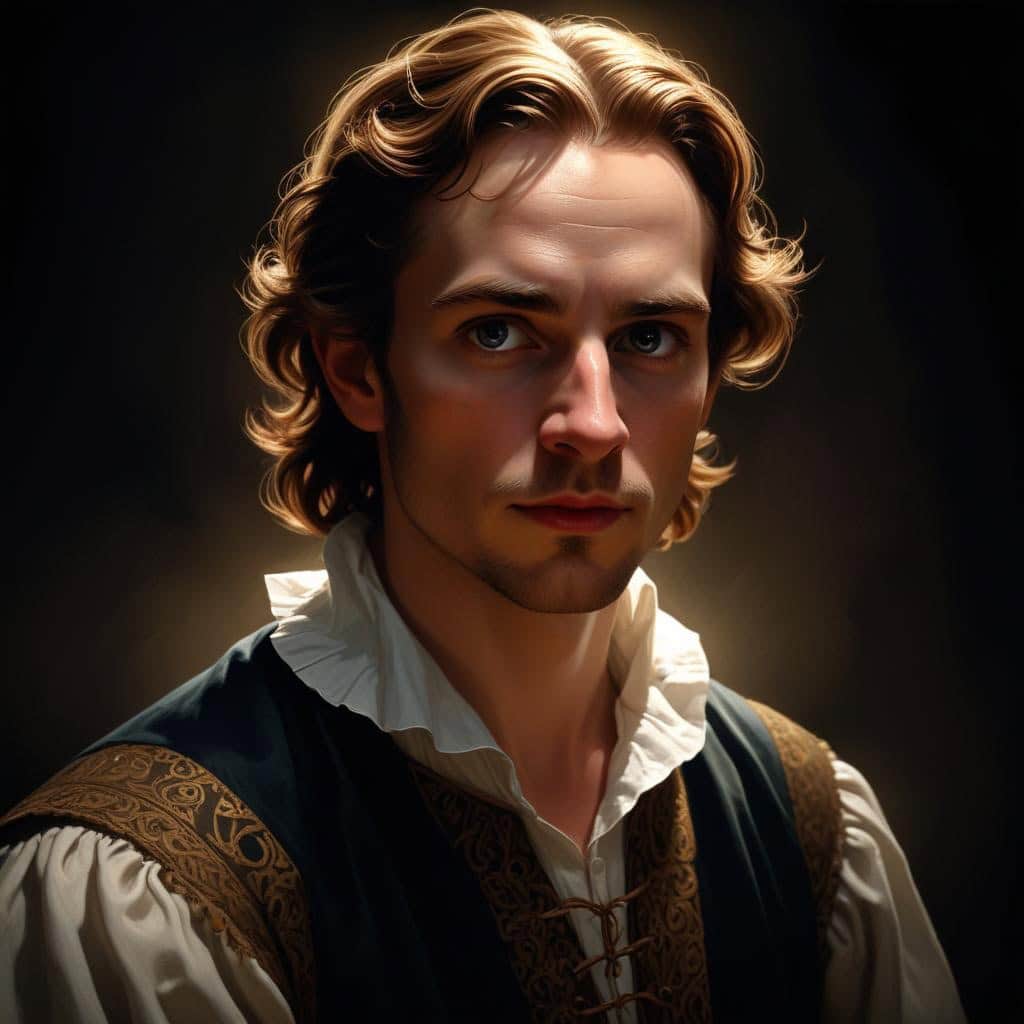
Bottom
Bottom: A weaver who gets transformed into a donkey and becomes the target of Titania's affections.
Timeline of A Midsummer Night’s Dream
The Duke of Athens, Theseus, plans his wedding to Hippolyta
Hermia's father, Egeus, demands that she marry Demetrius
Hermia refuses to obey her father's wishes and plans to elope with her true love, Lysander
Hermia confides in her friend, Helena, about her plans
Helena reveals Hermia's plan to Demetrius in hopes of gaining his favor
Lysander and Hermia meet in the woods to escape Athens
Helena follows them into the woods, hoping to win Demetrius' love
In the woods, Oberon, the king of the fairies, argues with his queen, Titania, over the custody of a young Indian boy
Oberon decides to use a love potion on Titania to make her fall in love with the first creature she sees upon waking up
Oberon orders his mischievous servant, Puck, to retrieve a magical flower that has the power to make anyone fall in love with the first person they see
Puck mistakenly applies the love potion to Lysander instead of Demetrius
Lysander wakes up and falls in love with Helena, who is still pursuing Demetrius
Demetrius, under the influence of the love potion, also falls in love with Helena, much to her surprise
Hermia, confused and hurt, believes both men are mocking her
Meanwhile, a group of amateur actors rehearses a play in the same woods where the lovers are entangled
Puck transforms one of the actors, Nick Bottom, into a donkey-headed creature as a prank
Titania, under the spell of the love potion, wakes up and falls in love with the transformed Bottom
The lovers' confusion and misunderstandings reach a peak as they argue and chase each other throughout the woods
Oberon realizes that Puck has made a mistake and orders him to fix it by applying the love potion to Demetrius as well
Puck corrects his mistake and all the lovers are finally paired up correctly: Hermia with Lysander and Helena with Demetrius
The Duke and Hippolyta, along with other nobles, stumble upon the lovers and their chaotic situation in the woods
The Duke decides to overrule Egeus' demand and allows Hermia to marry Lysander
The lovers, now united and no longer under the influence of the love potion, return to Athens to prepare for the Duke's wedding
The amateur actors perform their play, "The Most Lamentable Comedy and Most Cruel Death of Pyramus and Thisbe," at the Duke's wedding celebration
The play turns out to be hilariously bad, but everyone enjoys it nonetheless
The Duke and Hippolyta bless the happiness of the newly married couples and the fairies bless the palace and the people of Athens
The play concludes with Puck addressing the audience, asking for forgiveness if anything in the play offended, and bidding them farewell.
Vocabulary List
- Fairies
- Mythical creatures known for their magical abilities and mischief
- Enchanted
- Under a spell or magical influence
- Puck
- A mischievous fairy who serves as a trickster and messenger
- Mortal
- A human being, susceptible to death
- Fairy king
- The ruler of the fairies
- Forest
- A dense and wooded area, often associated with mystery and magic
- Love potion
- A magical concoction that causes those who consume it to fall in love with the first person they see
- Wedding
- A ceremony in which two people are united in marriage
- Comedy
- A genre of theater that aims to entertain and amuse the audience through humorous situations and light-hearted themes
- Dream
- A series of thoughts, images, and sensations that occur during sleep
- Illusion
- A deceptive appearance or impression
- Transform
- To change in form or appearance
- Trick
- A cunning or deceptive act intended to deceive or amuse
- Flower
- A plant with a colorful bloom, often associated with beauty and romance
- Spell
- A form of magic that is cast to achieve a particular effect or outcome
- Mischief
- Playful or harmless behavior that causes trouble or annoyance
- Disguise
- To change one's appearance or identity in order to deceive others
- Confusion
- A state of disorder or lack of clarity
- Fairy queen
- The ruler or queen of the fairies
- Magic
- The supernatural power or influence that is used to alter or control events or objects.
Key Facts
This is the information used in the fact matching game
- 1. A Midsummer Night's Dream is a play written by William Shakespeare.
- 2. It was first performed in 1595 or 1596.
- 3. The play is set in Athens, Greece, and the surrounding magical forest.
- 4. The story revolves around four young lovers and their adventures in the forest.
- 5. The characters include Hermia, Lysander, Helena, and Demetrius.
- 6. The play also features the mischievous fairy king and queen, Oberon and Titania.
- 7. Oberon and Titania's dispute over a young Indian boy causes chaos in the mortal world.
- 8. The character Puck, also known as Robin Goodfellow, serves as Oberon's mischievous servant.
- 9. Puck's meddling with a love potion leads to confusion and mistaken identities.
- 10. The play includes a group of amateur actors called the Mechanicals, who rehearse a play within the play.
- 11. The Mechanicals are led by the comedic character Bottom, who ends up with a donkey's head.
- 12. The play explores themes of love, magic, dreams, and the blurred lines between reality and fantasy.
- 13. It is considered one of Shakespeare's most popular and frequently performed comedies.
- 14. A Midsummer Night's Dream contains famous quotes such as "The course of true love never did run smooth" and "Lord, what fools these mortals be!"
- 15. The play is known for its use of mistaken identity and comedic misunderstandings.
- 16. It is believed to have been written for a wedding celebration.
- 17. The play's title refers to the magical atmosphere of a midsummer night, when fairy mischief is said to be at its peak.
- 18. A Midsummer Night's Dream has been adapted into various films, ballets, and operas.
- 19. The play's language includes poetic verse, witty wordplay, and rhymed couplets.
- 20. A Midsummer Night's Dream is often performed outdoors, particularly during the summer months, to enhance the magical ambiance of the story.
Analysis & Significance
Impact on Literature
‘A Midsummer Night’s Dream’ by William Shakespeare has had a profound influence on literature, particularly in the realm of romantic comedies and fantasy stories. Its complex plot structure, use of magical elements, and exploration of love and relationships have inspired countless authors and playwrights over the centuries.
Enduring Themes
The timeless themes of love, jealousy, mistaken identity, and the power of imagination explored in ‘A Midsummer Night’s Dream’ continue to resonate with modern audiences. The play’s examination of the complexities of human relationships and the blurred lines between reality and fantasy remain relevant and thought-provoking to this day.
Cultural Significance Today
Shakespeare’s ‘A Midsummer Night’s Dream’ continues to be celebrated and adapted in various forms of media, from stage productions to films to ballets. Its enduring popularity speaks to its universal themes and enduring appeal. The play’s influence can be seen in everything from literature to pop culture, solidifying its place as a cultural touchstone in today’s society.
A Midsummer Night’s Dream Games


Take Your Learning Offline
Want a convenient, print-ready study guide for this lesson? Become a Memory Wizards Pro member to unlock the downloadable " Memory Scrolls" for this topic and our entire library!
- ✓ Complete Vocabulary Lists
- ✓ Key Facts & Timelines
- ✓ Beautifully Formatted for Print & Mobile