
How Do You Learn Best?
Learn by Listening
Start with the 3-minute audio summary to get the key facts and narrative highlights quickly.
Learn by Reading
Immerse yourself in the 10-minute visual lesson for a comprehensive understanding of the topic.
Learn by Reviewing
Jump directly to the key facts, timeline, and vocabulary lists to build a solid foundation of details.
Learn by Doing
Challenge yourself! Jump straight into the interactive games to learn by trial, error, and discovery.
Audio Library
As one of our featured lessons, this topic includes premium audio guides.
Unlock the Wizard's Cram Session
This powerful audio study guide is a Pro-exclusive feature. Upgrade to Memory Wizards Pro to access this and all of our premium learning tools.
Upgrade to ProThe Man Who Would Be King in 10 Minutes
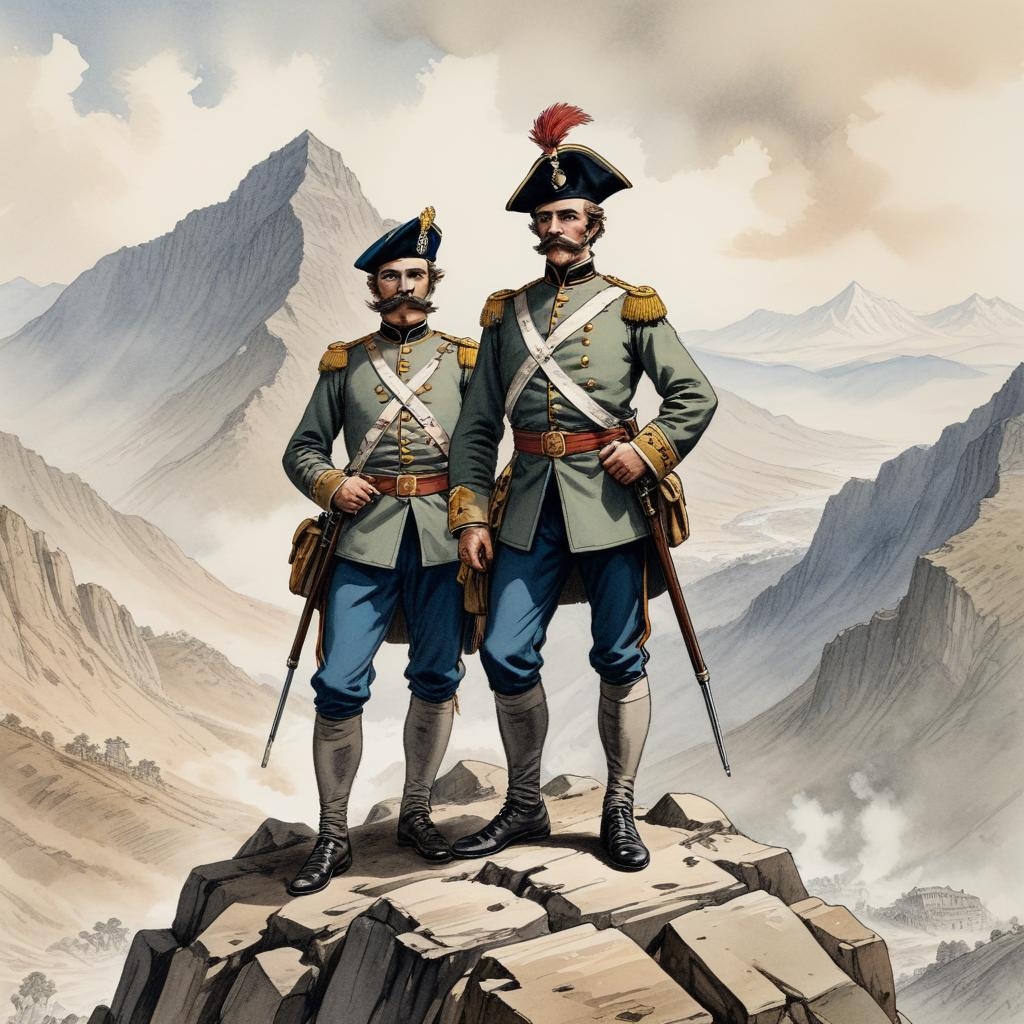
Introduction


Daniel Dravot

Peachey Carnehan

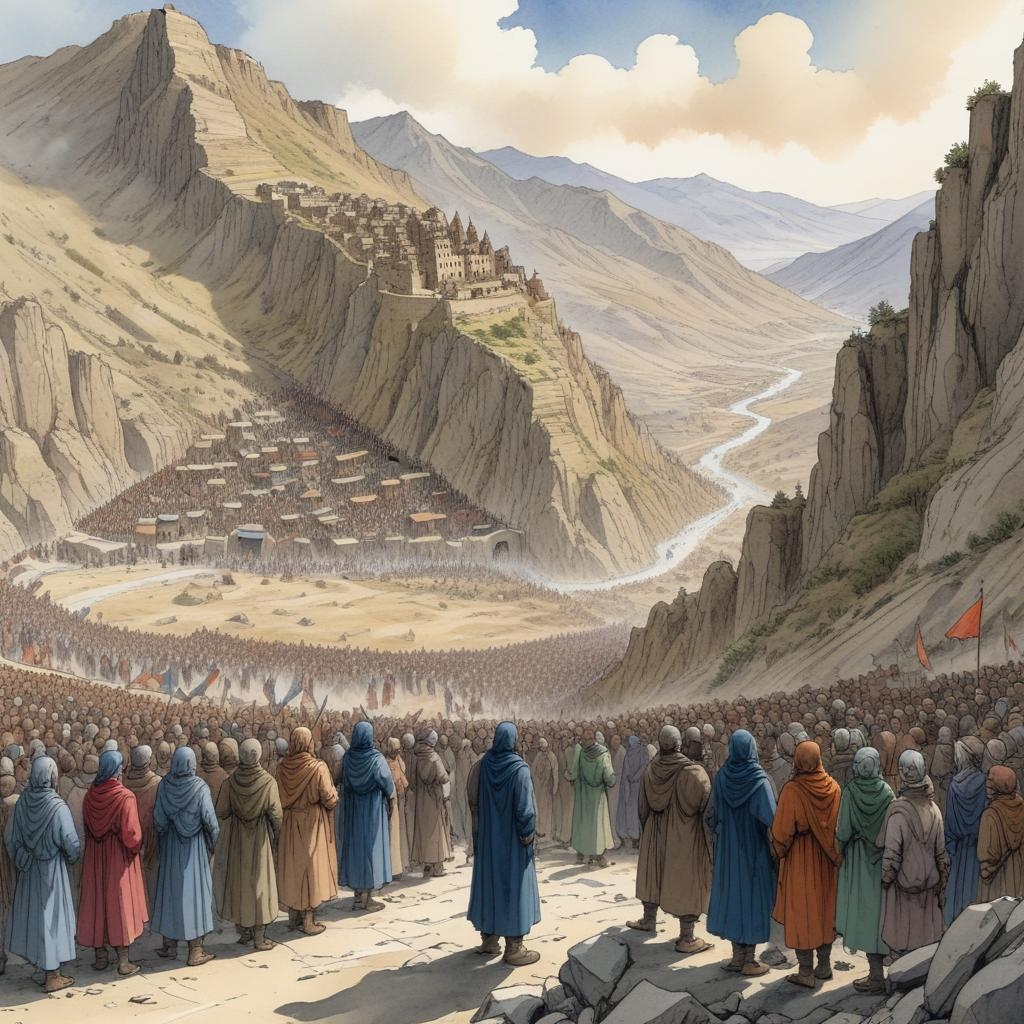
The people of Kafiristan

The Man Who Would Be King: A Brief Overview
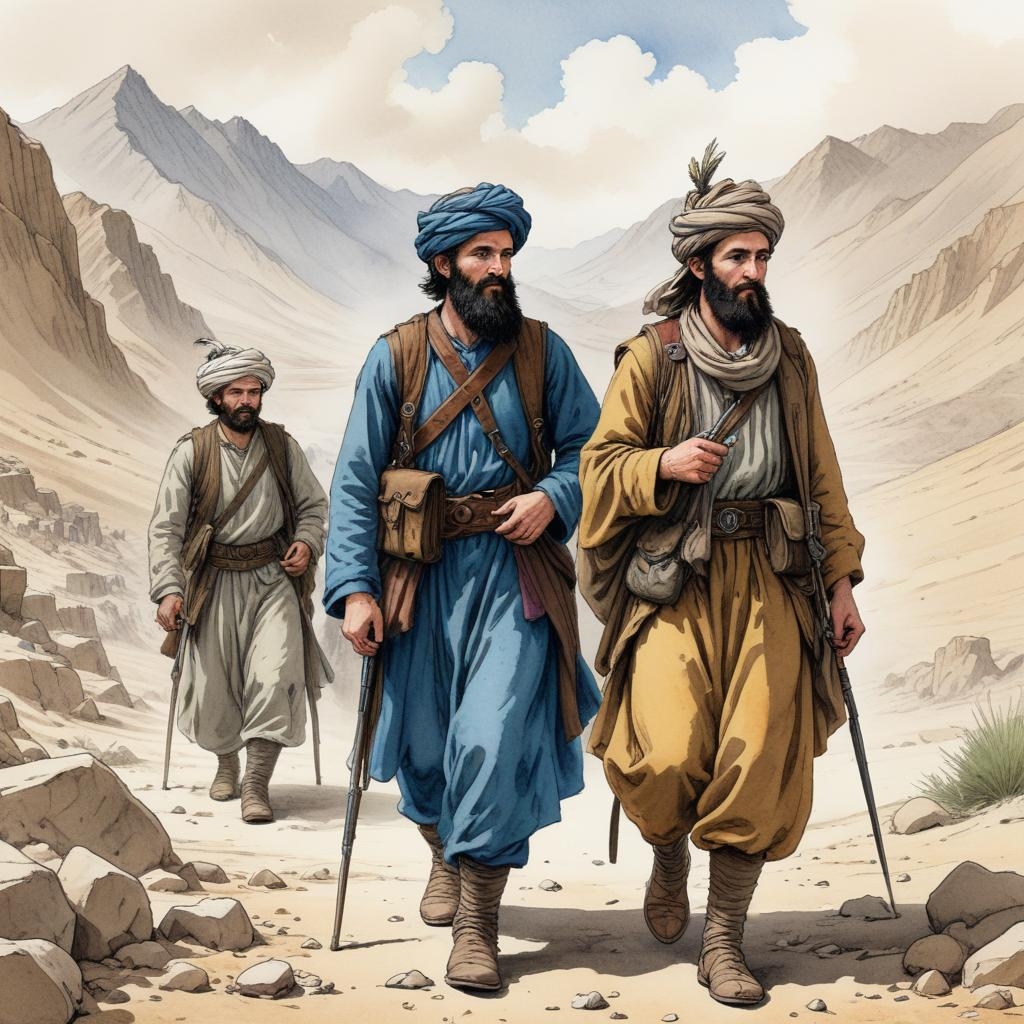
The Journey Begins
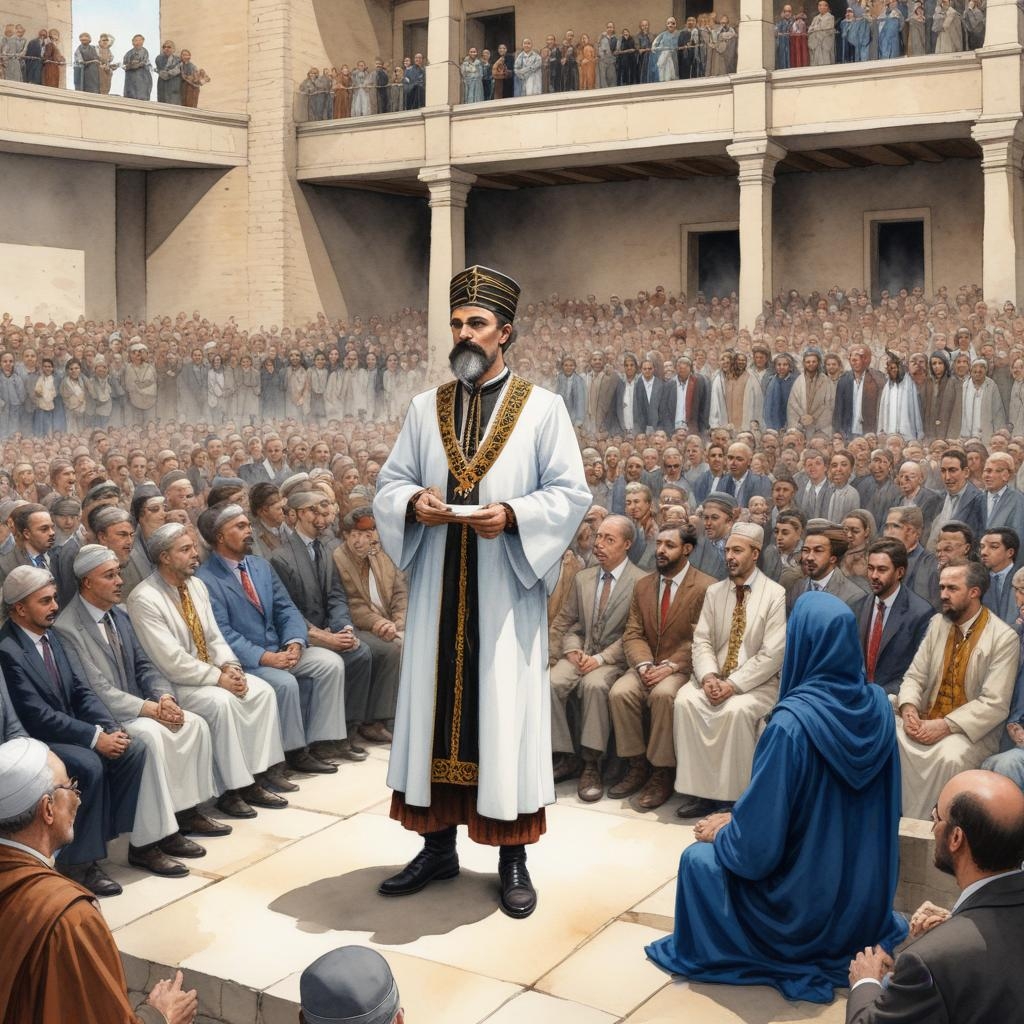
Winning Over the Locals
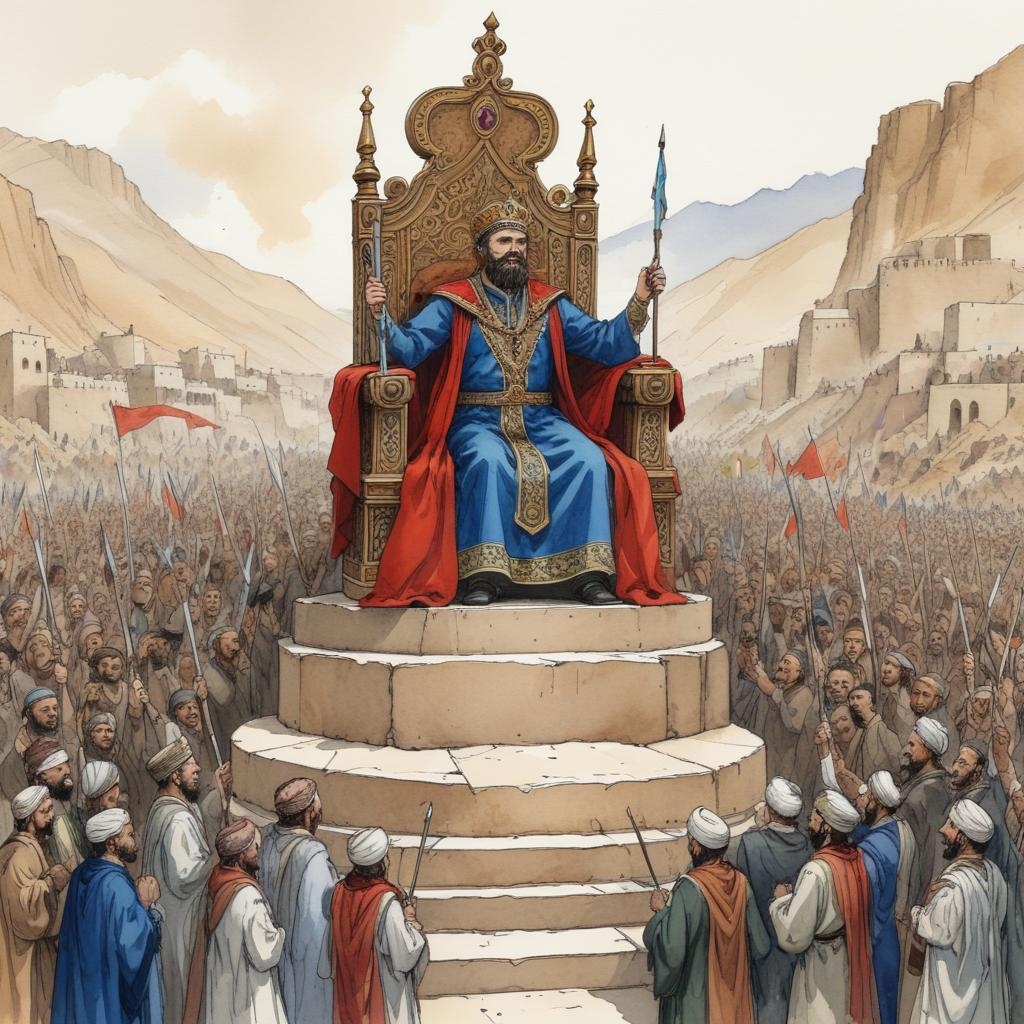
Proclaiming Themselves Kings
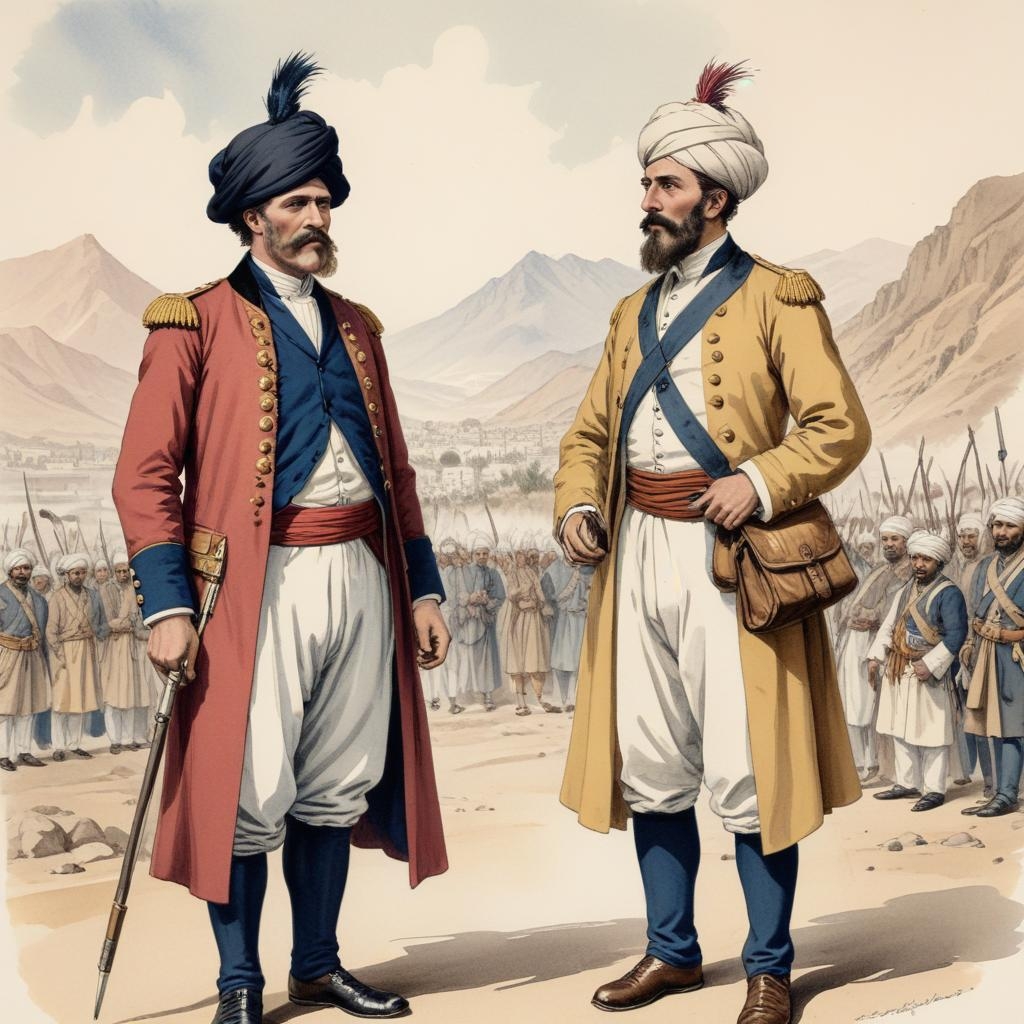
Building Their Kingdom

Discovering the Truth
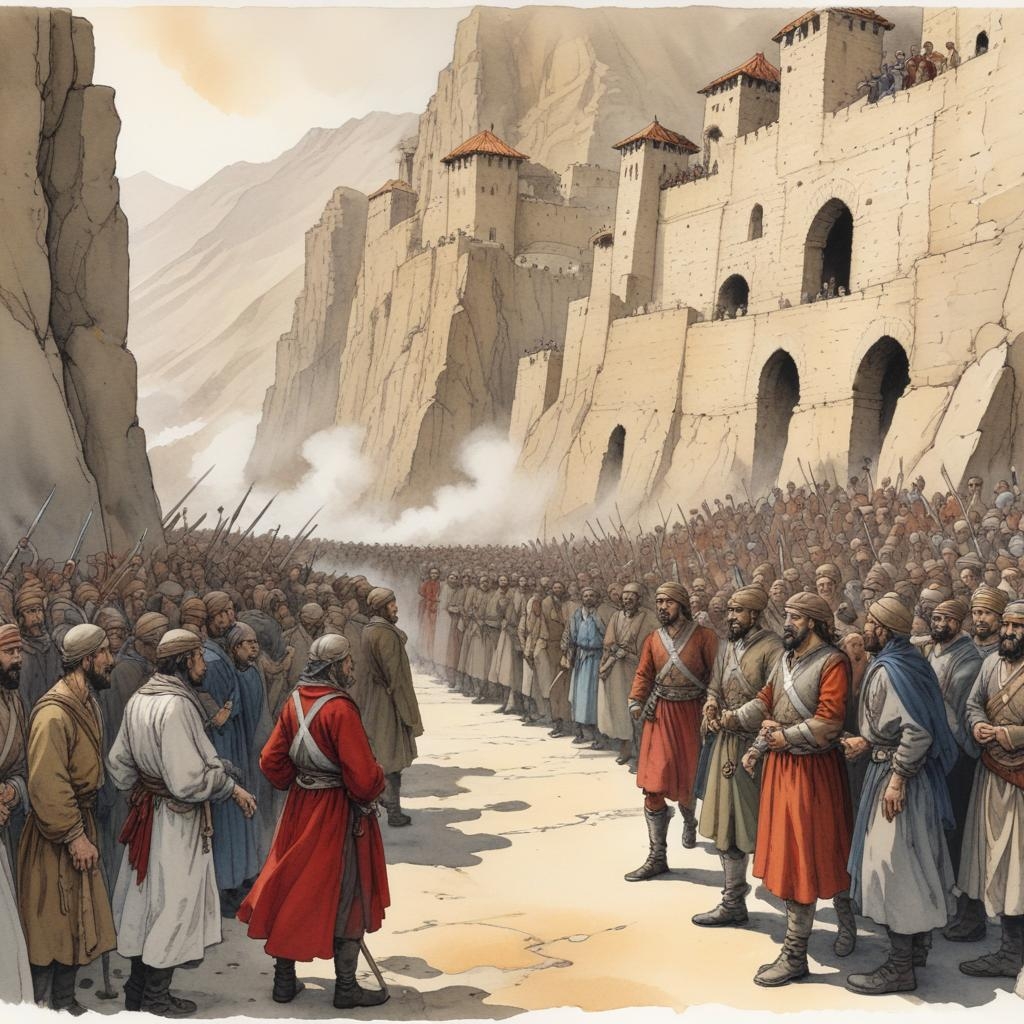
The Betrayal
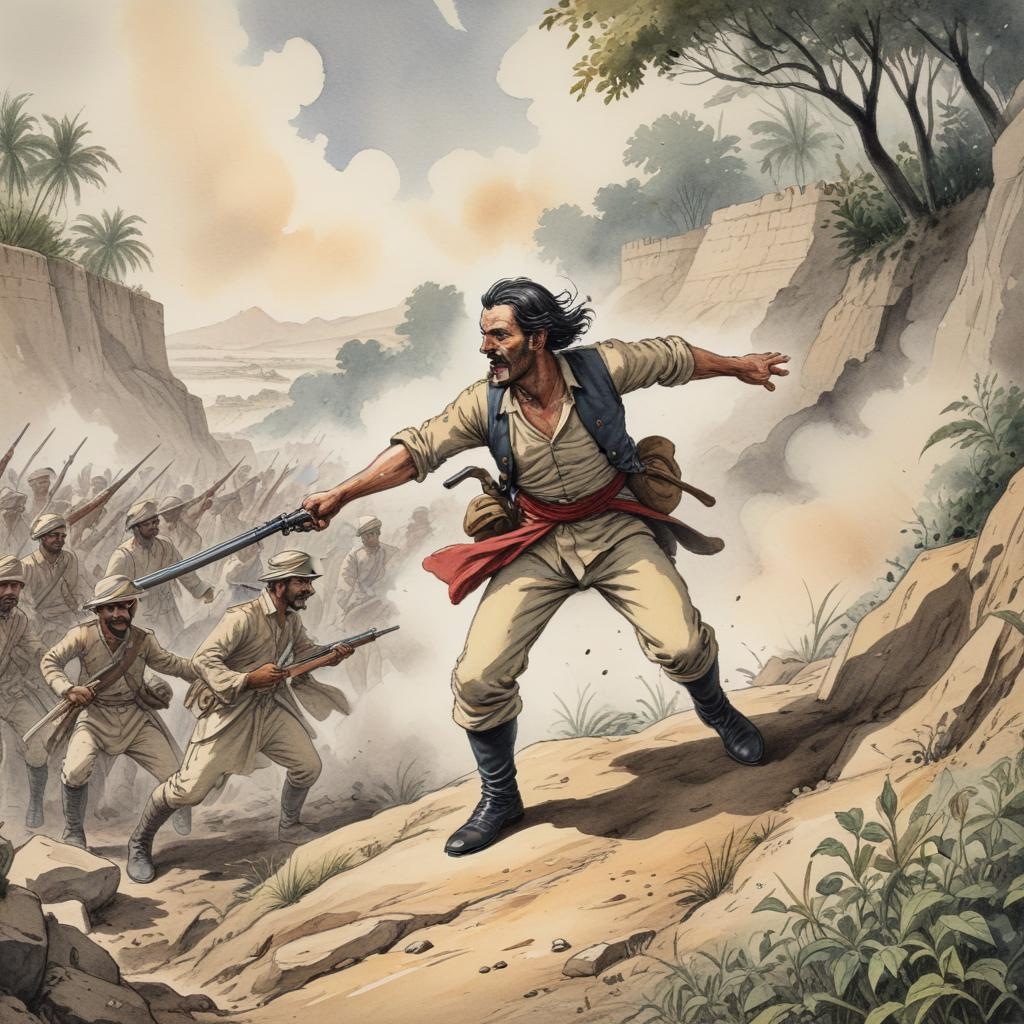
Carnehans Escape
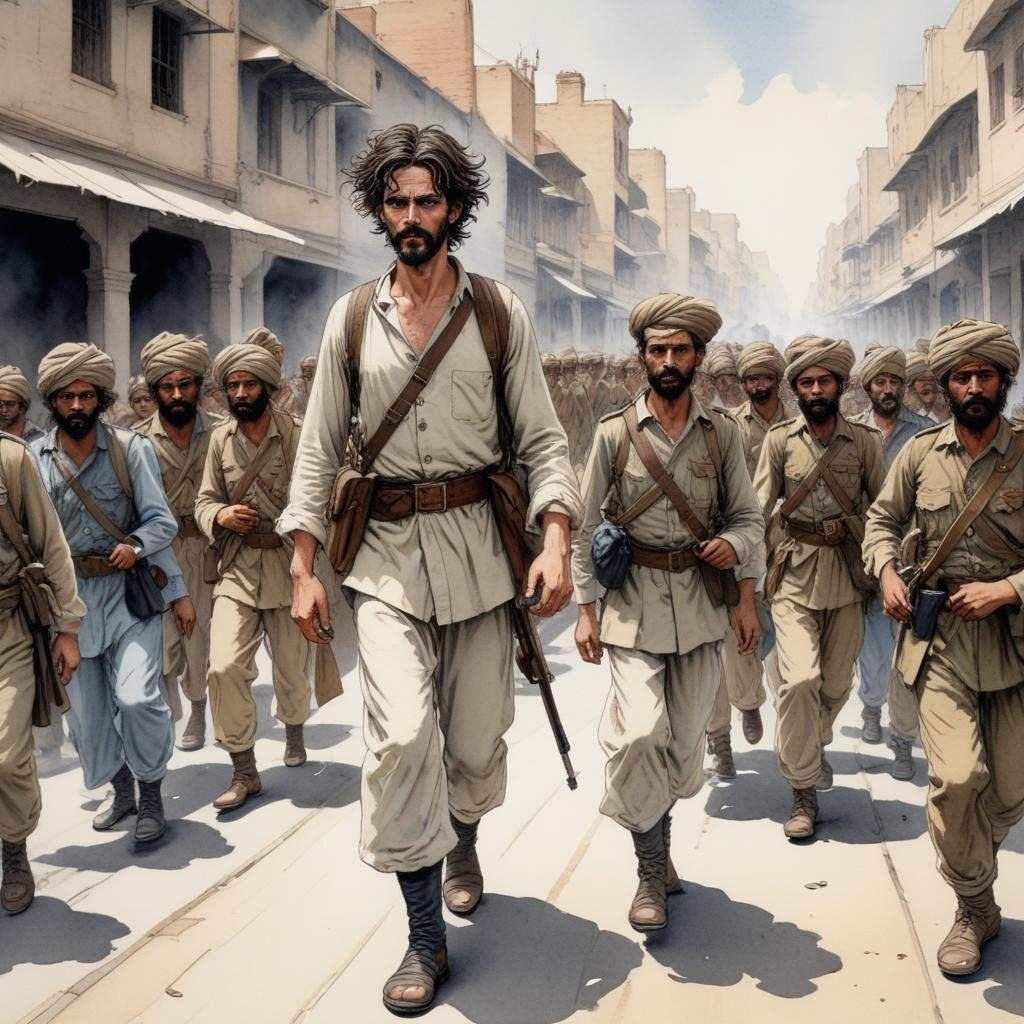
Return to Civilization
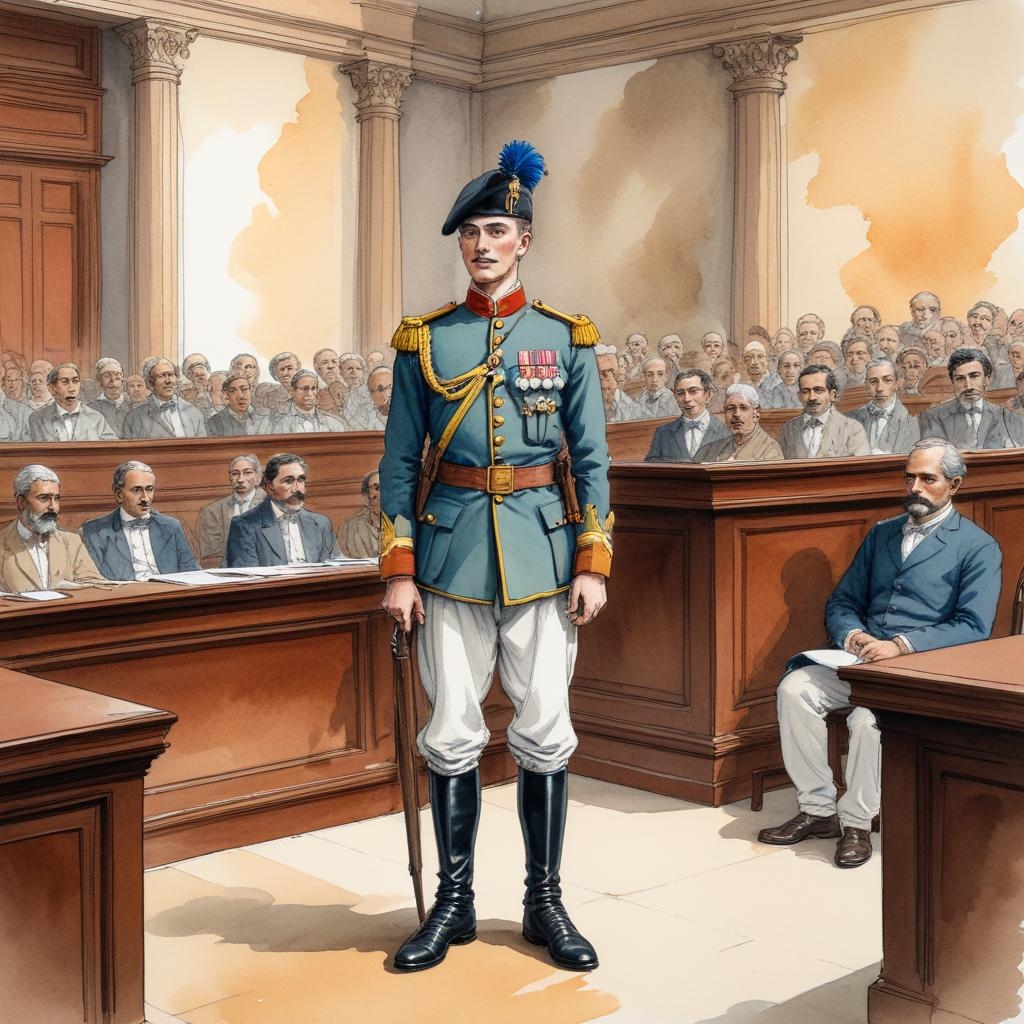
The End of a Dream
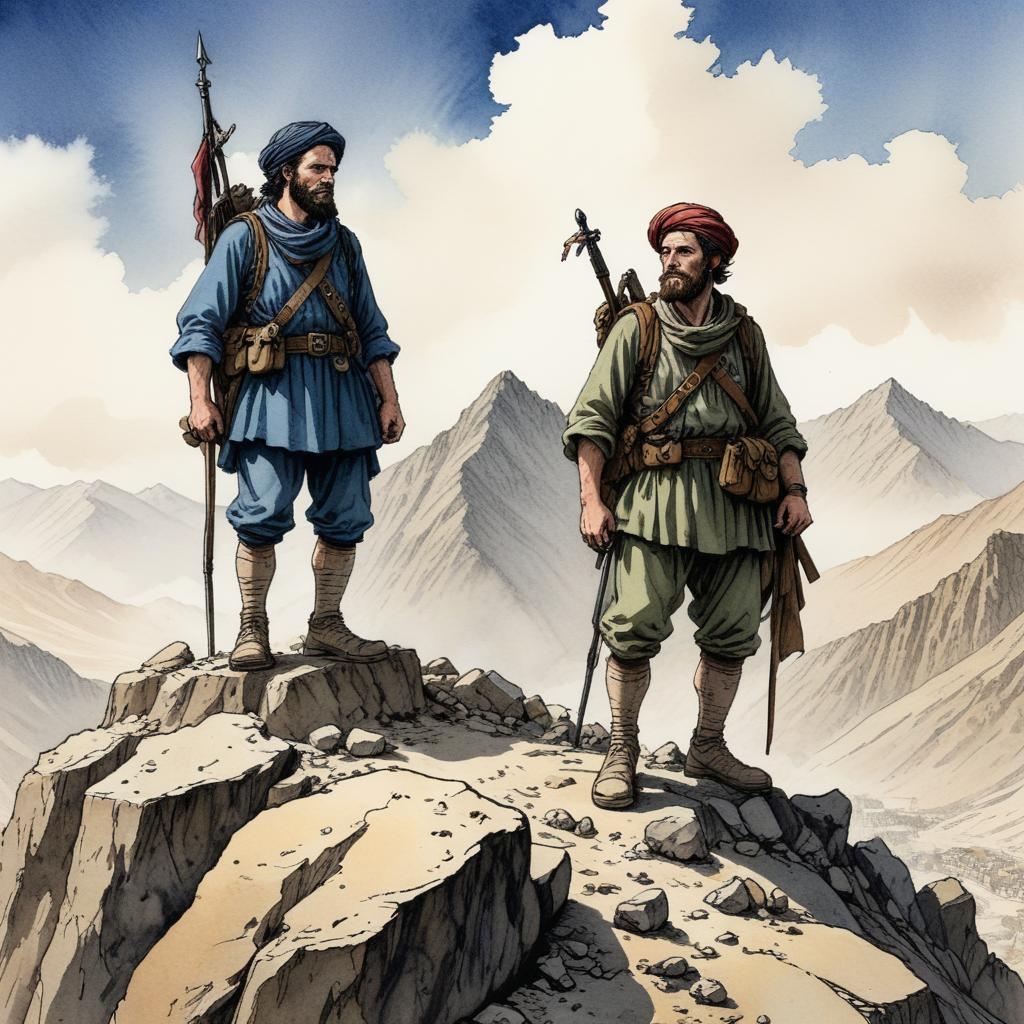
Reflections on Hubris
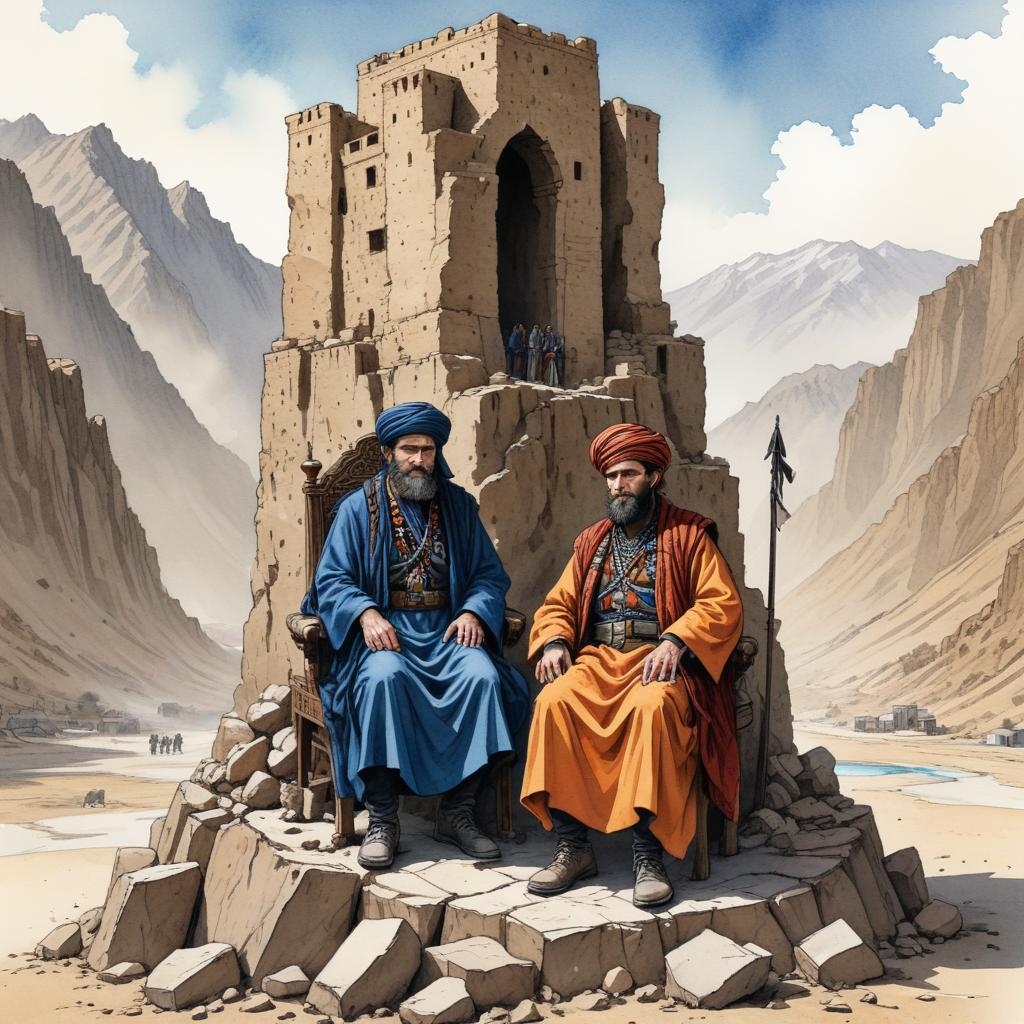
Lesson Details & Resources
In a Nutshell
- What: Short story by Rudyard Kipling
- When: Written in the late 19th century
- Who: Daniel Dravot and Peachey Carnehan
- Theme: Exploration of imperialism, ambition, and the consequences of power
List of Characters in The Man Who Would Be King
-
Daniel Dravot
Daniel Dravot and Peachey Carnehan are two British adventurers who set out to become kings in a remote part of Afghanistan.
-
Peachey Carnehan
Billy Fish is a native chief who helps Dravot and Carnehan in their quest for power.
Timeline of The Man Who Would Be King
Peachey Carnehan and Daniel Dravot arrive in the fictional country of Kafiristan.
They are initially mistaken for gods by the local villagers.
Peachey and Daniel use their knowledge and skills to impress the locals, gaining their trust and admiration.
The two men establish their rule over a small kingdom in Kafiristan, with Daniel being crowned as king.
They introduce modern technology and governance practices to the kingdom, improving the lives of the people.
Peachey and Daniel plan to expand their kingdom and conquer neighboring territories.
They successfully win battles and gain more territories, expanding their kingdom's influence and power.
Peachey decides to leave the kingdom and return to civilization to gather more resources and support for their kingdom.
Daniel, left alone, begins to believe his own god-like status and demands absolute obedience and worship from the people.
The people, realizing that Daniel is not a god but just a man, revolt against him and his rule.
Daniel is captured and killed by the angry mob.
Peachey, upon returning to Kafiristan, discovers the demise of his friend and ally.
Peachey is captured and condemned to death, but he manages to convince the people that he is not responsible for Daniel's actions.
Peachey is released and escapes from Kafiristan, barely making it back to civilization.
He recounts the story of their rise and fall to a journalist, revealing the truth behind their grand ambitions.
Vocabulary List
- Adventure
- The Man Who Would Be King is a tale of daring adventure in the remote regions of Afghanistan.
- Colonialism
- The story explores themes of colonialism and the consequences of British imperialism in India.
- Empire
- The protagonists dream of establishing their own empire in a distant land.
- Exotic
- The setting of the story is a richly detailed and exotic world of tribal cultures and ancient customs.
- Friendship
- The bond of friendship between the two main characters is central to the plot of the story.
- Power
- The desire for power and control drives the actions of the protagonists in their quest for kingship.
- Treachery
- The story is filled with moments of treachery and betrayal as the protagonists' plans unravel.
- Conquest
- The protagonists' ambition leads them on a path of conquest and domination in a foreign land.
- Loyalty
- The theme of loyalty is tested as the characters face challenges and hardships in their quest for greatness.
- Naivety
- The characters' naivety and ignorance of local customs lead to their downfall in the story.
Key Facts
This is the information used in the fact matching game
- - The Man Who Would Be King is a novella written by Rudyard Kipling.
- - It was first published in 1888.
- - The story is set in the late 19th century in British India and Afghanistan.
- - The main characters are two British ex-soldiers, Daniel Dravot and Peachey Carnehan.
- - Dravot and Carnehan plan to become kings of Kafiristan, a remote region in Afghanistan.
- - They believe that their superior knowledge and technology will make them gods in the eyes of the locals.
- - The two men use their military experience and cunning to establish themselves as rulers in Kafiristan.
- - Dravot declares himself a god and marries a local girl to solidify his divinity.
- - The Kafirs initially accept Dravot and Carnehan as kings and follow their commands.
- - However, their deception is eventually discovered when Dravot is seen bleeding, proving he is not immortal.
- - The Kafirs turn against the two men, leading to a violent confrontation.
- - Carnehan is captured and tortured, while Dravot tries to escape.
- - Dravot is betrayed by a local girl and is also captured.
- - The Kafirs put Dravot on trial and sentence him to death.
- - Before his execution, Dravot reveals his true identity as a mortal man.
- - Carnehan is released and manages to escape back to British India.
- - He recounts the entire story to a journalist, who publishes it as a series of articles.
- - The story explores themes of colonialism, ambition, and the consequences of cultural arrogance.
- - Kipling's writing is known for its vivid descriptions and attention to detail.
- - The Man Who Would Be King has been adapted into several films, including a 1975 version starring Sean Connery and Michael Caine.
Analysis & Significance
Impact on Literature
‘The Man Who Would Be King’ by Rudyard Kipling has had a significant impact on literature by showcasing themes of imperialism, power, and hubris. Its exploration of the consequences of colonialism and the pursuit of power remains relevant in today’s world, influencing subsequent works that delve into similar themes.
Enduring Themes
The timeless themes of ambition, betrayal, and the desire for greatness in ‘The Man Who Would Be King’ continue to resonate with modern audiences. The story’s examination of human nature, morality, and the consequences of unchecked ambition make it a compelling read for readers of all generations.
Cultural Significance Today
‘The Man Who Would Be King’ has left a lasting legacy in popular culture, with numerous adaptations in film, television, and theater. Its exploration of power dynamics, cultural clashes, and the dangers of overreaching ambition continue to be relevant in today’s society, making it a timeless classic that continues to be studied and admired by audiences around the world.
The Man Who Would Be King Games


Take Your Learning Offline
Want a convenient, print-ready study guide for this lesson? Become a Memory Wizards Pro member to unlock the downloadable " Memory Scrolls" for this topic and our entire library!
- ✓ Complete Vocabulary Lists
- ✓ Key Facts & Timelines
- ✓ Beautifully Formatted for Print & Mobile