
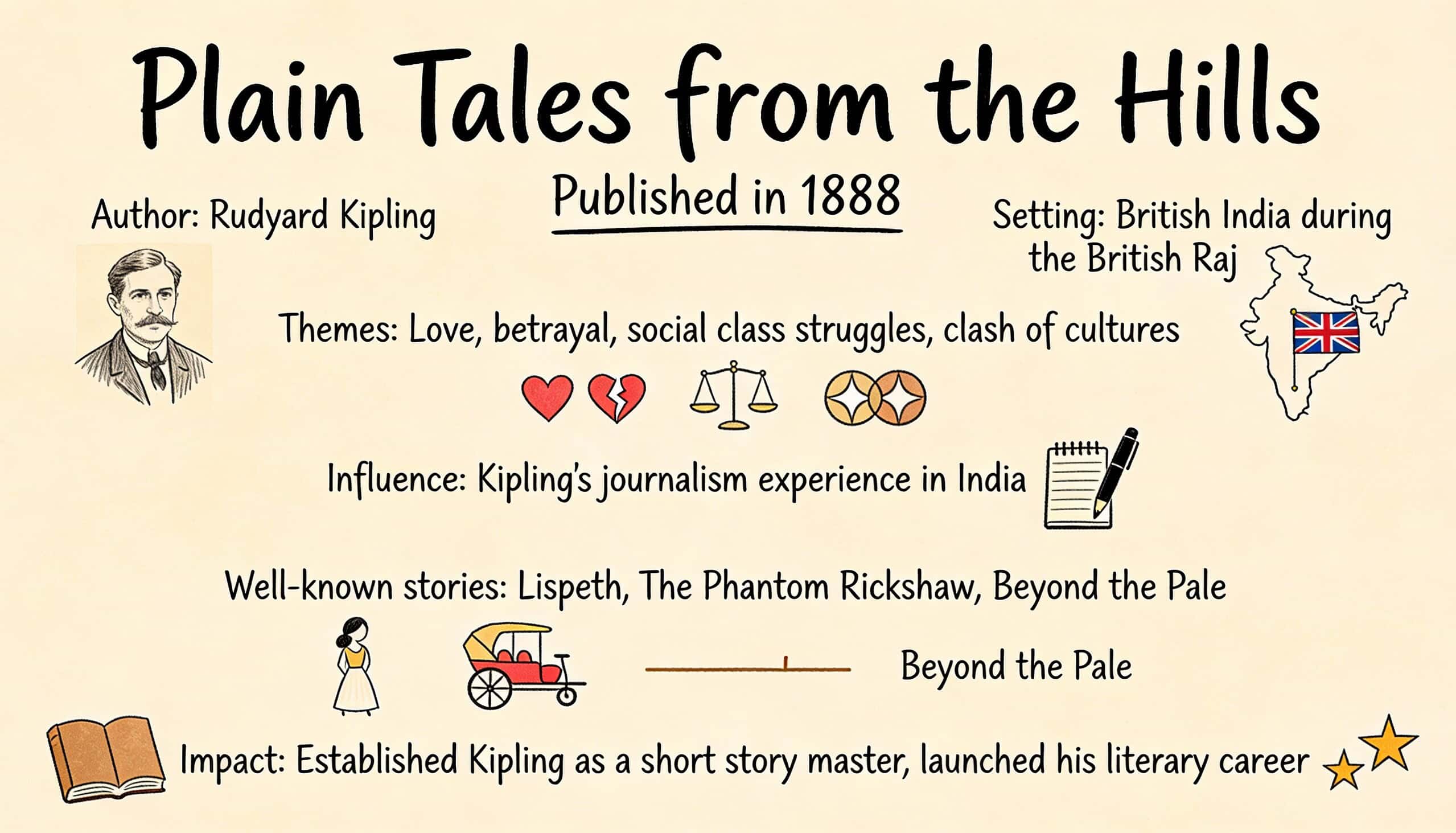
At a Glance - Infographic
How Do You Learn Best?
Learn by Listening
Start with the 3-minute audio summary to get the key facts and narrative highlights quickly.
Learn by Reading
Immerse yourself in the 10-minute visual lesson for a comprehensive understanding of the topic.
Learn by Reviewing
Jump directly to the key facts, timeline, and vocabulary lists to build a solid foundation of details.
Learn by Doing
Challenge yourself! Jump straight into the interactive games to learn by trial, error, and discovery.
Audio Library
As one of our featured lessons, this topic includes premium audio guides.
Unlock the Wizard's Cram Session
This powerful audio study guide is a Pro-exclusive feature. Upgrade to Memory Wizards Pro to access this and all of our premium learning tools.
Upgrade to ProPlain Tales from the Hills in 10 Minutes
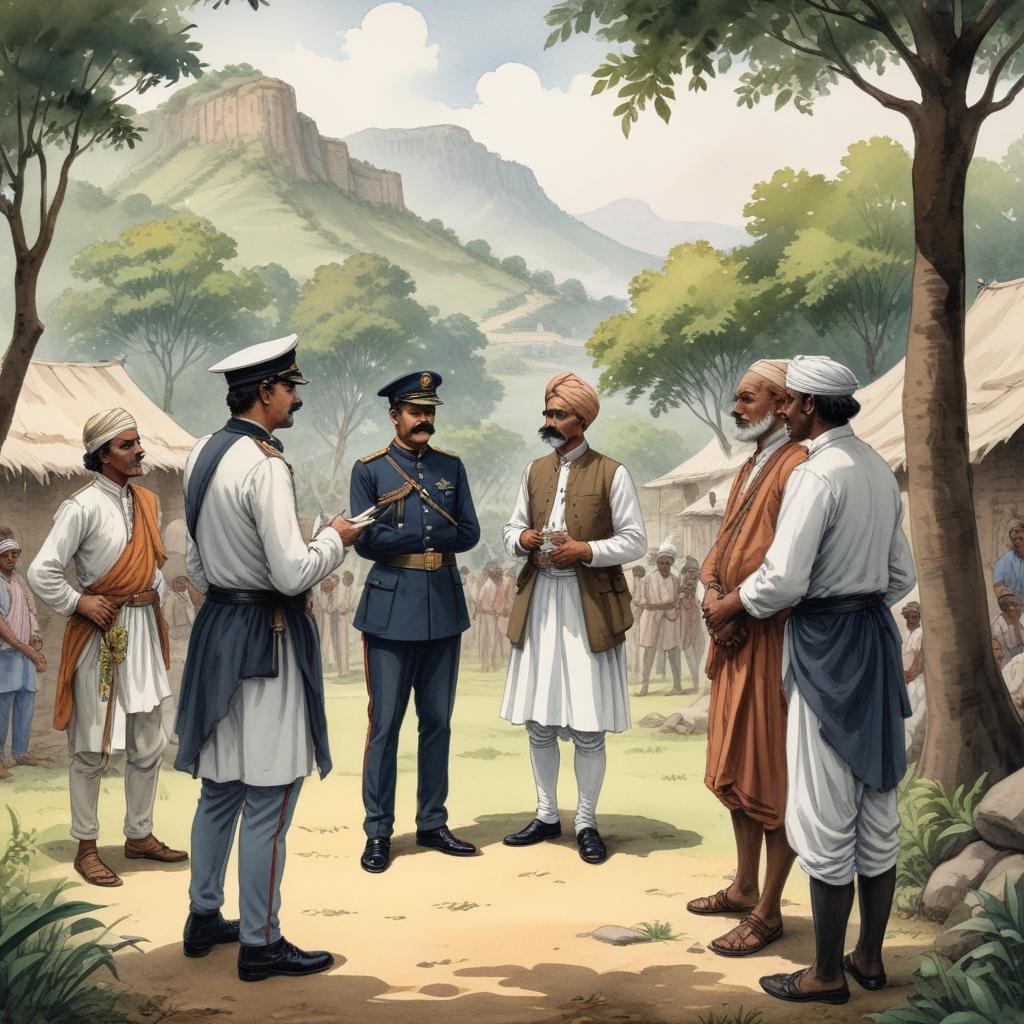
Introduction
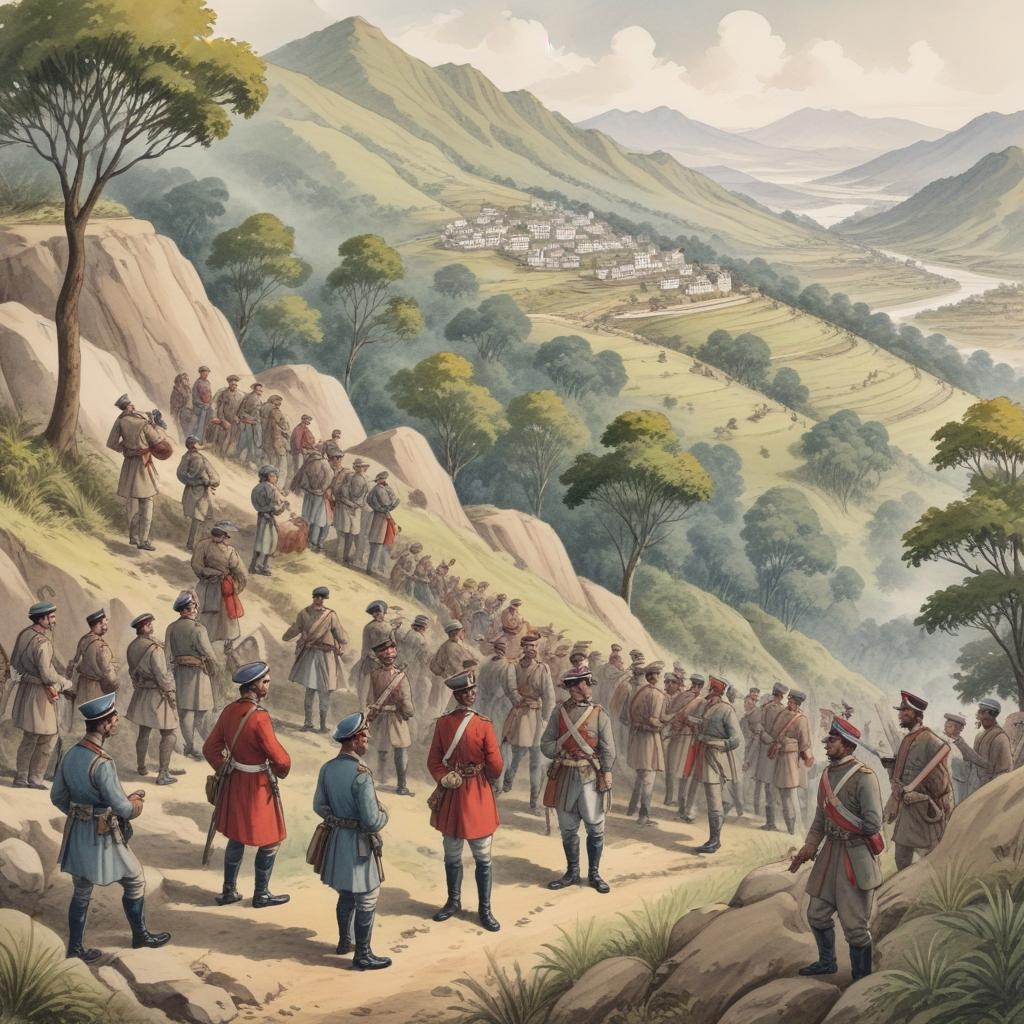
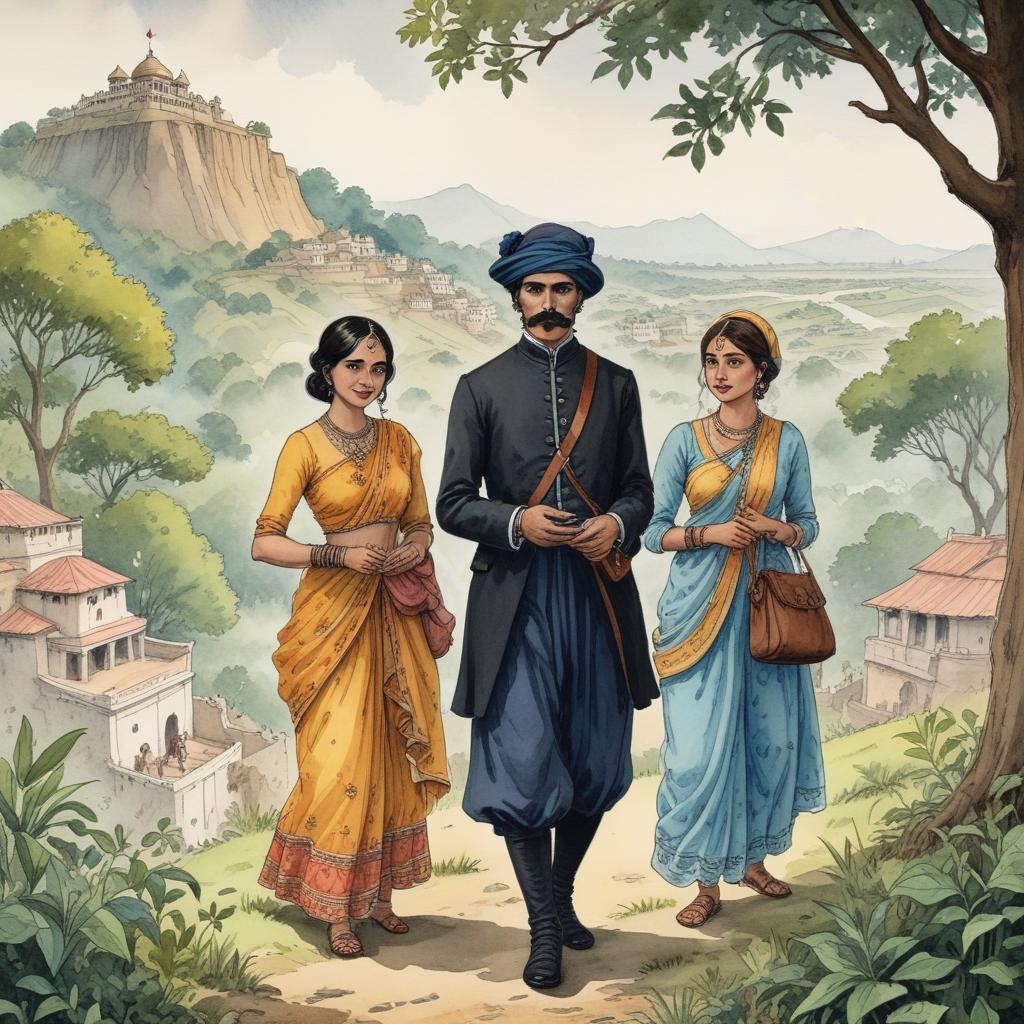

Mr. and Mrs. Hauksbee
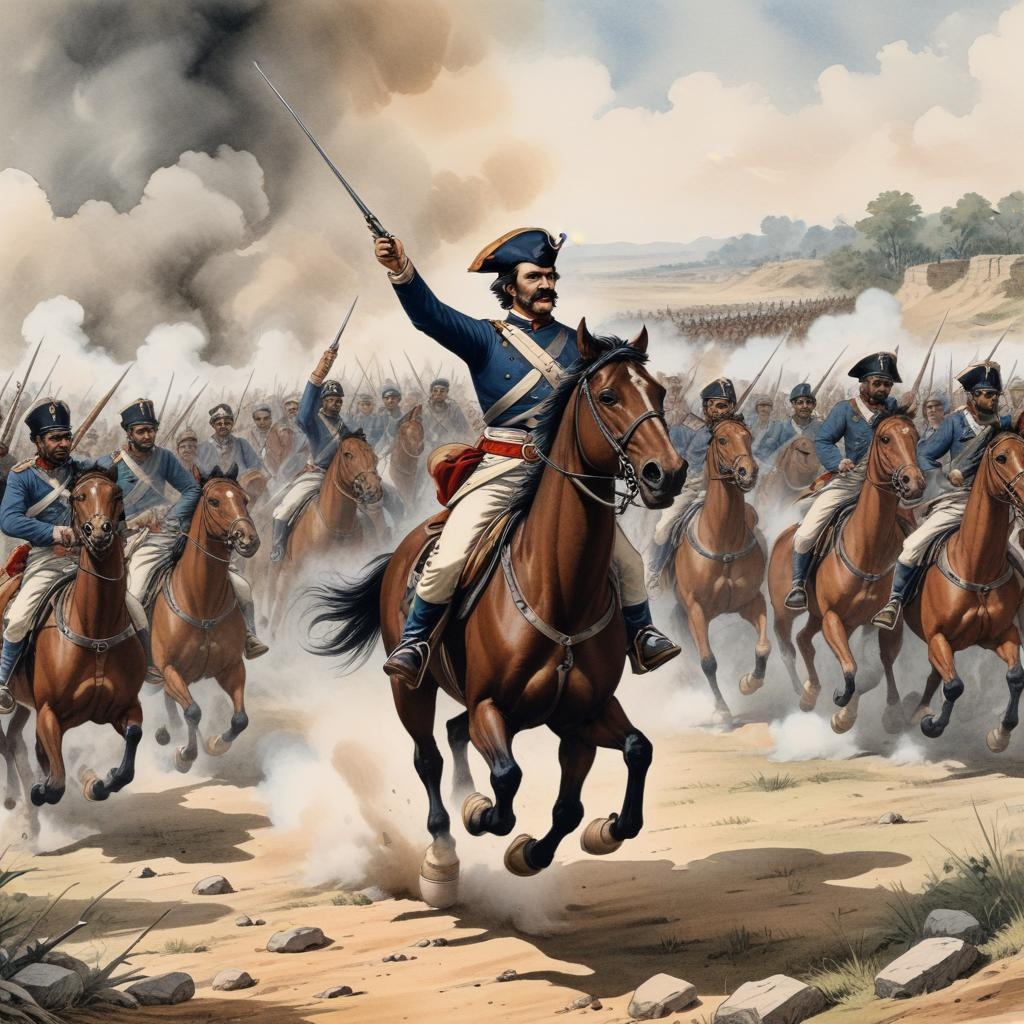
Strickland

Piggy Wiggens

Miss Youghal
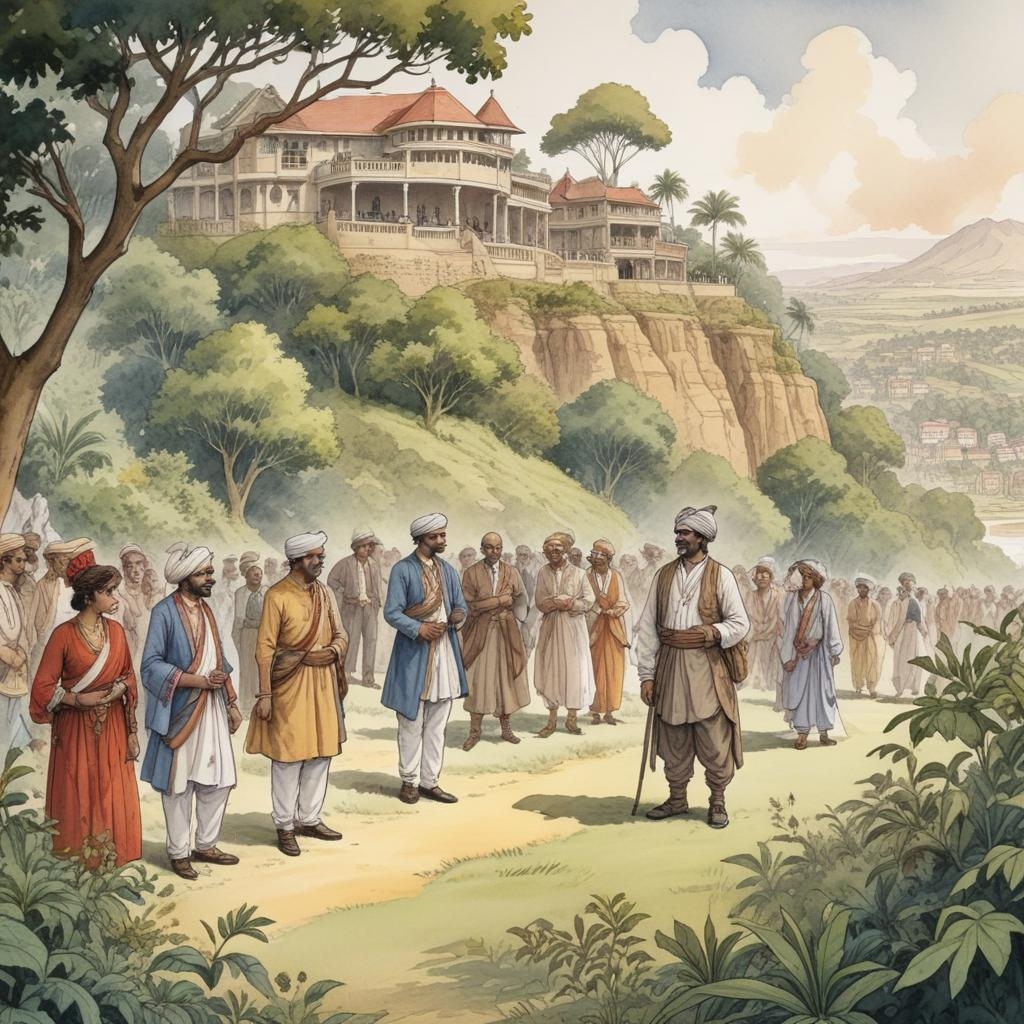
The Introduction of the Characters
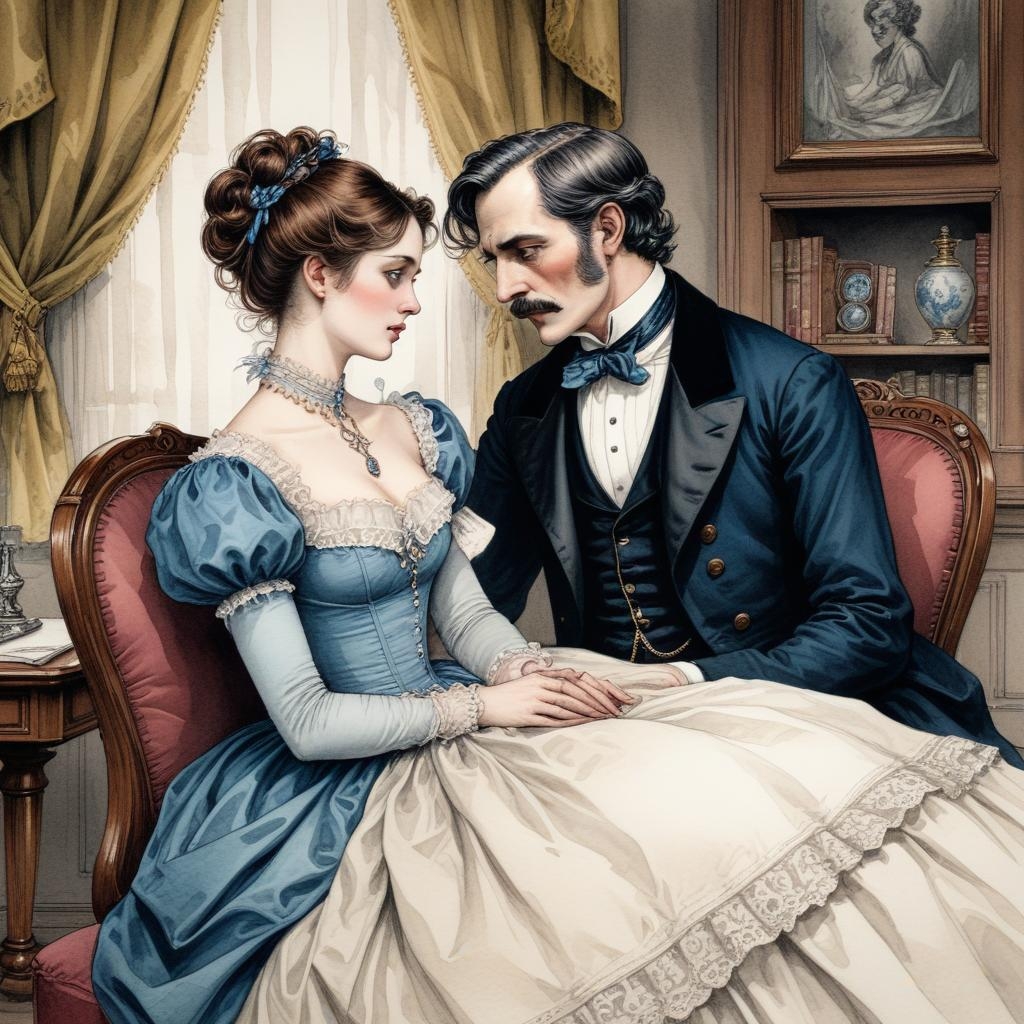
The Theme of Love and Betrayal
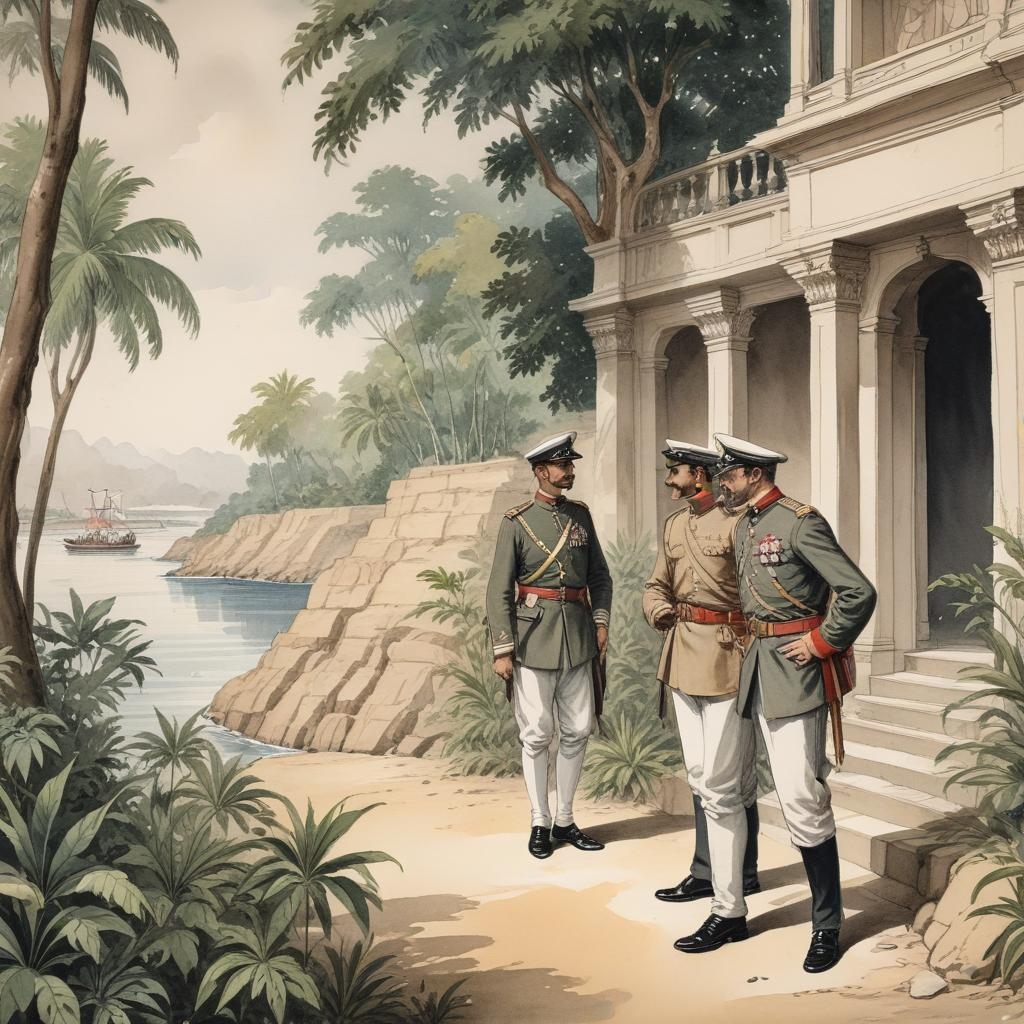
The Struggles of the British Officers

The Role of Women in Colonial India
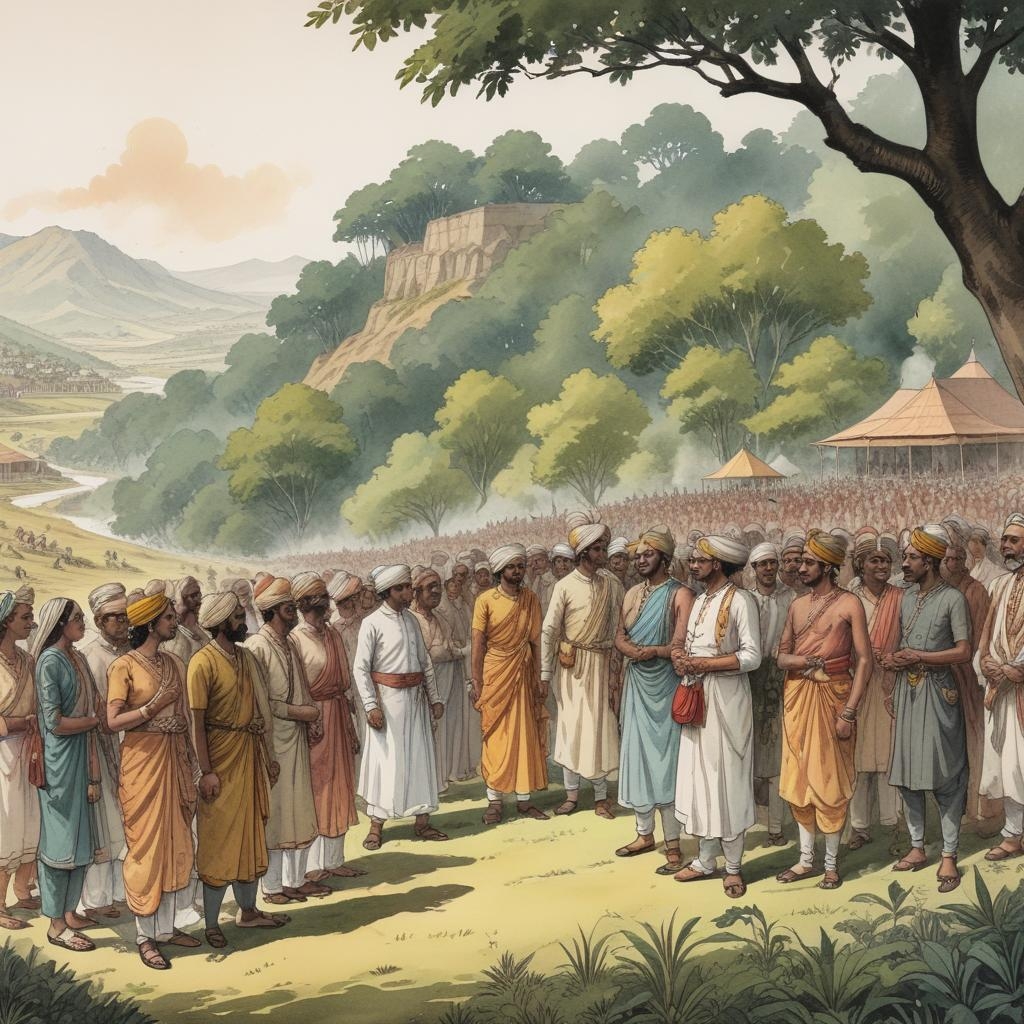
The Impact of Social Class
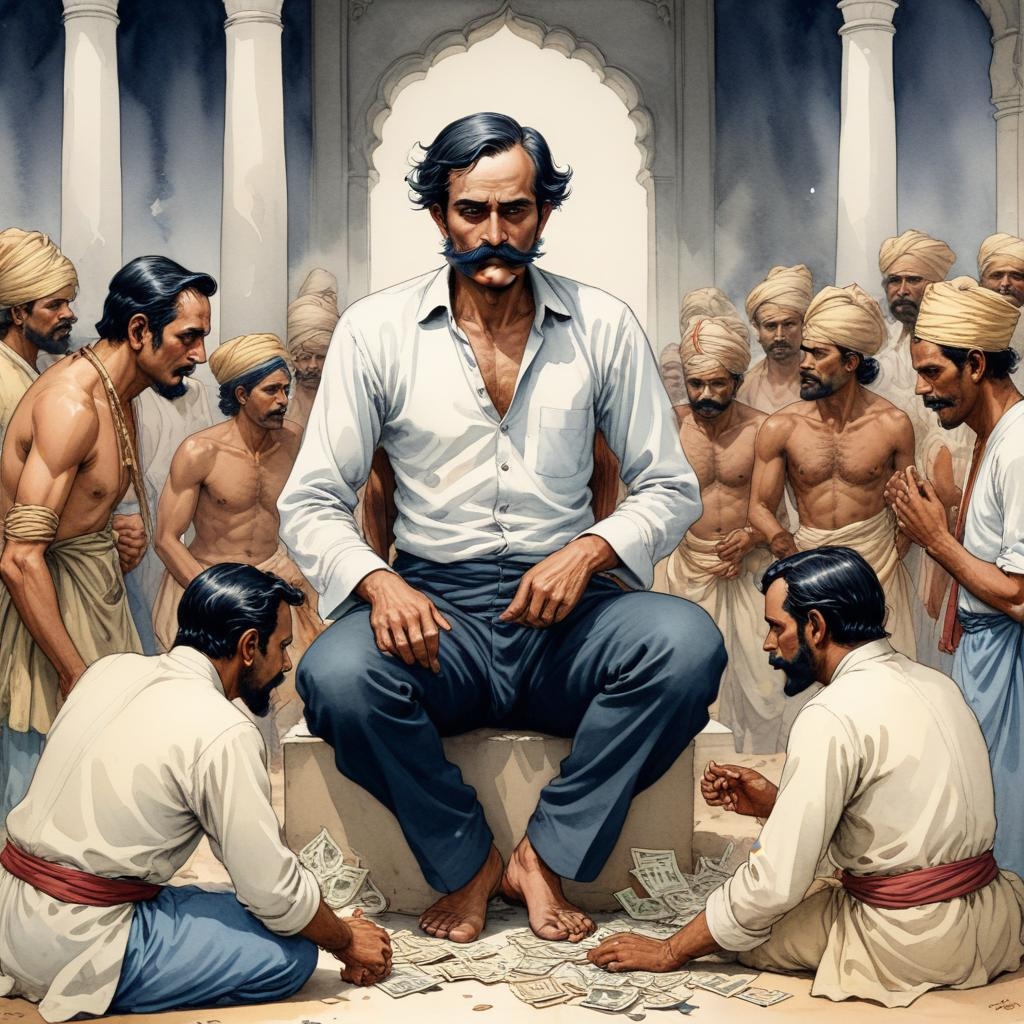
The Consequences of Greed and Ambition
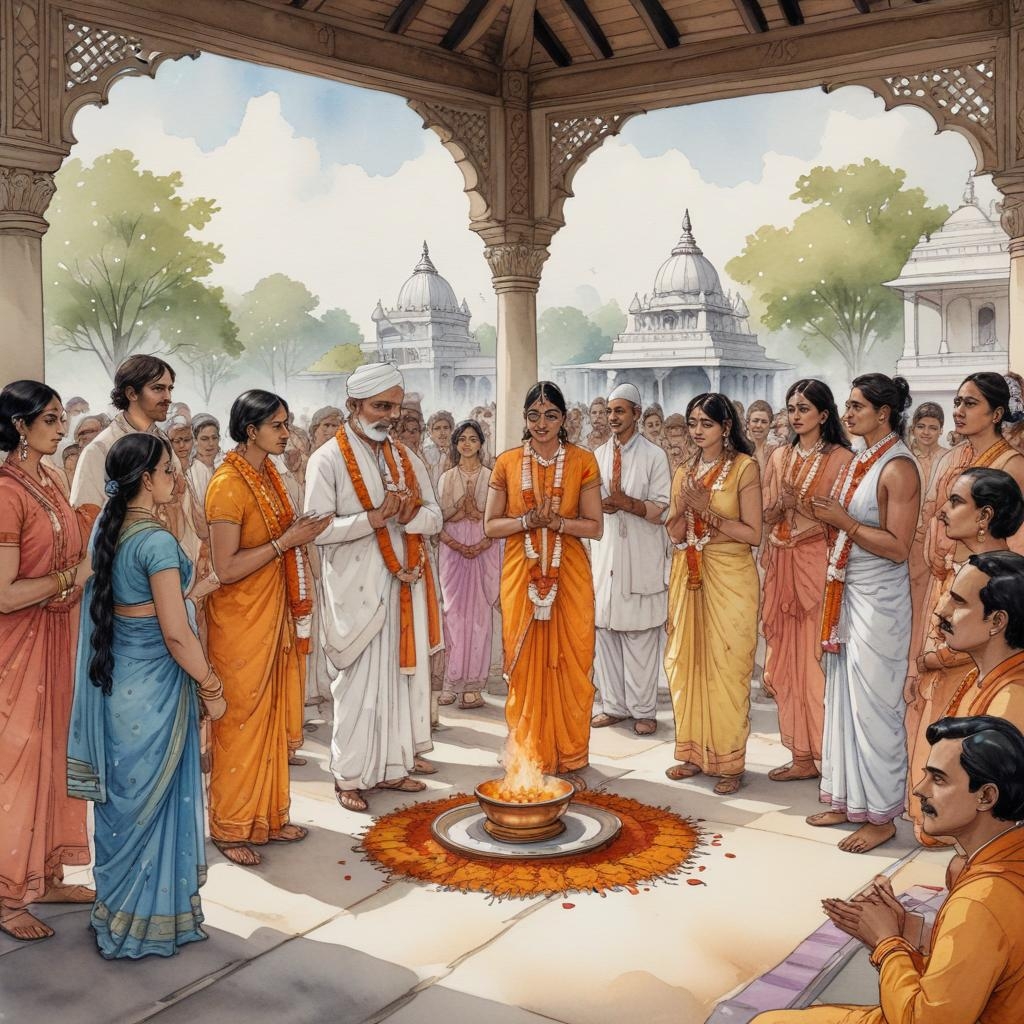
The Influence of Tradition and Culture
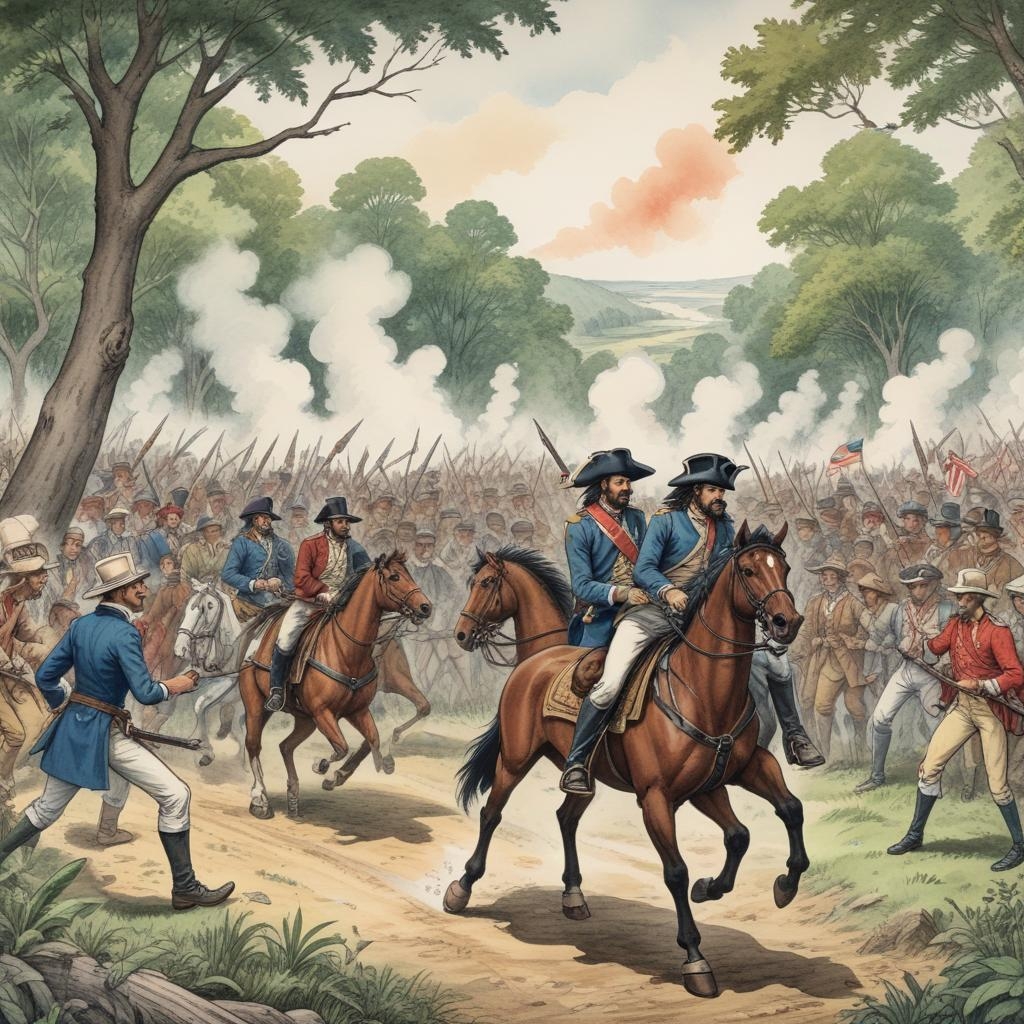
The Strains of Imperialism

The Search for Identity and Belonging
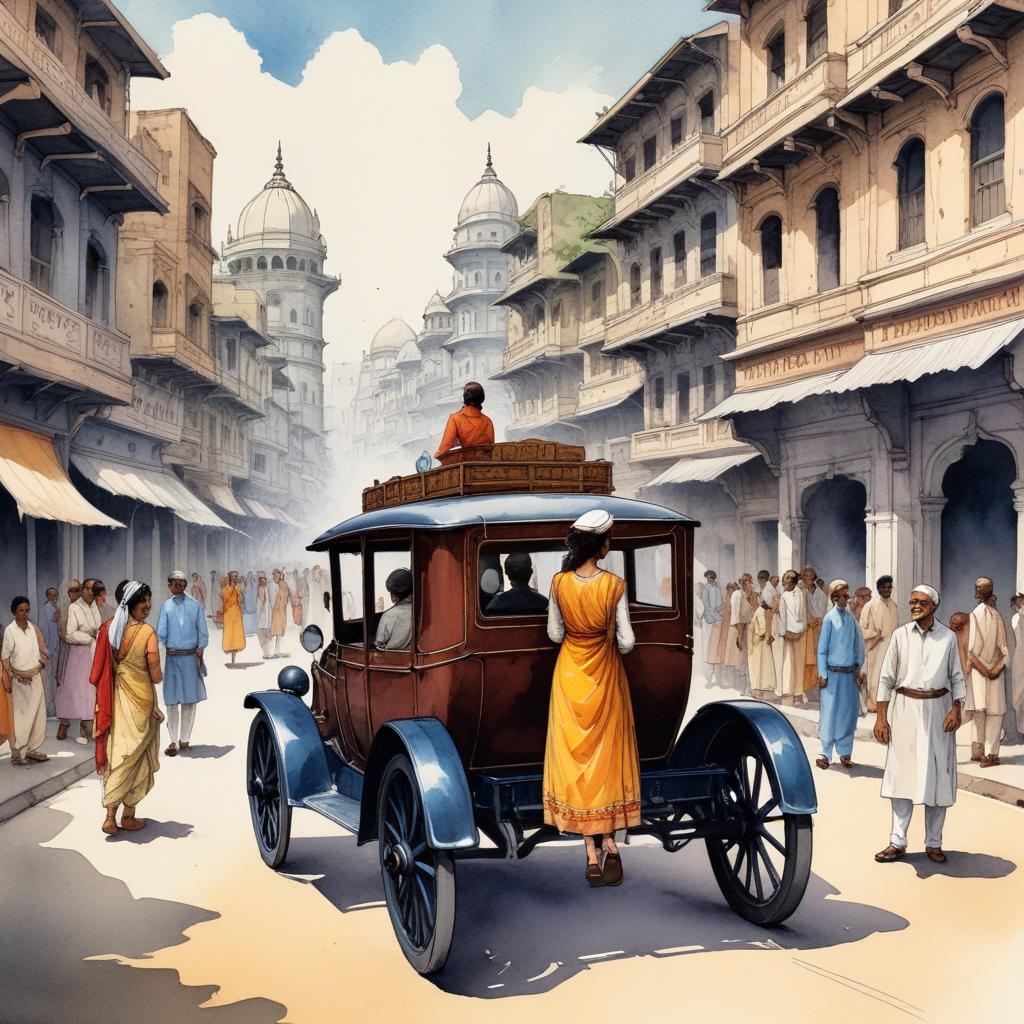
The Legacy of Plain Tales from the Hills
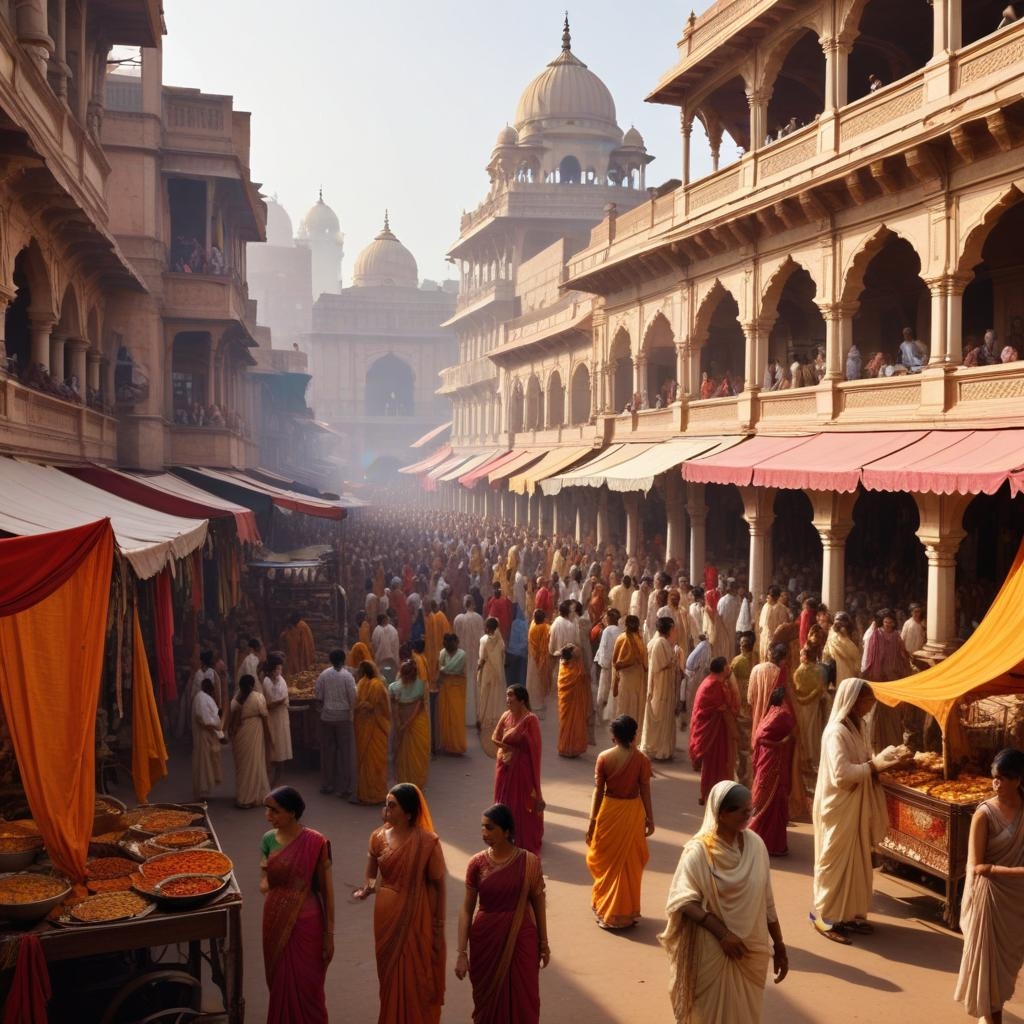
Lesson Details & Resources
In a Nutshell
- What: ‘Plain Tales from the Hills’ by Rudyard Kipling
- When: Written in the late 19th century
- Who: The main characters include Mr. Strickland, Mrs. Hauksbee, and Mulvaney
- Theme: The core theme of the work revolves around colonial life in British India, exploring themes of love, betrayal, and social hierarchies.
List of Characters in Plain Tales from the Hills
-
Mr. and Mrs. Crosbie Drane
Mr. and Mrs. Crosbie Drane are a middle-aged couple who are new to India and struggle to fit in with the social scene.
-
The Gadsbys
The Gadsbys are a popular couple in society who face a scandal that threatens their reputation.
-
The Hill Men
The Hill Men are the native people who live in the hills and have their own customs and beliefs.
-
The Reverend Charles Luttrell
The Reverend Charles Luttrell is a young and idealistic missionary who faces challenges in his work.
-
Piggy Macfarlane
Piggy Macfarlane is a young officer who is known for his wild behavior and antics.
-
The Narrator
The Narrator is the voice that ties the stories together and provides insight into the characters and events.
Timeline of Plain Tales from the Hills
Introduction of the characters and setting in the hill station of Simla
The arrival of the new Assistant Commissioner, Mr. Lurgan
The mysterious disappearance of a young Englishman, Mr. Venner
The discovery of Mr. Venner's body in a well
The investigation led by the Superintendent of Police, Mr. Strickland
The examination of the well water, revealing the presence of poison
The suspicion falling on Mr. Lurgan due to his knowledge of chemistry
The revelation that Mr. Lurgan is actually a retired military doctor
Mr. Lurgan explaining how he knew about the poison in the well water
The discussion about the various secrets and hidden lives of people in Simla
Mr. Lurgan's confession of his past as a doctor in India, including an incident involving a prince's wife
The realization that Mr. Lurgan had been trying to protect the reputation of the prince and his wife
The acceptance of Mr. Lurgan's innocence and his departure from Simla
The reflection on the hidden depths and complexities of human lives in the hill station.
Vocabulary List
- Bungalow
- The British officer lived in a spacious bungalow at the edge of the hill station.
- Ayah
- The ayah took care of the children and ensured they were well-fed and clean.
- Burra sahib
- The burra sahib was the highest-ranking official in the region.
- Memsahib
- The memsahib was known for her elegant manners and impeccable style.
- Chowkidar
- The chowkidar stood guard at the entrance to the compound, keeping watch over the property.
- Sahib
- The local villagers respected the sahib for his fair and just treatment of them.
- Purdah
- The women in the village observed purdah, covering themselves with veils when in public.
- Dak bungalow
- The travellers sought refuge at the dak bungalow, a rest house maintained by the government.
- Bhisti
- The bhisti delivered water to the households in the village, ensuring that everyone had enough to drink.
- Puggaree
- The puggaree was a traditional turban worn by the men to protect them from the sun.
- Thana
- The thana was the local police station, where the constable kept order in the village.
Key Facts
This is the information used in the fact matching game
- - Set in the colonial British India during the late 19th century.
- - Consists of a collection of 40 short stories.
- - First published in 1888.
- - Explores the lives and experiences of British colonizers in India.
- - Touches upon themes of love, betrayal, racism, and social hierarchy.
- - Kipling's first major success as an author.
- - Many stories are based on Kipling's own experiences in India.
- - Features a diverse range of characters from different social backgrounds.
- - Reflects the complexities and tensions of the British-Indian relationship.
- - Addresses the challenges faced by both the colonizers and the colonized.
- - Provides insights into the daily lives of British officials, soldiers, and their families.
- - Often portrays the clash of cultures and values between the British and the Indians.
- - Exposes the prejudices and biases prevalent during the time.
- - Some stories have a humorous and satirical tone.
- - Others delve into deeper moral and ethical dilemmas.
- - Characters often struggle with their identities and sense of belonging.
- - The stories are not interconnected and can be read independently.
- - Kipling's vivid descriptions of the Indian landscape bring it to life.
- - Plain Tales from the Hills helped establish Kipling as a prominent writer of his time.
- - Its popularity paved the way for Kipling's later successes, including The Jungle Book.
Analysis & Significance
Impact on Literature
Rudyard Kipling’s ‘Plain Tales from the Hills’ is considered a pioneering work in the genre of Anglo-Indian literature, blending elements of British colonial life with Indian culture. Its unique storytelling style and vivid portrayal of characters have influenced generations of writers, setting a benchmark for exploring themes of identity, class, and cultural clash in colonial settings.
Enduring Themes
The collection of short stories in ‘Plain Tales from the Hills’ delves into universal themes such as love, betrayal, power dynamics, and the complexities of human relationships. Kipling’s exploration of these timeless themes continues to resonate with modern audiences, offering insights into the intricacies of human nature and societal norms that are still relevant today.
Cultural Significance Today
Kipling’s work has left a lasting cultural legacy, with ‘Plain Tales from the Hills’ being adapted into various forms of media, including stage plays, radio dramas, and films. Its enduring popularity underscores its relevance in today’s society, as it continues to spark conversations about colonialism, identity, and the impact of cultural exchange on individuals and communities.
Plain Tales from the Hills Games


Take Your Learning Offline
Want a convenient, print-ready study guide for this lesson? Become a Memory Wizards Pro member to unlock the downloadable " Memory Scrolls" for this topic and our entire library!
- ✓ Complete Vocabulary Lists
- ✓ Key Facts & Timelines
- ✓ Beautifully Formatted for Print & Mobile