
How Do You Learn Best?
Learn by Listening
Start with the 3-minute audio summary to get the key facts and narrative highlights quickly.
Learn by Reading
Immerse yourself in the 10-minute visual lesson for a comprehensive understanding of the topic.
Learn by Reviewing
Jump directly to the key facts, timeline, and vocabulary lists to build a solid foundation of details.
Learn by Doing
Challenge yourself! Jump straight into the interactive games to learn by trial, error, and discovery.
Audio Library
As one of our featured lessons, this topic includes premium audio guides.
Unlock the Wizard's Cram Session
This powerful audio study guide is a Pro-exclusive feature. Upgrade to Memory Wizards Pro to access this and all of our premium learning tools.
Upgrade to ProJust So Stories in 10 Minutes
Introduction


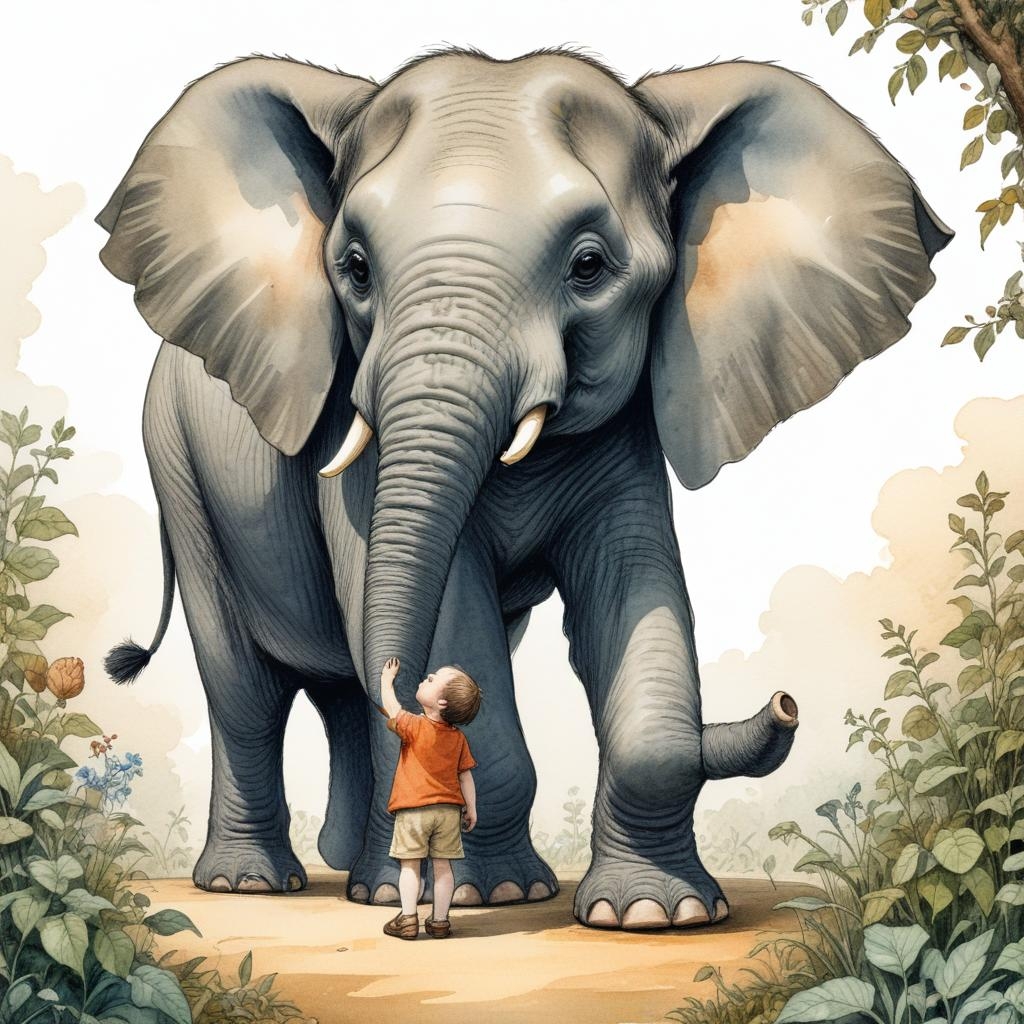
The Elephants Child

The Parsee Man

The Kolokolo Bird

The Bi-Coloured Python Rock Snake

The Cat that Walked by Himself
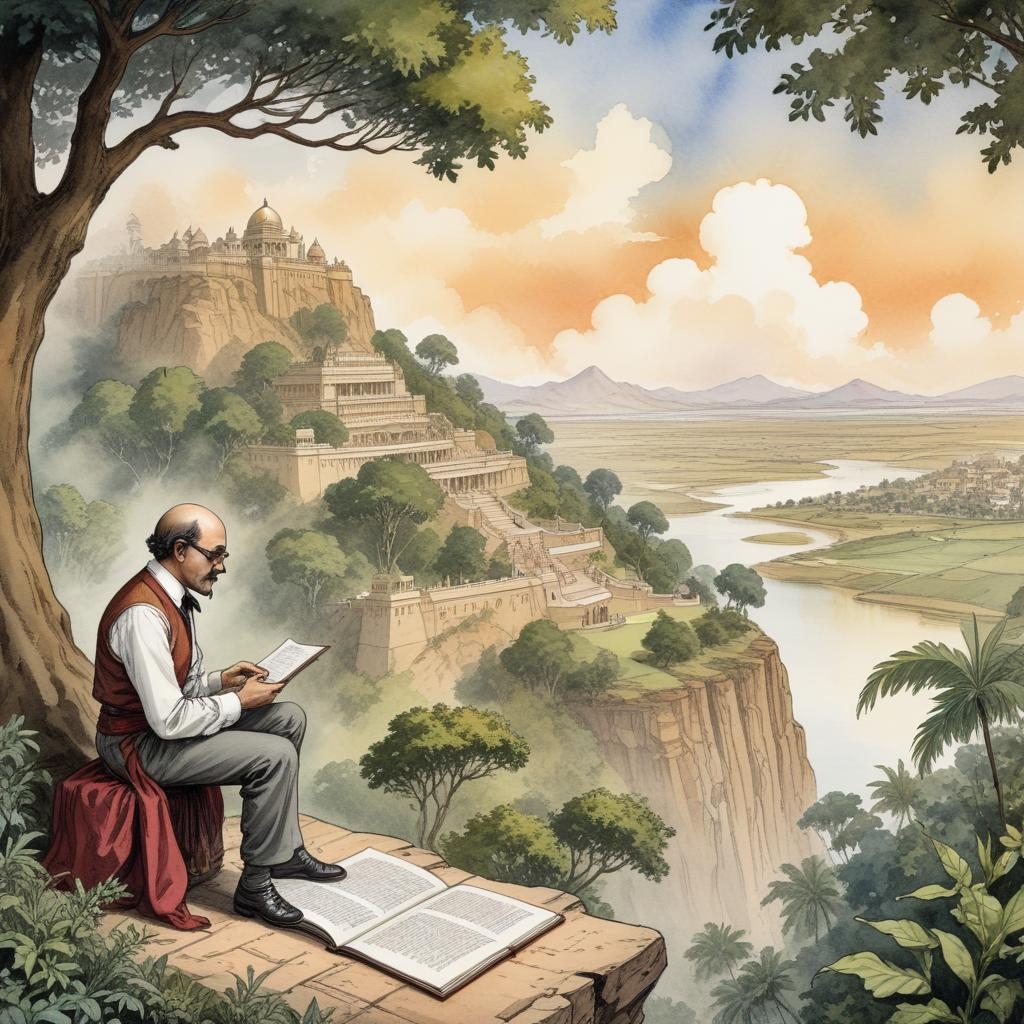
The Beginning of the Stories
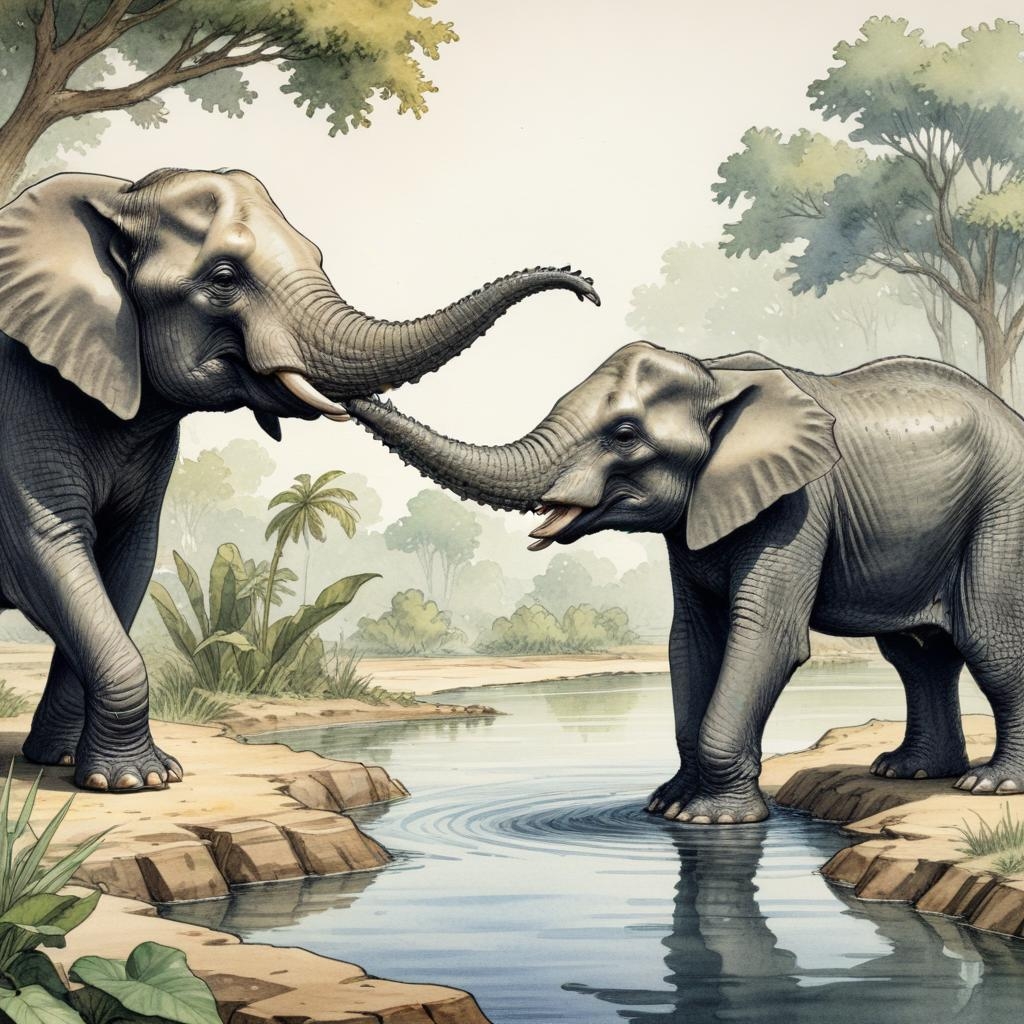
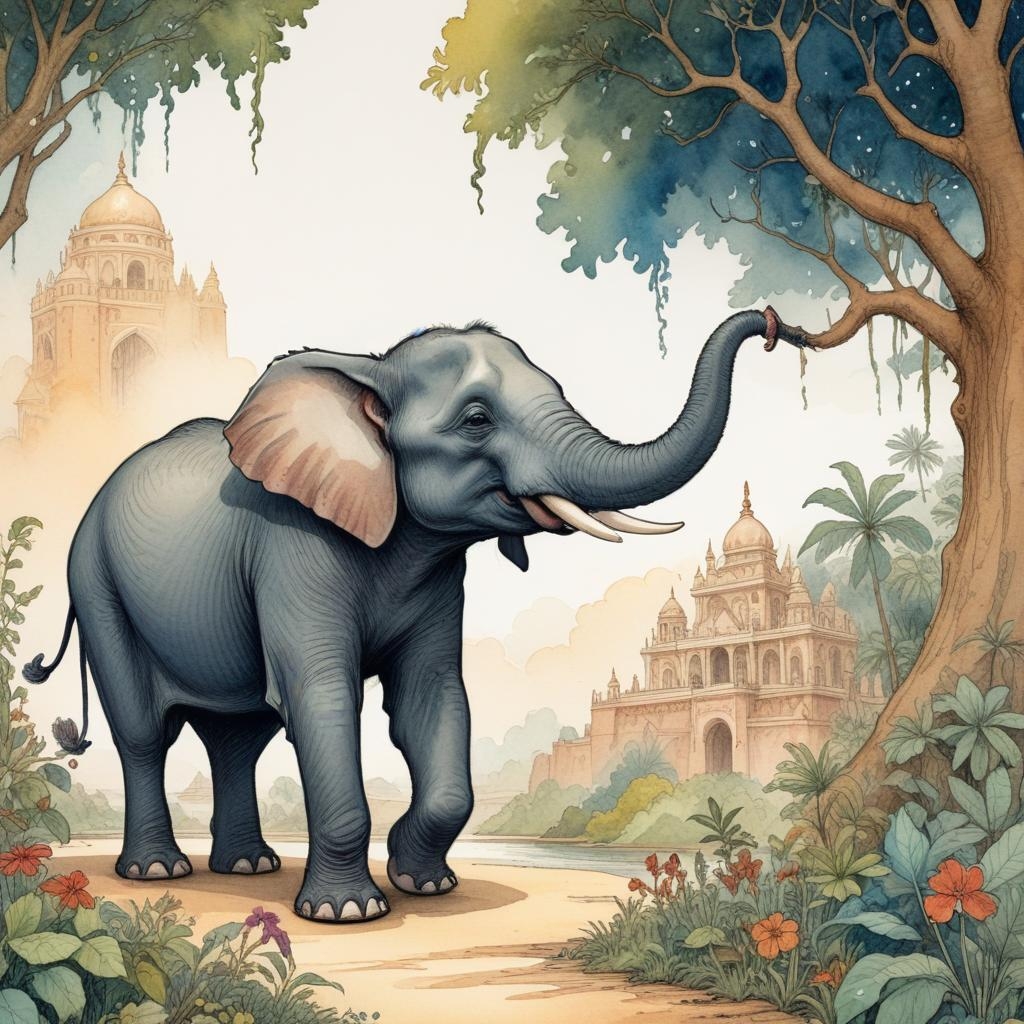
How the Elephant Got Its Trunk
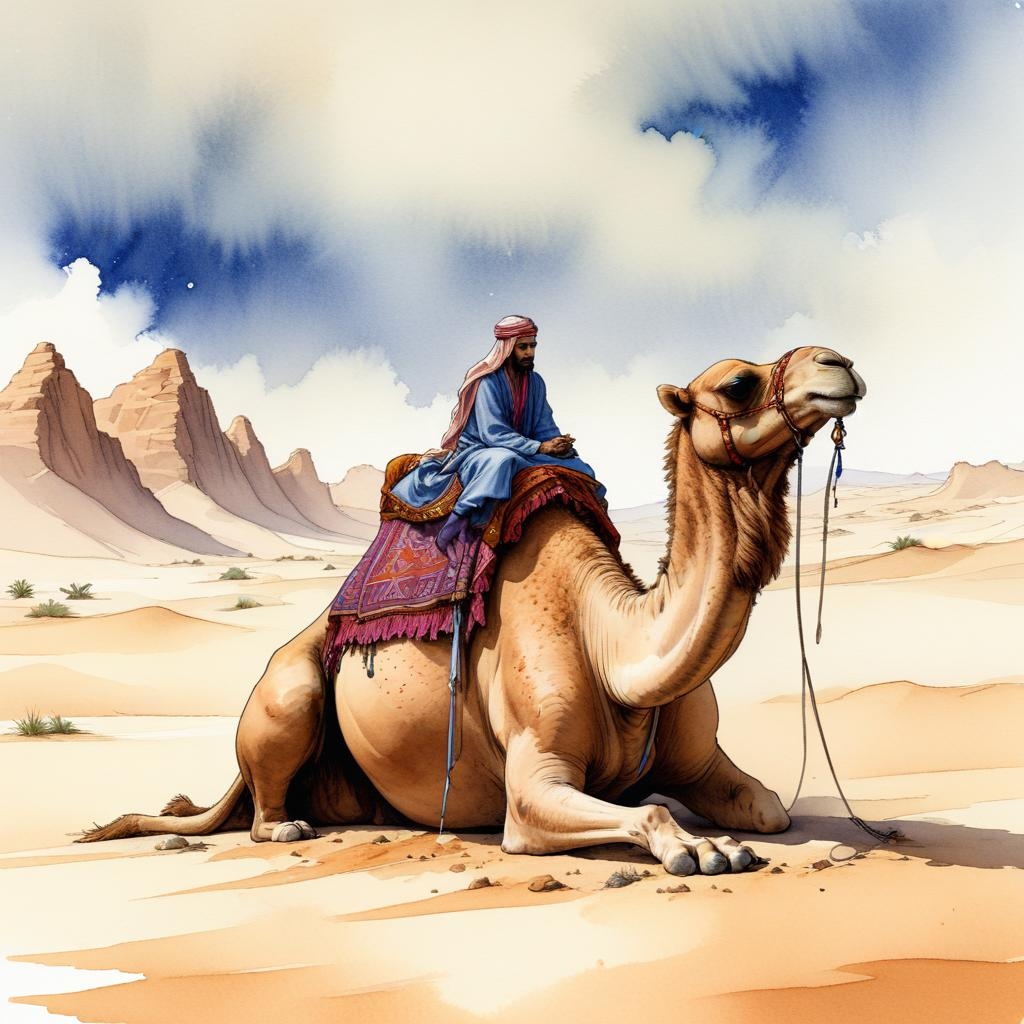
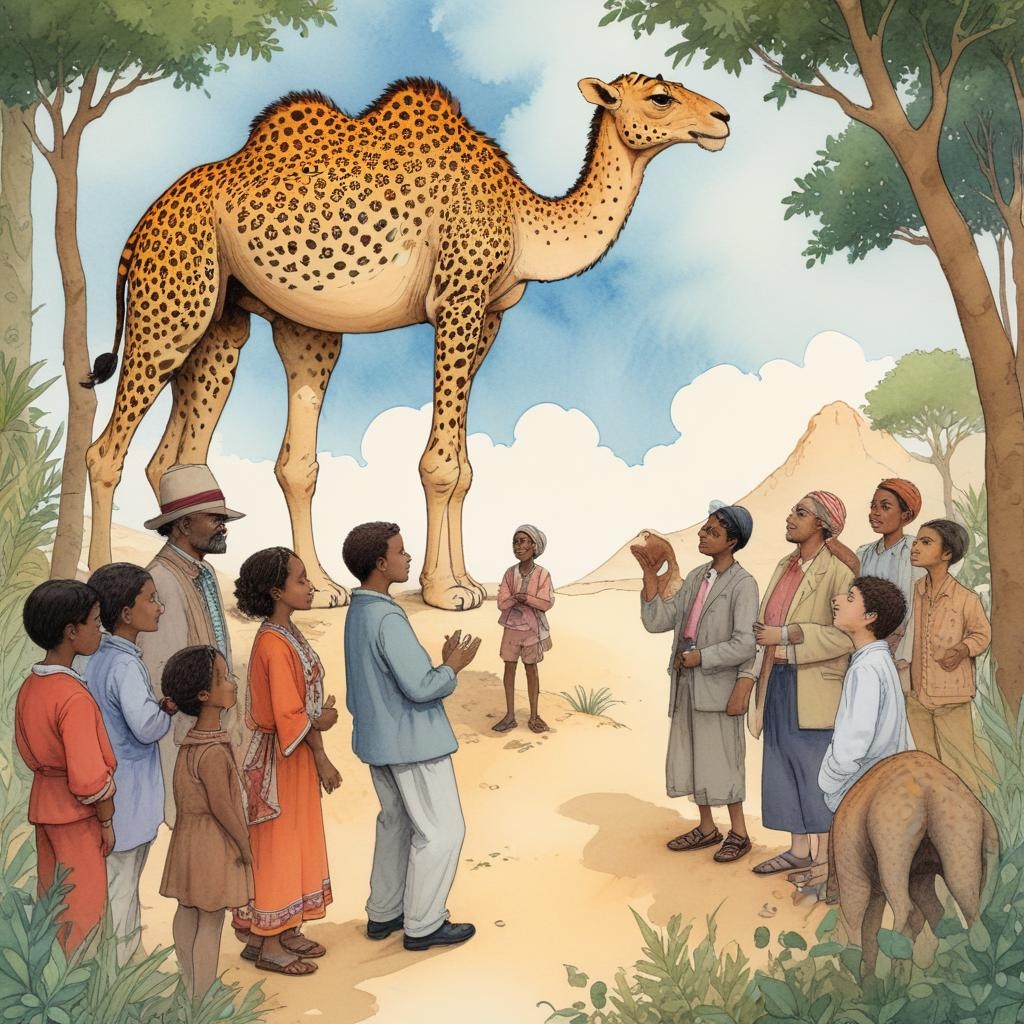
How the Camel Got Its Hump

The Just So Stories
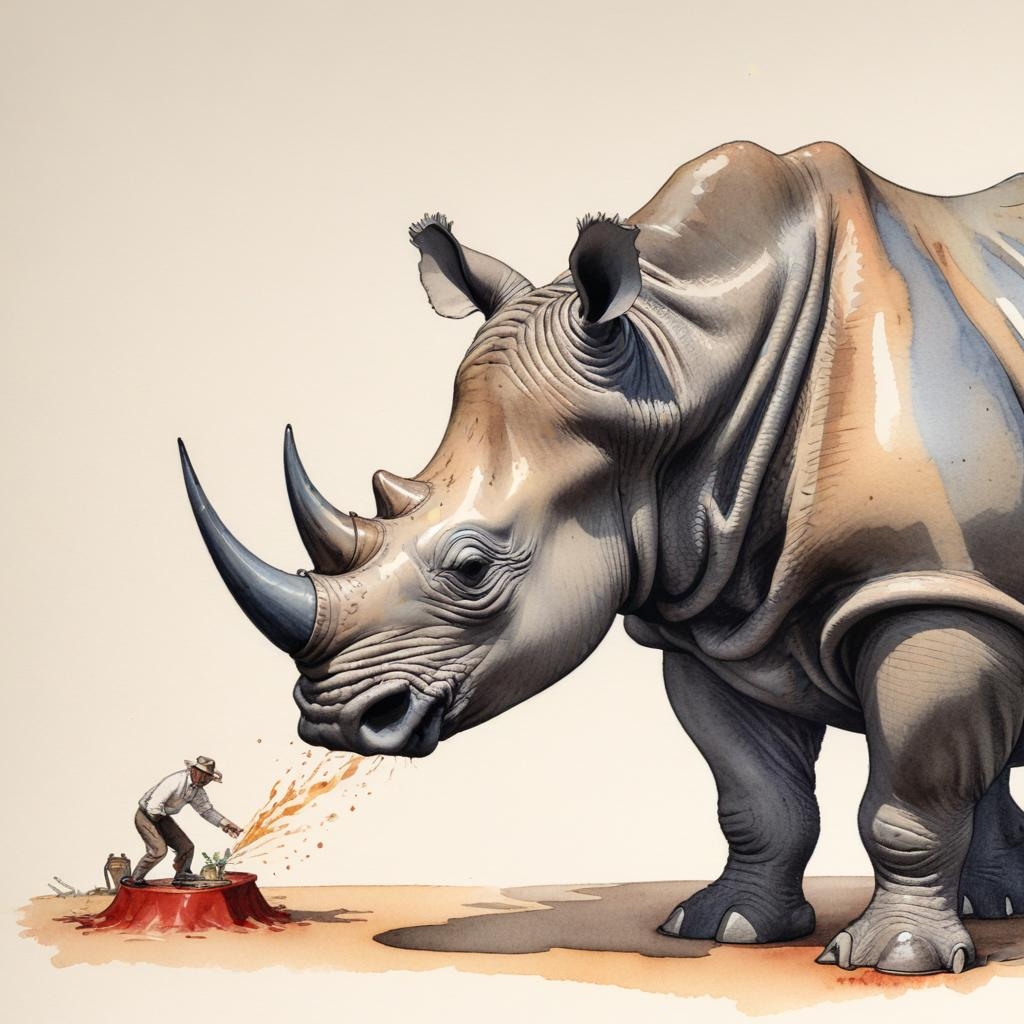
How the Rhinoceros Got its Skin
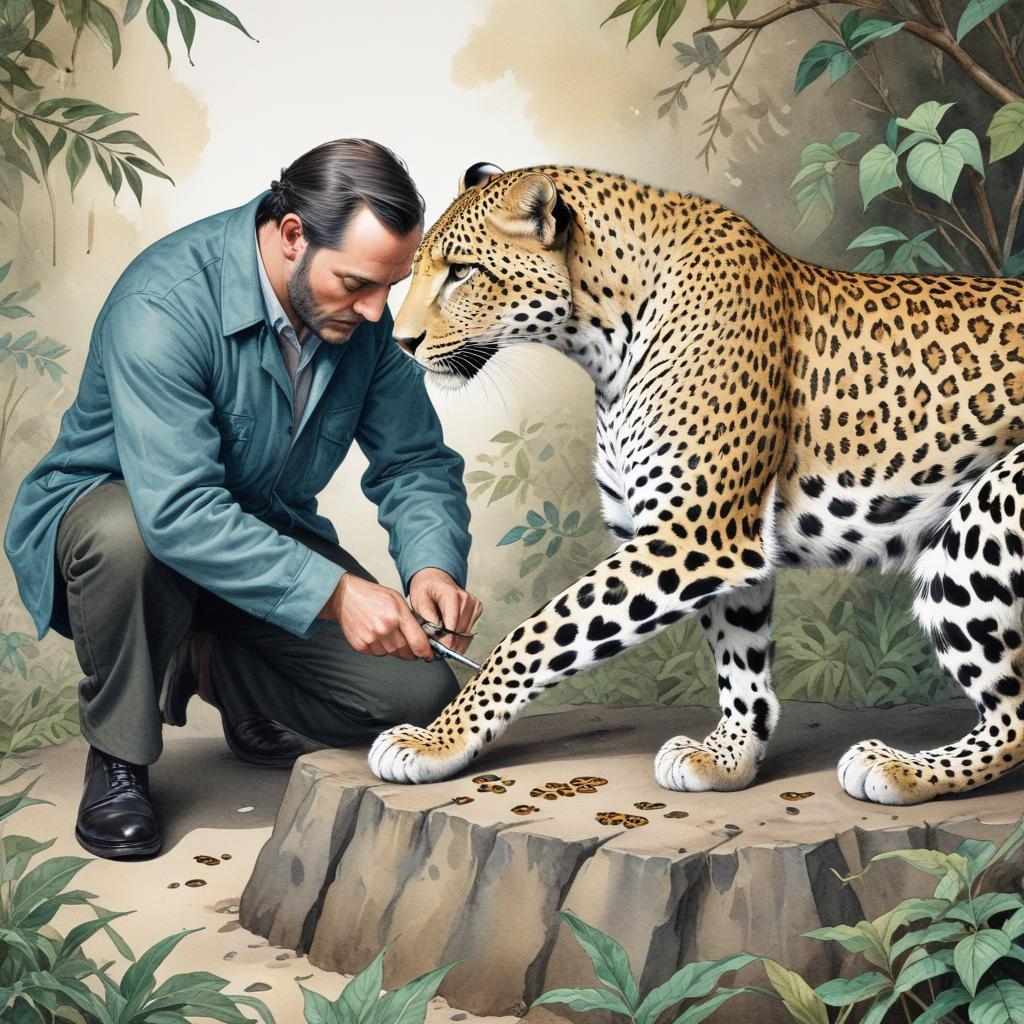
The Origin of the Leopards Spots
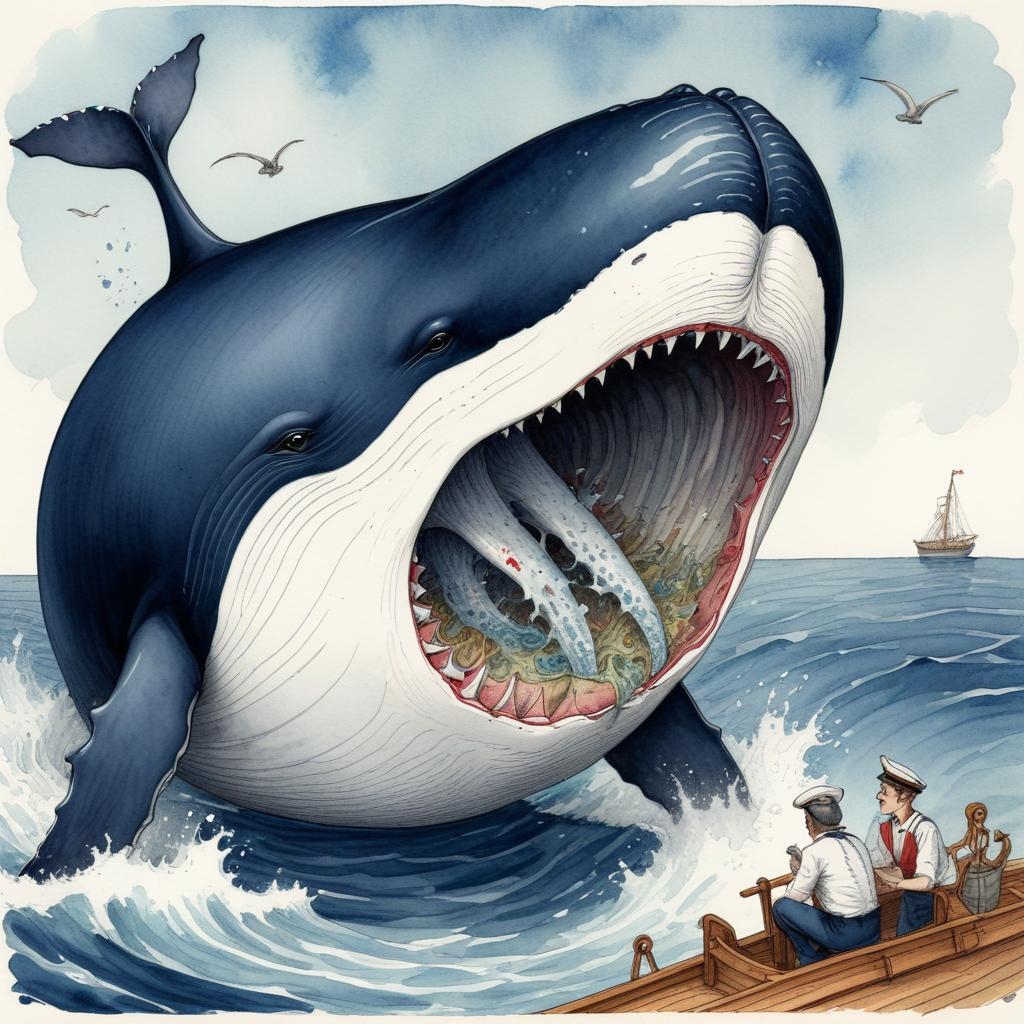
How the Whale Got Its Throat
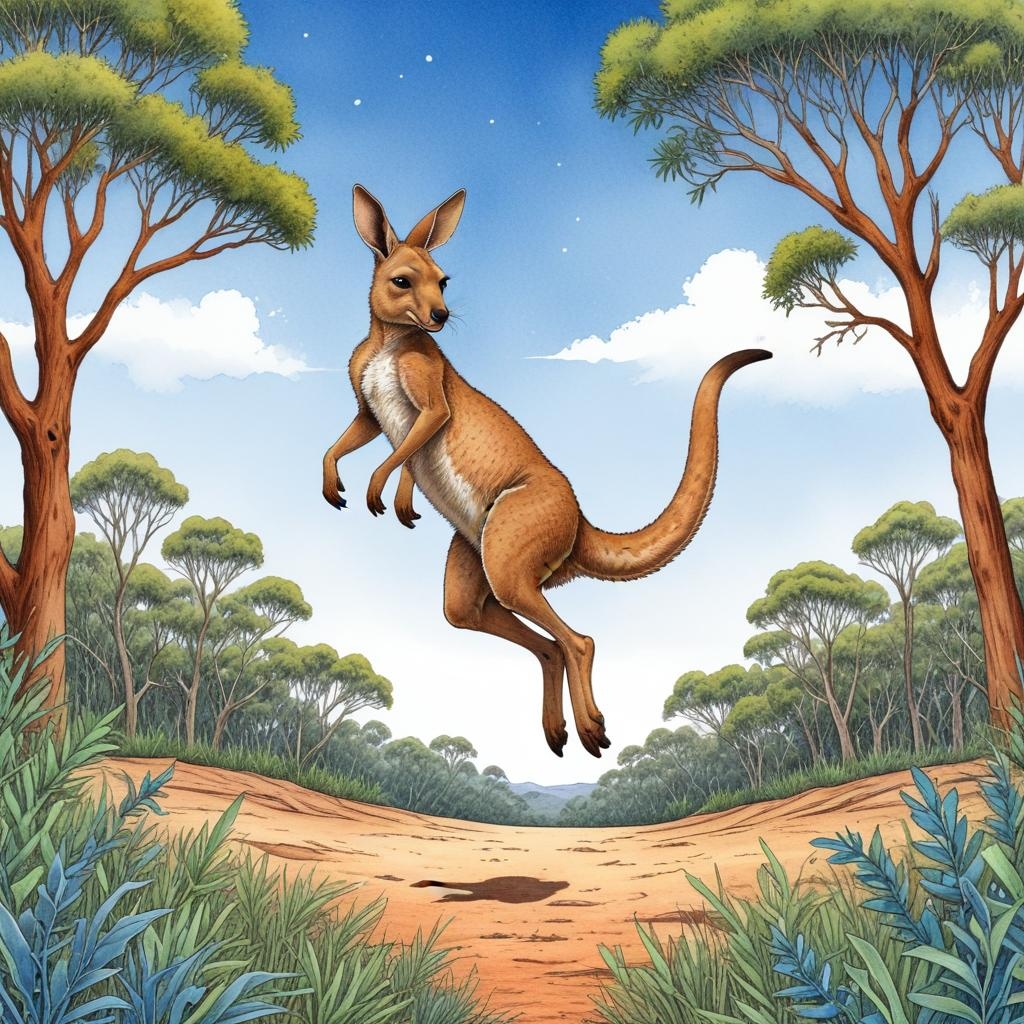
Why the Kangaroo Jumps
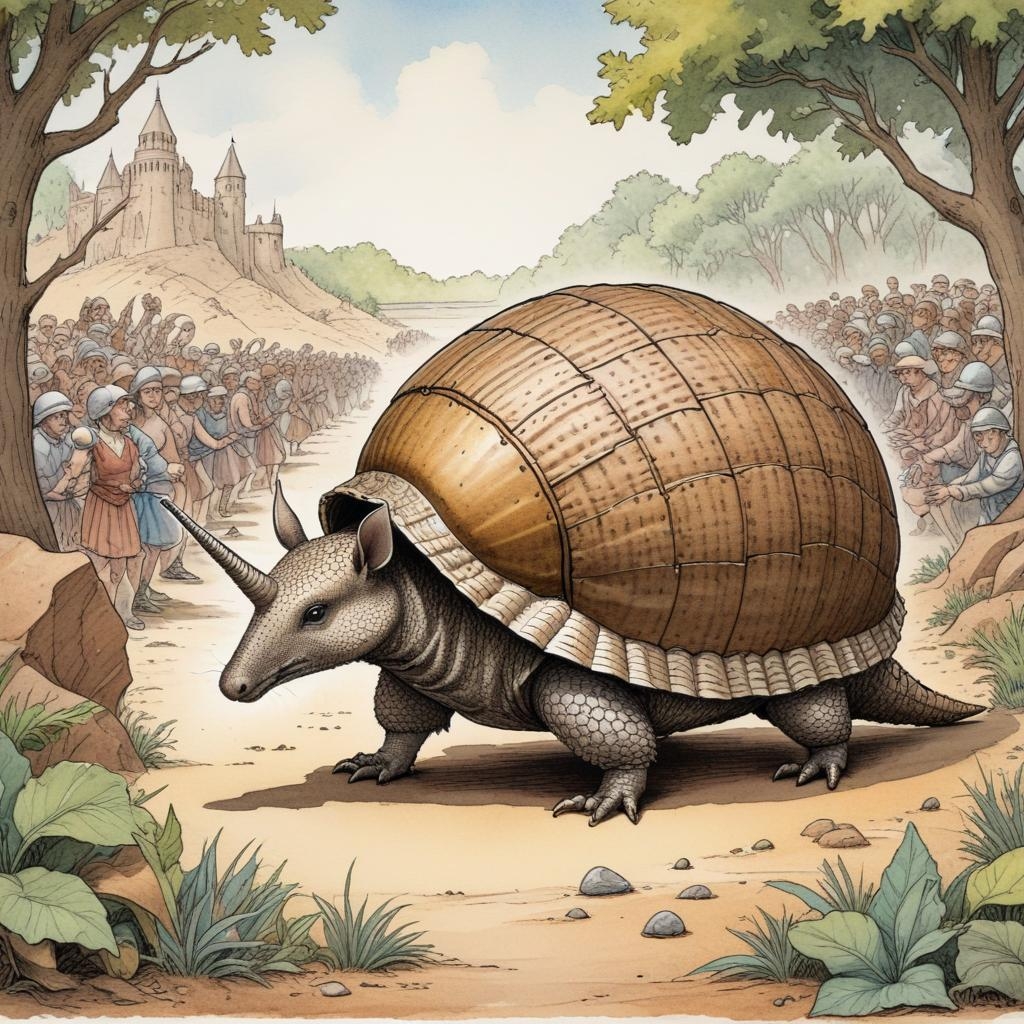
The Creation of the Armadillo
The Just So Stories Legacy
Lesson Details & Resources
In a Nutshell
- What: 'Just So Stories' by Rudyard Kipling
- When: Written in the late 19th century
- Who: Main characters include How the Camel Got His Hump, How the Rhinoceros Got His Skin, and How the Leopard Got His Spots
- Theme: Exploring the origins of various animals and their unique traits
List of Characters in Just So Stories
-
The Elephant's Child
The Elephant's Child is a curious and adventurous young elephant who goes on a quest to learn the secrets of the crocodile.
-
The Sing-Song of Old Man Kangaroo
Old Man Kangaroo is a playful and mischievous kangaroo who loves to sing and dance.
-
The Cat That Walked by Himself
The Cat That Walked by Himself is a clever and independent cat who refuses to be tamed by humans.
-
The Butterfly That Stamped
The Butterfly That Stamped is a beautiful butterfly with a powerful stamp that can make things happen.
-
The Beginning of the Armadillos
The Beginning of the Armadillos tells the story of how the armadillos got their armor.
Timeline of Just So Stories
How the Whale Got His Throat
How the Camel Got His Hump
How the Rhinoceros Got His Skin
How the Leopard Got His Spots
The Elephant's Child
The Sing-Song of Old Man Kangaroo
The Beginning of the Armadillos
How the First Letter Was Written
How the Alphabet Was Made
The Crab That Played with the Sea
The Cat That Walked by Himself
The Butterfly That Stamped
Vocabulary List
- Elephant's Child
- The Elephant's Child is the main character in one of the Just So Stories by Rudyard Kipling.
- How the Camel Got His Hump
- This is the title of one of the Just So Stories that explains how the camel got its hump.
- The Sing-Song of Old Man Kangaroo
- This is the title of another Just So Story by Kipling, featuring the character Old Man Kangaroo.
- The Cat that Walked by Himself
- This Just So Story tells the tale of the Cat that walked by himself and how he became domesticated.
- The Beginning of the Armadillos
- In this Just So Story, Kipling explains how the armadillos came to be.
- How the Rhinoceros Got His Skin
- This Just So Story explains how the rhinoceros got his thick skin.
- The Butterfly that Stamped
- Another Just So Story by Kipling, featuring a butterfly that stamped its foot.
- The Crab that Played with the Sea
- This Just So Story tells the tale of the crab that played with the sea and how tides came to be.
- How the Whale Got His Throat
- Kipling's Just So Story explaining how the whale got his throat.
- The Leopard's Spots
- In this Just So Story, Kipling explains how the leopard got his spots.
Key Facts
This is the information used in the fact matching game
- - Just So Stories is a collection of children's stories written by Rudyard Kipling.
- - The book was first published in 1902.
- - It consists of twelve stories, each explaining how certain animals acquired their unique characteristics.
- - The stories are written in a whimsical, imaginative style.
- - Some of the well-known stories include "How the Elephant Got His Trunk" and "How the Leopard Got His Spots."
- - Kipling wrote these stories for his own daughter, Josephine.
- - The stories are set in various locations, including the African savannah and Indian jungles.
- - Kipling's storytelling is influenced by his experiences in India and his love for animals.
- - The book combines elements of fantasy, folklore, and moral lessons.
- - Kipling often uses anthropomorphism, giving human-like qualities to animals.
- - Each story has its own unique origin myth, explaining why certain animals look or behave the way they do.
- - The stories often involve humorous situations and clever wordplay.
- - Kipling's use of repetitive phrases and rhythmic language makes the stories enjoyable to read aloud.
- - The book has been adapted into various forms, including stage plays and animated films.
- - Just So Stories has remained popular for over a century.
- - The stories teach valuable lessons about adaptation, curiosity, and the consequences of one's actions.
- - Kipling's illustrations accompany the stories, depicting the animals and their surroundings.
- - The book has been translated into numerous languages.
- - Just So Stories is considered one of Kipling's most enduring works.
- - The stories continue to captivate readers of all ages with their imaginative storytelling and timeless themes.
Analysis & Significance
Impact on Literature
Rudyard Kipling’s ‘Just So Stories’ has had a lasting impact on children’s literature, pioneering the use of anthropomorphism and fables to teach valuable life lessons in an engaging way. Its imaginative storytelling and playful language have influenced generations of writers and continue to inspire modern works of fiction.
Enduring Themes
The timeless themes of curiosity, resourcefulness, and the importance of storytelling found in ‘Just So Stories’ still resonate with modern audiences today. Kipling’s exploration of the origins of animals and natural phenomena taps into universal truths about the human experience, making the stories relatable across generations.
Cultural Significance Today
‘Just So Stories’ remains culturally significant today, with adaptations in various media such as theater, film, and television. The stories have become a beloved part of popular culture and continue to be celebrated for their whimsical charm and enduring lessons. Kipling’s legacy as a master storyteller lives on through his timeless collection of tales.
Just So Stories Games


Take Your Learning Offline
Want a convenient, print-ready study guide for this lesson? Become a Memory Wizards Pro member to unlock the downloadable " Memory Scrolls" for this topic and our entire library!
- ✓ Complete Vocabulary Lists
- ✓ Key Facts & Timelines
- ✓ Beautifully Formatted for Print & Mobile