
How Do You Learn Best?
Learn by Reading
Immerse yourself in the 10-minute visual lesson for a comprehensive understanding of the topic.
Learn by Reviewing
Jump directly to the key facts, timeline, and vocabulary lists to build a solid foundation of details.
Learn by Doing
Challenge yourself! Jump straight into the interactive games to learn by trial, error, and discovery.
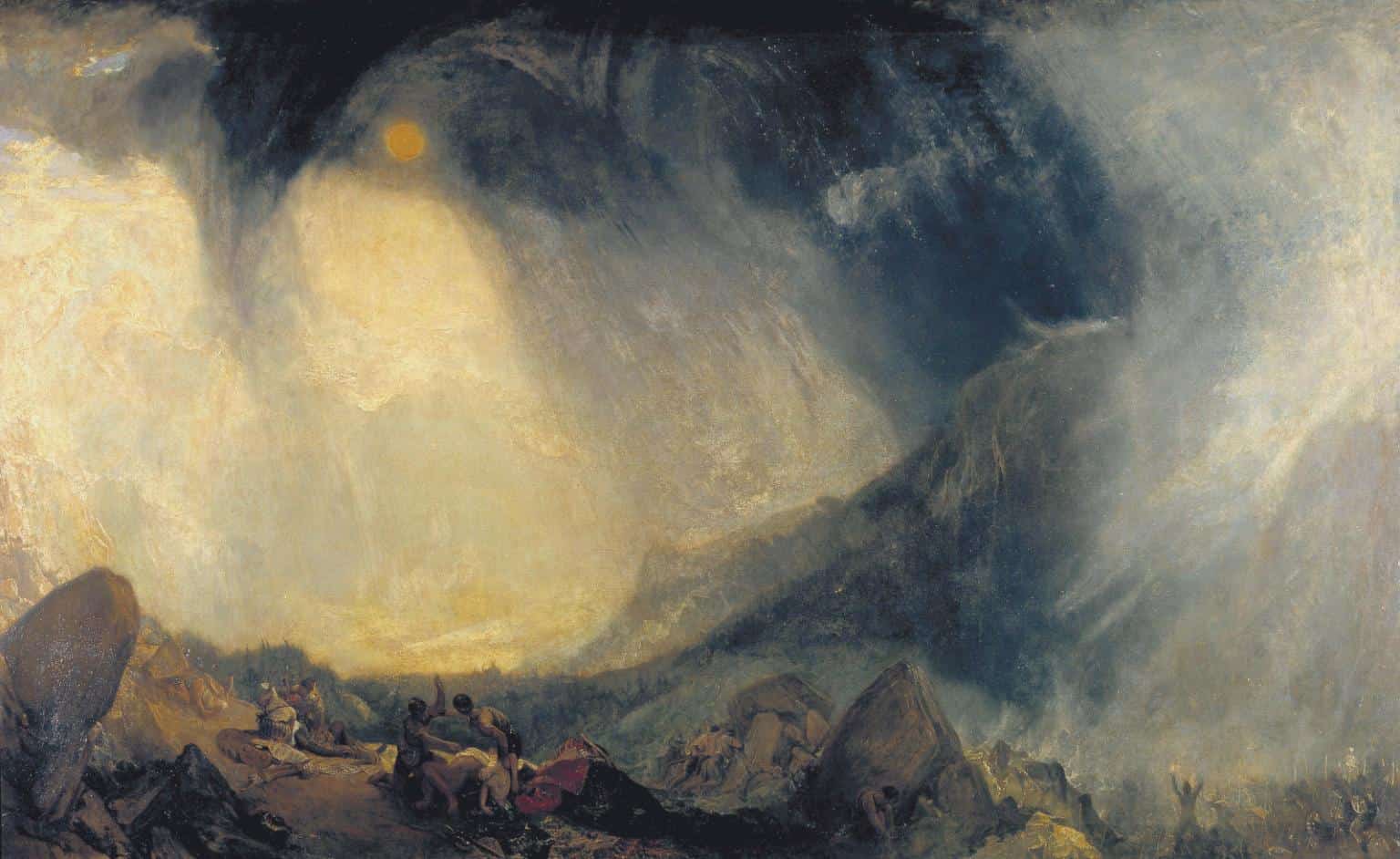
The Masterpiece: Snow Storm: Hannibal and his Army Crossing the Alps exhibited 1812 by Joseph Mallord William Turner 1775-1851
Deconstructing the Masterpiece
Sublime Nature
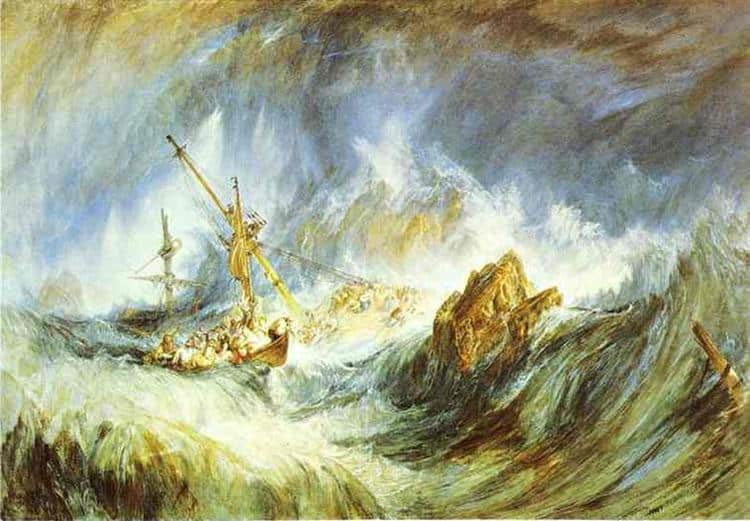
The overwhelming power and majesty of nature is depicted through the vast, turbulent snowstorm and towering mountains.
Heroic Scale
The larger-than-life scale of Hannibal and his army emphasizes their epic journey and the challenges they face in crossing the Alps.
Atmospheric Perspective
Turner creates depth and distance through the subtle use of color and light, enhancing the sense of vast, awe-inspiring space.
The Sublime: An Analysis in 10 Minutes
Introduction
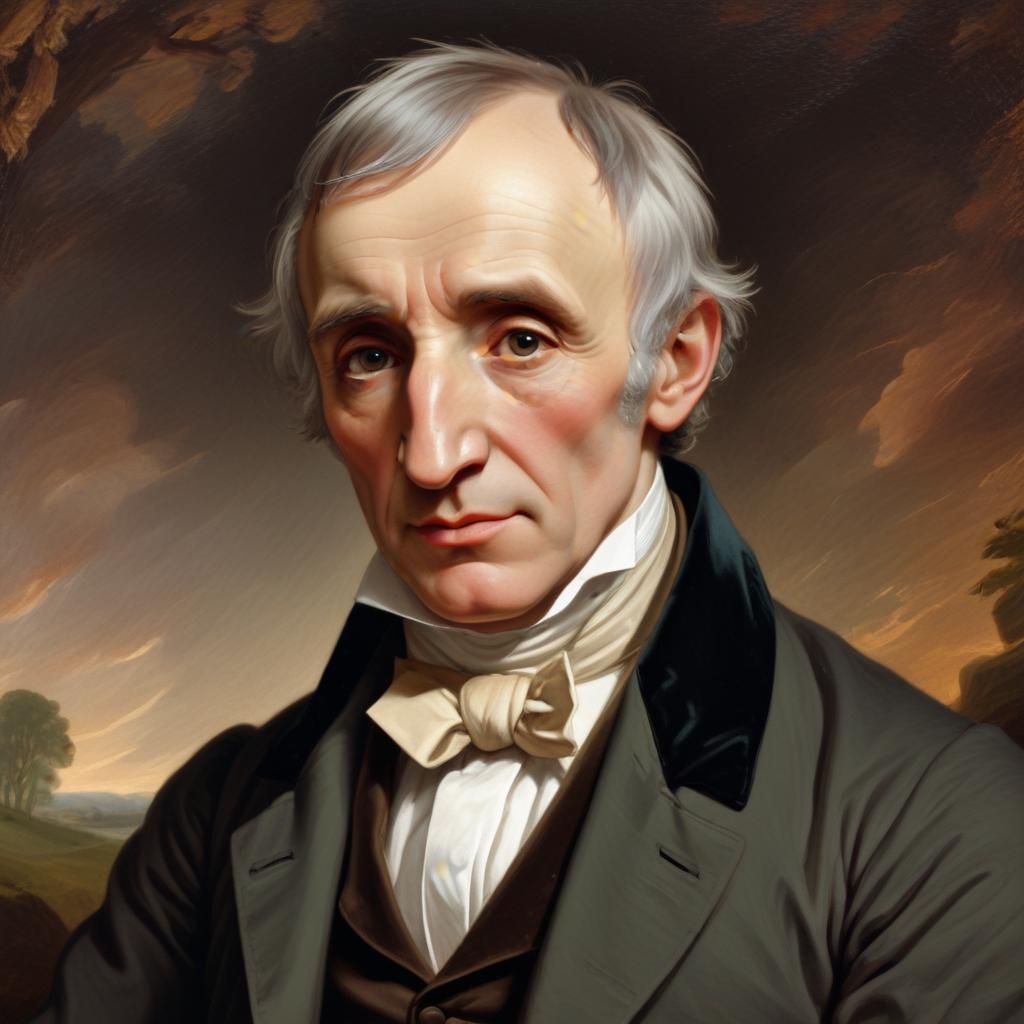
William Wordsworth
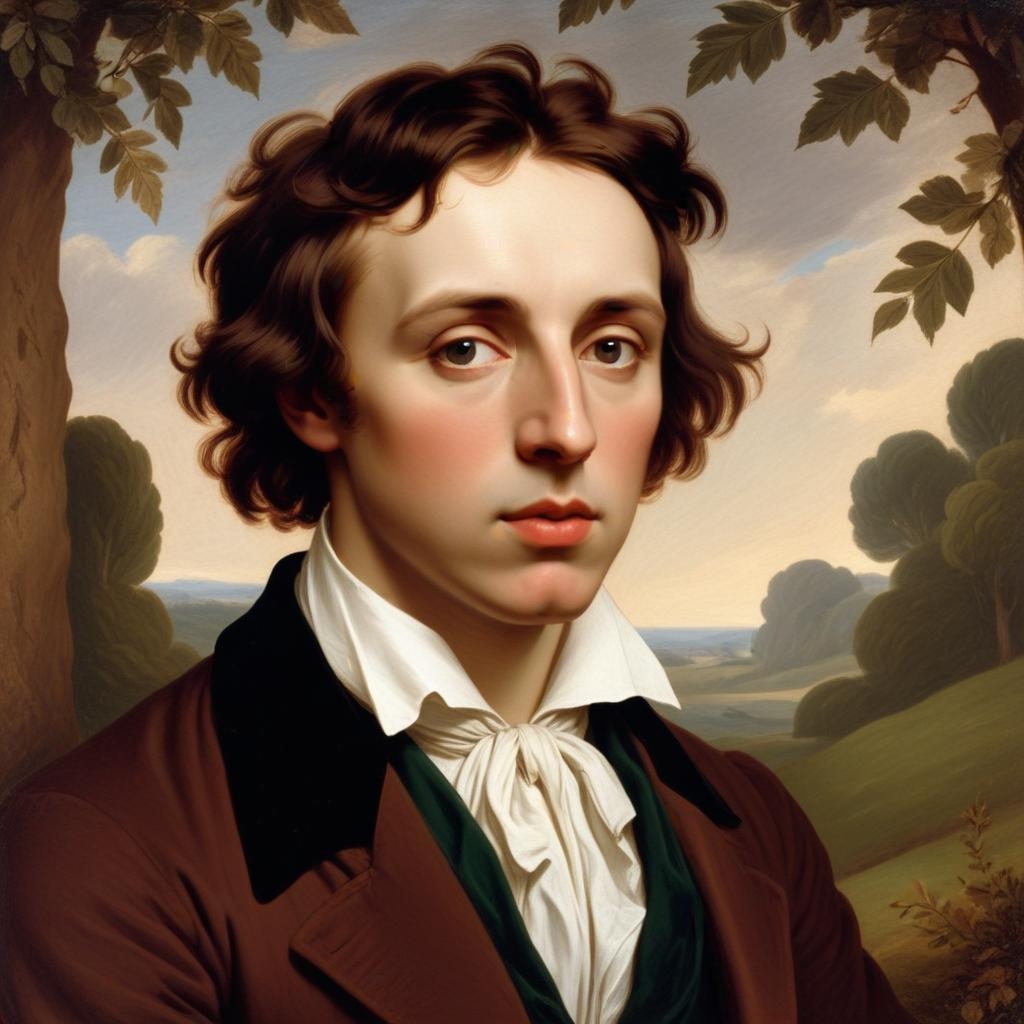
John Keats
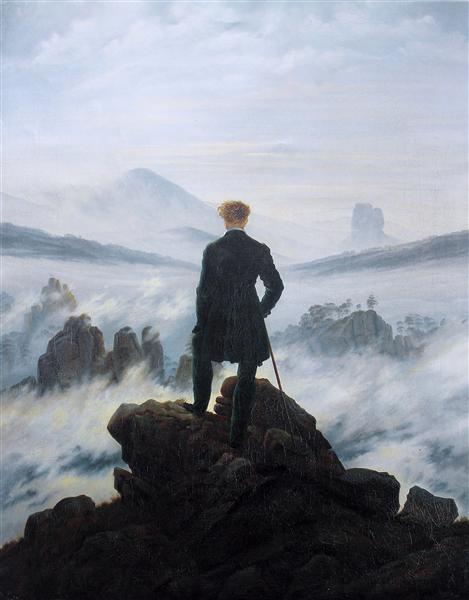
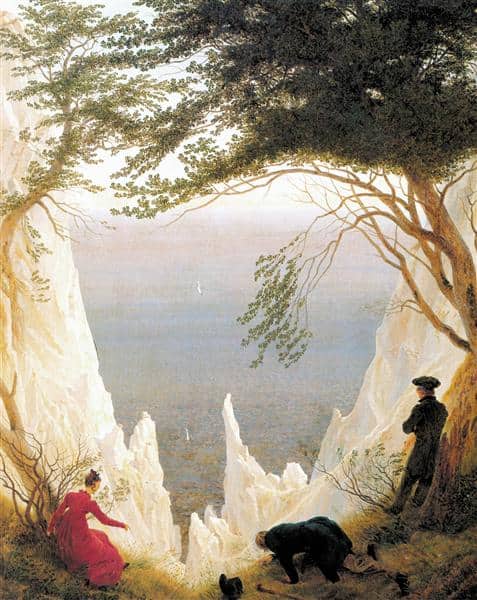
Caspar David Friedrich
1. The Emergence of the Sublime

2. Nature as a Source of the Sublime
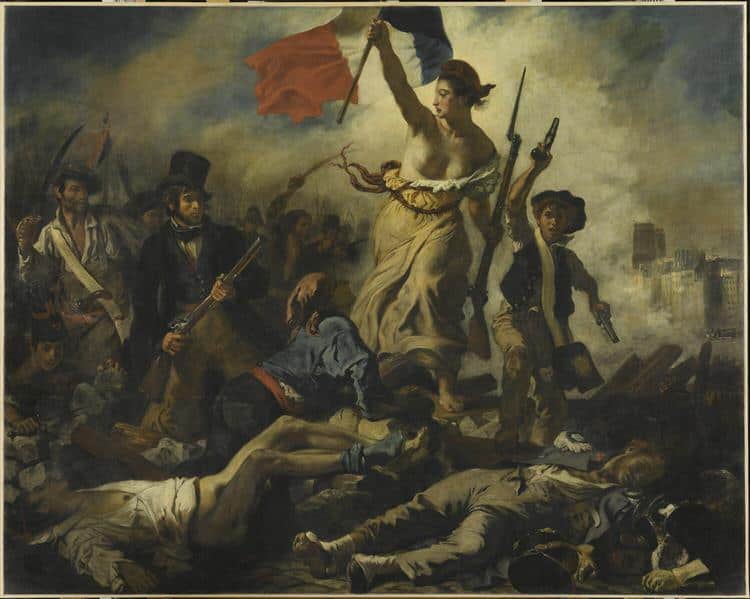
3. The Sublime in Literature
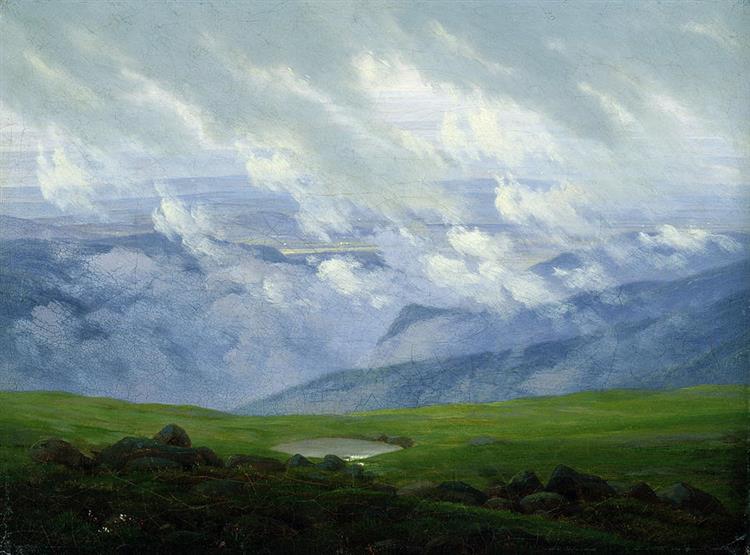
4. The Sublime in Art
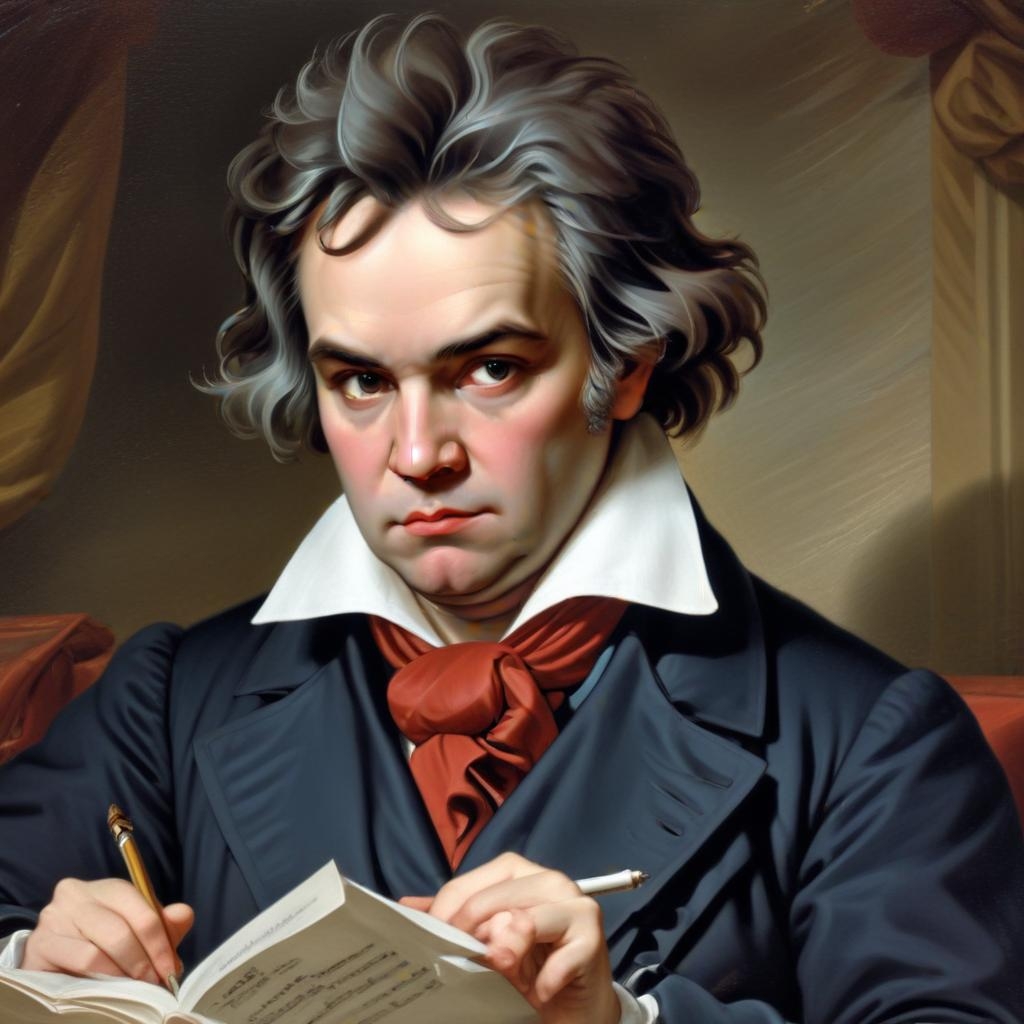
5. The Sublime in Music
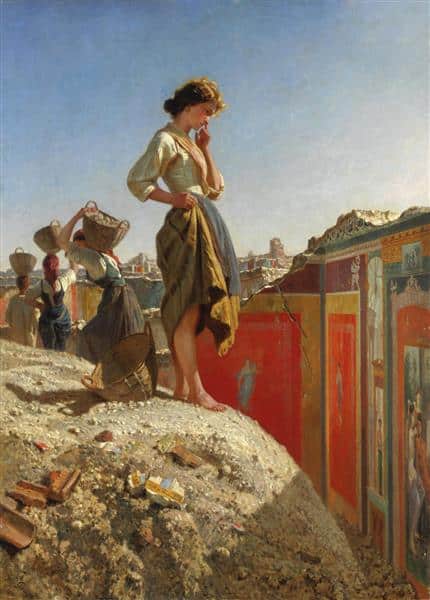
6. Critiques of the Sublime
7. Legacy of the Sublime
Lesson Details & Resources
In a Nutshell
- When: 18th and 19th centuries
- Characteristics: awe-inspiring, overwhelming, dramatic
- Key Artists: J.M.W. Turner, Caspar David Friedrich
- Major Work: “Wanderer above the Sea of Fog” by Caspar David Friedrich
Vocabulary List
- Awe
- The vastness of the landscape filled the viewer with awe, evoking feelings of the sublime.
- Terror
- The stormy seas depicted in the painting filled the viewer with terror, creating a sense of the sublime.
- Grandeur
- The towering mountains displayed a sense of grandeur that inspired feelings of the sublime in the viewer.
- Magnificence
- The sunset over the ocean was a display of pure magnificence, invoking the sublime in those who witnessed it.
- Power
- The crashing waves demonstrated the power of nature, creating a sense of the sublime in the viewer.
- Overwhelming
- The sheer size of the waterfall was overwhelming, evoking a sense of the sublime in those who saw it.
- Mystery
- The dark forest held an air of mystery that added to the sense of the sublime in the painting.
- Infinite
- The starry night sky seemed to stretch on infinitely, creating a sense of the sublime in the viewer.
- Transcendence
- The painting depicted a scene of pure transcendence, evoking feelings of the sublime in the viewer.
- Majesty
- The regal mountains stood tall and proud, exuding a sense of majesty that inspired the sublime.
- Awe-inspiring
- The waterfall was truly awe-inspiring, creating a sense of the sublime in all who saw it.
- Mystical
- The mystical aura of the forest added to the sense of the sublime in the painting.
- Overpowering
- The storm was overpowering in its intensity, creating a sense of the sublime in those who witnessed it.
- Breath-taking
- The view from the mountaintop was breath-taking, evoking feelings of the sublime in the viewer.
- Awe-struck
- The viewer was awe-struck by the beauty of the landscape, experiencing the sublime in that moment.
- Overwhelming
- The sense of scale in the painting was overwhelming, evoking the sublime in those who viewed it.
- Awe-inspiring
- The painting was truly awe-inspiring, creating a sense of the sublime in all who beheld it.
- Mystical
- The mystical quality of the painting added to the sense of the sublime in the viewer.
- Incomprehensible
- The size of the mountain was incomprehensible, leading the viewer to experience the sublime.
- Awe-struck
- The viewer was awe-struck by the immensity of the landscape, feeling the sublime in that moment.
Timeline of The Sublime: An Analysis
The Sublime becomes a prominent theme in Romanticism art
Edmund Burke publishes 'A Philosophical Enquiry into the Origin of Our Ideas of the Sublime and Beautiful'
Immanuel Kant publishes 'Critique of Judgment', discussing the Sublime
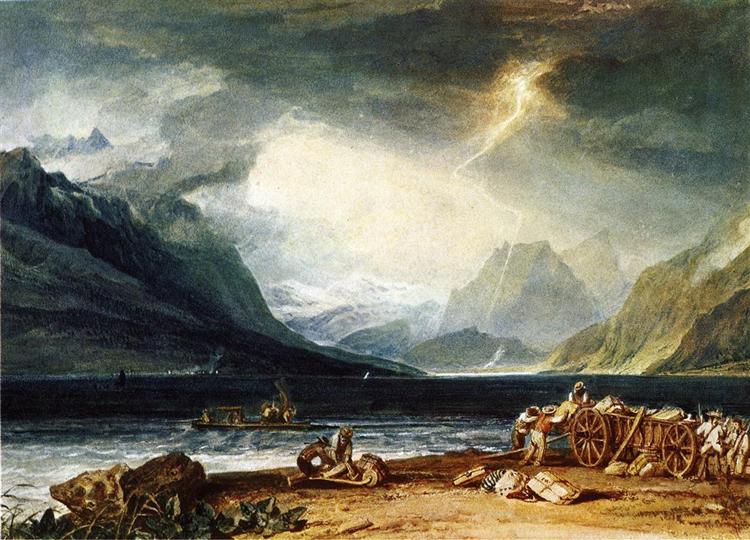
Joseph Mallord William Turner creates dramatic and awe-inspiring landscapes in his paintings
Caspar David Friedrich depicts the Sublime in his works, such as 'Wanderer above the Sea of Fog'
John Martin creates apocalyptic and grandiose scenes in his paintings
The Hudson River School artists capture the Sublime in their landscapes of the American wilderness
The Sublime influences literature, with works like Mary Shelley's 'Frankenstein' exploring themes of awe and terror
Romantic poets, such as William Wordsworth and Lord Byron, incorporate the Sublime into their writings
The Sublime continues to influence art movements in the 19th and 20th centuries, such as Symbolism and Abstract Expressionism
The Sublime remains a significant theme in contemporary art, with artists exploring the limits of human experience and emotion
Key Facts
Analysis & Significance
Artistic Innovation
‘The Sublime’ introduced a new approach to landscape painting, emphasizing the awe-inspiring power and beauty of nature. The artwork depicted vast, untamed landscapes with dramatic lighting and extreme weather conditions, evoking a sense of fear and wonder in the viewer. This emotional intensity and focus on the grandeur of the natural world marked a departure from traditional landscape painting.
Influence on Art History
The concept of the sublime in art, as exemplified by this work, had a profound impact on later artists and art movements. It inspired Romantic painters to explore themes of nature, emotion, and the supernatural, leading to the development of a new artistic language that prioritized individual expression and subjective experience. ‘The Sublime’ helped pave the way for the emergence of Romanticism as a dominant cultural movement.
Cultural Significance Today
Today, ‘The Sublime’ remains a powerful and enduring symbol of humanity’s relationship with the natural world. Its evocative portrayal of the sublime continues to resonate with contemporary audiences, reminding us of the awe-inspiring beauty and power of nature. The painting’s ability to evoke a sense of wonder and reverence for the natural world has solidified its status as a masterpiece that continues to captivate viewers around the world.
The Sublime: An Analysis Games


Take Your Learning Offline
Want a convenient, print-ready study guide for this lesson? Become a Memory Wizards Pro member to unlock the downloadable " Memory Scrolls" for this topic and our entire library!
- ✓ Complete Vocabulary Lists
- ✓ Key Facts & Timelines
- ✓ Beautifully Formatted for Print & Mobile