
How Do You Learn Best?
Learn by Reading
Immerse yourself in the 10-minute visual lesson for a comprehensive understanding of the topic.
Learn by Reviewing
Jump directly to the key facts, timeline, and vocabulary lists to build a solid foundation of details.
Learn by Doing
Challenge yourself! Jump straight into the interactive games to learn by trial, error, and discovery.
The Masterpiece: The Raft of Medusa
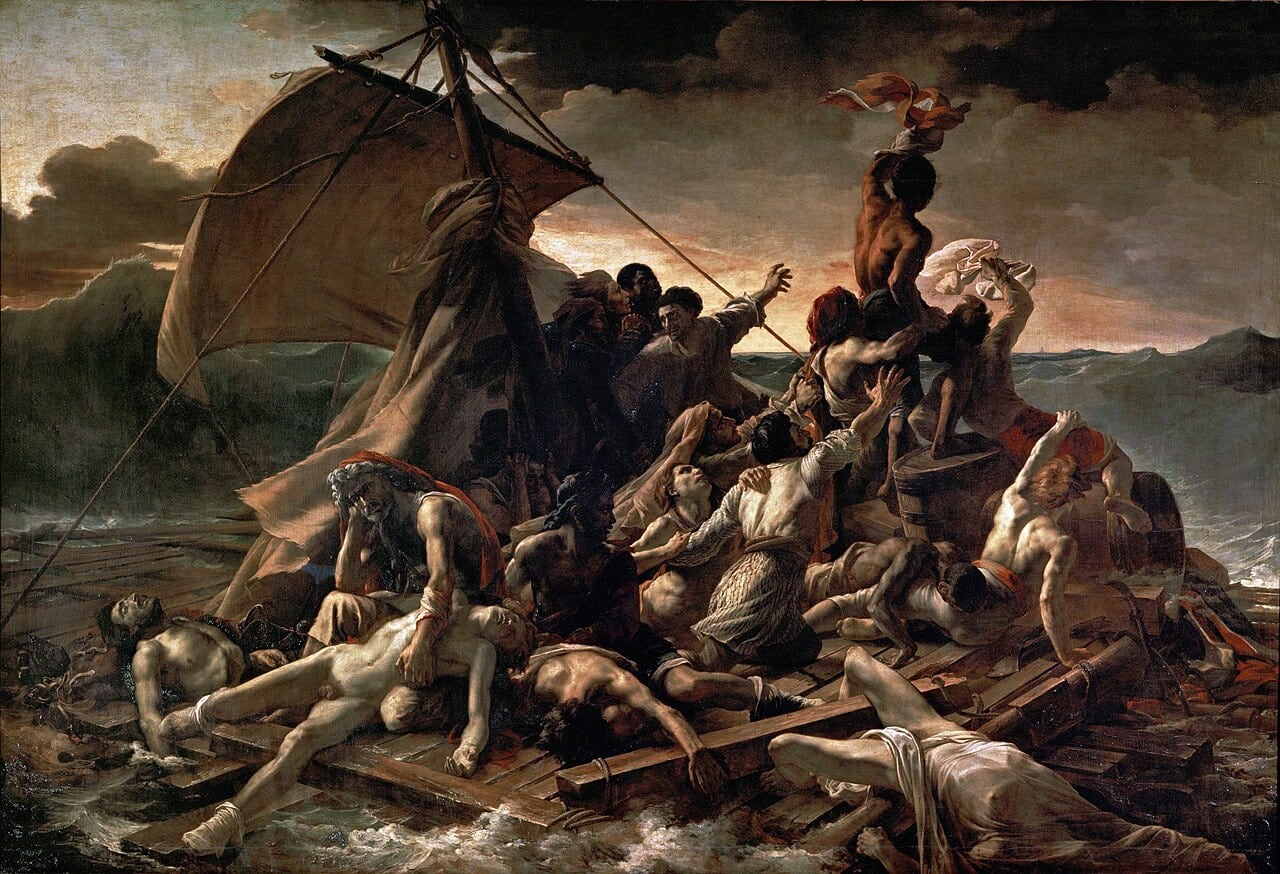
Deconstructing the Masterpiece
Pyramid Composition
The grouping of figures in a pyramid shape creates a sense of stability and hierarchy, emphasizing the heroism of the central figure.
Dramatic Lighting
The use of chiaroscuro enhances the emotional intensity of the scene, casting deep shadows and highlighting the figures' expressions.
Dynamic Gesture
Gestures of despair and hope among the figures convey a range of emotions, adding depth and complexity to the narrative.
The Romantic Hero: An Analysis in 10 Minutes
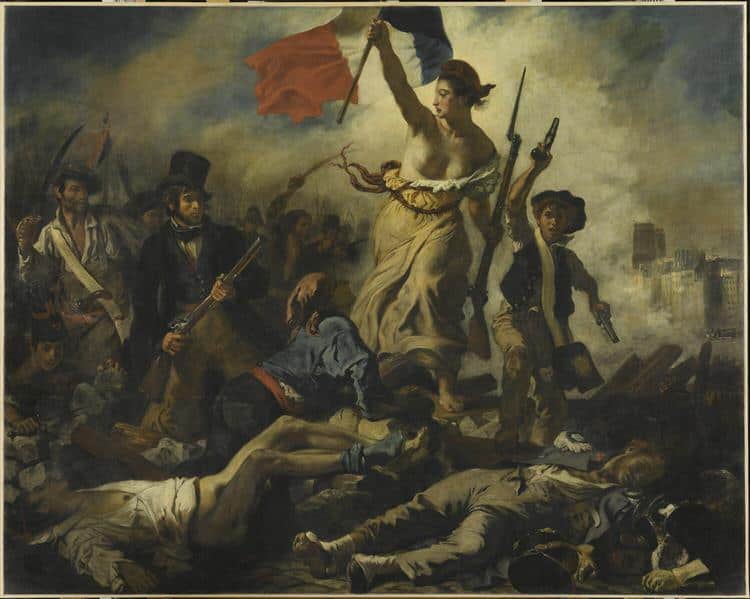
The Rise of the Romantic Hero
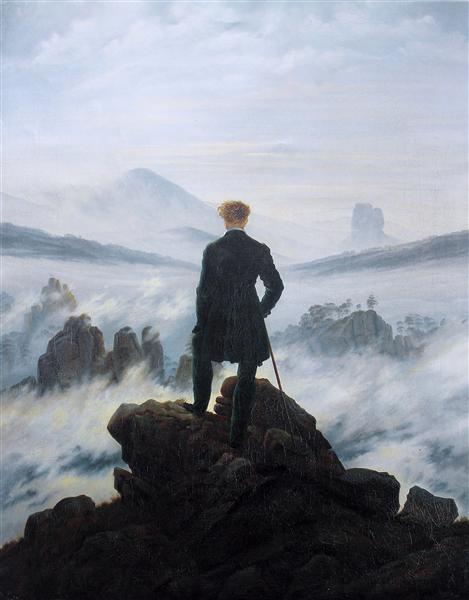
Embracing Passion and Emotion
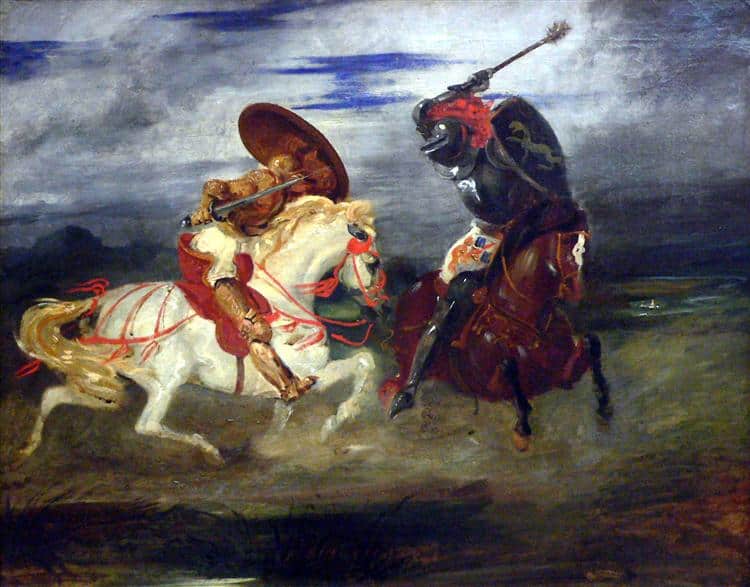
The Misunderstood Genius
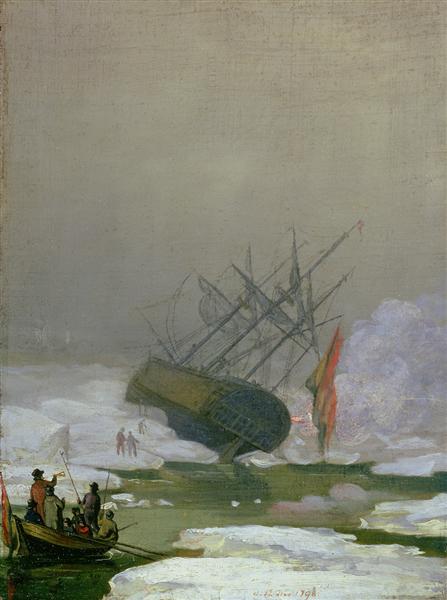
A Sense of Doom and Tragedy
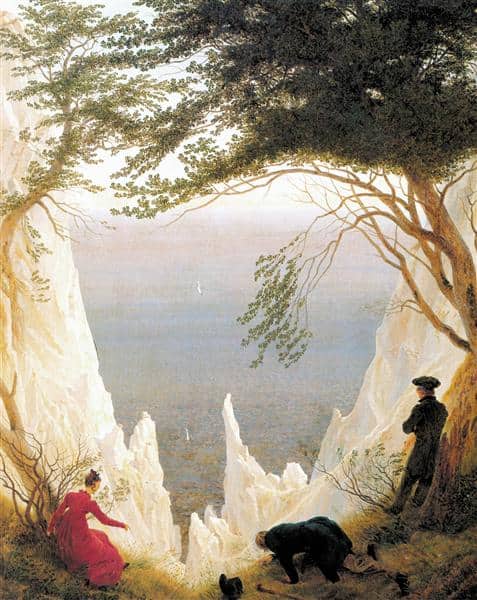
Rejection of Conformity
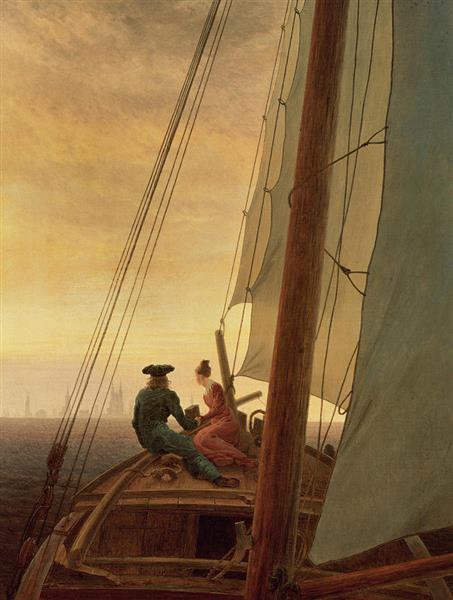
The Influence of Nature
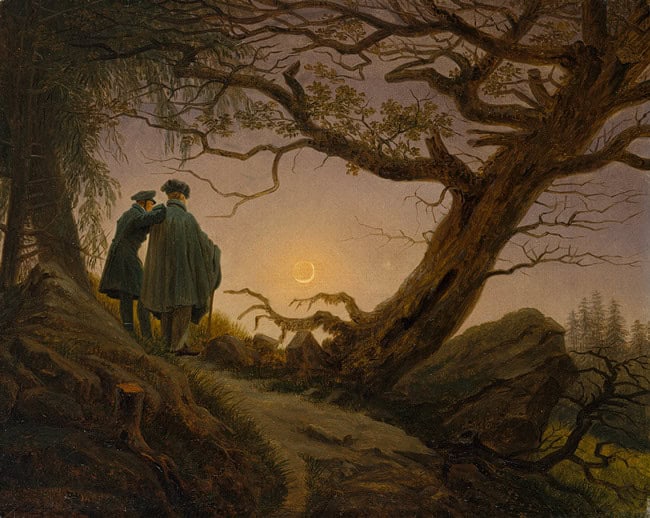
The Hero as Artist
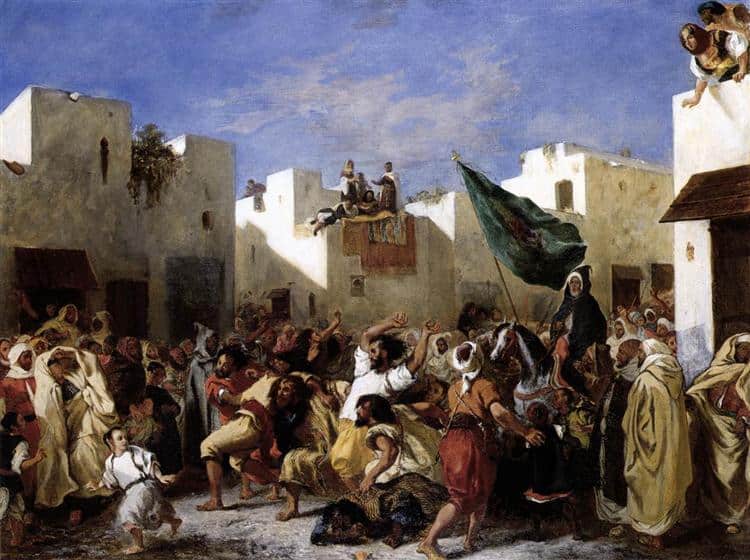
Challenging Authority and Tradition
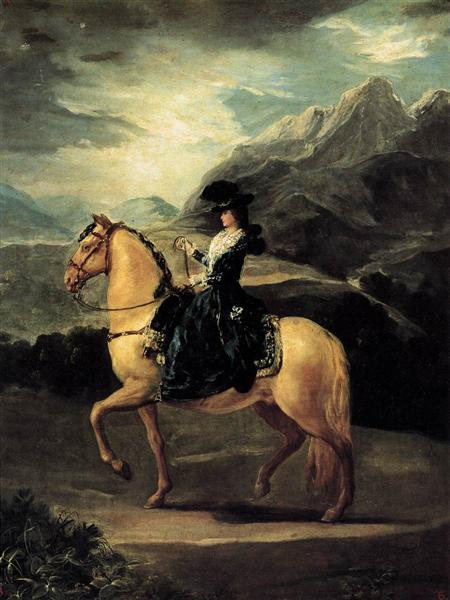
The Legacy of the Romantic Hero
Lesson Details & Resources
In a Nutshell
- When: 18th and 19th centuries
- Characteristics: Emotion, individualism, nature
- Key Artists: Lord Byron, William Wordsworth, John Keats
- Major Work: “Childe Harold’s Pilgrimage” by Lord Byron
Vocabulary List
- Sublime
- The artist captured the sublime beauty of nature in his painting.
- Passion
- The romantic hero is often driven by a deep sense of passion for his beliefs.
- Emotion
- The artwork evokes strong emotions in the viewer, reflecting the inner turmoil of the romantic hero.
- Melancholy
- The romantic hero is often depicted in a state of melancholy, reflecting his sense of isolation and longing.
- Exotic
- The romantic hero is often drawn to exotic landscapes and cultures, seeking adventure and new experiences.
- Rebellion
- The romantic hero rebels against societal norms and conventions, forging his own path.
- Idealism
- The romantic hero is driven by a sense of idealism, striving for a better world.
- Individualism
- The romantic hero values his individuality and independence, refusing to conform to the expectations of others.
- Freedom
- The romantic hero seeks freedom from societal constraints, yearning for self-expression and autonomy.
- Heroism
- The romantic hero embodies the qualities of heroism, courage, and sacrifice.
- Nature
- Nature plays a central role in the artwork of the romantic hero, symbolizing his connection to the natural world.
- Introspection
- The romantic hero engages in deep introspection, exploring his inner thoughts and emotions.
- Passion
- The romantic hero is often depicted as a passionate and charismatic figure, inspiring others with his fervor.
- Tragic
- The romantic hero often meets a tragic end, sacrificing himself for his beliefs.
- Mysticism
- The romantic hero is drawn to the mystical and mysterious, seeking transcendence and enlightenment.
- Noble
- The romantic hero embodies noble qualities such as honor, integrity, and courage.
- Elegance
- The artwork of the romantic hero is characterized by a sense of elegance and refinement.
- Imagination
- The romantic hero has a vivid imagination, creating fantastical worlds and characters in his art.
- Sensuality
- The romantic hero is often depicted as a sensual and passionate figure, embracing his physical desires.
- Adventurous
- The romantic hero embarks on daring adventures, seeking new experiences and challenges.
Timeline of The Romantic Hero: An Analysis
Publication of William Wordsworth and Samuel Taylor Coleridge's Lyrical Ballads
Napoleon Bonaparte crowns himself Emperor of France
Publication of Lord Byron's Childe Harold's Pilgrimage
Percy Bysshe Shelley's Prometheus Unbound is published
Death of John Keats
Publication of Walter Scott's Ivanhoe
Victor Hugo publishes The Hunchback of Notre-Dame
Gustave Flaubert's Madame Bovary is published
Publication of Charles Dickens' Great Expectations
Death of Edgar Allan Poe
Publication of Mary Shelley's Frankenstein
Washington Irving publishes The Legend of Sleepy Hollow
Publication of Nathaniel Hawthorne's The Scarlet Letter
Publication of Emily Bronte's Wuthering Heights
Death of Sir Walter Scott
Johann Wolfgang von Goethe's Faust is published
Publication of Charlotte Bronte's Jane Eyre
Hans Christian Andersen's Fairy Tales are published
Publication of Herman Melville's Moby-Dick
Gustave Courbet's The Stonebreakers is exhibited
Key Facts
This is the information used in the fact matching game
- The Romantic Hero was a common theme in Romanticism art, representing an individual who rebels against societal norms and values personal freedom.
- Romantic heroes were often depicted as passionate, emotional, and idealistic individuals who sought authenticity and self-expression.
- These heroes often embodied a sense of longing for the unattainable, such as unrequited love or a quest for spiritual fulfillment.
- The Romantic Hero was a reaction against the rationalism and restraint of the Enlightenment period, embracing emotion, imagination, and individualism instead.
- Famous examples of Romantic heroes in art include Lord Byron, who was known for his rebellious spirit and passionate poetry.
- The Romantic Hero often faced struggles and challenges that tested their resolve and determination, adding to their mystique and allure.
- Romantic heroes were often depicted in dramatic and sublime landscapes, emphasizing their connection to nature and the supernatural.
- The Romantic Hero was a symbol of the artist as a visionary and creator, challenging conventions and pushing boundaries in pursuit of truth and beauty.
- Artists like William Blake and Caspar David Friedrich were known for their depictions of the Romantic Hero, exploring themes of spirituality, individualism, and the sublime.
- The Romantic Hero inspired many artists and writers of the Romantic era, who sought to capture the essence of human experience and emotion in their work.
- Romantic heroes often symbolized the struggle between the forces of good and evil, light and darkness, and reason and passion, reflecting the complexities of the human psyche.
- The Romantic Hero was a revolutionary figure who challenged traditional authority and social hierarchies, embodying the spirit of rebellion and freedom.
- The concept of the Romantic Hero continues to influence modern art and literature, inspiring artists to explore themes of identity, self-discovery, and personal growth.
- Romantic heroes were often portrayed as solitary figures, isolated from society and struggling to find their place in the world, highlighting their alienation and existential angst.
- The Romantic Hero was a symbol of the artist's desire to break free from traditional constraints and express themselves authentically, regardless of societal expectations.
- Romantic heroes were often depicted in moments of intense emotion and introspection, reflecting the inner turmoil and passion that drove their actions and decisions.
- The Romantic Hero was a complex and multi-dimensional character, embodying both the light and dark aspects of human nature, as well as the struggle between reason and emotion.
- Artists like Eugene Delacroix and Francisco Goya were known for their depictions of the Romantic Hero, infusing their work with drama, passion, and a sense of the sublime.
- Romantic heroes often symbolized the artist's quest for self-discovery and spiritual enlightenment, as they embarked on a journey of personal growth and transformation.
- The Romantic Hero was a symbol of the artist's search for meaning and purpose in a chaotic and uncertain world, embodying the struggle to find truth and beauty in the midst of darkness and despair.
Analysis & Significance
Artistic Innovation
‘The Romantic Hero’ introduced a new approach to depicting heroism in art, focusing on the emotional and psychological complexity of the protagonist rather than just physical prowess. The painting emphasized the internal struggles and passions of the hero, creating a more nuanced and relatable portrayal of heroism that was groundbreaking for its time.
Influence on Art History
This artwork influenced later artists to explore the inner world of their subjects, paving the way for the Romanticism movement. By prioritizing emotion, individualism, and the sublime, ‘The Romantic Hero’ challenged traditional notions of heroism in art and inspired a new wave of personal expression in painting and literature.
Cultural Significance Today
‘The Romantic Hero’ continues to resonate with audiences today, as it captures universal themes of love, sacrifice, and the struggle for personal identity. Its timeless depiction of the hero’s internal battles and triumphs has secured its status as a masterpiece, inspiring countless adaptations in literature, film, and other art forms.
The Romantic Hero: An Analysis Games


Take Your Learning Offline
Want a convenient, print-ready study guide for this lesson? Become a Memory Wizards Pro member to unlock the downloadable " Memory Scrolls" for this topic and our entire library!
- ✓ Complete Vocabulary Lists
- ✓ Key Facts & Timelines
- ✓ Beautifully Formatted for Print & Mobile