
How Do You Learn Best?
Learn by Reading
Immerse yourself in the 10-minute visual lesson for a comprehensive understanding of the topic.
Learn by Reviewing
Jump directly to the key facts, timeline, and vocabulary lists to build a solid foundation of details.
Learn by Doing
Challenge yourself! Jump straight into the interactive games to learn by trial, error, and discovery.
The Masterpiece: John Constable The Hay Wain
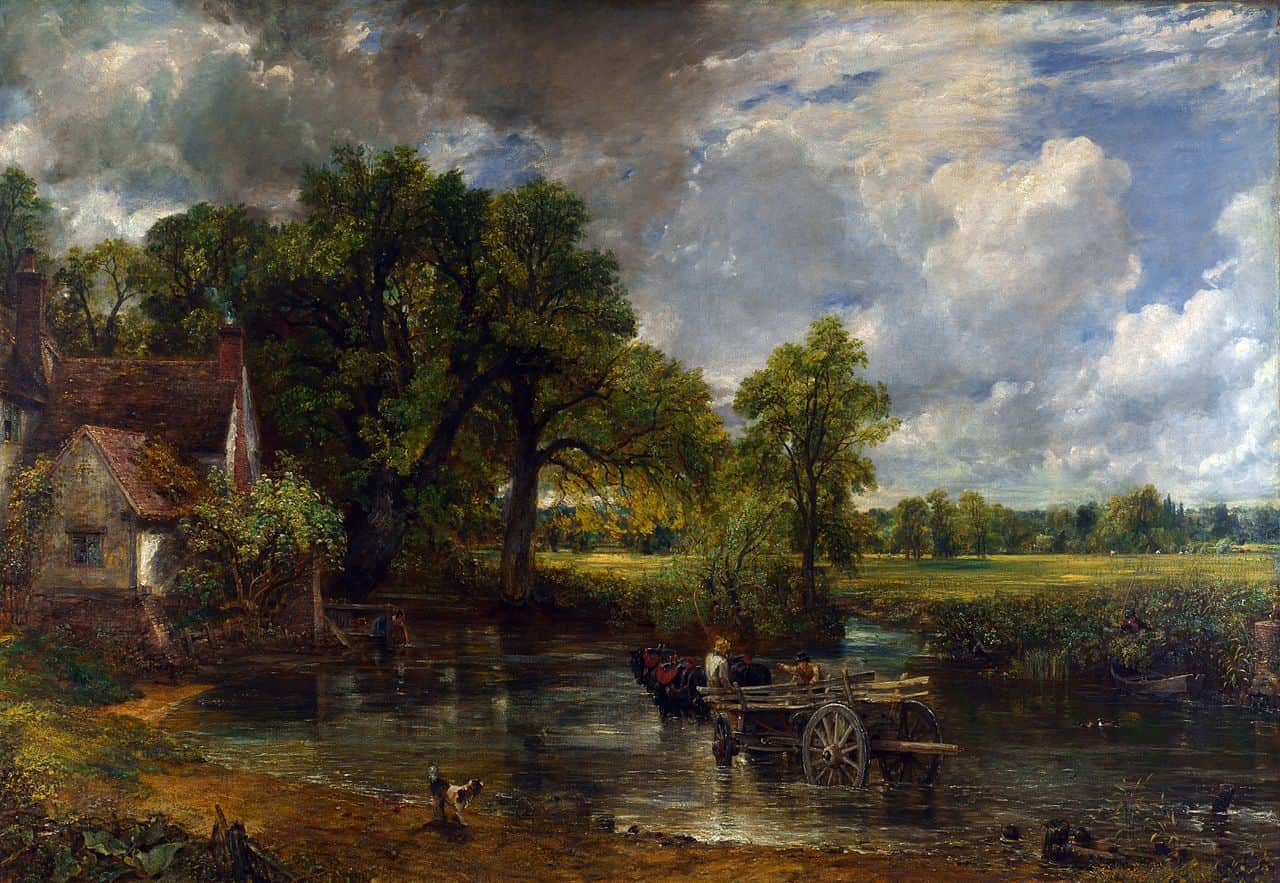
Deconstructing the Masterpiece
No composition analysis points available.
John Constable: An Analysis in 10 Minutes
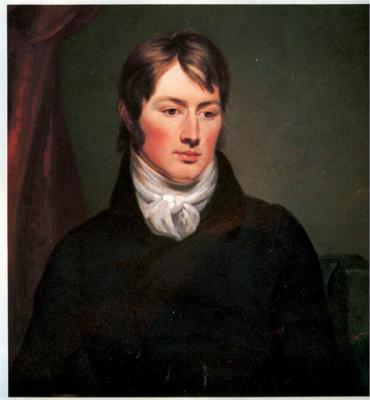
The Early Life of John Constable
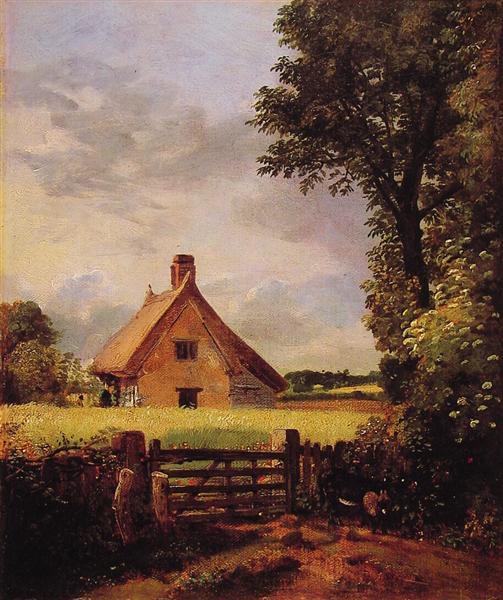
The Influence of Nature on Constable
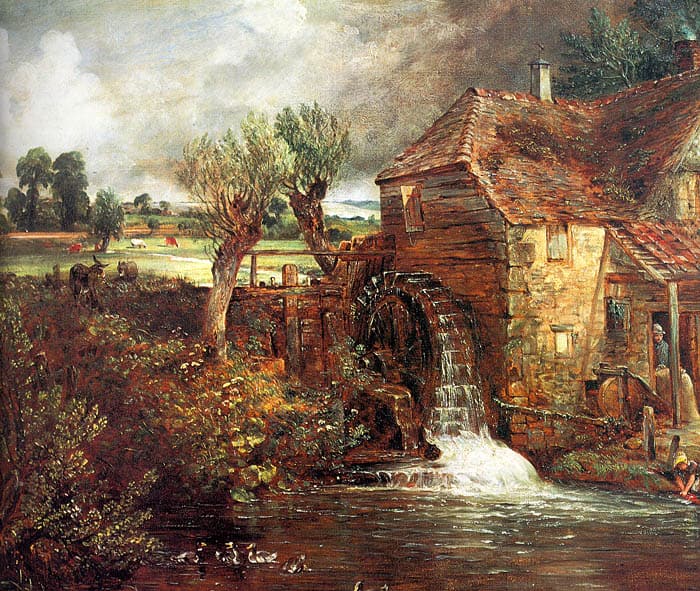
The Romantic Movement and Constables Style
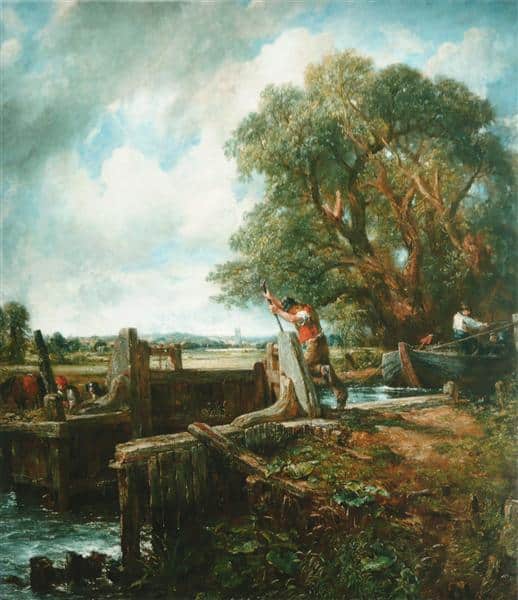
Constables Dedication to his Craft
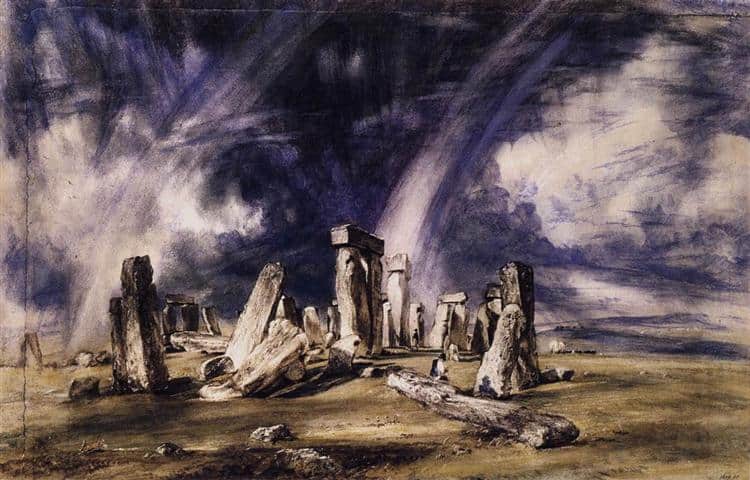
The Importance of Constables Work
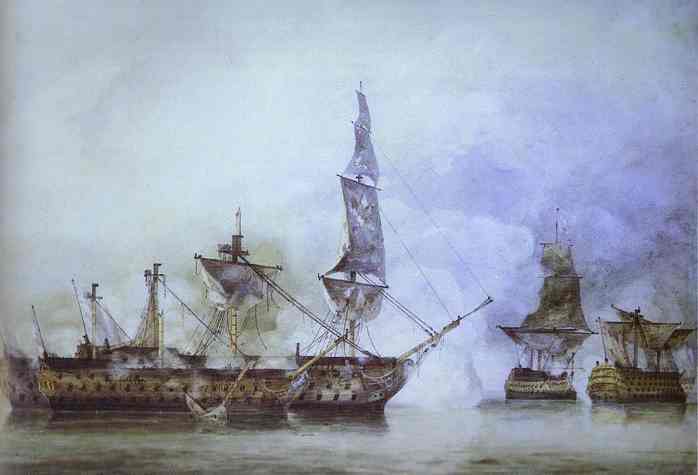
Recognition and Success
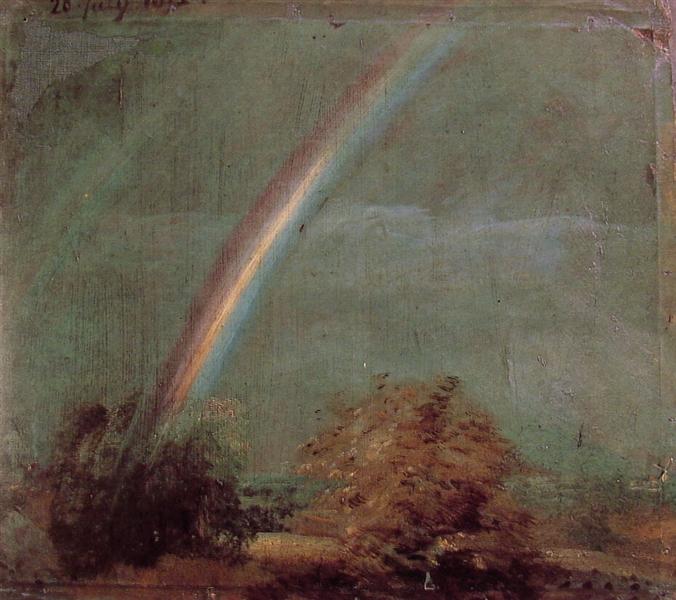
Legacy of John Constable
Lesson Details & Resources
In a Nutshell
- Full Name: John Constable
- Birthdate: June 11, 1776
- Birthplace: East Bergholt, Suffolk, England
- Nationality: British
- Occupation: Painter
- Famous Works: The Hay Wain, Dedham Vale, Salisbury Cathedral from the Meadows
Vocabulary List
- Landscape
- John Constable was known for his detailed and realistic landscapes.
- Sketch
- Constable often started his paintings with a quick sketch of the scene.
- Clouds
- One of Constable's trademarks was his ability to capture the movement and light of clouds in his paintings.
- Tree
- Trees were a common feature in Constable's landscapes, often depicted with great detail and precision.
- River
- Many of Constable's paintings feature rivers or streams, adding a sense of movement and life to the scene.
- Atmosphere
- Constable was a master at creating a sense of atmosphere and mood in his paintings.
- Light
- Light played a crucial role in Constable's paintings, often illuminating the landscape in a natural and beautiful way.
- Harmony
- Constable's paintings are known for their sense of harmony and balance, with every element carefully considered.
- Color
- Constable used color to great effect in his paintings, creating vibrant and lifelike scenes.
- Texture
- The texture of the paint in Constable's works added depth and character to his landscapes.
- Brushwork
- Constable's brushwork was loose and expressive, giving his paintings a sense of movement and energy.
- Impressionistic
- Some art historians consider Constable's work to be a precursor to the impressionist movement.
- Romanticism
- Constable's work is often associated with the Romantic movement, which emphasized emotion and nature.
- Realism
- Constable's paintings are known for their realism and attention to detail, capturing the essence of the English countryside.
- Composition
- Constable's compositions are carefully constructed, leading the viewer's eye through the landscape in a natural way.
- Perspective
- Constable often used perspective to create depth and distance in his paintings, drawing the viewer into the scene.
- Tranquility
- Many of Constable's landscapes evoke a sense of tranquility and peace, inviting the viewer to escape into nature.
- Beauty
- Constable's paintings celebrate the beauty of the English countryside, capturing its essence in every brushstroke.
- Heritage
- Constable's work is an important part of England's artistic heritage, influencing generations of painters to come.
- Inspiration
- Constable's paintings continue to inspire artists and art lovers around the world, with their timeless beauty and emotional depth.
Timeline of John Constable: An Analysis
Key Facts
This is the information used in the fact matching game
- John Constable was an English landscape painter known for his romantic depictions of the English countryside.
- Constable's most famous paintings include 'The Hay Wain' and 'The Cornfield'.
- He was born in Suffolk, England in 1776.
- Constable was inspired by the work of landscape painters such as Claude Lorrain and Jacob van Ruisdael.
- He studied at the Royal Academy of Arts in London.
- Constable's work was initially not well received by critics, but he eventually gained recognition for his unique style.
- He often painted en plein air, or outdoors, to capture the changing light and atmosphere of the landscape.
- Constable's paintings are characterized by their naturalism and attention to detail.
- He was influenced by the Romantic movement in art, which emphasized emotion and individual expression.
- Constable's use of light and color was groundbreaking for his time and had a significant impact on later artists.
- He was elected a Royal Academician in 1829.
- Constable's wife, Maria, was a constant source of support and inspiration for his work.
- He had a close friendship with fellow artist J.M.W. Turner, though they had differing approaches to landscape painting.
- Constable's work is often associated with the Romantic movement in literature and music, which also sought to evoke emotion and natural beauty.
- He had a profound influence on later landscape painters, including the French Barbizon School and the American Hudson River School.
- Constable's paintings are now considered some of the most important works in the history of British art.
- His paintings often depict scenes from the countryside around his home in Suffolk, including the River Stour.
- Constable's work is known for its strong sense of place and the feeling of being 'on location'.
- He continued to paint up until his death in 1837, leaving behind a legacy of stunning landscape paintings.
- Constable's work is often admired for its ability to evoke a sense of nostalgia and longing for the past.
Analysis & Significance
Artistic Innovation
John Constable’s innovative use of light and color in his landscapes, particularly his emphasis on capturing the transient effects of weather and atmosphere, revolutionized the genre of landscape painting. His dedication to painting directly from nature, known as en plein air, brought a sense of immediacy and authenticity to his work that was unprecedented for its time.
Influence on Art History
Constable’s dedication to capturing the beauty and poetry of the English countryside inspired generations of artists, including the Impressionists. His emphasis on creating emotional connections to nature and his rejection of idealized landscapes laid the groundwork for a more realistic and intimate approach to landscape painting that continues to resonate in contemporary art.
Cultural Significance Today
Today, John Constable’s landscapes are celebrated for their timeless beauty and emotional resonance. His works, such as “The Hay Wain,” are considered masterpieces of British art and continue to captivate audiences around the world. Constable’s ability to capture the essence of the natural world in all its glory has solidified his place as one of the most influential landscape painters in art history.
John Constable: An Analysis Games


Take Your Learning Offline
Want a convenient, print-ready study guide for this lesson? Become a Memory Wizards Pro member to unlock the downloadable " Memory Scrolls" for this topic and our entire library!
- ✓ Complete Vocabulary Lists
- ✓ Key Facts & Timelines
- ✓ Beautifully Formatted for Print & Mobile