
How Do You Learn Best?
Learn by Reading
Immerse yourself in the 10-minute visual lesson for a comprehensive understanding of the topic.
Learn by Reviewing
Jump directly to the key facts, timeline, and vocabulary lists to build a solid foundation of details.
Learn by Doing
Challenge yourself! Jump straight into the interactive games to learn by trial, error, and discovery.
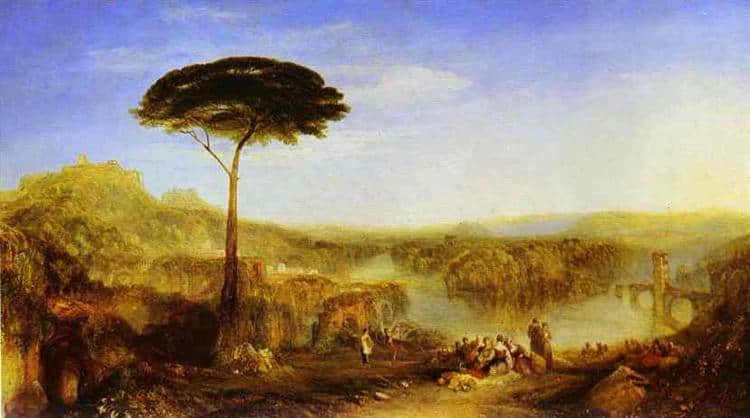
The Masterpiece: Joseph Mallord William Turner Modern Rome
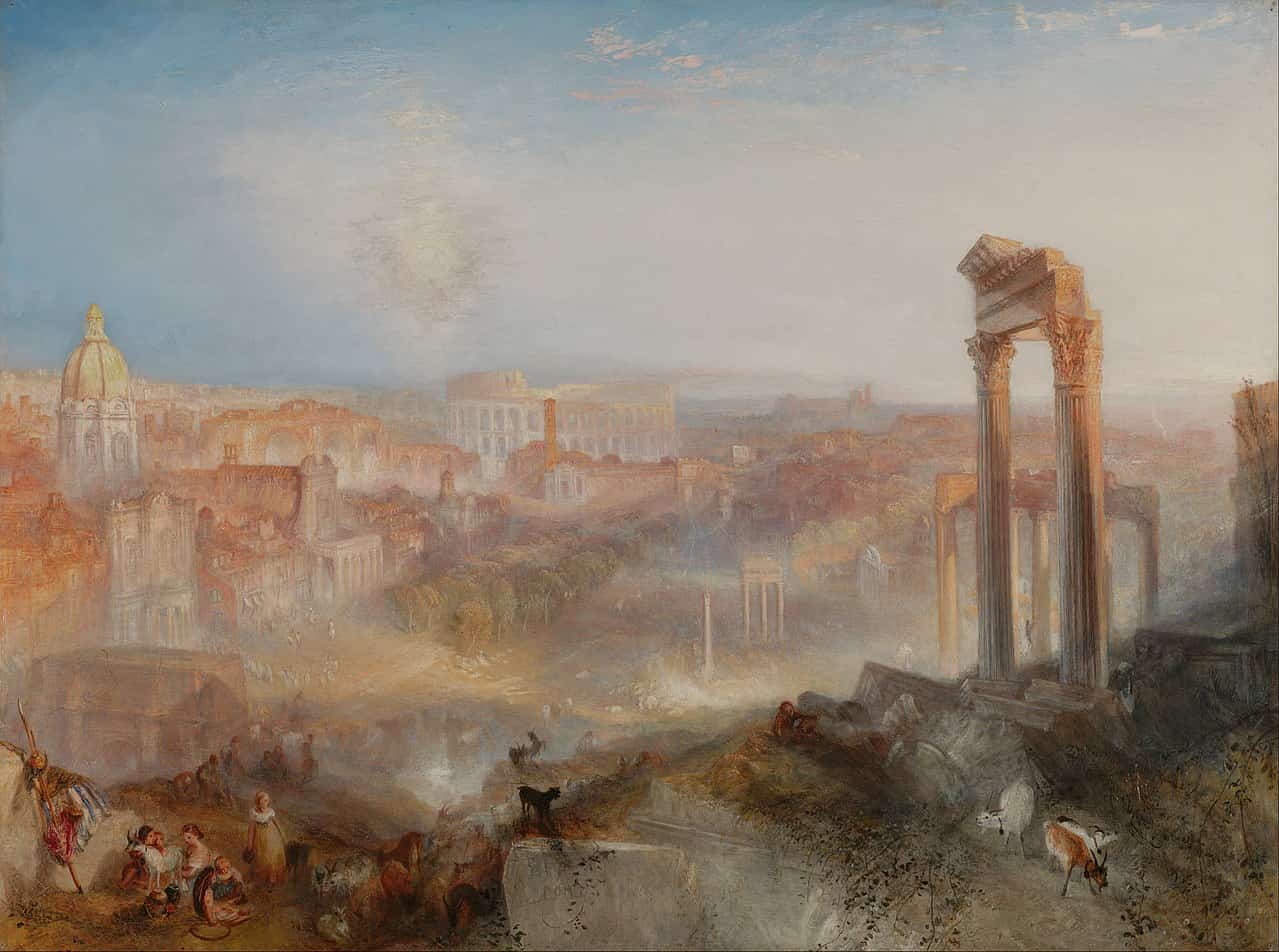
Deconstructing the Masterpiece
Luminous Atmosphere
Turner uses light and color to create a radiant, ethereal atmosphere, blurring forms and enhancing the sense of depth and space.
Expressive Brushwork
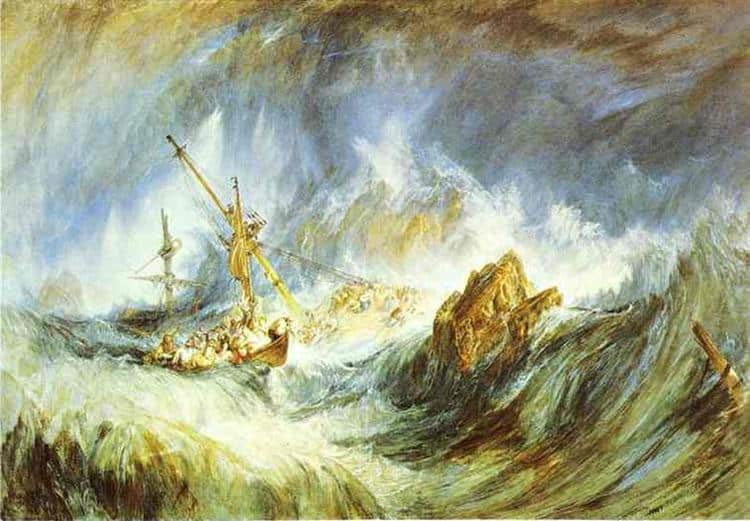
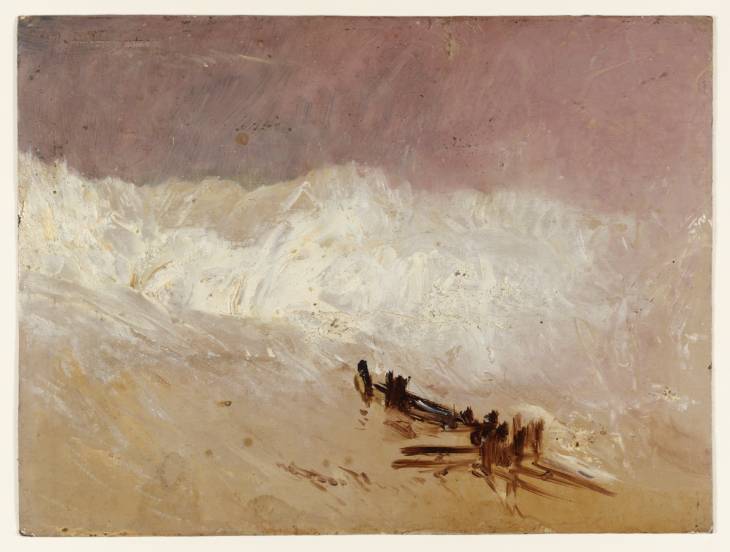
Bold, loose brushstrokes and gestural marks convey emotion and movement, capturing the fleeting effects of light and weather.
Sublime Nature
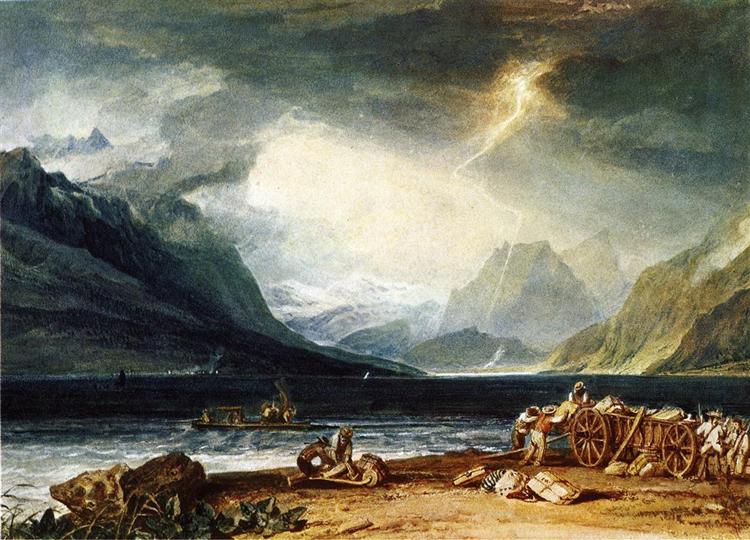
Turner infuses the landscape with a sense of awe and grandeur, emphasizing the power and beauty of the natural world.
J.M.W. Turner: An Analysis in 10 Minutes
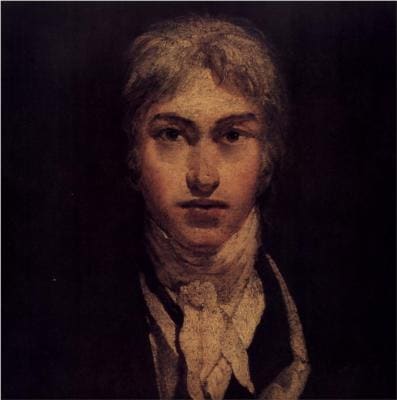
The Early Life of J.M.W. Turner
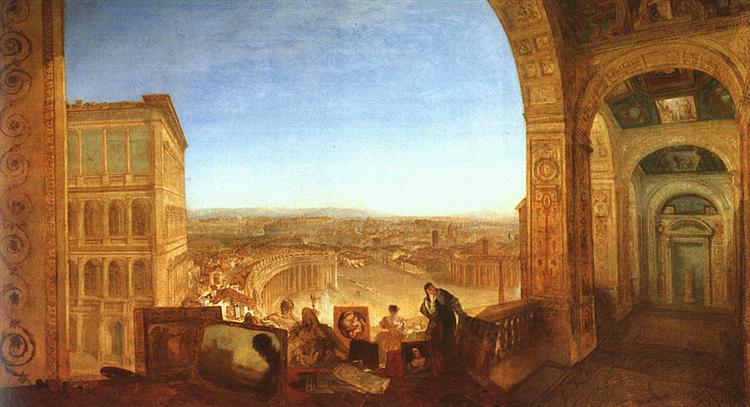
Turners Unique Style
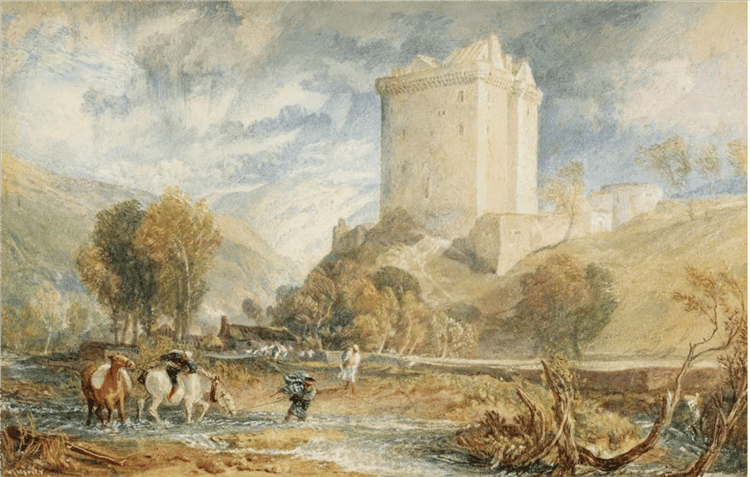
Turners Travels and Inspiration
Turners Technological Innovations
Turners Impact on the Art World
Turners Later Years and Legacy
Turners Influence on Future Generations
Turners Enduring Popularity
Turners Artistic Evolution
Turners Place in Art History
Lesson Details & Resources
In a Nutshell
- Full Name: Joseph Mallord William Turner
- Birthdate: April 23, 1775
- Birthplace: Covent Garden, London, England
- Occupation: Painter
- Style: Romanticism
- Notable Works: “The Fighting Temeraire”, “Rain, Steam, and Speed – The Great Western Railway”, “The Slave Ship”
- Legacy: Turner is considered one of the greatest landscape painters in art history.
Vocabulary List
- Landscape
- Turner is known for his breathtaking landscape paintings.
- Atmospheric
- Turner's use of color and light creates a sense of atmospheric perspective in his work.
- Sublime
- The sublime beauty of nature is a common theme in Turner's paintings.
- Impressionistic
- Turner's loose brushwork and emphasis on light is often considered impressionistic.
- Ethereal
- The ethereal quality of Turner's skies adds a sense of mystery to his paintings.
- Dramatic
- Turner's use of light and shadow creates a dramatic effect in his seascapes.
- Captivating
- The captivating beauty of Turner's work has inspired generations of artists.
- Awe-inspiring
- The awe-inspiring scale of Turner's paintings leaves viewers speechless.
- Vivid
- Turner's use of color is vivid and vibrant, drawing the viewer into the scene.
- Tempestuous
- Turner's seascapes often depict tempestuous storms and rough seas.
- Misty
- The misty atmosphere in Turner's paintings adds a sense of mystery and intrigue.
- Whimsical
- Turner's imaginative and whimsical style sets him apart from other artists of his time.
- Ethereal
- The ethereal quality of Turner's skies adds a sense of mystery to his paintings.
- Transcendent
- Turner's work is often described as transcendent, evoking a sense of the divine.
- Evocative
- Turner's paintings are highly evocative, stirring deep emotions in the viewer.
- Enigmatic
- Turner's enigmatic landscapes leave room for interpretation and contemplation.
- Immaculate
- The immaculate detail in Turner's work demonstrates his technical skill and precision.
- Awe-inspiring
- The awe-inspiring scale of Turner's paintings leaves viewers speechless.
- Luminous
- Turner's use of light creates a luminous quality in his paintings.
- Masterful
- Turner's masterful use of color and composition has solidified his reputation as a great artist.
Timeline of J.M.W. Turner: An Analysis
J.M.W. Turner is born in Covent Garden, London, England
Turner exhibits his first watercolor painting at the Royal Academy
Turner becomes an Associate of the Royal Academy
Turner is elected as a full Royal Academician
Turner travels to Italy for the first time, inspiring many of his future works
Turner's painting 'The Slave Ship' is exhibited at the Royal Academy, sparking controversy
Turner's father dies, leaving him emotionally distraught
Turner's health begins to decline, leading to periods of depression and isolation
Turner bequeaths his unfinished paintings to the British nation, leading to the creation of the Turner Bequest
Turner dies in Cheyne Walk, Chelsea, London
The first major retrospective of Turner's work is held at the National Gallery, London
The Turner Prize is established in honor of J.M.W. Turner
The Tate Britain opens the Clore Gallery dedicated to J.M.W. Turner's work
Turner's painting 'The Fighting Temeraire' is voted the nation's favorite painting in a poll
The film 'Mr. Turner', directed by Mike Leigh, is released, depicting the life of J.M.W. Turner
A major exhibition of Turner's later works is held at the Tate Britain
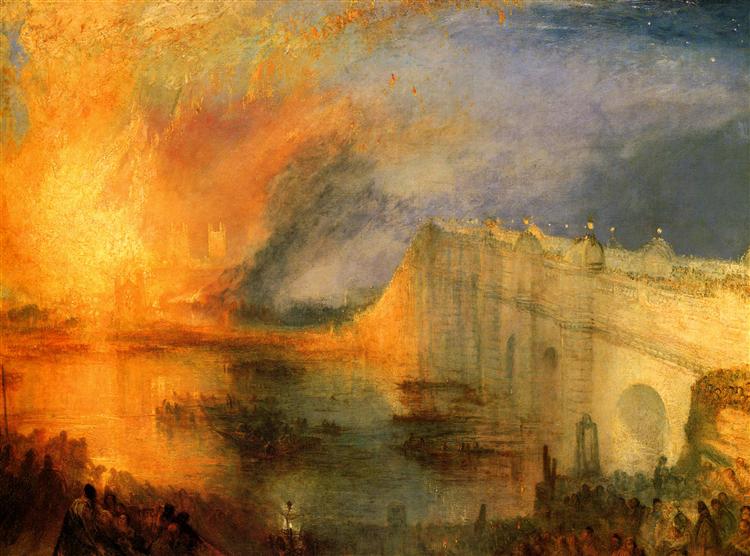
Turner's painting 'The Burning of the Houses of Lords and Commons' is voted the nation's favorite painting in a poll
The Tate Britain holds a major exhibition on Turner's relationship with the sea
Turner's painting 'The Fighting Temeraire' is chosen to appear on the new £20 note
Key Facts
This is the information used in the fact matching game
- J.M.W. Turner was an English Romantic painter, printmaker, and watercolorist.
- Turner is known for his innovative use of light and color in his landscapes and seascapes.
- He was a prolific artist, producing over 550 oil paintings, 2,000 watercolors, and 30,000 works on paper.
- Turner's work has had a significant influence on later artists, particularly the Impressionists.
- He was a member of the Royal Academy of Arts and exhibited his work there for almost 50 years.
- Turner's work often depicted the power and beauty of nature, as well as the effects of light and weather on the landscape.
- He traveled extensively throughout Europe, capturing the landscapes of countries such as Italy, France, and Switzerland.
- Turner's late works are characterized by their abstract and atmospheric qualities, foreshadowing the development of modern art.
- He was known for his unconventional painting techniques, such as using his fingers and nails to create texture in his work.
- Turner's work was controversial in his time, with some critics finding his use of color and light too radical.
- He was a master of capturing the effects of light on water, whether in a calm harbor or a stormy sea.
- Turner's work often blurred the line between representation and abstraction, pushing the boundaries of traditional landscape painting.
- He was known for his use of rich, vibrant colors, creating dramatic and emotional effects in his paintings.
- Turner's work was influenced by the Romantic movement, which emphasized emotion, imagination, and the sublime in art.
- He was a pioneer in the use of watercolor, elevating the medium to a respected form of art in its own right.
- Turner's work has been the subject of numerous exhibitions and retrospectives, showcasing his lasting impact on the art world.
- He was a reclusive figure in his later years, focusing on his art and avoiding the public eye.
- Turner's legacy as an artist continues to inspire and influence generations of painters and art lovers.
- He left his vast collection of artwork to the British nation, leading to the establishment of the Turner Bequest and the Turner Collection at Tate Britain.
- Turner's work is celebrated for its emotional depth, technical brilliance, and profound connection to the natural world.
Analysis & Significance
Artistic Innovation
J.M.W. Turner revolutionized landscape painting by emphasizing light, atmosphere, and color over precise detail. His loose brushwork and dramatic use of light created a sense of movement and emotion in his works, breaking away from the traditional, realistic approach of his time.
Influence on Art History
Turner’s bold, expressive style laid the groundwork for Impressionism and modern abstract art. His innovative techniques inspired artists like Claude Monet and Vincent van Gogh, who admired his ability to capture the fleeting effects of light and nature. Turner’s work challenged the boundaries of traditional painting, pushing the evolution of art forward.
Cultural Significance Today
Today, Turner’s paintings are celebrated for their emotional power and technical virtuosity. His works continue to inspire artists and captivate viewers with their breathtaking landscapes and evocative scenes. Turner’s legacy as a master of light and color endures, solidifying his place as one of the most influential artists in the history of Western art.
J.M.W. Turner: An Analysis Games


Take Your Learning Offline
Want a convenient, print-ready study guide for this lesson? Become a Memory Wizards Pro member to unlock the downloadable " Memory Scrolls" for this topic and our entire library!
- ✓ Complete Vocabulary Lists
- ✓ Key Facts & Timelines
- ✓ Beautifully Formatted for Print & Mobile