
How Do You Learn Best?
Learn by Reading
Immerse yourself in the 10-minute visual lesson for a comprehensive understanding of the topic.
Learn by Reviewing
Jump directly to the key facts, timeline, and vocabulary lists to build a solid foundation of details.
Learn by Doing
Challenge yourself! Jump straight into the interactive games to learn by trial, error, and discovery.
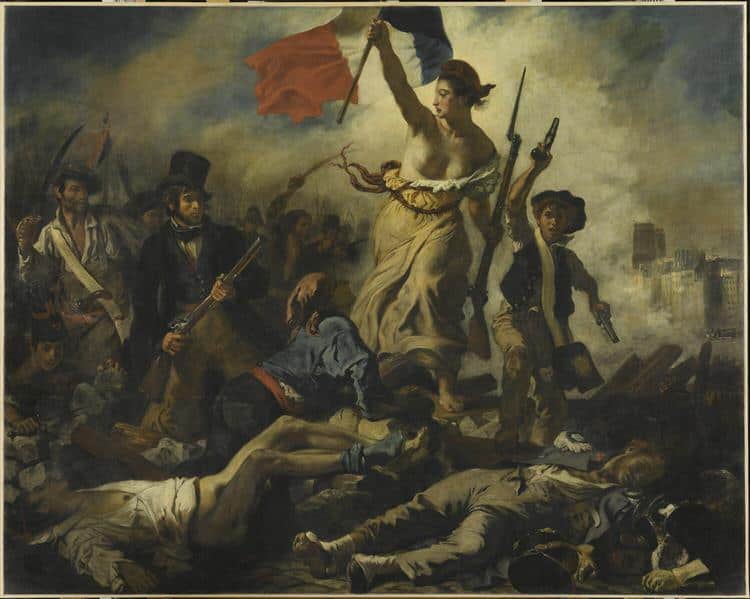
The Masterpiece: Liberty leading the people Eugène_Delacroix
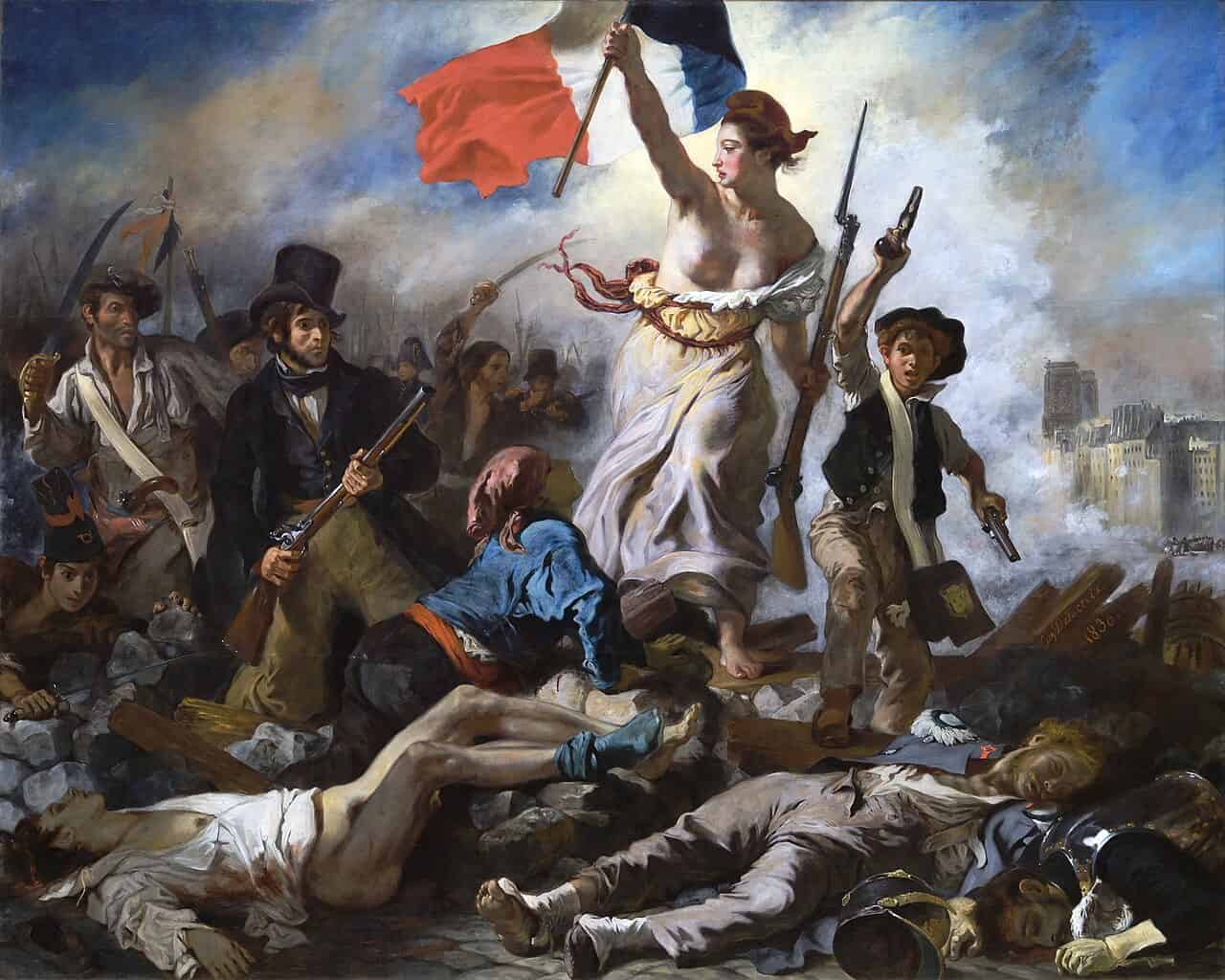
Deconstructing the Masterpiece
No composition analysis points available.
‘Eugène Delacroix: An Analysis’ in 10 Minutes
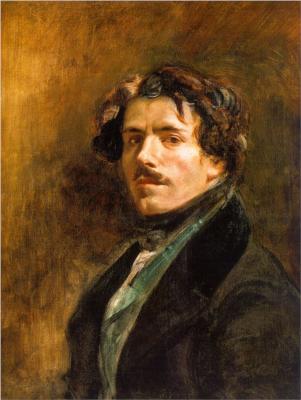
Early Life
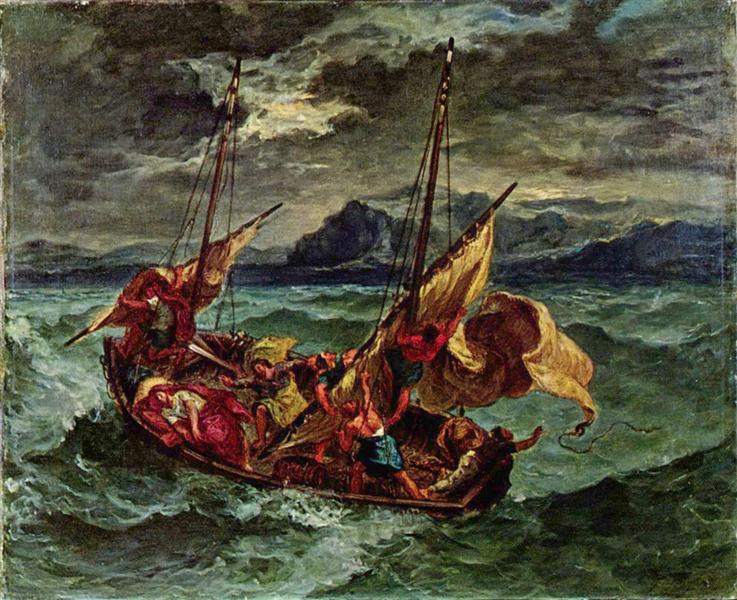
Artistic Career
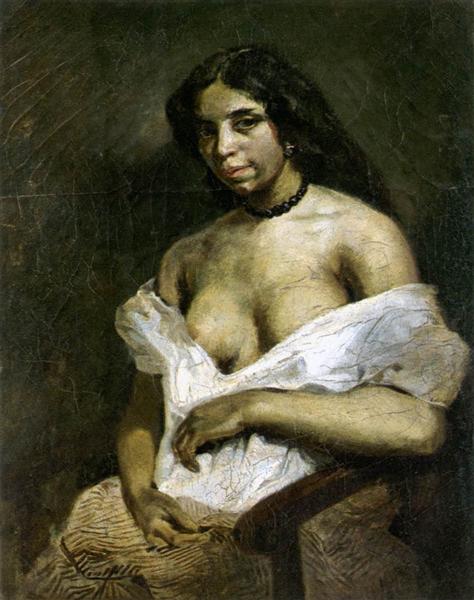
Influence of Romanticism
Major Works
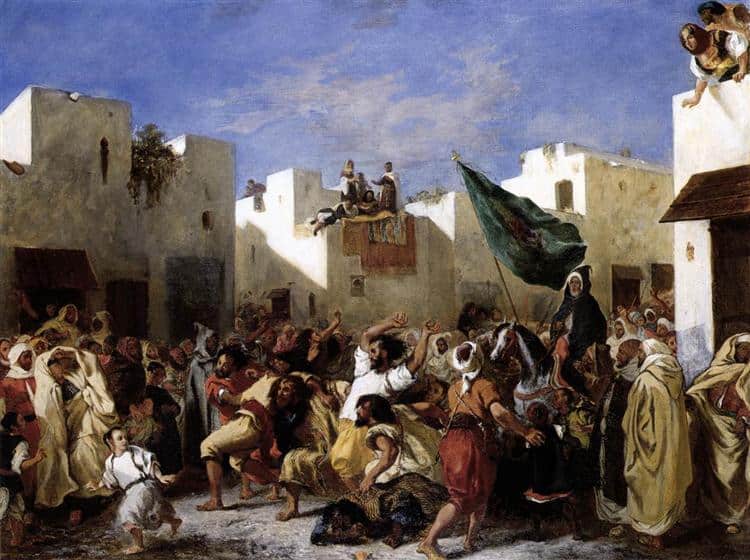
Travel and Inspiration
Legacy
Death and Influence
Lesson Details & Resources
In a Nutshell
- Artist: Eugène Delacroix
- Year: 1830
- Medium: Oil on canvas
- Location: Louvre Museum, Paris
Vocabulary List
- Romanticism
- Delacroix was a key figure in the French Romantic movement.
- Chiaroscuro
- Delacroix often used chiaroscuro to create dramatic lighting effects in his paintings.
- Orientalism
- Delacroix was known for his depictions of exotic scenes inspired by his travels to North Africa.
- Neoclassical
- Delacroix's style evolved from neoclassical to romantic over the course of his career.
- Dramatic
- Delacroix's paintings are known for their dramatic use of color and emotion.
- Palette
- Delacroix had a unique and vibrant color palette that set him apart from other artists of his time.
- Brushwork
- Delacroix's loose and expressive brushwork was groundbreaking in the 19th century art world.
- Composition
- Delacroix was a master of composition, using dynamic angles and perspectives to create movement in his paintings.
- Mythology
- Delacroix often drew inspiration from classical mythology in his artwork.
- History painting
- Delacroix was known for his large-scale history paintings that depicted important events from the past.
- Allegory
- Delacroix's paintings often contained allegorical elements that added depth and meaning to the work.
- Sketch
- Delacroix's sketches and studies reveal his process and creative thinking behind his finished paintings.
- Emotion
- Delacroix's art is filled with emotion and passion, reflecting the turbulent times in which he lived.
- Beauty
- Delacroix believed that beauty was essential in art, even when depicting dark or tragic subjects.
- Animal studies
- Delacroix was known for his detailed and realistic studies of animals, which he incorporated into his paintings.
- Genre painting
- Delacroix also excelled in genre painting, depicting scenes from everyday life with a touch of drama and emotion.
- Fresco
- Delacroix experimented with fresco painting, although he is best known for his oil paintings.
- Religious themes
- Delacroix's artwork often explored religious themes and symbolism.
- Draftsmanship
- Delacroix's exceptional draftsmanship is evident in the intricate details and precision of his drawings.
- Exoticism
- Delacroix's fascination with exotic cultures and landscapes influenced his artwork and style.
Timeline of ‘Eugène Delacroix: An Analysis’
Eugène Delacroix is born in Charenton-Saint-Maurice, France
Enters the studio of Pierre-Narcisse Guérin to study art
Travels to England with Charles-Émile Champmartin and Théodore Géricault
Exhibits his painting 'The Barque of Dante' at the Salon
Travels to Morocco as part of a diplomatic mission
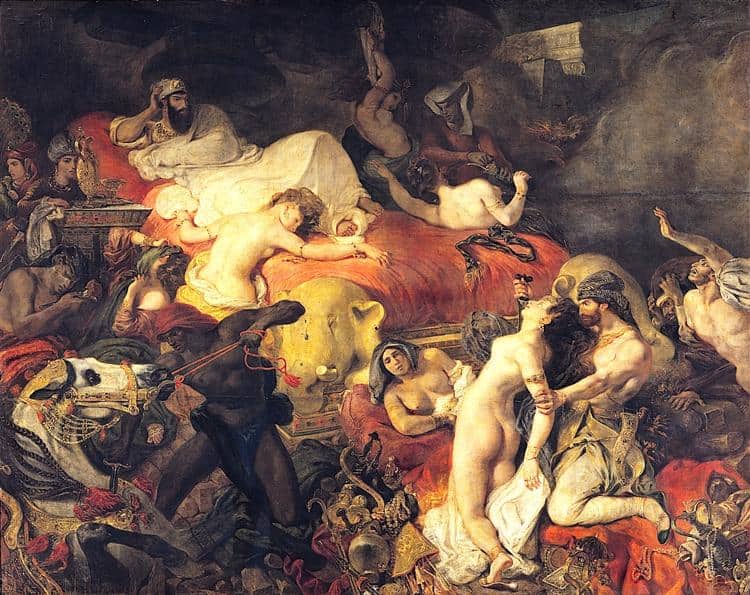
Paints 'The Death of Sardanapalus'
Visits Algeria and paints 'Women of Algiers in their Apartment'
Creates 'Liberty Leading the People', inspired by the July Revolution
Becomes a member of the Académie des Beaux-Arts
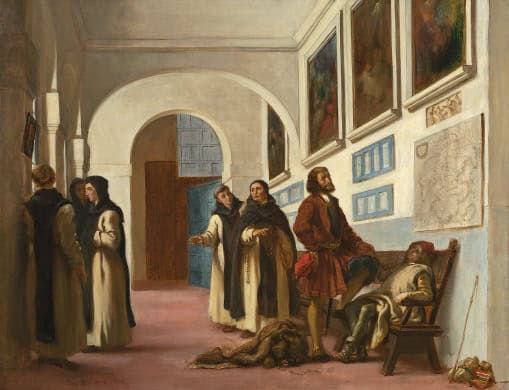
Travels to Spain and creates a series of paintings inspired by the country
Paints 'The Massacre at Chios', depicting the Greek War of Independence
Dies in Paris, France
Influences the Romantic movement in art
Works on decorative murals for the Palais Bourbon and the Palais du Luxembourg
Becomes a leading figure in French Romanticism
Paints 'The Women of Algiers'
Receives numerous honors and awards for his contributions to art
Influences later artists such as Edgar Degas and Paul Cézanne
His works continue to be celebrated and studied in the modern era
Key Facts
This is the information used in the fact matching game
- Eugène Delacroix was a prominent French Romantic artist known for his use of expressive brushstrokes and vibrant colors.
- Delacroix's most famous painting is 'Liberty Leading the People', which depicts the July Revolution of 1830 in France.
- Delacroix was heavily influenced by the works of Peter Paul Rubens and Michelangelo.
- He was a prolific artist, creating over 850 paintings, murals, and sketches throughout his career.
- Delacroix's work often depicted scenes from literature, mythology, and history, showcasing his interest in storytelling through art.
- He was known for his innovative use of color, light, and movement in his paintings, which set him apart from his contemporaries.
- Delacroix's art was highly influential on later artists, including the Impressionists and Symbolists.
- He was a master of the oil painting technique, using layers of translucent colors to create depth and richness in his works.
- Delacroix was also skilled in watercolor and lithography, producing a number of works in these mediums.
- He traveled extensively throughout North Africa and the Middle East, which influenced his later works with exotic themes and motifs.
- Delacroix was a key figure in the French Romantic movement, which emphasized emotion, individualism, and the sublime in art.
- He was a contemporary of fellow artists such as Théodore Géricault and Jean-Auguste-Dominique Ingres, with whom he had differing artistic philosophies.
- Delacroix's use of allegory and symbolism in his paintings added layers of meaning and depth to his work, inviting viewers to interpret his art on multiple levels.
- His work 'The Death of Sardanapalus' is considered one of his most controversial paintings due to its graphic depiction of violence and sensuality.
- Delacroix's artistic legacy continues to be celebrated today, with retrospectives and exhibitions dedicated to his work in major museums around the world.
- He was commissioned to paint murals for the Palais Bourbon and the Louvre in Paris, showcasing his versatility as an artist.
- Delacroix's sketches and studies reveal his meticulous attention to detail and his process of experimentation with composition and form.
- He had a deep appreciation for the works of Shakespeare, Goethe, and Byron, often using their literary themes as inspiration for his art.
- Delacroix's paintings often explored themes of heroism, passion, and struggle, reflecting the turbulent political and social climate of his time.
- He was a member of the Académie des Beaux-Arts and the Legion of Honor, receiving recognition for his contributions to French art and culture.
Analysis & Significance
Artistic Innovation
Eugène Delacroix’s use of bold colors, dynamic brushwork, and dramatic compositions in his Romantic paintings broke away from the traditional Neoclassical style of his time. His focus on expressing emotion and passion in his works, such as in “Liberty Leading the People,” was groundbreaking and influential in the development of modern art.
Influence on Art History
Delacroix’s innovative approach to painting had a profound impact on later artists, particularly the Impressionists and Post-Impressionists. His emphasis on capturing the fleeting moments of life, as well as his exploration of color theory, paved the way for artistic movements that challenged traditional conventions and pushed the boundaries of artistic expression.
Cultural Significance Today
Delacroix’s works continue to be celebrated for their emotional intensity, vibrant colors, and powerful storytelling. His legacy as a master of Romanticism and a pioneer of modern art endures, with “Liberty Leading the People” remaining one of the most iconic and revered paintings in art history. Delacroix’s ability to evoke strong emotions and provoke thought through his art ensures his relevance and impact on audiences around the world today.
‘Eugène Delacroix: An Analysis’ Games


Take Your Learning Offline
Want a convenient, print-ready study guide for this lesson? Become a Memory Wizards Pro member to unlock the downloadable " Memory Scrolls" for this topic and our entire library!
- ✓ Complete Vocabulary Lists
- ✓ Key Facts & Timelines
- ✓ Beautifully Formatted for Print & Mobile