
Summary of Sulla’s Dictatorship
Unveil the rise and fall of Sulla's iron-fisted rule.
How Do You Learn Best?
Learn by Listening
Start with the 3-minute audio summary to get the key facts and narrative highlights quickly.
Learn by Reading
Immerse yourself in the 10-minute visual lesson for a comprehensive understanding of the topic.
Learn by Reviewing
Jump directly to the key facts, timeline, and vocabulary lists to build a solid foundation of details.
Learn by Doing
Challenge yourself! Jump straight into the interactive games to learn by trial, error, and discovery.
Audio Library
As one of our featured lessons, this topic includes premium audio guides.
Unlock the Wizard's Cram Session
This powerful audio study guide is a Pro-exclusive feature. Upgrade to Memory Wizards Pro to access this and all of our premium learning tools.
Upgrade to ProSulla’s Dictatorship in 10 Minutes
Introduction
Gaius Marius
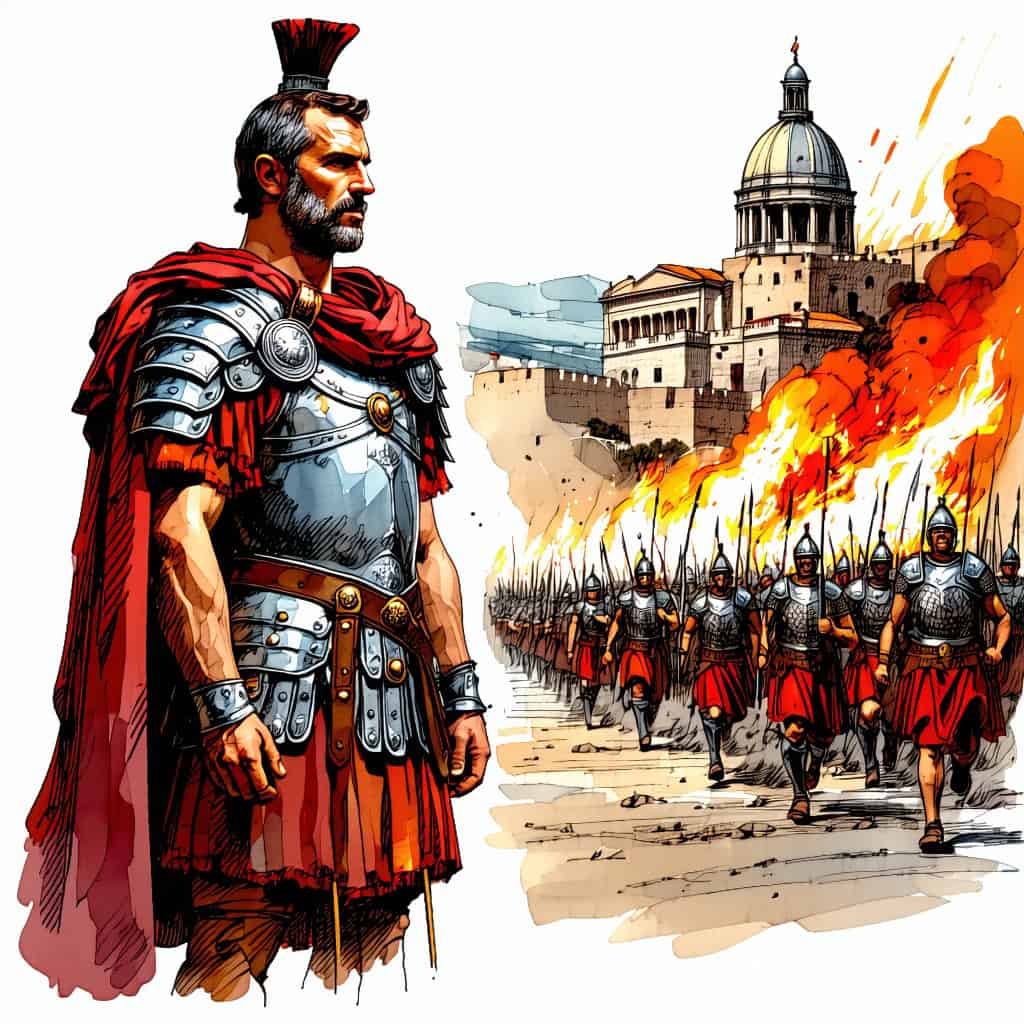
Lucius Cornelius Sulla
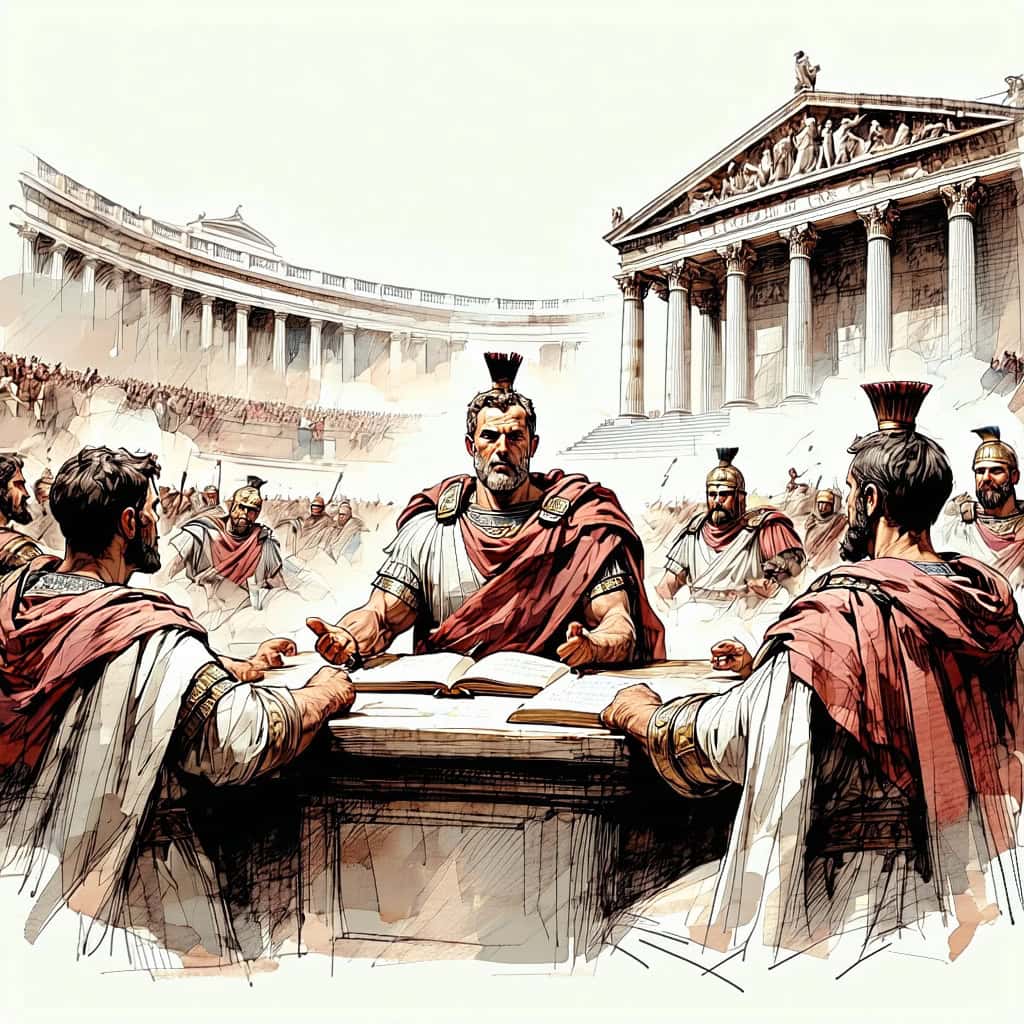
Optimates
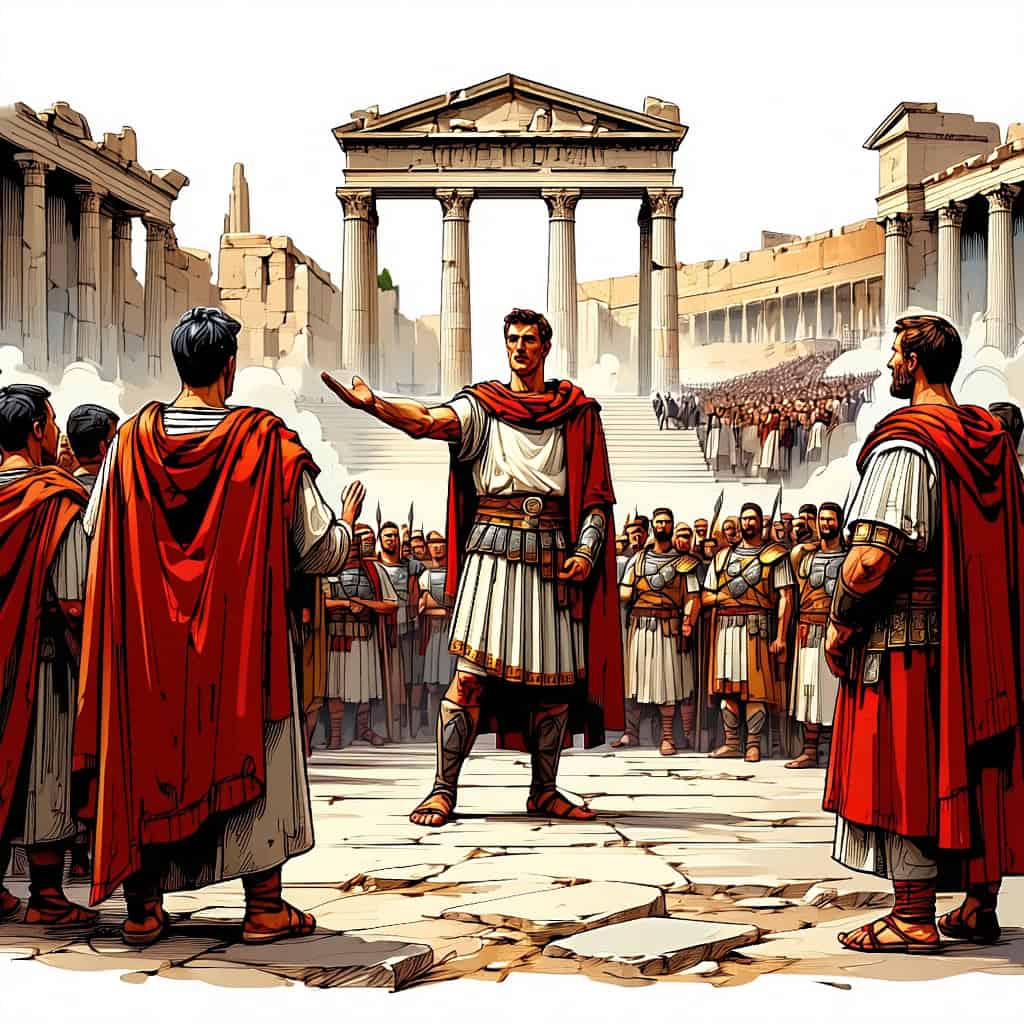
Populares
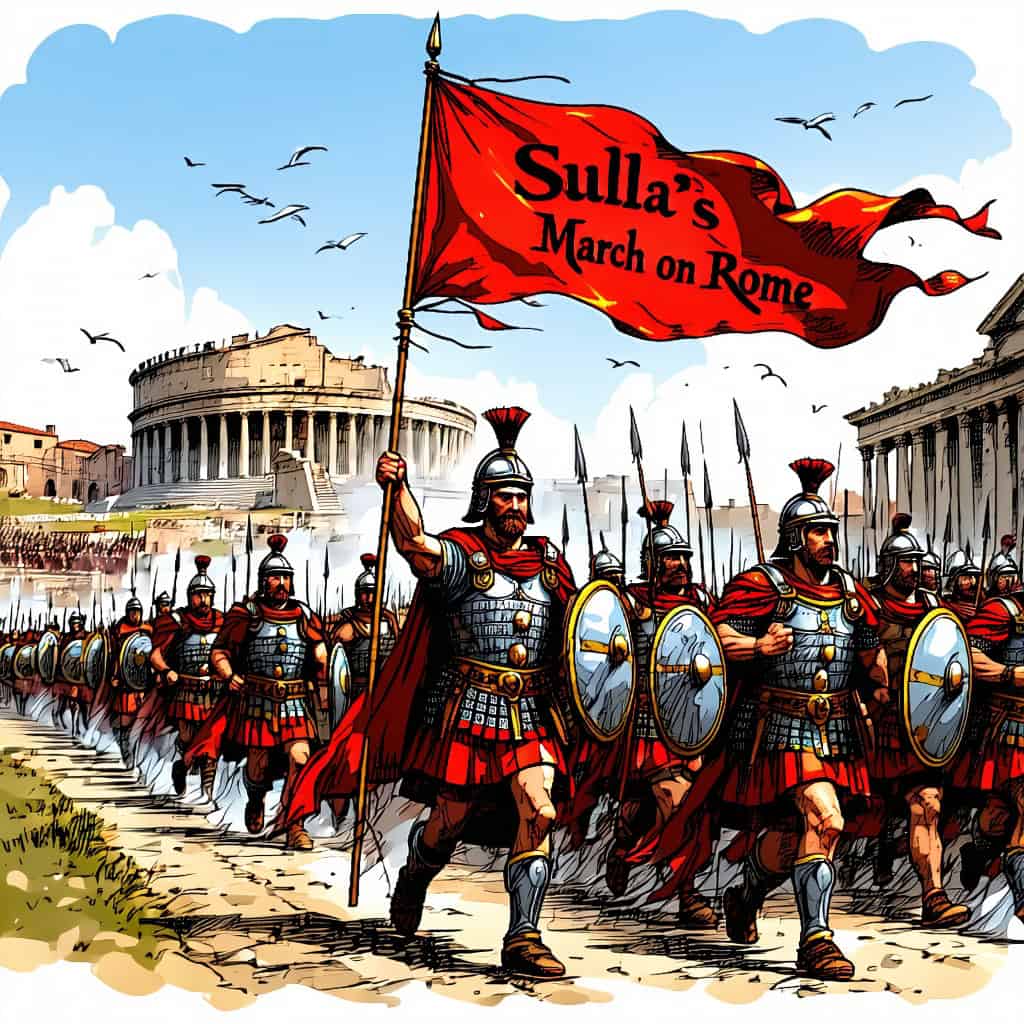
Sullas March on Rome

Purging of Political Opponents

Consolidation of Power

Reforms and Resignation

Legacy of Sulla
Lesson Details & Resources
In a Nutshell
- What: Sulla’s Dictatorship (82-80 BC)
- When: 82-80 BC
- Who: Lucius Cornelius Sulla, Roman Senate, Populares
- Outcome: Establishment of Sulla as dictator, purges of political opponents, significant reforms to Roman government and constitution
Famous Figures in the Sulla’s Dictatorship
-
Lucius Cornelius Sulla
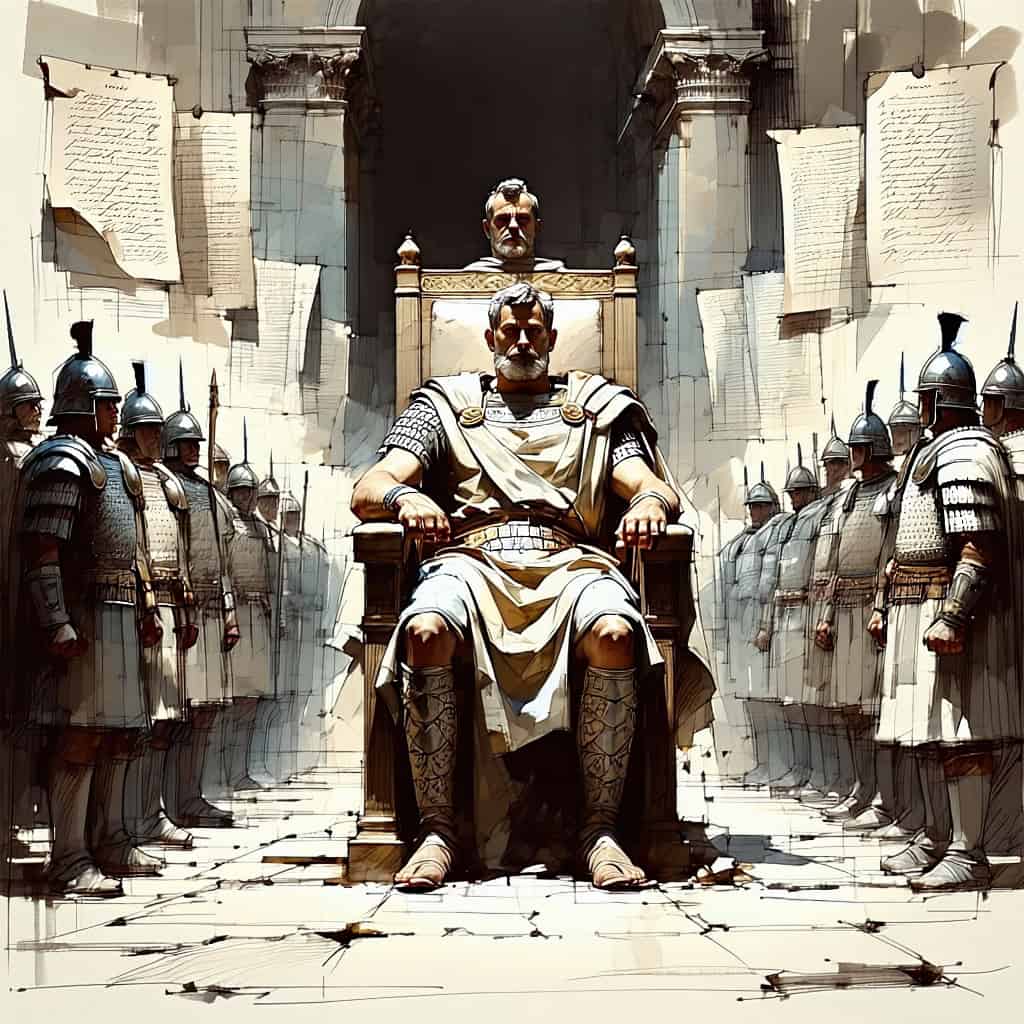
Lucius Cornelius Sulla was a Roman general and statesman who became dictator during the late Roman Republic.
-
Gaius Marius
Gaius Marius was a Roman general and politician who played a key role in the fall of Sulla's dictatorship.
-
Marcus Licinius Crassus
Marcus Licinius Crassus was a Roman general and politician who supported Sulla's dictatorship.
-
Pompey the Great
Pompey the Great was a Roman general and statesman who later became a rival of Sulla.
-
Lucius Cornelius Cinna
Lucius Cornelius Cinna was a Roman consul and enemy of Sulla's dictatorship.
-
Lucius Cornelius Chrysogonus
Lucius Cornelius Chrysogonus was a freedman and favorite of Sulla, who played a role in his dictatorship.
-
Quintus Caecilius Metellus Pius
Quintus Caecilius Metellus Pius was a Roman general and politician who supported Sulla's dictatorship.
-
Quintus Lutatius Catulus
Quintus Lutatius Catulus was a Roman consul and ally of Sulla during his dictatorship.
-
Publius Cornelius Lentulus Sura
Publius Cornelius Lentulus Sura was a Roman senator who supported Sulla's dictatorship.
-
Gnaeus Pompeius Strabo
Gnaeus Pompeius Strabo was a Roman general and father of Pompey the Great, who supported Sulla's dictatorship.
Timeline of Sulla’s Dictatorship
Sulla assumes the dictatorship
Sulla proscribes and executes his political enemies
Sulla passes the Lex Cornelia, a series of laws to reestablish order in Rome
Sulla resigns as dictator and restores power to the Senate
Sulla is granted the title of 'Felix' (the fortunate) by the Senate
Sulla passes the Lex Gabinia, granting Pompey extraordinary command powers
Sulla dies in Puteoli
Sulla's funeral games are held in Rome
Sulla's laws and reforms are gradually repealed
Sulla's veterans are settled in colonies throughout Italy
Sulla's constitutional reforms limit the power of the tribunes
Sulla's reforms increase the authority of the Senate
Sulla confiscates the property of his enemies and redistributes it among his supporters
Sulla establishes the regime of proscriptions, leading to widespread violence
Sulla restores the powers of the office of the Censor
Sulla's dictatorship marks the end of the Roman Republic
Sulla's reforms aim to restore traditional Roman values and curb the power of the populares
Sulla's reforms strengthen the position of the landed aristocracy
Sulla's dictatorship paves the way for further political instability and civil wars
Sulla's dictatorship sets the precedent for future Roman leaders to seize absolute power
Vocabulary List
- Dictatorship
- Sulla seized control of Rome and established a dictatorship in 82 BC.
- Proscriptions
- Sulla conducted proscriptions, targeting his political enemies and confiscating their property.
- Reforms
- Sulla implemented various reforms during his dictatorship, including increasing the power of the Senate.
- Military
- Sulla was a successful military leader who used his army to secure his position as dictator.
- Civil war
- Sulla's dictatorship followed a period of civil war in Rome, known as the Sullan Wars.
Key Facts
This is the information used in the fact matching game
- Sulla declared himself dictator of Rome in 82 BC.
- Sulla's dictatorship marked the first time in Roman history that a person held the office of dictator for an extended period.
- Sulla's dictatorship was characterized by a series of political purges and proscriptions.
- During his dictatorship, Sulla targeted his political opponents and confiscated their property.
- Under Sulla's dictatorship, thousands of people were killed or exiled.
- Sulla implemented significant constitutional reforms during his dictatorship.
- Sulla reduced the power of the tribunes and limited their ability to veto legislation.
- Sulla increased the power of the Senate and restored many of its traditional privileges.
- Sulla's dictatorship marked a shift towards an autocratic form of government in Rome.
- During his dictatorship, Sulla introduced laws to strengthen the authority of the Roman magistrates.
- Sulla's dictatorship was followed by a period of relative stability in Rome.
- Sulla voluntarily resigned from his dictatorship in 80 BC.
- Sulla's dictatorship had a profound impact on Roman politics and set a precedent for future dictators.
- Sulla's dictatorship led to a decline in the power of the Roman assemblies.
- Sulla's dictatorship paved the way for the rise of Julius Caesar.
- During his dictatorship, Sulla implemented policies to strengthen the Roman military.
- Sulla's dictatorship was marked by political instability and social unrest.
- Sulla's dictatorship resulted in the establishment of a strong centralized government.
- Sulla's dictatorship was opposed by many, including his former ally Gaius Marius.
- Sulla's dictatorship set a precedent for future Roman leaders to seize power through force.
Analysis & Significance
Immediate Consequences
Sulla’s dictatorship from 82-80 BC resulted in a wave of political purges and executions, as he sought to consolidate his power and eliminate his enemies. His actions led to a period of violent instability in Rome, with many fearing for their lives.
Long-Term Impact
Sulla’s dictatorship set a dangerous precedent for future Roman leaders, showing that one could seize power through force and violence. This paved the way for future dictators, such as Julius Caesar, to follow in Sulla’s footsteps and undermine the Roman Republic.
Cultural Significance Today
Sulla’s dictatorship serves as a cautionary tale about the dangers of unchecked power and the erosion of democratic institutions. It reminds us of the importance of upholding the rule of law and protecting against authoritarianism, a lesson that remains relevant in today’s world.
Sulla’s Dictatorship Games


Take Your Learning Offline
Want a convenient, print-ready study guide for this lesson? Become a Memory Wizards Pro member to unlock the downloadable " Memory Scrolls" for this topic and our entire library!
- ✓ Complete Vocabulary Lists
- ✓ Key Facts & Timelines
- ✓ Beautifully Formatted for Print & Mobile