
Summary of the Samnite Wars
Uncover the ancient battles that shaped Rome's destiny.
How Do You Learn Best?
Learn by Listening
Start with the 3-minute audio summary to get the key facts and narrative highlights quickly.
Learn by Reading
Immerse yourself in the 10-minute visual lesson for a comprehensive understanding of the topic.
Learn by Reviewing
Jump directly to the key facts, timeline, and vocabulary lists to build a solid foundation of details.
Learn by Doing
Challenge yourself! Jump straight into the interactive games to learn by trial, error, and discovery.
Audio Library
As one of our featured lessons, this topic includes premium audio guides.
Unlock the Wizard's Cram Session
This powerful audio study guide is a Pro-exclusive feature. Upgrade to Memory Wizards Pro to access this and all of our premium learning tools.
Upgrade to Prothe Samnite Wars in 10 Minutes
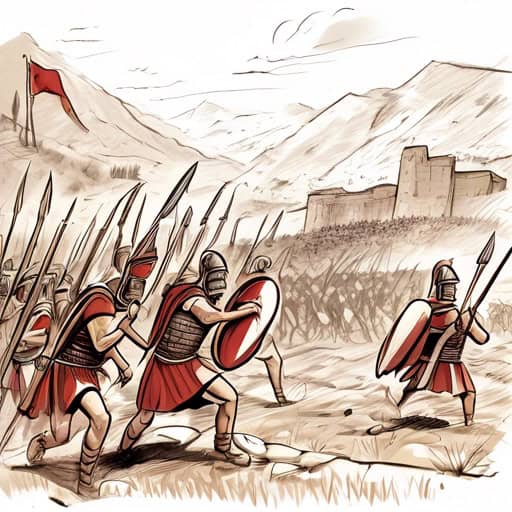
Introduction
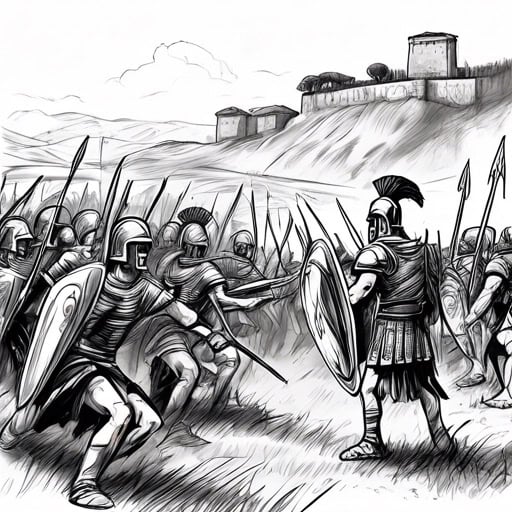
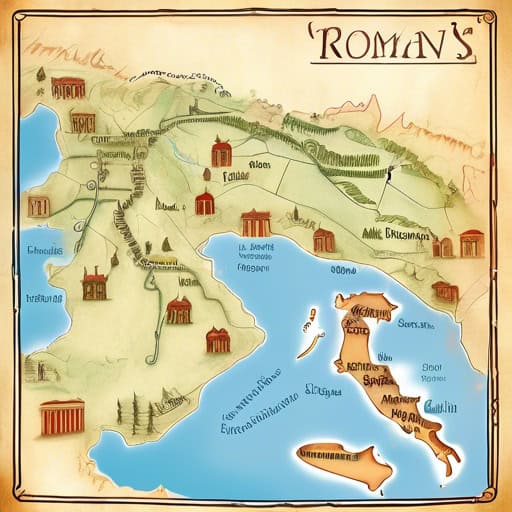
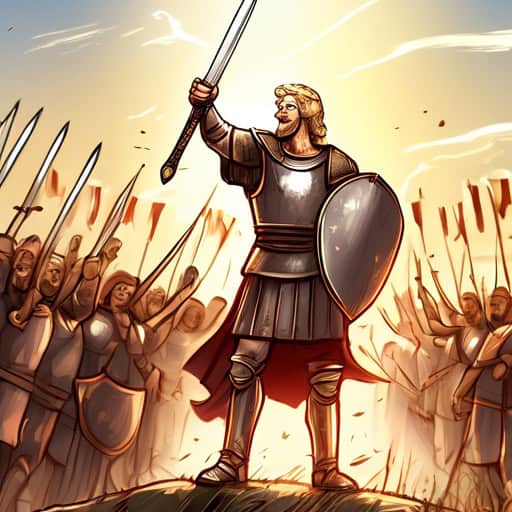
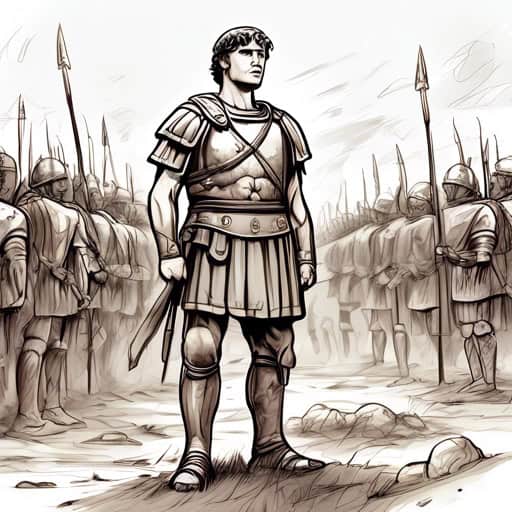
Gaius Pontius
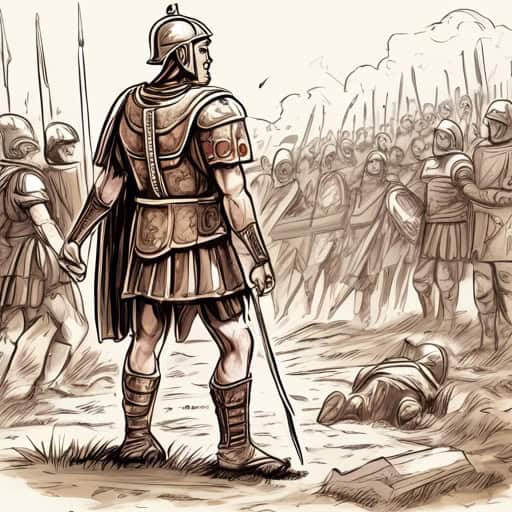
Quintus Fabius Maximus Rullianus
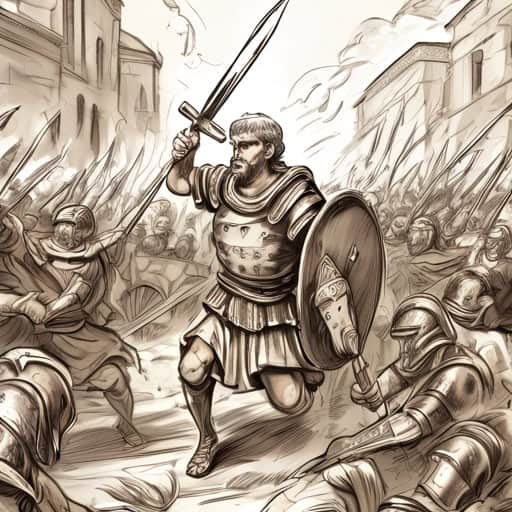
Publius Decius Mus
Gellius Egnatius

The First Samnite War (343-341 BC)

The Second Samnite War (327-304 BC)

The Third Samnite War (298-290 BC)

Struggle for Supremacy in Italy

Roman Expansion and Conquest

Military Tactics and Strategies

Legacy of the Samnite Wars
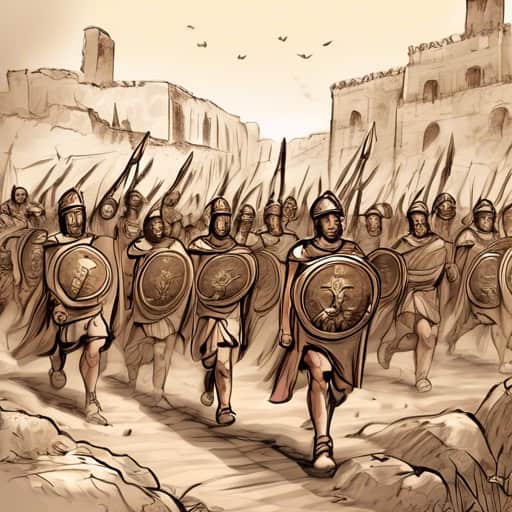
Historical Significance

End of Samnite Resistance

Continued Roman Expansion
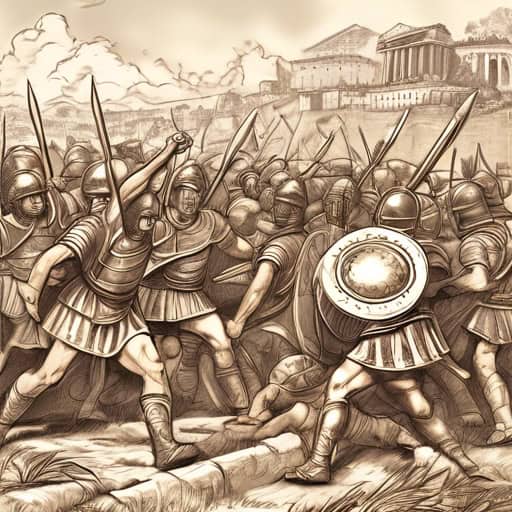
Lesson Details & Resources
In a Nutshell
- What: Series of conflicts between the Roman Republic and the Samnites in ancient Italy.
- When: 343-290 BC
- Who: Roman Republic, Samnites
- Outcome: Roman victory led to the expansion of Roman territory and influence in Italy.
Famous Figures in the the Samnite Wars
-
General
A skilled military leader who commanded the legions during the Samnite Wars, strategizing and leading troops to victory.
-
Commander
A high-ranking officer who oversaw the military operations and coordinated the movements of troops.
-
Strategist
An expert in military strategy who devised plans and tactics to outmaneuver the enemy forces.
-
Soldier
A brave and disciplined fighter who served in the Roman army during the Samnite Wars, defending the Republic.
-
Historian
A scholar and chronicler who meticulously recorded the events and details of the Samnite Wars for future generations.
-
Diplomat
A skilled negotiator who engaged in diplomatic relations with other nations during the Samnite Wars in order to achieve favorable outcomes for Rome.
-
Senator
A member of the Roman Senate who played a crucial role in making decisions regarding the war efforts and providing political support.
-
Tactician
A master of tactics who employed clever maneuvers and strategies to gain advantages over the Samnite forces.
-
Warrior
A fierce and skilled combatant who displayed exceptional prowess on the battlefield, inspiring and leading fellow soldiers.
-
Statesman
A respected and influential politician who actively participated in shaping the Roman Republic's policies and governance during the Samnite Wars.
Timeline of the Samnite Wars
343 BC: First Samnite War begins
341 BC: Rome suffers a major defeat at the Battle of the Caudine Forks
340 BC: Treaty of Casilinum ends the First Samnite War
326 BC: Second Samnite War begins
321 BC: Rome suffers a major defeat at the Battle of Caudium
316 BC: Treaty of Lautulae ends the Second Samnite War
315 BC: Third Samnite War begins
304 BC: Rome suffers a major defeat at the Battle of Luceria
298 BC: Rome suffers a major defeat at the Battle of Camerinum
290 BC: Rome achieves victory in the Battle of Venusia
290 BC: Third Samnite War ends
290 BC: Roman conquest of Samnium is complete
Vocabulary List
- Samnite
- An ancient Italic people who lived in the region of Samnium in southern Italy
- Campania
- A region in southern Italy that was a major battleground during the Samnite Wars
- Sabines
- An ancient Italic people who lived in the central Apennines of Italy, some of whom were allies of the Samnites during the wars
- Roman Republic
- The period in ancient Roman history when Rome was a republic, including the time of the Samnite Wars
- Samnium
- An ancient region in southern Italy that was inhabited by the Samnites
- Lucania
- An ancient region in southern Italy that was involved in the conflicts of the Samnite Wars
- Oscan
- An ancient Italic language spoken by the Samnites and other tribes in southern Italy
- Hannibal
- A Carthaginian general who fought against Rome during the Second Punic War but had no direct involvement in the Samnite Wars
- Dictator
- An appointed ruler with absolute power, often chosen during times of crisis or war
- Apennines
- A mountain range that runs through the Italian Peninsula, including the region of Samnium
- Roman Senate
- The governing body of the Roman Republic, responsible for making important decisions during the Samnite Wars
- Etruscans
- An ancient civilization in Italy that was conquered by Rome, but had no direct involvement in the Samnite Wars
- Allies
- People or groups that form a partnership for a common purpose, such as the alliances formed during the Samnite Wars
- Caudine Forks
- A mountain pass in Samnium where the Romans were defeated by the Samnites during the Second Samnite War
- Mars
- The Roman god of war, who was worshipped by both sides during the Samnite Wars
- Conscription
- The compulsory enlistment of people into military service, which was used by both Rome and the Samnites during the wars
- Siege
- A military tactic in which an army surrounds and isolates a city or fortress in order to force its surrender
- Triumph
- A ceremonial procession held in ancient Rome to celebrate a military victory
- Legion
- A large military unit in ancient Rome, consisting of thousands of soldiers
- Treaty
- A formal agreement between two or more parties, often used to end conflicts or establish peace after the Samnite Wars
Key Facts
This is the information used in the fact matching game
- The Samnite Wars were a series of conflicts between the Roman Republic and the Samnites, an ancient Italic tribe
- The wars took place between 343-290 BC
- The Samnites were a fierce and warlike people who inhabited the Apennine Mountains in central Italy
- The Samnites initially posed a significant threat to Roman expansion in Italy
- The wars were fought primarily over territorial control and dominance in the Italian peninsula
- The Samnites were known for their skilled warriors and innovative military tactics
- The First Samnite War (343-341 BC) ended inconclusively, with neither side gaining a significant advantage
- The Second Samnite War (326-304 BC) resulted in Roman victory and the forced submission of many Samnite tribes
- The Third Samnite War (298-290 BC) was the most significant and brutal of the conflicts, with heavy casualties on both sides
- The Samnites formed alliances with other Italian tribes, such as the Etruscans and Gauls, to resist Roman expansion
- The Roman legions were able to adapt and adopt Samnite tactics, such as the use of the "manipular" formation
- The wars saw the rise of several prominent Roman generals, including Quintus Fabius Maximus and Publius Decius Mus
- Rome's victory in the Samnite Wars solidified its control over central and southern Italy
- The Samnites eventually assimilated into Roman society and became Roman citizens
- The wars contributed to Rome's military experience and the development of its army
- The Samnite Wars were a precursor to the later Roman conquest of the Italian peninsula
- The wars led to the establishment of Roman colonies and the Romanization of conquered territories
- The Samnite Wars were marked by numerous sieges, battles, and skirmishes
- The wars had significant political, social, and economic consequences for both Rome and the Samnites
- The conflicts between Rome and the Samnites laid the foundation for Rome's eventual dominance in Italy.
Analysis & Significance
Immediate Consequences
The Samnite Wars, which lasted for over 50 years, resulted in significant territorial gains for the Roman Republic and established Rome as the dominant power in central Italy. The wars also showcased Rome’s military prowess and ability to adapt to different battle strategies.
Long-Term Impact
The Samnite Wars marked the beginning of Rome’s expansion beyond the Italian peninsula and set the stage for its eventual dominance of the Mediterranean region. The conflicts also influenced Rome’s military tactics and political organization, laying the foundation for the Roman Empire’s rise to power.
Cultural Significance Today
The legacy of the Samnite Wars can still be seen in modern military strategies and political structures. The concept of Roman citizenship, which was solidified during this time, continues to influence ideas of citizenship and governance in many parts of the world. Additionally, the conflicts have been immortalized in literature and art, reminding us of the enduring impact of ancient Rome on Western civilization.
the Samnite Wars Games


Take Your Learning Offline
Want a convenient, print-ready study guide for this lesson? Become a Memory Wizards Pro member to unlock the downloadable " Memory Scrolls" for this topic and our entire library!
- ✓ Complete Vocabulary Lists
- ✓ Key Facts & Timelines
- ✓ Beautifully Formatted for Print & Mobile