
Summary of the Sack of Rome 390 BC
The Gauls' fiery wrath: Rome's darkest hour and ultimate triumph.
How Do You Learn Best?
Learn by Listening
Start with the 3-minute audio summary to get the key facts and narrative highlights quickly.
Learn by Reading
Immerse yourself in the 10-minute visual lesson for a comprehensive understanding of the topic.
Learn by Reviewing
Jump directly to the key facts, timeline, and vocabulary lists to build a solid foundation of details.
Learn by Doing
Challenge yourself! Jump straight into the interactive games to learn by trial, error, and discovery.
Audio Library
As one of our featured lessons, this topic includes premium audio guides.
Unlock the Wizard's Cram Session
This powerful audio study guide is a Pro-exclusive feature. Upgrade to Memory Wizards Pro to access this and all of our premium learning tools.
Upgrade to Prothe Sack of Rome 390 BC in 10 Minutes
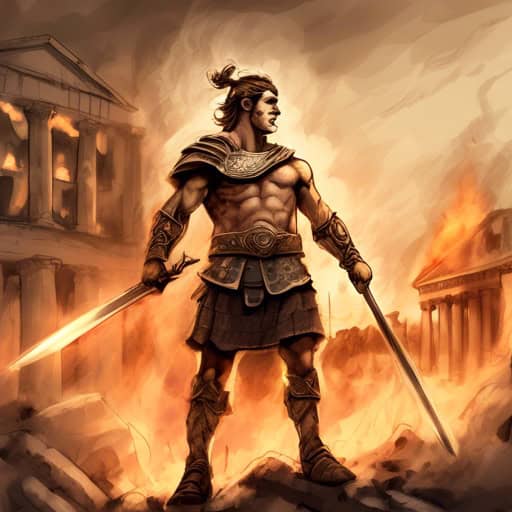
Introduction
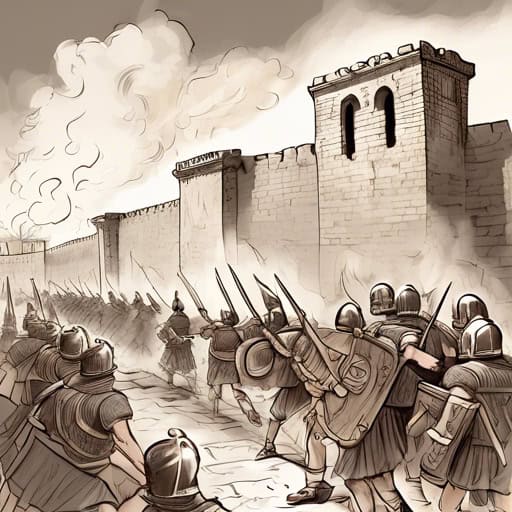
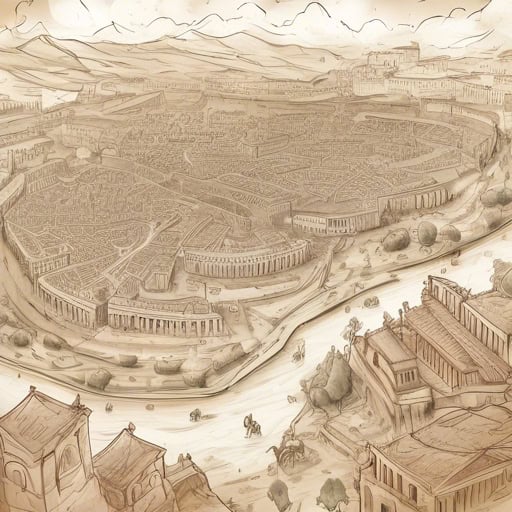
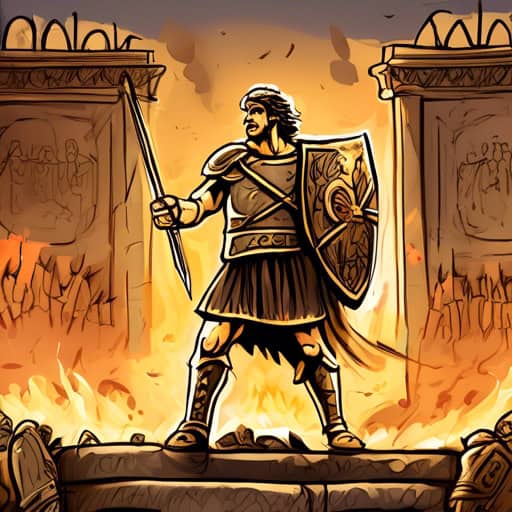
Brennus
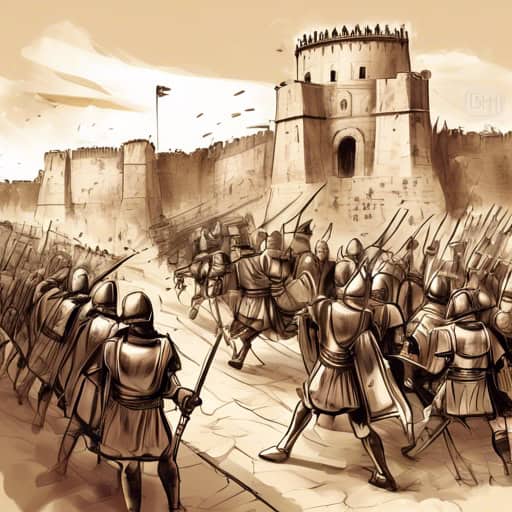
Camus
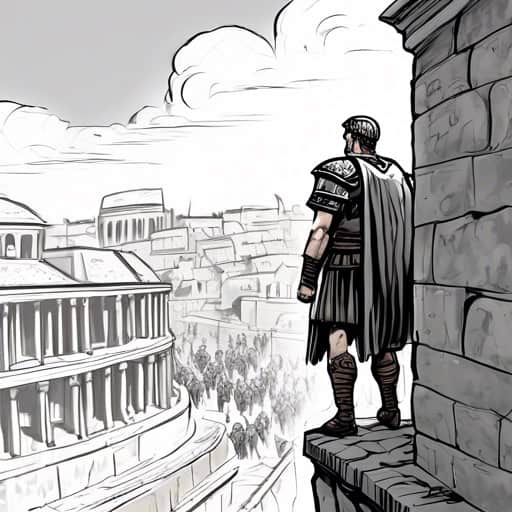
Quintus Sulpicius
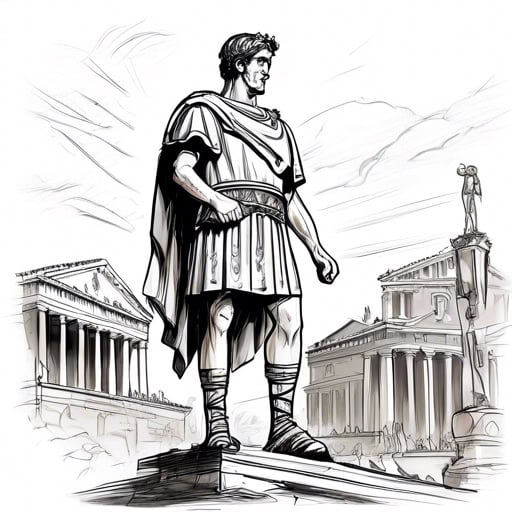
Manlius Capitolinus
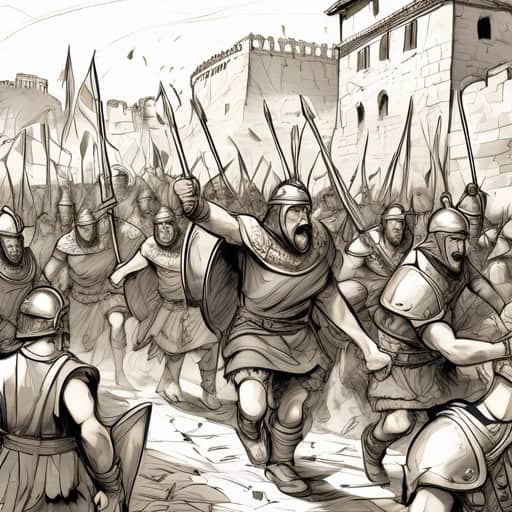
Conflict with the Gauls

The Sack of Rome Begins

The Roman Senate Flees

The Capitoline Hill Stands Strong

The Legacy of the Sack of Rome
Lesson Details & Resources
In a Nutshell
- What: Conflict with the Gauls and the sack of Rome
- When: 390 BC
- Who: Gauls, Romans
- Outcome: Sack of Rome by the Gauls, leading to a period of turmoil and rebuilding in Rome
Famous Figures in the the Sack of Rome 390 BC
-
Celtic chieftain
A Celtic chieftain who led the Gauls during their conflict with Rome. Known for his tactical brilliance and fierce fighting spirit.
-
Roman consul
A Roman consul who commanded the defense of Rome against the Gauls. Fought valiantly but ultimately failed to prevent the sack of the city.
-
Gaulish warrior
A Gaulish warrior renowned for his strength and skill in battle. Played a crucial role in breaching Rome's defenses during the sack.
-
Roman soldier
A Roman soldier who fought bravely against the Gauls during the siege of Rome. Managed to escape capture and later rejoined the Roman army.
-
Gaulish leader
A Gaulish leader who united various tribes to launch a coordinated assault on Rome. Led the Gauls to victory and oversaw the pillaging of the city.
-
Roman general
A Roman general tasked with defending Rome against the Gauls. Despite his efforts, Rome fell and he was forced to retreat with his surviving troops.
-
Gaulish tribesman
A Gaulish tribesman who participated in the sack of Rome. Engaged in looting and plundering, seizing valuable Roman treasures.
-
Roman civilian
A Roman civilian who witnessed the devastation caused by the Gauls during the sack of Rome. Lost their home and belongings in the chaos.
-
Gaulish scout
A Gaulish scout responsible for gathering intelligence on Rome's defenses. Provided crucial information that aided the Gaulish attack.
-
Roman historian
A Roman historian who chronicled the events surrounding the conflict with the Gauls and the subsequent sack of Rome. Wrote extensively about the aftermath and its impact on Roman society.
Timeline of the Sack of Rome 390 BC
Battle of the Allia River - Gauls defeat Roman army and sack Rome
Rome is left in ruins after the sack by the Gauls
Roman citizens flee to nearby cities for safety
Gauls demand ransom from Romans for return of their property
Romans struggle to rebuild their city after the devastation
Gauls continue to raid and pillage Roman territory
Roman Senate debates how to respond to Gaulish threat
Roman army begins to regroup and plan counterattacks against Gauls
Romans seek alliances with neighboring tribes to help defend against Gauls
Roman forces engage Gauls in several skirmishes and battles
Roman army successfully pushes Gauls back and secures Roman territory
Gauls retreat to their own lands, ending immediate threat to Rome
Romans begin efforts to fortify and defend their city against future attacks
Tensions between Gauls and Romans remain high for years to come
Legacy of the Gaulish sack of Rome shapes Roman military and political strategies
Romans vow to never again let their city fall to outside invaders
Vocabulary List
- Gauls
- A Celtic people inhabiting what is now modern-day France
- Sack
- The act of plundering and looting a city or town during a conflict
- Conflict
- A struggle or disagreement between two or more parties
- Rome
- The capital city of the Roman Republic and later the Roman Empire
- Battle
- A violent confrontation between opposing forces
- Siege
- A military operation in which a city or fortress is surrounded and cut off to force its surrender
- Alliance
- A formal agreement or partnership between individuals or groups
- Invasion
- The act of forcefully entering and taking control of a territory
- Tribes
- Social groups within a larger community, often sharing common ancestry, language, and culture
- Tactics
- The methods and strategies used in a battle or conflict
- Warrior
- A skilled and experienced fighter or soldier
- Strategist
- A person skilled in planning actions or movements during a conflict
- Retreat
- The act of withdrawing from a battle or conflict
- Strategy
- A plan of action designed to achieve a long-term or overall aim
- Defeat
- The act of being overcome or beaten in a battle or conflict
- Resilience
- The ability to recover quickly from difficulties or setbacks
- Conquest
- The act of taking control or possession of a territory by force
- Treaty
- A formal agreement between two or more states or nations
- Resistance
- The act of opposing or withstanding something or someone
- Diplomacy
- The art and practice of conducting negotiations and managing international relations.
Key Facts
This is the information used in the fact matching game
- Rome was a young republic when it faced conflict with the Gauls
- The Gauls were a Celtic people from modern-day France
- The Gauls invaded Italy in 390 BC
- The Romans were unprepared for the Gaulish invasion
- Gauls defeated the Roman army in the Battle of the Allia
- The Gauls then advanced towards Rome
- Rome was not prepared to defend itself against the Gauls
- The Gauls easily breached the walls of Rome
- The Gauls sacked and looted the city of Rome
- The Roman citizens fled to nearby Veii for safety
- The Gauls occupied Rome for several months
- The Gauls demanded a large ransom to leave Rome
- The Romans paid the ransom to the Gauls
- Despite the ransom, the Gauls continued to loot and destroy Rome
- The Gauls finally left Rome after receiving the ransom
- This was the first time Rome had been sacked in its history
- The sack of Rome left a lasting impact on the Roman psyche
- The Romans considered the sack of Rome a great humiliation
- The sack of Rome led to significant changes in Roman military strategy and defense
- The Romans rebuilt and strengthened their city after the sack.
Analysis & Significance
Immediate Consequences
The sack of Rome by the Gauls in 390 BC was a devastating blow to the Romans, leading to widespread destruction of the city and a loss of valuable resources. The event also caused a significant loss of morale among the Roman population, shaking their confidence in their ability to defend their city.
Long-Term Impact
The sack of Rome by the Gauls had lasting effects on Roman society and military strategies. It prompted the Romans to reevaluate their defensive measures and led to the construction of stronger fortifications such as the Servian Wall. This event also served as a stark reminder of the vulnerability of Rome and the importance of maintaining a strong military presence.
Cultural Significance Today
The sack of Rome by the Gauls remains a significant event in Roman history, highlighting the constant threat of invasion and the need for strong defensive capabilities. It serves as a reminder of the importance of vigilance and preparedness in the face of external threats, a lesson that continues to resonate in modern times. Additionally, this event has been immortalized in art and literature, contributing to its enduring cultural significance.
the Sack of Rome 390 BC Games


Take Your Learning Offline
Want a convenient, print-ready study guide for this lesson? Become a Memory Wizards Pro member to unlock the downloadable " Memory Scrolls" for this topic and our entire library!
- ✓ Complete Vocabulary Lists
- ✓ Key Facts & Timelines
- ✓ Beautifully Formatted for Print & Mobile