
Summary of the Roman Senate established
Uncover the ancient secrets of power and politics in Rome's Senate.
How Do You Learn Best?
Learn by Listening
Start with the 3-minute audio summary to get the key facts and narrative highlights quickly.
Learn by Reading
Immerse yourself in the 10-minute visual lesson for a comprehensive understanding of the topic.
Learn by Reviewing
Jump directly to the key facts, timeline, and vocabulary lists to build a solid foundation of details.
Learn by Doing
Challenge yourself! Jump straight into the interactive games to learn by trial, error, and discovery.
Audio Library
As one of our featured lessons, this topic includes premium audio guides.
Unlock the Wizard's Cram Session
This powerful audio study guide is a Pro-exclusive feature. Upgrade to Memory Wizards Pro to access this and all of our premium learning tools.
Upgrade to Prothe Roman Senate established in 10 Minutes
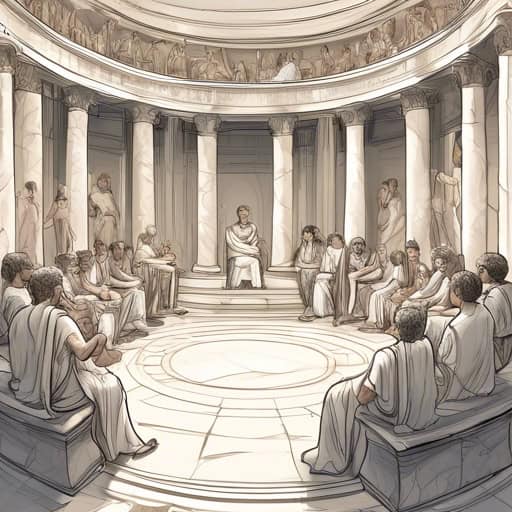
Introduction
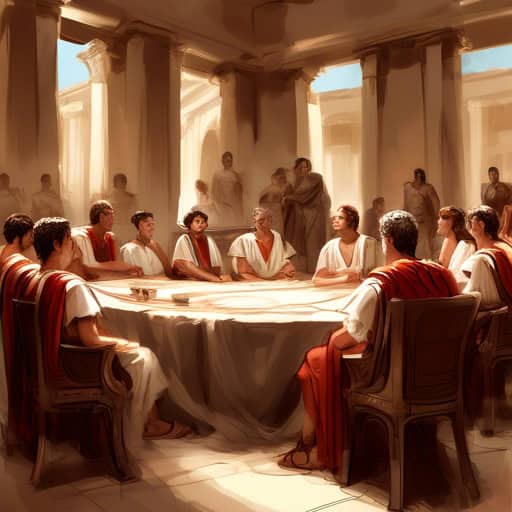
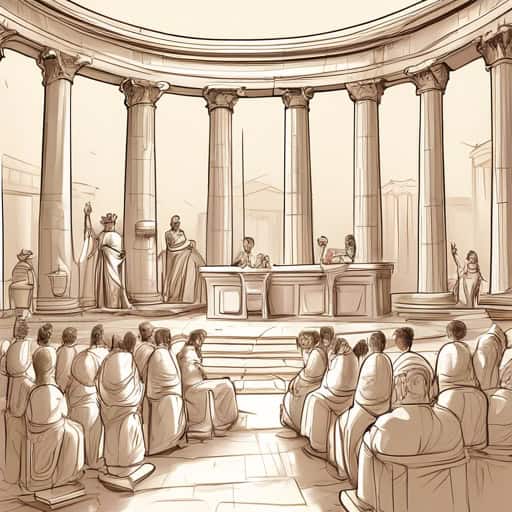
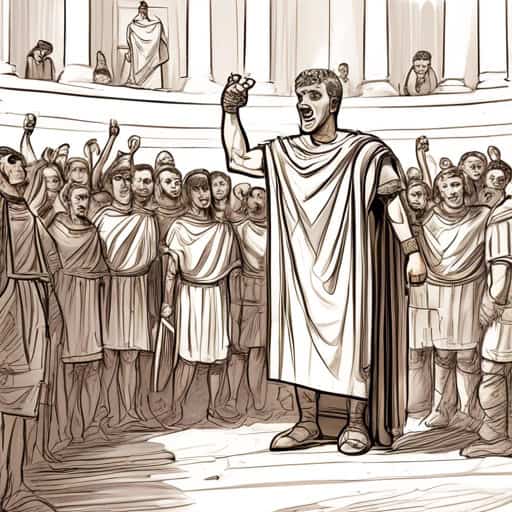
Gaius Junius Brutus
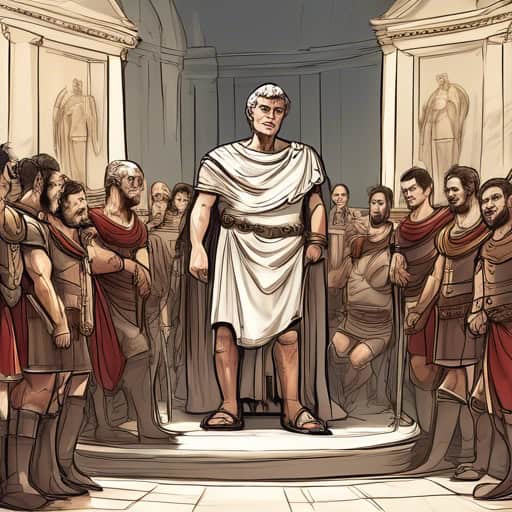
Lucius Tarquinius Collatinus
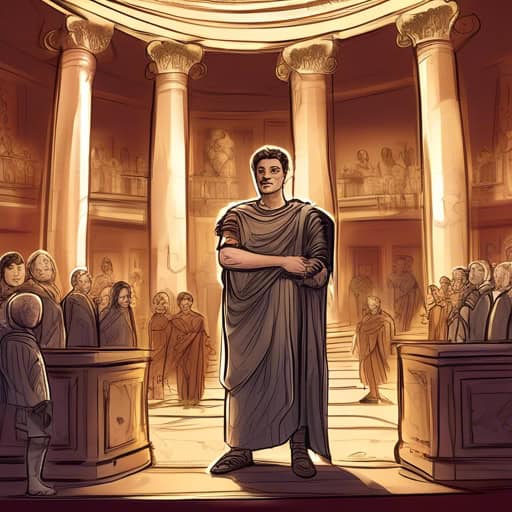
Publius Valerius Publicola
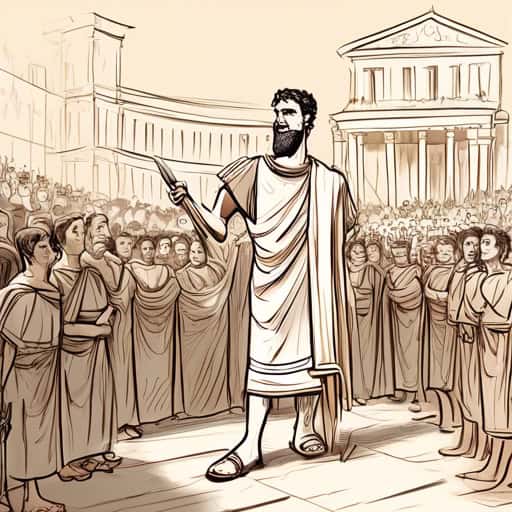
Lucius Junius Brutus

1. Overthrow of the Roman monarchy

2. Creation of the Roman Senate

3. Role of the Roman Senate

4. Composition of the Roman Senate

5. Senate meetings and procedures

6. Influence of the Roman Senate

7. Decline of the Roman Senate
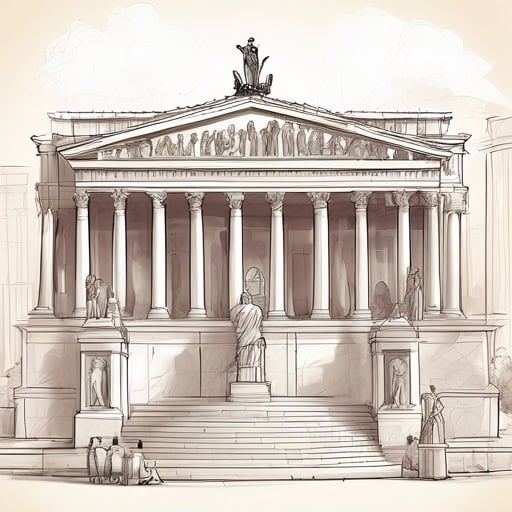
8. Legacy of the Roman Senate

9. Influence on Western political thought

10. Conclusion of the Roman Senates establishment
Lesson Details & Resources
In a Nutshell
- What: The establishment of the Roman Senate
- When: 509 BC
- Who: Roman citizens, Roman kings, Roman aristocracy
- Outcome: The creation of a governing body that would shape Roman politics for centuries
Famous Figures in the the Roman Senate established
-
Roman consul
A high-ranking official in the Roman Republic who served as one of two chief executives.
-
Roman senator
A member of the governing body of ancient Rome, composed of elite citizens who advised and voted on legislation.
-
Roman plebeian
A common citizen of ancient Rome, often from the lower social classes, who played a crucial role in the political landscape.
-
Etruscan king
The ruler of the Etruscan city-state that Rome overthrew in 509 BC, leading to the establishment of the Roman Senate.
-
Roman patrician
A member of the privileged upper class in ancient Rome, typically holding hereditary political power.
-
Roman tribune
An elected official in ancient Rome who represented the common citizens and had the power to veto legislation.
-
Equestrian class
A social class in ancient Rome, below the patricians, consisting of wealthy individuals who held public office and served in the military.
-
Roman dictator
A temporary absolute ruler appointed by the Senate in times of crisis or military conflict.
-
Roman magistrate
An elected official in ancient Rome responsible for the administration of justice and the supervision of public activities.
-
Roman censor
An official in ancient Rome responsible for conducting the census and overseeing public morality.
Timeline of the Roman Senate established
The Roman Senate is established
The Roman Republic is founded
The Roman Republic defeats the Etruscans at the Battle of Silva Arsia
The Roman Republic gains control of the city of Rome
The Roman Republic establishes the office of the Consul
The Roman Republic establishes the office of the Praetor
The Roman Republic establishes the office of the Censor
The Roman Republic establishes the office of the Aedile
The Roman Republic establishes the office of the Tribune of the Plebs
The Roman Republic defeats the Latin League in the Latin War
The Roman Republic conquers the Italian peninsula
The Roman Republic defeats Carthage in the First Punic War
The Roman Republic defeats Macedonia in the First Macedonian War
The Roman Republic defeats Carthage in the Second Punic War
The Roman Republic defeats Macedonia in the Second Macedonian War
The Roman Republic conquers Greece
The Roman Republic is plagued by civil wars
The Roman Republic is officially transformed into the Roman Empire under Augustus
The Roman Senate becomes a rubber stamp for the Emperor's decisions
The Roman Senate continues to exist as a ceremonial body throughout the Roman Empire
Vocabulary List
- Senate
- The Roman Senate was established in 509 BC as a political institution that advised the Roman magistrates.
- Established
- The Roman Senate was established in 509 BC by the first king of Rome, Romulus, to provide counsel and guidance to the Roman government.
- Political
- The Roman Senate played a crucial role in the political decision-making process of ancient Rome.
- Institution
- The Roman Senate was an important institution in the Roman Republic, where senators were elected to represent the interests of the Roman people.
- Counsel
- The Roman Senate provided counsel and advice to Roman magistrates on matters of state and governance.
- Guidance
- The Roman Senate offered guidance to the Roman government on issues such as laws, public works, and foreign policy.
- Magistrates
- The Roman Senate worked closely with Roman magistrates, who were elected officials responsible for enforcing the laws and managing the affairs of the state.
Key Facts
This is the information used in the fact matching game
- The Roman Senate was established in 509 BC
- It was one of the oldest political institutions in ancient Rome
- The Senate consisted of 300 members initially
- The senators were chosen from the patrician class, the aristocracy of Rome
- They served for life, unless removed by the censors or expelled by the Senate itself
- The Senate's main functions were advising the magistrates and passing laws
- Senators were often former magistrates or military commanders
- The Senate met in the Curia Hostilia, a building in the Roman Forum
- It was presided over by the consul, who was the highest-ranking magistrate
- Senators wore a distinctive purple stripe on their togas as a symbol of their status
- The Senate had the power to declare war and negotiate treaties
- It also had the authority to appoint dictators in times of crisis
- The Senate controlled finances, including approving the annual budget
- Senators had the right to veto legislation proposed by magistrates
- During the Roman Republic, the Senate's power increased steadily
- However, during the imperial period, the emperor's authority overshadowed the Senate
- The Senate continued to exist until the fall of the Western Roman Empire in 476 AD
- The last Roman Emperor, Romulus Augustus, was deposed by the Germanic chieftain Odoacer
- The Roman Senate's influence and prestige influenced the establishment of senates in future governments
- The term "senate" is still used today to refer to upper chambers of legislatures in various countries.
Analysis & Significance
Immediate Consequences
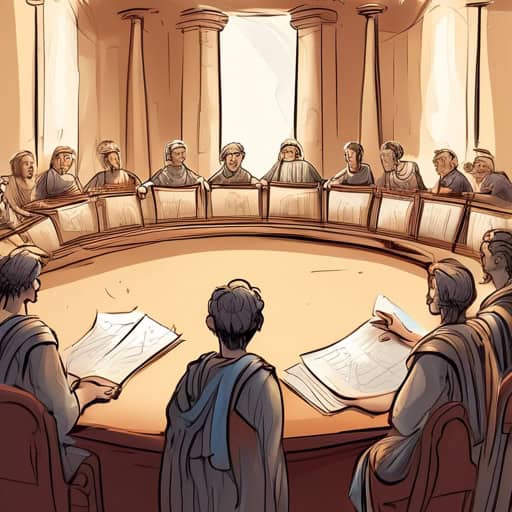
The establishment of the Roman Senate in 509 BC marked a pivotal moment in Roman history. It served as the governing body of Rome, composed of influential patricians who advised and assisted the consuls in making decisions. This new structure helped to stabilize the government and establish a system of checks and balances, leading to more efficient decision-making processes in times of crisis.
Long-Term Impact
The Roman Senate played a significant role in shaping the course of Roman history for centuries to come. It became a symbol of Roman political power and influence, with senators holding immense sway over public policy and legislation. The Senate’s authority expanded over time, becoming a key institution in the Roman Republic and later the Roman Empire, influencing the development of Western political systems.
Cultural Significance Today
Although the Roman Senate no longer exists in its original form, its legacy continues to impact modern political institutions and practices. The concept of a deliberative body composed of elected officials remains a fundamental aspect of democratic governance around the world. The Roman Senate’s traditions and practices have influenced the structure of modern parliaments and senates, demonstrating the enduring relevance of ancient Roman political institutions.
the Roman Senate established Games


Take Your Learning Offline
Want a convenient, print-ready study guide for this lesson? Become a Memory Wizards Pro member to unlock the downloadable " Memory Scrolls" for this topic and our entire library!
- ✓ Complete Vocabulary Lists
- ✓ Key Facts & Timelines
- ✓ Beautifully Formatted for Print & Mobile