
Summary of the Overthrow of the Etruscan Monarchy
Unveiling the dramatic rise of Rome: the fall of the Etruscan monarchy.
How Do You Learn Best?
Learn by Listening
Start with the 3-minute audio summary to get the key facts and narrative highlights quickly.
Learn by Reading
Immerse yourself in the 10-minute visual lesson for a comprehensive understanding of the topic.
Learn by Reviewing
Jump directly to the key facts, timeline, and vocabulary lists to build a solid foundation of details.
Learn by Doing
Challenge yourself! Jump straight into the interactive games to learn by trial, error, and discovery.
Audio Library
As one of our featured lessons, this topic includes premium audio guides.
Unlock the Wizard's Cram Session
This powerful audio study guide is a Pro-exclusive feature. Upgrade to Memory Wizards Pro to access this and all of our premium learning tools.
Upgrade to Prothe Overthrow of the Etruscan Monarchy in 10 Minutes

Introduction
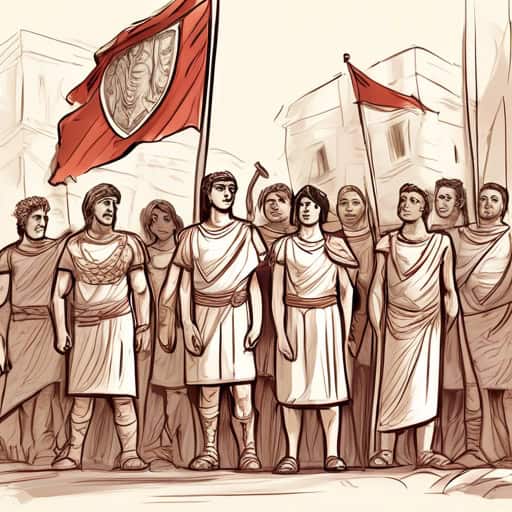
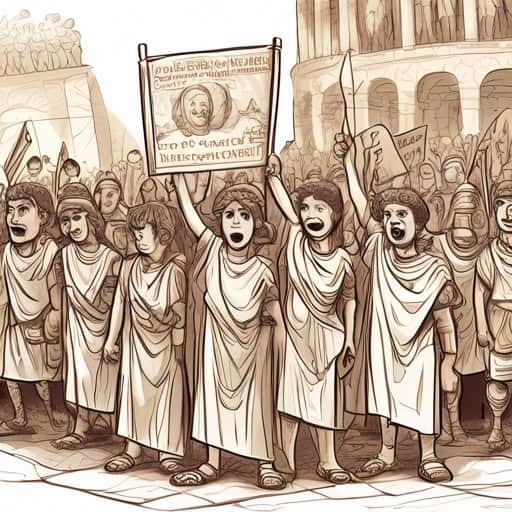
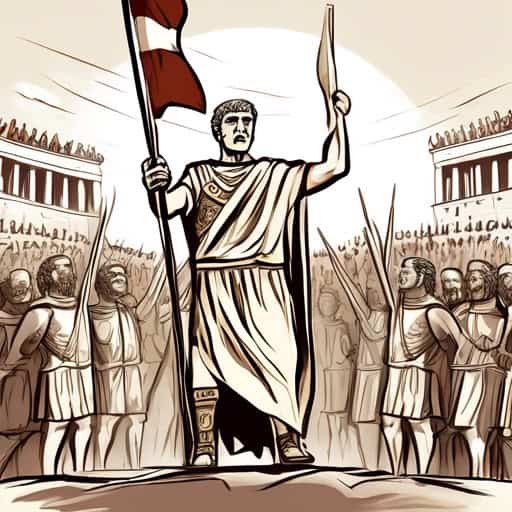
Lucius Junius Brutus
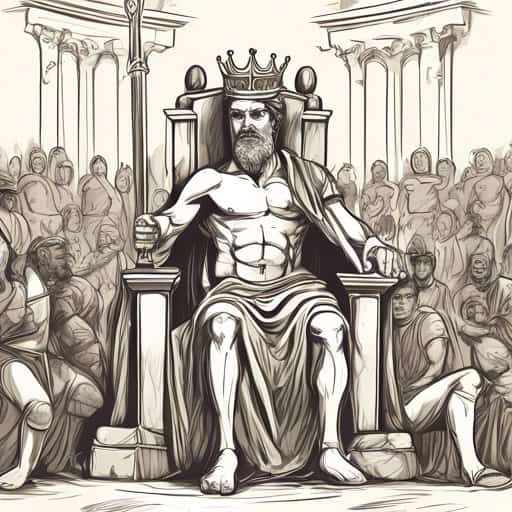
Tarquin the Proud
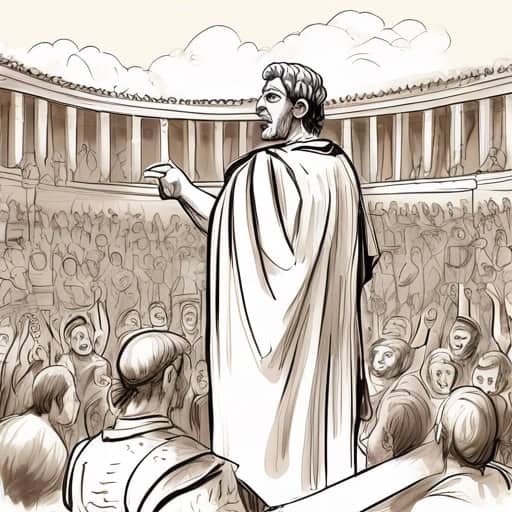
Publius Valerius Publicola

1. The Reign of the Etruscan Monarchy

2. Corrupt Rule and Unrest

3. Brutus and the Revolt

4. The Fateful Banquet

5. The Rape of Lucretia

6. The Call to Arms

7. The Battle of Silva Arsia

8. The Exile of Tarquin the Proud

9. The Establishment of the Roman Republic

10. The Legacy of the Overthrow
Lesson Details & Resources
In a Nutshell
- What: Overthrow of the Etruscan monarchy in 509 BC
- When: 509 BC
- Who: Roman people, Etruscan kings
- Outcome: Establishment of the Roman Republic
Famous Figures in the the Overthrow of the Etruscan Monarchy
-
Lucius Junius Brutus
A prominent figure in the overthrow of the Etruscan monarchy, he played a key role in establishing the Roman Republic.
-
Publius Valerius Publicola
A Roman politician and military leader, he was one of the driving forces behind the overthrow of the Etruscan monarchy.
-
Lucius Tarquinius Collatinus
A Roman nobleman, he served as one of the first two consuls of the Roman Republic after the overthrow of the Etruscan monarchy.
-
Lucius Tarquinius Superbus
The last king of Rome, he was overthrown and exiled following a series of oppressive and tyrannical actions.
-
Tullia
She was the daughter of the last king of Rome, known for her involvement in the events leading to the overthrow of the Etruscan monarchy.
-
Lucius Tarquinius Priscus
The fifth king of Rome, he was known for his ambitious building projects and expansion of Rome's territory.
-
Servius Tullius
The sixth king of Rome, he implemented various reforms and policies that transformed the Roman state.
-
Arruns Tarquinius
The son of the last king of Rome, he fought against the Romans during the overthrow of the Etruscan monarchy.
-
Brutus
A legendary figure in Roman history, he played a pivotal role in overthrowing the Etruscan monarchy and establishing the Roman Republic.
-
Collatinus
A Roman nobleman, he served as one of the first consuls of the Roman Republic.
Timeline of the Overthrow of the Etruscan Monarchy
Overthrow of the Etruscan monarchy
Establishment of the Roman Republic
Expulsion of the last Etruscan king, Lucius Tarquinius Superbus
Appointment of two consuls to govern Rome
Creation of the Roman Senate
Development of the Twelve Tables, Rome's first written laws
Clash between the plebeians and patricians
Secession of the plebeians to the Sacred Mount
Creation of the office of the Tribune of the Plebs
Conflict of the Orders
Lex Canuleia allowing intermarriage between plebeians and patricians
Lex Hortensia granting resolutions of the plebeian assembly the force of law
Continued expansion of the Republic through conquest
First Samnite War against the Samnites
Latin War between Rome and the Latin League
Second Samnite War
Pyrrhic War against King Pyrrhus of Epirus
Third Samnite War
Conquests in Southern Italy
End of the Roman Republic with the rise of Julius Caesar
Vocabulary List
- Rebellion
- An act of resistance against authority, control, or tradition
- Dynasty
- A line of hereditary rulers of a country
- Monarchy
- A form of government in which a single person reigns
- Tyrant
- A ruler who exercises absolute power
- Oligarchy
- A small group of people having control over a country
- Repressive
- Exerting oppressive power or control
- Usurper
- A person who takes a position of power or importance illegally or by force
- Dissatisfaction
- A feeling of discontentment or unhappiness
- Oppression
- Prolonged cruel or unjust treatment or control
- Corruption
- Dishonest or fraudulent conduct by those in power
- Deposition
- The removal of a person from office or position of power
- Secession
- The action of withdrawing formally from membership of a federation or body
- Uprising
- An act of resistance or rebellion
- Subjugation
- The act of bringing someone or something under domination or control
- Insurrection
- A violent uprising against an authority or government
- Autocracy
- A system of government where one person has unlimited power
- Opposition
- A resistance or dissent against an established authority or government
- Revolution
- A forcible overthrow of a government or social order
- Proclamation
- A public or official announcement
- Sovereignty
- Supreme power or authority.
Key Facts
This is the information used in the fact matching game
- The overthrow of the Etruscan monarchy occurred in 509 BC
- It marked the end of the Etruscan rule in Rome
- The Etruscan monarchy had lasted for over a century
- The Romans were dissatisfied with the Etruscan rule
- The final king of Rome was Lucius Tarquinius Superbus
- The Romans rebelled against the Etruscan monarchy
- The rebellion was led by Lucius Junius Brutus
- The Romans sought to establish a republic
- The Etruscan monarchy was overthrown through a popular uprising
- The Romans expelled the Etruscan king and his family from Rome
- This event is considered the beginning of the Roman Republic
- The Romans adopted a new form of government after the overthrow
- The Roman Republic would last for nearly five centuries
- The Etruscans were a powerful civilization in ancient Italy
- The Etruscan monarchy had strong ties to Etruria, a region in central Italy
- The Romans wanted to assert their independence from Etruscan influence
- The overthrow of the Etruscan monarchy was a turning point in Roman history
- The Romans established a Senate to govern the new republic
- The Romans elected two consuls to lead the republic
- The Romans would go on to become a dominant force in the Mediterranean.
Analysis & Significance
- What: Overthrow of the Etruscan monarchy in 509 BC
- When: 509 BC
- Who: Roman people, Etruscan kings
- Outcome: Establishment of the Roman Republic
the Overthrow of the Etruscan Monarchy Games


Take Your Learning Offline
Want a convenient, print-ready study guide for this lesson? Become a Memory Wizards Pro member to unlock the downloadable " Memory Scrolls" for this topic and our entire library!
- ✓ Complete Vocabulary Lists
- ✓ Key Facts & Timelines
- ✓ Beautifully Formatted for Print & Mobile