
Summary of the First Macedonian War
Uncover the ancient clash that shaped history in the First Macedonian War.
How Do You Learn Best?
Learn by Listening
Start with the 3-minute audio summary to get the key facts and narrative highlights quickly.
Learn by Reading
Immerse yourself in the 10-minute visual lesson for a comprehensive understanding of the topic.
Learn by Reviewing
Jump directly to the key facts, timeline, and vocabulary lists to build a solid foundation of details.
Learn by Doing
Challenge yourself! Jump straight into the interactive games to learn by trial, error, and discovery.
Audio Library
As one of our featured lessons, this topic includes premium audio guides.
Unlock the Wizard's Cram Session
This powerful audio study guide is a Pro-exclusive feature. Upgrade to Memory Wizards Pro to access this and all of our premium learning tools.
Upgrade to Prothe First Macedonian War in 10 Minutes
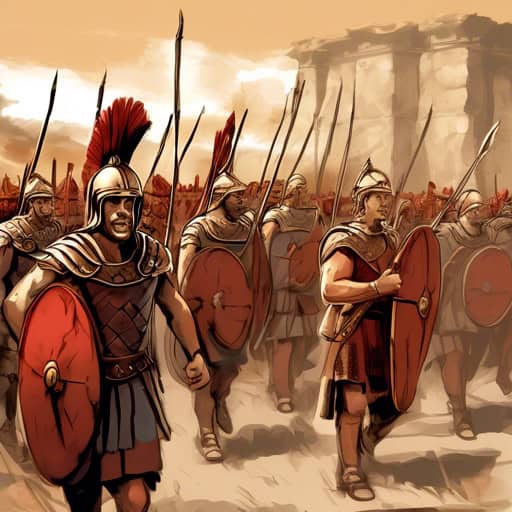
Introduction
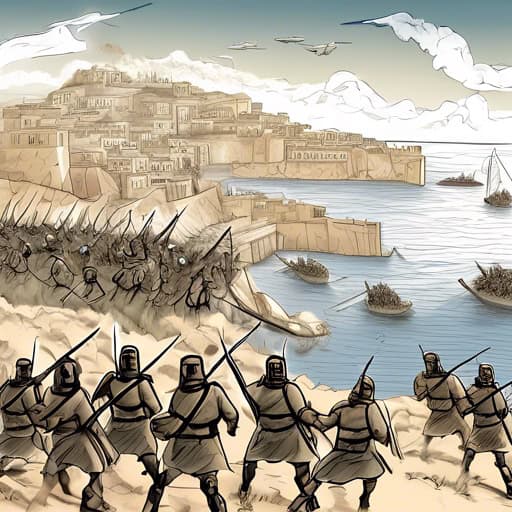
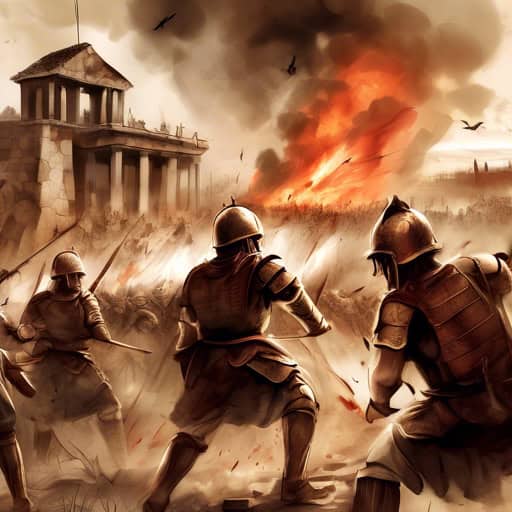
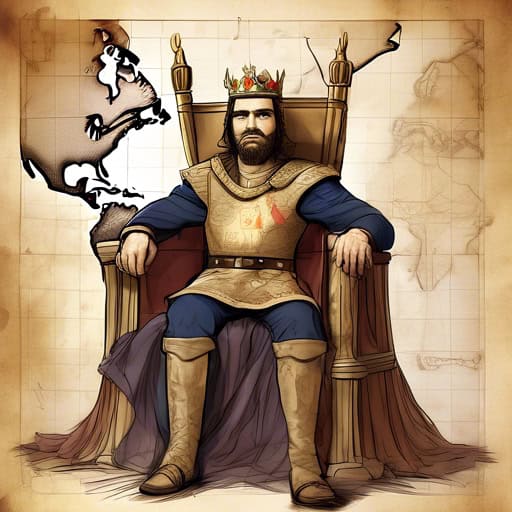
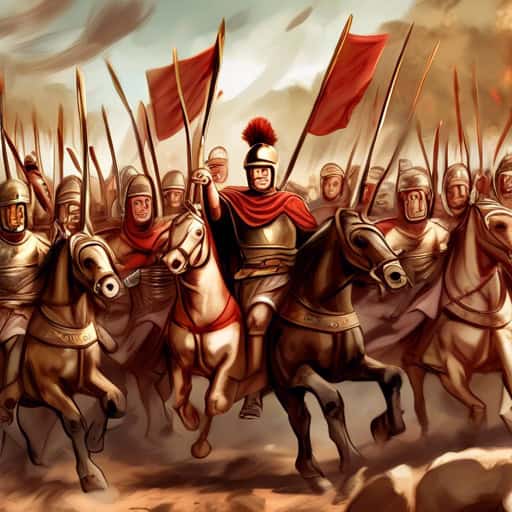
Philip V of Macedon
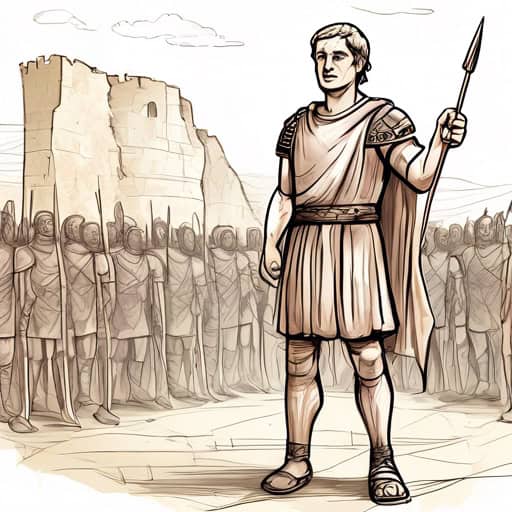
Publius Cornelius Scipio
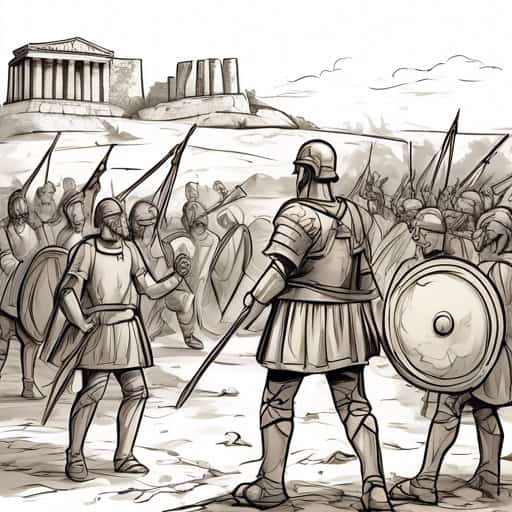
Titus Quinctius Flamininus
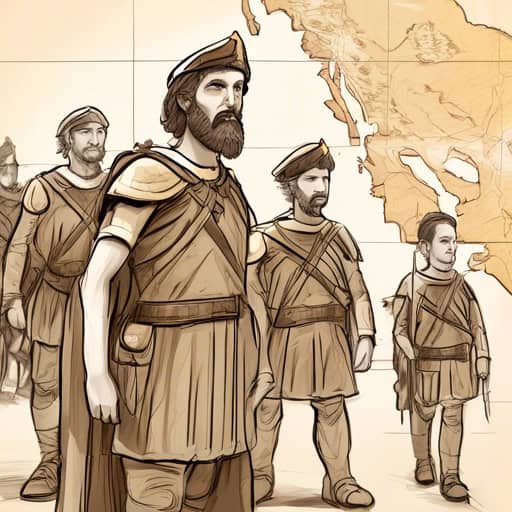
Attalus I of Pergamon
Philippos of Thessaly

1. The Outbreak of War
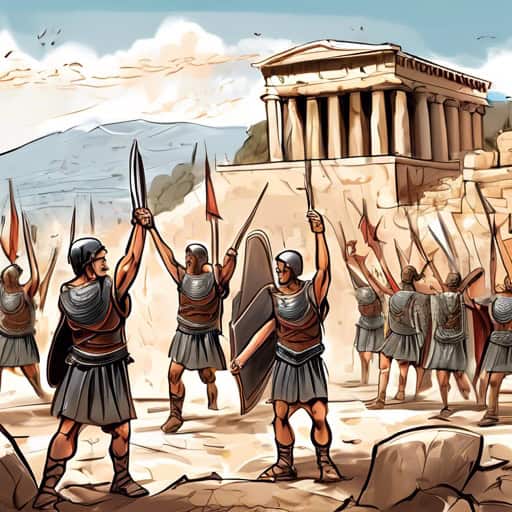
2. Roman Victories in Greece
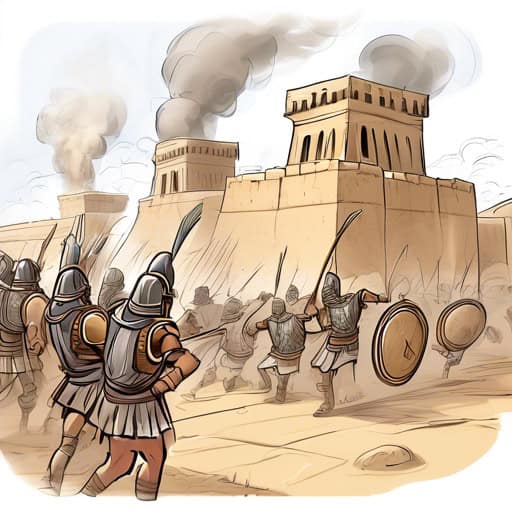
3. The Siege of Abydos

4. The Battle of Cynoscephalae

5. The Treaty of Tempe

6. Roman Expansion in the East

7. Impact on Greece

8. Legacy of the War

9. Aftermath for Philip V

10. Conclusion of the War
Lesson Details & Resources
In a Nutshell
- What: The First Macedonian War was a conflict between Rome and the Kingdom of Macedonia.
- When: 215-205 BC
- Who: Rome and the Kingdom of Macedonia
- Outcome: The war ended with the Treaty of Phoenice, which forced Macedonia to give up some territories and pay a large indemnity to Rome.
Famous Figures in the the First Macedonian War
-
Roman general
A skilled military leader who commanded the Roman forces during the First Macedonian War.
-
Macedonian king
The ruler of Macedonia at the time of the First Macedonian War, who sought to defend his kingdom against Roman expansion.
-
Roman consul
A high-ranking Roman official elected to jointly lead the Roman Republic during the First Macedonian War.
-
Macedonian general
A prominent Macedonian military officer responsible for leading the Macedonian forces in battles against the Romans.
-
Roman senator
A member of the Roman political elite who played a significant role in shaping the Roman Republic's policies during the war.
-
Macedonian commander
A Macedonian commander tasked with organizing and strategizing the defense against the invading Roman forces.
-
Roman soldier
A soldier serving in the Roman army, fighting on the front lines against the Macedonians during the war.
-
Macedonian soldier
A soldier enlisted in the Macedonian military, fighting bravely to protect his homeland from Roman aggression.
-
Roman historian
An ancient historian who chronicled the events of the First Macedonian War, providing valuable insights into the conflict.
-
Macedonian diplomat
A diplomatic envoy from Macedonia sent to negotiate with the Romans in an attempt to find a peaceful resolution to the war.
Timeline of the First Macedonian War
Rome declares war on Philip V of Macedon
Battle of Hecatompylus
Battle of the Aous
Battle of Larisa
The Aetolians join Rome against Macedon
Battle of Lamia
Peace negotiations between Rome and Macedon
The Second Macedonian War begins
Battle of Magnesia
Treaty of Phoenice
Battle of Cynoscephalae
Rome defeats Philip V at the Battle of Pydna
Treaty of Tempe
Philip V dies and is succeeded by Perseus
Perseus organizes Macedonian forces against Rome
Battle of Callinicus
Battle of Pydna
Rome captures Perseus and ends the war
Macedonia becomes a Roman province
Peace treaty signed between Rome and Macedon
Vocabulary List
- Rout
- A disorderly retreat or defeat
- Siege
- A military blockade or bombardment of a city or fortress with the intent of capturing it
- Diplomacy
- The art of conducting negotiations and maintaining good relations between nations
- Ambassador
- A diplomatic representative of a country
- Legion
- A unit of the Roman army, typically consisting of around 3,000 to 6,000 soldiers
- Ally
- A person or country that cooperates with or supports another in a common effort
- Strategy
- A plan of action designed to achieve a particular goal
- Infantry
- Soldiers who fight on foot
- Navy
- A country's warships and their crews
- Cavalry
- Soldiers who fight on horseback
- Siege tower
- A tall, mobile tower used in ancient warfare to assist in breaching fortress walls
- Tactics
- The methods or actions used in a specific military or political situation
- Fortress
- A heavily fortified building or structure used for defense
- Campaign
- A series of military operations with a specific objective
- Victory
- The defeat of an enemy or the achievement of success in a battle or war
- Defeat
- The failure to win or overcome an opponent
- Conquest
- The act of taking control of a country or territory by force
- Reinforcement
- Additional troops or resources sent to support an army or military operation
- Surrender
- The act of giving up or yielding to an enemy or opponent
- Strategist
- A person skilled in planning, directing, and executing military operations.
Key Facts
This is the information used in the fact matching game
- The First Macedonian War was fought between the Roman Republic and the Kingdom of Macedon
- The war took place from 215 to 205 BC
- It was part of the larger conflicts known as the Macedonian Wars
- The Roman general, Titus Quinctius Flamininus, led the Roman forces
- Philip V, the King of Macedon, commanded the Macedonian army
- The war was triggered by Philip V's alliance with Hannibal, the Carthaginian general
- The Romans saw this alliance as a threat to their interests in the region
- The war began with a Roman invasion of Macedon
- The Romans initially suffered some setbacks, but eventually turned the tide of the war
- The decisive Battle of Cynoscephalae in 197 BC resulted in a Roman victory
- The Romans imposed harsh terms on Macedon after their victory
- Macedon was forced to give up control of territories and pay a large indemnity
- The war marked a major turning point in Roman expansion in the eastern Mediterranean
- It established Rome as the dominant power in Greece
- The war also weakened Macedon's influence in the region
- Following the war, Rome established the League of Corinth to maintain control over Greece
- The war paved the way for the Second Macedonian War
- The outcome of the war had significant consequences for the Hellenistic world
- It marked the beginning of Roman hegemony in the region
- The war contributed to the decline of the Kingdom of Macedon.
Analysis & Significance
Immediate Consequences
The First Macedonian War, which lasted from 215 to 205 BC, resulted in the Roman Republic emerging as the dominant power in the Mediterranean region. The defeat of King Philip V of Macedon marked a significant shift in the balance of power, setting the stage for Rome’s expansion and influence in the eastern Mediterranean.
Long-Term Impact
The long-term impact of the First Macedonian War was profound, as it established Rome as a major player in international politics. The war showcased Rome’s military prowess and strategic capabilities, laying the foundation for its eventual conquest of Greece and the establishment of the Roman Empire.
Cultural Significance Today
The legacy of the First Macedonian War can still be seen in modern geopolitics, as the rise of Rome during this period shaped the course of Western civilization. The conflict also serves as a reminder of the consequences of power struggles and the lasting impact of military conquests on global history.
the First Macedonian War Games


Take Your Learning Offline
Want a convenient, print-ready study guide for this lesson? Become a Memory Wizards Pro member to unlock the downloadable " Memory Scrolls" for this topic and our entire library!
- ✓ Complete Vocabulary Lists
- ✓ Key Facts & Timelines
- ✓ Beautifully Formatted for Print & Mobile