
Summary of the Battle of Cynoscephalae
The clash that shaped ancient history: Cynoscephalae, 197 BC.
How Do You Learn Best?
Learn by Listening
Start with the 3-minute audio summary to get the key facts and narrative highlights quickly.
Learn by Reading
Immerse yourself in the 10-minute visual lesson for a comprehensive understanding of the topic.
Learn by Reviewing
Jump directly to the key facts, timeline, and vocabulary lists to build a solid foundation of details.
Learn by Doing
Challenge yourself! Jump straight into the interactive games to learn by trial, error, and discovery.
Audio Library
As one of our featured lessons, this topic includes premium audio guides.
Unlock the Wizard's Cram Session
This powerful audio study guide is a Pro-exclusive feature. Upgrade to Memory Wizards Pro to access this and all of our premium learning tools.
Upgrade to Prothe Battle of Cynoscephalae in 10 Minutes
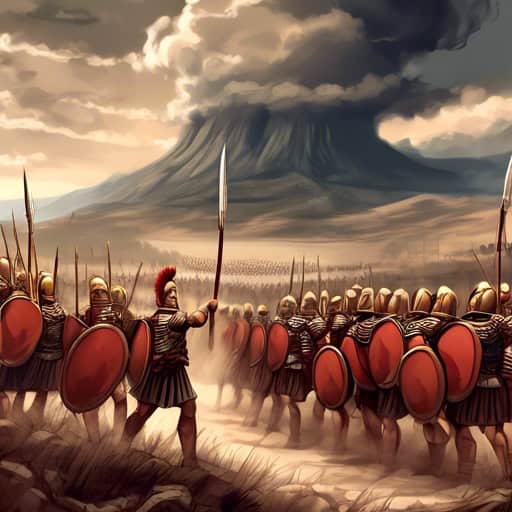
Introduction
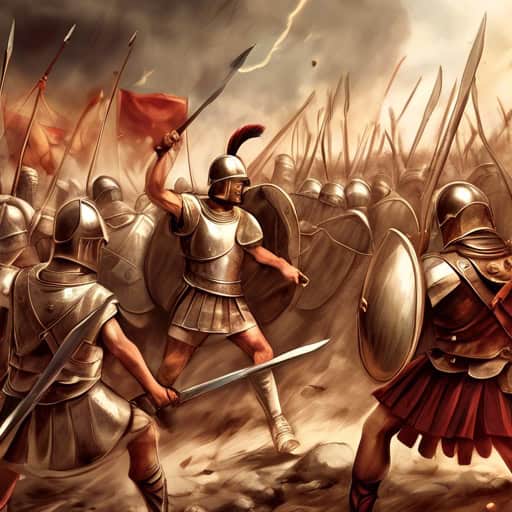
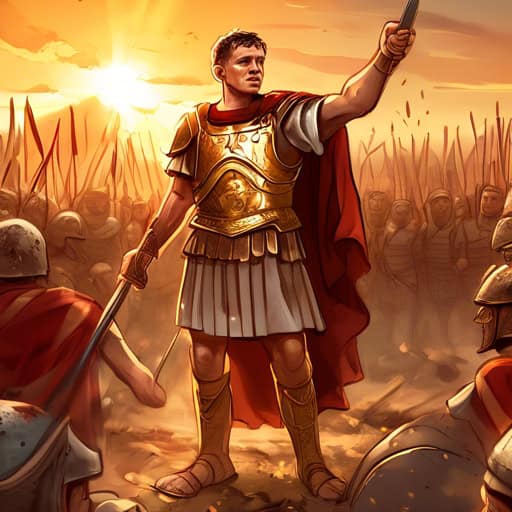
Titus Quinctius Flamininus
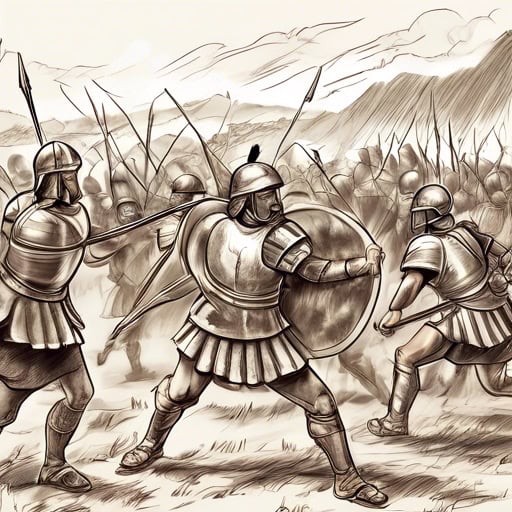
Philip V of Macedon
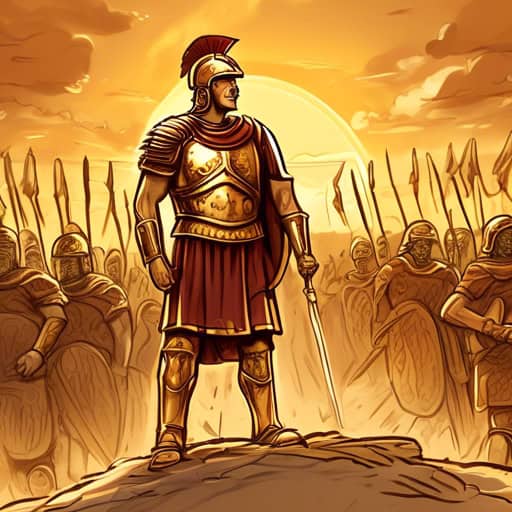
Legatus
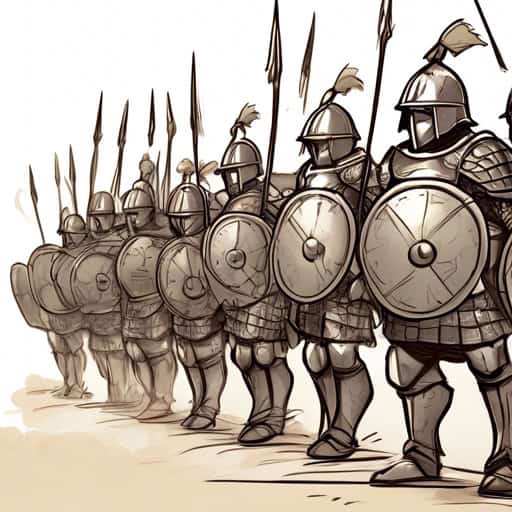
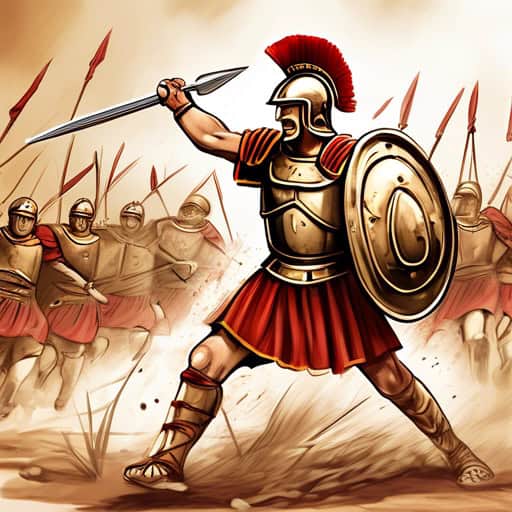
Phalanx Soldiers

The Epic Clash: Battle of Cynoscephalae Summary

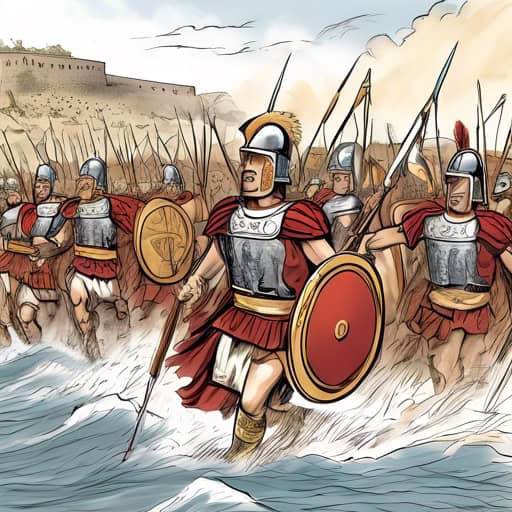
1. Roman and Macedonian Forces Meet

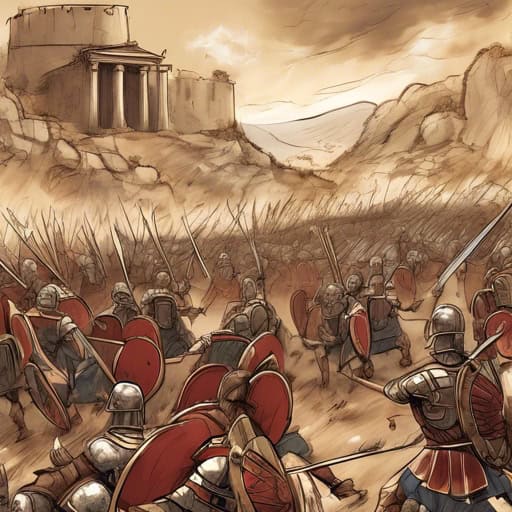
2. The Initial Skirmishes
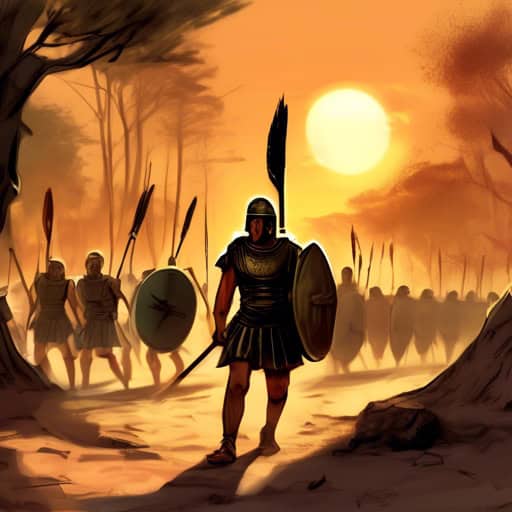
3. Roman Tactical Maneuvers

4. The Turning Point

5. Philip Vs Retreat

6. The Roman Victory

7. Impact on Greece

8. Treaty of Tempe

9. Roman Expansion

10. Legacy of Cynoscephalae
Lesson Details & Resources
In a Nutshell
- What: Decisive battle between the Roman Republic and the Macedonian Kingdom.
- When: 197 BC
- Who: Roman general Titus Quinctius Flamininus, Macedonian King Philip V
- Outcome: Roman victory solidified Roman control over Greece, leading to the end of the Second Macedonian War.
Famous Figures in the the Battle of Cynoscephalae
-
Philip V of Macedon
King of Macedon during the Battle of Cynoscephalae
-
Titus Quinctius Flamininus
Roman general who defeated Philip V at Cynoscephalae
-
Scipio Africanus
Roman general who played a key role in the defeat of Philip V
-
Polybius
Greek historian who documented the events of the Battle of Cynoscephalae
-
Publius Cornelius Scipio Nasica
Roman consul who commanded Roman forces at Cynoscephalae
-
Eumenes II of Pergamon
King of Pergamon who supported Rome in the battle
-
Philippos
Son of Philip V who fought in the battle
-
Marcus Porcius Cato
Roman statesman and historian who lived during the time of the battle
-
Quintus Fabius Maximus Verrucosus
Roman general known for his defensive strategies
-
Gaius Laelius
Roman general who supported Flamininus in the battle
Timeline of the Battle of Cynoscephalae
Vocabulary List
- Cynoscephalae
- The Battle of Cynoscephalae was fought between the Roman Republic and the Kingdom of Macedon in 197 BC.
- Phalanx
- The Macedonian army used a phalanx formation in the Battle of Cynoscephalae.
- Legion
- The Roman legions played a crucial role in the victory at the Battle of Cynoscephalae.
- Hannibal
- Hannibal Barca, the famous Carthaginian general, advised the Macedonian king on military strategy during the Battle of Cynoscephalae.
- Pike
- The Macedonian infantry used long pikes called sarissas in the Battle of Cynoscephalae.
- Roman Republic
- The Roman Republic emerged victorious in the Battle of Cynoscephalae, solidifying its dominance in the Mediterranean region.
- Macedon
- The Kingdom of Macedon, ruled by King Philip V, faced defeat at the Battle of Cynoscephalae against the Roman Republic.
- Allies
- The Roman Republic's Greek allies provided crucial support during the Battle of Cynoscephalae.
- Strategy
- The Roman consul Titus Quinctius Flamininus employed a clever strategy to outmaneuver the Macedonian forces at Cynoscephalae.
- Decisive
- The Battle of Cynoscephalae was a decisive victory for the Roman Republic, marking the end of Macedonian dominance in Greece.
Key Facts
This is the information used in the fact matching game
- The Battle of Cynoscephalae took place in 197 BC between the Roman Republic and the Macedonian Kingdom.
- The Roman army was led by Titus Quinctius Flamininus, while the Macedonian army was led by Philip V.
- The battle was fought in Thessaly, Greece.
- The Romans were victorious in the Battle of Cynoscephalae, marking the end of the Second Macedonian War.
- The Macedonian phalanx was a key component of Philip V's army in the Battle of Cynoscephalae.
- The Roman legions used their flexibility and maneuverability to outflank and defeat the Macedonian phalanx.
- The Battle of Cynoscephalae is considered a significant victory for the Roman Republic in its expansion into the eastern Mediterranean.
- The defeat at Cynoscephalae weakened Macedonian power in Greece and marked the beginning of Roman dominance in the region.
- The Battle of Cynoscephalae is often cited as a turning point in the history of the Roman Republic's rise to power.
- The Roman victory at Cynoscephalae ensured the independence of several Greek city-states from Macedonian influence.
- The Battle of Cynoscephalae demonstrated the effectiveness of the Roman military tactics against the traditional Macedonian phalanx formation.
- The Romans employed a combination of infantry, cavalry, and light troops in the Battle of Cynoscephalae, showcasing their diverse military capabilities.
- The defeat of Philip V at Cynoscephalae led to the imposition of harsh terms on Macedonia by the Roman Republic, including the loss of territories and payment of war indemnities.
- The Battle of Cynoscephalae solidified Roman control over the Greek city-states and established Rome as a major power in the Mediterranean region.
- The Macedonian defeat at Cynoscephalae significantly weakened the kingdom's military and political influence in the region.
- The Battle of Cynoscephalae is considered one of the key battles of the Second Macedonian War, along with the Battle of the Aous.
- The victory at Cynoscephalae established Flamininus as a prominent Roman general and statesman in the Republic.
- The outcome of the Battle of Cynoscephalae led to the eventual Roman annexation of Macedonia as a province in 146 BC.
- The Battle of Cynoscephalae is often cited as a prime example of the Roman military adaptability in facing different enemy formations.
- The victory at Cynoscephalae further enhanced Rome's reputation as a dominant military power in the ancient world.
Analysis & Significance
Immediate Consequences
The Battle of Cynoscephalae in 197 BC resulted in a decisive victory for the Roman Republic over the Macedonian Kingdom. This victory solidified Rome’s dominance in the Mediterranean region and marked the end of Macedonian power in Greece.
Long-Term Impact
The outcome of this battle had far-reaching consequences, as it paved the way for Rome’s eventual conquest of Greece and establishment of hegemony over the region. It also marked a significant shift in the balance of power in the ancient world, with Rome emerging as the dominant force in the Mediterranean.
Cultural Significance Today
The Battle of Cynoscephalae is remembered as a pivotal moment in ancient history that reshaped the geopolitical landscape of the Mediterranean. It serves as a reminder of the rise of Rome as a superpower and its lasting impact on Western civilization. The battle continues to be studied by military strategists and historians for its tactical lessons and strategic implications.
the Battle of Cynoscephalae Games


Take Your Learning Offline
Want a convenient, print-ready study guide for this lesson? Become a Memory Wizards Pro member to unlock the downloadable " Memory Scrolls" for this topic and our entire library!
- ✓ Complete Vocabulary Lists
- ✓ Key Facts & Timelines
- ✓ Beautifully Formatted for Print & Mobile