
Summary of the 7 kings of Rome
Unveil the mythical rulers who shaped ancient Rome's destiny.
How Do You Learn Best?
Learn by Listening
Start with the 3-minute audio summary to get the key facts and narrative highlights quickly.
Learn by Reading
Immerse yourself in the 10-minute visual lesson for a comprehensive understanding of the topic.
Learn by Reviewing
Jump directly to the key facts, timeline, and vocabulary lists to build a solid foundation of details.
Learn by Doing
Challenge yourself! Jump straight into the interactive games to learn by trial, error, and discovery.
Audio Library
As one of our featured lessons, this topic includes premium audio guides.
Unlock the Wizard's Cram Session
This powerful audio study guide is a Pro-exclusive feature. Upgrade to Memory Wizards Pro to access this and all of our premium learning tools.
Upgrade to Prothe 7 kings of Rome in 10 Minutes
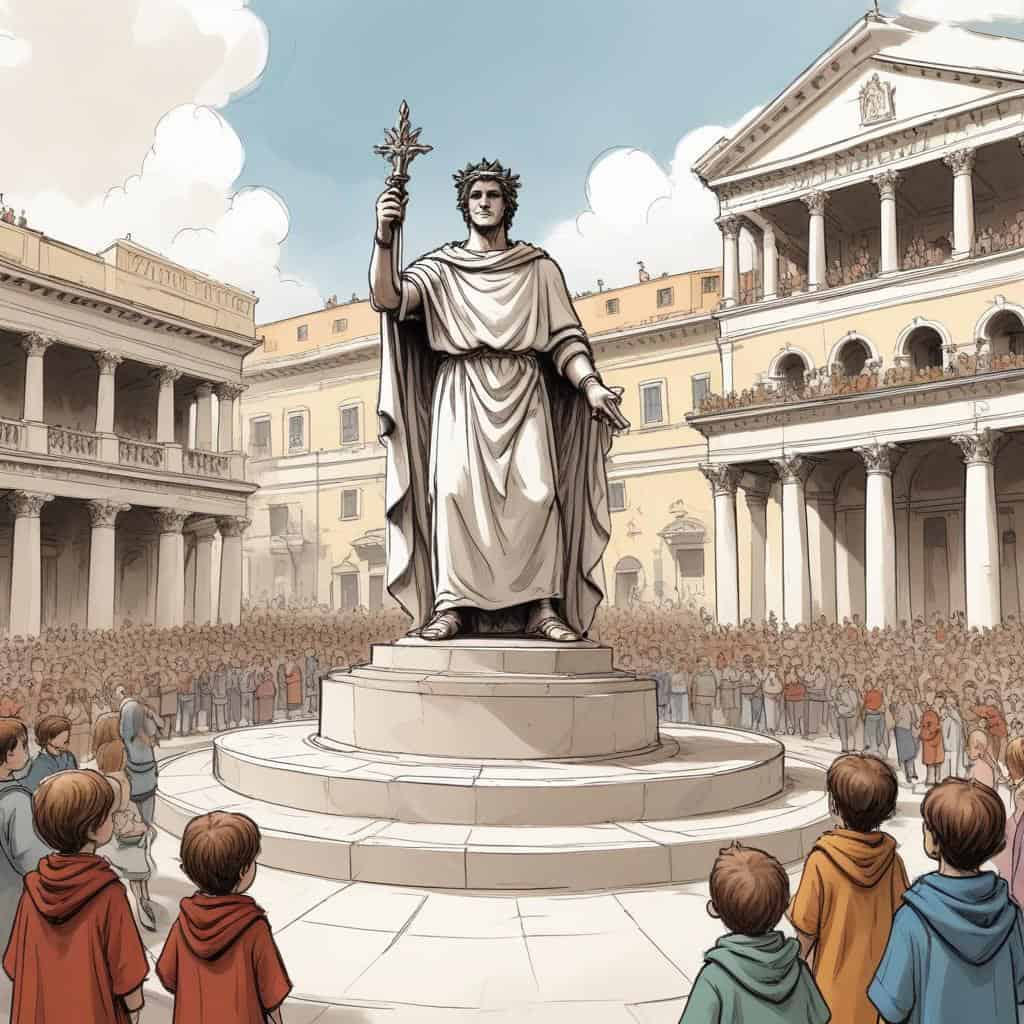
Introduction
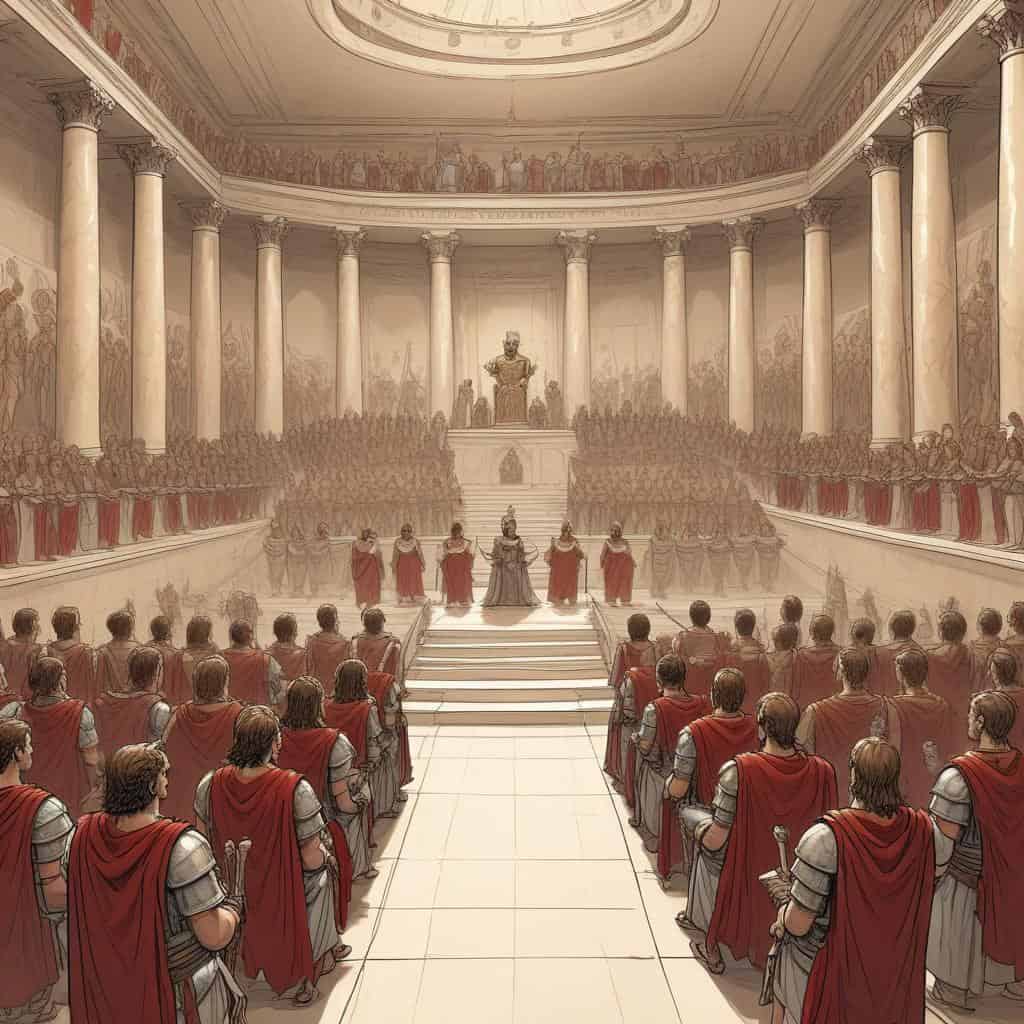
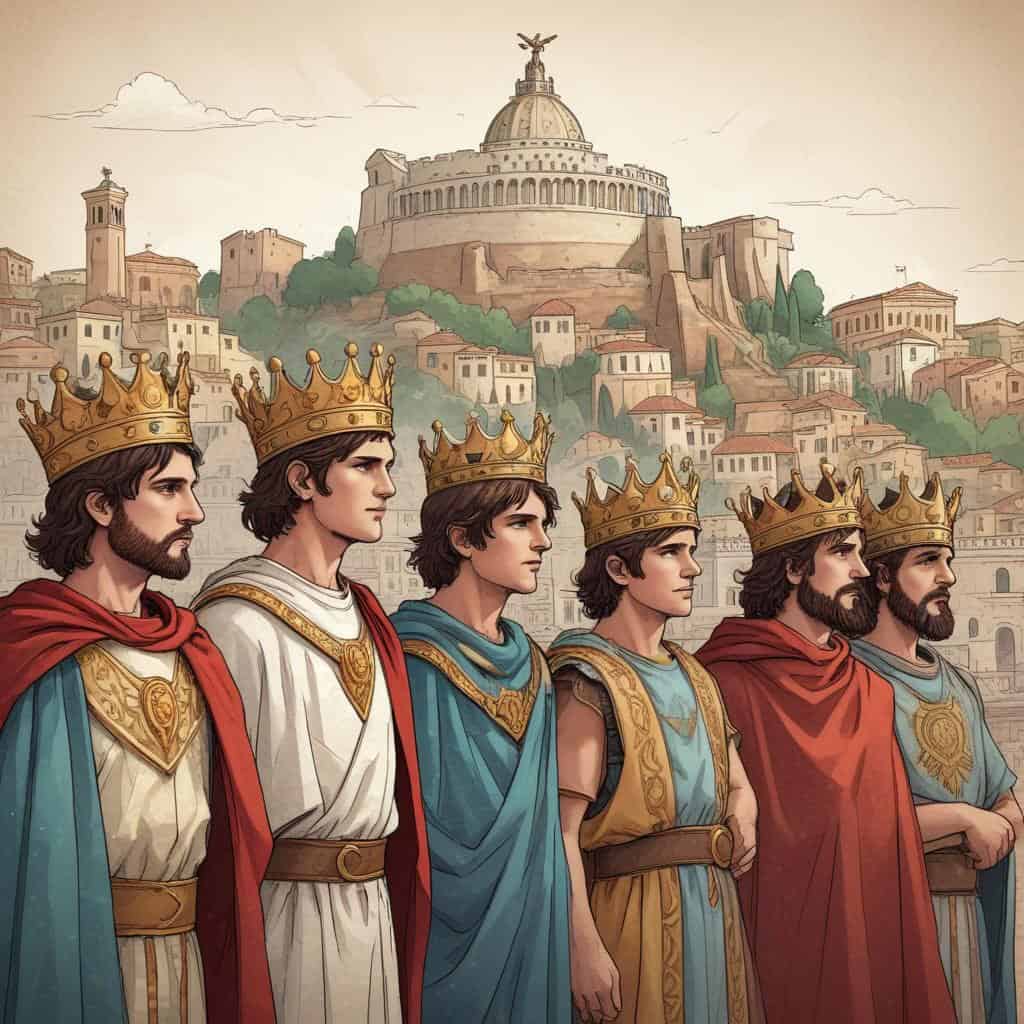

1. Romulus
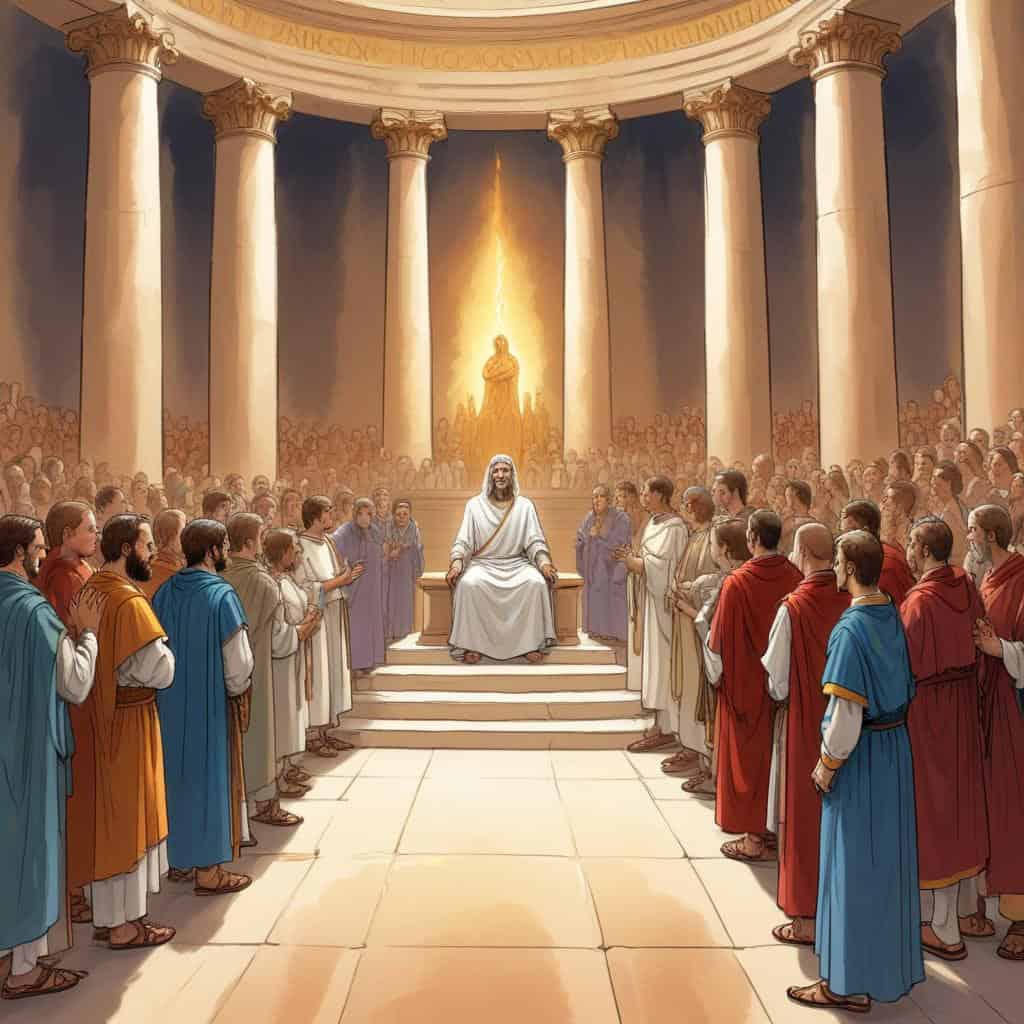
2. Numa Pompilius
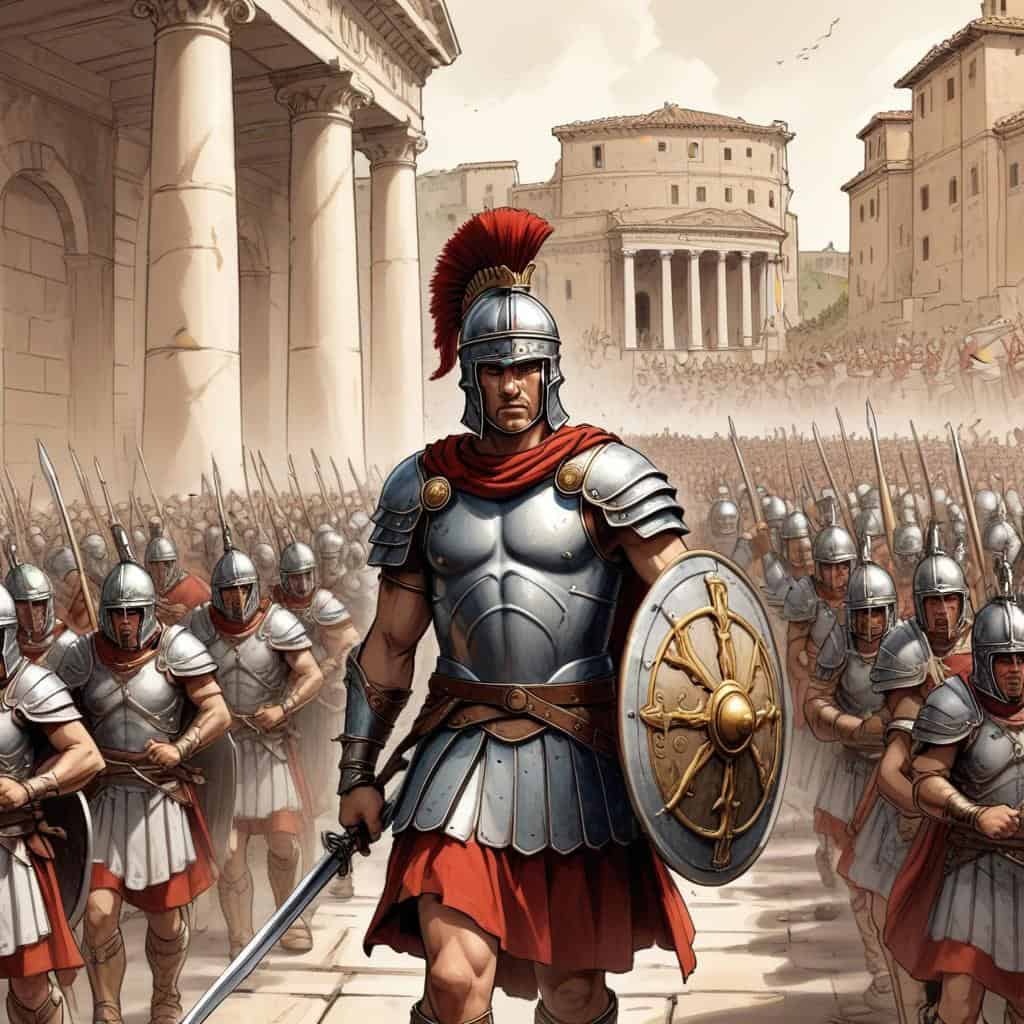
3. Tullus Hostilius
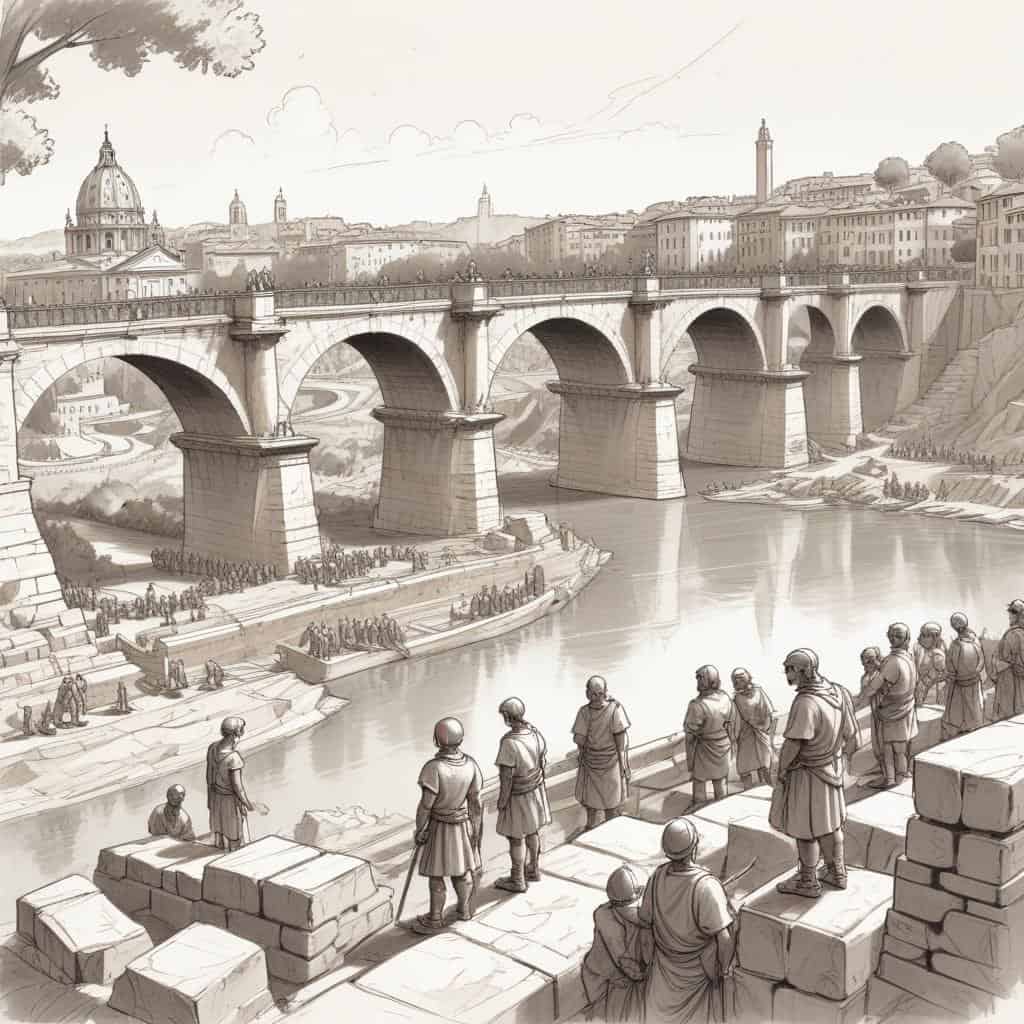
4. Ancus Marcius
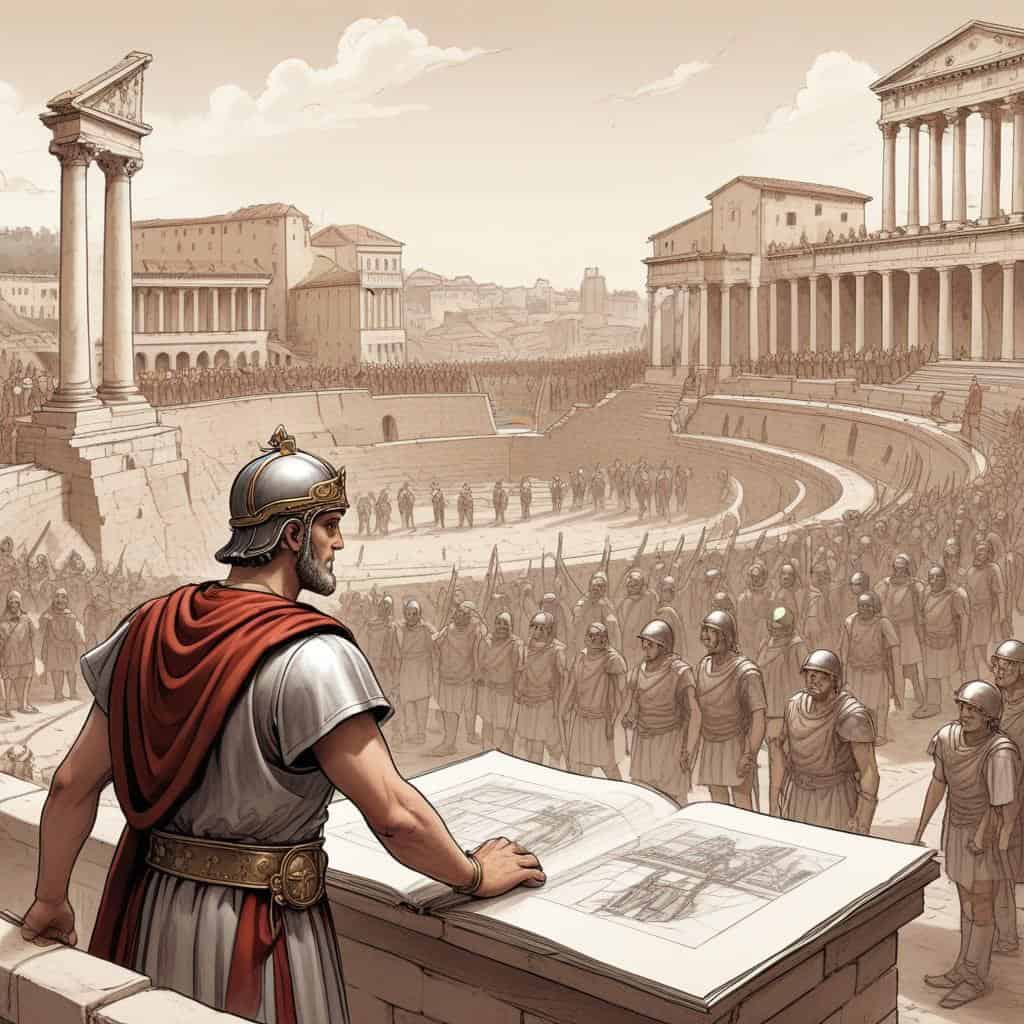
5. Lucius Tarquinius Priscus
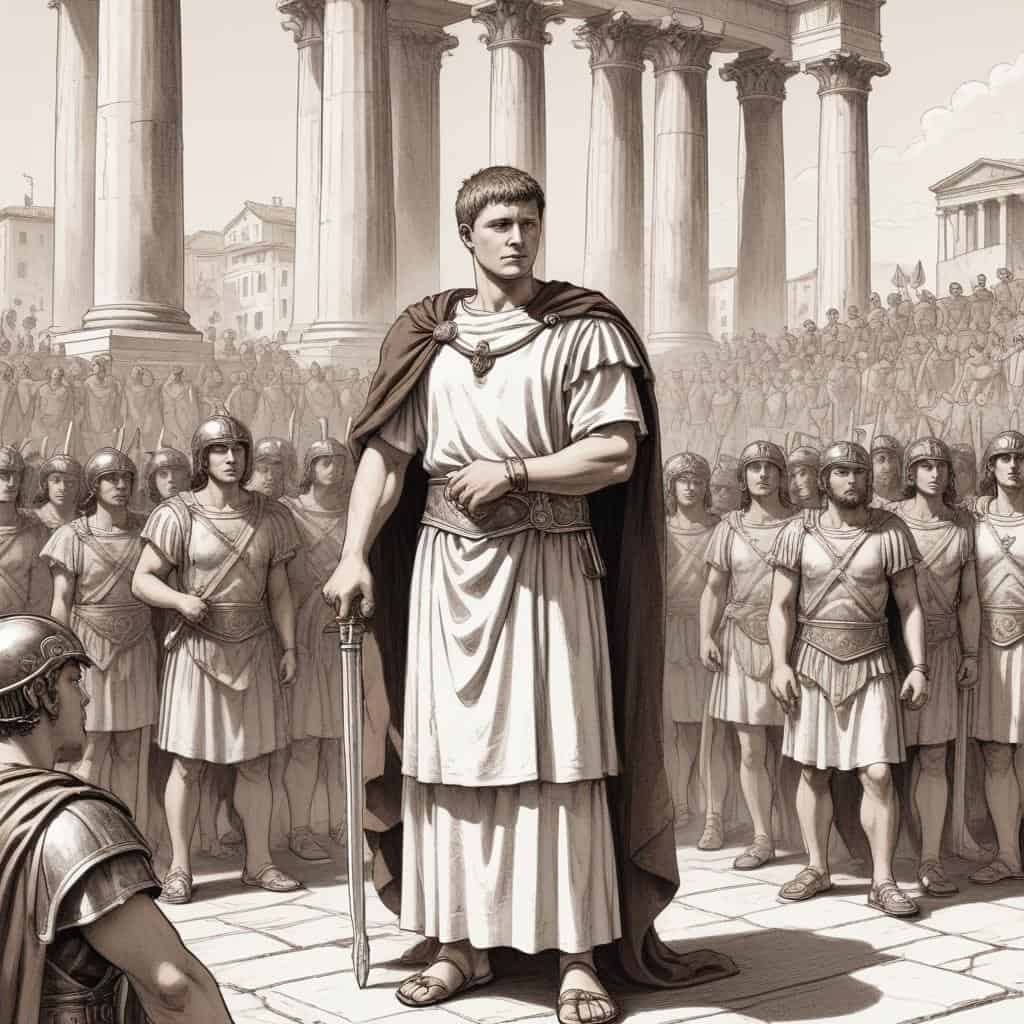
6. Servius Tullius
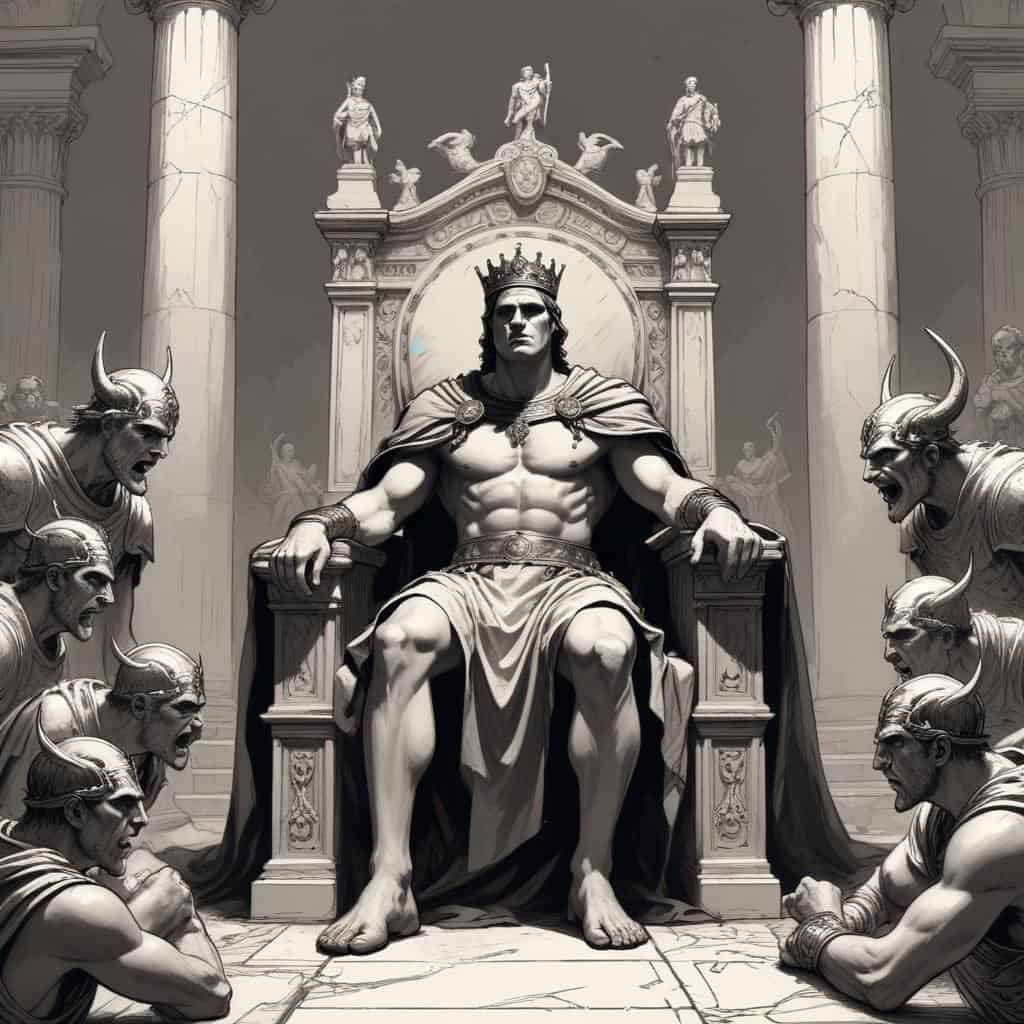
7. Lucius Tarquinius Superbus

1. Romulus and Remus

2. Romulus and the Sabine Women

3. Numa Pompilius

4. Tullus Hostilius
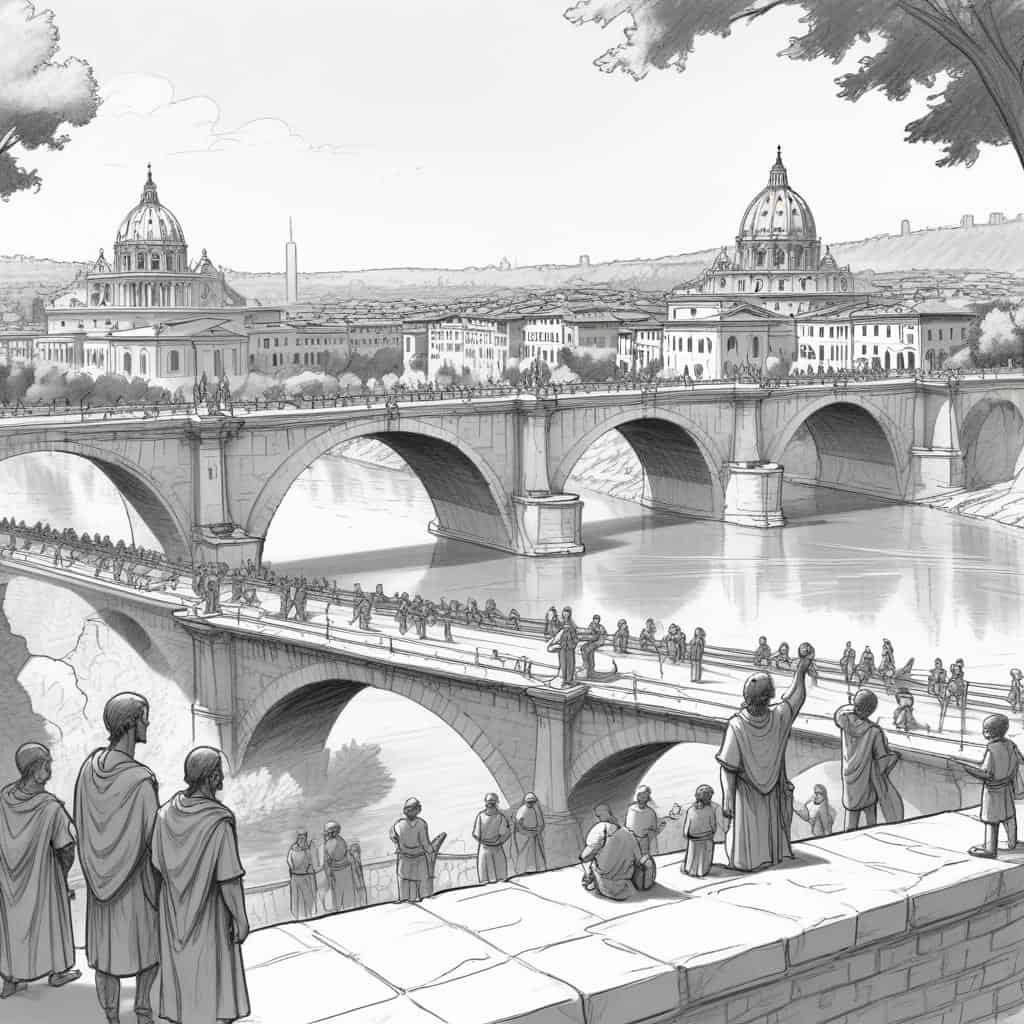
5. Ancus Marcius

6. Tarquin the Elder

7. Servius Tullius

8. Tarquin the Proud

9. The Legacy of the Seven Kings

Lesson Details & Resources
In a Nutshell
- What: The reign of the seven legendary kings of Rome
- When: 753 BC – 509 BC
- Who: Romulus, Numa Pompilius, Tullus Hostilius, Ancus Marcius, Lucius Tarquinius Priscus, Servius Tullius, Lucius Tarquinius Superbus
- Outcome: Establishment and early growth of Rome as a city-state
Famous Figures in the the 7 kings of Rome
-
Romulus
Romulus was the legendary founder and first king of Rome, known for establishing the city and its institutions.
-
Numa Pompilius
Numa Pompilius was the second king of Rome, credited with establishing various religious and legal institutions.
-
Tullus Hostilius
Tullus Hostilius was the third king of Rome, known for his military prowess and expansion of Roman territory.
-
Ancus Marcius
Ancus Marcius was the fourth king of Rome, known for his focus on expanding Roman influence through diplomacy.
-
Tarquinius Priscus
Tarquinius Priscus was the fifth king of Rome, known for his efforts in urban development and infrastructure.
-
Servius Tullius
Servius Tullius was the sixth king of Rome, credited with implementing significant reforms in the Roman state.
-
Lucius Tarquinius Superbus
Lucius Tarquinius Superbus was the seventh and final king of Rome, known for his tyrannical rule and eventual overthrow.
Timeline of the 7 kings of Rome
Romulus founds the city of Rome
Romulus becomes the first King of Rome
Numa Pompilius becomes the second King of Rome
Numa Pompilius establishes many religious and legal institutions
Tullus Hostilius becomes the third King of Rome
Tullus Hostilius defeats Alba Longa and absorbs it into Rome
Ancus Marcius becomes the fourth King of Rome
Ancus Marcius expands Roman territory and improves infrastructure
Lucius Tarquinius Priscus becomes the fifth King of Rome
Lucius Tarquinius Priscus constructs the Cloaca Maxima and Circus Maximus
Servius Tullius becomes the sixth King of Rome
Servius Tullius introduces the Servian reforms and builds the Servian Wall
Lucius Tarquinius Superbus becomes the seventh and final King of Rome
Lucius Tarquinius Superbus is overthrown, leading to the establishment of the Roman Republic
The reign of the seven legendary kings of Rome ends
Vocabulary List
- Reign
- The reign of the seven legendary kings of Rome lasted for several centuries.
- Seven
- The reign of the seven legendary kings of Rome is a significant period in Roman history.
- Legendary
- The seven kings of Rome are considered legendary figures in Roman mythology.
- Kings
- The seven legendary kings of Rome were Romulus, Numa Pompilius, Tullus Hostilius, Ancus Marcius, Tarquinius Priscus, Servius Tullius, and Tarquinius Superbus.
- Rome
- The reign of the seven legendary kings of Rome marks the early history of the city.
Key Facts
This is the information used in the fact matching game
- Romulus, the first king of Rome, reigned from 753 BC to 716 BC.
- Numa Pompilius, the second king, reigned from 715 BC to 673 BC.
- Tullus Hostilius, the third king, reigned from 673 BC to 642 BC.
- Ancus Marcius, the fourth king, reigned from 642 BC to 617 BC.
- Lucius Tarquinius Priscus, the fifth king, reigned from 616 BC to 579 BC.
- Servius Tullius, the sixth king, reigned from 578 BC to 535 BC.
- Lucius Tarquinius Superbus, the seventh and final king, reigned from 534 BC to 509 BC.
- The reign of the seven kings is referred to as the 'Regal Period' of ancient Rome.
- The kings were said to be descendants of gods or heroes.
- Romulus was considered the son of the war god Mars.
- The second king, Numa Pompilius, was renowned for his piety and religious reforms.
- Tullus Hostilius was known for his military prowess and expansionist policies.
- Ancus Marcius established the port city of Ostia and expanded Roman territory.
- Lucius Tarquinius Priscus introduced Etruscan influence to Rome and initiated major construction projects.
- Servius Tullius implemented social and political reforms, including the census and division of citizens into classes.
- Lucius Tarquinius Superbus was a tyrannical king, and his overthrow led to the establishment of the Roman Republic.
- The stories and legends surrounding the reign of the seven kings are part of Roman mythology.
- The historical accuracy of the reign of the seven kings is debated among scholars.
- The reign of the kings ended with the expulsion of Lucius Tarquinius Superbus and the establishment of a republican government.
- The Roman Republic lasted from 509 BC to 27 BC.
Analysis & Significance
Immediate Consequences
The reign of the Roman kings marked a period of significant growth and consolidation for the city-state. Their leadership established key institutions, such as the Senate and the legal system, which laid the foundation for Rome’s future success. Additionally, their military campaigns expanded Rome’s territory and influence in the region.
Long-Term Impact
This period of Roman history set the stage for the rise of the Roman Republic and later the Roman Empire. The accomplishments of the kings, such as Romulus and Numa Pompilius, became part of Rome’s founding myths and continued to shape Roman identity for centuries to come. The legacy of their reigns can be seen in the enduring influence of Roman law, governance, and military prowess.
Cultural Significance Today
The stories of the seven legendary kings of Rome continue to capture the imagination of people around the world. Their legends have inspired countless works of art, literature, and film, showcasing the enduring appeal of these ancient rulers. The legacy of their reigns also serves as a reminder of the importance of leadership, governance, and the impact of historical figures on the development of societies. Their influence can still be felt in modern concepts of power, authority, and the founding of great civilizations.
the 7 kings of Rome Games


Take Your Learning Offline
Want a convenient, print-ready study guide for this lesson? Become a Memory Wizards Pro member to unlock the downloadable " Memory Scrolls" for this topic and our entire library!
- ✓ Complete Vocabulary Lists
- ✓ Key Facts & Timelines
- ✓ Beautifully Formatted for Print & Mobile