
Summary of Founding of Rome – 753 BC
Uncover the mythical origins of ancient Rome in 753 BC.
At a Glance - Infographic
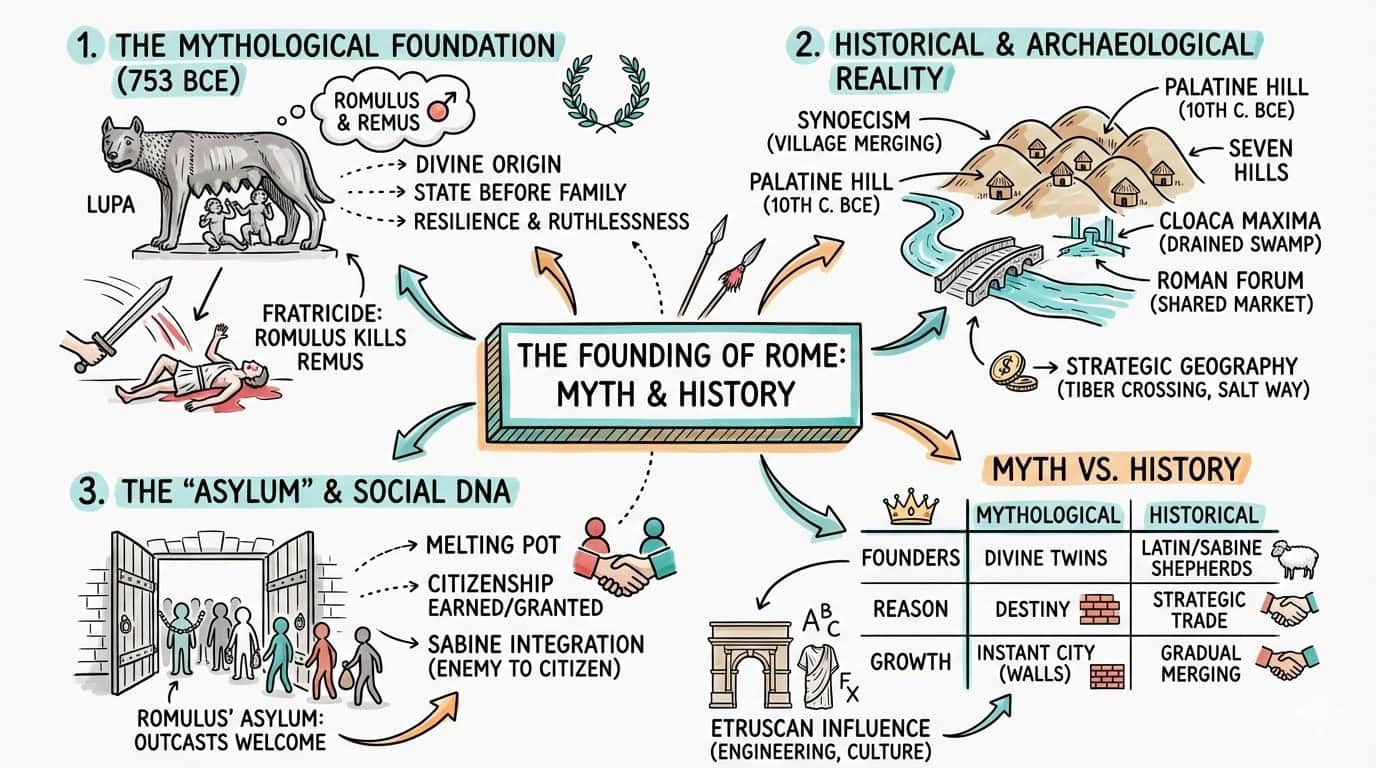
A quick look at the founding of Rome
How Do You Learn Best?
Learn by Listening
Start with the 3-minute audio summary to get the key facts and narrative highlights quickly.
Learn by Reading
Immerse yourself in the 10-minute visual lesson for a comprehensive understanding of the topic.
Learn by Reviewing
Jump directly to the key facts, timeline, and vocabulary lists to build a solid foundation of details.
Learn by Doing
Challenge yourself! Jump straight into the interactive games to learn by trial, error, and discovery.
Audio Library
As one of our featured lessons, this topic includes premium audio guides.
Unlock the Wizard's Cram Session
This powerful audio study guide is a Pro-exclusive feature. Upgrade to Memory Wizards Pro to access this and all of our premium learning tools.
Upgrade to ProFounding of Rome – 753 BC in 10 Minutes
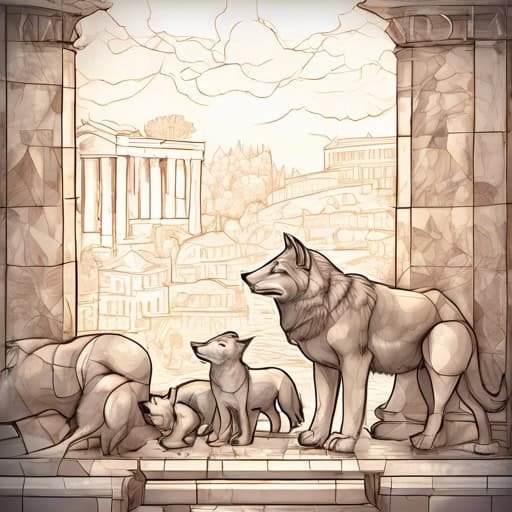
Introduction
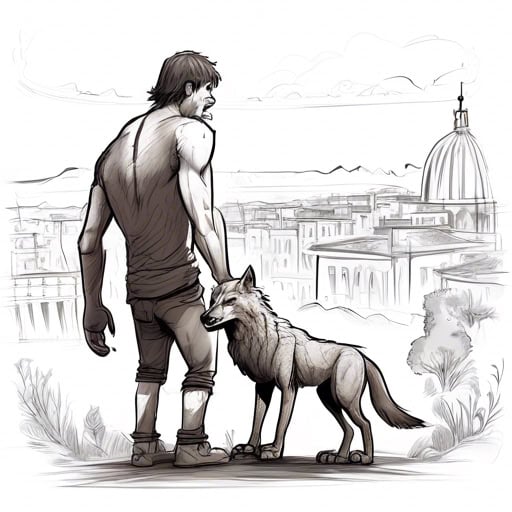
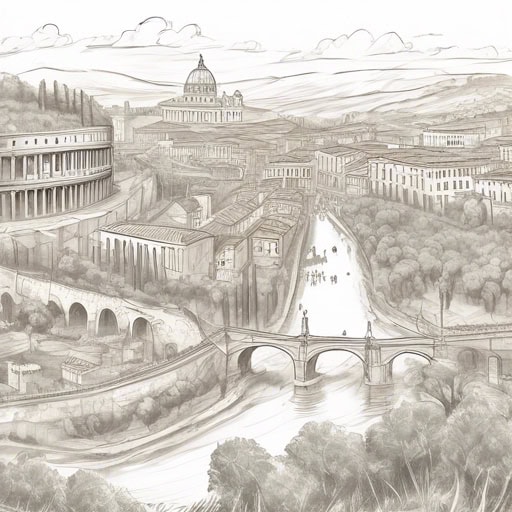

Romulus

Remus
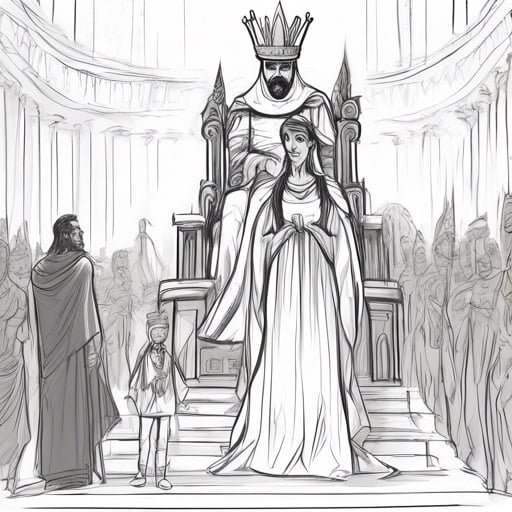
King Numitor
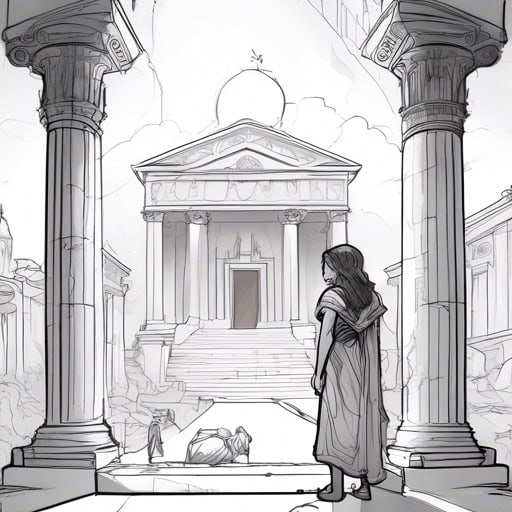
Rhea Silvia
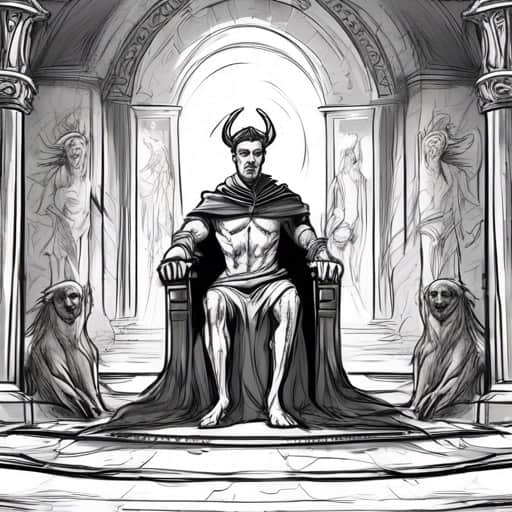
Amulius

1. The Legend of Romulus and Remus

2. The Rivalry Between Romulus and Remus

3. The Founding of Rome

4. The Sabine Women

5. The Rape of the Sabine Women

6. The Expansion of Rome
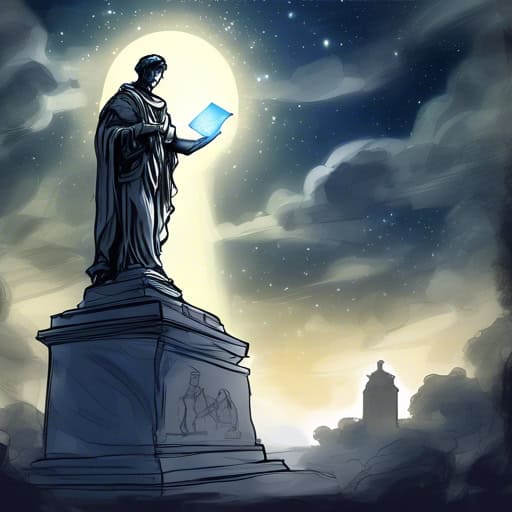
7. The End of Romulus

8. The Legacy of Romulus

9. The Influence of Romulus on Roman Culture

10. The Founding of Rome in Historical Context
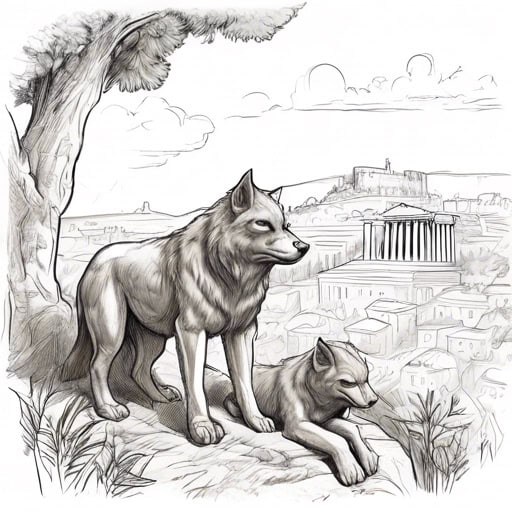
Lesson Details & Resources
In a Nutshell
- What: The founding of Rome
- When: 753 BC
- Who: Romulus and Remus
- Outcome: The establishment of one of the most powerful and influential civilizations in history
Famous Figures in the Founding of Rome – 753 BC
-
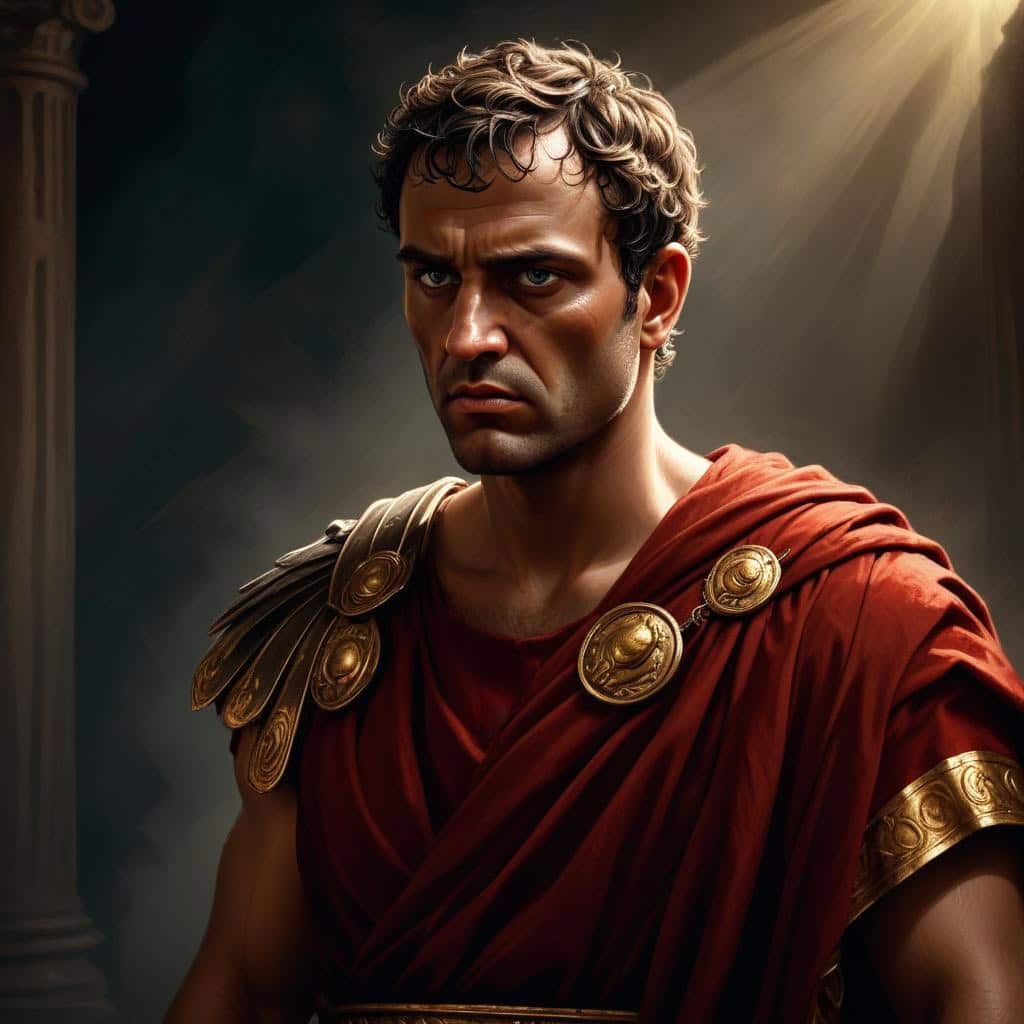
Romulus
This person is one of the legendary twin brothers who founded the city of Rome. He is said to have been the first king of Rome, ruling alongside his brother.
-
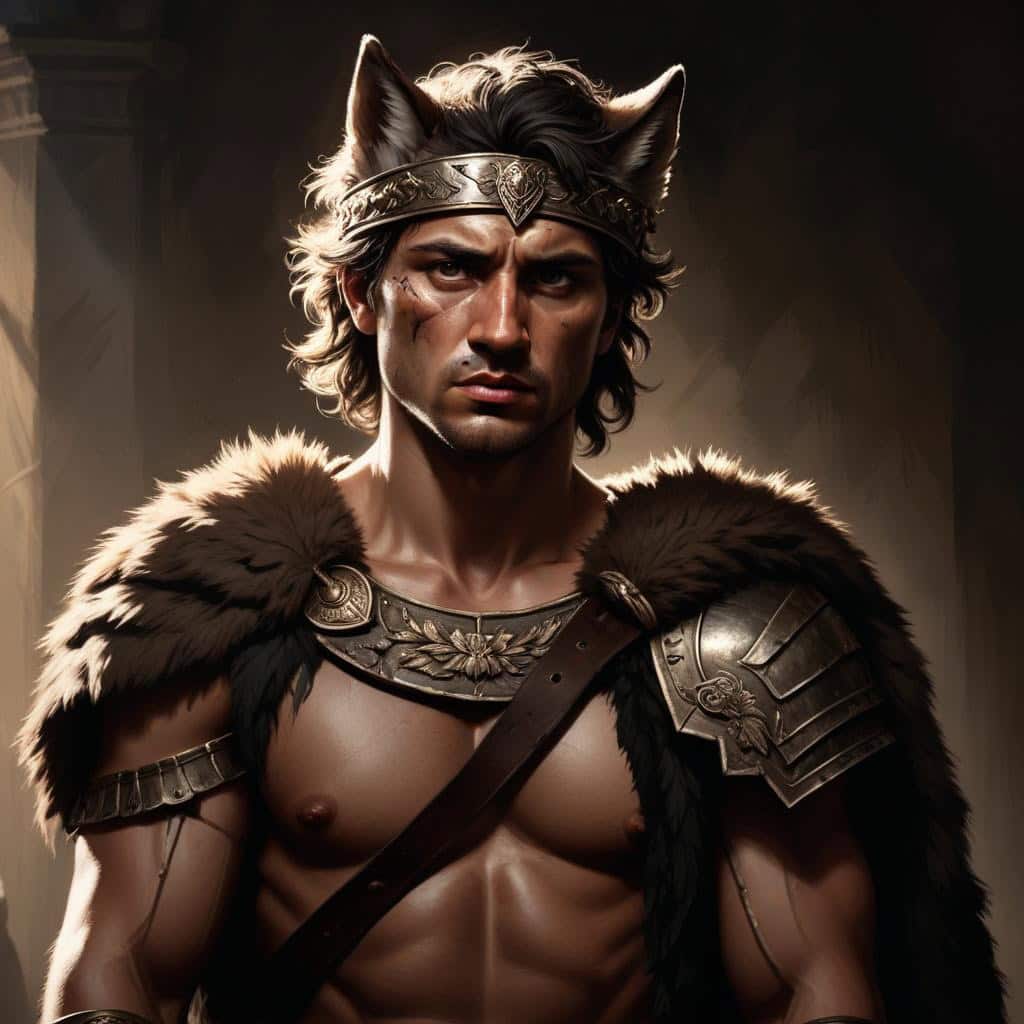
Remus
This person is the twin brother of the first king of Rome. He played a significant role in the founding myth of Rome as well.
-
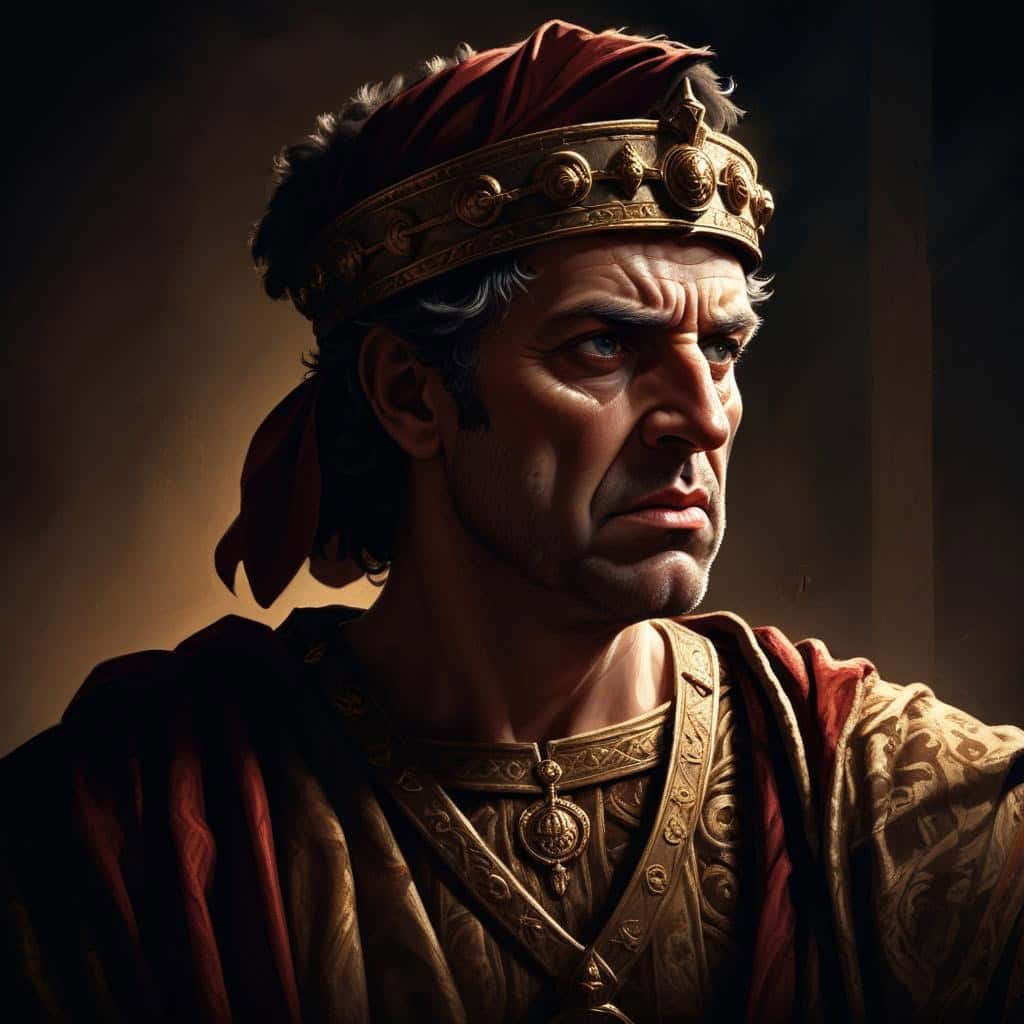
Amulius
This person is the wicked uncle of the twin brothers who seized power and overthrew their grandfather, the rightful king of Alba Longa.
-
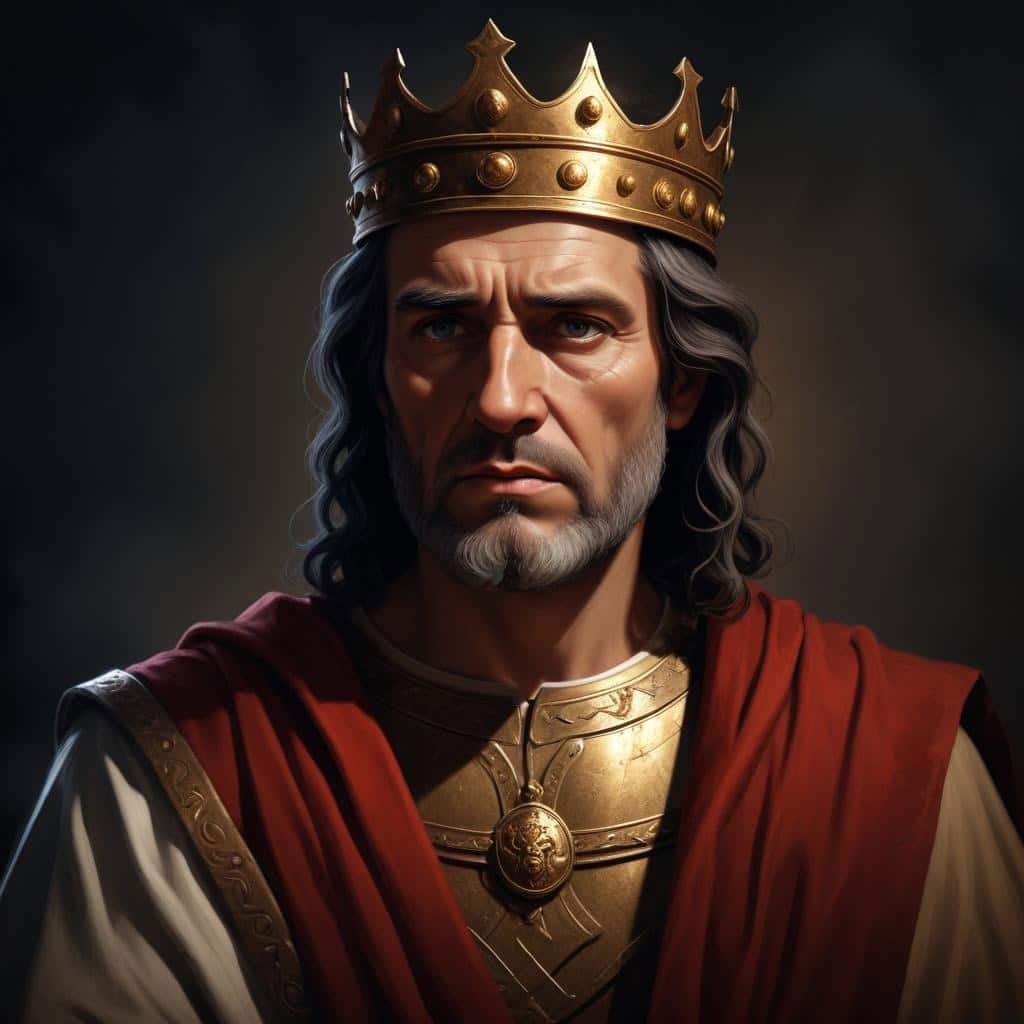
Numitor
This person is the grandfather of the twin brothers. He was the rightful king of Alba Longa before being overthrown by his wicked brother.
-
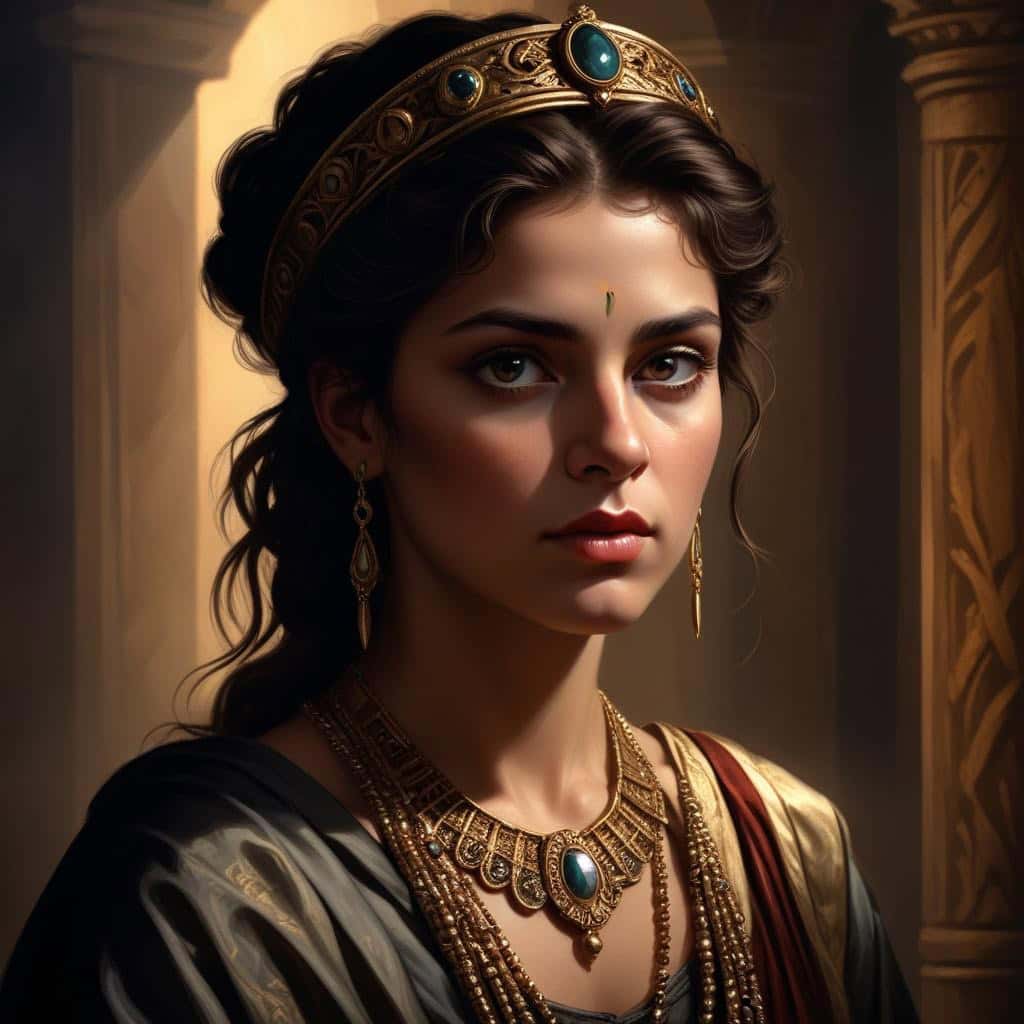
Rhea Silvia
This person is the mother of the twin brothers. She is believed to be a vestal virgin who was impregnated by the god of war, Mars.
-
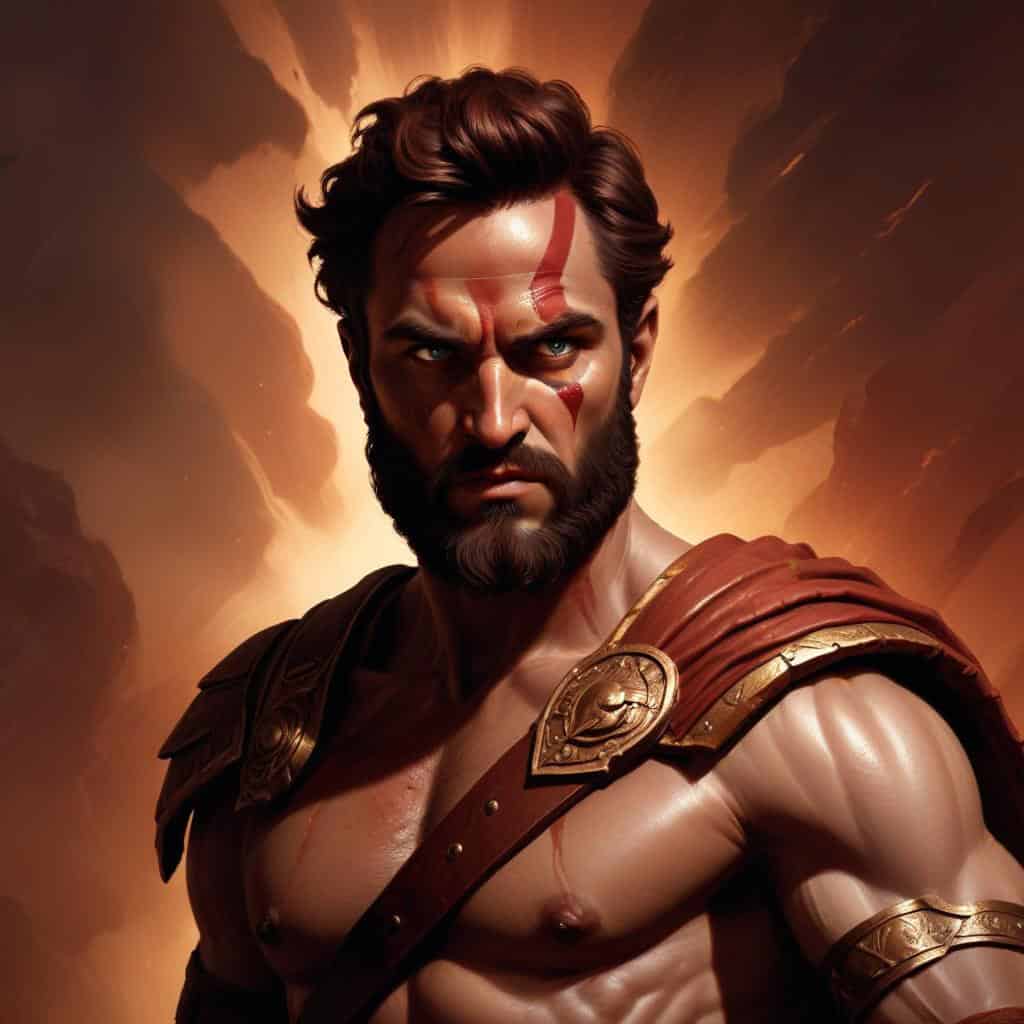
Mars
This person is the god of war in Roman mythology. He is believed to be the father of the twin brothers.
-
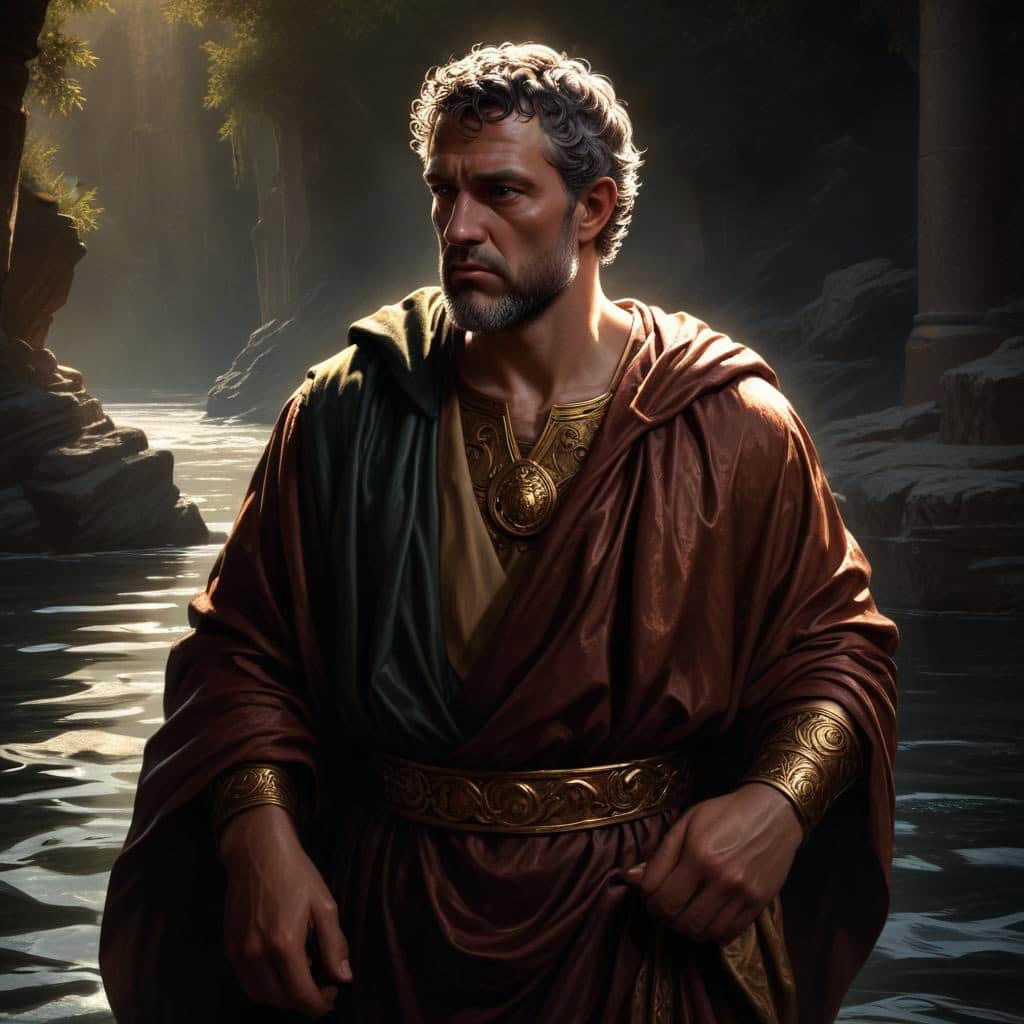
Tiberinus
This person is the god of the Tiber River. It is said that the twin brothers were abandoned on the riverbank and were saved by this god.
-
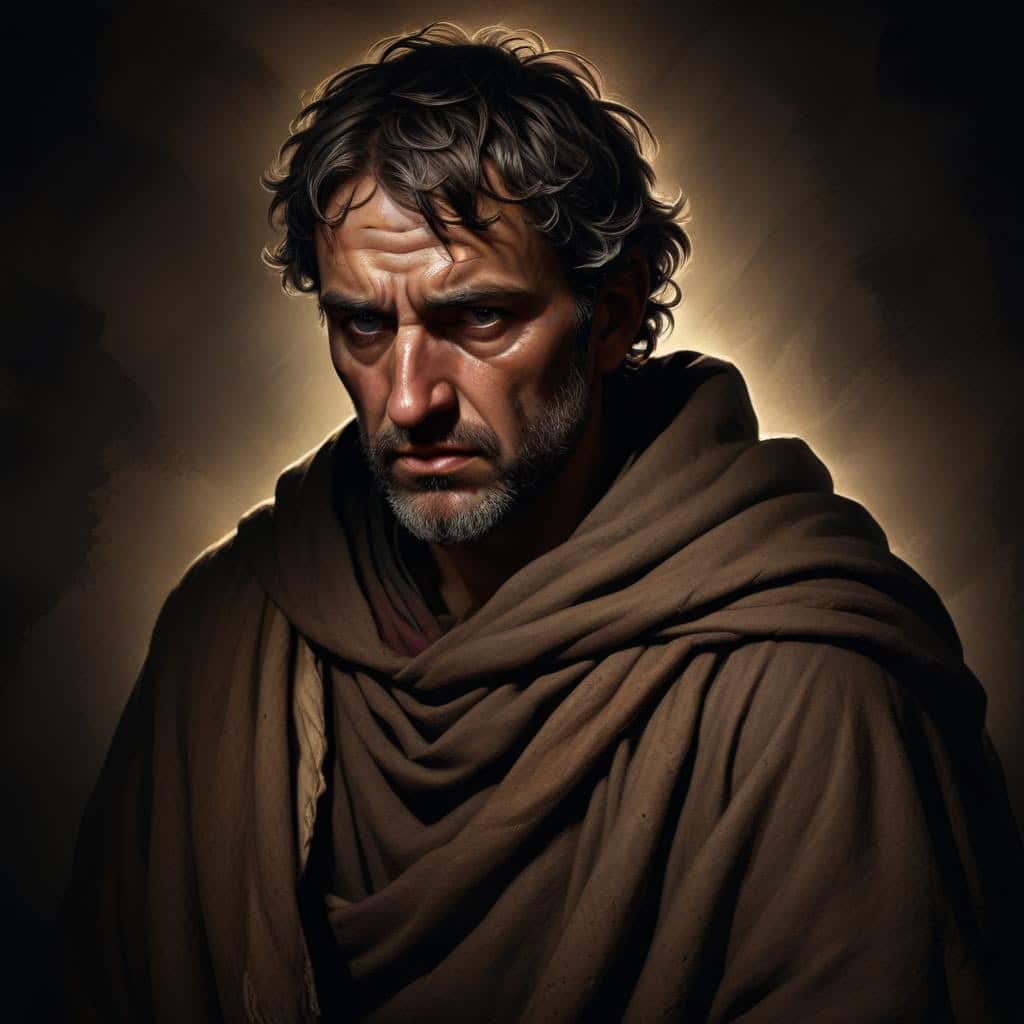
Faustulus
This person is a shepherd who found and raised the twin brothers after they were abandoned on the riverbank.
-
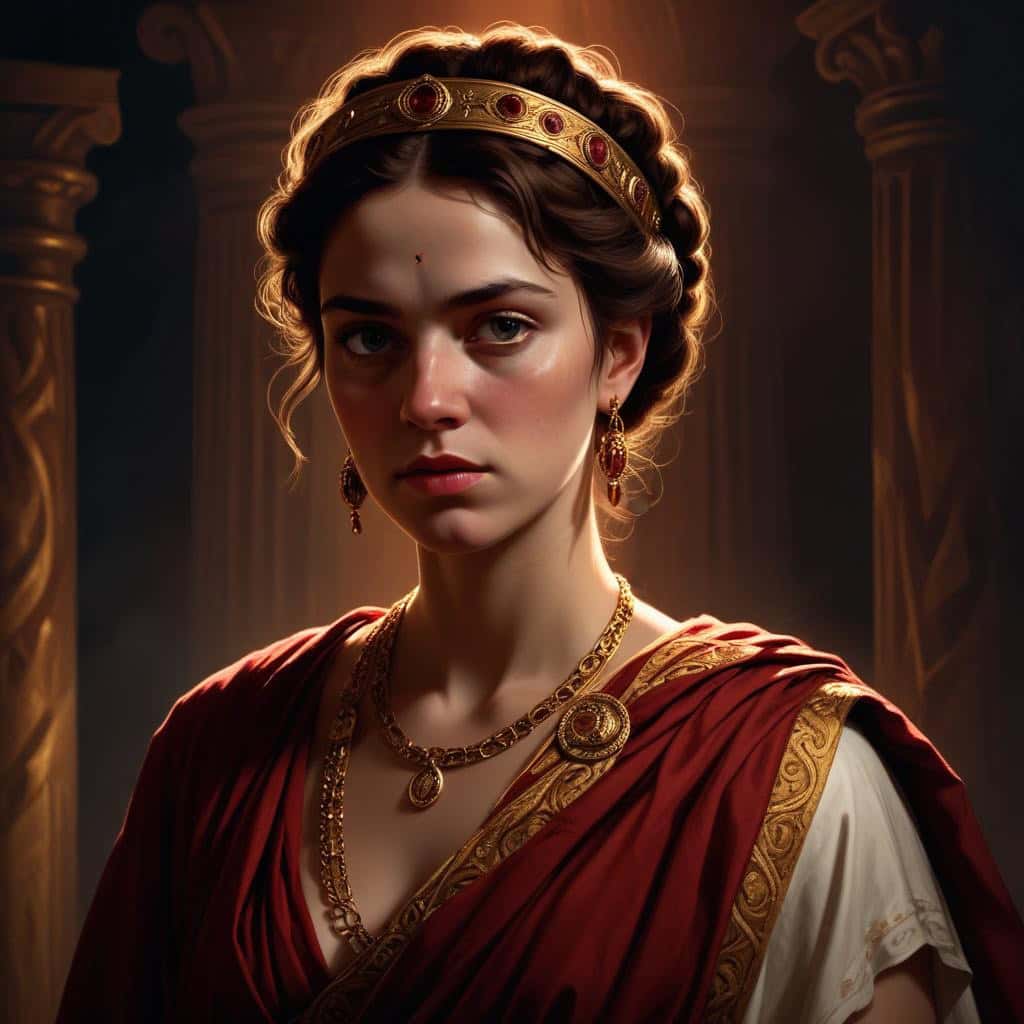
Hersilia
This person is the wife of Romulus, the first king of Rome. She played a significant role in the founding of Rome.
-
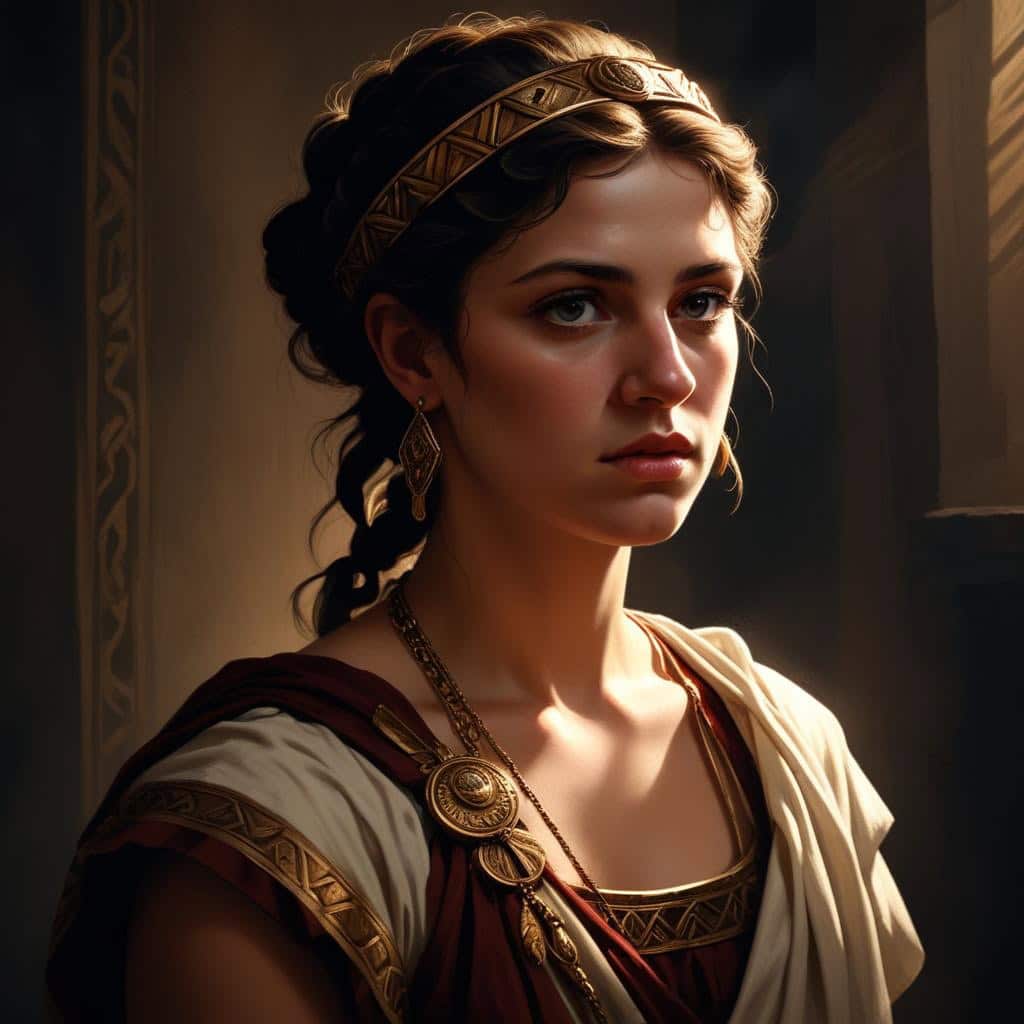
Tarpeia
This person is a Roman maiden who betrayed the city to the Sabines. She asked for what she thought would be a reward but was instead crushed to death by the Sabines.
Timeline of Founding of Rome – 753 BC
Foundation of Rome by Romulus and Remus
Romulus becomes the first King of Rome
Construction of the Roman Senate
War with the Sabines
Rape of the Sabine Women
Death of Romulus
Numa Pompilius becomes the second King of Rome
Construction of the Temple of Janus
Tullus Hostilius becomes the third King of Rome
Construction of the Curia Hostilia
War with Alba Longa
Ancus Marcius becomes the fourth King of Rome
Construction of the Mamertine Prison
Tarquinius Priscus becomes the fifth King of Rome
Construction of the Cloaca Maxima
Servius Tullius becomes the sixth King of Rome
Construction of the Servian Wall
Construction of the Circus Maximus
Construction of the Temple of Jupiter Optimus Maximus
Tarquinius Superbus becomes the seventh and last King of Rome
Vocabulary List
- Romulus
- According to legend, Romulus was one of the twin brothers who founded Rome in 753 BC.
- Remus
- Remus was the other twin brother in the legend of Rome's founding, who was killed by Romulus.
- Aeneas
- Aeneas, a Trojan hero, was believed to be an ancestor of Romulus and Remus, connecting Rome's founding to the mythological Trojan War.
- Etruscans
- The Etruscans, an ancient civilization in Italy, played a significant role in the early development of Rome before its founding.
- Tiber River
- The Tiber River, which flows through Rome, provided a strategic location and water source for the city's founding.
- Capitoline Hill
- The Capitoline Hill, one of Rome's seven hills, is considered the religious and political center of the city and was significant in its early foundation.
- She-wolf
- According to legend, a she-wolf nursed and raised Romulus and Remus after they were abandoned in the wilderness, symbolizing their connection to the founding of Rome.
- Palatine Hill
- The Palatine Hill, one of the seven hills of Rome, is believed to be the location where Romulus founded the city.
- Sabines
- The Sabines were an ancient people who inhabited central Italy and played a role in the early history of Rome, including the famous 'Rape of the Sabine women' incident.
- Senate
- The Senate, an assembly of elders, was established in the early years of Rome's founding to advise and govern the city.
Key Facts
This is the information used in the fact matching game
- Romulus and Remus, twin brothers, are said to be the founders of Rome
- The legend states that they were abandoned as infants and were raised by a she-wolf
- Romulus killed Remus during a dispute over where to build the city, making him the sole founder
- The date traditionally given for the founding of Rome is April 21, 753 BC
- Rome was initially a small village built on seven hills along the Tiber River
- The seven hills of Rome are Palatine, Aventine, Capitoline, Esquiline, Caelian, Viminal, and Quirinal
- Romulus became the first king of Rome and ruled for 37 years
- The Roman Republic was established in 509 BC, marking the end of the monarchy
- The Roman Empire, which began in 27 BC, lasted for over 500 years
- The Roman Forum was the center of political, religious, and economic life in ancient Rome
- The Colosseum, a massive amphitheater, was completed in 80 AD and could hold up to 50,000 spectators
- Julius Caesar was assassinated in 44 BC, leading to the rise of Augustus Caesar as the first Roman Emperor
- Rome reached its peak population of around one million people during the 2nd century AD
- The Roman calendar, which consisted of 10 months, was later replaced by the Julian calendar
- Rome was known for its extensive road network, which allowed for efficient travel and communication
- The Romans were skilled engineers and built impressive aqueducts to supply water to the city
- The Pantheon, a temple dedicated to all the gods, was built in Rome around 126 AD
- Christianity began to spread in Rome during the 1st century AD and eventually became the official religion
- The fall of the Western Roman Empire occurred in 476 AD due to various factors, including invasions and internal conflicts
- Today, the city of Rome is the capital of Italy and continues to be a major cultural and historical center.
Analysis & Significance
Immediate Consequences
The founding of Rome in 753 BC marked the beginning of a new era for the region, with the establishment of a city that would eventually grow into a powerful empire. It led to the formation of a structured society and government, laying the foundation for future developments in politics, law, and warfare.
Long-Term Impact
The founding of Rome had a profound and lasting impact on history, shaping the course of Western civilization. Rome’s expansion and influence spread across Europe, Africa, and Asia, leaving a legacy of architecture, engineering, literature, and governance that continues to influence modern society.
Cultural Significance Today
The legacy of Rome’s founding is still evident today in the form of language, art, architecture, and political institutions. The values and principles of Roman civilization, such as justice, democracy, and citizenship, continue to shape our modern world and inspire new generations to study and learn from the ancient Romans.
Founding of Rome – 753 BC Games


Take Your Learning Offline
Want a convenient, print-ready study guide for this lesson? Become a Memory Wizards Pro member to unlock the downloadable " Memory Scrolls" for this topic and our entire library!
- ✓ Complete Vocabulary Lists
- ✓ Key Facts & Timelines
- ✓ Beautifully Formatted for Print & Mobile
Dive Deeper
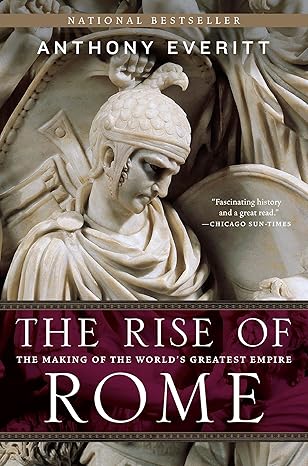
The Rise of Rome: The Making of the World's Greatest Empire
This is the definitive story of Rome's transformation from a small republic to the world's greatest empire. Author Anthony Everitt chronicles the epic clashes between patricians and plebeians and the shrewd strategies that fueled their unstoppable rise. A brilliantly written page-turner, this is a must-read for anyone wanting to understand Roman history truly.
View on Amazon
Romulus: The Legend of Rome's Founding Father
Discover the thrilling tale of Romulus, the legendary founder of Rome, in Marc Hyden's captivating book. Follow Romulus from his miraculous survival as an infant to his heroic adventures that lead to the establishment of one of the greatest empires in history. Learn about the courage and determination of a man who defied the odds and shaped the course of ancient civilization in this fascinating and inspiring read
View on AmazonTo help us keep Memory Wizards running and create more magical learning content, we are a participant in the Amazon Associates Program. If you make a purchase through the links on this page, we may earn a small commission at no extra cost to you. We only recommend resources we believe in.
Recommended Viewing
Romulus and Remus - The Story of the Founding of Rome
A quick video overview of the Founding of Rome
From the channel: SeeUinHistory