
Summary of Construction of the Cloaca Maxima
Uncover the ancient secrets of Rome's underground engineering marvel.
How Do You Learn Best?
Learn by Listening
Start with the 3-minute audio summary to get the key facts and narrative highlights quickly.
Learn by Reading
Immerse yourself in the 10-minute visual lesson for a comprehensive understanding of the topic.
Learn by Reviewing
Jump directly to the key facts, timeline, and vocabulary lists to build a solid foundation of details.
Learn by Doing
Challenge yourself! Jump straight into the interactive games to learn by trial, error, and discovery.
Audio Library
As one of our featured lessons, this topic includes premium audio guides.
Unlock the Wizard's Cram Session
This powerful audio study guide is a Pro-exclusive feature. Upgrade to Memory Wizards Pro to access this and all of our premium learning tools.
Upgrade to ProConstruction of the Cloaca Maxima in 10 Minutes
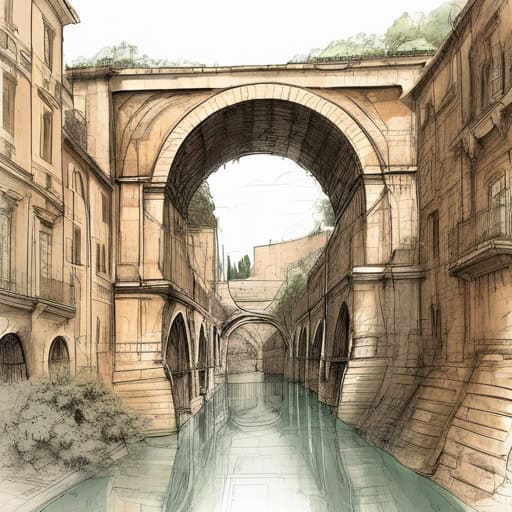
Introduction
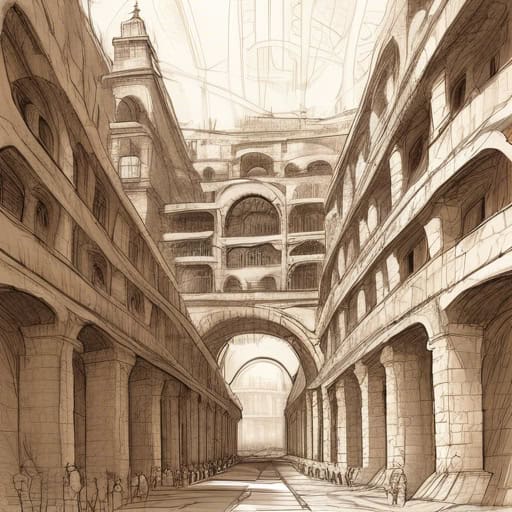
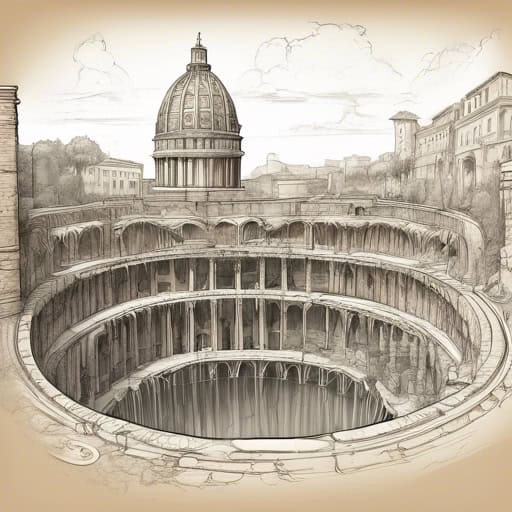
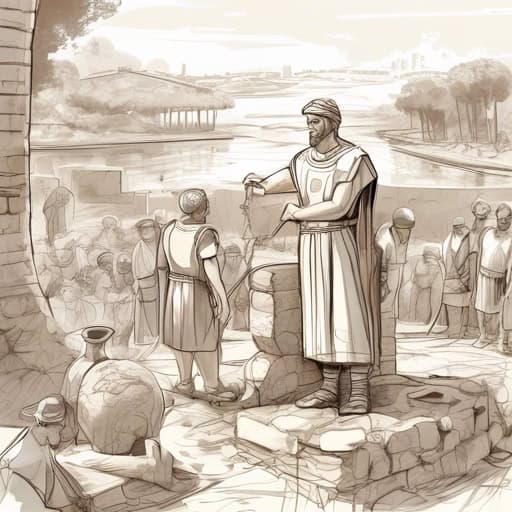
King Tarquin the Elder
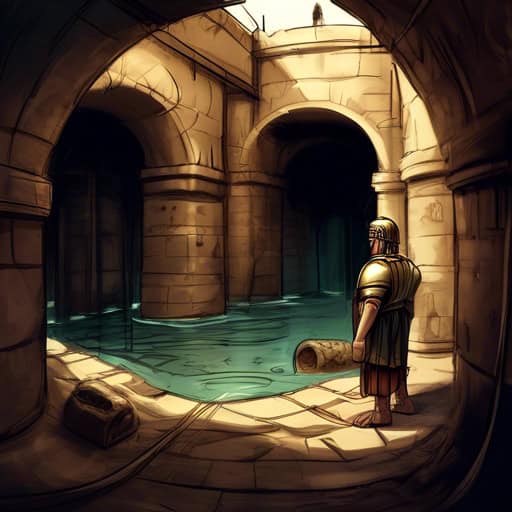
Lucius Tarquinius Superbus
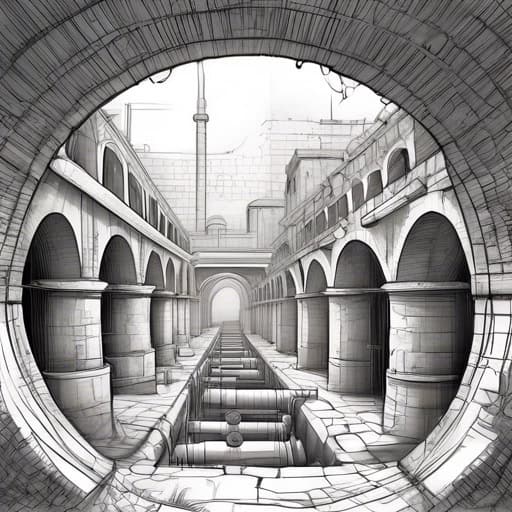
Ancient Roman Engineers
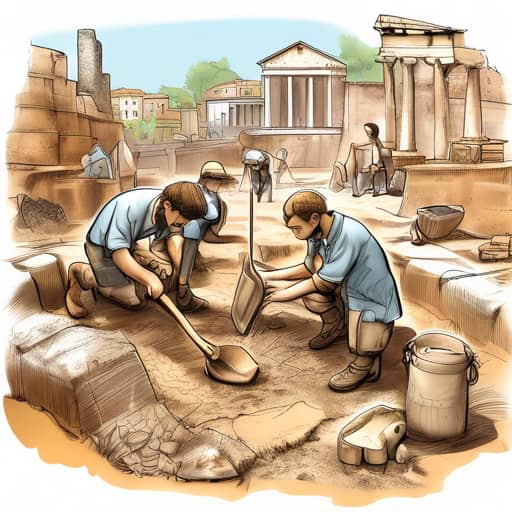
Modern Archaeologists

1. Finding a Solution for the Flooding Issues

2. The Vision of King Tarquinius Priscus

3. Building a Network of Sewers

4. Utilizing Skilled Labor and Innovative Techniques
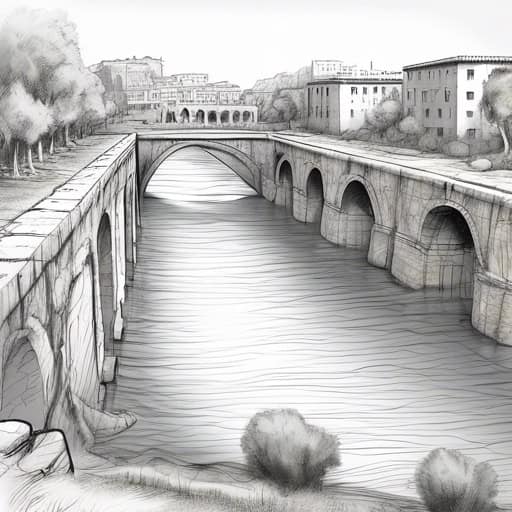
5. Connecting to the Tiber River
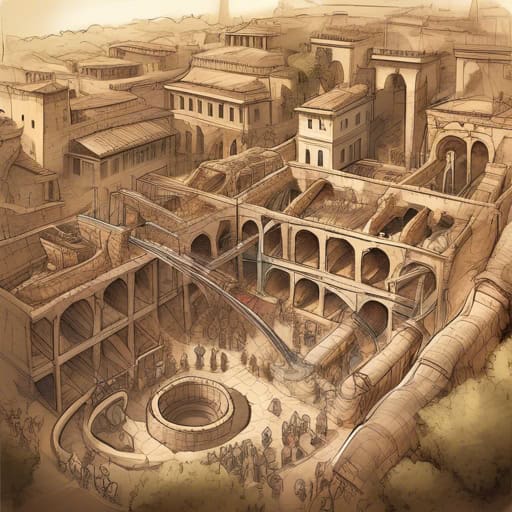
6. Expansion and Maintenance of the Sewer System
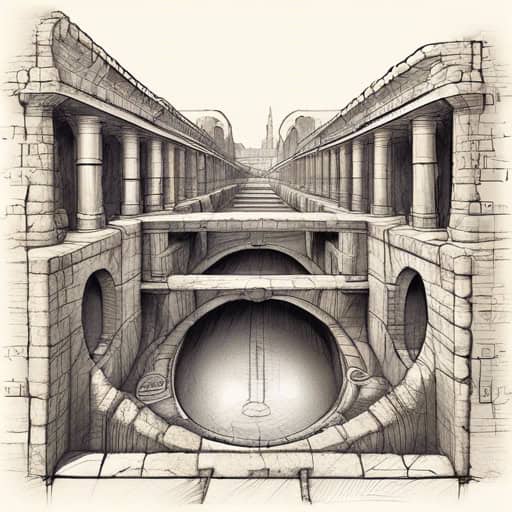
7. Symbol of Roman Engineering Excellence

8. Preservation and Restoration Efforts

9. Legacy of the Cloaca Maxima

10. Appreciating the Ancient Engineering Marvel
Lesson Details & Resources
In a Nutshell
- What: An ancient sewer system in Rome.
- When: 6th century BC.
- Who: Etruscans and Romans.
- Outcome: A significant engineering achievement that helped drain water from the city and improve sanitation.
Famous Figures in the Construction of the Cloaca Maxima
-
Lucius Tarquinius Priscus
The fifth king of Rome, known for his ambitious building projects and believed to have initiated the construction of the Cloaca Maxima.
-
Lucius Tarquinius Superbus
The seventh and final king of Rome, who continued the construction of the Cloaca Maxima during his reign.
-
Appius Claudius Caecus
A Roman statesman and censor who oversaw the expansion and improvement of the Cloaca Maxima.
-
Lucius Junius Brutus
One of the first consuls of the Roman Republic, who played a role in the early development of the Cloaca Maxima.
-
Marcus Furius Camillus
A Roman general who successfully defended Rome against invading Gauls and later contributed to the reconstruction of the Cloaca Maxima.
-
Gaius Flaminius
A Roman consul who proposed the construction of the Via Flaminia, an important road that intersected with the Cloaca Maxima.
-
Marcus Aemilius Lepidus
A Roman politician and general who served as consul and censor, known for his support of infrastructure projects, including the Cloaca Maxima.
-
Gaius Scribonius Curio
A Roman politician who advocated for the maintenance and preservation of the Cloaca Maxima during his time as curule aedile.
-
Gaius Cestius
A Roman magistrate and builder who constructed the Pyramid of Cestius near the Cloaca Maxima.
-
Marcus Agrippa
A Roman statesman and general who supervised the construction and expansion of the Cloaca Maxima, among other architectural projects.
Timeline of Construction of the Cloaca Maxima
Construction begins
First section of the Cloaca Maxima is completed
Cloaca Maxima extended to drain the Roman Forum
Cloaca Maxima expanded to drain the Velabrum marsh
Construction of the Tiber River flood-control system begins
Expansion of the Cloaca Maxima to drain the Subura district
Cloaca Maxima extended to drain the Circus Maximus
Construction of the Via Appia begins
Cloaca Maxima expanded to drain the Aventine Hill
Cloaca Maxima extended to drain the Palatine Hill
Expansion of the Tiber River flood-control system
Cloaca Maxima extended to drain the Caelian Hill
Construction of the Temple of Jupiter Optimus Maximus begins
Cloaca Maxima expanded to drain the Esquiline Hill
Cloaca Maxima extended to drain the Quirinal Hill
Completion of the Temple of Jupiter Optimus Maximus
Cloaca Maxima expanded to drain the Capitoline Hill
Cloaca Maxima extended to drain the Viminal Hill
Cloaca Maxima expanded to drain the Janiculum Hill
Construction of the Temple of Saturn begins
Vocabulary List
- Cloaca Maxima
- The Cloaca Maxima is an ancient sewer system in Rome.
- Construction
- The construction of the Cloaca Maxima began in the 6th century BC.
- Sewer
- The Cloaca Maxima served as a sewer to drain waste from the city of Rome.
- System
- The Cloaca Maxima is a complex system of underground channels and tunnels.
- Ancient
- The Cloaca Maxima is an ancient engineering marvel.
- Drain
- The primary purpose of the Cloaca Maxima was to drain water and waste.
- Underground
- The Cloaca Maxima is mostly underground, running beneath the streets of Rome.
- Channels
- The Cloaca Maxima consists of interconnected channels to carry waste.
- Tunnels
- The construction of the Cloaca Maxima involved digging tunnels through rock and soil.
- Engineering
- The construction of the Cloaca Maxima required advanced engineering skills.
Key Facts
This is the information used in the fact matching game
- Construction of the Cloaca Maxima: The Cloaca Maxima is an ancient sewer system in Rome, Italy
- It is one of the world's oldest sewage systems, dating back to the 6th century BC
- The construction of the Cloaca Maxima was commissioned by Tarquinius Priscus, the fifth king of Rome
- The purpose of the Cloaca Maxima was to drain the marshy areas between the Palatine and Capitoline Hills
- It was initially an open-air canal, but later covered with stone vaults
- The Cloaca Maxima was built using large blocks of tuff, a volcanic rock
- The system was designed to collect rainwater, wastewater, and runoff from the city
- The sewer system was connected to the Tiber River, allowing the waste to flow out of the city
- The Cloaca Maxima was a significant engineering feat, considering the technology available at the time
- It played a crucial role in improving public health in ancient Rome by preventing waterborne diseases
- The sewer system was regularly maintained and cleaned by workers known as "cloacarii"
- The Cloaca Maxima was mentioned in ancient texts, including the works of Livy and Pliny the Elder
- Over time, various emperors and rulers made additions and improvements to the sewer system
- The construction of the Cloaca Maxima helped drain the Forum Romanum, a central public square in ancient Rome
- The sewer system also contributed to the construction of the Circus Maximus, an ancient chariot racing stadium
- The Cloaca Maxima is still partially functional today, although it no longer serves as the primary sewage system of Rome
- The remaining sections of the Cloaca Maxima can be visited by tourists in Rome
- The sewer system has influenced the design and construction of modern sewage systems worldwide
- The Cloaca Maxima is considered a remarkable example of ancient Roman engineering and infrastructure
- It is a testament to the advanced engineering skills of the ancient Romans.
Analysis & Significance
Immediate Consequences
The construction of the Cloaca Maxima, the ancient sewer system in Rome, brought immediate relief to the city by efficiently draining away waste and preventing flooding in the streets. This improved sanitation helped reduce the spread of diseases and created a more livable environment for the residents.
Long-Term Impact
The lasting impact of the Cloaca Maxima cannot be overstated. It not only set a precedent for urban planning and engineering in ancient Rome but also influenced the development of future sewer systems worldwide. Its sophisticated design and functionality paved the way for advancements in sanitation and public health.
Cultural Significance Today
Today, the Cloaca Maxima serves as a reminder of the ingenuity and engineering prowess of the ancient Romans. It is a symbol of their innovation and forward-thinking approach to urban infrastructure. The legacy of the Cloaca Maxima endures in modern sewer systems, underscoring the importance of efficient waste management for the health and well-being of society.
Construction of the Cloaca Maxima Games


Take Your Learning Offline
Want a convenient, print-ready study guide for this lesson? Become a Memory Wizards Pro member to unlock the downloadable " Memory Scrolls" for this topic and our entire library!
- ✓ Complete Vocabulary Lists
- ✓ Key Facts & Timelines
- ✓ Beautifully Formatted for Print & Mobile
Dive Deeper

Ancient Rome in Fifty Monuments
Discover the wonders of Ancient Rome in Fifty Monuments by Paul Roberts. This exciting book takes you on a journey through time, highlighting the most important landmarks of the ancient city. From the majestic Colosseum to the iconic Pantheon, each monument tells a unique story about the people and culture of Ancient Rome. Get ready to explore the fascinating world of the Romans in this captivating read!
View on Amazon
Ancient Rome: The Definitive Visual History
Ancient Rome: The Definitive Visual History is a book that takes you on a journey back in time to one of the greatest civilizations in history. From the powerful emperors to the fierce gladiators, this book is full of fascinating facts and stunning images that bring Ancient Rome to life. Discover the incredible architecture, intricate artwork, and epic battles that shaped this ancient empire. Get ready to explore the world of Ancient Rome like never before!
View on AmazonTo help us keep Memory Wizards running and create more magical learning content, we are a participant in the Amazon Associates Program. If you make a purchase through the links on this page, we may earn a small commission at no extra cost to you. We only recommend resources we believe in.