
Summary of the Appian Way
Uncover the ancient secrets of the legendary Appian Way.
How Do You Learn Best?
Learn by Listening
Start with the 3-minute audio summary to get the key facts and narrative highlights quickly.
Learn by Reading
Immerse yourself in the 10-minute visual lesson for a comprehensive understanding of the topic.
Learn by Reviewing
Jump directly to the key facts, timeline, and vocabulary lists to build a solid foundation of details.
Learn by Doing
Challenge yourself! Jump straight into the interactive games to learn by trial, error, and discovery.
Audio Library
As one of our featured lessons, this topic includes premium audio guides.
Unlock the Wizard's Cram Session
This powerful audio study guide is a Pro-exclusive feature. Upgrade to Memory Wizards Pro to access this and all of our premium learning tools.
Upgrade to Prothe Appian Way in 10 Minutes
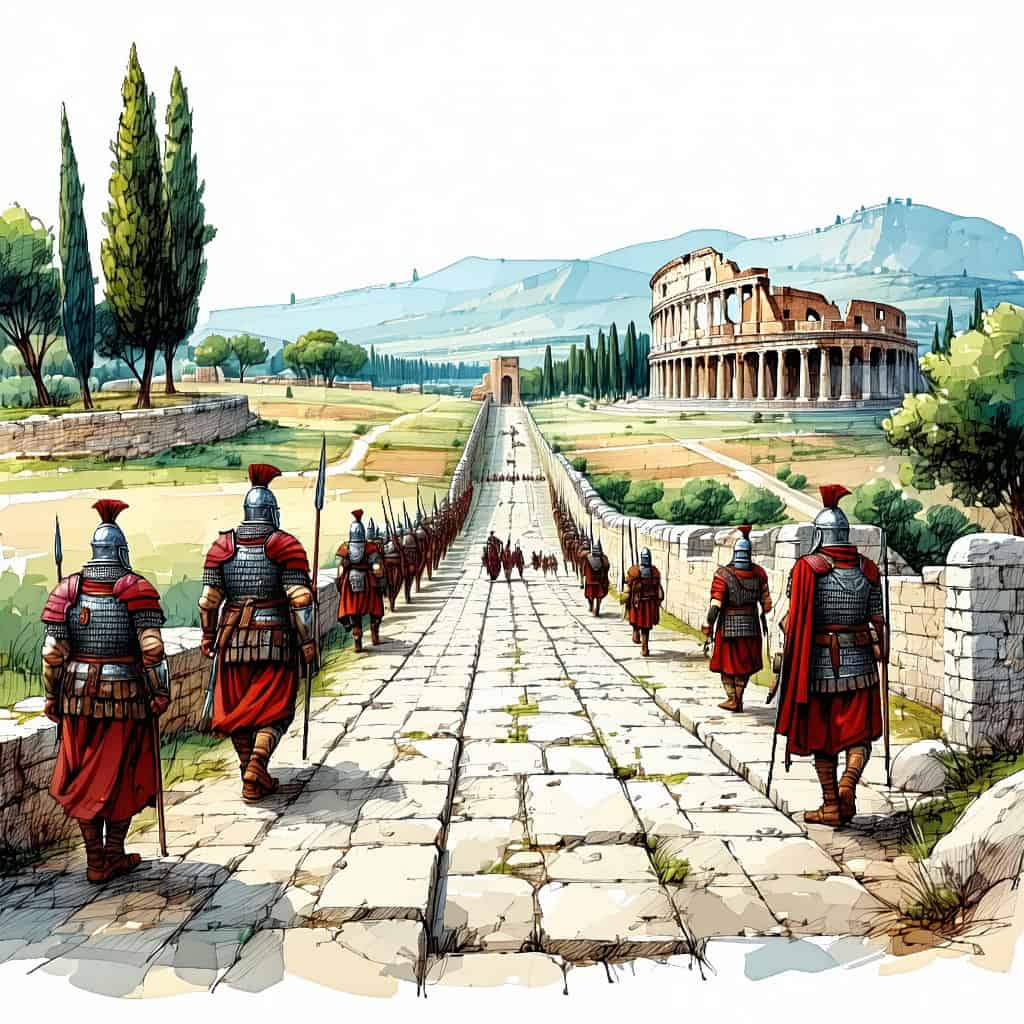
Introduction
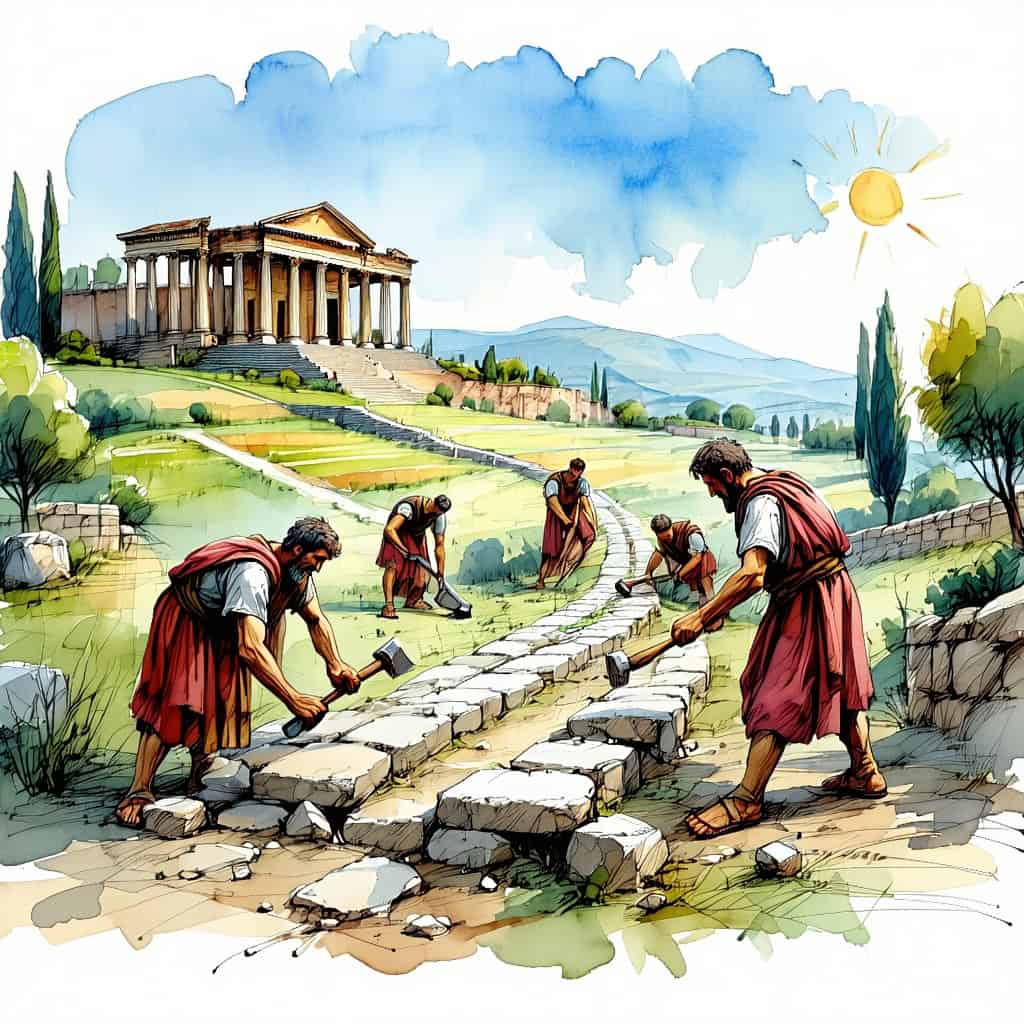
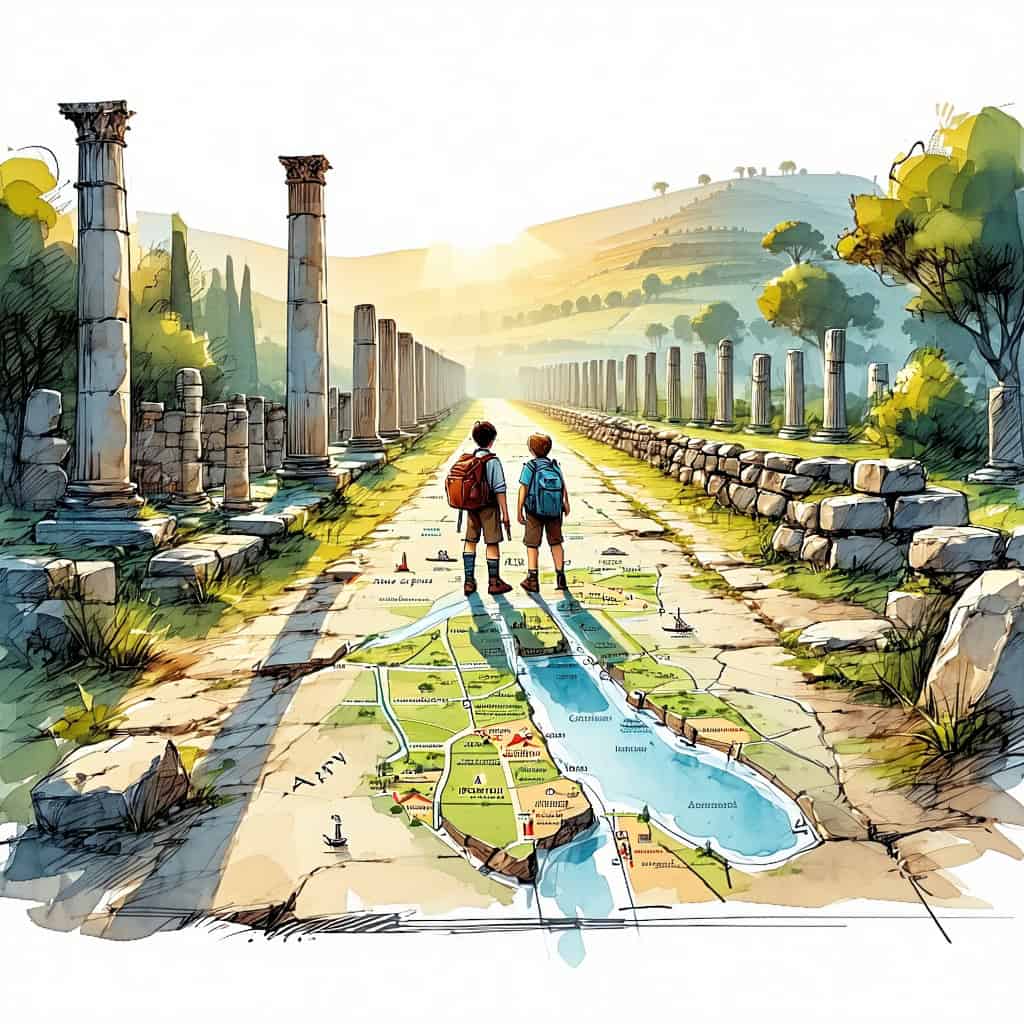
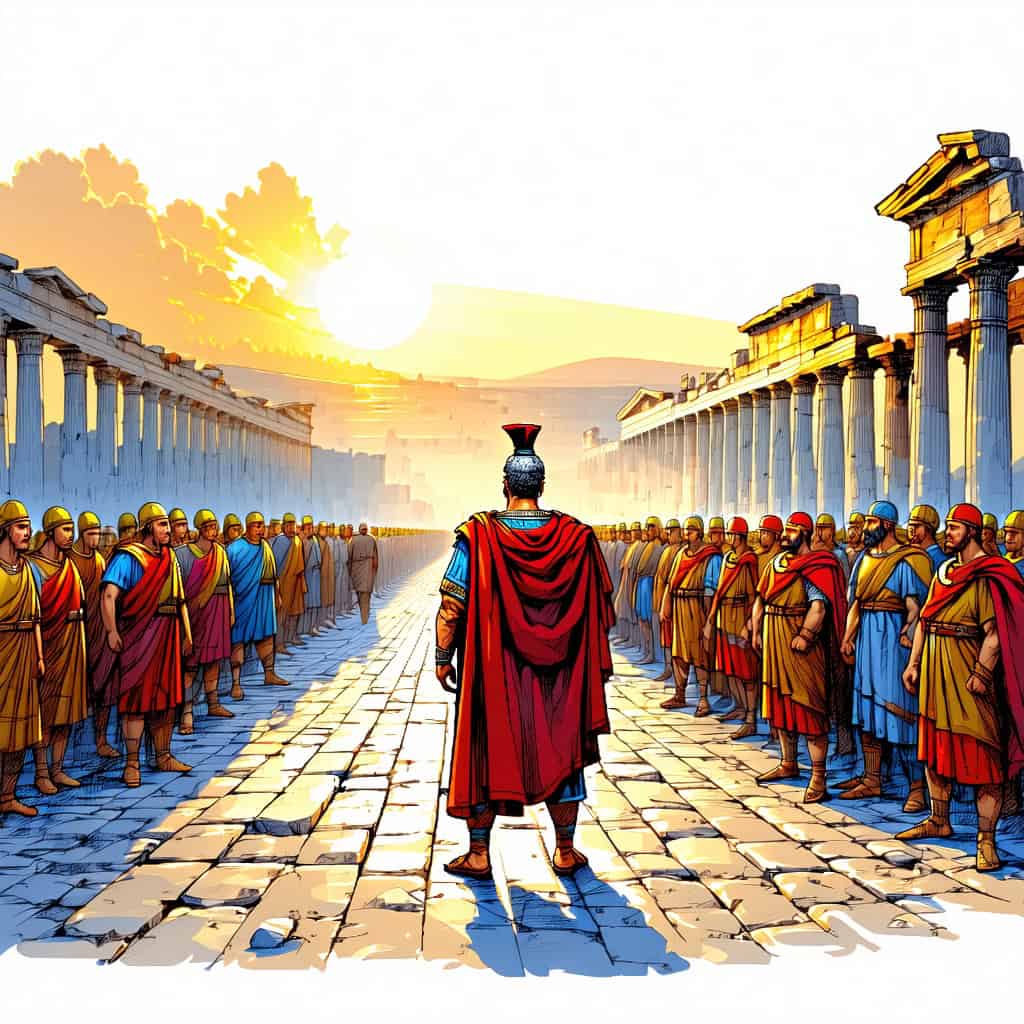
Appius Claudius Caecus
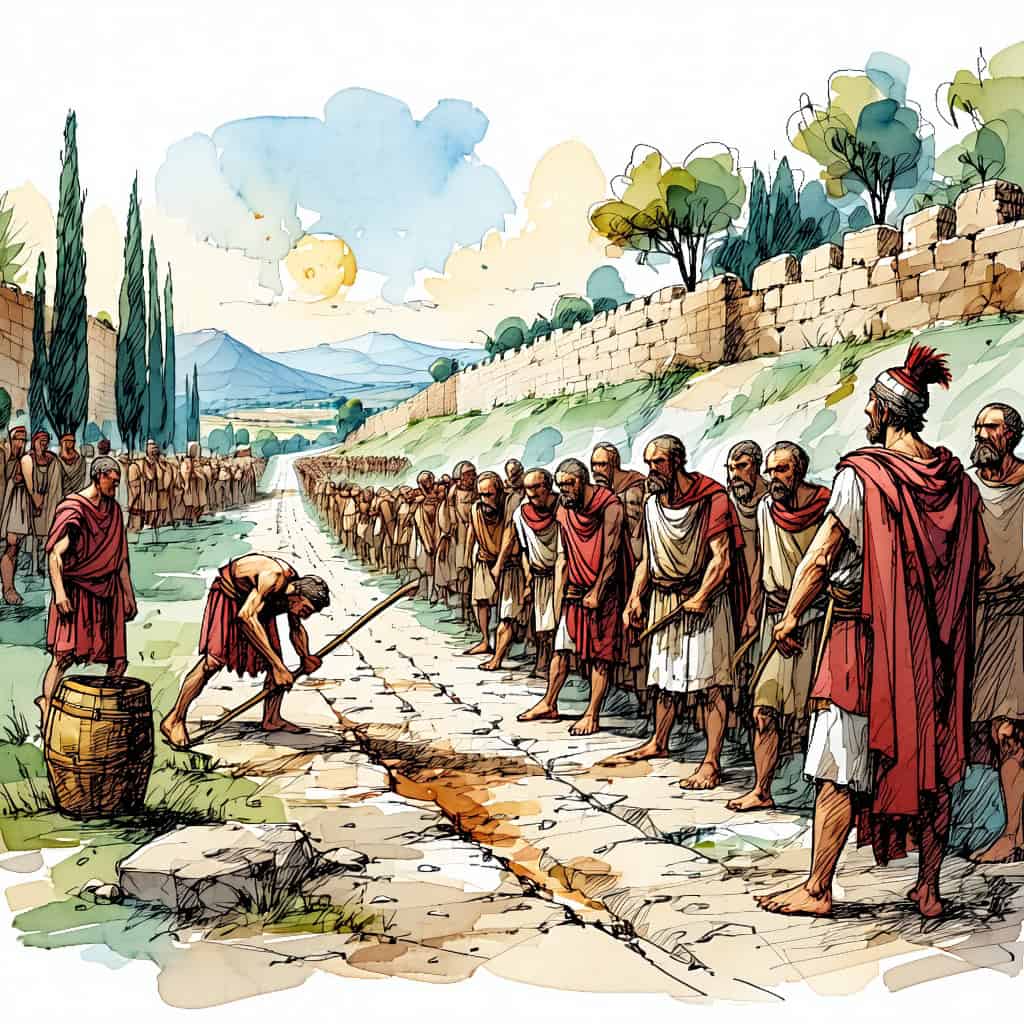
Slave Laborers
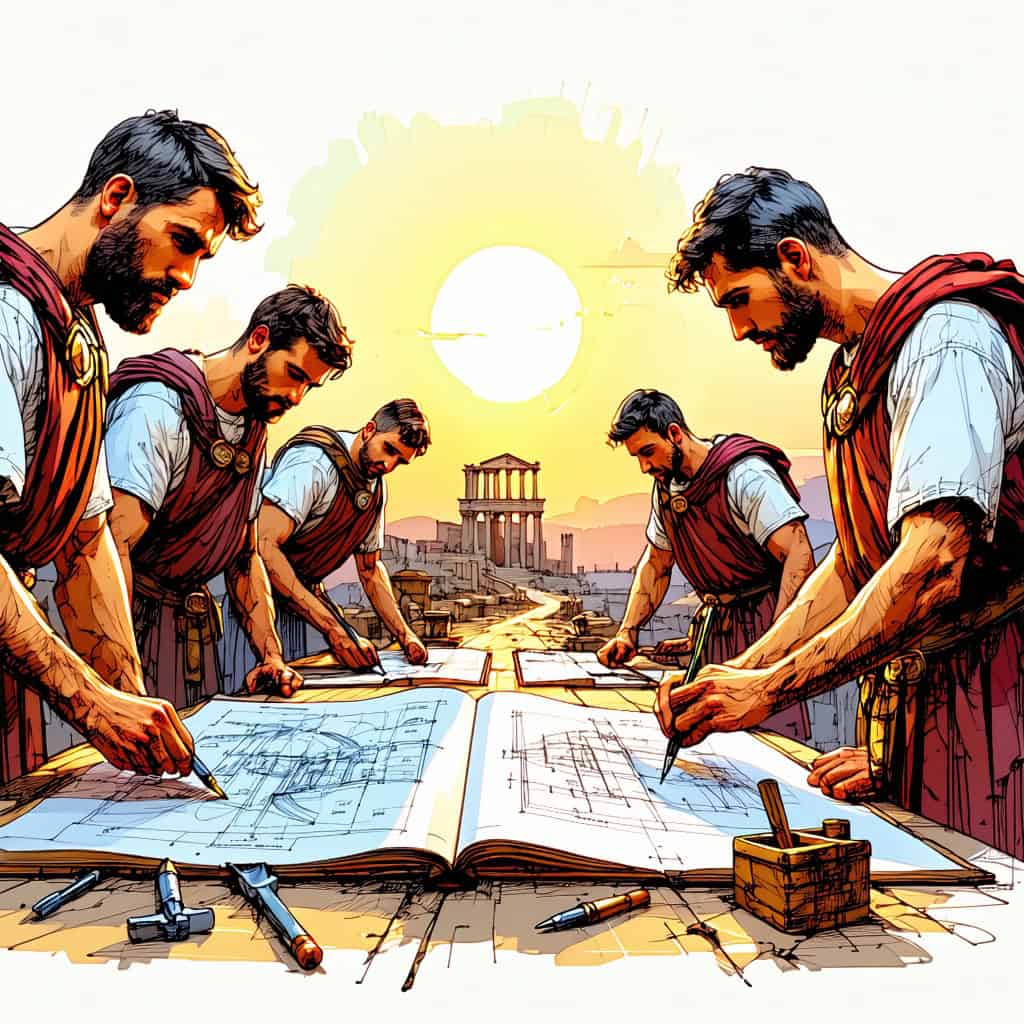
Engineers and Architects
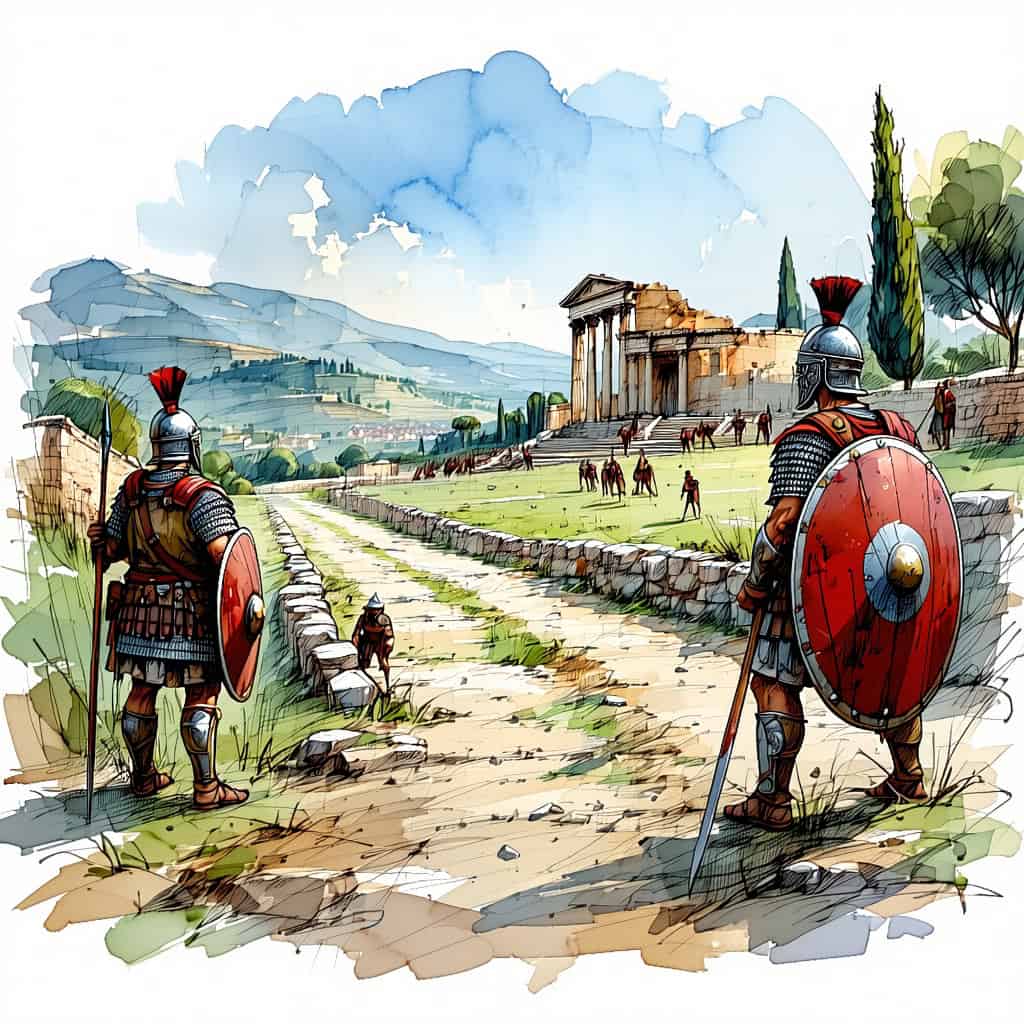
Roman Soldiers

1. The Roman Senate Decides to Build a Road

2. Planning and Designing the Appian Way
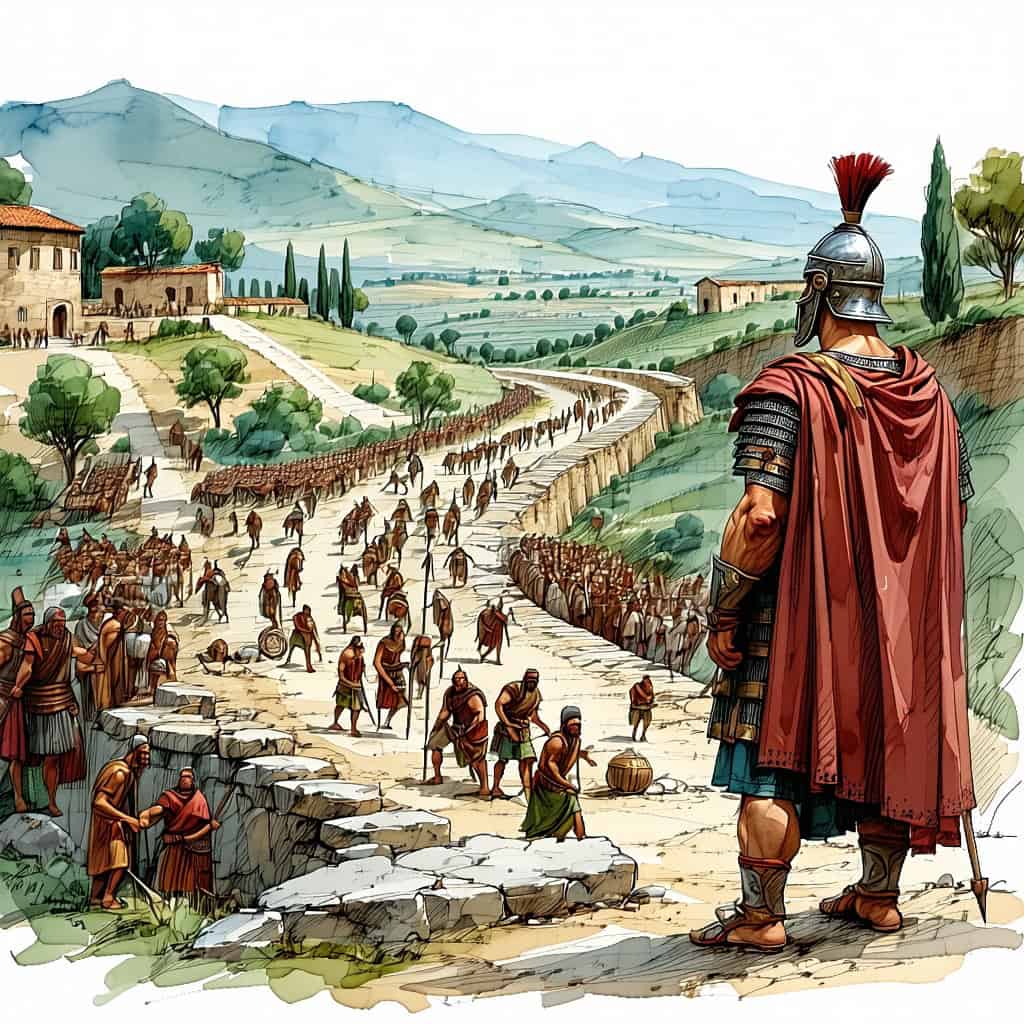
3. Mobilizing the Workforce

4. Constructing the Roadbed

5. Building the Pavement

6. Constructing Bridges and Drainage Systems

7. Milestones and Waystations

8. Completion of the Appian Way

9. Importance of the Appian Way

10. Legacy of the Appian Way
Lesson Details & Resources
In a Nutshell
- What: A major Roman road built to connect Rome to the southern regions of Italy.
- When: Construction began in 312 B.C.
- Who: Appius Claudius Caecus, Roman Senate, Roman engineers.
- Outcome: The Appian Way became a crucial route for the Roman military and facilitated trade and communication throughout the Roman Republic.
Famous Figures in the the Appian Way
-
Appius Claudius Caecus
Appius Claudius Caecus was a Roman politician and censor who initiated the construction of the Appian Way in 312 B.C. He was known for his engineering skills and ambitious public works projects.
-
Marcus Terentius Varro
Marcus Terentius Varro was a Roman scholar and writer who extensively documented the construction of the Appian Way. His writings provide valuable insights into the engineering techniques used during that time.
-
Quintus Fabius Maximus
Quintus Fabius Maximus was a Roman general and statesman who played a significant role in the construction of the Appian Way. He organized the labor force and ensured the project progressed efficiently.
-
Lucius Cornelius Sulla
Lucius Cornelius Sulla was a Roman general and dictator who contributed to the construction of the Appian Way. His military expertise and logistical planning were instrumental in overcoming challenges during the project.
-
Gaius Julius Caesar
Gaius Julius Caesar, the famous Roman general and statesman, also had a role in the construction of the Appian Way. His leadership and strategic vision helped in the successful completion of the ambitious infrastructure project.
Timeline of the Appian Way
Construction of the Appian Way begins
The road is extended to Capua
Appian Way reaches Beneventum
Road extended to Venusia
Appian Way reaches Tarentum
Extension of the road to Brundisium
Construction of the Via Appia completed
Appian Way becomes the main route to Rome
Road extended to Capua and Casilinum
Extension of the road to Venusia
Appian Way reaches Tarentum
Road extended to Tarascon
Appian Way reaches Reggio di Calabria
Construction of the Via Appia Antica
Appian Way extended to Rhegium
Road reaches Locri
Extension of the road to Croton
Appian Way reaches Bruttium
Road extended to Regium Lepidi
Appian Way reaches Luna
Vocabulary List
- Construction
- The construction of the Appian Way in 312 B.C. was a major undertaking.
- Appian Way
- The Appian Way, also known as Via Appia, was one of the earliest and most important Roman roads.
- 312 B.C.
- The Appian Way was constructed in the year 312 B.C. during the Roman Republic.
- Undertaking
- The construction of the Appian Way was a significant undertaking due to its length and engineering challenges.
- Roman roads
- The Appian Way was part of the extensive network of Roman roads that connected various regions of the Roman Empire.
- Roman Republic
- The construction of the Appian Way took place during the period of the Roman Republic, before the establishment of the Roman Empire.
Key Facts
This is the information used in the fact matching game
- Construction of the Appian Way began in 312 B.C. under the direction of Appius Claudius Caecus.
- The Appian Way was the first long road built specifically for military purposes in ancient Rome.
- The construction of the Appian Way was a monumental engineering feat, involving the cutting through of hills and the bridging of rivers.
- The Appian Way originally ran from Rome to Capua, a distance of approximately 130 miles.
- The construction of the Appian Way was funded by the Roman state.
- The Appian Way played a crucial role in the Roman military campaigns and the expansion of the Roman Empire.
- The construction of the Appian Way helped to facilitate the movement of troops and supplies throughout the Roman Republic.
- The Appian Way was known for its straight and well-paved design, making it an efficient and strategic route for the Roman army.
- The construction of the Appian Way marked the beginning of a series of major road-building projects in ancient Rome.
- The Appian Way was named after Appius Claudius Caecus, the Roman censor who initiated its construction.
- The Appian Way was lined with tombs and monuments, making it a significant cultural and religious site in ancient Rome.
- The Appian Way was later extended to the port of Brindisi, becoming a vital link between Rome and the eastern provinces of the Roman Empire.
- The construction of the Appian Way helped to improve communication and trade between Rome and its territories.
- The Appian Way was a symbol of Roman engineering and ingenuity, showcasing the power and capabilities of the Roman Empire.
- The construction of the Appian Way required the labor of thousands of slaves and workers, who toiled under harsh conditions to complete the project.
- The Appian Way was a key element in the Roman road network, connecting Rome to its far-flung provinces and territories.
- The construction of the Appian Way helped to solidify Roman control over Italy and establish Rome as a dominant power in the Mediterranean region.
- The Appian Way is considered one of the greatest engineering achievements of ancient Rome, showcasing the advanced technology and skills of Roman engineers.
- The Appian Way has been immortalized in literature and art, serving as a symbol of Roman civilization and military might.
- The construction of the Appian Way had a lasting impact on the development of road-building and infrastructure in ancient Rome, setting a precedent for future construction projects.
Analysis & Significance
Immediate Consequences
The construction of the Appian Way in 312 B.C. had immediate consequences on the Roman Republic, as it provided a vital military and trade route connecting Rome to the southern regions of Italy. This allowed for quicker transportation of troops and supplies, strengthening Roman control over its territories.
Long-Term Impact
The Appian Way had a lasting impact on the Roman Empire, as it became a symbol of Roman engineering prowess and expansion. It set a precedent for future road-building projects throughout the empire, facilitating communication, trade, and cultural exchange between different regions.
Cultural Significance Today
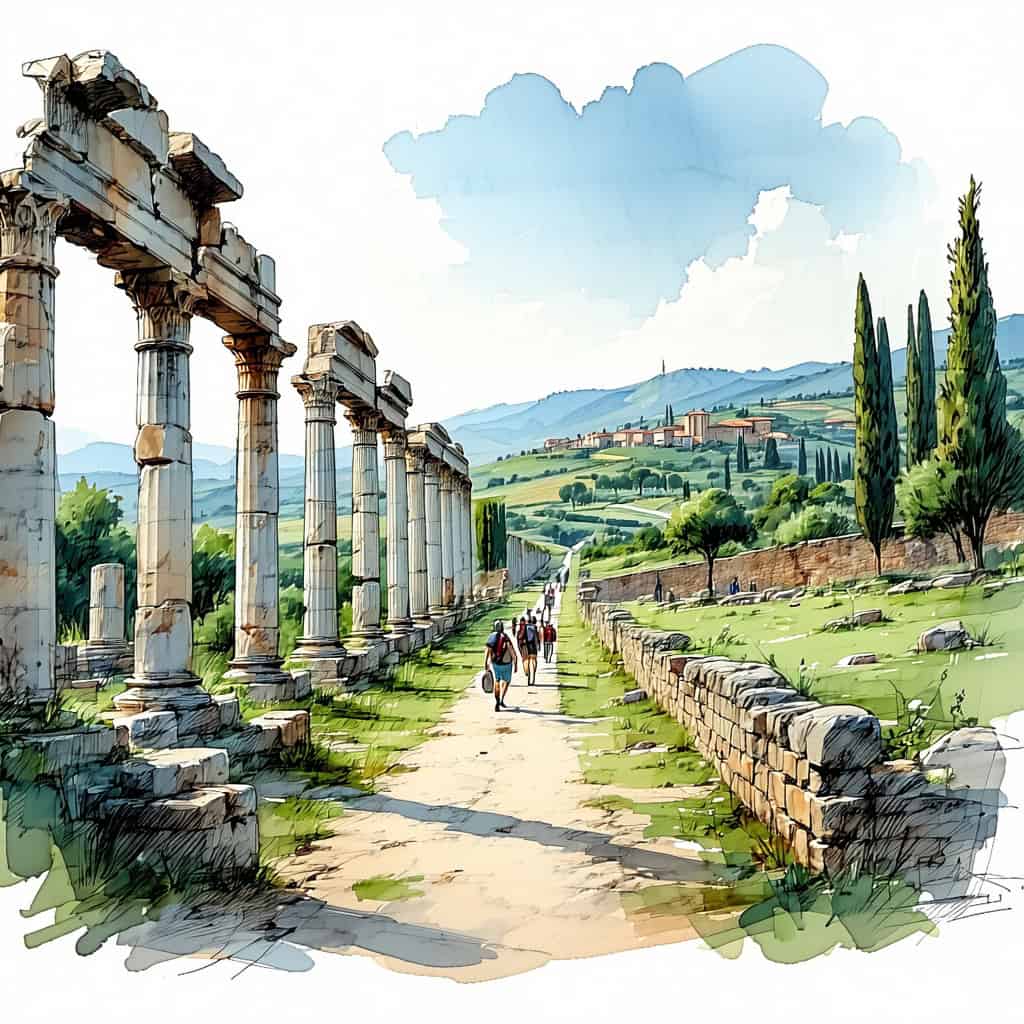
Today, the Appian Way remains a significant archaeological site and a popular tourist destination, attracting visitors who are interested in Roman history and architecture. Its legacy lives on in modern road construction techniques and urban planning, showcasing the enduring influence of ancient Roman infrastructure on contemporary society.
the Appian Way Games


Take Your Learning Offline
Want a convenient, print-ready study guide for this lesson? Become a Memory Wizards Pro member to unlock the downloadable " Memory Scrolls" for this topic and our entire library!
- ✓ Complete Vocabulary Lists
- ✓ Key Facts & Timelines
- ✓ Beautifully Formatted for Print & Mobile