
Vespasian: A Military Leader’s Biography
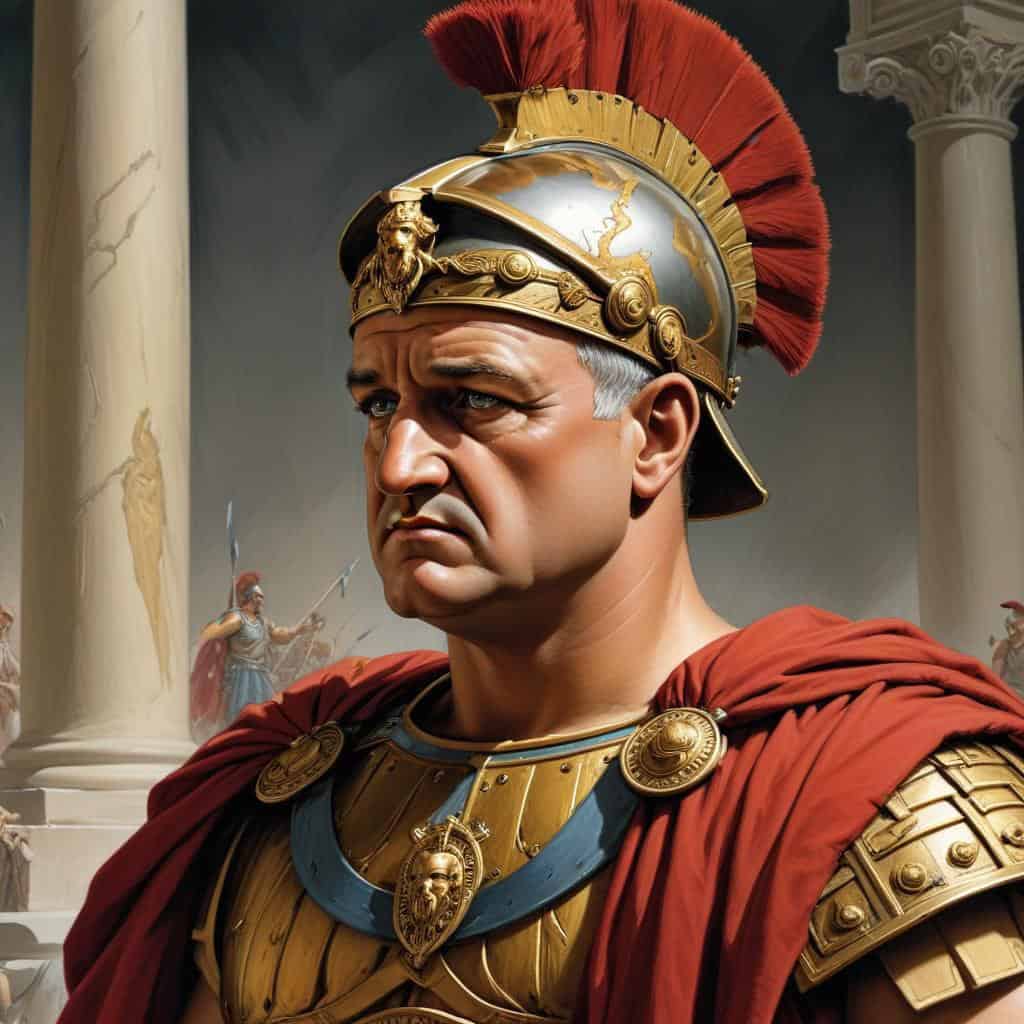
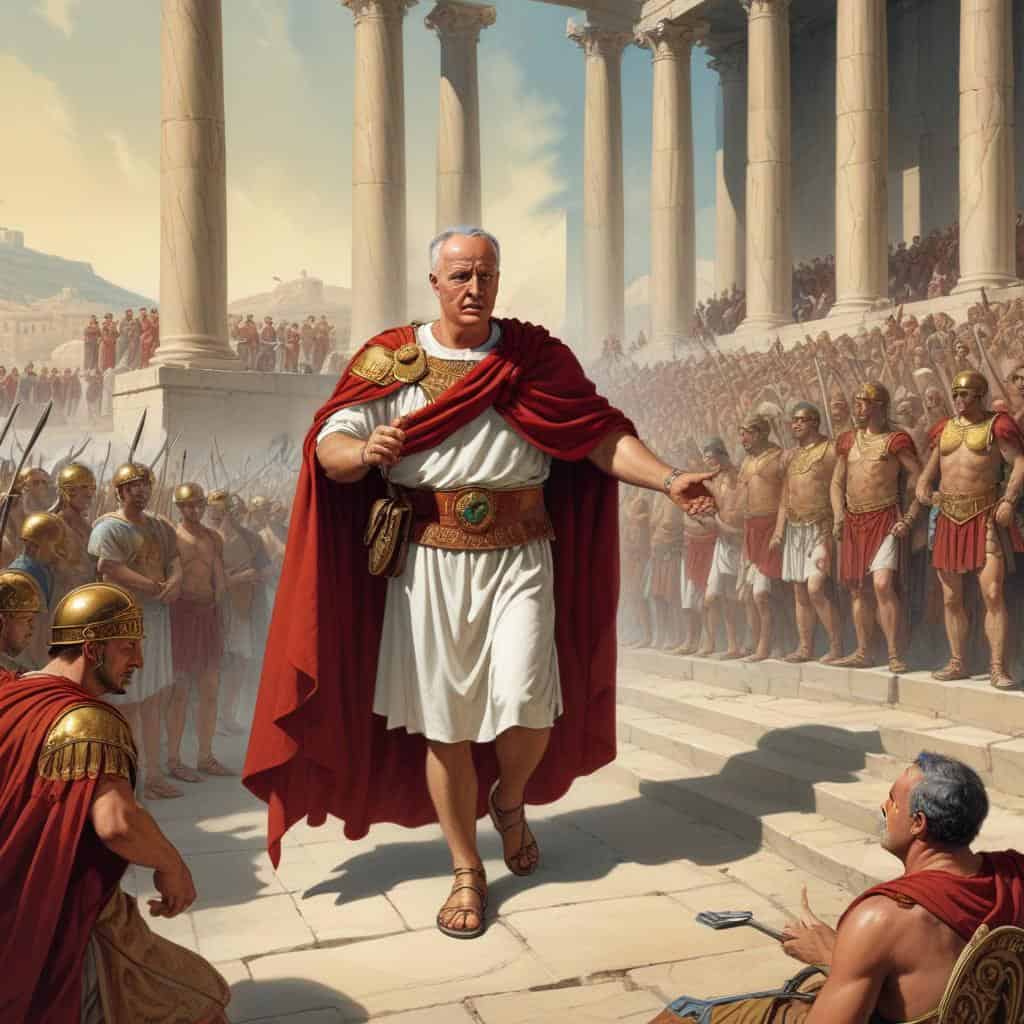
Vespasian: The Roman Emperor who built the Colosseum and restored stability to Rome.
How Do You Learn Best?
Learn by Reading
Immerse yourself in the 10-minute visual lesson for a comprehensive understanding of the topic.
Learn by Reviewing
Jump directly to the key facts, timeline, and vocabulary lists to build a solid foundation of details.
Learn by Doing
Challenge yourself! Jump straight into the interactive games to learn by trial, error, and discovery.
Vespasian: A Military Leader’s Biography in 10 Minutes
Introduction
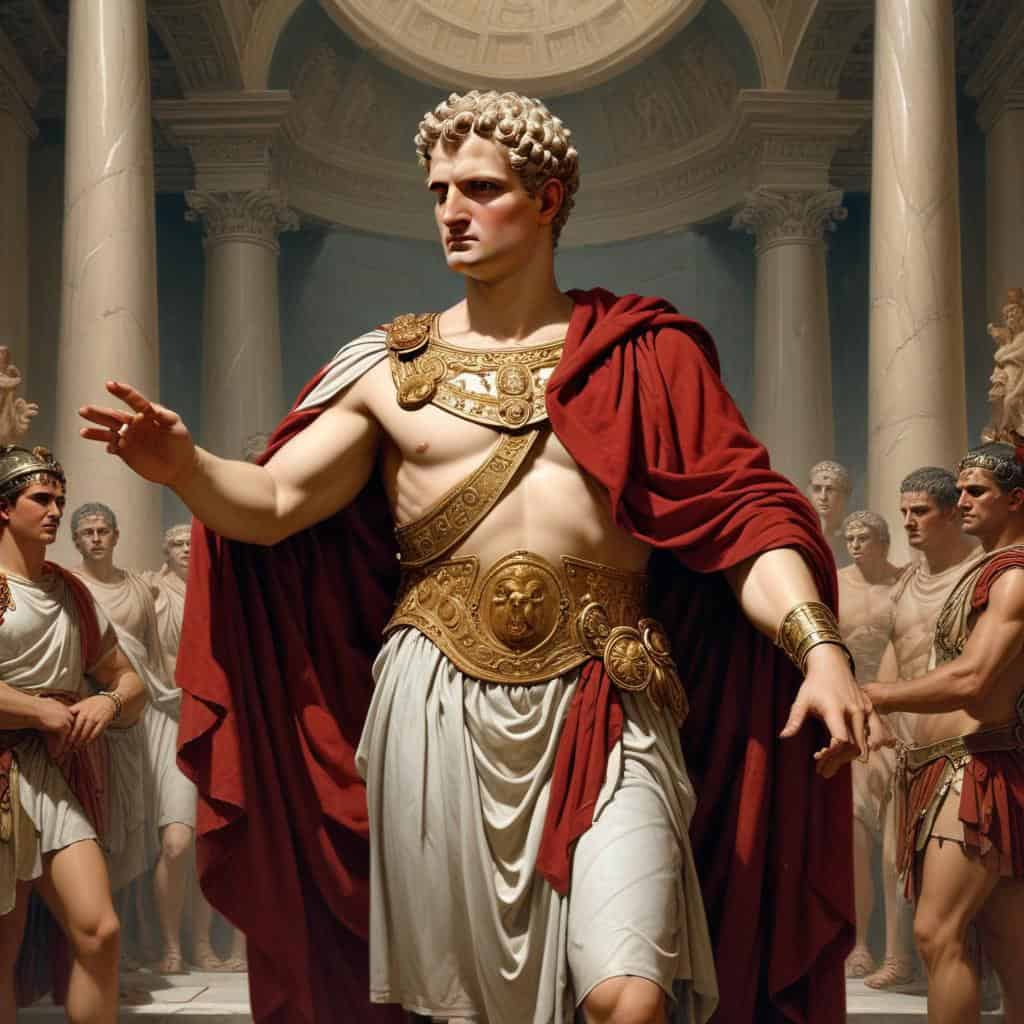
Titus
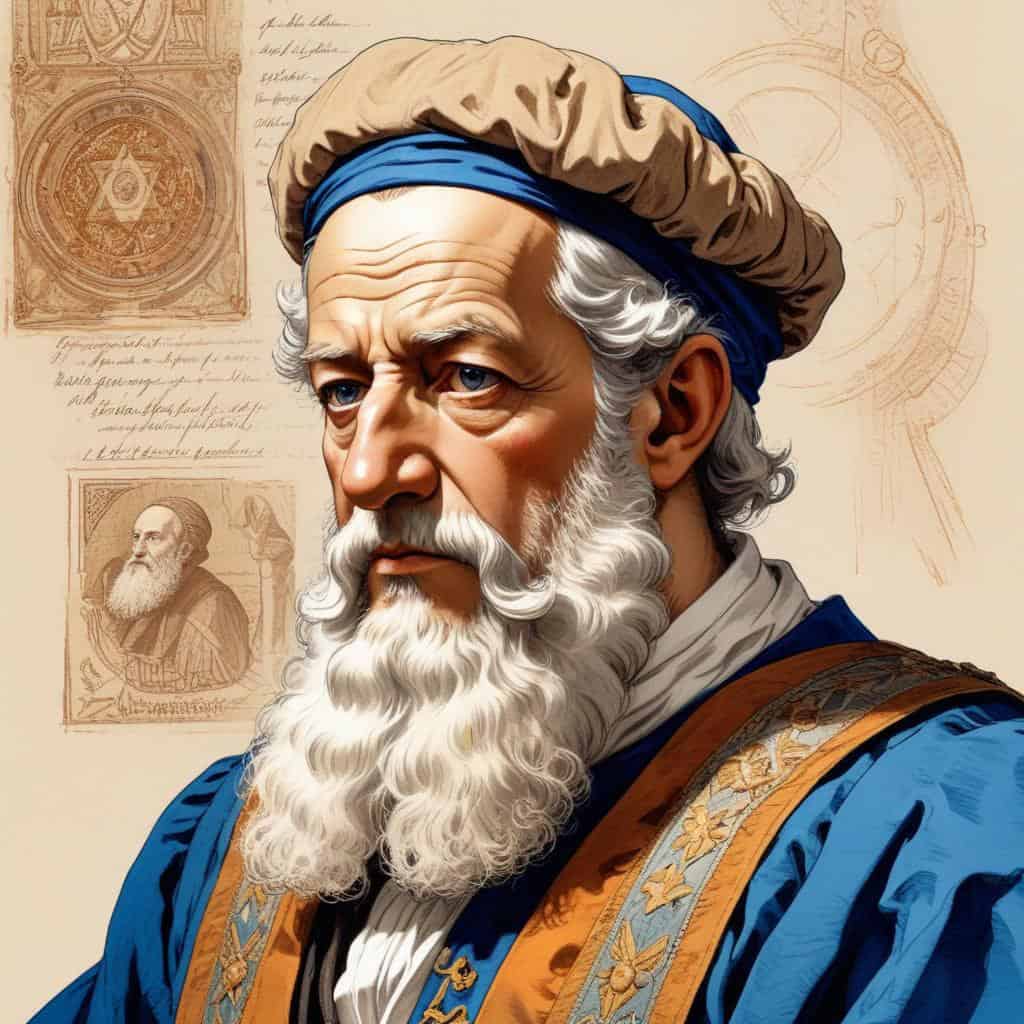
Domitian
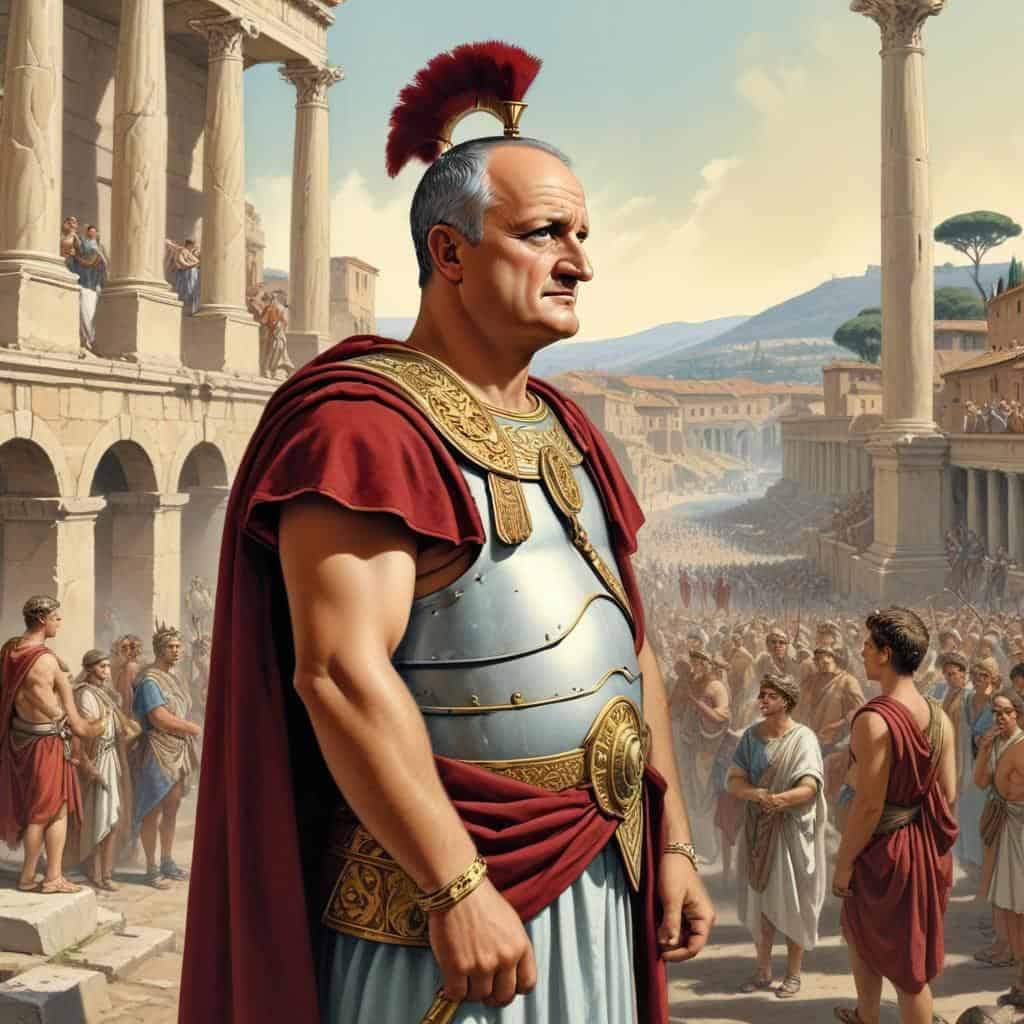
Flavius Josephus
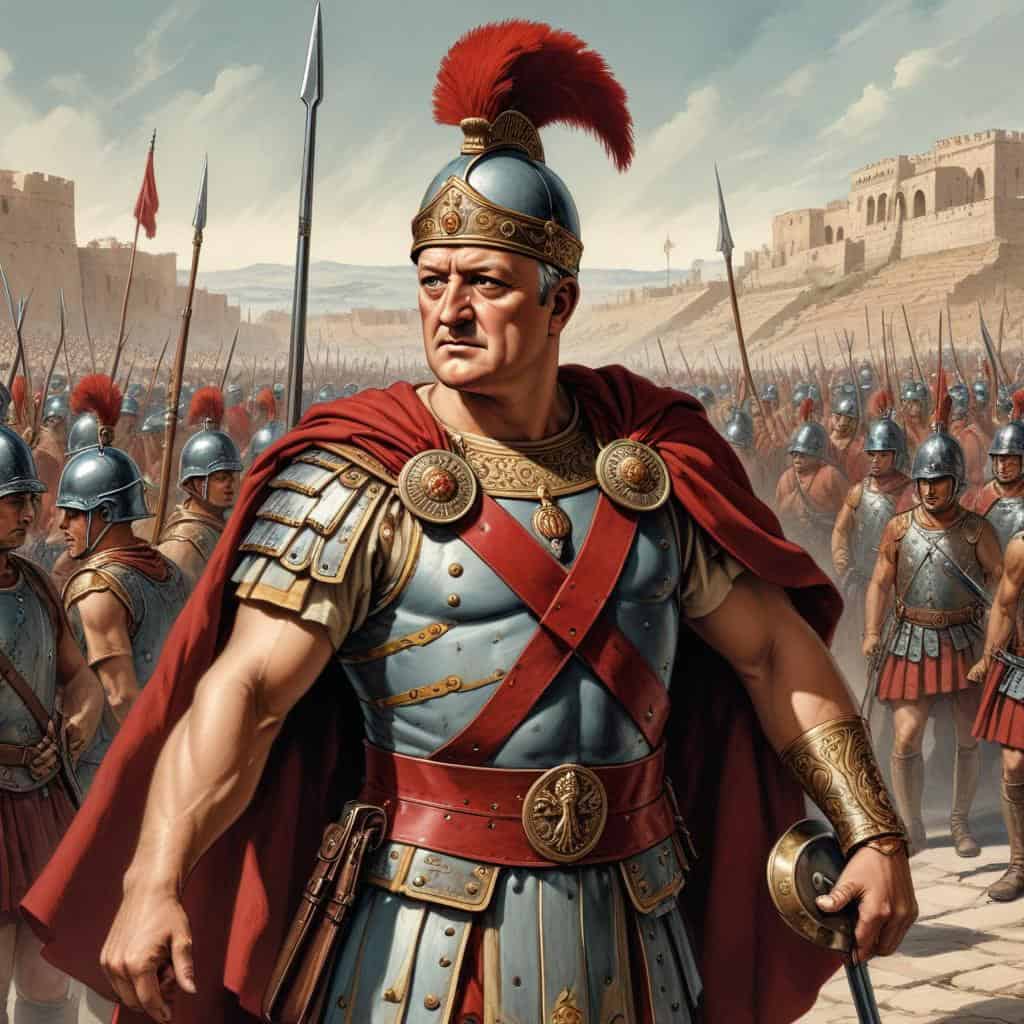
Early Life
Military Career
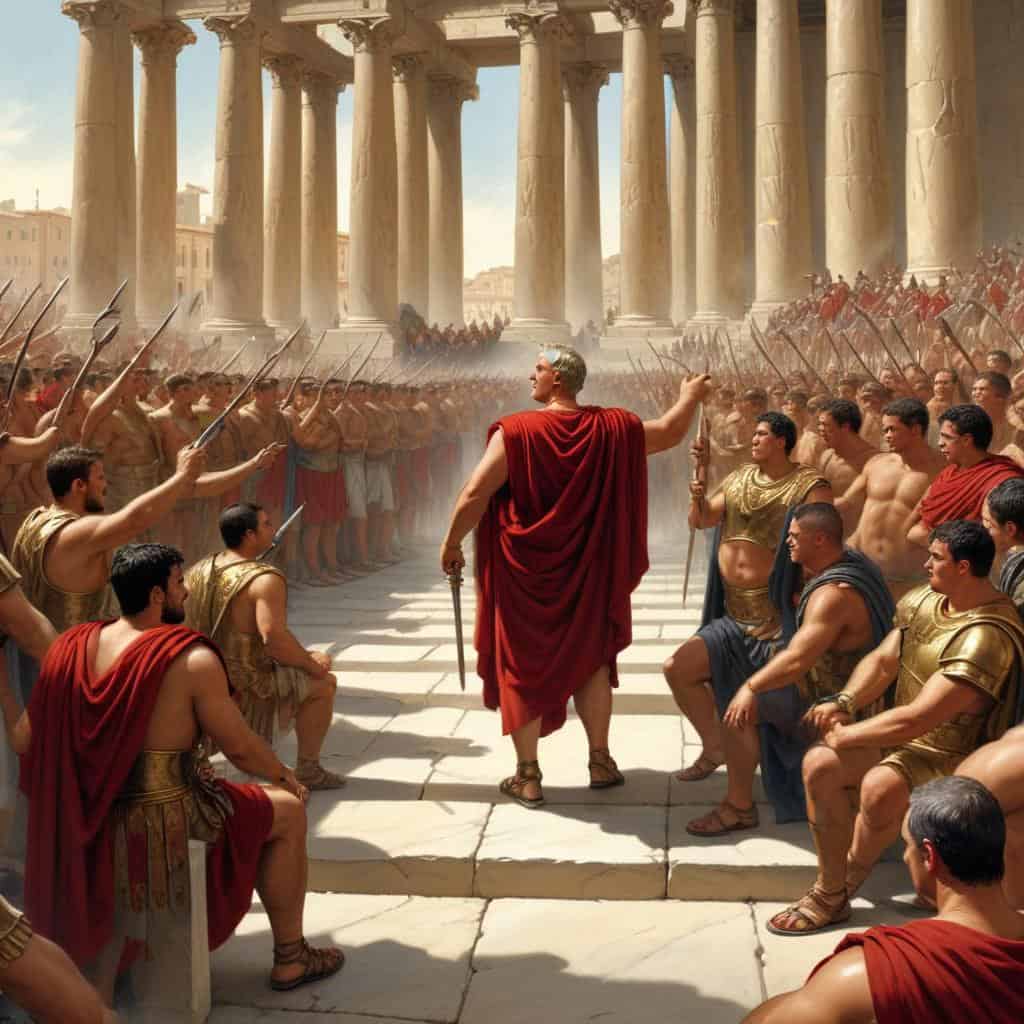
Political Rise
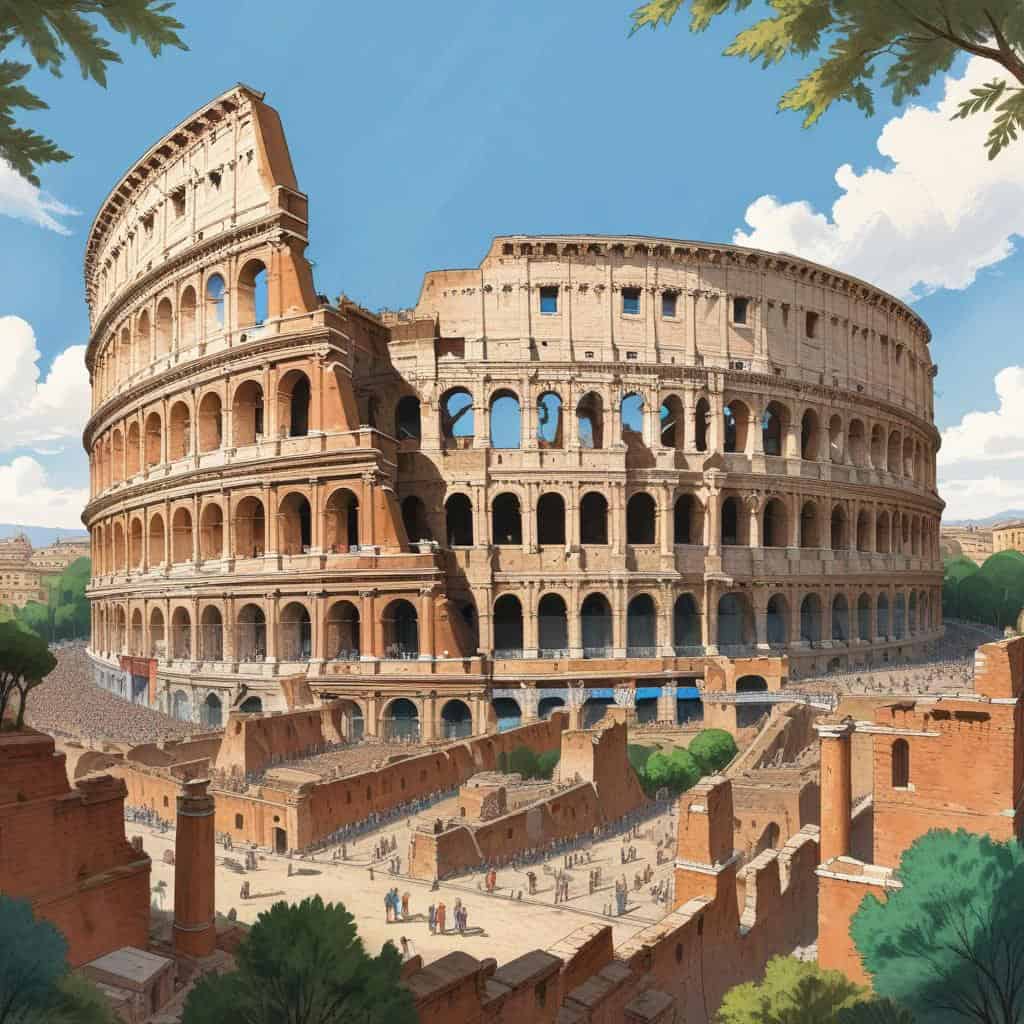
Building Projects
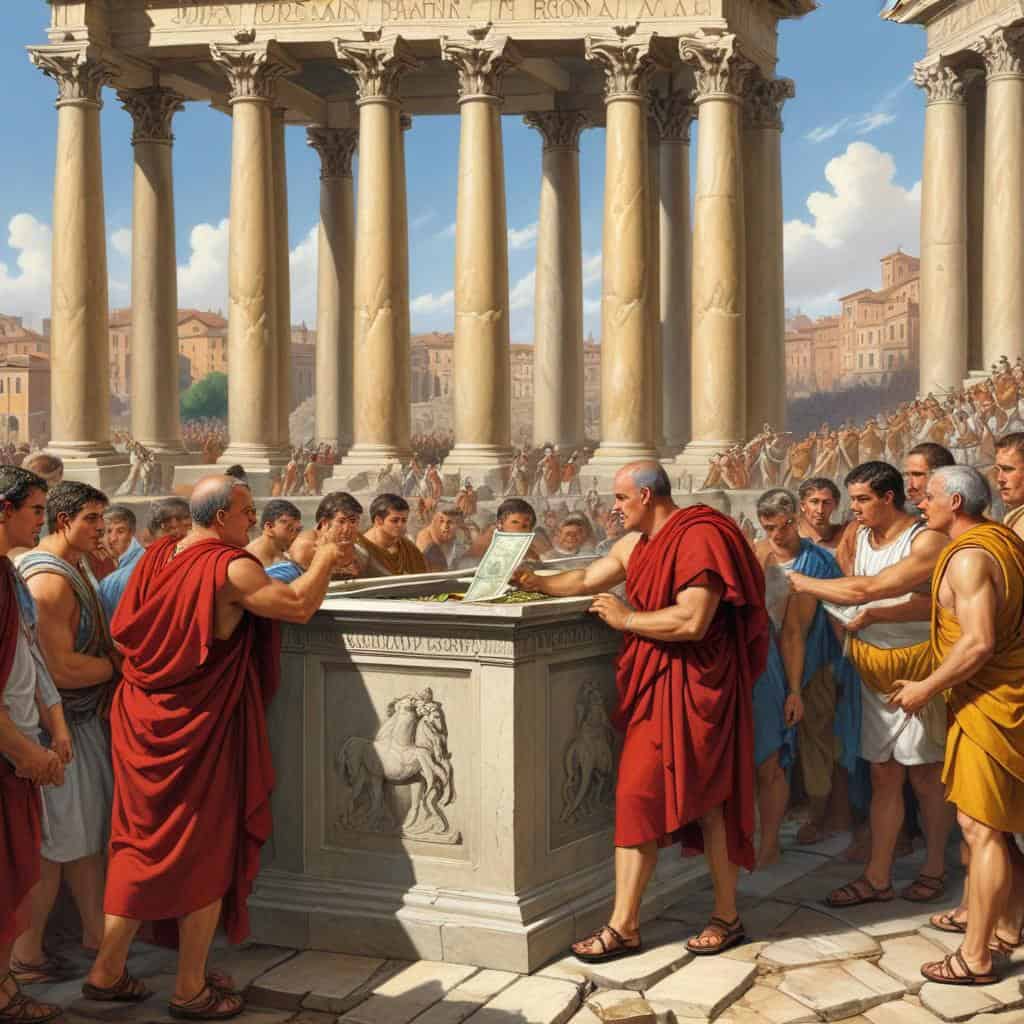
Financial Reforms
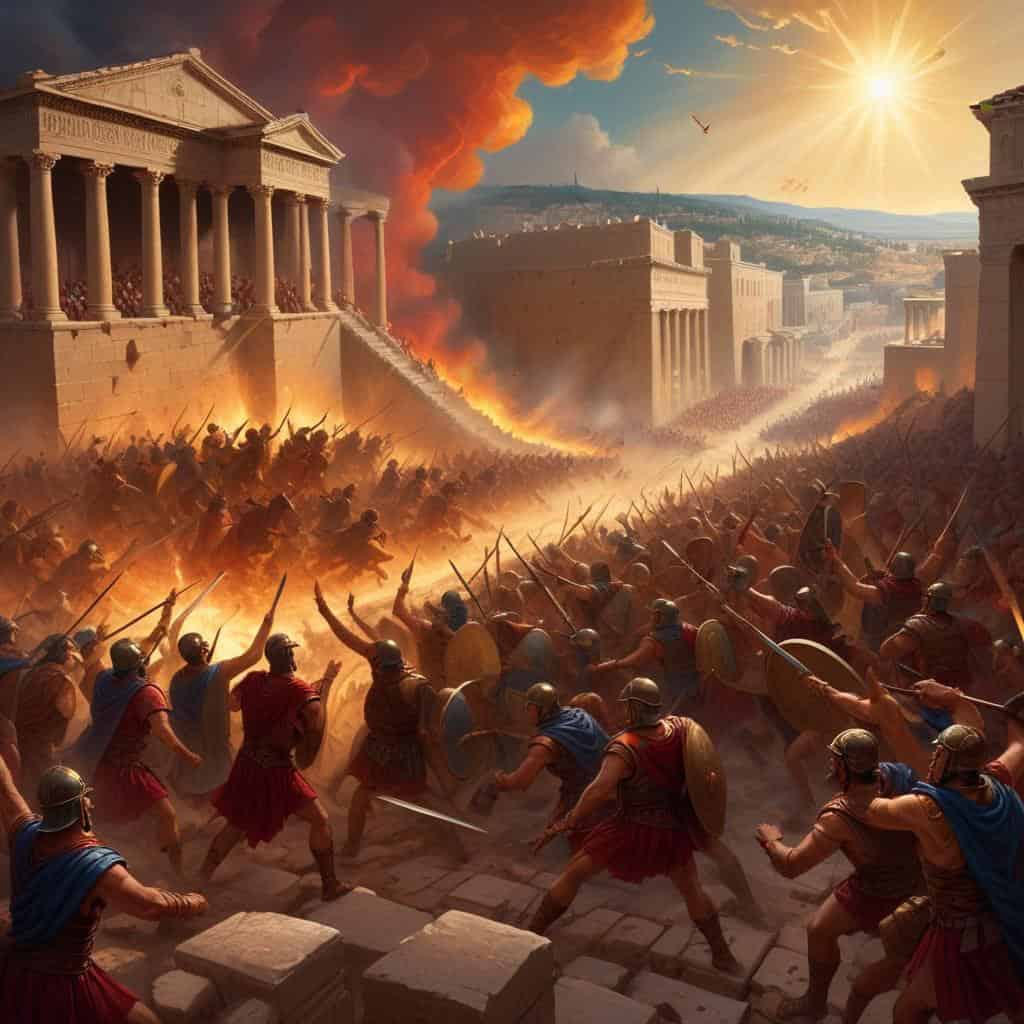
Conquest of Judea
Death and Legacy
Lesson Details & Resources
In a Nutshell
- Who: Roman Emperor and founder of the Flavian dynasty
- When: Lived: 9 – 79 AD
- Known For: Restoring stability to the Roman Empire after a period of civil war and economic turmoil
- Legacy: Building the Colosseum in Rome and reforming the Roman tax system
Timeline of Vespasian: A Military Leader’s Biography
Birth of Vespasian
Vespasian serves as a military tribune in Thrace and later in Germany
Vespasian becomes a quaestor and serves in Crete and Cyrene
Vespasian serves as an aedile in Rome
Vespasian becomes the praetor and proconsul of Africa
Vespasian serves as the commander of the Legio II Augusta in the Roman invasion of Britain
Vespasian is appointed as the governor of Africa
Vespasian serves as a consul in Rome
Vespasian commands the Roman invasion of Judaea and captures Jerusalem
Vespasian is proclaimed Emperor by his troops in Egypt
Vespasian establishes the Flavian dynasty
Vespasian returns to Rome and begins his reign as Emperor
Vespasian reforms the Roman tax system and stabilizes the economy
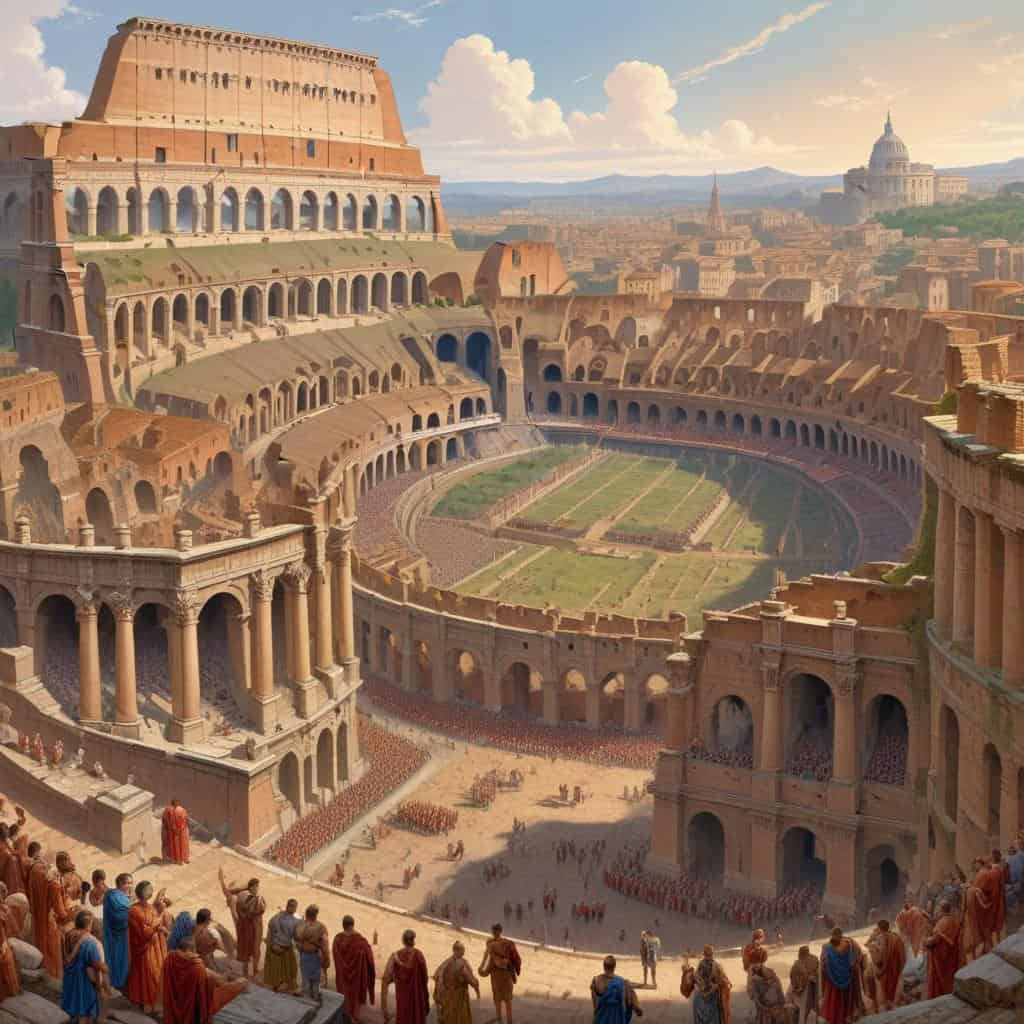
Construction of the Colosseum begins under Vespasian's rule
Vespasian establishes the Flavian Amphitheatre, known as the Colosseum
Vespasian dies and is succeeded by his son Titus
Vespasian is deified by the Roman Senate
Vespasian's Temple of Peace is completed in Rome
Vespasian's reign is known for stability and the restoration of order in the Roman Empire
Vespasian's reign marks the beginning of the Flavian dynasty
Vocabulary List
- Vespasian
- Vespasian was a Roman emperor who ruled from 69 to 79 AD.
- Flavian Dynasty
- Vespasian belonged to the Flavian Dynasty, a Roman imperial dynasty.
- Roman Empire
- Vespasian played a significant role in the history of the Roman Empire.
- Colosseum
- Vespasian initiated the construction of the Colosseum in Rome.
- Titus
- Vespasian's son, Titus, succeeded him as the Roman emperor.
- Judea
- Vespasian led the Roman military campaign in Judea during the Jewish-Roman War.
- Amphitheater
- Vespasian promoted the construction of several amphitheaters across the Roman Empire.
- Taxation
- Vespasian implemented various taxation reforms during his reign.
- Military General
- Before becoming emperor, Vespasian served as a successful military general.
- Roman Legion
- Vespasian commanded multiple Roman legions during his military career.
Key Facts
This is the information used in the fact matching game
- Vespasian was Roman Emperor from 69 to 79 AD.
- He was born in 9 AD in Falacrinae, Italy.
- Vespasian was the founder of the Flavian dynasty.
- He was known for his military successes, including conquering Jerusalem in 70 AD.
- Vespasian was the first emperor to be of non-patrician origin.
- He was known for his frugality and efforts to restore the Roman economy after the excesses of Nero's reign.
- Vespasian was known for his sense of humor and wit.
- He had two sons, Titus and Domitian, who both became Roman emperors after him.
- Vespasian was a skilled military commander before becoming emperor.
- He was responsible for building the Colosseum in Rome.
- Vespasian was known for his public works projects, including aqueducts and roads.
- He was deified after his death, becoming a god in the Roman pantheon.
- Vespasian was a successful military commander in Britain, Africa, and Judea.
- He was the first emperor to be born in the Italian countryside.
- Vespasian was known for his practicality and common sense.
- He was proclaimed emperor by the legions in Egypt after the suicide of Nero.
- Vespasian was known for his military discipline and organization.
- He was the first emperor to have been a member of the equestrian order.
- Vespasian was known for his fairness and impartiality in governance.
- He died in 79 AD and was succeeded by his son Titus.
Analysis & Significance
Major Accomplishments
Vespasian was a Roman general who became emperor in 69 AD after a period of civil war. He restored stability to the Roman Empire, reformed the financial system, and initiated the construction of the Colosseum in Rome.
Impact on the World
Vespasian’s reign marked the beginning of the Flavian dynasty, which brought peace and prosperity to the Roman Empire. His financial reforms stabilized the economy, and his building projects left a lasting architectural legacy that still influences modern design.
Enduring Legacy
Vespasian is remembered as a capable administrator who brought order to a chaotic time in Roman history. His leadership set the stage for the Pax Romana, a period of relative peace and stability that lasted for nearly two centuries. His legacy as a capable ruler and builder has endured through the centuries, making him a significant figure in Roman history.
Vespasian: A Military Leader’s Biography Games


Take Your Learning Offline
Want a convenient, print-ready study guide for this lesson? Become a Memory Wizards Pro member to unlock the downloadable " Memory Scrolls" for this topic and our entire library!
- ✓ Complete Vocabulary Lists
- ✓ Key Facts & Timelines
- ✓ Beautifully Formatted for Print & Mobile