
Valentinian II: A Historical Biography
Valentinian II: The young Roman emperor who struggled to maintain power and unity.
How Do You Learn Best?
Learn by Reading
Immerse yourself in the 10-minute visual lesson for a comprehensive understanding of the topic.
Learn by Reviewing
Jump directly to the key facts, timeline, and vocabulary lists to build a solid foundation of details.
Learn by Doing
Challenge yourself! Jump straight into the interactive games to learn by trial, error, and discovery.
Valentinian II: A Historical Biography in 10 Minutes
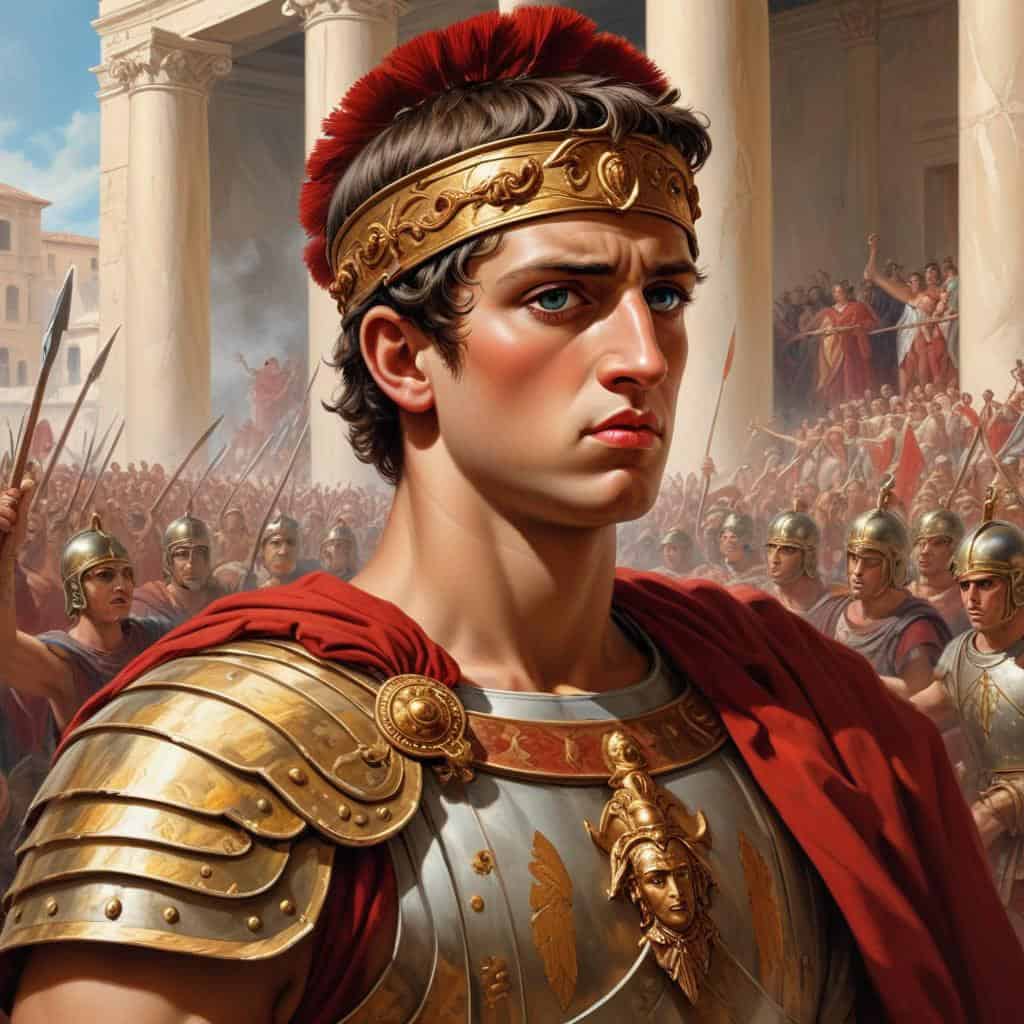
Introduction
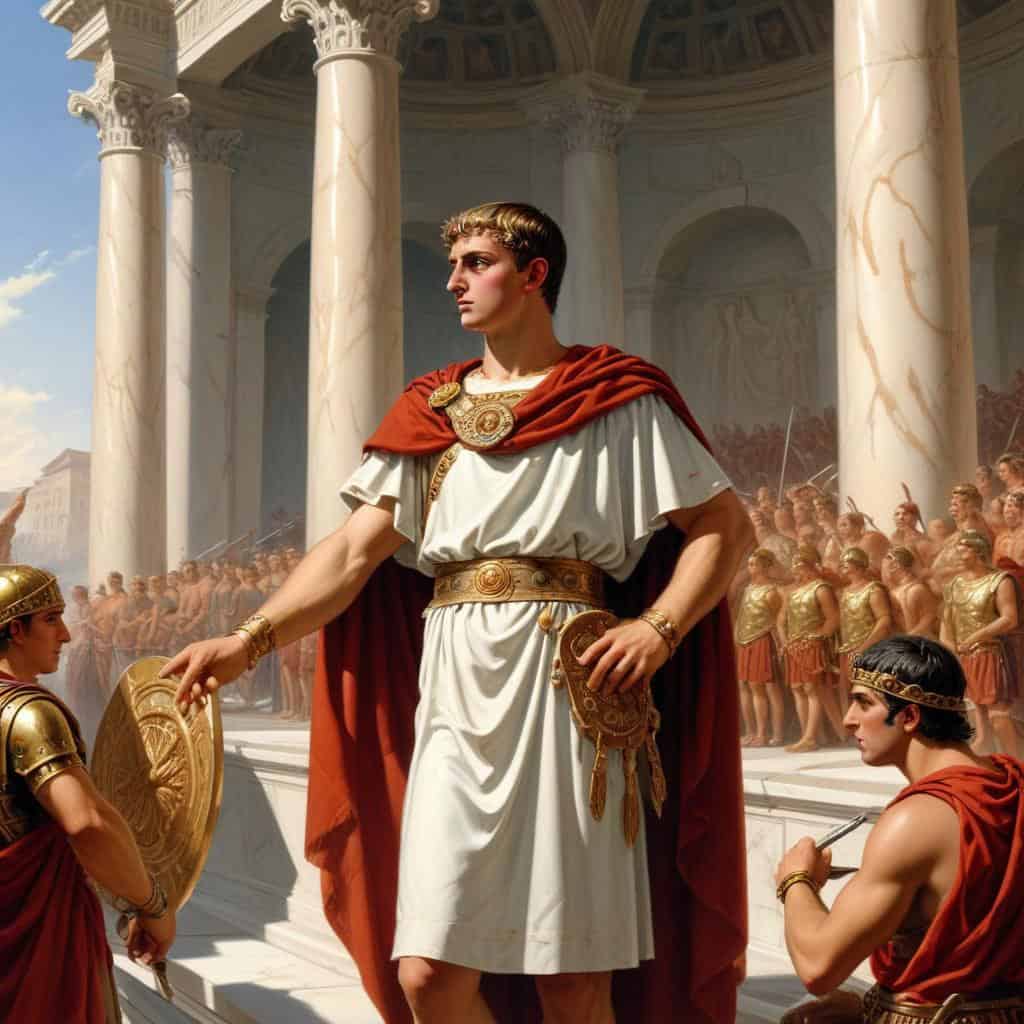
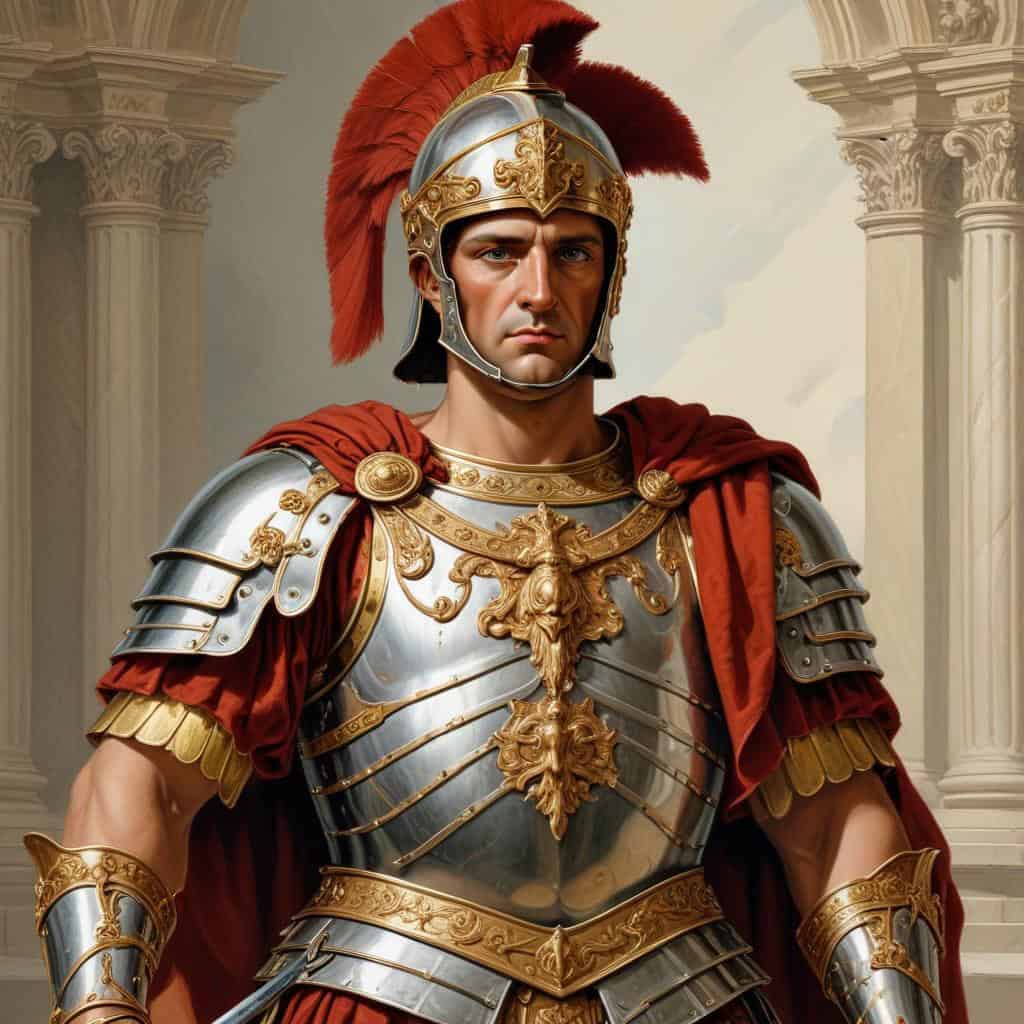
Flavius Theodosius (Emperor Theodosius I)
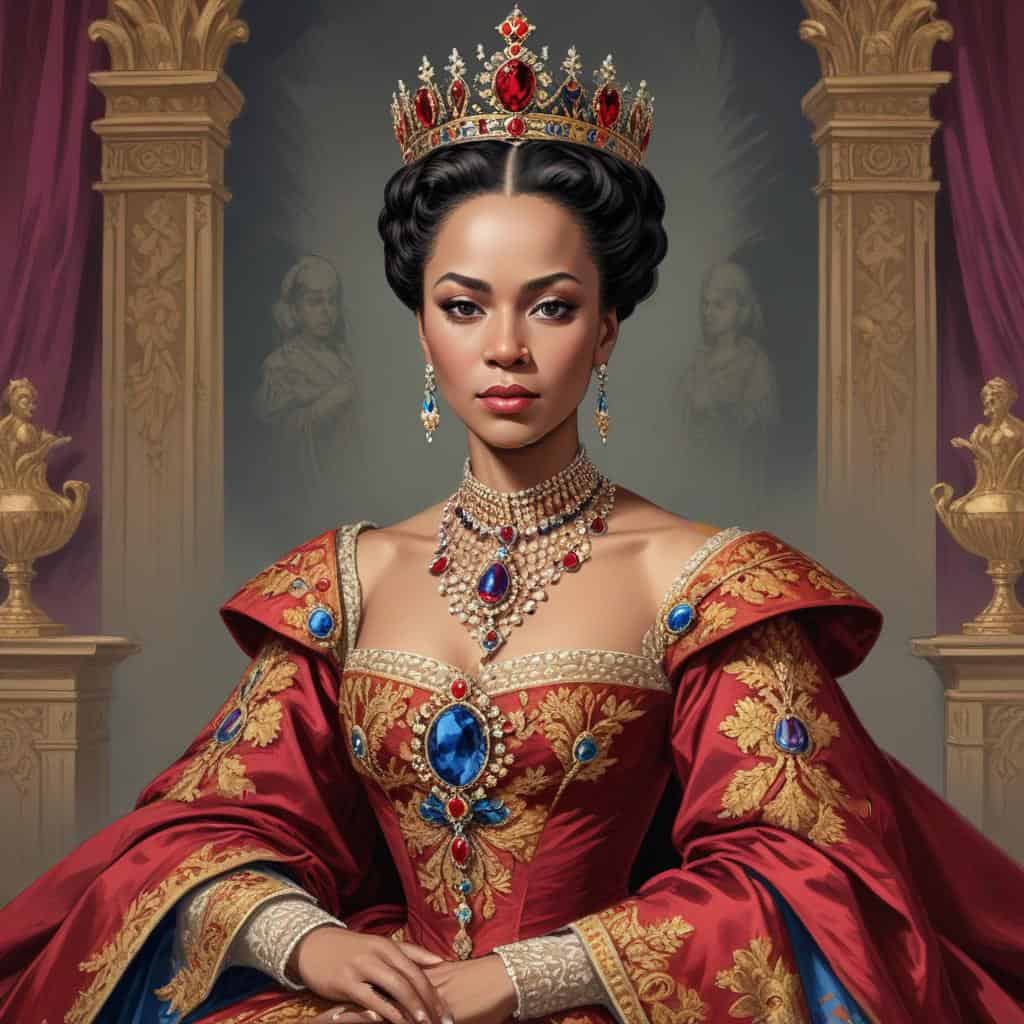
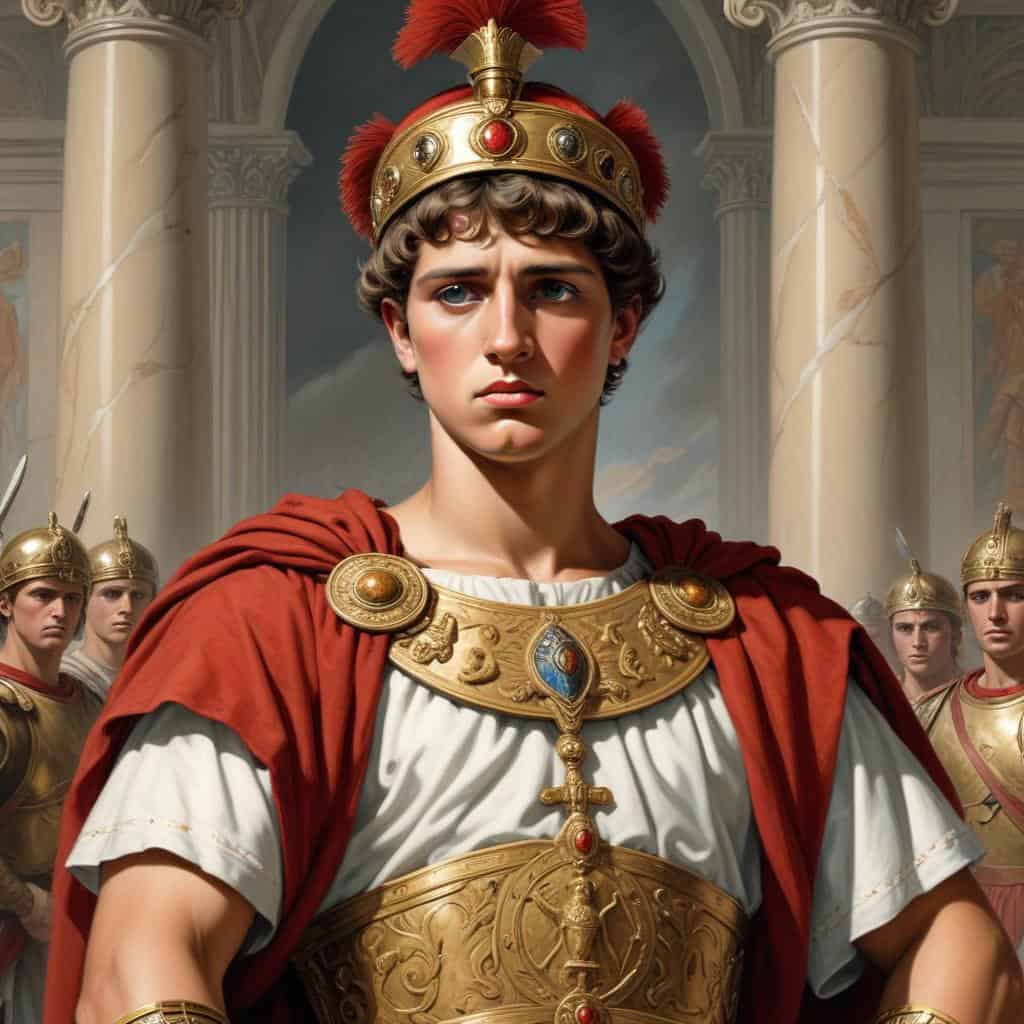
Justina (Empress Justina)
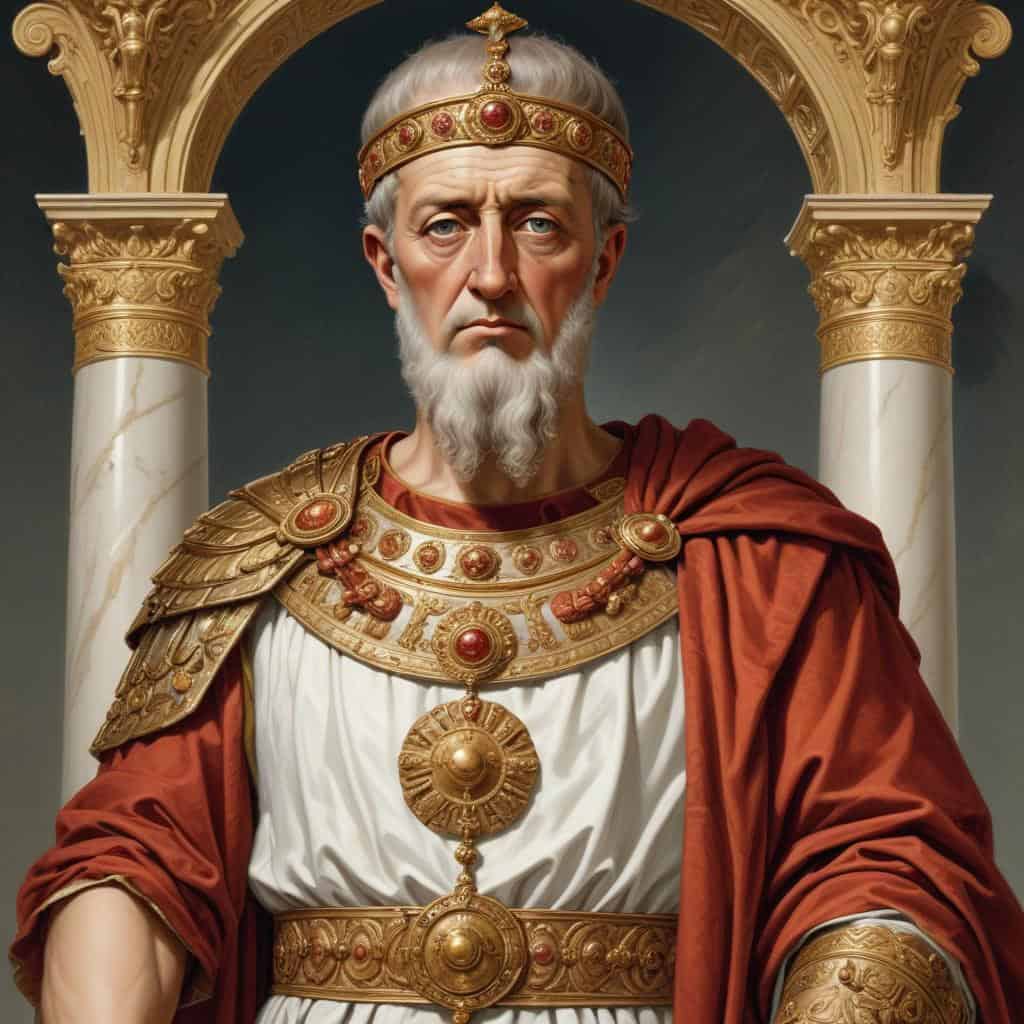
Gratian (Emperor Gratian)
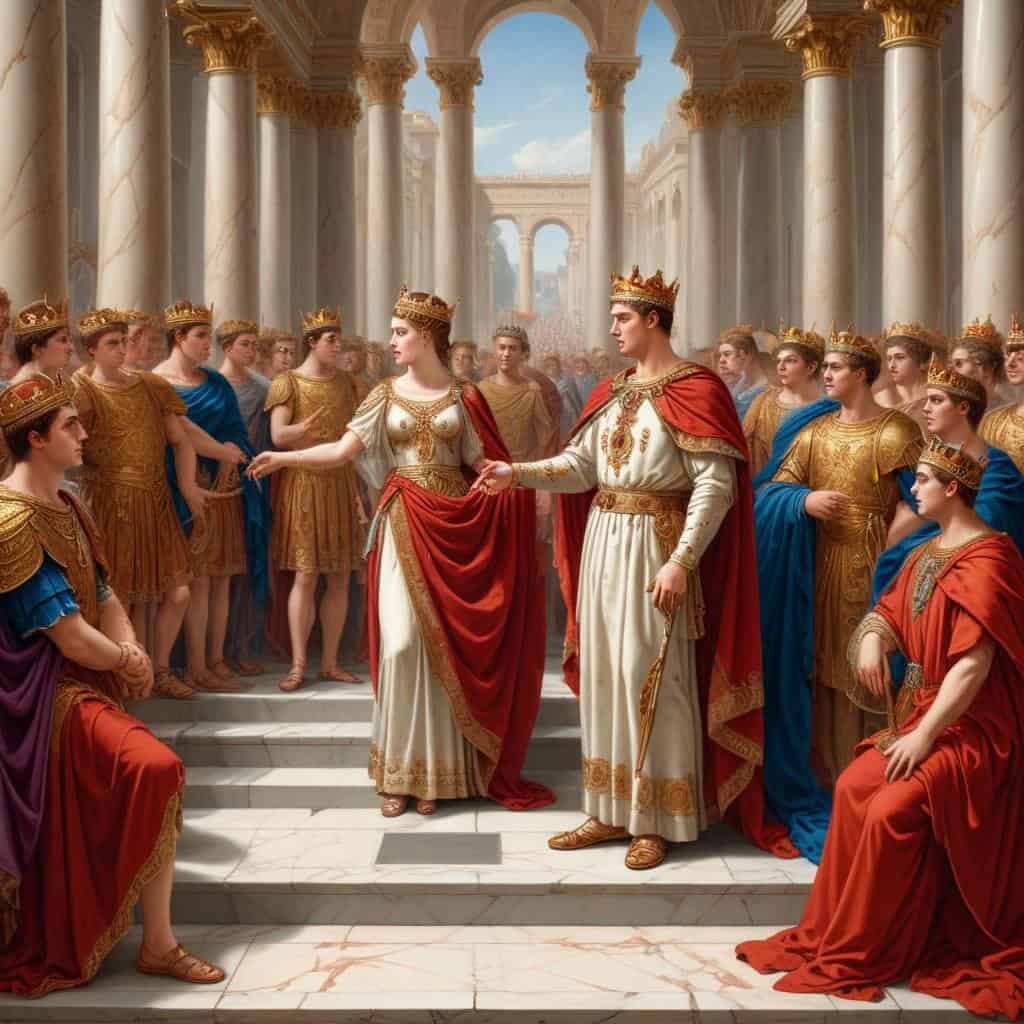
Early Life
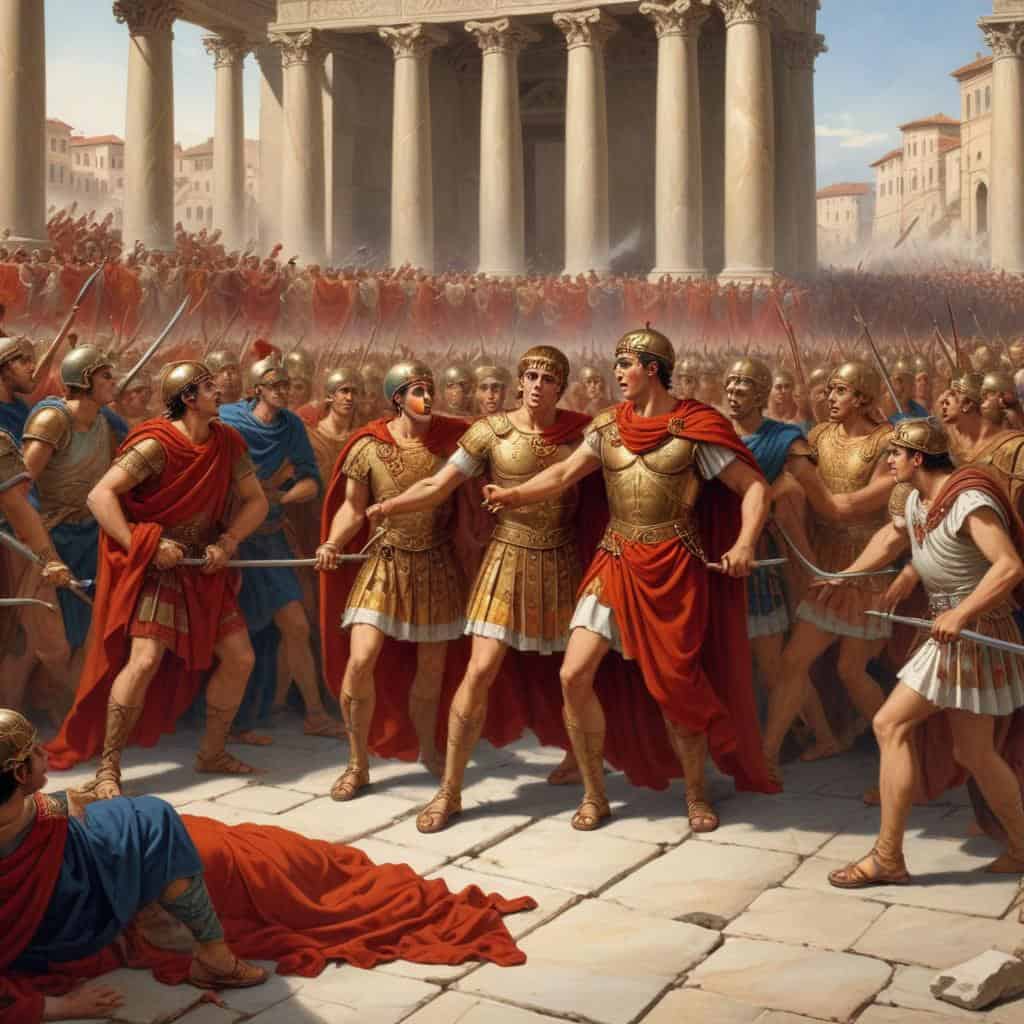
Rise to Power
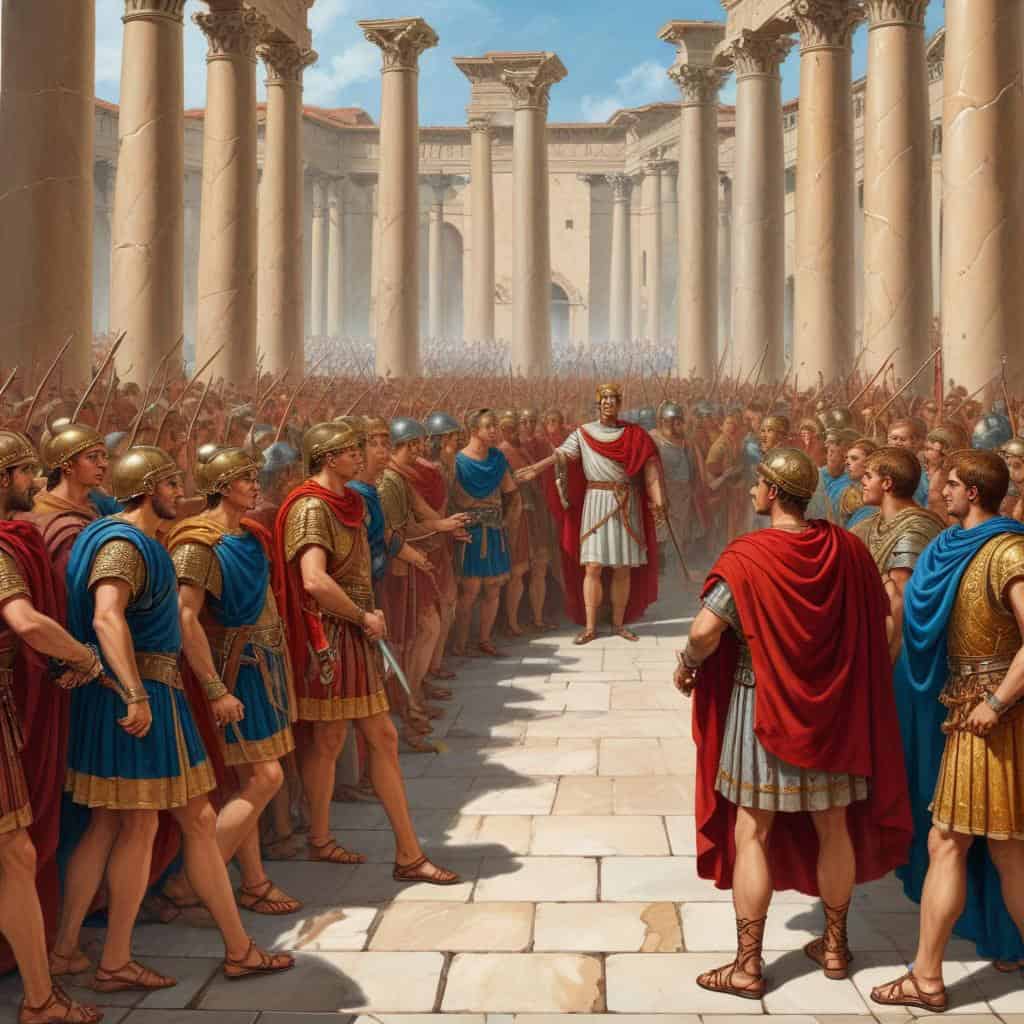
Struggles for Power
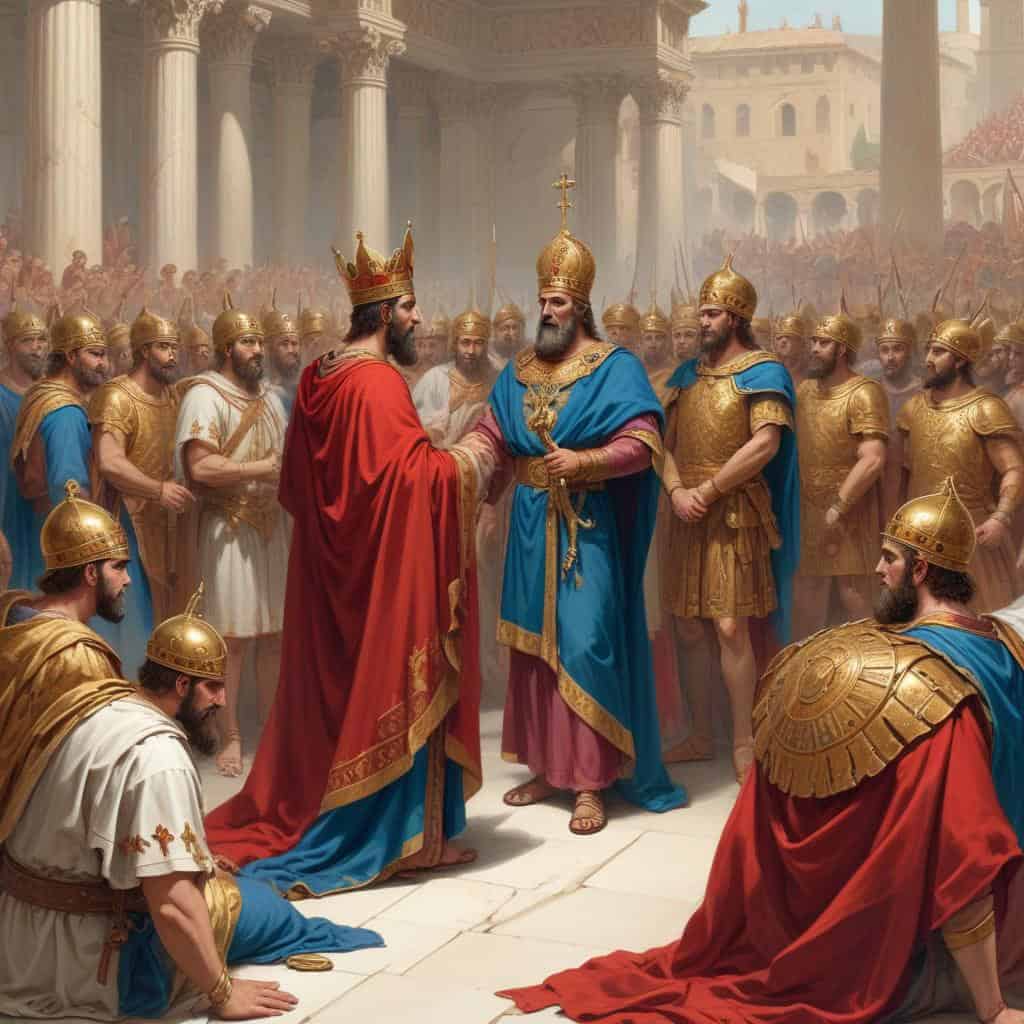
Religious Conflicts
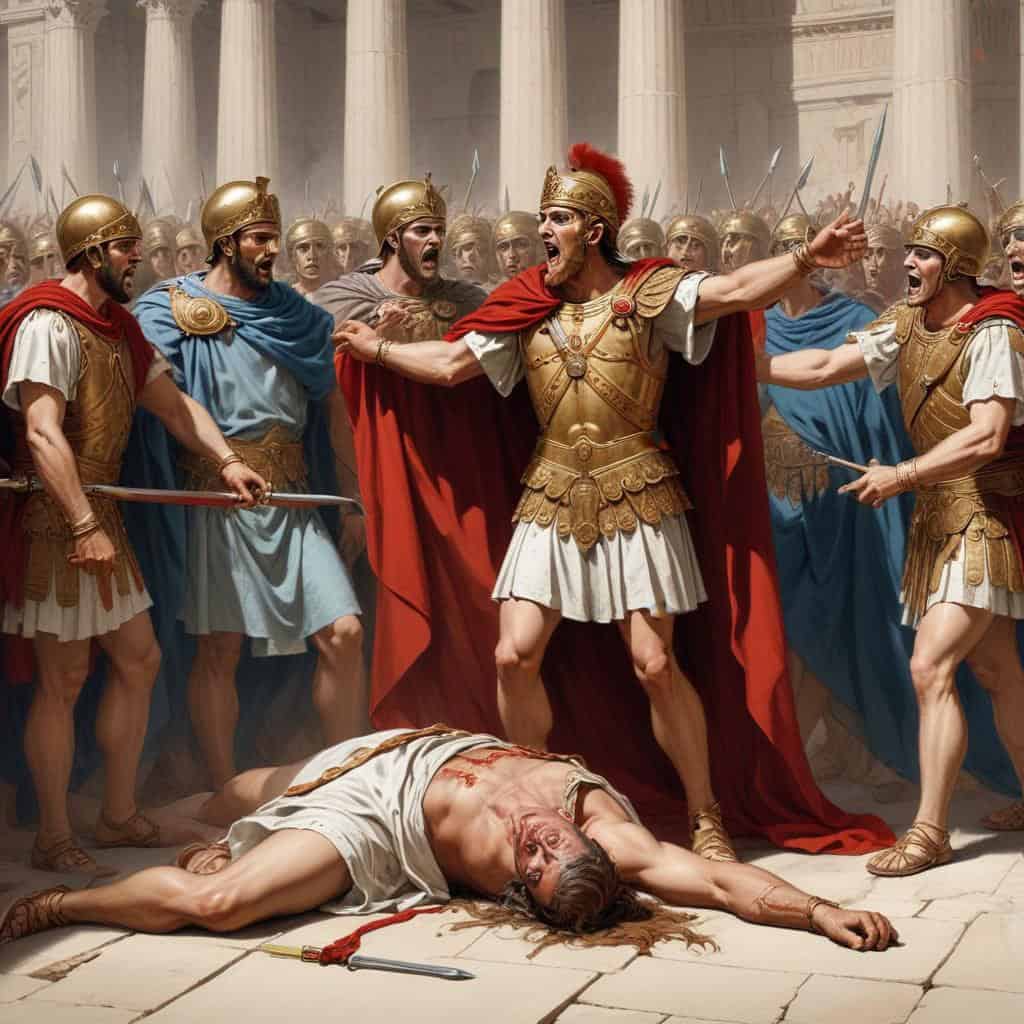
Death of Valentinian I
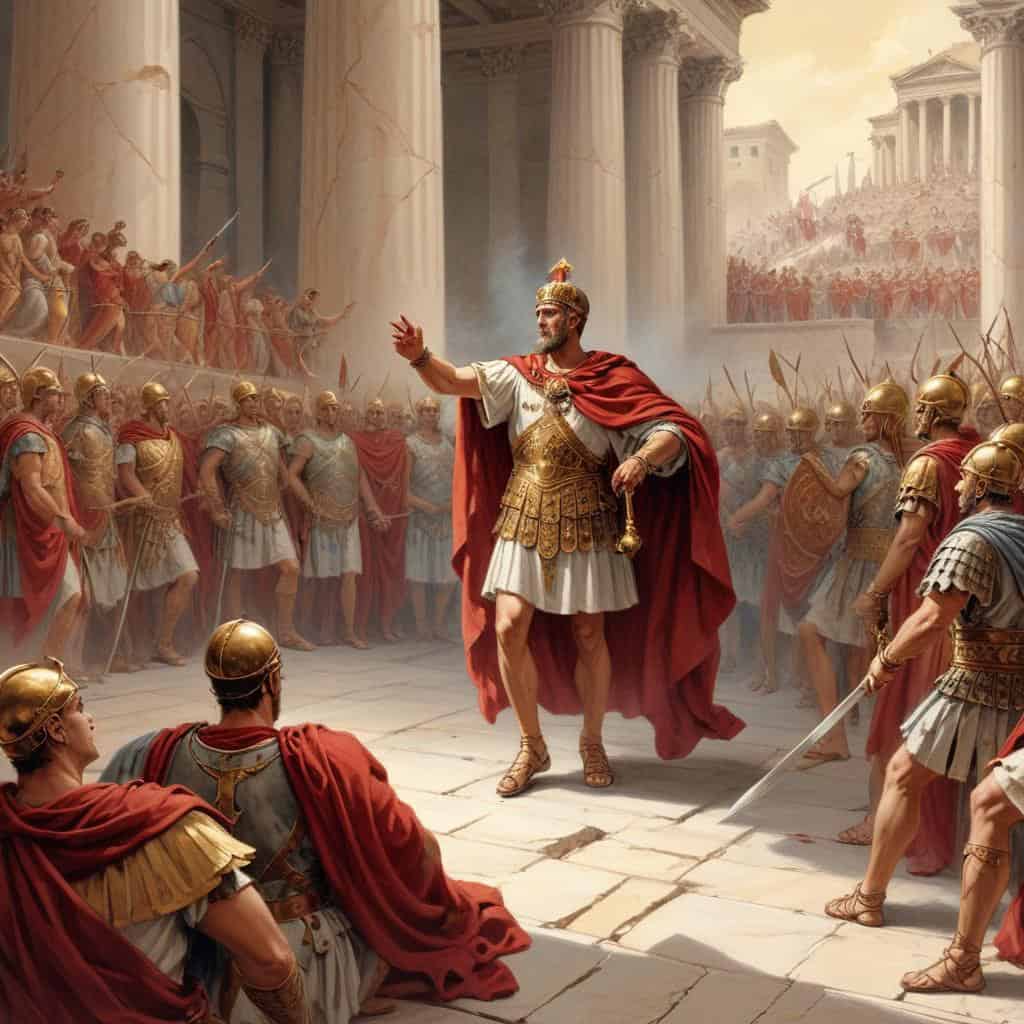
Legacy
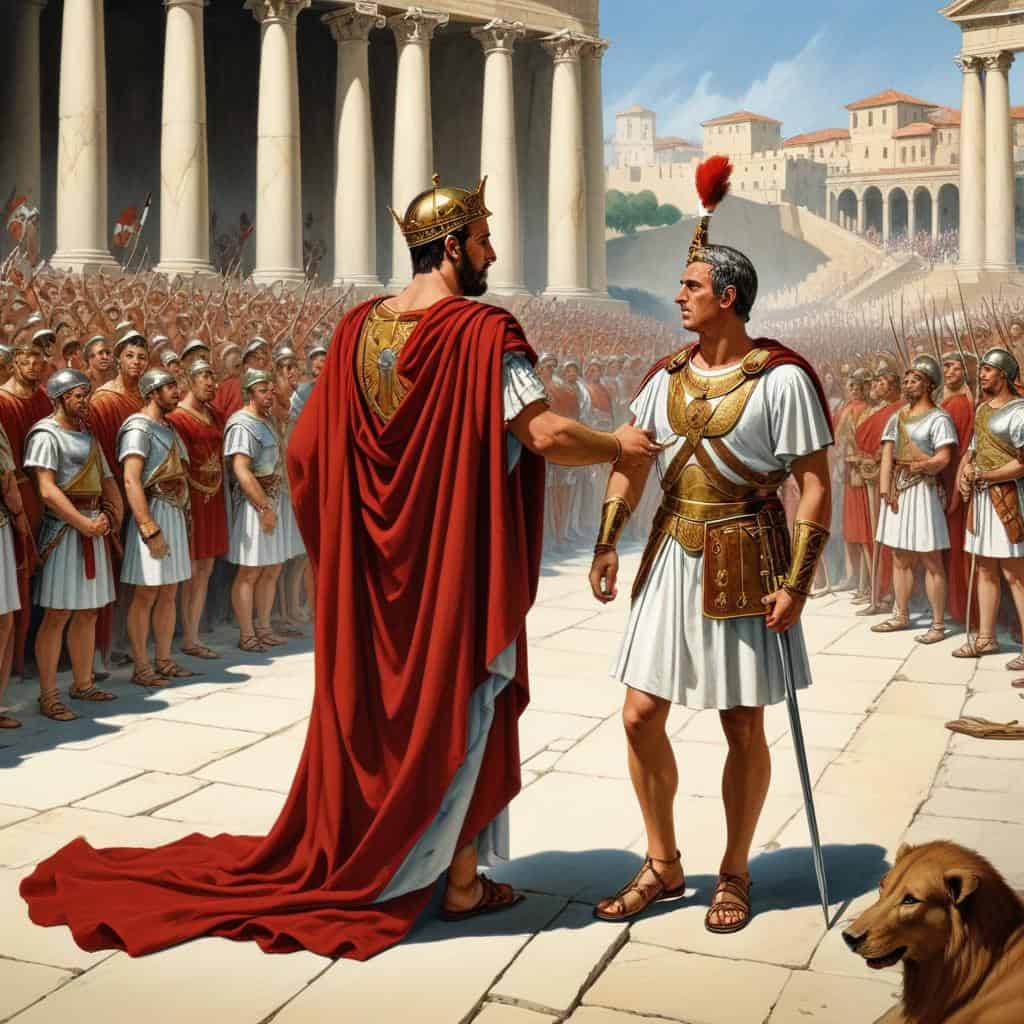
Historical Significance
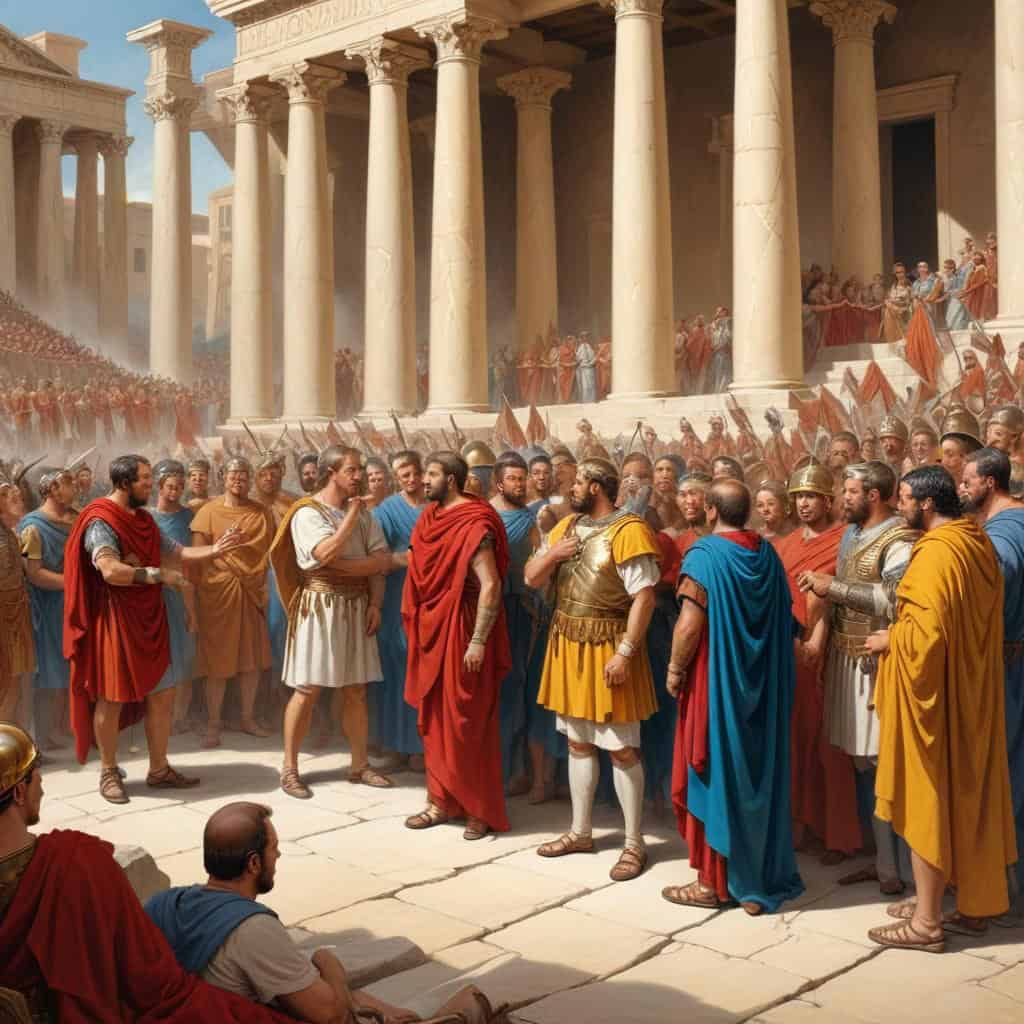
Historical Debate
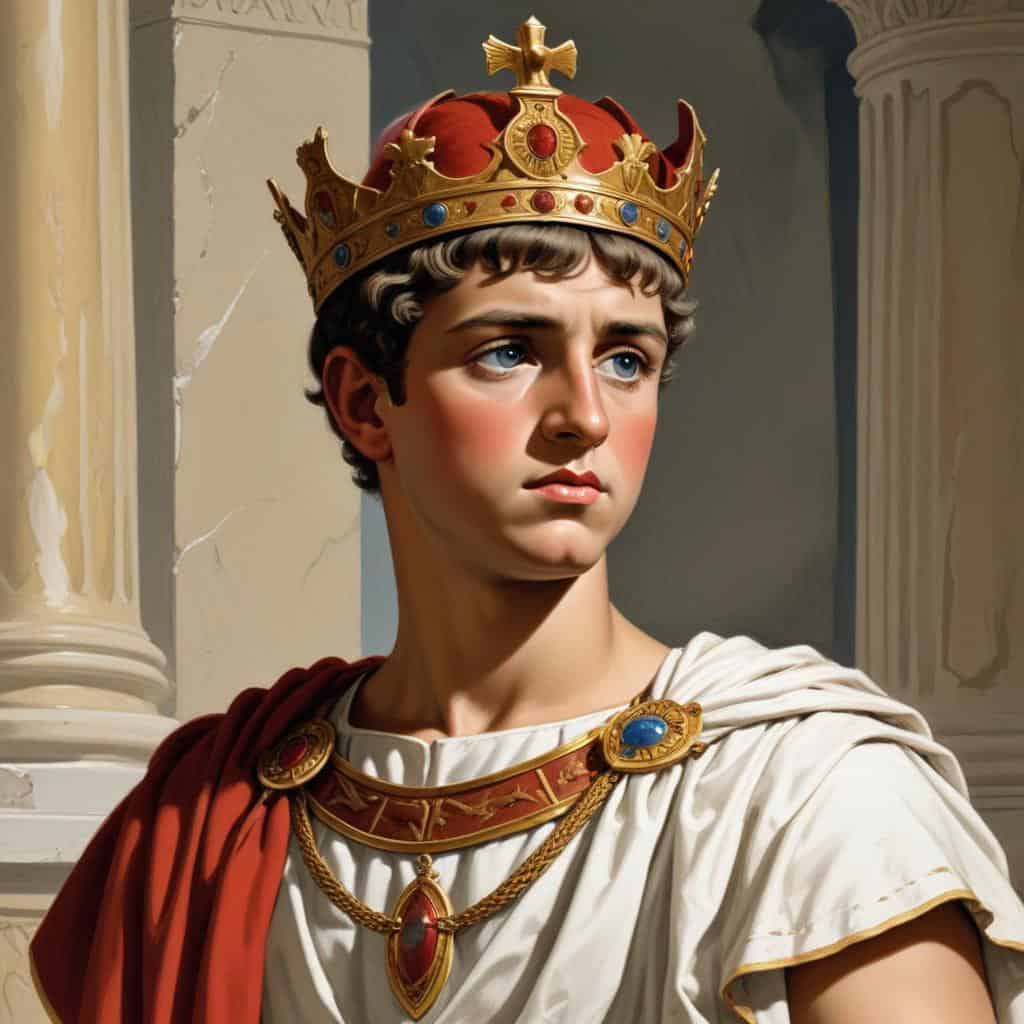
Remembered as a Child Emperor
Lesson Details & Resources
In a Nutshell
- Who: Roman Emperor
- When: Lived: 371 – 392
- Known For: Becoming the youngest Roman Emperor at the age of 4
- Legacy: Valentinian II's reign was marked by political instability and conflict with other Roman emperors
Timeline of Valentinian II: A Historical Biography
Valentinian II is born in Trier, Gaul
Valentinian II is proclaimed Emperor of the Western Roman Empire
Valentinian II's mother, Justina, regent for him, marries Theodosius I
Valentinian II and Theodosius I defeat the usurper Magnus Maximus
Death of Valentinian I, Valentinian II's father
Valentinian II moves his court to Milan
Valentinian II's brother, Gratian, is assassinated
Valentinian II appoints Arbogast as his magister militum
Valentinian II is found dead in his residence in Vienne
Death of Valentinian II, possibly by suicide or murder
Valentinian II is buried in the Church of the Holy Apostles in Milan
Valentinian II's death marks the end of the Theodosian dynasty
Valentinian II is succeeded by Eugenius as Emperor of the Western Roman Empire
Theodosius I defeats Eugenius in the Battle of the Frigidus
Theodosius I reunites the Roman Empire under his rule
Theodosius I dies, leaving his sons Arcadius and Honorius as Emperors of the East and West respectively
Valentinian II is posthumously declared a saint by the Eastern Orthodox Church
Valentinian II's reign is often seen as a period of decline for the Western Roman Empire
Vocabulary List
- Emperor
- Valentinian II was the Roman Emperor from 375 to 392.
- Dynasty
- Valentinian II belonged to the Valentinian dynasty of Roman emperors.
- Assassination
- Valentinian II was assassinated in 392.
- Co-emperor
- Valentinian II shared the title of Emperor with his brother Valentinian I.
- Rome
- Valentinian II ruled from the city of Rome.
- Western Roman Empire
- Valentinian II was the Emperor of the Western Roman Empire.
Key Facts
This is the information used in the fact matching game
- Valentinian II was Roman Emperor from 375 to 392 AD.
- He was the son of Emperor Valentinian I and his second wife Justina.
- Valentinian II was born in 371 AD in Trier, Germany.
- He became emperor at the age of four after his father's death.
- Valentinian II's reign was marked by political instability and conflicts with other Roman generals.
- He was initially under the regency of his mother Justina and the general Arbogast.
- Valentinian II was a Christian emperor, but he faced opposition from pagans within the empire.
- In 387 AD, Valentinian II was forced to flee to Thessalonica after a conflict with the general Magnus Maximus.
- He was restored to power in 388 AD with the help of Theodosius I, but he remained under the influence of Arbogast.
- Valentinian II was found dead in 392 AD, with some sources suggesting that he was murdered by Arbogast.
- His death marked the end of the Valentinian dynasty in the Western Roman Empire.
- Valentinian II was known for his attempts to restore order and stability in the empire, but he faced challenges from rival generals and internal dissent.
- He was the last Roman emperor to be born in the city of Trier.
- Valentinian II was buried in the Church of the Holy Apostles in Constantinople.
- He was succeeded by Theodosius I as the sole emperor of the Roman Empire.
- Valentinian II's reign was characterized by a struggle for power between various factions within the empire.
- He was known for his efforts to promote Christianity and suppress paganism in the empire.
- Valentinian II's reign saw the rise of powerful generals like Arbogast and Magnus Maximus, who challenged his authority.
- Despite his efforts to assert his authority, Valentinian II was often manipulated by his regents and military commanders.
- His death at a young age marked the end of a turbulent period in Roman history and paved the way for the consolidation of power under Theodosius I.
Analysis & Significance
Major Accomplishments
Valentinian II was the youngest Roman emperor to ascend to the throne at the age of four. During his reign, he faced significant challenges from various usurpers but managed to maintain stability in the Western Roman Empire. He also initiated important military campaigns to defend the empire’s borders.
Impact on the World
Valentinian II’s reign marked a period of transition and struggle for the Roman Empire. His efforts to maintain stability and defend the empire’s territories had a lasting impact on the political landscape of the time. Despite his young age, Valentinian II demonstrated resilience and determination in the face of adversity.
Enduring Legacy
Today, Valentinian II is remembered as a significant figure in Roman history, known for his efforts to uphold the empire’s integrity during a tumultuous period. His reign is often studied to understand the challenges faced by the Western Roman Empire in the 4th century. Valentinian II’s legacy serves as a reminder of the complexities of governance and leadership in times of crisis.
Valentinian II: A Historical Biography Games


Take Your Learning Offline
Want a convenient, print-ready study guide for this lesson? Become a Memory Wizards Pro member to unlock the downloadable " Memory Scrolls" for this topic and our entire library!
- ✓ Complete Vocabulary Lists
- ✓ Key Facts & Timelines
- ✓ Beautifully Formatted for Print & Mobile