
Valentinian I: A Biography of the Roman Emperor
The formidable Roman emperor who restored order and unity to the empire.
How Do You Learn Best?
Learn by Reading
Immerse yourself in the 10-minute visual lesson for a comprehensive understanding of the topic.
Learn by Reviewing
Jump directly to the key facts, timeline, and vocabulary lists to build a solid foundation of details.
Learn by Doing
Challenge yourself! Jump straight into the interactive games to learn by trial, error, and discovery.
Valentinian I: A Biography of the Roman Emperor in 10 Minutes
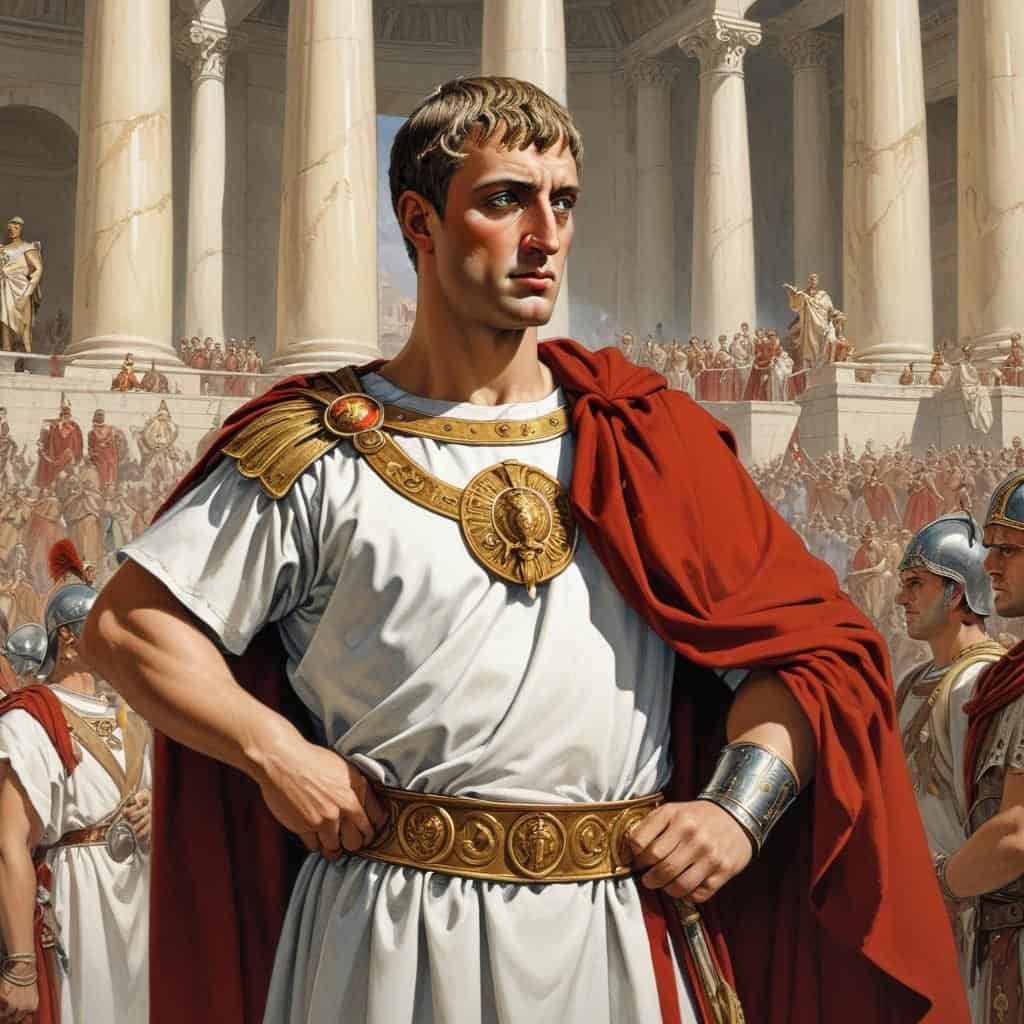
Introduction
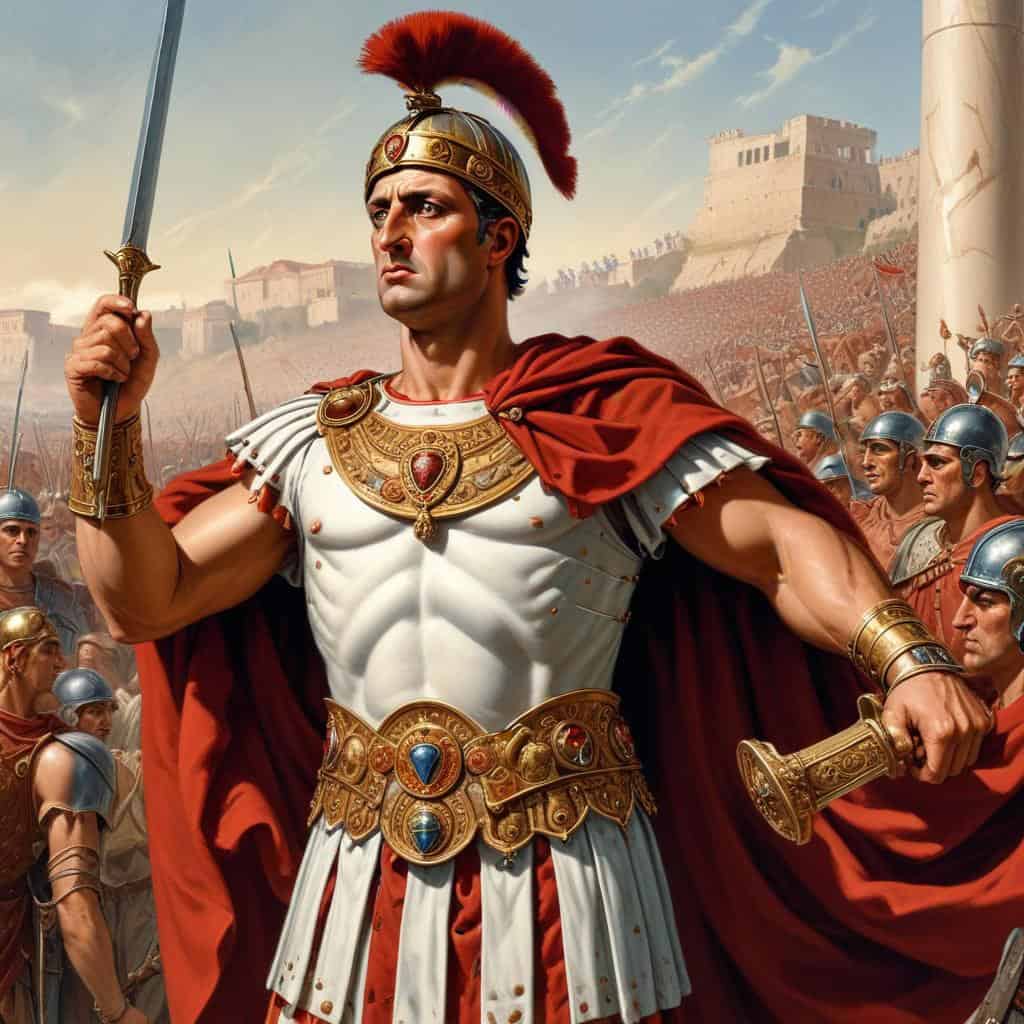
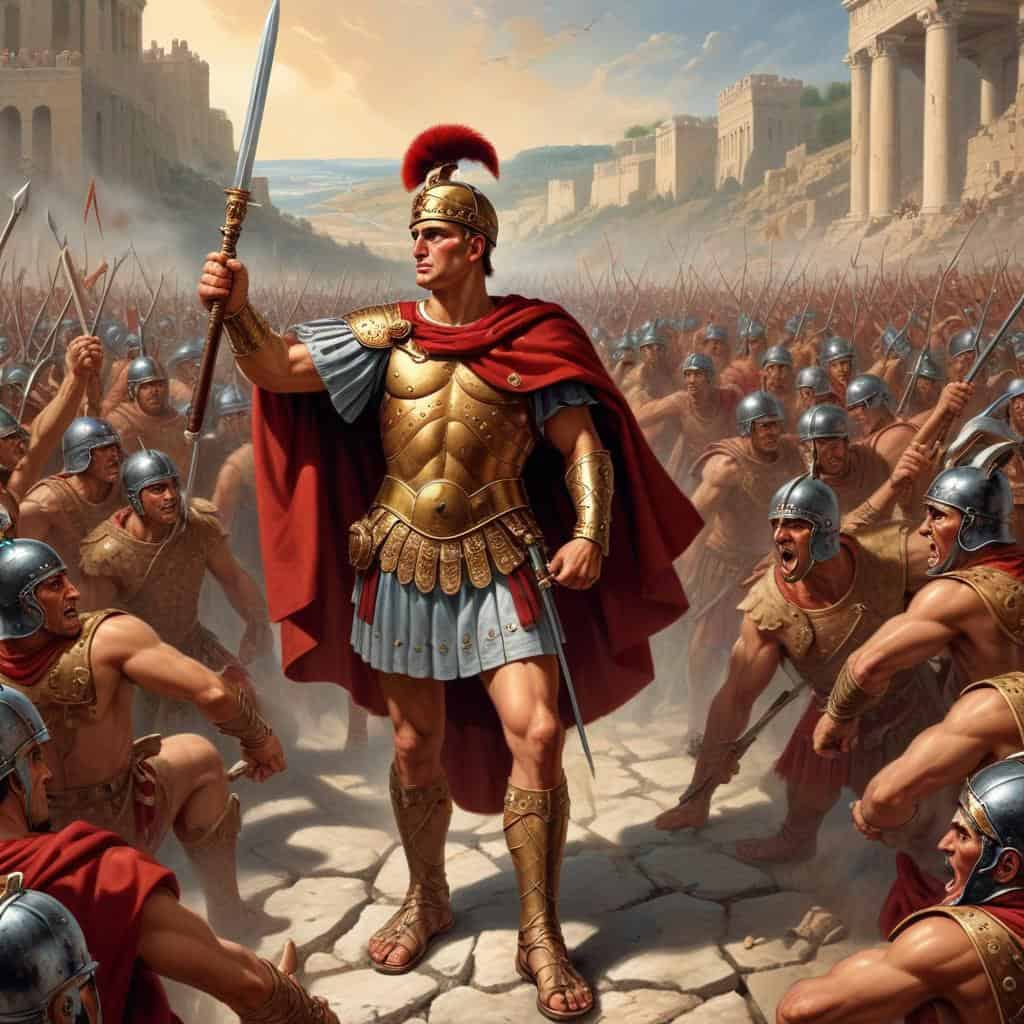
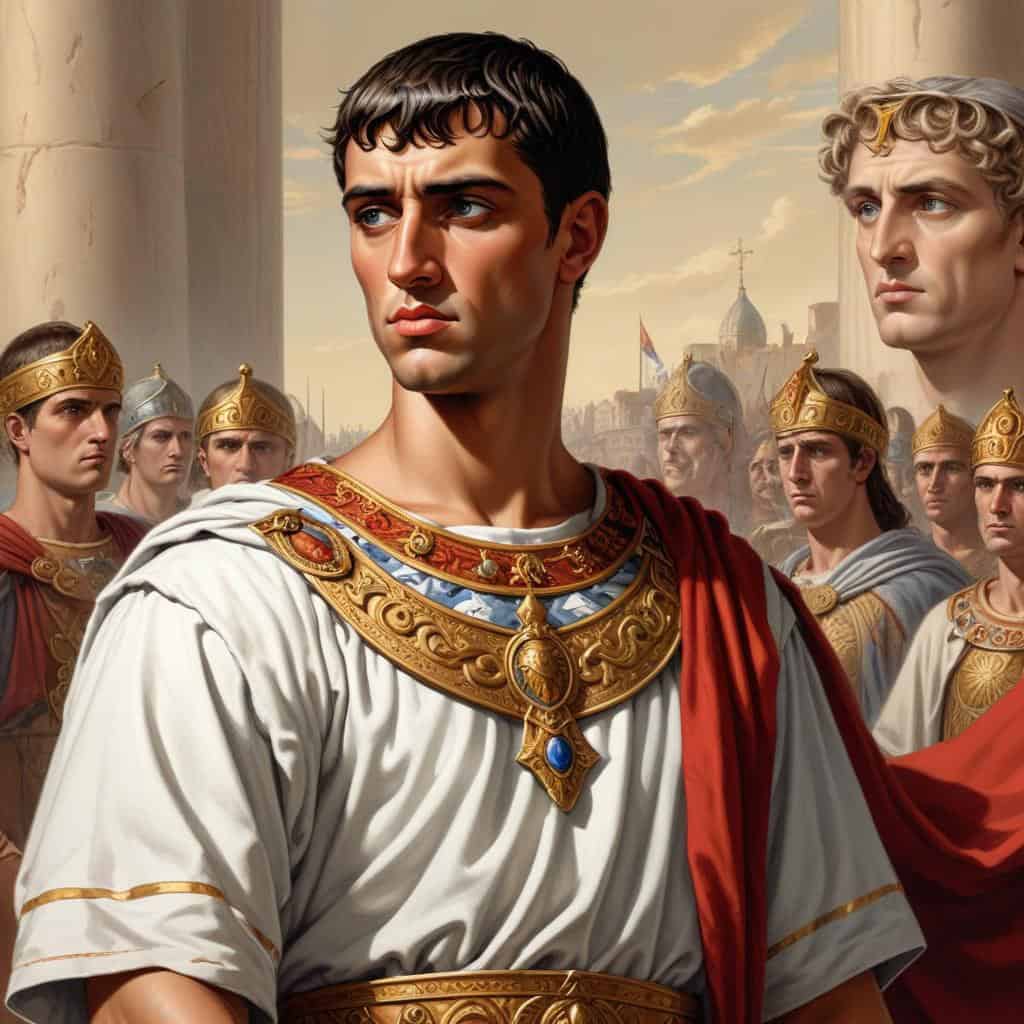
Valens
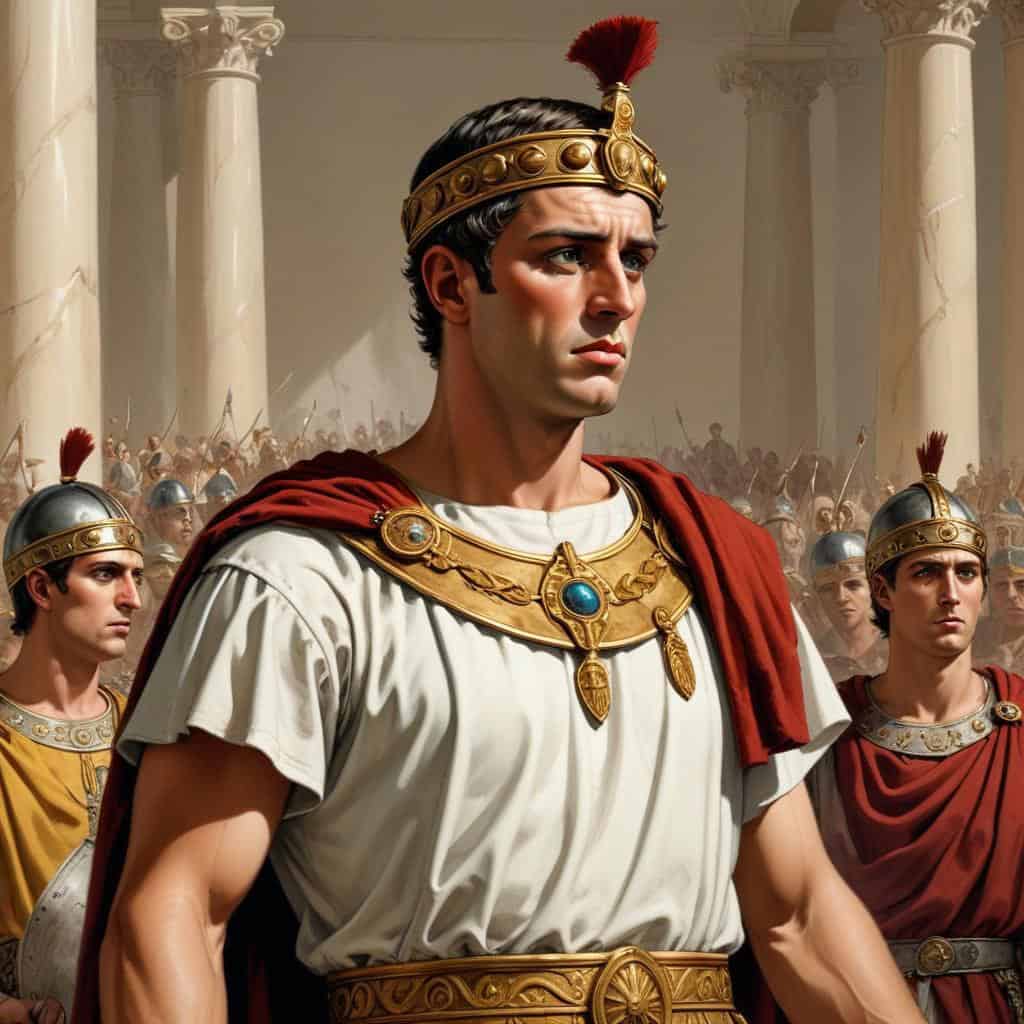
Gratian
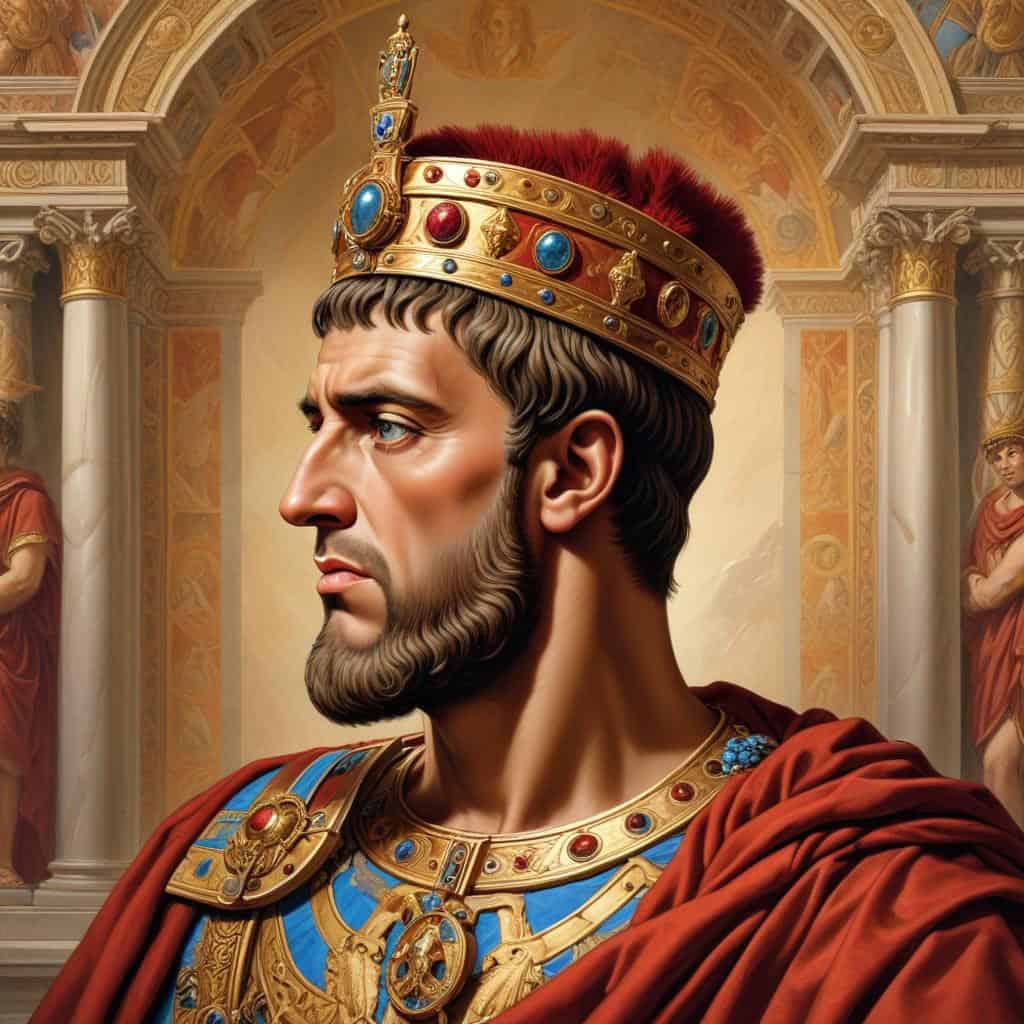
Valentinian II

Theodosius I
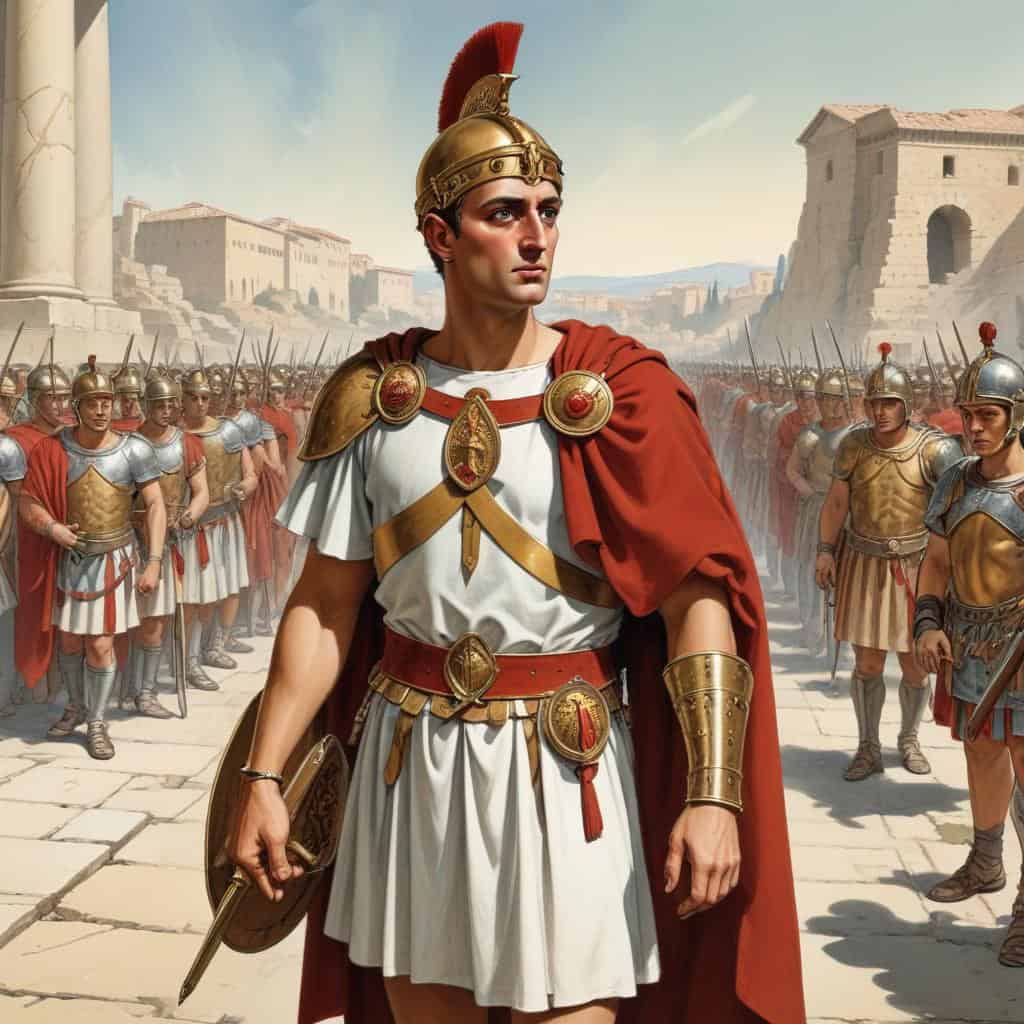
1. Early Life
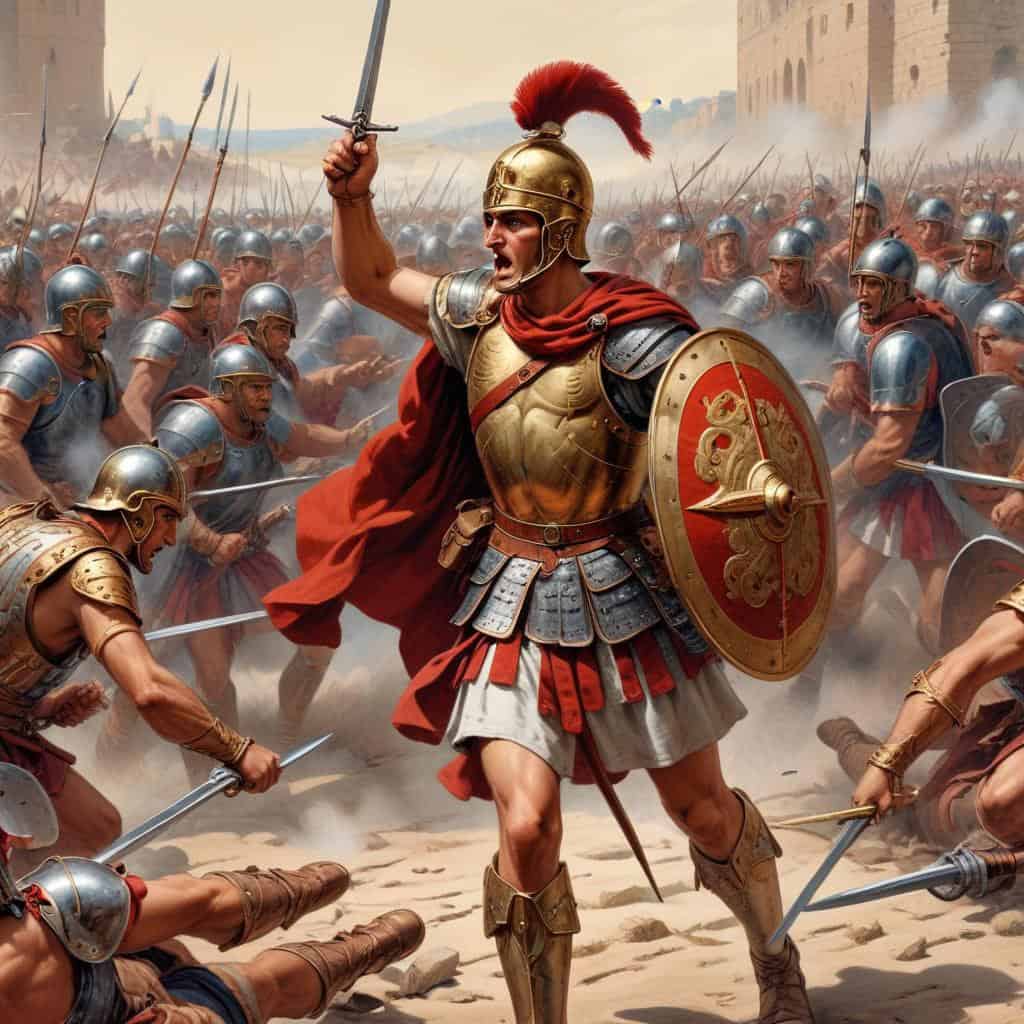
2. Military Career
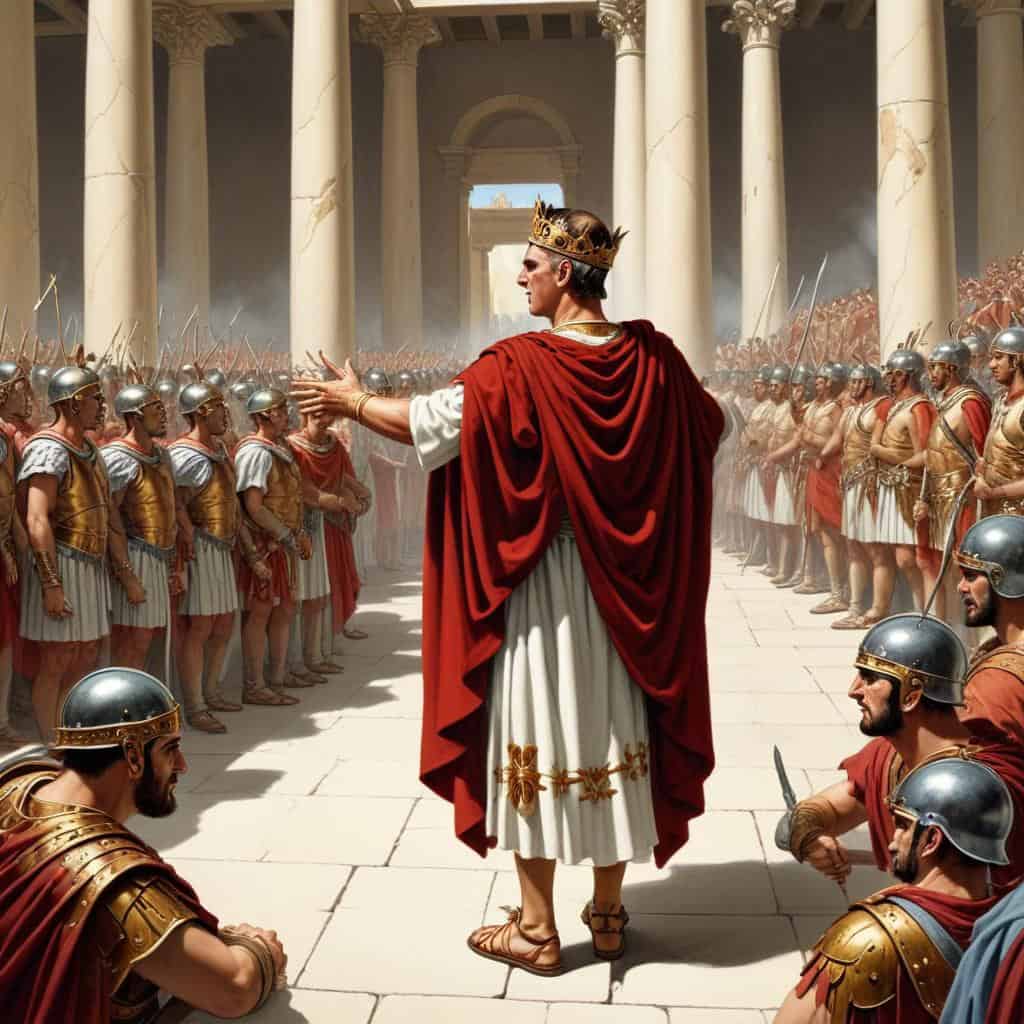
3. Proclaimed Emperor
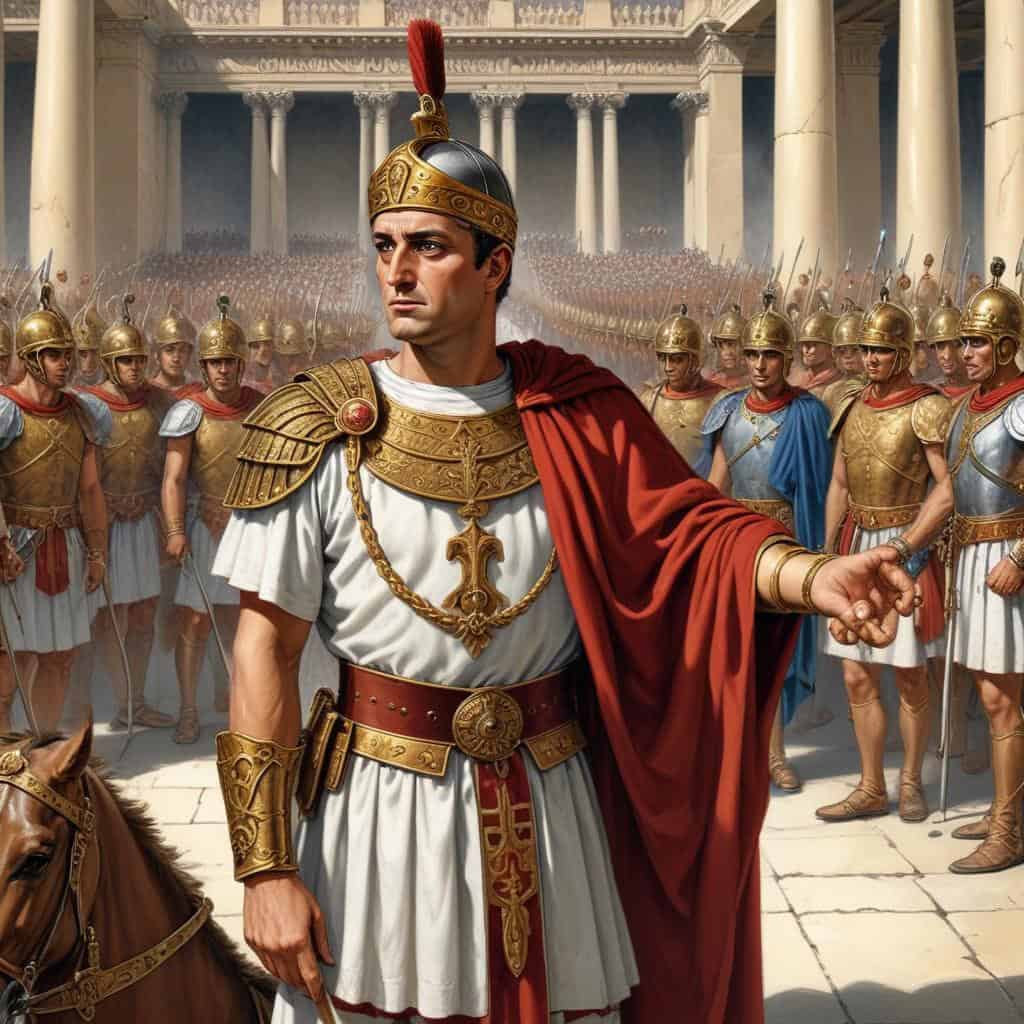
4. Reign as Emperor
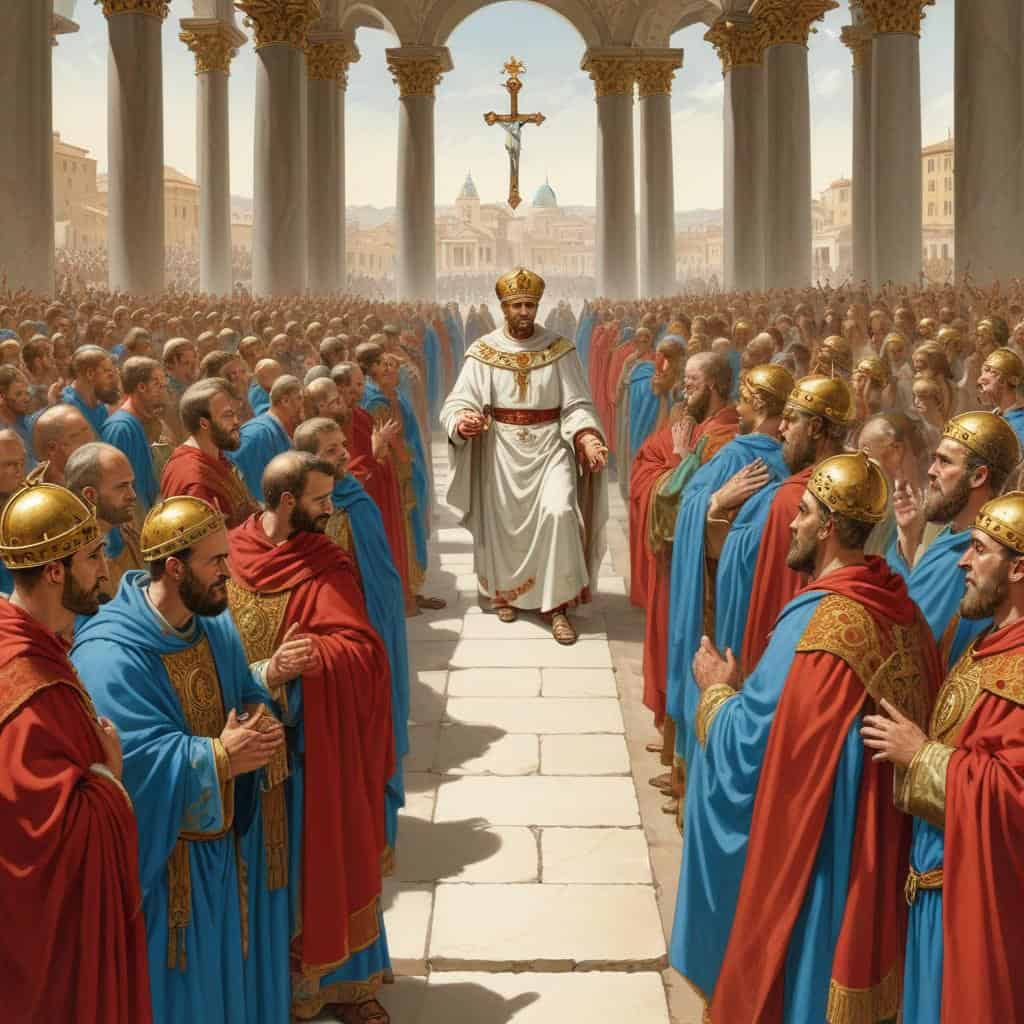
5. Religious Policies
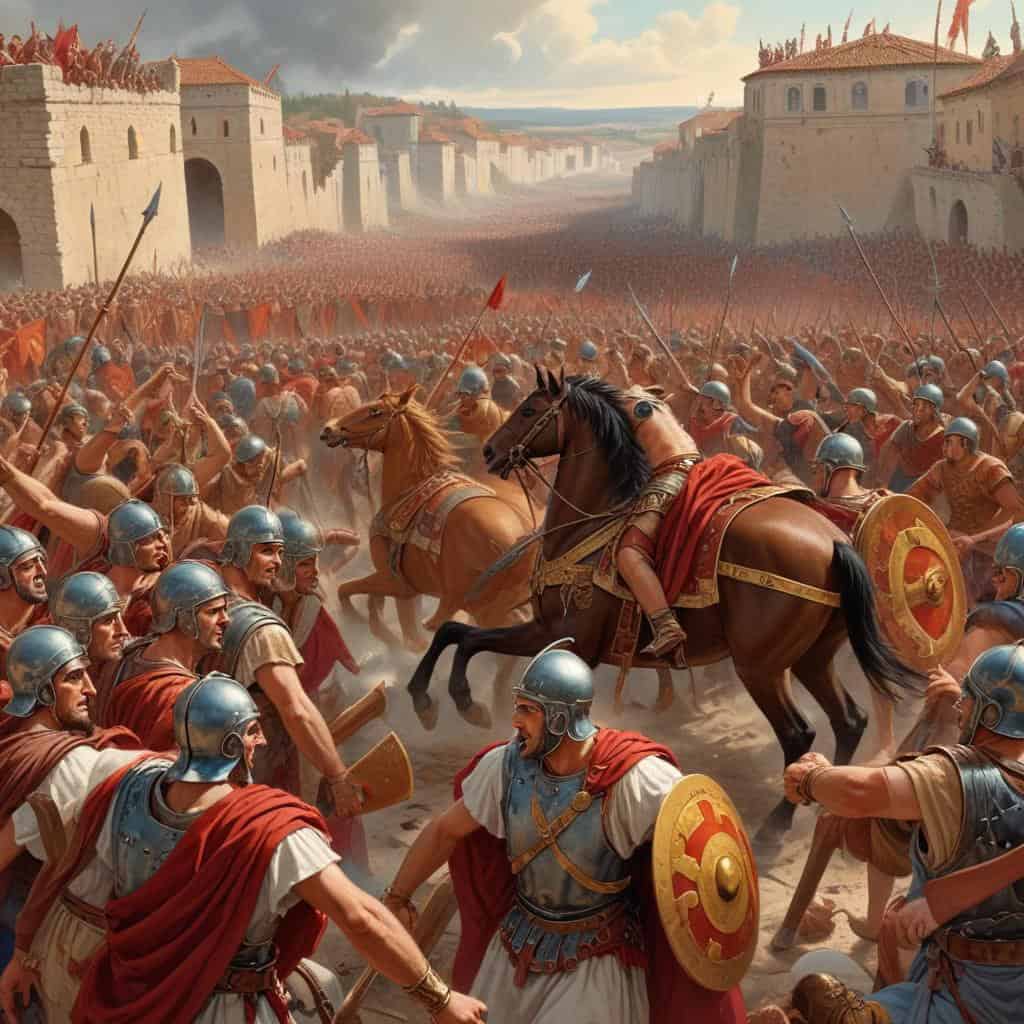
6. Death of Valentinian
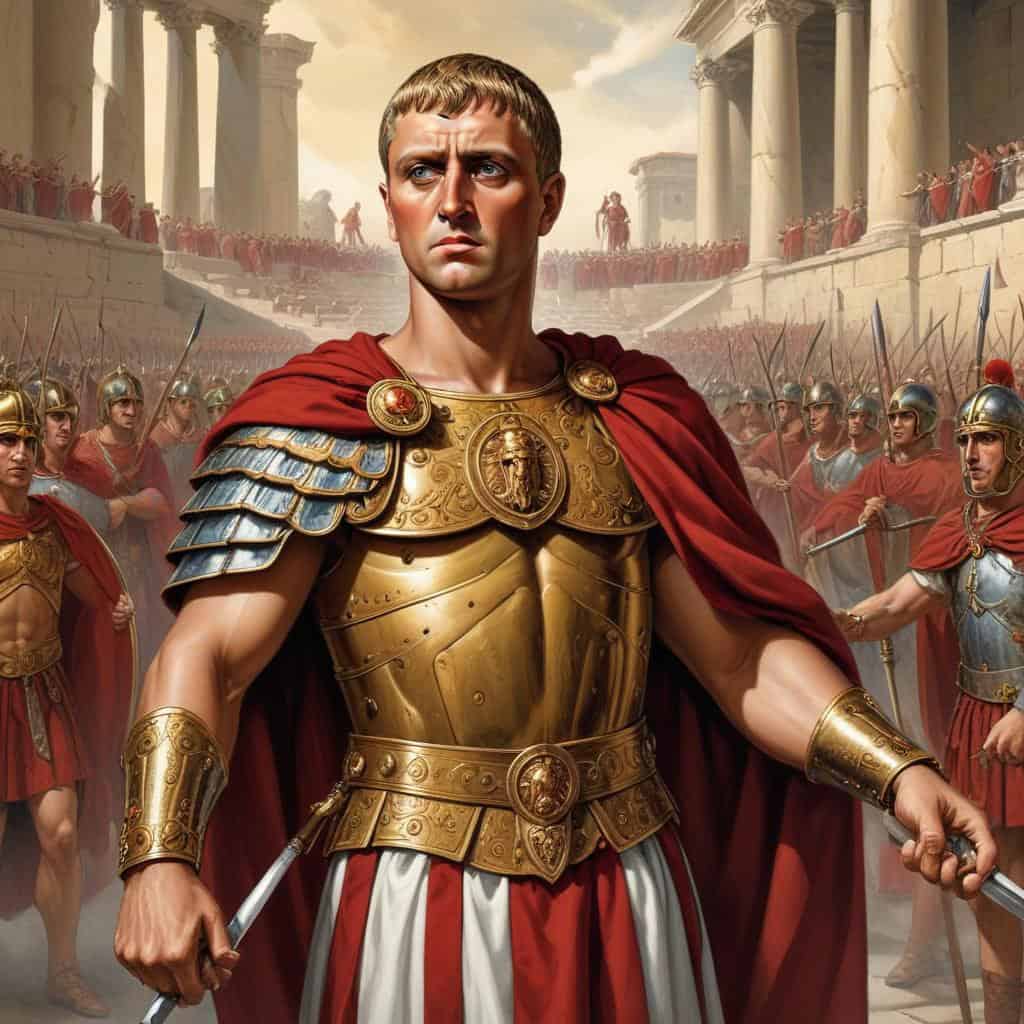
7. Legacy of Valentinian I
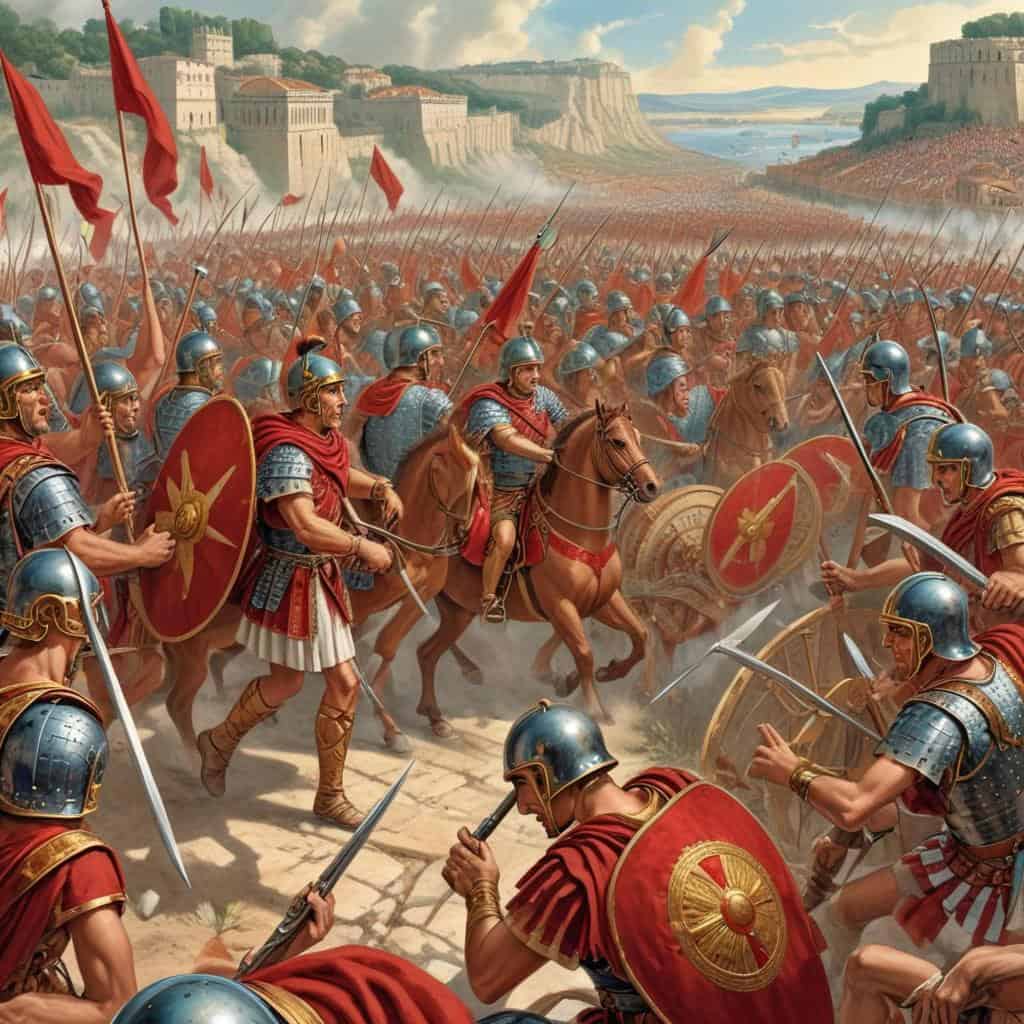
8. Impact on Roman History
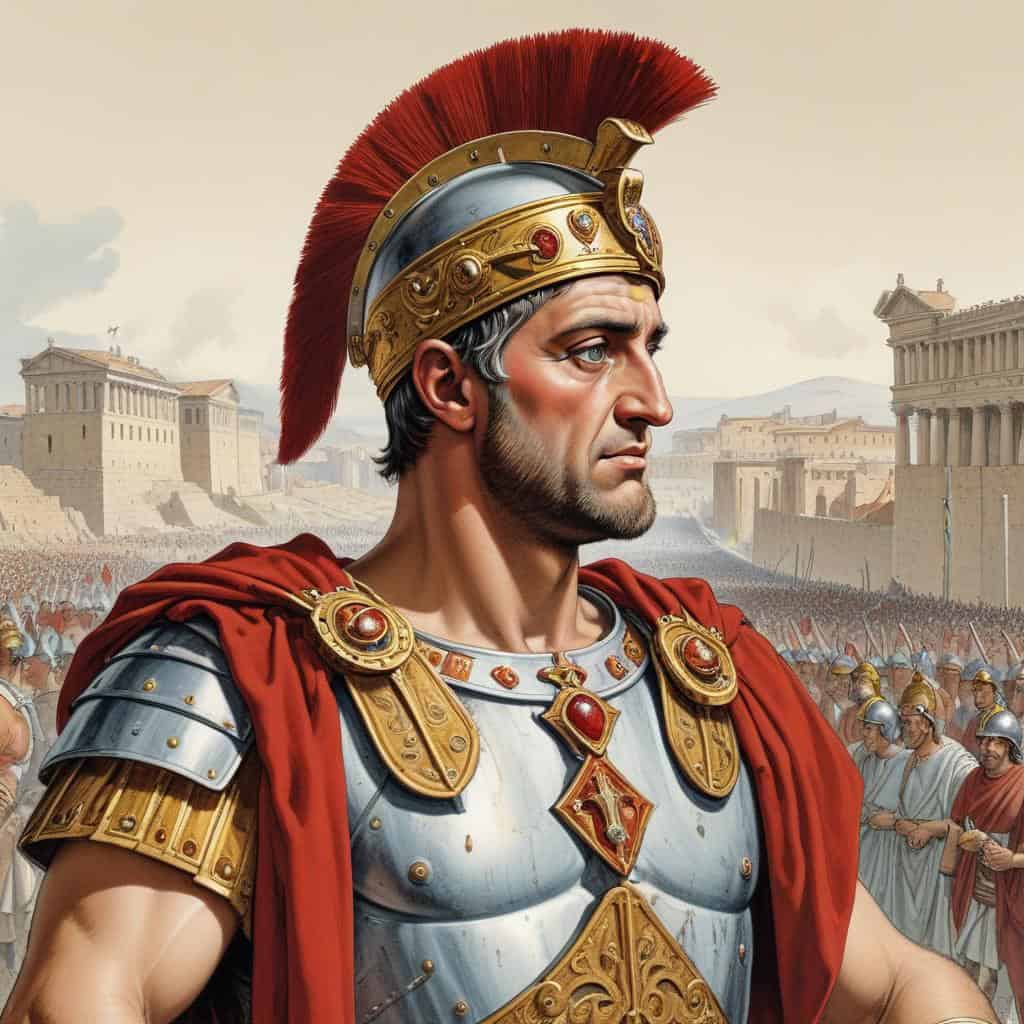
9. Historical Significance
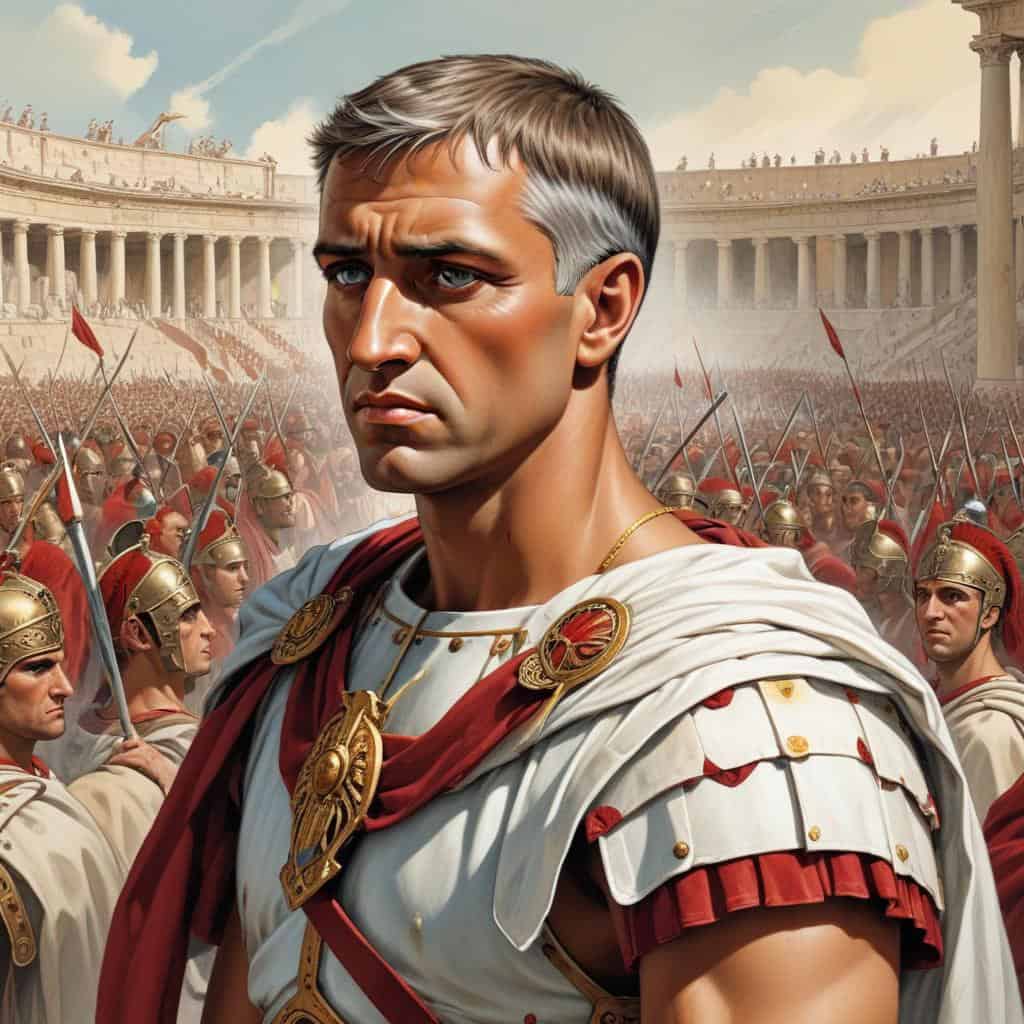
10. Remembering Valentinian I
Lesson Details & Resources
In a Nutshell
- Who: Roman Emperor
- When: Lived: 321 – 375
- Known For: Establishing the Valentinian dynasty and being a strong military leader
- Legacy: Strengthening the Roman Empire and establishing religious tolerance
Timeline of Valentinian I: A Biography of the Roman Emperor
Valentinian I is born in Cibalae, Pannonia
Valentinian I joins the Roman army and rises through the ranks
Valentinian I serves as a commander under Julian the Apostate
Valentinian I is appointed as co-emperor of the Roman Empire with his brother Valens
Valentinian I becomes sole emperor of the Western Roman Empire after the death of his brother Valens
Valentinian I establishes his capital in Milan
Valentinian I appoints his son Gratian as co-emperor
Valentinian I defeats the Alamanni tribes in battle
Valentinian I establishes the city of Valentiana in Pannonia
Valentinian I faces revolts in Africa and Britain
Valentinian I dies suddenly in Brigetio, Pannonia
Valentinian I is succeeded by his son Gratian as emperor of the Western Roman Empire
Valentinian I's reign is marked by military victories and administrative reforms
Valentinian I reforms the Roman army and strengthens the frontier defenses
Valentinian I suppresses pagan cults and promotes Christianity in the empire
Valentinian I negotiates with barbarian tribes and allies to maintain peace on the borders
Valentinian I struggles to maintain control over the empire amidst internal strife and external threats
Valentinian I is remembered as a strong and capable ruler, but his sudden death leaves the empire vulnerable
Valentinian I's legacy is overshadowed by the collapse of the Western Roman Empire in the following decades
Vocabulary List
- Valentinian I
- Valentinian I was a Roman emperor who reigned from 364 to 375 AD.
- Roman emperor
- Valentinian I was the Roman emperor of the Western Roman Empire.
- Reigned
- Valentinian I reigned as emperor for 11 years.
- Western Roman Empire
- Valentinian I ruled over the Western Roman Empire during his reign.
- AD
- Valentinian I's reign was during the 4th century AD.
Key Facts
This is the information used in the fact matching game
- Valentinian I was Roman Emperor from 364 to 375 AD.
- He was born in Cibalae, Pannonia (modern-day Croatia).
- Valentinian I was of Illyrian descent.
- He co-ruled the Roman Empire with his brother Valens.
- Valentinian I was known for his military prowess and successful campaigns against various barbarian tribes.
- He rebuilt the fortifications along the Rhine and Danube rivers to defend the empire from invasion.
- Valentinian I was a staunch supporter of Nicene Christianity and persecuted Arianism.
- He issued edicts promoting Christianity and banning pagan worship.
- Valentinian I was known for his strict discipline and harsh punishments for soldiers who disobeyed orders.
- He was married twice and had several children, including future emperors Gratian and Valentinian II.
- Valentinian I died suddenly in 375 AD, possibly from a stroke or burst blood vessel.
- His death led to a power struggle between his sons and generals, ultimately weakening the Western Roman Empire.
- Valentinian I was known for his administrative reforms and efforts to curb corruption in the government.
- He appointed loyal and competent officials to key positions in the imperial administration.
- Valentinian I was a skilled diplomat and negotiated peaceful settlements with foreign powers to secure the empire's borders.
- He was known for his frugality and refusal to indulge in extravagant luxuries.
- Valentinian I was posthumously deified by his supporters and honored as a saint in some Christian traditions.
- His reign marked a period of stability and prosperity for the Roman Empire, despite ongoing threats from external enemies.
- Valentinian I was succeeded by his son Gratian as Emperor of the West.
- He is remembered as a capable ruler who defended the empire against internal and external threats during a tumultuous time in Roman history.
Analysis & Significance
Major Accomplishments
Valentinian I was a skilled military leader who successfully defended the Roman Empire against various threats, including barbarian invasions and internal rebellions. He also implemented important administrative reforms to help stabilize the empire.
Impact on the World
Valentinian I’s reign marked a period of relative stability for the Roman Empire, as his military victories and administrative changes helped to maintain order and security. His efforts laid the groundwork for future emperors to continue to govern effectively.
Enduring Legacy
Valentinian I is remembered as a strong and capable ruler who worked tirelessly to protect and strengthen the Roman Empire during a time of great uncertainty. His legacy as a skilled leader and reformer has solidified his place in history as a significant figure in the late Roman Empire.
Valentinian I: A Biography of the Roman Emperor Games


Take Your Learning Offline
Want a convenient, print-ready study guide for this lesson? Become a Memory Wizards Pro member to unlock the downloadable " Memory Scrolls" for this topic and our entire library!
- ✓ Complete Vocabulary Lists
- ✓ Key Facts & Timelines
- ✓ Beautifully Formatted for Print & Mobile