
Trajan: A Military and Political Biography
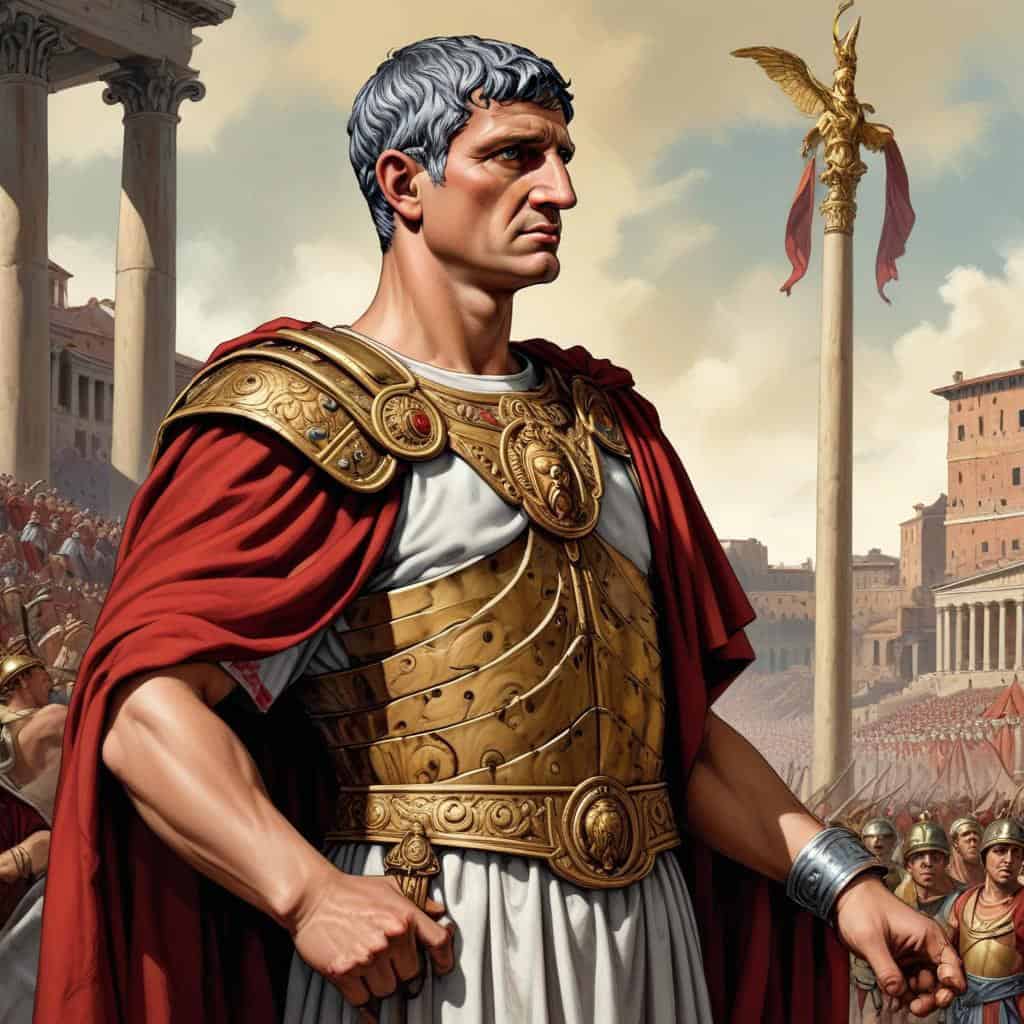
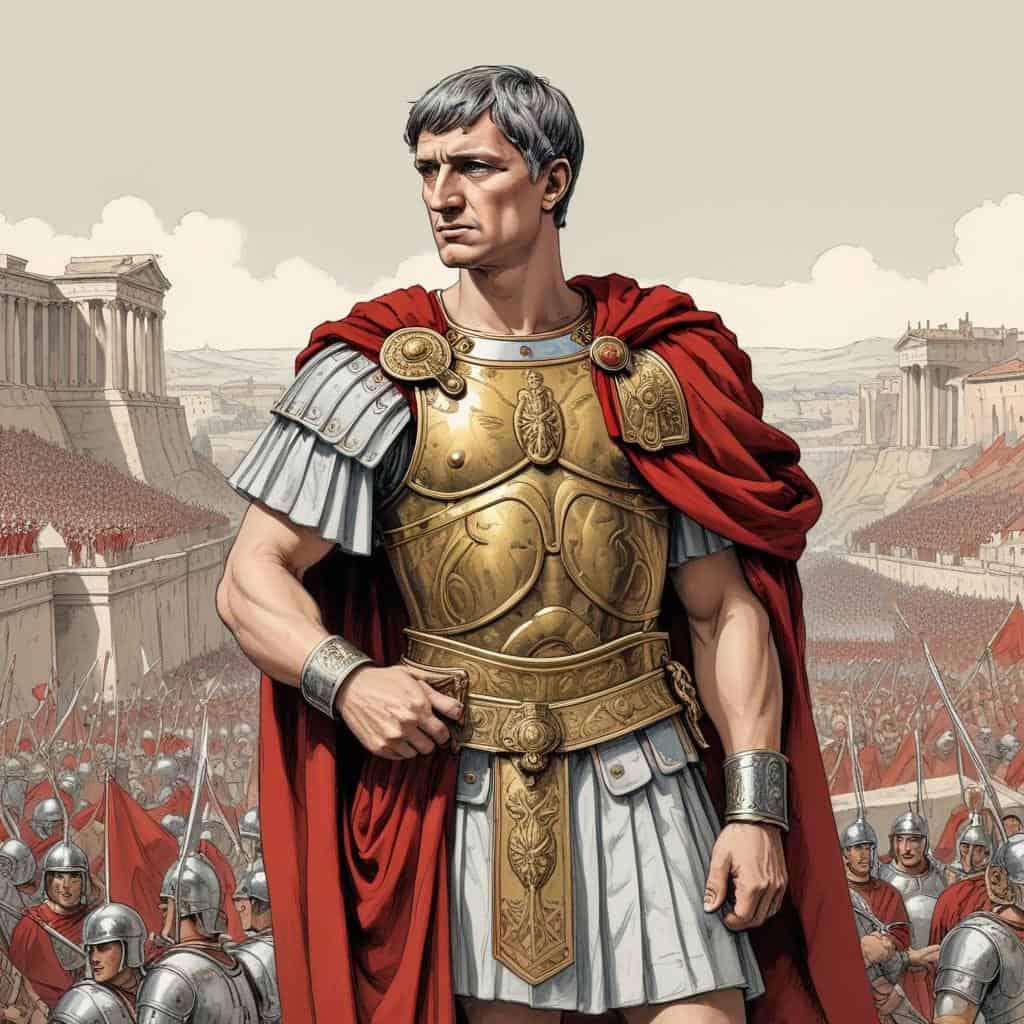
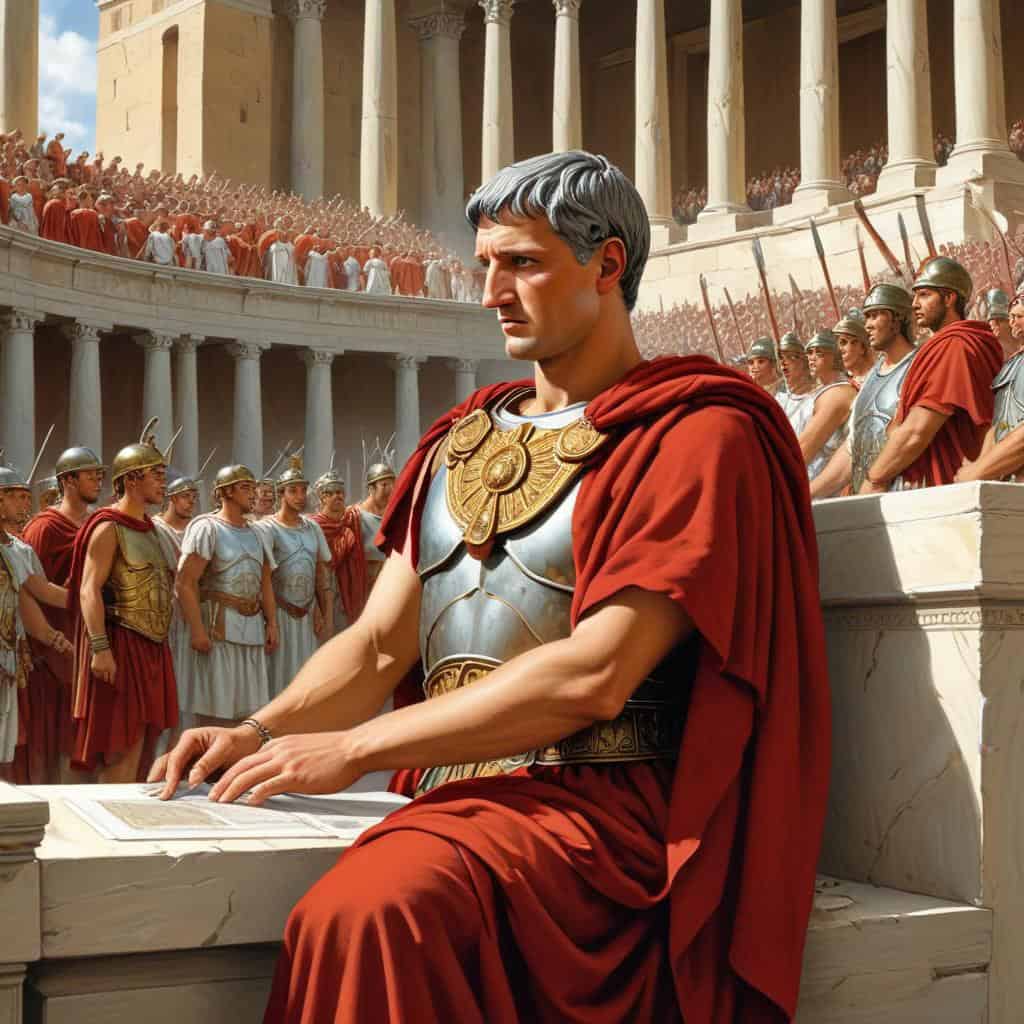
Trajan: The Roman Emperor who expanded the empire to its greatest extent.
How Do You Learn Best?
Learn by Reading
Immerse yourself in the 10-minute visual lesson for a comprehensive understanding of the topic.
Learn by Reviewing
Jump directly to the key facts, timeline, and vocabulary lists to build a solid foundation of details.
Learn by Doing
Challenge yourself! Jump straight into the interactive games to learn by trial, error, and discovery.
Trajan: A Military and Political Biography in 10 Minutes
Introduction
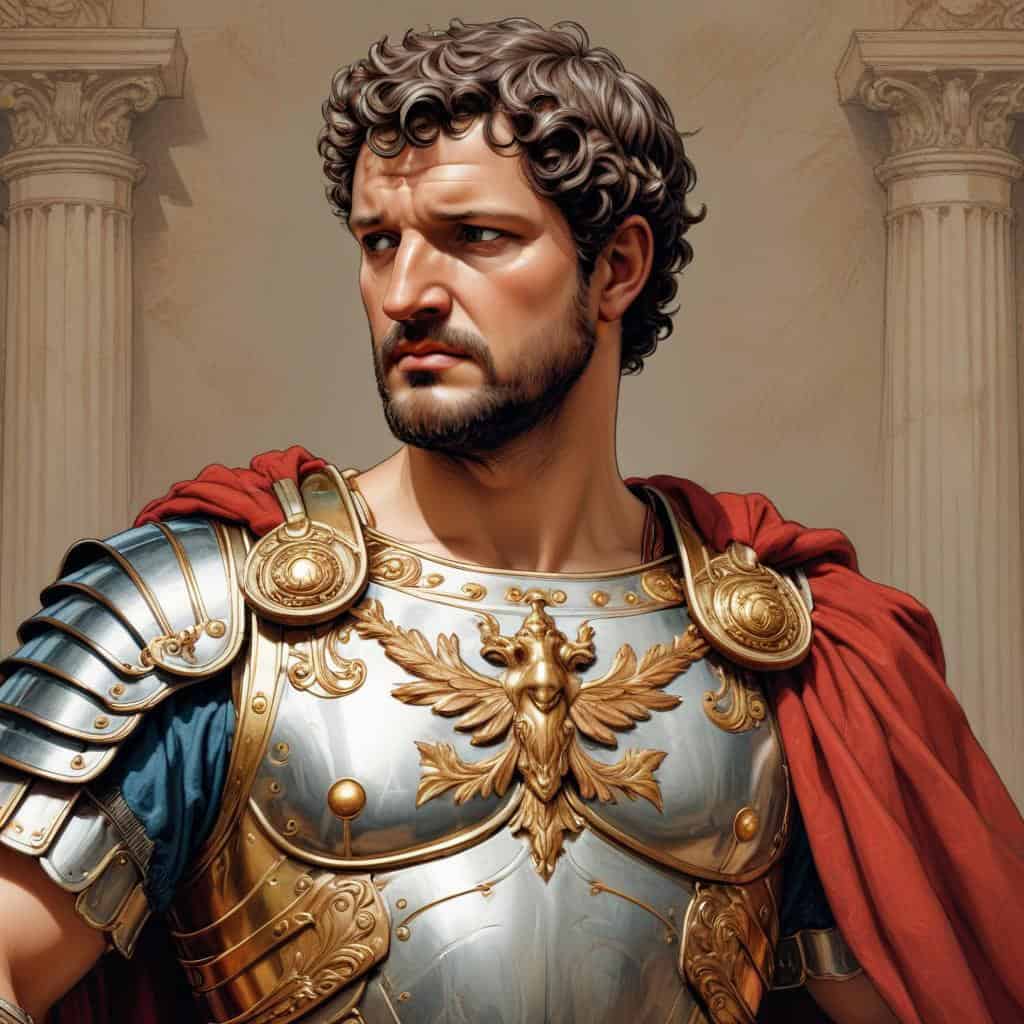
Hadrian
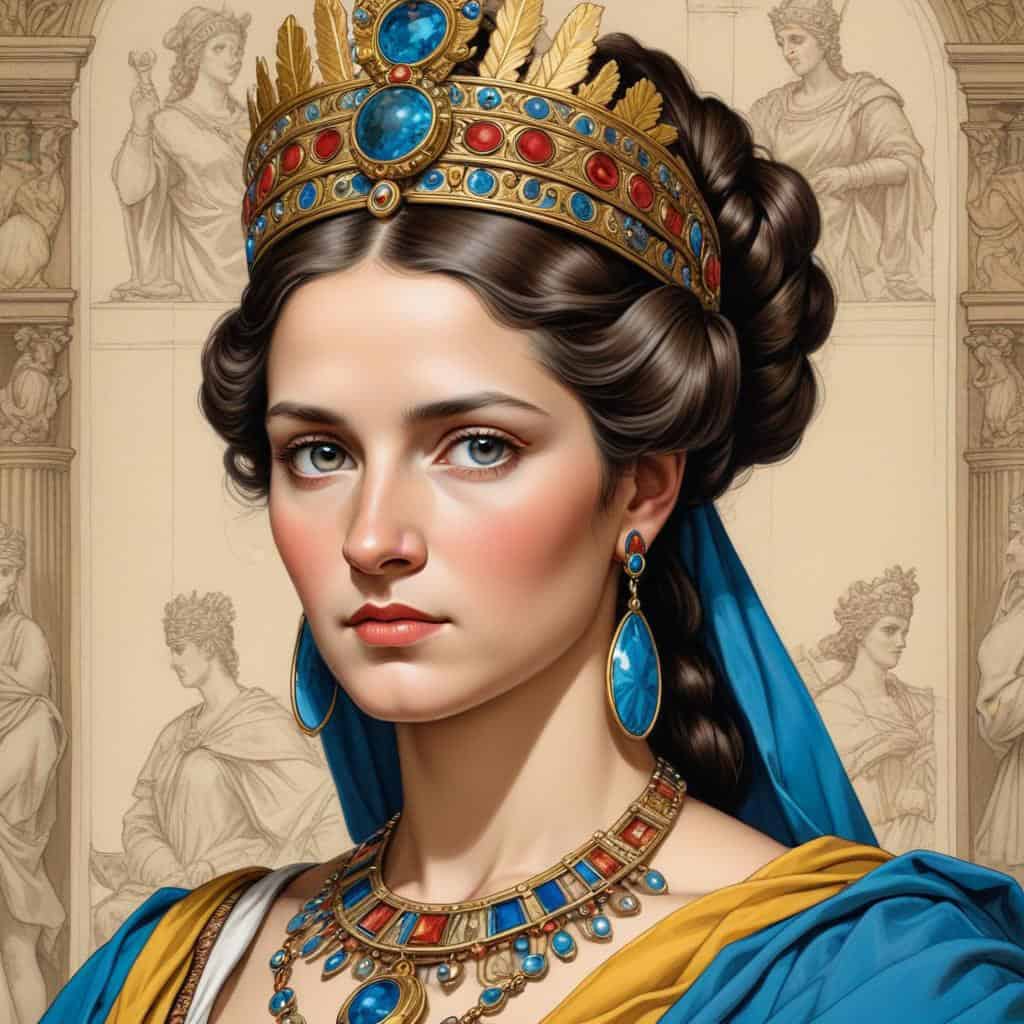
Plotina
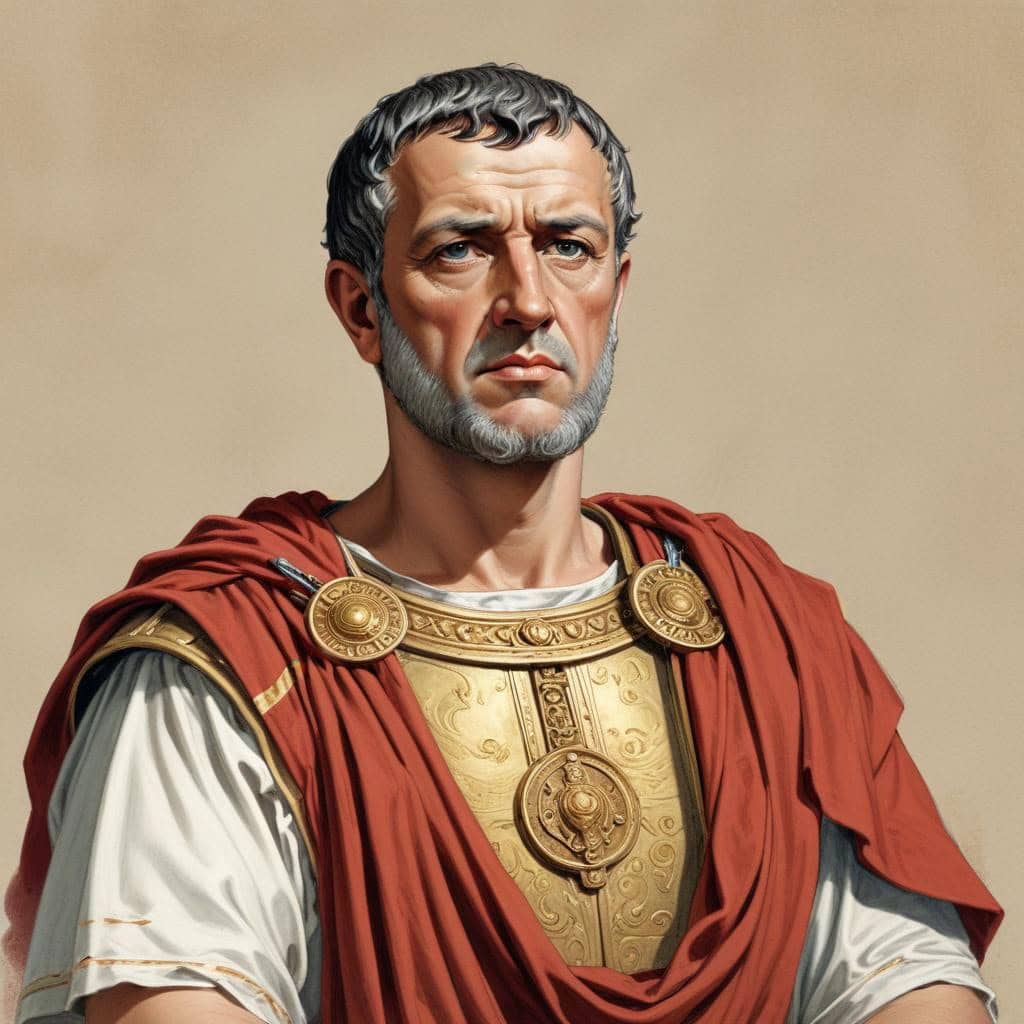
Lucius Licinius Sura
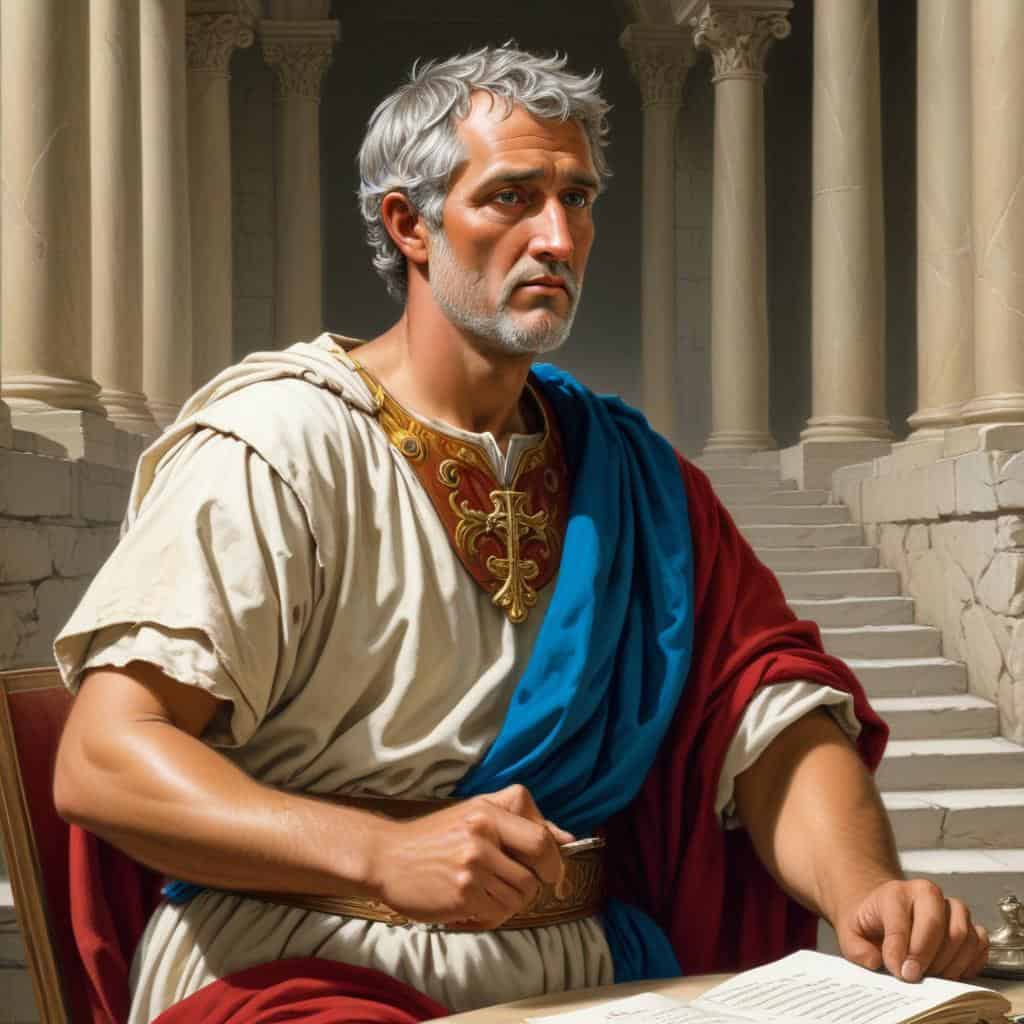
Pliny the Younger
Publius Cornelius Tacitus
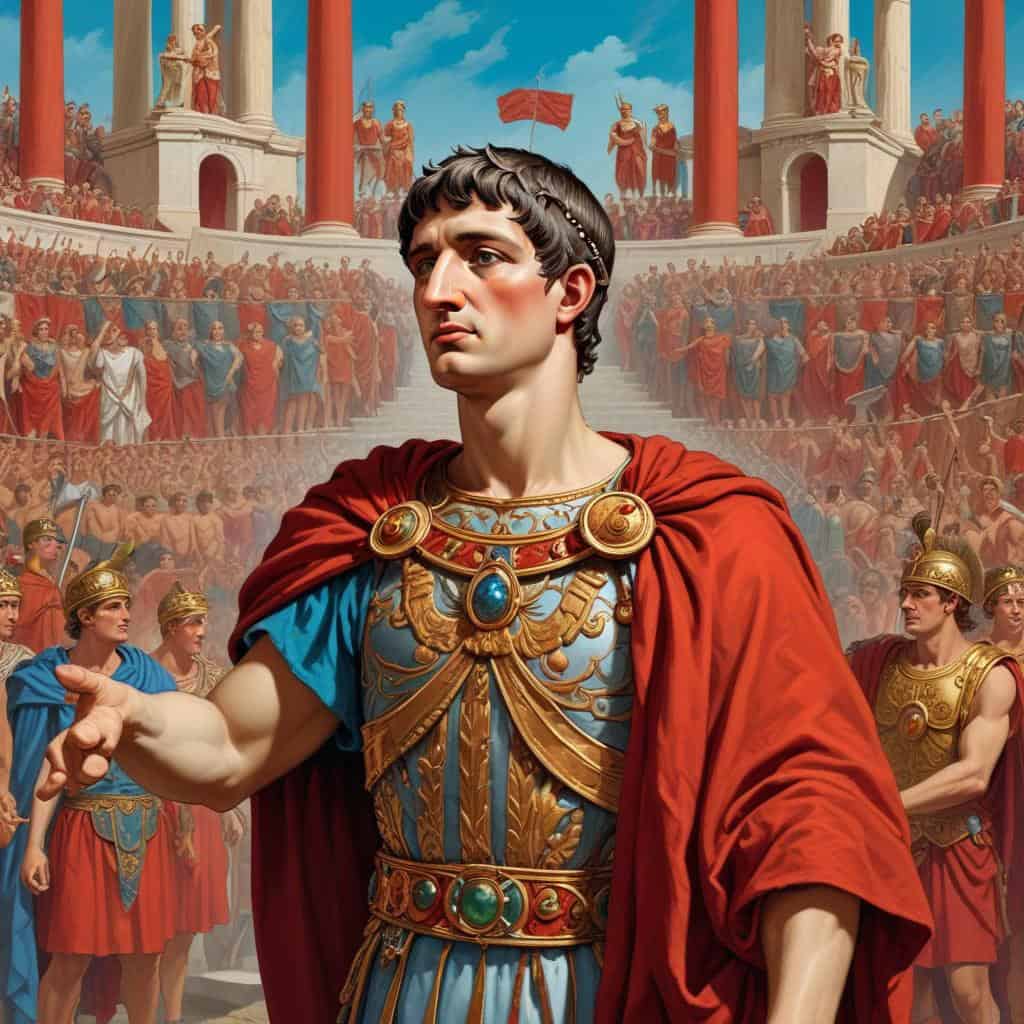
Early Life and Rise to Power
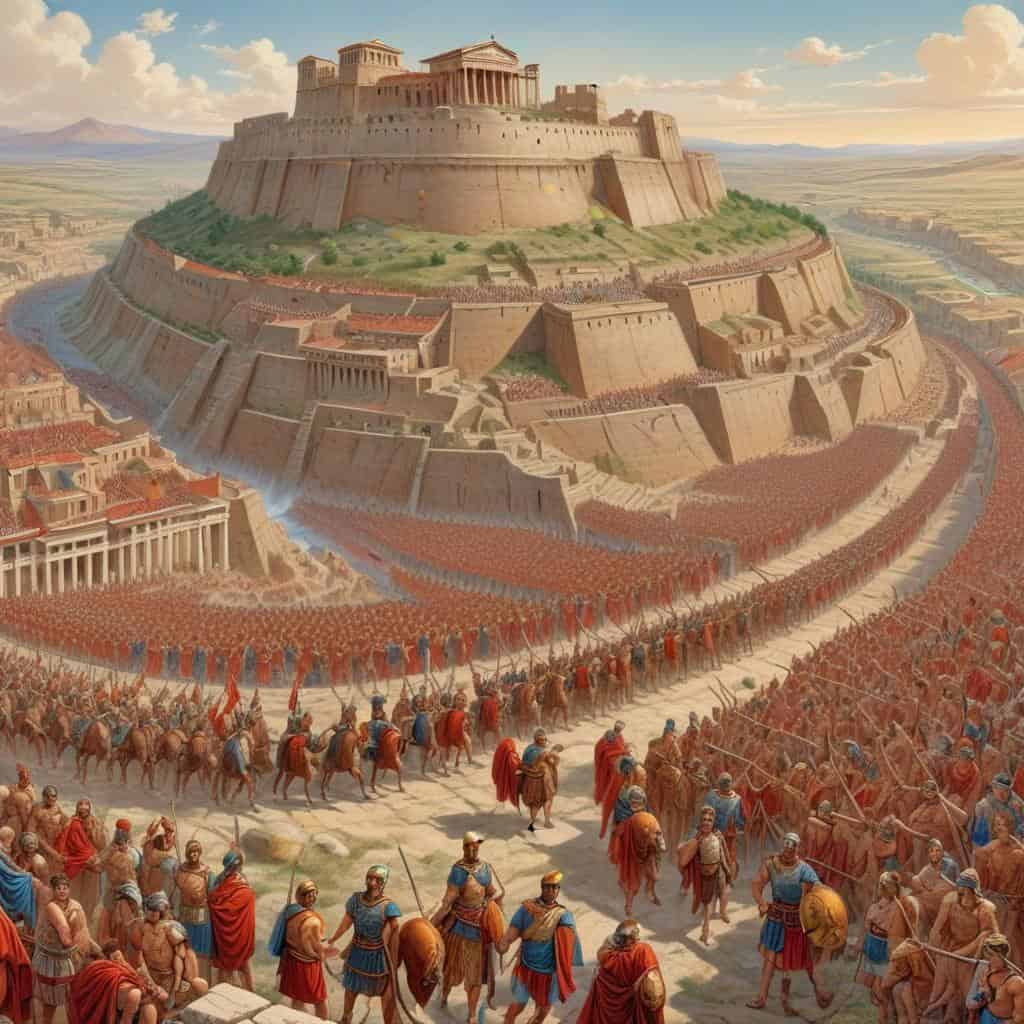
Expansion of the Roman Empire
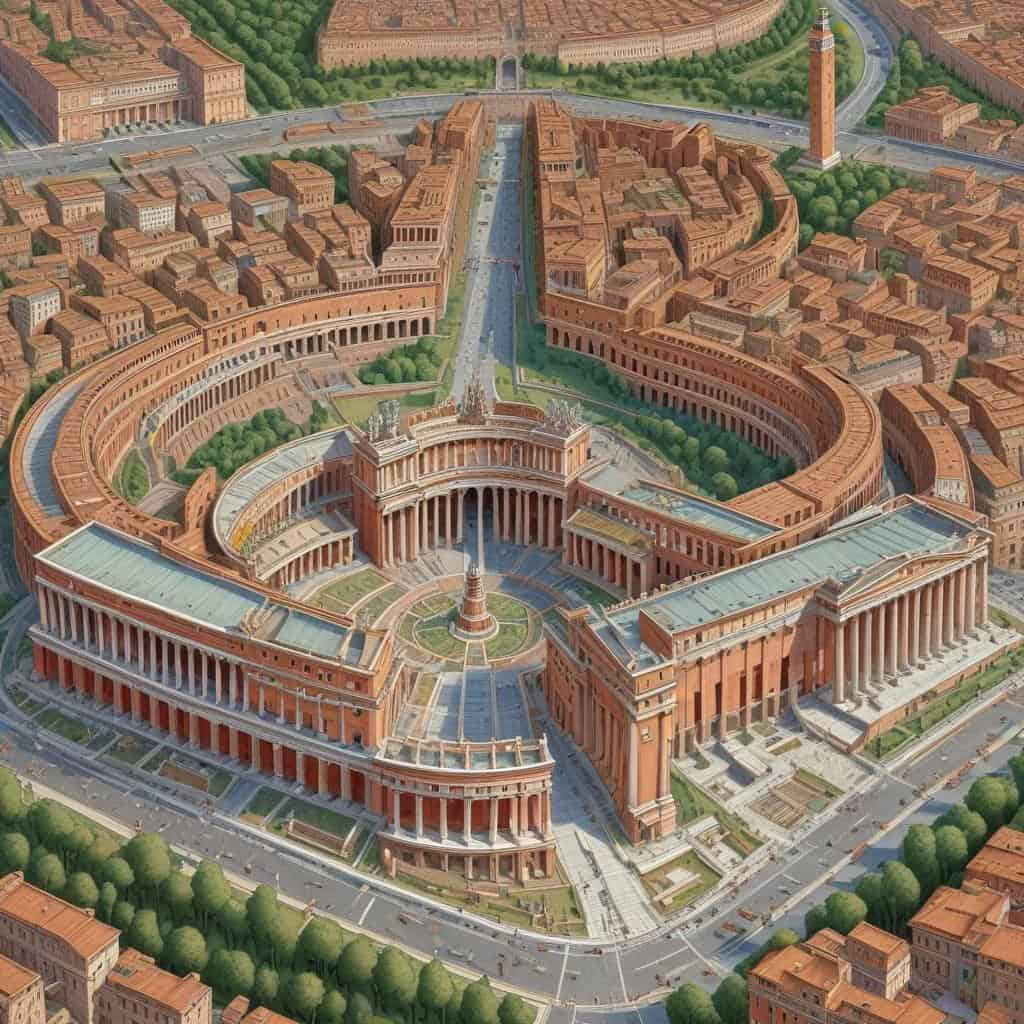
Building Projects and Public Works
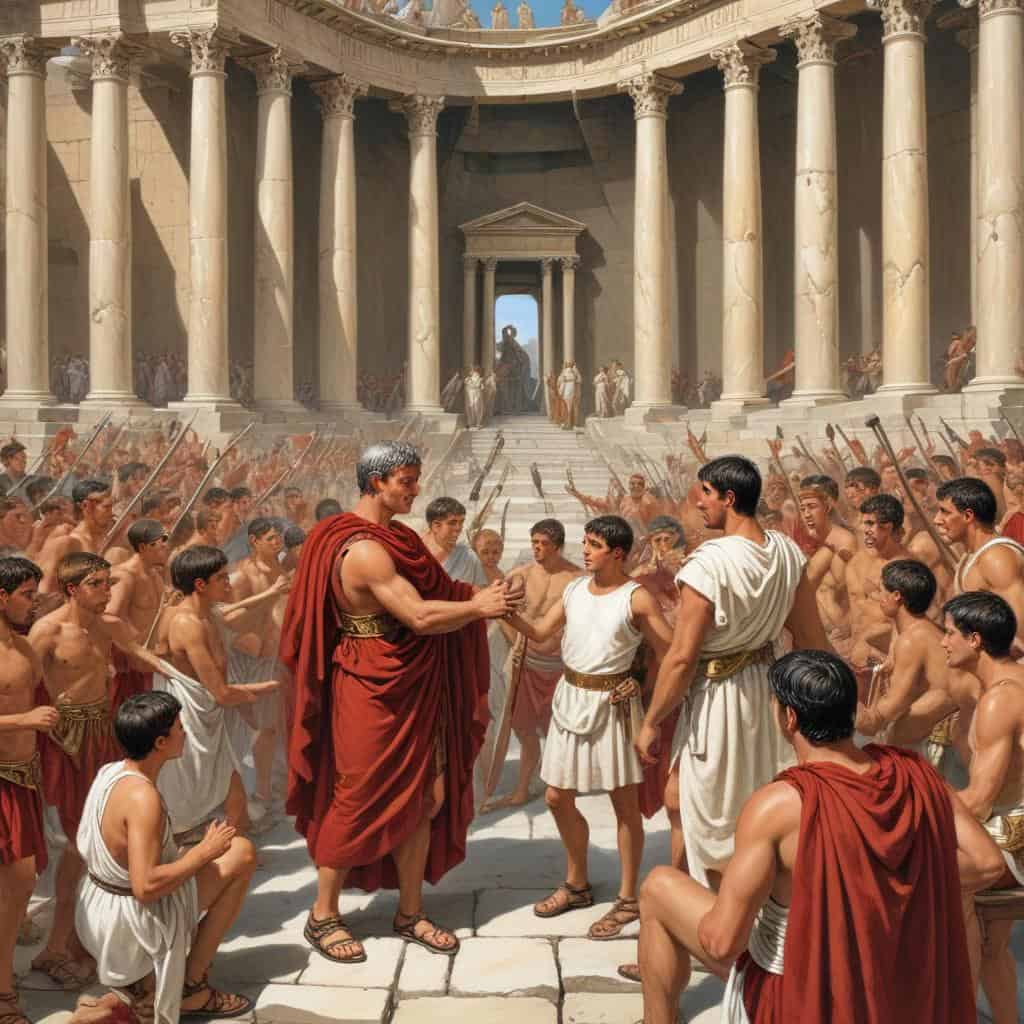
Reforms and Policies
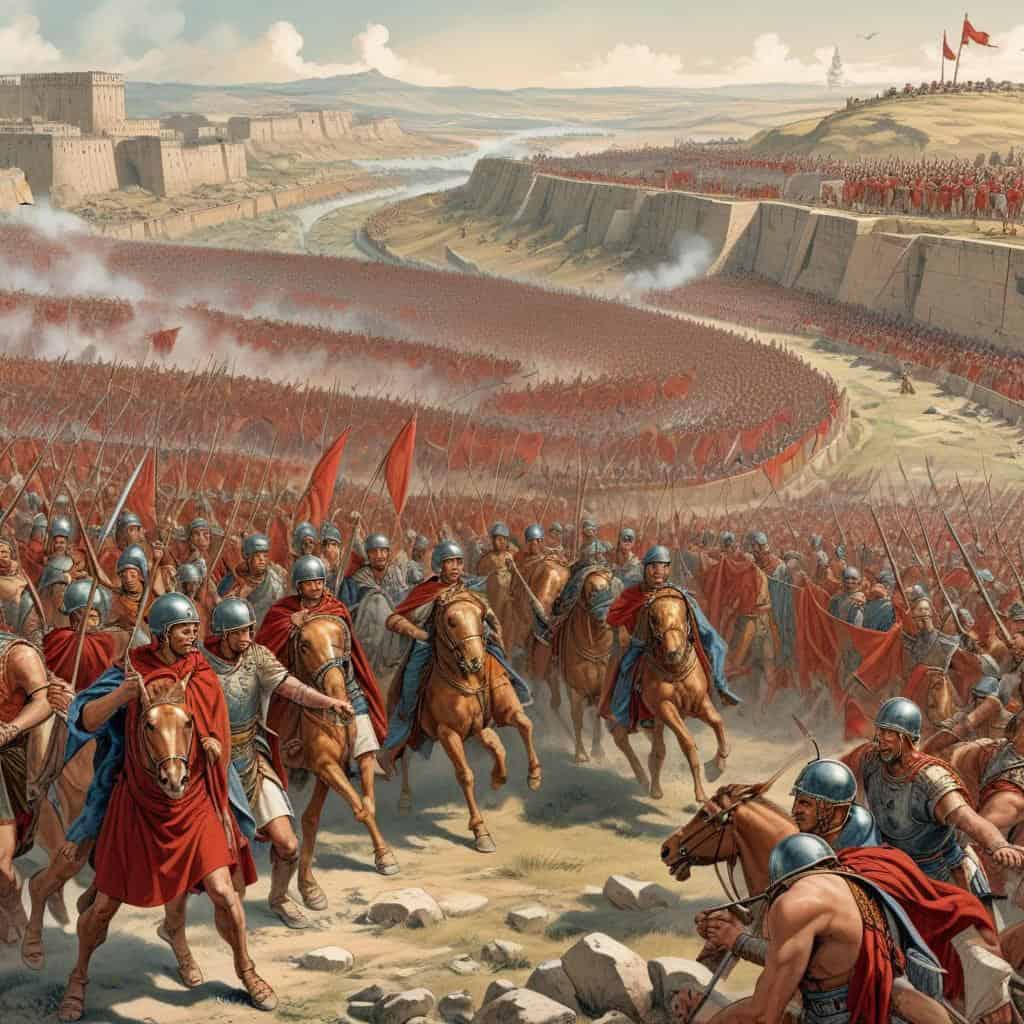
Military Campaigns and Conquests

Death and Succession
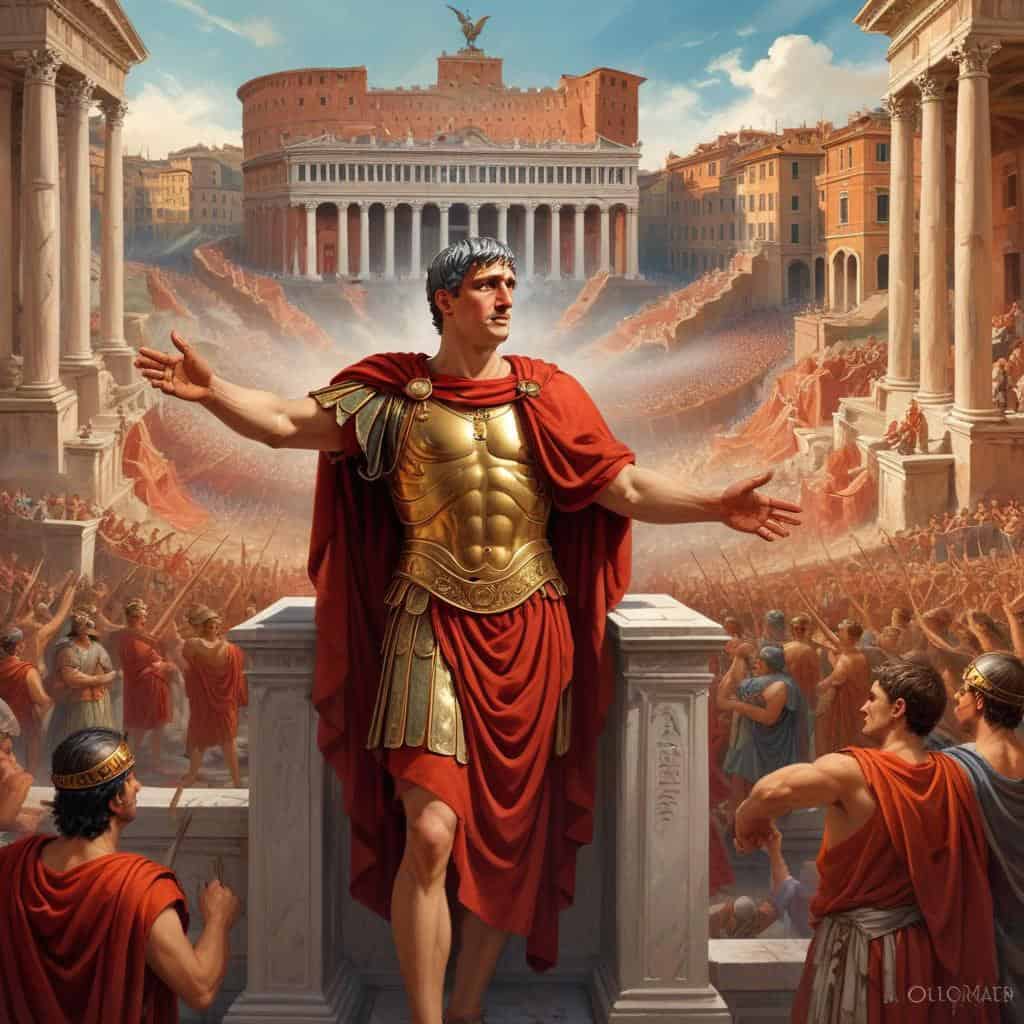
Legacy and Impact
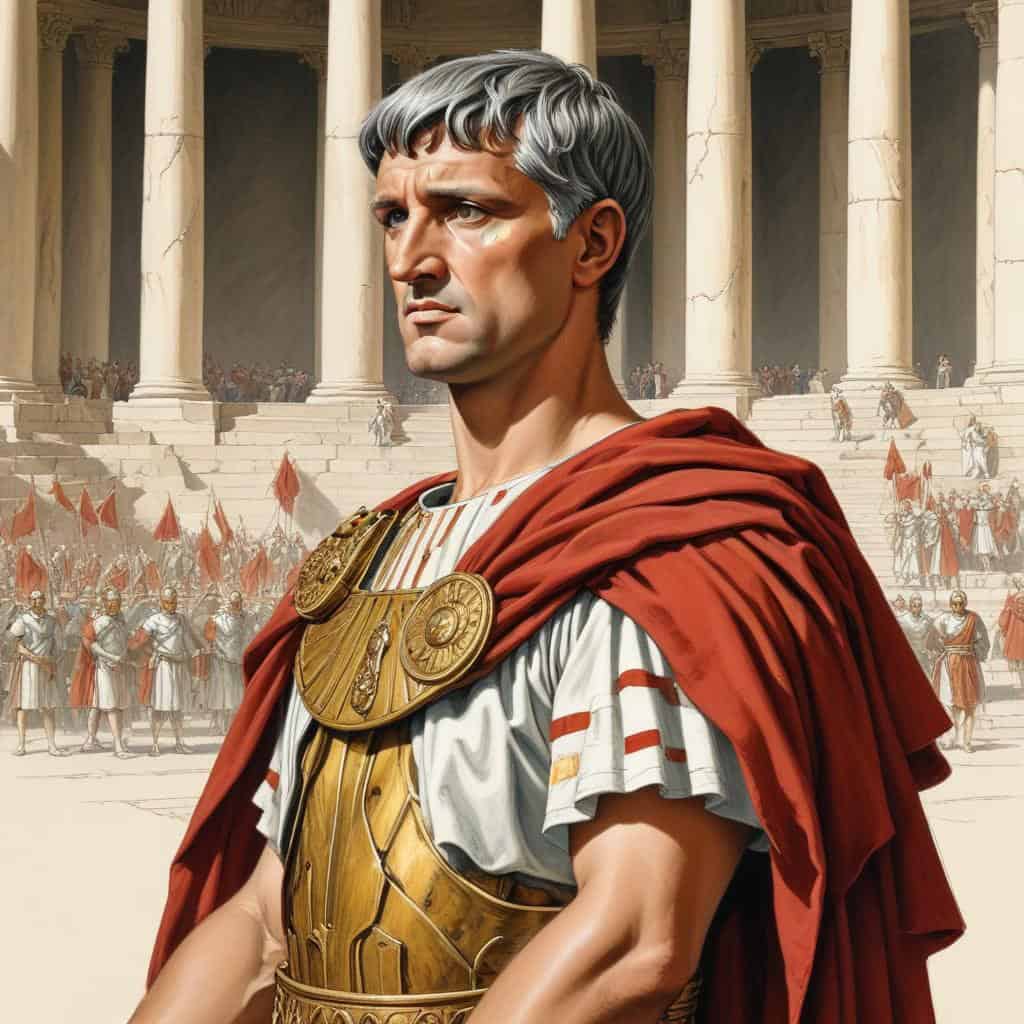
Historical Significance
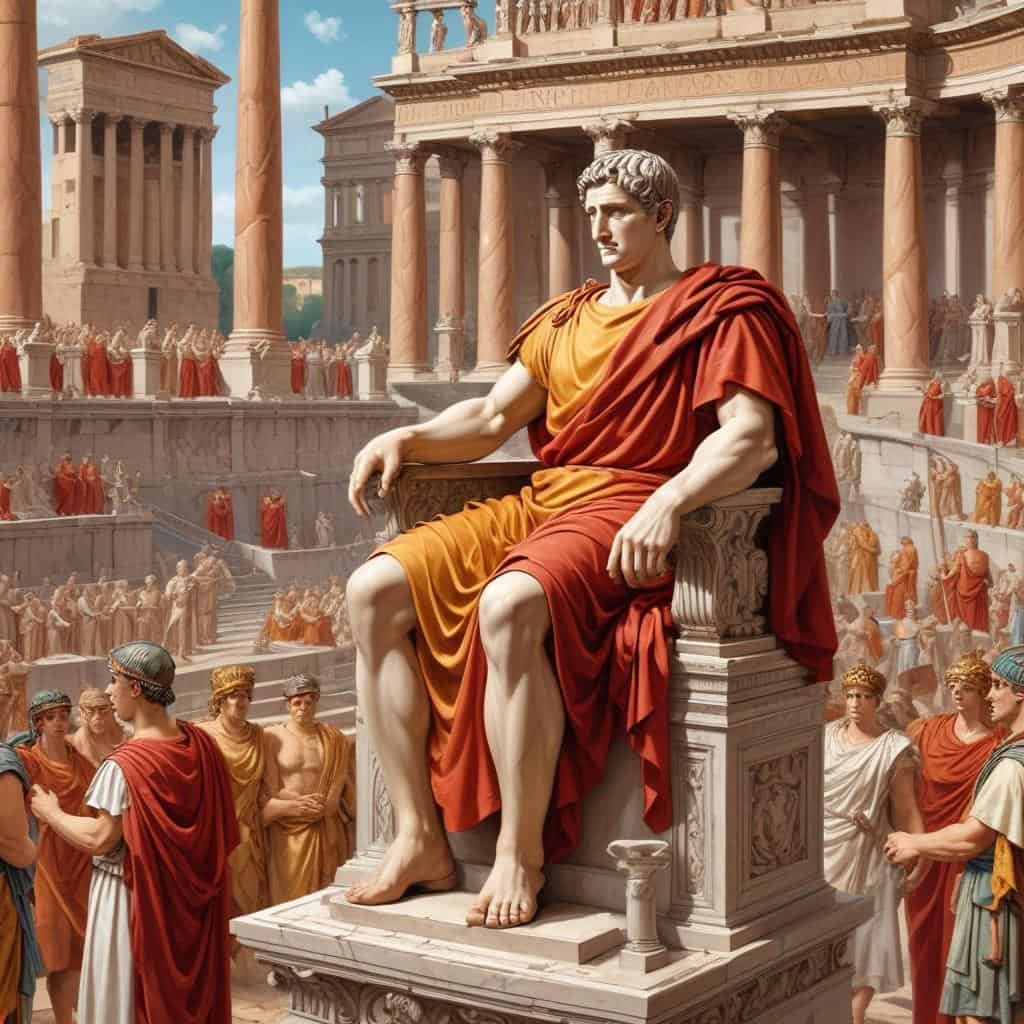
Art and Culture
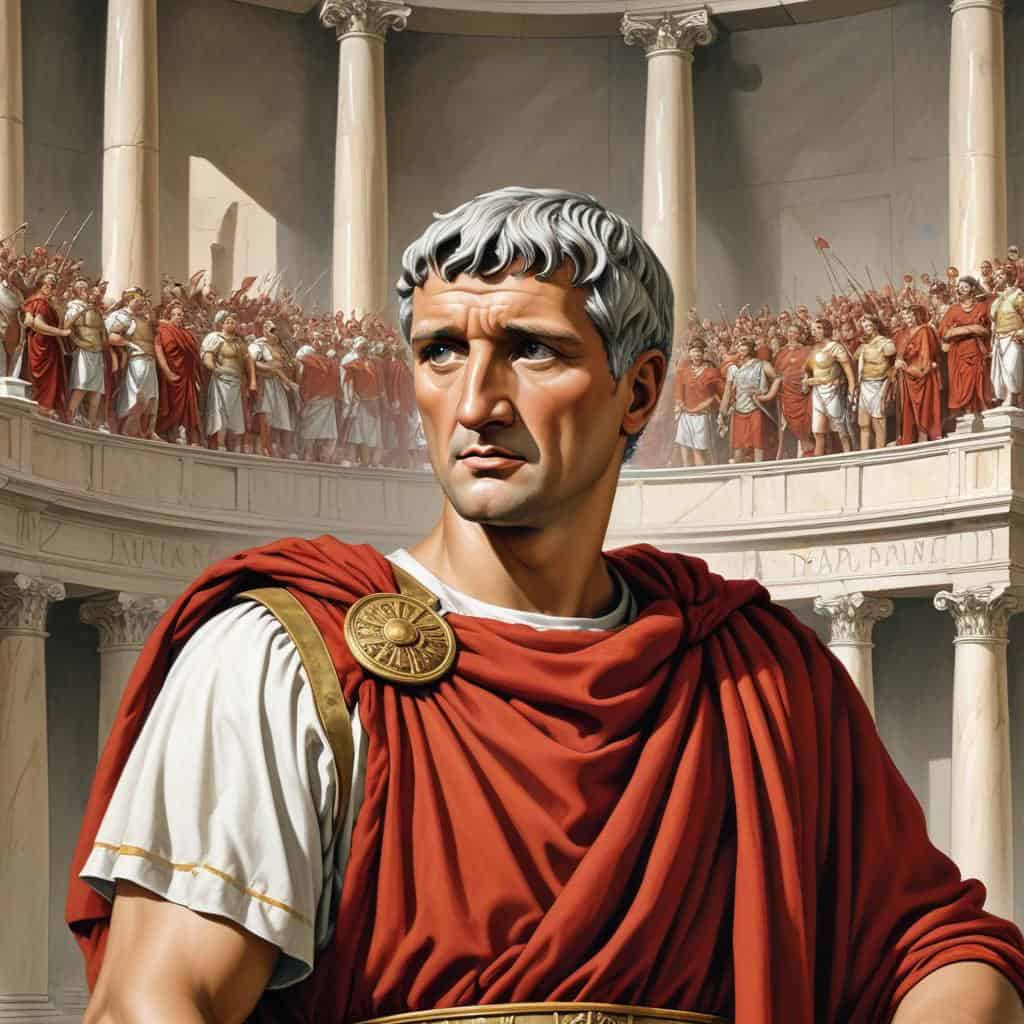
Remembering Trajan
Lesson Details & Resources
In a Nutshell
- Who: Roman Emperor and military leader
- When: Lived: 53 – 117 AD
- Known For: Expanding the Roman Empire to its greatest territorial extent
- Legacy: Building projects and social welfare programs that benefited the people of Rome
Timeline of Trajan: A Military and Political Biography
Birth of Trajan
Trajan becomes a Roman senator
Trajan serves as a legate in Syria
Trajan is appointed governor of Upper Germany
Nerva adopts Trajan as his successor
Trajan becomes the Roman Emperor
Trajan launches the Dacian Wars
Roman victory in the First Dacian War
Trajan constructs Trajan's Column in Rome
Trajan annexes the Nabataean Kingdom
Trajan conquers Armenia
Trajan launches the Parthian campaign
Trajan seizes the capital of Parthia, Ctesiphon
Trajan becomes the first Roman emperor to set foot in Persia
Trajan conquers Mesopotamia
Construction of Trajan's Forum begins in Rome
Trajan celebrates a triumph in Rome for his victories
Trajan dies and is succeeded by Hadrian
Trajan's ashes are buried in Trajan's Column in Rome
Trajan is deified by the Senate
Vocabulary List
- Trajan
- Trajan was a Roman emperor who reigned from 98 to 117 AD.
- Roman
- Trajan was a Roman emperor, and his reign was part of the Roman Empire's history.
- Emperor
- Trajan held the title of emperor during his rule.
- Reign
- Trajan's reign lasted from 98 to 117 AD.
- Roman Empire
- Trajan was a significant figure in the history of the Roman Empire.
- History
- Trajan's reign is an important part of ancient Roman history.
- Ancient
- Trajan lived in ancient times, specifically during the first century AD.
- Century
- Trajan's reign was in the first century AD.
Key Facts
This is the information used in the fact matching game
- Trajan was the Roman emperor from 98 to 117 AD.
- He was born on September 18, 53 AD, in Italica, Hispania (now Spain).
- Trajan's full name was Marcus Ulpius Traianus.
- He was the first Roman emperor who was not born in Italy.
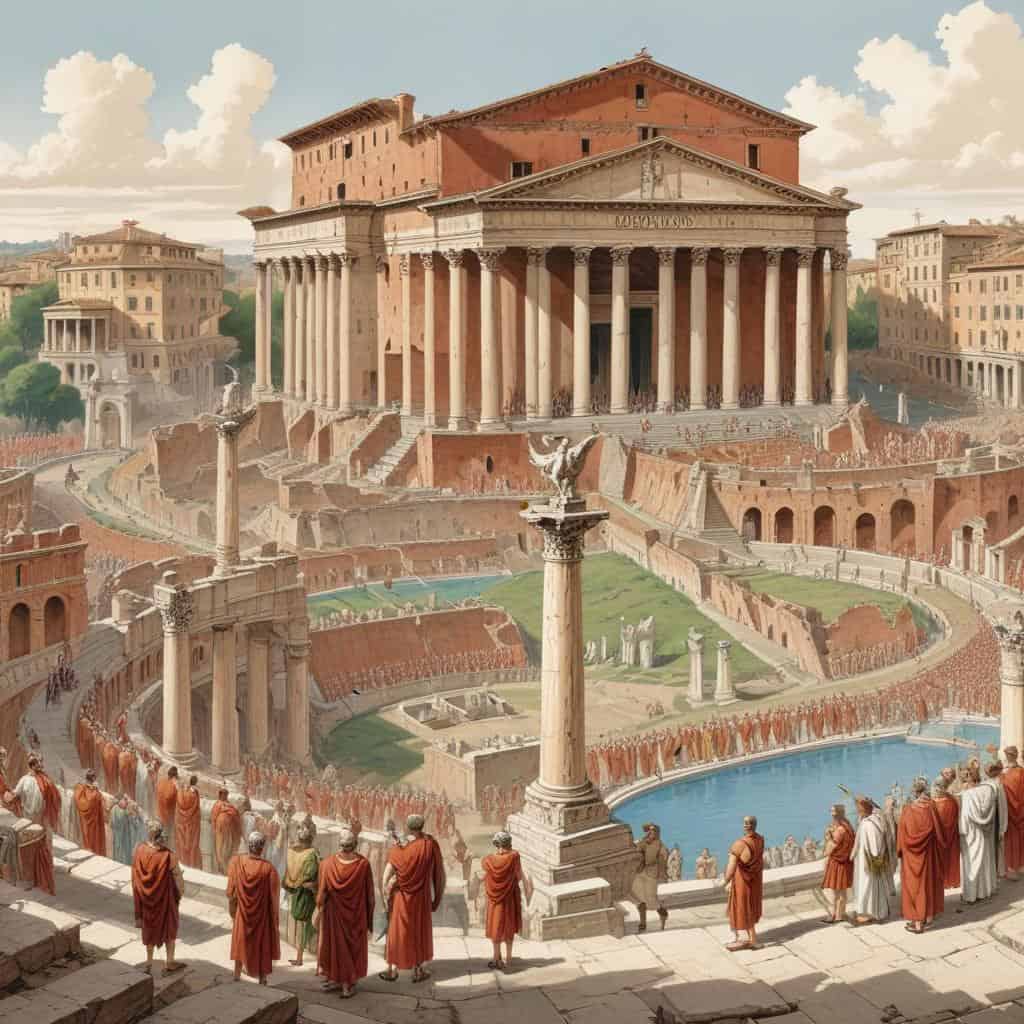
- Trajan is known for his extensive public building program, including Trajan's Forum and Trajan's Column in Rome.
- He led successful military campaigns, expanding the Roman Empire to its greatest territorial extent.
- Trajan conquered Dacia (modern-day Romania) and made it a Roman province.
- He also led campaigns against the Parthian Empire, capturing their capital city of Ctesiphon.
- Trajan's reign is considered a period of prosperity and stability known as the Pax Romana.
- He implemented social welfare programs to aid impoverished children.
- Trajan expanded the Roman road network, facilitating trade and communication within the empire.
- He was known for his fairness and justice, earning the nickname 'Optimus Princeps' meaning 'the best ruler.'
- Trajan was the second of the Five Good Emperors, a group of Roman emperors known for their competent and virtuous rule.
- He died on August 8, 117 AD, in Selinus, Cilicia (now Turkey).
- Trajan was deified after his death, with a temple built in his honor in Rome.
- He was succeeded by his adopted son, Hadrian.
- Trajan is featured on many Roman coins, depicting his bearded portrait.
- His reign marked the peak of the Roman Empire's power and territorial expansion.
- Trajan's ashes were interred in a monumental tomb called Trajan's Column.
- He is considered one of the greatest Roman emperors in history.
Analysis & Significance
Major Accomplishments
Trajan, a skilled military leader, expanded the Roman Empire to its greatest territorial extent, conquering Dacia and parts of Mesopotamia. He also oversaw the construction of iconic landmarks like Trajan’s Column and the Forum of Trajan.
Impact on the World
Trajan’s reign is remembered as a time of prosperity and stability in the Roman Empire. His policies aimed at improving the welfare of the common people, such as expanding social welfare programs and infrastructure projects, left a lasting impact on governance and public administration.
Enduring Legacy
Today, Trajan is remembered as one of the Five Good Emperors of Rome, known for his military prowess, administrative skills, and benevolent rule. His legacy as a capable leader who prioritized the well-being of his citizens continues to make him a significant figure in Roman history.
Trajan: A Military and Political Biography Games


Take Your Learning Offline
Want a convenient, print-ready study guide for this lesson? Become a Memory Wizards Pro member to unlock the downloadable " Memory Scrolls" for this topic and our entire library!
- ✓ Complete Vocabulary Lists
- ✓ Key Facts & Timelines
- ✓ Beautifully Formatted for Print & Mobile