
Titus: The Life of a Roman Emperor
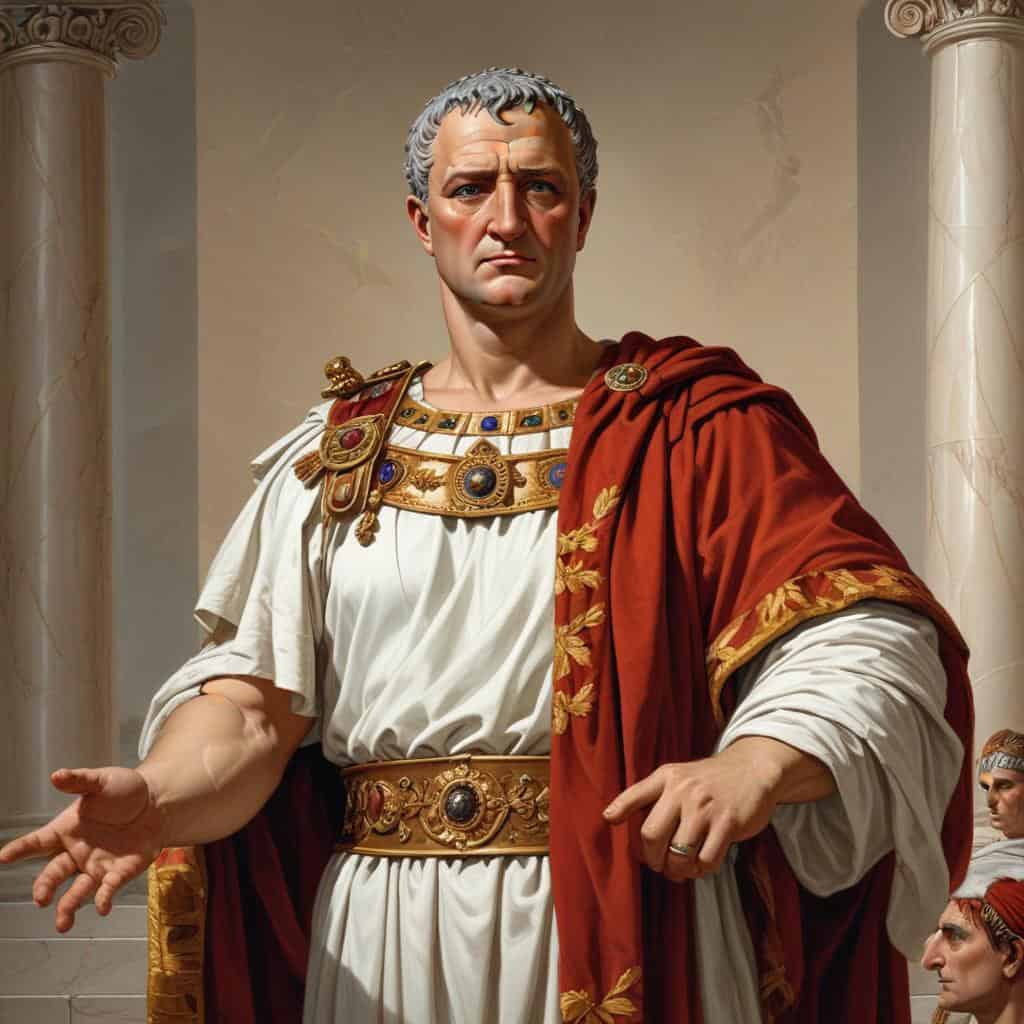
Titus: The Roman Emperor who brought peace and prosperity to the Empire.
How Do You Learn Best?
Learn by Reading
Immerse yourself in the 10-minute visual lesson for a comprehensive understanding of the topic.
Learn by Reviewing
Jump directly to the key facts, timeline, and vocabulary lists to build a solid foundation of details.
Learn by Doing
Challenge yourself! Jump straight into the interactive games to learn by trial, error, and discovery.
Titus: The Life of a Roman Emperor in 10 Minutes
Introduction
Emperor Vespasian
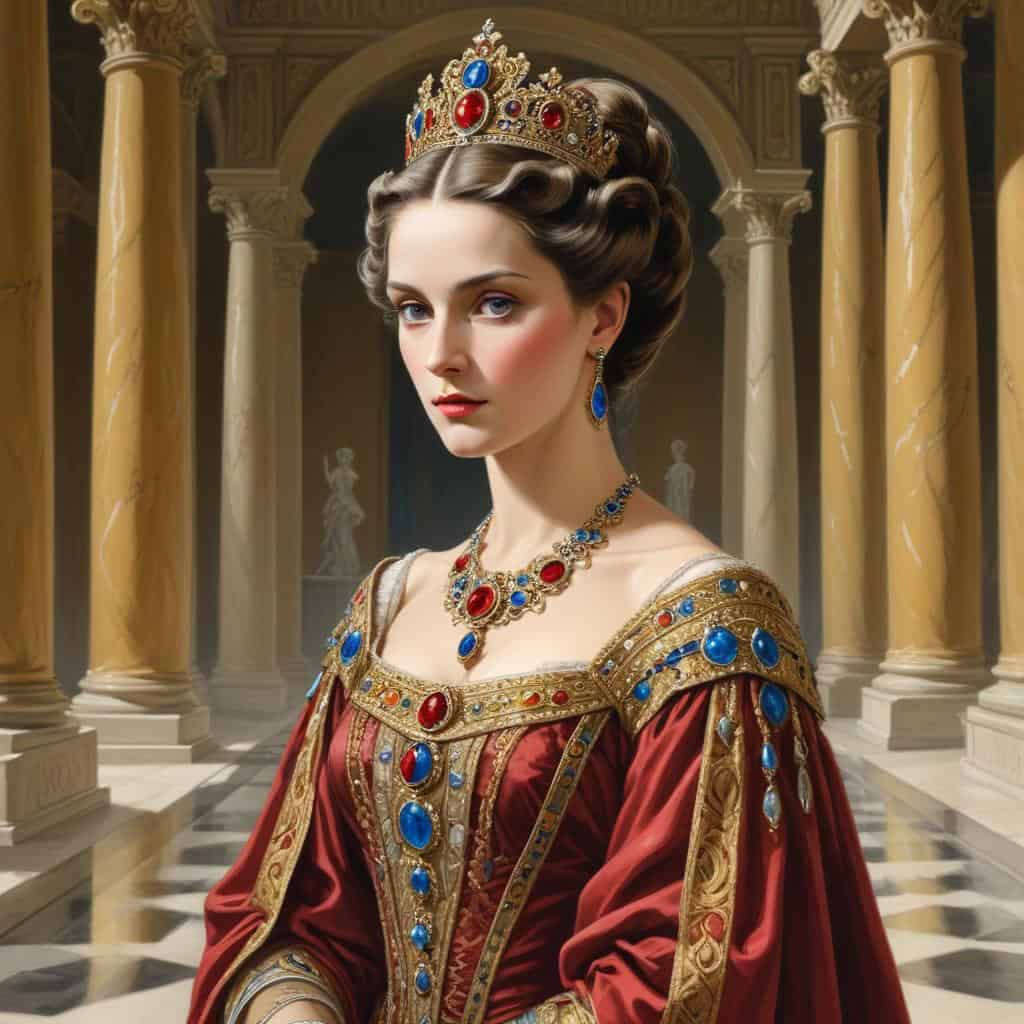
Empress Berenice
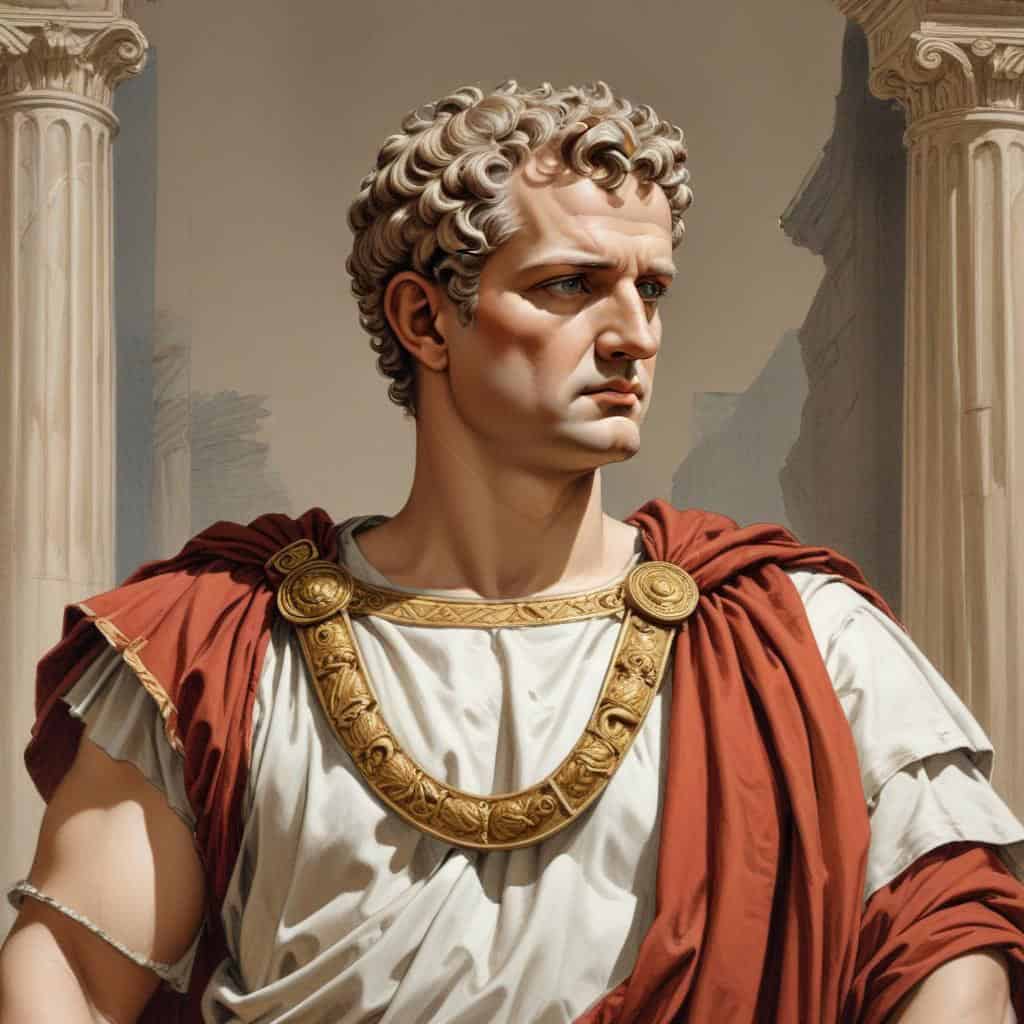
Emperor Domitian
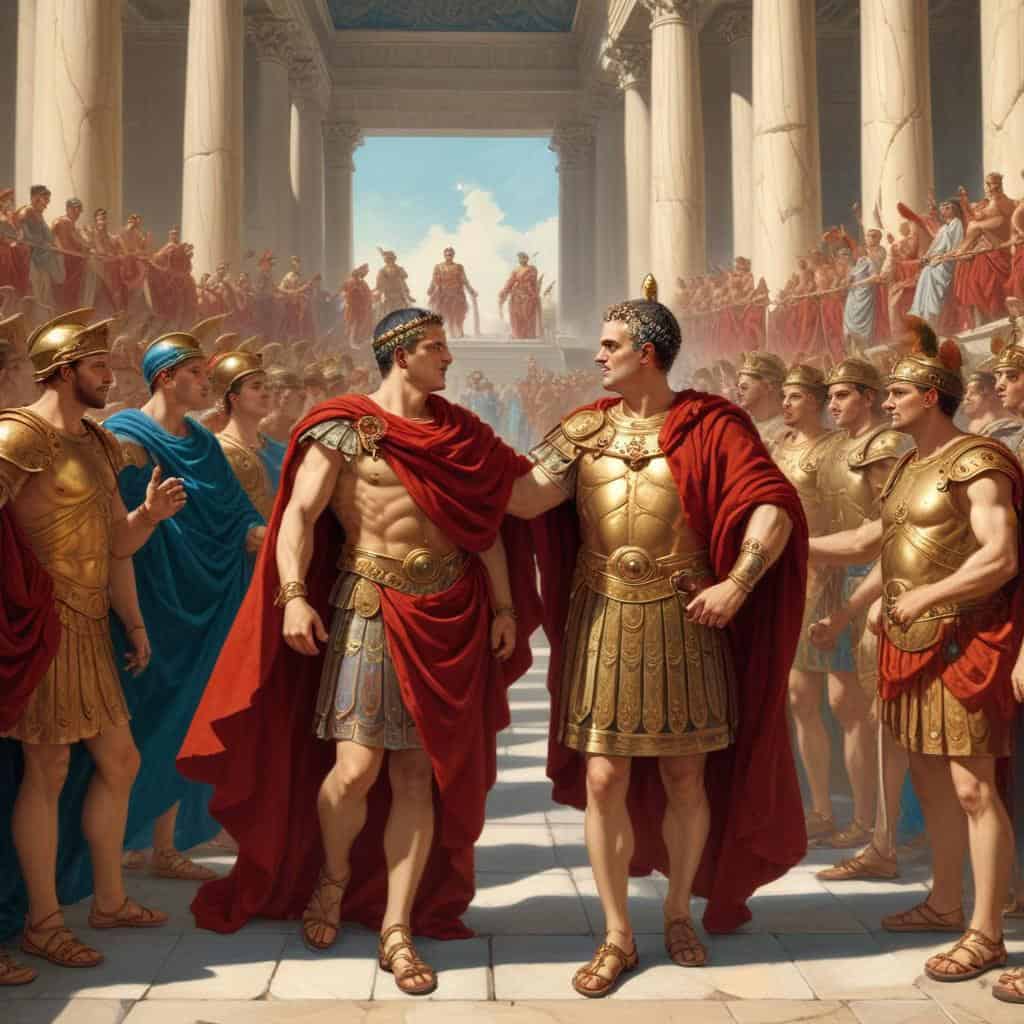
Early Life and Rise to Power
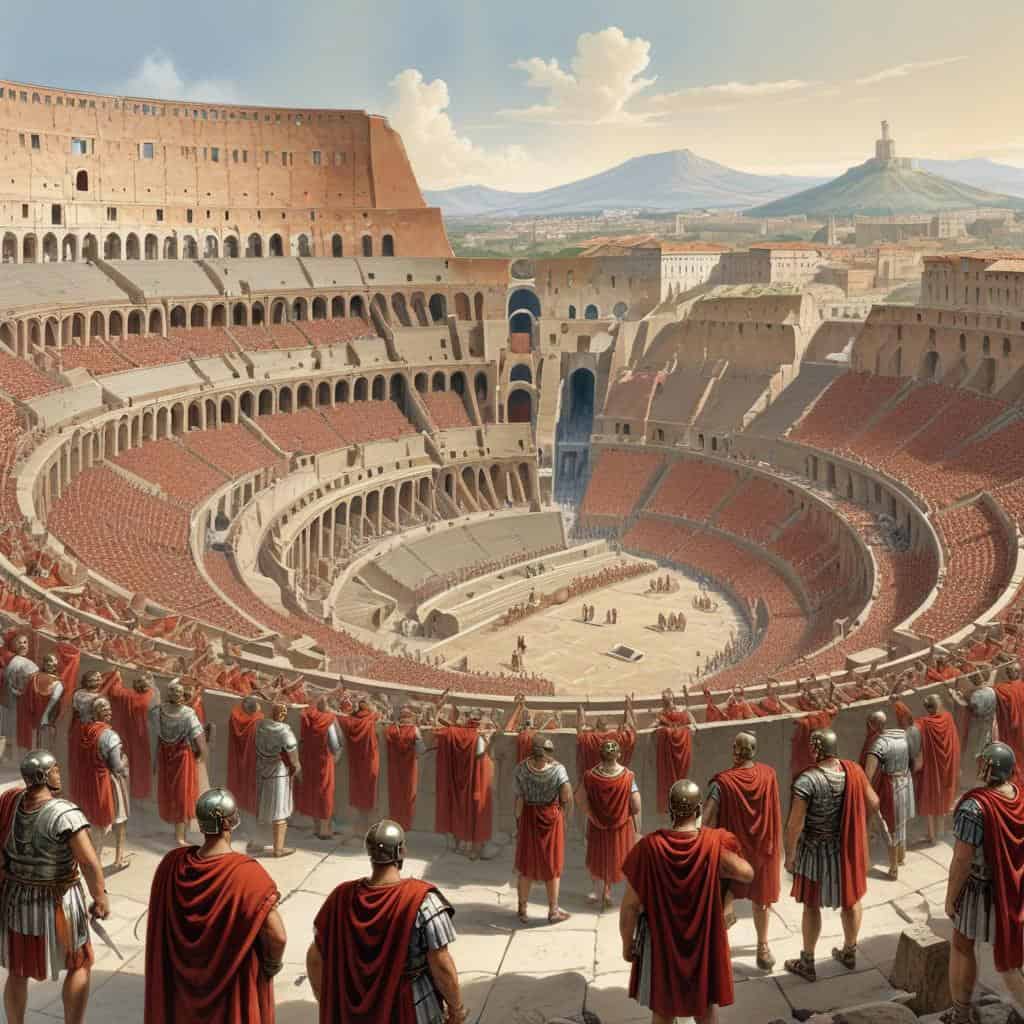
Reign as Emperor
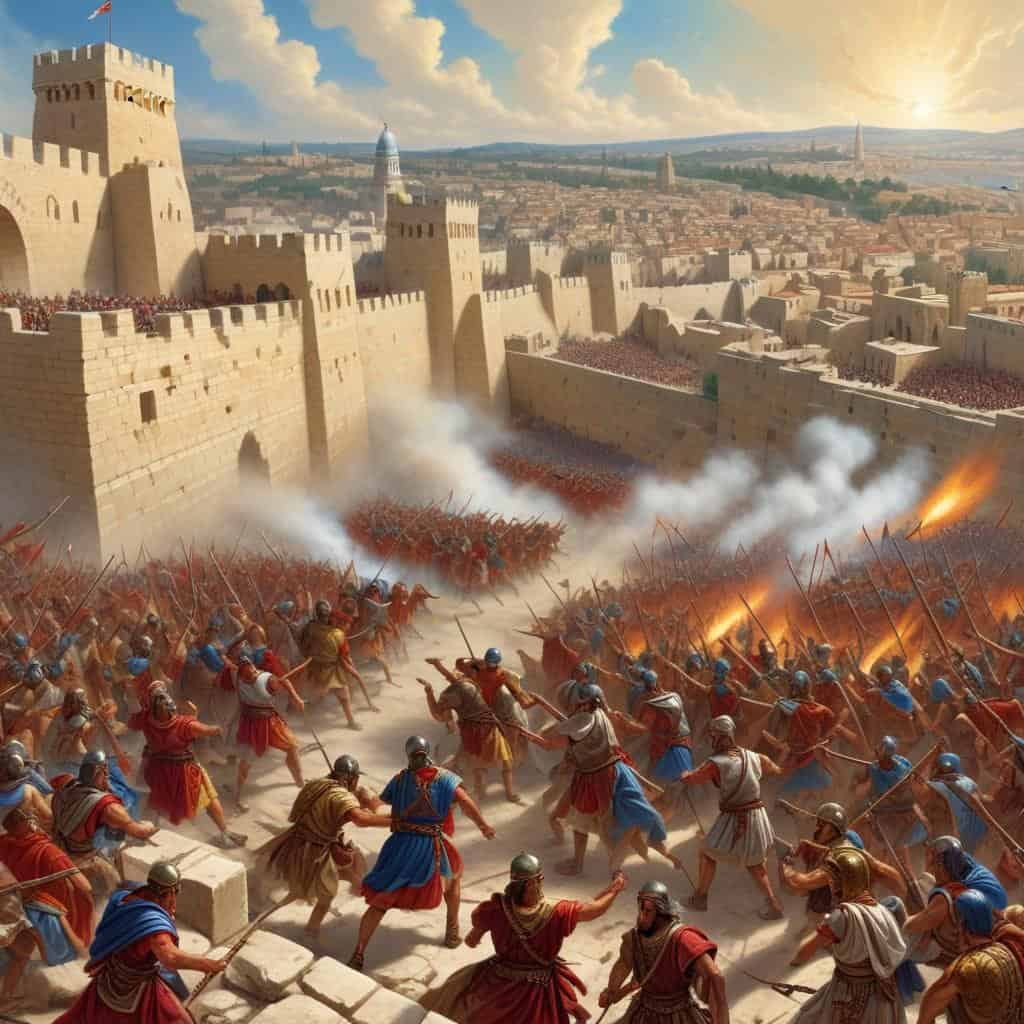
Conquest of Jerusalem
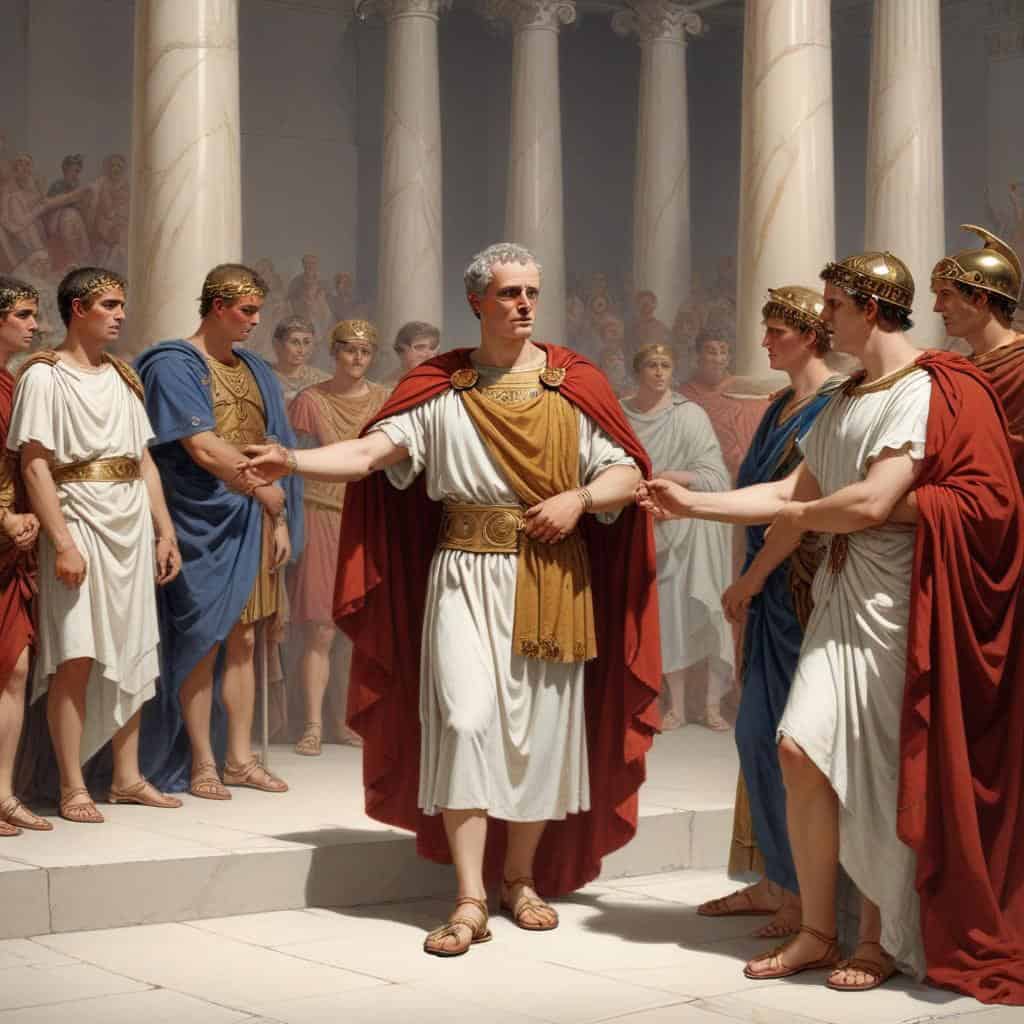
Death and Succession
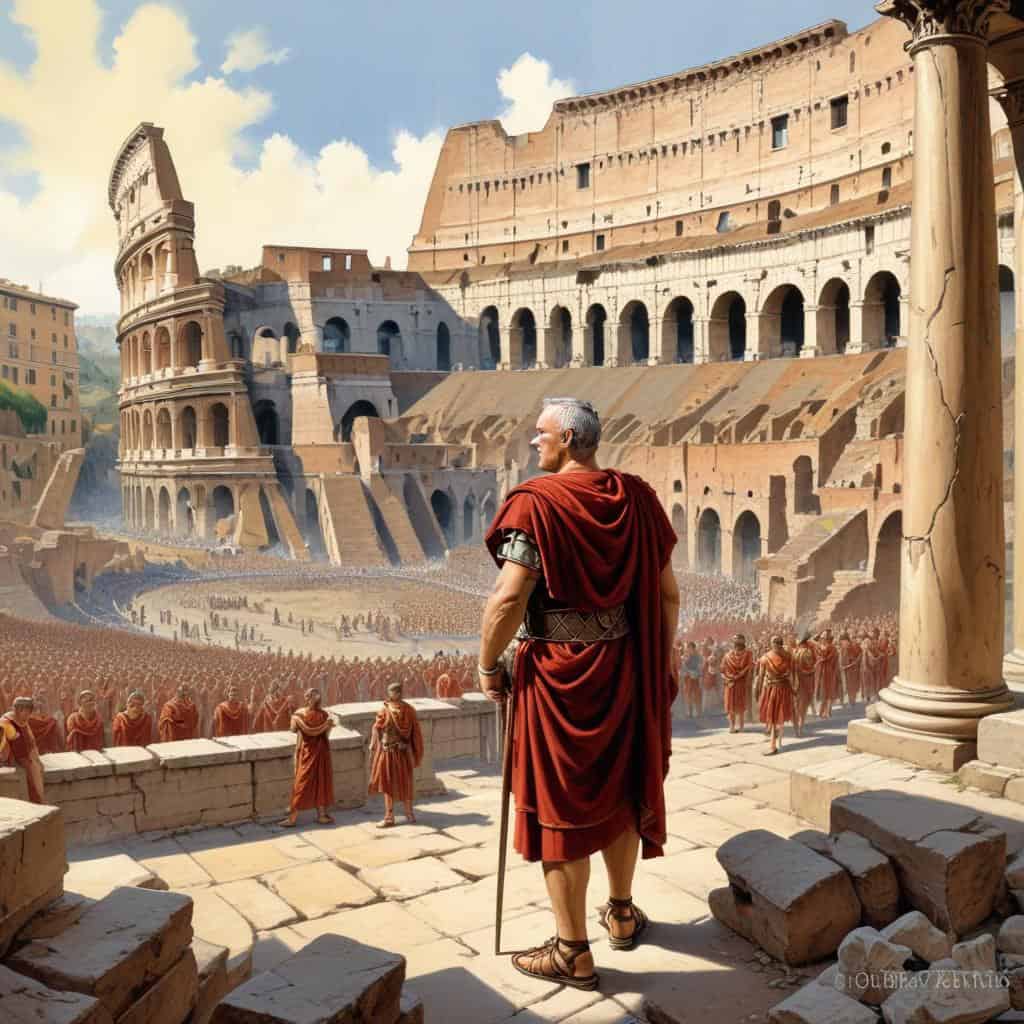
Legacy in Rome
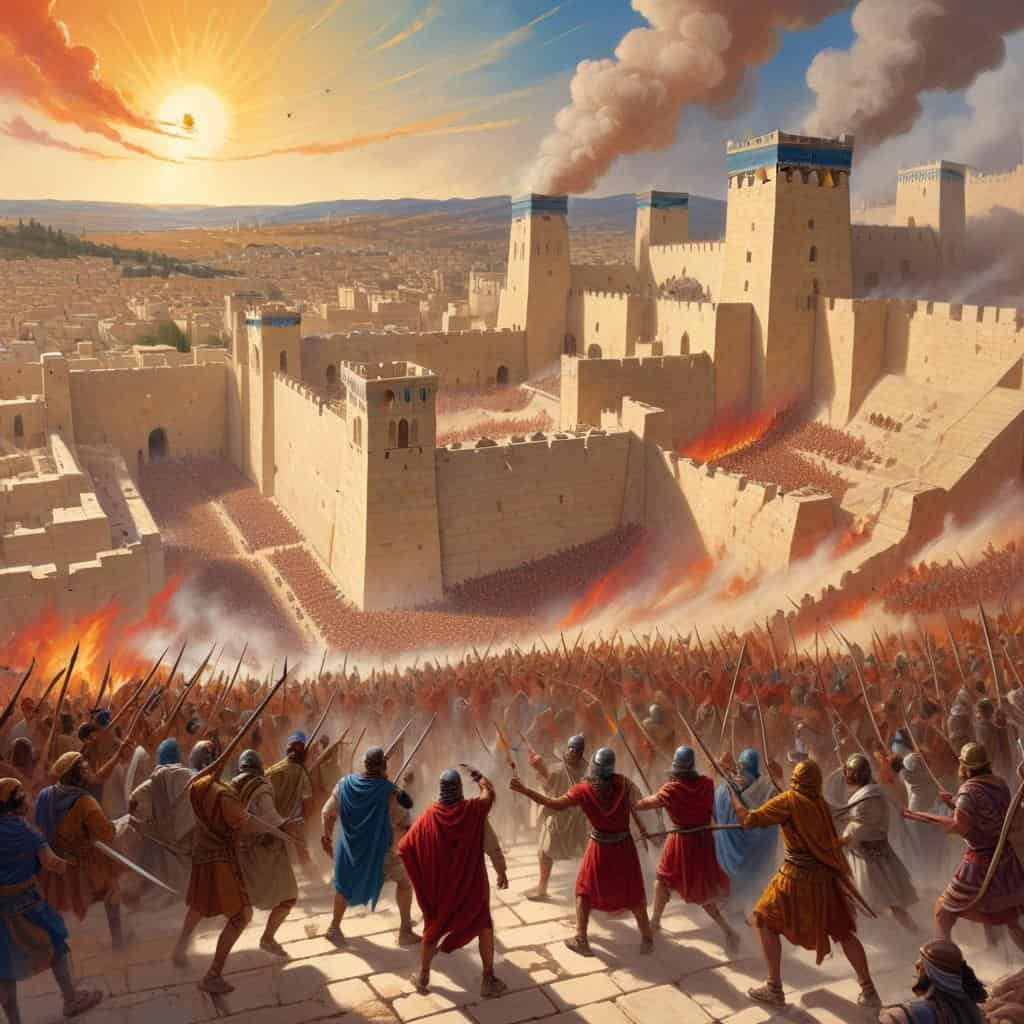
Historical Significance
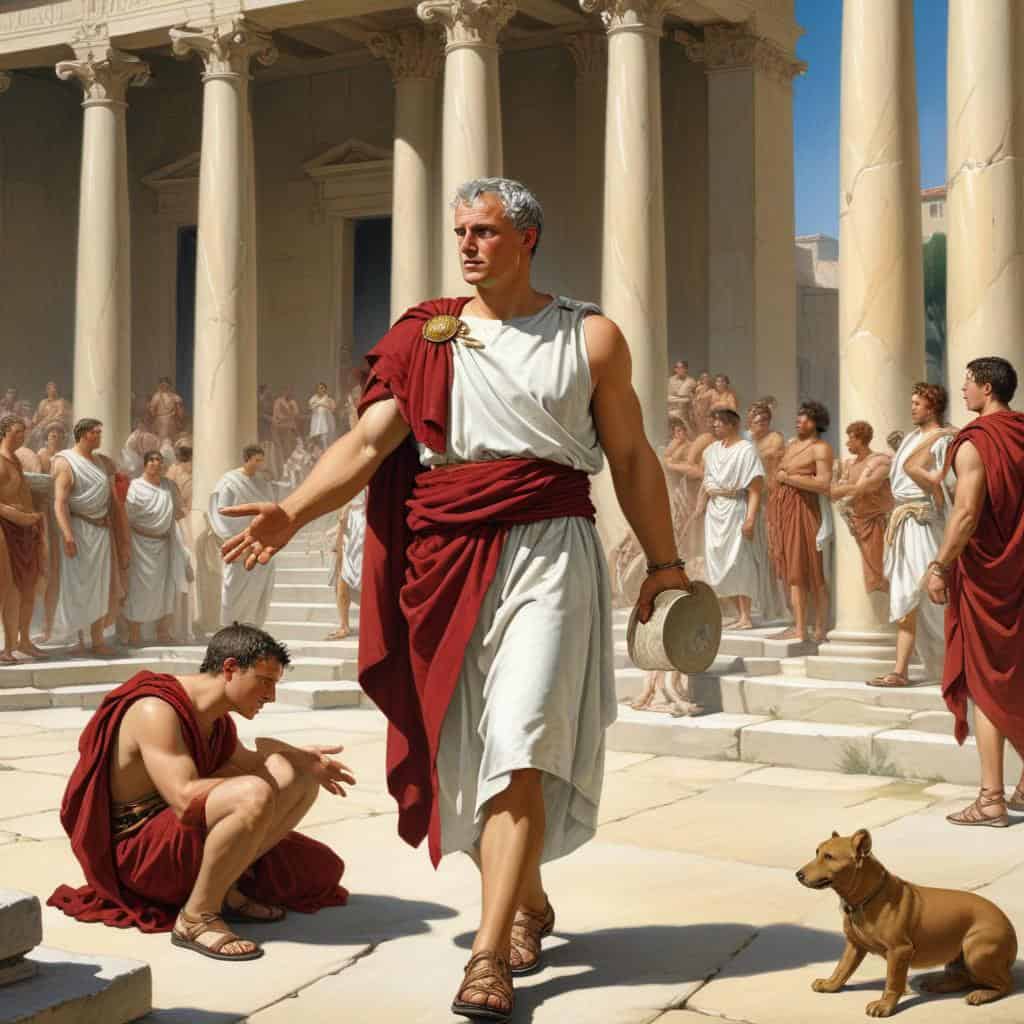
Personal Life and Relationships
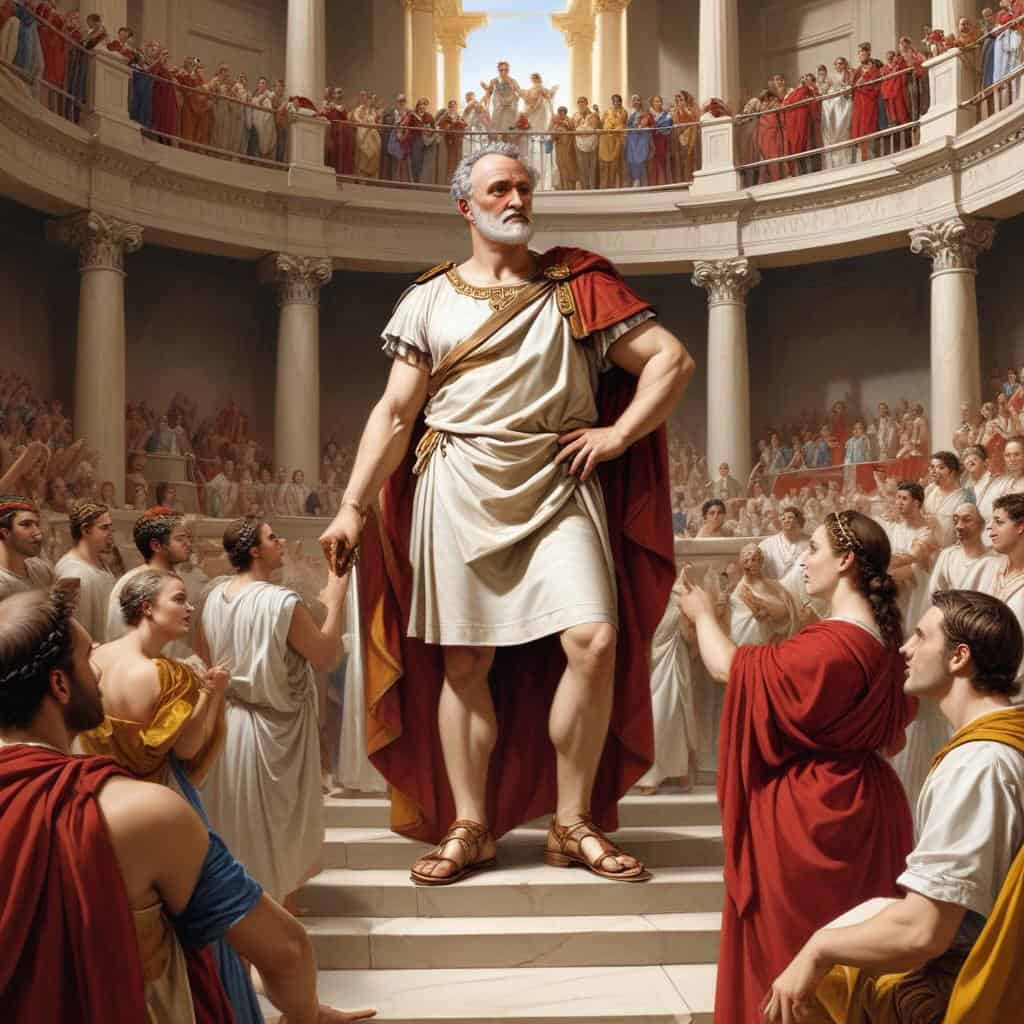
Art and Culture
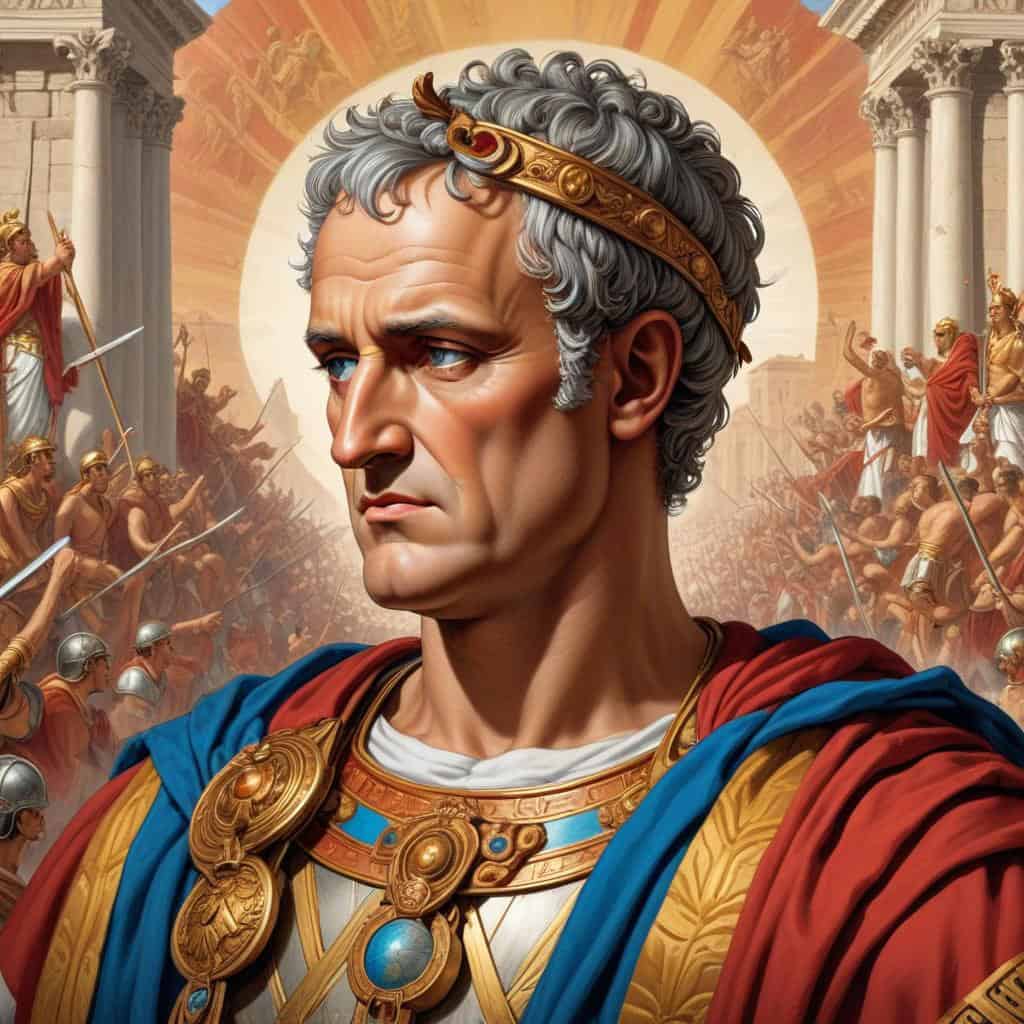
Historical Achievements
Lesson Details & Resources
In a Nutshell
- Who: Roman Emperor
- When: Lived: 39 – 81 AD
- Known For: Conquering Jerusalem and destroying the Second Temple
- Legacy: Being the conqueror of Jerusalem and the arch of Titus in Rome
Timeline of Titus: The Life of a Roman Emperor
Birth of Titus
Titus joins his father Vespasian in the Roman military campaigns in Judea
Siege of Jerusalem begins
Destruction of the Second Temple in Jerusalem
Titus is appointed as commander of the Roman forces in Judea
Titus conquers and destroys the city of Tarichaeae
Return to Rome and triumphal entry with Vespasian
Titus is made consul
Death of Titus' brother, Domitian, becomes heir to the throne
Eruption of Mount Vesuvius, devastating Pompeii and Herculaneum
Titus becomes Emperor of Rome
Foundation of the Flavian Amphitheater, later known as the Colosseum
Titus' dedication of the Colosseum with 100 days of games
Titus falls ill and dies
Titus' deification by the Roman Senate
Succession of Domitian as the new Emperor
Construction of the Arch of Titus begins
Completion and dedication of the Arch of Titus
Titus' remains are placed in the Temple of Divine Vespasian
Eruption of Mount Vesuvius, devastating Pompeii and Herculaneum (second eruption)
Vocabulary List
- Emperor
- Titus was the Emperor of Rome.
- Titus
- Emperor Titus ruled Rome from 79 AD to 81 AD.
- Rome
- Emperor Titus was the ruler of Rome.
- Colosseum
- Emperor Titus inaugurated the Colosseum in Rome.
- Flavian
- Emperor Titus belonged to the Flavian dynasty.
- Vespasian
- Emperor Titus was the son of Emperor Vespasian.
- Judea
- Emperor Titus successfully led the Roman conquest of Judea.
- Arch of Titus
- The Arch of Titus was built to commemorate Emperor Titus's victories.
- Roman Empire
- Emperor Titus played a significant role in governing the Roman Empire.
- Roman Colosseum
- Emperor Titus commissioned the construction of the Roman Colosseum.
Key Facts
This is the information used in the fact matching game
- Emperor Titus was born on December 30, 39 AD.
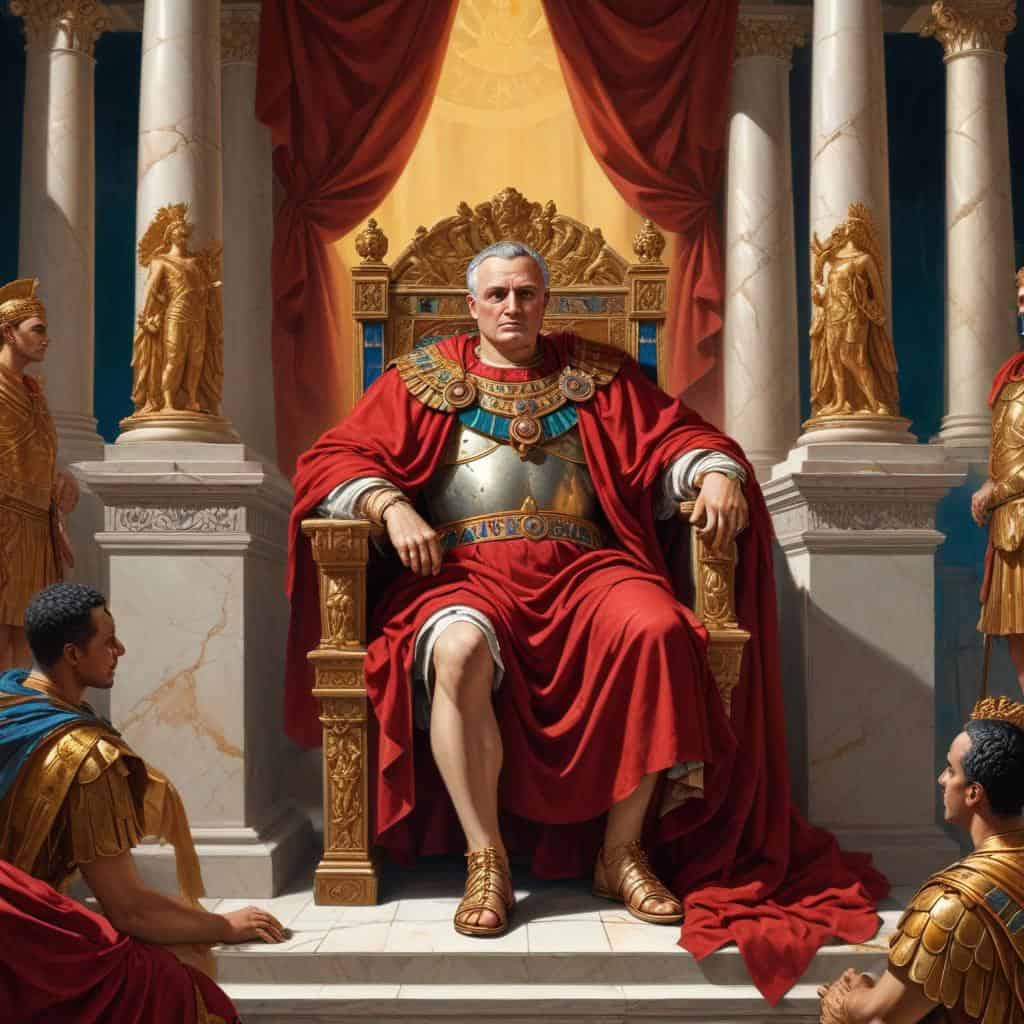
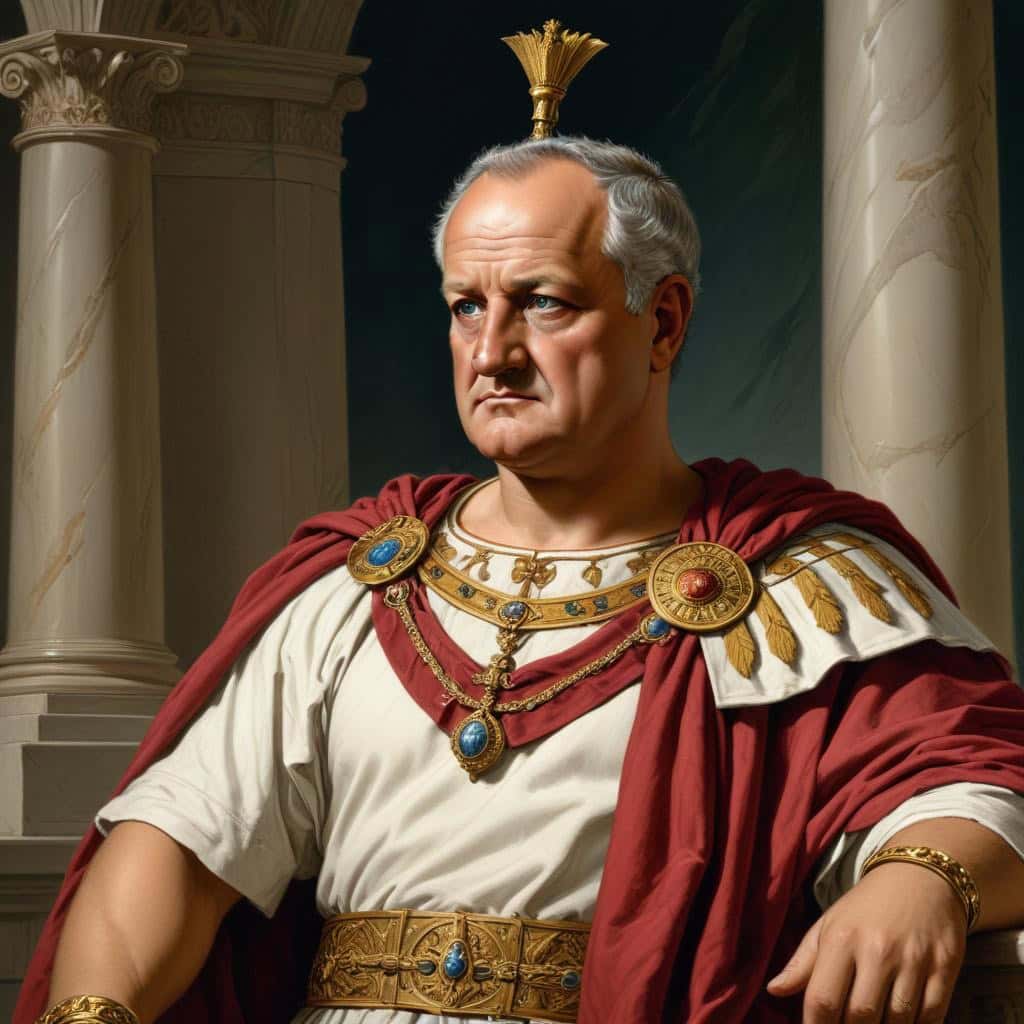
- Titus Flavius Vespasianus, commonly known as Emperor Titus, was the tenth Roman Emperor, reigning from 79 to 81 AD.
- Titus was the eldest son of Emperor Vespasian and his wife Flavia Domitilla.
- He was born in Rome and grew up in a military camp in Germany.
- Titus served as a military commander during his father's reign and played a crucial role in the Siege of Jerusalem in 70 AD.
- He succeeded his father as emperor after Vespasian's death in 79 AD.
- Under his rule, Rome experienced a period of peace and prosperity known as the 'Flavian Era.'
- Titus is best known for his generosity and love for the people, as he funded many public projects and organized extravagant games and spectacles.
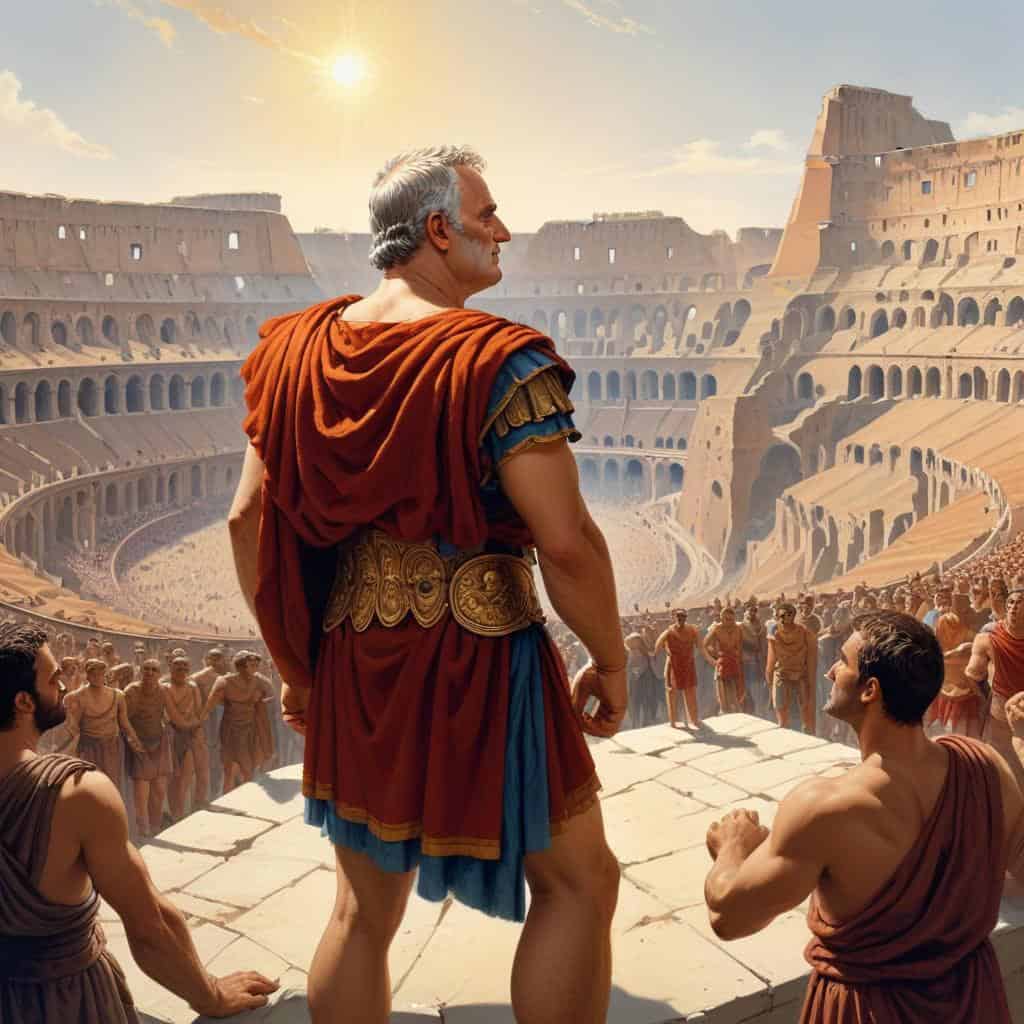
- He completed the construction of the Colosseum, which became a symbol of Roman grandeur and entertainment.
- Emperor Titus was known for his good looks and charm, earning him the nickname 'The Darling of Mankind.'
- During his short reign, Titus faced several natural disasters, including a devastating fire that destroyed much of Rome in 80 AD.
- Titus was a patron of the arts and supported many poets, writers, and philosophers during his reign.
- He was succeeded by his younger brother, Domitian, after his sudden death in 81 AD.
- Titus was deified after his death, and his reign was remembered as a golden age in Roman history.
- He was the first Roman Emperor to be succeeded by his biological son, as his daughter had died in infancy.
- Titus had a passion for Greek culture and was fluent in Greek, often delivering speeches in both Latin and Greek.
- He granted amnesty to political prisoners and restored civil liberties that had been restricted during previous reigns.
- Emperor Titus was known for his wise and just rule, earning him great popularity among the Roman people.
- He died at the age of 41, possibly due to a fever or natural causes.
- Titus was succeeded by his brother Domitian, who proved to be a more tyrannical ruler.
Analysis & Significance
Major Accomplishments
Titus was known for his exceptional ability to memorize vast amounts of information, including long speeches and complex texts. He was able to recall details with incredible accuracy and speed, earning him the title of a “Memory Wizard.”
Impact on the World
Titus’s memory skills had a profound impact on the fields of education, rhetoric, and communication. His techniques for memorization were studied and emulated by scholars and public speakers, influencing the way information was stored and retrieved in the ancient world.
Enduring Legacy
Today, Titus is remembered as a legendary figure in the history of memory and cognition. His methods are still studied and practiced, demonstrating the lasting impact of his contributions to the understanding of human memory and the power of the mind.
Titus: The Life of a Roman Emperor Games


Take Your Learning Offline
Want a convenient, print-ready study guide for this lesson? Become a Memory Wizards Pro member to unlock the downloadable " Memory Scrolls" for this topic and our entire library!
- ✓ Complete Vocabulary Lists
- ✓ Key Facts & Timelines
- ✓ Beautifully Formatted for Print & Mobile