
Septimius Severus: A Military Leader’s Biography
The powerful Roman emperor who united the empire and revitalized its military.
How Do You Learn Best?
Learn by Reading
Immerse yourself in the 10-minute visual lesson for a comprehensive understanding of the topic.
Learn by Reviewing
Jump directly to the key facts, timeline, and vocabulary lists to build a solid foundation of details.
Learn by Doing
Challenge yourself! Jump straight into the interactive games to learn by trial, error, and discovery.
Septimius Severus: A Military Leader’s Biography in 10 Minutes
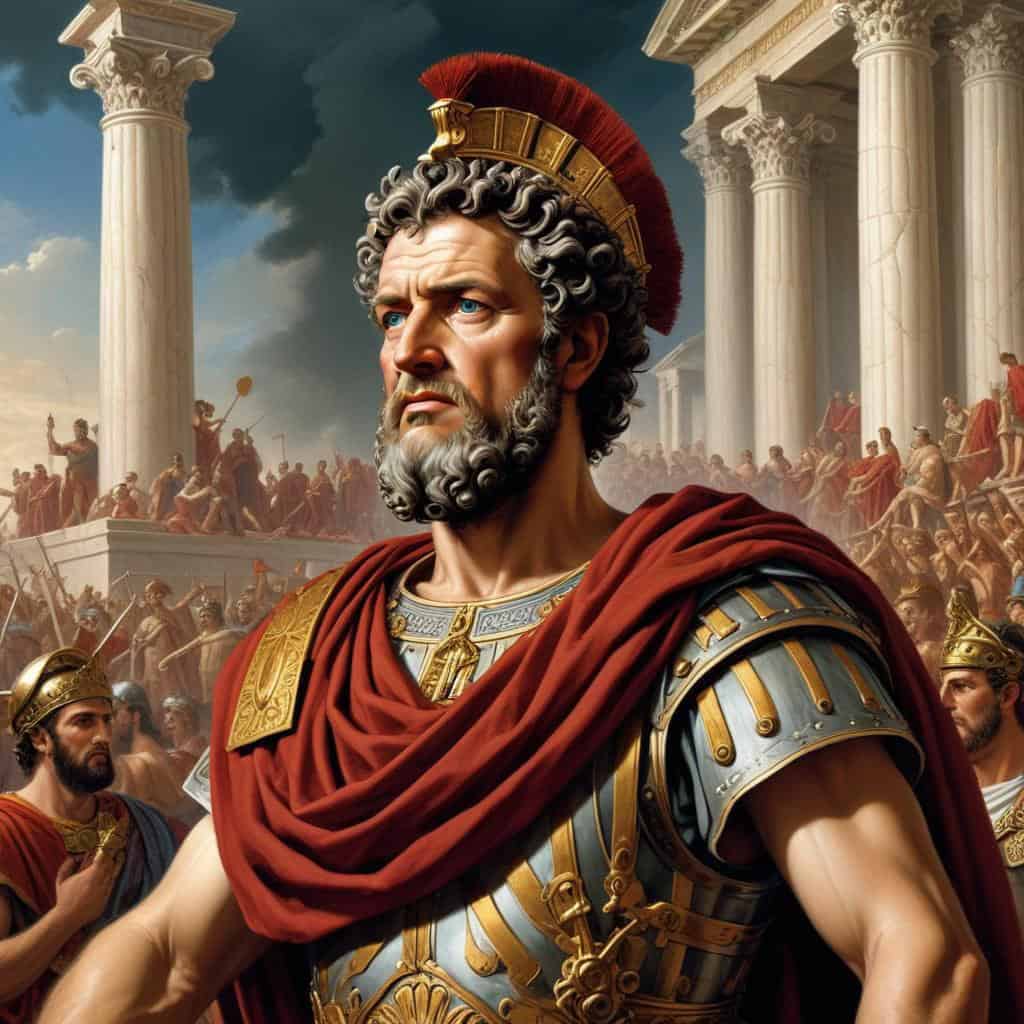
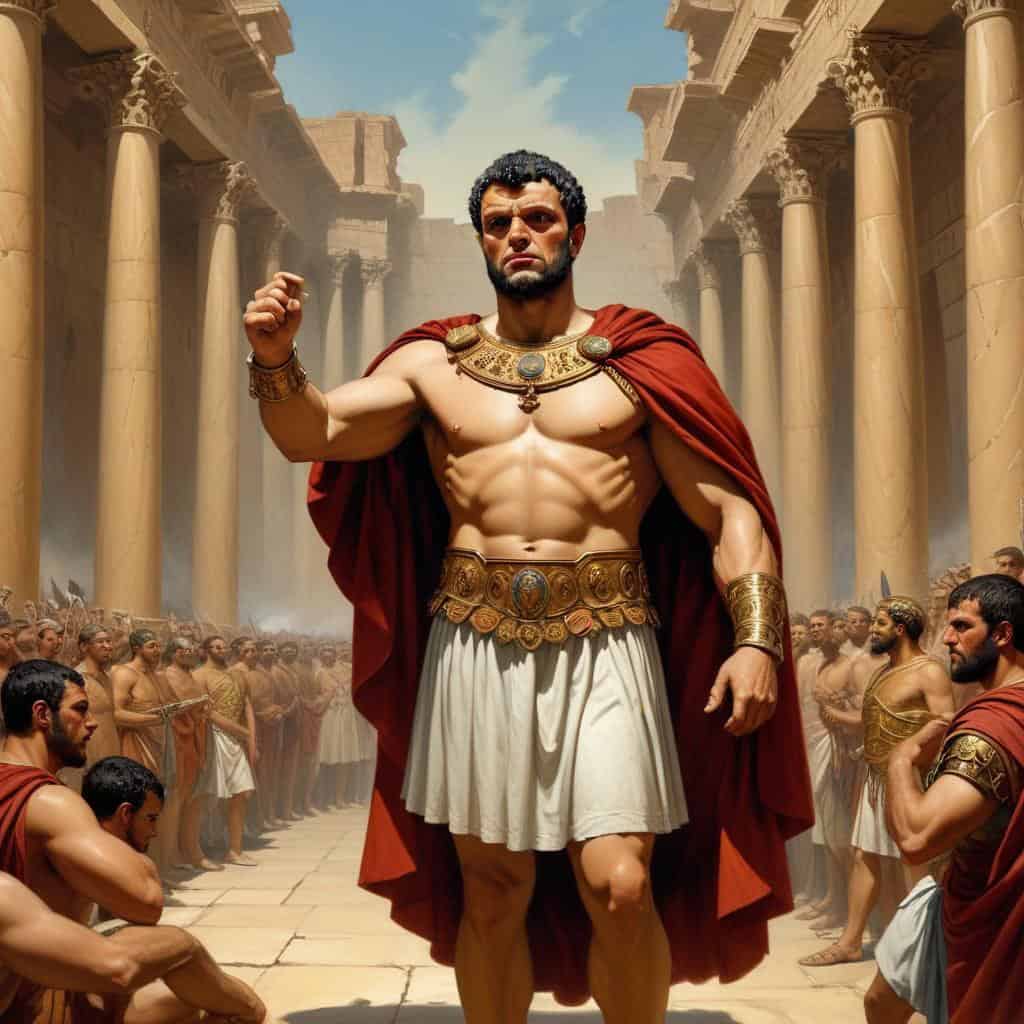
Introduction
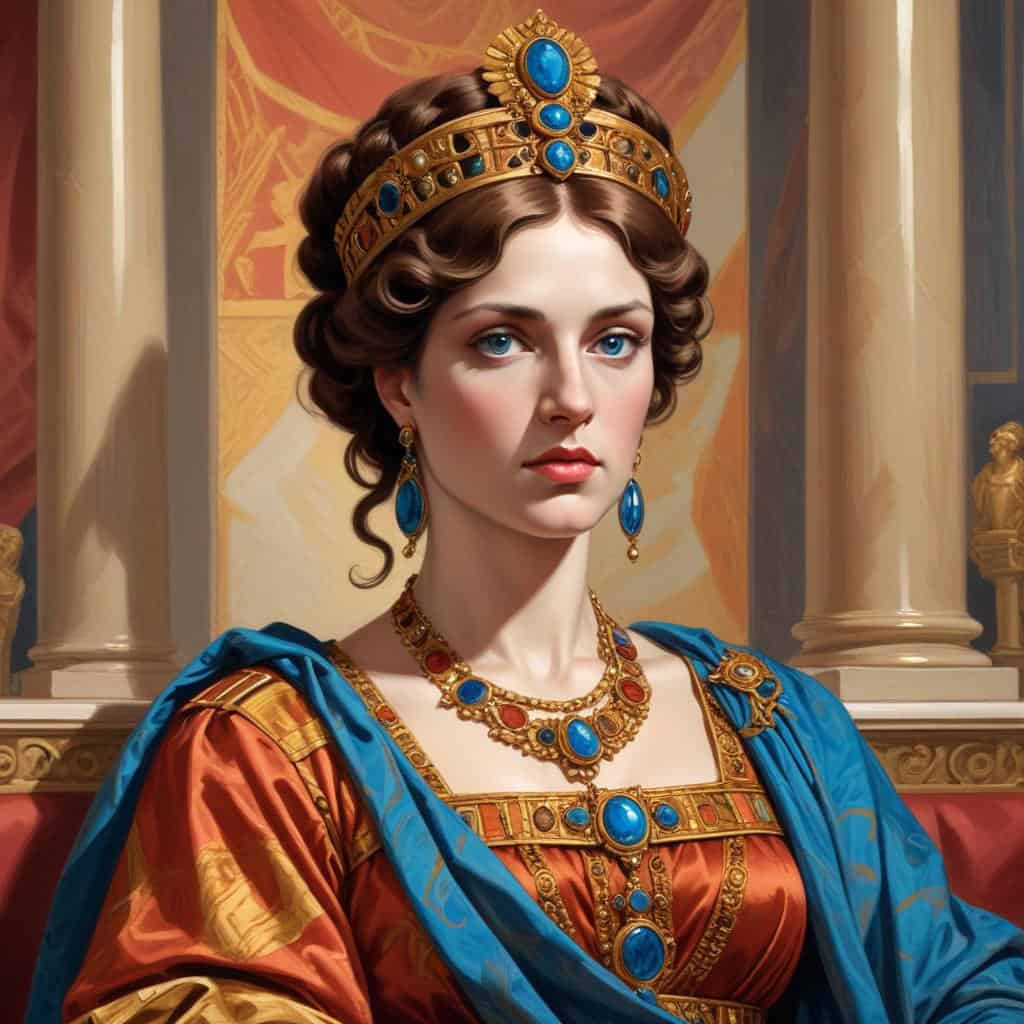
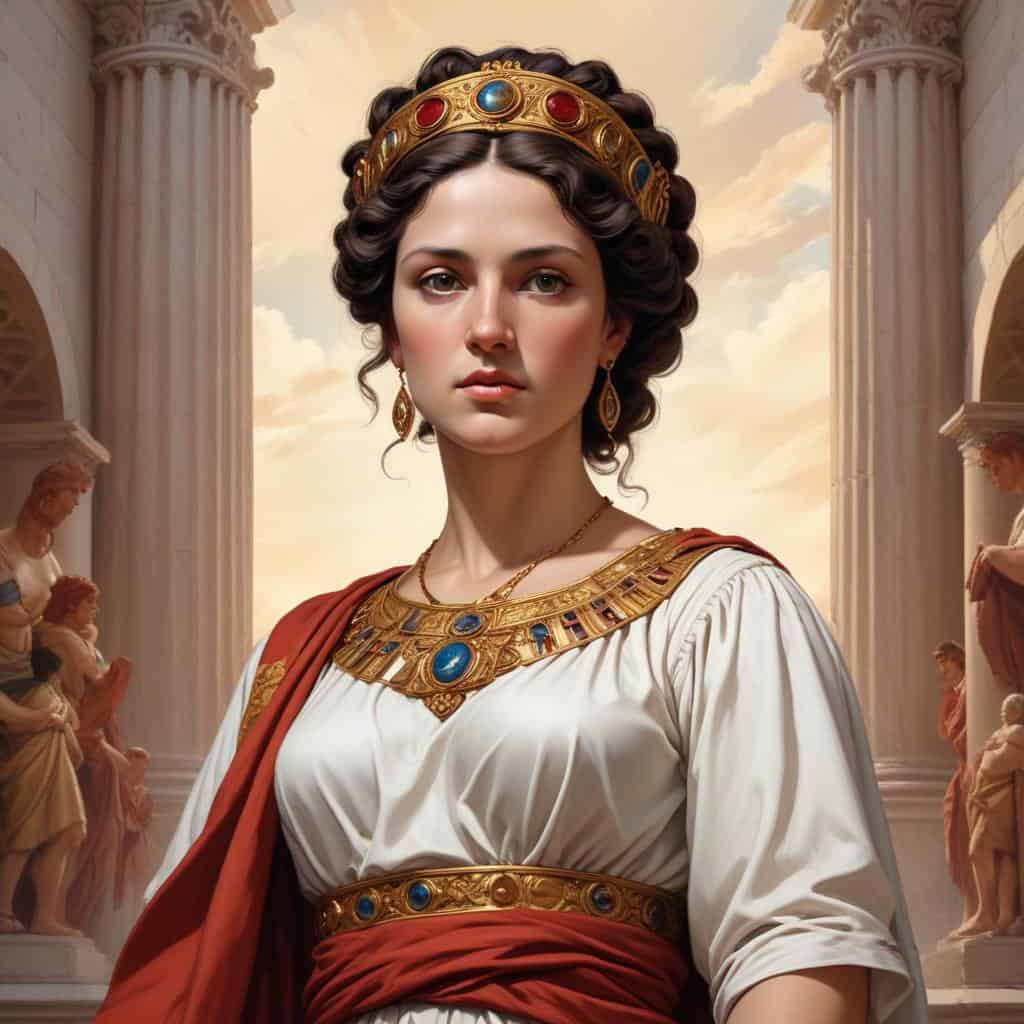
Julia Domna
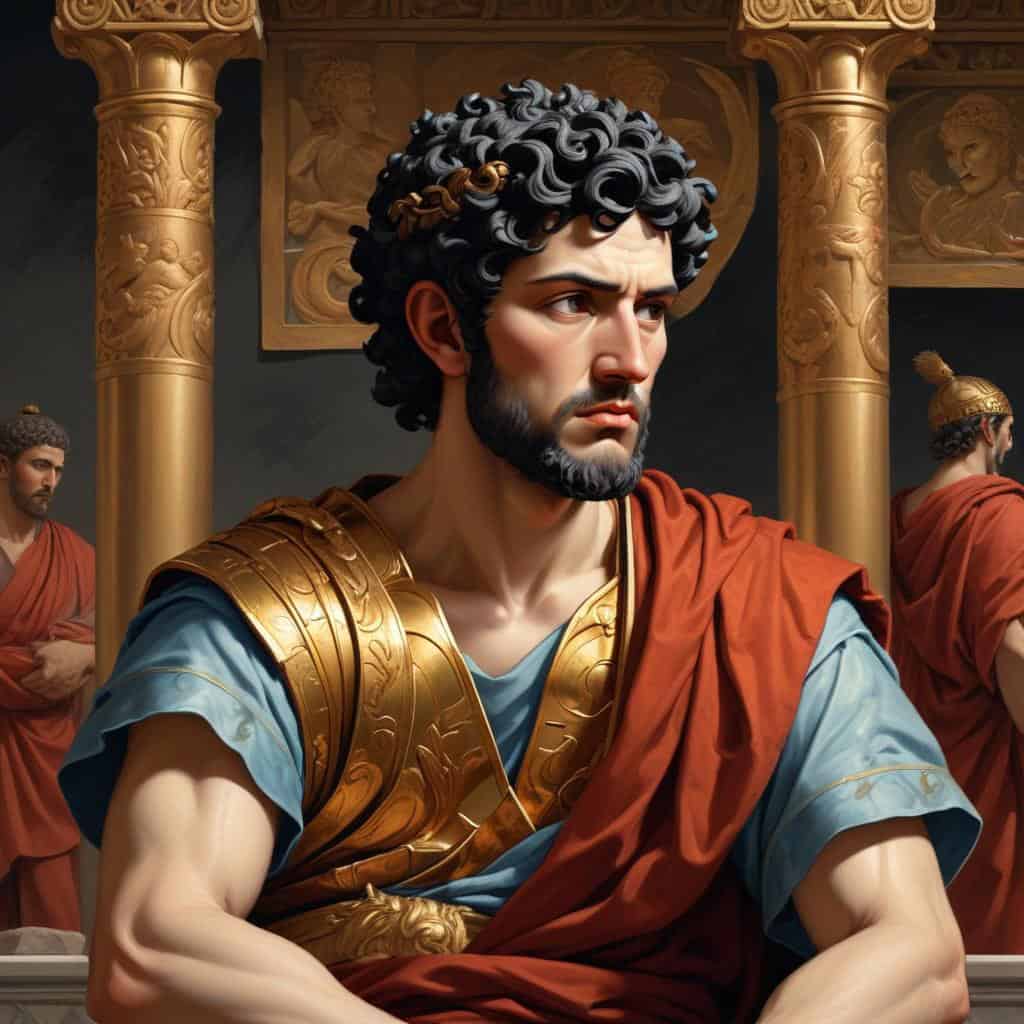
Caracalla
Geta
Julia Maesa
Early Life and Rise to Power
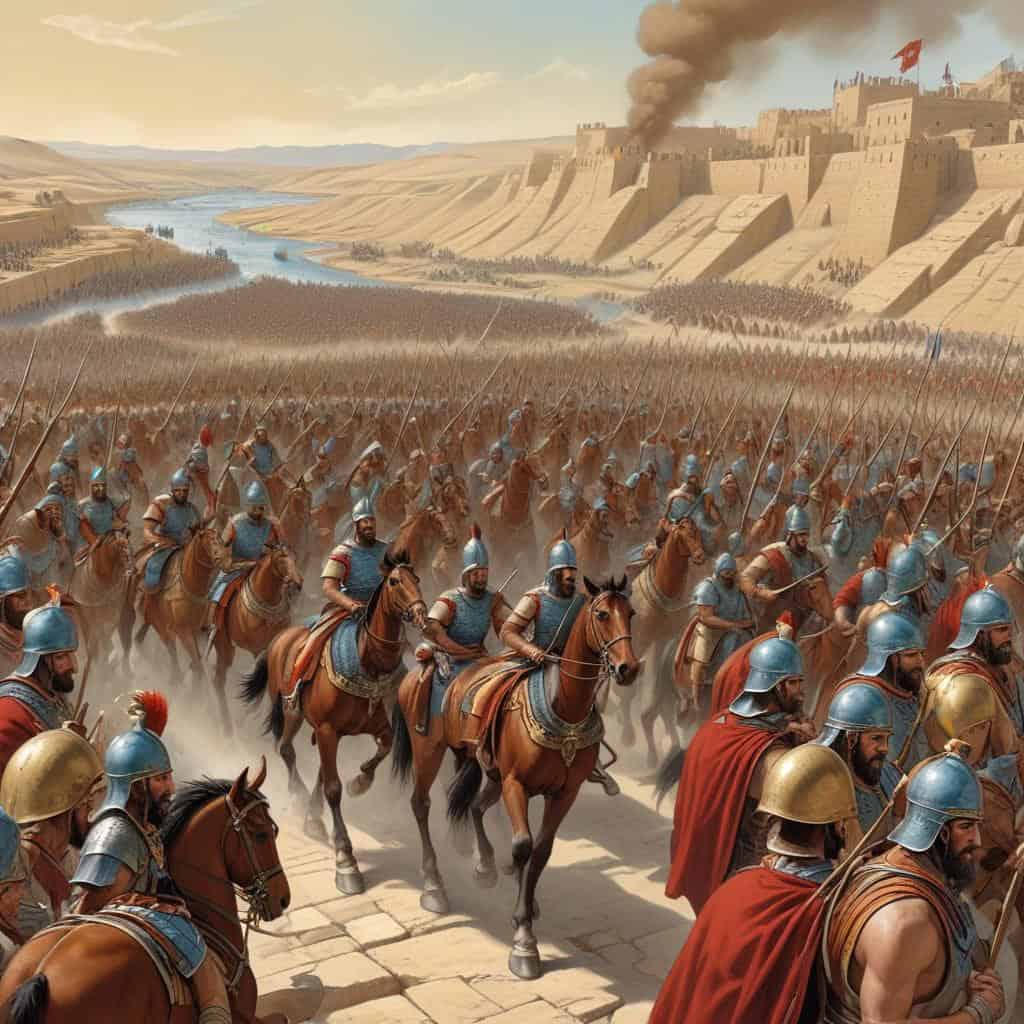
Military Campaigns and Reforms
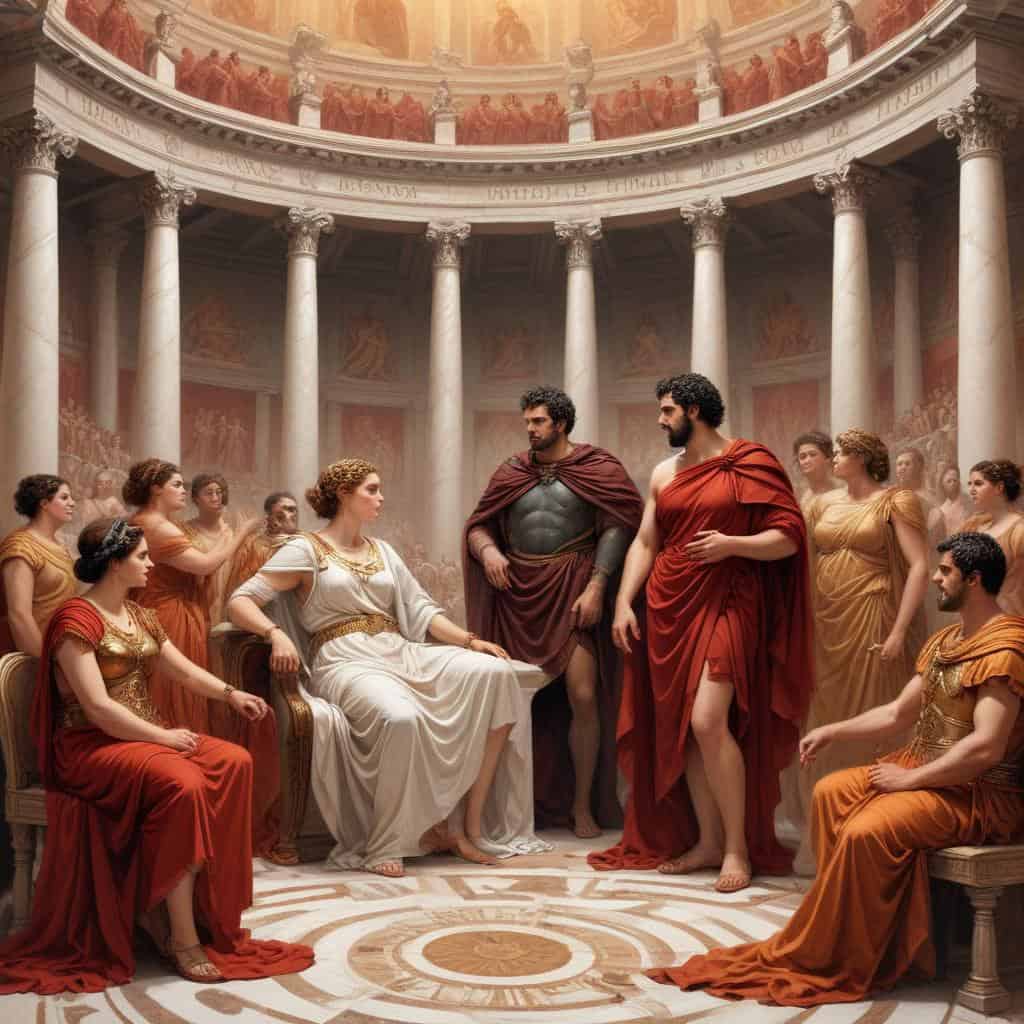
Family and Succession
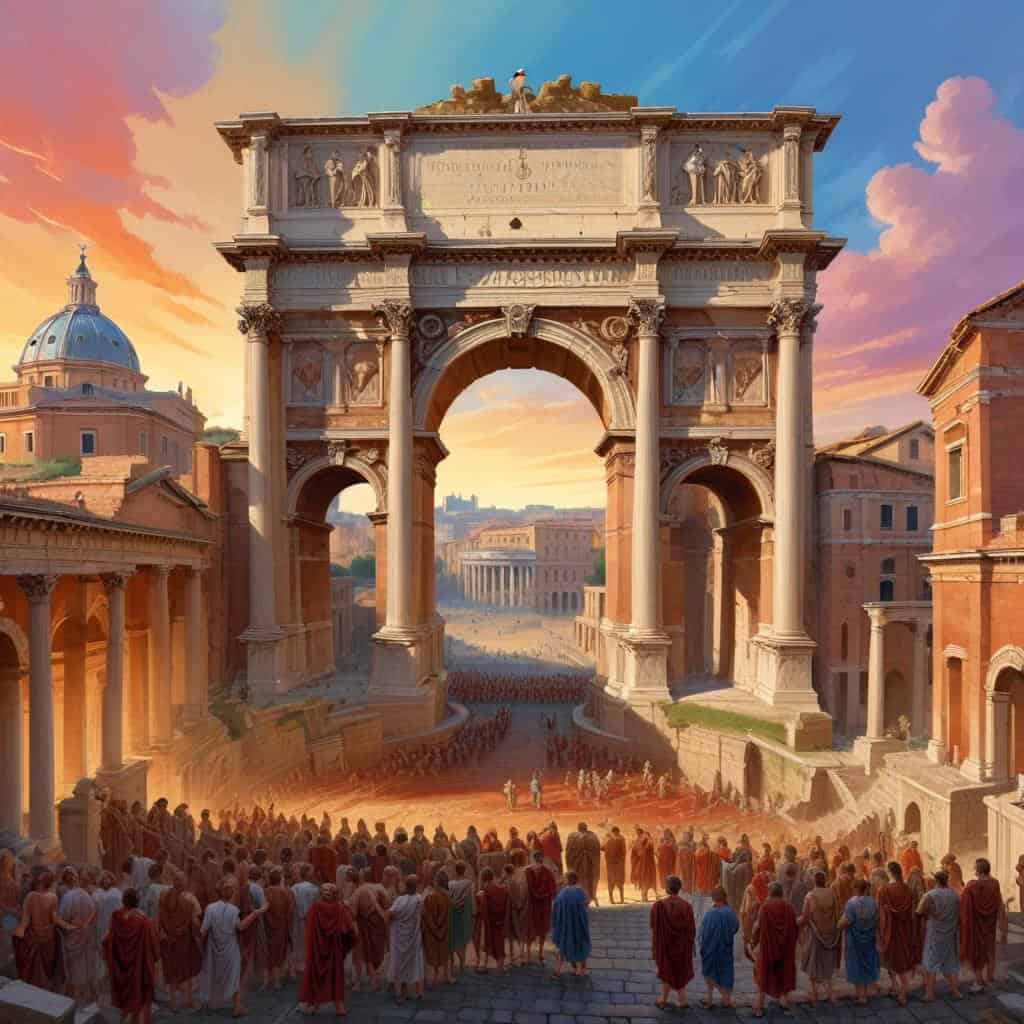
Building Projects and Cultural Contributions
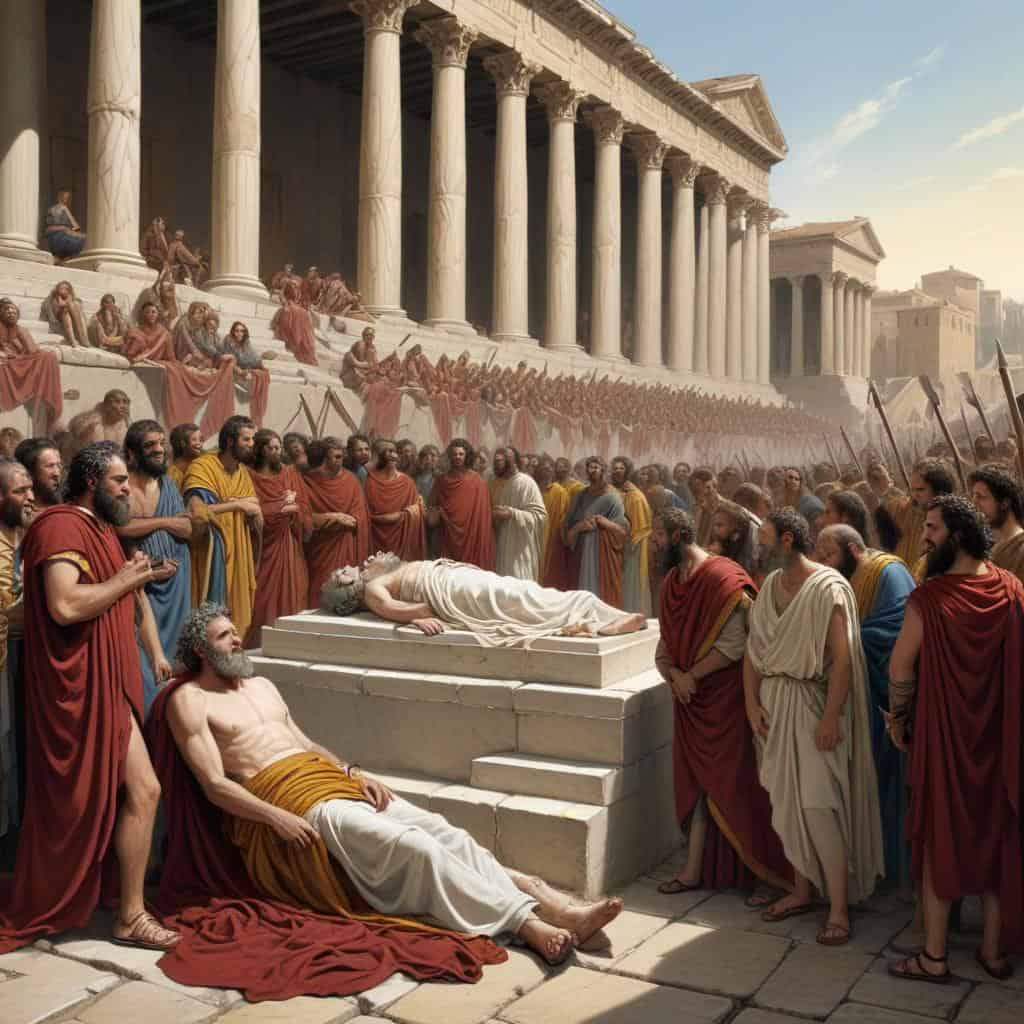
Death and Legacy
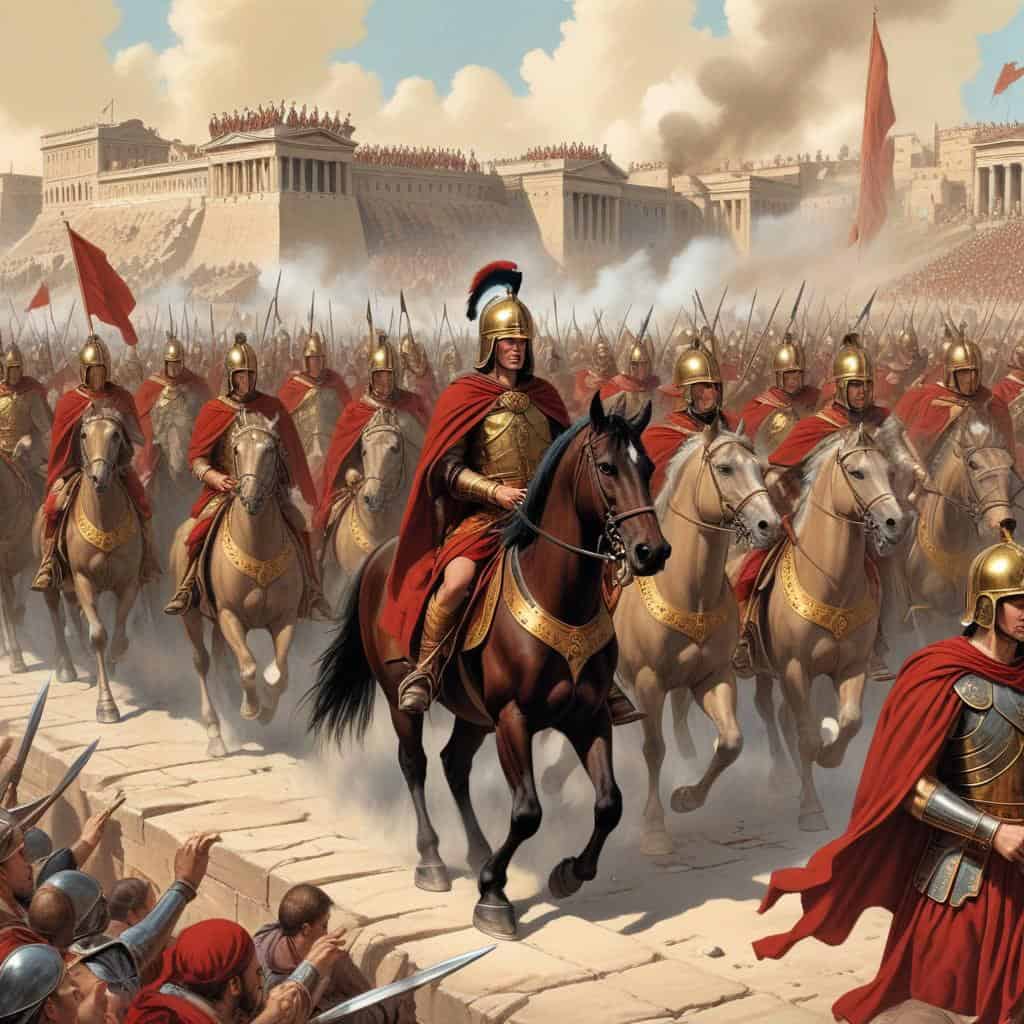
Historical Impact
Personal Traits and Leadership Style
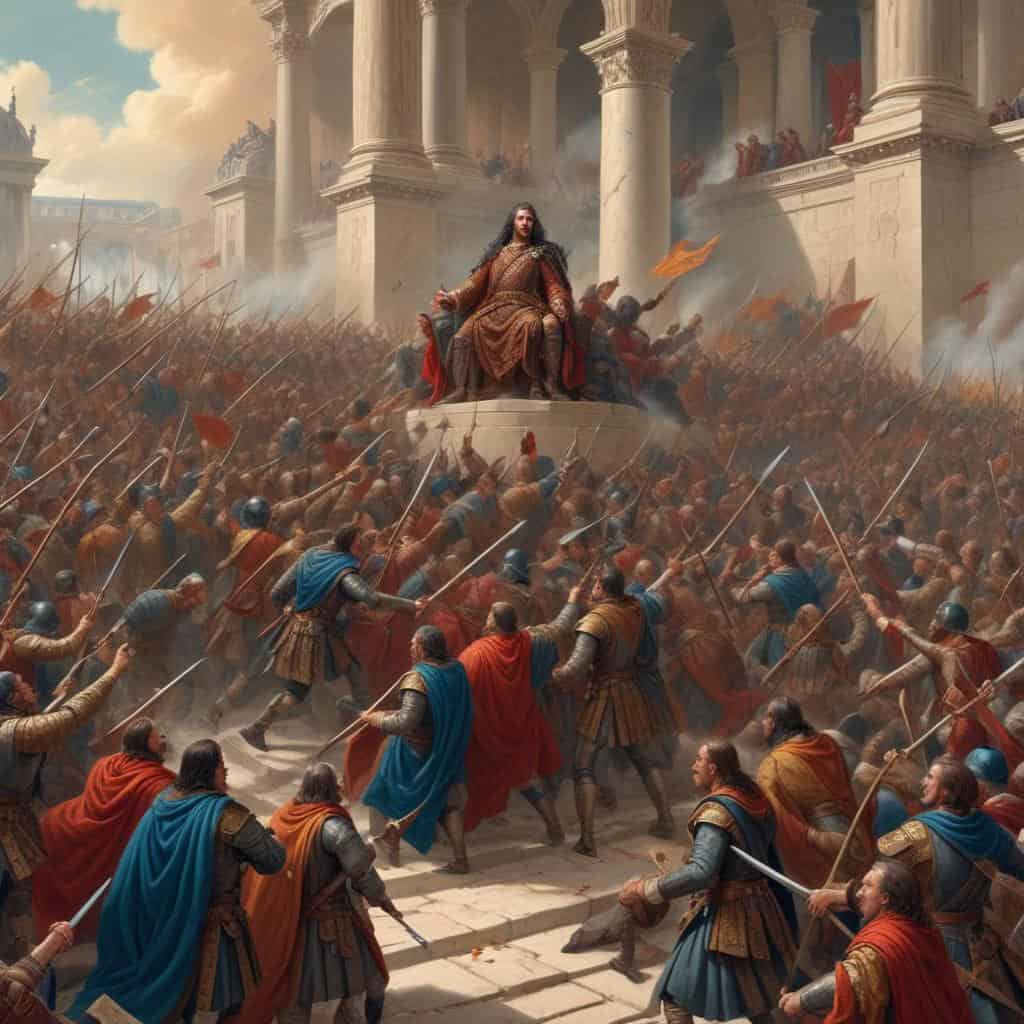
Political Challenges and Rebellions
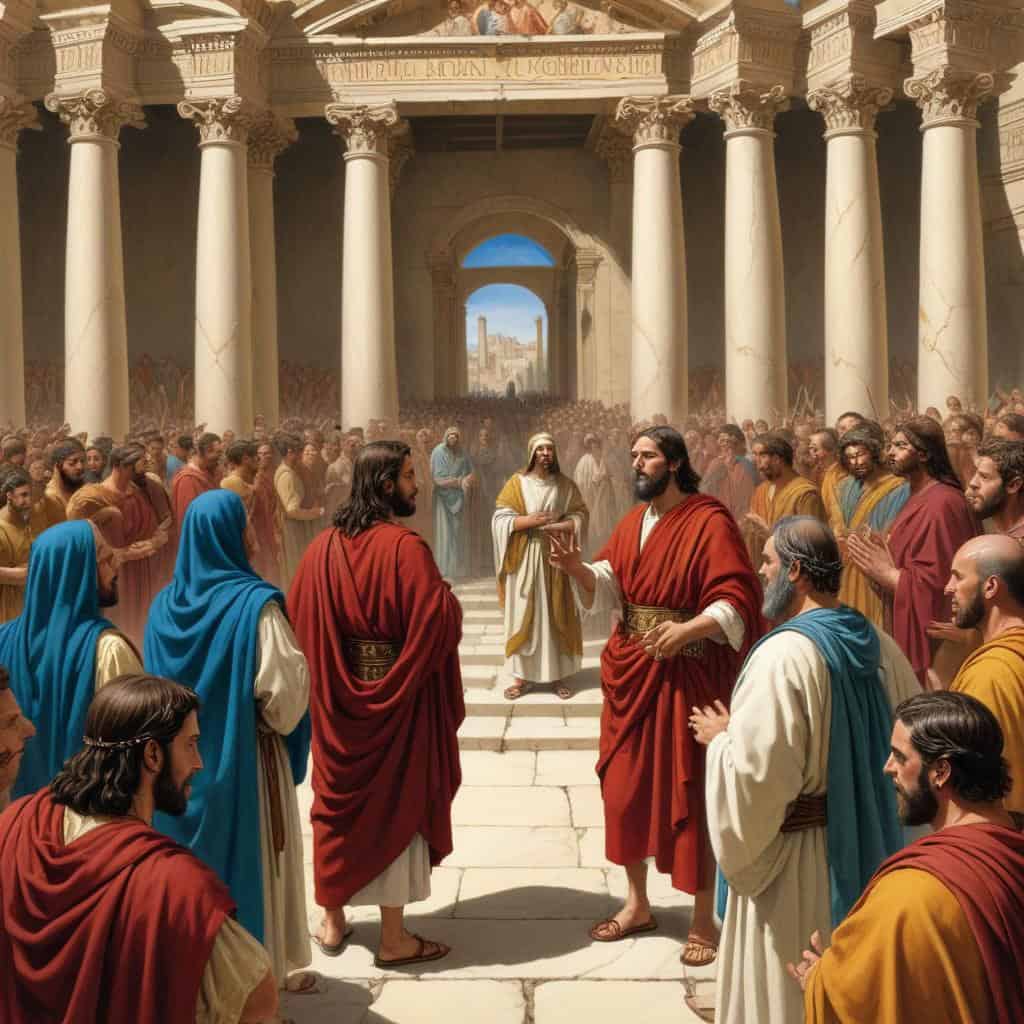
Religious Policies and Persecutions
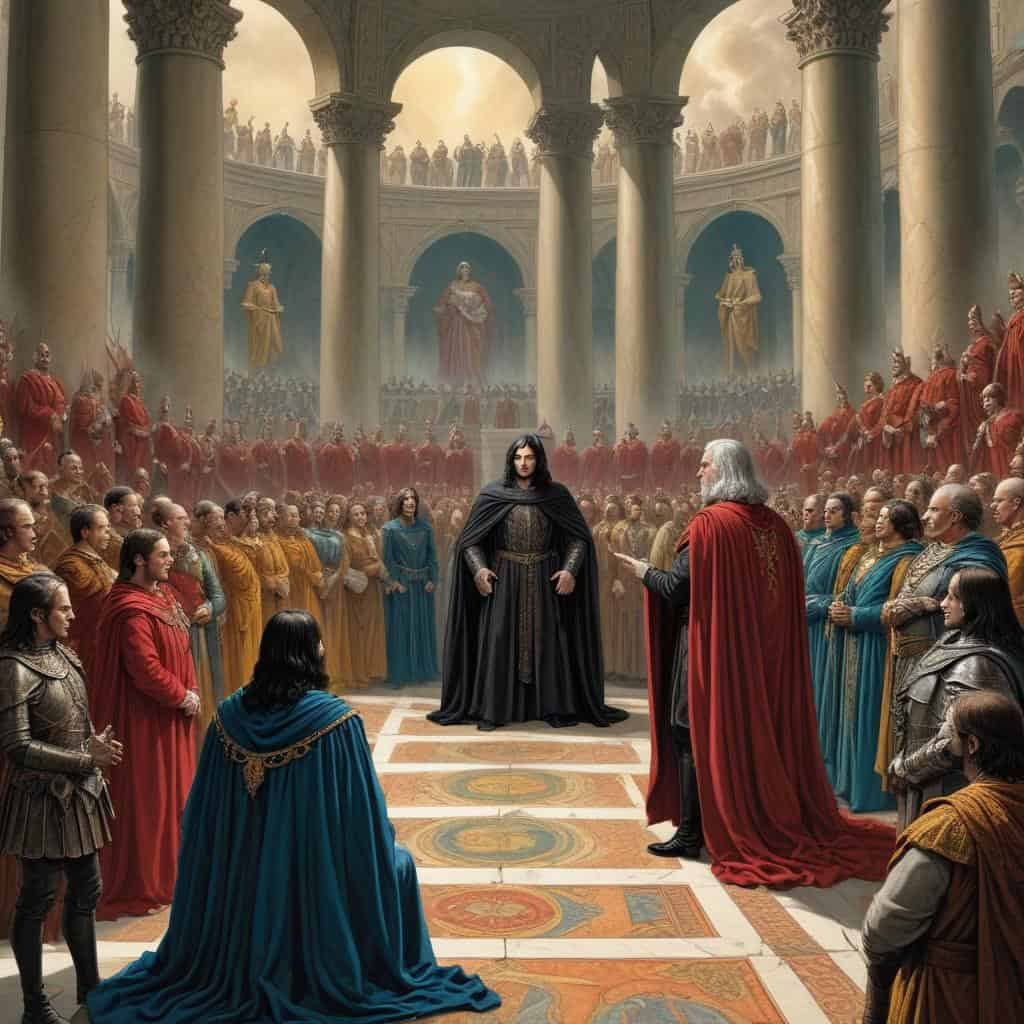
Historiography and Interpretation
Lesson Details & Resources
In a Nutshell
- Who: Roman Emperor and military leader
- When: Lived: 145 – 211 AD
- Known For: Rebuilding the Roman Empire and expanding its borders
- Legacy: Establishing the Severan dynasty and improving the Roman military
Timeline of Septimius Severus: A Military Leader’s Biography
Septimius Severus is born in Leptis Magna, North Africa
Severus serves as a military tribune in Syria
Severus marries Paccia Marciana
Severus becomes a senator
Severus serves as a legate in Britain
Severus is appointed consul for the first time
Severus defeats and executes Clodius Albinus, his rival for the imperial throne
Severus embarks on a campaign to conquer Parthia
Severus captures the Parthian capital of Ctesiphon
Severus returns to Rome and celebrates a triumph
Severus appoints his sons Caracalla and Geta as co-emperors
Severus launches a military campaign against the Caledonians in Scotland
Severus dies in York, England
Severus is deified by the Roman Senate
Caracalla becomes the sole emperor after the assassination of Geta
Severus' Arch is built in Rome to commemorate his victories
Severus establishes a new dynasty known as the Severan dynasty
Severus reforms the Roman currency and introduces the silver denarius
Severus institutes military reforms to strengthen the Roman legions
Severus builds a wall across the isthmus of Antoninus in Scotland
Vocabulary List
- Septimius Severus
- Septimius Severus was a Roman emperor who ruled from 193 to 211 AD.
- Roman emperor
- Septimius Severus held the title of Roman emperor during his reign.
- Rome
- Septimius Severus was born in Leptis Magna, which is located in present-day Libya, but he ruled over the Roman Empire.
- Dynasty
- Septimius Severus established the Severan Dynasty, which ruled the Roman Empire for nearly half a century.
- Military campaigns
- Septimius Severus conducted several military campaigns to expand and stabilize the Roman Empire, including against the Parthian Empire and in Britain.
- Caracalla
- Caracalla, the eldest son of Septimius Severus, succeeded his father as Roman emperor.
- Julia Domna
- Julia Domna, the wife of Septimius Severus, played a significant role in the administration of the Roman Empire.
- African heritage
- Septimius Severus was of African descent, being born in Leptis Magna, which was part of the Roman province of Africa.
- Roman legions
- Septimius Severus strengthened and reorganized the Roman legions during his reign.
- Roman law
- Septimius Severus made significant contributions to Roman law by issuing several legal reforms and edicts.
Key Facts
This is the information used in the fact matching game
- Septimius Severus was a Roman emperor who ruled from 193 to 211 AD.
- He was born in Leptis Magna, in modern-day Libya, in 145 AD.
- Septimius Severus came from a prominent African family and was the first Roman emperor from Africa.
- He was a successful general before becoming emperor, leading campaigns in the East and against the Parthians.
- Septimius Severus was proclaimed emperor by his troops in 193 AD after the assassination of Emperor Pertinax.
- He is known for his military reforms and strengthening of the Roman legions during his reign.
- Septimius Severus was the first Roman emperor to have been born in Africa and the first to have a Roman emperor's father who was a Roman equestrian.
- He built a large triumphal arch in the Roman Forum to commemorate his military victories.
- Septimius Severus had two sons, Caracalla and Geta, who became co-emperors after his death.
- He conducted military campaigns in Britain, expanding the Roman Empire to the north.
- Septimius Severus died in Eboracum (modern-day York) in 211 AD while on a campaign in Britain.
- He was deified by the Roman Senate after his death, a rare honor for a Roman emperor.
- Septimius Severus's reign was marked by civil war and conflict with rival claimants to the throne.
- He was known for his strict discipline and military prowess, earning him the nickname 'Africanus'.
- Septimius Severus was the last Roman emperor to personally lead a campaign across the Rhine River into Germania.
- He enacted social reforms aimed at improving the lives of Roman citizens, including welfare programs and public works projects.
- Septimius Severus was married to Julia Domna, a powerful and influential woman who played a significant role in his reign.
- He was the founder of the Severan dynasty, which ruled the Roman Empire for nearly half a century.
- Septimius Severus commissioned the construction of a new imperial palace on the Palatine Hill in Rome.
- He issued a series of military reforms, including increasing the pay and benefits of soldiers, to strengthen the Roman army.
Analysis & Significance
Major Accomplishments
Septimius Severus was the first Roman emperor of African descent, known for his military campaigns that expanded the empire to its greatest territorial extent. He also implemented social and administrative reforms that stabilized the Roman Empire during his reign.
Impact on the World
Septimius Severus’s reign marked a significant shift in Roman history, as he prioritized the military and reformed the government structure to better accommodate the changing empire. His reign set the stage for the Severan dynasty and influenced the military and administrative policies of future emperors.
Enduring Legacy
Today, Septimius Severus is remembered as a powerful and successful emperor who brought stability to the Roman Empire during a time of political unrest. His legacy as a military leader and reformer continues to be studied by historians and serves as a reminder of the importance of strong leadership in times of crisis.
Septimius Severus: A Military Leader’s Biography Games


Take Your Learning Offline
Want a convenient, print-ready study guide for this lesson? Become a Memory Wizards Pro member to unlock the downloadable " Memory Scrolls" for this topic and our entire library!
- ✓ Complete Vocabulary Lists
- ✓ Key Facts & Timelines
- ✓ Beautifully Formatted for Print & Mobile