
Romulus Augustus: The Last Roman Emperor’s Biography
The last Roman emperor who witnessed the fall of the Western Roman Empire.
How Do You Learn Best?
Learn by Reading
Immerse yourself in the 10-minute visual lesson for a comprehensive understanding of the topic.
Learn by Reviewing
Jump directly to the key facts, timeline, and vocabulary lists to build a solid foundation of details.
Learn by Doing
Challenge yourself! Jump straight into the interactive games to learn by trial, error, and discovery.
Romulus Augustus: The Last Roman Emperor’s Biography in 10 Minutes
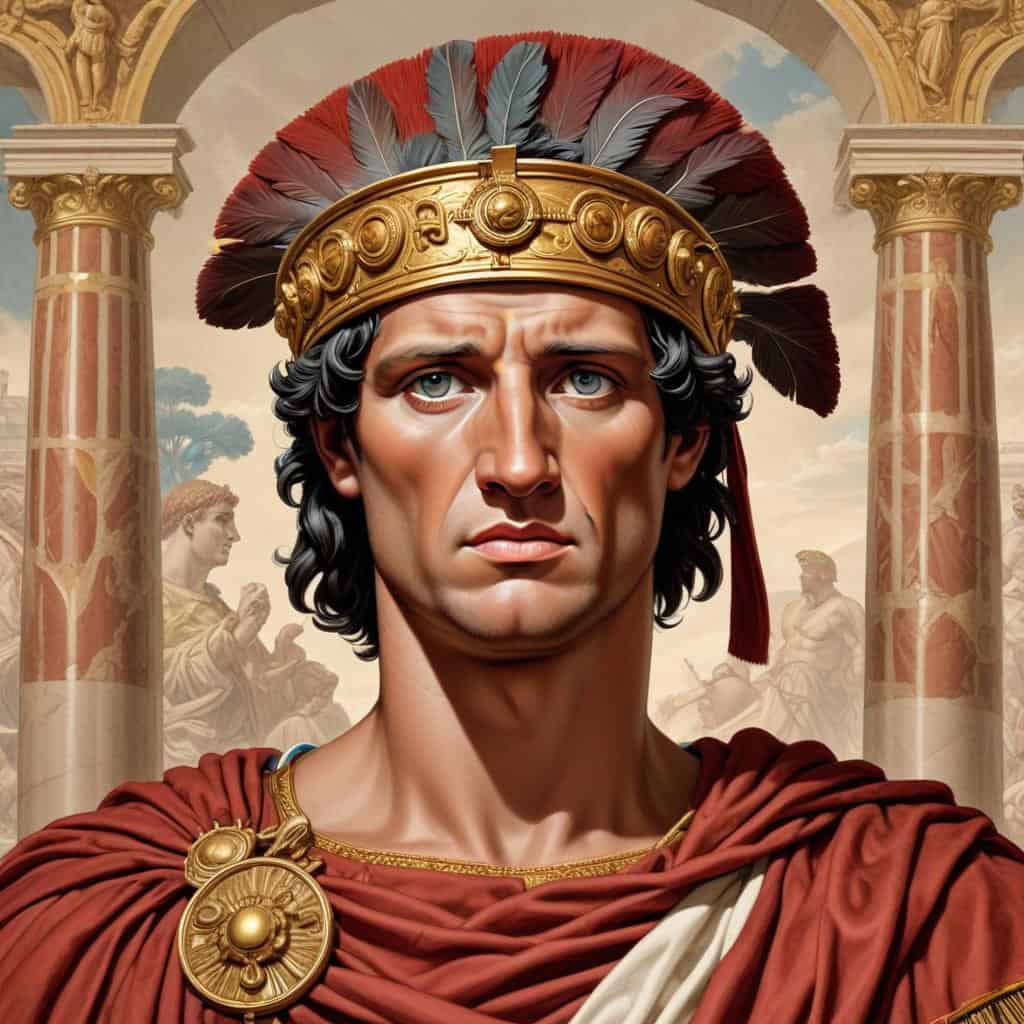
Introduction
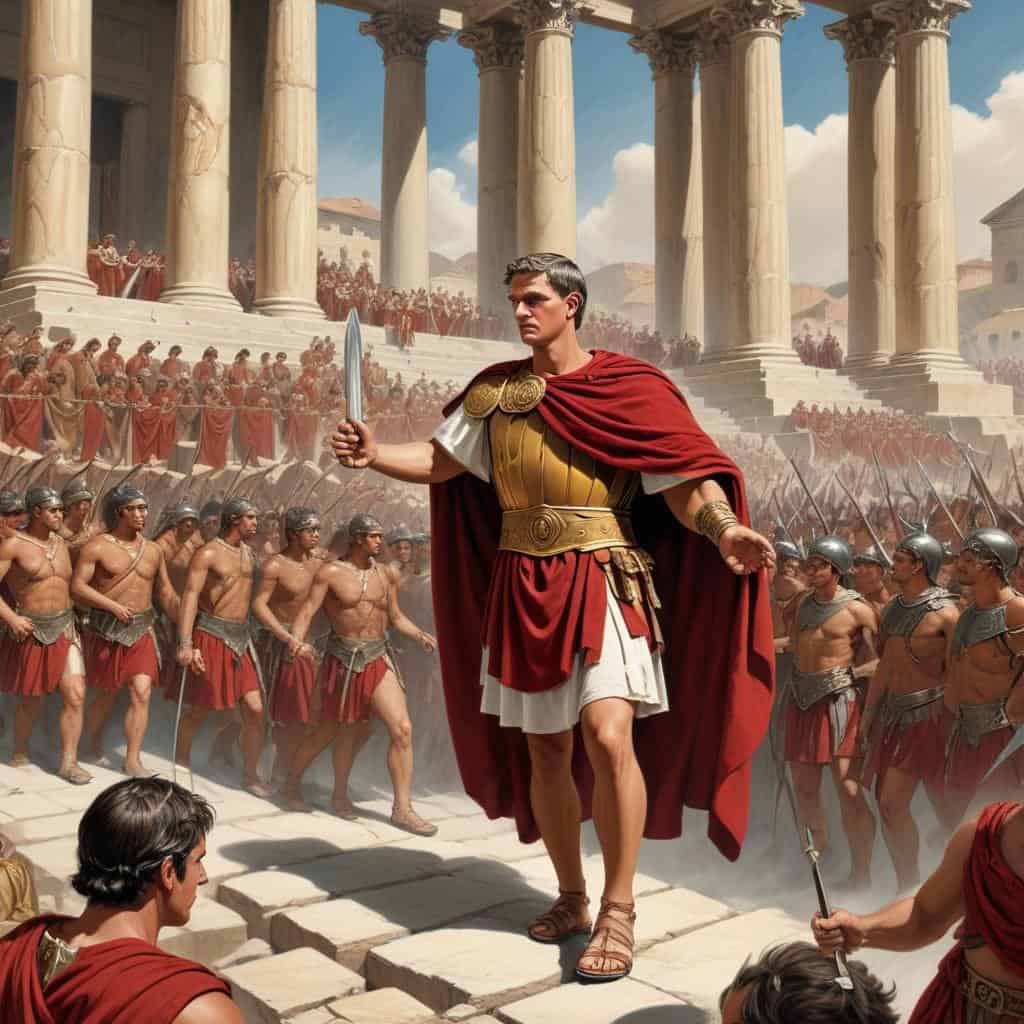
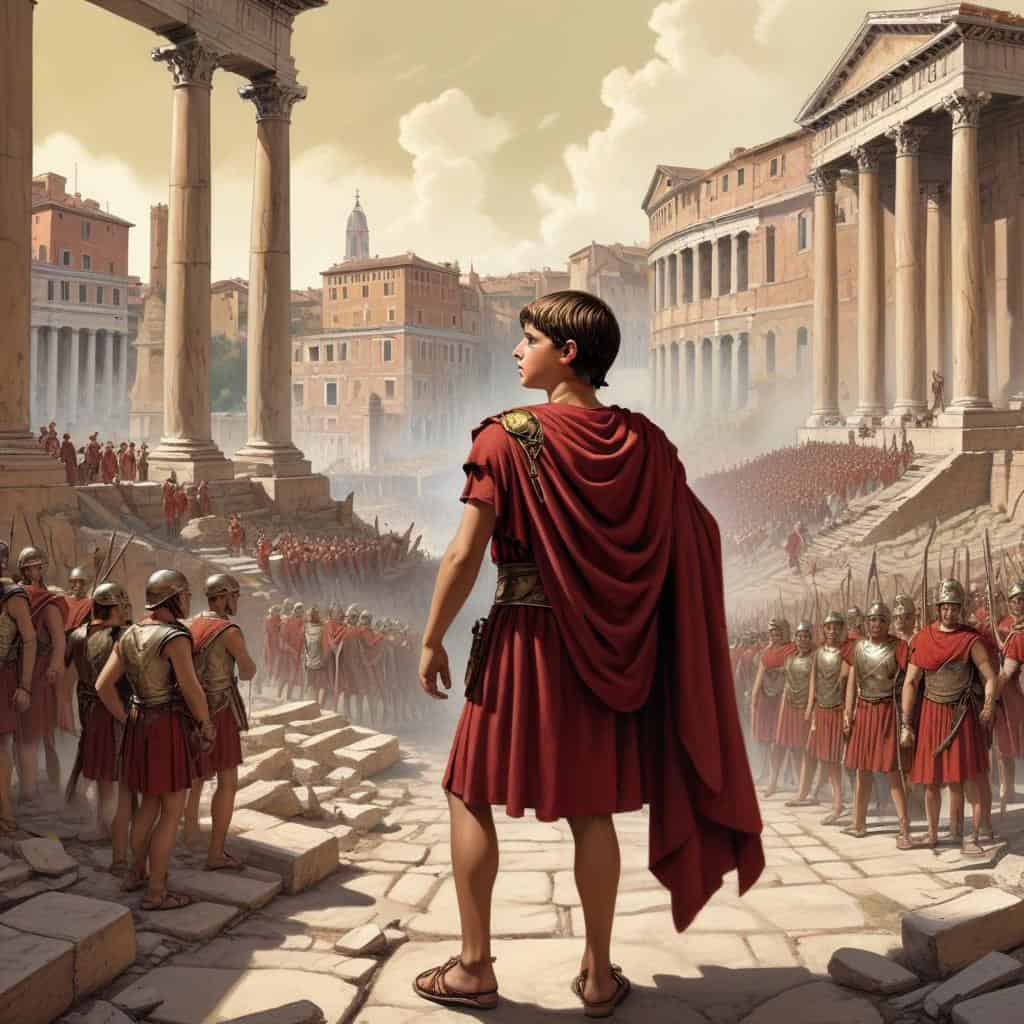
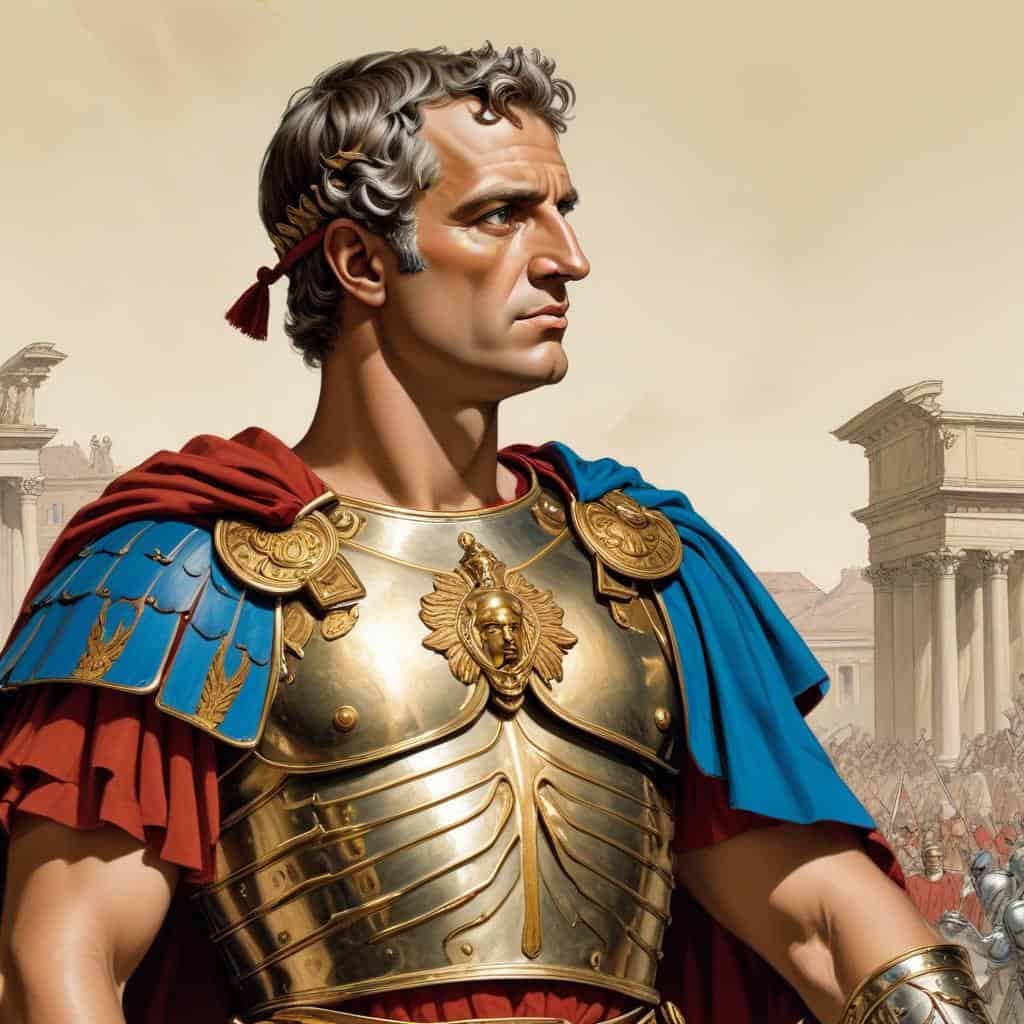
Julius Nepos
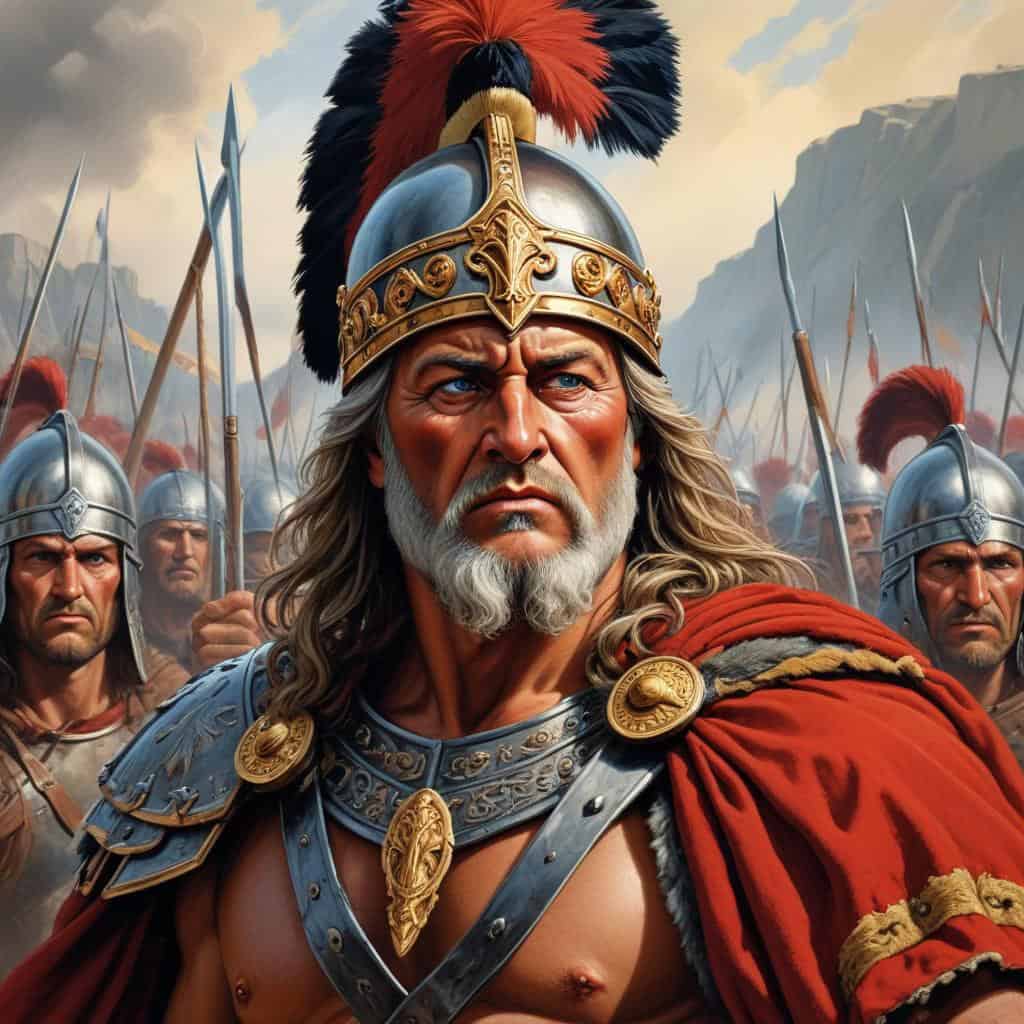
Odoacer
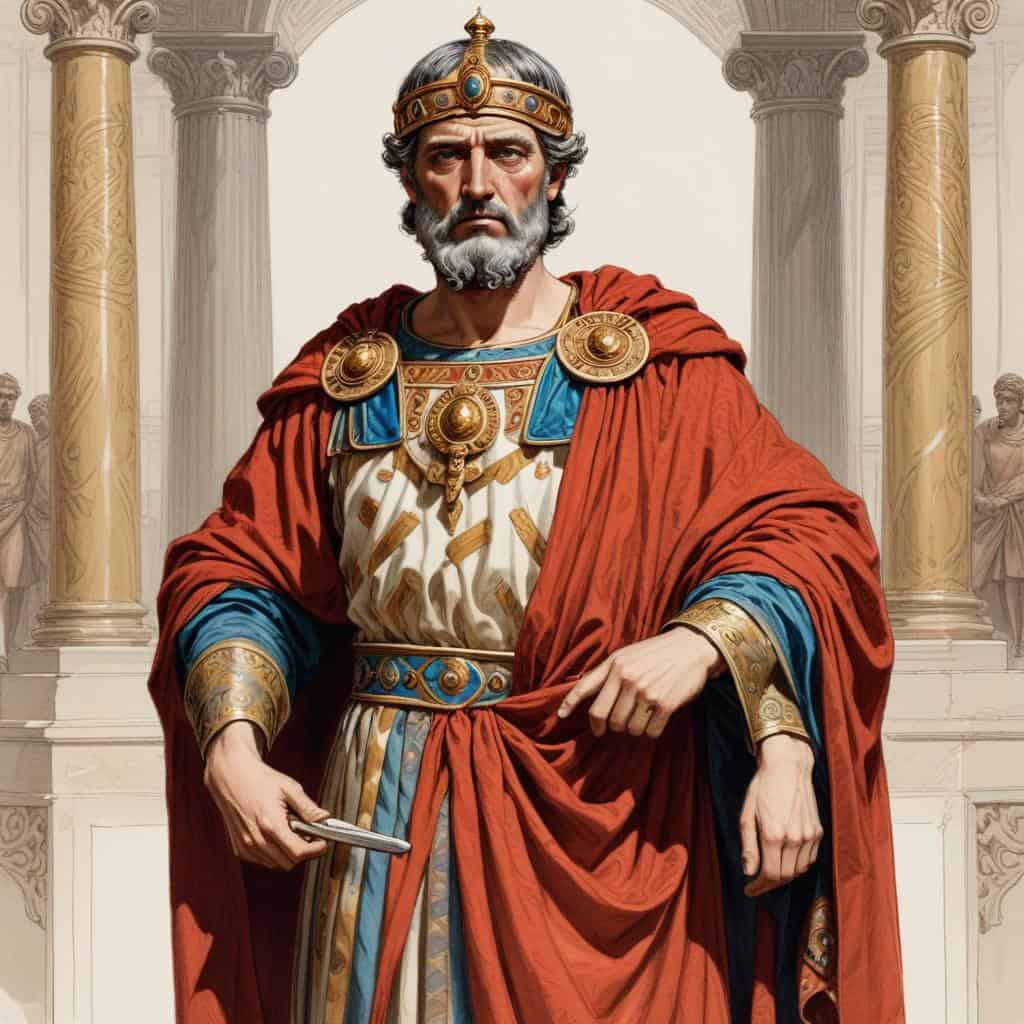
Zeno
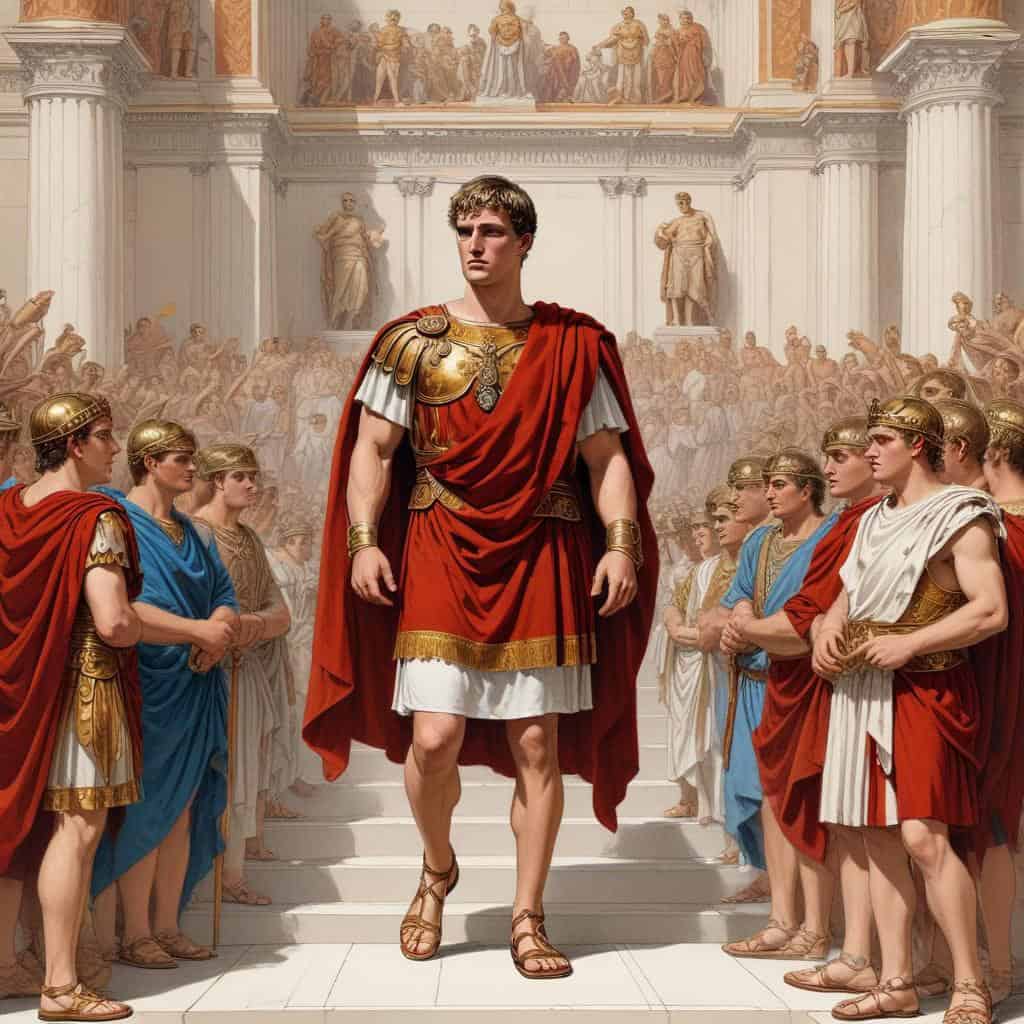
1. Rise to Power
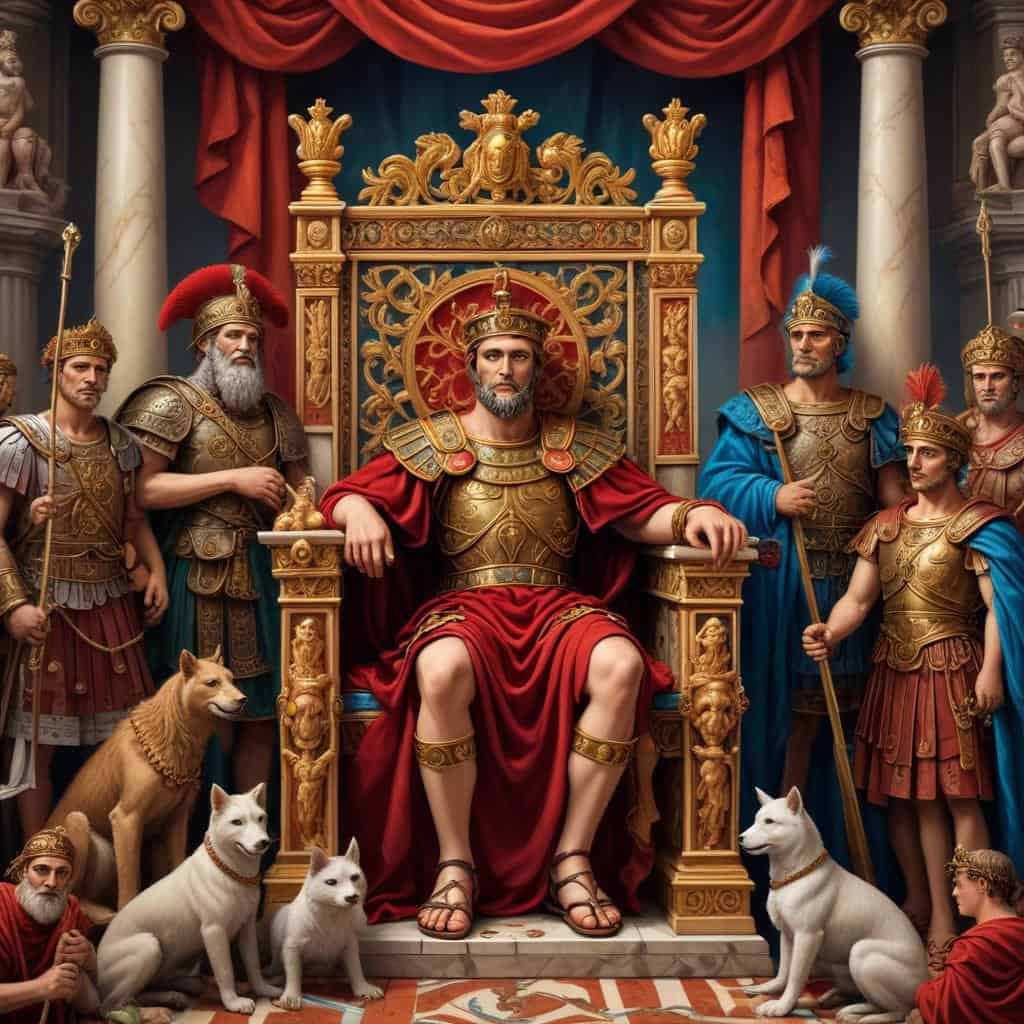
2. Puppet Emperor
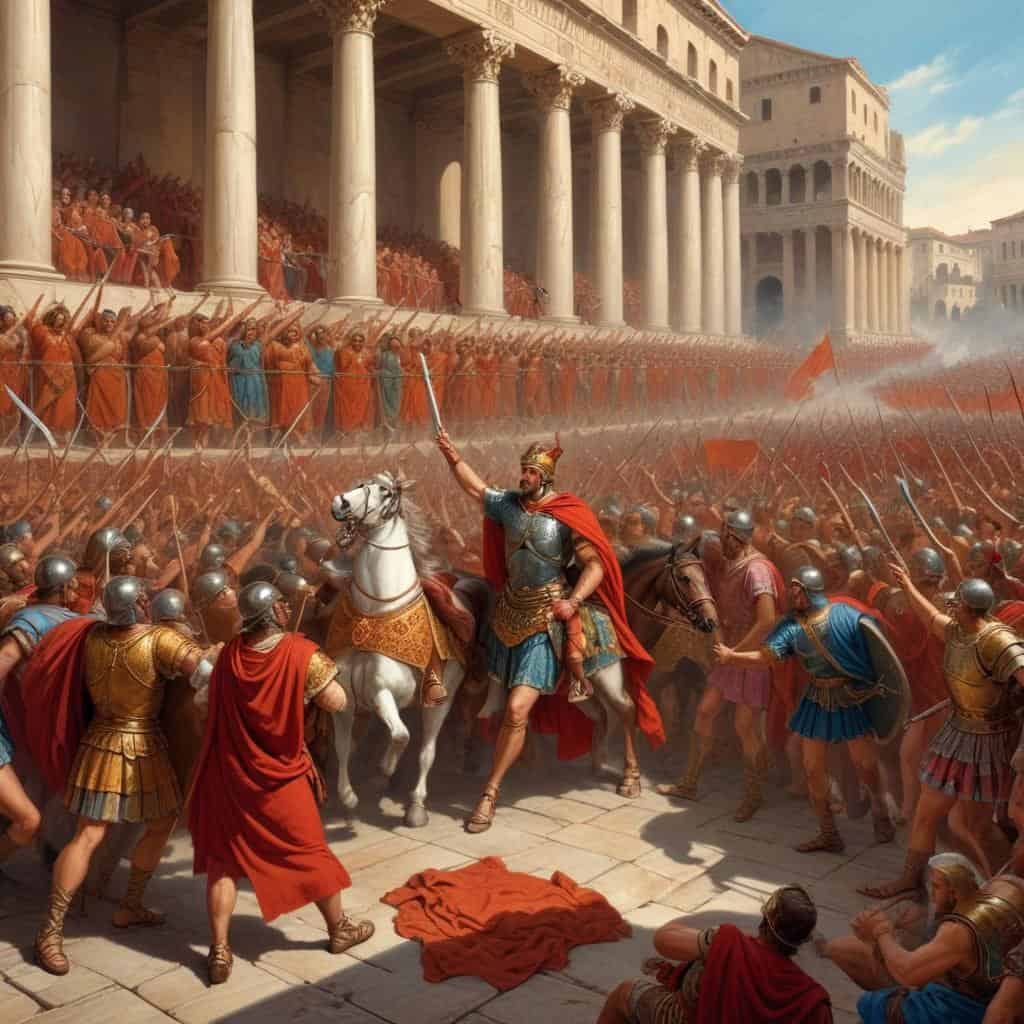
3. Odoacers Takeover
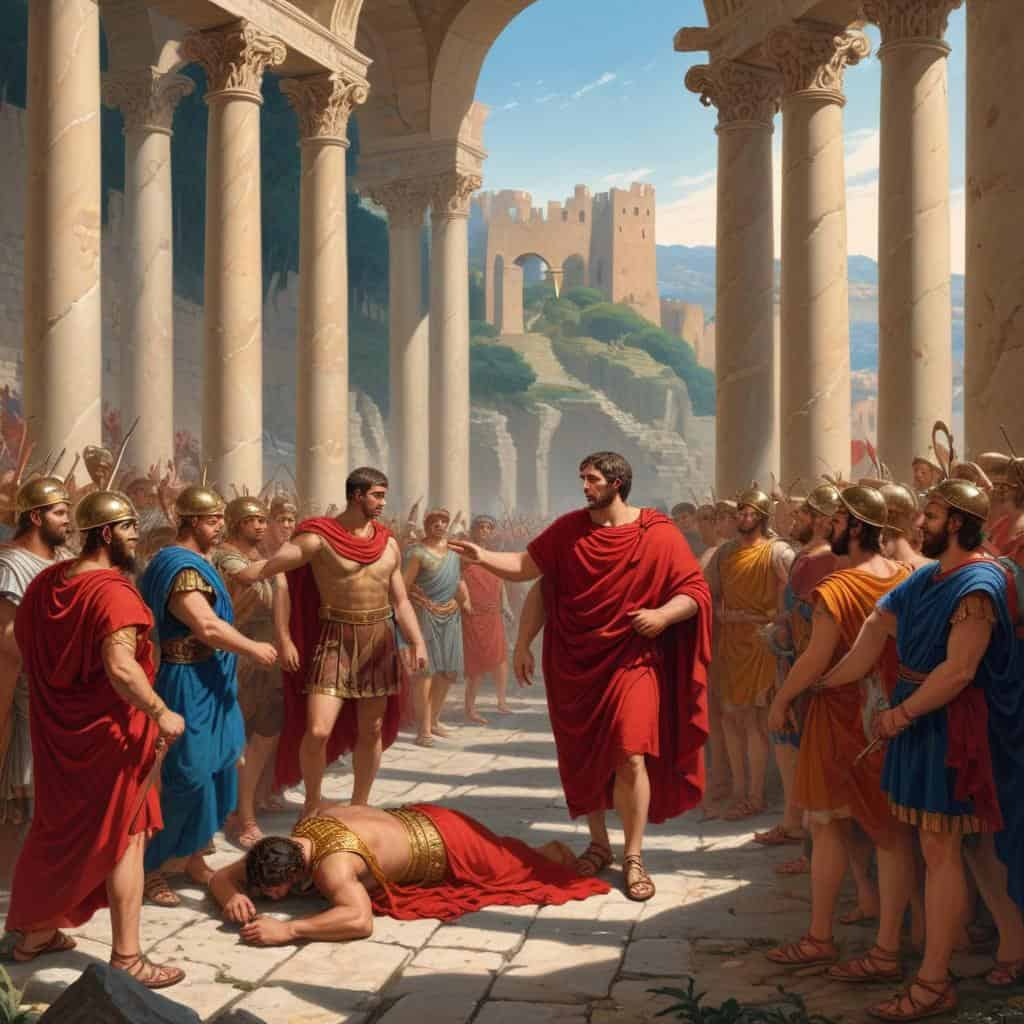
4. Exile
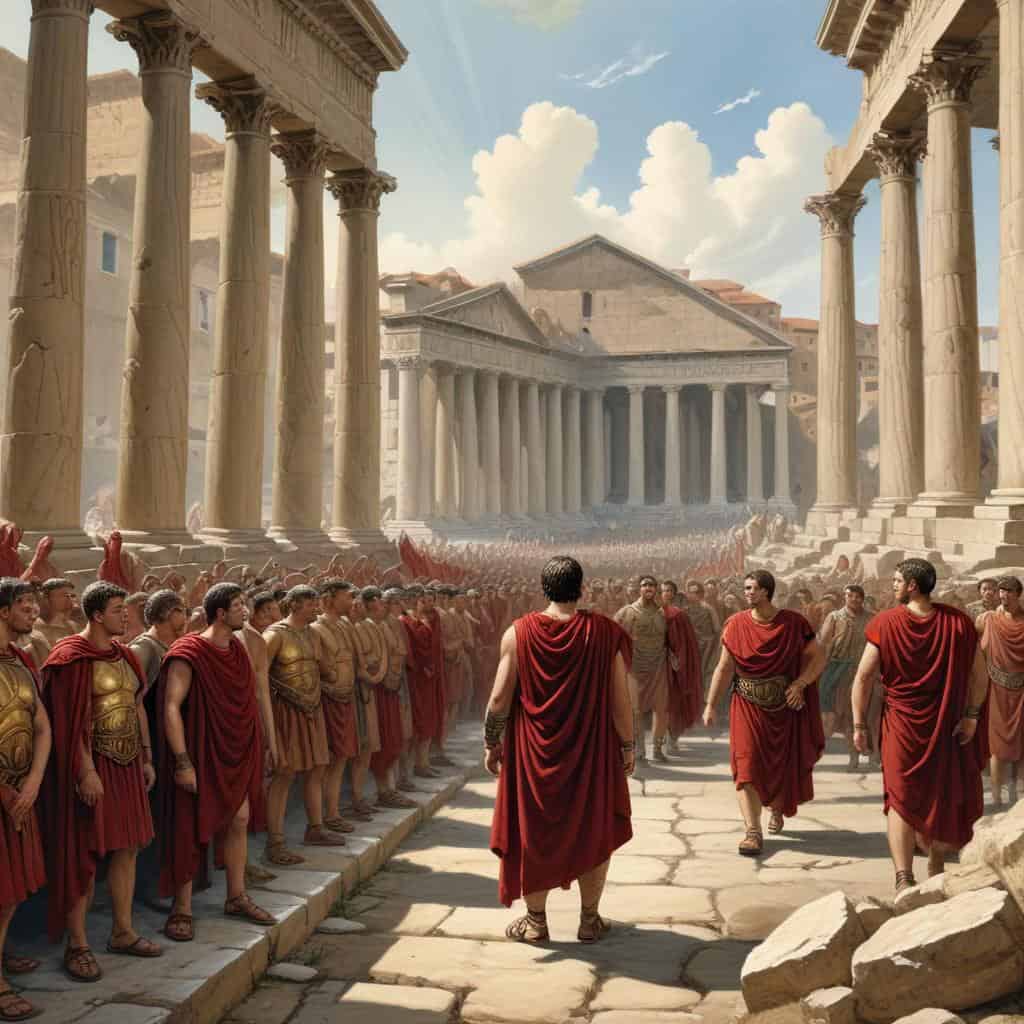
5. Fate and Legacy

6. Last Roman Emperor
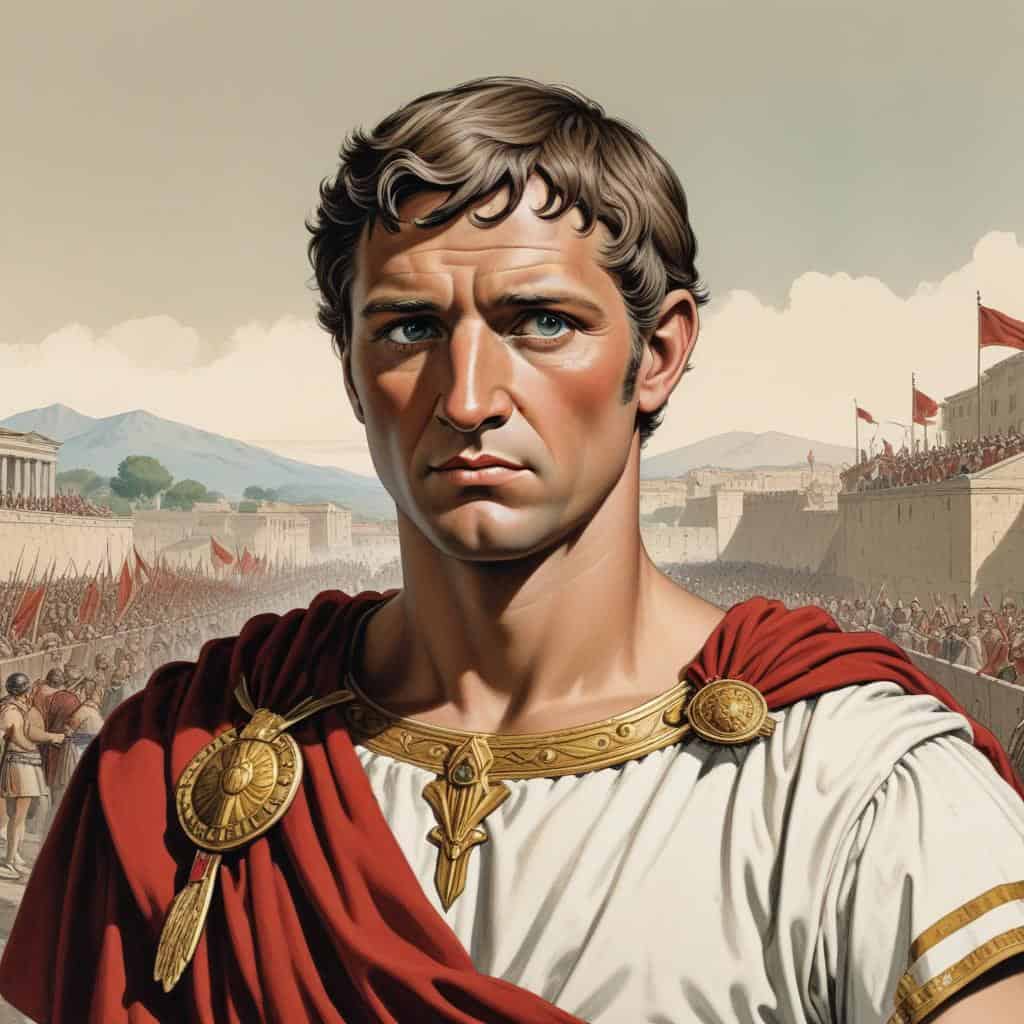
7. Historical Significance
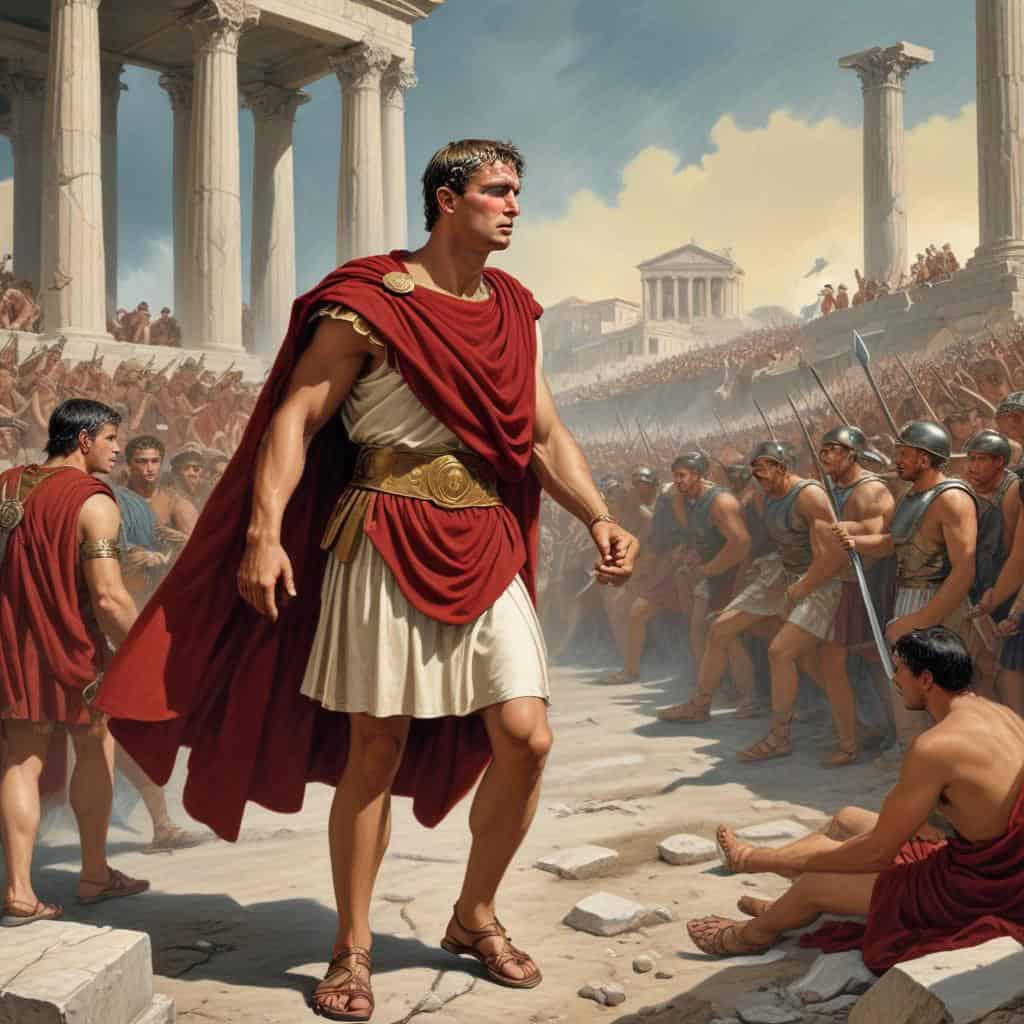
8. Depictions in Literature and Art
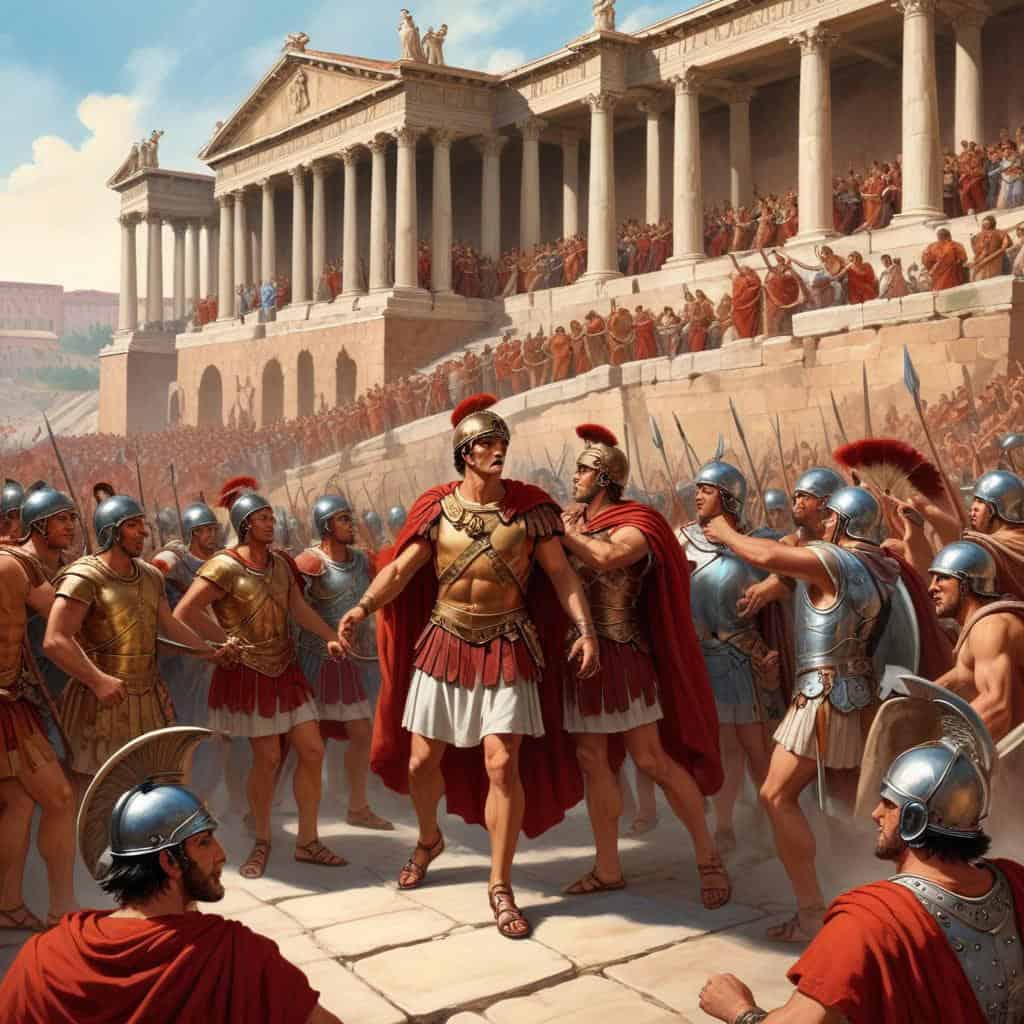
9. Historical Debate
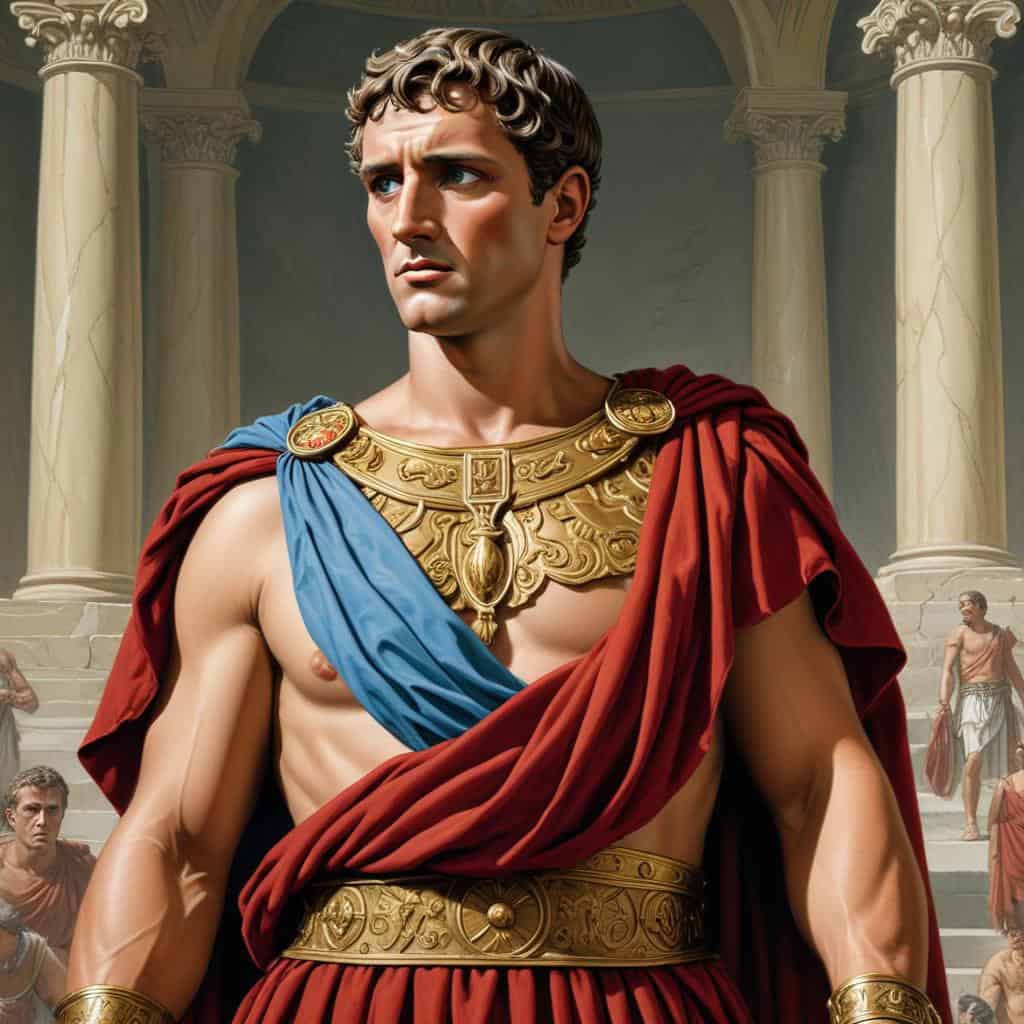
10. Legacy
Lesson Details & Resources
In a Nutshell
- Who: Last Western Roman Emperor
- When: Lived: 461 – Unknown
- Known For: Being the last emperor of the Western Roman Empire
- Legacy: Symbolizing the end of the Roman Empire in the West
Timeline of Romulus Augustus: The Last Roman Emperor’s Biography
Romulus Augustus is born as Flavius Romulus Augustus
Romulus Augustus becomes Western Roman Emperor at the age of 15
Odoacer, a Germanic chieftain, deposes Romulus Augustus and becomes King of Italy
Romulus Augustus is exiled to the Castellum Lucullanum in Campania
Romulus Augustus fades into obscurity and his fate remains unknown
The fall of the Western Roman Empire is traditionally dated to the deposition of Romulus Augustus
The Eastern Roman Empire, also known as the Byzantine Empire, continues to exist
The Roman Senate sends a delegation to Zeno, the Eastern Roman Emperor, requesting a new Western Roman Emperor
Zeno appoints Julius Nepos as Western Roman Emperor in opposition to Romulus Augustus
Julius Nepos rules as Western Roman Emperor in Dalmatia until his assassination in 480 AD
The deposition of Romulus Augustus marks the end of the Western Roman Empire
Theodoric the Great, a Gothic king, establishes the Ostrogothic Kingdom in Italy
Theodoric the Great rules as King of Italy until his death in 526 AD
Theodoric the Great is succeeded by his grandson Athalaric as King of Italy
Athalaric rules as King of Italy until his death in 534 AD
The Byzantine Emperor Justinian I reconquers Italy and establishes the Exarchate of Ravenna
The Exarchate of Ravenna serves as the Byzantine Empire's administrative center in Italy
The Lombards invade Italy and establish the Kingdom of the Lombards in 568 AD
The Lombards rule as kings of Italy until the Frankish King Charlemagne conquers the Lombard Kingdom in 774 AD
The fall of the Western Roman Empire paves the way for the rise of the medieval kingdoms in Europe
Vocabulary List
- Romulus Augustus
- The last Roman emperor, also known as Romulus Augustulus, was deposed in 476 AD.
- Emperor
- Romulus Augustus was the youngest Roman emperor in history, taking the throne at the age of 16.
- Deposed
- Romulus Augustus was deposed by the Germanic chieftain Odoacer, marking the end of the Western Roman Empire.
- Western Roman Empire
- Romulus Augustus was the last emperor of the Western Roman Empire, which fell in 476 AD.
- Fall of Rome
- The fall of Rome in 476 AD is often attributed to the deposition of Romulus Augustus.
- Barbarian
- The Roman Empire faced increasing pressure from barbarian tribes, leading to the downfall of Romulus Augustus.
- Odoacer
- The Germanic chieftain Odoacer overthrew Romulus Augustus and declared himself king of Italy.
Key Facts
This is the information used in the fact matching game
- Romulus Augustus was the last Roman emperor of the Western Roman Empire.
- He was born in 461 AD and became emperor in 475 AD at the age of 14.
- Romulus Augustus was known as 'Augustulus', which means 'little Augustus' in Latin.
- His father was Orestes, a Roman general of Germanic descent.
- Romulus Augustus was deposed in 476 AD by the Germanic chieftain Odoacer.
- After his deposition, Romulus Augustus was exiled to Campania in Italy.
- He is sometimes referred to as the 'last Roman emperor' or the 'last emperor of the West'.
- Romulus Augustus reigned for less than a year before being deposed.
- His deposition marked the end of the Western Roman Empire.
- Romulus Augustus was not killed by Odoacer but allowed to live out his days in obscurity.
- He is sometimes referred to as 'the forgotten emperor' due to his short reign and lack of impact on history.
- The name 'Romulus' was likely chosen as a nod to the legendary founder of Rome, Romulus.
- Romulus Augustus was a puppet emperor controlled by his father Orestes and the Germanic mercenaries in the Roman army.
- After his deposition, Romulus Augustus disappears from historical records, and his ultimate fate is unknown.
- His reign is seen as a symbol of the decline and fall of the Western Roman Empire.
- Romulus Augustus was known for his youth and inexperience as emperor.
- He was the son of a Roman general but lacked the military and political skills necessary to govern effectively.
- Romulus Augustus was deposed without much resistance, as his rule was already seen as weak and illegitimate.
- The fall of Romulus Augustus is considered one of the key events leading to the Middle Ages in Europe.
- Despite his short reign, Romulus Augustus has left a lasting impact on the study of Roman history and the fall of the Western Roman Empire.
Analysis & Significance
Major Accomplishments
Romulus Augustus was the last Roman emperor before the fall of the Western Roman Empire in 476 AD. Despite his short reign, he played a significant role in the history of the Roman Empire.
Impact on the World
His reign marked the end of the Western Roman Empire and the beginning of the Middle Ages in Europe. The fall of Romulus Augustus symbolized the decline of the Roman Empire and the transition to a new era in European history.
Enduring Legacy
Romulus Augustus is remembered as the last Roman emperor and a symbol of the fall of the Western Roman Empire. His reign serves as a reminder of the fragility of empires and the inevitable changes that come with the passage of time. Despite his short reign, Romulus Augustus remains a significant historical figure in the study of Roman history and the decline of ancient civilizations.
Romulus Augustus: The Last Roman Emperor’s Biography Games


Take Your Learning Offline
Want a convenient, print-ready study guide for this lesson? Become a Memory Wizards Pro member to unlock the downloadable " Memory Scrolls" for this topic and our entire library!
- ✓ Complete Vocabulary Lists
- ✓ Key Facts & Timelines
- ✓ Beautifully Formatted for Print & Mobile