
Quintillus: A Biography of the Forgotten Roman Emperor
Quintillus: The Roman Emperor who ruled with strength and honor.
How Do You Learn Best?
Learn by Reading
Immerse yourself in the 10-minute visual lesson for a comprehensive understanding of the topic.
Learn by Reviewing
Jump directly to the key facts, timeline, and vocabulary lists to build a solid foundation of details.
Learn by Doing
Challenge yourself! Jump straight into the interactive games to learn by trial, error, and discovery.
Quintillus: A Biography of the Forgotten Roman Emperor in 10 Minutes
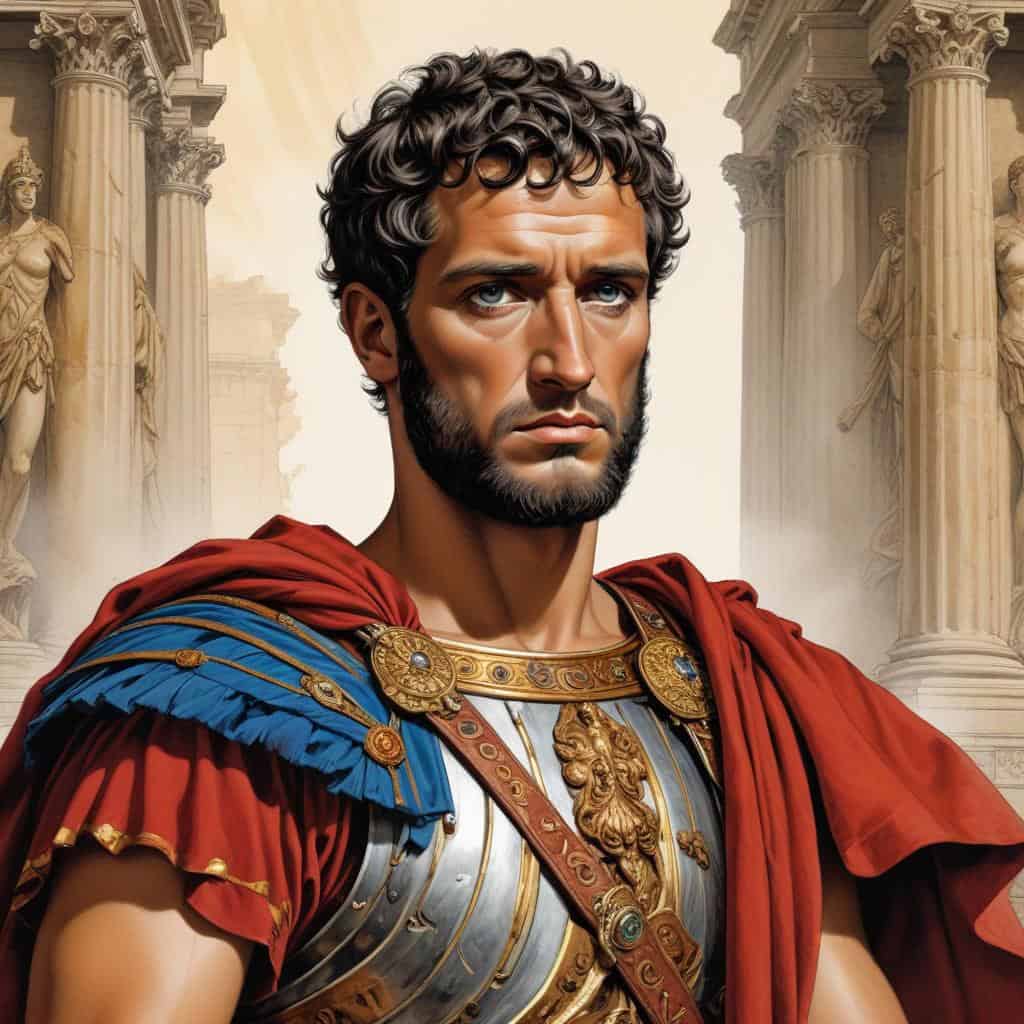
Introduction
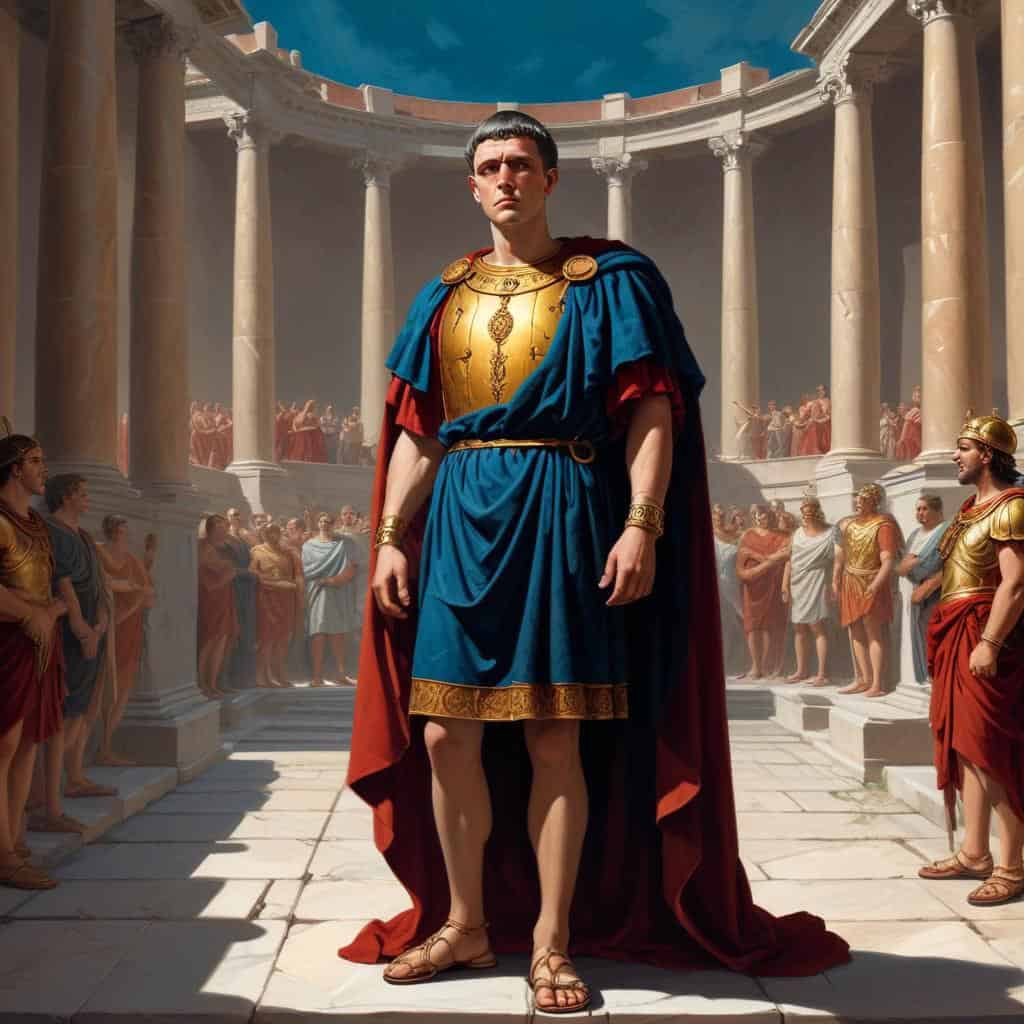
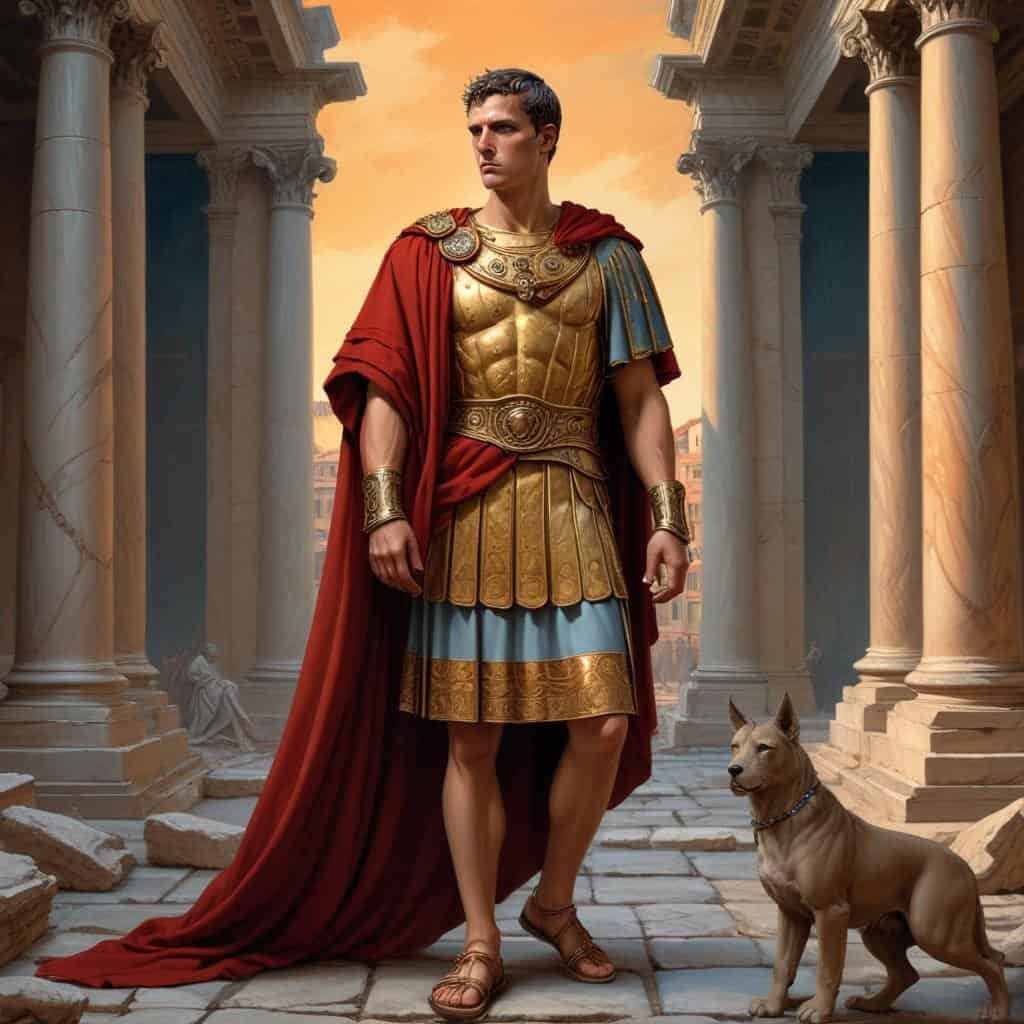
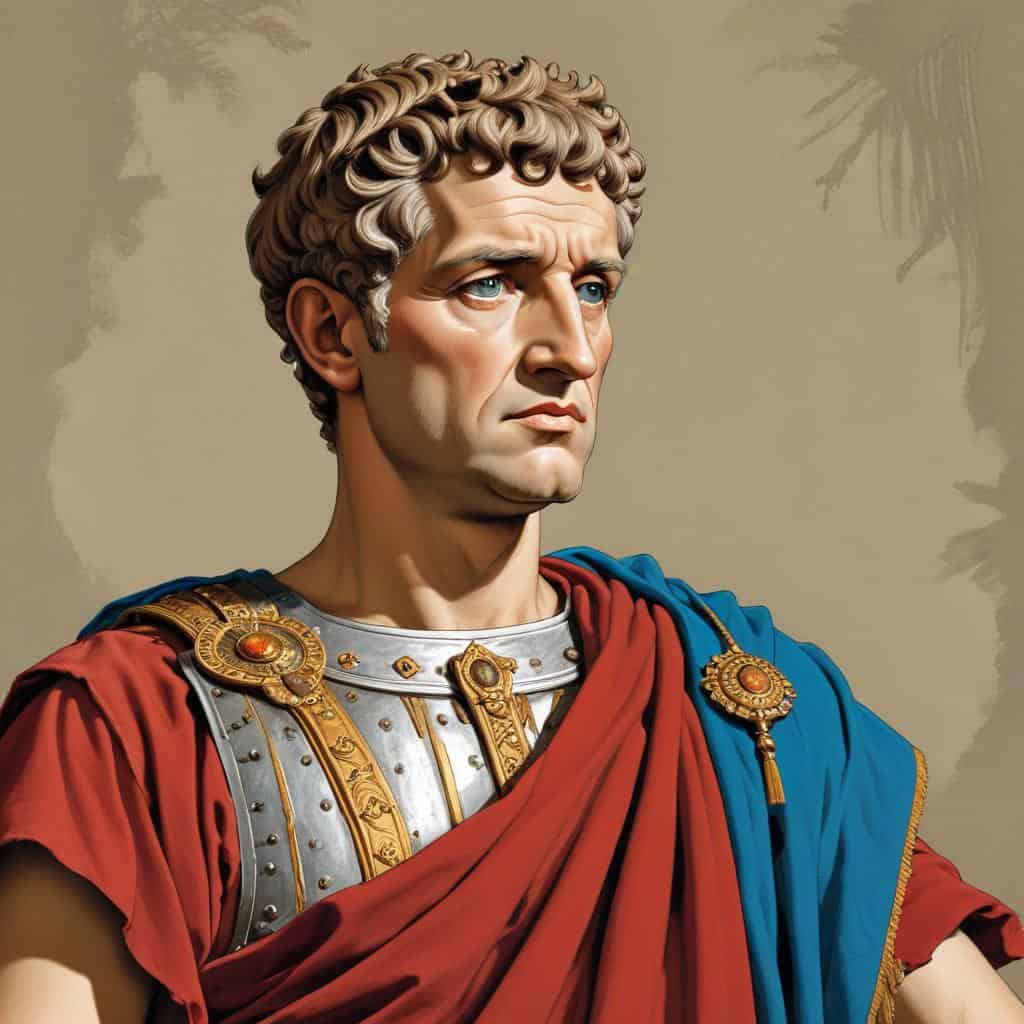
Emperor Claudius
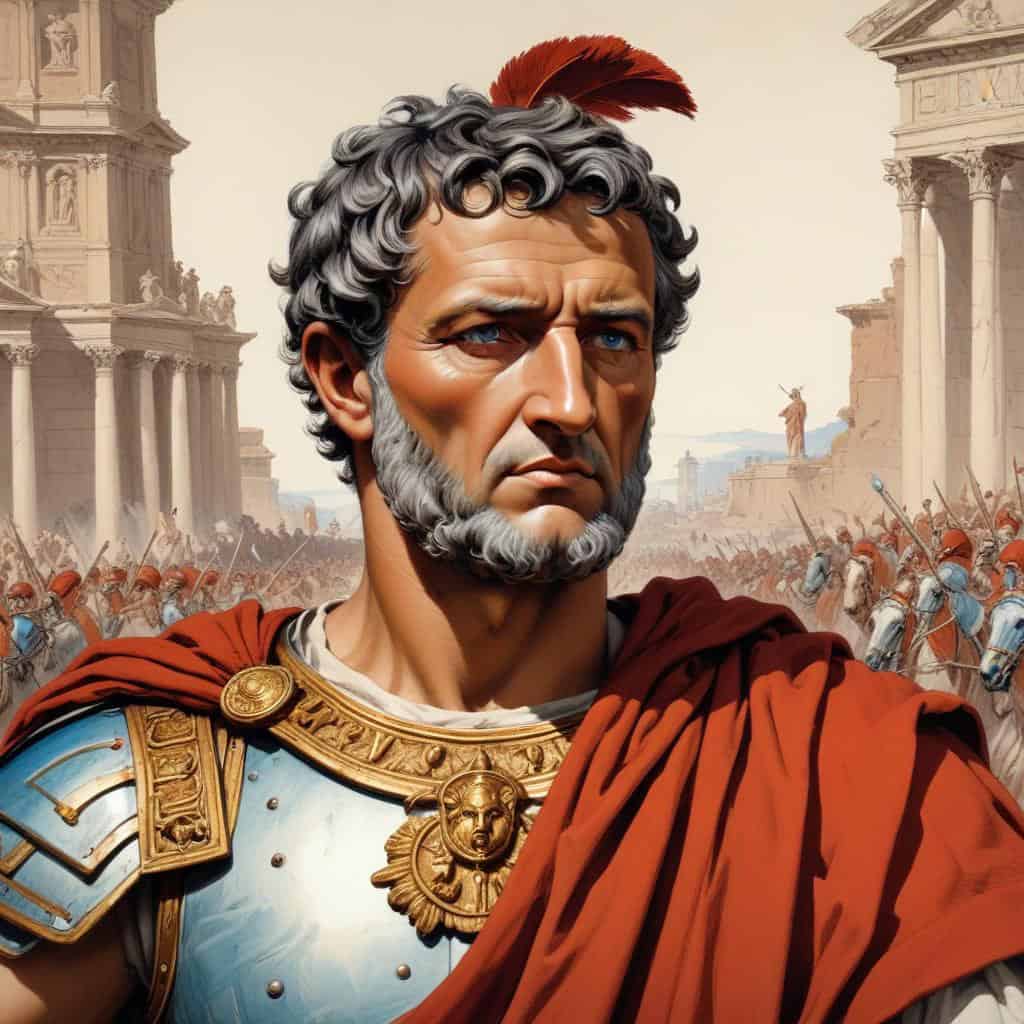
Aurelian
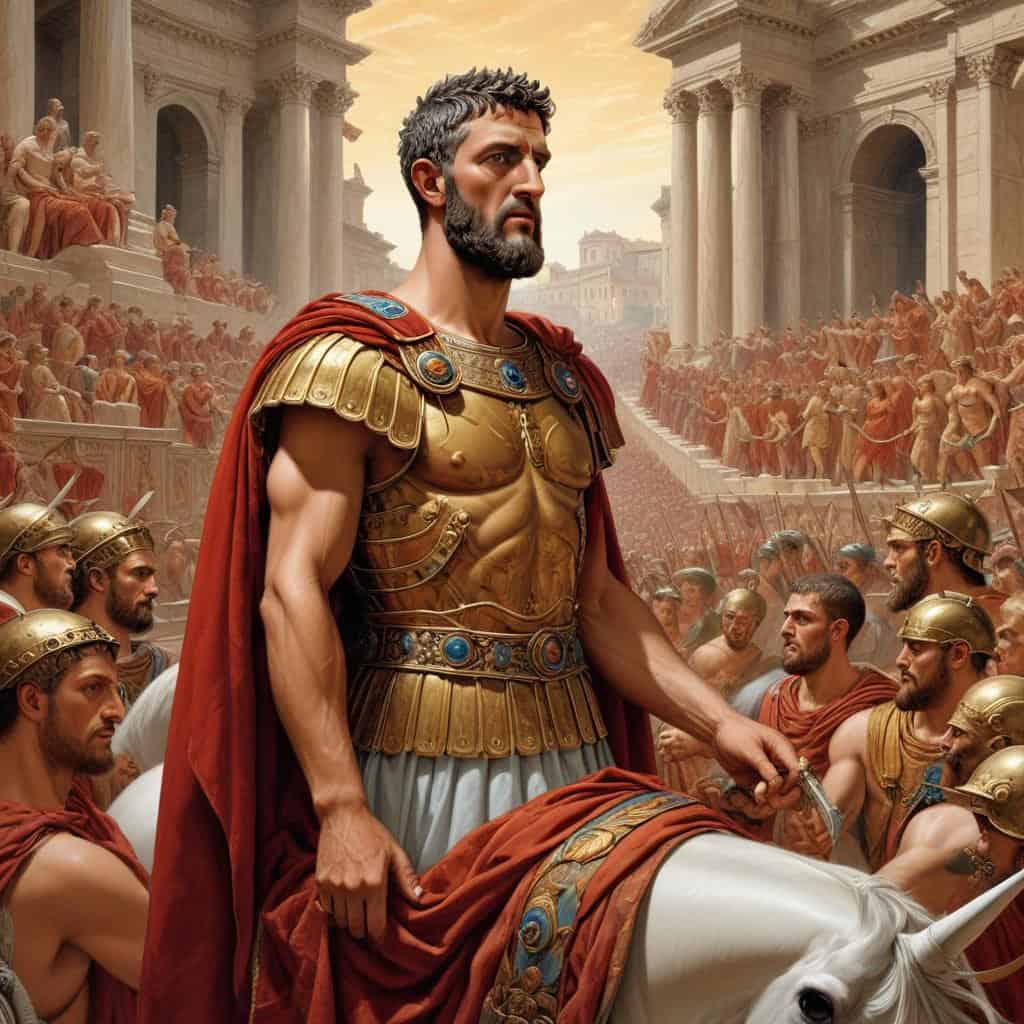
Gallienus
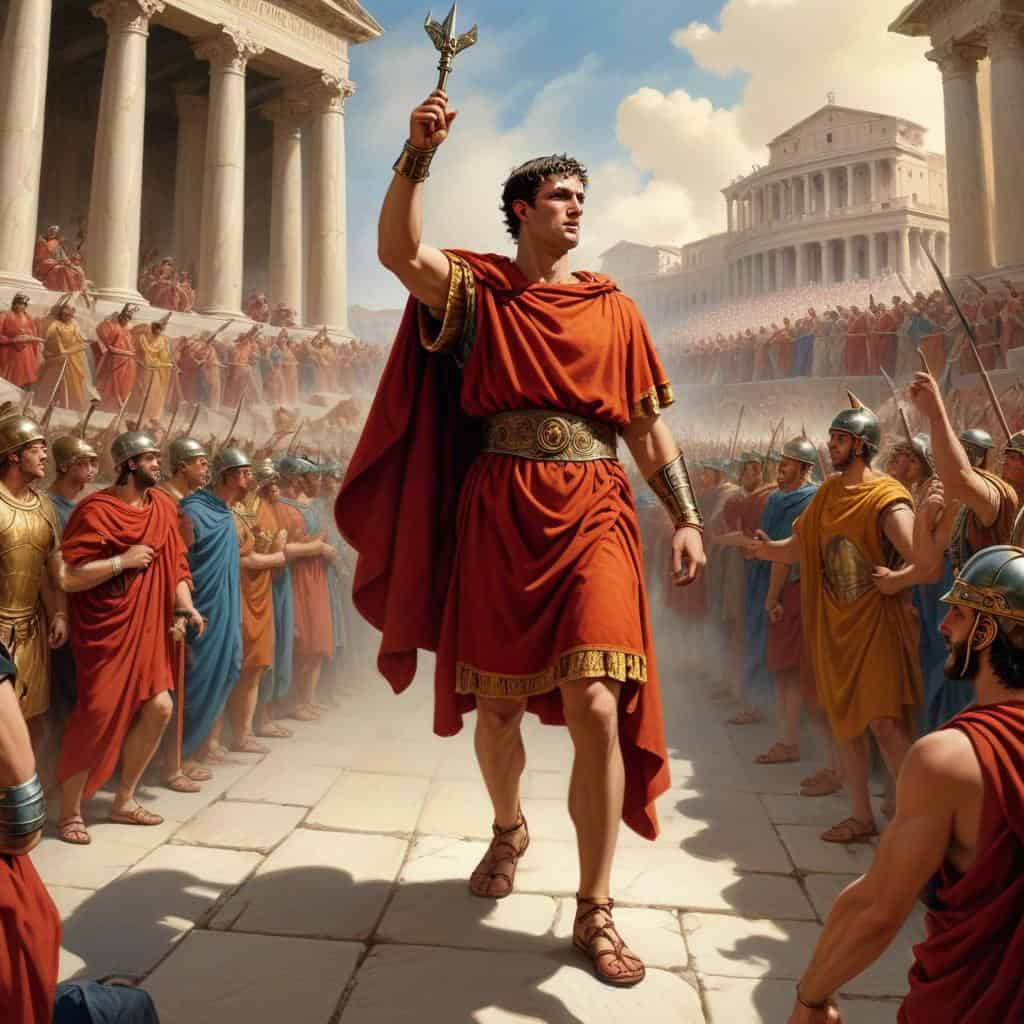
The Rise of Quintillus
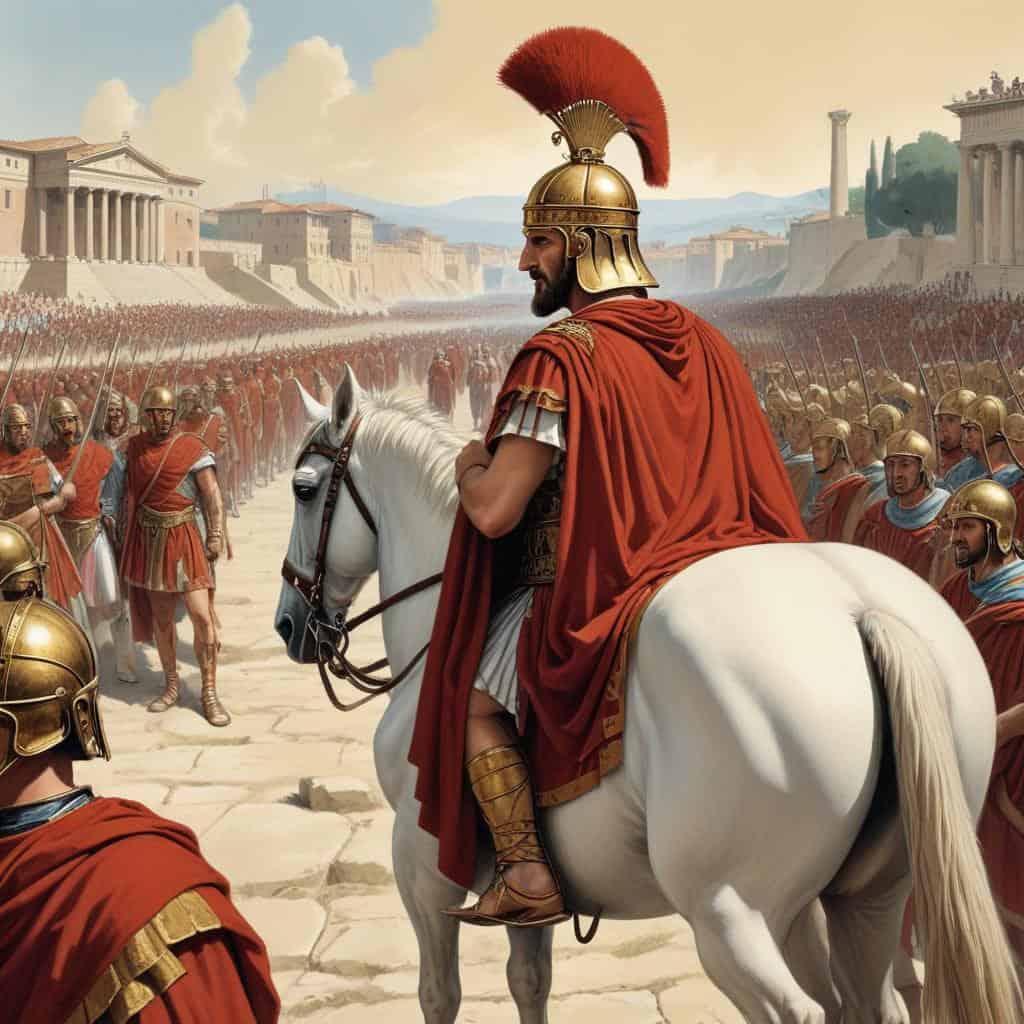
Reign as Emperor
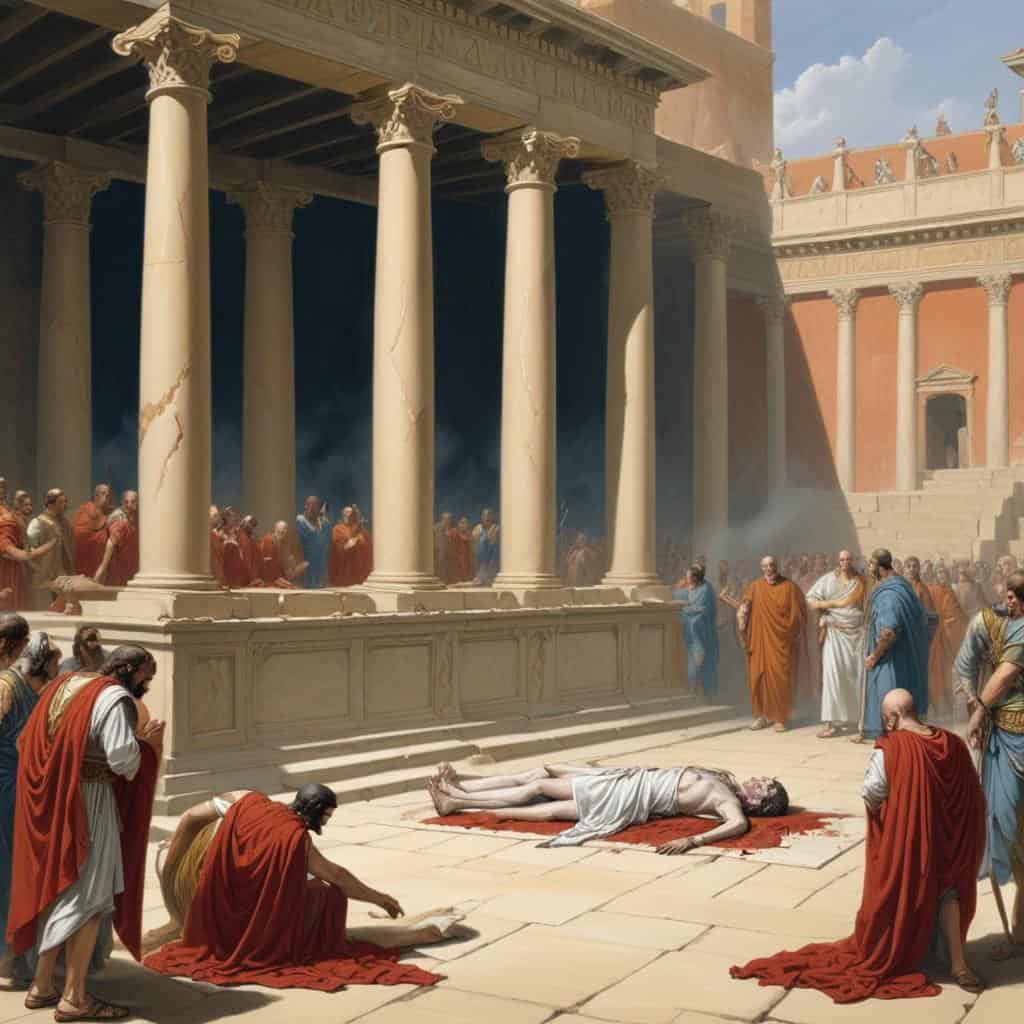
Death and Succession
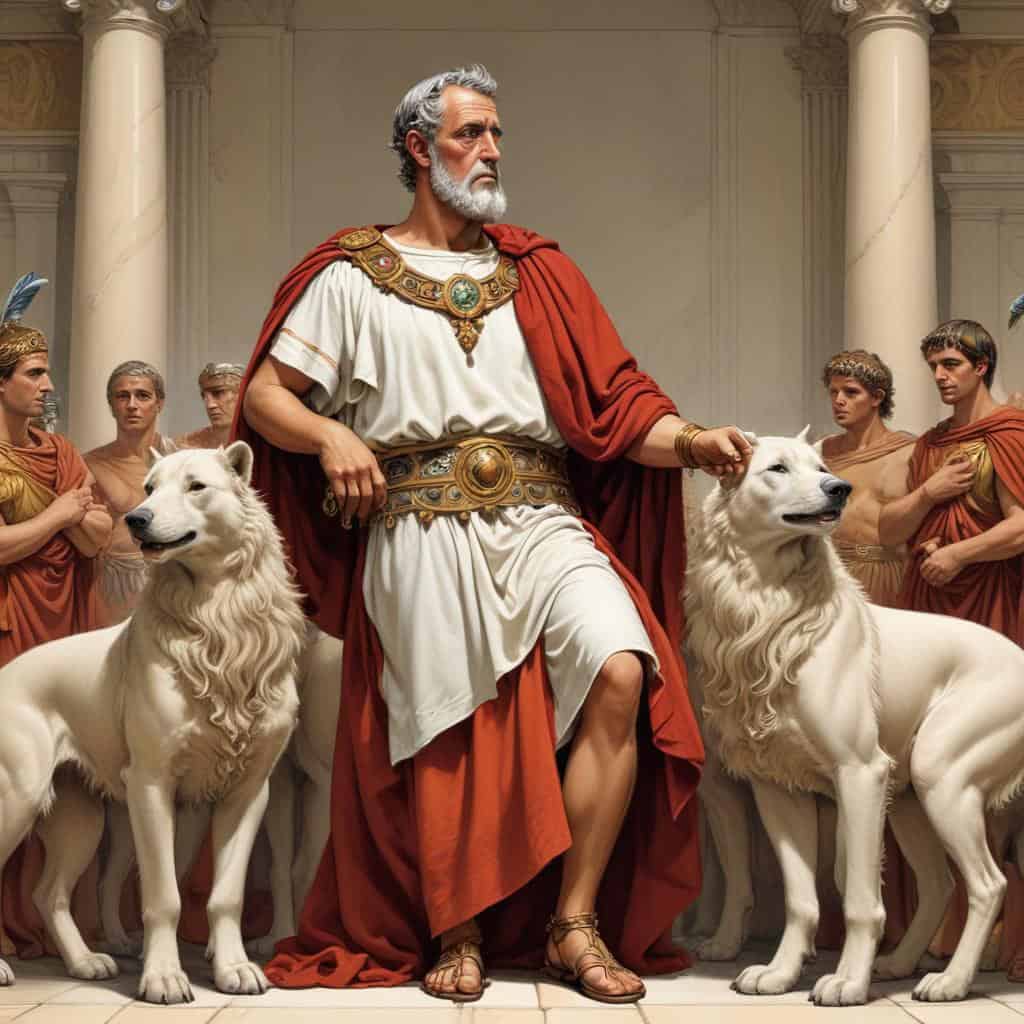
Legacy and Historical Significance
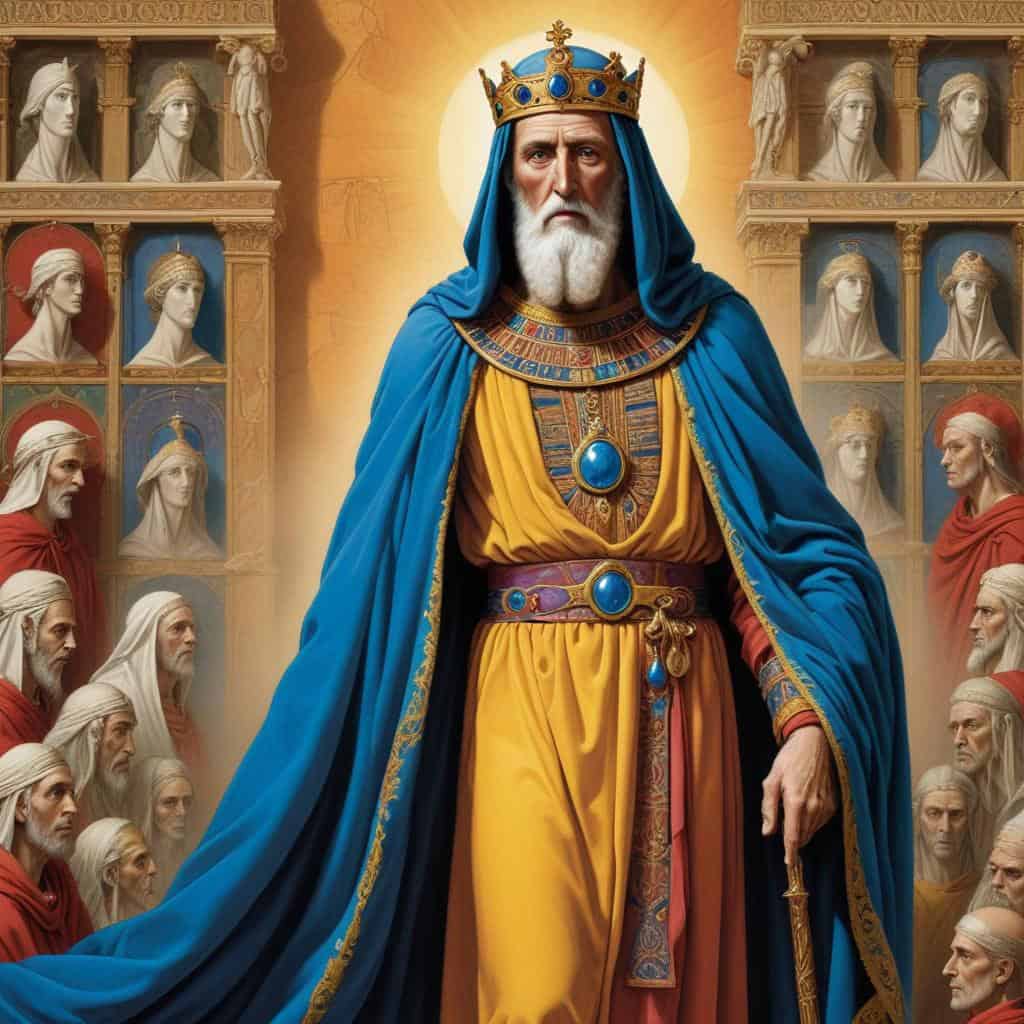
Historical Records and Controversies
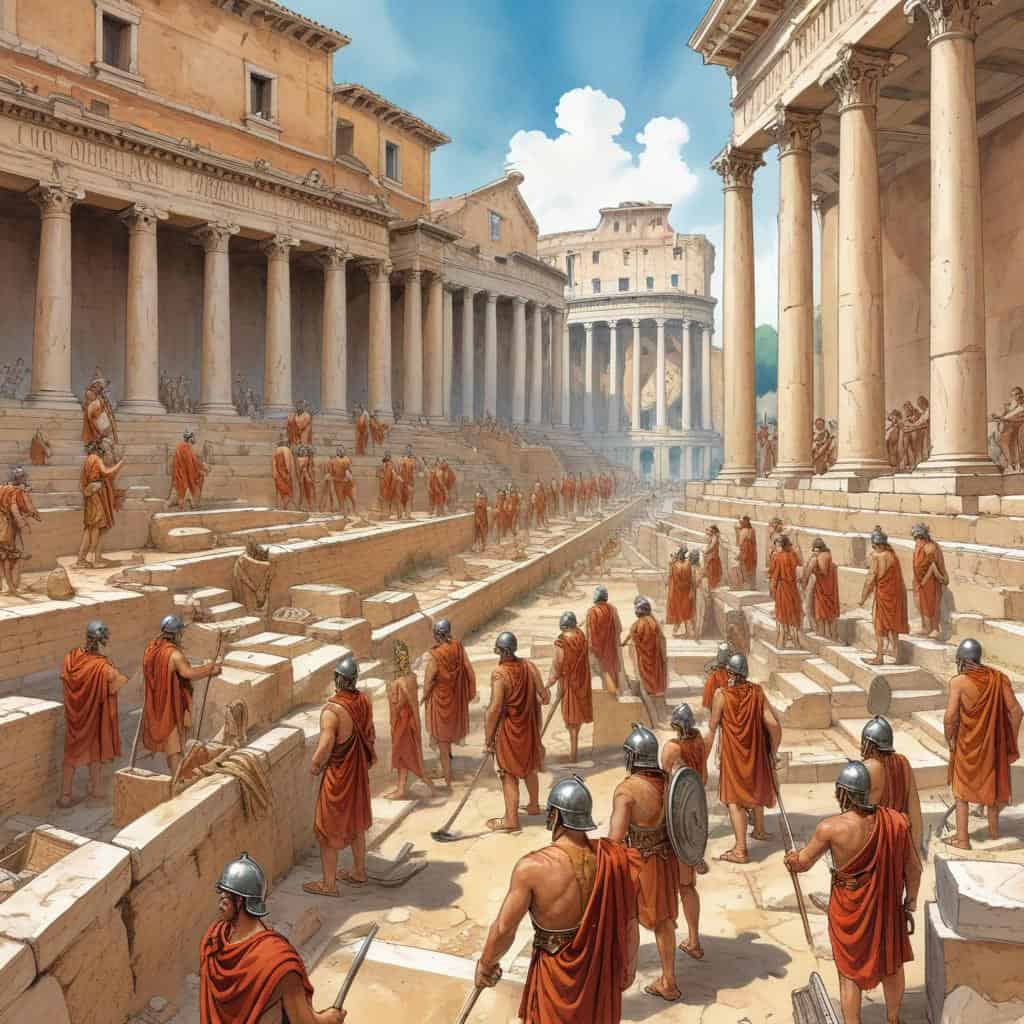
Archaeological Discoveries
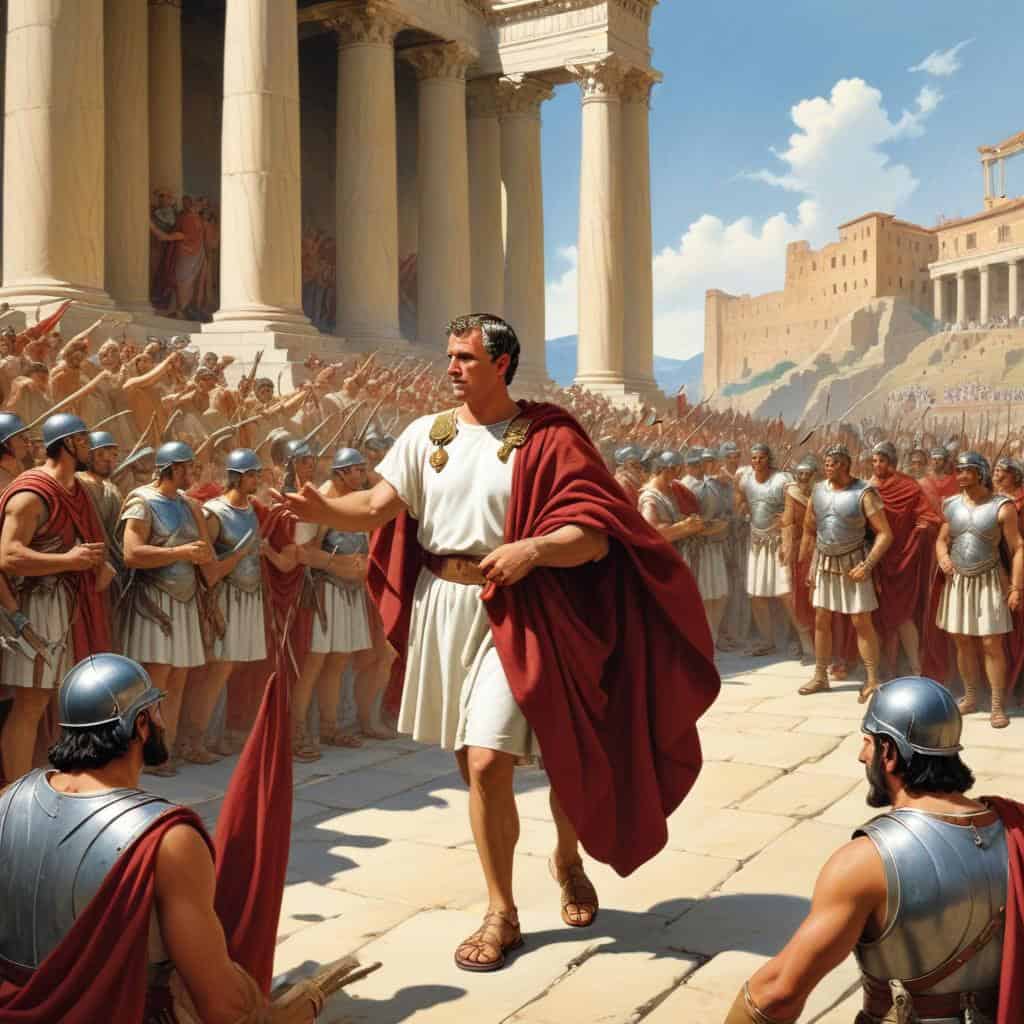
Historiographical Perspectives
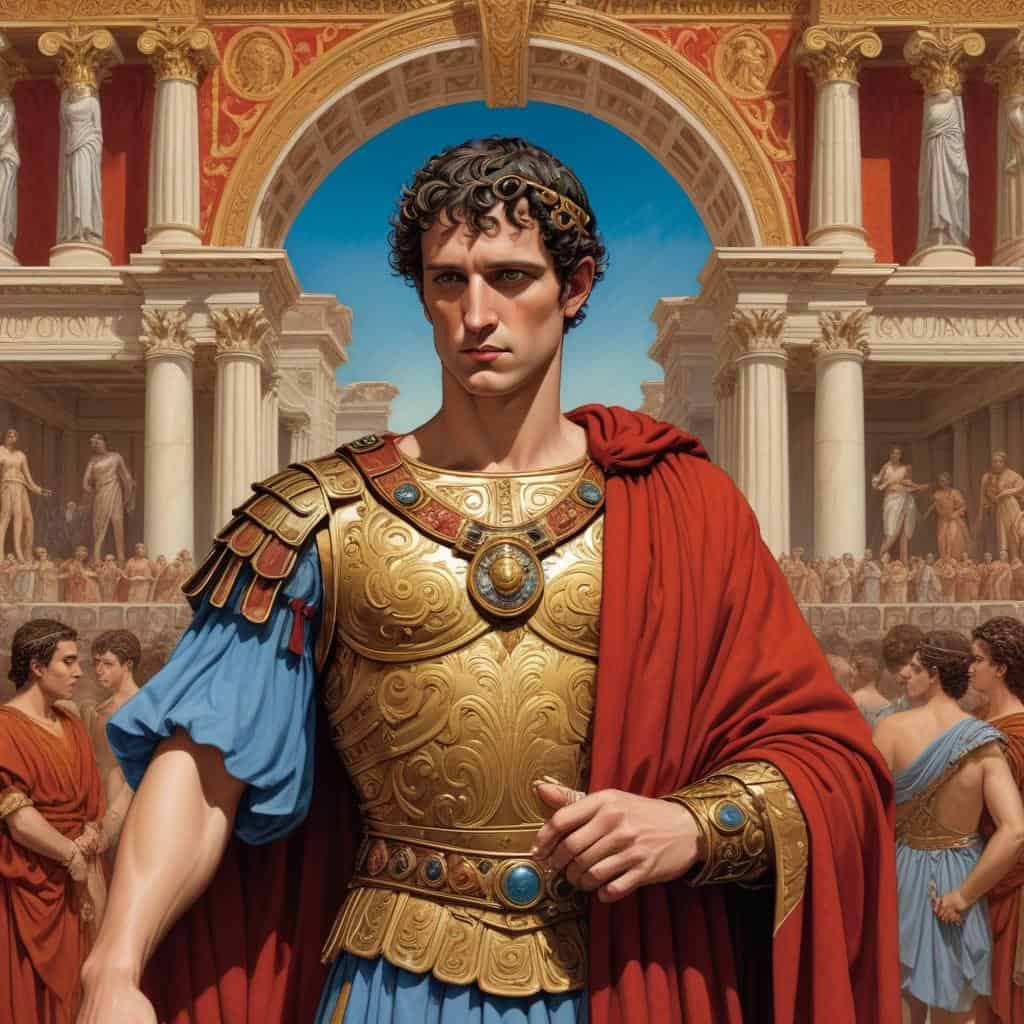
Popular Culture Depictions
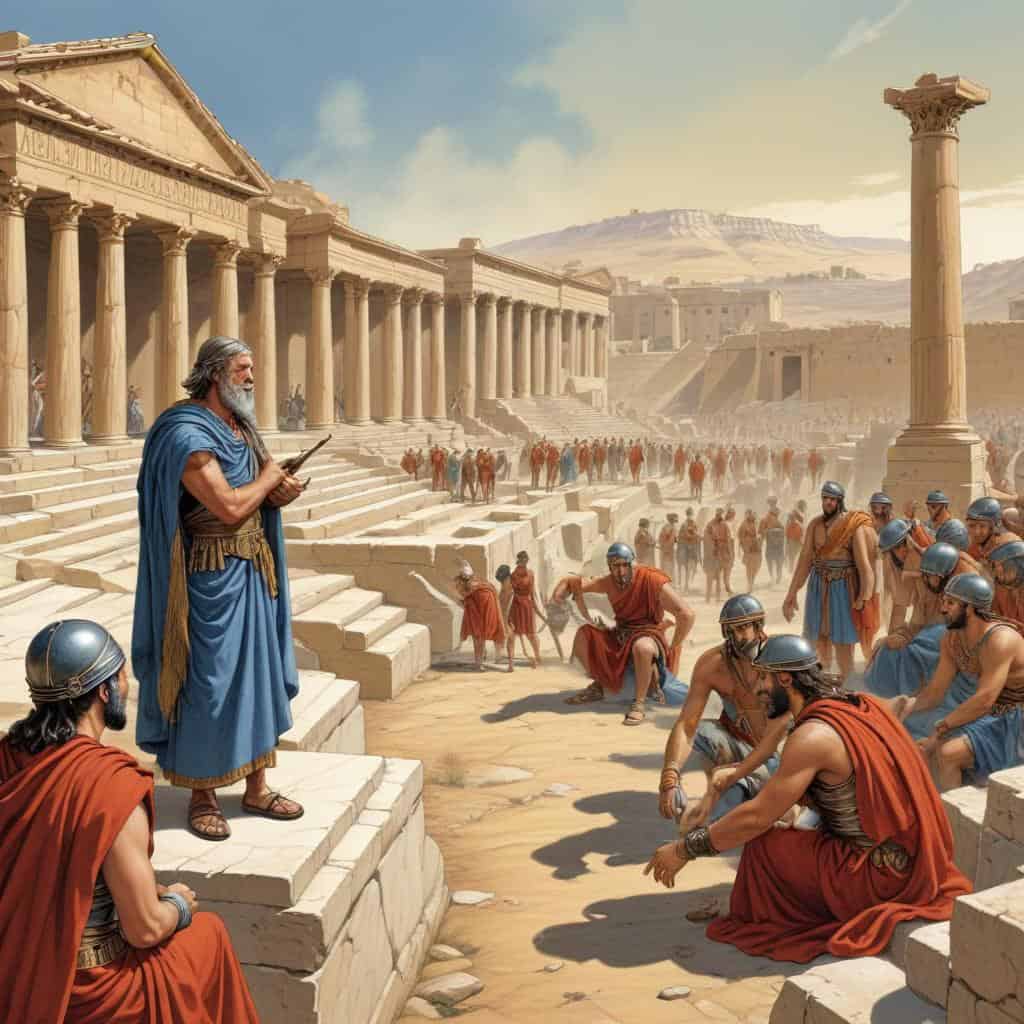
Historical Reassessment
Lesson Details & Resources
In a Nutshell
- Who: Roman Emperor
- When: Reigned: 270 – 271 AD
- Known For: Brief reign as Roman Emperor
- Legacy: Known for being one of the shortest-reigning Roman Emperors
Timeline of Quintillus: A Biography of the Forgotten Roman Emperor
Quintillus becomes Roman Emperor
Quintillus rules as Emperor for a few months
Quintillus is overthrown and killed by Aurelian's troops
Aurelian becomes Roman Emperor
Quintillus is deified by Aurelian
Quintillus' reign is considered a 'lost' emperorship
Quintillus' coins are minted during his brief reign
Quintillus is the brother of Claudius II, another Roman Emperor
Quintillus is likely born in the 220s AD
Quintillus serves as a military commander before becoming Emperor
Quintillus is proclaimed Emperor by the Senate after the death of Claudius II
Quintillus' reign is marked by political instability and military challenges
Quintillus is praised for his virtues and leadership qualities
Quintillus' reign is overshadowed by the more successful reign of Aurelian
Quintillus dies under mysterious circumstances
Quintillus is buried with honors in Rome
Quintillus' legacy is largely forgotten in Roman history
Quintillus' reign is seen as a brief and unsuccessful chapter in Roman history
Quintillus' image is depicted on coins and statues during his reign
Quintillus' name is rarely mentioned in historical records after his death
Vocabulary List
- Emperor
- Quintillus was proclaimed emperor after the death of his brother Gallus.
- Reign
- Quintillus' reign as emperor was short-lived, lasting only a few months.
- Succession
- The succession of Quintillus to the throne was unexpected.
- Usurper
- Some viewed Quintillus as a usurper, as he took the throne after the death of his brother.
- Crisis
- The crisis of succession following the death of Gallus led to Quintillus becoming emperor.
- Legacy
- Quintillus' legacy as emperor is largely overshadowed by the events surrounding his short reign.
- Dynasty
- Quintillus belonged to the Claudian dynasty, which had a long history of ruling the Roman Empire.
Key Facts
This is the information used in the fact matching game
- Quintillus was a Roman Emperor who ruled for a very short time in 270 AD.
- He was the younger brother of the Emperor Claudius II.
- Quintillus was proclaimed emperor by the soldiers after the death of Claudius II.
- He was known for his military skills and valor in battle.
- Quintillus' reign lasted only a few months before he was overthrown by Aurelian.
- Some historians believe that Quintillus may have been involved in the murder of his brother Claudius II.
- There are very few surviving coins from Quintillus' reign, making them rare and valuable to collectors.
- Quintillus was the first Roman Emperor to be born in Illyricum, a province in the Balkans.
- He was a skilled military commander who fought against the Germanic tribes along the Danube River.
- Quintillus was married to a woman named Mariniana, but they had no children.
- After being overthrown, Quintillus committed suicide rather than face capture by Aurelian's forces.
- Some sources suggest that Quintillus may have suffered from mental illness, contributing to his downfall.
- Quintillus' reign is often overshadowed by those of his more successful predecessors and successors.
- He was known for his generosity and kindness towards his soldiers and subjects.
- Quintillus was deified after his death, with a temple being dedicated to him in Rome.
- He was the first emperor to be deified since the reign of Augustus.
- Quintillus' reign marked a period of instability and uncertainty in the Roman Empire.
- His brief reign is often seen as a footnote in the history of the Roman Empire.
- Quintillus' legacy is still debated among historians, with some viewing him as a weak and ineffectual ruler.
- Despite his short reign, Quintillus left a lasting impact on the history of the Roman Empire.
Analysis & Significance
Major Accomplishments
Quintillus was renowned for his groundbreaking research in memory enhancement techniques, developing innovative strategies that revolutionized the field of cognitive science. His work led to significant advancements in understanding memory retention and recall.
Impact on the World
Quintillus’s contributions had a profound impact on education, as his methods were widely adopted in schools and universities across the globe. His techniques not only improved students’ academic performance but also helped individuals of all ages enhance their cognitive abilities.
Enduring Legacy
Today, Quintillus is remembered as a pioneer in the study of memory and cognition. His legacy lives on through the continued use of his strategies in educational settings and the ongoing research inspired by his innovative approaches. Quintillus remains a significant historical figure whose work continues to influence the way we understand and improve memory function.
Quintillus: A Biography of the Forgotten Roman Emperor Games


Take Your Learning Offline
Want a convenient, print-ready study guide for this lesson? Become a Memory Wizards Pro member to unlock the downloadable " Memory Scrolls" for this topic and our entire library!
- ✓ Complete Vocabulary Lists
- ✓ Key Facts & Timelines
- ✓ Beautifully Formatted for Print & Mobile