
Philip the Arab: A Biography of the Roman Emperor
Philip the Arab: The emperor who brought peace and prosperity to the Roman Empire.
How Do You Learn Best?
Learn by Reading
Immerse yourself in the 10-minute visual lesson for a comprehensive understanding of the topic.
Learn by Reviewing
Jump directly to the key facts, timeline, and vocabulary lists to build a solid foundation of details.
Learn by Doing
Challenge yourself! Jump straight into the interactive games to learn by trial, error, and discovery.
Philip the Arab: A Biography of the Roman Emperor in 10 Minutes
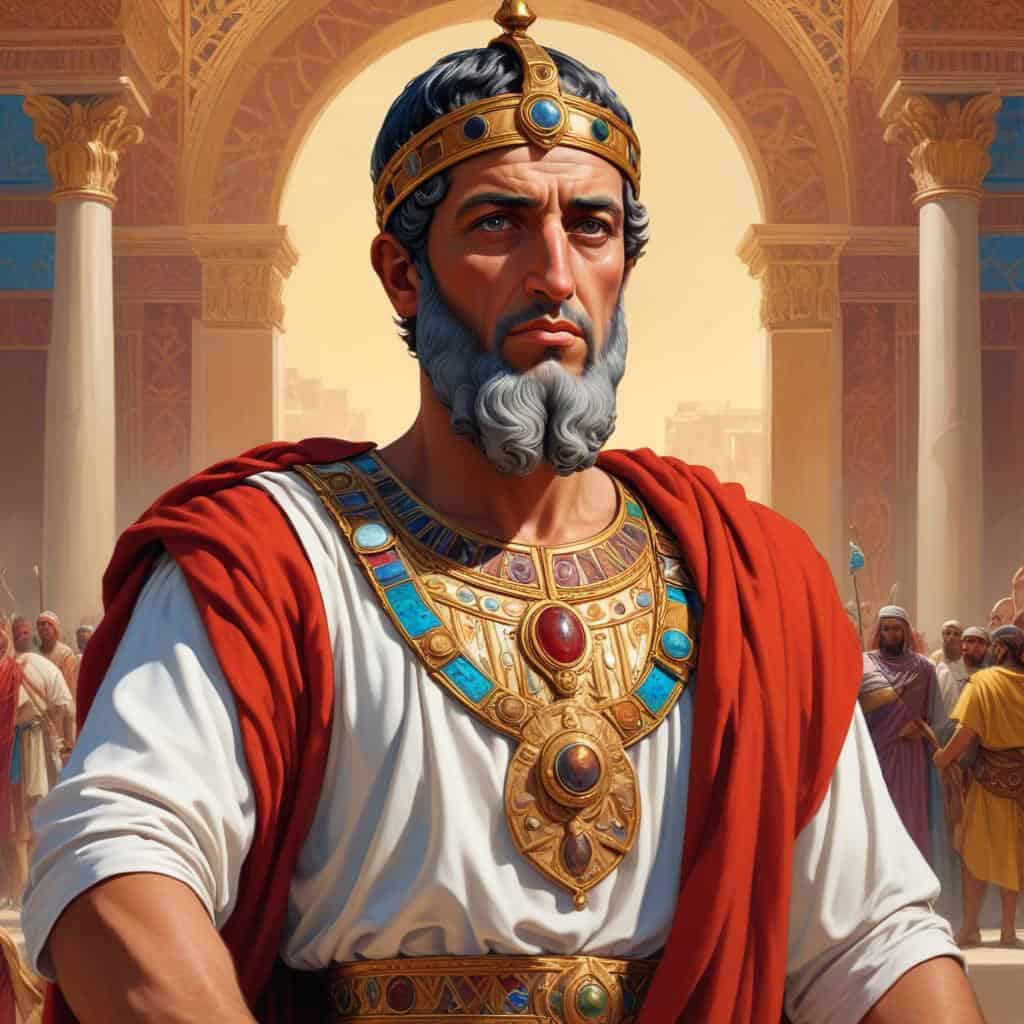
Introduction
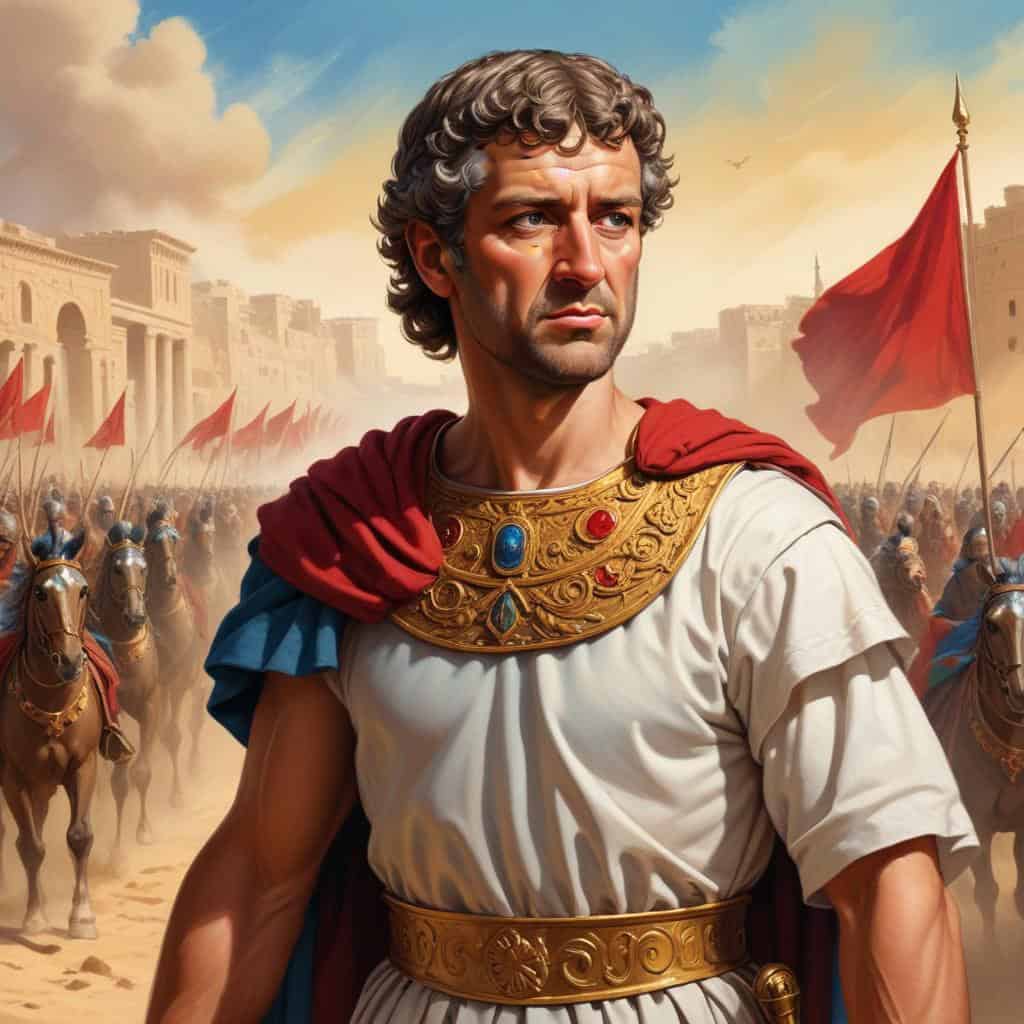
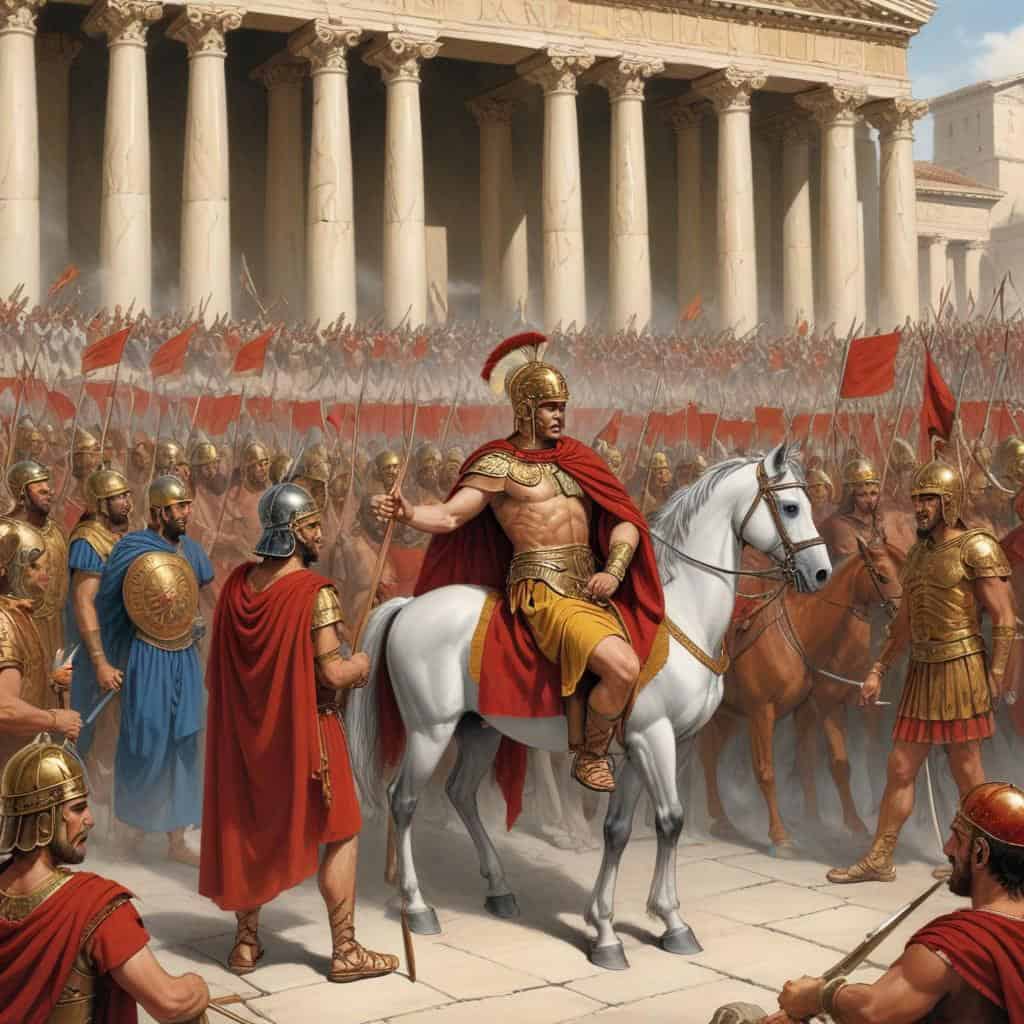
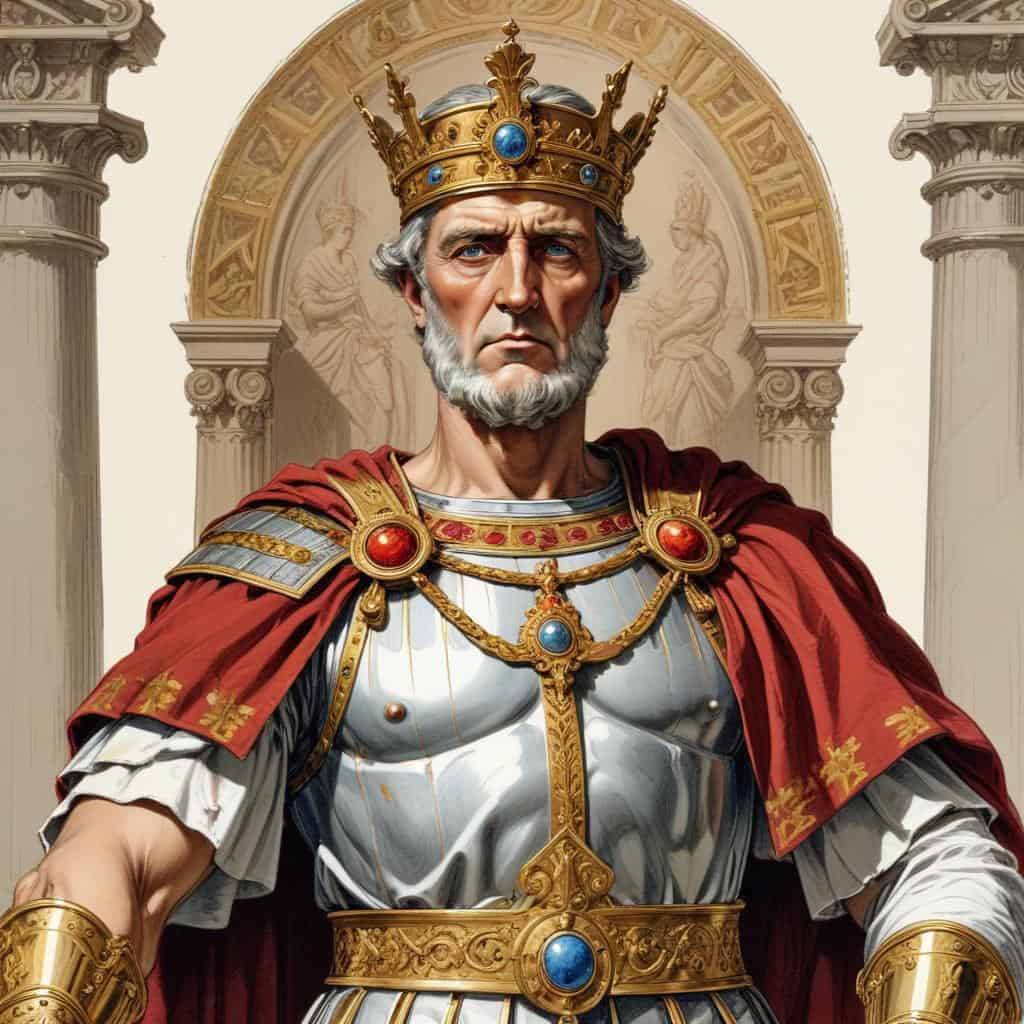
Emperor Decius
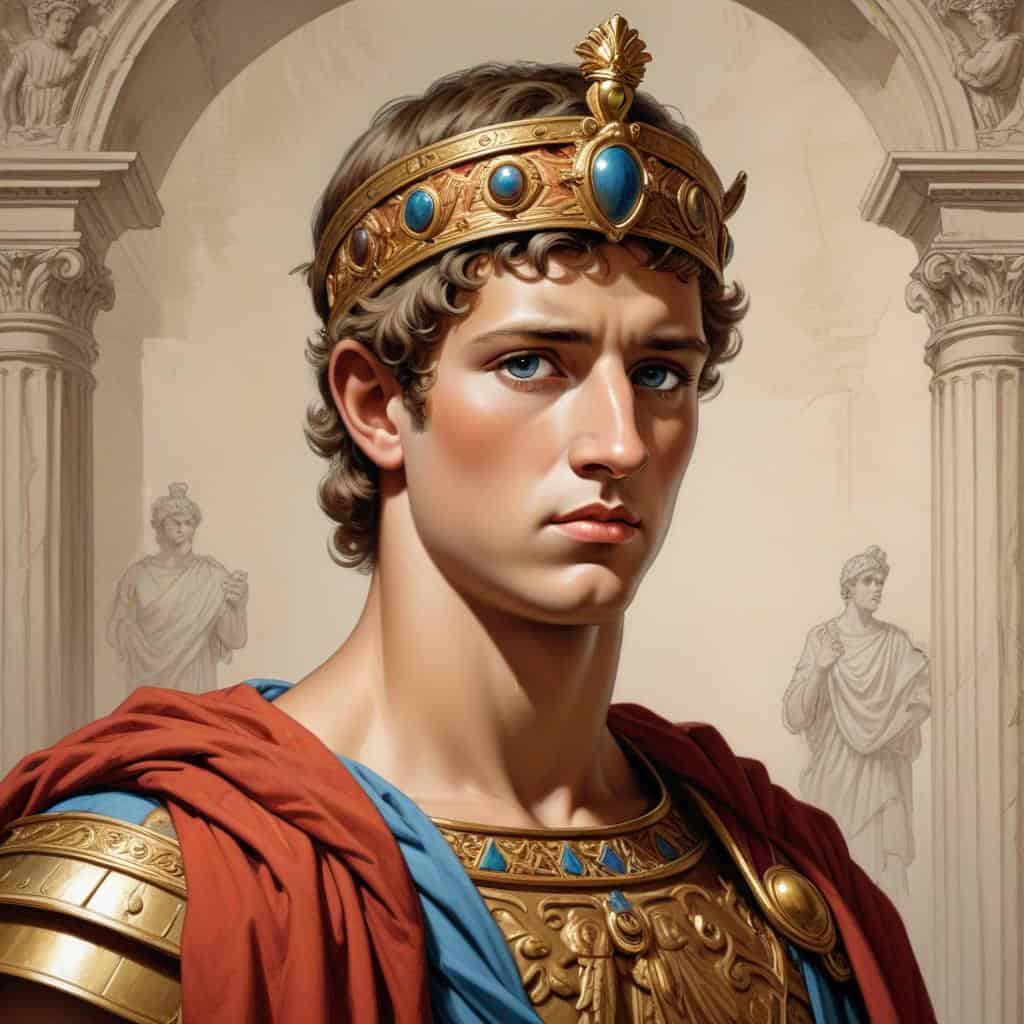
Gordian III
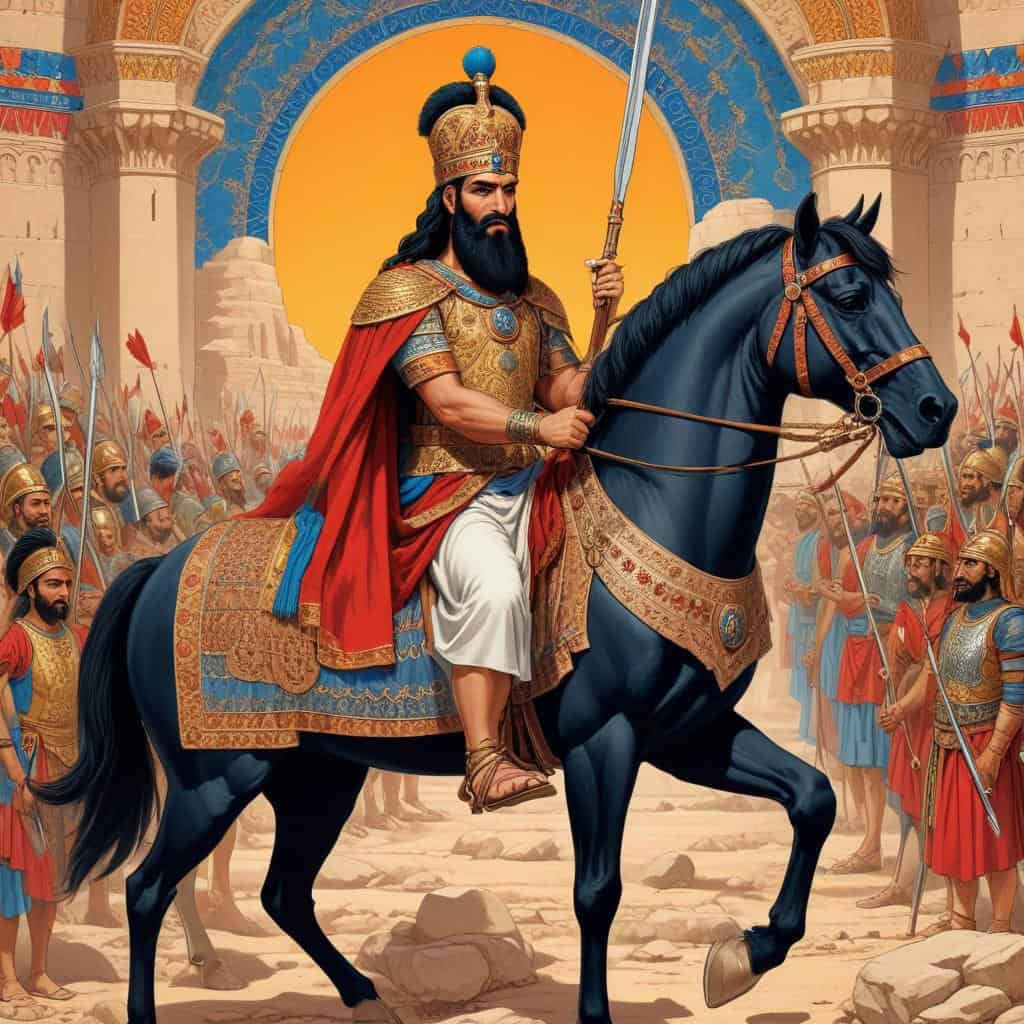
Shapur I
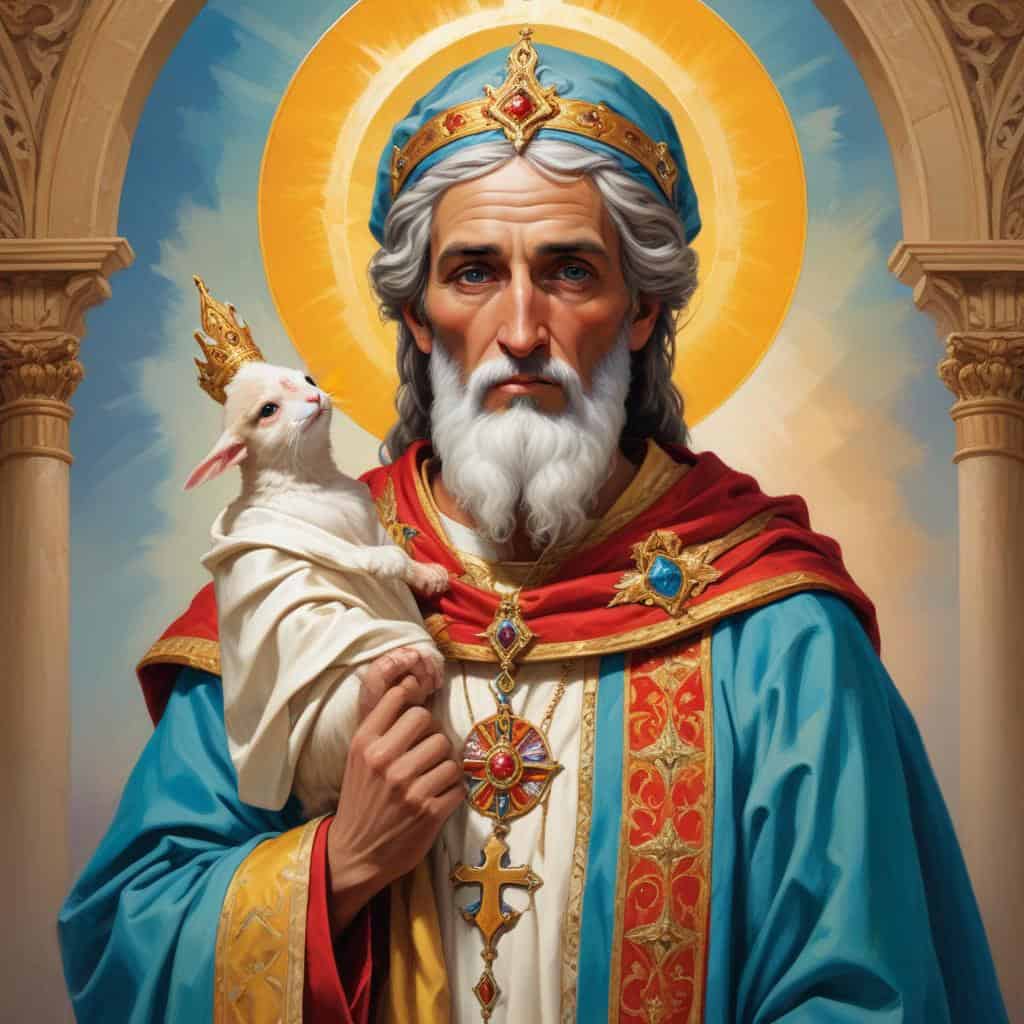
Saint Babylas
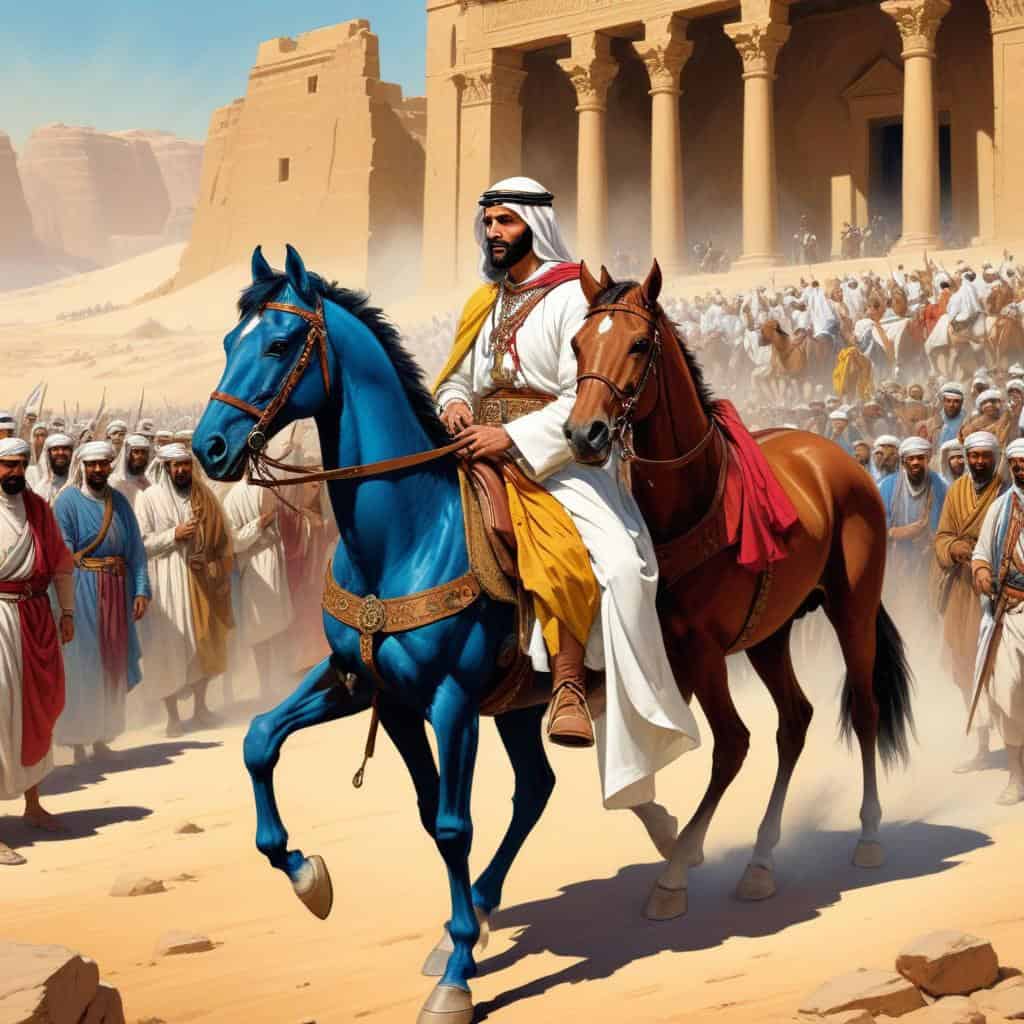
The Rise and Fall of Philip the Arab: A Brief Overview
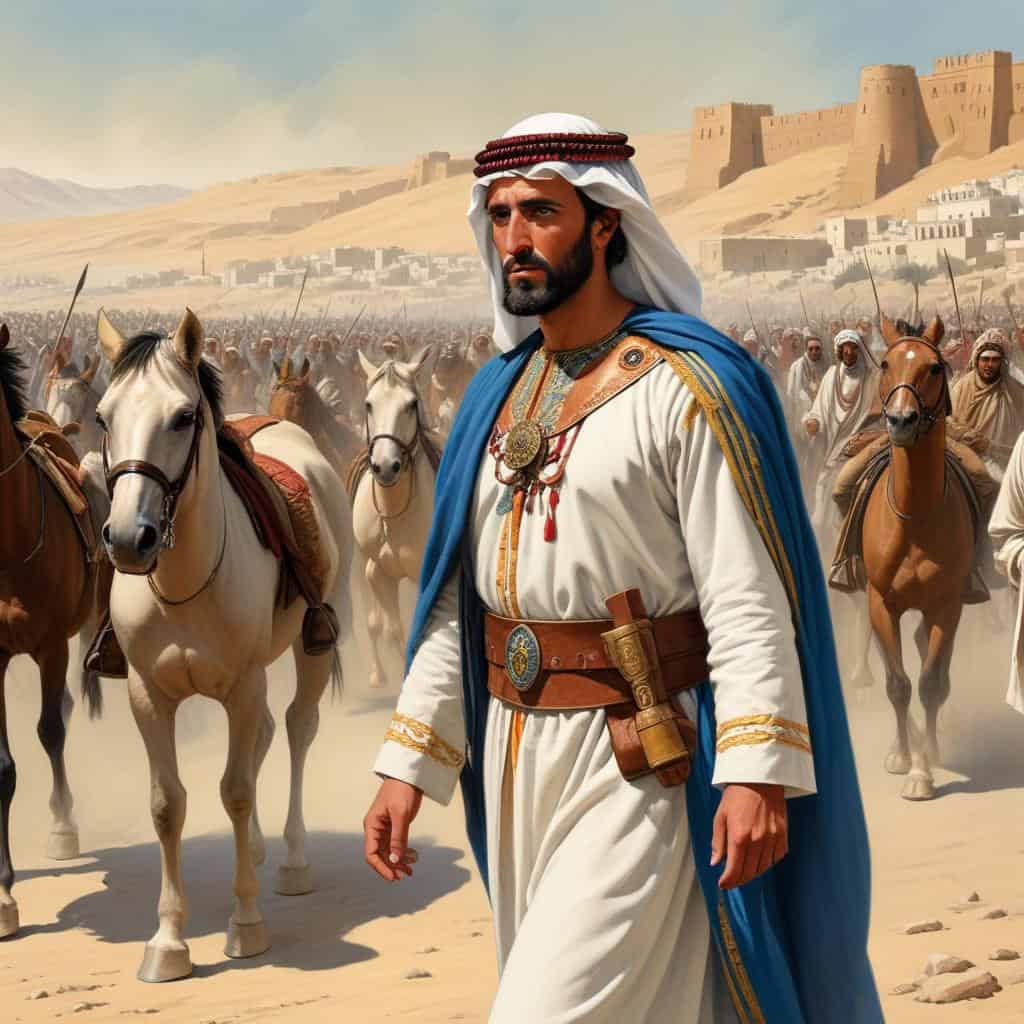
Early Life and Rise to Power
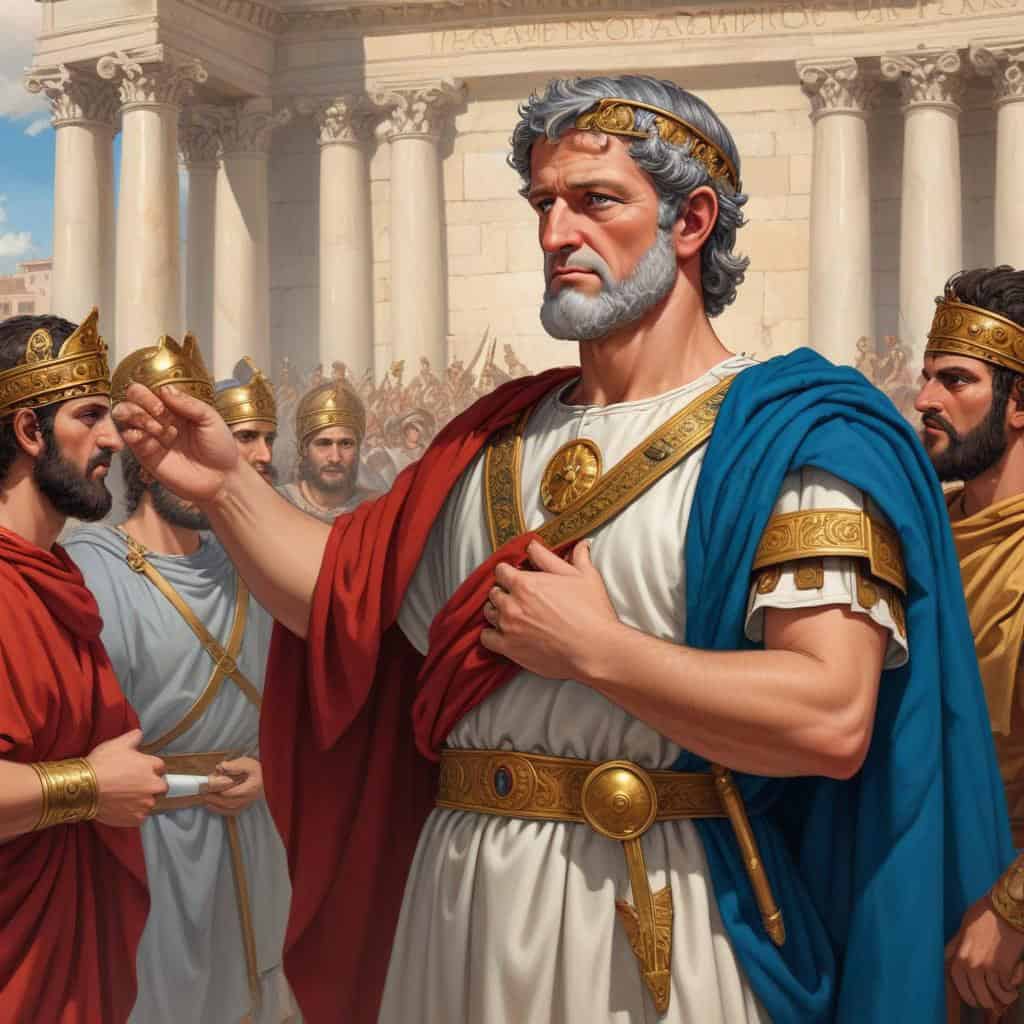
Reforms and Achievements
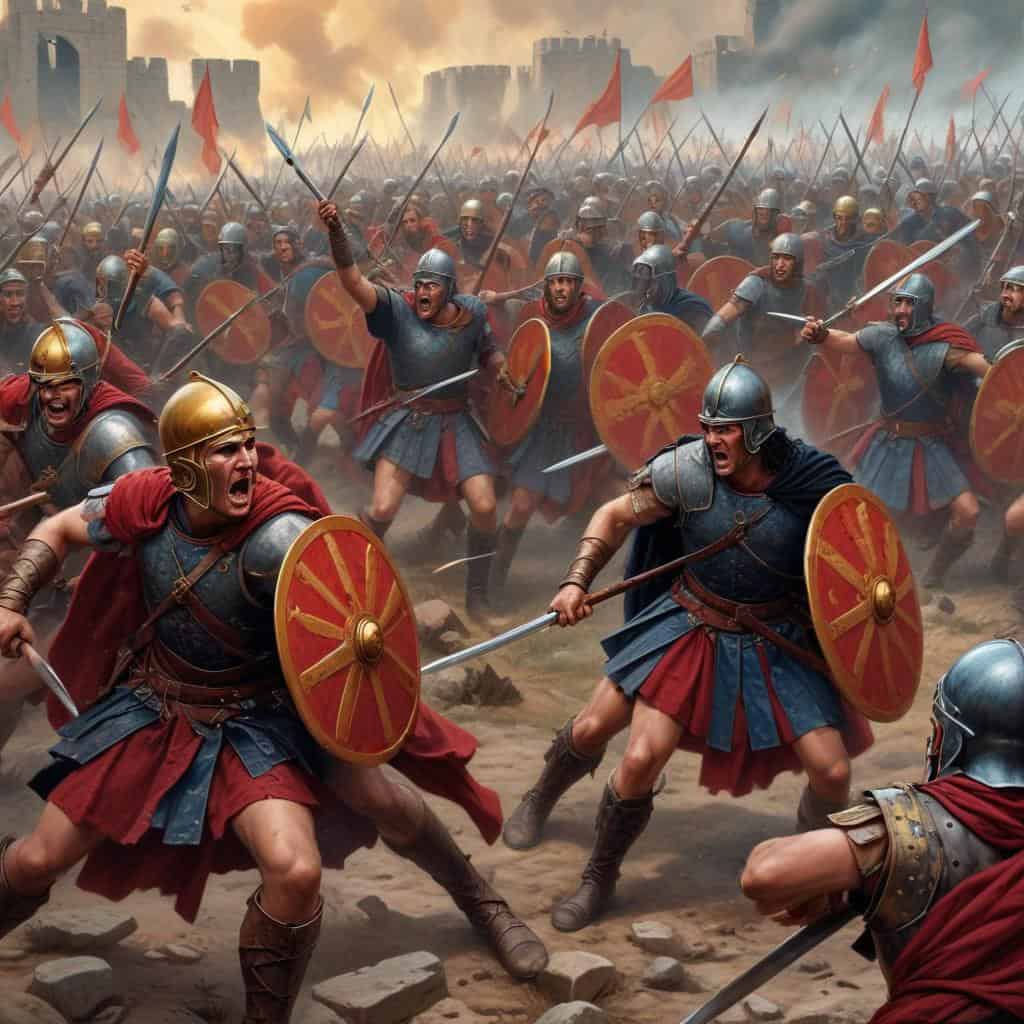
Conflict with the Goths
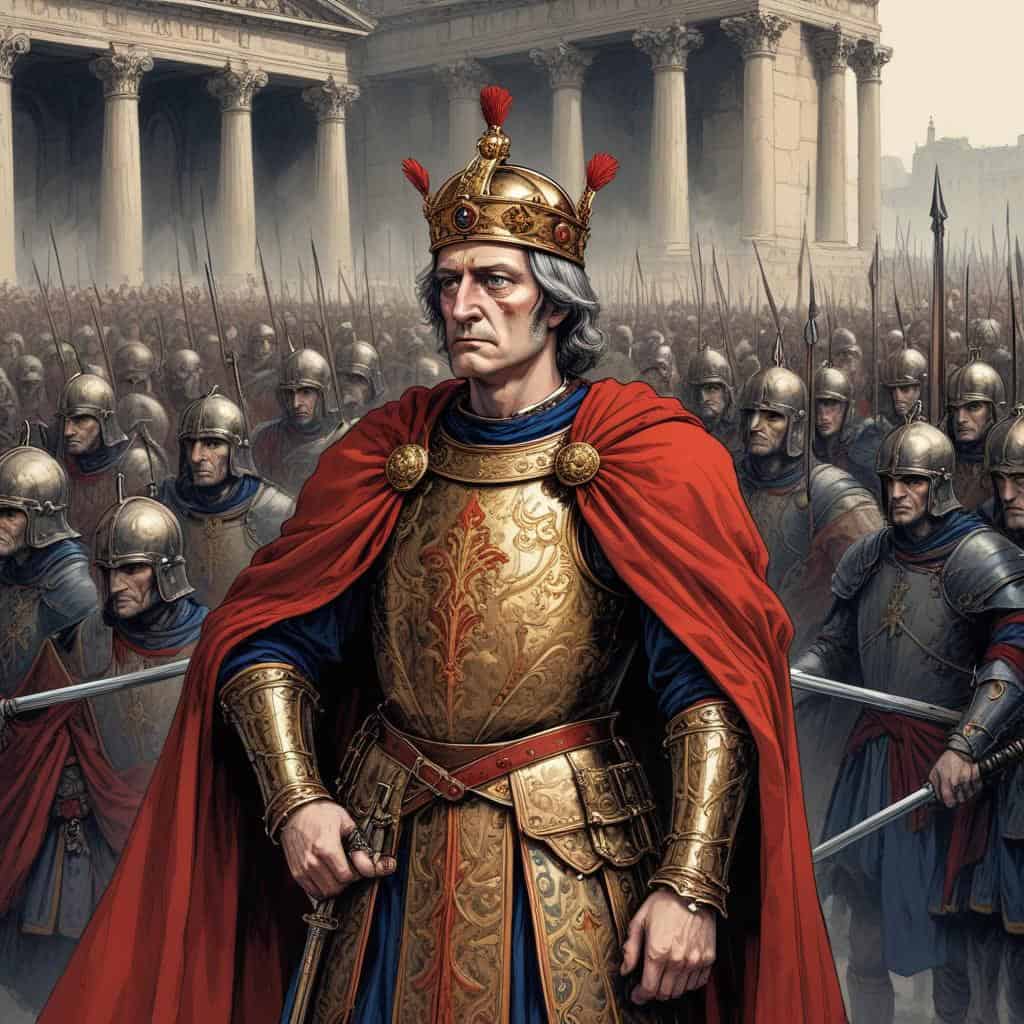
Decline in Popularity
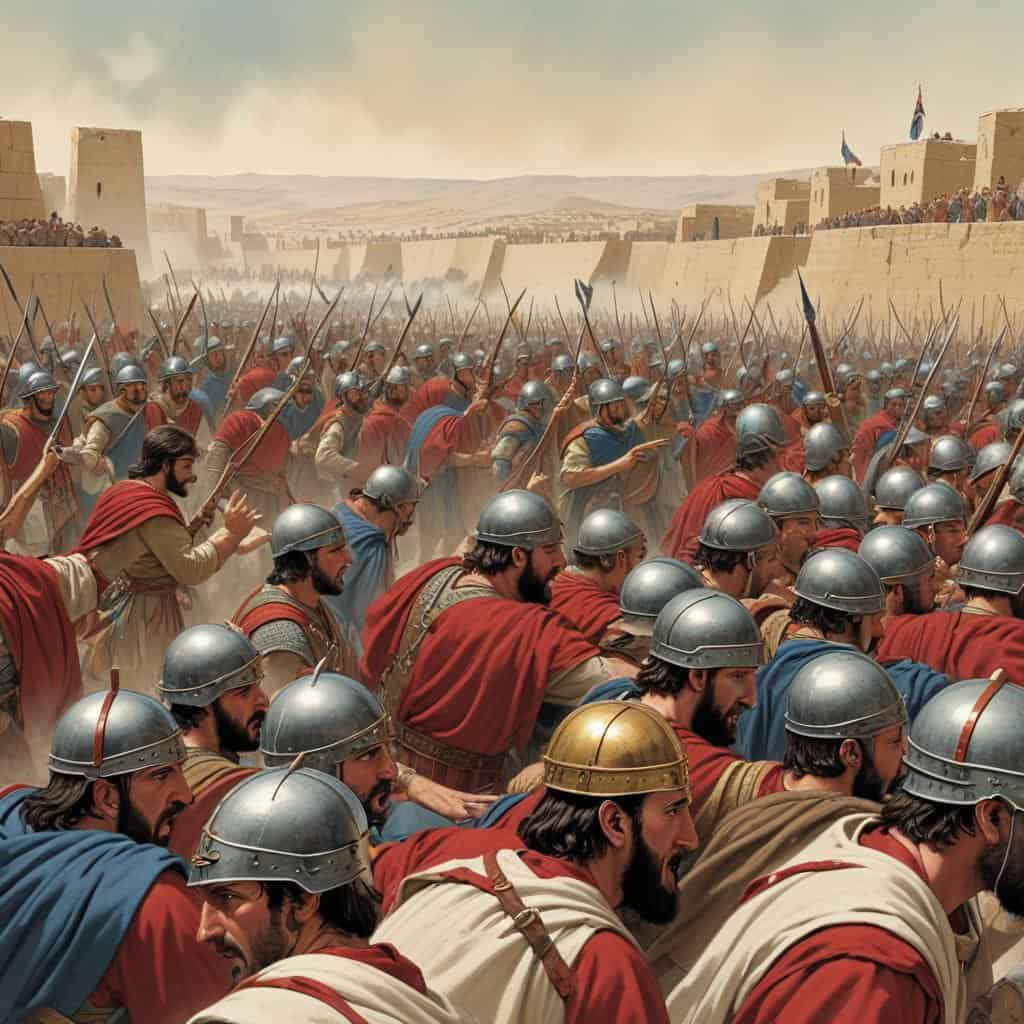
Assassination Plot
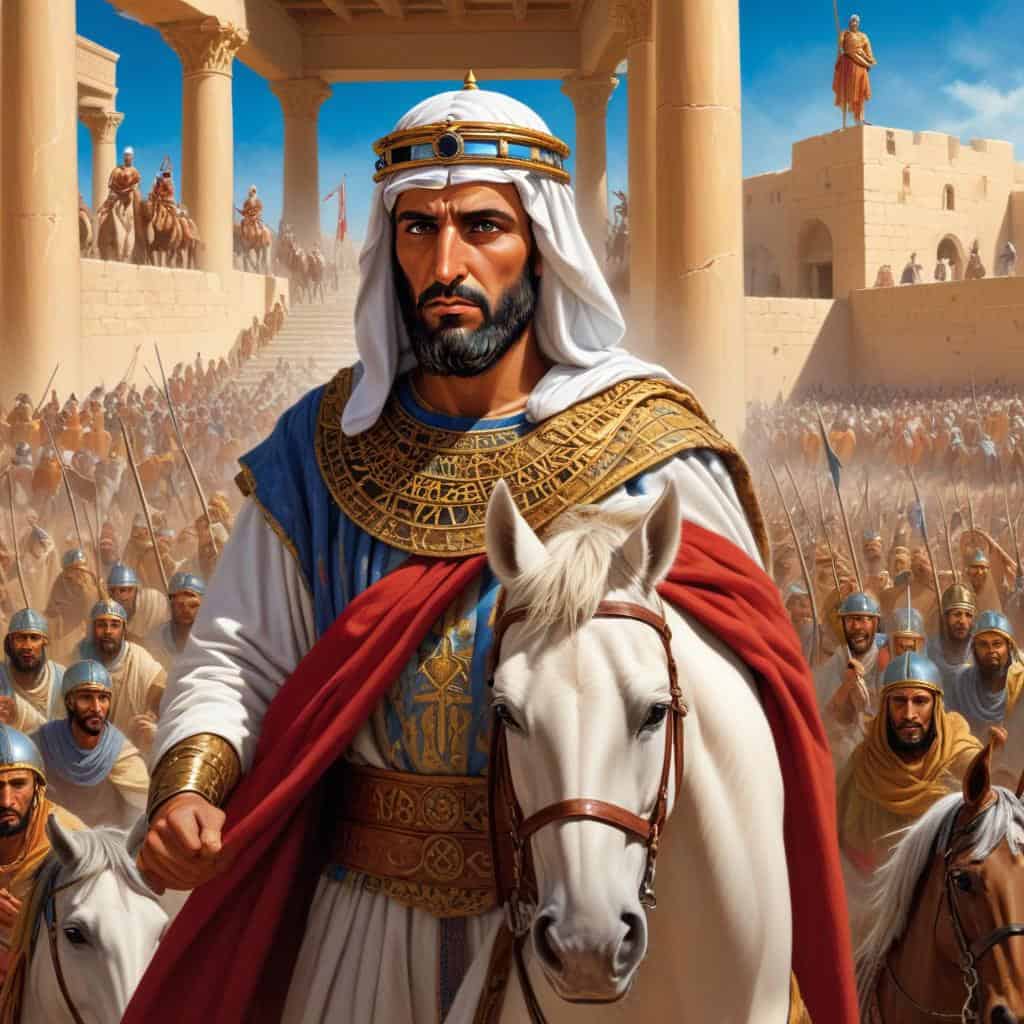
Legacy
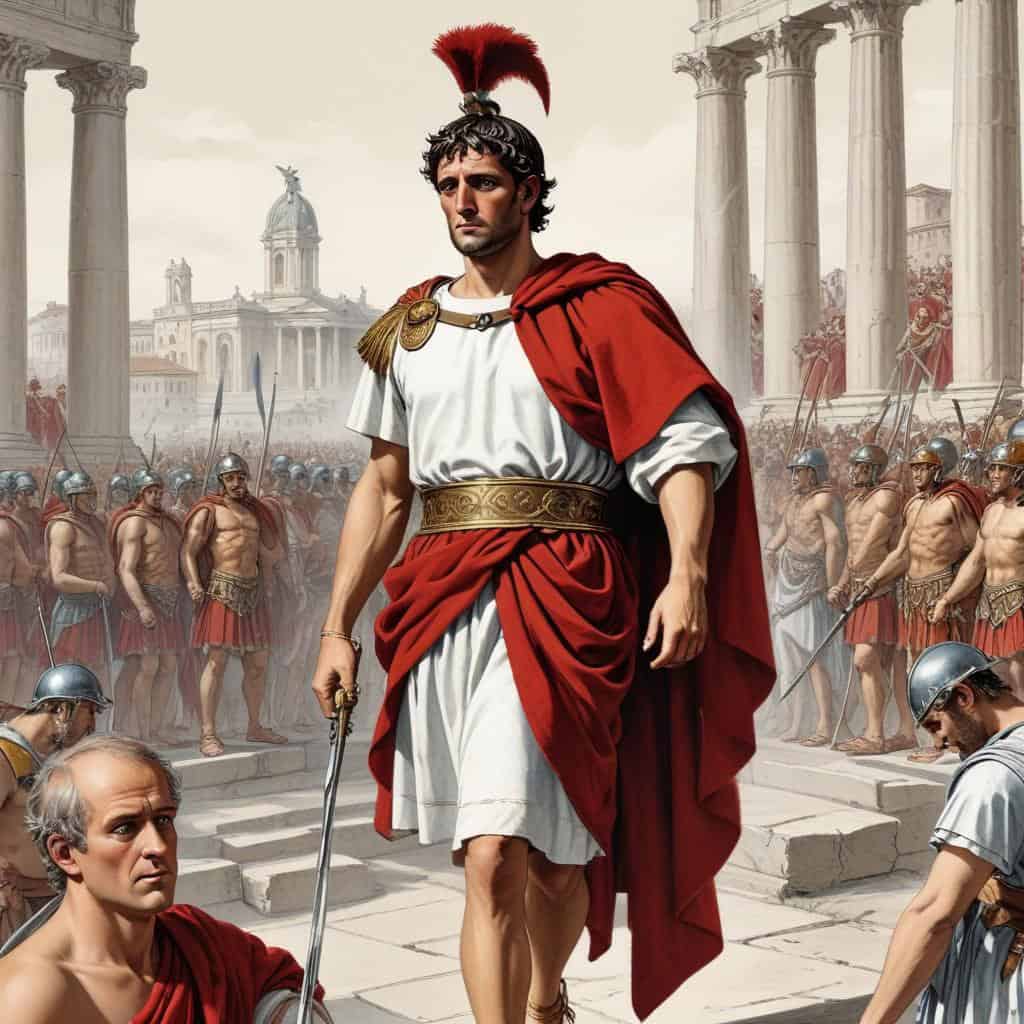
Historical Perspectives
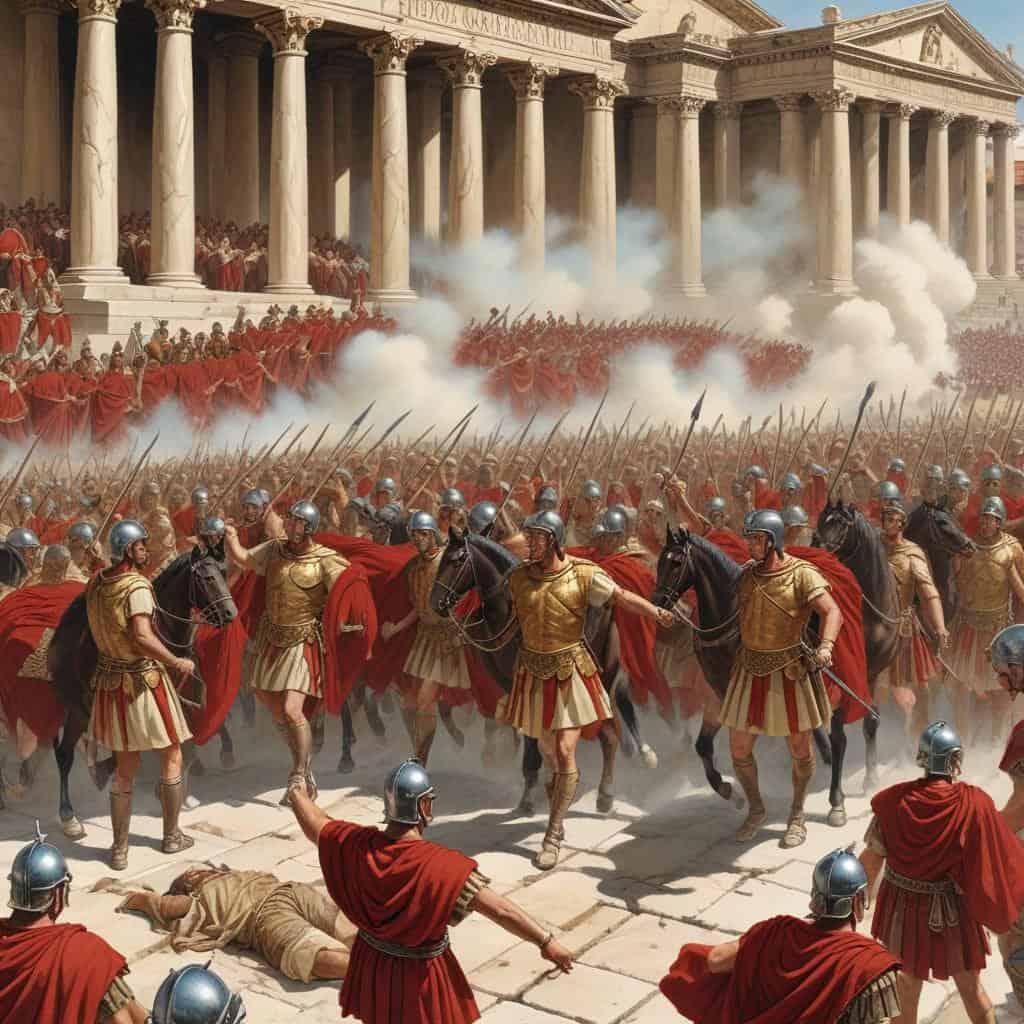
Impact on the Roman Empire
Lesson Details & Resources
In a Nutshell
- Who: Roman Emperor and philosopher
- When: Lived: 204 – 249 AD
- Known For: Being the first Roman emperor who was born in the Roman province of Arabia
- Legacy: Known for his attempts to bring peace and stability to the Roman Empire through various reforms and policies
Timeline of Philip the Arab: A Biography of the Roman Emperor
Philip the Arab is born in Shahba, Roman Syria
Philip becomes a prominent lawyer in Rome
Philip is appointed as a praetorian prefect by Emperor Gordian III
Philip marries Otacilia Severa
Philip is proclaimed emperor by the army after the murder of Gordian III
Philip makes peace with the Persians and secures the eastern frontier
Philip celebrates the millennium of Rome
Philip launches a campaign against the Carpi tribes on the Danube frontier
Philip and his son, Philip II, are declared consuls
Philip celebrates the secular games in Rome
Philip grants rights and privileges to the inhabitants of the Italian peninsula
Philip defeats a revolt led by Jotapianus in Syria
Philip defeats the Goths in the Balkans
Philip is assassinated by his own troops during a campaign against Decius
Philip's son, Philip II, is also killed
Philip is deified by the Senate
Philip's successor, Decius, erases his memory and persecutes his family
Philip the Arab remains a controversial figure in Roman history
Vocabulary List
- Philip the Arab
- Philip the Arab was a Roman Emperor who reigned from 244 to 249 AD.
- Roman Emperor
- Philip the Arab held the title of Roman Emperor during his reign.
- 244 to 249 AD
- Philip the Arab's reign as Roman Emperor lasted from 244 to 249 AD.
- Reign
- Philip the Arab's reign as Roman Emperor was relatively short.
- Roman
- Philip the Arab was a Roman Emperor.
- Emperor
- Philip the Arab held the position of Emperor in the Roman Empire.
- Roman Empire
- Philip the Arab ruled over the Roman Empire during his reign.
- AD
- The reign of Philip the Arab took place during the AD era.
- Title
- Philip the Arab held the title of Roman Emperor.
- Short
- Philip the Arab's reign as Roman Emperor was relatively short compared to some other emperors.
Key Facts
This is the information used in the fact matching game
- Philip the Arab was born in the city of Shahba in the Roman province of Arabia Petraea.
- He reigned as Roman Emperor from 244 to 249 AD.
- Philip the Arab was the first Roman Emperor who was not of European descent.
- He was known for his efforts to promote peace and diplomacy within the Roman Empire.
- Philip the Arab was a skilled military leader and led successful campaigns against the Sassanid Empire.
- He was known for his tolerance of different religions and cultures within the Roman Empire.
- Philip the Arab was the first Roman Emperor to embrace Christianity.
- He was married to a woman named Marcia Otacilia Severa.
- During his reign, Philip the Arab issued coins that featured Christian symbols.
- He was known for his efforts to improve the infrastructure of the Roman Empire, including building roads and bridges.
- Philip the Arab was assassinated by his own troops during a campaign against the Sassanid Empire.
- He was succeeded by his young son, Philip II.
- Philip the Arab was the last Roman Emperor to be born in the Arabian Peninsula.
- He was known for his efforts to promote trade and commerce within the Roman Empire.
- Philip the Arab was a patron of the arts and supported poets and philosophers during his reign.
- He was hailed as a hero by the Roman Senate for his military victories.
- Philip the Arab was the first Roman Emperor to visit the city of Antioch.
- He was known for his efforts to promote education and literacy within the Roman Empire.
- Philip the Arab was a skilled diplomat and negotiated treaties with various foreign powers.
- He was posthumously honored by the Roman Senate with the title 'Parthicus Maximus' for his victories over the Parthians.
Analysis & Significance
Major Accomplishments
Philip the Arab, also known as Philip the Arab, was a Roman Emperor from 244 to 249 AD. He is best known for his efforts to bring stability to the Roman Empire during a time of political and economic turmoil.
Impact on the World
Philip the Arab’s reign marked a brief period of peace and prosperity in the Roman Empire. He was known for his tolerance of different religions and his efforts to improve the economy through fiscal reforms.
Enduring Legacy
Today, Philip the Arab is remembered as a capable emperor who worked to bring stability to the Roman Empire. His reign is seen as a time of relative peace and prosperity in a period of uncertainty. Despite his short time in power, Philip the Arab’s impact on the Roman Empire is still studied and remembered by historians.
Philip the Arab: A Biography of the Roman Emperor Games


Take Your Learning Offline
Want a convenient, print-ready study guide for this lesson? Become a Memory Wizards Pro member to unlock the downloadable " Memory Scrolls" for this topic and our entire library!
- ✓ Complete Vocabulary Lists
- ✓ Key Facts & Timelines
- ✓ Beautifully Formatted for Print & Mobile