
Nerva: A Biography of the Roman Emperor
Nerva: The wise emperor who restored peace and stability to ancient Rome.
How Do You Learn Best?
Learn by Reading
Immerse yourself in the 10-minute visual lesson for a comprehensive understanding of the topic.
Learn by Reviewing
Jump directly to the key facts, timeline, and vocabulary lists to build a solid foundation of details.
Learn by Doing
Challenge yourself! Jump straight into the interactive games to learn by trial, error, and discovery.
Nerva: A Biography of the Roman Emperor in 10 Minutes
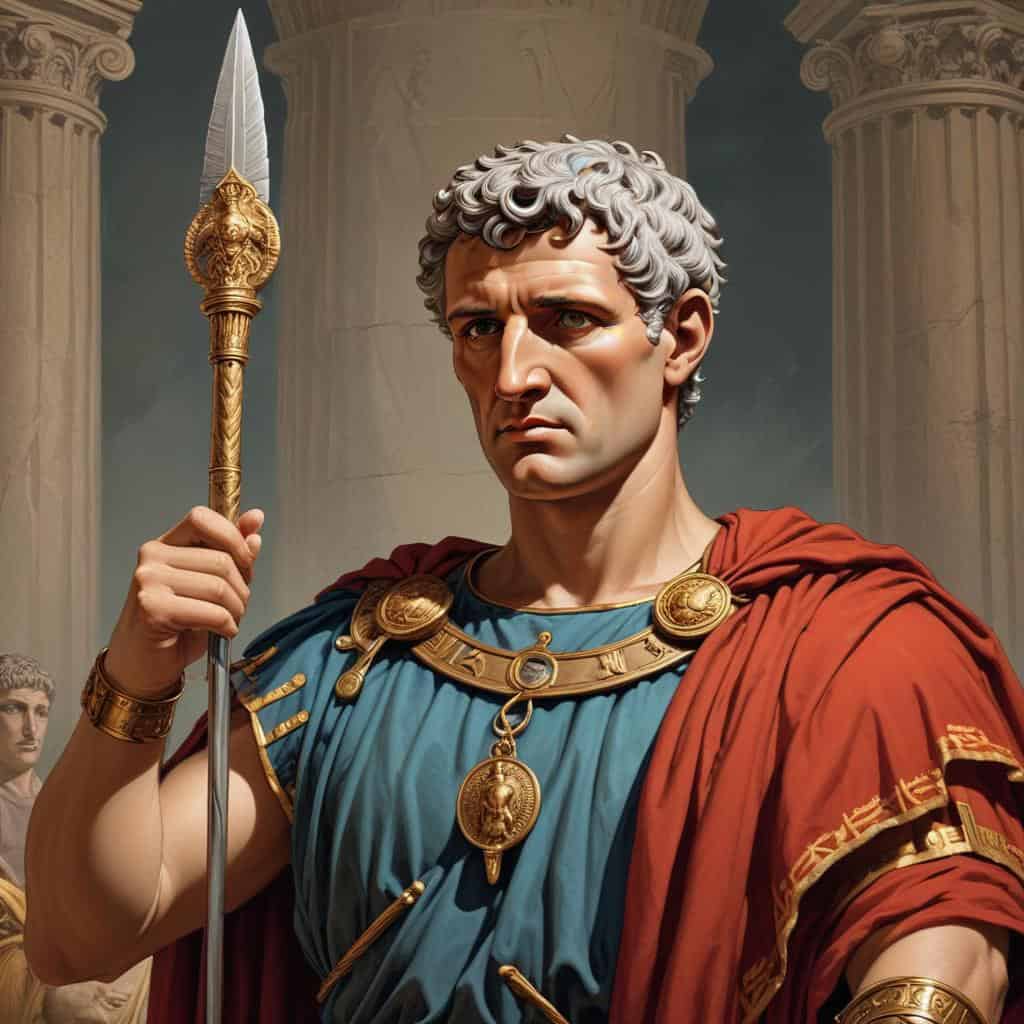
Introduction
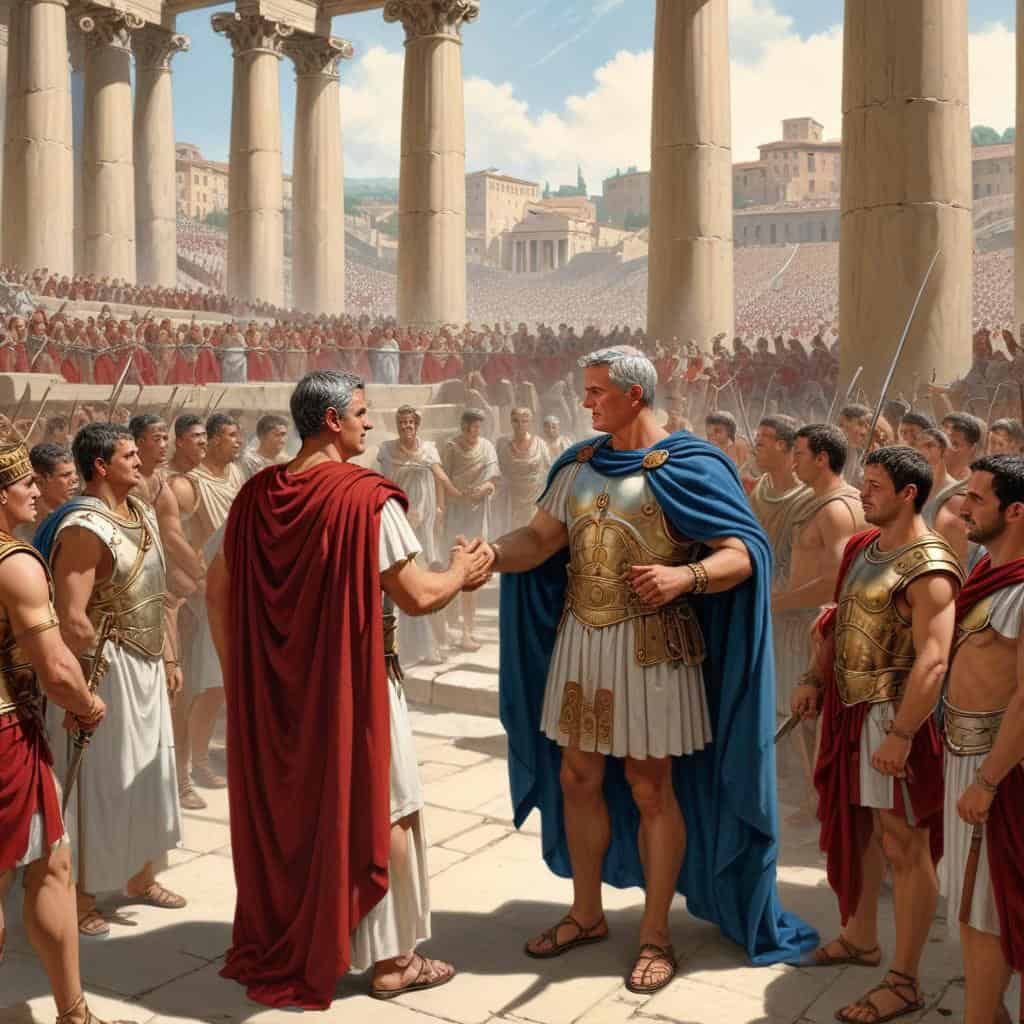
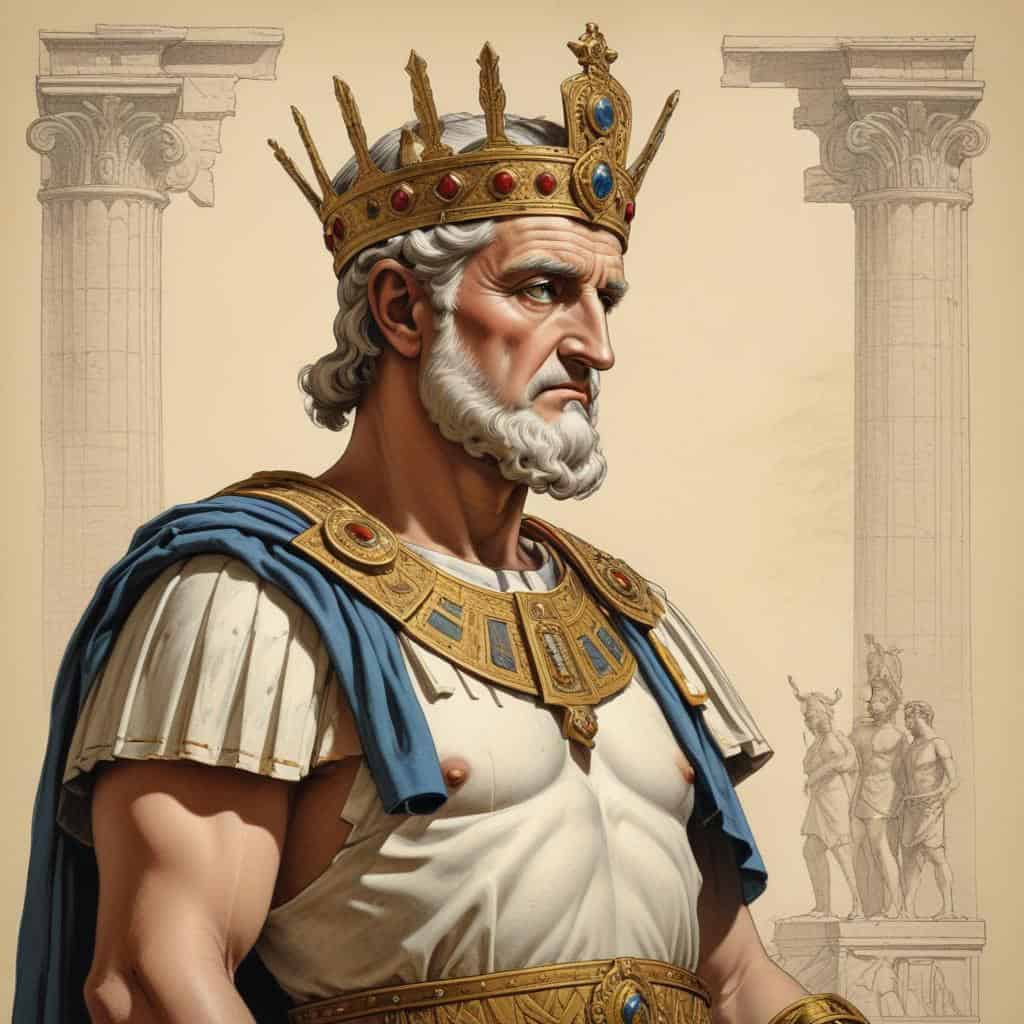
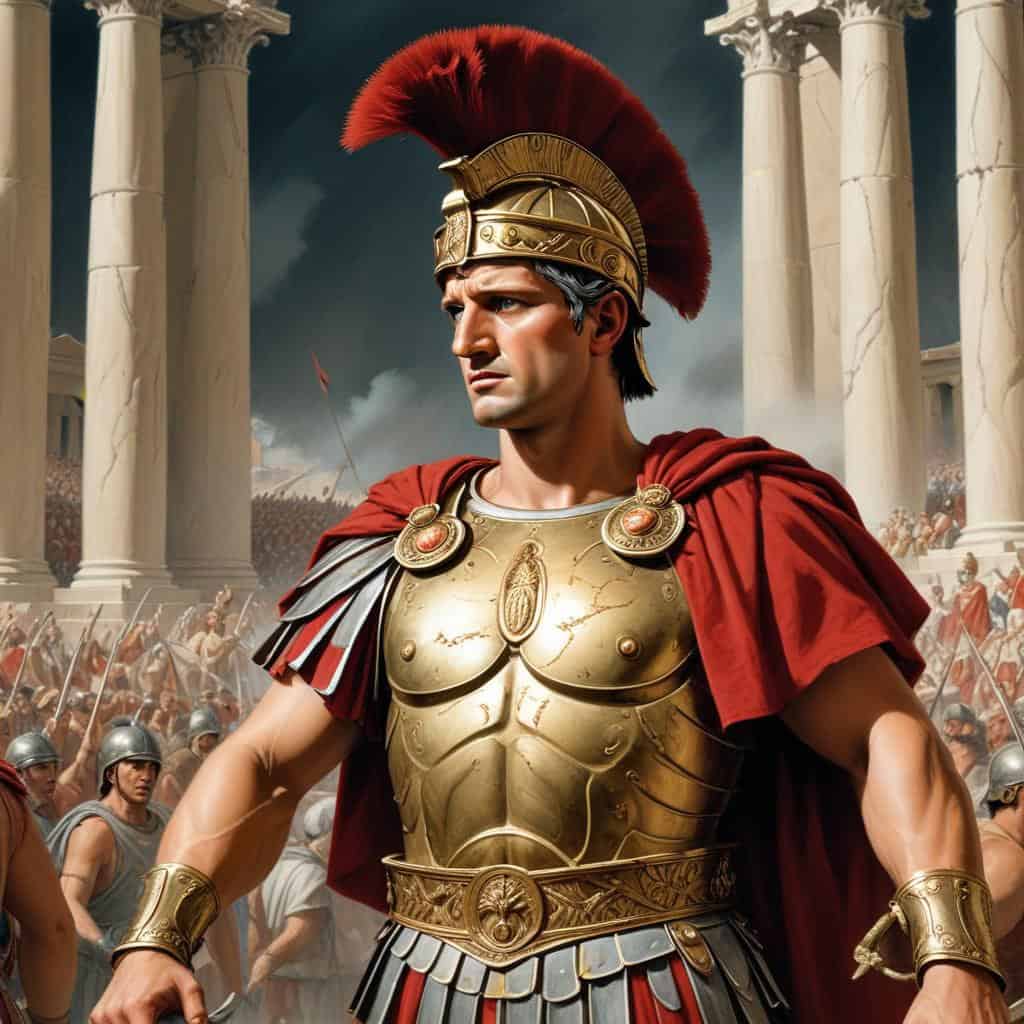
Trajan

Plotina
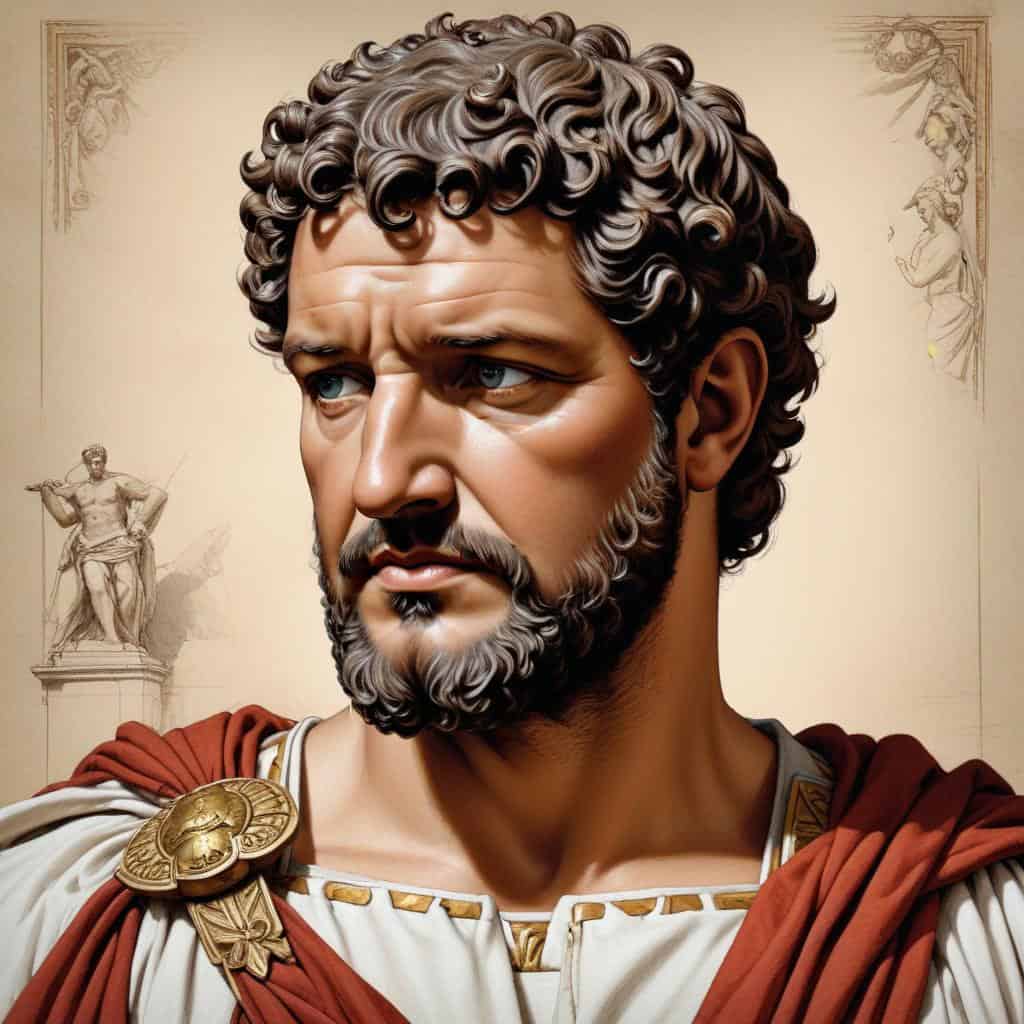
Hadrian
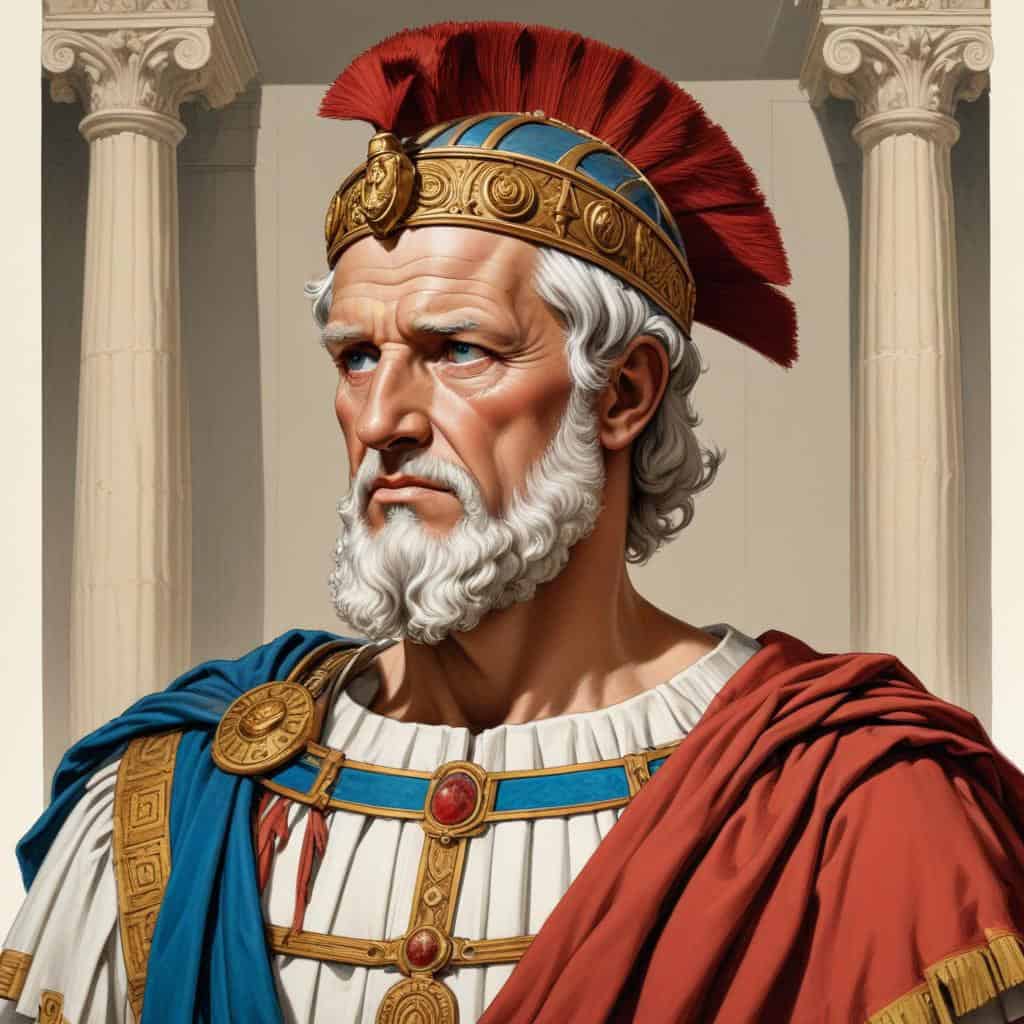
Lucius Verginius Rufus
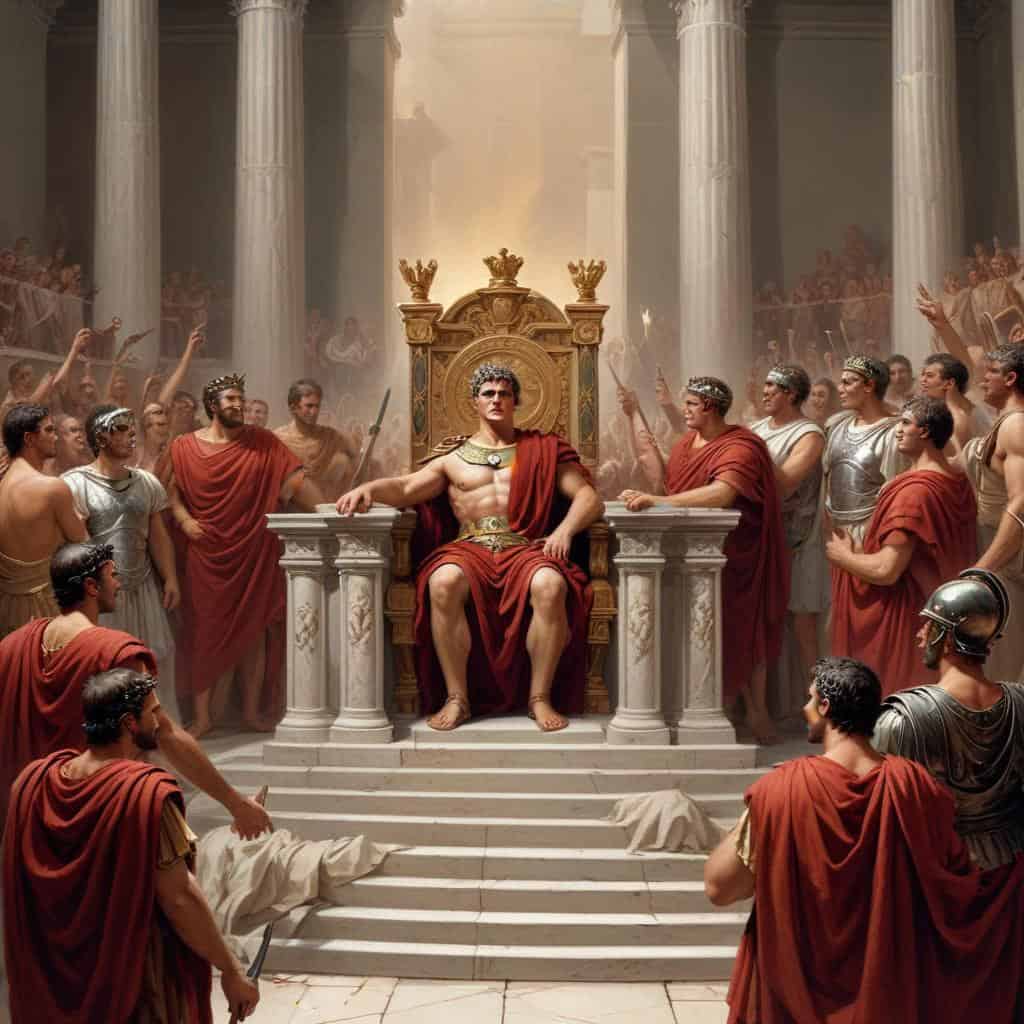
Nerva Becomes Emperor
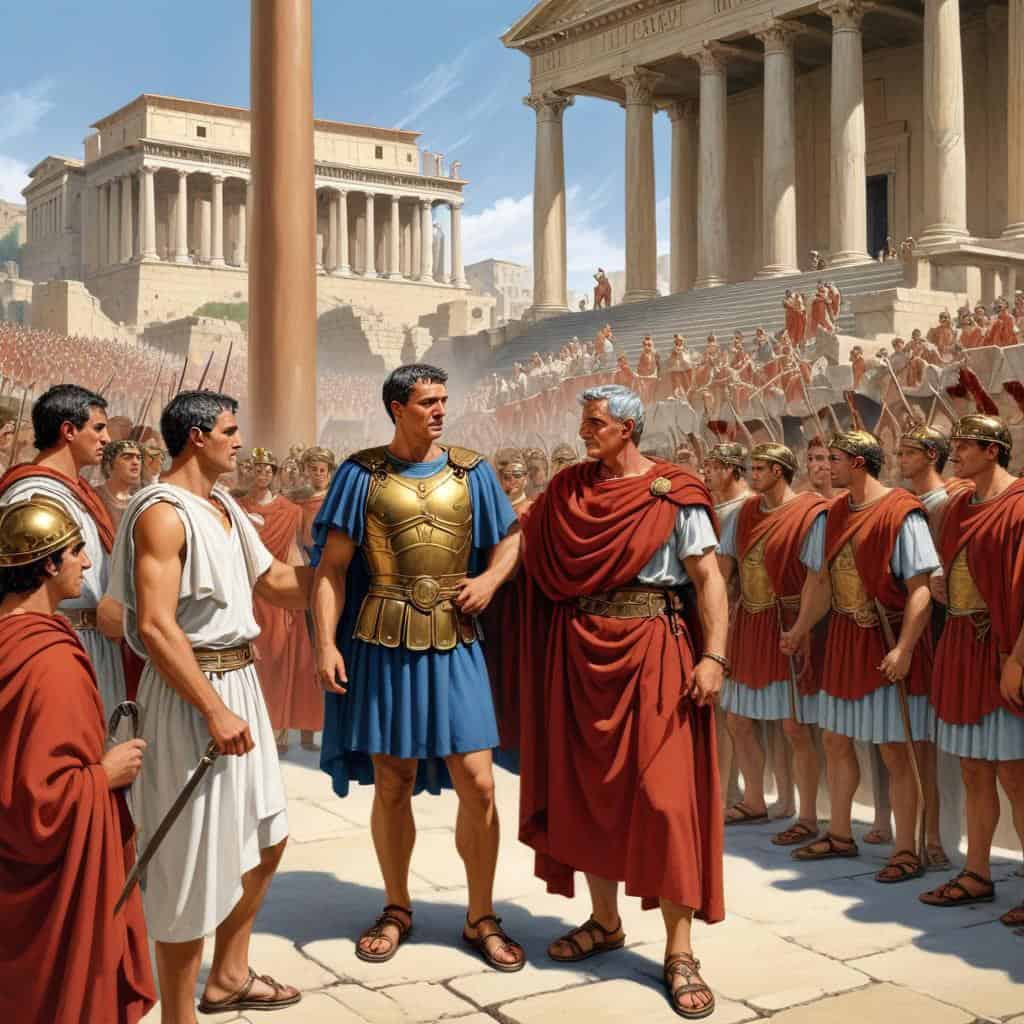
Nervas Reforms
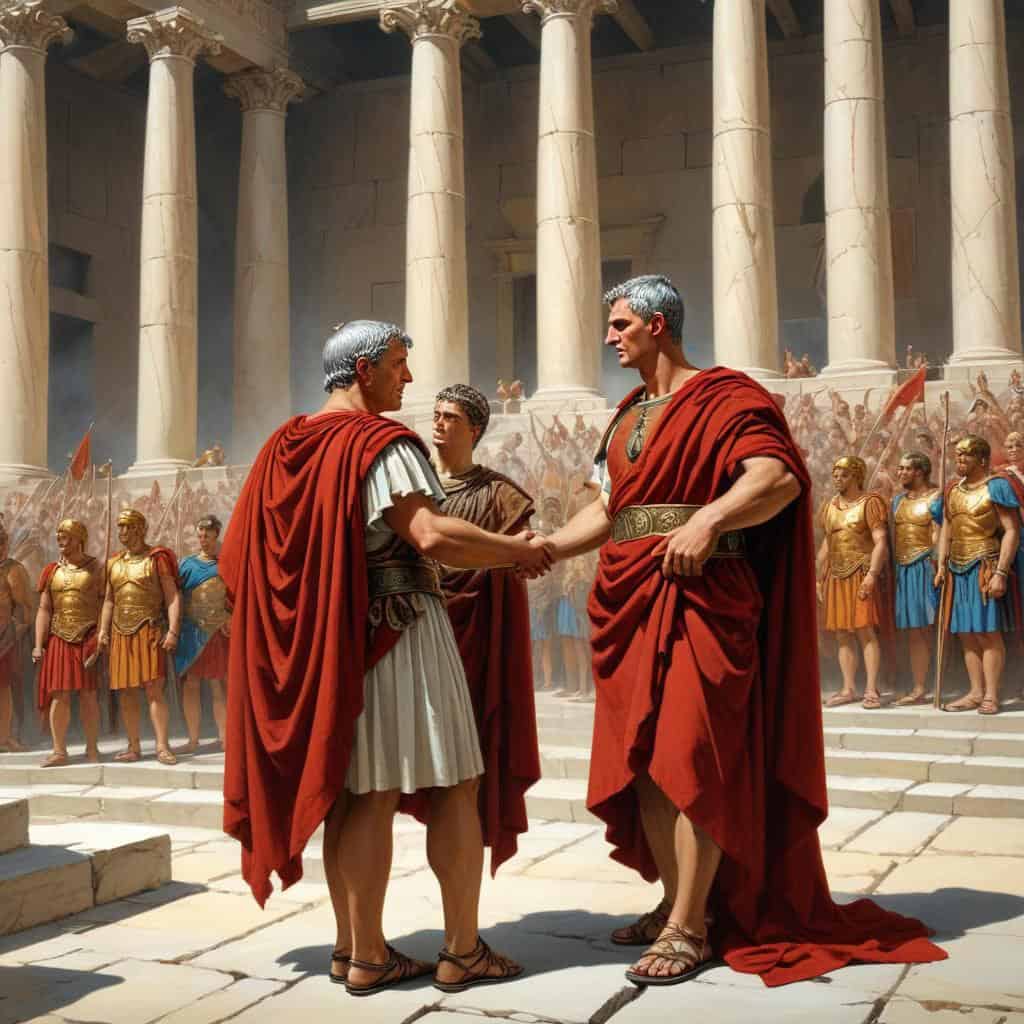
Adopting Trajan
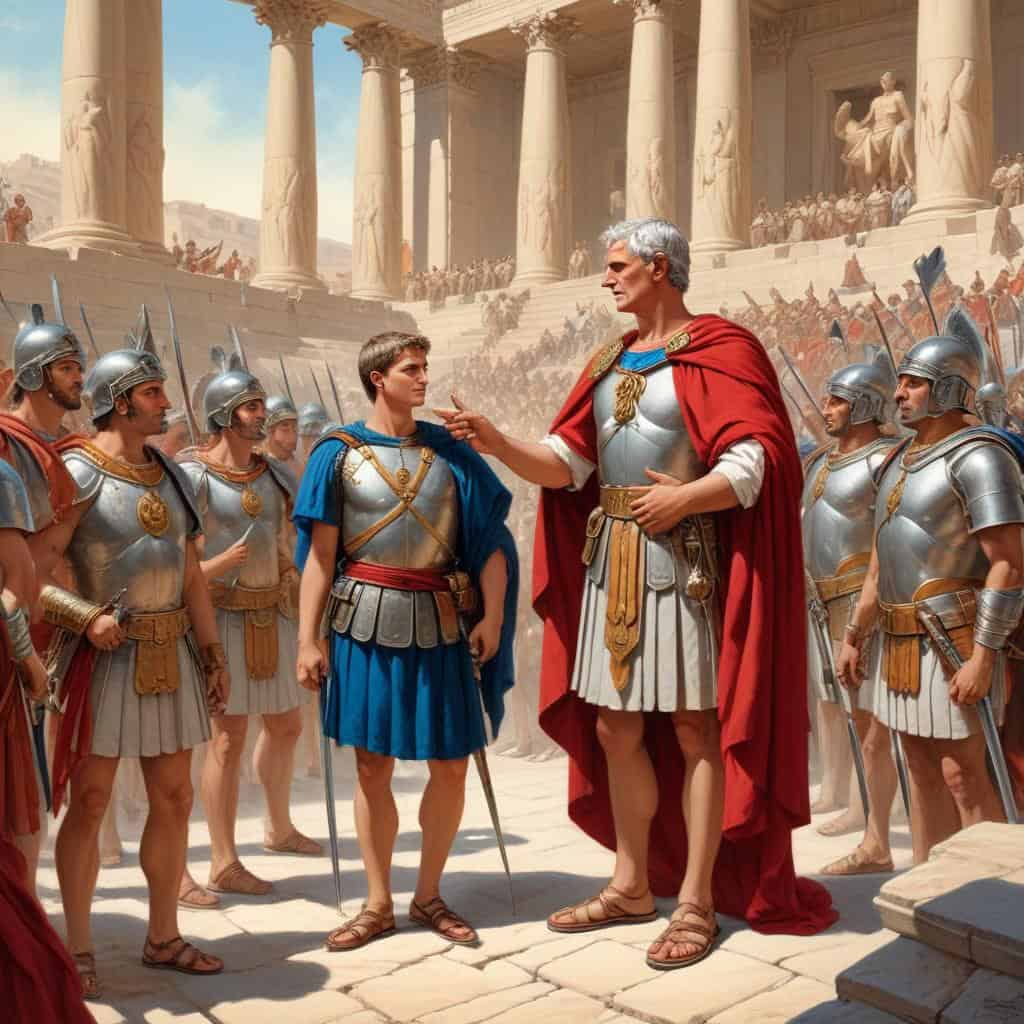
Nervas Peaceful Rule

The Crisis of 97 AD
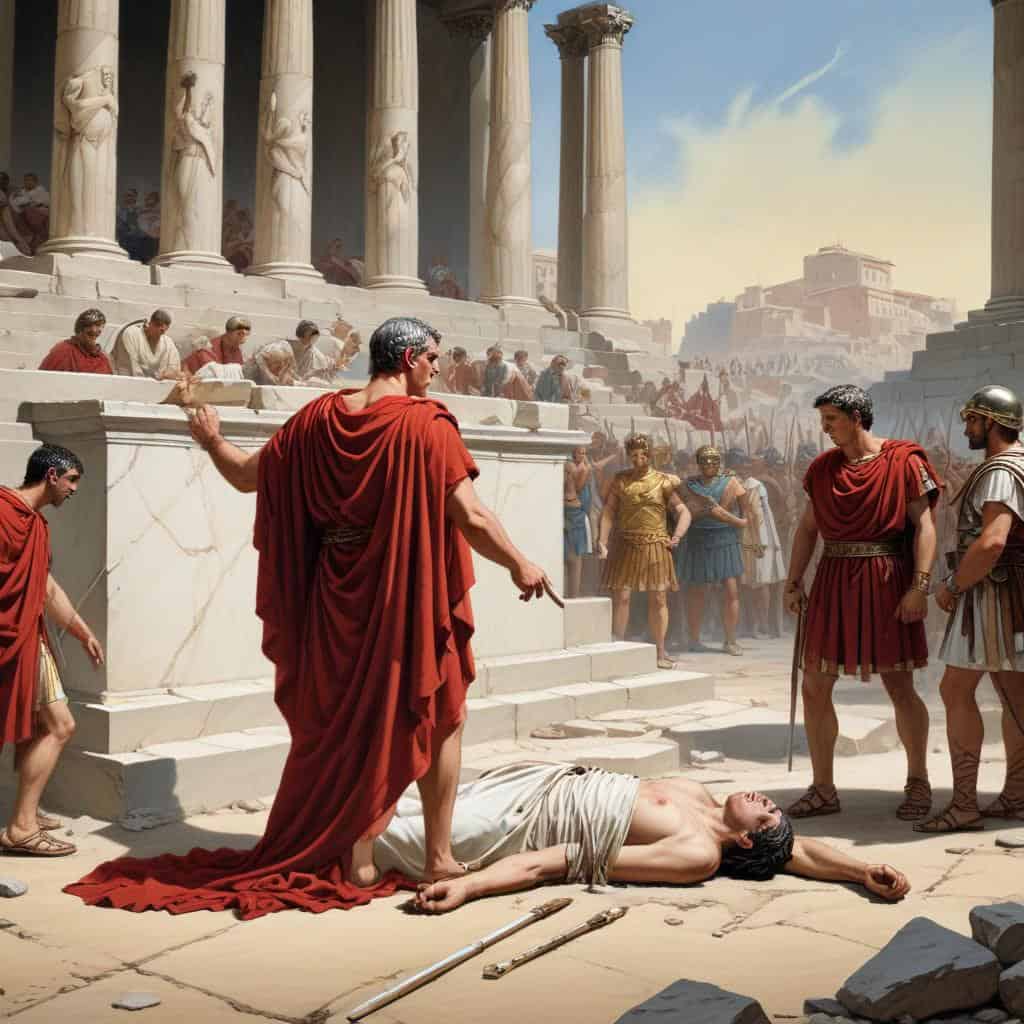
Death of Nerva
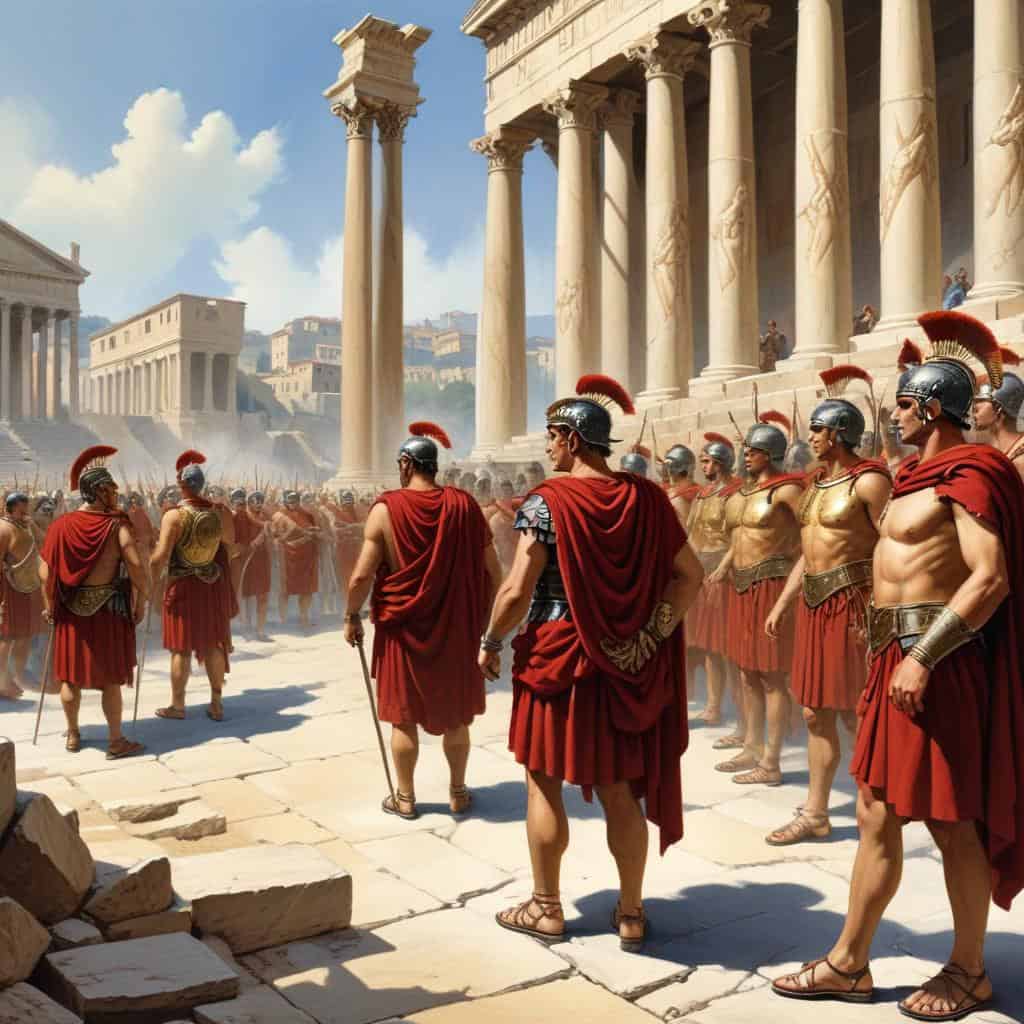
Nervas Legacy
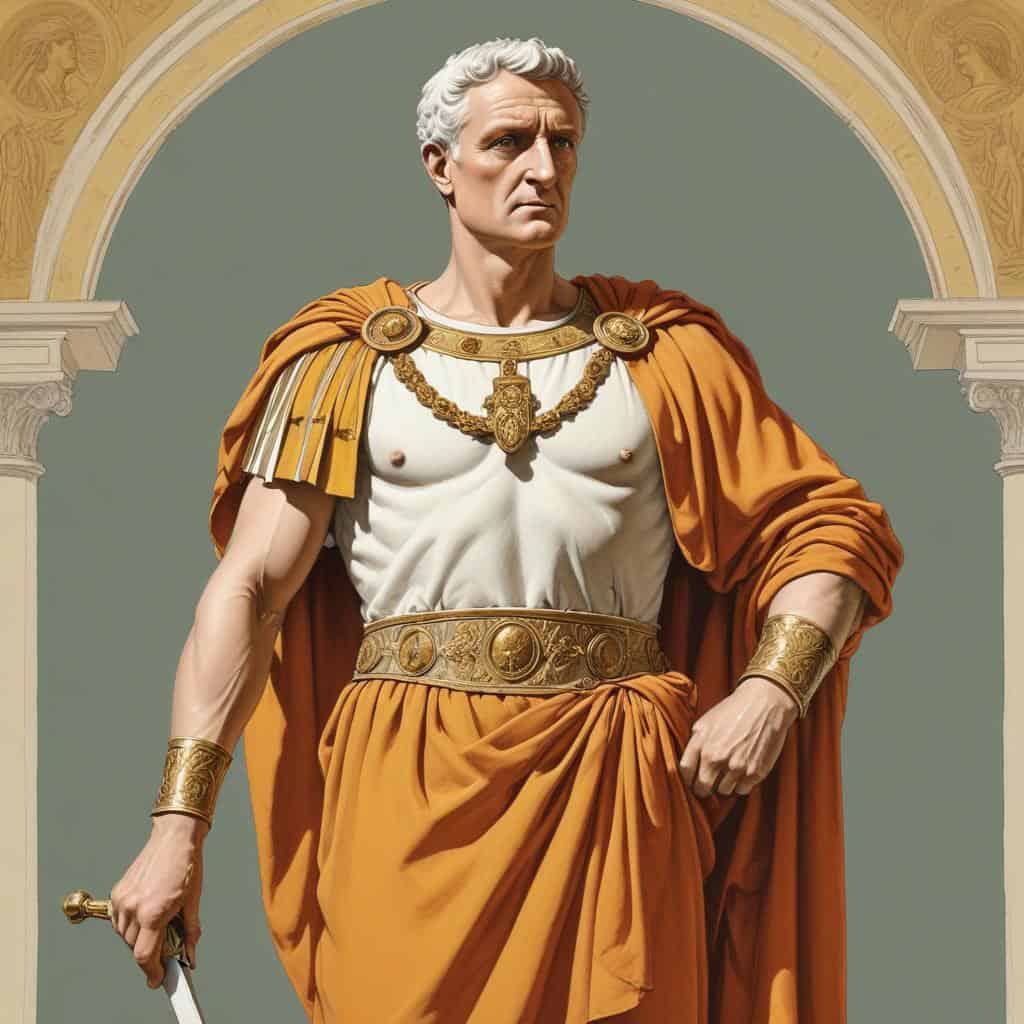
Historical Impact
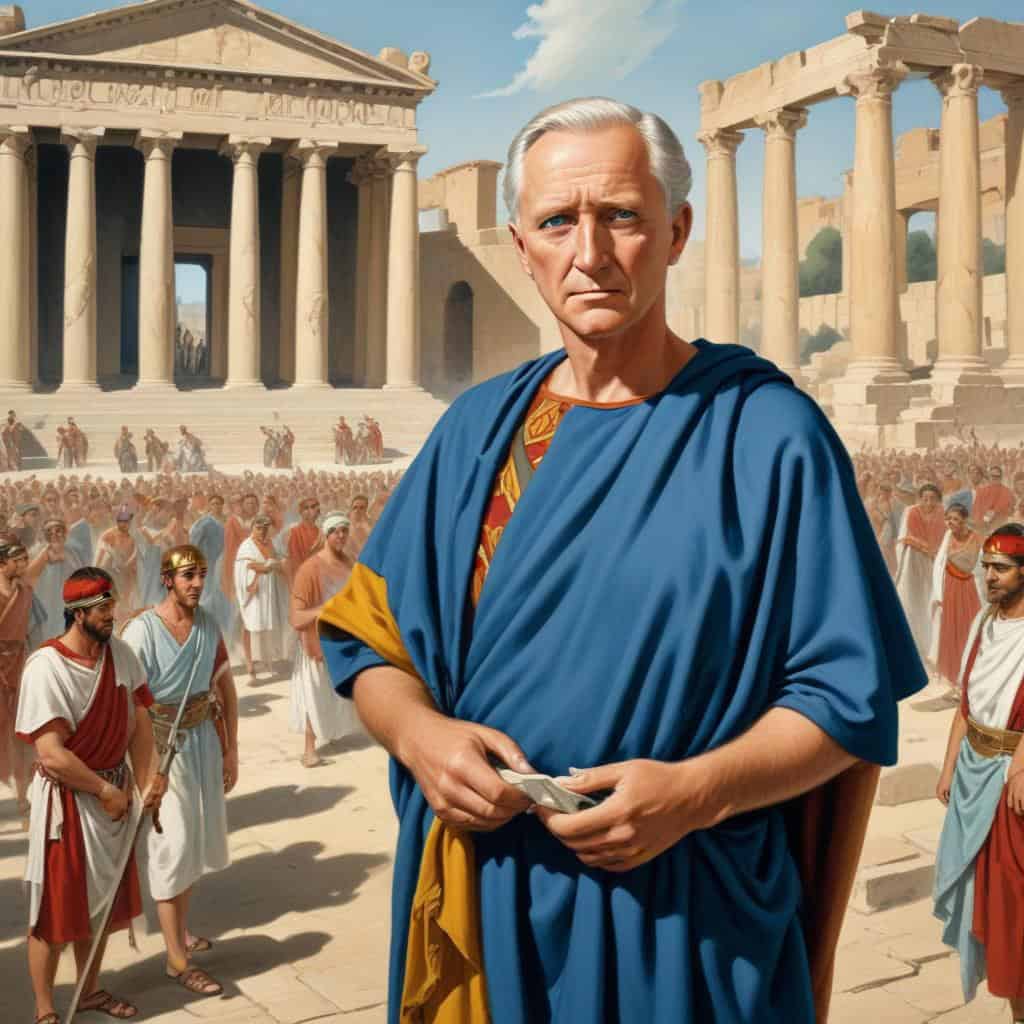
Historical Evaluation
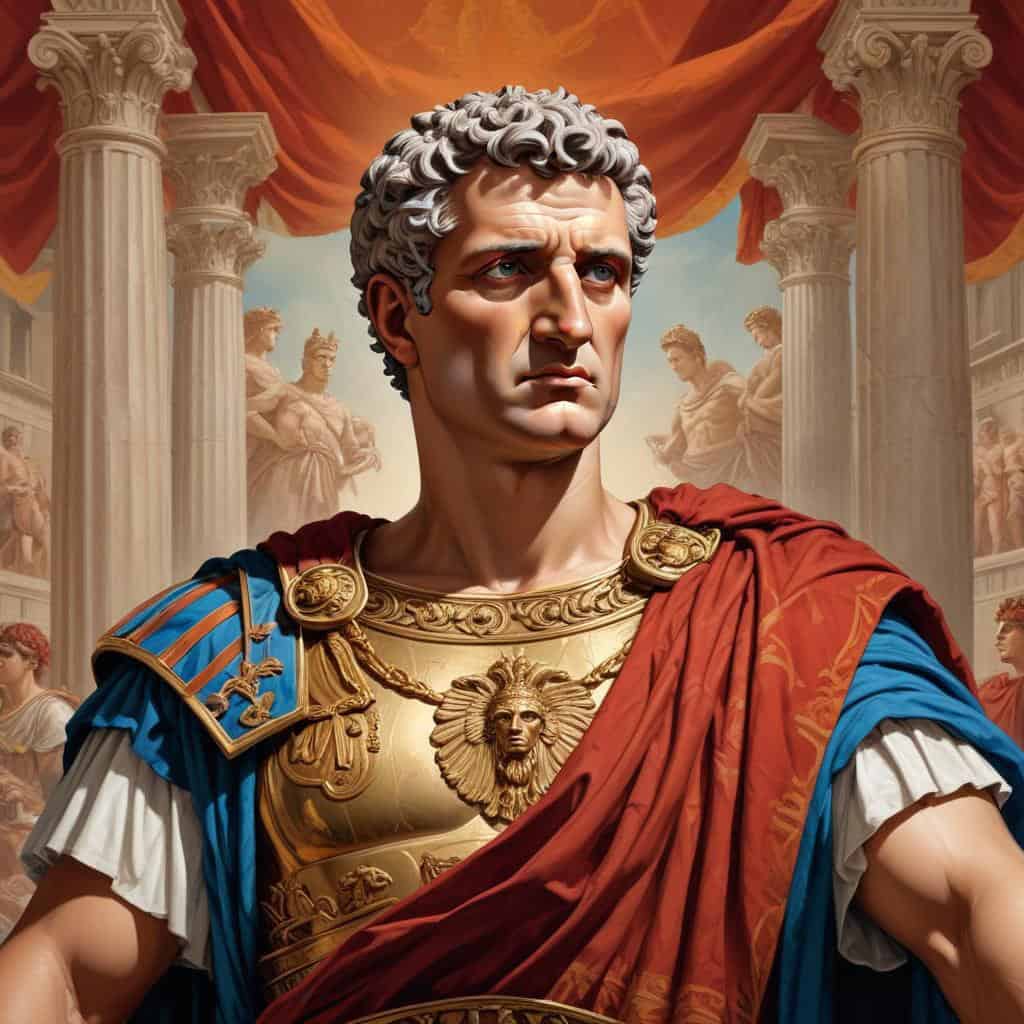
Remembering Nerva
Lesson Details & Resources
In a Nutshell
- Who: Roman emperor
- When: Reigned: 96 – 98 AD
- Known For: Restoring stability to the Roman Empire after the chaotic reign of Domitian
- Legacy: Instituting a series of financial and administrative reforms to improve governance
Timeline of Nerva: A Biography of the Roman Emperor
Nerva is born
Nerva serves as a senator
Nerva supports Vespasian during the Year of the Four Emperors
Nerva becomes consul
Nerva is appointed governor of Hispania Tarraconensis
Nerva adopts Trajan as his successor
Nerva becomes Roman Emperor
Nerva issues a general amnesty for political prisoners
Nerva reforms the tax system
Nerva restores the Roman Senate's authority
Nerva adopts Trajan as his co-ruler
Nerva dies of natural causes
Trajan becomes the new Roman Emperor
Nerva is deified by the Roman Senate
Nerva's reforms are continued by Trajan
Nerva's remains are placed in the Mausoleum of Augustus
Nerva's successor Trajan inaugurates the Forum of Nerva
Nerva's name is removed from public inscriptions by Domitian
Nerva's portrait is displayed on Roman coins
Nerva's reign marks the beginning of the Nervan-Antonine dynasty
Vocabulary List
- Nerva
- Nerva was a Roman emperor who ruled from 96 to 98 AD.
- Trajan
- Nerva adopted Trajan as his successor, who became a highly successful Roman emperor.
- Roman Empire
- Nerva's reign marked the beginning of the Five Good Emperors period in the Roman Empire.
- Succession
- Nerva's adoption of Trajan established a peaceful succession of emperors in Rome.
- Senate
- Nerva was a respected senator before becoming the emperor of Rome.
- Reforms
- Nerva implemented several social and economic reforms during his short reign.
- Praetorian Guard
- Nerva was initially supported by the Praetorian Guard, the elite military force in Rome.
- Imperial Coinage
- Nerva introduced new coins with his image to solidify his authority as the emperor.
- Forum of Nerva
- Nerva built the Forum of Nerva, a public square in Rome, to commemorate his reign.
- Adoption
- Nerva's adoption of Trajan as his successor set a precedent for future emperors to choose their heirs.
Key Facts
This is the information used in the fact matching game
- Nerva was the first Roman emperor to be chosen by the Senate after the assassination of Domitian.
- Nerva ruled as Roman emperor from 96 to 98 AD.
- Nerva was known for his kindness and generosity towards the people of Rome.
- Nerva was born in 30 AD in Narni, Italy.
- Nerva adopted Trajan as his successor, ensuring a peaceful transition of power.
- Nerva's reign is often seen as a period of stability and reconciliation after the tyrannical rule of Domitian.
- Nerva was the first Roman emperor to not have any military background.
- Nerva implemented reforms to help the poor and improve the administration of justice.
- Nerva was a member of the senatorial class in Rome before becoming emperor.
- Nerva died in 98 AD and was succeeded by his adopted son Trajan.
- Nerva's reign marked the beginning of the 'Five Good Emperors' period in Roman history.
- Nerva was known for his efforts to restore trust in the Roman government after the reign of Domitian.
- Nerva was the first emperor to be chosen without any military backing, setting a precedent for future emperors.
- Nerva's rule saw the construction of several public works projects in Rome, including aqueducts and temples.
- Nerva was praised for his ability to listen to the concerns of the people and address them in a fair manner.
- Nerva's reign was marked by an emphasis on diplomacy and negotiation rather than military conquest.
- Nerva was the first Roman emperor to be over 60 years old at the time of his ascension to the throne.
- Nerva was known for his clemency towards political opponents, often granting them amnesty or pardons.
- Nerva's reign saw a period of economic prosperity and stability in the Roman Empire.
- Nerva is often remembered as a wise and benevolent ruler who brought peace and prosperity to Rome.
Analysis & Significance
Major Accomplishments
Nerva was the first Roman Emperor to be selected by the Senate, marking the beginning of the era known as the Five Good Emperors. He implemented policies to improve the welfare of the Roman people, including financial aid for children and food subsidies.
Impact on the World
Nerva’s reign brought stability and restored the confidence of the Roman people in the imperial government after the turbulent rule of Domitian. His decision to adopt Trajan as his successor set a precedent for the peaceful transfer of power, ensuring a smooth transition and continuity in governance.
Enduring Legacy
Nerva is remembered as a wise and just ruler who prioritized the well-being of his subjects over personal ambition. His reign laid the foundation for a period of prosperity and good governance under the Five Good Emperors, earning him a place in history as a respected leader who ushered in a golden age for the Roman Empire.
Nerva: A Biography of the Roman Emperor Games


Take Your Learning Offline
Want a convenient, print-ready study guide for this lesson? Become a Memory Wizards Pro member to unlock the downloadable " Memory Scrolls" for this topic and our entire library!
- ✓ Complete Vocabulary Lists
- ✓ Key Facts & Timelines
- ✓ Beautifully Formatted for Print & Mobile