
Nero: The Life and Reign of the Infamous Roman Emperor
Emperor Nero: The infamous ruler who fiddled while Rome burned.
How Do You Learn Best?
Learn by Reading
Immerse yourself in the 10-minute visual lesson for a comprehensive understanding of the topic.
Learn by Reviewing
Jump directly to the key facts, timeline, and vocabulary lists to build a solid foundation of details.
Learn by Doing
Challenge yourself! Jump straight into the interactive games to learn by trial, error, and discovery.
Nero: The Life and Reign of the Infamous Roman Emperor in 10 Minutes
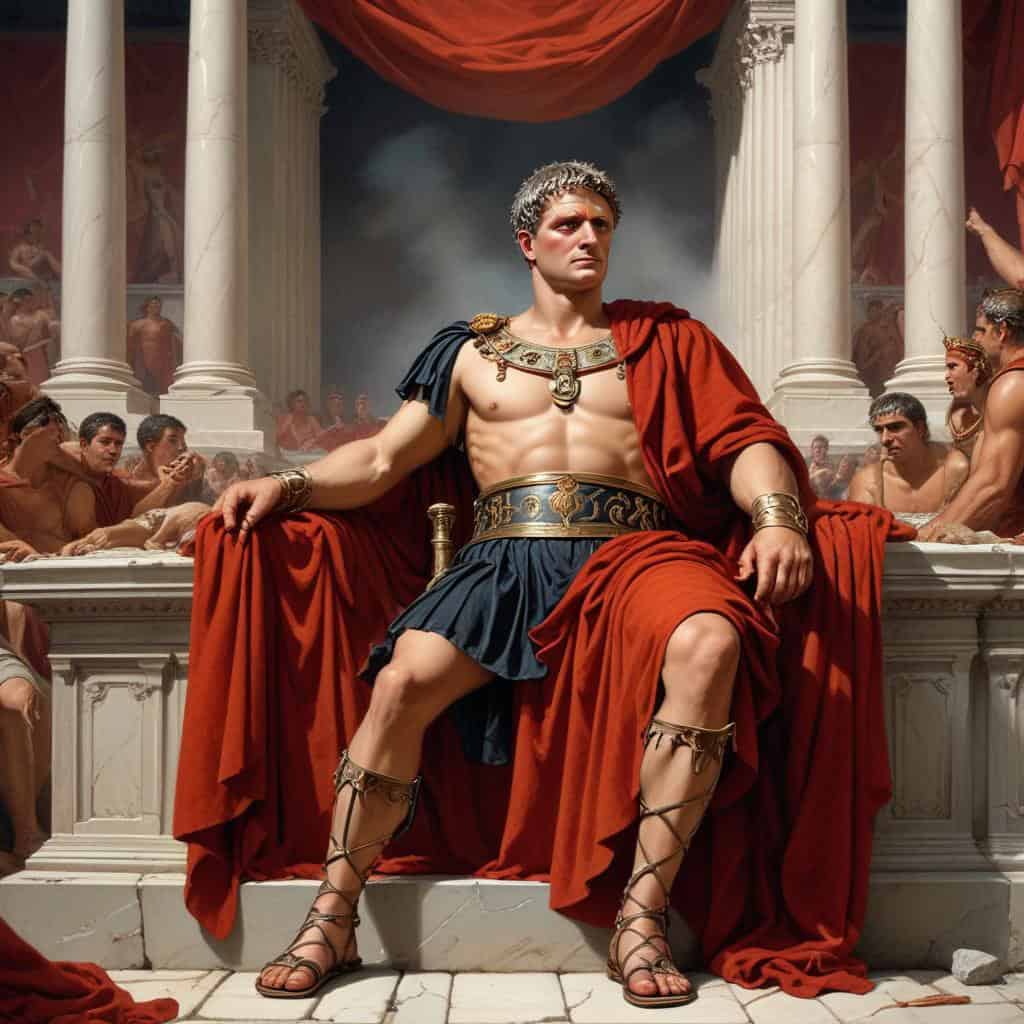
Introduction
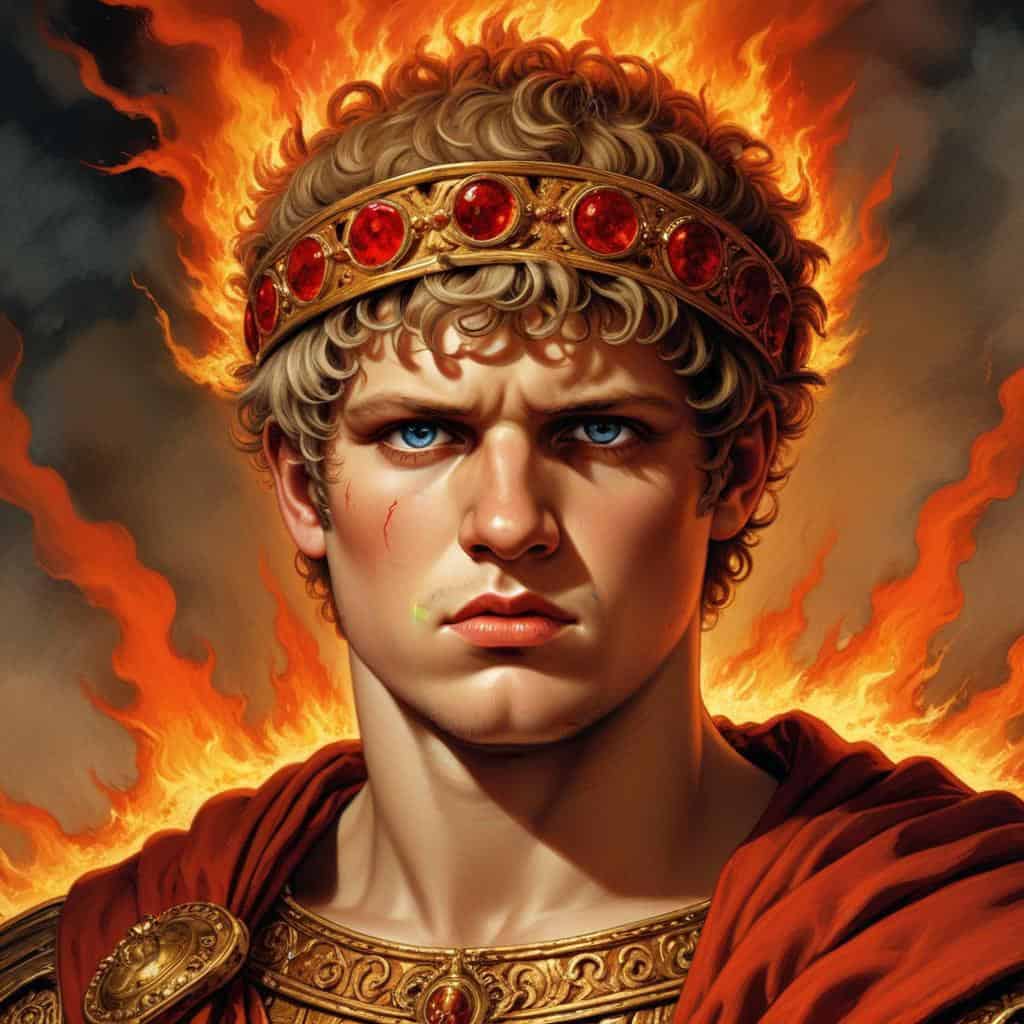
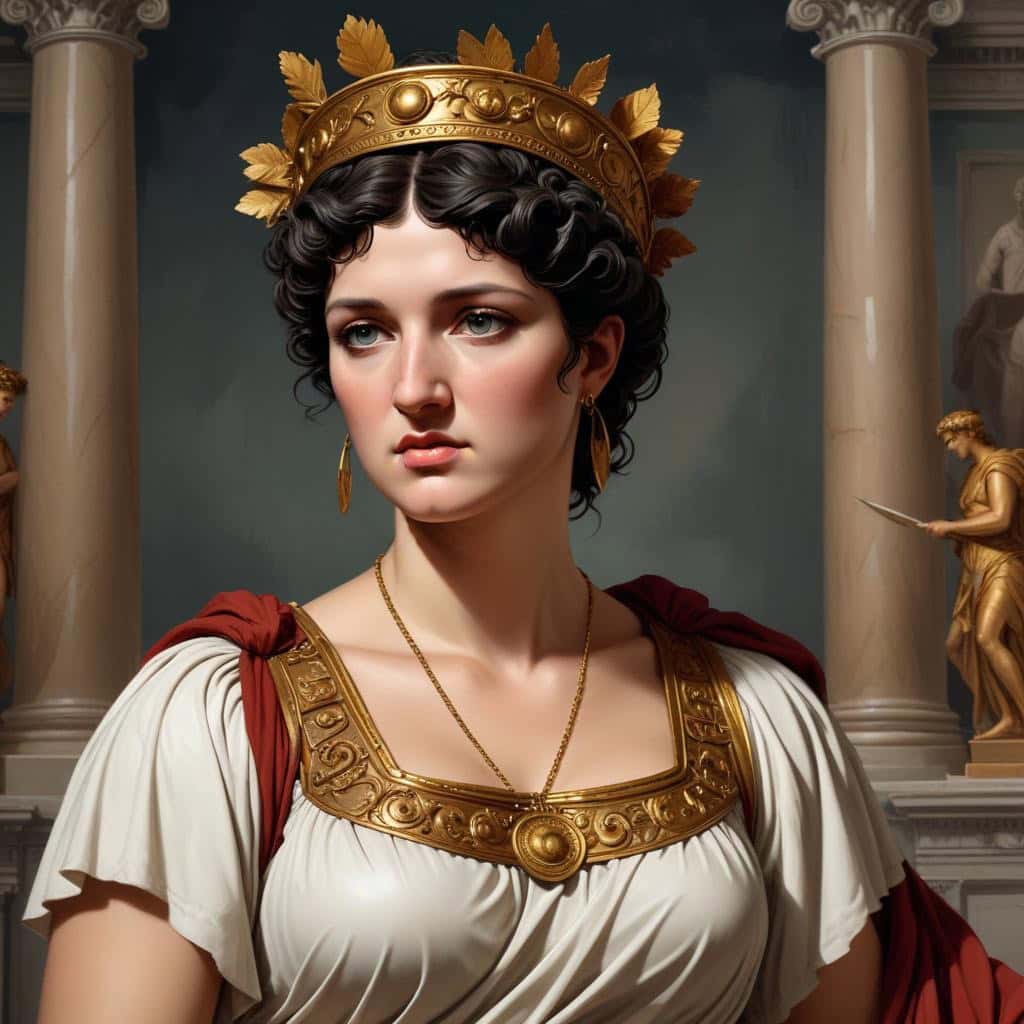
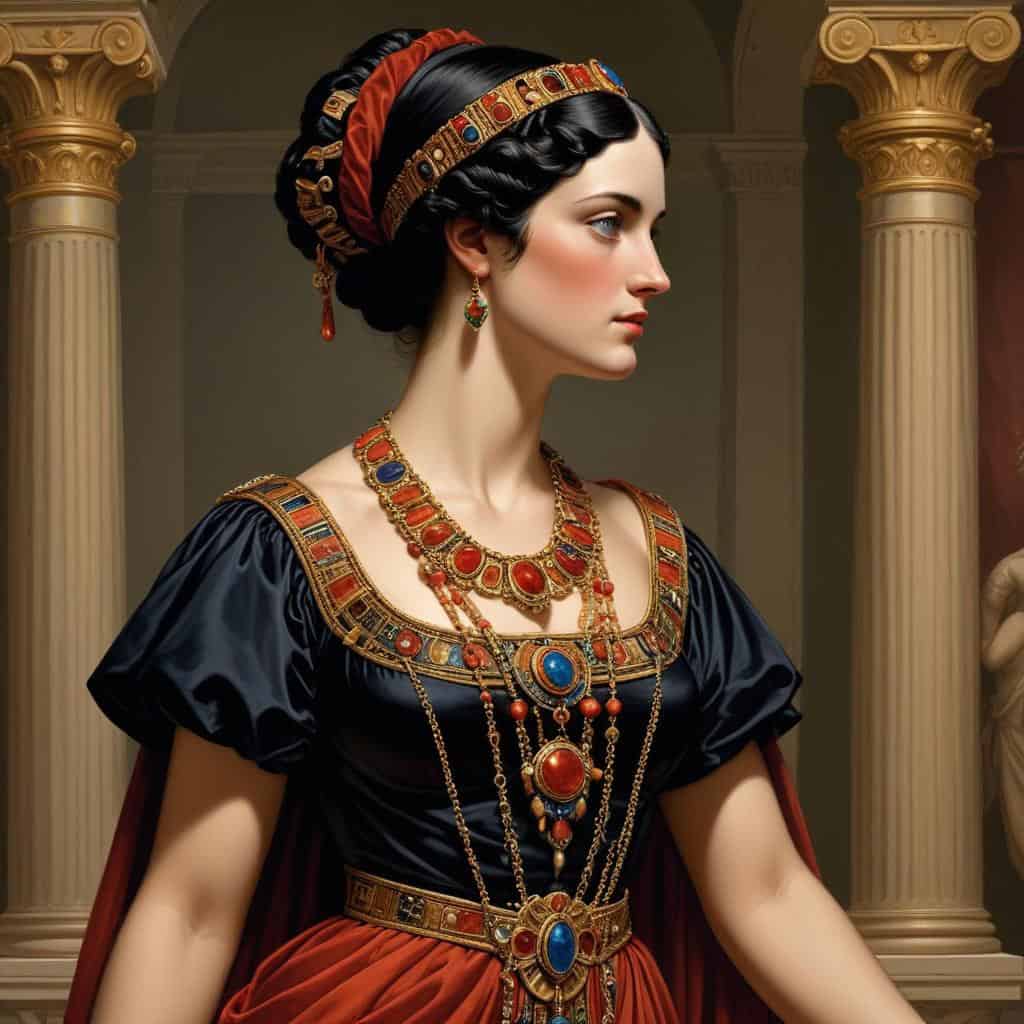
Agrippina the Younger
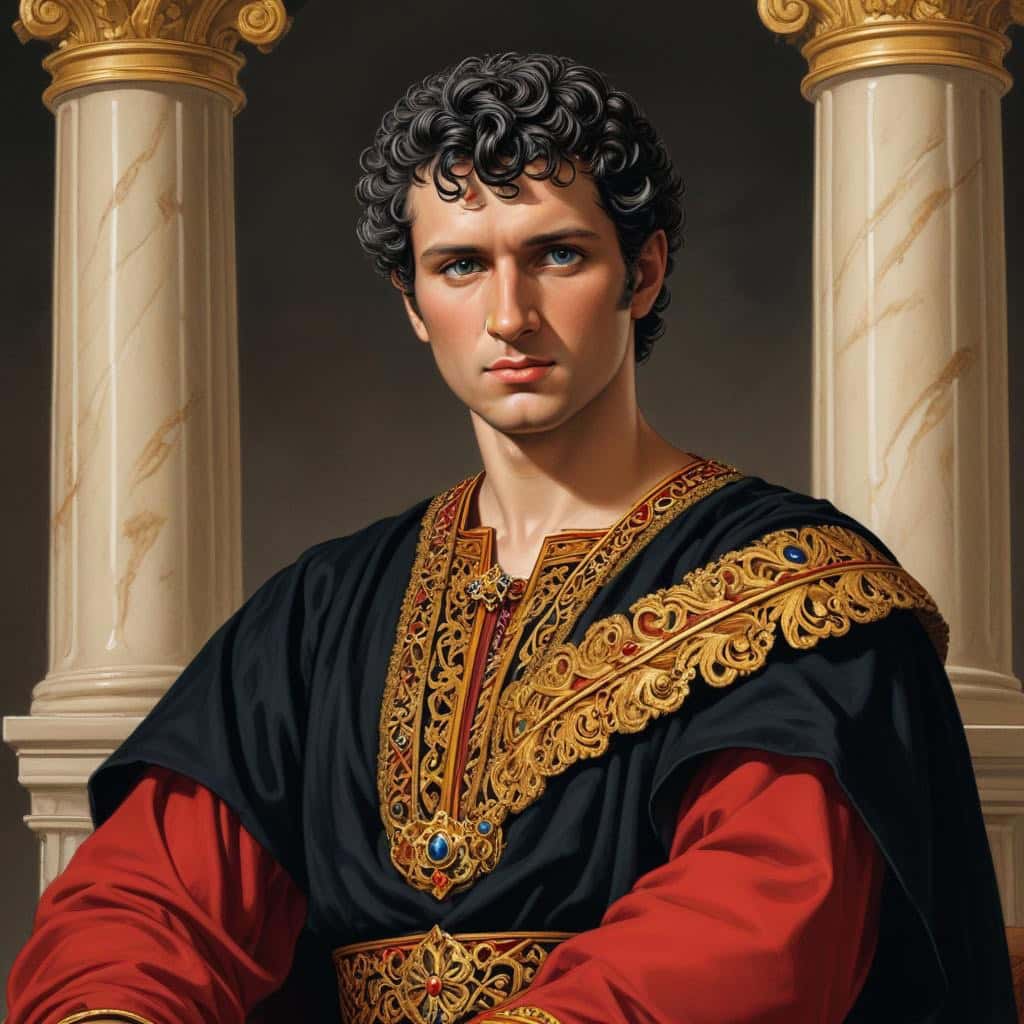
Poppaea Sabina
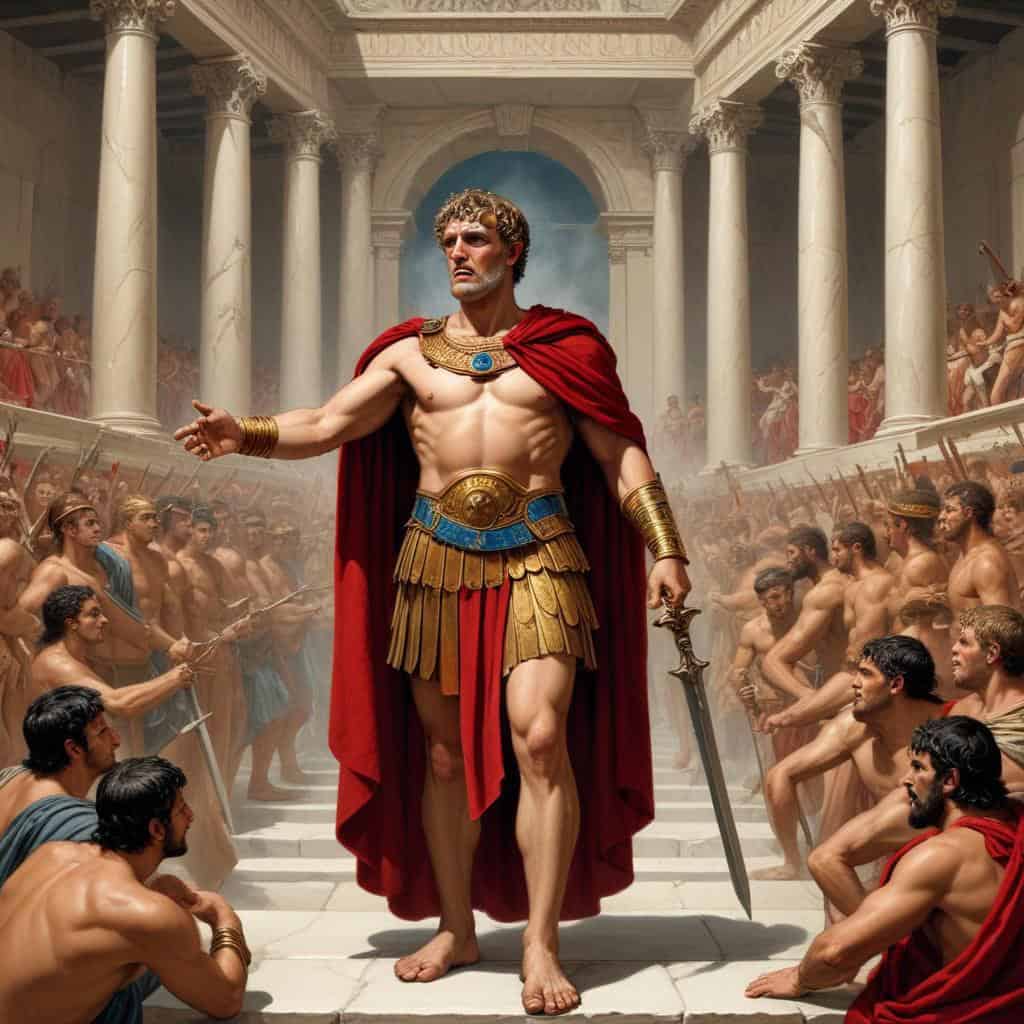
Sena Galba
Tigellinus
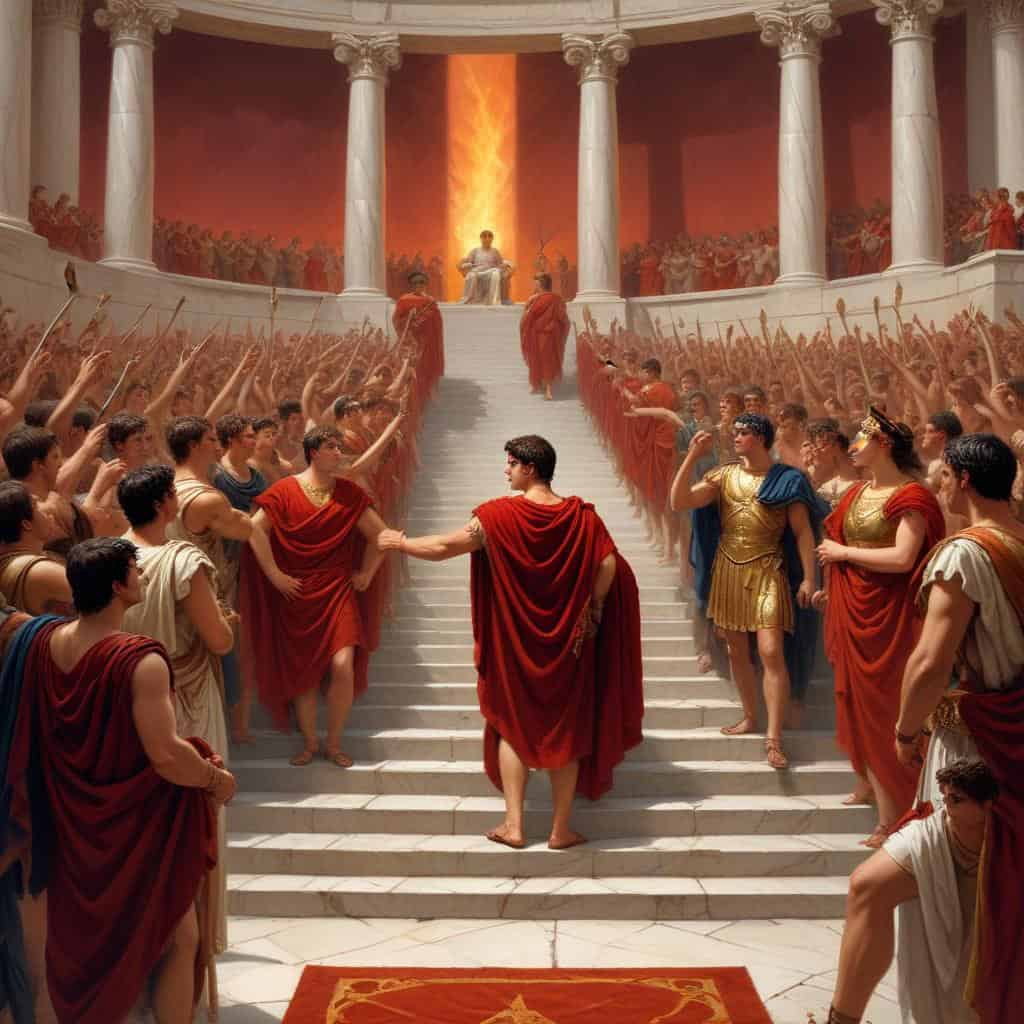
1. Rise to Power
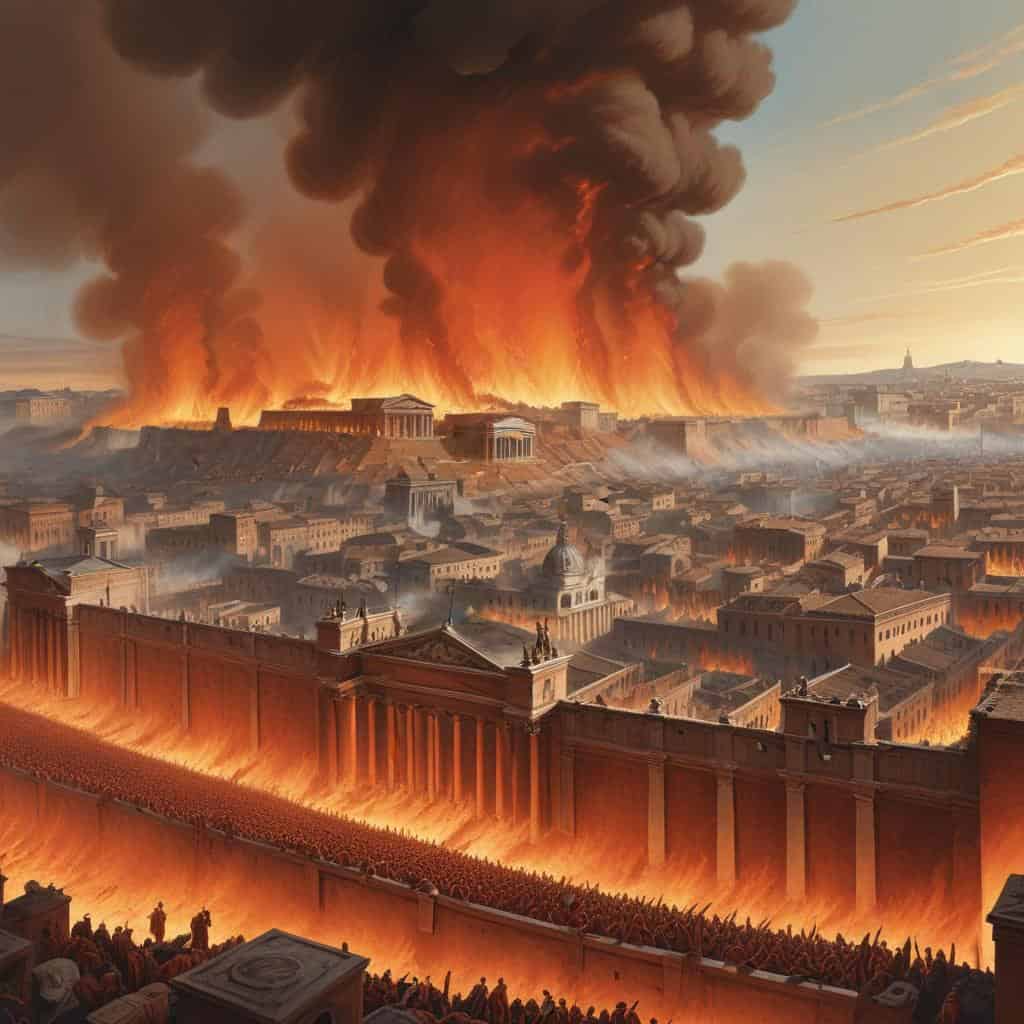
2. Burning of Rome
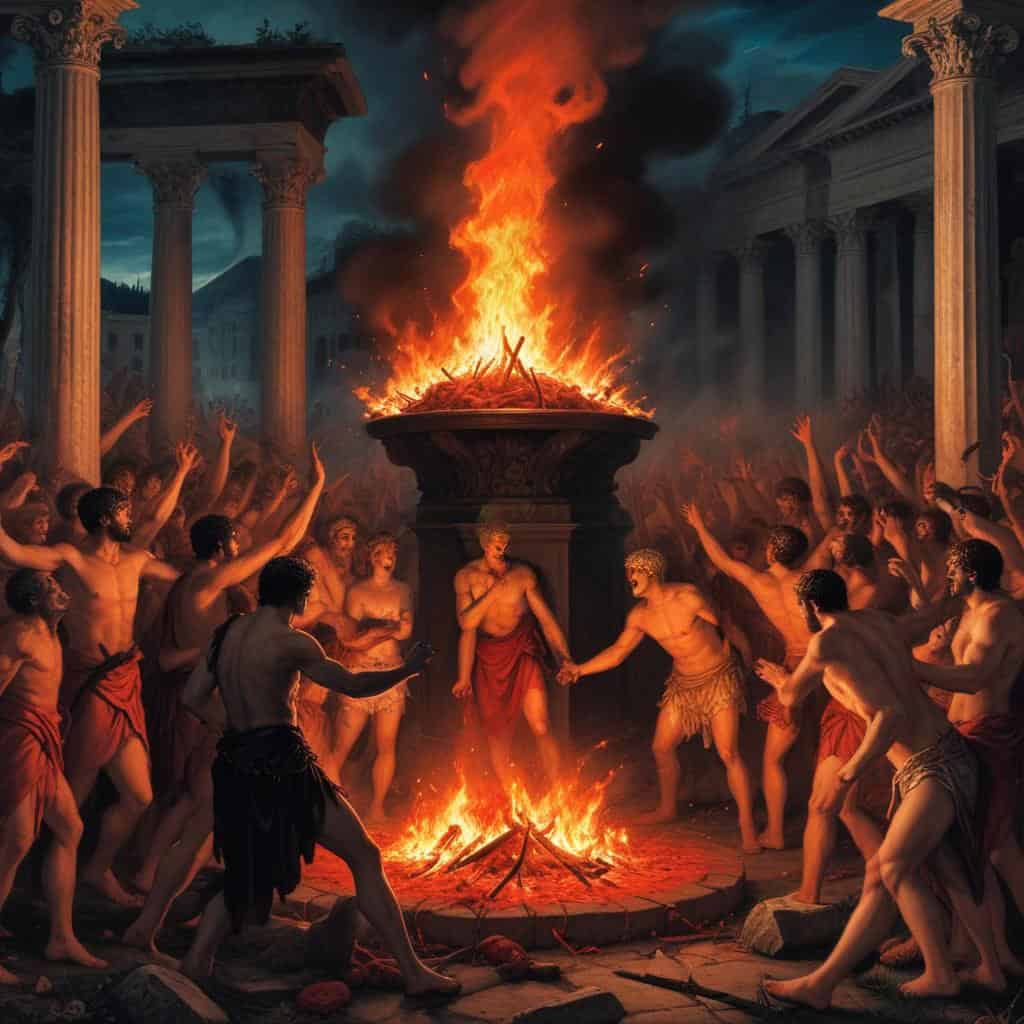
3. Persecution of Christians
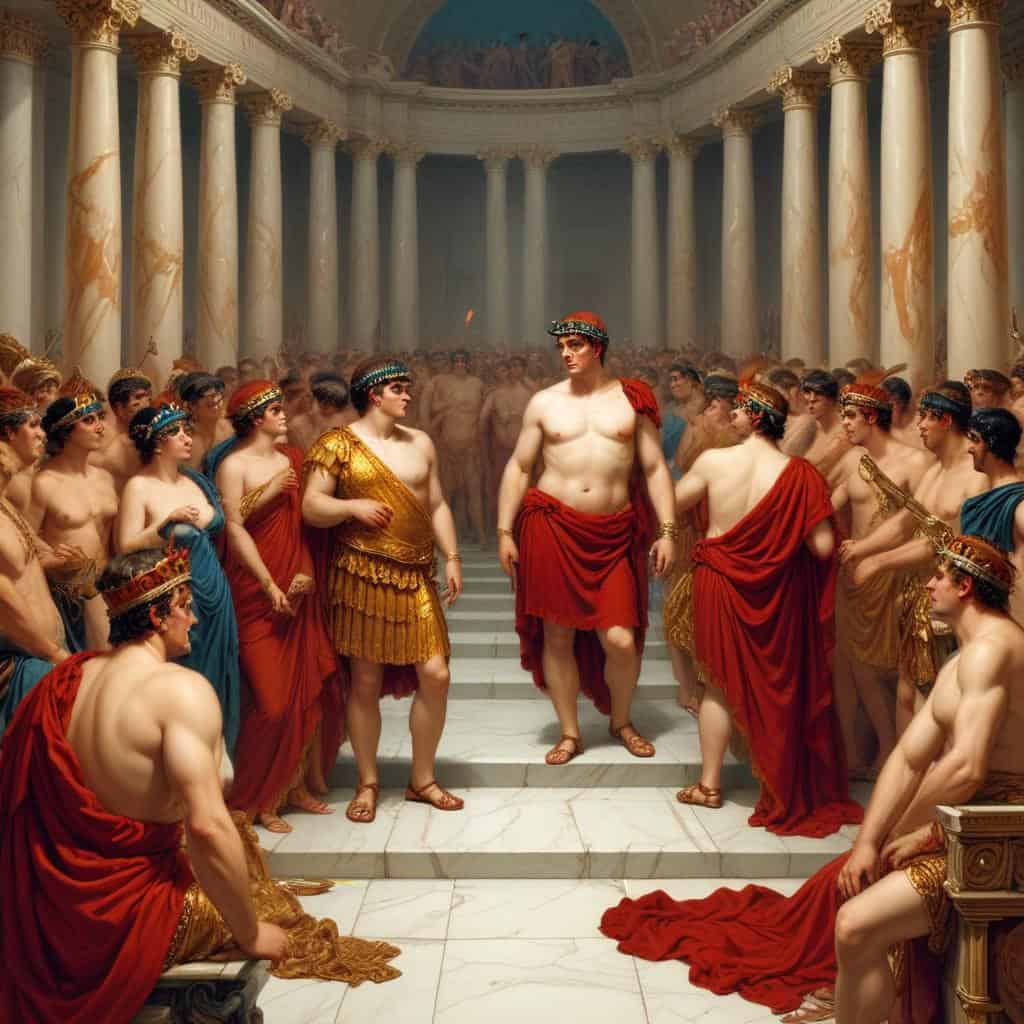
4. Tyrannical Behavior
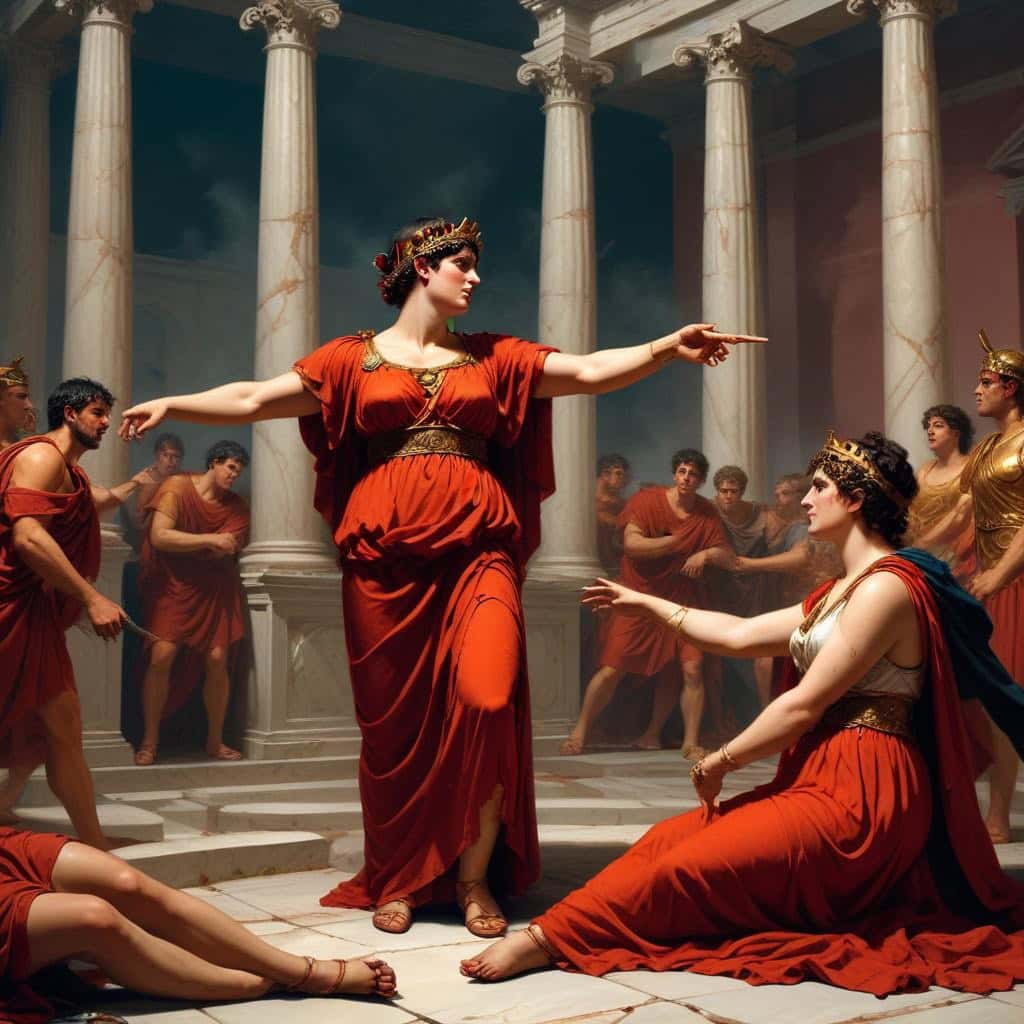
5. Matricide
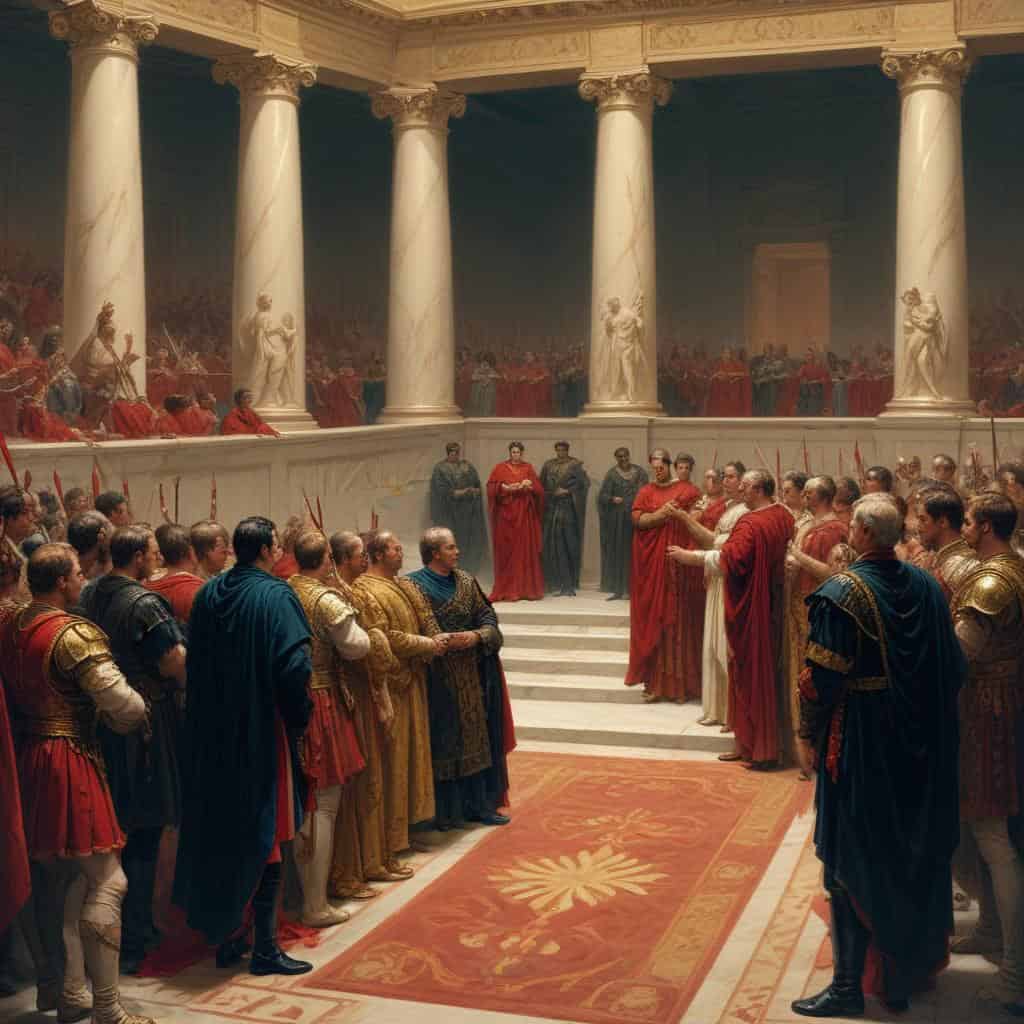
6. Political Intrigue
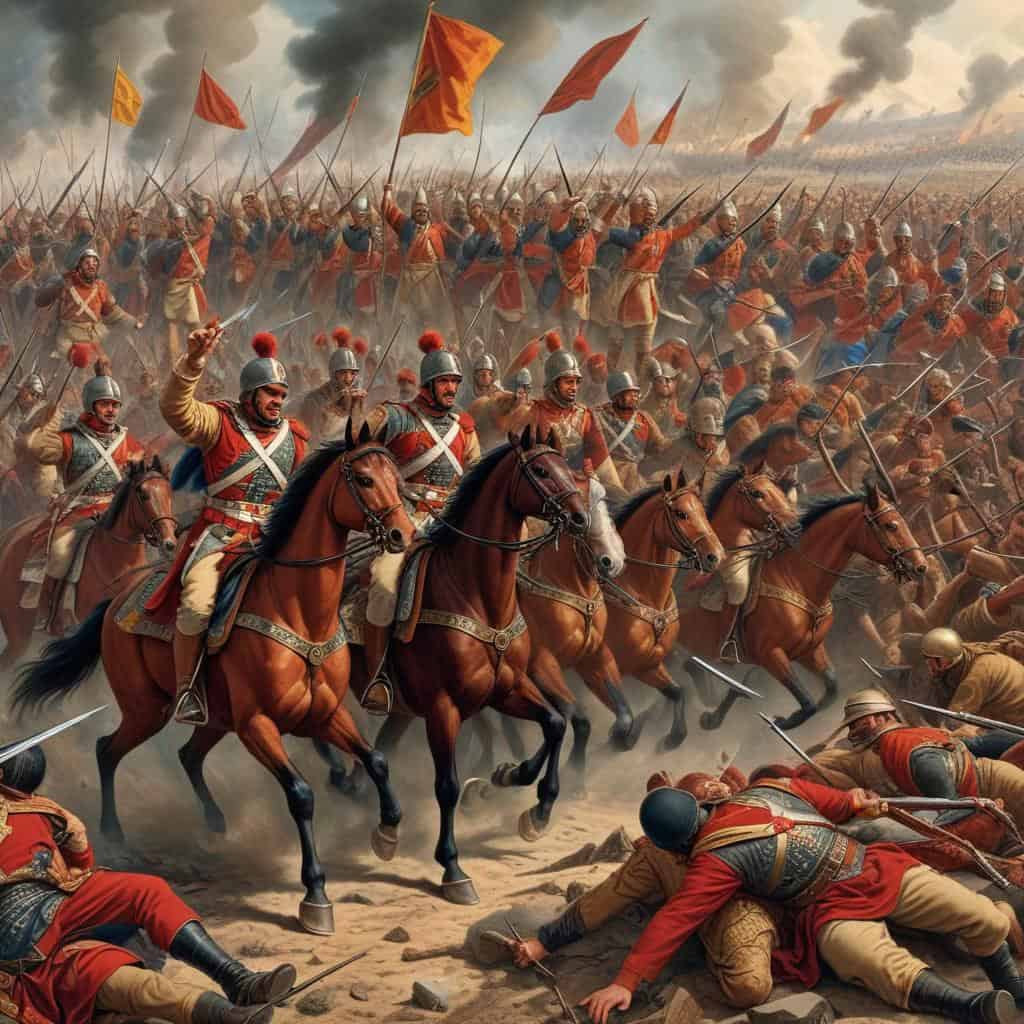
7. Failed Military Campaigns
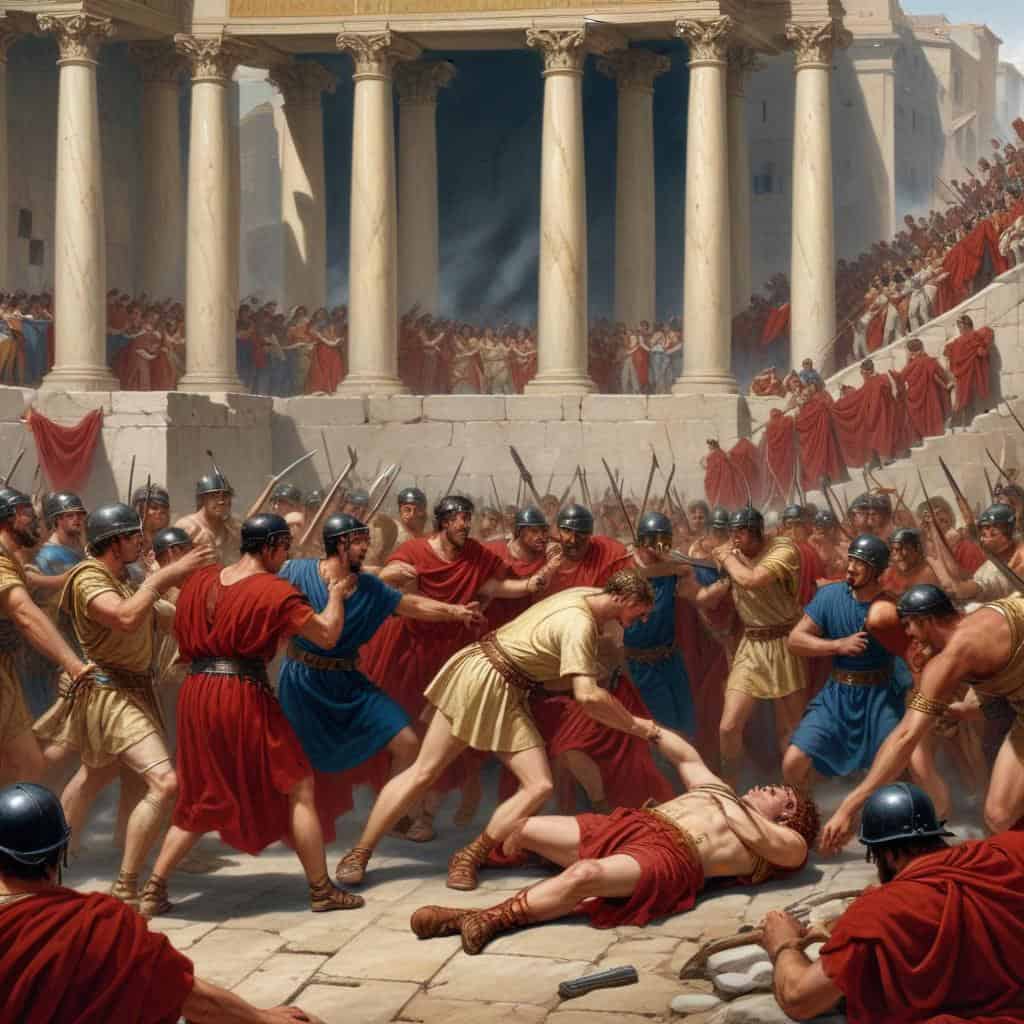
8. Death of Nero
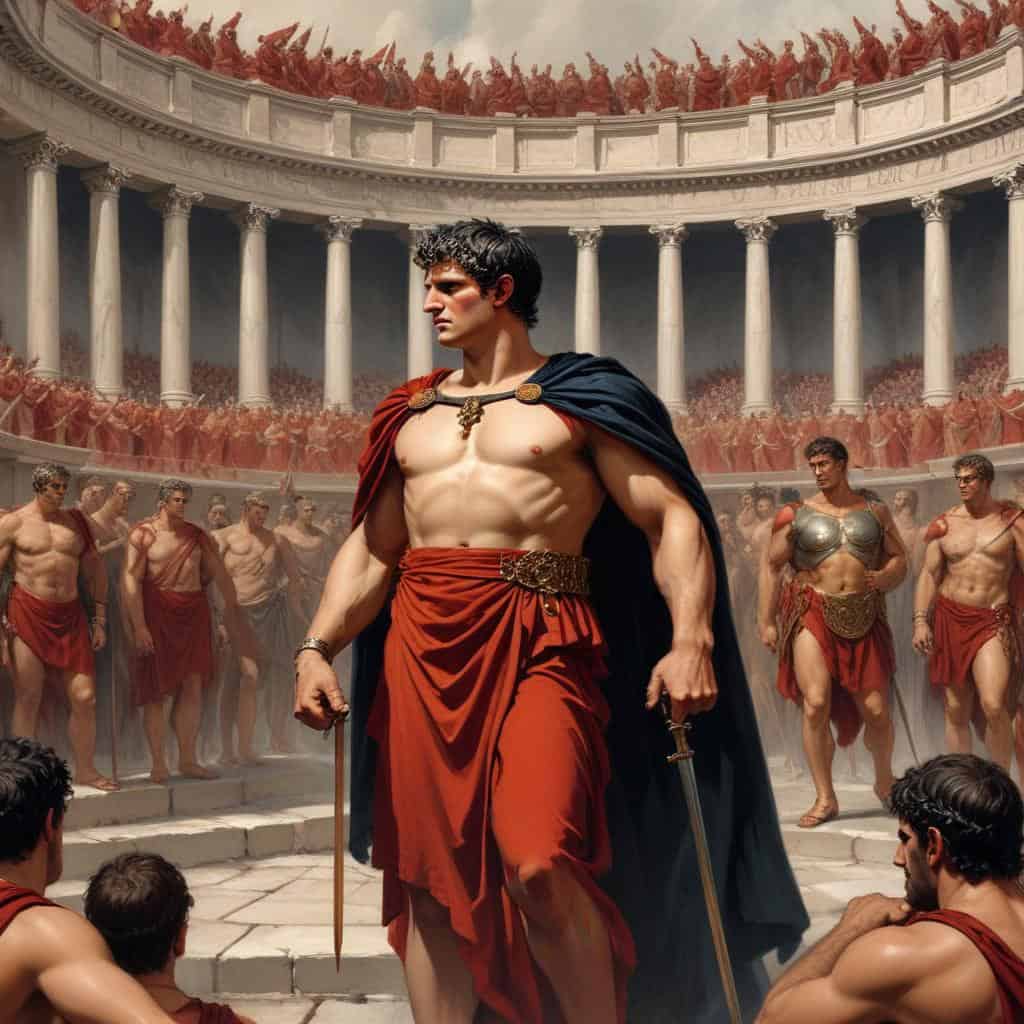
9. Legacy of Nero
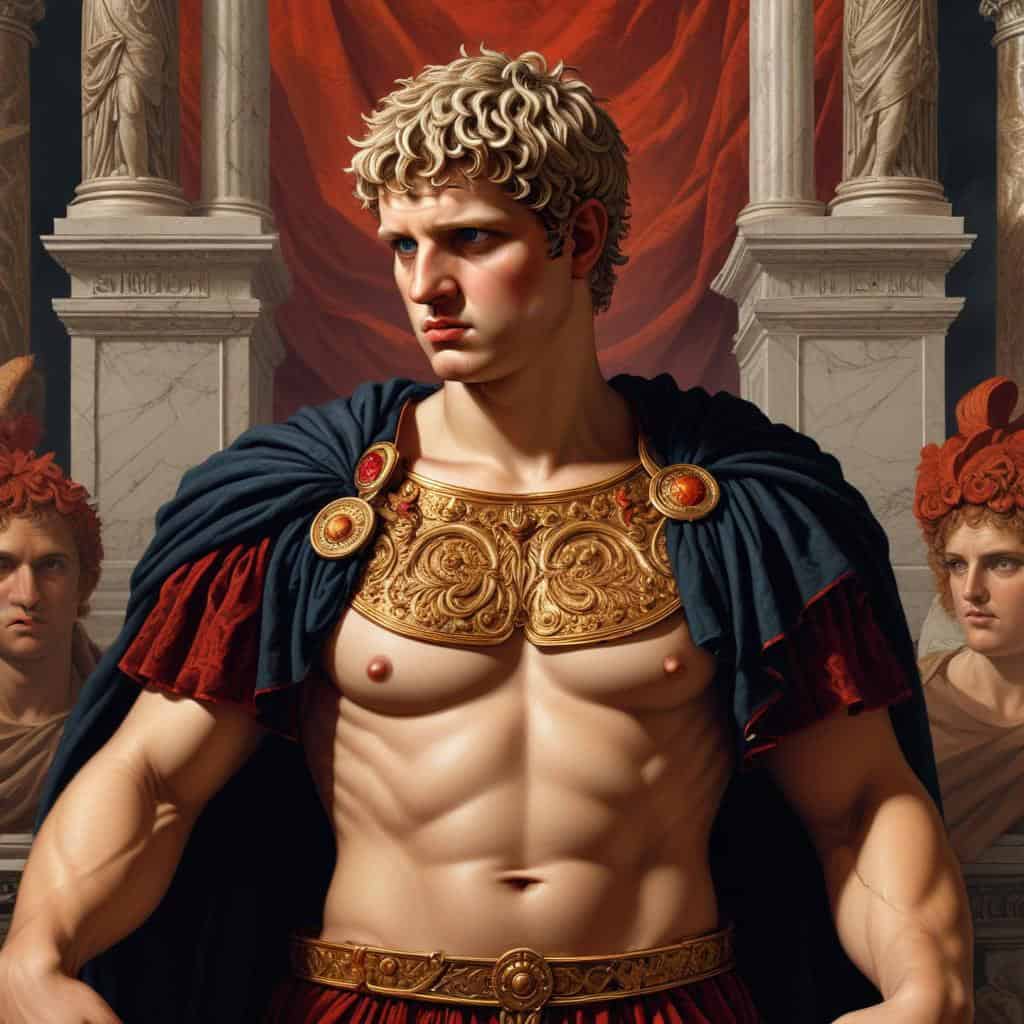
10. Historical Interpretation
Lesson Details & Resources
In a Nutshell
- Who: Roman Emperor and last of the Julio-Claudian dynasty
- When: Lived: 37 – 68 AD
- Known For: Infamous for his tyranny, extravagance, and persecution of Christians
- Legacy: Nero is remembered as one of the most infamous Roman emperors in history, known for his brutal reign and extravagant lifestyle.
Timeline of Nero: The Life and Reign of the Infamous Roman Emperor
Birth of Nero
Nero becomes Emperor of Rome
Nero's mother Agrippina the Younger murdered
Nero divorces and banishes his first wife Octavia
Great Fire of Rome destroys a large portion of the city
Nero blames Christians for the Great Fire and begins persecuting them
Construction of Domus Aurea (Golden House) begins
Nero competes in the Olympics in Greece
Nero marries his second wife Poppaea Sabina
Death of Nero's first wife Octavia
Nero orders the assassination of his mother Agrippina the Younger
Nero executes several prominent Romans, including Seneca the Younger
Nero performs as a charioteer in Rome
Nero's reign marked by extravagance and excesses
Revolt of the Roman governors in Gaul against Nero's rule
Nero commits suicide
End of Julio-Claudian dynasty with Nero's death
Year of the Four Emperors begins with Galba becoming Emperor
Nero's statues and images destroyed by the Senate
Nero declared an enemy of the state by the Senate
Vocabulary List
- Emperor
- Nero was the fifth Roman emperor.
- Rome
- Nero ruled over Rome from 54 to 68 AD.
- Tyrant
- Nero is often depicted as a cruel and oppressive tyrant.
- Fire
- The Great Fire of Rome occurred during Nero's reign.
- Persecution
- Nero persecuted Christians, blaming them for the fire.
- Fiddle
- The phrase 'Nero fiddled while Rome burned' is a popular misconception.
- Golden House
- Nero built the opulent Domus Aurea, also known as the Golden House.
- Suicide
- Nero committed suicide by stabbing himself in the throat.
- Artistic
- Nero was known for his interest in music, poetry, and acting.
- Seneca
- Nero's advisor and tutor, the philosopher Seneca, played a significant role in his early reign.
Key Facts
This is the information used in the fact matching game
- Nero was the last Roman emperor of the Julio-Claudian dynasty.
- Nero ruled from 54 AD to 68 AD.
- Nero was known for his extravagant spending and lavish lifestyle.
- Nero is infamous for persecuting Christians and blaming them for the Great Fire of Rome in 64 AD.
- Nero was known to have a close relationship with his mother, Agrippina the Younger, whom he later had assassinated.
- Nero was married three times, with his second wife, Poppaea Sabina, being the most famous.
- Nero was a talented musician and performer, often participating in public performances.
- Nero commissioned the construction of the Domus Aurea, a lavish palace in Rome.
- Nero was deified by the Senate after his death, but he was later condemned by succeeding emperors.
- Nero was known to have a fascination with Greek culture and arts.
- Nero's reign was marked by political instability and widespread corruption.
- Nero's rule was characterized by his erratic behavior and cruelty towards his political opponents.
- Nero was the first Roman emperor to commit suicide, following a revolt by the Senate.
- Nero was rumored to have started the Great Fire of Rome to clear space for his planned palace, the Domus Aurea.
- Nero was a patron of the arts and sponsored many public performances and festivals.
- Nero's reign saw the first persecution of Christians in the Roman Empire.
- Nero was known for his extravagant public spectacles, such as chariot races and gladiatorial games.
- Nero was accused of killing his own mother, Agrippina the Younger, by having her boat sunk.
- Nero was said to have fiddled while Rome burned during the Great Fire.
- Nero's rule was marked by a decline in the Roman economy and widespread corruption.
Analysis & Significance
Major Accomplishments
Nero was known for his artistic talents, particularly in music and poetry. He also implemented various reforms in the Roman Empire, including reducing taxes and increasing public funding for the arts and games.
Impact on the World
Nero’s reign was marked by controversy and tyranny, leading to his reputation as a ruthless and extravagant ruler. His rule had a profound impact on the Roman Empire, as it highlighted the dangers of unchecked power and the consequences of a leader prioritizing personal pleasure over governance.
Enduring Legacy
Nero is remembered as one of the most infamous Roman emperors, known for his alleged persecution of Christians and his extravagant lifestyle. Despite his negative reputation, Nero’s legacy continues to fascinate historians and scholars, offering insights into the complexities of power and leadership in ancient Rome.
Nero: The Life and Reign of the Infamous Roman Emperor Games


Take Your Learning Offline
Want a convenient, print-ready study guide for this lesson? Become a Memory Wizards Pro member to unlock the downloadable " Memory Scrolls" for this topic and our entire library!
- ✓ Complete Vocabulary Lists
- ✓ Key Facts & Timelines
- ✓ Beautifully Formatted for Print & Mobile