
Marcus Aurelius: The Stoic Emperor’s Biography
The stoic philosopher who ruled ancient Rome with wisdom and compassion.
How Do You Learn Best?
Learn by Reading
Immerse yourself in the 10-minute visual lesson for a comprehensive understanding of the topic.
Learn by Reviewing
Jump directly to the key facts, timeline, and vocabulary lists to build a solid foundation of details.
Learn by Doing
Challenge yourself! Jump straight into the interactive games to learn by trial, error, and discovery.
Marcus Aurelius: The Stoic Emperor’s Biography in 10 Minutes
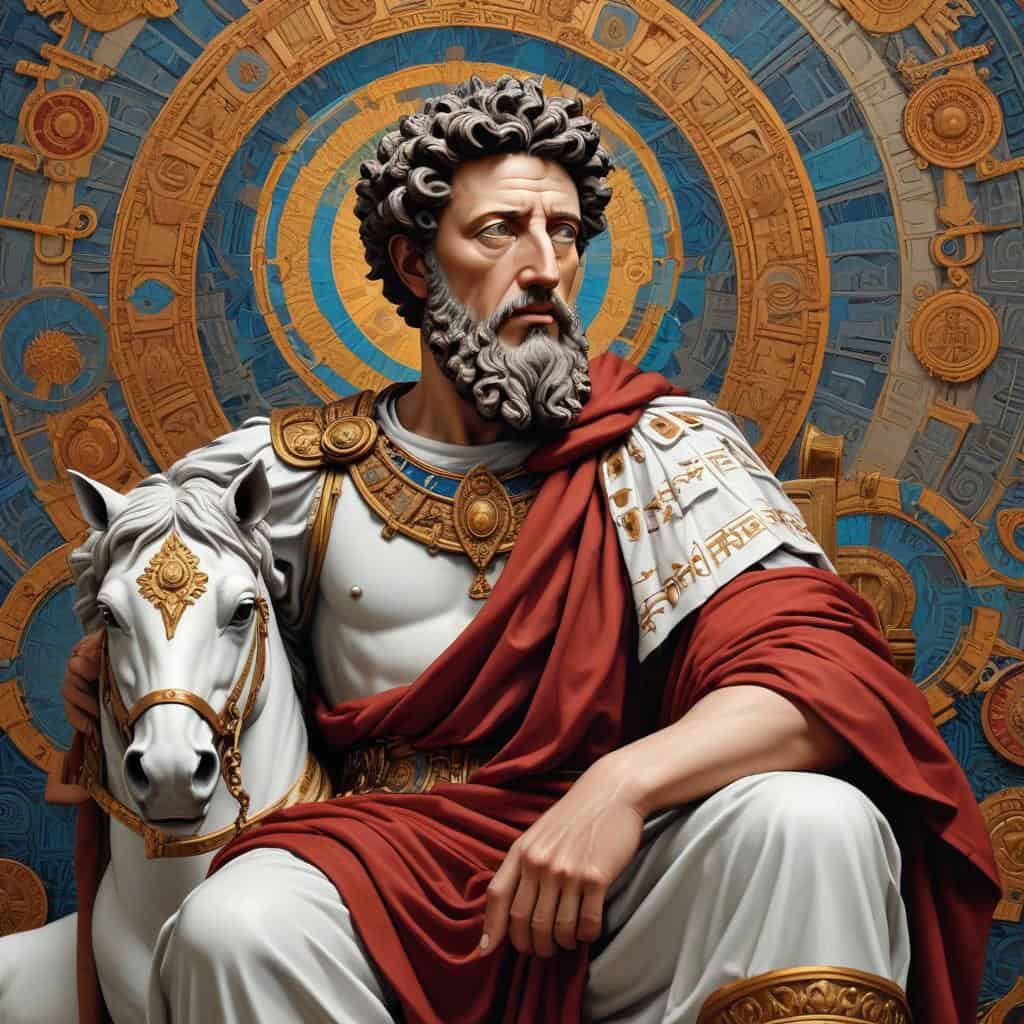
Introduction
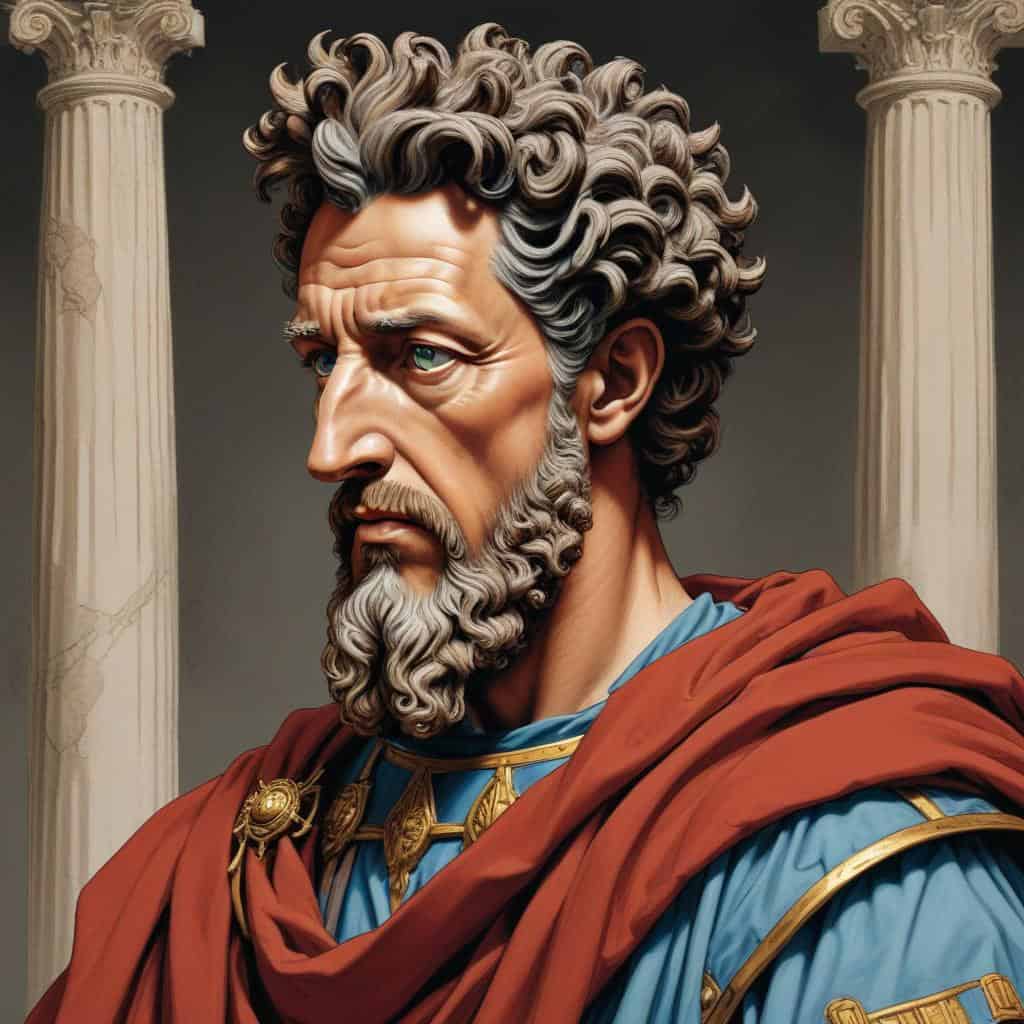
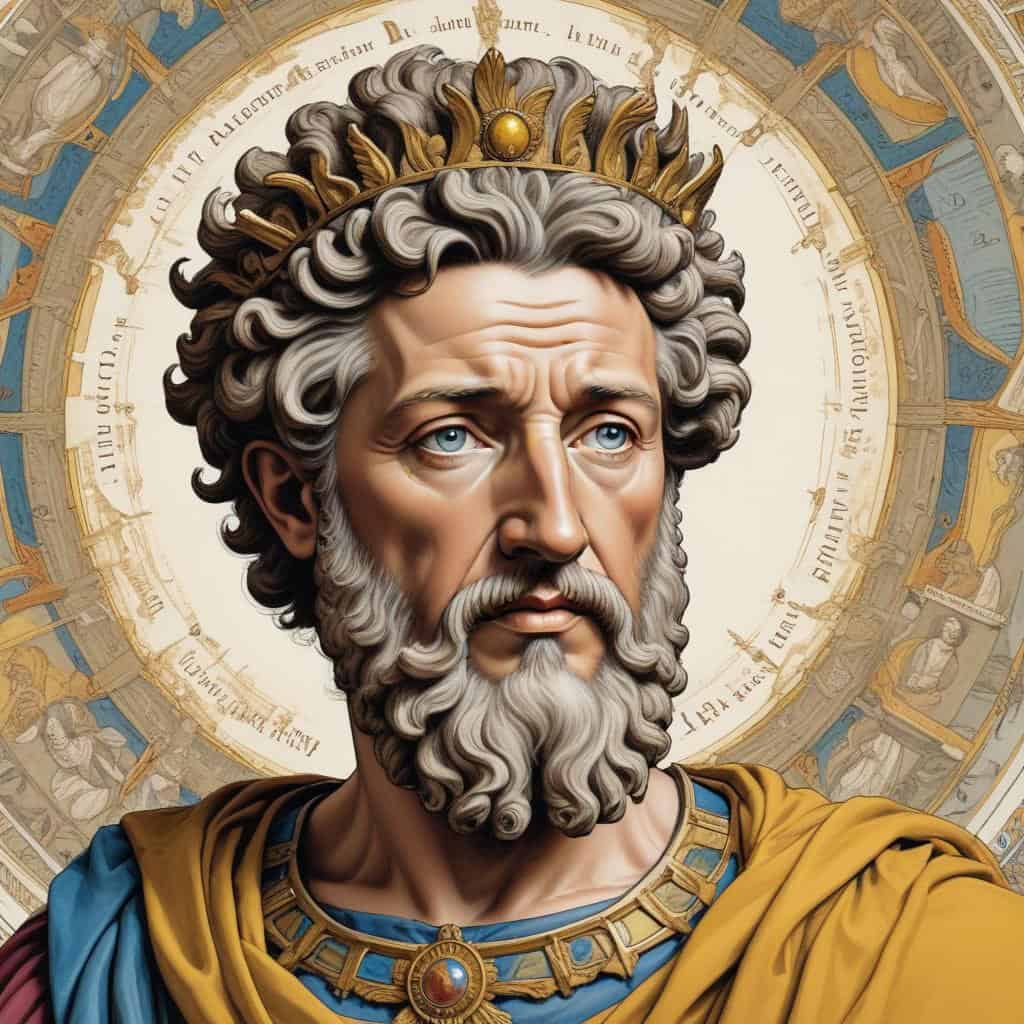
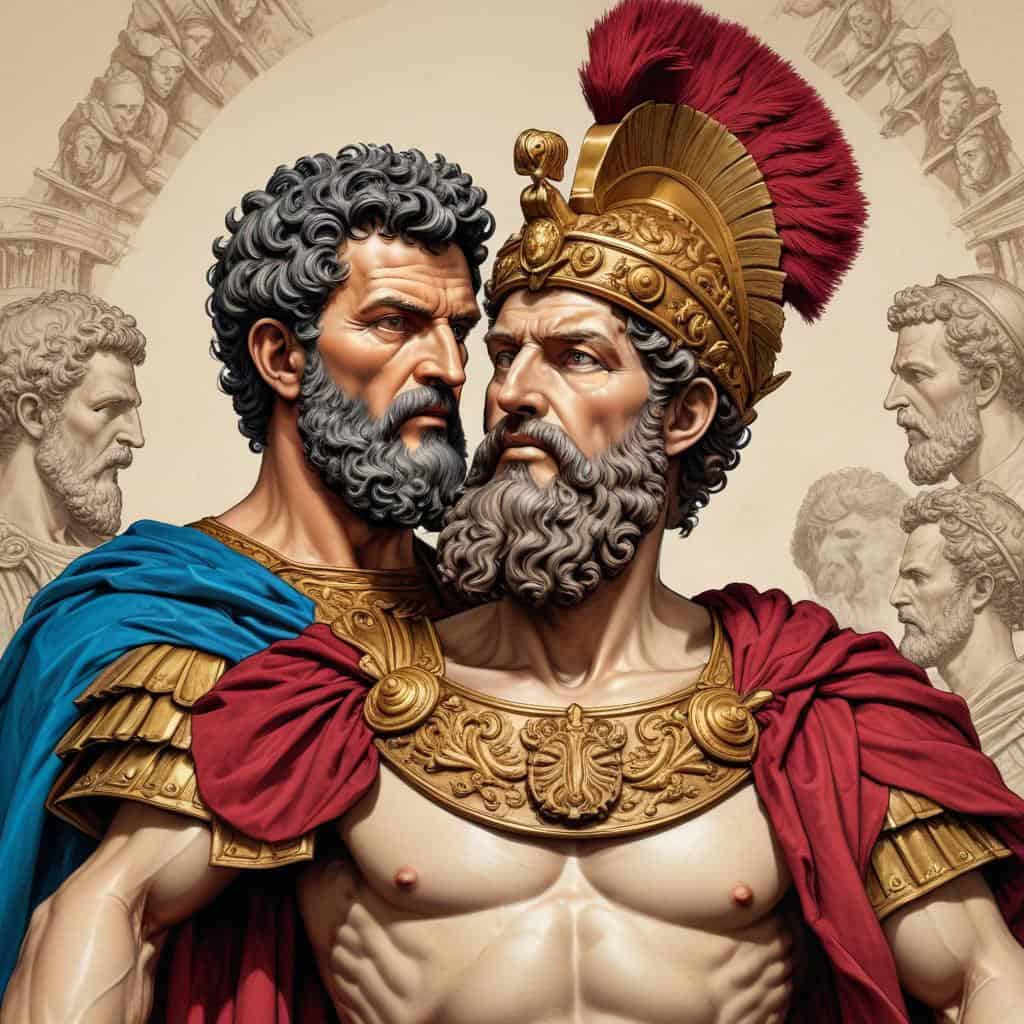
Lucius Verus
Commodus
Antoninus Pius
The Early Life of Marcus Aurelius
Ascending to the Throne
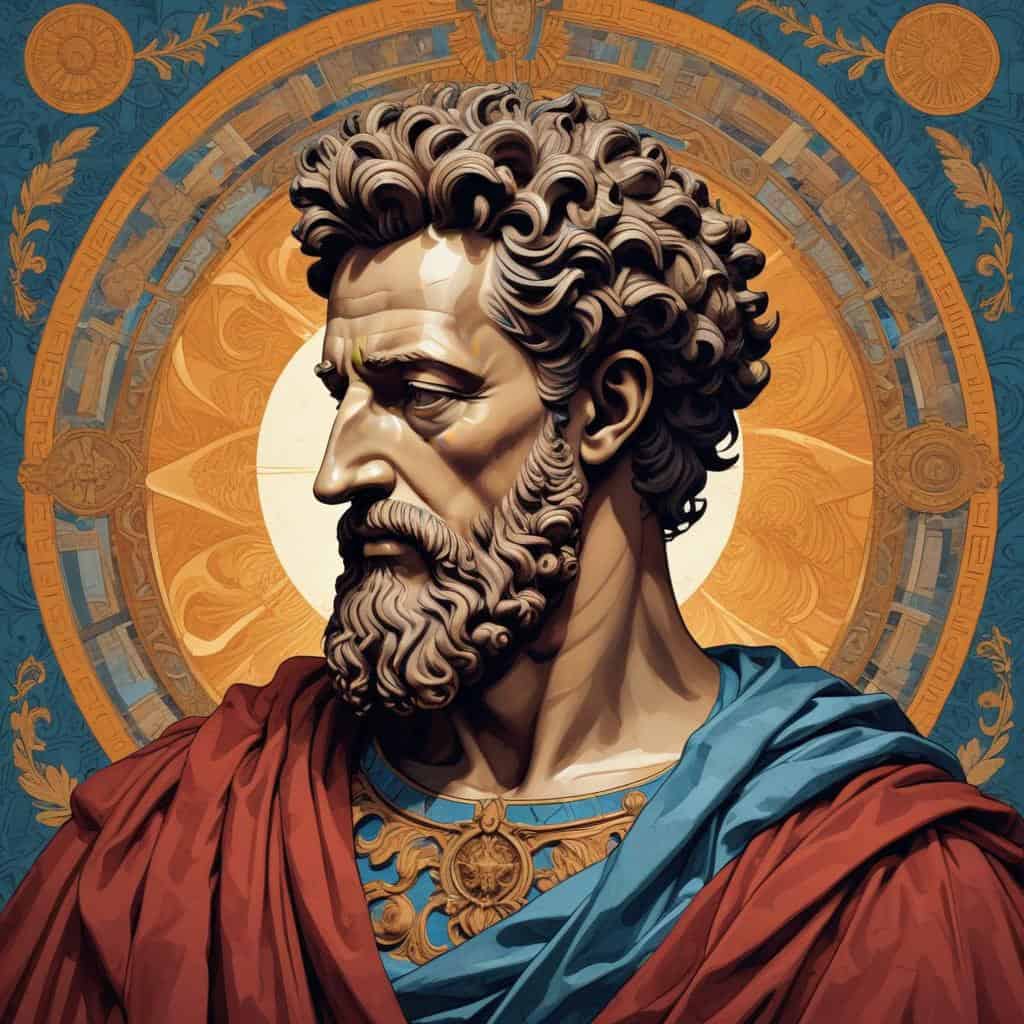
The Stoic Philosophy
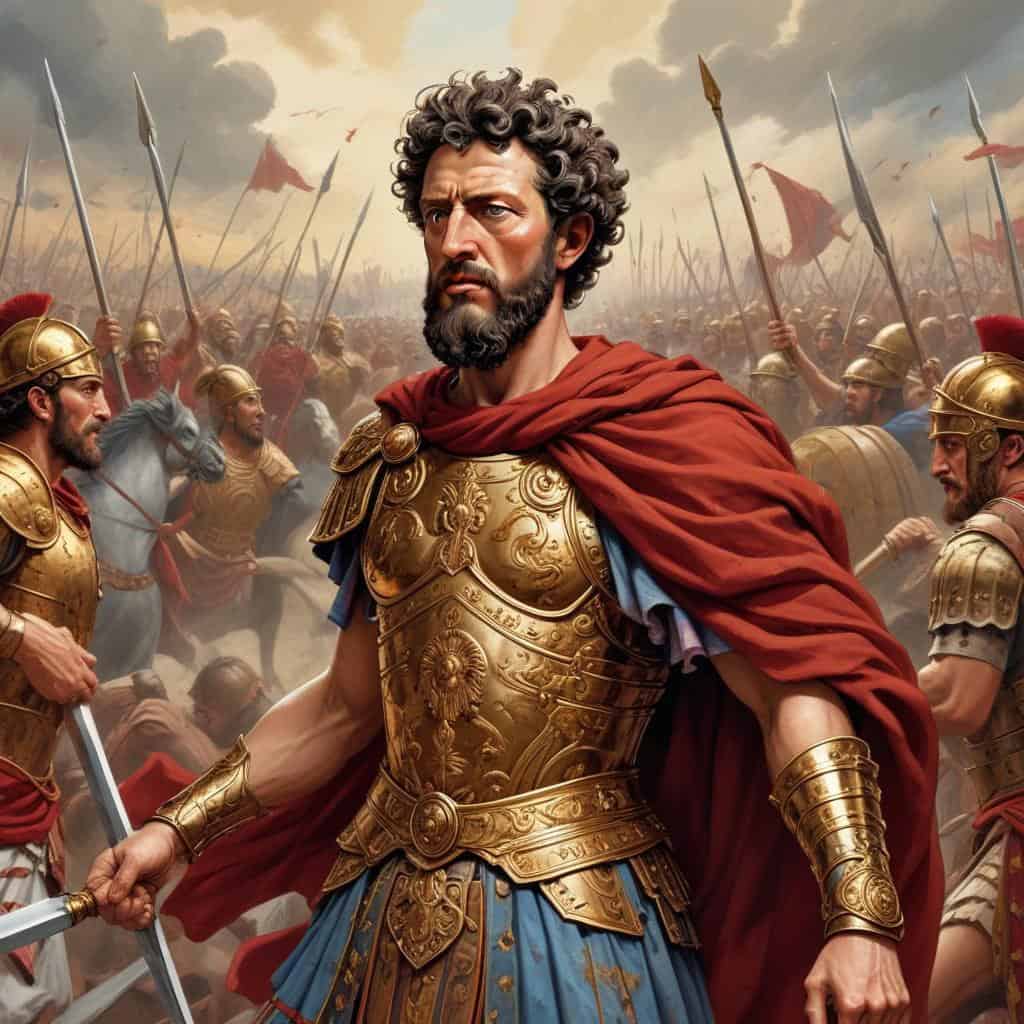
Warrior Emperor
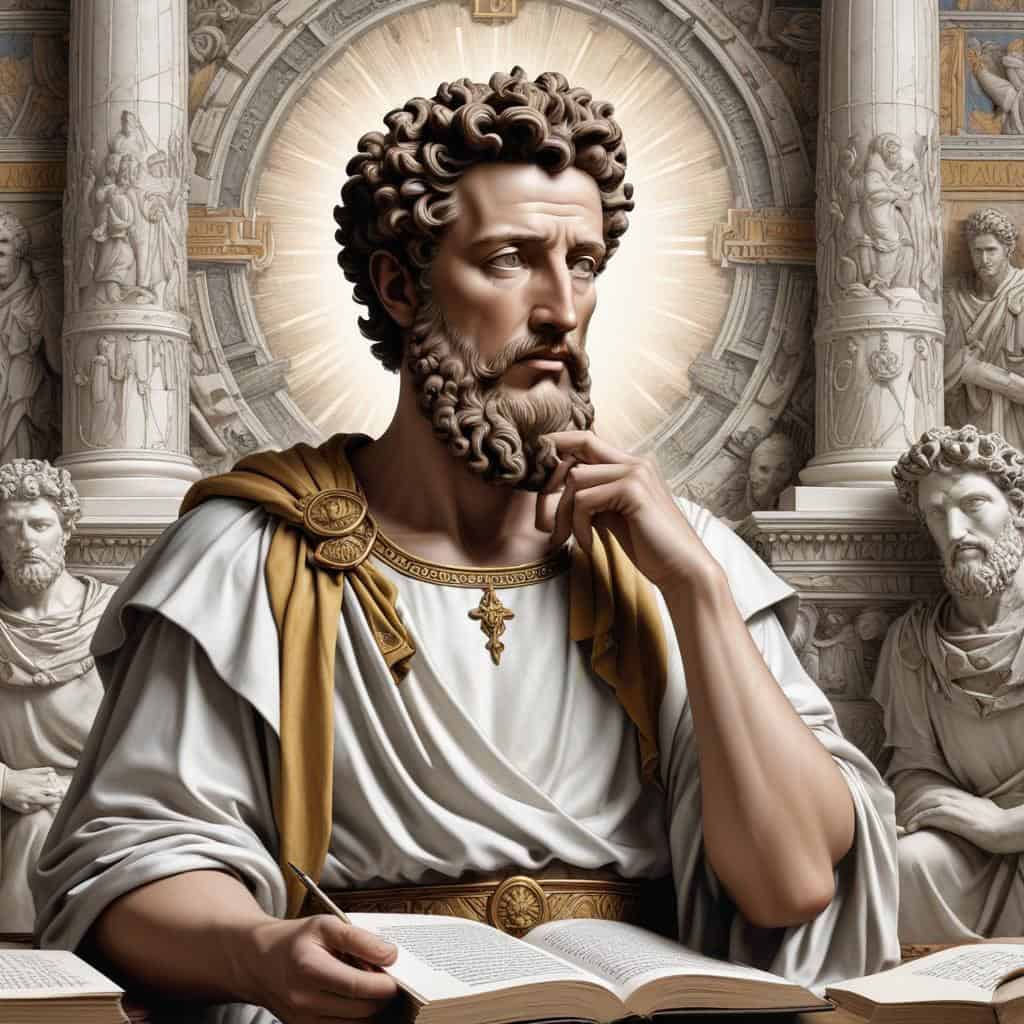
The Meditations
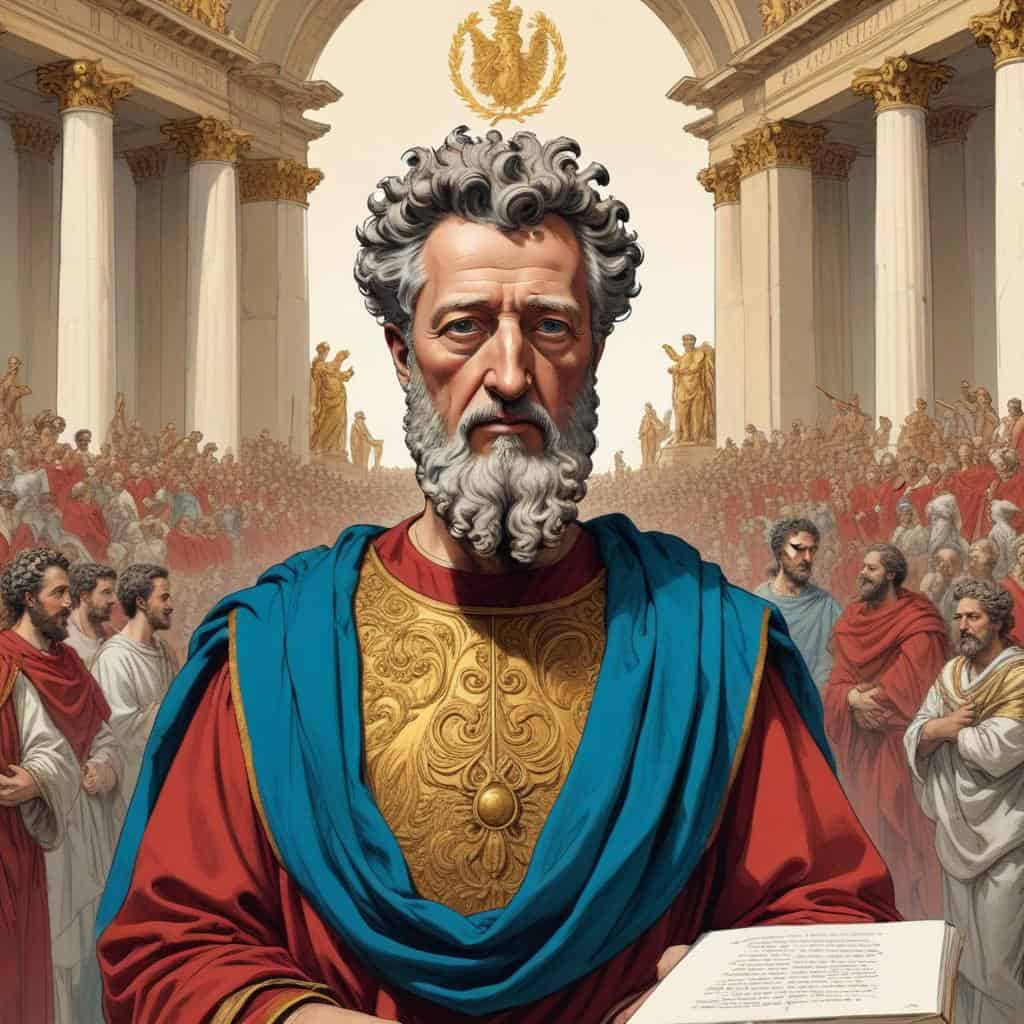
Legacy of Wisdom
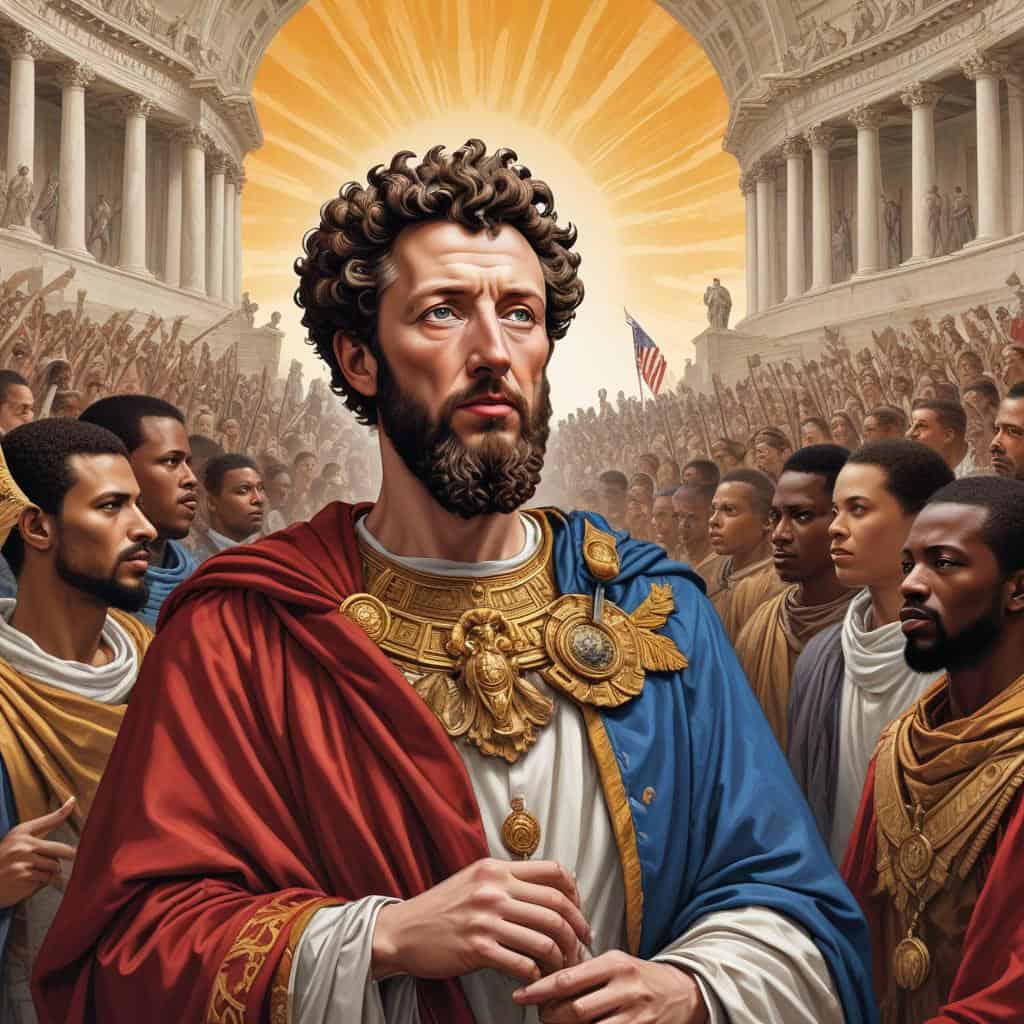
Influence on Future Leaders
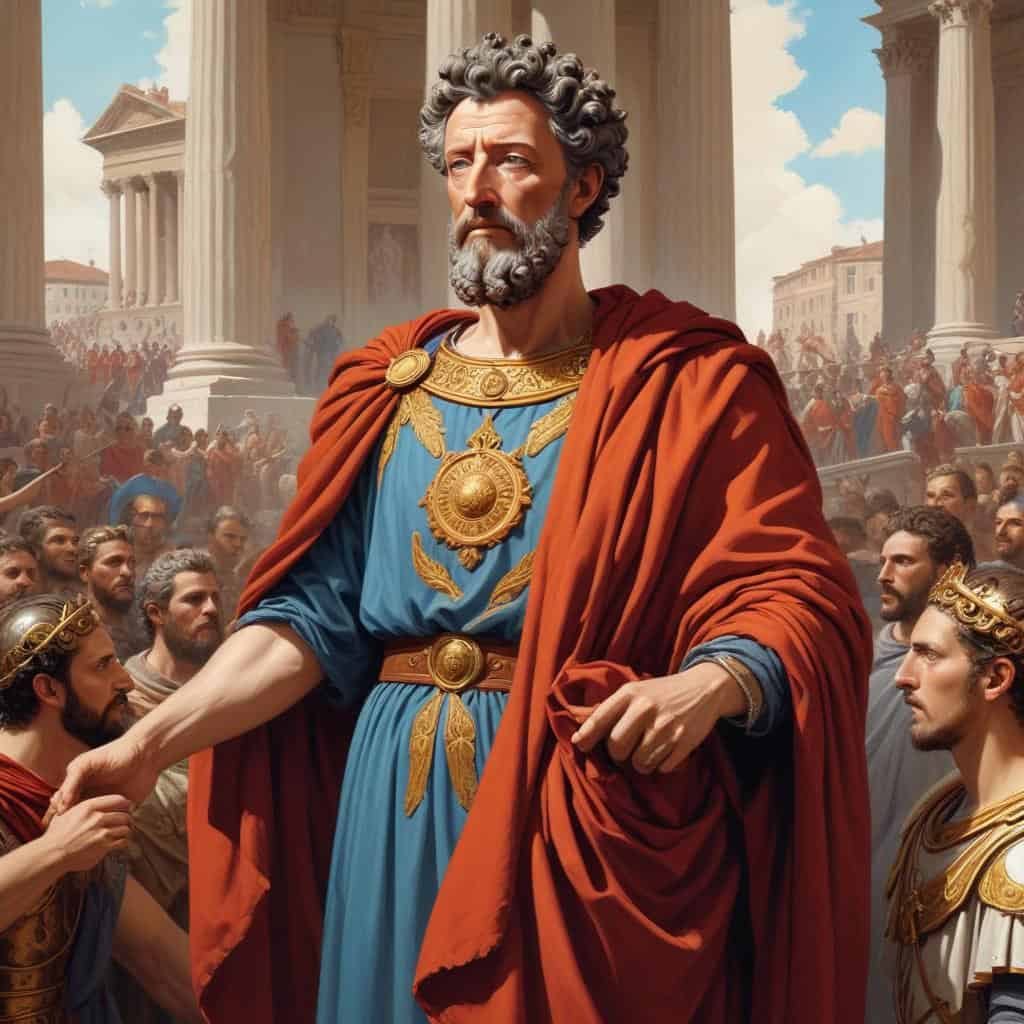
A Life of Service
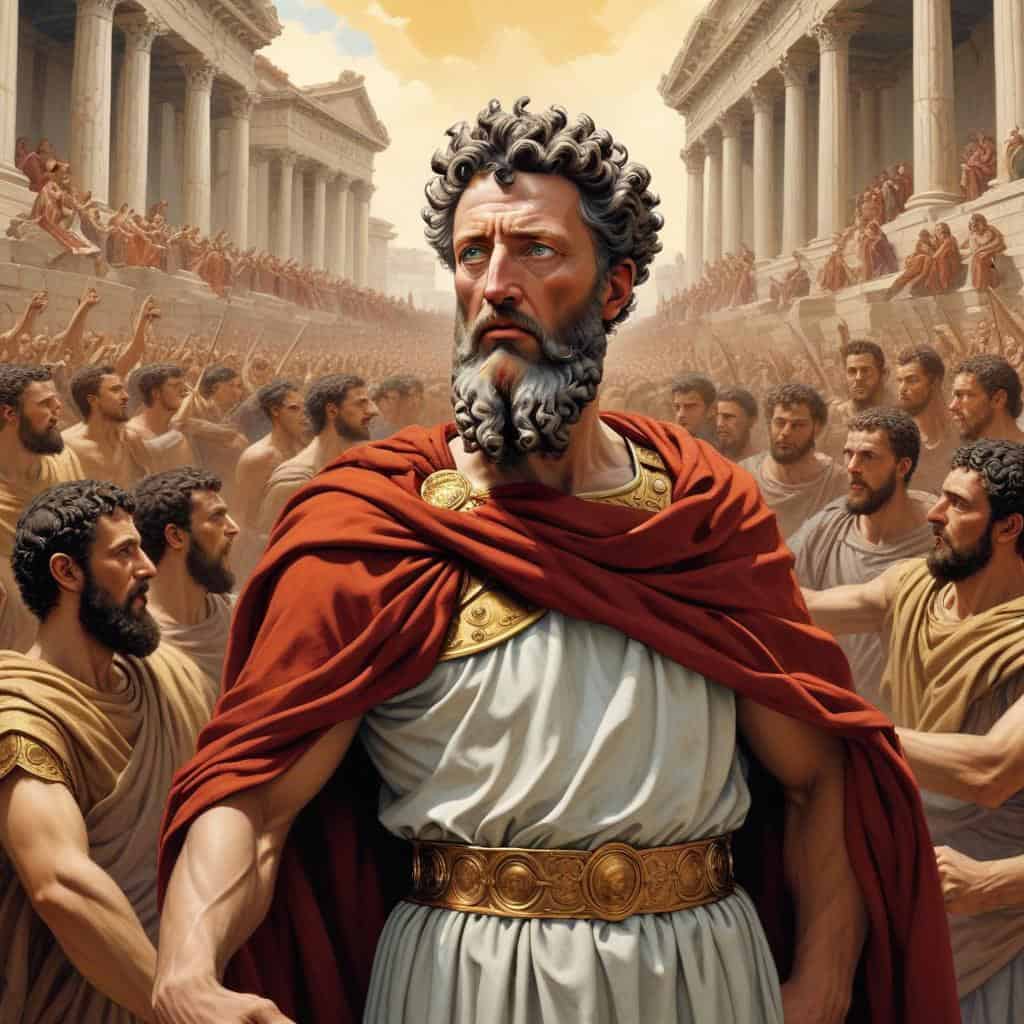
Philosophy in Action
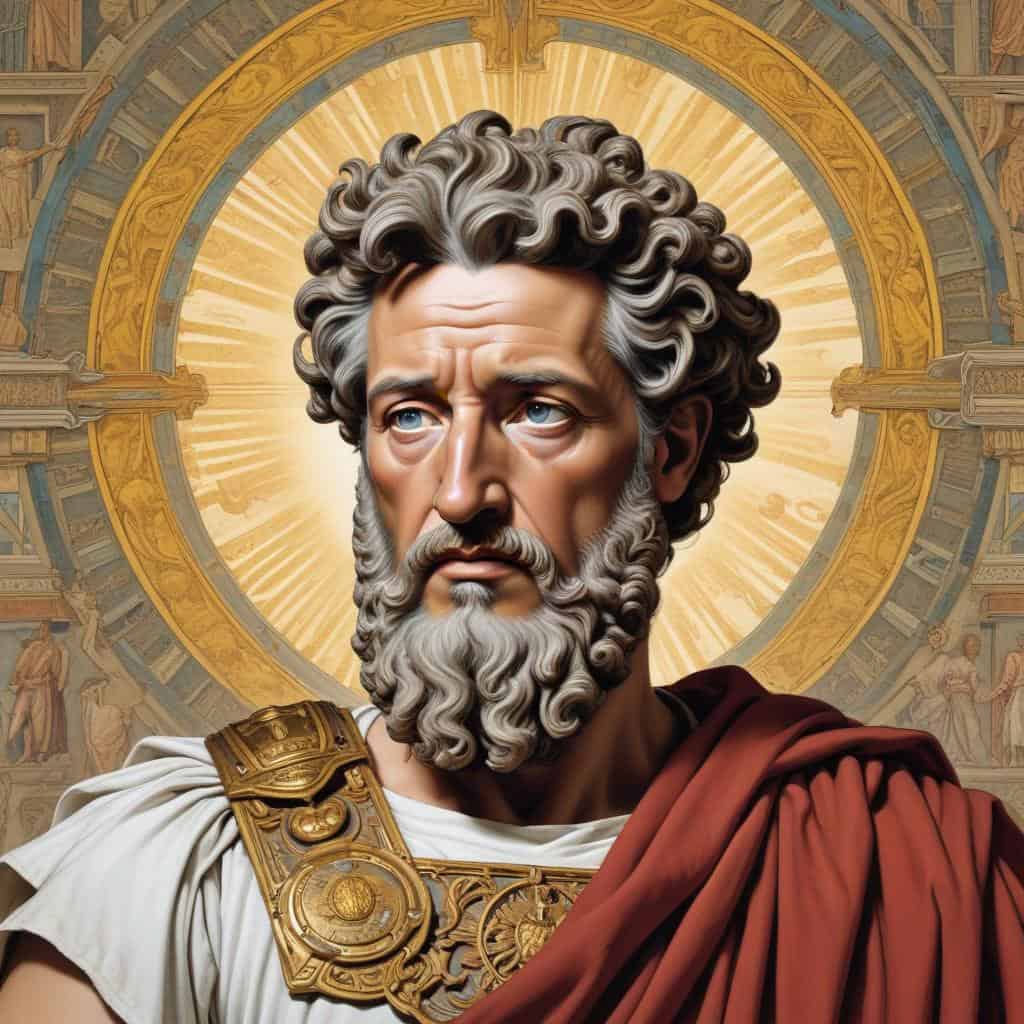
A Lasting Legacy
Lesson Details & Resources
In a Nutshell
- Who: Roman Emperor and Stoic philosopher
- When: Lived: 121 – 180 AD
- Known For: Writing the philosophical work 'Meditations'
- Legacy: Influence on Stoicism and Western philosophy
Timeline of Marcus Aurelius: The Stoic Emperor’s Biography
Marcus Aurelius is born in Rome
Marcus Aurelius is adopted by Emperor Antoninus Pius
Marcus Aurelius marries Faustina the Younger
Marcus Aurelius serves as a consul for the first time
Antoninus Pius dies, making Marcus Aurelius the new Emperor
Marcus Aurelius faces wars against Parthia in the east
The Roman Empire faces the Antonine Plague
Marcus Aurelius publishes his philosophical work 'Meditations'
Roman Empire faces numerous Germanic invasions
Marcus Aurelius appoints his son Commodus as co-emperor
Marcus Aurelius dies in Vienna (modern-day Vienne, France)
Commodus becomes the sole Emperor of Rome
Marcus Aurelius is deified, becoming a Roman god
The Roman Empire faces political instability and decline under Commodus
Commodus is assassinated, marking the end of the Antonine dynasty
End of the Pax Romana (Roman Peace) period
Marcus Aurelius' philosophical writings gain popularity in later centuries
Marcus Aurelius' philosophy influences Stoicism and later philosophical schools
Marcus Aurelius' statue is erected in Rome's Capitoline Hill
Marcus Aurelius' statue is destroyed during the fall of the Western Roman Empire
Vocabulary List
- Stoicism
- Marcus Aurelius was a Roman emperor known for his adherence to Stoicism.
- Meditations
- One of Marcus Aurelius' most famous works is his personal journal called Meditations.
- Philosopher
- Marcus Aurelius was not only an emperor but also a renowned philosopher.
- Roman Empire
- Marcus Aurelius ruled the Roman Empire from 161 to 180 AD.
- Imperial Crisis
- During Marcus Aurelius' reign, the Roman Empire faced various military and economic challenges known as the Imperial Crisis.
- Stoic Ethics
- Marcus Aurelius emphasized Stoic ethics in his writings and actions as an emperor.
- Wisdom
- Marcus Aurelius was known for his wisdom and philosophical insights.
- Roman Stoicism
- Marcus Aurelius played a significant role in the development of Roman Stoicism.
- Emperor
- Marcus Aurelius was the Roman emperor from 161 to 180 AD.
- Antonine Plague
- During Marcus Aurelius' reign, the Roman Empire was hit by a devastating epidemic known as the Antonine Plague.
Key Facts
This is the information used in the fact matching game
- Marcus Aurelius was a Roman emperor from 161 to 180 AD.
- He was born on April 26, 121 AD, in Rome, Italy.
- Marcus Aurelius was the last of the Five Good Emperors.
- He is known for his philosophical writings, particularly 'Meditations'.
- Marcus Aurelius was a practitioner of Stoicism.
- He ruled during the Pax Romana, a period of relative peace and stability in the Roman Empire.
- Marcus Aurelius was adopted by Emperor Antoninus Pius as his successor.
- During his reign, he faced numerous military campaigns and conflicts.
- He is considered one of the most successful Roman emperors in terms of military victories.
- Marcus Aurelius had a close relationship with his mentor, the philosopher and statesman, Junius Rusticus.
- He was married to Faustina the Younger, with whom he had 13 children.
- Marcus Aurelius was known for his moral integrity and his commitment to justice.
- He wrote his philosophical thoughts in Greek, despite Latin being the official language of the Roman Empire.
- The Roman Empire reached its greatest territorial extent under Marcus Aurelius's rule.
- He appointed his son, Commodus, as his co-emperor near the end of his reign.
- Marcus Aurelius died on March 17, 180 AD, in Vindobona (modern-day Vienna).
- His death marked the end of the Pax Romana.
- He was succeeded by his son, Commodus, who would prove to be a tyrannical ruler.
- Marcus Aurelius is considered one of the most important Stoic philosophers.
- His writings in 'Meditations' continue to be studied and admired to this day.
Analysis & Significance
Major Accomplishments
Marcus Aurelius was a Roman emperor known for his philosophical writings, particularly his work “Meditations,” which is still studied today for its wisdom and insights on leadership and ethics.
Impact on the World
His reign marked a period of stability and prosperity for the Roman Empire, and his philosophical teachings continue to influence modern Stoic philosophy. Marcus Aurelius’ emphasis on duty, virtue, and self-discipline has had a lasting impact on individuals seeking guidance in navigating life’s challenges.
Enduring Legacy
Marcus Aurelius is remembered as one of the most revered Roman emperors, admired for his wisdom, humility, and leadership during a time of turmoil. His legacy as a philosopher-king and his commitment to the well-being of his subjects have secured his place as a significant historical figure whose teachings continue to inspire many today.
Marcus Aurelius: The Stoic Emperor’s Biography Games


Take Your Learning Offline
Want a convenient, print-ready study guide for this lesson? Become a Memory Wizards Pro member to unlock the downloadable " Memory Scrolls" for this topic and our entire library!
- ✓ Complete Vocabulary Lists
- ✓ Key Facts & Timelines
- ✓ Beautifully Formatted for Print & Mobile