
Marcian: The Emperor’s Biography
The powerful Roman emperor who restored stability and unity to the Eastern Empire.
How Do You Learn Best?
Learn by Reading
Immerse yourself in the 10-minute visual lesson for a comprehensive understanding of the topic.
Learn by Reviewing
Jump directly to the key facts, timeline, and vocabulary lists to build a solid foundation of details.
Learn by Doing
Challenge yourself! Jump straight into the interactive games to learn by trial, error, and discovery.
Marcian: The Emperor’s Biography in 10 Minutes
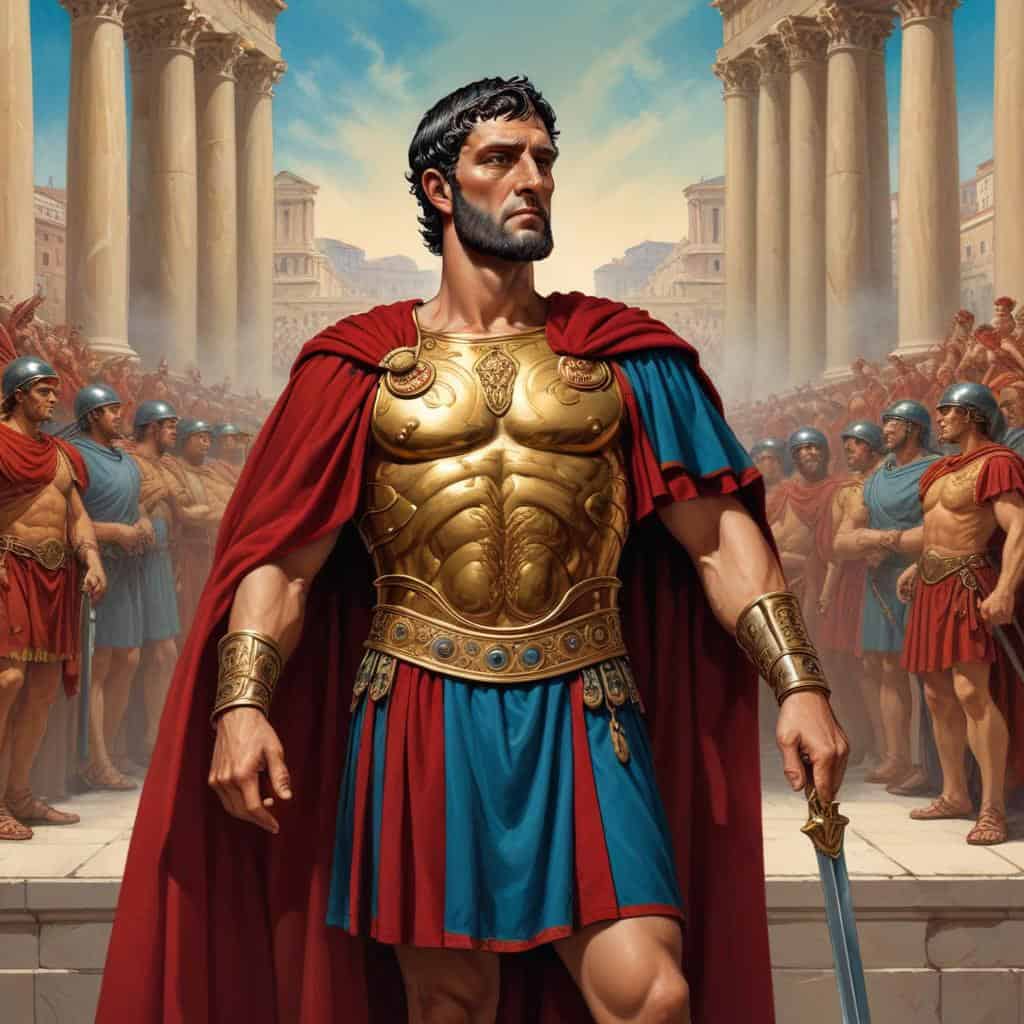
Introduction
Empress Pulcheria
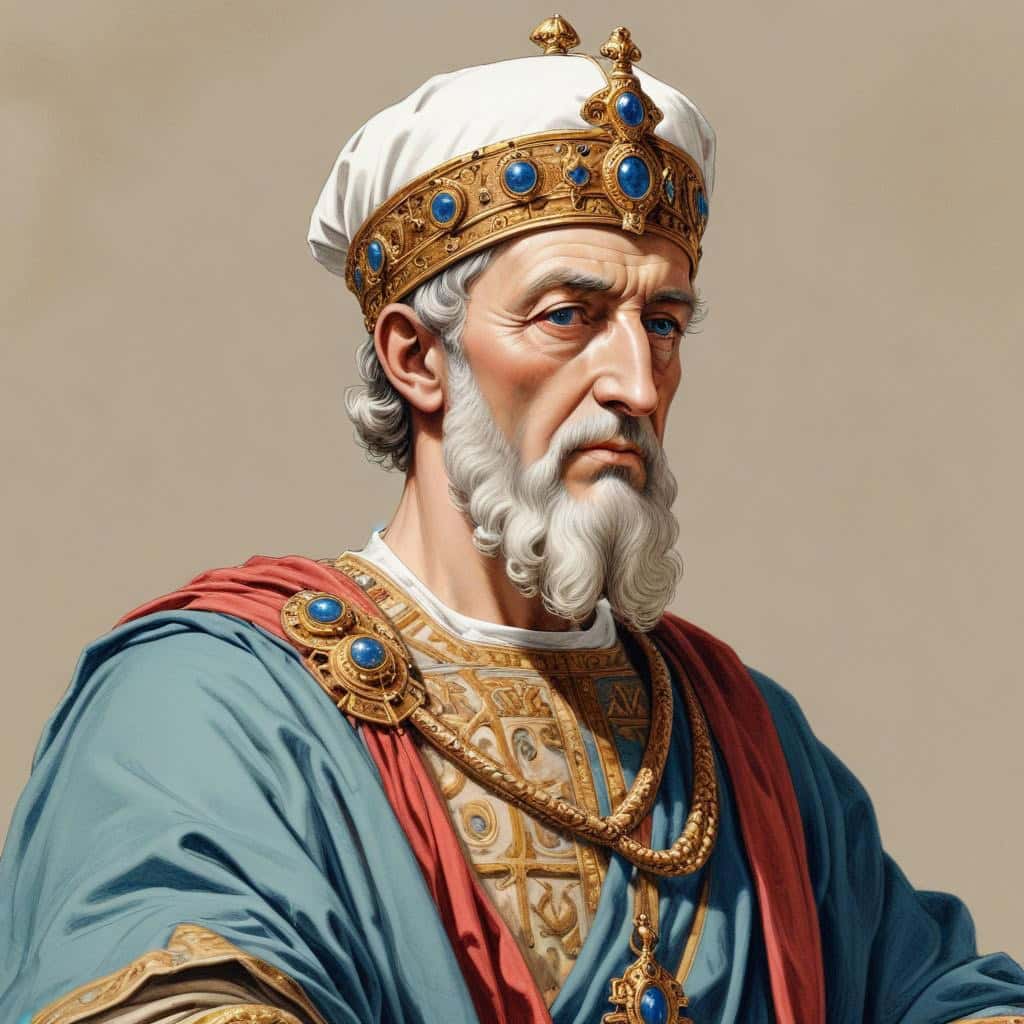
Theodosius II
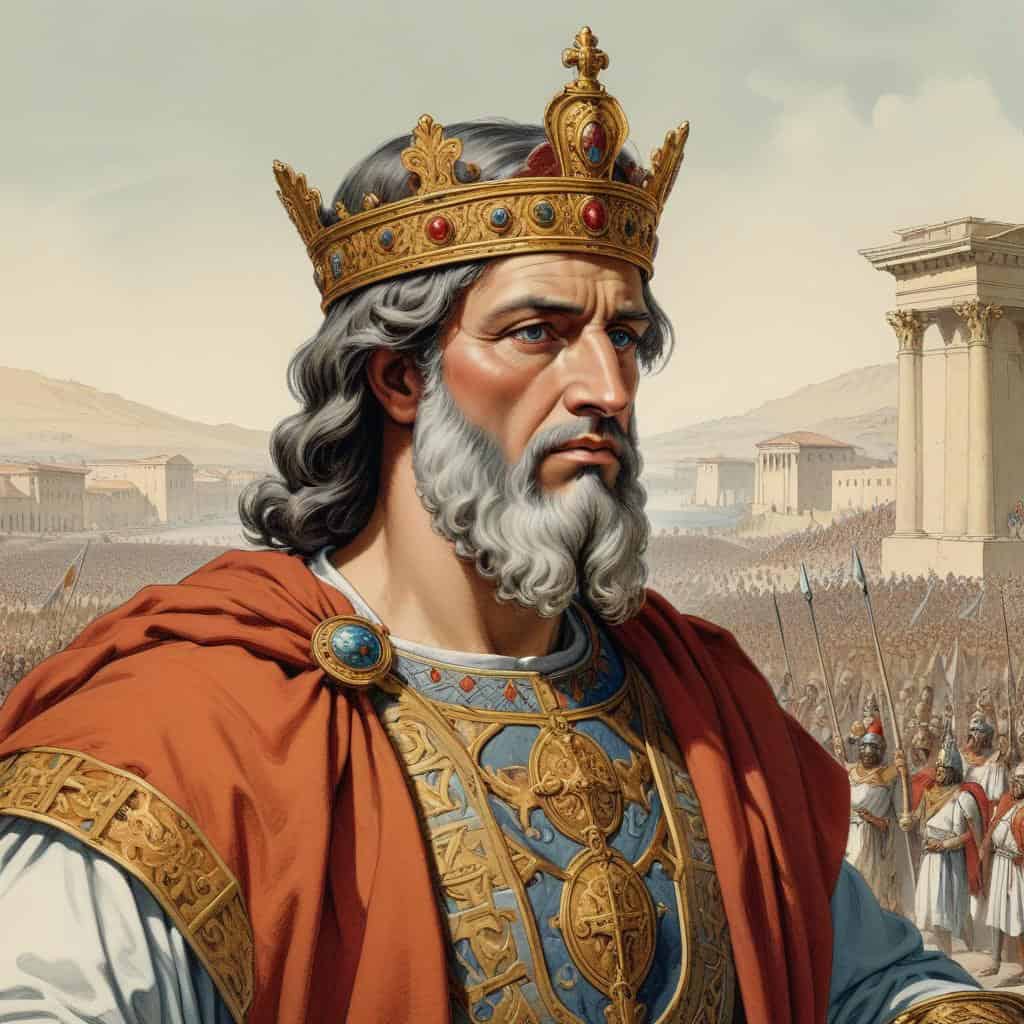
Leo I
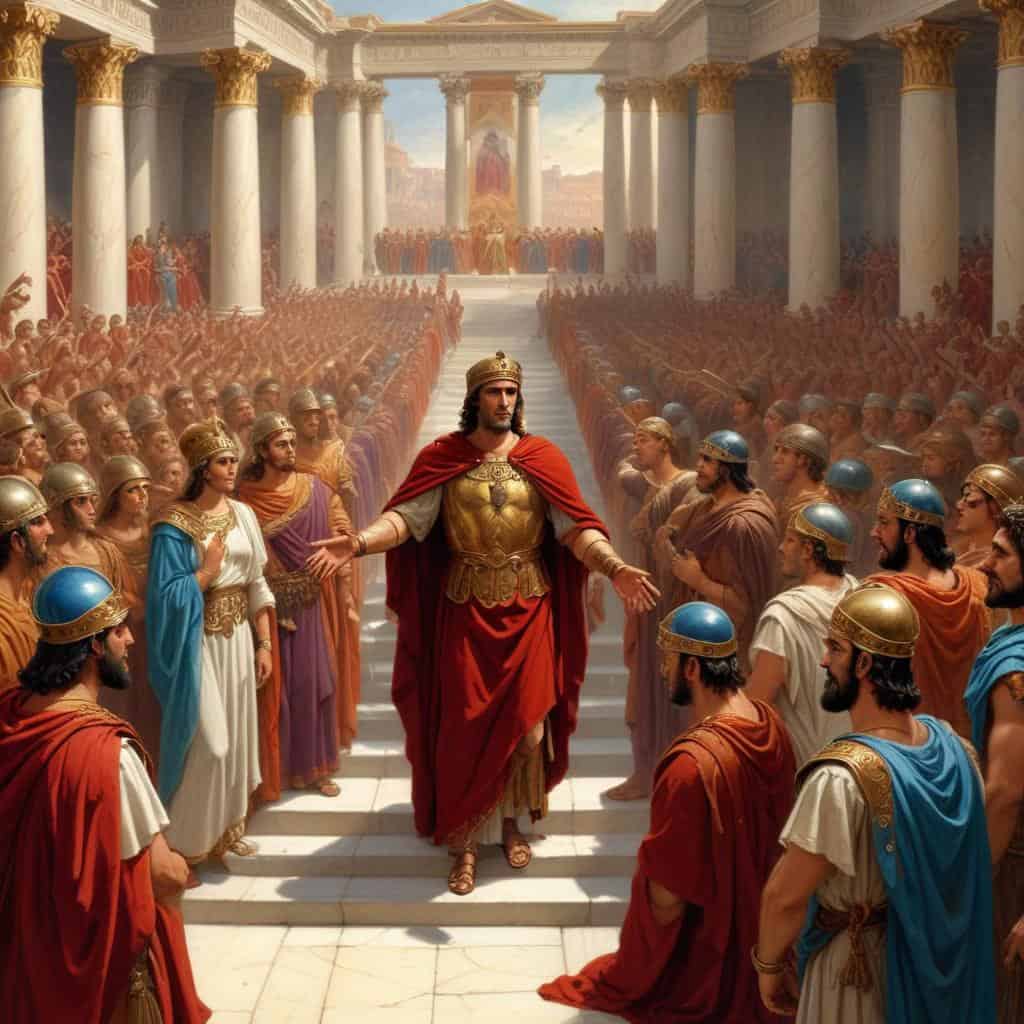
The Rise of Marcian
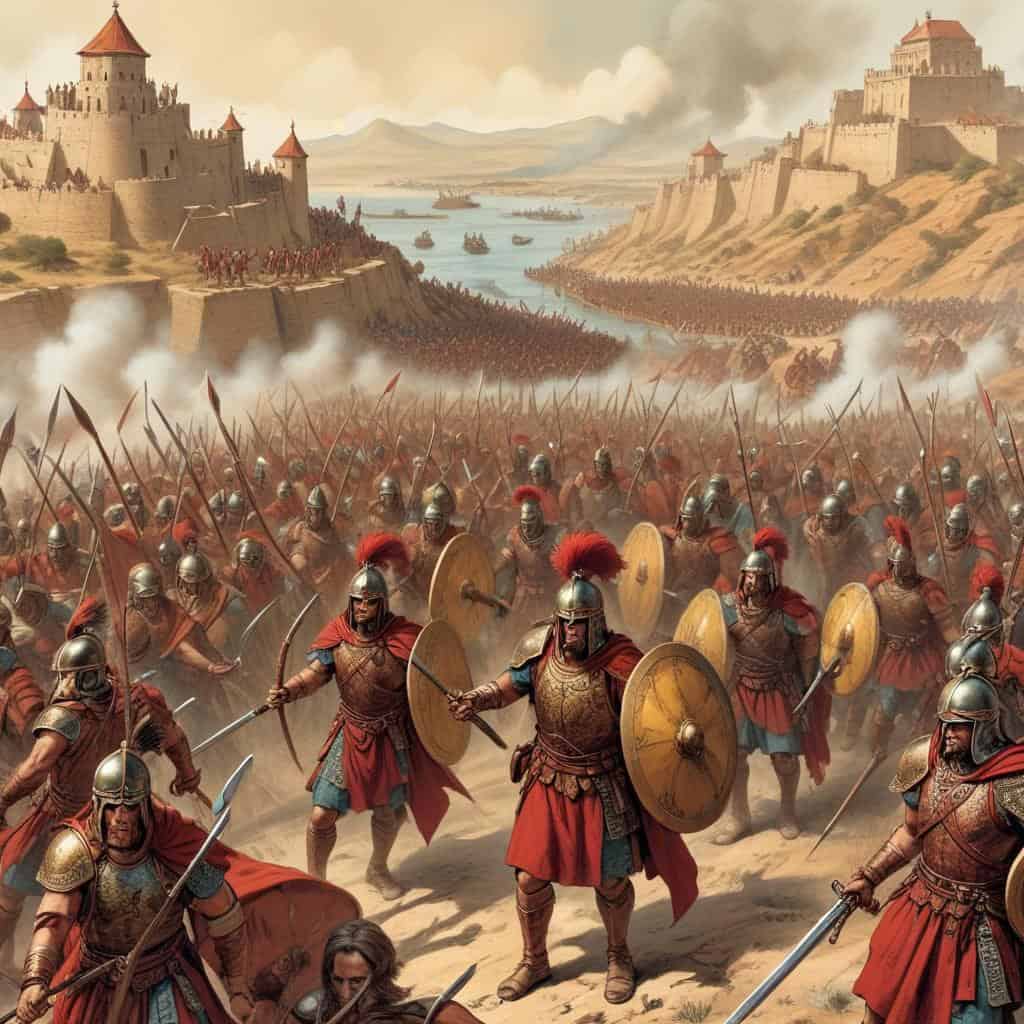
Marcians Military Campaigns
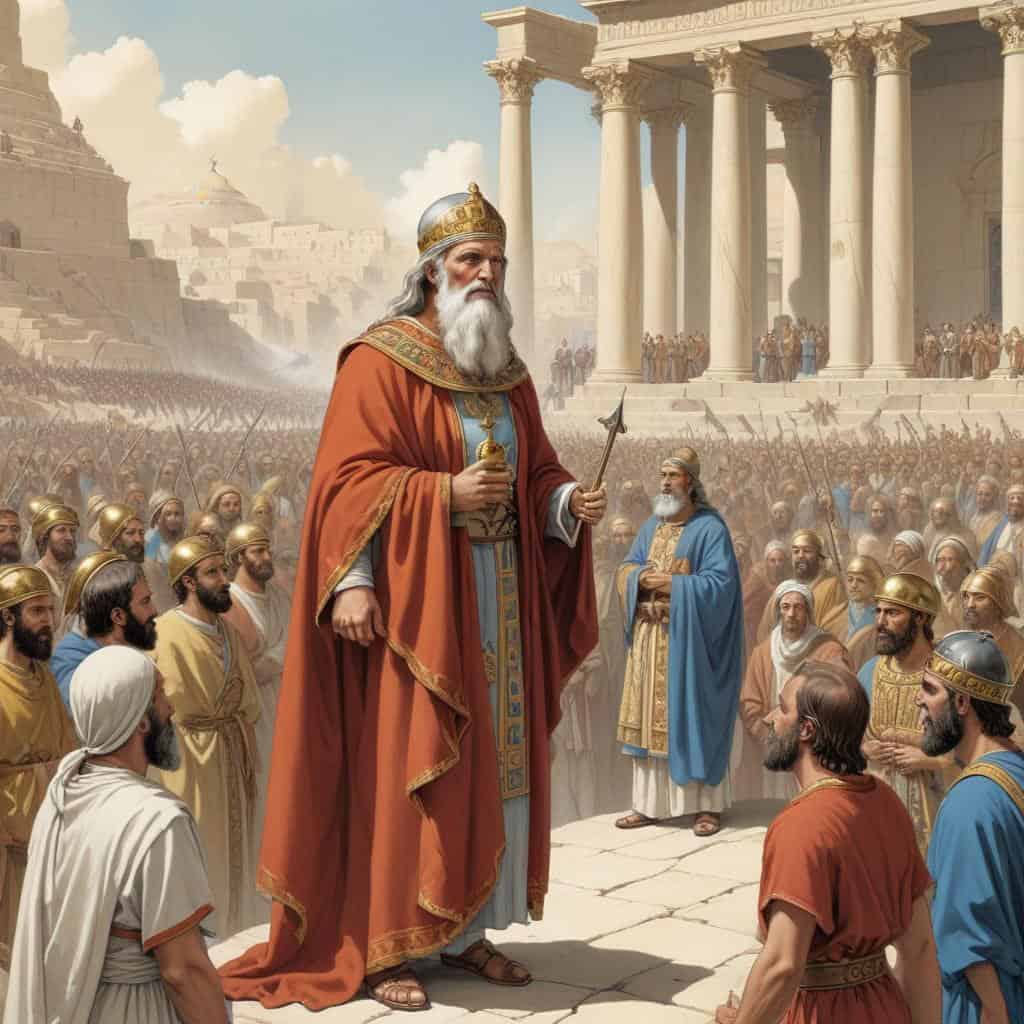
Religious Policies
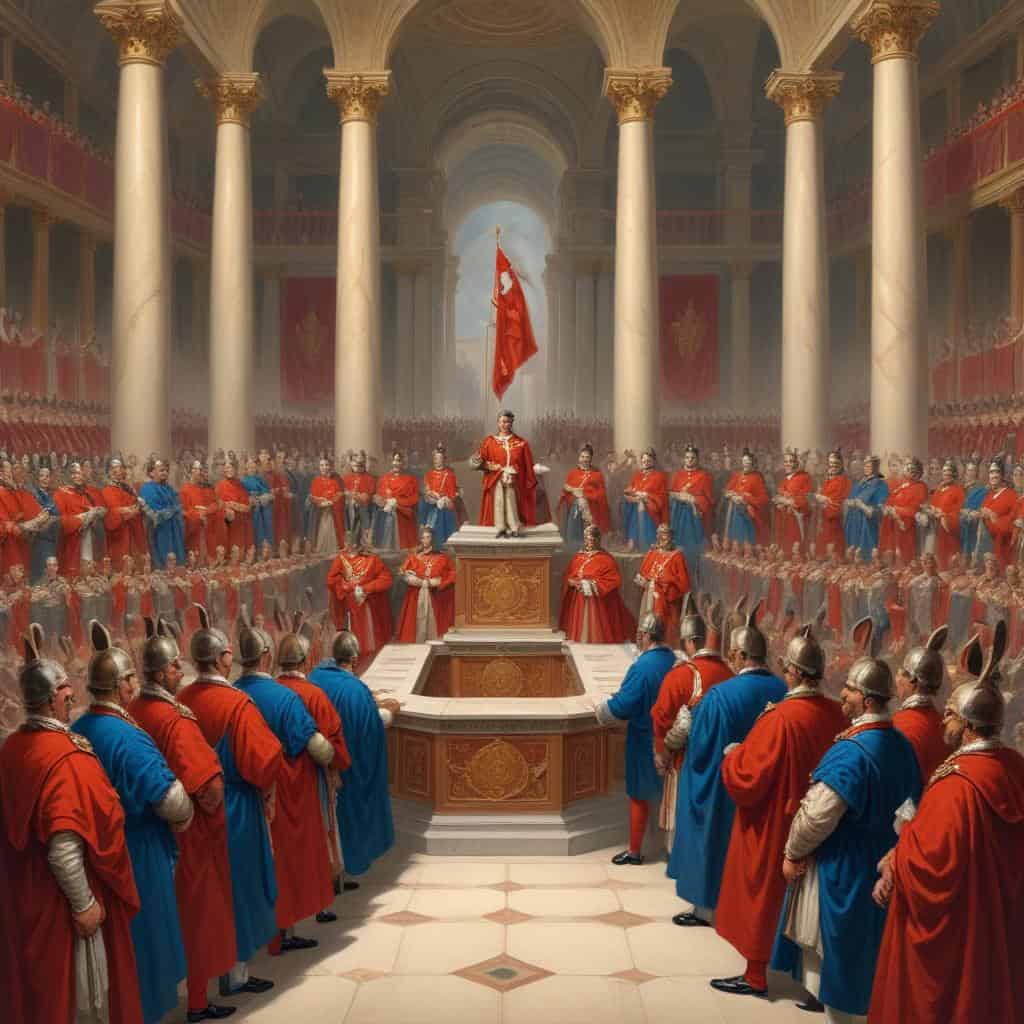
Reforms and Administration
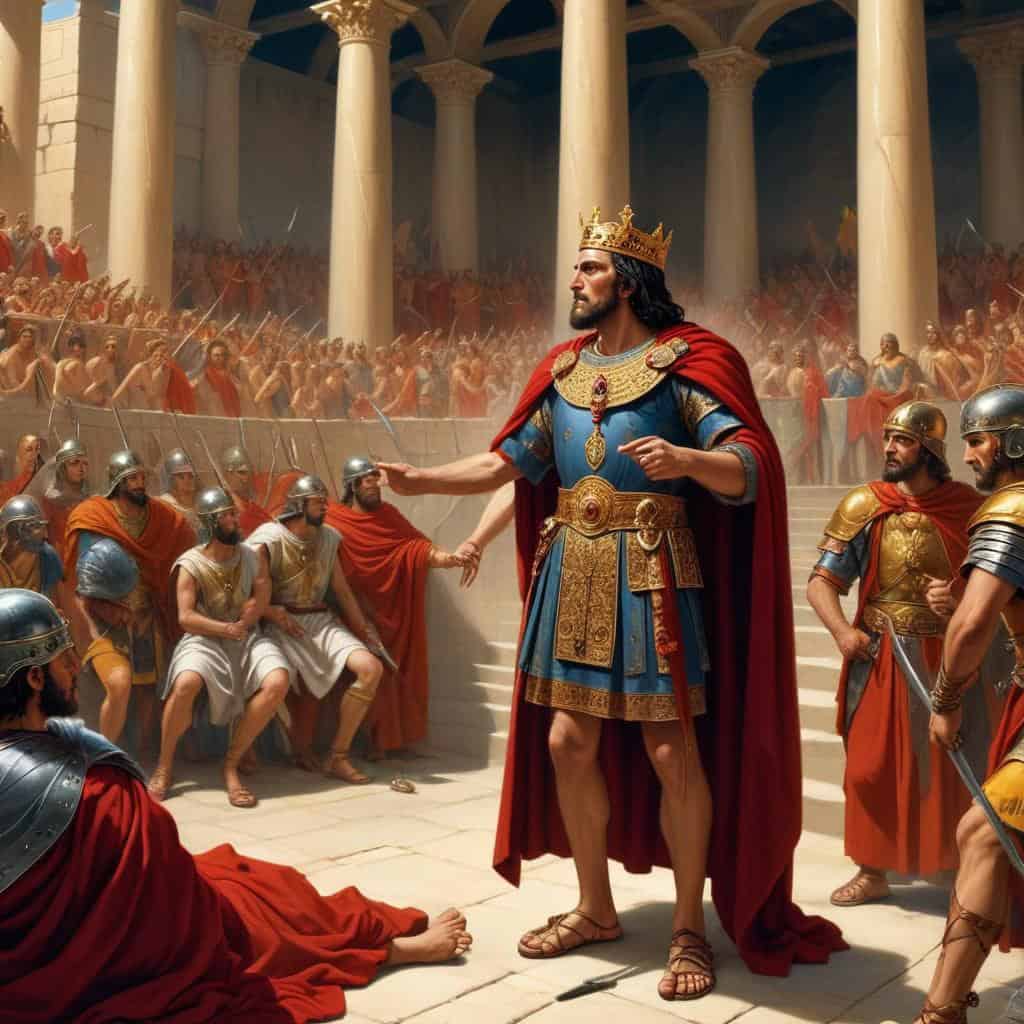
Death and Legacy
Lesson Details & Resources
In a Nutshell
- Who: Roman Emperor
- When: Lived: 392 – 457
- Known For: Restoring the Eastern Roman Empire's power and territorial integrity after the disastrous invasion of Attila the Hun.
- Legacy: Preserving the Roman Empire in the east and strengthening its defenses against external threats.
Timeline of Marcian: The Emperor’s Biography
Marcian is born
Marcian becomes Emperor of the Eastern Roman Empire
Marcian marries Pulcheria, sister of Emperor Theodosius II
Marcian defeats the Huns in battle
Marcian negotiates a peace treaty with Attila the Hun
Marcian dies
Marcian is succeeded by Leo I as Emperor
Marcian is buried in the Church of the Holy Apostles in Constantinople
Marcian issues laws to protect the rights of tenants and slaves
Marcian restores the Orthodox Nicene Creed as the official statement of faith
Marcian convenes the Council of Chalcedon to address theological disputes
Marcian orders the construction of the Church of the Holy Apostles in Constantinople
Marcian commissions the building of the walls of Constantinople to protect the city from invaders
Marcian appoints Anthemius as Western Roman Emperor
Marcian establishes a new tax system to support the military and government
Marcian repels an invasion by the Sasanian Persians in the East
Marcian strengthens the ties between the Eastern Roman Empire and the Church
Marcian issues a decree banning the worship of pagan gods in the Empire
Marcian reforms the administration of the Empire to reduce corruption and inefficiency
Marcian promotes the use of Greek as the official language of the Empire
Vocabulary List
- Marcian
- Marcian was the Eastern Roman Emperor from 450 to 457 AD.
- Theodosian
- Marcian was married to Pulcheria, the sister of the Theodosian emperors.
- Byzantine
- Marcian's reign is often seen as a turning point in Byzantine history.
- Emperor
- Marcian was the ruler of the Eastern Roman Empire.
- Barbarian
- Marcian successfully repelled attacks from various barbarian tribes during his reign.
Key Facts
This is the information used in the fact matching game
- Marcian was the Eastern Roman Emperor from 450 to 457 AD.
- He was born in Thrace, in modern-day Turkey.
- Marcian married Pulcheria, the sister of the previous emperor Theodosius II.
- He was known for his religious tolerance and efforts to reconcile the Chalcedonian and Miaphysite factions of Christianity.
- Marcian successfully negotiated a peace treaty with Attila the Hun in 450 AD.
- During his reign, Marcian reformed the tax system and reduced corruption in the government.
- He also strengthened the defenses of the Eastern Roman Empire against external threats.
- Marcian died in 457 AD and was succeeded by Leo I.
- He was known for his simple and austere lifestyle, in contrast to the lavishness of previous emperors.
- Marcian was a skilled military commander, having served in the army before becoming emperor.
- He was also a patron of the arts and promoted cultural activities in the empire.
- Marcian is credited with restoring stability and prosperity to the Eastern Roman Empire after a period of decline.
- He issued a law that prohibited the sale of public offices, in an effort to combat corruption.
- Marcian was the last Roman emperor to be elected by the Senate before the fall of the Western Roman Empire.
- He was known for his fairness and impartiality in his dealings with his subjects.
- Marcian was a strong supporter of the Orthodox Christian faith and sought to protect it from heresies.
- He was praised by historians for his ability to make wise and just decisions in times of crisis.
- Marcian is considered one of the more effective and competent Roman emperors of the fifth century.
- His reign is often seen as a turning point in the history of the Eastern Roman Empire.
- Marcian's legacy as a reformer and stabilizer of the empire endured long after his death.
Analysis & Significance
Major Accomplishments
Marcian, known as the last Emperor of the East Roman Empire, is best remembered for his successful reign and efforts to restore stability to the empire after the disastrous rule of his predecessor.
Impact on the World
Marcian’s reign marked a turning point in the history of the Eastern Roman Empire, as he implemented reforms that helped stabilize the empire and secure its borders. His policies laid the foundation for the Byzantine Empire’s survival and prosperity for centuries to come.
Enduring Legacy
Today, Marcian is remembered as a wise and capable ruler who brought stability and prosperity to the Eastern Roman Empire during a turbulent period. His legacy lives on in the form of the strong foundations he laid for the Byzantine Empire, which continued to thrive long after his reign ended.
Marcian: The Emperor’s Biography Games


Take Your Learning Offline
Want a convenient, print-ready study guide for this lesson? Become a Memory Wizards Pro member to unlock the downloadable " Memory Scrolls" for this topic and our entire library!
- ✓ Complete Vocabulary Lists
- ✓ Key Facts & Timelines
- ✓ Beautifully Formatted for Print & Mobile