
Licinius: A Biography
The Roman Emperor who challenged Constantine for power and shaped the future.
How Do You Learn Best?
Learn by Reading
Immerse yourself in the 10-minute visual lesson for a comprehensive understanding of the topic.
Learn by Reviewing
Jump directly to the key facts, timeline, and vocabulary lists to build a solid foundation of details.
Learn by Doing
Challenge yourself! Jump straight into the interactive games to learn by trial, error, and discovery.
Licinius: A Biography in 10 Minutes
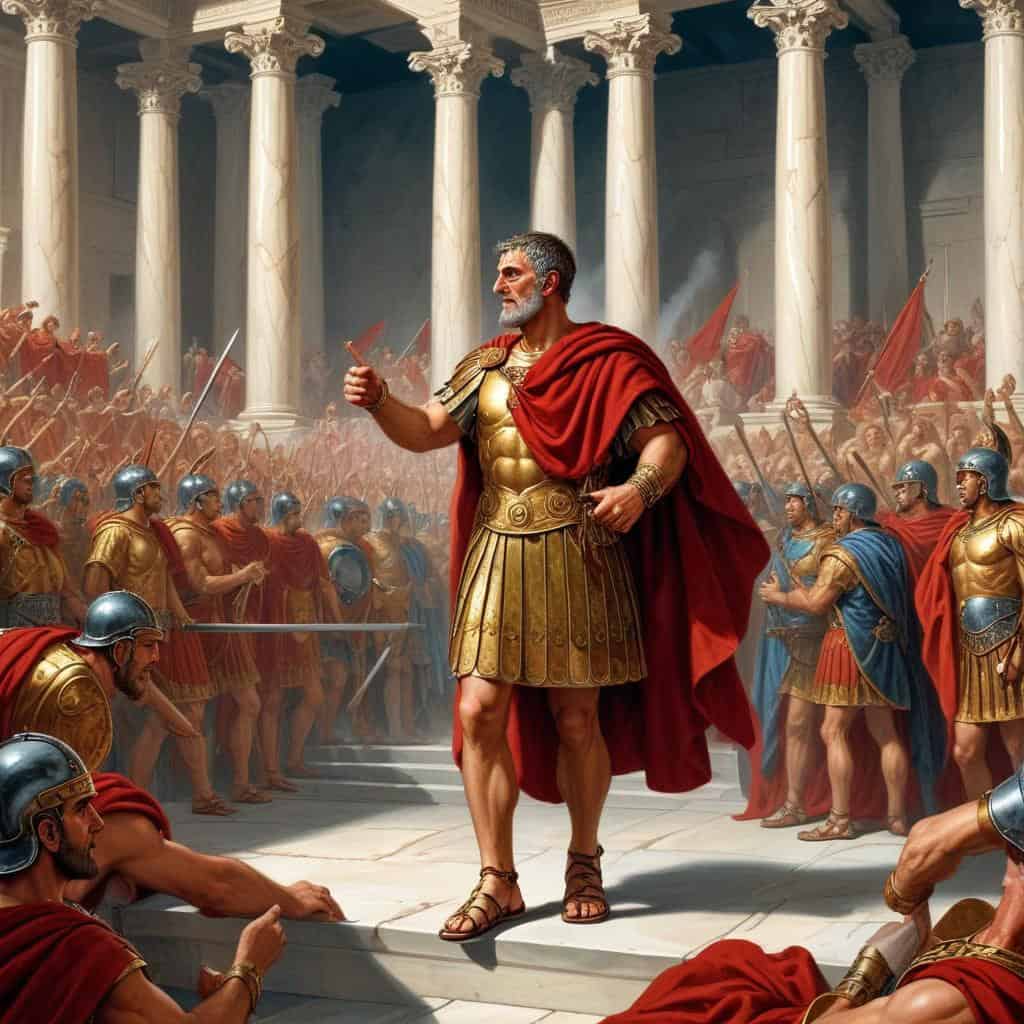
Introduction
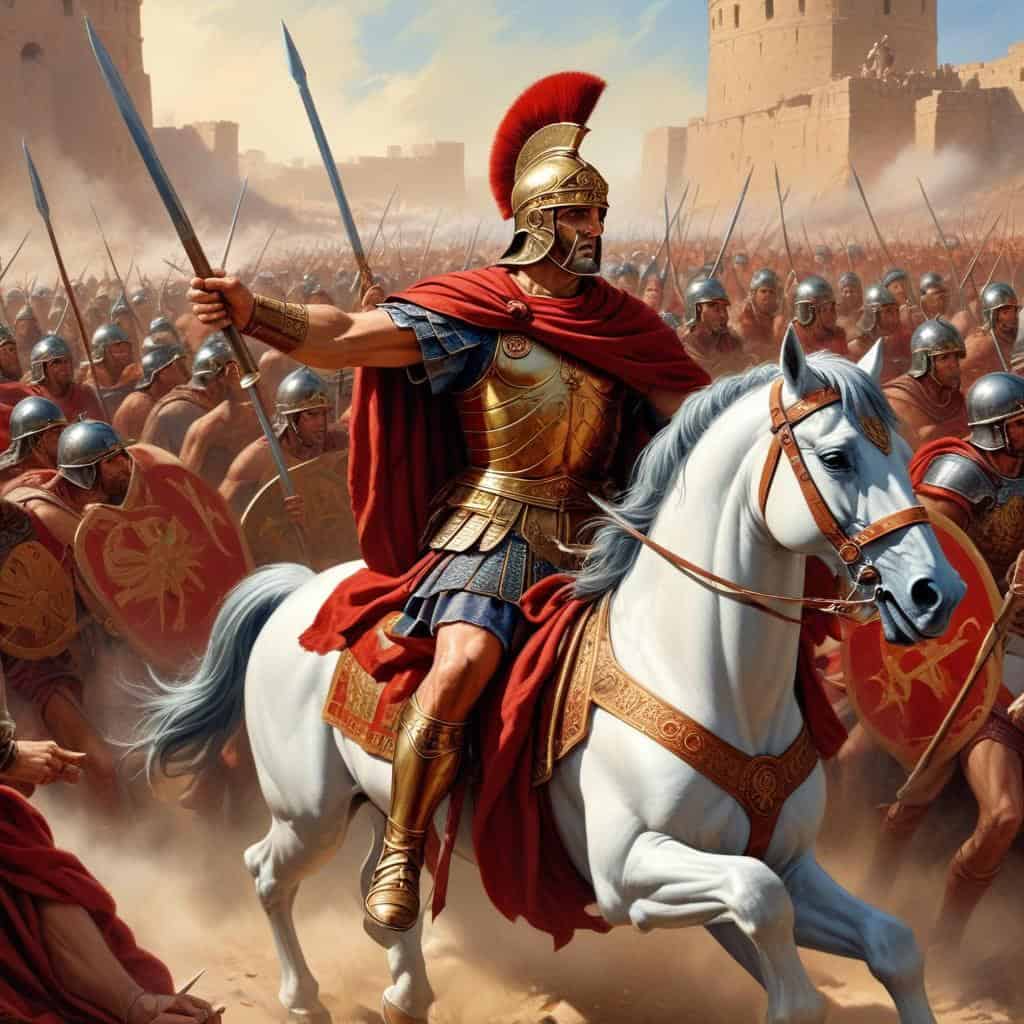
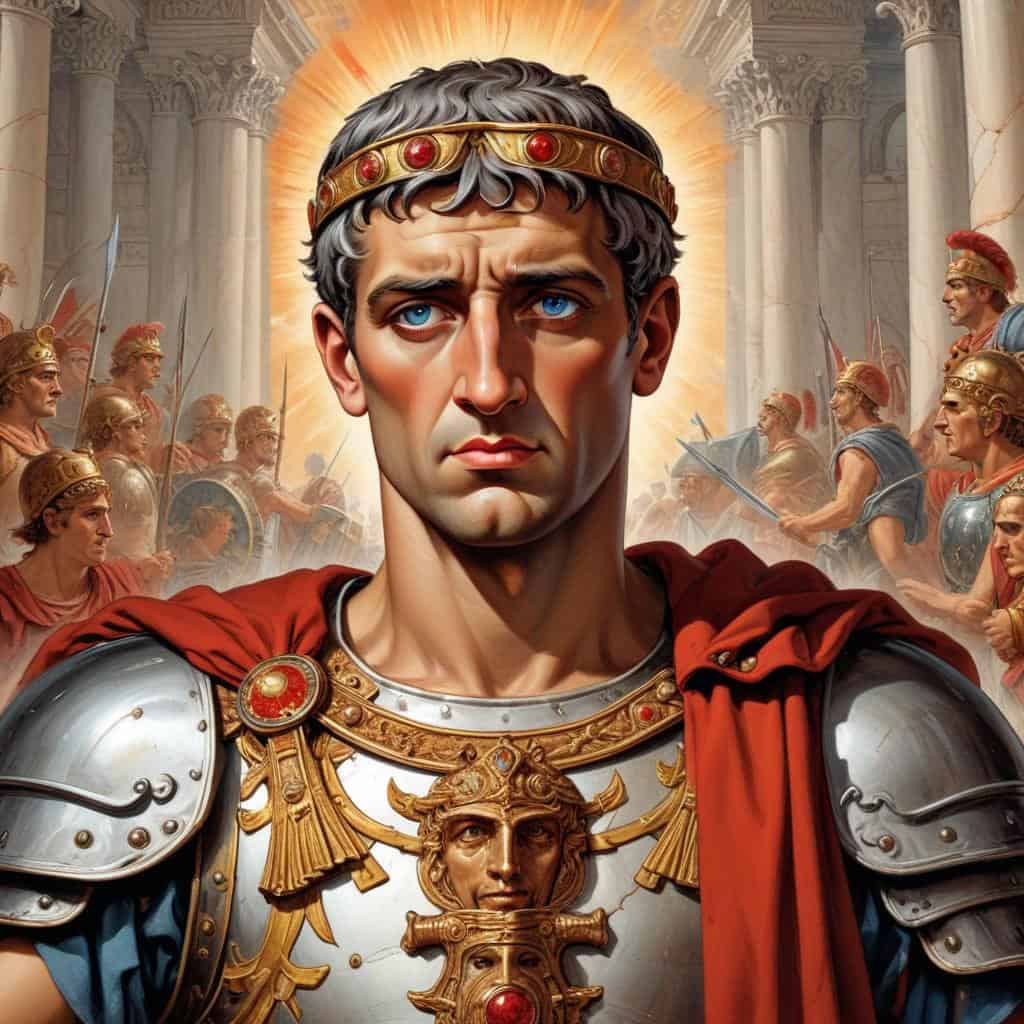
Galerius
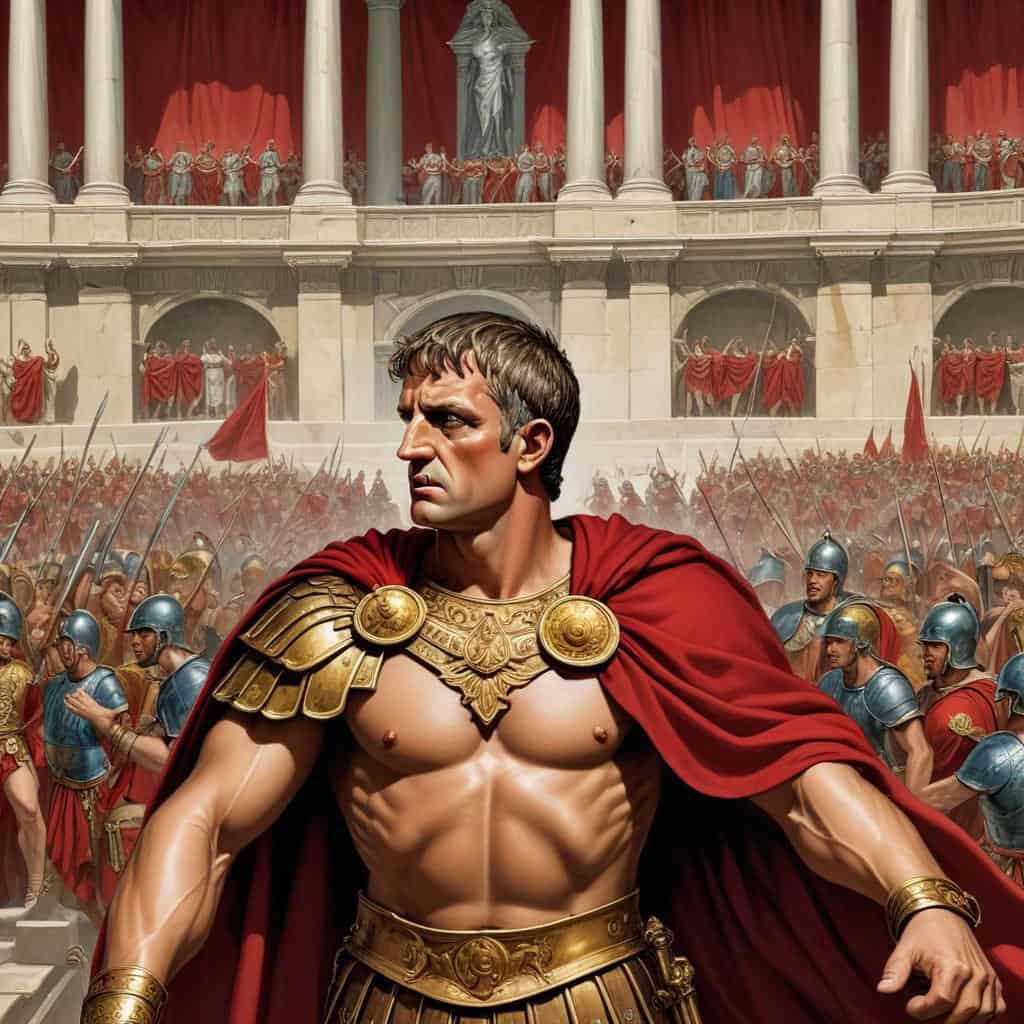
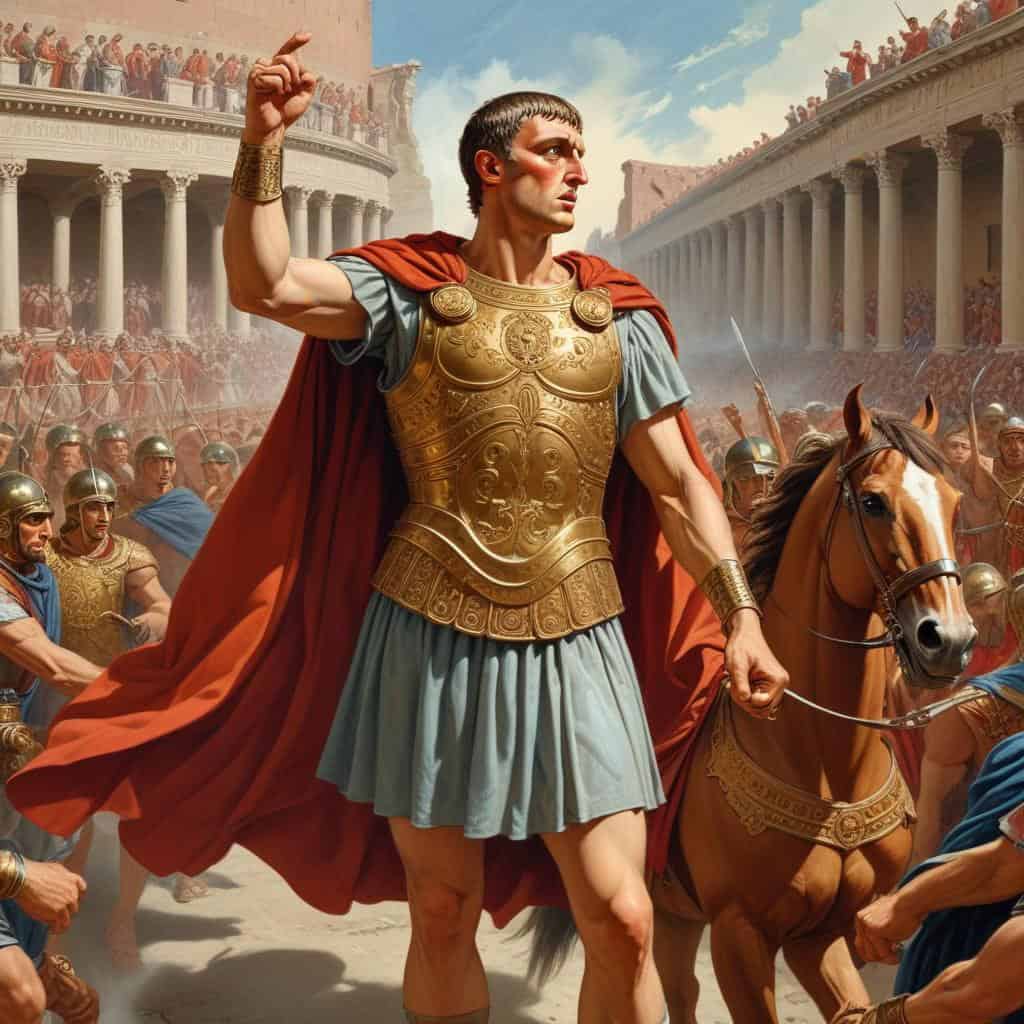
Constantine
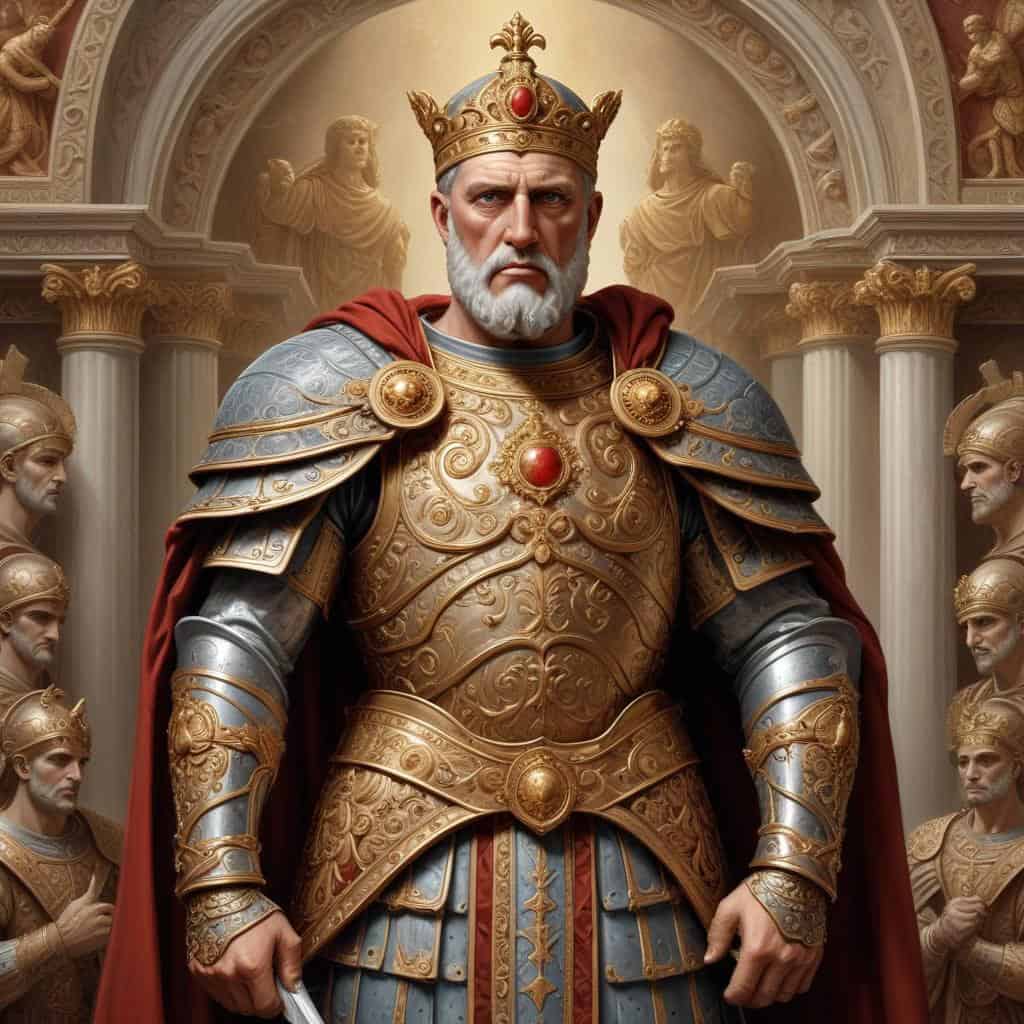
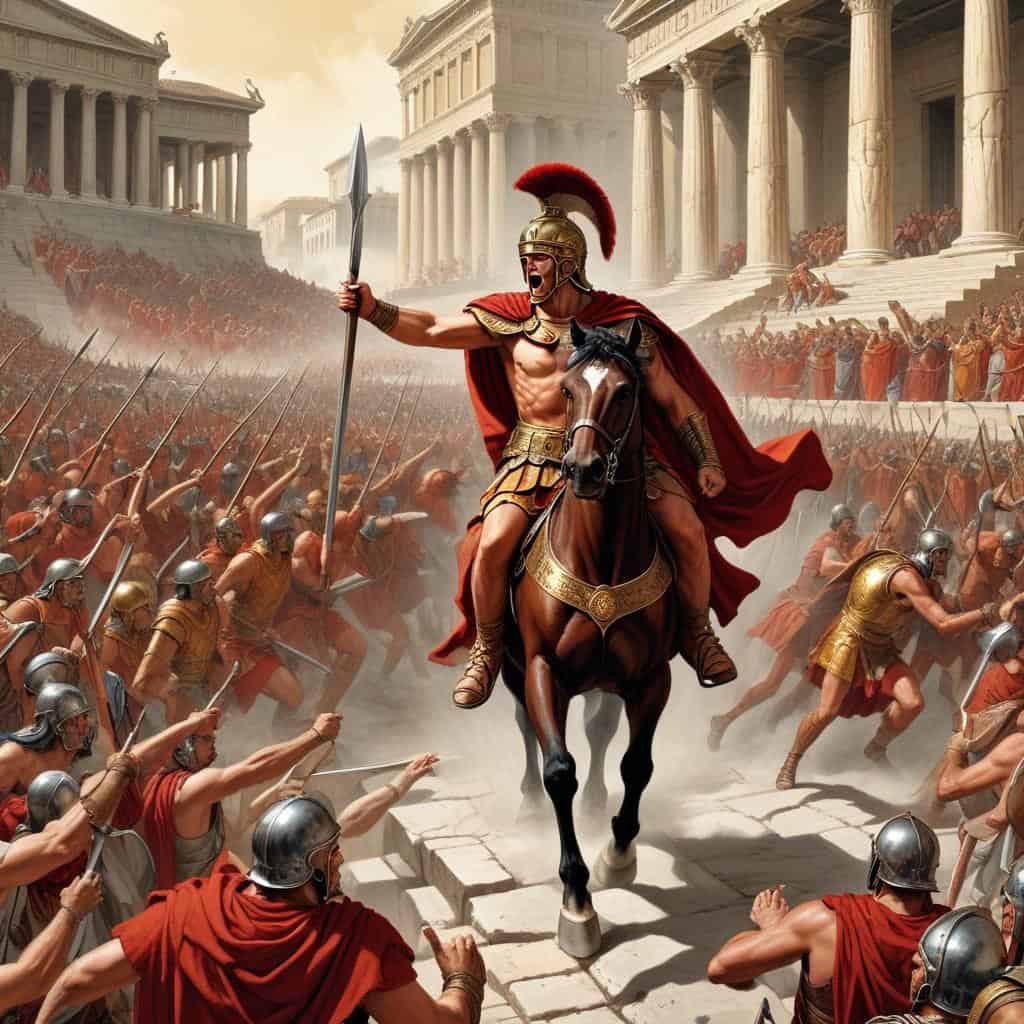
Maxentius
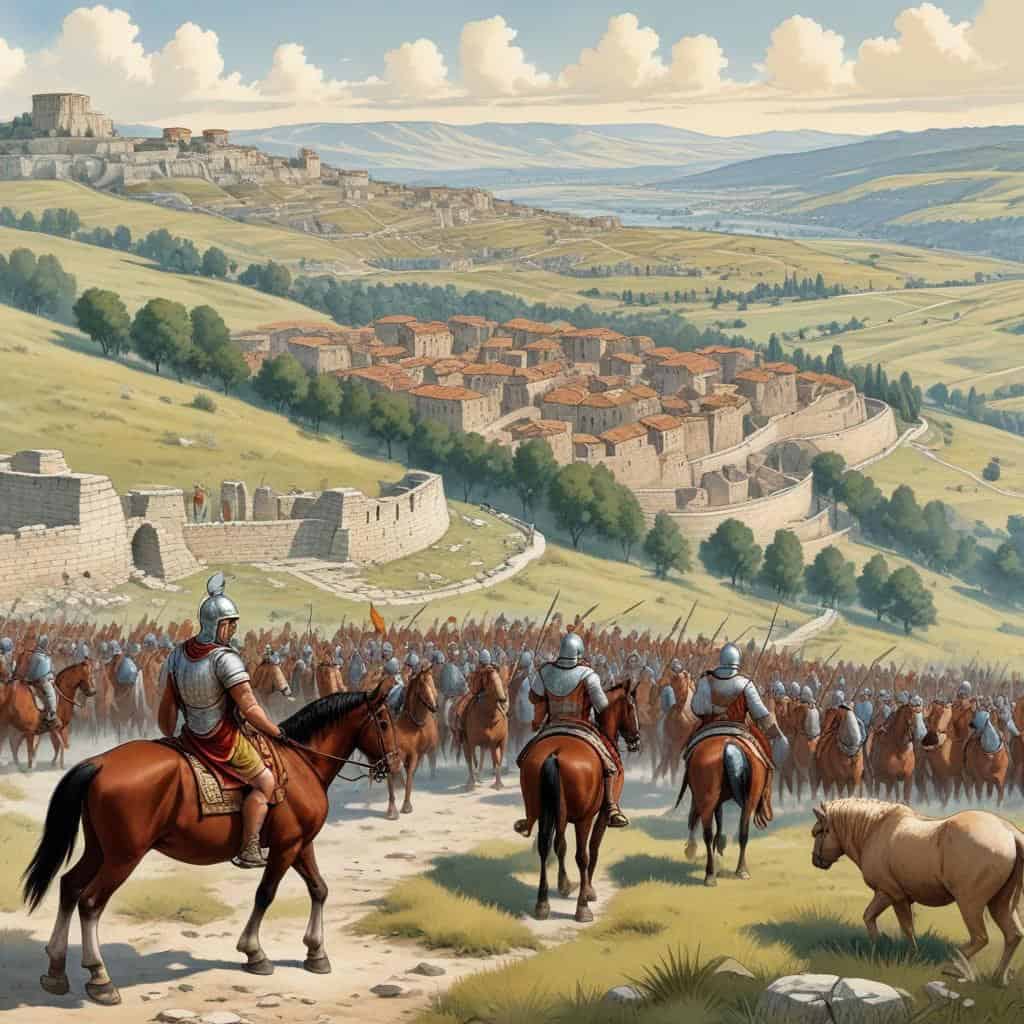
The Rise and Fall of Licinius: A Brief Overview
1. Early Life
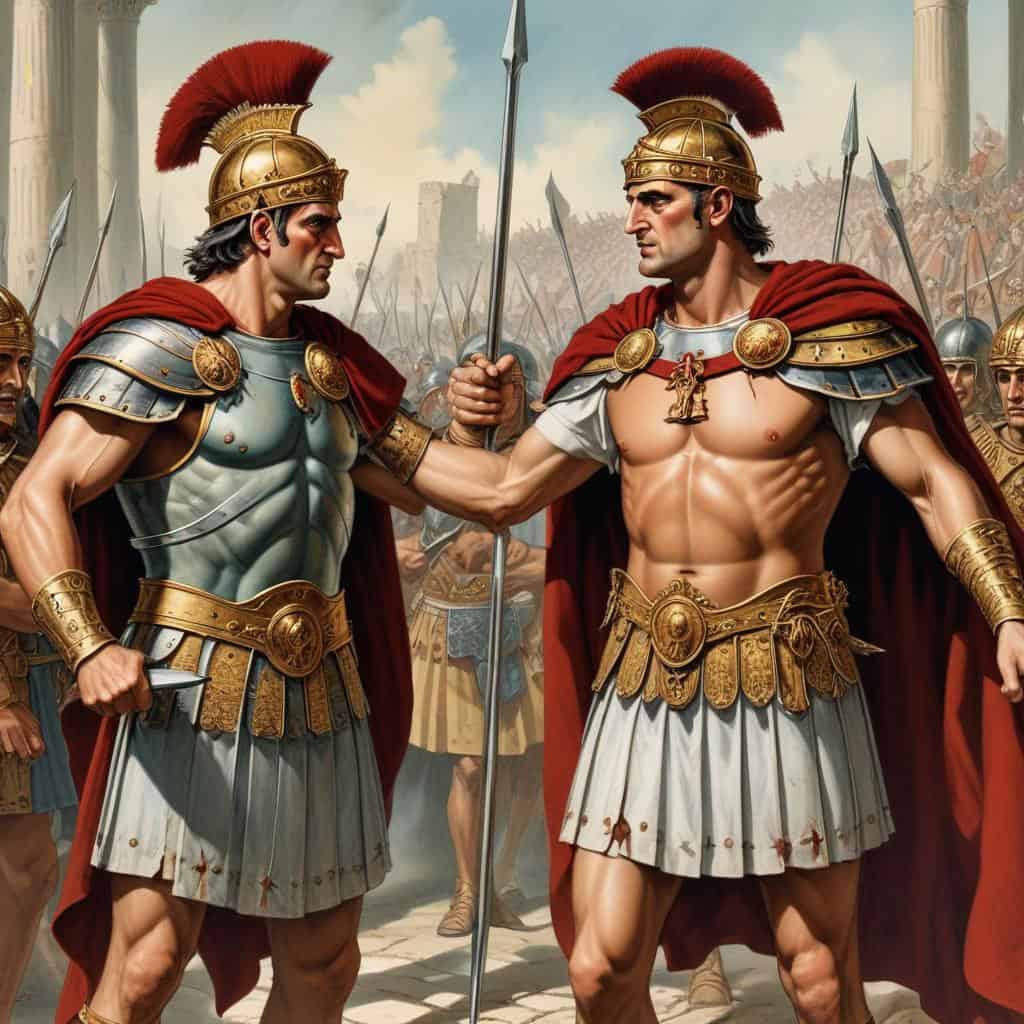
2. Alliance with Constantine
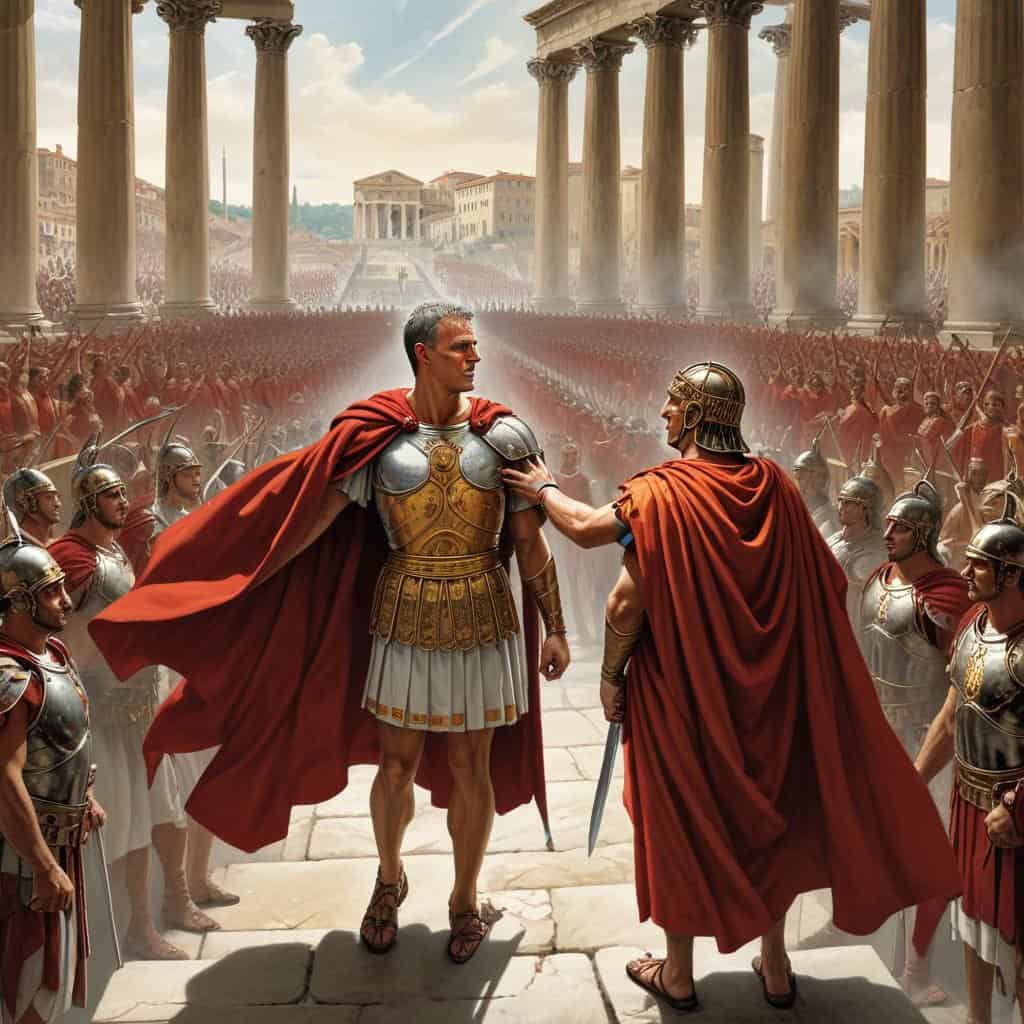
3. Co-Emperor
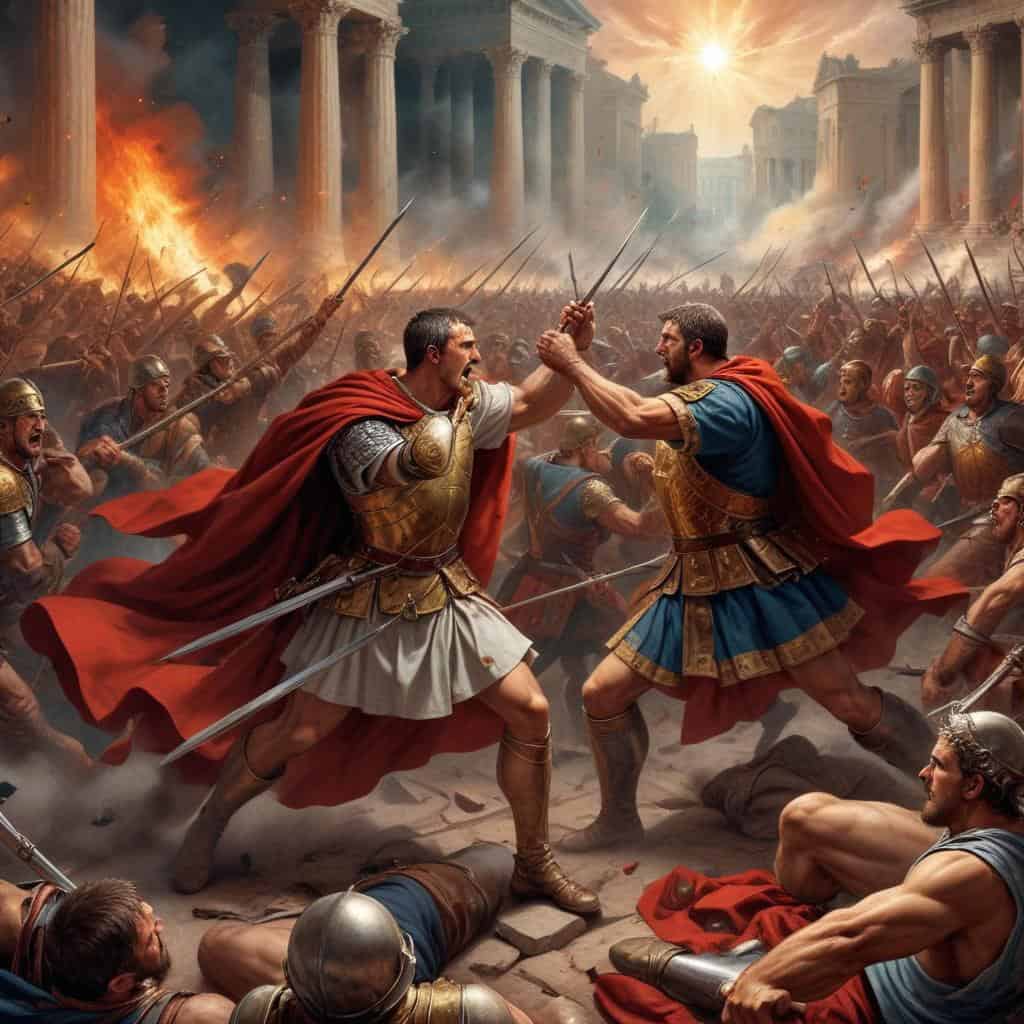
4. Civil War
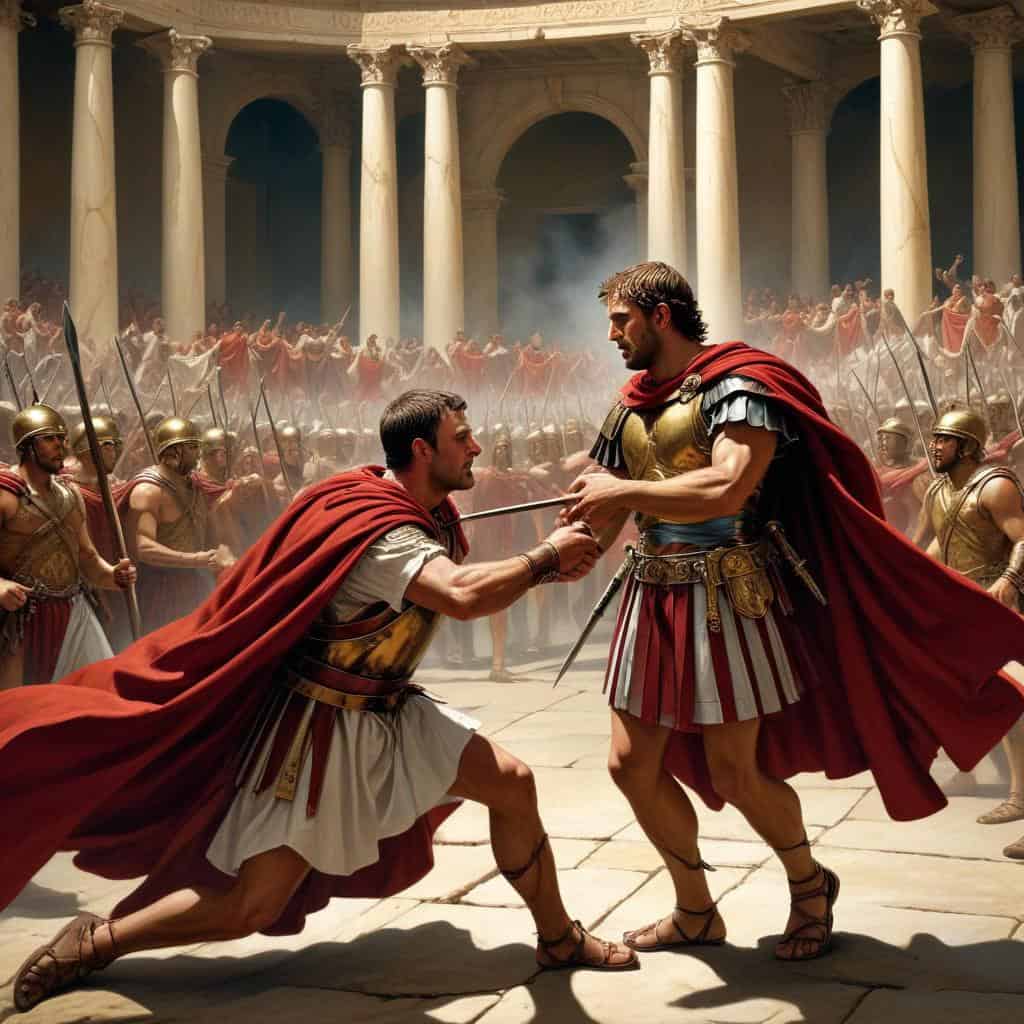
5. Capture and Surrender
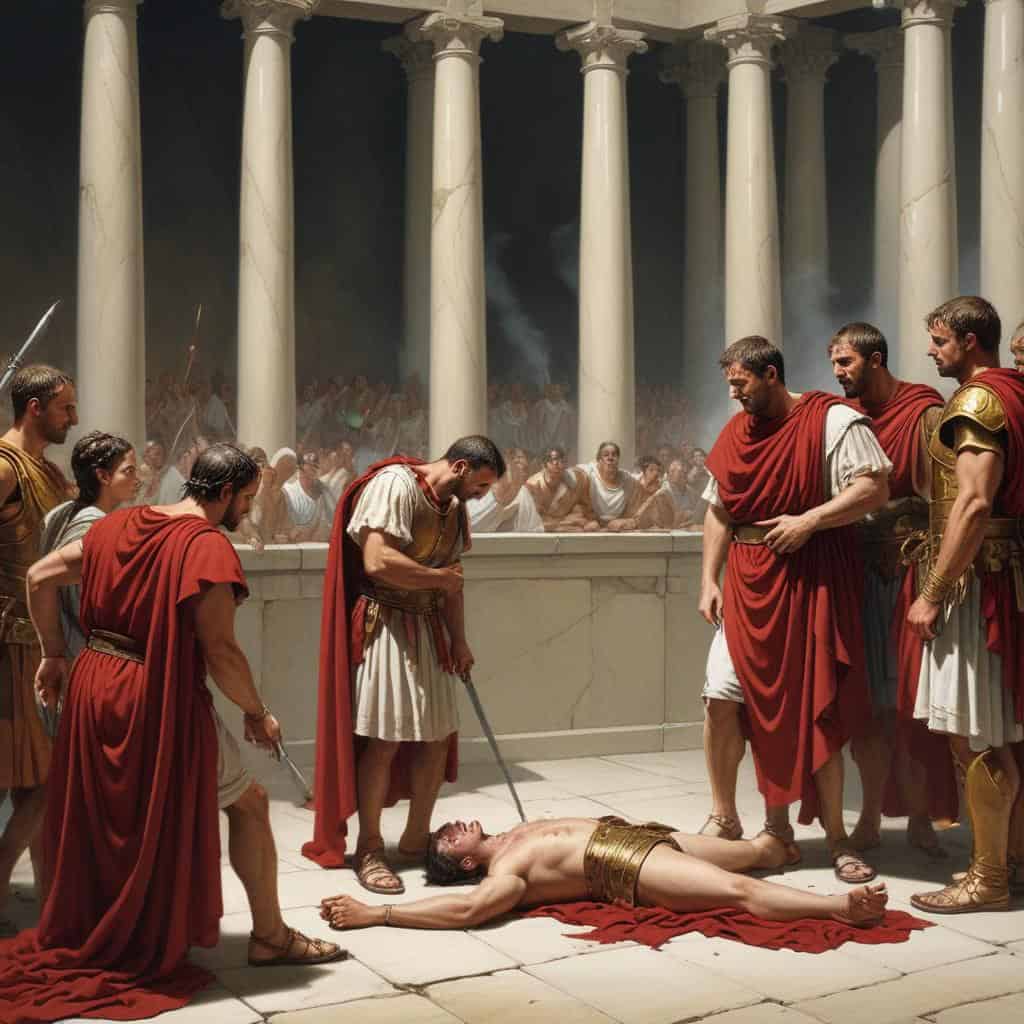
6. Execution of Licinius Family
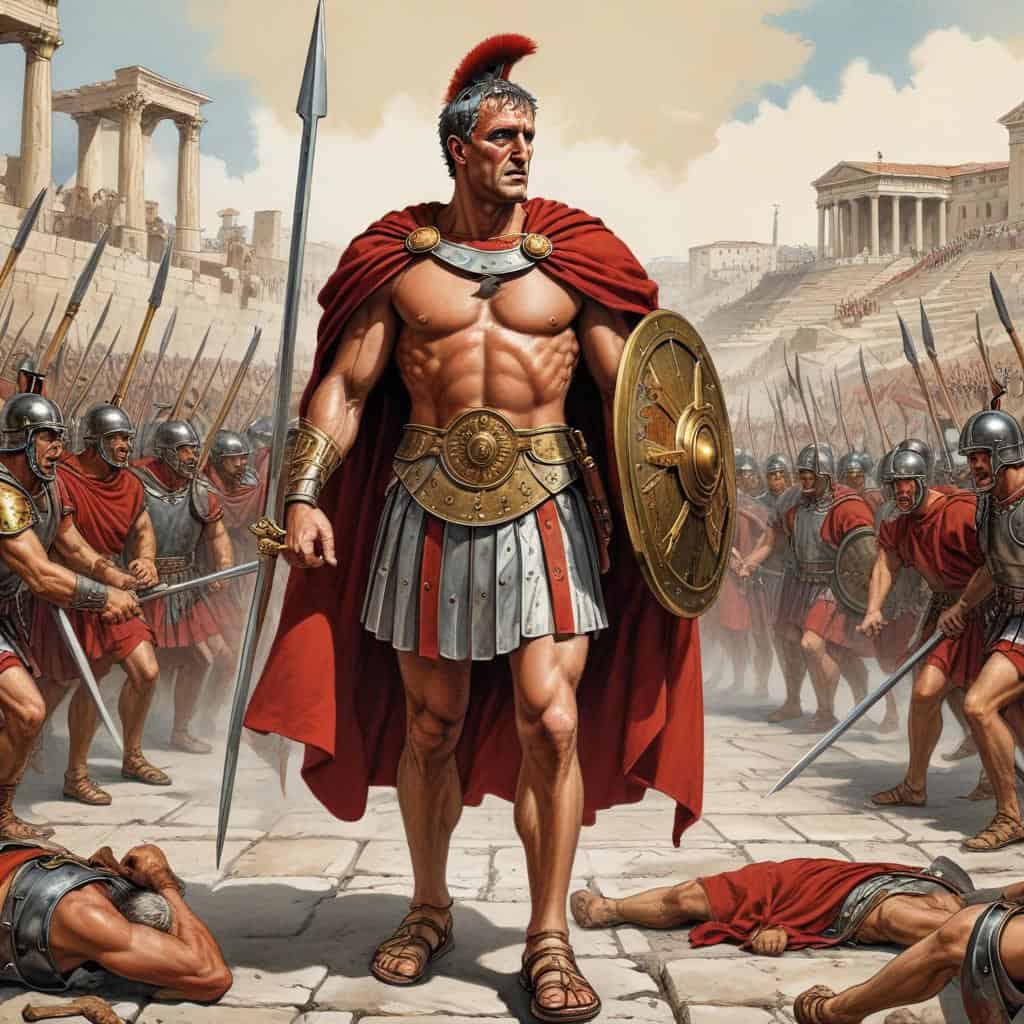
7. Legacy of Licinius
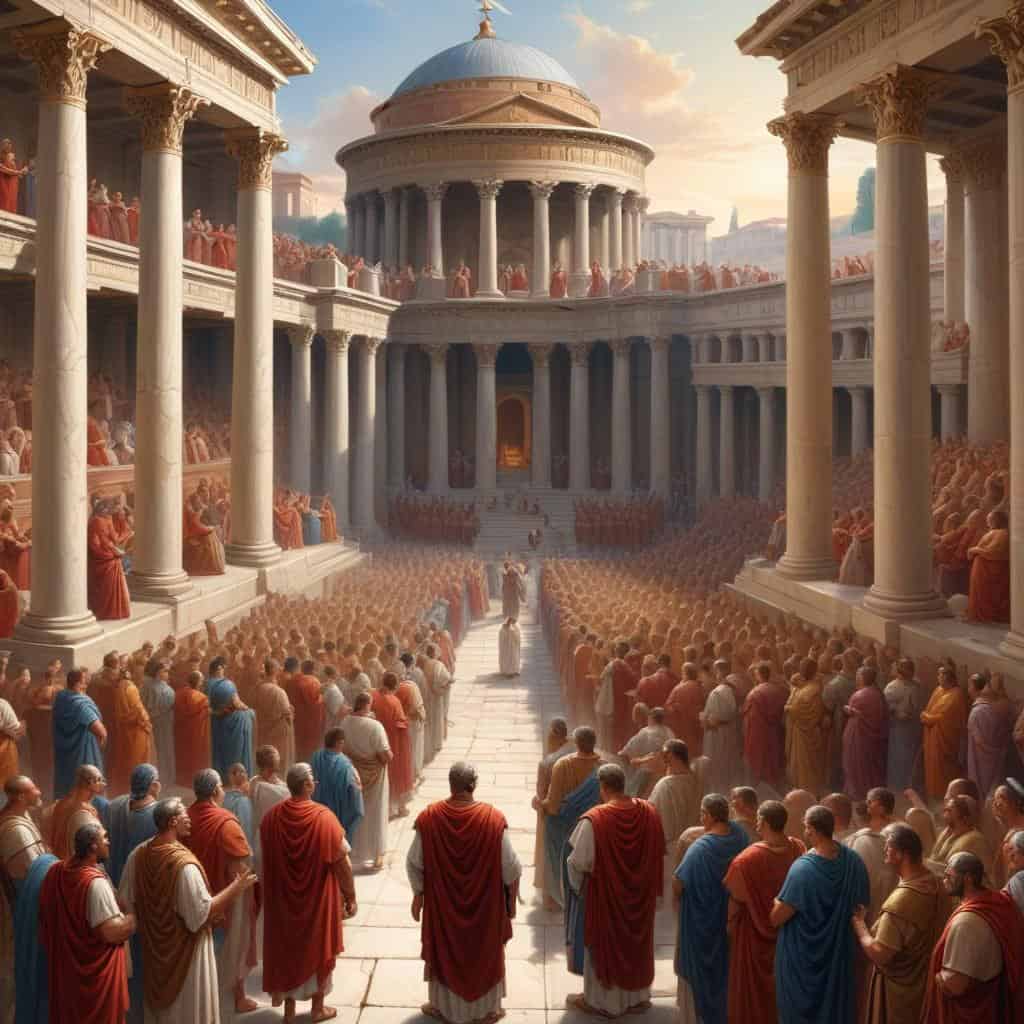
8. Religious Policies
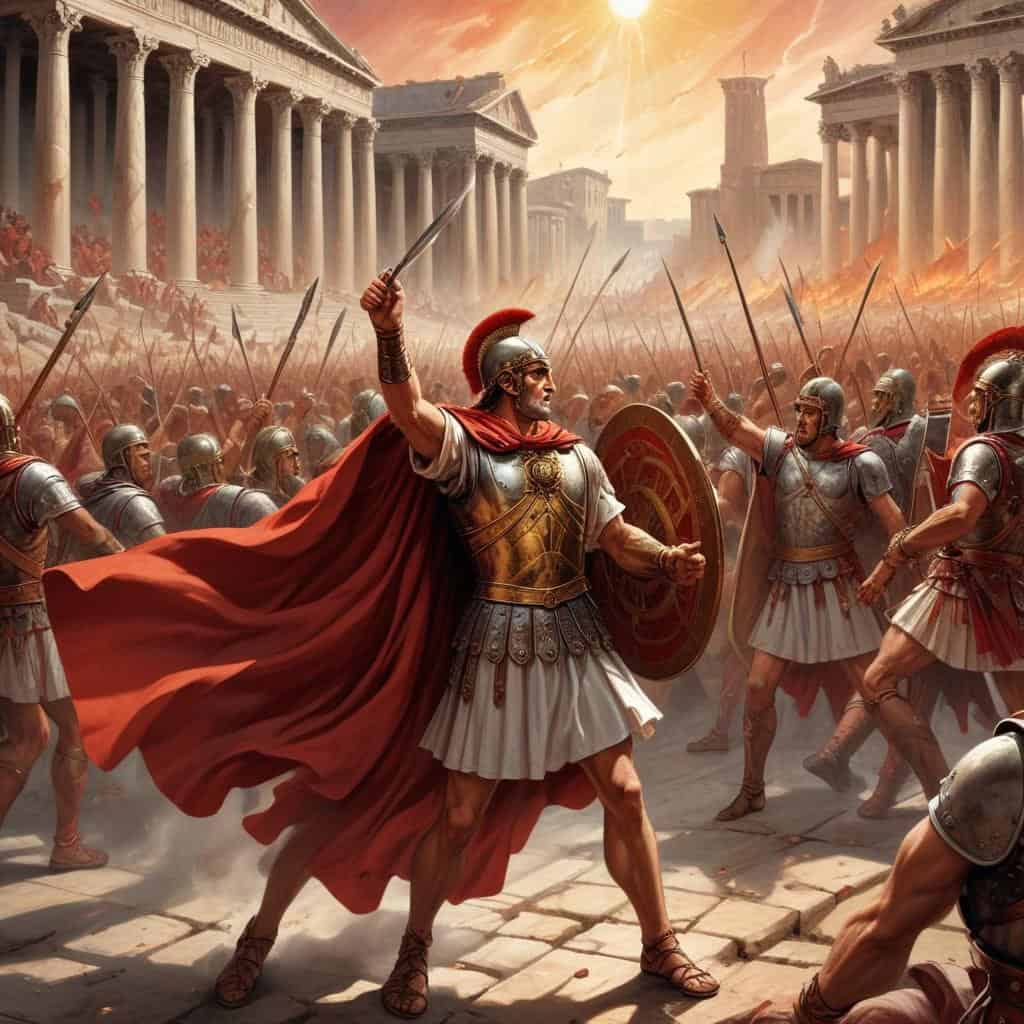
9. Influence on Roman History
Lesson Details & Resources
In a Nutshell
- Who: Roman Emperor
- When: Lived: c. 250 – 325 AD
- Known For: Being one of the last Emperors of the Roman Empire before the split
- Legacy: His defeat by Constantine the Great led to the end of the tetrarchy system in the Roman Empire
Timeline of Licinius: A Biography
Licinius is born in Moesia
Licinius rises through the ranks of the Roman military
Licinius is appointed as Augustus in the Tetrarchy by Emperor Diocletian
Licinius marries Constantia, sister of Emperor Constantine the Great
Licinius issues the Edict of Milan, granting religious freedom to Christians in the Roman Empire
Licinius defeats Maximinus II and becomes sole Augustus in the East
Licinius and Constantine the Great issue the Edict of Milan, granting religious freedom to all religions in the Roman Empire
Licinius and Constantine the Great fight the Civil Wars of the Tetrarchy
Licinius is defeated by Constantine the Great at the Battle of Chrysopolis
Licinius is captured and executed by Constantine the Great
Vocabulary List
- Emperor
- Licinius was a Roman Emperor who co-ruled with Constantine I.
- Augustus
- Licinius was proclaimed Augustus by Galerius in 308 AD.
- Persecution
- Licinius was known for persecuting Christians during his reign.
- Civil War
- Licinius fought in several civil wars, including the Civil Wars of the Tetrarchy and the Civil War against Constantine.
- Surrender
- Licinius was defeated by Constantine at the Battle of Chrysopolis and was forced to surrender.
- Edict
- Licinius issued the Edict of Milan in 313 AD, granting religious tolerance to Christians.
- Execution
- After his defeat by Constantine, Licinius was executed in 325 AD.
Key Facts
This is the information used in the fact matching game
- Licinius was a Roman Emperor who ruled from 308 to 324 AD.
- He was born in Moesia (modern-day Serbia) around 250 AD.
- Licinius was a close ally of Emperor Galerius and served as his co-emperor.
- He married Constantia, the half-sister of Emperor Constantine the Great.
- Licinius and Constantine initially ruled the Roman Empire together.
- Licinius was known for his persecution of Christians during his reign.
- He issued the Edict of Milan in 313 AD, granting religious tolerance to Christians.
- Licinius fought a series of civil wars against Constantine, culminating in the Battle of Chrysopolis in 324 AD.
- He was defeated by Constantine and ultimately executed in 325 AD.
- Licinius was the last pagan Roman Emperor.
- He issued coins with pagan imagery and was known for his adherence to traditional Roman religion.
- Licinius established his capital at Nicomedia in modern-day Turkey.
- He was initially praised for his military successes against the Goths and Sarmatians.
- Licinius faced several rebellions in his territories, weakening his hold on power.
- He appointed his son, Licinius II, as Caesar in the East, but the boy died young.
- Licinius was known for his cruel treatment of political rivals and opponents.
- He was condemned as a tyrant by Christian historians.
- Licinius' defeat by Constantine marked the end of the Tetrarchy and the beginning of Constantine's sole rule.
- His memory was officially condemned by Constantine, who sought to erase Licinius from history.
- Despite his reputation as a tyrant, Licinius was praised for his administrative reforms and construction projects.
Analysis & Significance
Major Accomplishments
Licinius, a renowned Memory Wizard, was instrumental in developing groundbreaking memory techniques that revolutionized the way people retained information. His innovative methods of mnemonic devices and visualization strategies significantly enhanced memory recall and learning capabilities.
Impact on the World
His contributions had a profound impact on education, as his techniques were widely adopted and incorporated into teaching practices. Licinius’s work not only improved academic performance but also influenced the field of cognitive psychology and memory studies, shaping the way we understand and enhance memory function today.
Enduring Legacy
Today, Licinius is remembered as a pioneer in the field of memory enhancement, with his legacy living on through the continued use and development of mnemonic devices and memory techniques. His enduring influence on education and cognitive science solidifies his position as a significant historical figure in the study of memory and learning.
Licinius: A Biography Games


Take Your Learning Offline
Want a convenient, print-ready study guide for this lesson? Become a Memory Wizards Pro member to unlock the downloadable " Memory Scrolls" for this topic and our entire library!
- ✓ Complete Vocabulary Lists
- ✓ Key Facts & Timelines
- ✓ Beautifully Formatted for Print & Mobile