
Libius Severus: A Historical Biography
The Roman emperor who restored stability to the Empire during a tumultuous time.
How Do You Learn Best?
Learn by Reading
Immerse yourself in the 10-minute visual lesson for a comprehensive understanding of the topic.
Learn by Reviewing
Jump directly to the key facts, timeline, and vocabulary lists to build a solid foundation of details.
Learn by Doing
Challenge yourself! Jump straight into the interactive games to learn by trial, error, and discovery.
Libius Severus: A Historical Biography in 10 Minutes
Introduction
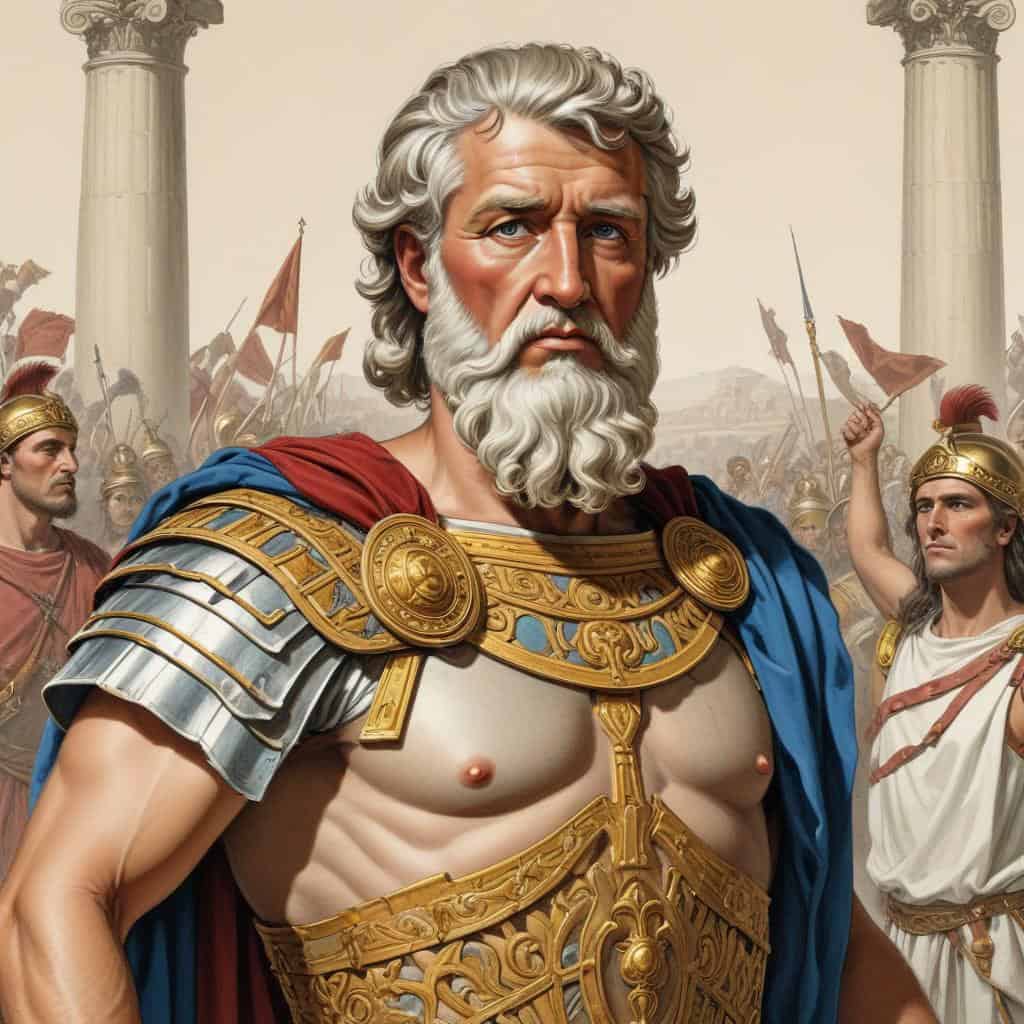
Flavius Ricimer
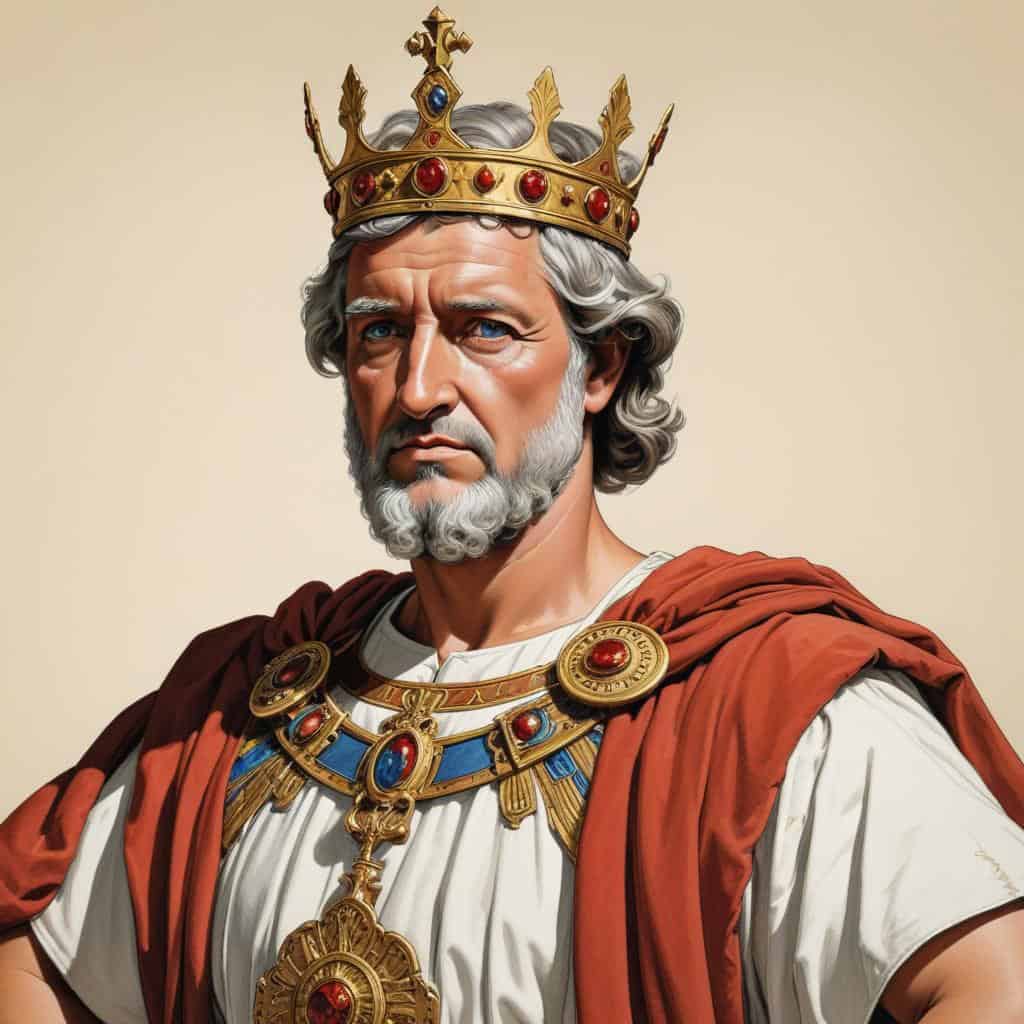
Anthemius
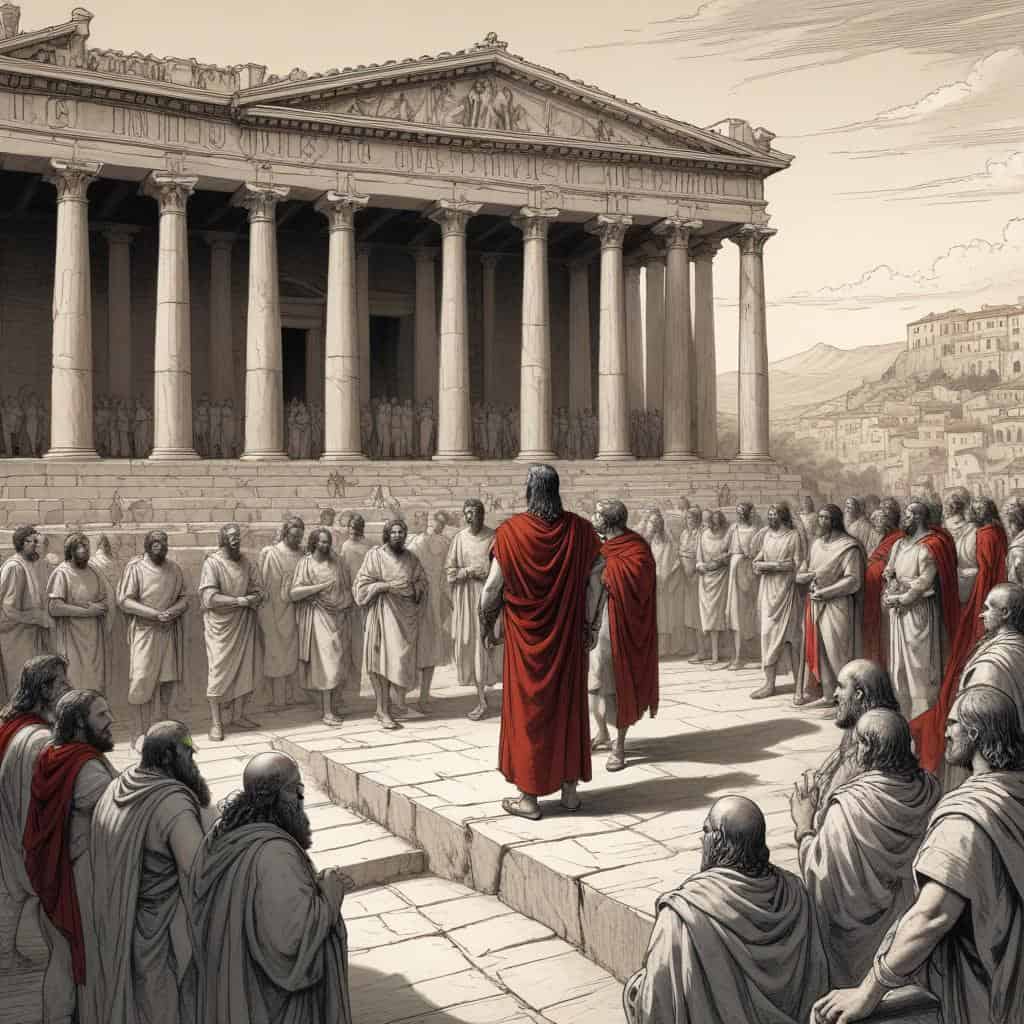
Glycerius
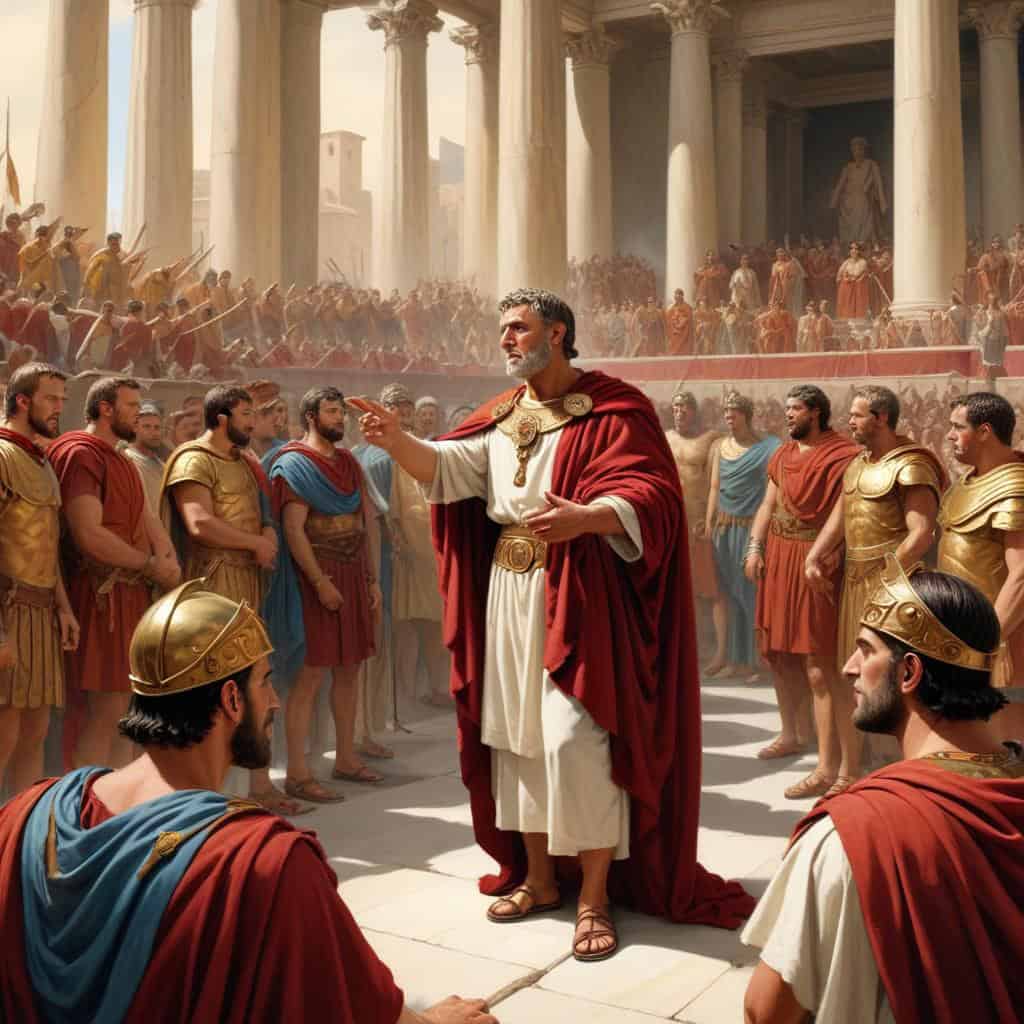
Early Life
Rise to Power
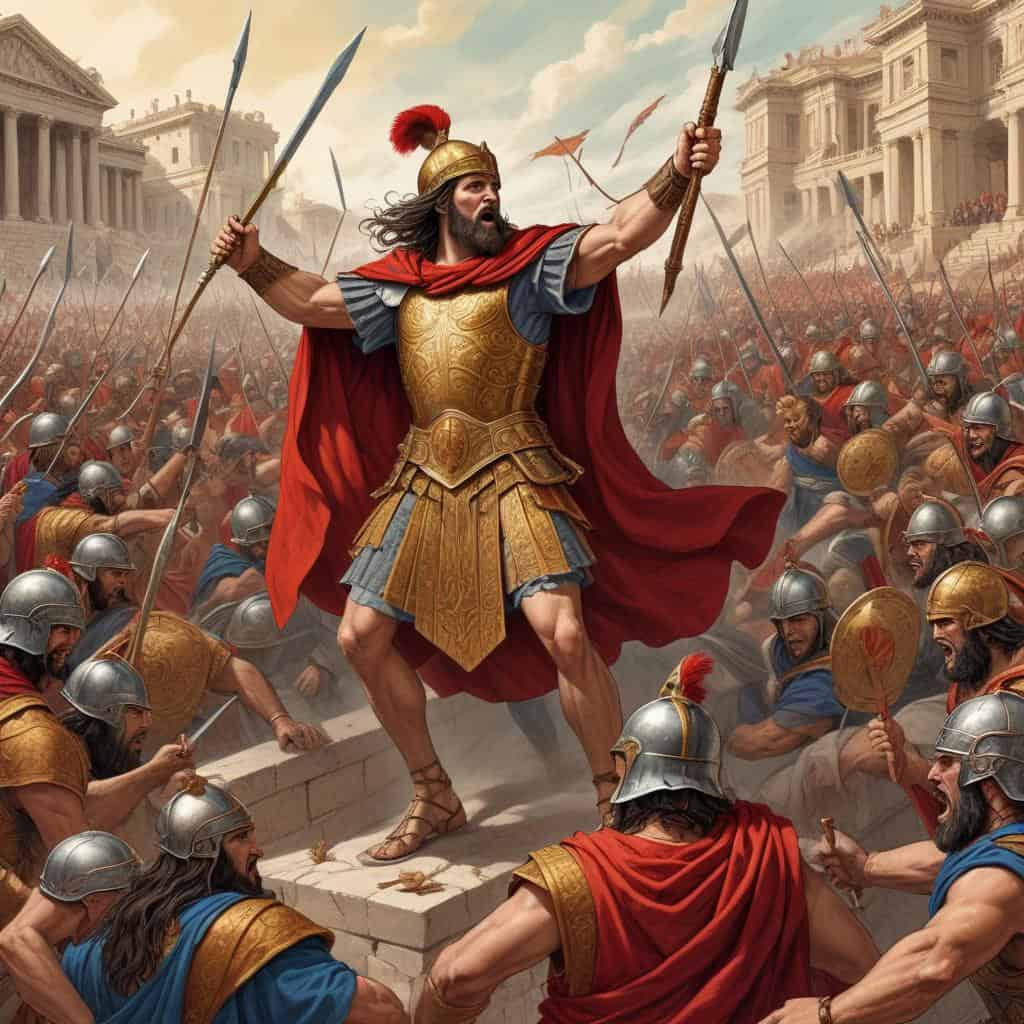
Challenges as Emperor
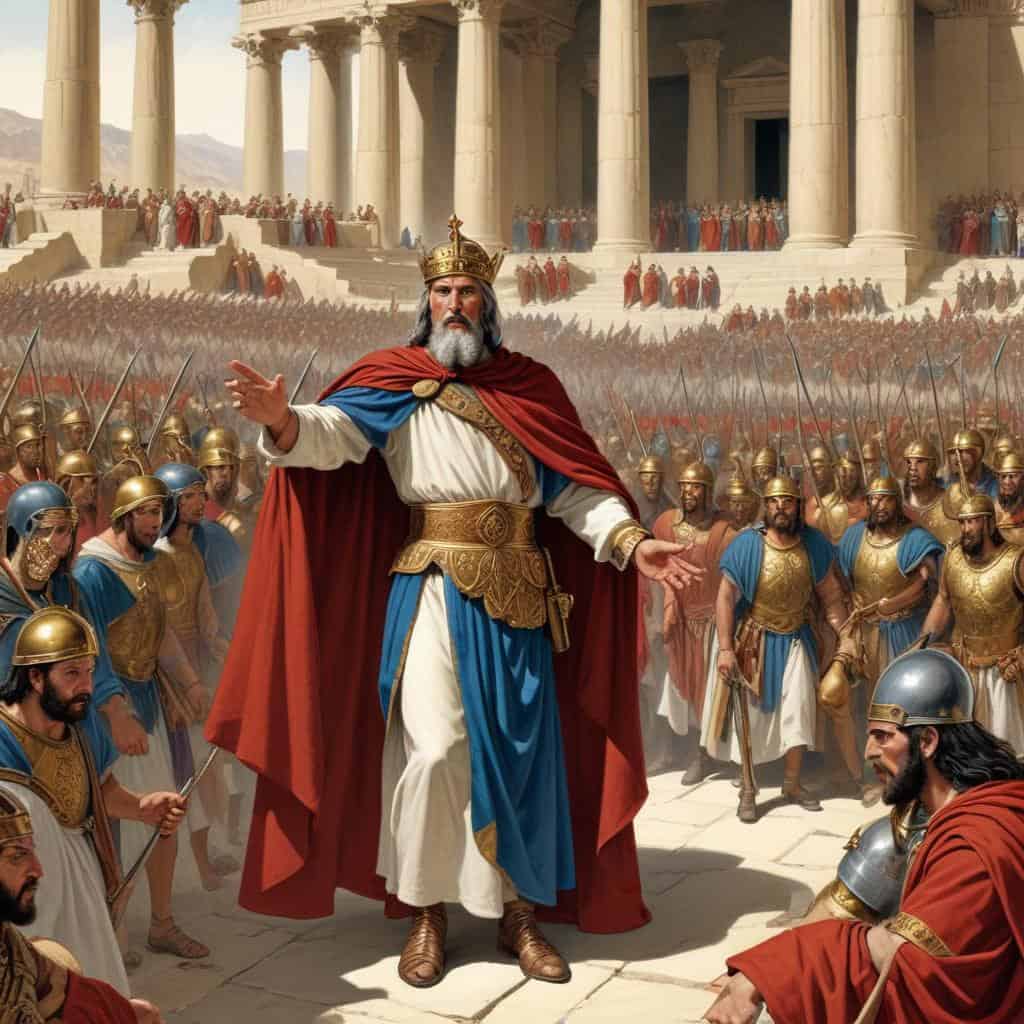
Reign as Emperor
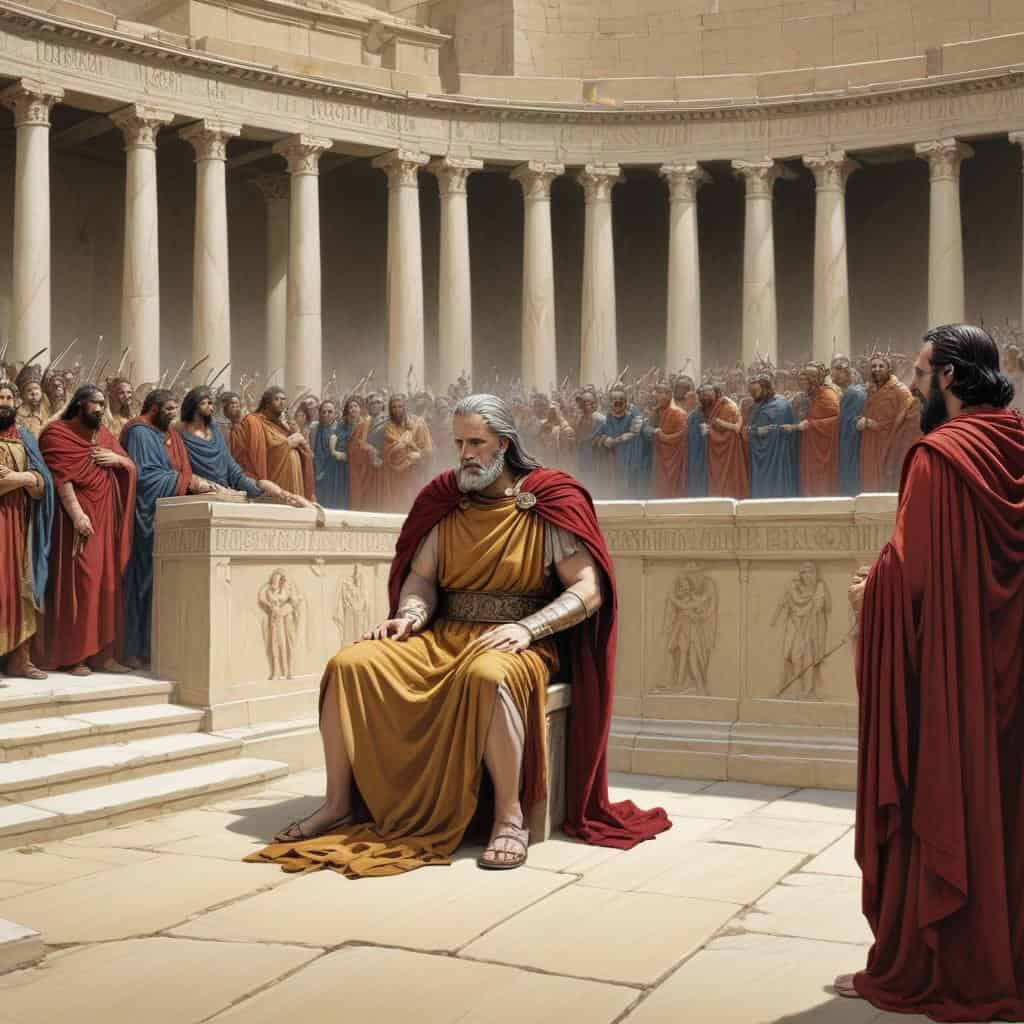
Death
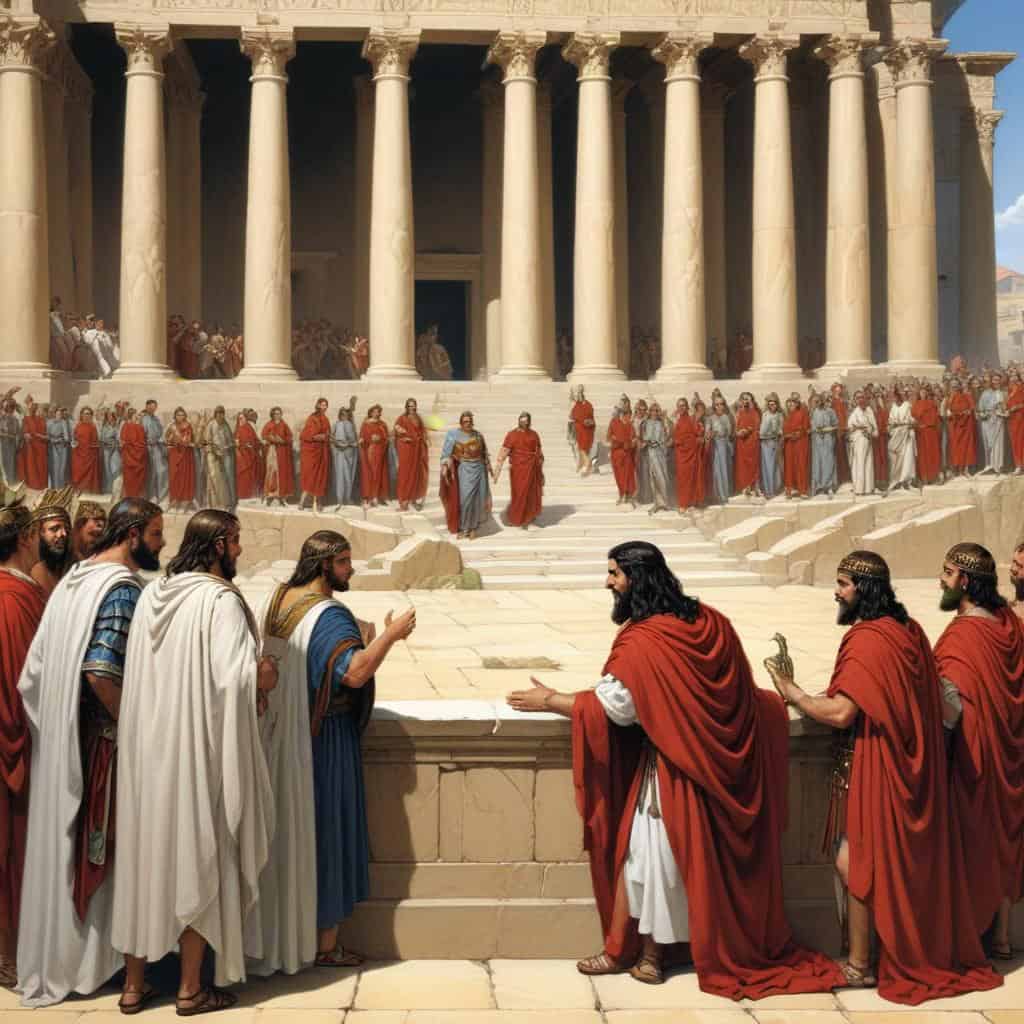
Legacy
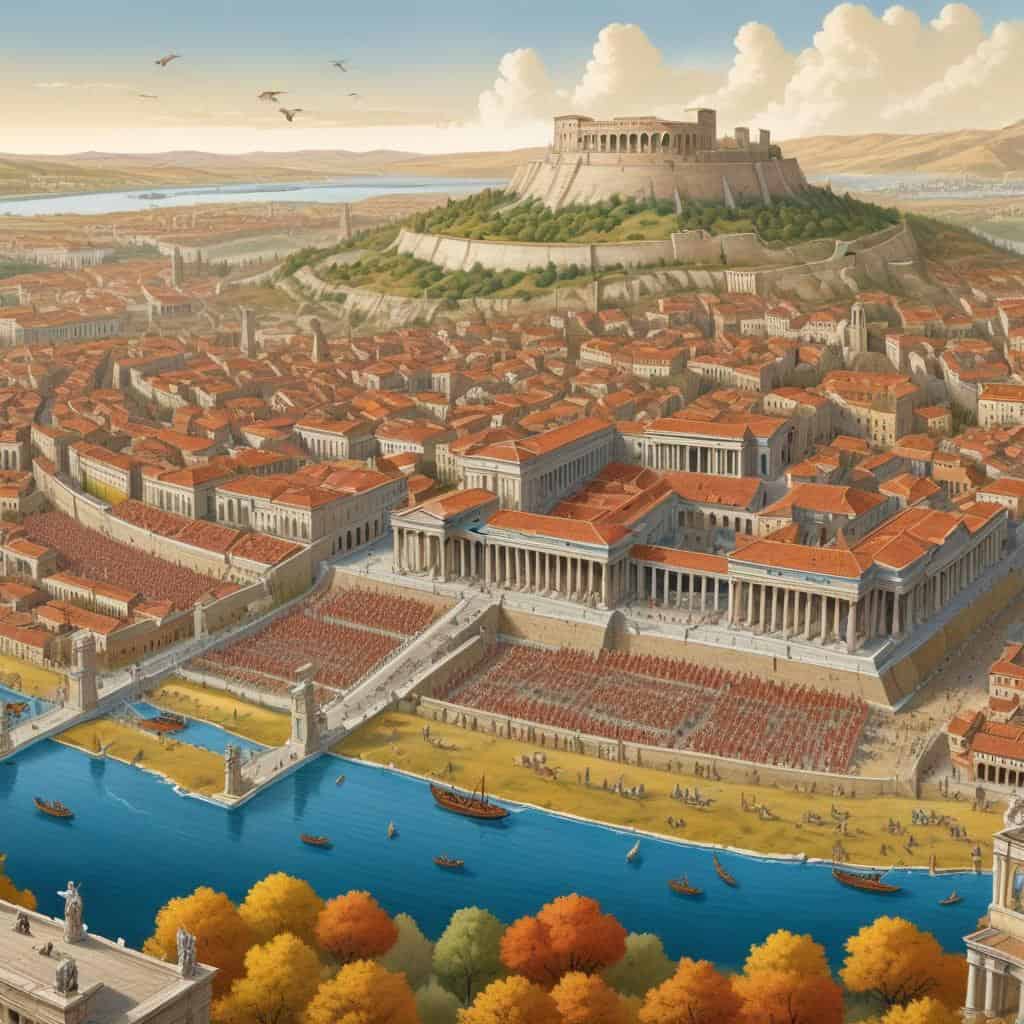
Historical Significance
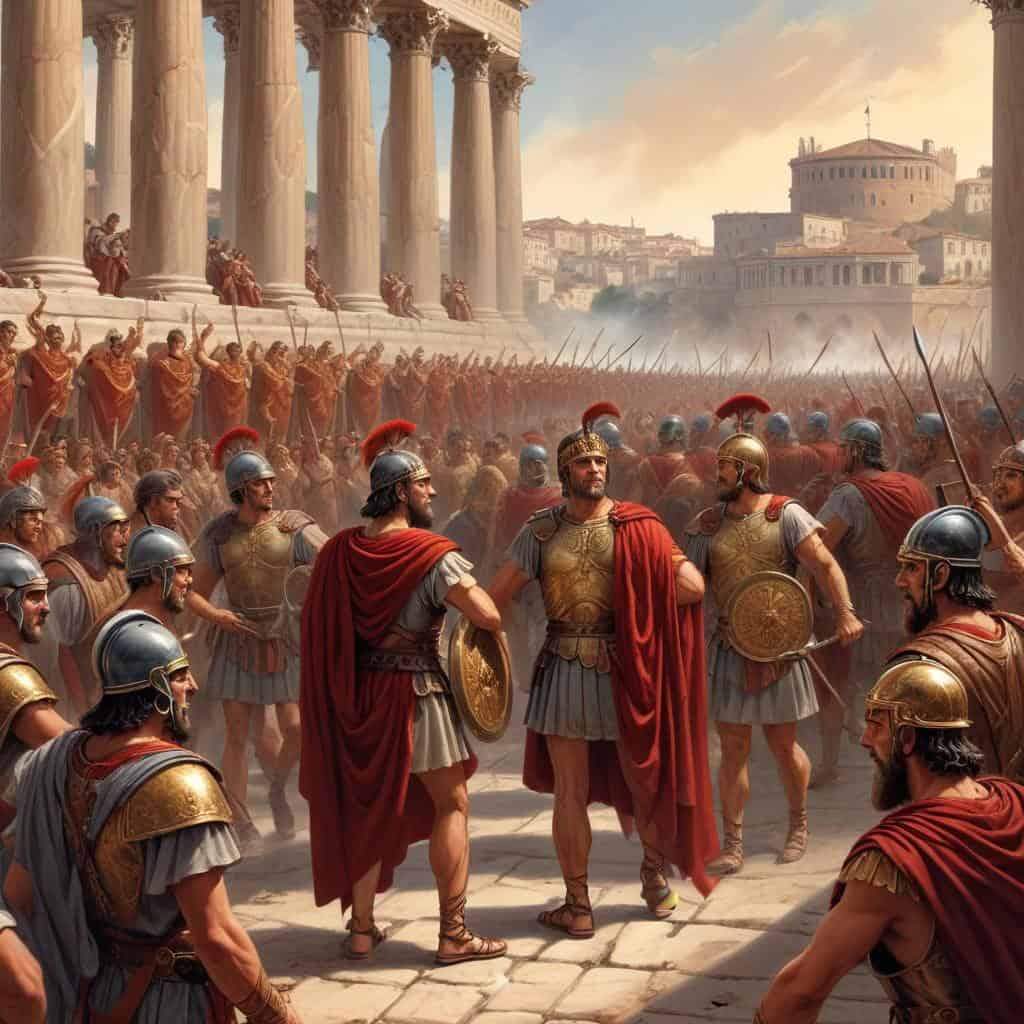
Impact on Successors
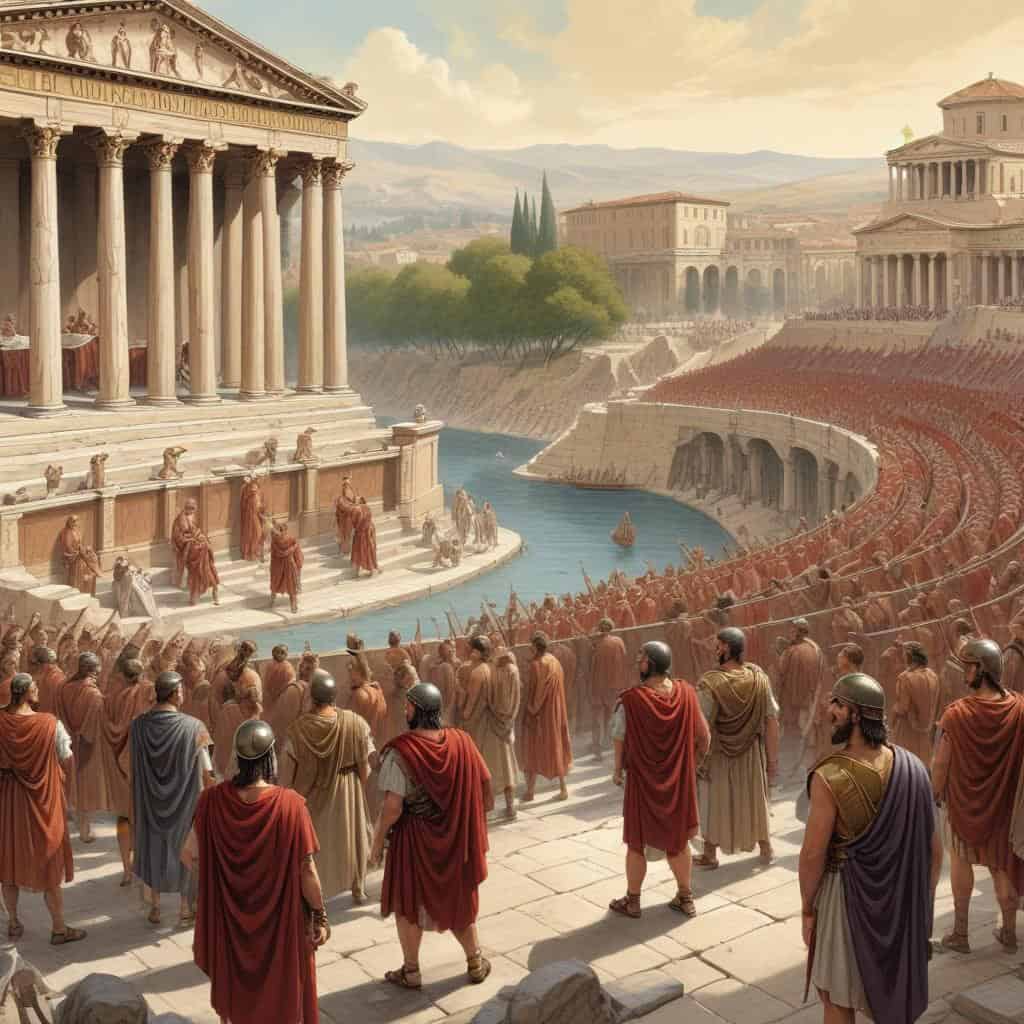
Historical Debate
Lesson Details & Resources
In a Nutshell
- Who: Roman Emperor and politician
- When: Lived: 420 – 465 AD
- Known For: Being a puppet emperor controlled by the magister officiorum Ricimer
- Legacy: Severus is known for being the last Western Roman Emperor appointed by a barbarian general, signifying the decline of the Western Roman Empire
Timeline of Libius Severus: A Historical Biography
Vocabulary List
- Emperor
- Libius Severus was a Roman Emperor who ruled from 461 to 465 AD.
- Roman
- As a Roman Emperor, Libius Severus held significant political power.
- Theodosius II
- Libius Severus succeeded Theodosius II as Emperor of the Roman Empire.
- Barbarian
- Libius Severus faced threats from barbarian invasions during his reign.
- Senate
- The Roman Senate played a role in the governance of the empire during Libius Severus' reign.
Key Facts
This is the information used in the fact matching game
- Libius Severus was a Western Roman Emperor who reigned from 461 to 465 AD.
- He was appointed as emperor by the Visigothic king Theodoric II.
- Libius Severus was not of senatorial rank and was relatively unknown before becoming emperor.
- During his reign, the Western Roman Empire was facing serious threats from barbarian invasions and internal unrest.
- He tried to negotiate peace with the Vandals, who were threatening the empire's territories in North Africa.
- Libius Severus was unable to prevent the Vandals from sacking the city of Rome in 455 AD.
- He was eventually deposed and killed by the general Ricimer, who installed Anthemius as the new emperor.
- Libius Severus was the last emperor of the Western Roman Empire to be appointed by a barbarian king.
- His reign marked the beginning of the end for the Western Roman Empire, which would fall in 476 AD.
- Libius Severus was a puppet emperor controlled by powerful generals and barbarian leaders.
- He was known for his weak and indecisive leadership during a time of crisis for the empire.
- Libius Severus was not able to effectively deal with the challenges posed by the barbarian invasions and internal power struggles.
- His reign is often seen as a symbol of the decline and fall of the Western Roman Empire.
- Libius Severus was the first emperor of the Western Roman Empire to be deposed and killed by a barbarian leader.
- His death marked the end of a period known as the 'interregnum' during which there was no recognized emperor in the Western Roman Empire.
- Libius Severus was succeeded by Anthemius, who was appointed as emperor by the Eastern Roman Emperor Leo I.
- After his death, Libius Severus was largely forgotten by history and overshadowed by more famous emperors of the Roman Empire.
- His reign was marked by economic decline, military defeats, and political instability in the Western Roman Empire.
- Libius Severus was born in the late 4th century in the Western Roman Empire.
- He came to power during a time of crisis and decline for the Western Roman Empire, which was struggling to maintain its borders and authority.
Analysis & Significance
Major Accomplishments
Libius Severus was renowned for his groundbreaking research on memory manipulation techniques, developing innovative strategies for enhancing cognitive functions and memory retention. His work led to significant advancements in the field of memory enhancement and cognitive improvement.
Impact on the World
Libius Severus’ contributions revolutionized the way we understand memory and its manipulation, paving the way for new breakthroughs in neuroscience and cognitive psychology. His techniques have been instrumental in helping individuals with memory-related disorders and have had a lasting impact on the field of cognitive science.
Enduring Legacy
Today, Libius Severus is remembered as a pioneer in the field of memory enhancement and cognitive improvement. His research continues to inspire new generations of scientists and researchers to explore the complexities of memory and cognition. His legacy as a Memory Wizard remains a significant part of the history of neuroscience and cognitive psychology.
Libius Severus: A Historical Biography Games


Take Your Learning Offline
Want a convenient, print-ready study guide for this lesson? Become a Memory Wizards Pro member to unlock the downloadable " Memory Scrolls" for this topic and our entire library!
- ✓ Complete Vocabulary Lists
- ✓ Key Facts & Timelines
- ✓ Beautifully Formatted for Print & Mobile