
Julian the Apostate: A Biography
The last pagan emperor who challenged Christianity and restored traditional Roman beliefs.
How Do You Learn Best?
Learn by Reading
Immerse yourself in the 10-minute visual lesson for a comprehensive understanding of the topic.
Learn by Reviewing
Jump directly to the key facts, timeline, and vocabulary lists to build a solid foundation of details.
Learn by Doing
Challenge yourself! Jump straight into the interactive games to learn by trial, error, and discovery.
Julian the Apostate: A Biography in 10 Minutes

Introduction
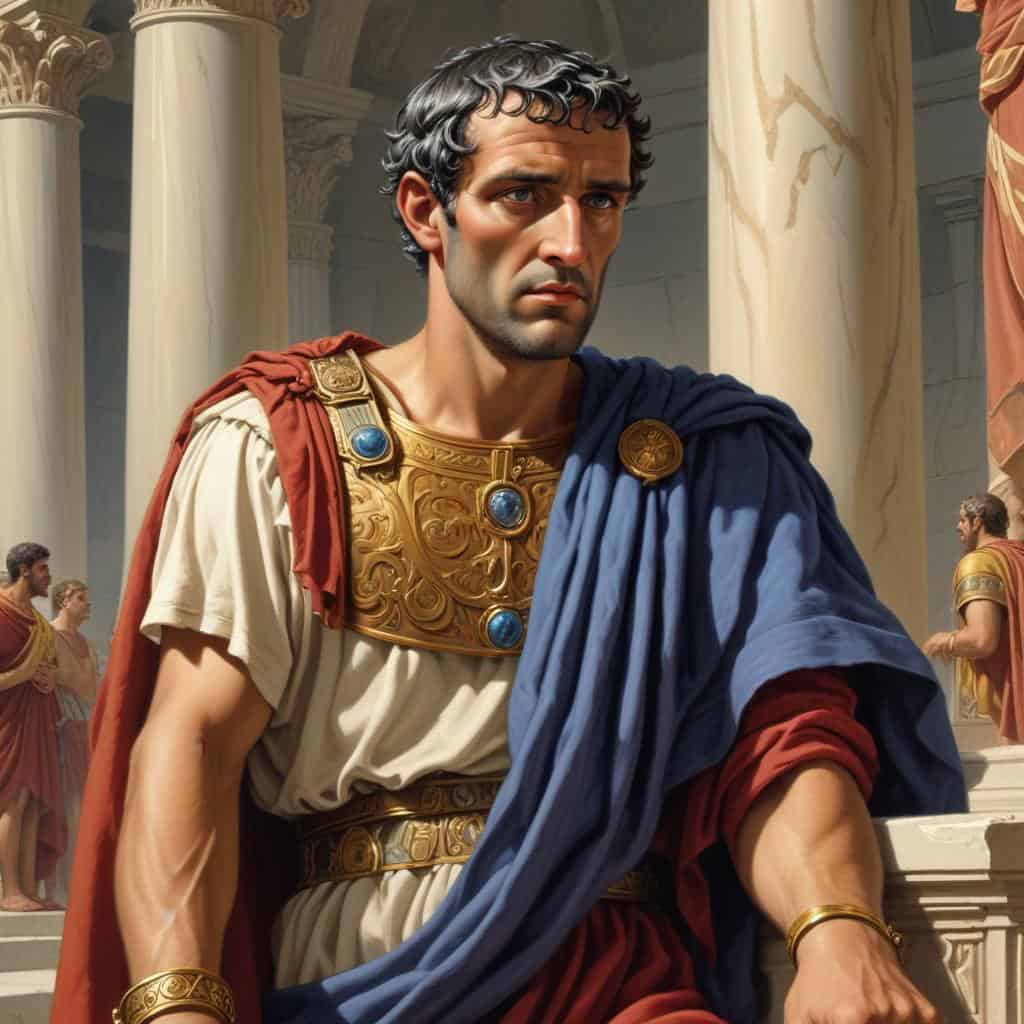
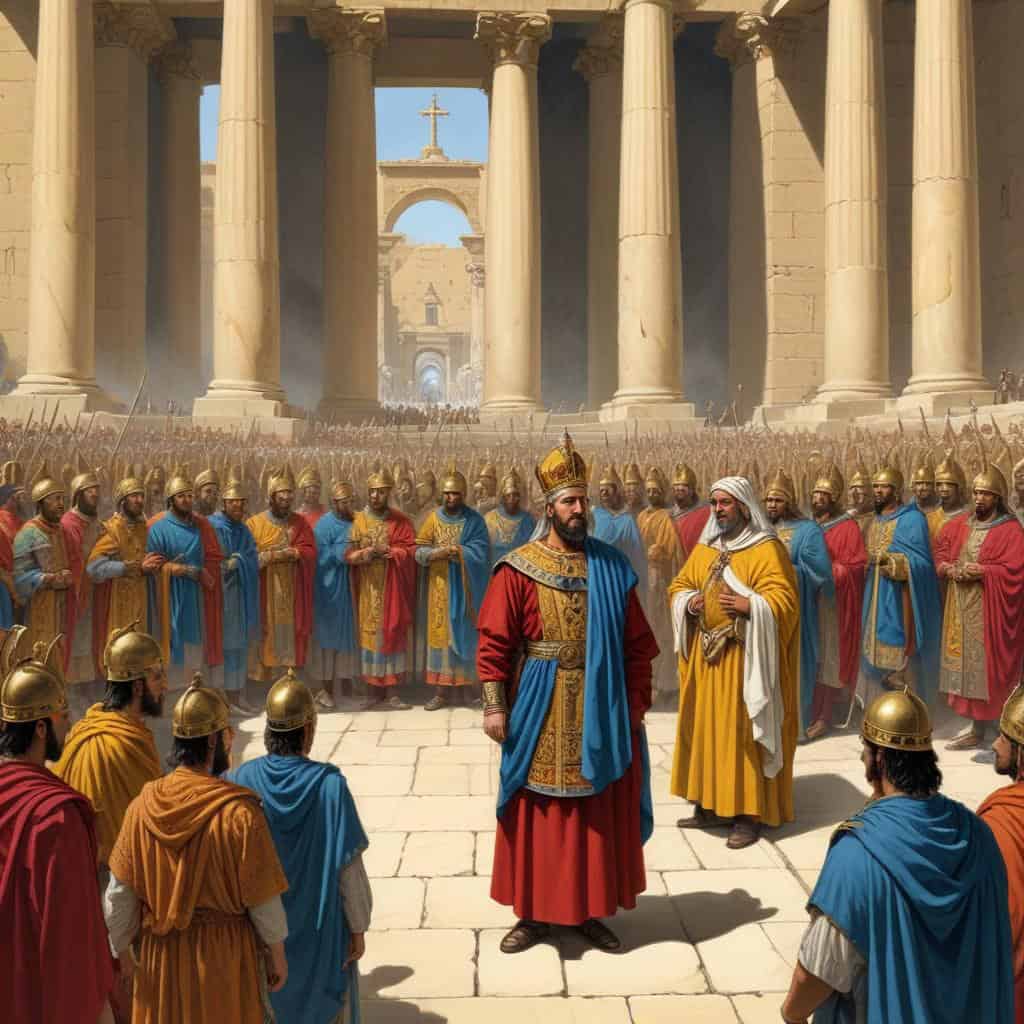
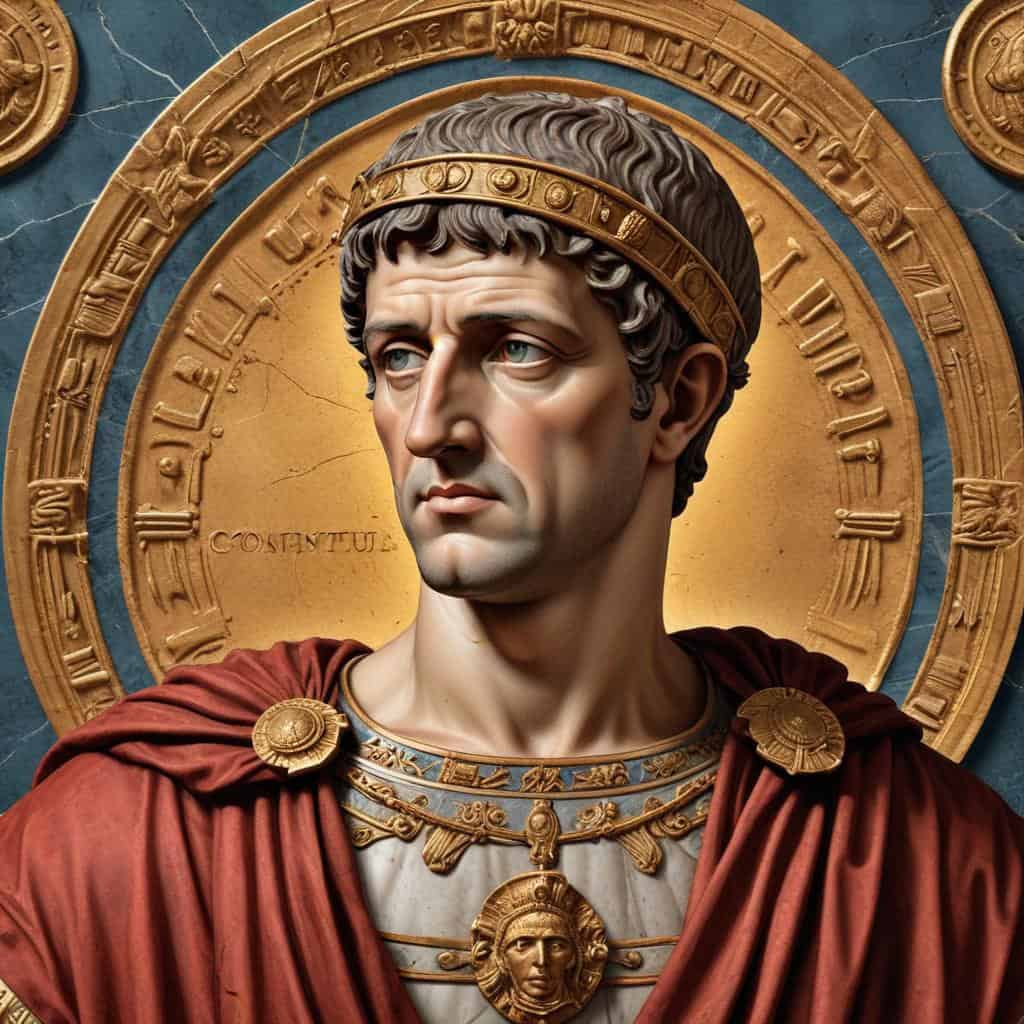
Constantius II
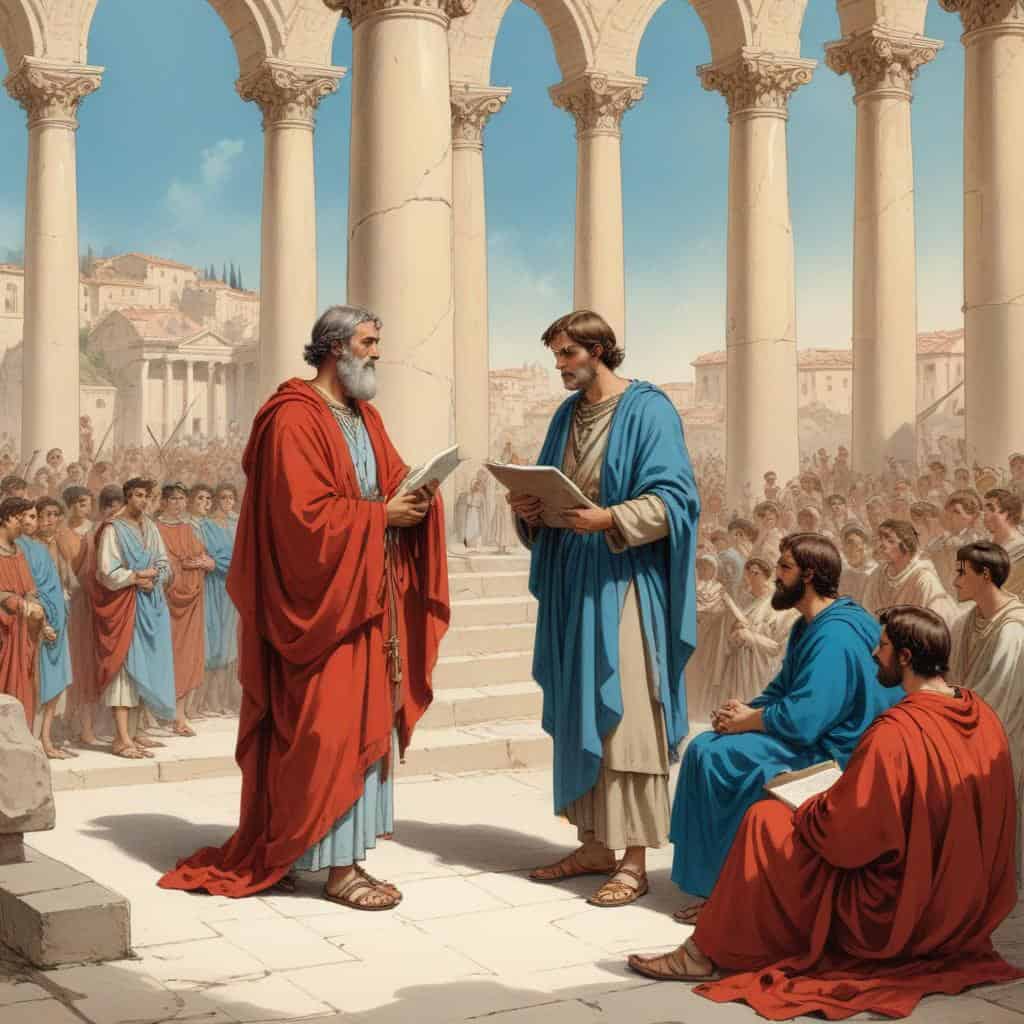
Early Life and Education
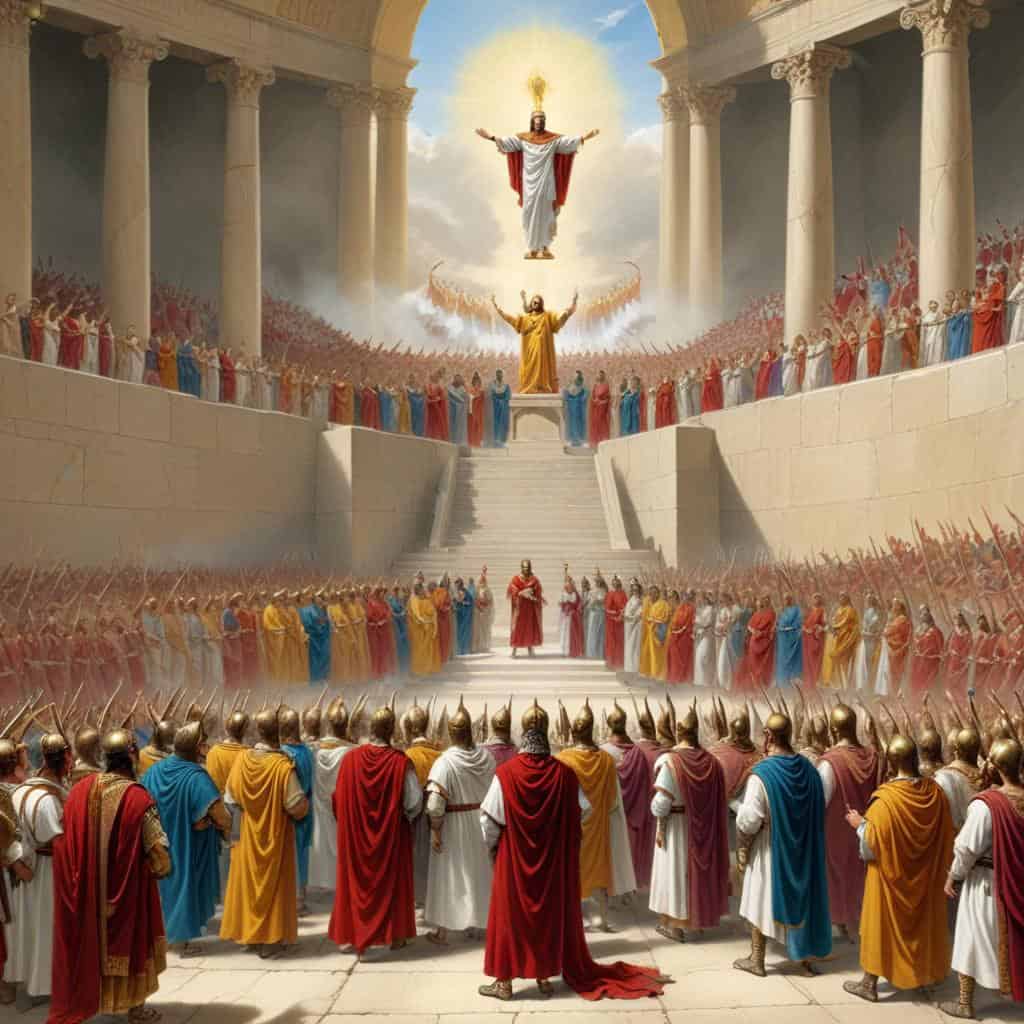
Ascension to the Throne
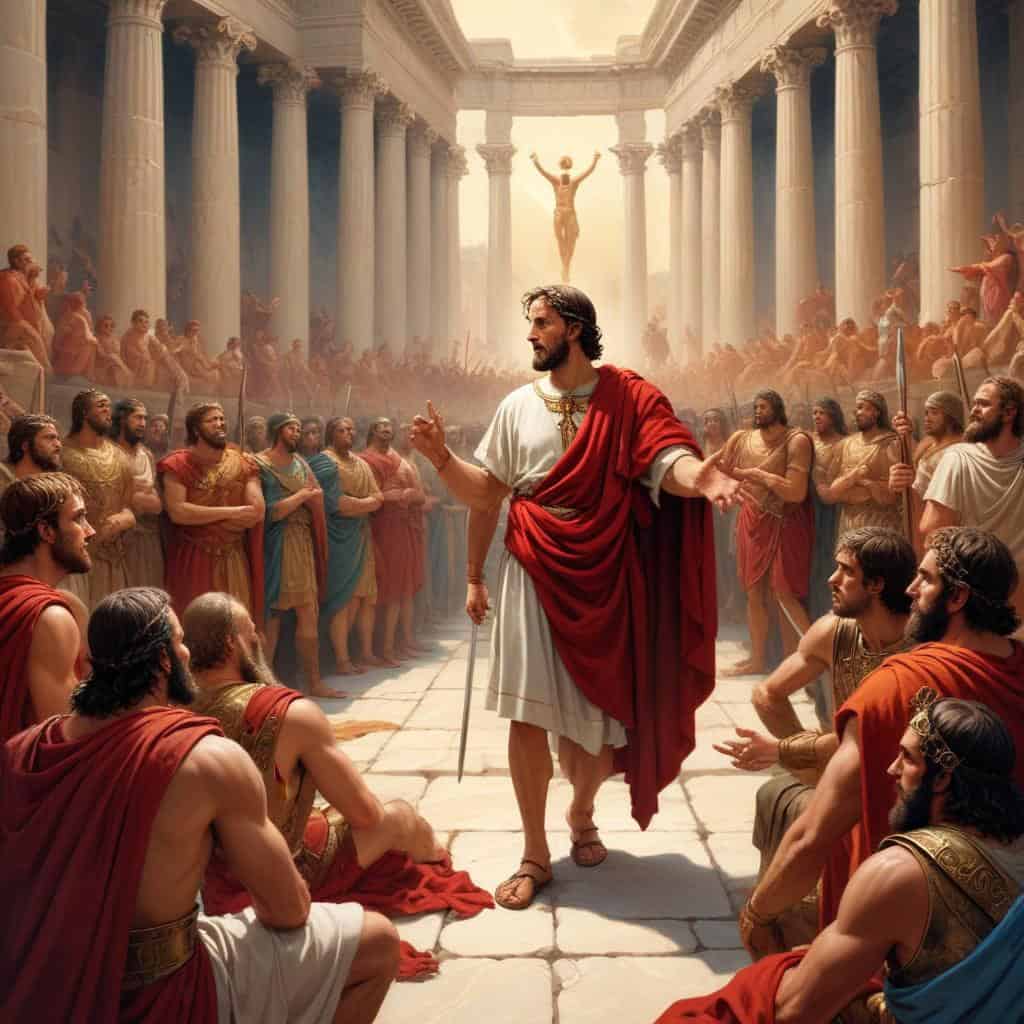
Rejection of Christianity
Philosophical and Religious Views
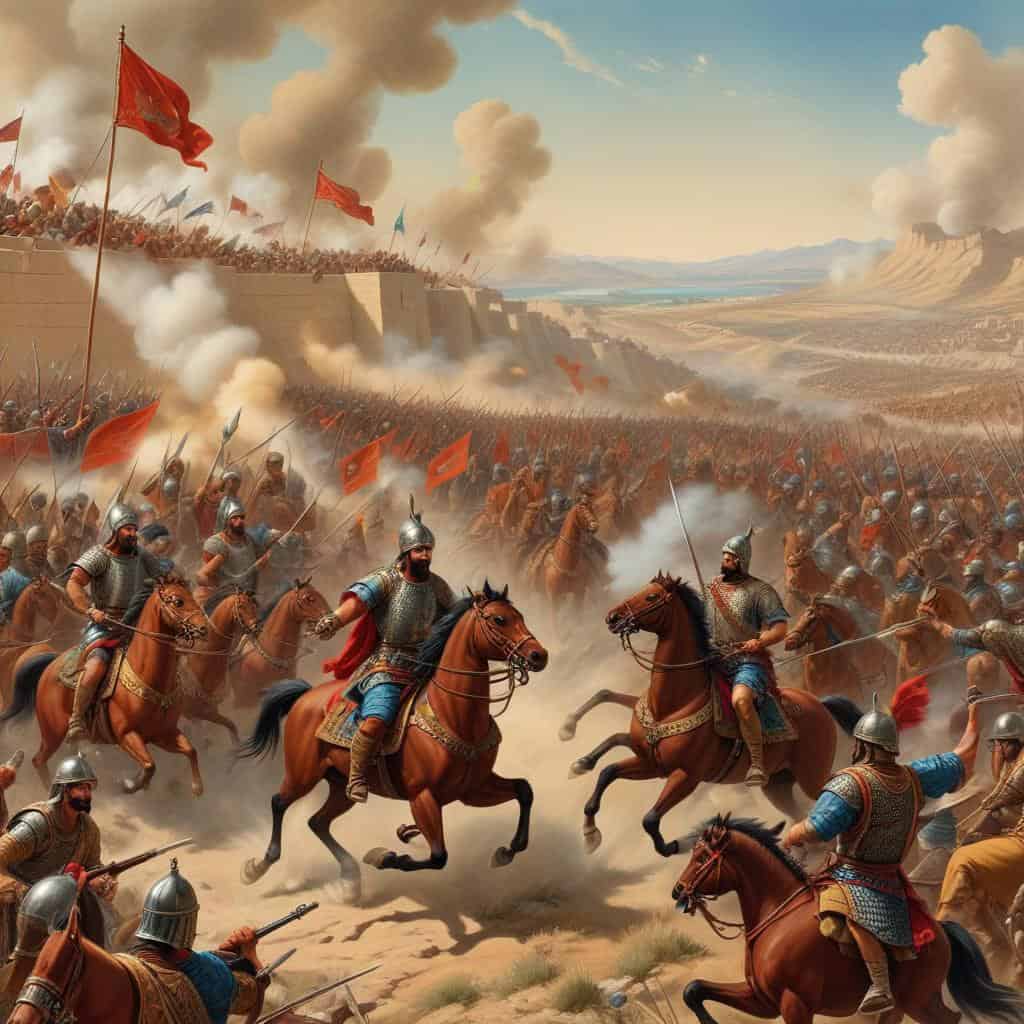
Military Campaigns
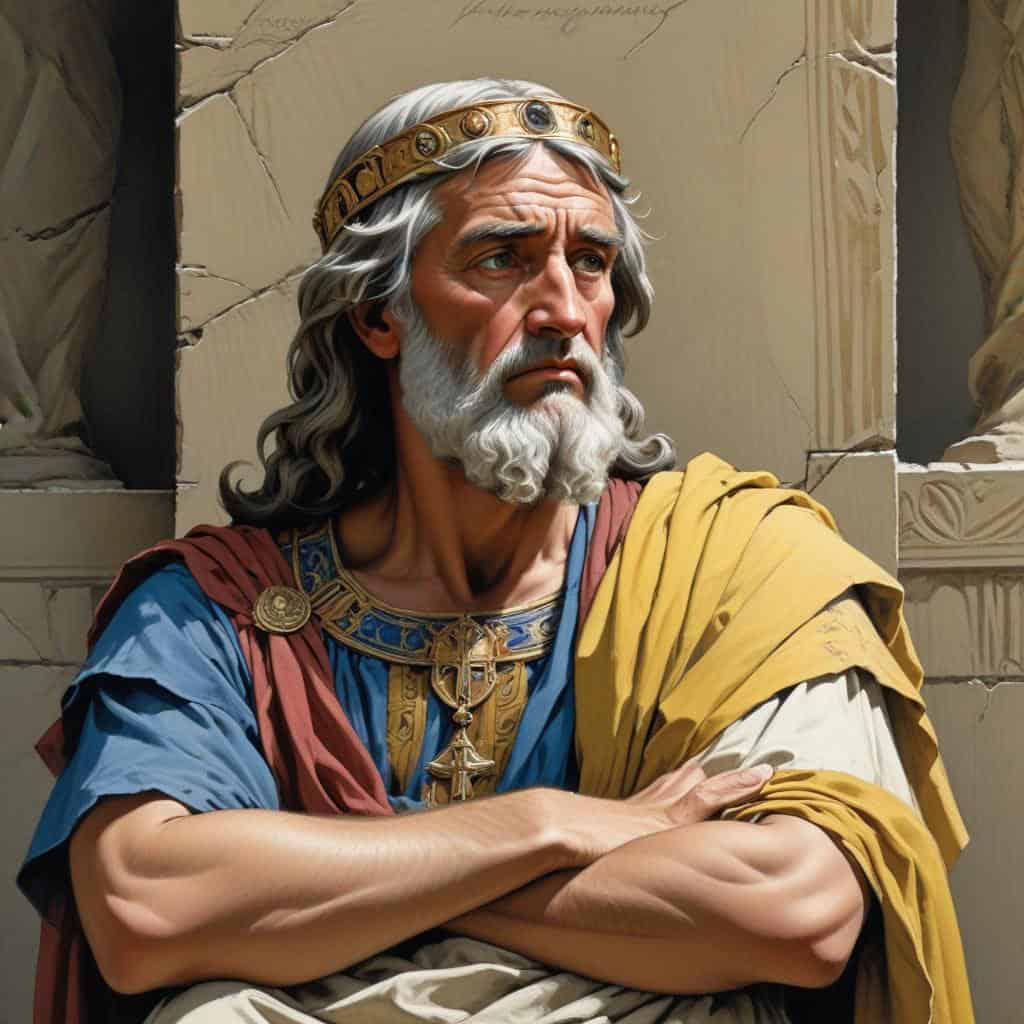
Legacy
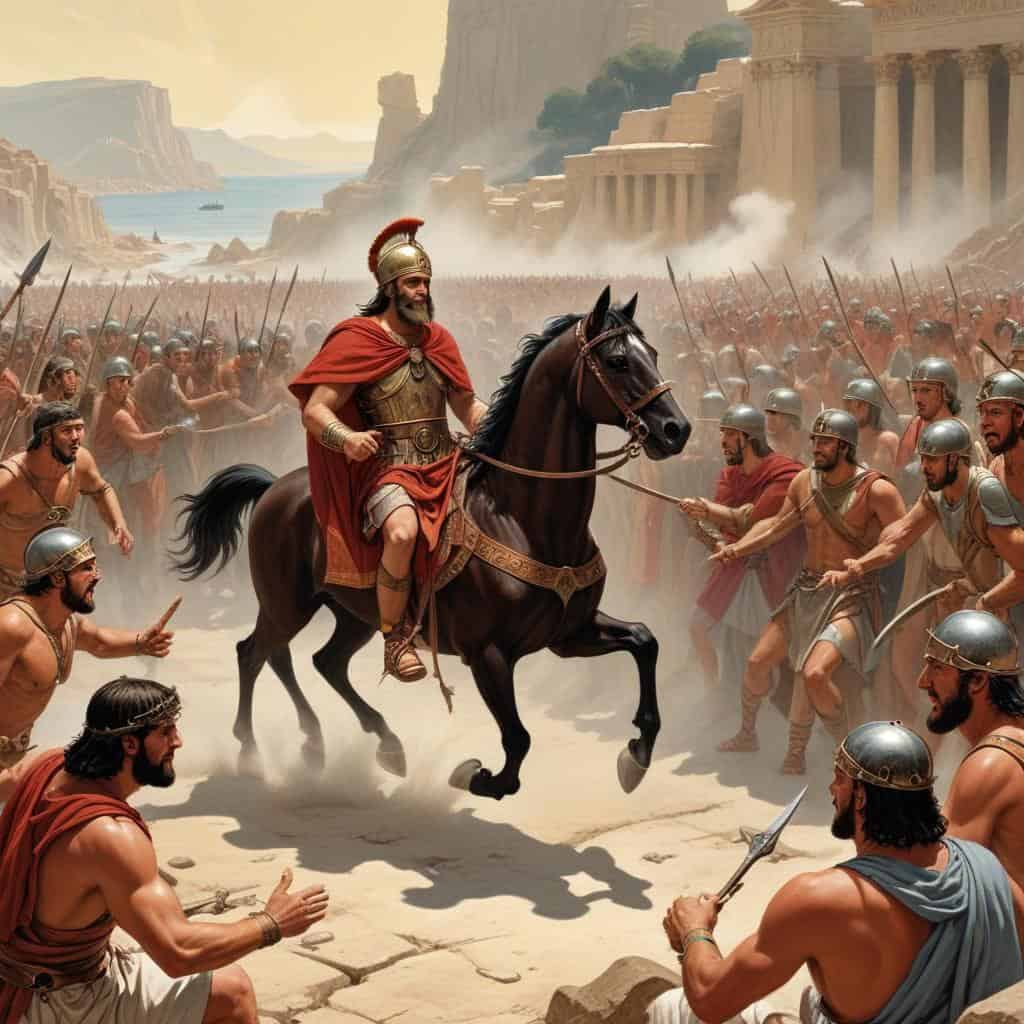
Historical Impact
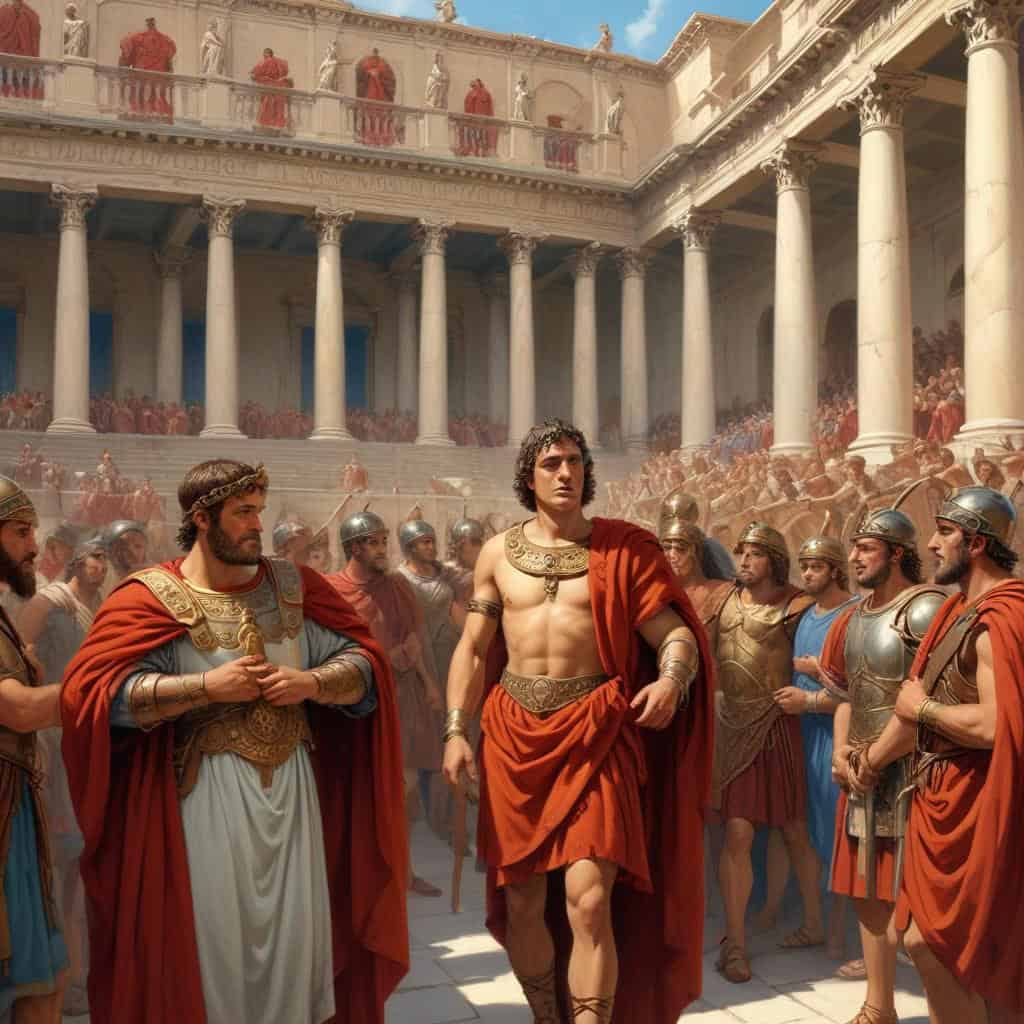
Historical Accounts
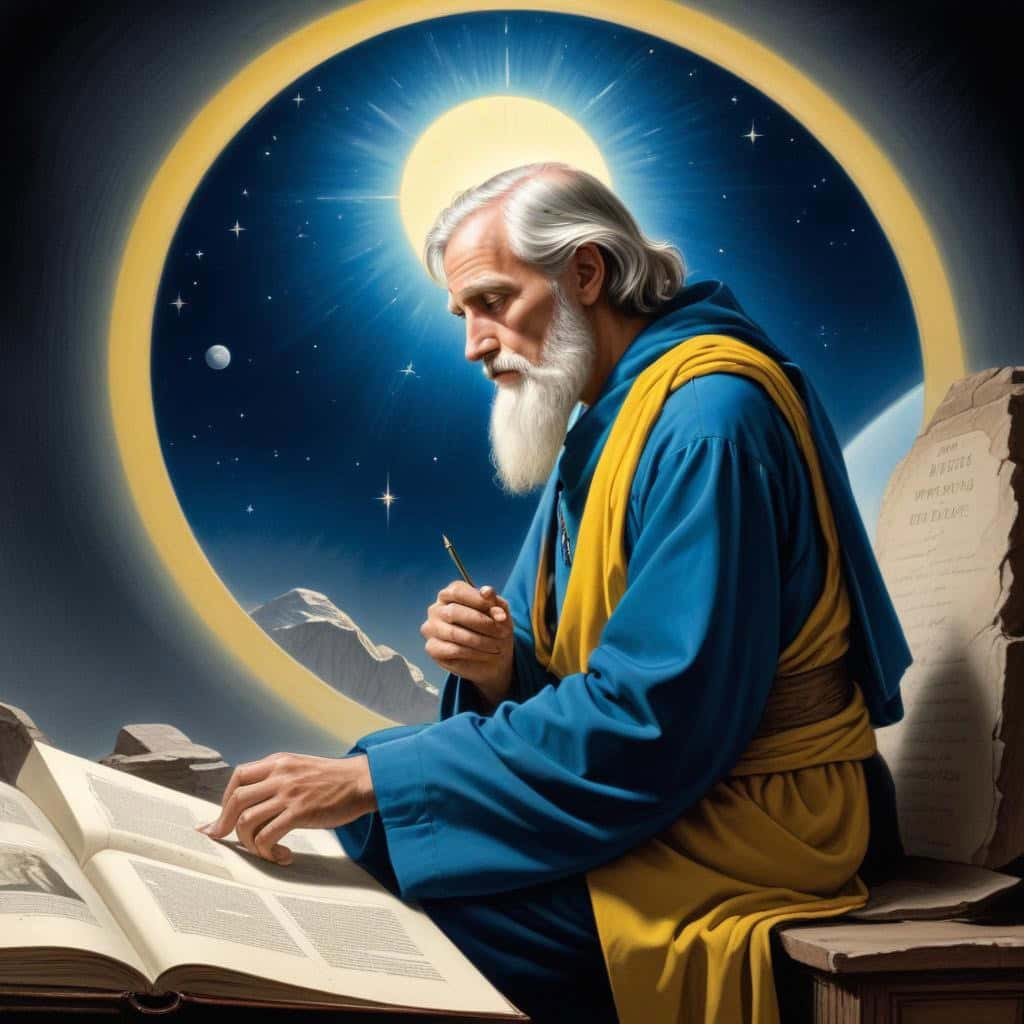
Personal Beliefs
Lesson Details & Resources
In a Nutshell
- Who: Roman Emperor and philosopher
- When: Lived: 331 – 363 AD
- Known For: Attempting to restore paganism as the dominant religion of the Roman Empire
- Legacy: Known as "Julian the Apostate" for his rejection of Christianity and efforts to revive traditional Roman religious practices
Timeline of Julian the Apostate: A Biography
Julian the Apostate is born in Constantinople.
Julian is appointed Caesar of the Western Roman Empire by his cousin Constantius II.
Julian becomes sole Emperor of the Roman Empire after the death of Constantius II.
Julian embarks on a campaign against the Sassanid Empire.
Julian dies in battle against the Sassanids during his campaign in Persia.
Julian is succeeded by Jovian as Emperor of the Roman Empire.
Julian is remembered as the last pagan Emperor of Rome.
The Christian historian Sozomen writes about Julian's reign and conversion to paganism.
Julian's writings, including his letters and philosophical works, are compiled and preserved by later scholars.
Julian's attempts to revive paganism in the Roman Empire are largely unsuccessful.
Julian is criticized by Christian writers such as Gregory of Nazianzus and John Chrysostom.
Julian institutes reforms to try and restore traditional Roman values and practices.
Julian's reign is marked by conflicts with the Christian Church and its leaders.
Julian attempts to rebuild the Jewish Temple in Jerusalem, but is hindered by a series of natural disasters.
Julian issues an edict allowing for religious freedom and tolerance in the Roman Empire.
Julian's policies towards Christians lead to increased persecution of the religious minority.
Julian is known for his intellectual pursuits and interest in philosophy.
Julian is praised by some scholars for his efforts to promote education and culture in the Roman Empire.
Julian's reign marks a brief revival of paganism in the Roman Empire before Christianity becomes the dominant religion.
Julian's legacy is debated by historians, with some viewing him as a progressive reformer and others as a misguided reactionary.
Vocabulary List
- Julian the Apostate
- Julian the Apostate, also known as Julian the Philosopher, was a Roman Emperor who ruled from 361 to 363 AD.
- Apostate
- Apostate refers to someone who renounces a religious or political belief or principle.
- Roman Emperor
- Roman Emperor was the ruler of the Roman Empire during the imperial period.
- Philosopher
- Philosopher refers to a person who engages in the study of philosophy and seeks wisdom and truth.
- Paganism
- Paganism refers to a religious belief system that worships multiple deities and nature spirits.
- Christianity
- Christianity is a monotheistic religion based on the teachings of Jesus Christ.
- Hellenistic
- Hellenistic refers to the Greek-influenced culture that spread throughout the Mediterranean world after the conquests of Alexander the Great.
- Roman Empire
- Roman Empire was a vast empire that existed from 27 BC to 476 AD, encompassing territories in Europe, Asia, and Africa.
- Polytheism
- Polytheism refers to the belief in multiple gods and goddesses.
- Neoplatonism
- Neoplatonism is a philosophical system based on the teachings of Plato, with influences from Eastern mysticism and Christianity.
Key Facts
This is the information used in the fact matching game
- Julian the Apostate was the last non-Christian Roman Emperor.
- Julian was born in Constantinople in 331 AD.
- He was raised as a Christian but later converted to paganism.
- Julian was known for his efforts to revive paganism in the Roman Empire.
- He was a philosopher and studied under the famous Neoplatonist philosopher, Libanius.
- Julian was proclaimed Caesar in 355 AD by the Roman army in Gaul.
- He became Emperor in 361 AD after the death of his cousin, Constantius II.
- Julian attempted to reverse the Christianization of the Roman Empire and restore traditional Roman religion.
- He issued an edict of religious tolerance allowing all religions to practice freely.
- Julian tried to restore the ancient Roman cults and rebuild pagan temples.
- He was known for his intellectual pursuits and was a prolific writer.
- Julian died in 363 AD during a campaign against the Sassanid Empire in Persia.
- He was succeeded by Jovian, who quickly restored Christianity as the official religion of the Empire.
- Julian was known for his simplicity of dress and lifestyle, in contrast to the opulence of other emperors.
- He was a skilled military commander and led successful campaigns against the Germanic tribes.
- Julian was nicknamed 'the Apostate' by Christian writers who viewed his rejection of Christianity as betrayal.
- He was a strong advocate for the separation of church and state.
- Julian implemented various reforms to the Roman government and military during his brief reign.
- He was a patron of the arts and supported philosophers, writers, and artists.
- Julian's reign marked a brief resurgence of paganism in the Roman Empire before Christianity became firmly established.
Analysis & Significance
Major Accomplishments
Julian the Apostate is best known for his efforts to restore paganism as the dominant religion in the Roman Empire after it had been replaced by Christianity. He also implemented social reforms, promoted education, and sought to revive classical learning and culture during his short reign as emperor.
Impact on the World
Julian’s reign had a significant impact on the world by sparking a religious and cultural revival that challenged the dominance of Christianity in the Roman Empire. His promotion of pagan beliefs and classical learning influenced future generations and inspired a renewed interest in ancient philosophy and literature.
Enduring Legacy
Julian the Apostate is remembered today as a complex figure who tried to defy the tide of history by reviving pagan traditions in a rapidly Christianizing world. His reign continues to be a subject of fascination and debate among historians, and his efforts to promote religious tolerance and intellectual freedom have left a lasting legacy in the realms of philosophy and religion.
Julian the Apostate: A Biography Games


Take Your Learning Offline
Want a convenient, print-ready study guide for this lesson? Become a Memory Wizards Pro member to unlock the downloadable " Memory Scrolls" for this topic and our entire library!
- ✓ Complete Vocabulary Lists
- ✓ Key Facts & Timelines
- ✓ Beautifully Formatted for Print & Mobile