
Jovian: A Roman Emperor’s Biography
Jovian: The unexpected Roman Emperor who restored Christianity and brought peace to the Empire.
How Do You Learn Best?
Learn by Reading
Immerse yourself in the 10-minute visual lesson for a comprehensive understanding of the topic.
Learn by Reviewing
Jump directly to the key facts, timeline, and vocabulary lists to build a solid foundation of details.
Learn by Doing
Challenge yourself! Jump straight into the interactive games to learn by trial, error, and discovery.
Jovian: A Roman Emperor’s Biography in 10 Minutes
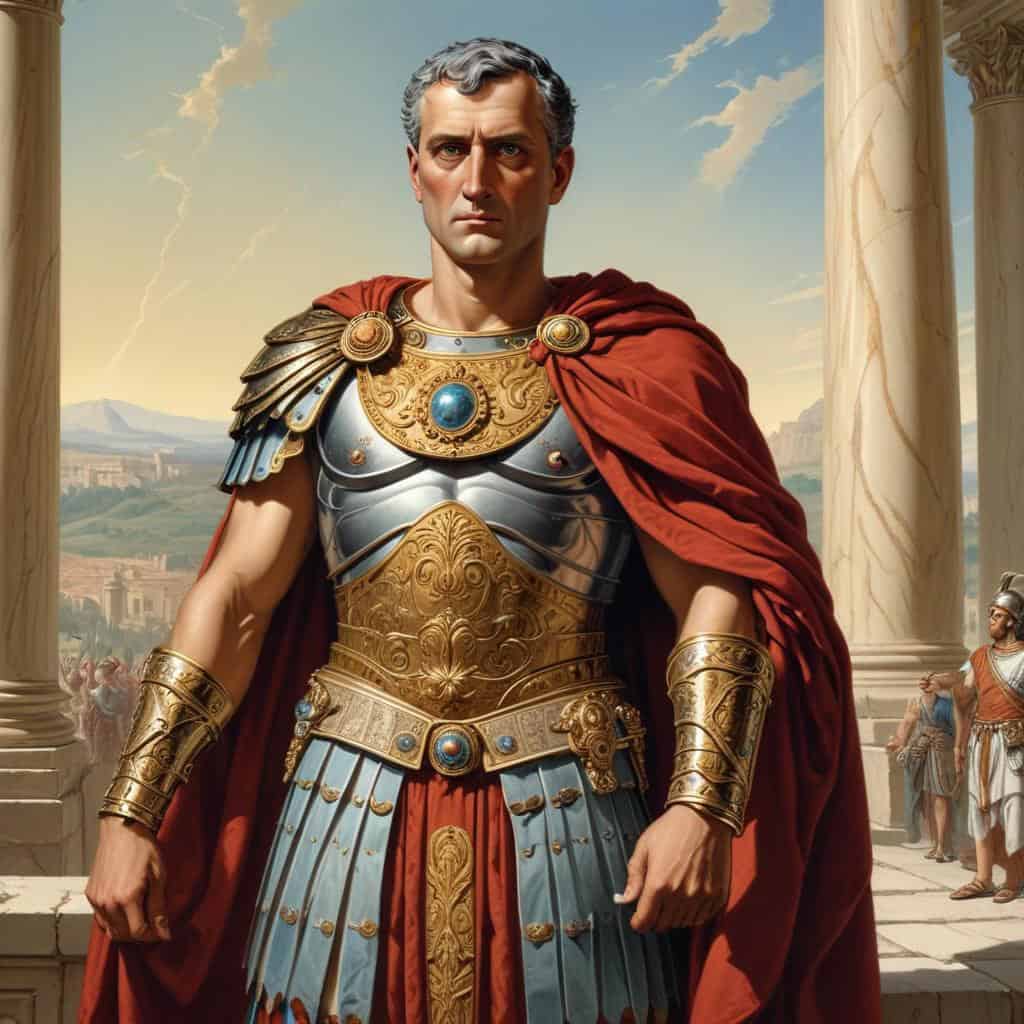
Introduction
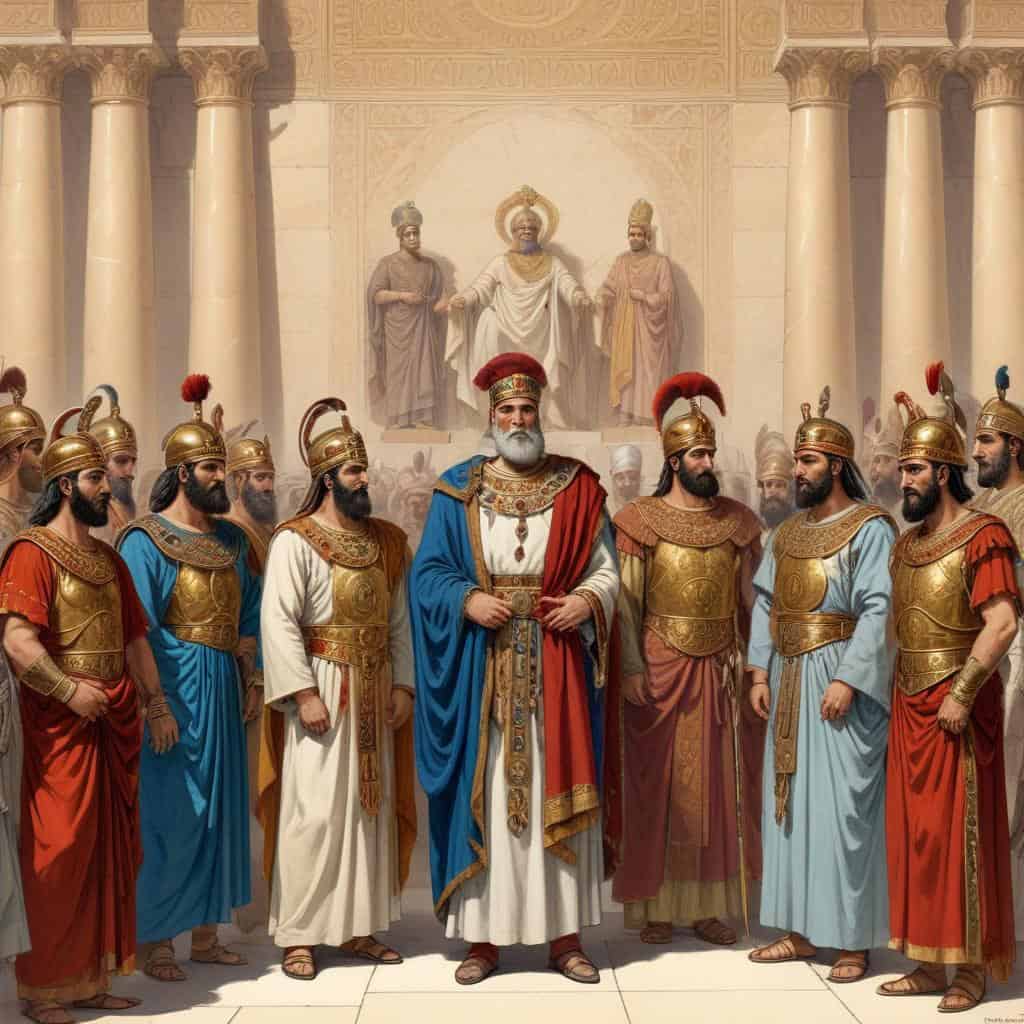
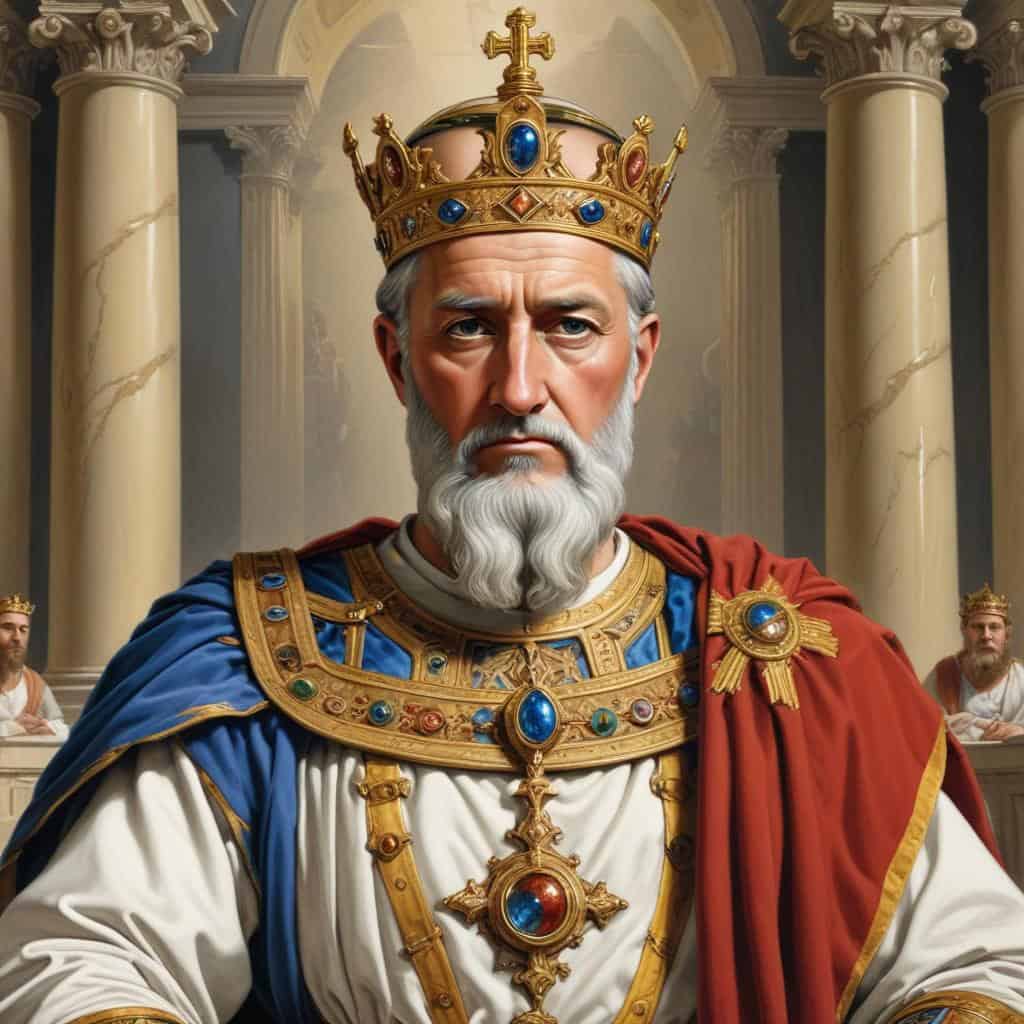
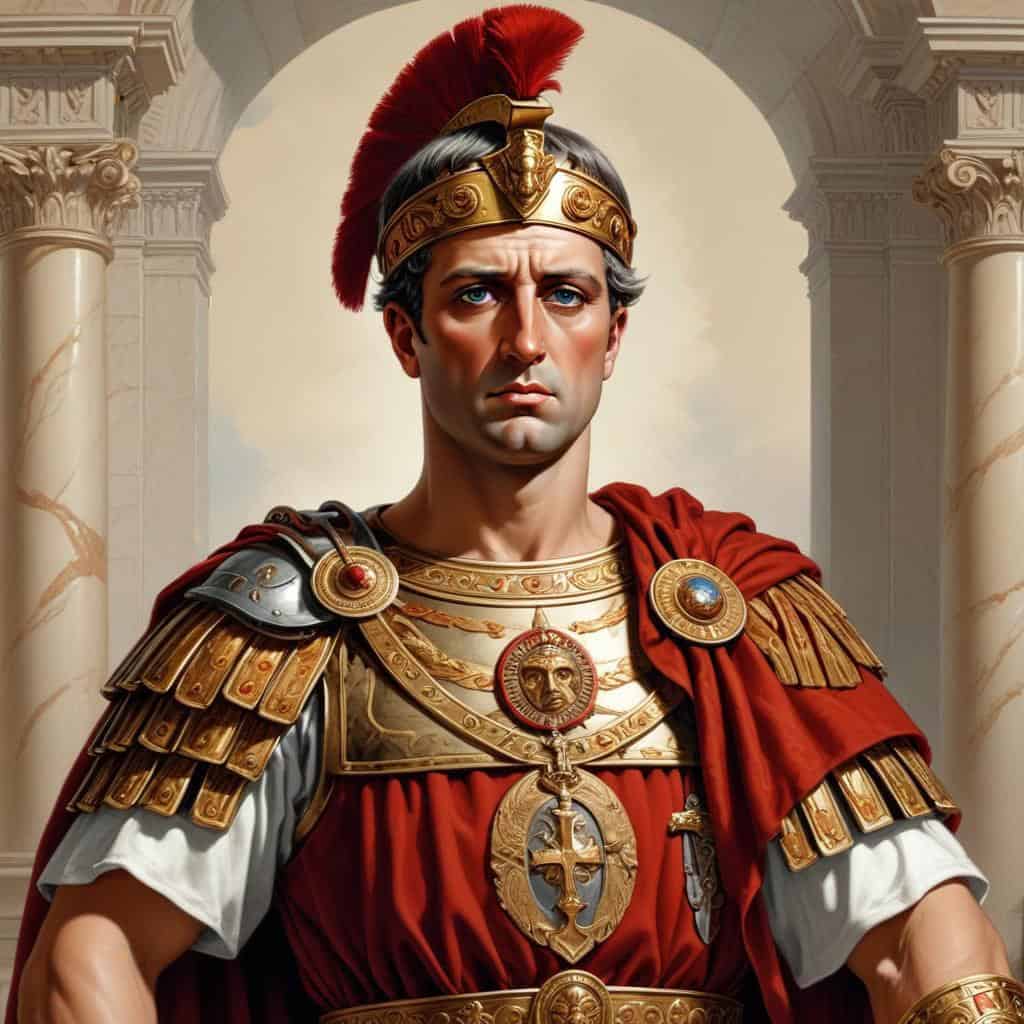
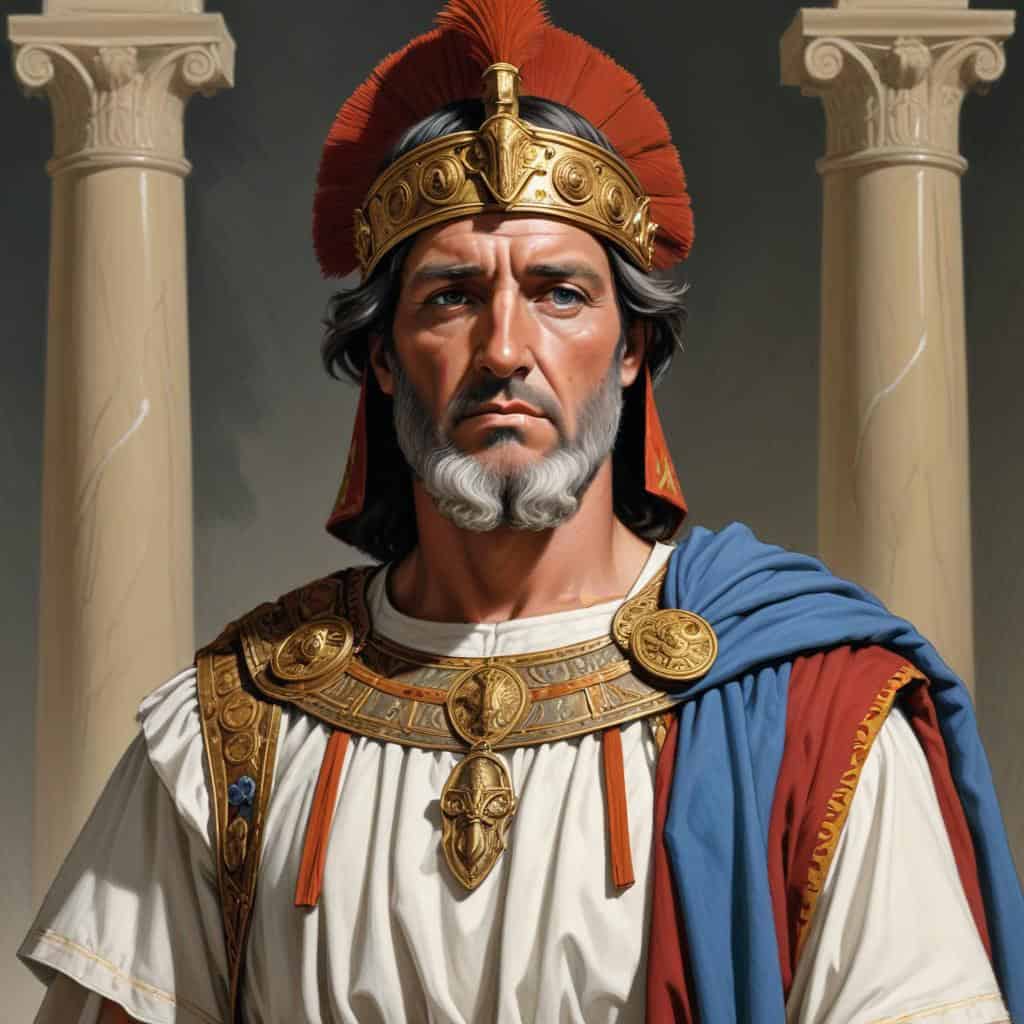
Valentinian I
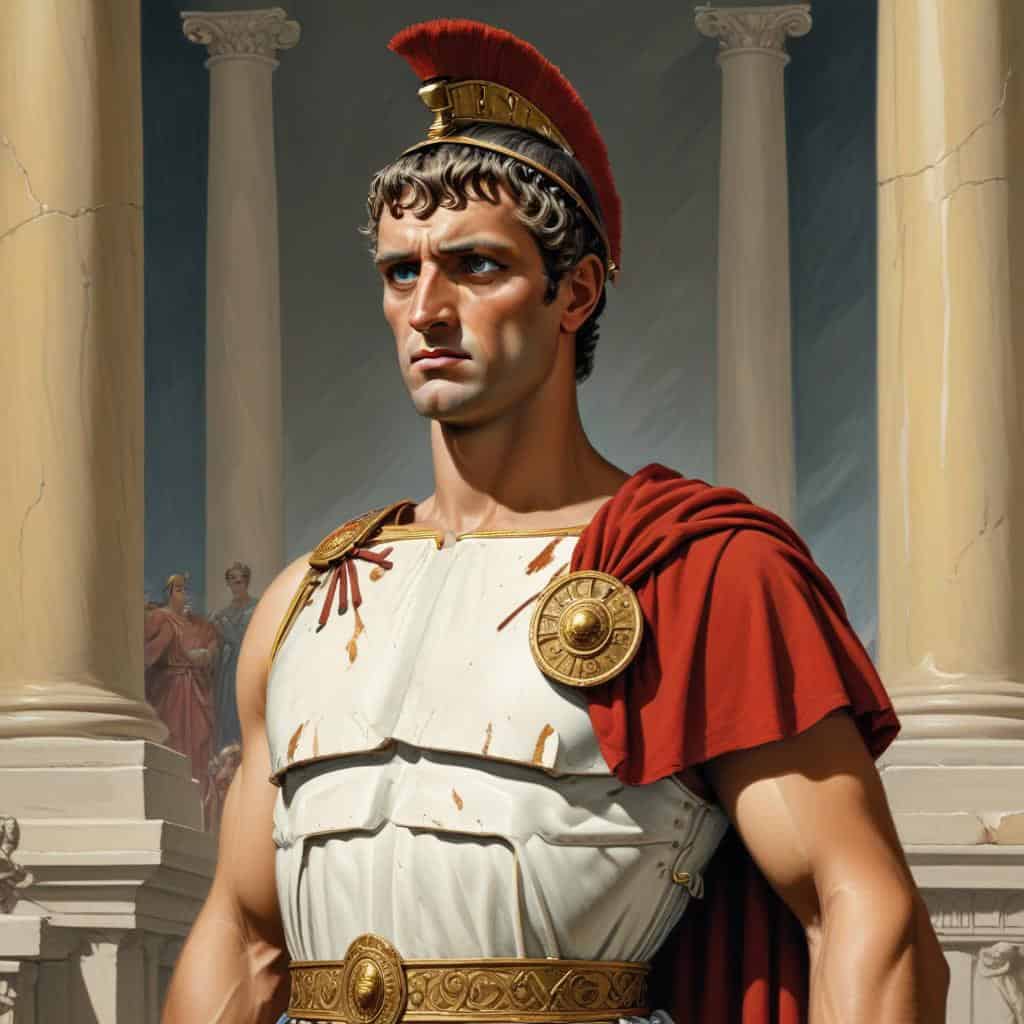
Julian the Apostate
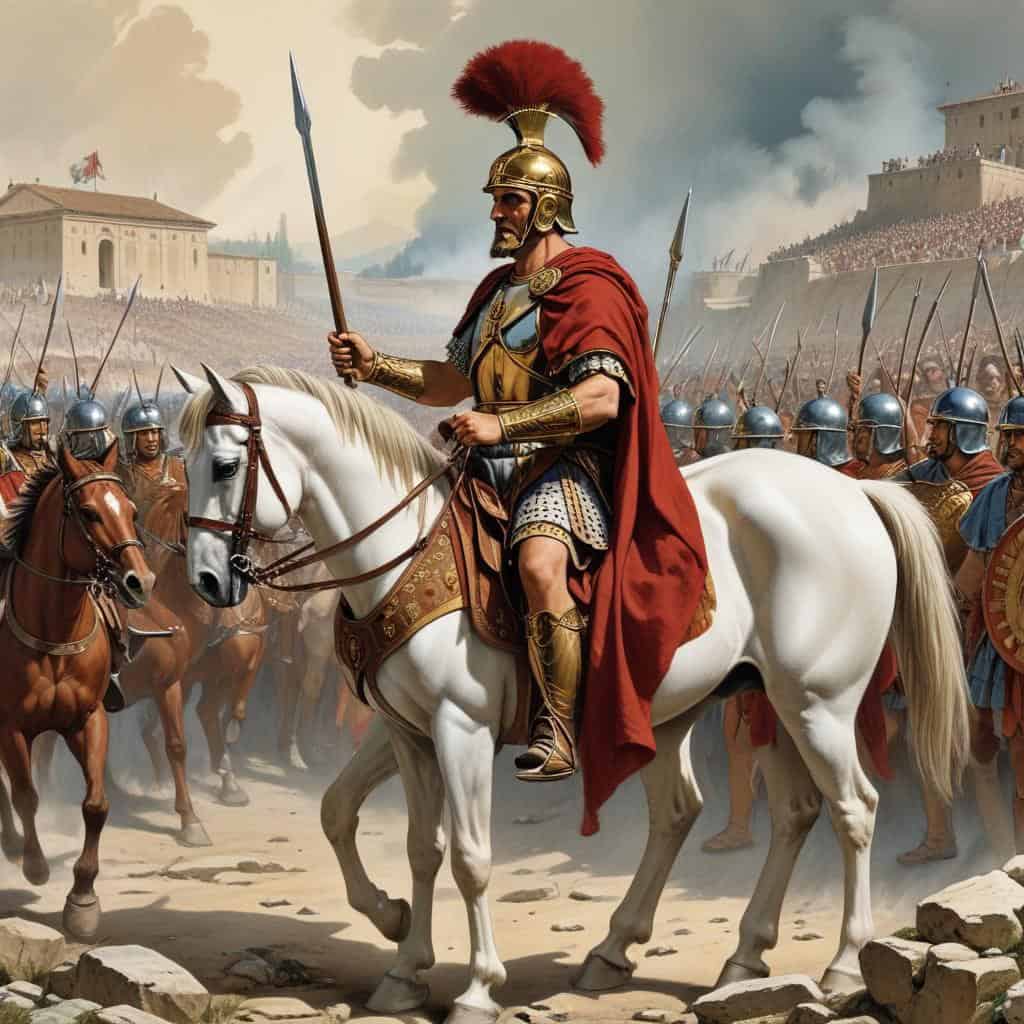
Valens
Early Life and Rise to Power
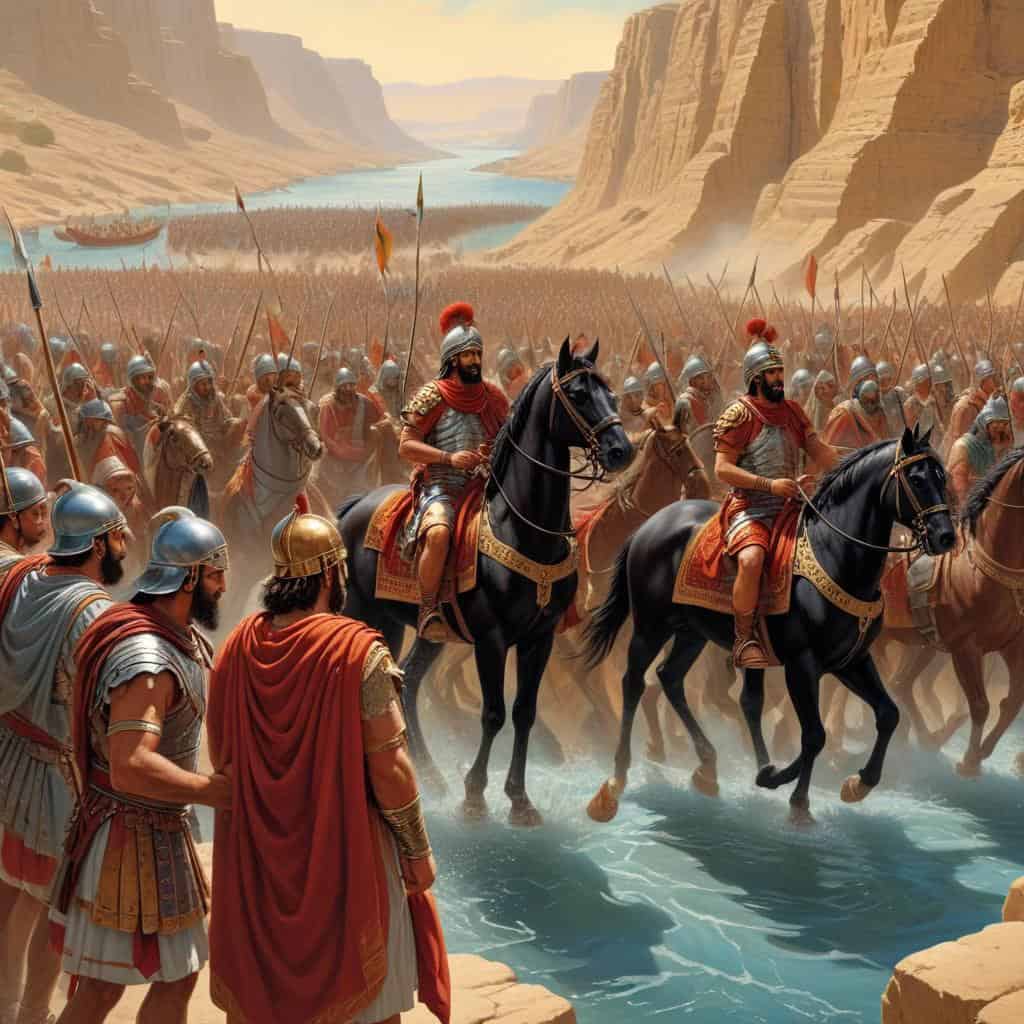
Treaty with the Persians
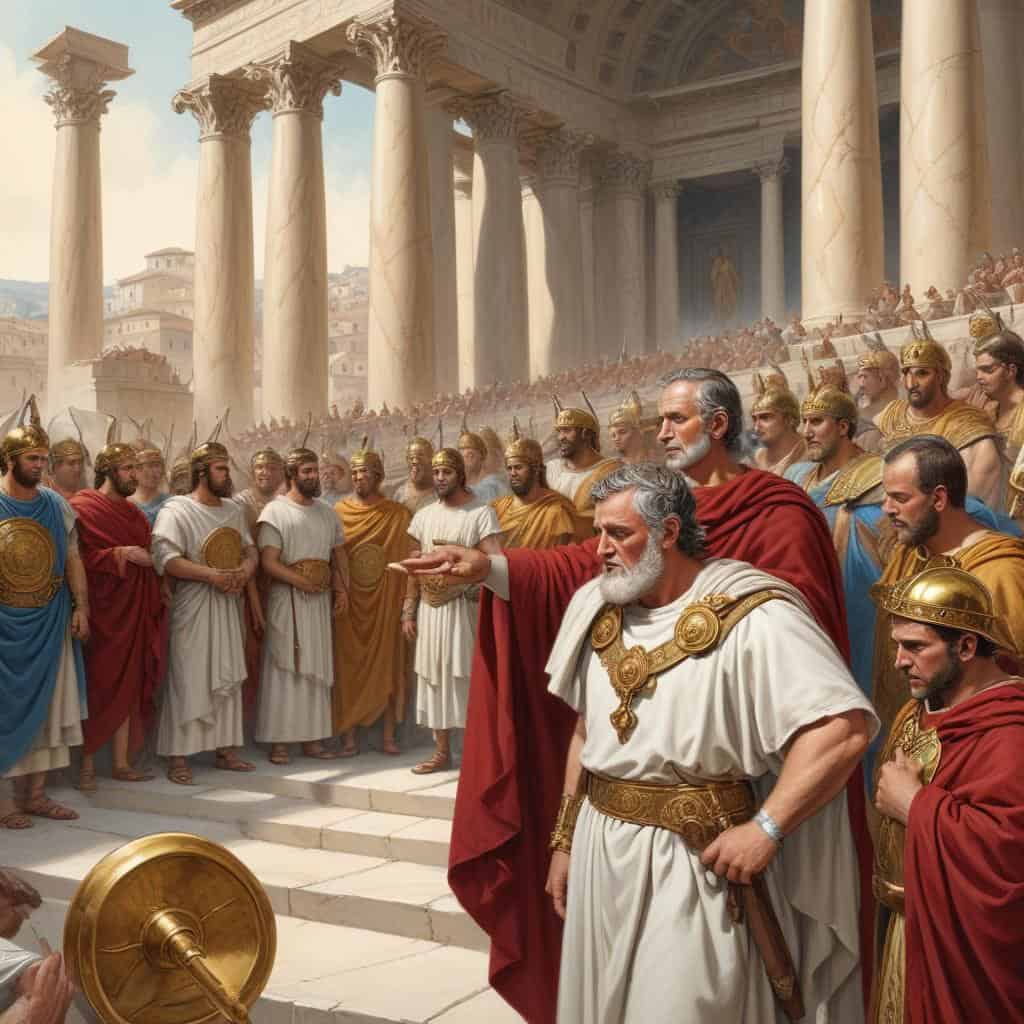
Religious Policies
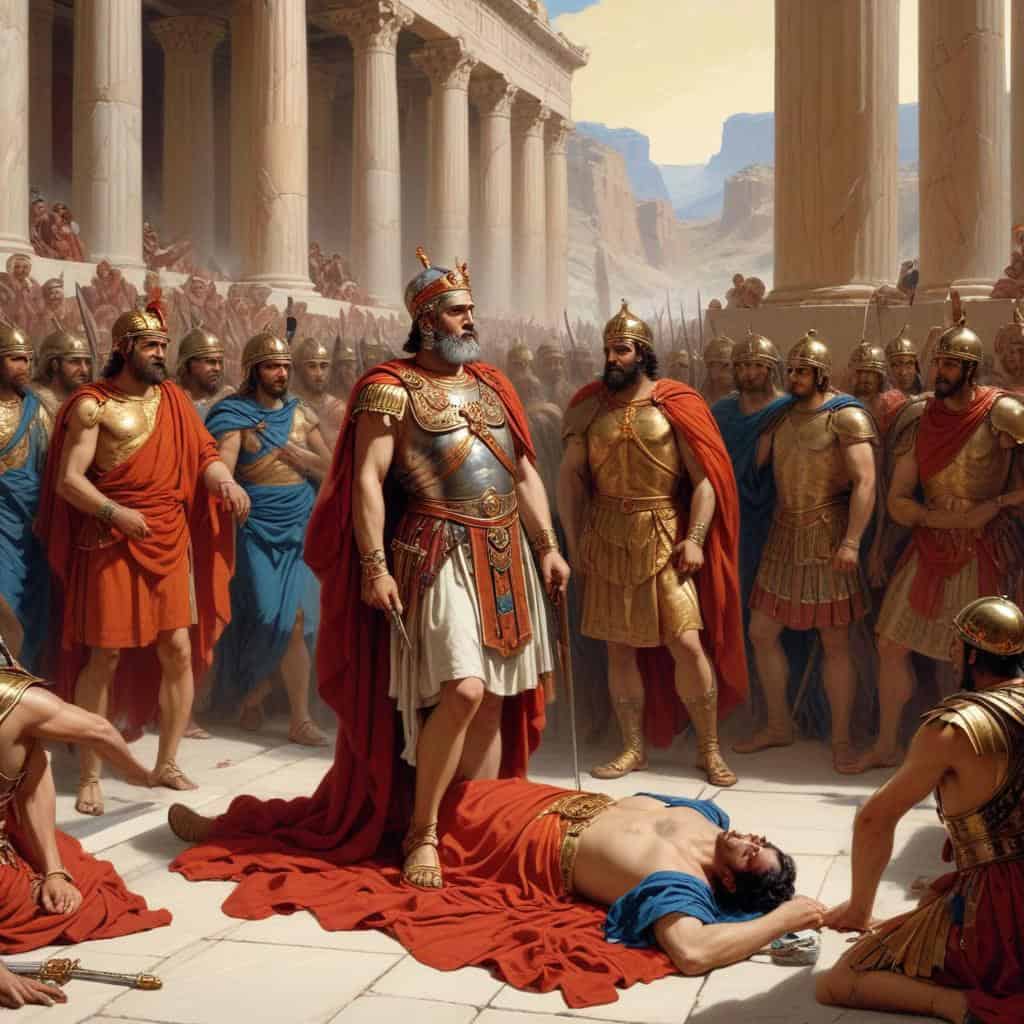
Death and Legacy
Lesson Details & Resources
In a Nutshell
- Who: Roman Emperor
- When: Lived: 331 – 364 AD
- Known For: His role in the Christianization of the Roman Empire
- Legacy: Establishment of Christianity as the state religion of the Roman Empire
Timeline of Jovian: A Roman Emperor’s Biography
Discovery of Jupiter by ancient civilizations
First recorded observations of Jupiter by Babylonian astronomers
Naming of Jupiter by the Romans after the king of the gods
Observations of Jupiter by Galileo Galilei with a telescope
Discovery of Jupiter's four largest moons (Galilean moons) by Galileo
Observations of Jupiter's Great Red Spot by Robert Hooke
Discovery of Jupiter's faint rings by Voyager 1 spacecraft
Arrival of the Galileo spacecraft at Jupiter
Confirmation of water ice on Jupiter's moon Europa by Galileo spacecraft
Discovery of liquid ocean beneath Europa's icy surface by Galileo spacecraft
Discovery of volcanic activity on Jupiter's moon Io by Galileo spacecraft
Observations of Jupiter's atmosphere by Juno spacecraft
Identification of cyclones at Jupiter's poles by Juno spacecraft
Discovery of massive cyclones at Jupiter's poles by Juno spacecraft
Detection of a new cyclone at Jupiter's south pole by Juno spacecraft
Identification of ammonia-rich hailstones in Jupiter's atmosphere by Juno spacecraft
Observations of Jupiter's magnetic field by Juno spacecraft
Detection of radio signals from Jupiter's moon Ganymede by Juno spacecraft
Identification of new auroras on Jupiter by Juno spacecraft
Continued study and exploration of Jupiter by future missions
Vocabulary List
- Jovian
- Relating to the planet Jupiter
- Gas giant
- A large planet composed mainly of gases, such as Jupiter
- Atmosphere
- The layer of gases surrounding a planet, such as the thick atmosphere of Jupiter
- Magnetosphere
- The region of space around a planet where its magnetic field is dominant, like Jupiter's extensive magnetosphere
- Storm
- A violent disturbance of the atmosphere, like the famous Great Red Spot storm on Jupiter
- Moon
- A natural satellite orbiting a planet, such as the numerous moons of Jupiter
- Ring system
- A system of rings made up of dust and debris orbiting a planet, like the faint rings of Jupiter
- Radiation
- The emission of energy as electromagnetic waves or as subatomic particles, such as the intense radiation belts surrounding Jupiter
Key Facts
This is the information used in the fact matching game
- Emperor Jovian was born in AD 331 in Singidunum, Moesia (modern-day Belgrade, Serbia).
- Jovian was proclaimed Emperor by the Roman army on July 363 after the death of Julian the Apostate.
- He was the last Emperor of the Constantinian dynasty.
- Jovian's reign lasted only eight months, from July 363 to February 364.
- During his short reign, Jovian restored Christianity as the official religion of the Roman Empire.
- He signed a peace treaty with the Sassanid Empire, ending the Roman-Persian War that had been ongoing since 337.
- Jovian died unexpectedly in his tent while on campaign in Anatolia, possibly due to carbon monoxide poisoning from a charcoal fire.
- He was succeeded by Emperor Valentinian I, who was chosen by the army.
- Jovian was the first Christian Emperor to succeed a non-Christian Emperor.
- He was known for his mild and conciliatory nature, in contrast to the more aggressive Julian the Apostate.
- Jovian was married to Charito, with whom he had at least two children.
- He is sometimes referred to as Jovianus.
- Jovian was of Illyrian descent, which was seen as a break from the tradition of Roman Emperors being from prominent Roman families.
- He was known for his generosity towards his soldiers and officials.
- Jovian was a skilled military commander, having served in the Roman army for many years before becoming Emperor.
- He was the first Emperor to be born in the province of Moesia.
- Jovian was known for his love of hunting and the outdoors.
- He was crowned Emperor in Nicaea, the city where the First Council of Nicaea had taken place in AD 325.
- Jovian is considered a relatively minor Emperor in Roman history due to the brevity of his reign.
- His sudden death led to speculation and conspiracy theories about foul play, but the cause is generally believed to be accidental.
Analysis & Significance
Major Accomplishments
Jovian, a renowned Memory Wizard, is best known for developing the groundbreaking technique of memory mapping, which revolutionized the way people store and retrieve memories. His precise and intricate maps have provided invaluable insights into the workings of the human mind, earning him widespread recognition in the field of memory studies.
Impact on the World
Jovian’s innovative memory mapping technique has had a profound impact on various fields, from education to psychology. By shedding light on the complexities of memory storage and retrieval, he has paved the way for new advancements in cognitive science and has inspired countless researchers and practitioners to explore the depths of human memory.
Enduring Legacy
Today, Jovian is remembered as a pioneer in the study of memory and cognition. His contributions continue to shape the way we understand and interact with our memories, leaving a lasting legacy that influences not only scientific research but also everyday practices in fields such as education and mental health. Jovian remains a significant historical figure whose work has stood the test of time.
Jovian: A Roman Emperor’s Biography Games


Take Your Learning Offline
Want a convenient, print-ready study guide for this lesson? Become a Memory Wizards Pro member to unlock the downloadable " Memory Scrolls" for this topic and our entire library!
- ✓ Complete Vocabulary Lists
- ✓ Key Facts & Timelines
- ✓ Beautifully Formatted for Print & Mobile