
Honorius: The Life and Reign of the Roman Emperor
Honorius: The Roman Emperor who presided over the fall of the Western Empire.
How Do You Learn Best?
Learn by Reading
Immerse yourself in the 10-minute visual lesson for a comprehensive understanding of the topic.
Learn by Reviewing
Jump directly to the key facts, timeline, and vocabulary lists to build a solid foundation of details.
Learn by Doing
Challenge yourself! Jump straight into the interactive games to learn by trial, error, and discovery.
Honorius: The Life and Reign of the Roman Emperor in 10 Minutes
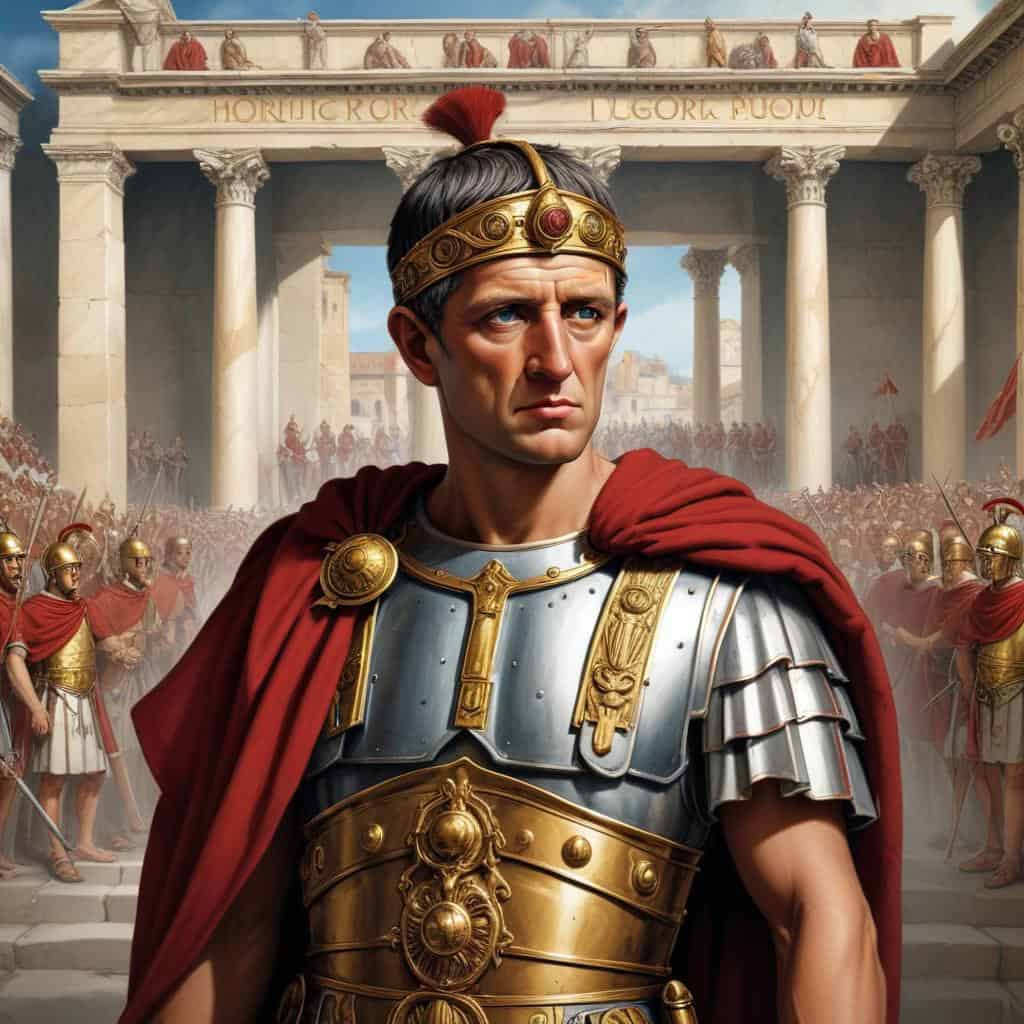
Introduction
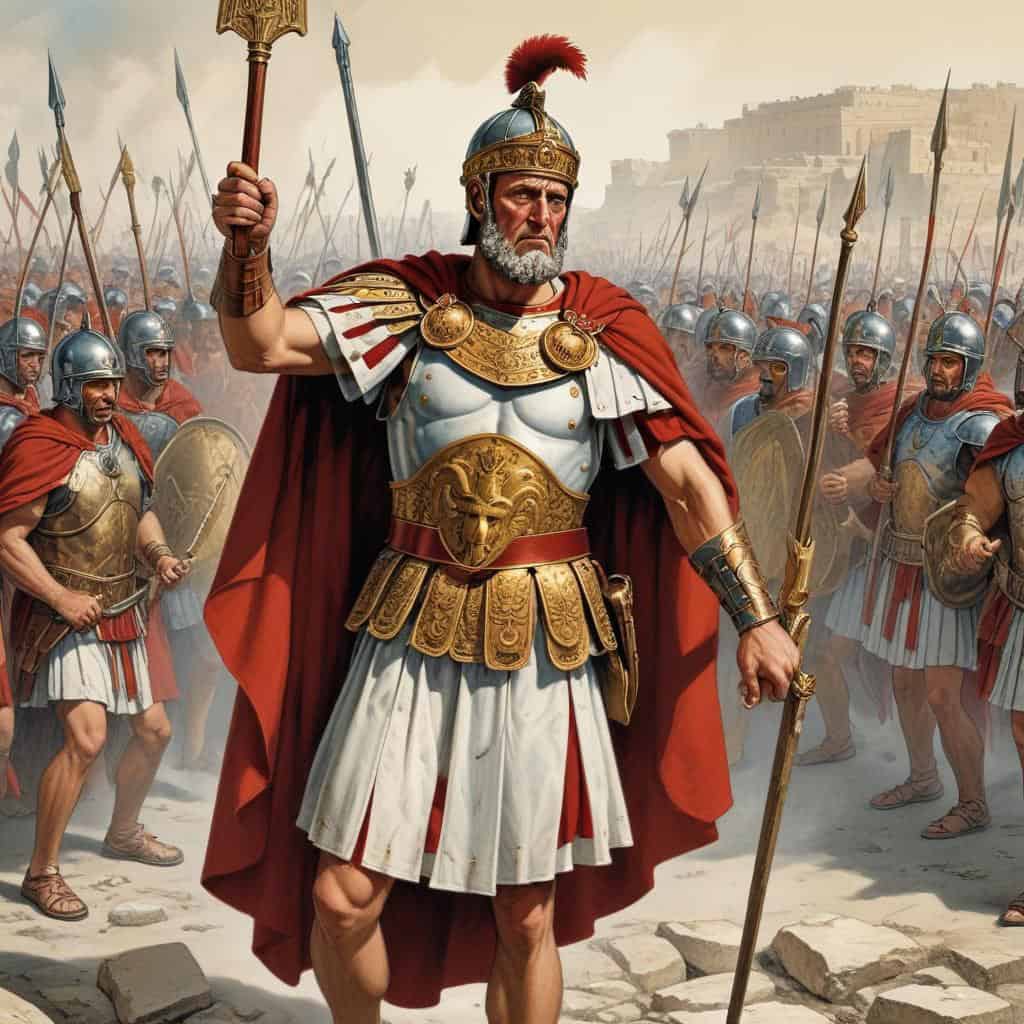
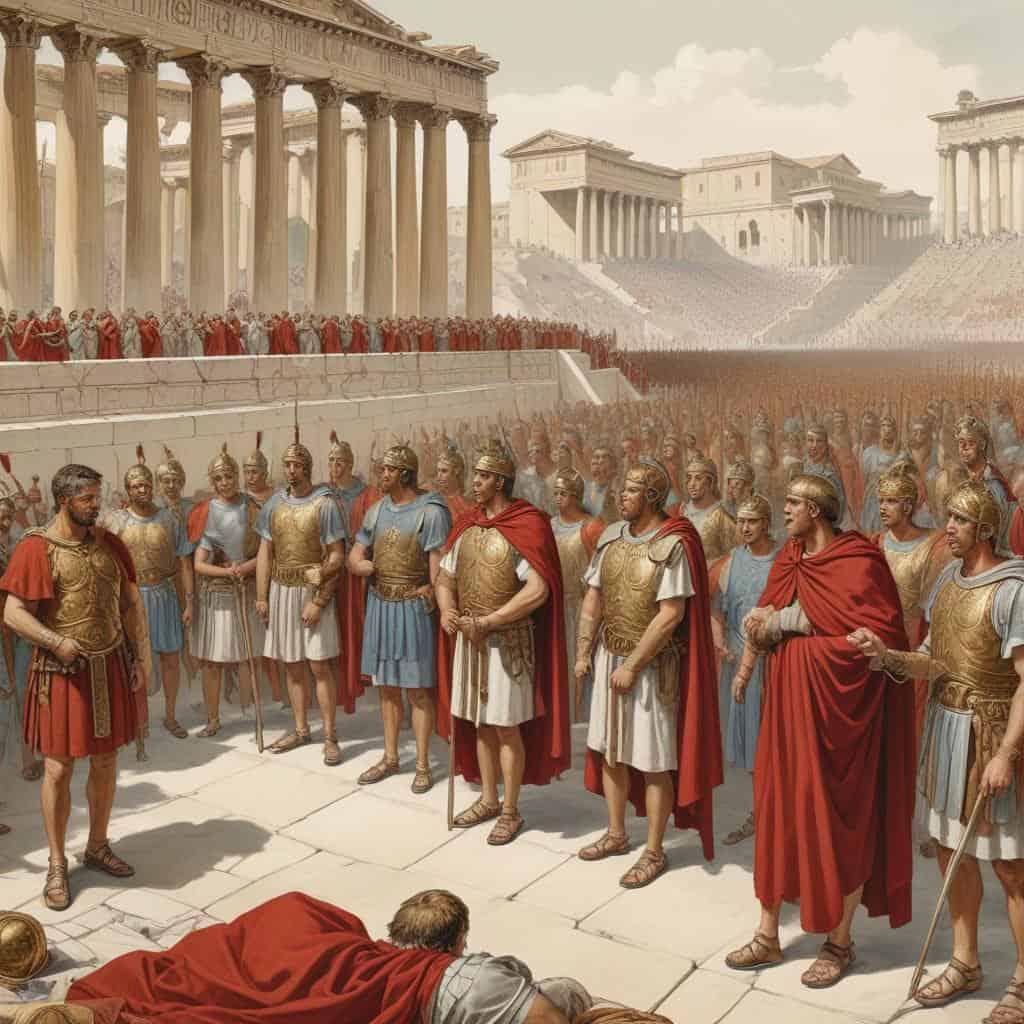
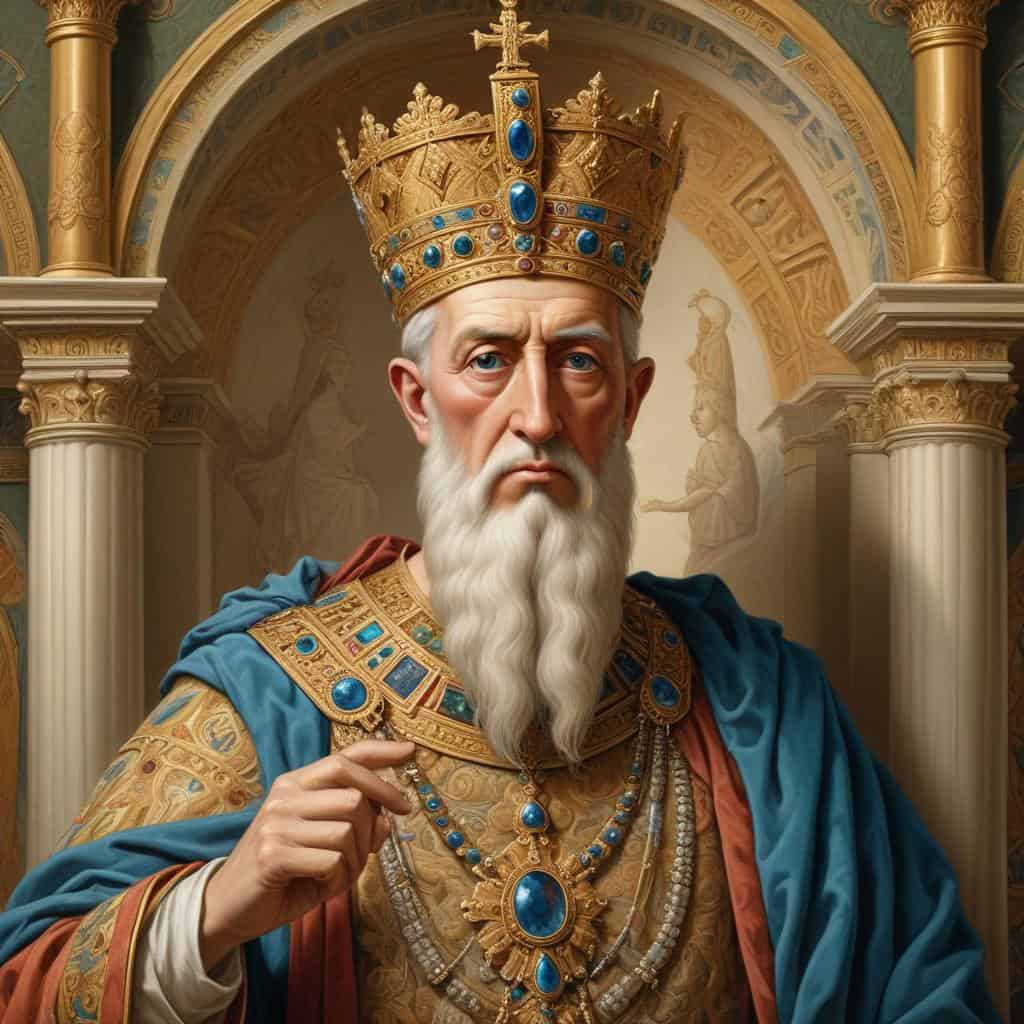
Emperor Theodosius I
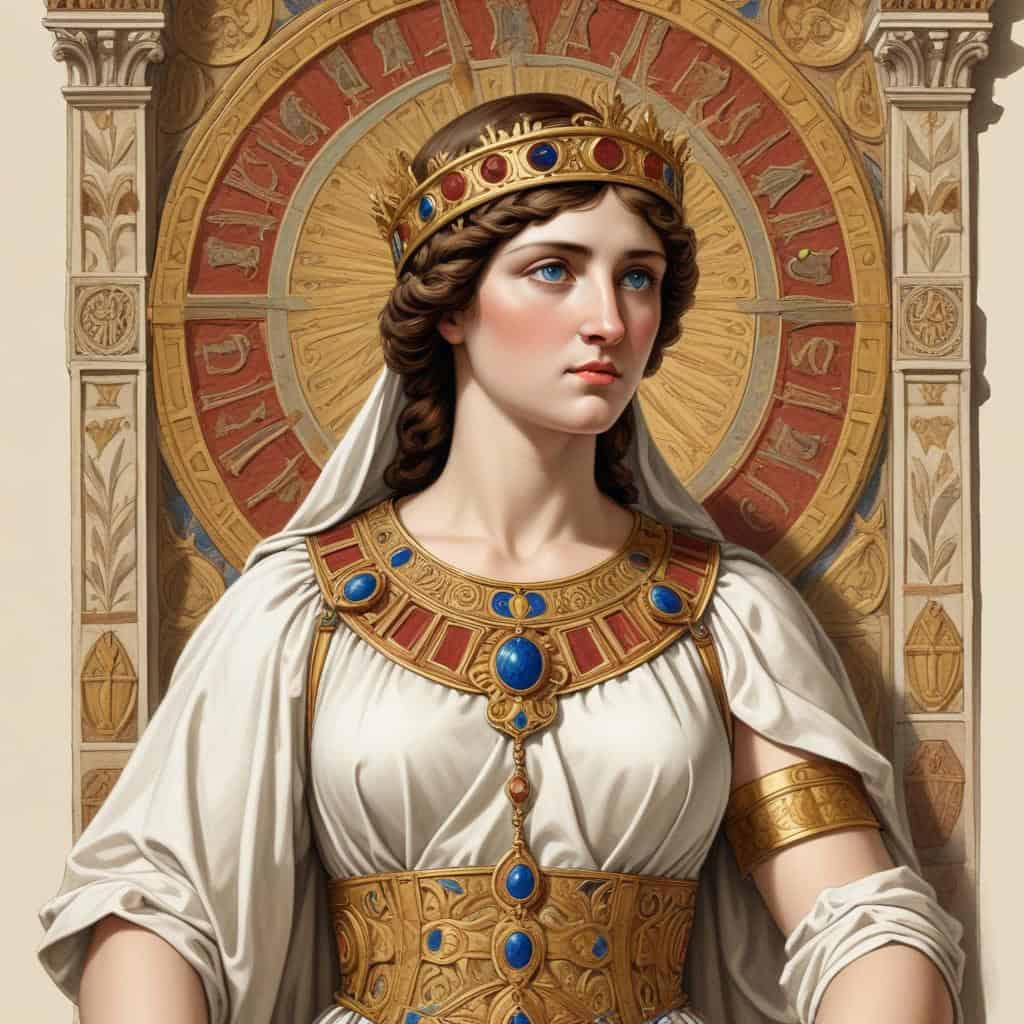
Galla Placidia
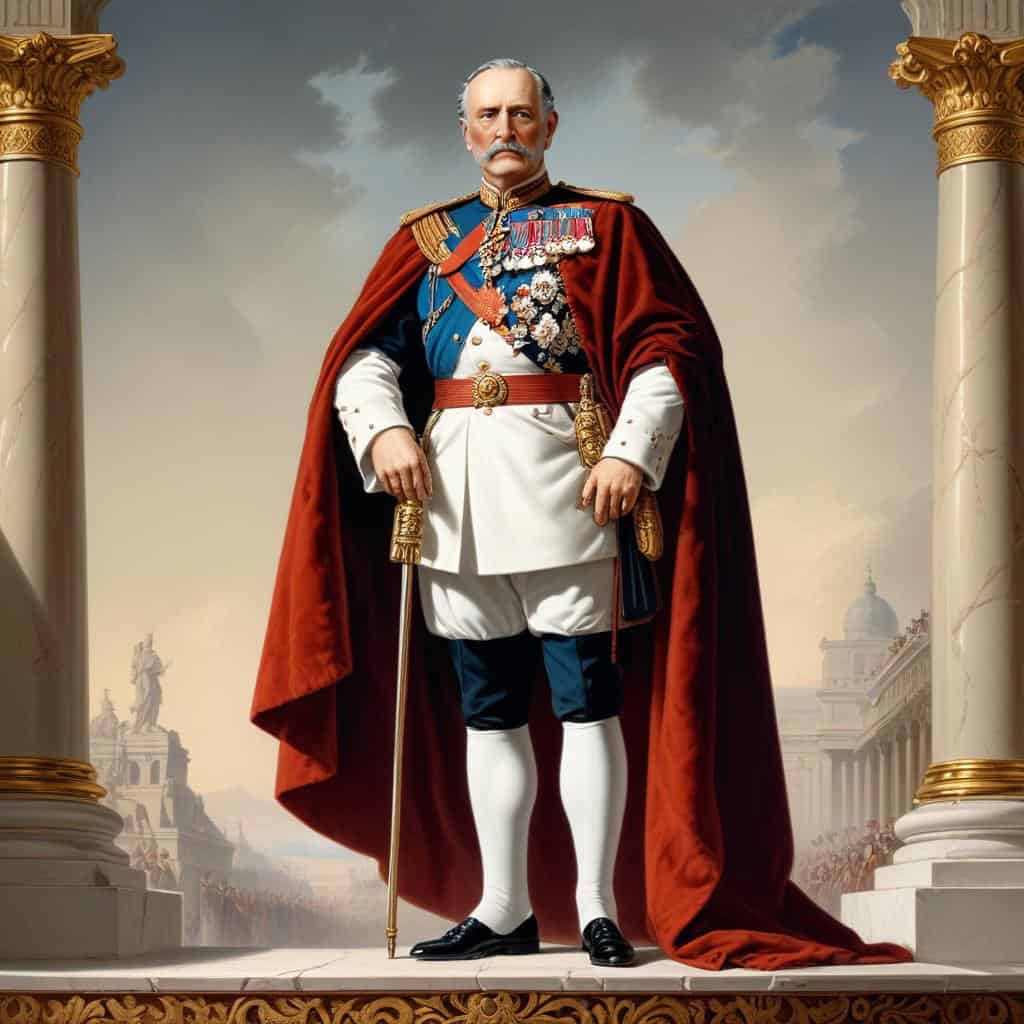
Stilicho
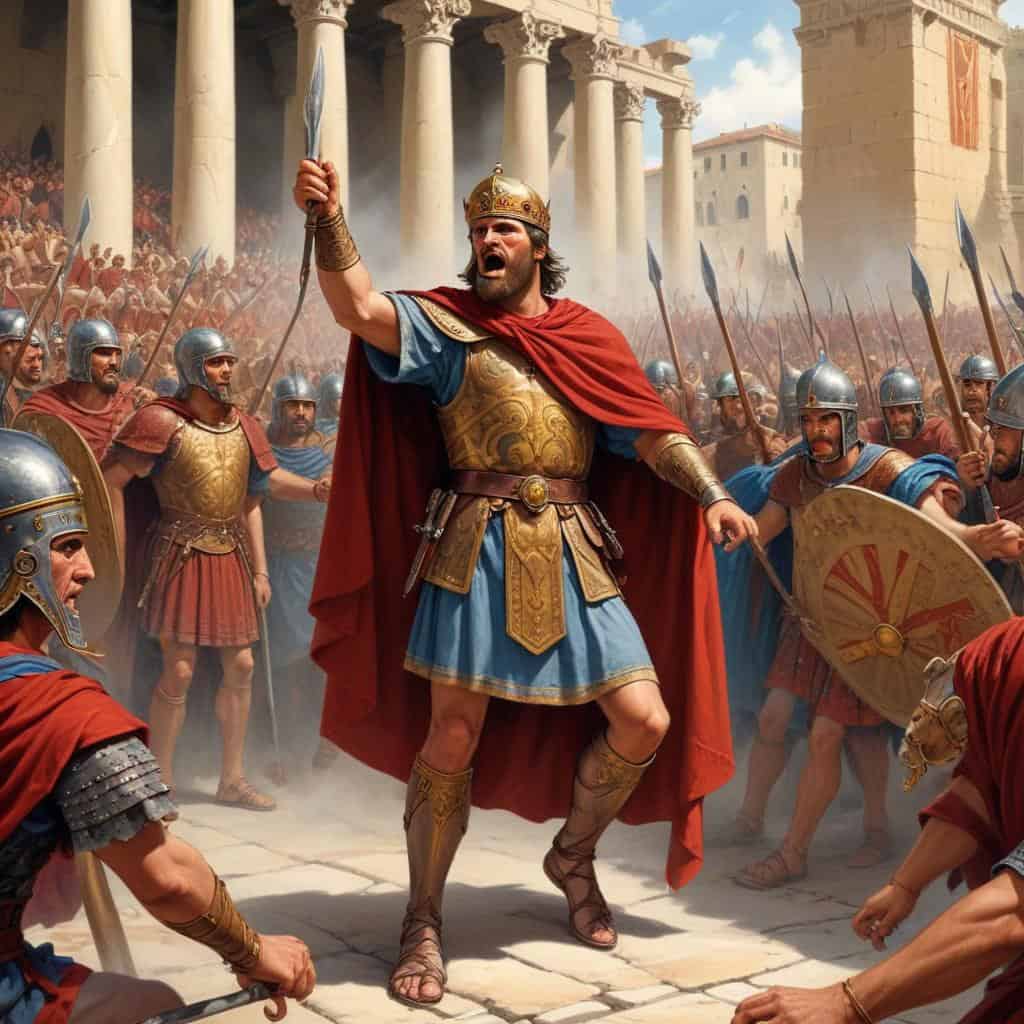
Alaric I
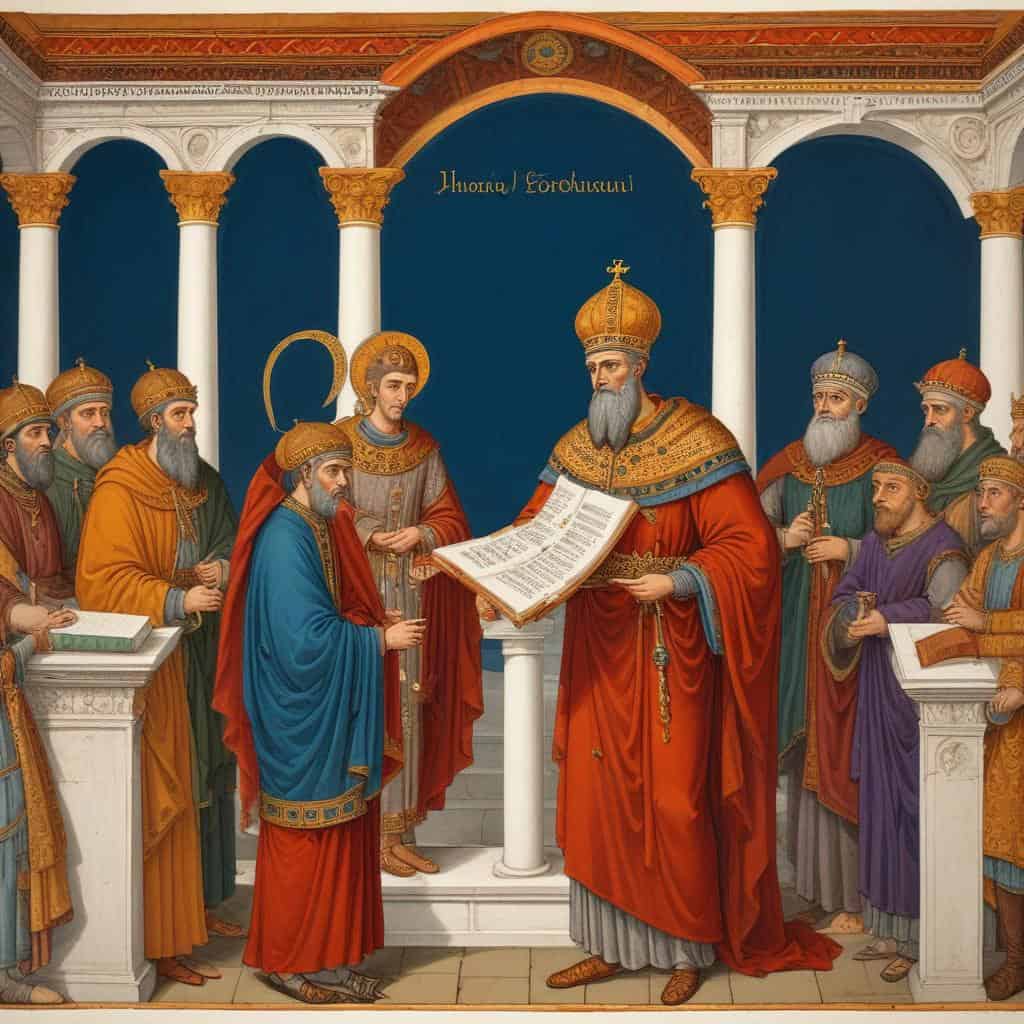
Early Life
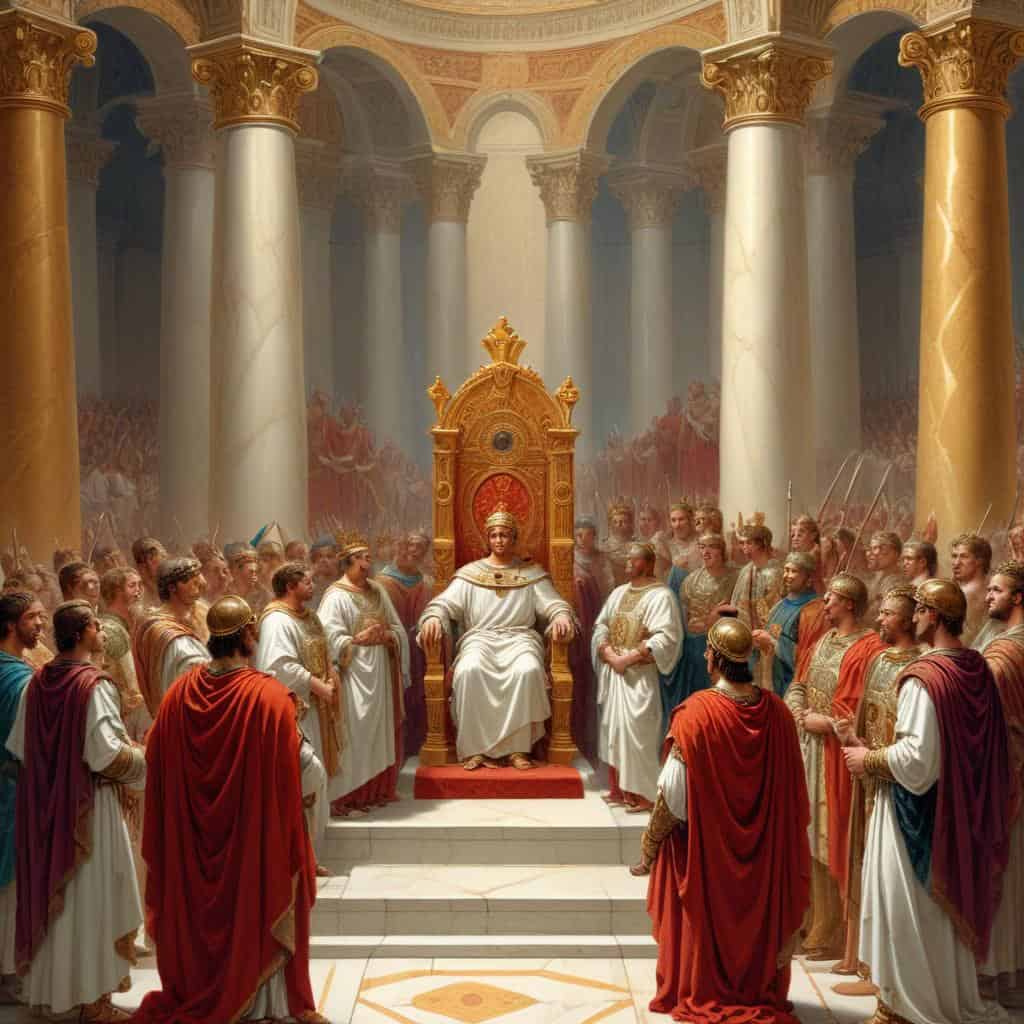
Ascension to the Throne
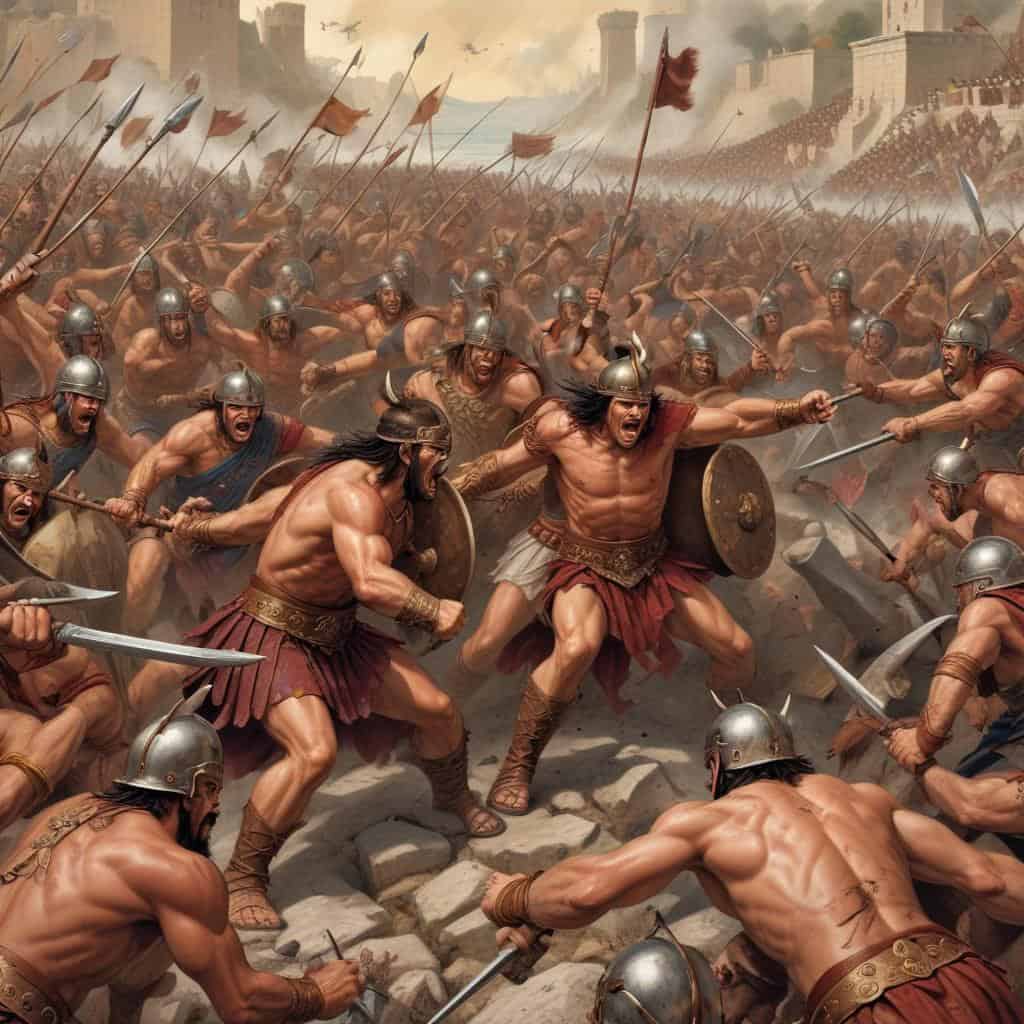
Barbarian Invasions
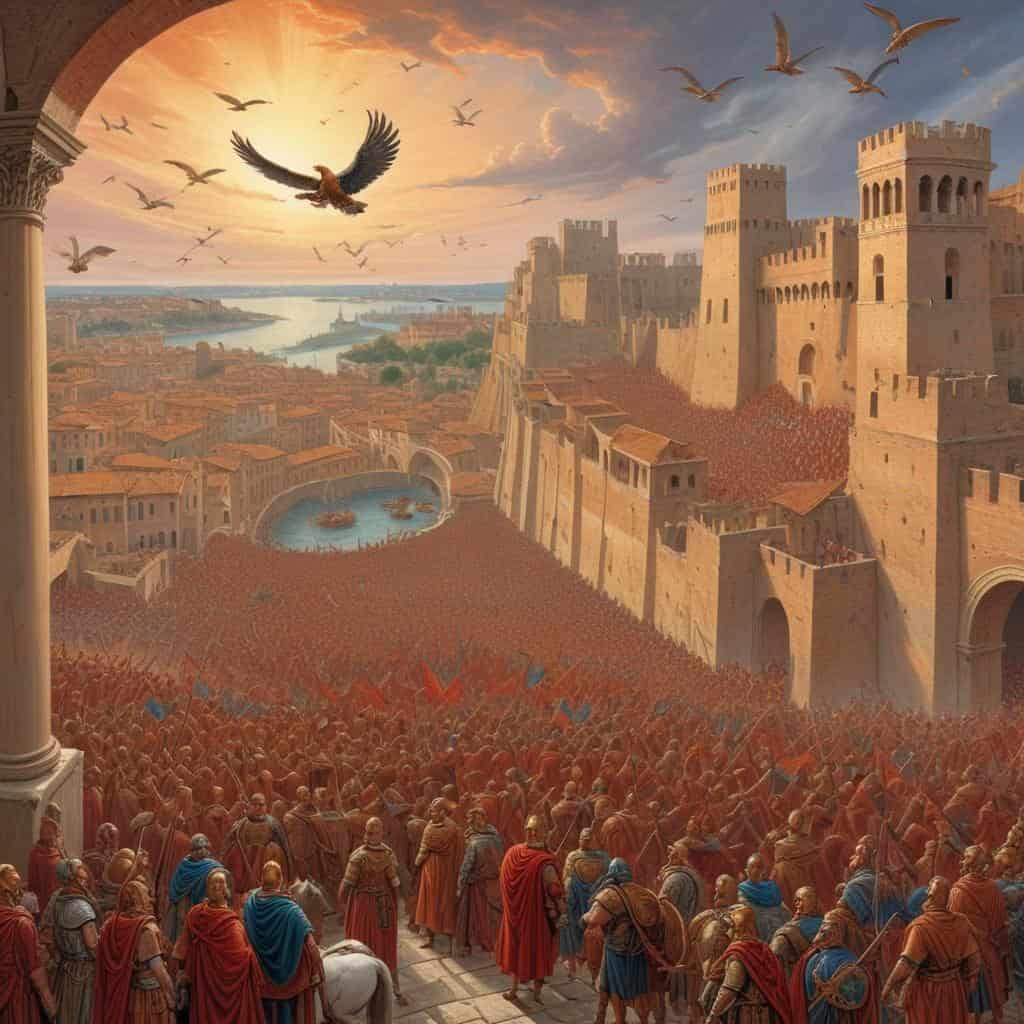
Flight to Ravenna
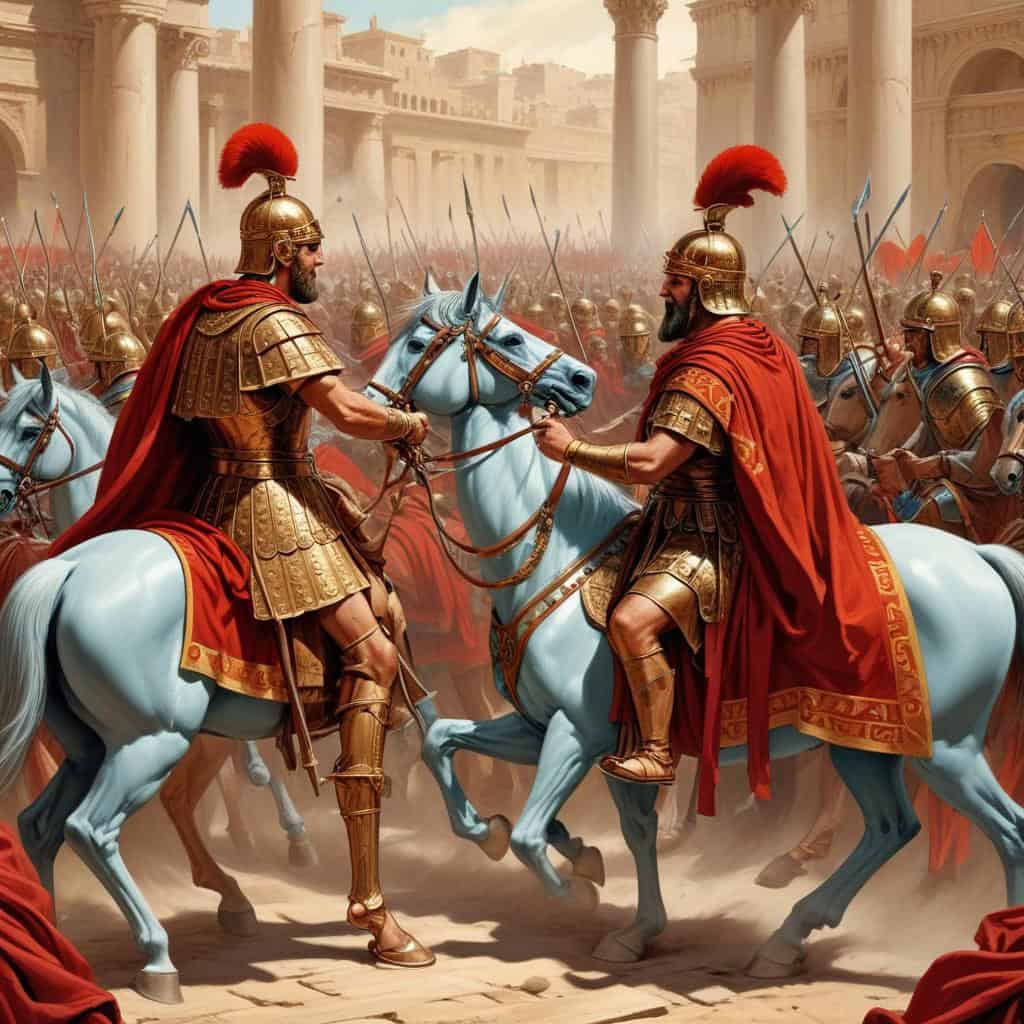
Collaboration with Stilicho
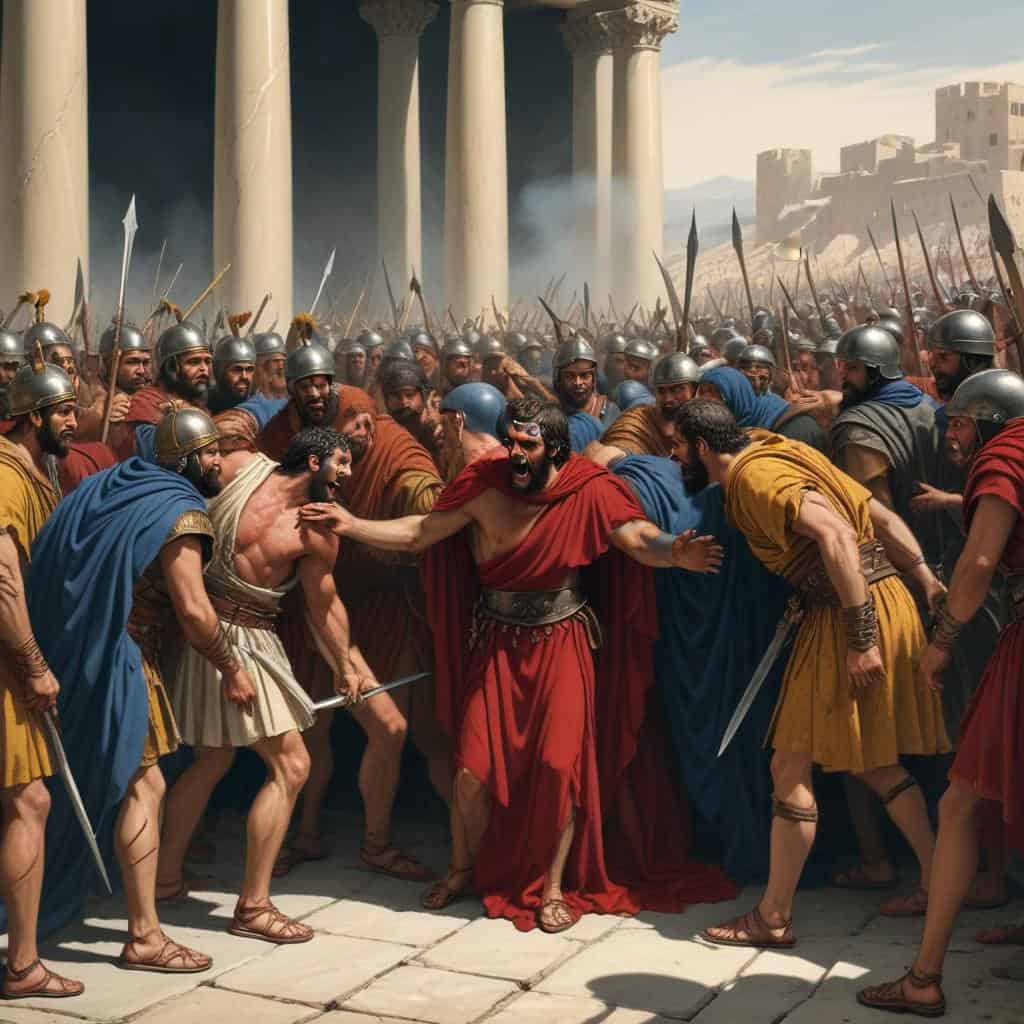
Death of Stilicho
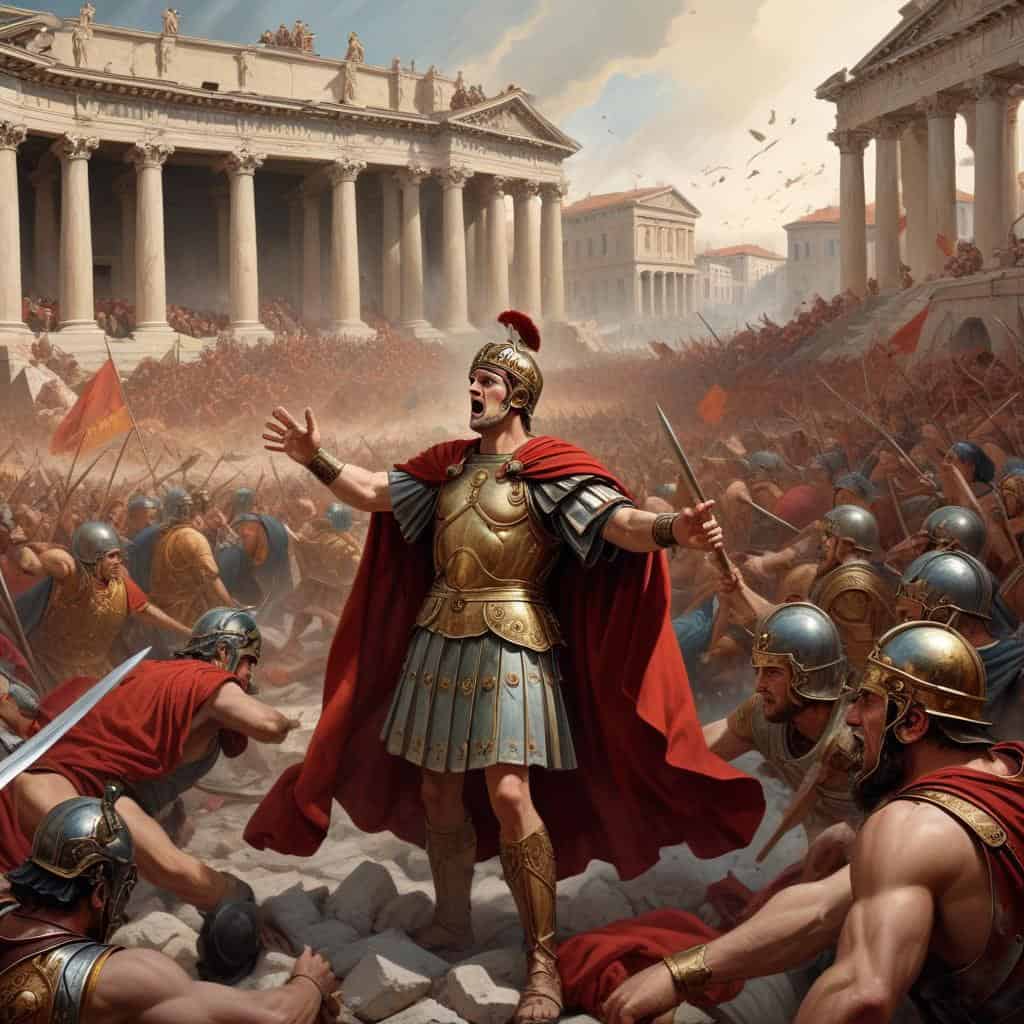
Decline of the Western Roman Empire
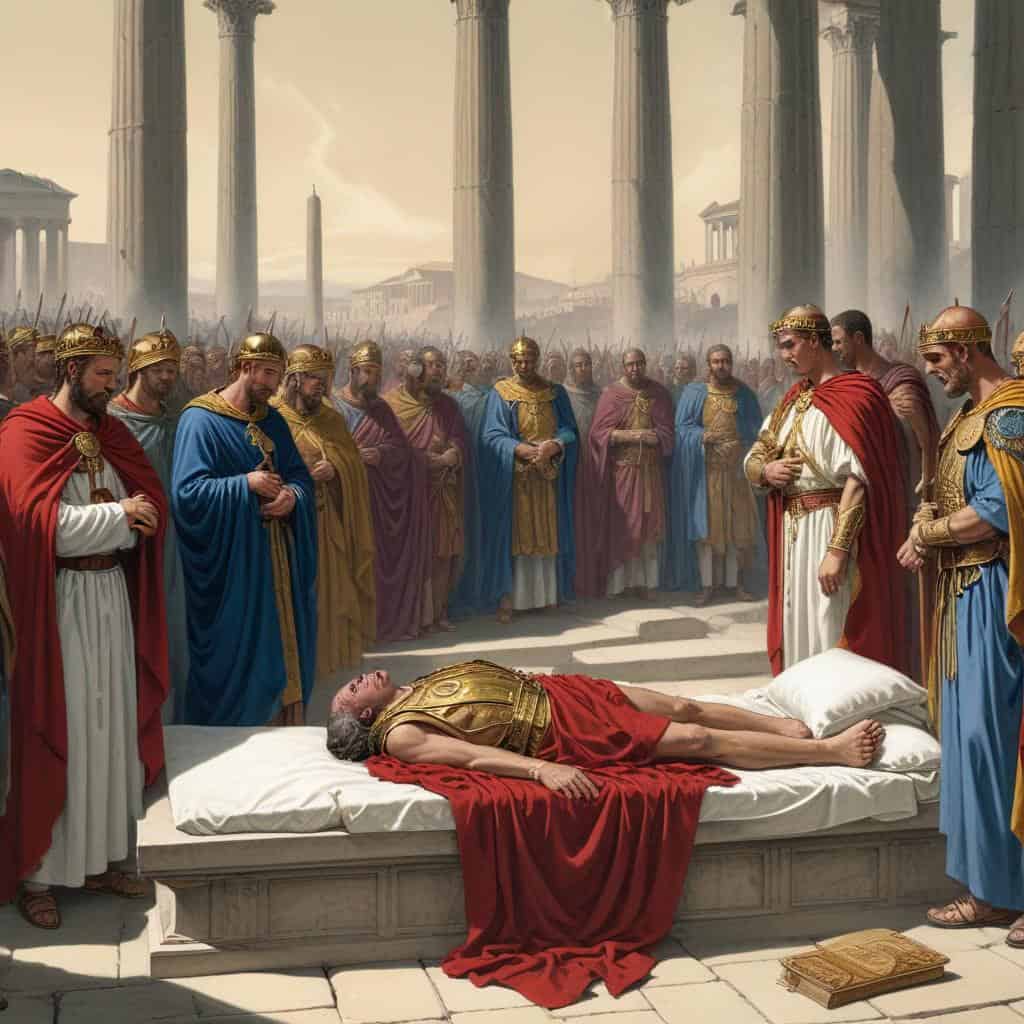
Death and Legacy
Lesson Details & Resources
In a Nutshell
- Who: Roman Emperor
- When: Lived: 384 – 423
- Known For: Being the Western Roman Emperor from 395 to 423
- Legacy: Known for his military campaigns against various barbarian tribes and for promoting Christianity in the Roman Empire
Timeline of Honorius: The Life and Reign of the Roman Emperor
Honorius becomes co-emperor of the Roman Empire with his brother Arcadius
Honorius moves the capital of the Western Roman Empire from Milan to Ravenna
The Visigoths, led by Alaric, sack Rome
Honorius grants lands in southern Gaul to the Visigoths, creating the Visigothic Kingdom
Honorius marries Maria, his second wife
The Suebi, Vandals, and Alans invade Gaul and establish their own kingdoms
Honorius dies and is succeeded by his son, Valentinian III
Honorius appoints Flavius Stilicho as his guardian and regent
Honorius issues a decree banning the practice of paganism in the Roman Empire
The Roman general Constantius III defeats the usurper Constantine III and is proclaimed co-emperor with Honorius
Honorius sends reinforcements to defend Britain against Pictish and Saxon raids
The Huns, led by Attila, invade the Western Roman Empire
Honorius declares Stilicho a public enemy and has him executed
Honorius issues a decree granting rights and privileges to the Christian clergy
The Roman general Aetius defeats the Visigoths at the Battle of the Catalaunian Plains
Honorius appoints Galla Placidia as regent for his son Valentinian III
The Vandals, led by Genseric, conquer North Africa and establish the Vandal Kingdom
Honorius grants the title of patrician to various Roman nobles
The Roman general Flavius Aetius defeats the Huns at the Battle of the Catalaunian Plains
Honorius dies of natural causes
Vocabulary List
- Emperor
- Honorius was the Roman Emperor from 395 to 423.
- Barbarian
- Honorius faced multiple invasions by barbarian tribes during his reign.
- Decline
- The Western Roman Empire experienced a decline in power and influence under Honorius.
- Rome
- Honorius ruled from the city of Rome.
- Legacy
- Honorius is often remembered for his ineffective leadership during a tumultuous period in Roman history.
Key Facts
This is the information used in the fact matching game
- Honorius was a Roman Emperor who reigned from 393 to 423 AD.
- He was the son of Theodosius I and Aelia Flaccilla.
- Honorius was born in 384 AD in Constantinople.
- He became Emperor at the age of 10 after the death of his father.
- Honorius was the younger brother of Arcadius, who ruled the Eastern Roman Empire.
- During his reign, the Western Roman Empire faced numerous invasions and internal conflicts.
- Honorius moved the capital of the Western Roman Empire from Milan to Ravenna.
- He appointed Stilicho, a Vandal, as his guardian and commander-in-chief.
- Honorius issued a decree banning pagan rituals and sacrifices in the Roman Empire.
- He struggled to maintain control over the provinces in Gaul and Spain.
- Honorius was known for his weak leadership and reliance on advisors.
- He married twice but had no children from either marriage.
- Honorius died in Ravenna in 423 AD at the age of 38.
- He was succeeded by his nephew Valentinian III.
- Honorius is often remembered as a weak and ineffective ruler.
- His reign marked the beginning of the decline of the Western Roman Empire.
- Honorius faced threats from barbarian tribes such as the Visigoths, Vandals, and Alans.
- He struggled to maintain control over North Africa and Italy.
- Honorius was the last Roman Emperor to rule from the city of Ravenna.
- His reign was marked by political instability and economic decline.
Analysis & Significance
Major Accomplishments
Honorius was known for his groundbreaking research in the field of memory manipulation, developing techniques that allowed individuals to enhance their cognitive abilities and retain information more effectively.
Impact on the World
His work revolutionized education and training, leading to advancements in learning methods and memory enhancement that were adopted worldwide. Honorius’ contributions also had a significant impact on fields such as psychology, neuroscience, and artificial intelligence.
Enduring Legacy
Today, Honorius is remembered as a pioneer in the study of memory and cognition, with his techniques and principles still influencing research and practice in memory enhancement. His legacy continues to inspire scientists, educators, and individuals seeking to improve their memory skills, solidifying his place as a key figure in the history of memory wizards.
Honorius: The Life and Reign of the Roman Emperor Games


Take Your Learning Offline
Want a convenient, print-ready study guide for this lesson? Become a Memory Wizards Pro member to unlock the downloadable " Memory Scrolls" for this topic and our entire library!
- ✓ Complete Vocabulary Lists
- ✓ Key Facts & Timelines
- ✓ Beautifully Formatted for Print & Mobile