
Hadrian: A Biography
Architect of Rome's grandeur, Hadrian shaped an empire with vision and strength.
How Do You Learn Best?
Learn by Reading
Immerse yourself in the 10-minute visual lesson for a comprehensive understanding of the topic.
Learn by Reviewing
Jump directly to the key facts, timeline, and vocabulary lists to build a solid foundation of details.
Learn by Doing
Challenge yourself! Jump straight into the interactive games to learn by trial, error, and discovery.
Hadrian: A Biography in 10 Minutes
Introduction
Plotina
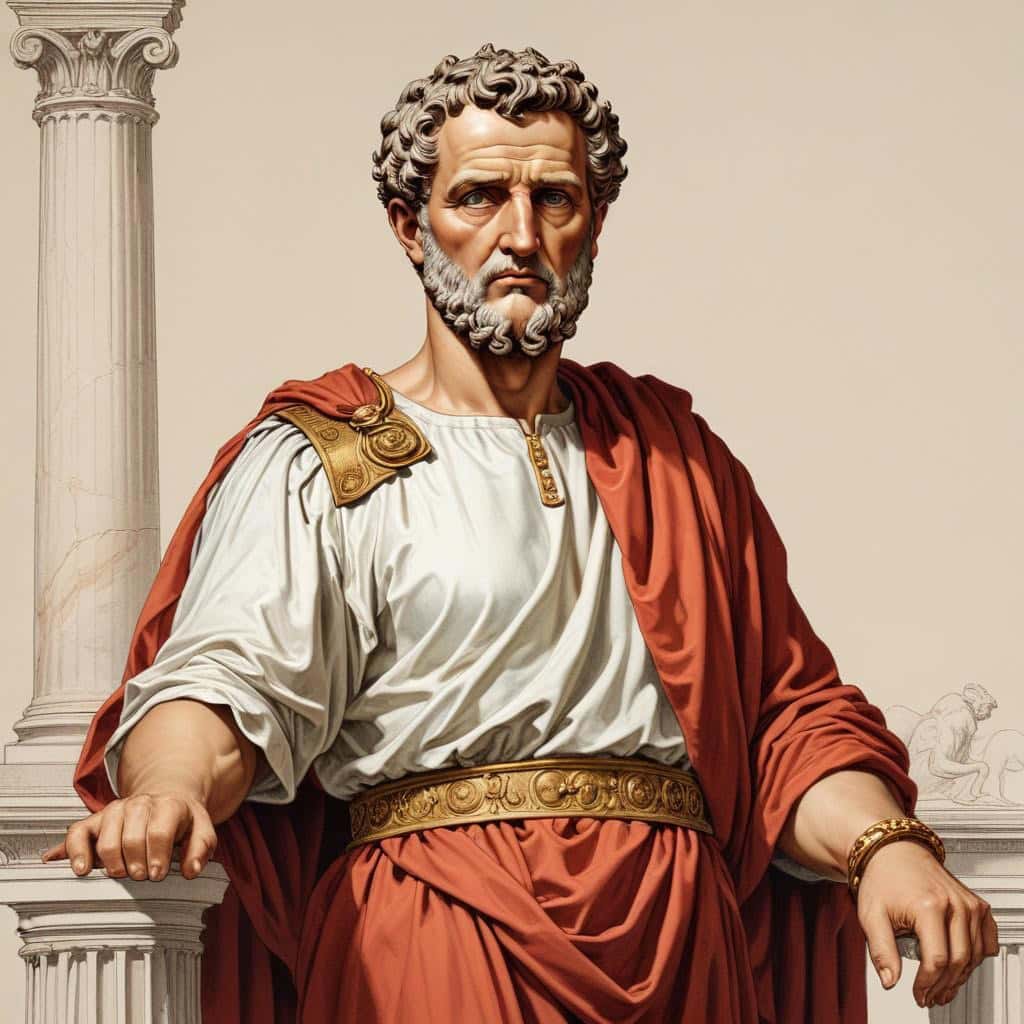
Antoninus Pius
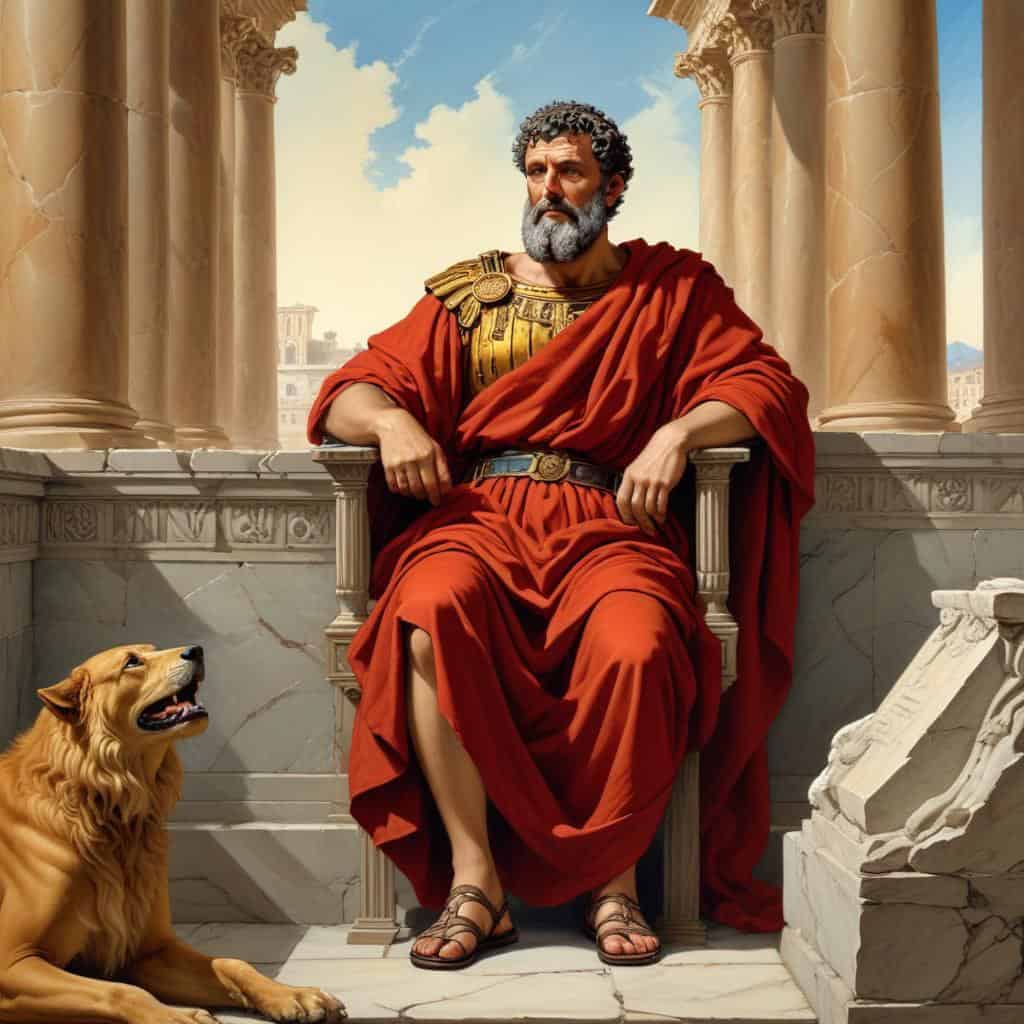
Lucius Aelius
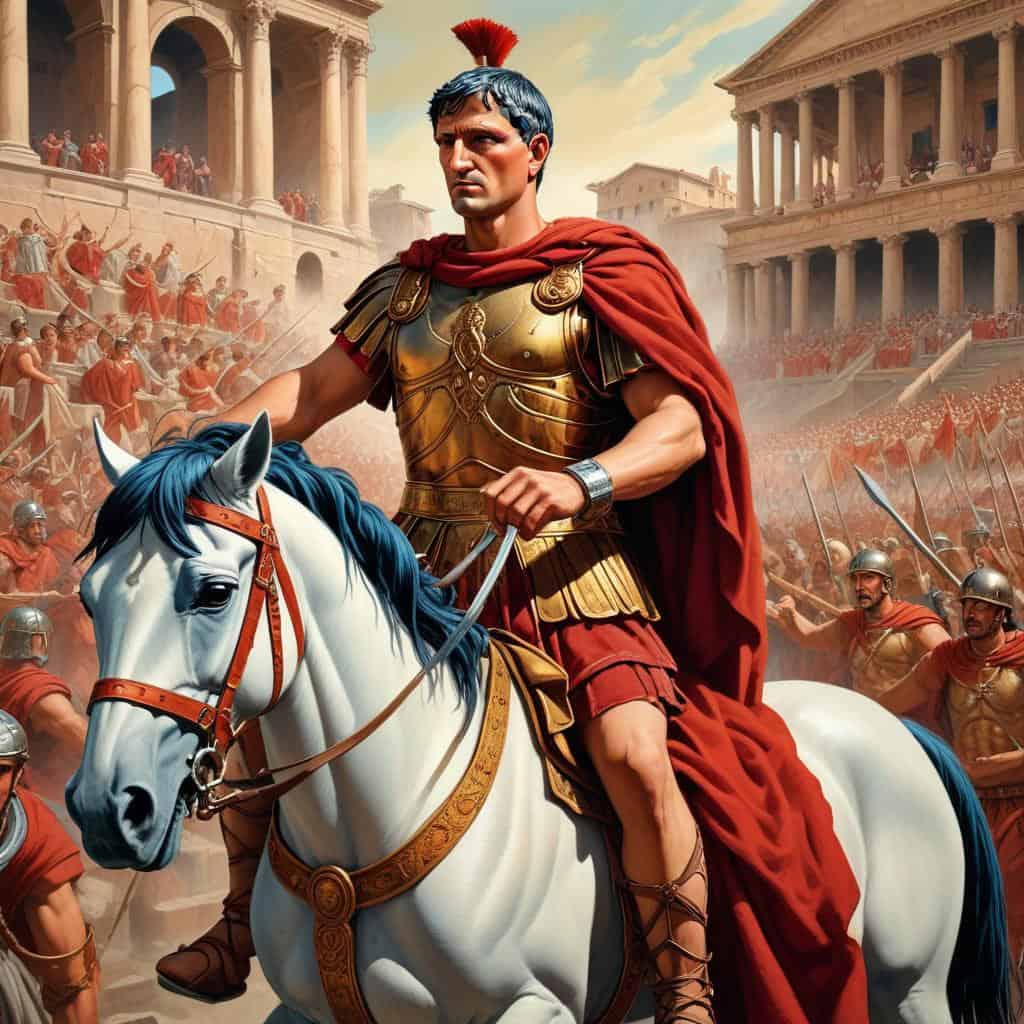
Trajan
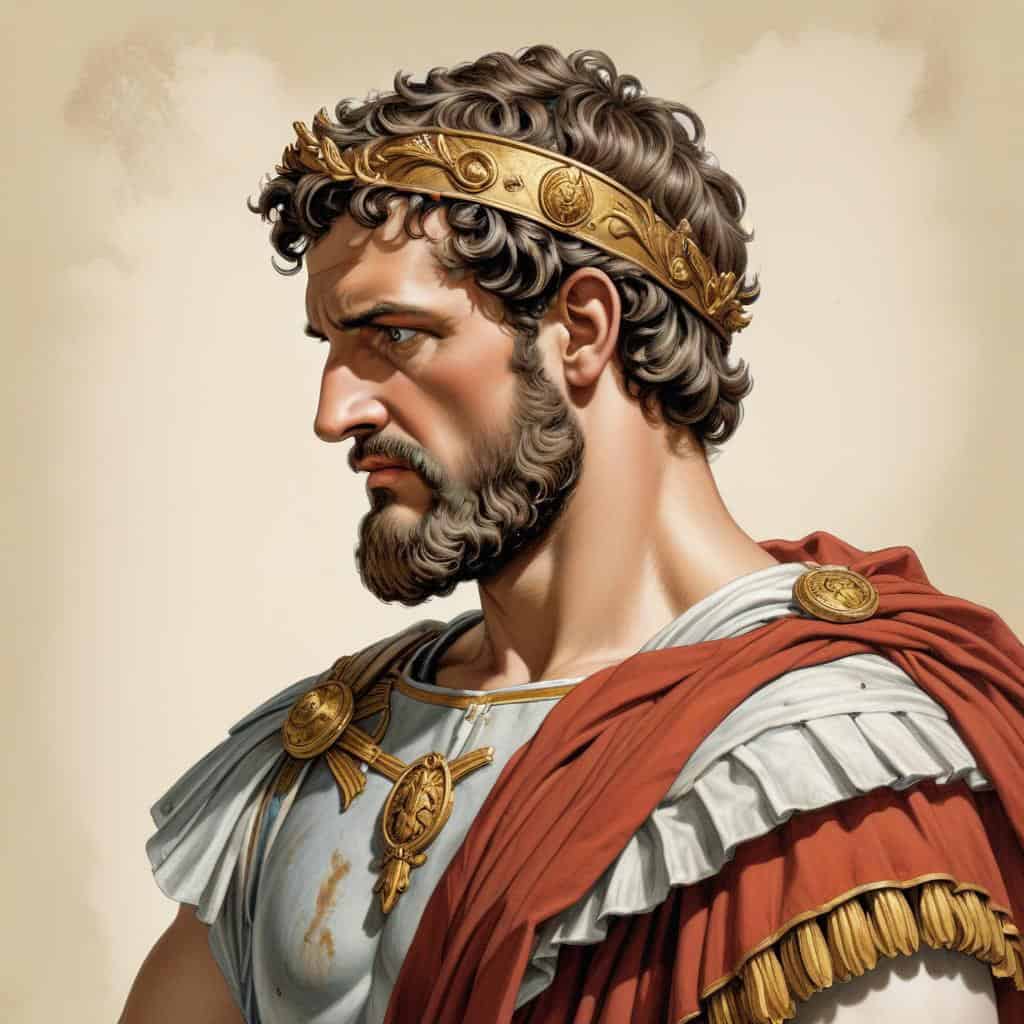
Publius Aelius Hadrianus Marullinus
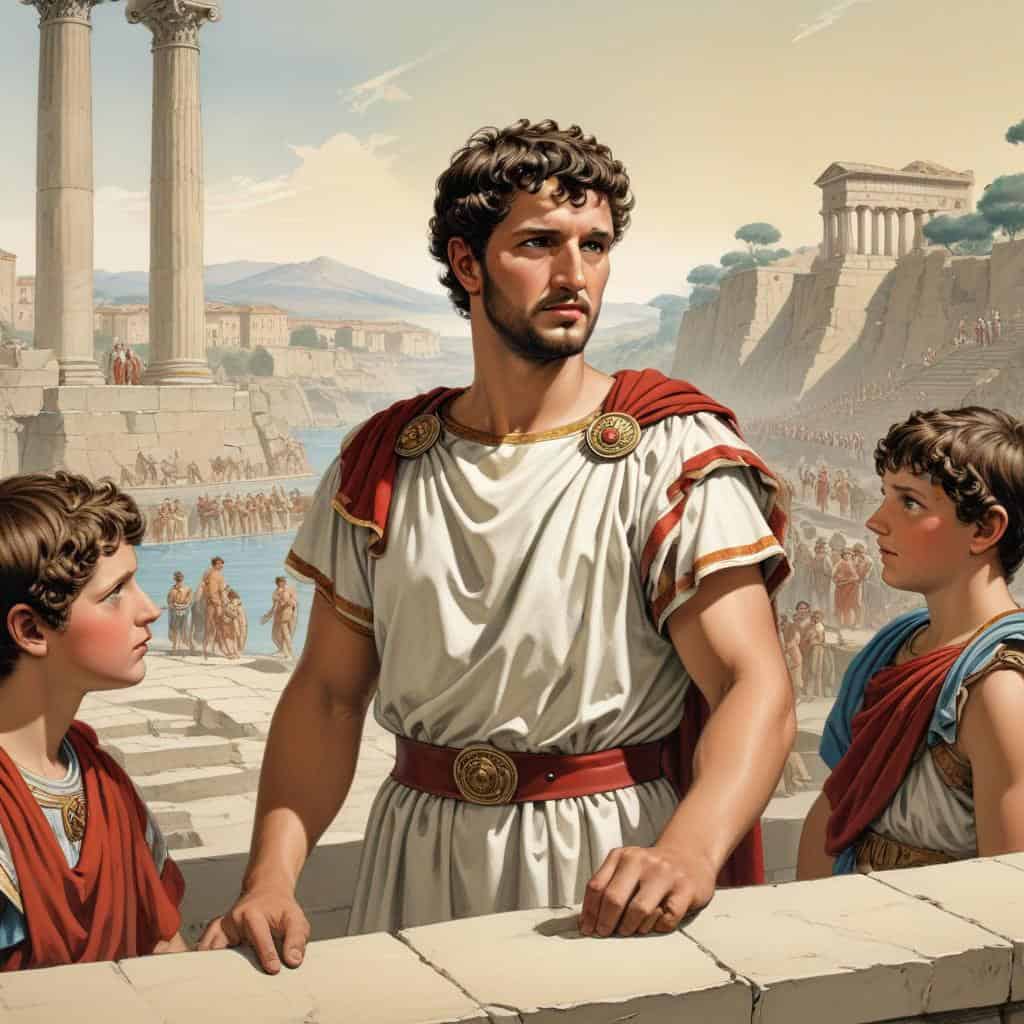
Hadrians Early Life
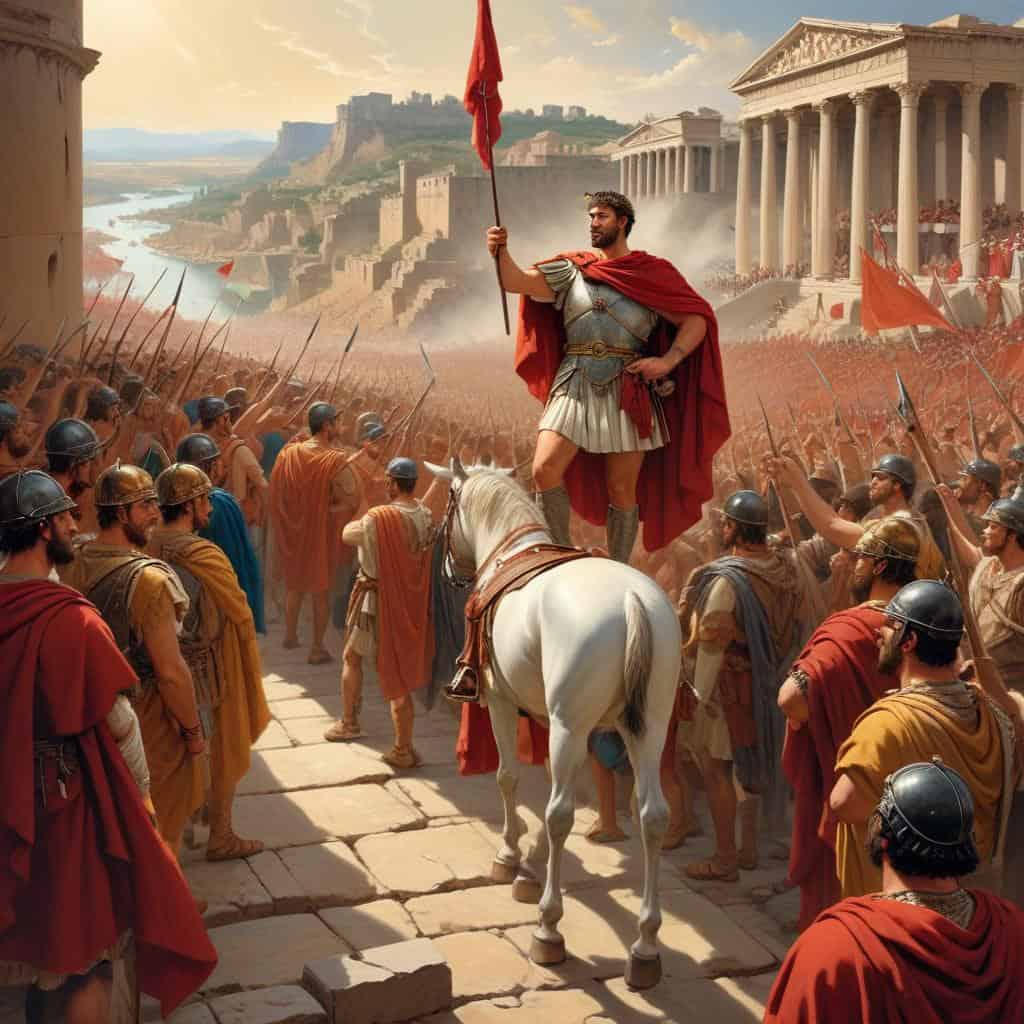
Rise to Power
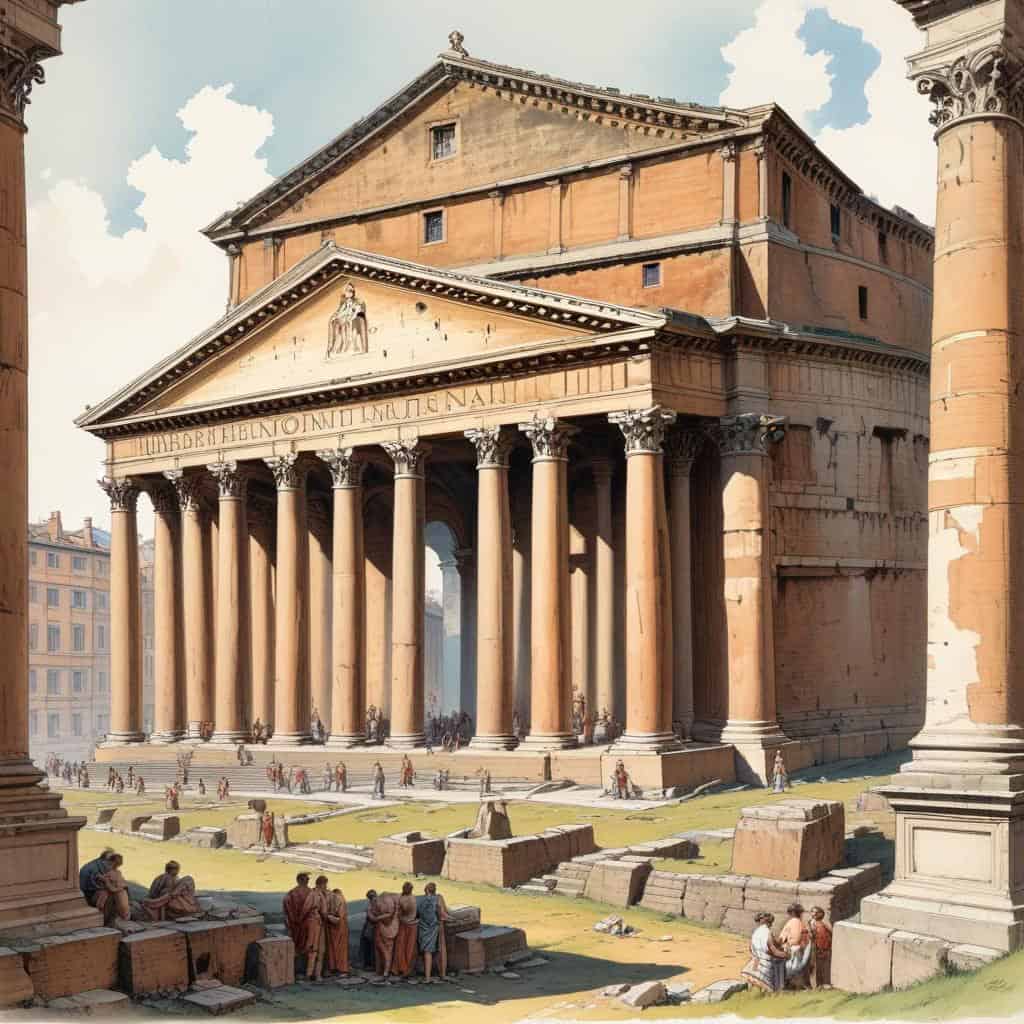
Building Projects
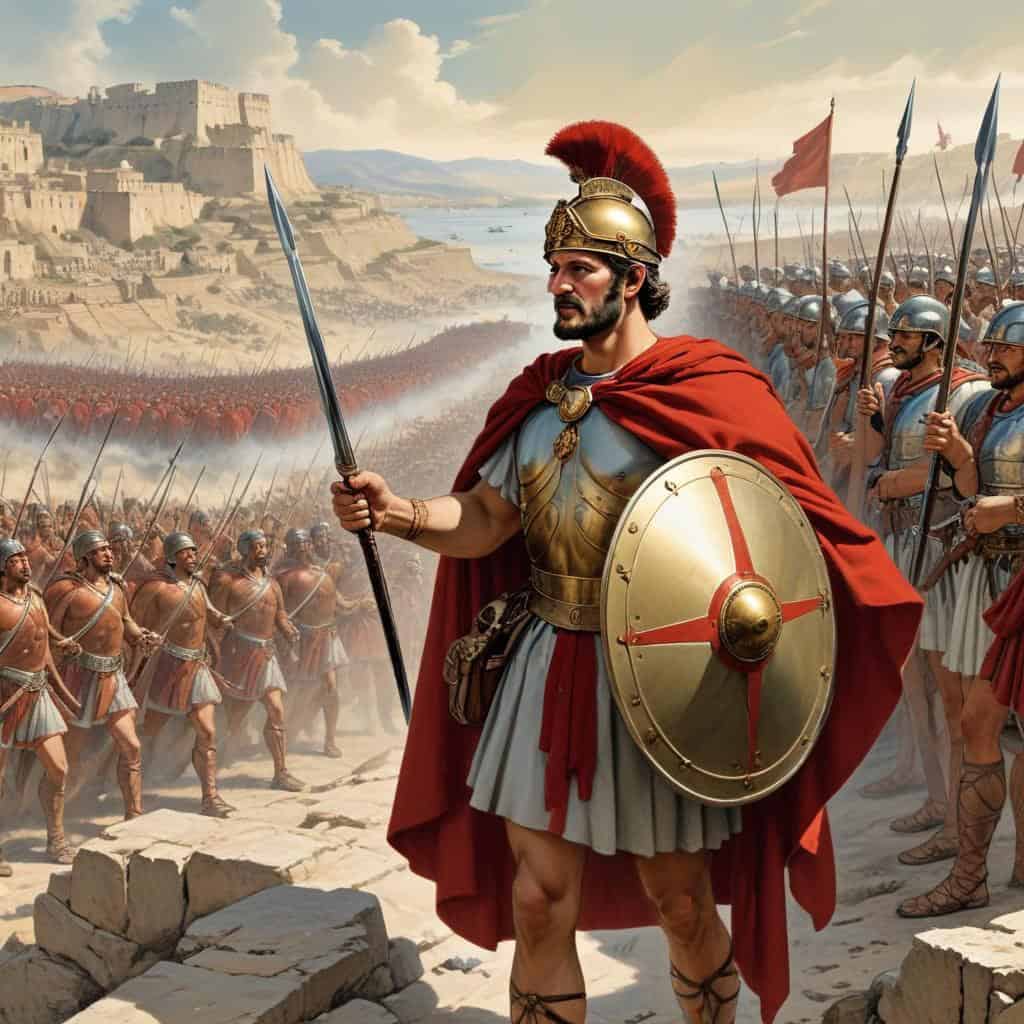
Military Campaigns
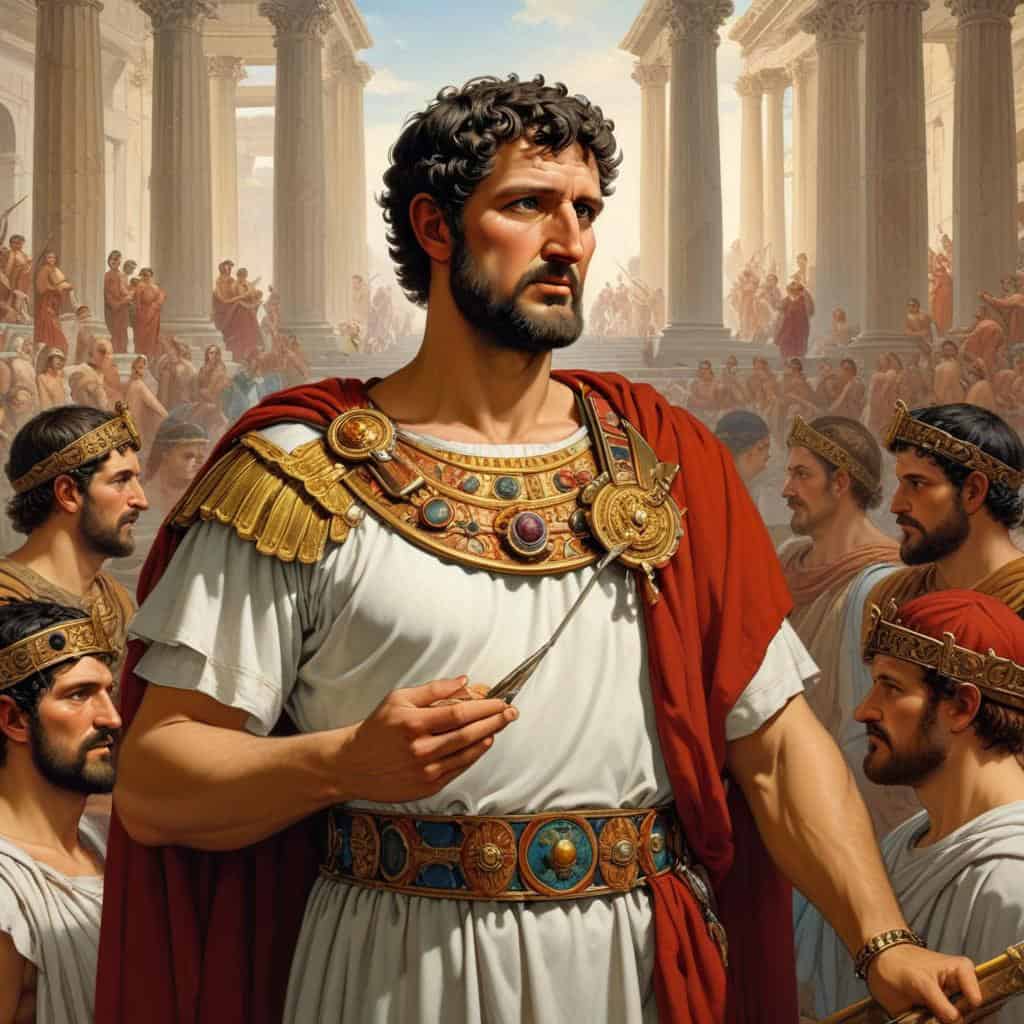
Cultural Reforms
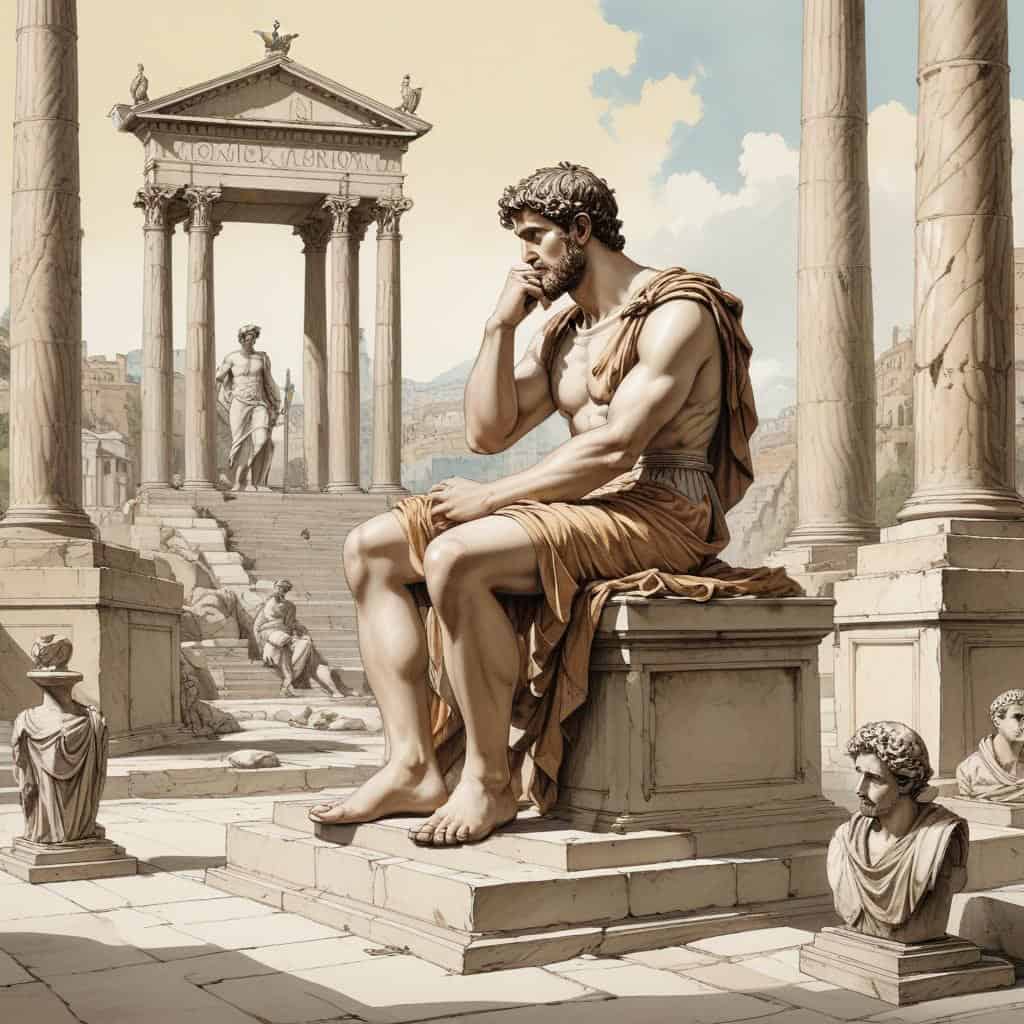
Personal Relationships
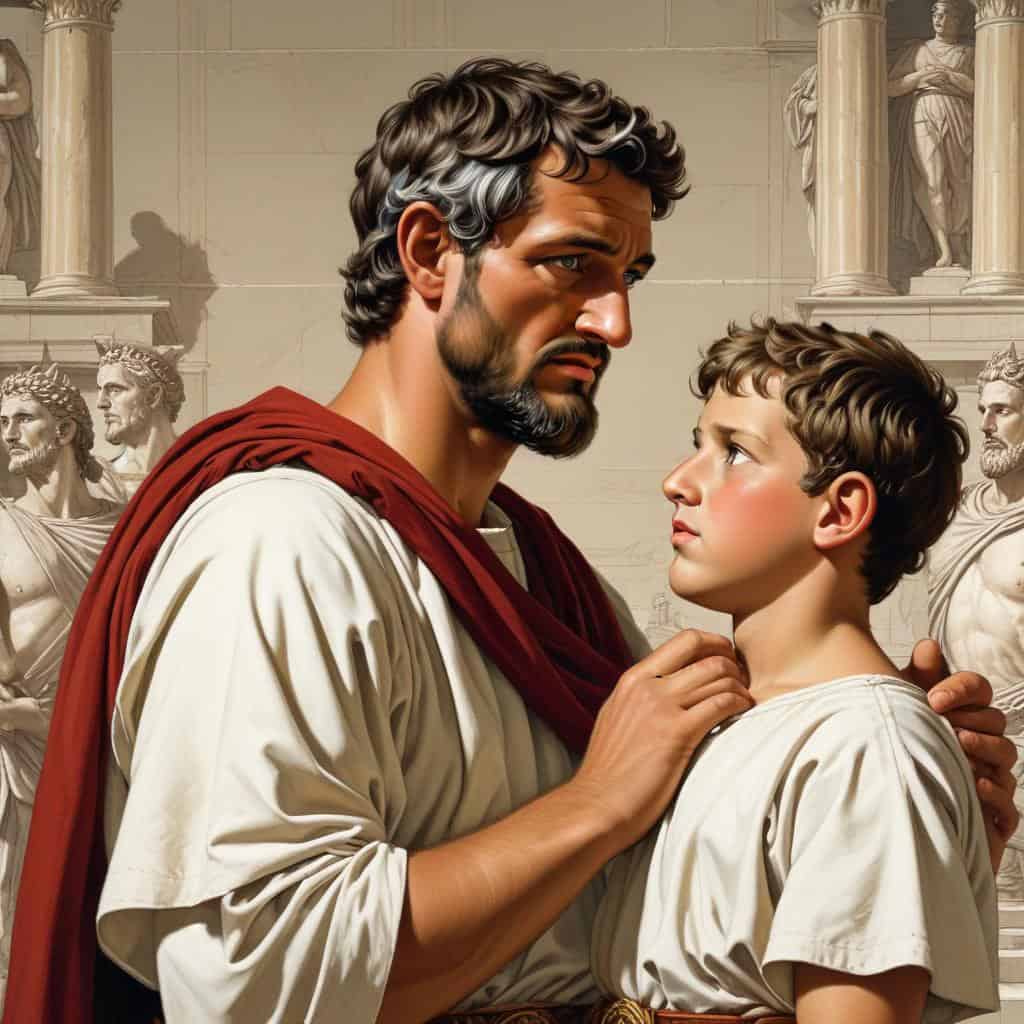
Succession Planning
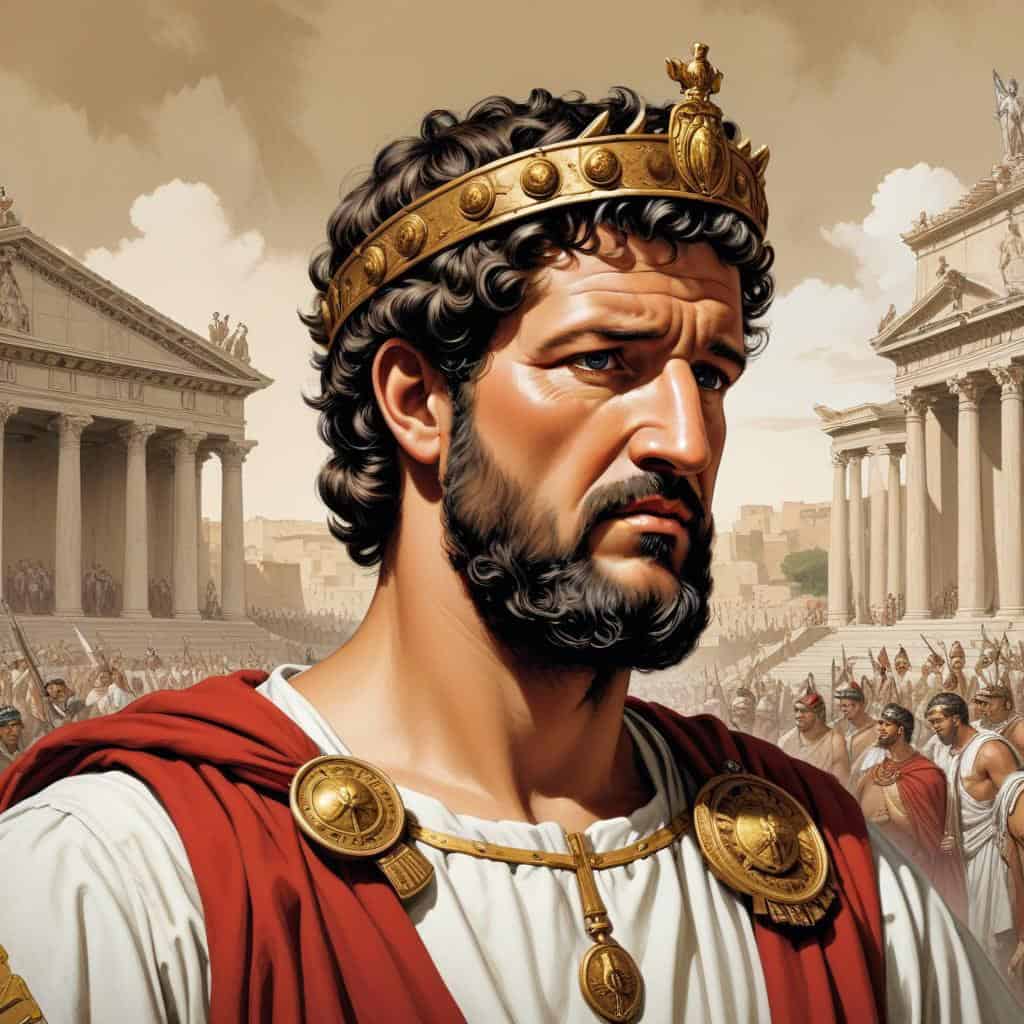
Legacy
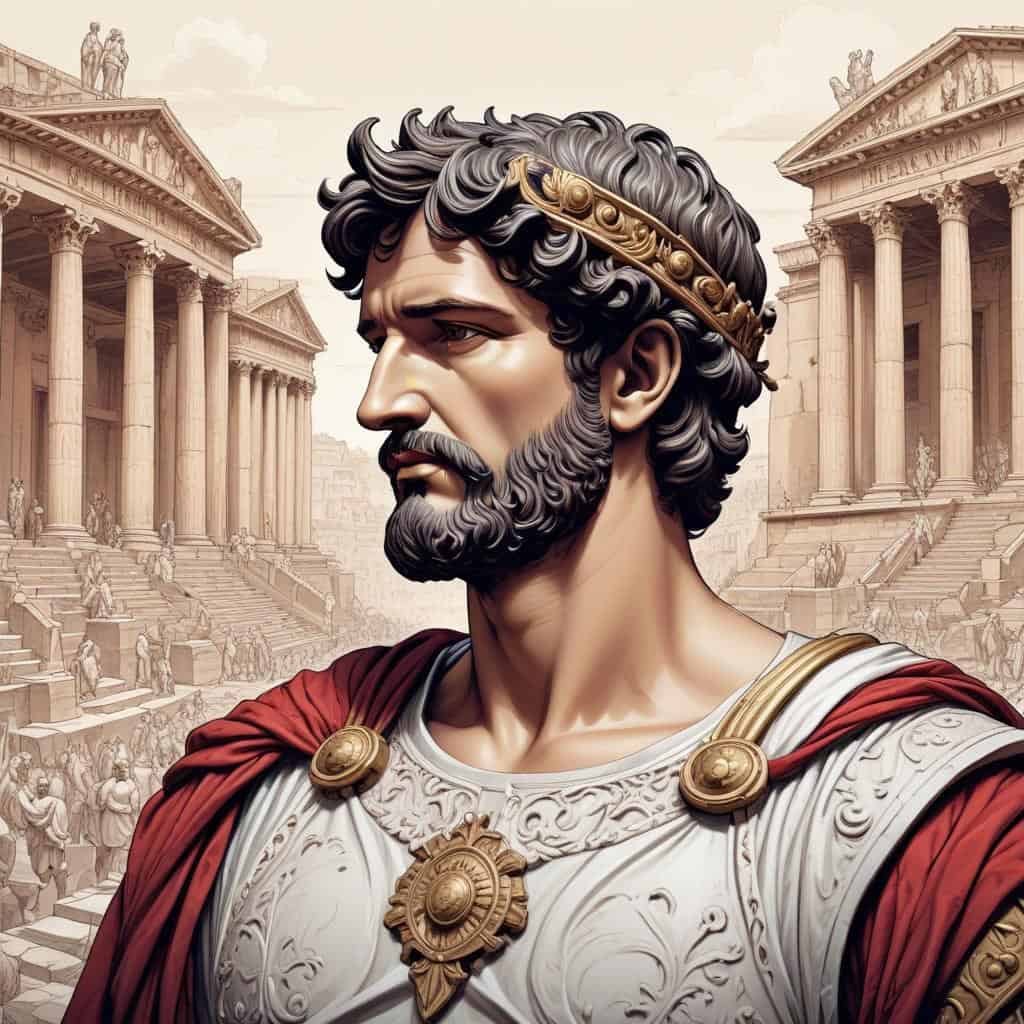
Historical Impact
Lesson Details & Resources
In a Nutshell
- Who: Roman emperor and philosopher
- When: Lived: 76 – 138 AD
- Known For: Building Hadrian’s Wall in Britain and his love for Greek culture
- Legacy: Hadrian is remembered for his architectural projects and contributions to Roman law
Timeline of Hadrian: A Biography
Hadrian is born in Italica, Hispania
Hadrian's father dies
Hadrian is adopted by Trajan
Hadrian becomes the commander of the Roman army in Upper Pannonia
Hadrian is appointed as a consul
Hadrian becomes the governor of Syria
Hadrian meets Antinous, who becomes his lover
Hadrian is appointed as the governor of Britannia
Hadrian becomes the designated successor of Emperor Trajan
Hadrian becomes the Emperor of Rome after Trajan's death
Hadrian visits Greece and participates in the Eleusinian Mysteries
Hadrian orders the construction of Hadrian's Wall in Britannia
Hadrian visits Egypt and orders the construction of the Temple of Philae
Hadrian establishes the city of Antinoopolis in Egypt in honor of Antinous
Hadrian institutes various administrative reforms in Rome
Hadrian travels to Spain and initiates the construction of the Temple of Trajan
Hadrian suppresses the Jewish revolt in Judaea
Hadrian completes the construction of the Pantheon in Rome
Hadrian adopts Lucius Aelius as his heir
Hadrian falls ill and Lucius Aelius dies
Hadrian adopts Antoninus Pius as his new heir
Hadrian dies in Baiae, Campania
Vocabulary List
- Hadrian
- Hadrian was a Roman emperor from 117 to 138 AD.
- Antinous
- Antinous was a young Greek man who was the beloved of Emperor Hadrian.
- Pantheon
- The Pantheon in Rome was commissioned by Hadrian and is known for its impressive dome.
- Hadrian's Wall
- Hadrian's Wall was built in northern England during Hadrian's reign as a defensive fortification.
- Villa Adriana
- Villa Adriana, also known as Hadrian's Villa, is a large complex near Rome that was built by Hadrian as his retreat.
- Hadrianic Code
- The Hadrianic Code was a legal compilation ordered by Emperor Hadrian.
- Hadrian's Arch
- Hadrian's Arch is a monumental gateway in Athens, Greece, built in honor of Hadrian.
- Hadrianic Society
- The Hadrianic Society is an organization dedicated to the study of Hadrian and his era.
- Hadrian's Travels
- Hadrian embarked on several extensive travels throughout the Roman Empire during his reign.
- Hadrianopolis
- Hadrianopolis was a city founded by Hadrian in present-day Turkey.
- Hadrian's Coins
- Hadrian's face appeared on many coins minted during his reign.
- Hadrian's Memoirs
- Hadrian wrote a memoir called 'Memoirs of Hadrian' which reflects on his life and reign.
Key Facts
This is the information used in the fact matching game
- Hadrian was born on January 24, 76 AD in Italica, Spain.
- Hadrian was the third of the Five Good Emperors of Rome.
- Hadrian's full name was Publius Aelius Hadrianus.
- Hadrian ruled as Roman Emperor from 117 to 138 AD.
- Hadrian is known for building Hadrian's Wall in northern England.
- Hadrian was a patron of the arts and literature.
- Hadrian was a lover of Greek culture and architecture.
- Hadrian was married to Vibia Sabina, but they had no children.
- Hadrian adopted Antoninus Pius as his successor.
- Hadrian traveled extensively throughout the Roman Empire during his reign.
- Hadrian was known for his military campaigns in Britain, Judea, and Dacia.
- Hadrian was a skilled administrator and implemented many reforms during his rule.
- Hadrian was deified after his death, becoming a god in the Roman pantheon.
- Hadrian was succeeded by Antoninus Pius as Roman Emperor.
- Hadrian was known for his love of hunting and athletic pursuits.
- Hadrian's Villa in Tivoli, Italy is a UNESCO World Heritage Site.
- Hadrian commissioned the construction of the Pantheon in Rome.
- Hadrian was a Stoic philosopher and wrote poetry in Greek.
- Hadrian's reign was marked by relative peace and stability in the Roman Empire.
- Hadrian died on July 10, 138 AD in Baiae, Italy.
Analysis & Significance
Major Accomplishments
Hadrian, the Roman emperor, is best known for constructing the famous Hadrian’s Wall in Britain, as well as his successful military campaigns and administrative reforms that stabilized the empire during his reign.
Impact on the World
Hadrian’s policies and building projects had a lasting impact on the Roman Empire, shaping its borders and defenses for centuries to come. His emphasis on diplomacy and cultural exchange also influenced the empire’s approach to governance and relationships with other civilizations.
Enduring Legacy
Today, Hadrian is remembered as one of the “Five Good Emperors” of Rome, known for his leadership, military prowess, and commitment to preserving and expanding the empire. His architectural legacy, including the Pantheon in Rome, continues to inspire awe and admiration, solidifying his place as a significant historical figure in Roman history.
Hadrian: A Biography Games


Take Your Learning Offline
Want a convenient, print-ready study guide for this lesson? Become a Memory Wizards Pro member to unlock the downloadable " Memory Scrolls" for this topic and our entire library!
- ✓ Complete Vocabulary Lists
- ✓ Key Facts & Timelines
- ✓ Beautifully Formatted for Print & Mobile