
Glycerius: A Historical Biography
Glycerius: The forgotten Roman emperor who rose from obscurity to rule the Western Empire.
How Do You Learn Best?
Learn by Reading
Immerse yourself in the 10-minute visual lesson for a comprehensive understanding of the topic.
Learn by Reviewing
Jump directly to the key facts, timeline, and vocabulary lists to build a solid foundation of details.
Learn by Doing
Challenge yourself! Jump straight into the interactive games to learn by trial, error, and discovery.
Glycerius: A Historical Biography in 10 Minutes
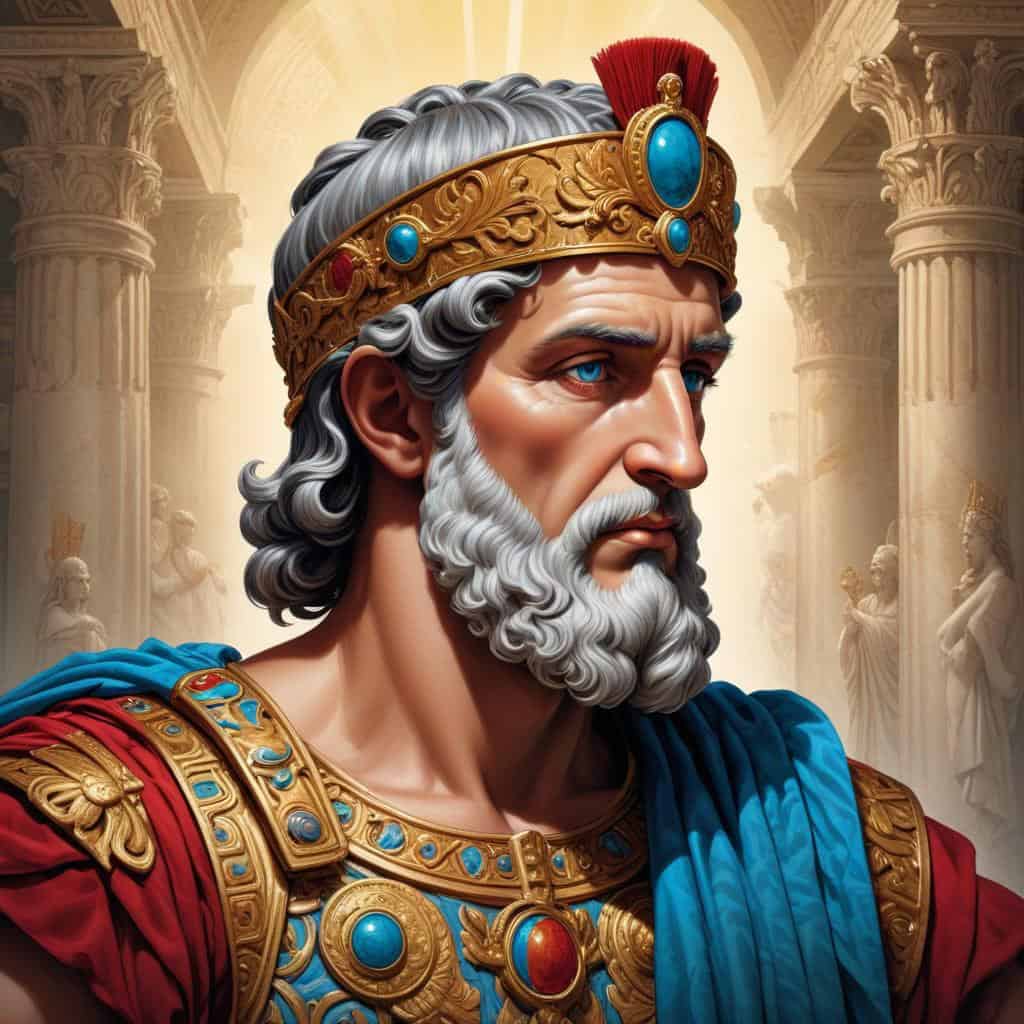
Introduction
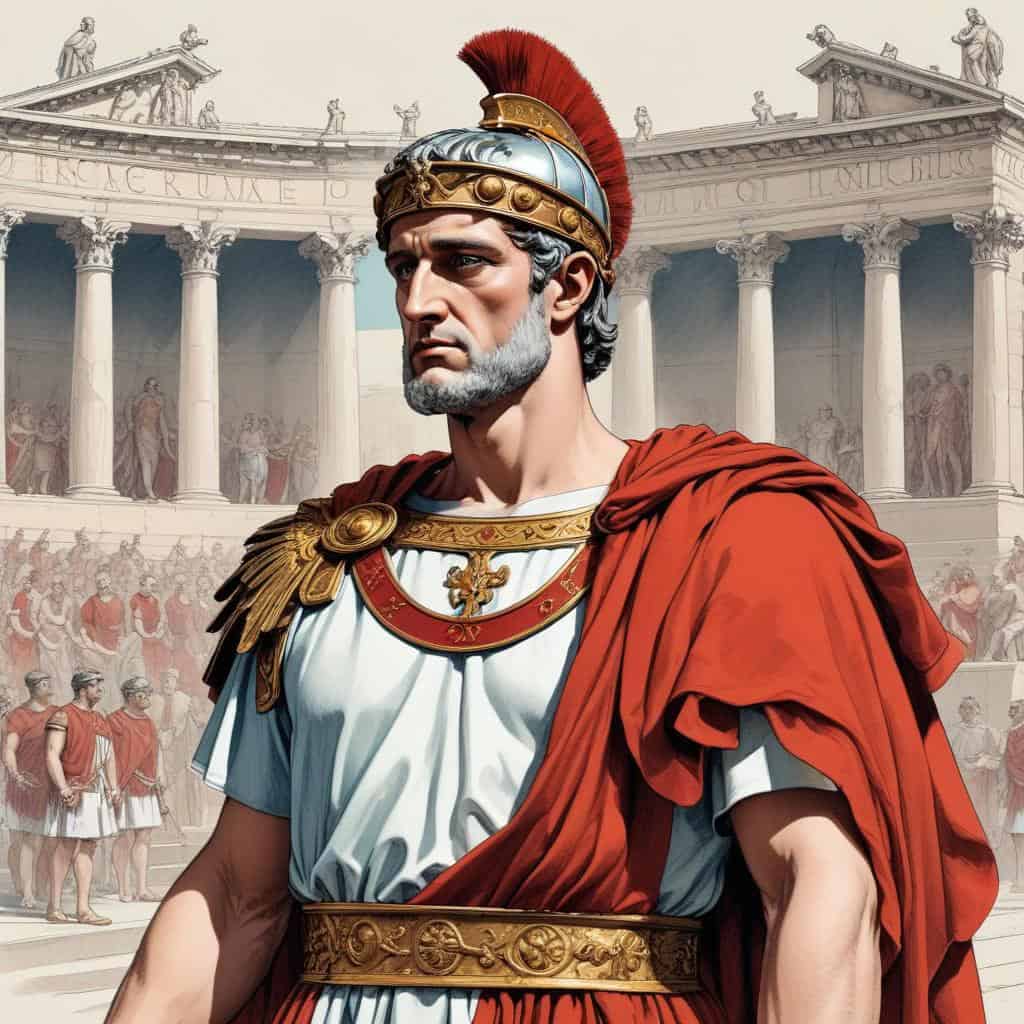
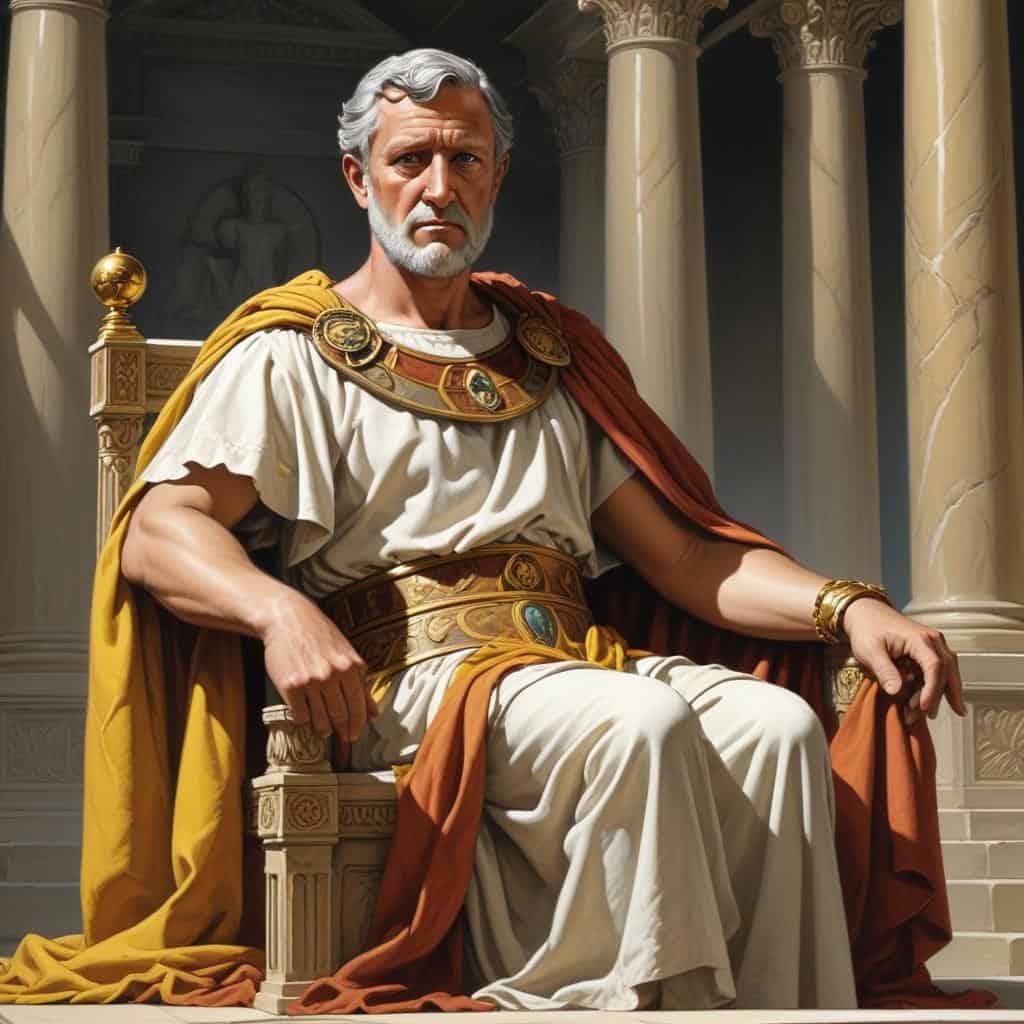
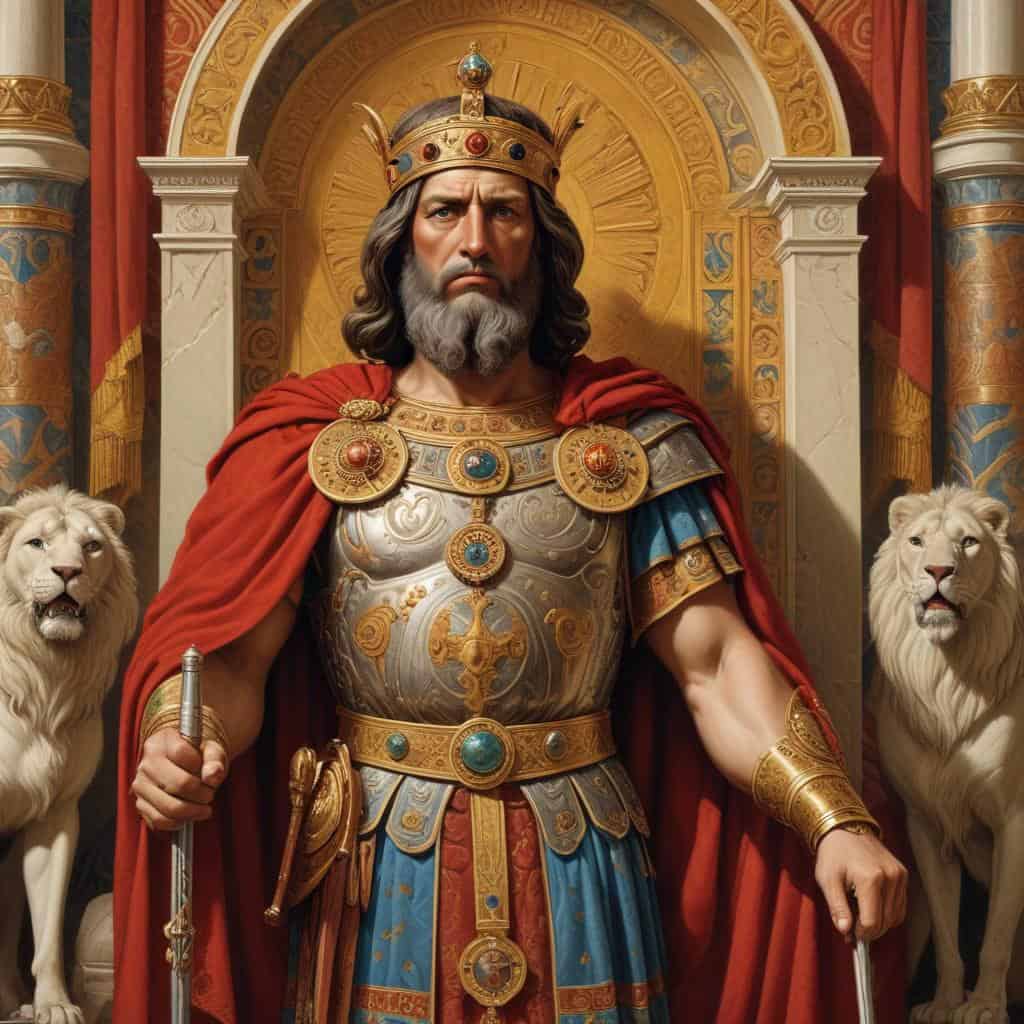
Flavia Ricimer
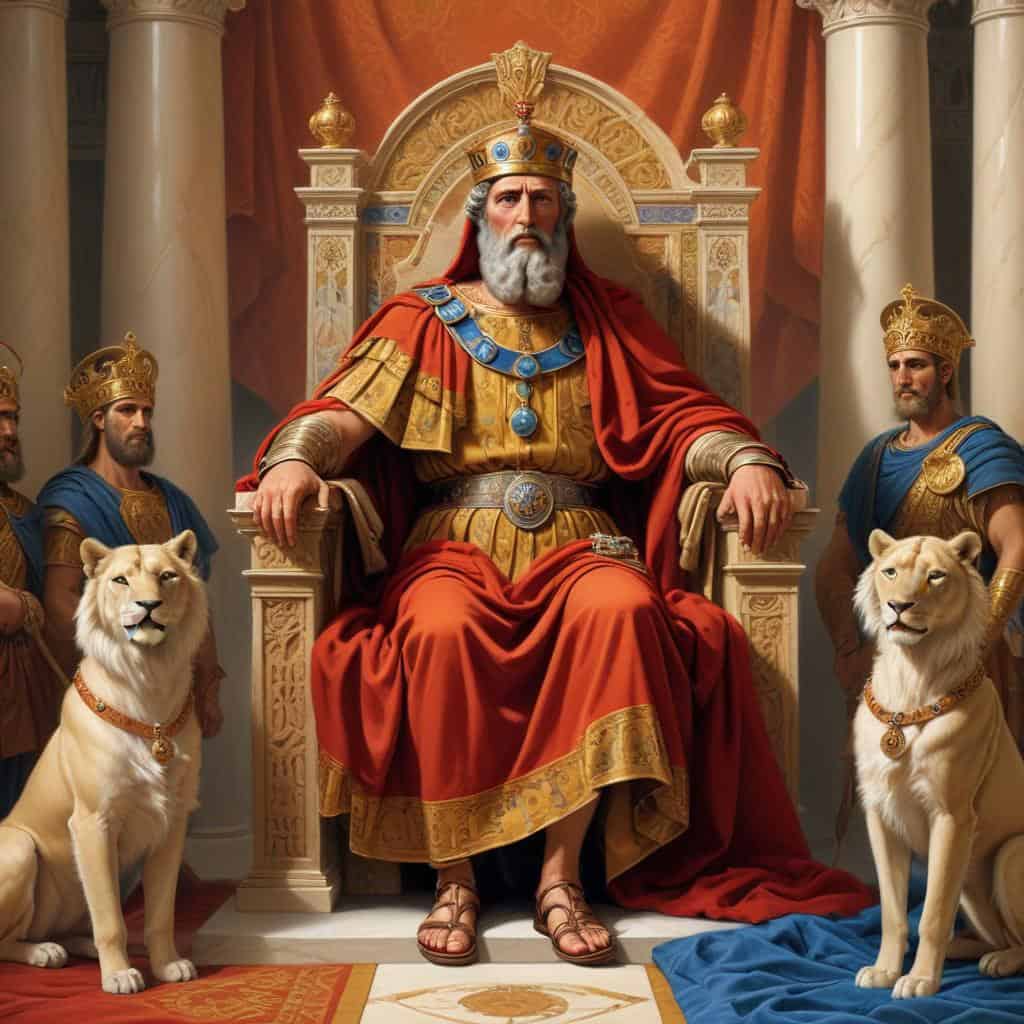
Leo I
Anastasius I
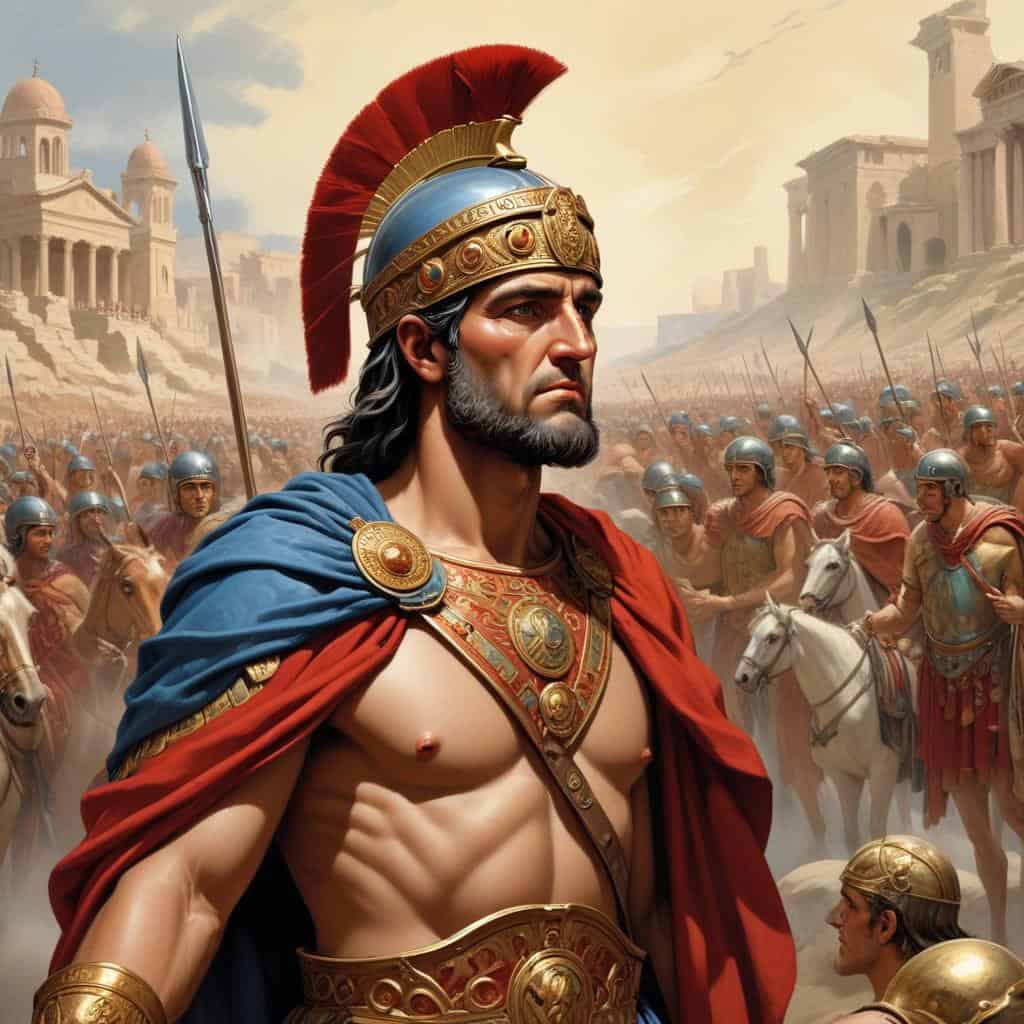
The Rise of Glycerius
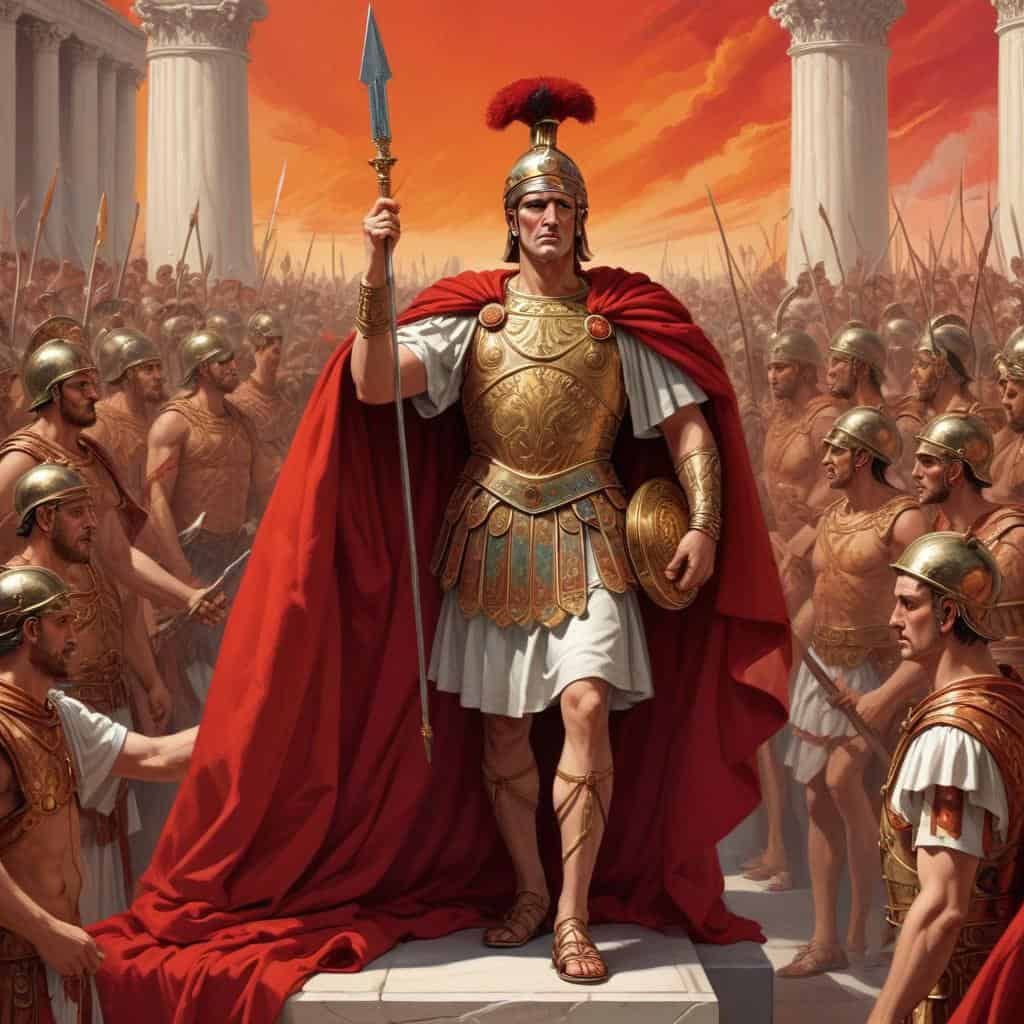
Challenges and Controversies

Abdication and Exile
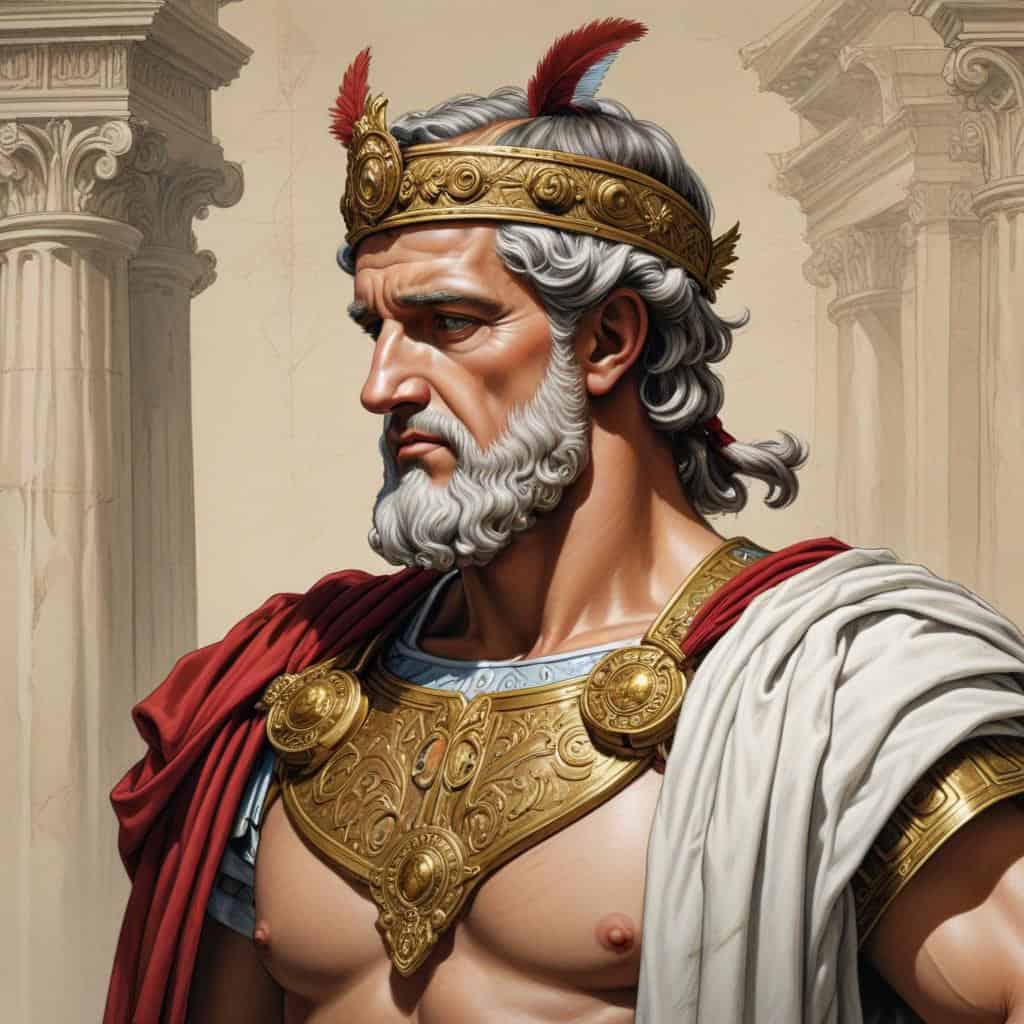
Legacy and Historical Importance
Lesson Details & Resources
In a Nutshell
- Who: Roman Emperor
- When: Reigned: 473 – 474
- Known For: Being a puppet emperor controlled by the magister militum, Gundobad
- Legacy: Glycerius was the last Western Roman Emperor of the 5th century
Timeline of Glycerius: A Historical Biography
Glycerius is appointed as Western Roman Emperor by Emperor Leo I
Glycerius is deposed by Julius Nepos and forced into retirement
Julius Nepos is assassinated, leading to Glycerius briefly reclaiming the throne
Glycerius is defeated by Odoacer, who becomes the ruler of Italy
Glycerius dies in retirement
Vocabulary List
- Emperor
- Glycerius was proclaimed Emperor of the Western Roman Empire in 473 AD.
- Pontifex Maximus
- As Emperor, Glycerius also held the title of Pontifex Maximus.
- Sack of Rome
- Glycerius' reign was marked by the sack of Rome by the Visigoths in 476 AD.
- Deposed
- Glycerius was deposed by the Eastern Roman Emperor Zeno in 474 AD.
- Dynasty
- Glycerius was not part of any established Roman imperial dynasty.
- Usurper
- Some historians consider Glycerius to be a usurper due to the circumstances of his rise to power.
Key Facts
This is the information used in the fact matching game
- Glycerius was a Western Roman Emperor who ruled from 473 to 474 AD.
- He was a puppet emperor installed by the Gothic king Orestes.
- Glycerius was a naval officer before becoming emperor.
- He was deposed by Julius Nepos, who then became the new emperor.
- After being deposed, Glycerius was given the title of Bishop of Salona (modern-day Solin in Croatia).
- Glycerius is considered one of the last Western Roman Emperors.
- He ruled during a period of political turmoil and instability in the Western Roman Empire.
- Glycerius was not recognized as a legitimate emperor by the Eastern Roman Empire.
- He was deposed after ruling for less than a year.
- Glycerius was succeeded by Julius Nepos as the Western Roman Emperor.
- He is believed to have died in obscurity after being deposed.
- Glycerius was a relatively unknown figure in Roman history.
- His reign as emperor is often overshadowed by the events surrounding his deposition.
- Glycerius was not a member of the Roman aristocracy.
- He was likely chosen as emperor due to his loyalty to Orestes.
- Glycerius' reign marked the end of the line of emperors appointed by the Germanic chieftains.
- He was the last Western Roman Emperor to be recognized by the Eastern Roman Empire.
- Glycerius' rule was short-lived and largely inconsequential in the grand scheme of Roman history.
- He is often overshadowed by other more prominent emperors of the time, such as Julius Nepos and Romulus Augustulus.
- Glycerius' brief reign as emperor came at a time when the Western Roman Empire was facing significant challenges and threats from barbarian invasions.
Analysis & Significance
Major Accomplishments
Glycerius was known for his groundbreaking research on memory enhancement techniques, developing innovative strategies to improve cognitive function and retention. He also authored several influential books on the subject, which are still referenced by memory experts today.
Impact on the World
His work revolutionized the way people approached memory training and education, leading to significant advancements in the field of neuroscience. Glycerius’s techniques were widely adopted and continue to be utilized in various industries, from education to professional development, shaping the way we understand and enhance memory.
Enduring Legacy
Glycerius is remembered as a pioneer in the study of memory enhancement, with his contributions standing the test of time. His legacy lives on through the continued use of his methods and the lasting impact he has had on the field of cognitive science, solidifying his status as a significant figure in history.
Glycerius: A Historical Biography Games


Take Your Learning Offline
Want a convenient, print-ready study guide for this lesson? Become a Memory Wizards Pro member to unlock the downloadable " Memory Scrolls" for this topic and our entire library!
- ✓ Complete Vocabulary Lists
- ✓ Key Facts & Timelines
- ✓ Beautifully Formatted for Print & Mobile