
Galerius: A Biography
Galerius: The Roman emperor who restored order and stability to the empire.
How Do You Learn Best?
Learn by Reading
Immerse yourself in the 10-minute visual lesson for a comprehensive understanding of the topic.
Learn by Reviewing
Jump directly to the key facts, timeline, and vocabulary lists to build a solid foundation of details.
Learn by Doing
Challenge yourself! Jump straight into the interactive games to learn by trial, error, and discovery.
Galerius: A Biography in 10 Minutes
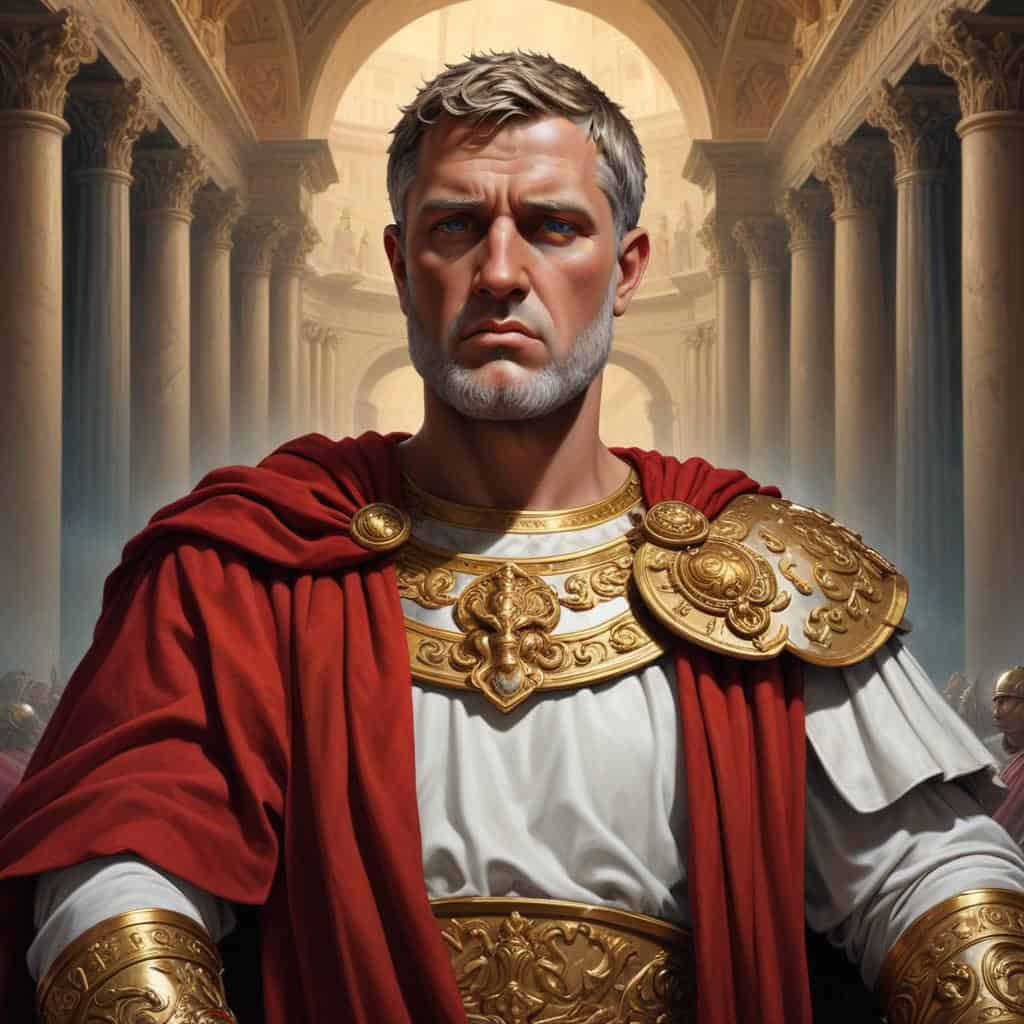
Introduction
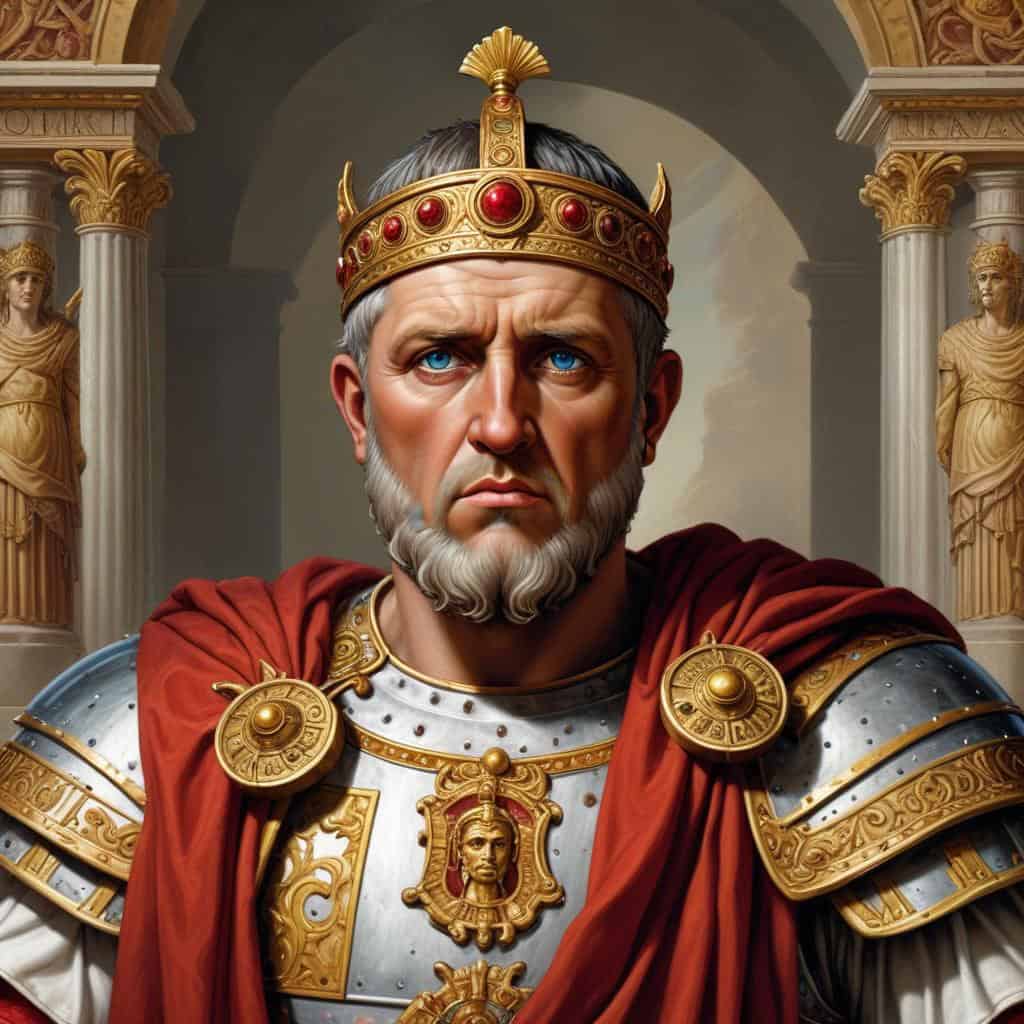
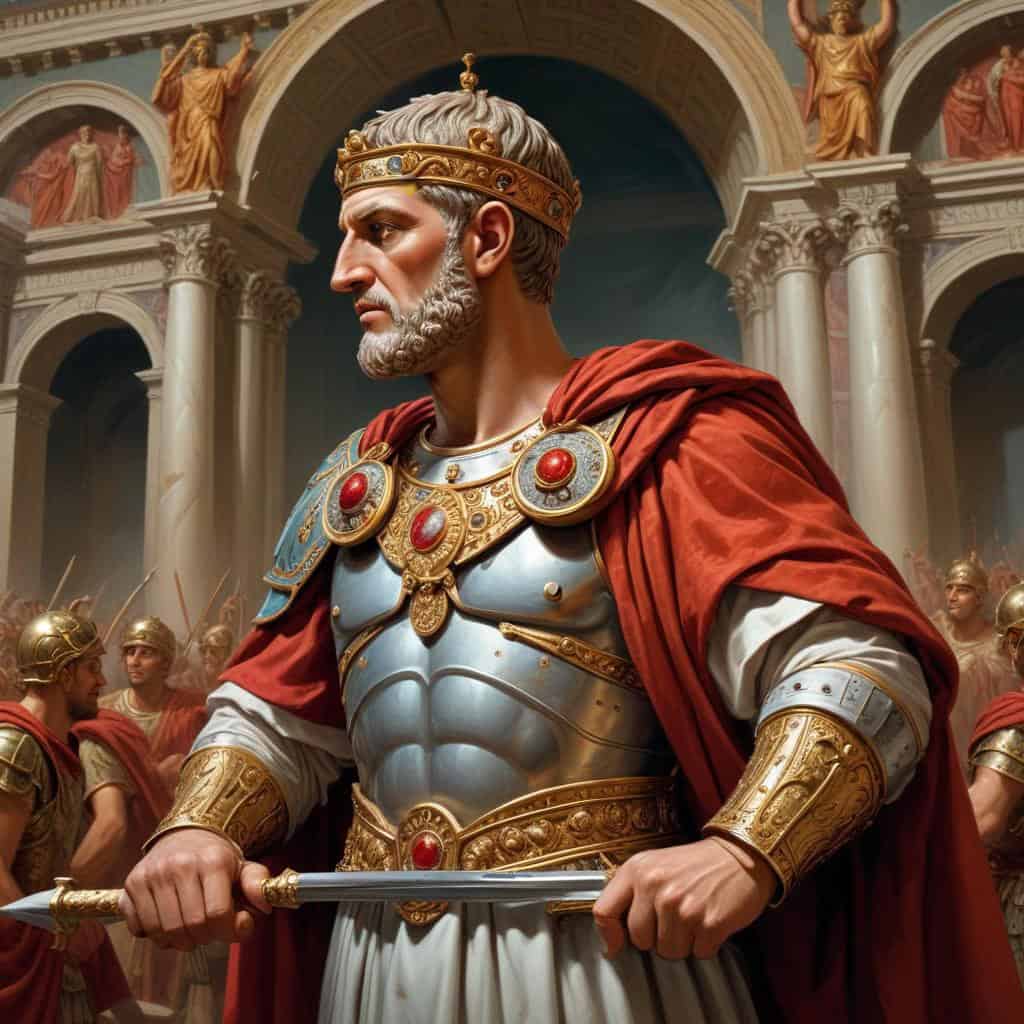
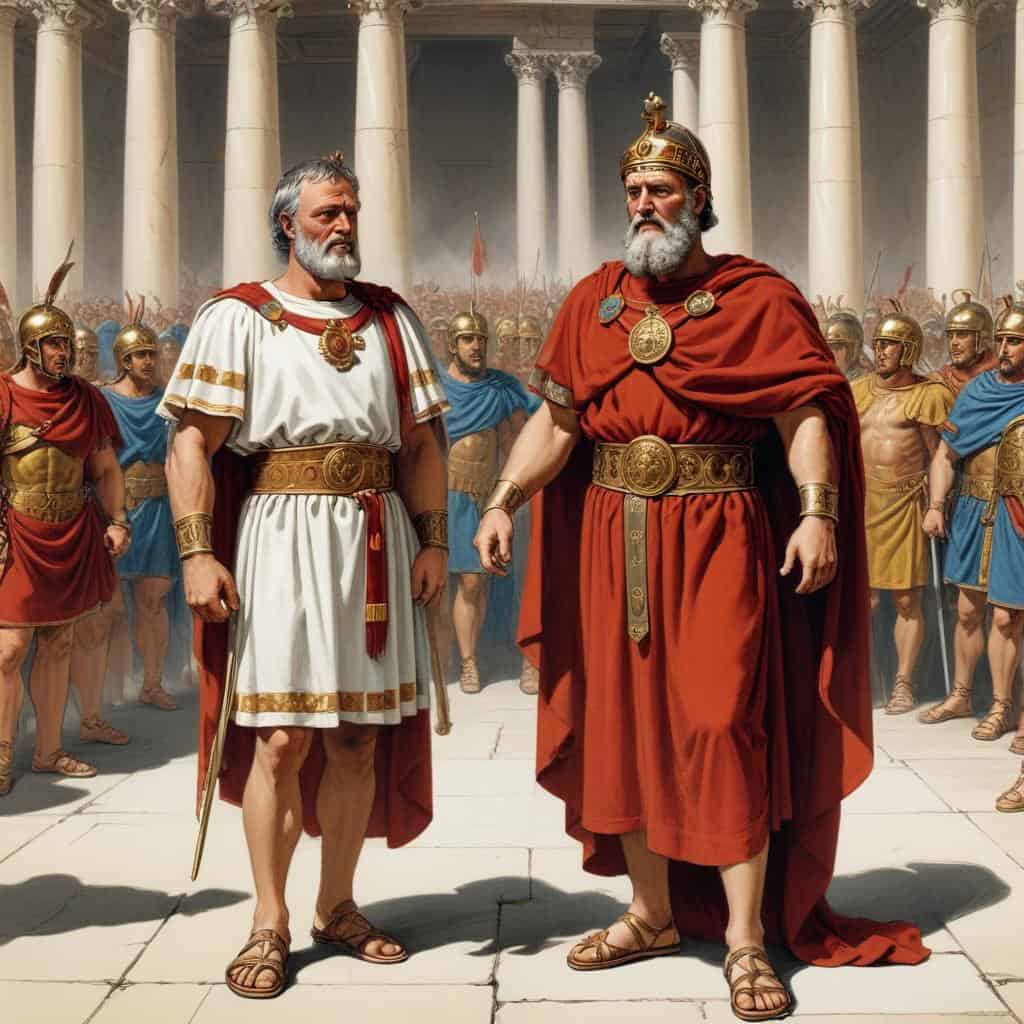
Maximian
Diocletian
Constantine the Great
The Rise of Galerius
Appointment as Caesar
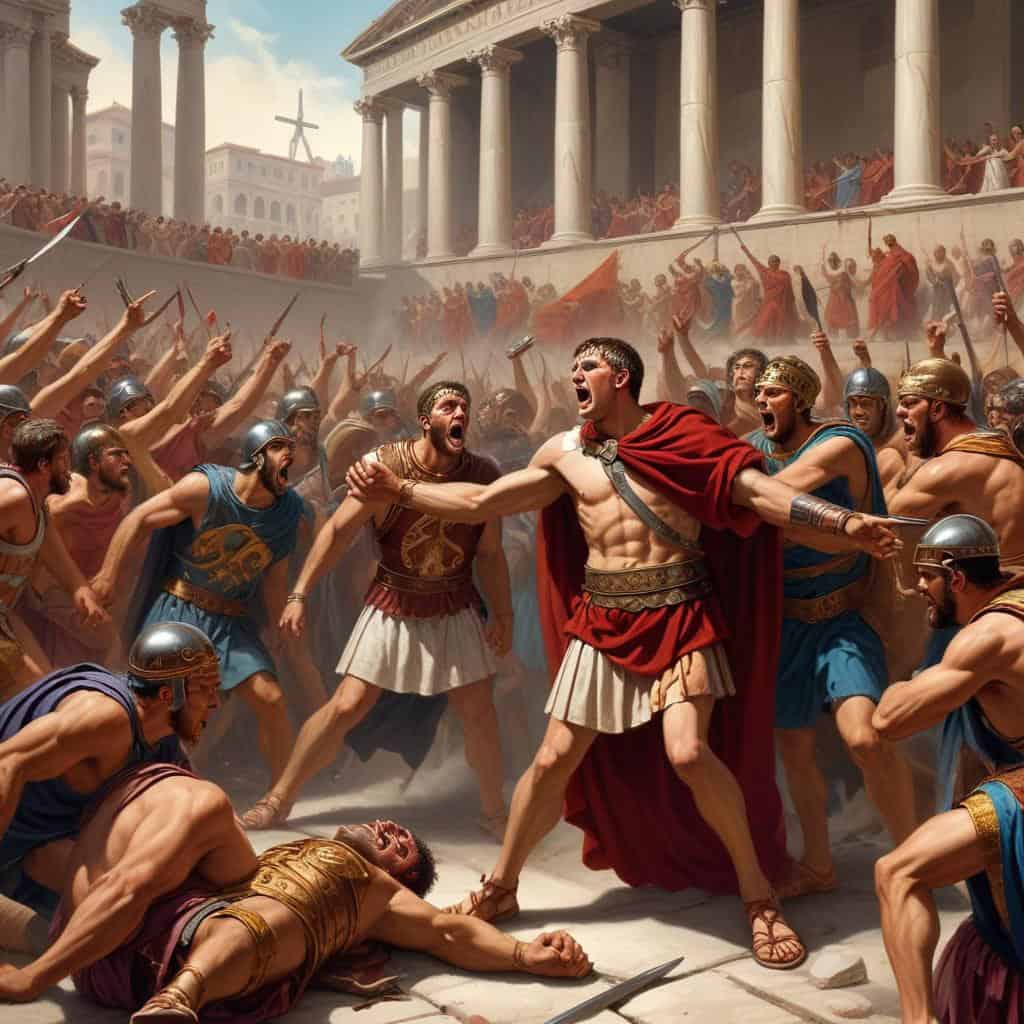
Persecution of Christians
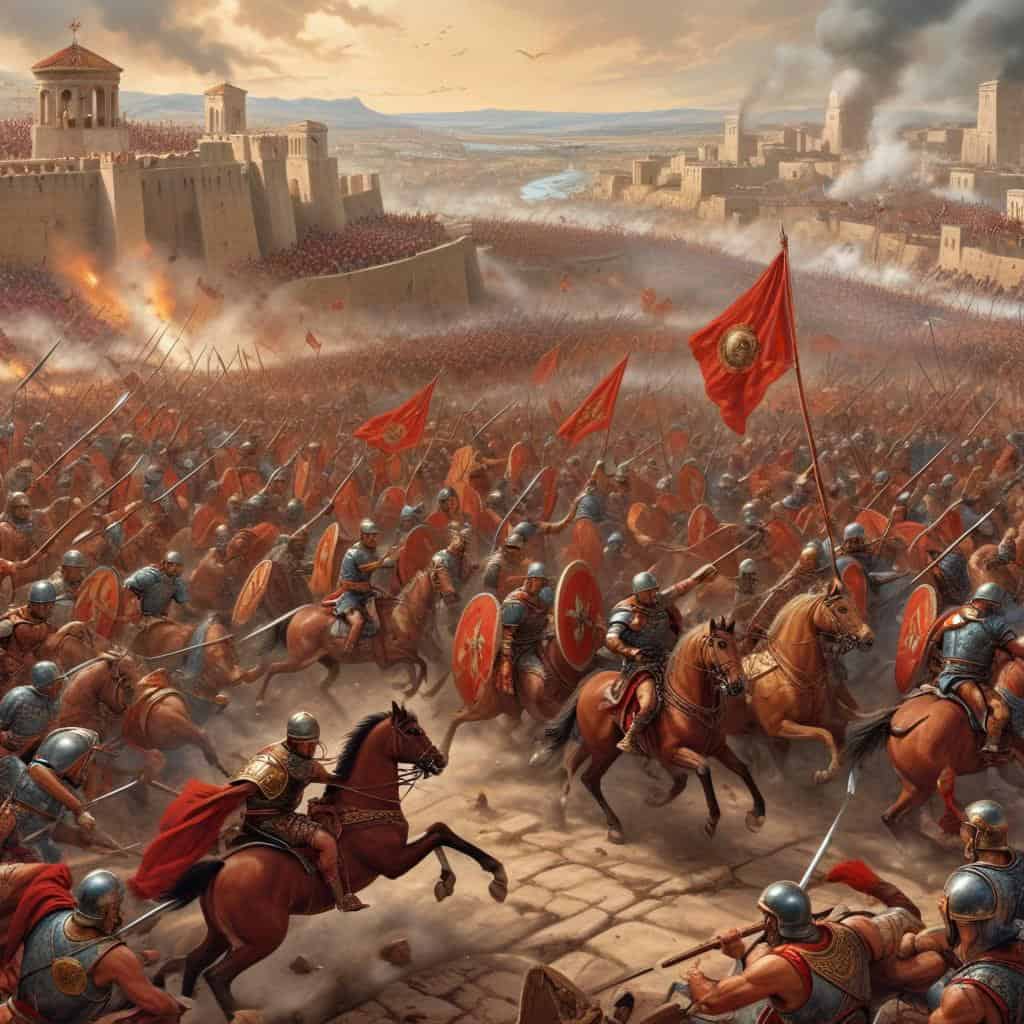
War with Persia
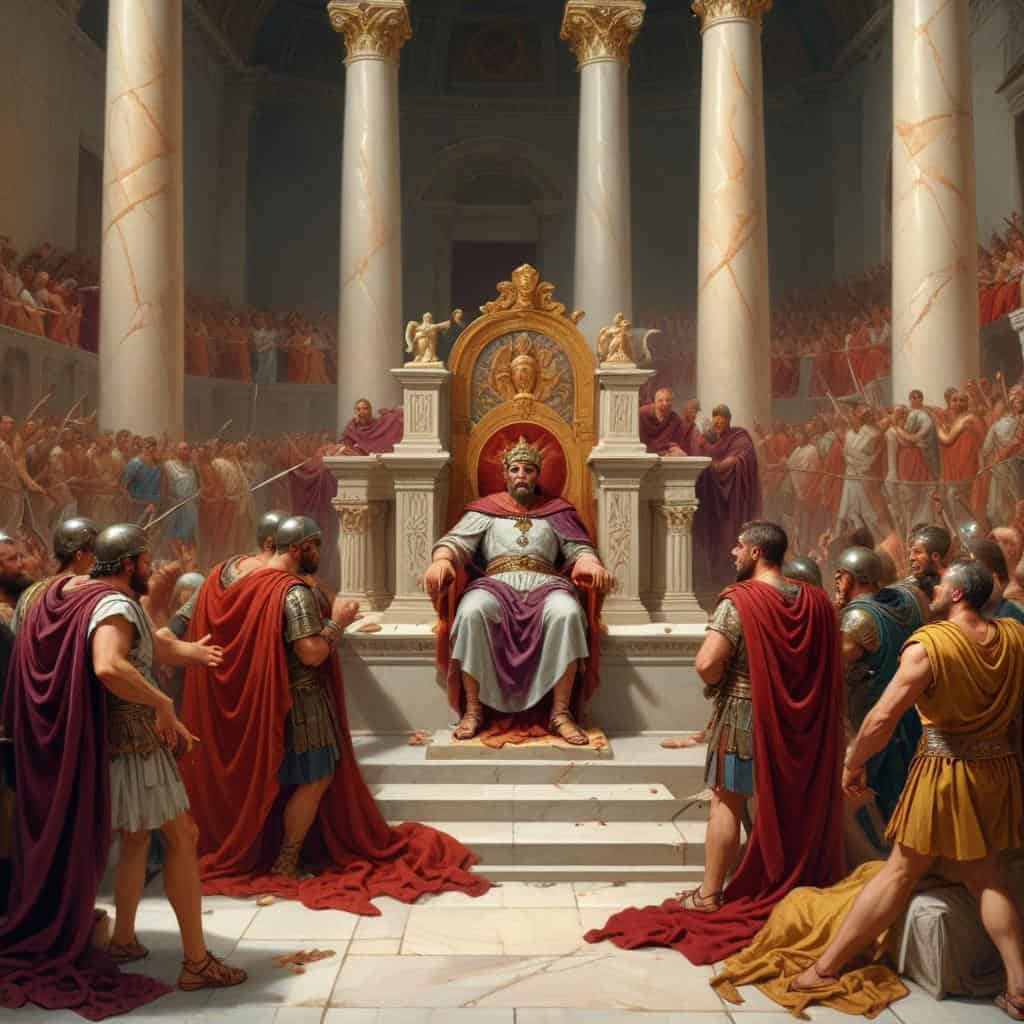
Death of Diocletian
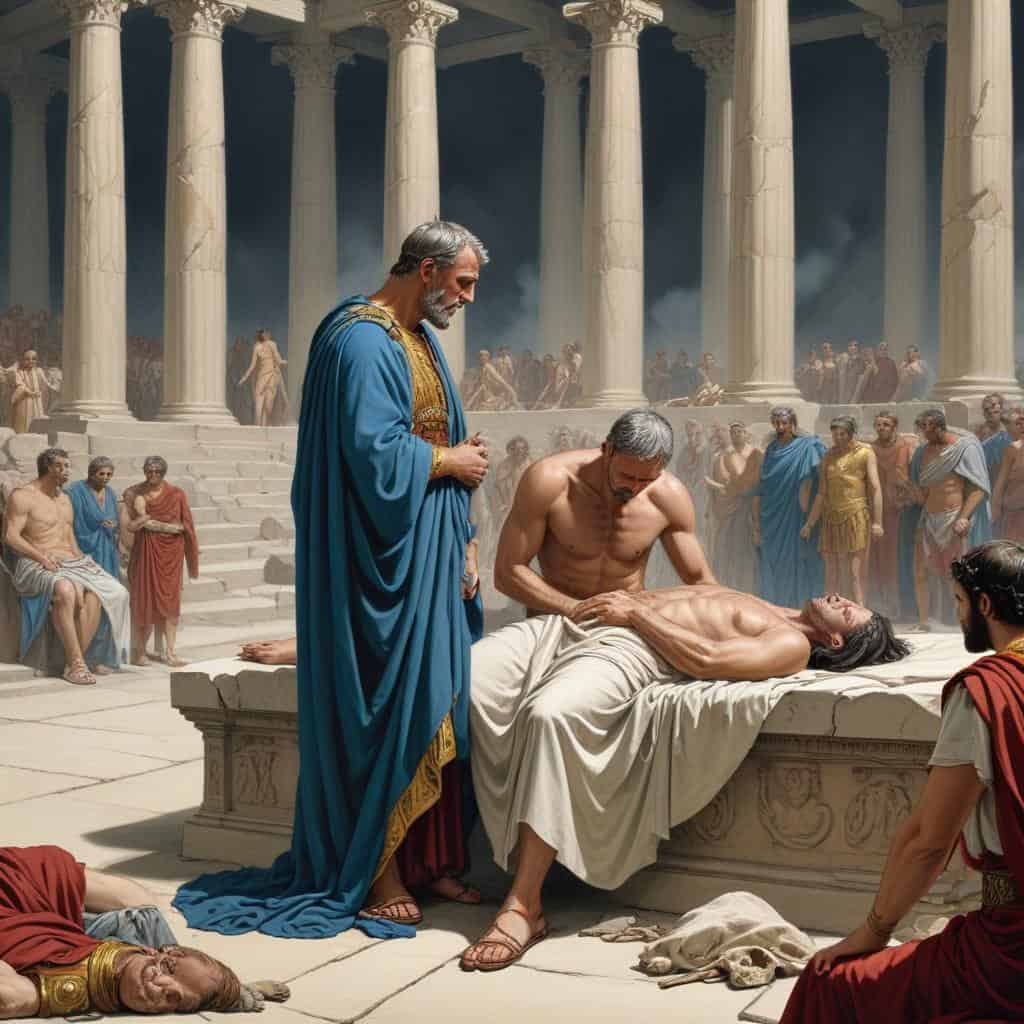
Illness and Death
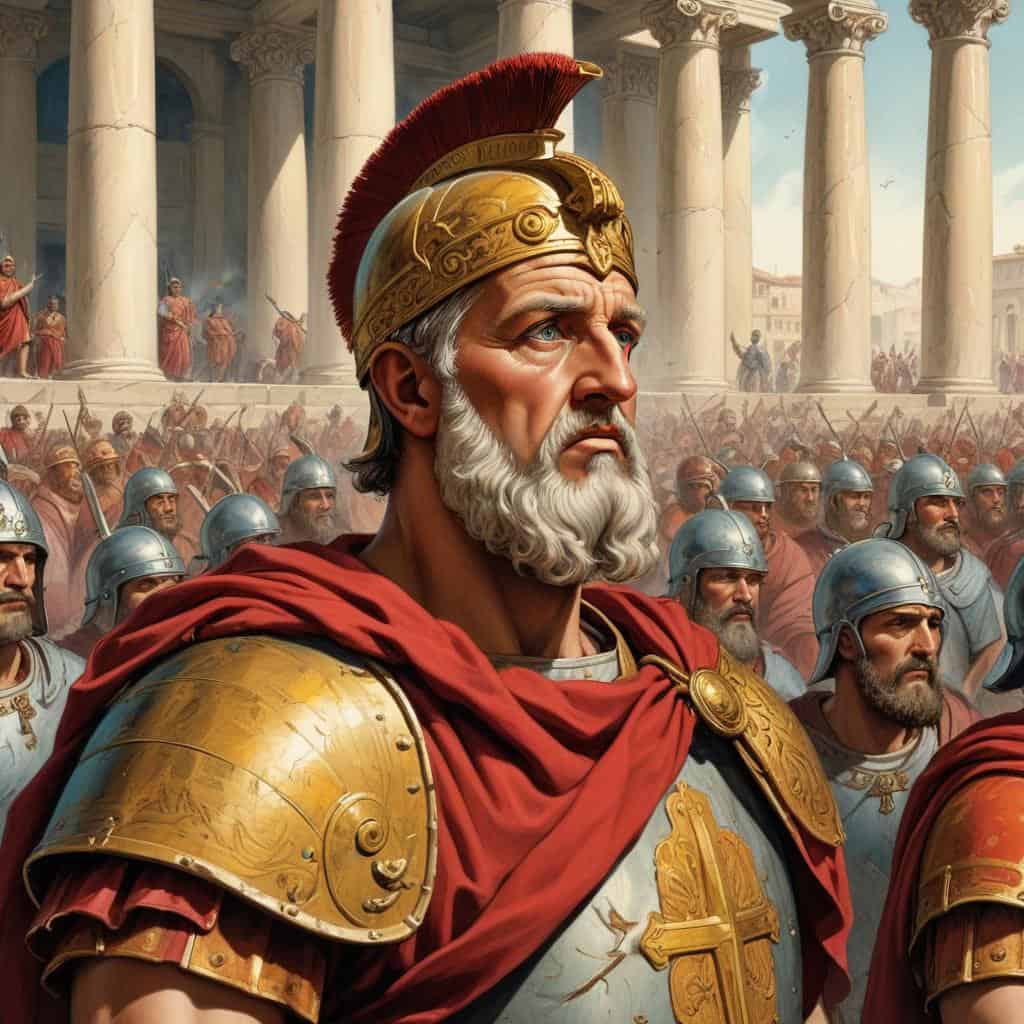
Legacy of Galerius
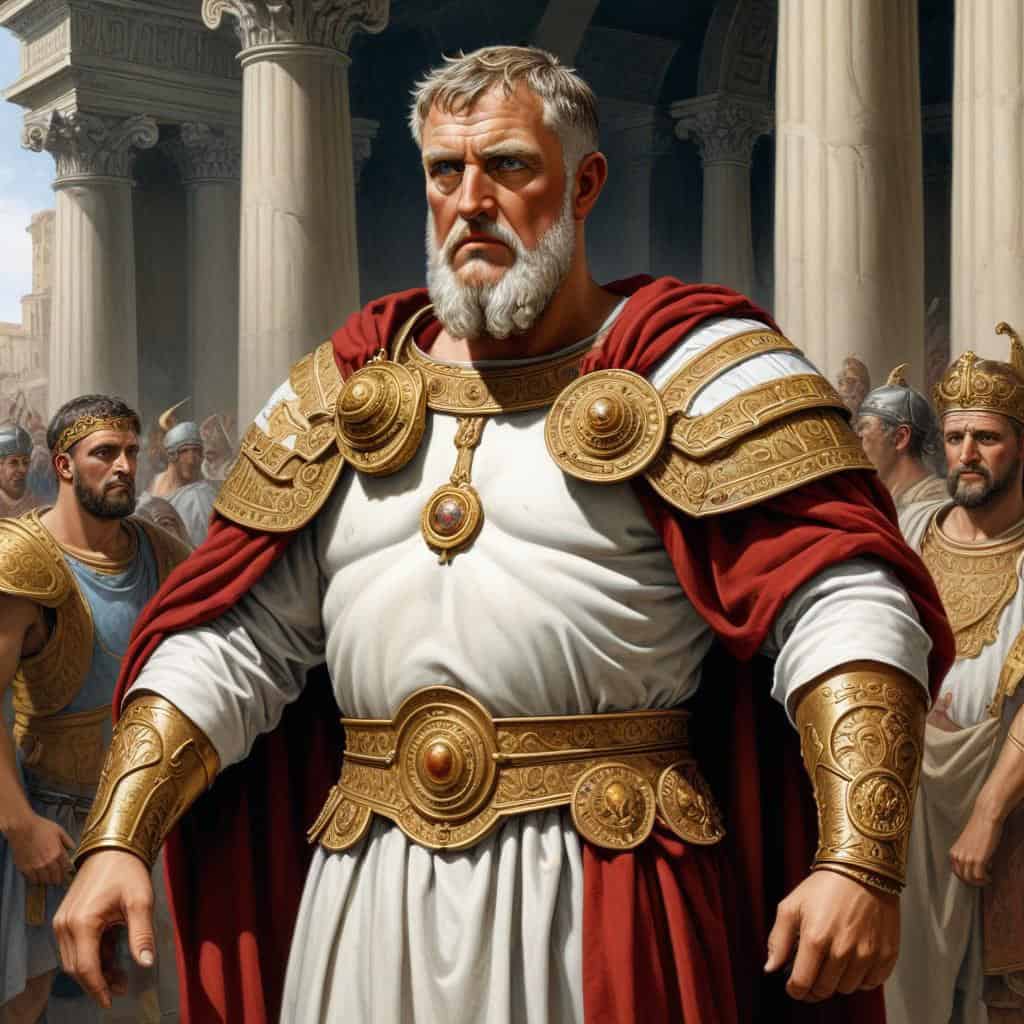
Historical Interpretation
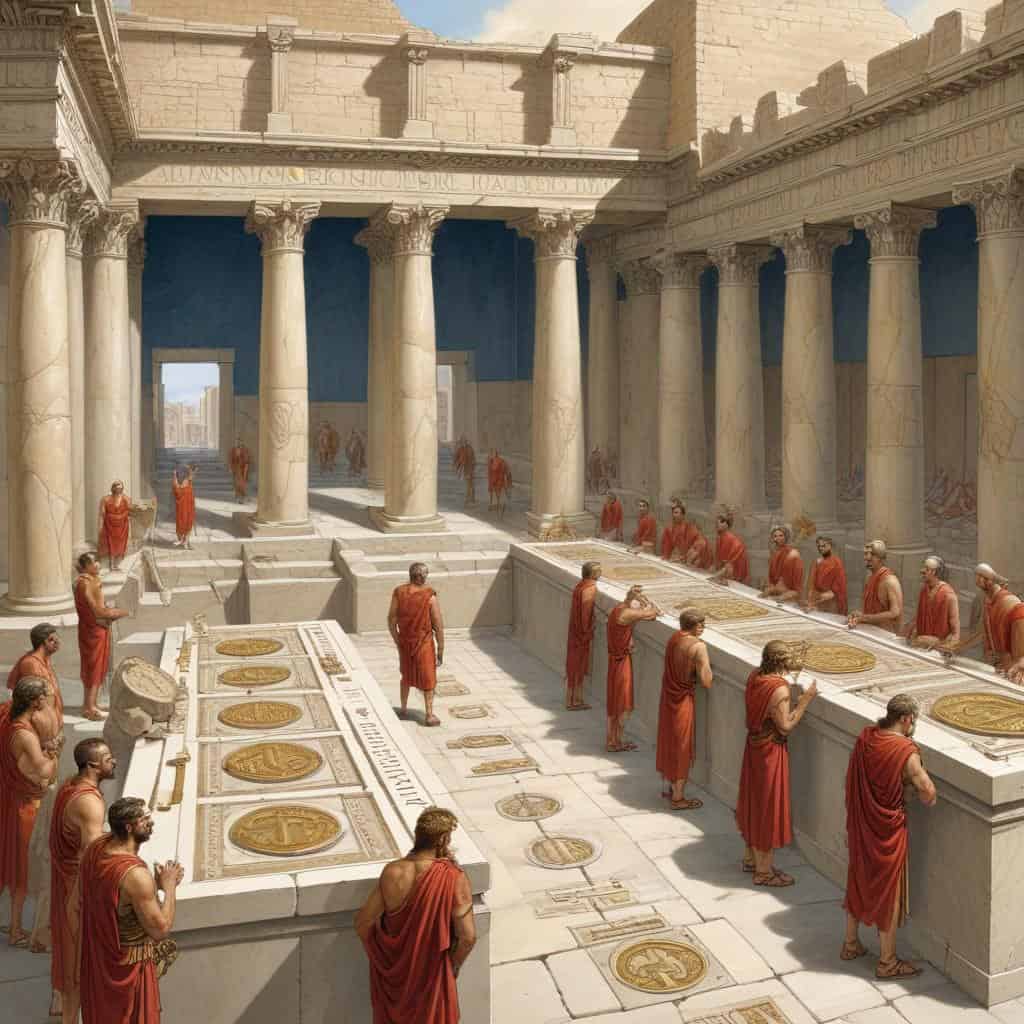
Archaeological Discoveries
Lesson Details & Resources
In a Nutshell
- Who: Roman Emperor
- When: Lived: 260 – 311 AD
- Known For: Ruling as Caesar in the late Roman Empire
- Legacy: Implementing the Diocletianic Persecution of Christians
Timeline of Galerius: A Biography
Galerius is born in Dacia
Galerius is appointed as Caesar by Diocletian
Galerius marries Valeria Maximilla
Galerius leads a successful campaign against the Sasanian Empire
Galerius is elevated to the rank of Augustus by Diocletian
Galerius issues the Edict of Toleration, ending the persecution of Christians in the Roman Empire
Galerius issues the Edict of Serdica, granting religious freedom to all citizens
Galerius dies of a painful disease, possibly stomach cancer
Galerius is buried in Gamzigrad, Serbia
The Arch of Galerius is constructed in Thessaloniki, Greece
Galerius orders the construction of the Palace of Galerius in Thessaloniki
Galerius appoints Licinius as Augustus in the Eastern Roman Empire
Galerius defeats Maxentius at the Battle of Cibalae
Galerius dies in his palace in Thessaloniki
The tetrarchy established by Diocletian and Galerius collapses
Galerius is deified by his successor, Licinius
The Arch of Galerius is rededicated to Galerius and his victory over the Persians
Galerius' reforms to the Roman military system are continued by Constantine the Great
The Mausoleum of Galerius is constructed in Thessaloniki
The Arch of Galerius is partially destroyed by an earthquake
Vocabulary List
- Galerius
- Galerius was a Roman Emperor who ruled from 305-311 AD.
- Tetrarchy
- Galerius was one of the four rulers in the Tetrarchy system established by Diocletian.
- Persecution
- Galerius was known for his persecution of Christians during his reign.
- Edict of Serdica
- Galerius issued the Edict of Serdica, which ended the persecution of Christians and granted them religious freedom.
- Maximinus Daia
- Galerius appointed Maximinus Daia as Caesar in the Eastern part of the Roman Empire.
Key Facts
This is the information used in the fact matching game
- Galerius was a Roman Emperor who ruled from 305 to 311 AD.
- He was born in Dacia (modern-day Serbia) around 250 AD.
- Galerius was known for his persecution of Christians during his reign.
- He was a close ally of the Emperor Diocletian, serving as his Caesar and later as his co-Augustus.
- Galerius issued the Edict of Toleration in 311 AD, ending the persecution of Christians in the Eastern Roman Empire.
- He is known for his military campaigns against the Sassanid Empire and the tribes of the Danube region.
- Galerius died in 311 AD from a painful illness, possibly stomach cancer.
- He was succeeded by Licinius as Emperor of the Eastern Roman Empire.
- Galerius was the son of a shepherd and rose to power through his military prowess.
- He was known for his harsh rule and brutal treatment of his enemies.
- Galerius is sometimes referred to as Galerius Maximianus, due to his close association with the Emperor Maximian.
- He is depicted on several Roman coins, showing his distinctive features and military attire.
- Galerius was responsible for the construction of several public works projects in the Eastern Roman Empire.
- He was a skilled administrator and implemented several reforms to improve the efficiency of the Roman government.
- Galerius was married to Valeria, the daughter of the Emperor Diocletian, in a political alliance.
- He had several children, including a son named Romulus, who was appointed Caesar by his father.
- Galerius was known for his extravagant lifestyle and love of luxury, despite his humble origins.
- He was a patron of the arts and sponsored the construction of several monuments and buildings in his honor.
- Galerius is often portrayed in historical sources as a ruthless and tyrannical ruler, due to his persecution of Christians and harsh treatment of his enemies.
- Despite his controversial legacy, Galerius played a significant role in the history of the Roman Empire and the transition from the Tetrarchy to the Constantinian dynasty.
Analysis & Significance
Major Accomplishments
Galerius was a skilled military leader who played a crucial role in the Roman Empire’s expansion. He is best known for his successful campaigns against the Persians and his efforts to secure the empire’s borders.
Impact on the World
Galerius’s military prowess helped stabilize the Roman Empire during a period of unrest and external threats. His victories strengthened the empire’s defenses and secured its territories, allowing for a period of relative peace and prosperity.
Enduring Legacy
Today, Galerius is remembered as a key figure in Roman military history. His strategic acumen and leadership skills have cemented his legacy as a significant historical figure, whose contributions to the empire’s security and stability continue to be studied and admired by historians and military leaders alike.
Galerius: A Biography Games


Take Your Learning Offline
Want a convenient, print-ready study guide for this lesson? Become a Memory Wizards Pro member to unlock the downloadable " Memory Scrolls" for this topic and our entire library!
- ✓ Complete Vocabulary Lists
- ✓ Key Facts & Timelines
- ✓ Beautifully Formatted for Print & Mobile