
Galba: A Roman Emperor’s Biography
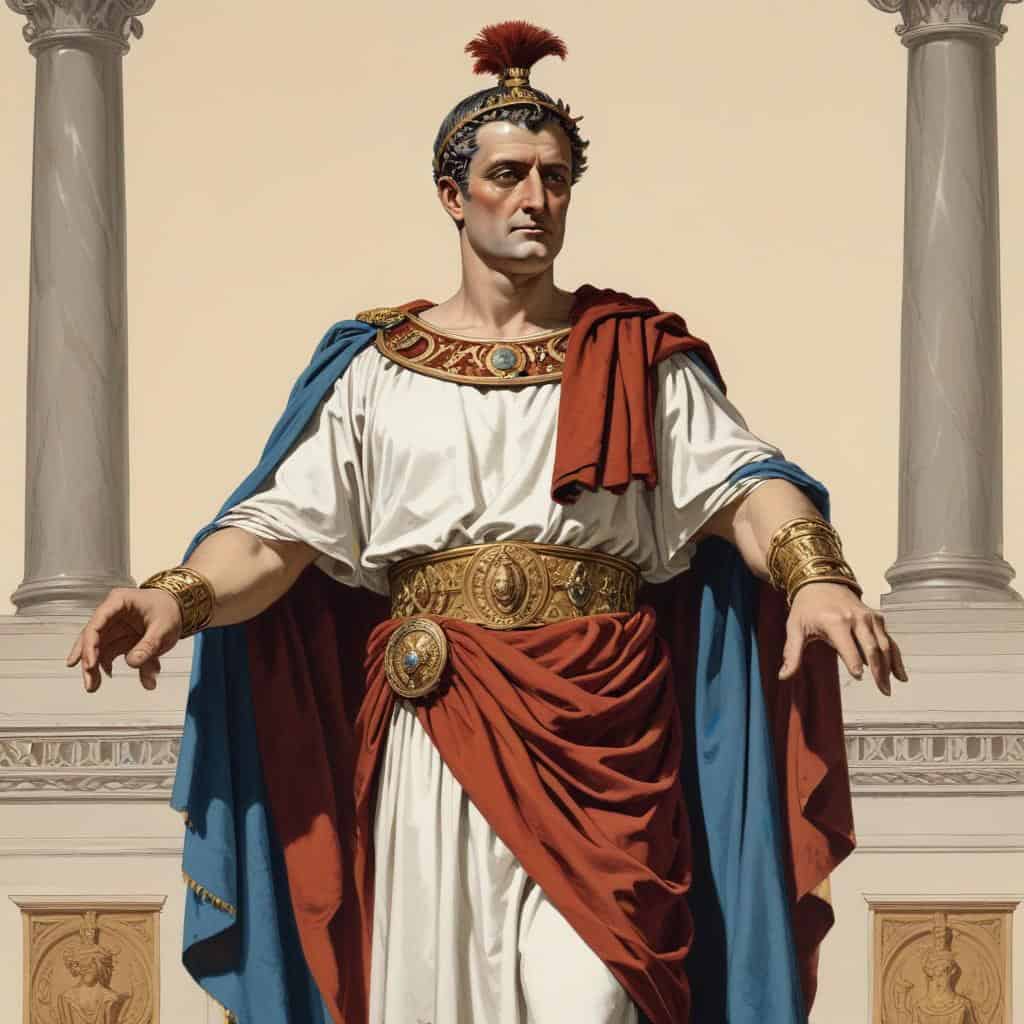
Galba: The Roman Emperor who ruled for a mere 7 months.
How Do You Learn Best?
Learn by Reading
Immerse yourself in the 10-minute visual lesson for a comprehensive understanding of the topic.
Learn by Reviewing
Jump directly to the key facts, timeline, and vocabulary lists to build a solid foundation of details.
Learn by Doing
Challenge yourself! Jump straight into the interactive games to learn by trial, error, and discovery.
Galba: A Roman Emperor’s Biography in 10 Minutes
Introduction
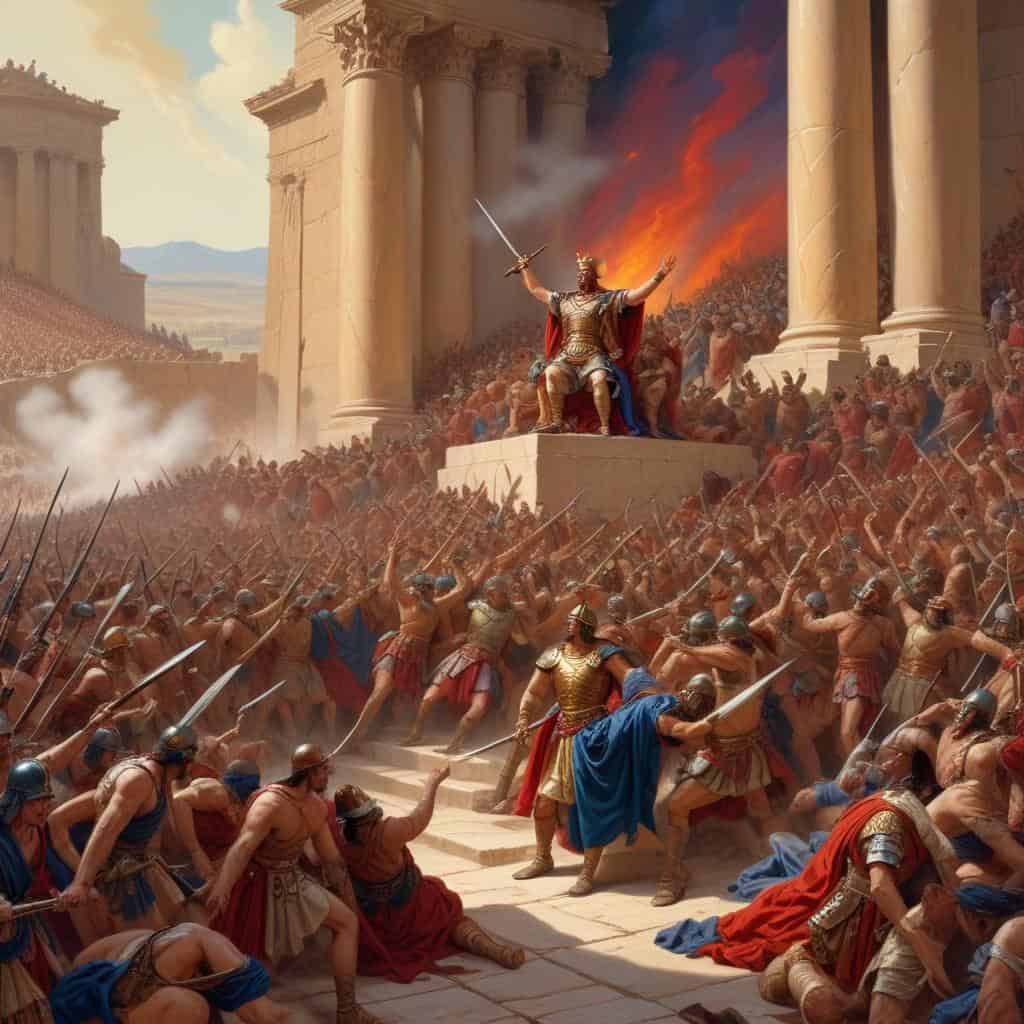
Otho
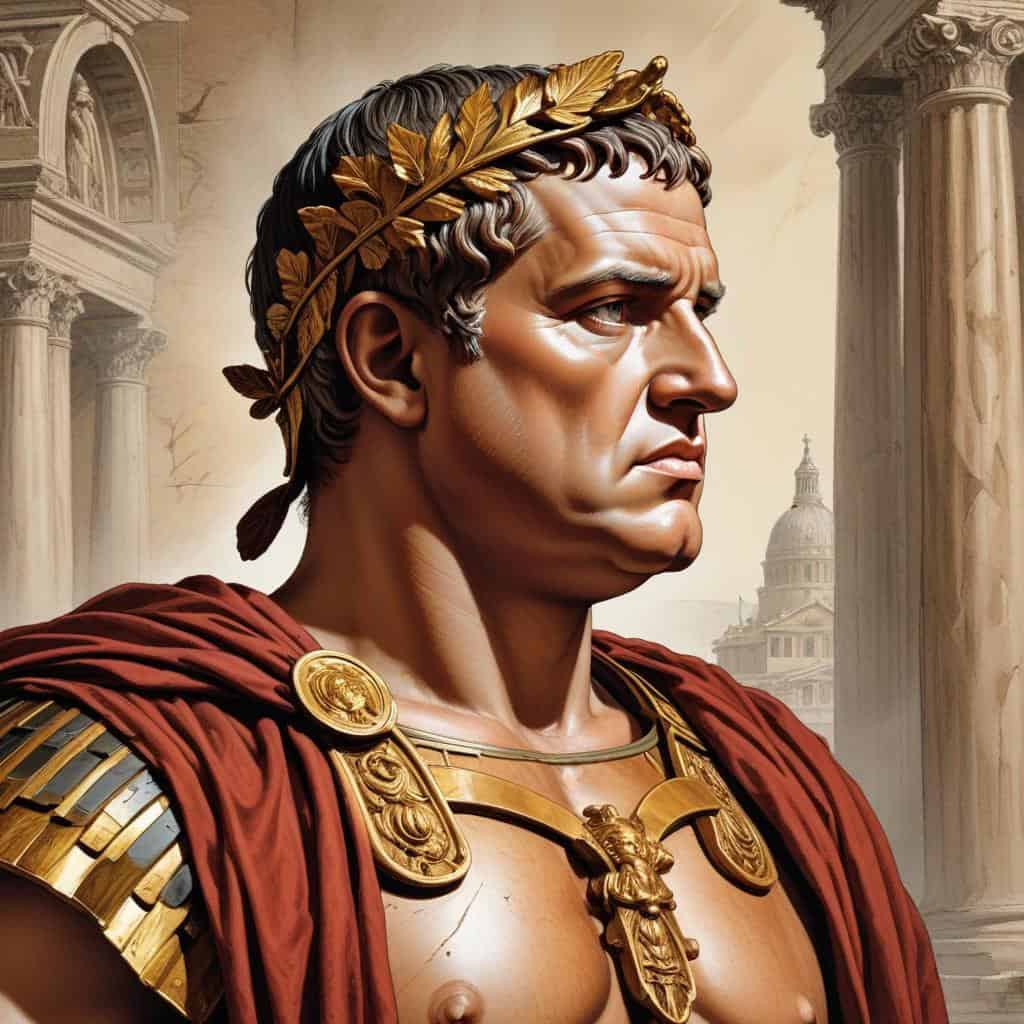
Vitellius
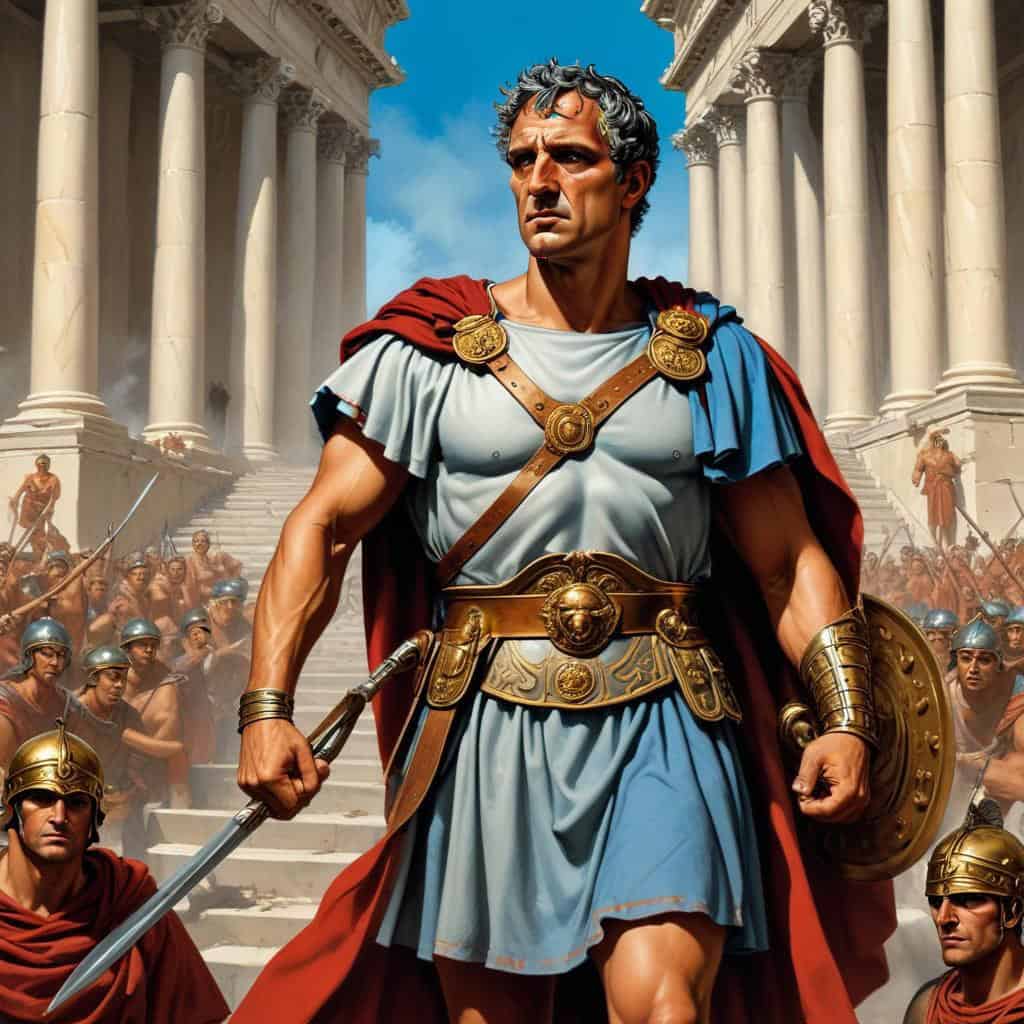
Vindex
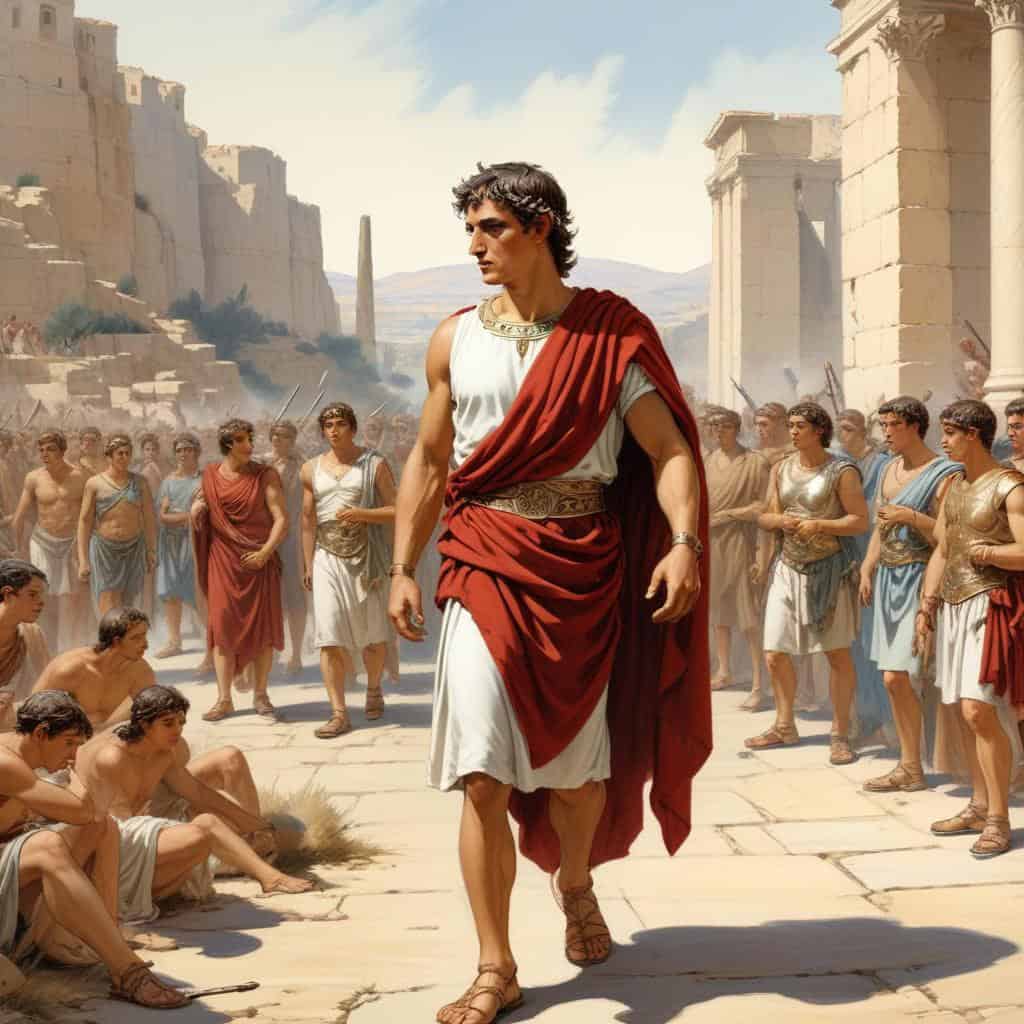
Galbas Early Life
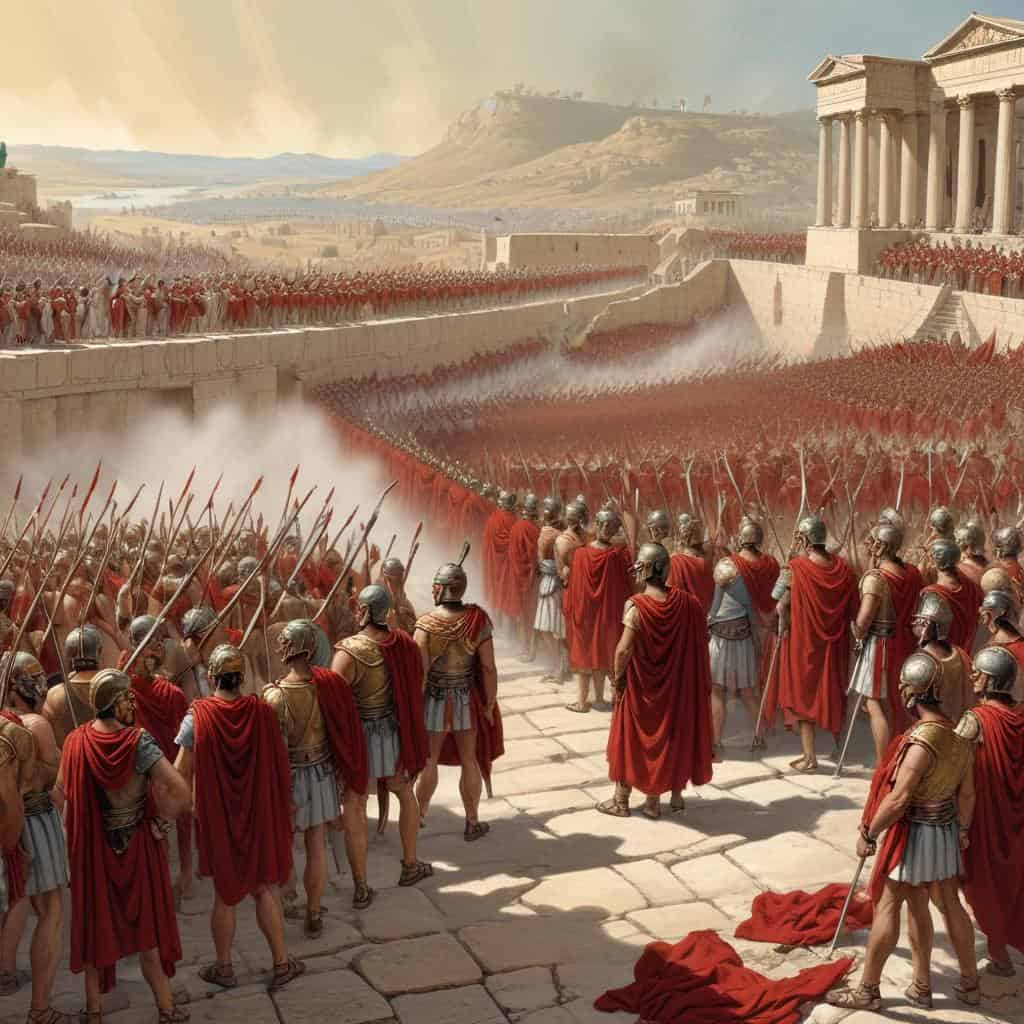
Rise to Power
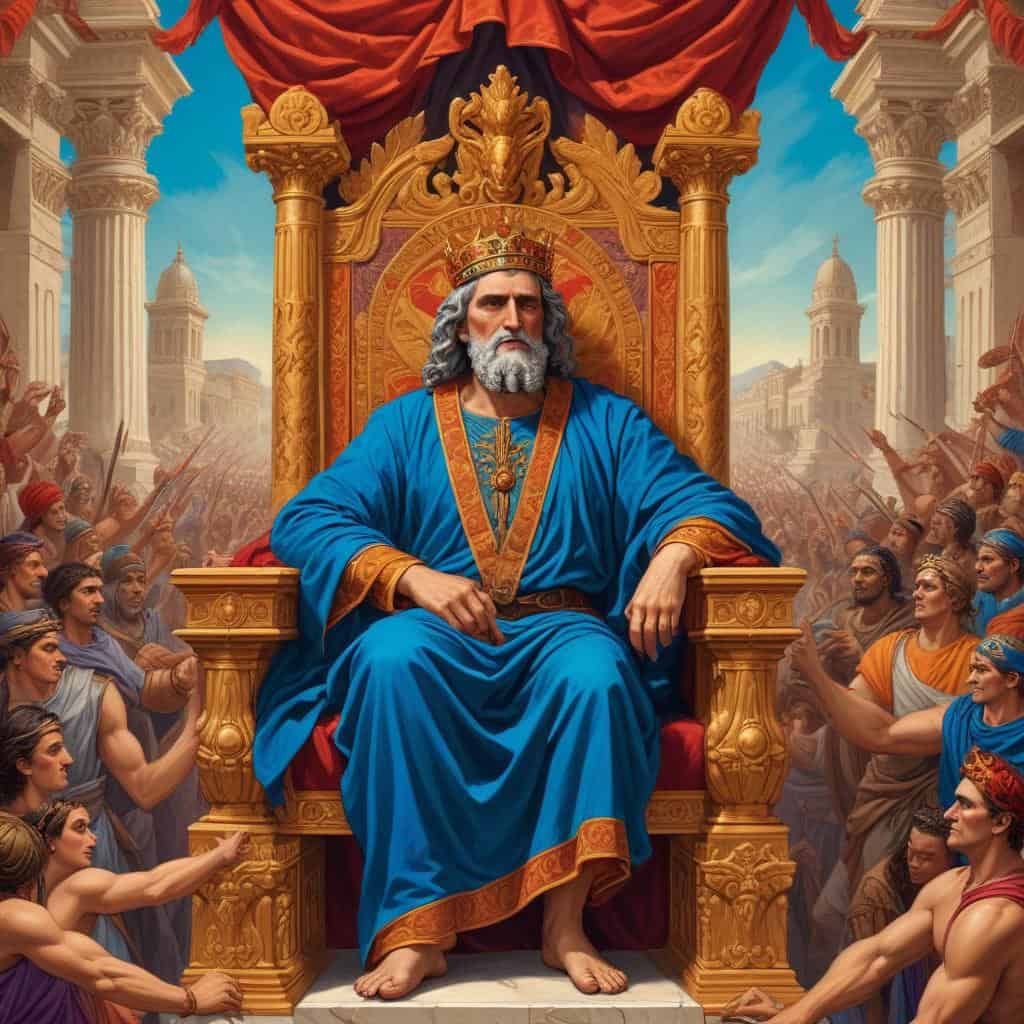
Reforms and Policies
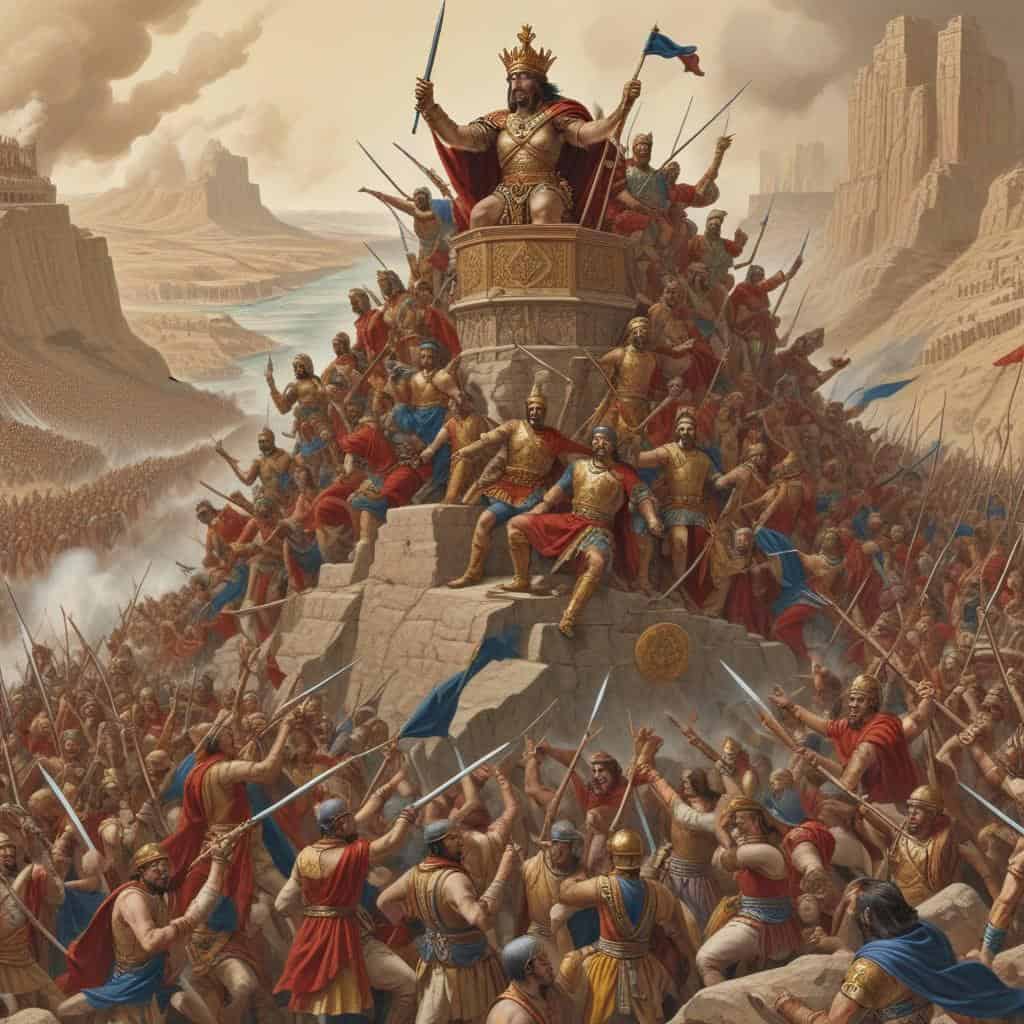
Challenges and Revolts
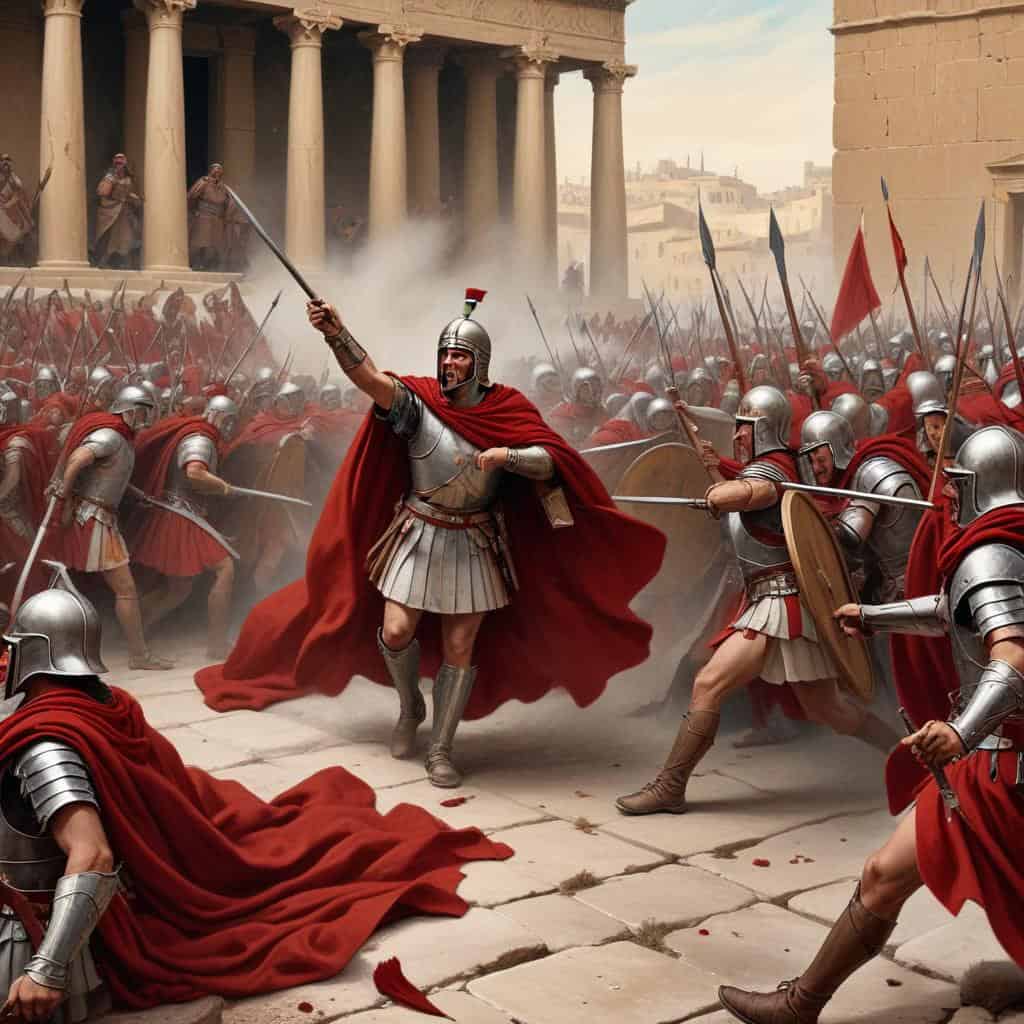
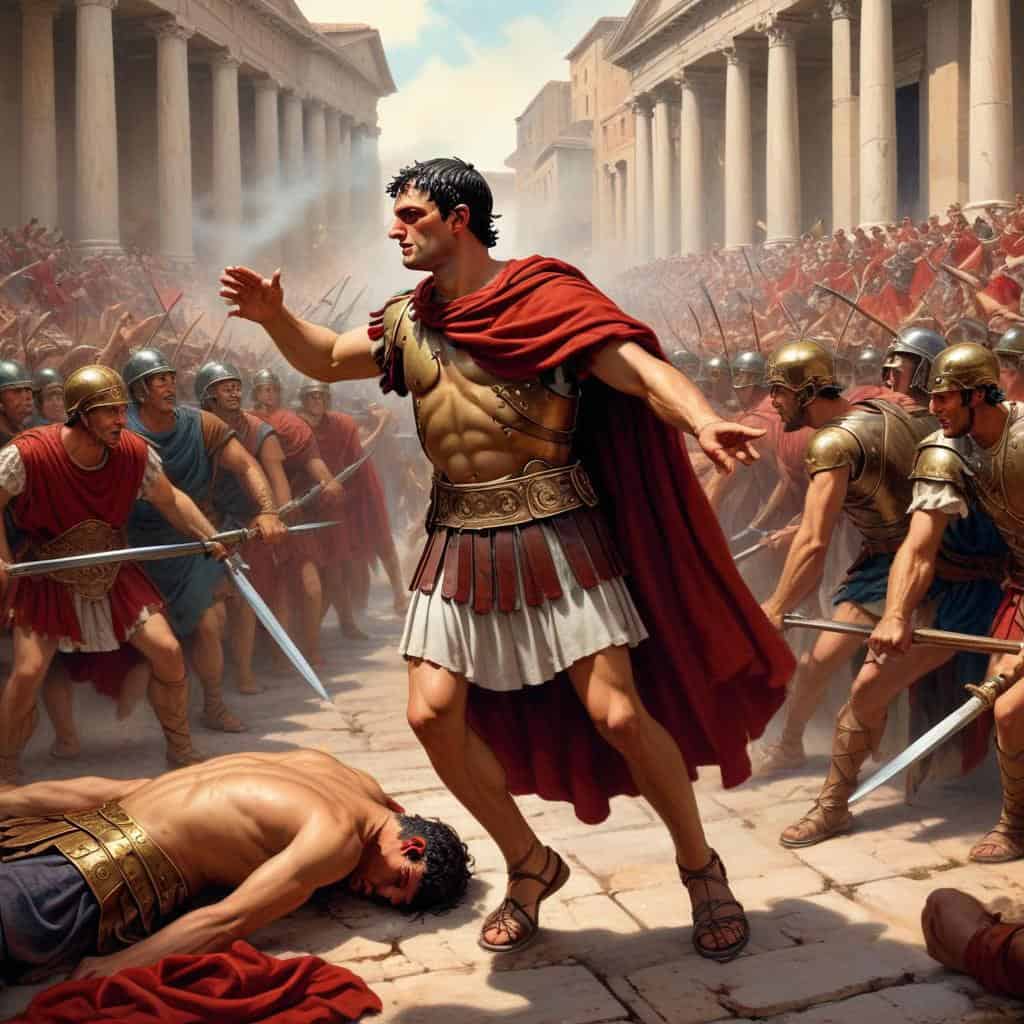
Assassination
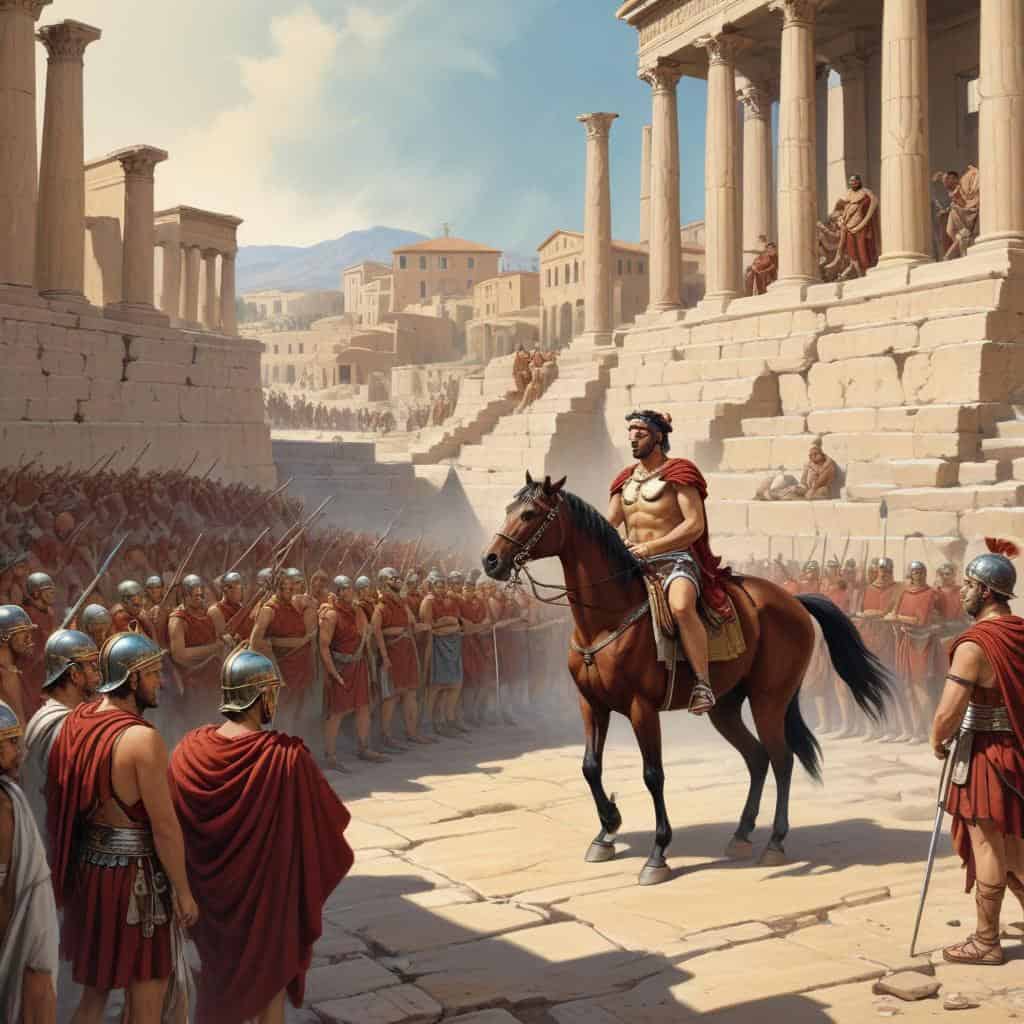
Legacy
Historical Significance
Personal Life
Death and Aftermath
Lesson Details & Resources
In a Nutshell
- Who: Roman Emperor
- When: Lived: 3 BC – AD 69
- Known For: Ascending to the throne after Nero’s suicide
- Legacy: Being one of the shortest-reigning Roman emperors
Timeline of Galba: A Roman Emperor’s Biography
Galba is born
Galba serves as a military tribune in Germany
Galba is appointed as governor of Hispania Tarraconensis
Galba is chosen as the governor of Africa
Galba is declared Emperor by the Roman Senate
Galba adopts Lucius Calpurnius Piso Licinianus as his successor
Galba orders the execution of Nymphidius Sabinus, a rival claimant to the throne
Galba's rule faces opposition and discontent among the Praetorian Guard and the Roman populace
Galba is assassinated by the Praetorian Guard during a rebellion led by Otho
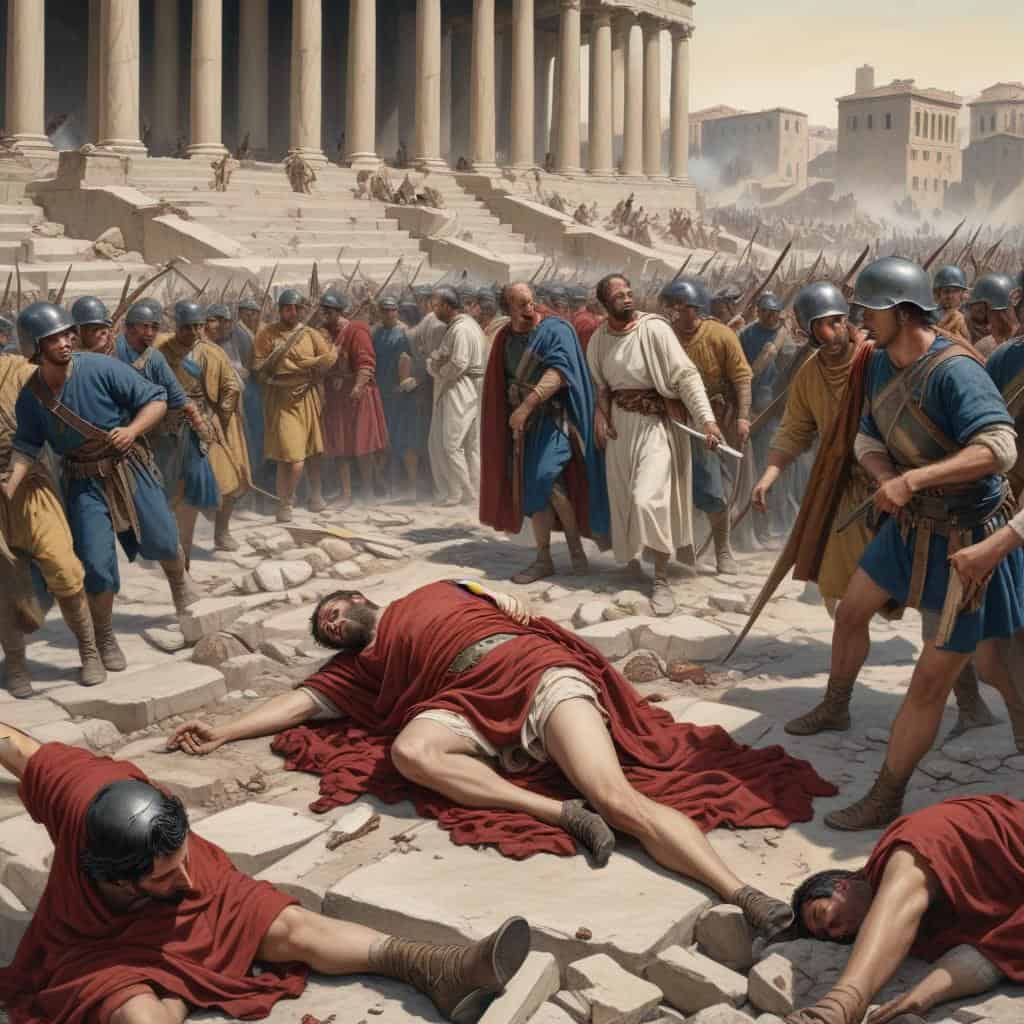
Galba's head is paraded through the streets of Rome
Otho is declared Emperor
Galba's adopted successor Piso is also killed
Galba's body is cremated and his ashes are sent back to his birthplace
Galba is deified by the Roman Senate
The Roman Senate condemns Galba's murderers
Vespasian becomes Emperor after the Year of the Four Emperors
Statue of Galba is erected in Rome
Galba's legacy is largely erased and forgotten
Galba's reign is widely considered as a failure due to his harsh rule and lack of support
Vocabulary List
- Galba
- He was a Roman Emperor who reigned for a brief period in 68-69 AD.
- Otho
- He was a Roman general who briefly succeeded Galba as Emperor.
- Nero
- He was the Roman Emperor before Galba and his tyrannical rule led to widespread discontent.
- Year of the Four Emperors
- Refers to the tumultuous period in Roman history when Galba, Otho, Vitellius, and Vespasian successively held the title of Emperor within a single year.
- Roman Empire
- The vast empire that Galba ruled over as Emperor, encompassing territories across Europe, Asia, and Africa.
- Legion
- A large military unit in ancient Rome, often consisting of thousands of soldiers, which played a crucial role in Galba's rise to power.
- Praetorian Guard
- An elite unit of the Roman army responsible for protecting the Emperor. Galba's relationship with the Praetorian Guard was strained, leading to his downfall.
- Revolt
- The uprising against Galba's rule led by Otho, which resulted in his overthrow and subsequent suicide.
- Rome
- The capital city of the Roman Empire where Galba's reign as Emperor was centered.
- Assassination
- The act of killing Galba, carried out by the Praetorian Guard, due to his unpopularity and harsh policies.
Key Facts
This is the information used in the fact matching game
- Galba was a Roman emperor who ruled for just seven months from June 68 AD to January 69 AD.
- Galba was born on December 24, 3 BC, in the town of Terracina, Italy.
- He came from a noble Roman family and was a descendant of the famous general Scipio Africanus.
- Galba served as a military commander and governor in various provinces of the Roman Empire before his rise to power.
- He was appointed as the governor of Hispania Tarraconensis (modern-day Spain) by Emperor Nero.
- Galba was known for his strict discipline and frugality, which earned him the nickname 'the Old Puritan'.
- He was proclaimed emperor by his troops in Spain after Nero's suicide in 68 AD.
- Galba was the first emperor of the Year of the Four Emperors, a period of civil war and instability in Rome.
- During his short reign, Galba faced numerous revolts and conspiracies, leading to his unpopularity among the Roman people.
- He executed many individuals associated with the previous regime, causing further discontent among the Roman elite.
- Galba adopted Lucius Calpurnius Piso Licinianus as his heir, bypassing the popular general Otho.
- This decision led Otho to plot against Galba, who was ultimately overthrown and killed in a military coup led by Otho.
- Galba's assassination occurred on January 15, 69 AD, in Rome.
- His death marked the end of the Julio-Claudian dynasty and the beginning of a period of intense power struggles in Rome.
- Galba was succeeded by Otho, who ruled for just three months before being overthrown by Vitellius.
- Despite his short reign and unpopularity, Galba is remembered for his attempts to restore discipline and financial stability to the Roman Empire.
- His rule is often seen as a transition between the Julio-Claudian dynasty and the more chaotic Year of the Four Emperors.
- Galba's body was mutilated and thrown into the Tiber River after his death.
- Galba is a character in the historical novel 'I, Claudius' by Robert Graves.
Analysis & Significance
Major Accomplishments
Galba was known for his military prowess and leadership skills, achieving great success in various campaigns and battles during his time as a Roman general.
Impact on the World
His rise to power as Emperor of Rome marked a significant shift in Roman history, leading to a chain of events that ultimately resulted in the Year of the Four Emperors, a period of civil war and political instability.
Enduring Legacy
Galba is remembered as one of the key figures in the tumultuous transition from the Julio-Claudian dynasty to the Year of the Four Emperors, showcasing the fragility of Roman political power and the challenges of maintaining stability in the empire.
Galba: A Roman Emperor’s Biography Games


Take Your Learning Offline
Want a convenient, print-ready study guide for this lesson? Become a Memory Wizards Pro member to unlock the downloadable " Memory Scrolls" for this topic and our entire library!
- ✓ Complete Vocabulary Lists
- ✓ Key Facts & Timelines
- ✓ Beautifully Formatted for Print & Mobile