
Domitian: A Biography of the Infamous Roman Emperor
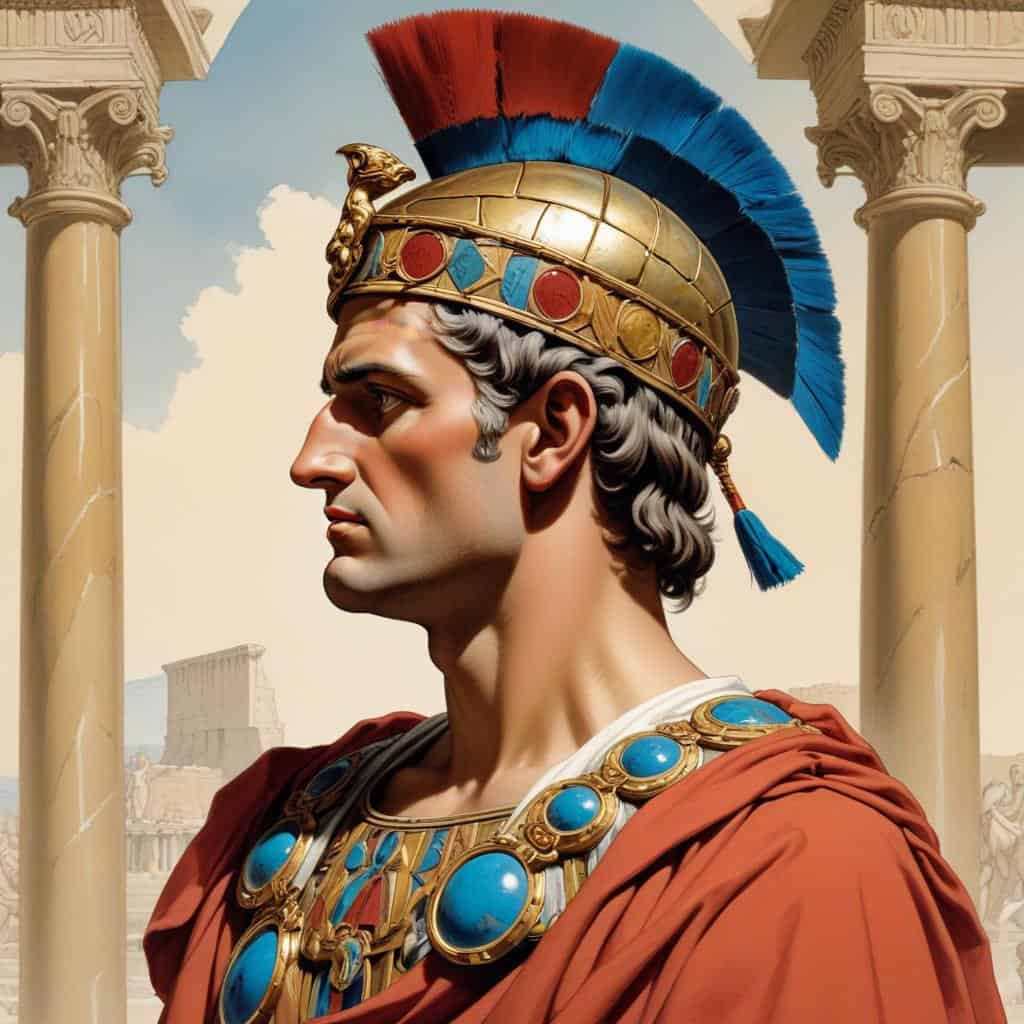
Domitian: The ruthless Roman emperor who brought stability to the Empire.
How Do You Learn Best?
Learn by Reading
Immerse yourself in the 10-minute visual lesson for a comprehensive understanding of the topic.
Learn by Reviewing
Jump directly to the key facts, timeline, and vocabulary lists to build a solid foundation of details.
Learn by Doing
Challenge yourself! Jump straight into the interactive games to learn by trial, error, and discovery.
Domitian: A Biography of the Infamous Roman Emperor in 10 Minutes
Introduction
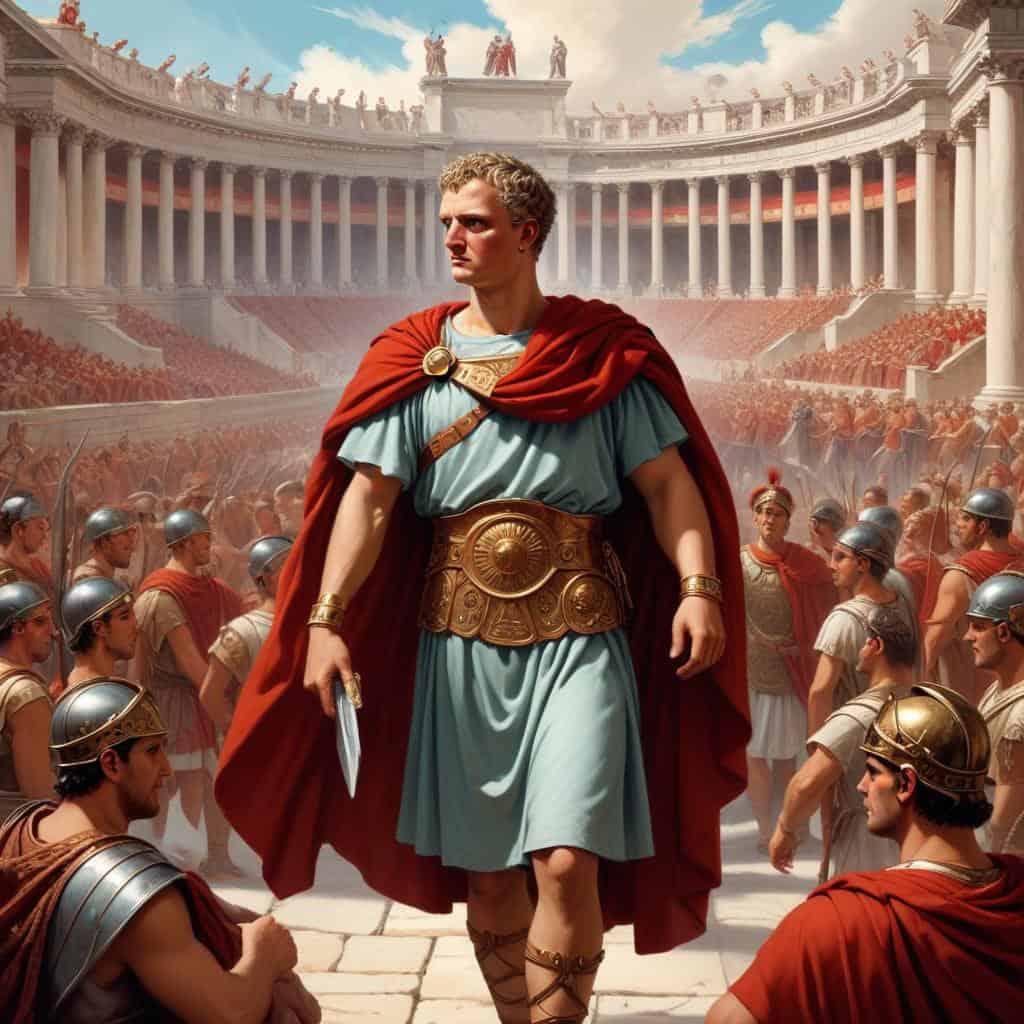
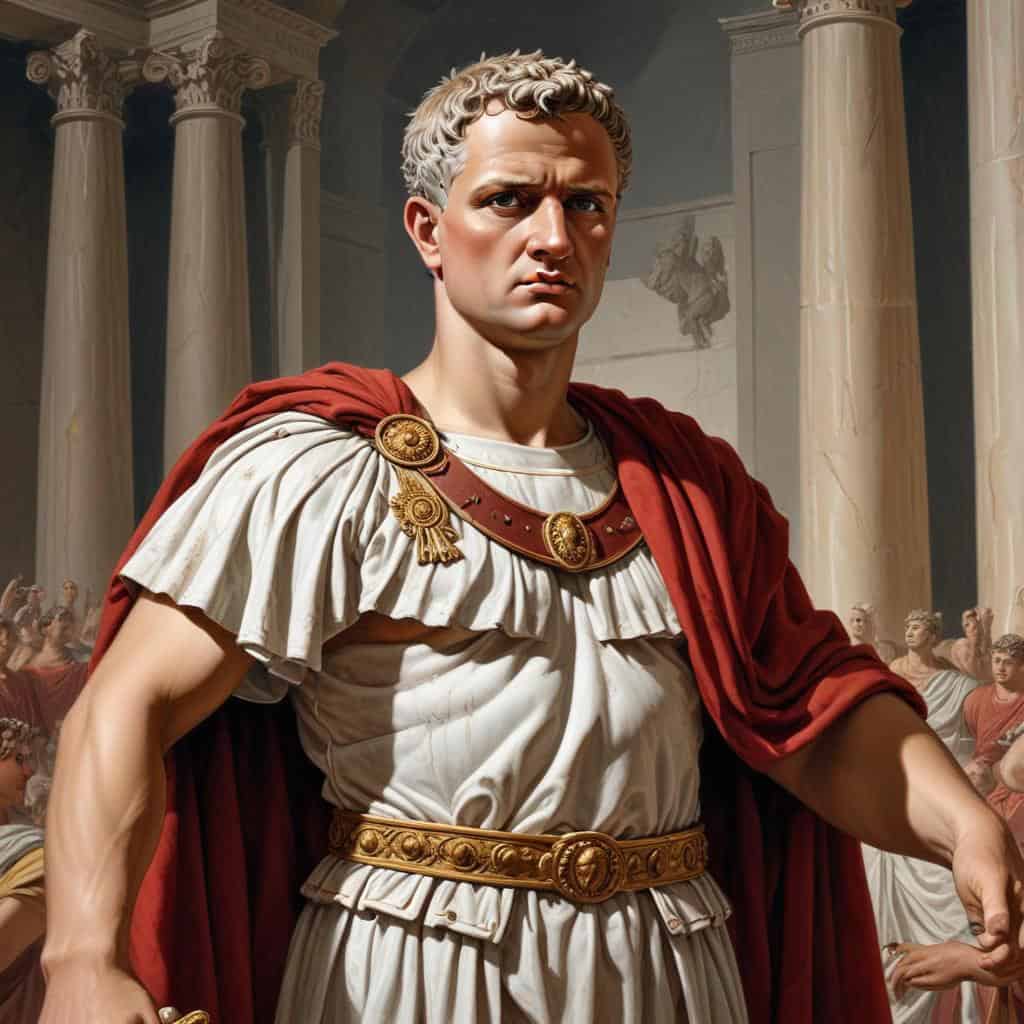
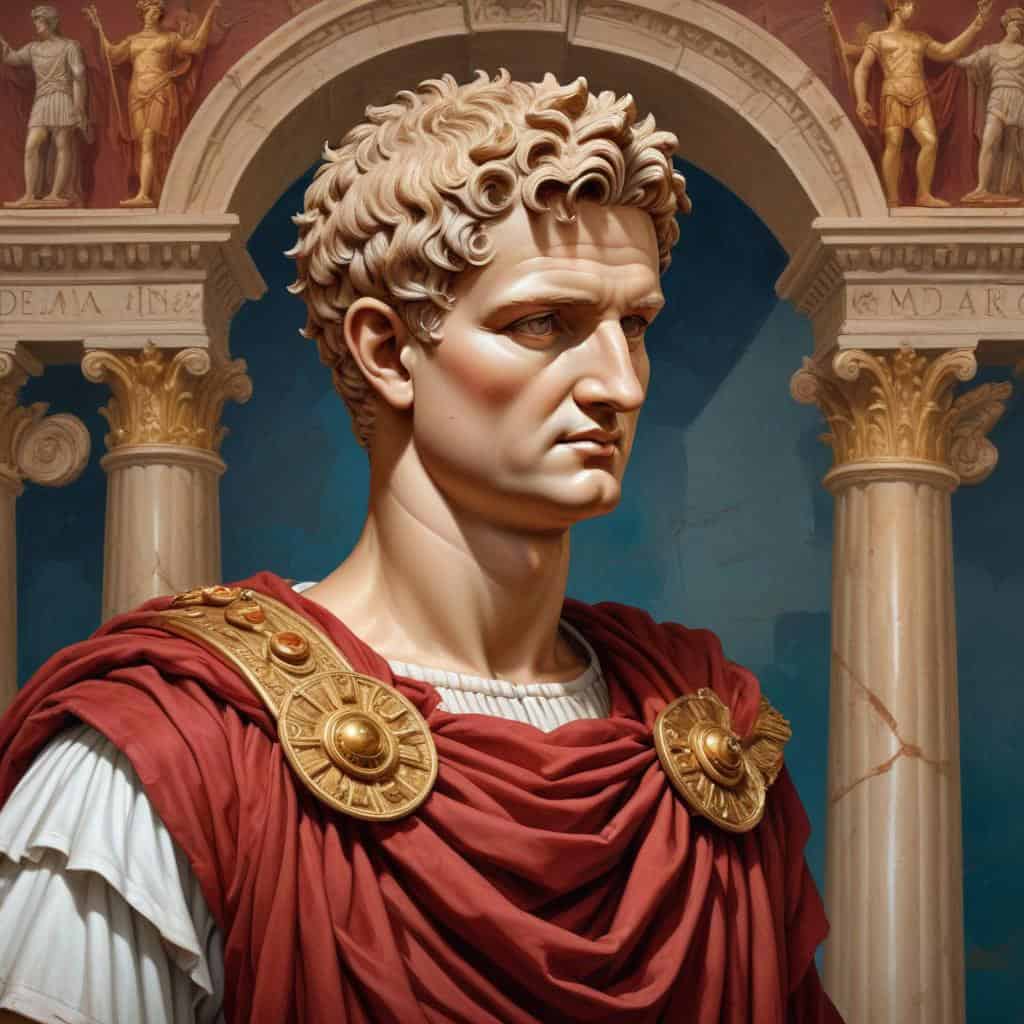
Titus Flavius Domitianus
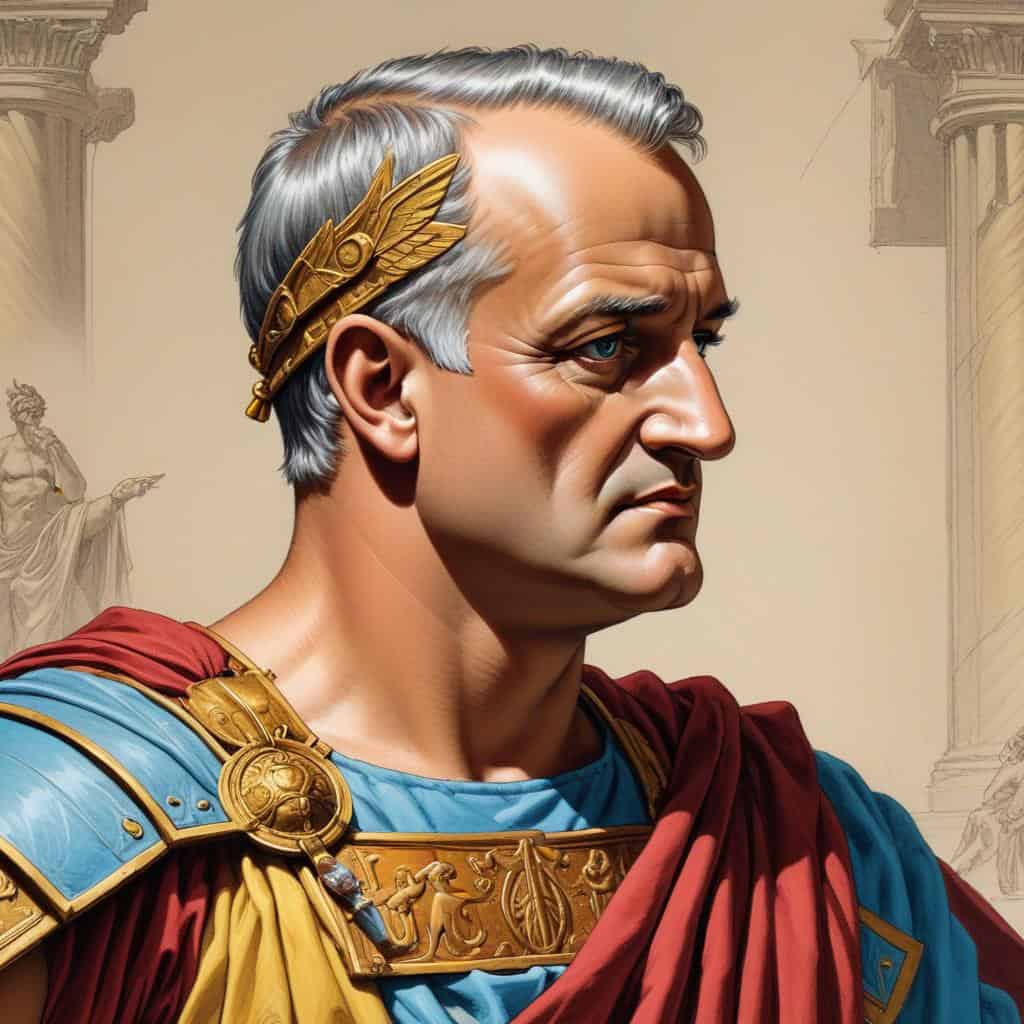
Vespasian
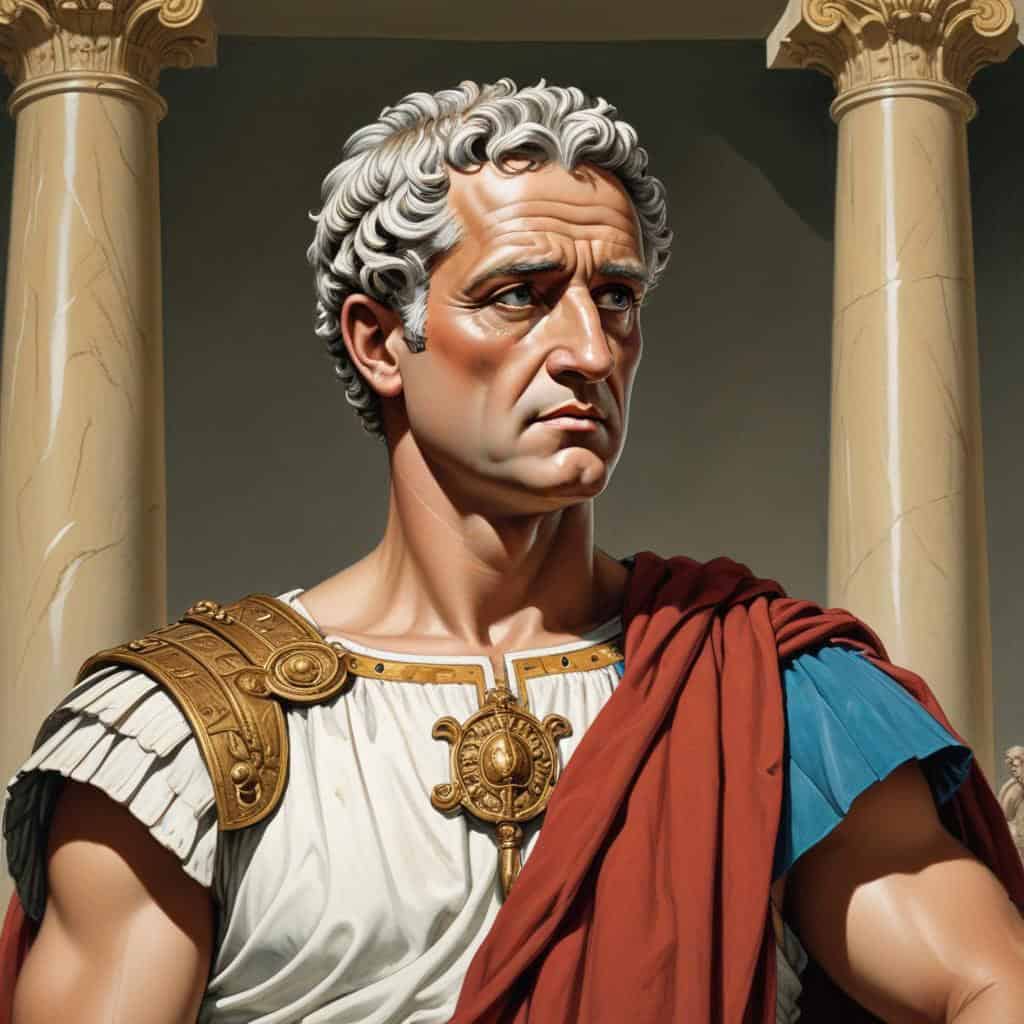
Titus
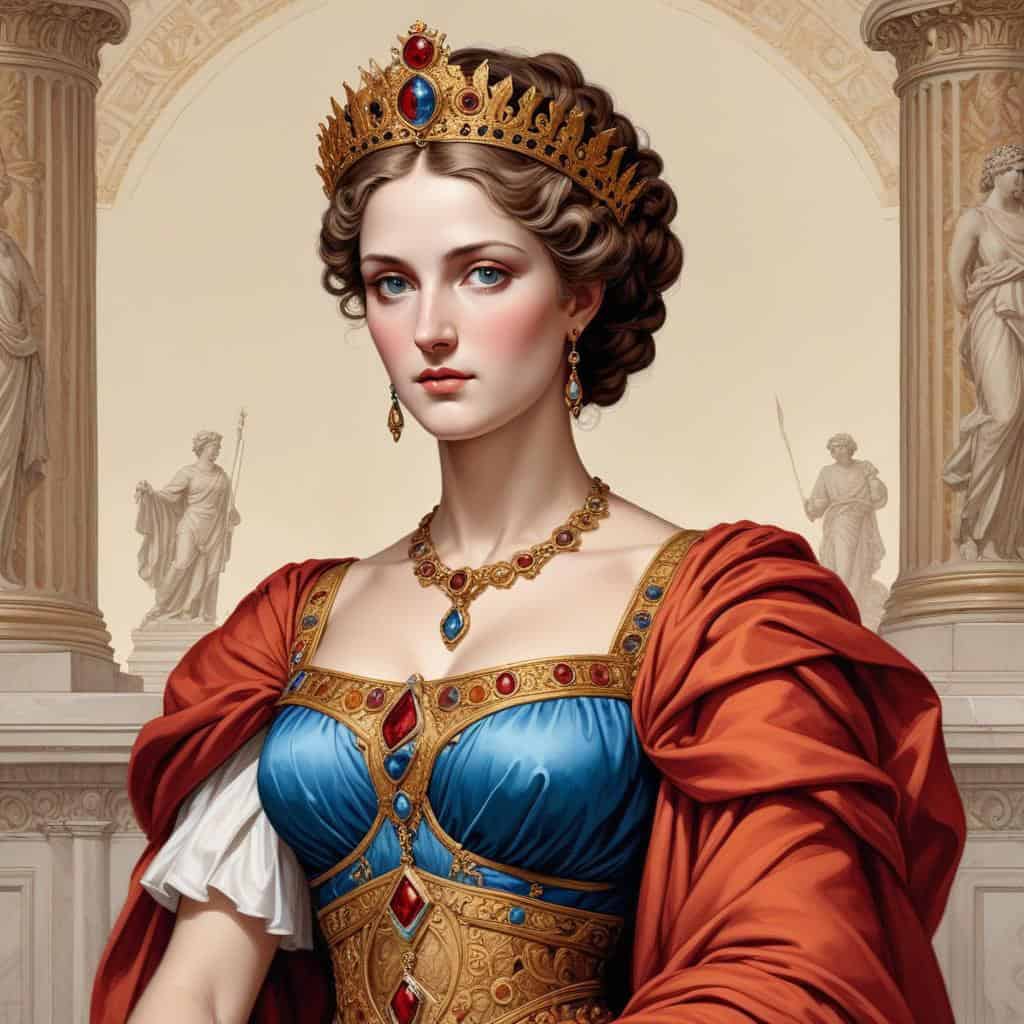
Julia Domna
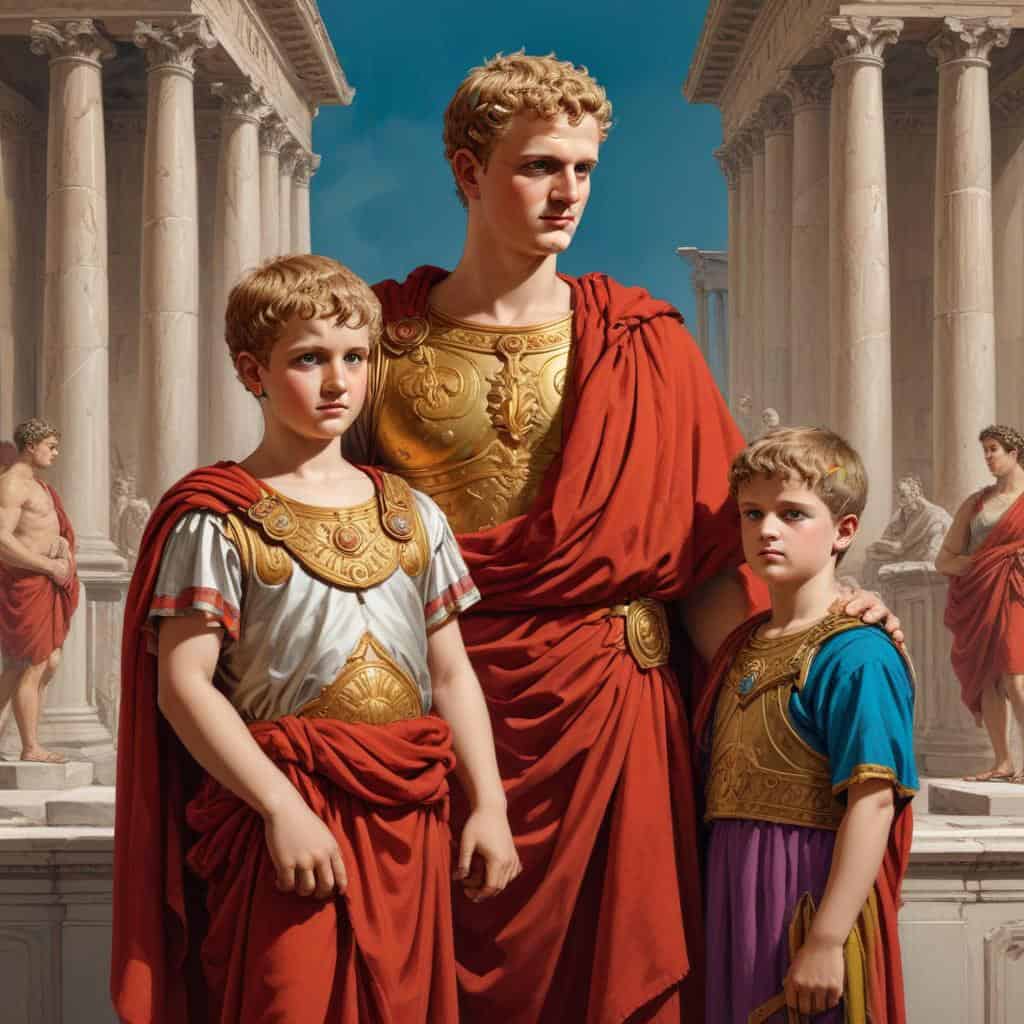
Early Life
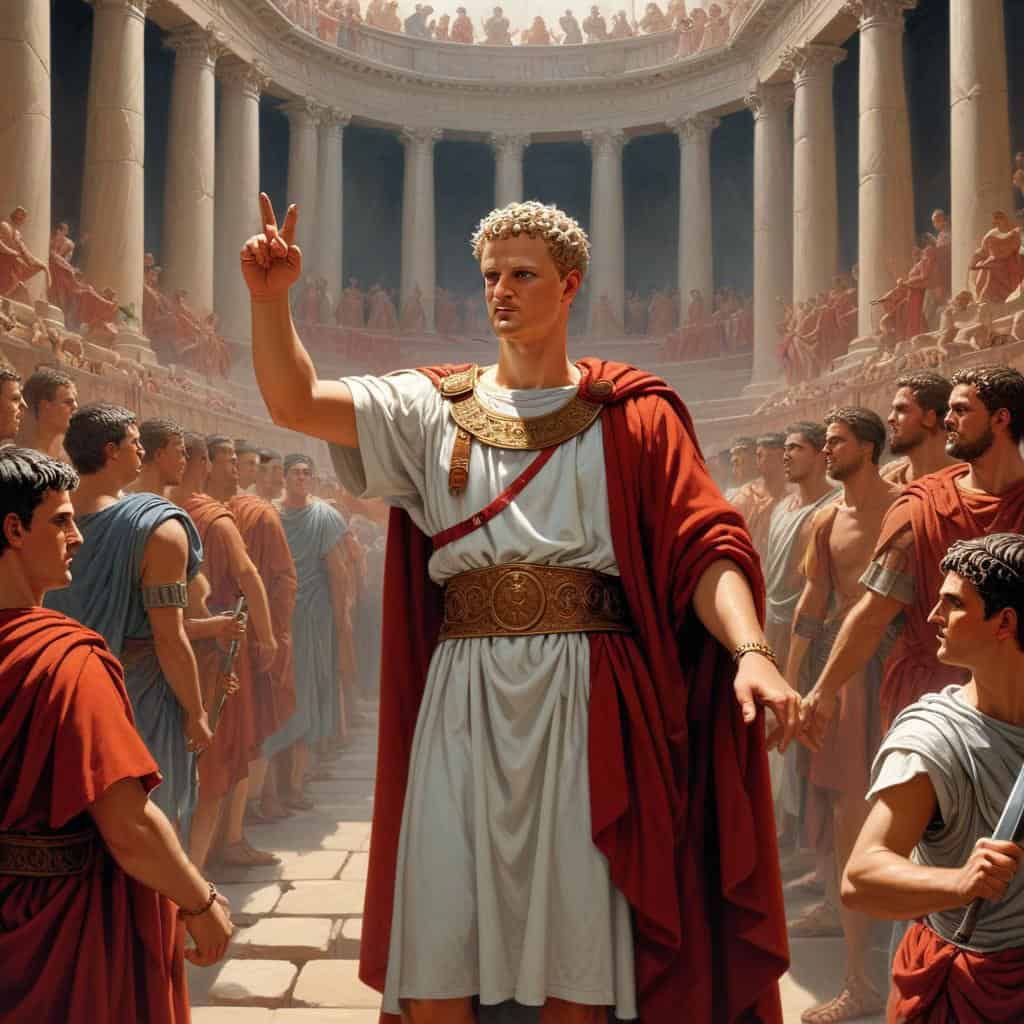
Rise to Power
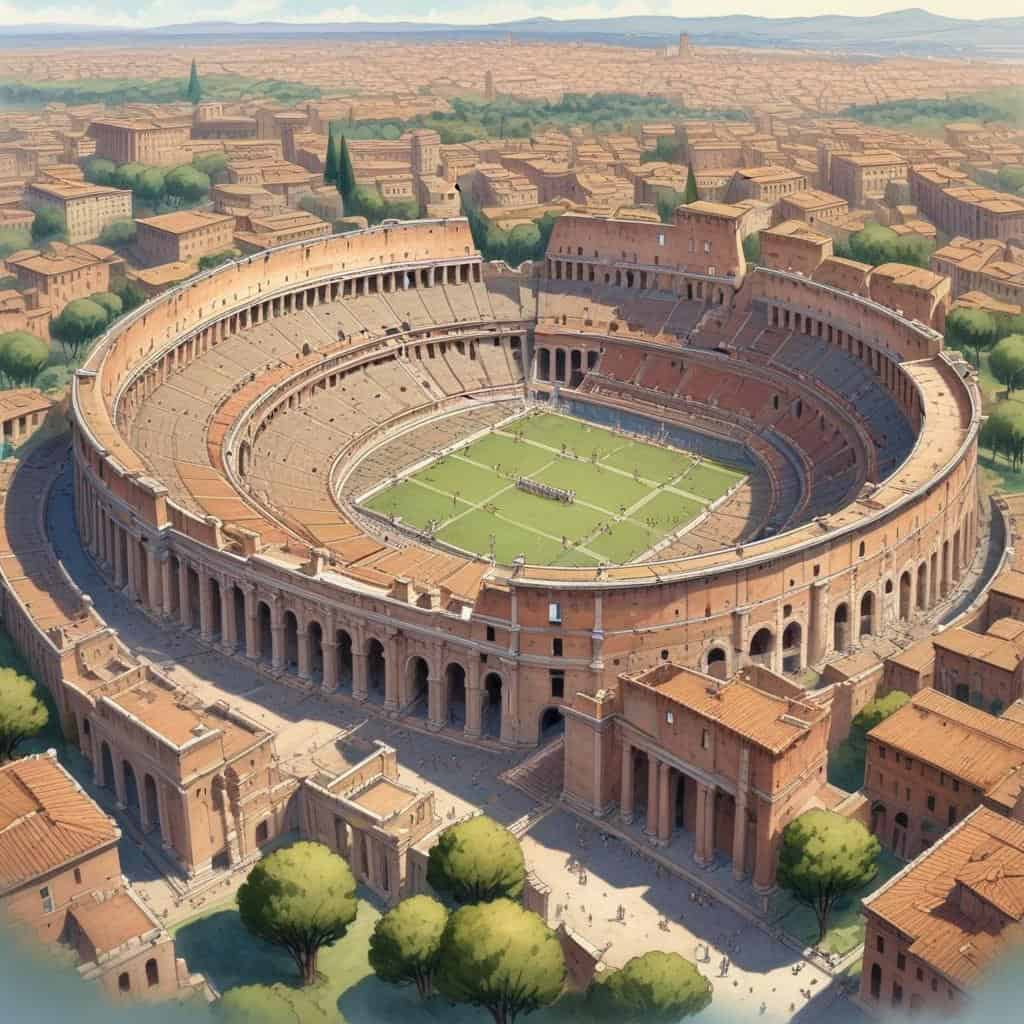
Building Projects
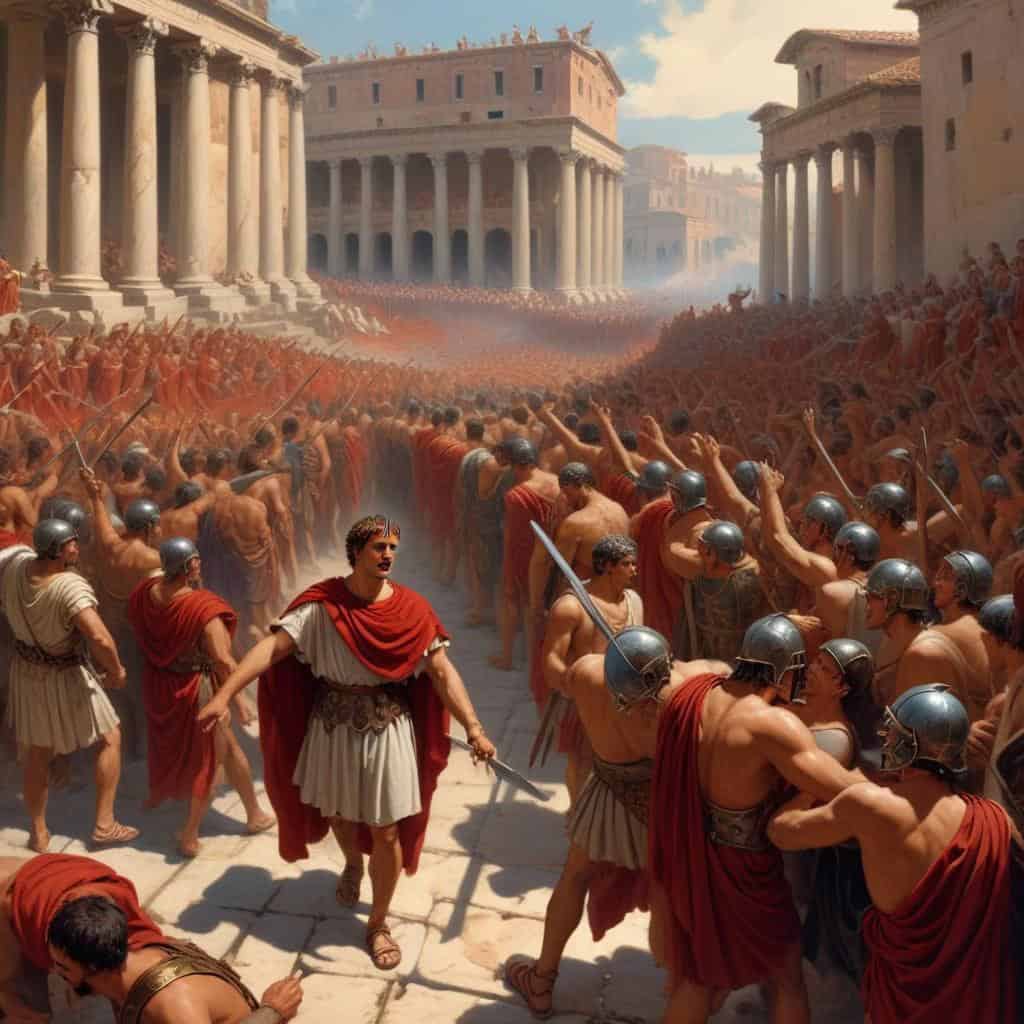
Persecution of Christians
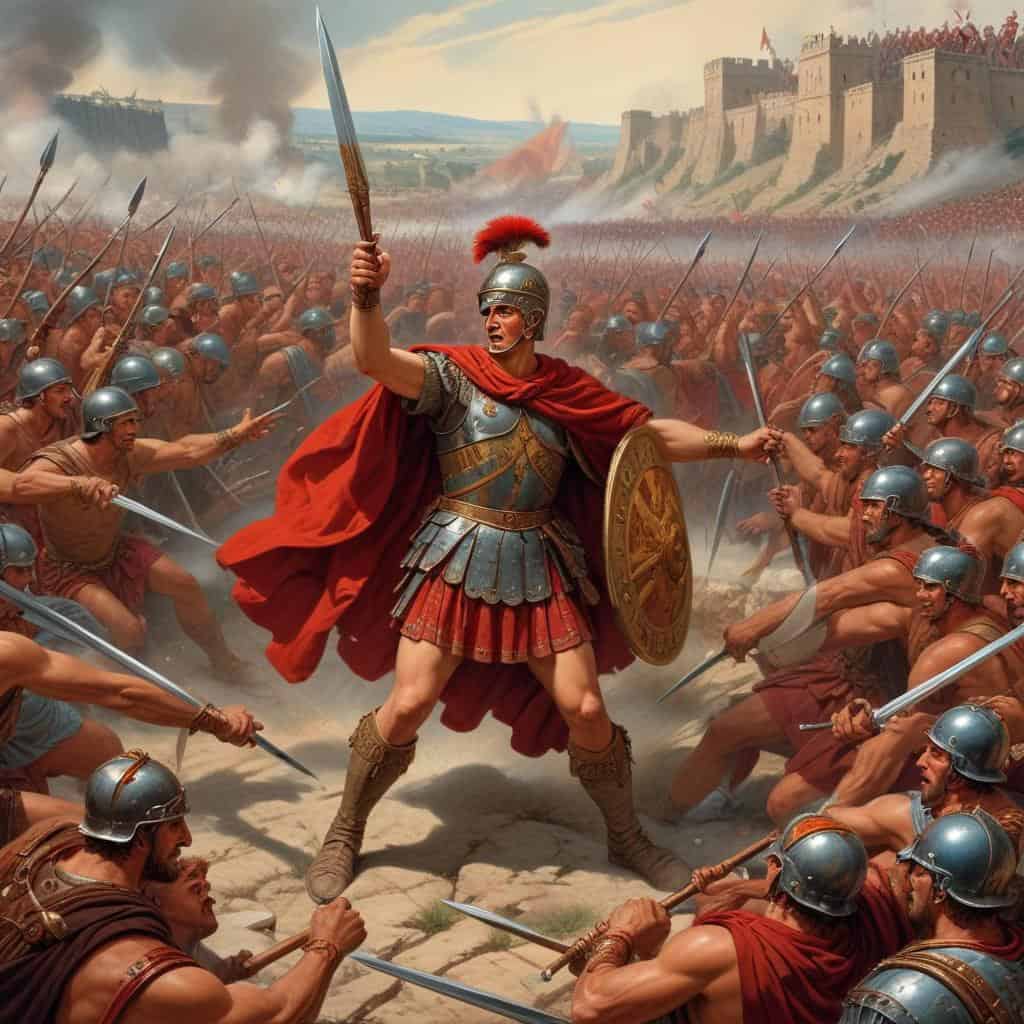
Military Campaigns
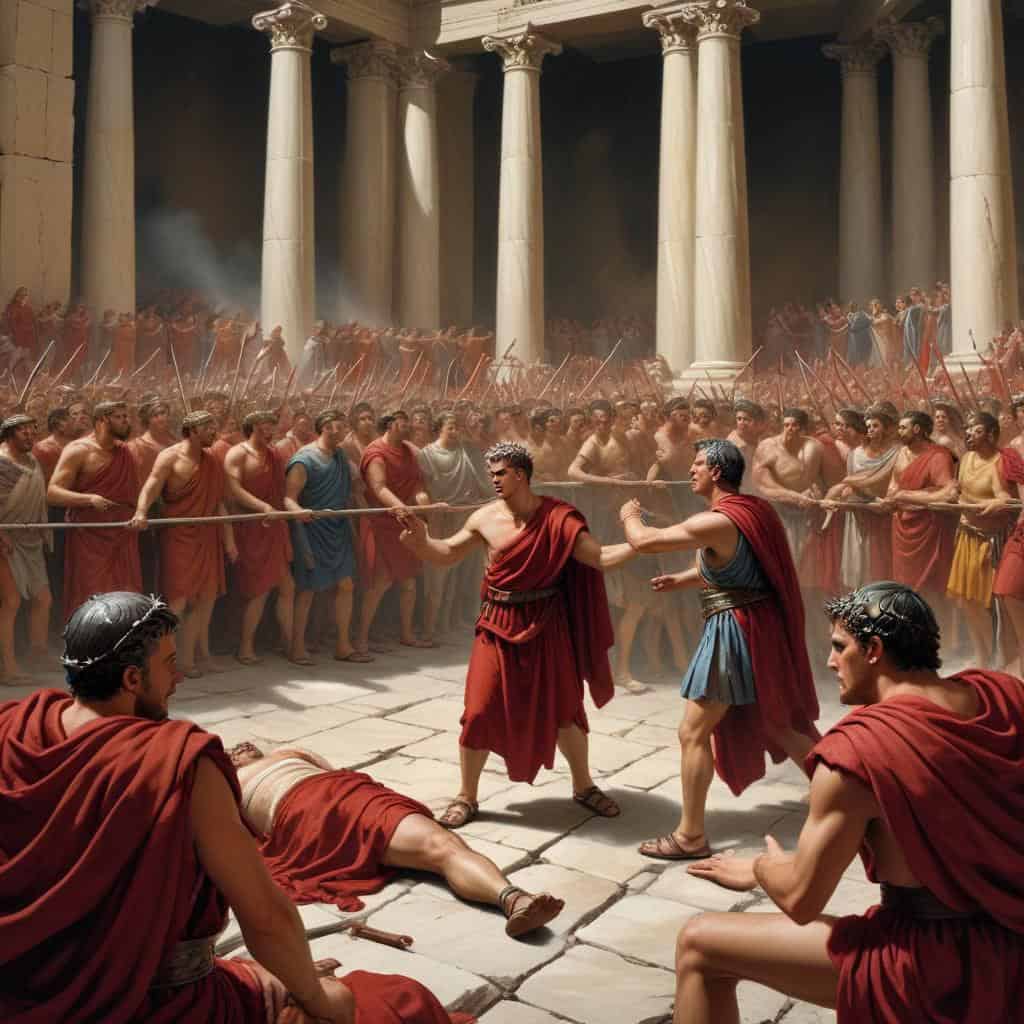
Assassination Plot
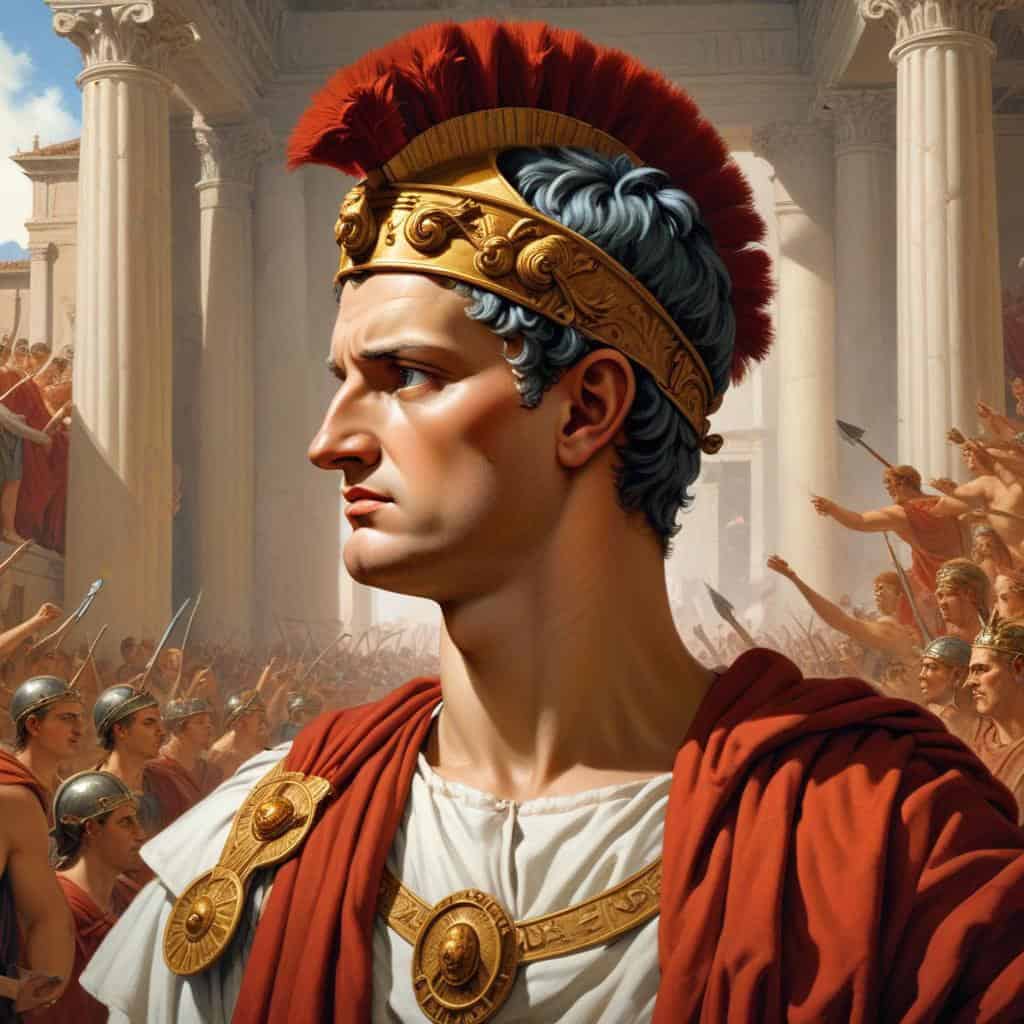
Legacy
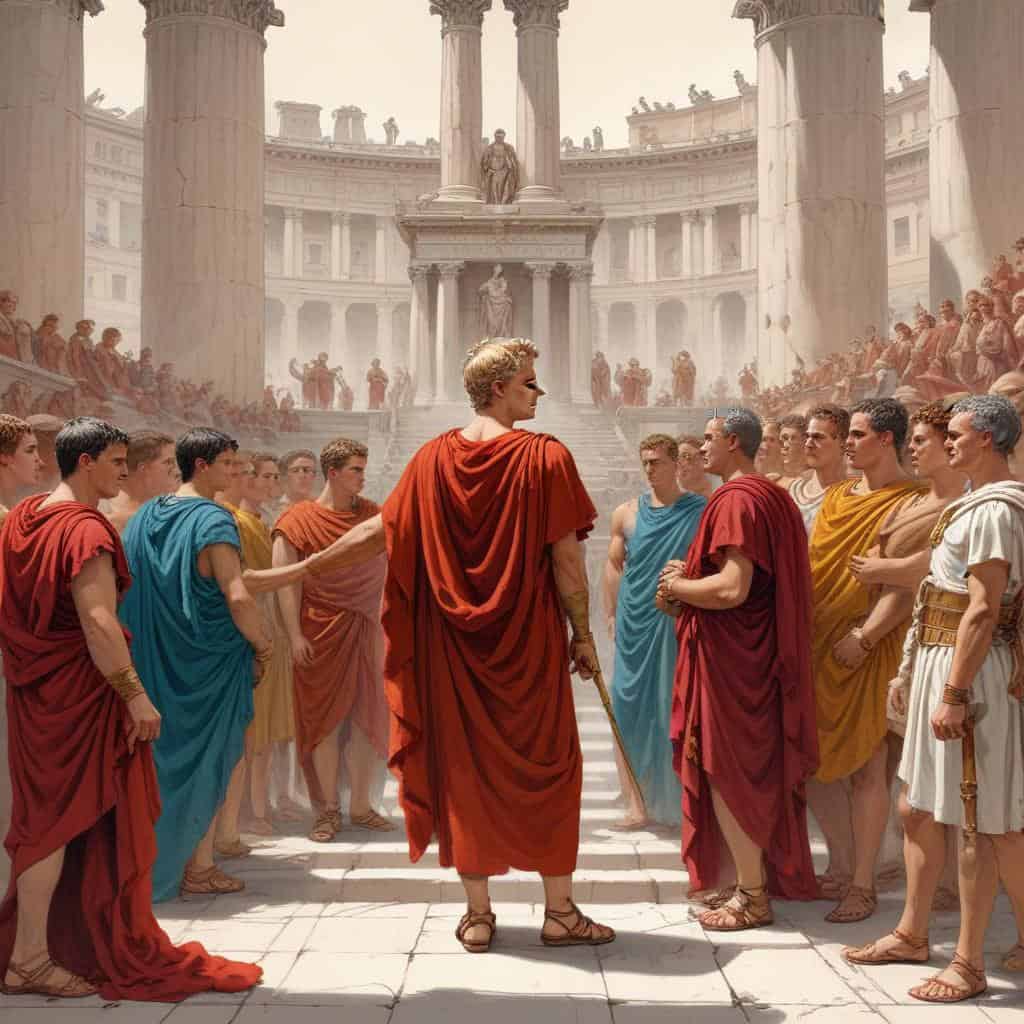
Succession
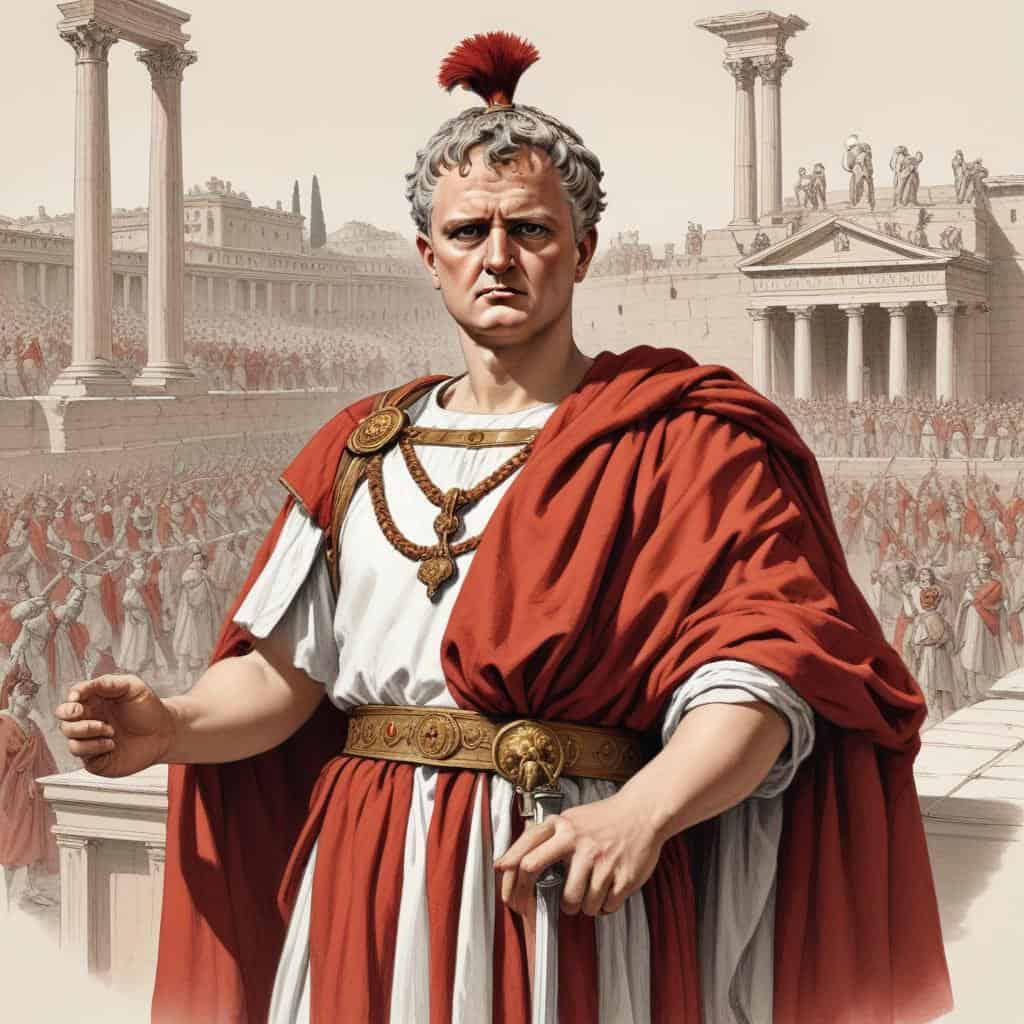
Historical Interpretations
Final Thoughts
Lesson Details & Resources
In a Nutshell
- Who: Roman Emperor
- When: Lived: 51 – 96 AD
- Known For: Reign of terror, persecution of Christians
- Legacy: Damaged reputation as a tyrant and autocrat
Timeline of Domitian: A Biography of the Infamous Roman Emperor
Birth of Domitian
Domitian's father, Vespasian, becomes Roman Emperor
Domitian appointed as consul
Domitian's military campaigns in Germany
Domitian becomes Caesar, the heir to the throne
Domitian becomes Roman Emperor after the death of his brother Titus
Construction of the Flavian Palace on the Palatine Hill
Domitian institutes a reign of terror against perceived enemies
Domitian's conquest of Britain
Building of the Arch of Titus in Rome
Domitian's campaign against the Dacians
Domitian's reforms in administration and finance
Great Fire of Rome destroys significant parts of the city
Domitian's persecution of Christians intensifies
Domitian's assassination plot foiled
Domitian assassinated by members of his own court
Domitian's memory condemned by the Senate
Damnatio memoriae lifted, allowing for the restoration of Domitian's memory
Domitian's statues and buildings destroyed during the Flavian Damnatio memoriae
Reign of Domitian considered as the beginning of the Flavian dynasty
Vocabulary List
- Domitian
- The Roman Emperor Domitian ruled from 81 to 96 AD.
- Emperor
- Domitian was the Emperor of Rome during his reign.
- Imperial
- Domitian's rule was marked by his authoritative and imperial style.
- Rome
- Domitian's reign was centered in the city of Rome.
- Caesar
- Domitian held the title of Caesar during his father's reign.
- Dynasty
- Domitian belonged to the Flavian Dynasty, which ruled Rome from 69 to 96 AD.
- Persecution
- Domitian's reign was known for its persecution of Christians.
- Patrician
- Domitian was born into a patrician family, which held high social status in Rome.
- Senate
- Domitian often clashed with the Senate during his rule.
- Roman Empire
- Domitian was the emperor of the vast Roman Empire.
Key Facts
This is the information used in the fact matching game
- Domitian was the Roman emperor from AD 81 to 96.
- He was the younger brother of Titus, who preceded him as emperor.
- Domitian was known for his autocratic rule and harsh policies towards the Senate.
- He was assassinated in AD 96 by court officials and members of his own household.
- Domitian was the last of the Flavian dynasty of Roman emperors.
- He was known for his extensive building projects in Rome, including the Domus Augustana.
- Domitian was a patron of the arts and sponsored poets and writers during his reign.
- He was the first Roman emperor to be declared a god while still alive.
- Domitian launched several military campaigns during his reign, including conflicts in Germany and Dacia.
- He was known for his paranoia and executed many perceived enemies and conspirators.
- Domitian was also known for his cruelty, often ordering brutal punishments for those who opposed him.
- He implemented a system of informants to root out dissent and perceived threats to his rule.
- Domitian was married twice, first to Domitia Longina and then to Domitia Cornelia.
- He had one son, Titus Flavius Domitianus, who died young.
- Domitian was known for his extravagant lifestyle and love of luxury.
- He was a skilled administrator and implemented several reforms to the Roman economy and government.
- Domitian was deified after his death by the Senate, despite his unpopularity during his reign.
- He was succeeded by Nerva, who was chosen as emperor by the Senate.
- Domitian's reign is often seen as a period of relative peace and stability in the Roman Empire.
- However, his harsh rule and paranoia left a lasting legacy of fear and distrust in the Roman government.
Analysis & Significance
Major Accomplishments
Domitian, the Roman emperor, is known for his military campaigns in Germany and Dacia, as well as his extensive building projects in Rome, including the restoration of the Colosseum and the construction of the Temple of Vespasian.
Impact on the World
Domitian’s rule was marked by authoritarianism and repression, leading to a challenging time for the Roman Empire. His policies and actions set the stage for future emperors and influenced the political landscape of ancient Rome.
Enduring Legacy
Despite his controversial and tyrannical rule, Domitian is remembered as a significant figure in Roman history. His impact on the political and social structure of the empire, as well as his architectural contributions to Rome, continue to be studied and debated by historians and scholars today.
Domitian: A Biography of the Infamous Roman Emperor Games


Take Your Learning Offline
Want a convenient, print-ready study guide for this lesson? Become a Memory Wizards Pro member to unlock the downloadable " Memory Scrolls" for this topic and our entire library!
- ✓ Complete Vocabulary Lists
- ✓ Key Facts & Timelines
- ✓ Beautifully Formatted for Print & Mobile