
Constantine the Great: A Biography of the Roman Emperor
The Roman emperor who united an empire and embraced Christianity.
How Do You Learn Best?
Learn by Reading
Immerse yourself in the 10-minute visual lesson for a comprehensive understanding of the topic.
Learn by Reviewing
Jump directly to the key facts, timeline, and vocabulary lists to build a solid foundation of details.
Learn by Doing
Challenge yourself! Jump straight into the interactive games to learn by trial, error, and discovery.
Constantine the Great: A Biography of the Roman Emperor in 10 Minutes
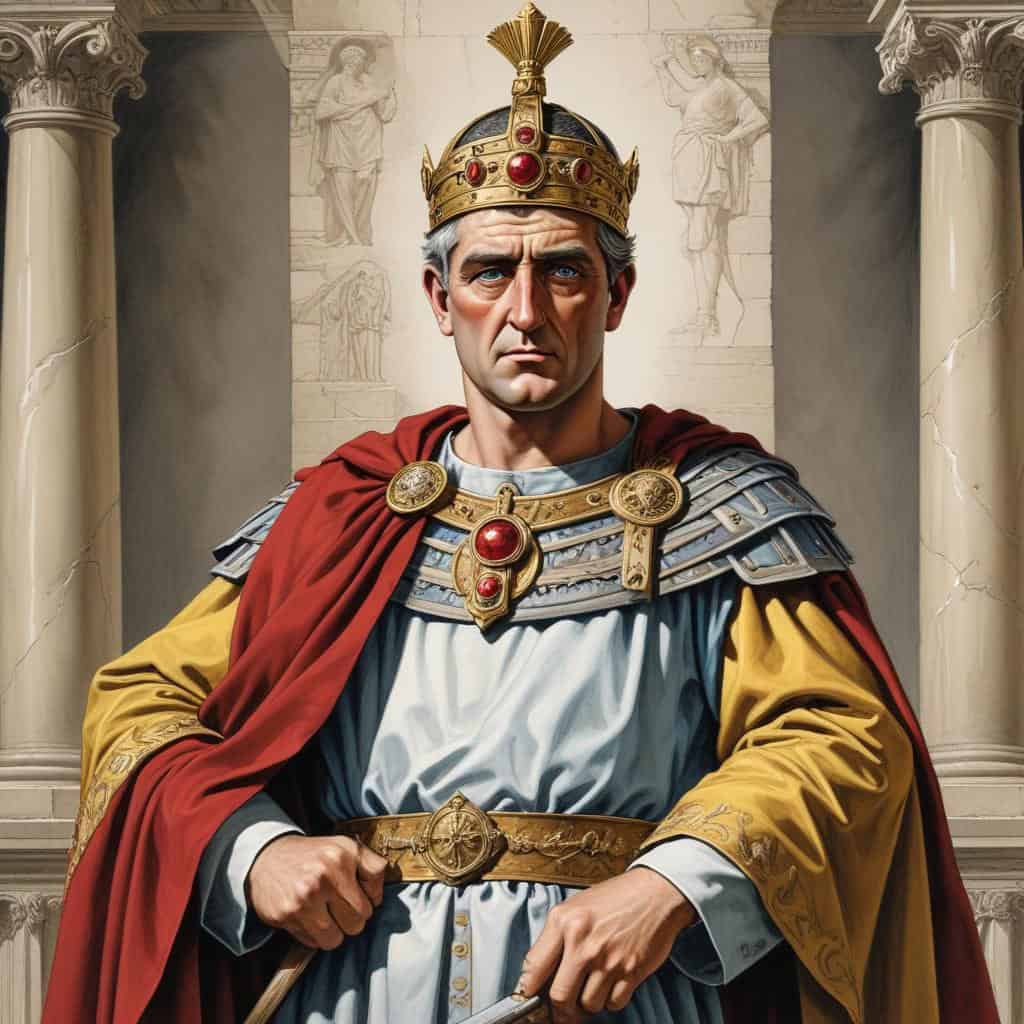
Introduction
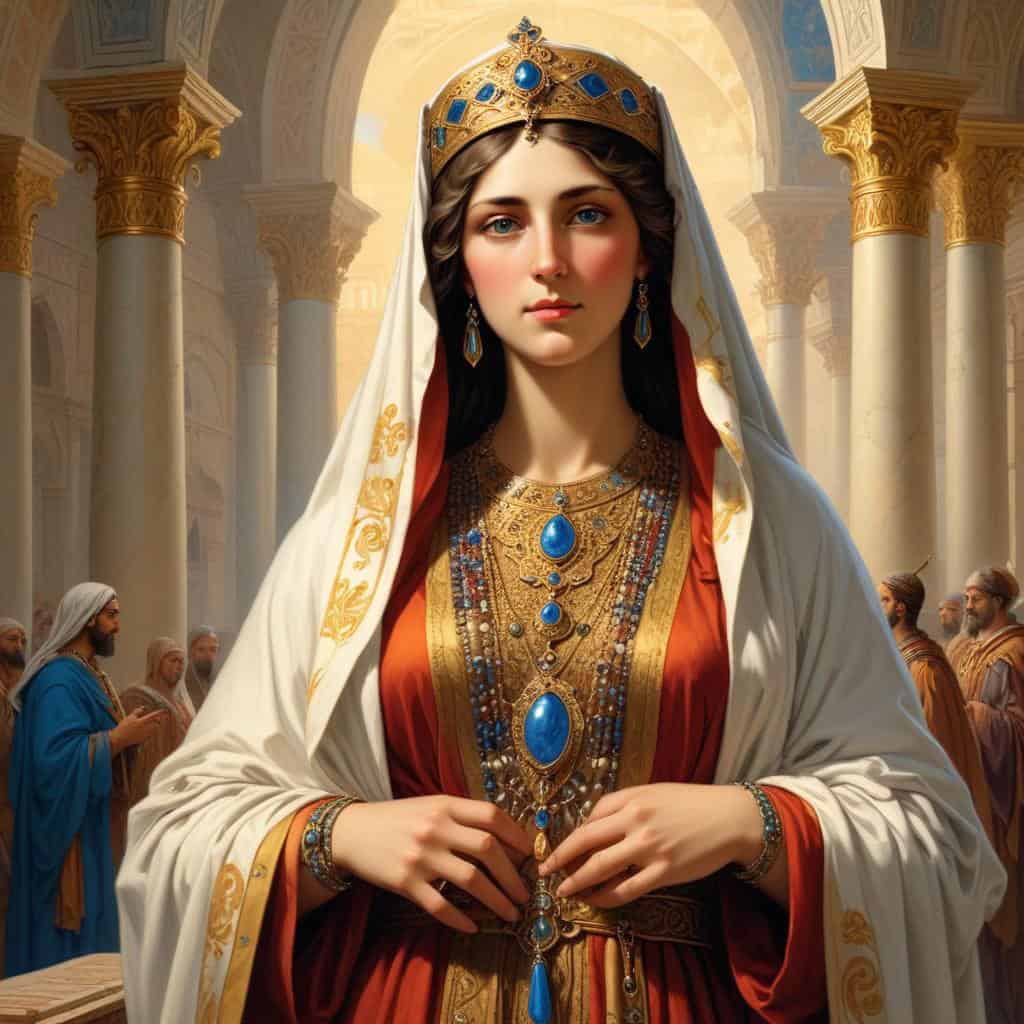
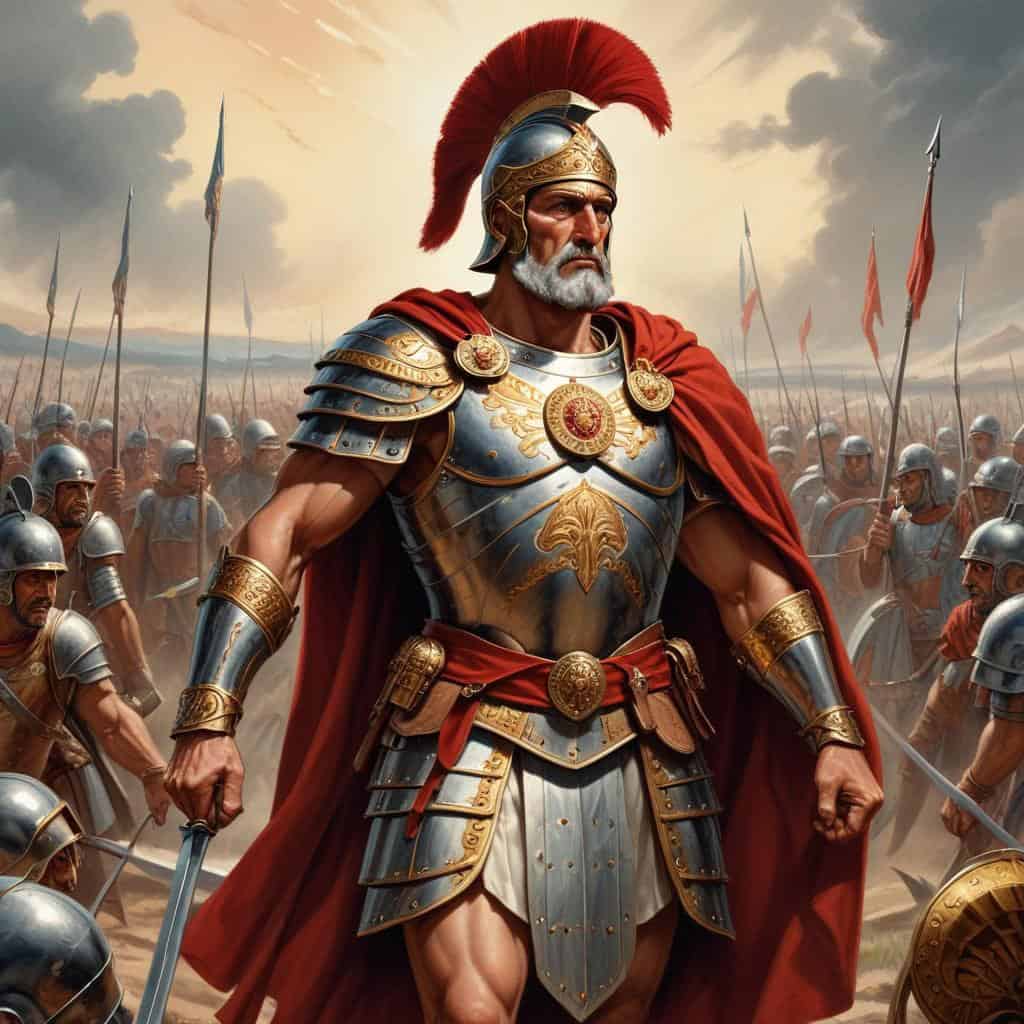
Helena of Constantinople
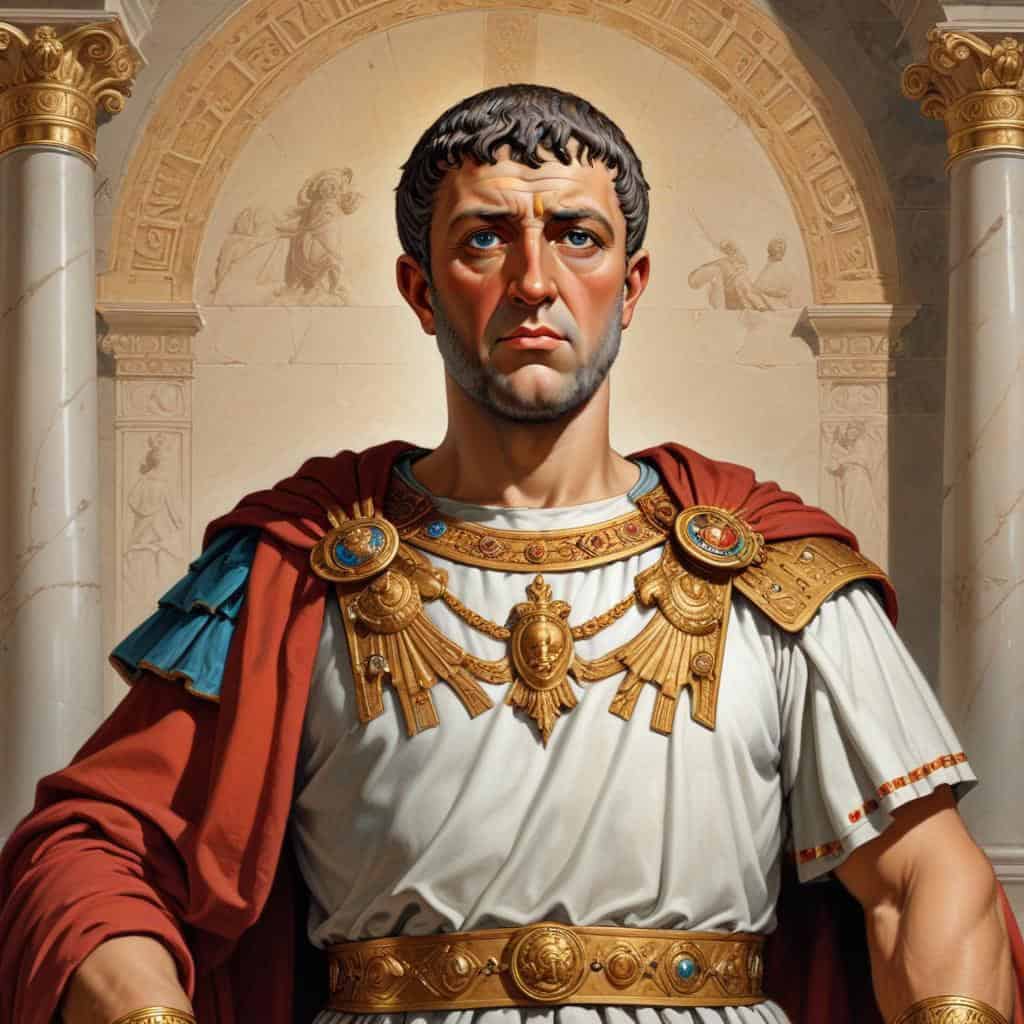
Crispus
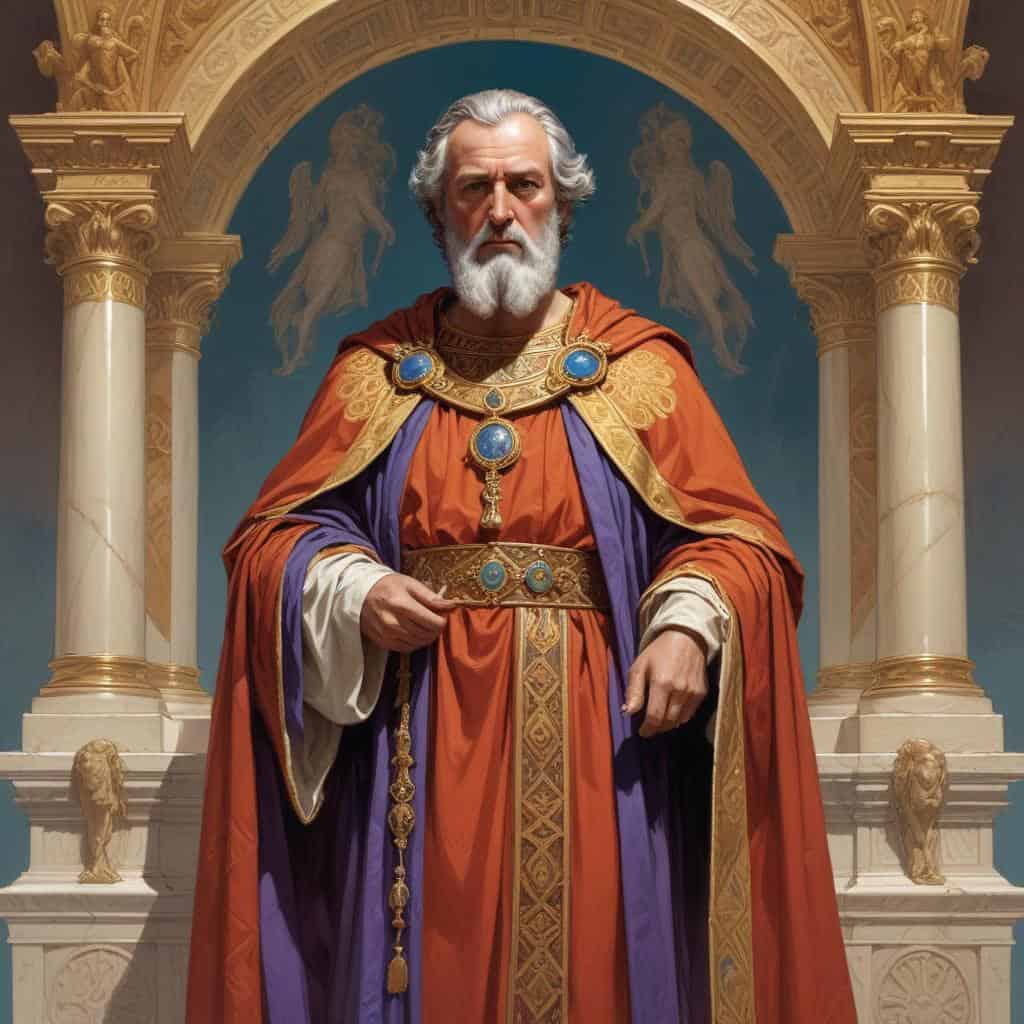
Constantius II
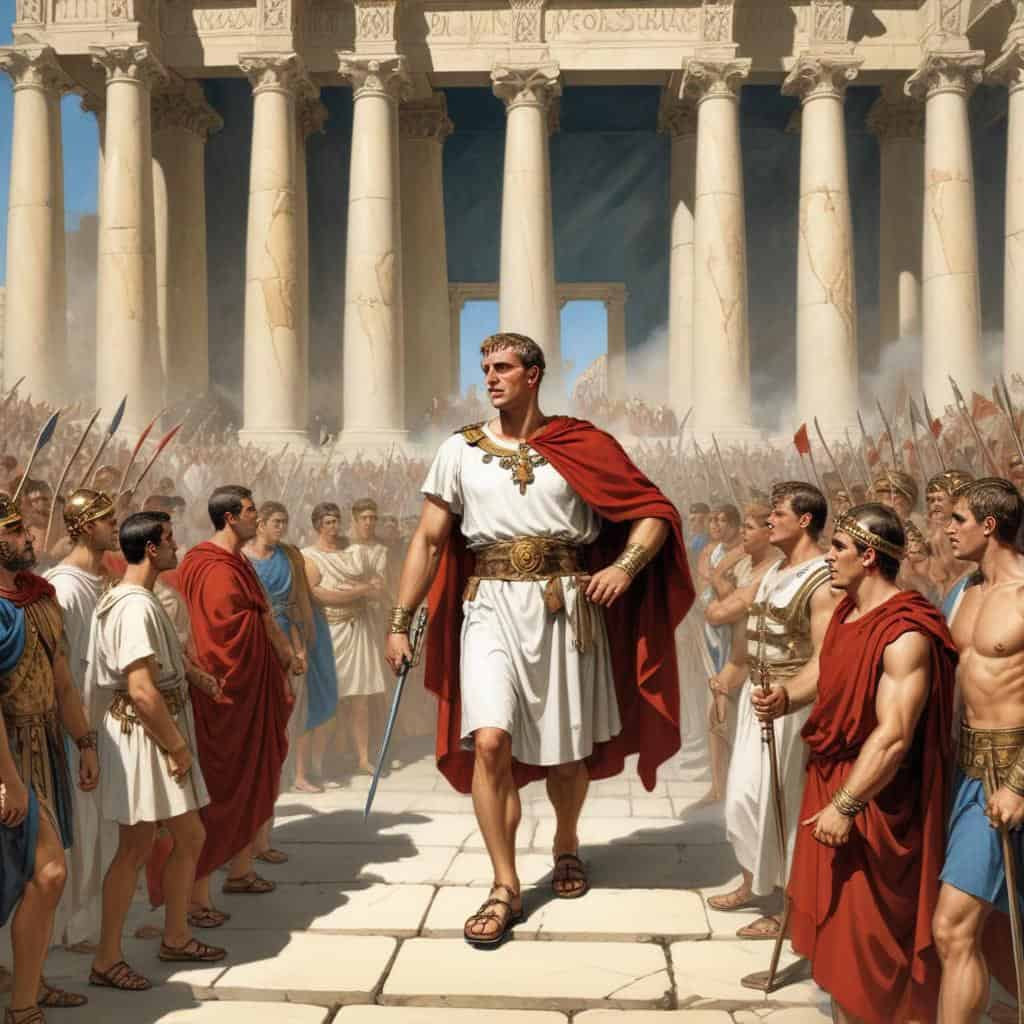
Julian the Apostate
1. Early Life and Rise to Power
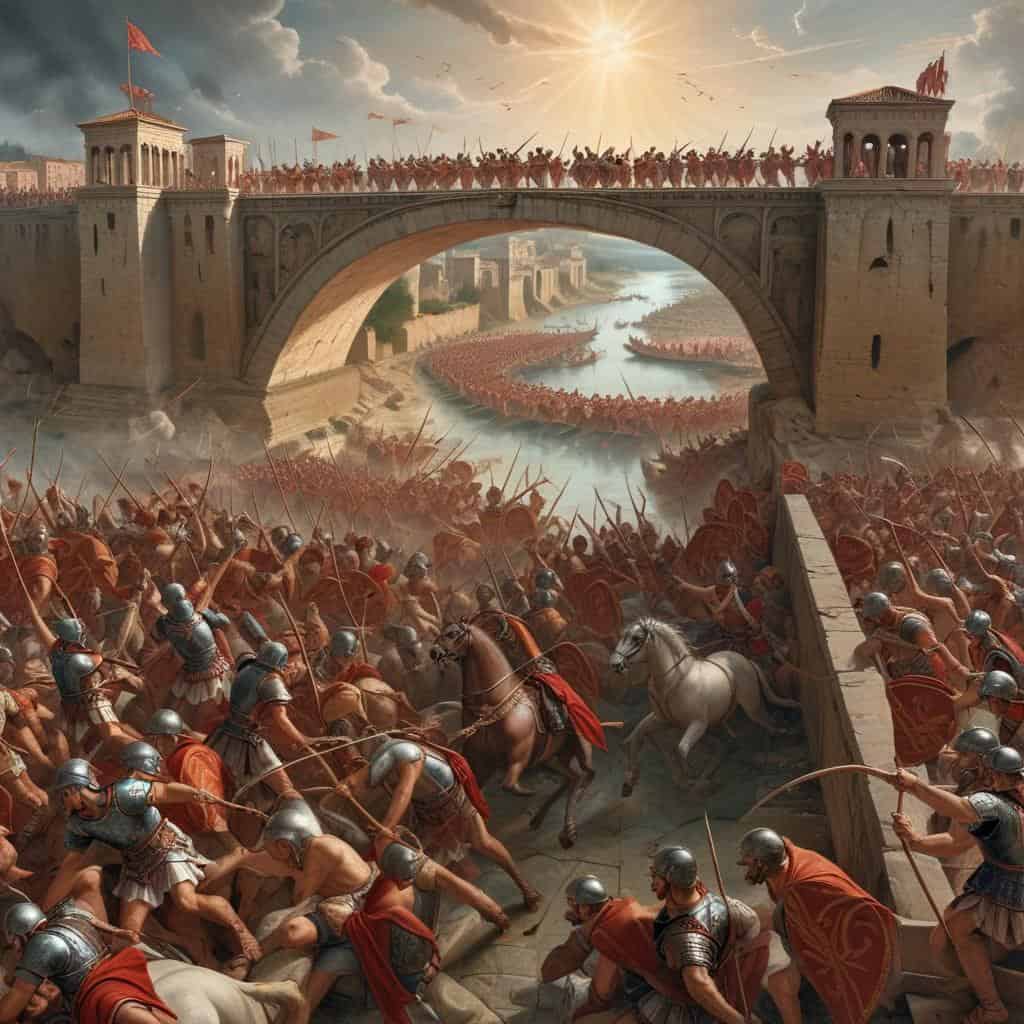
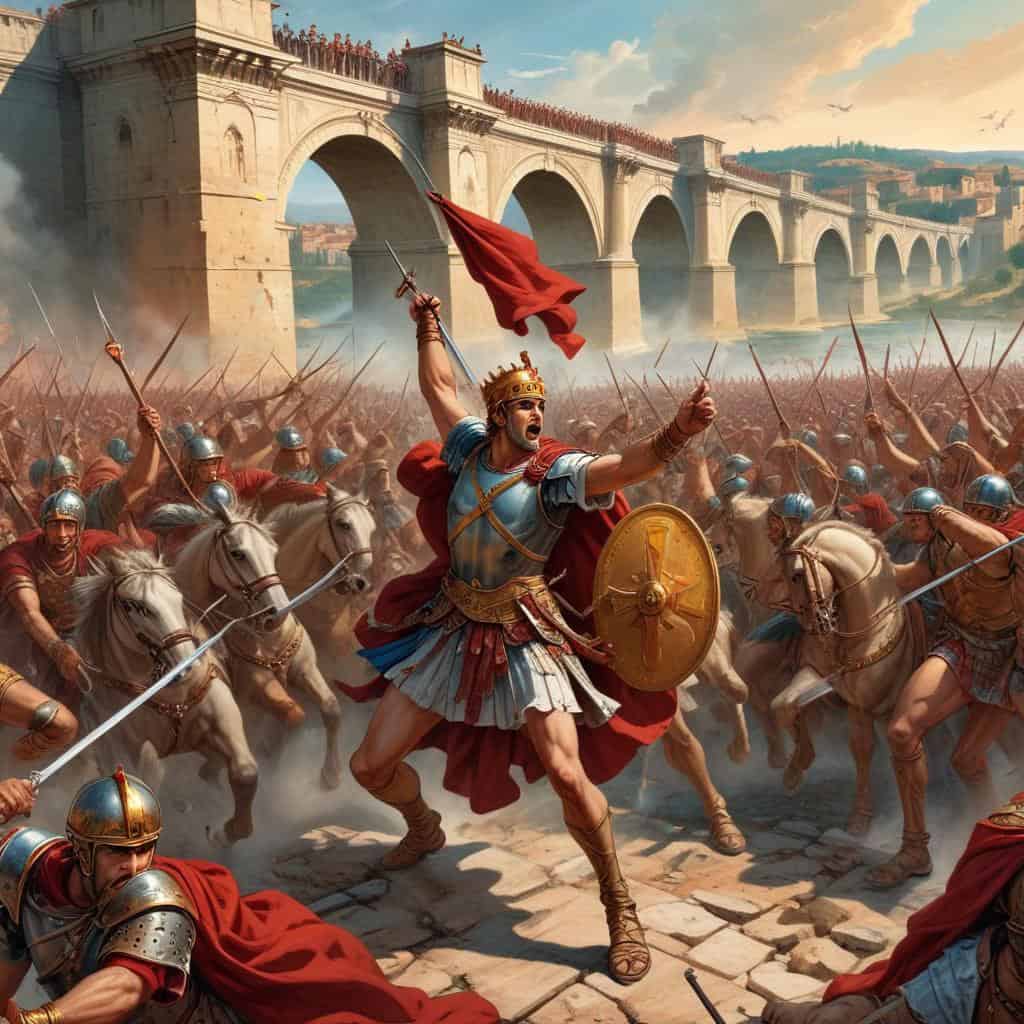
2. Battle of Milvian Bridge
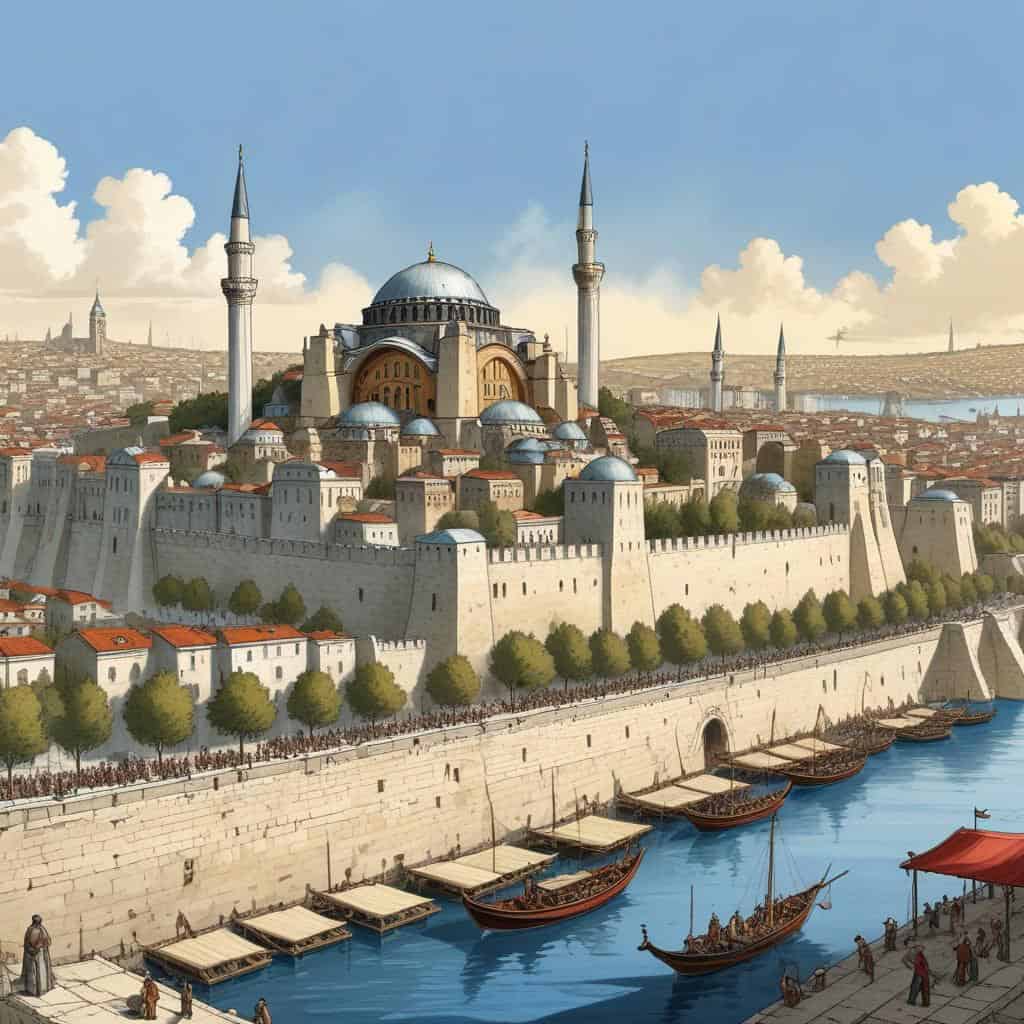
3. Foundation of Constantinople
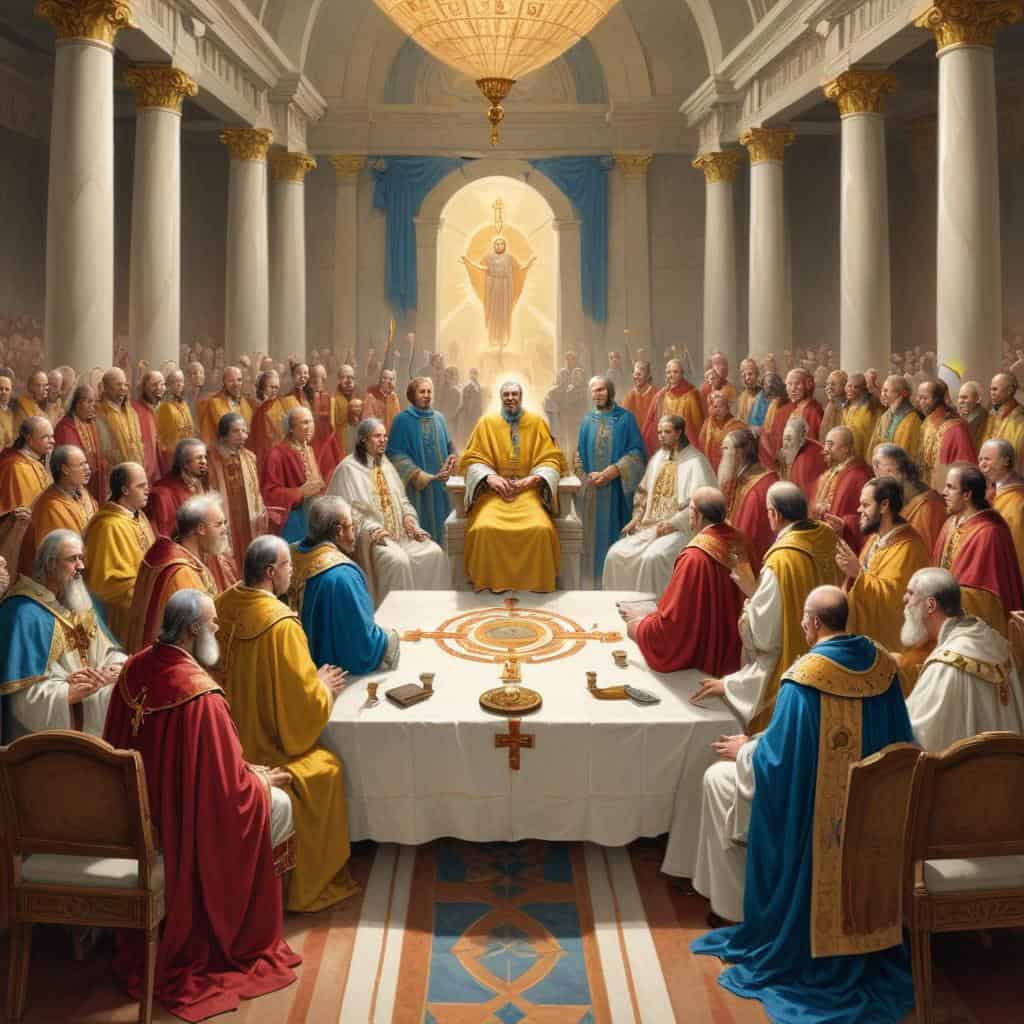
4. Council of Nicaea
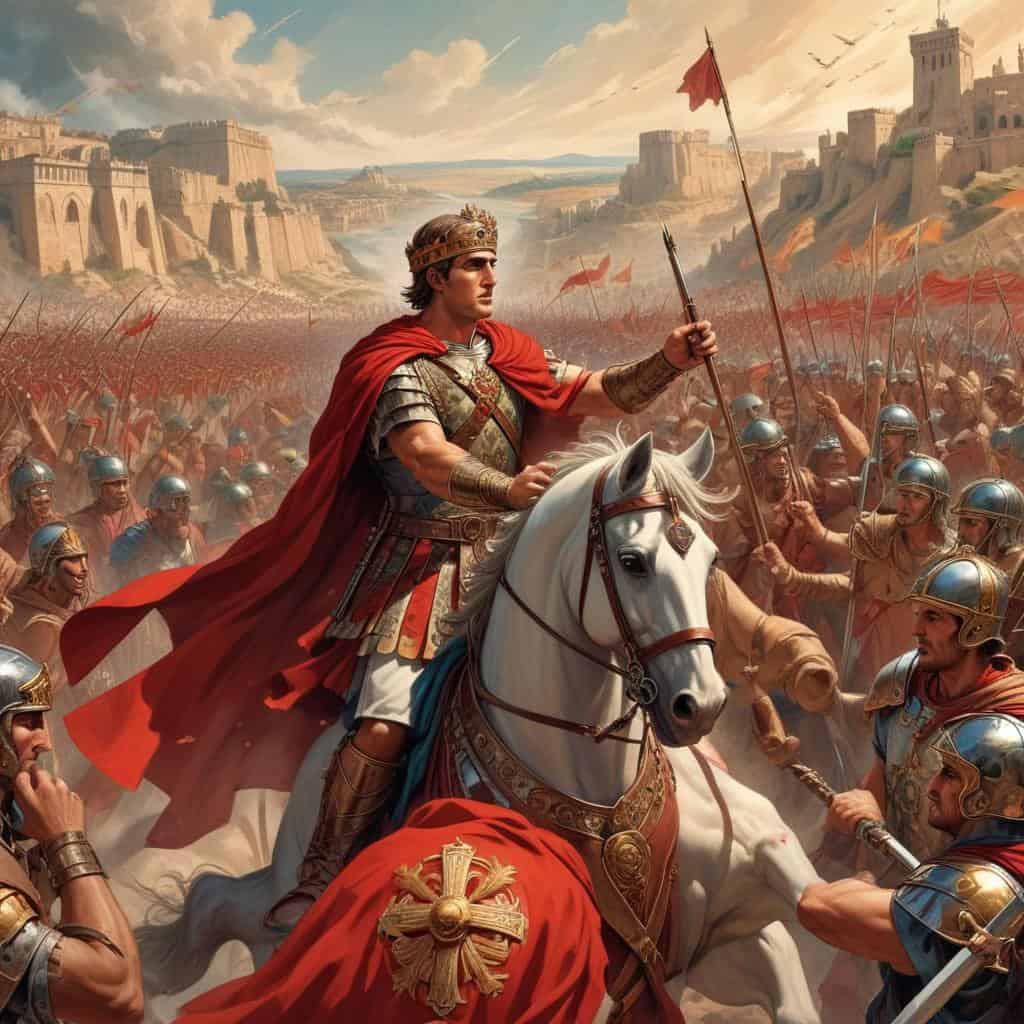
5. Military Campaigns and Expansion
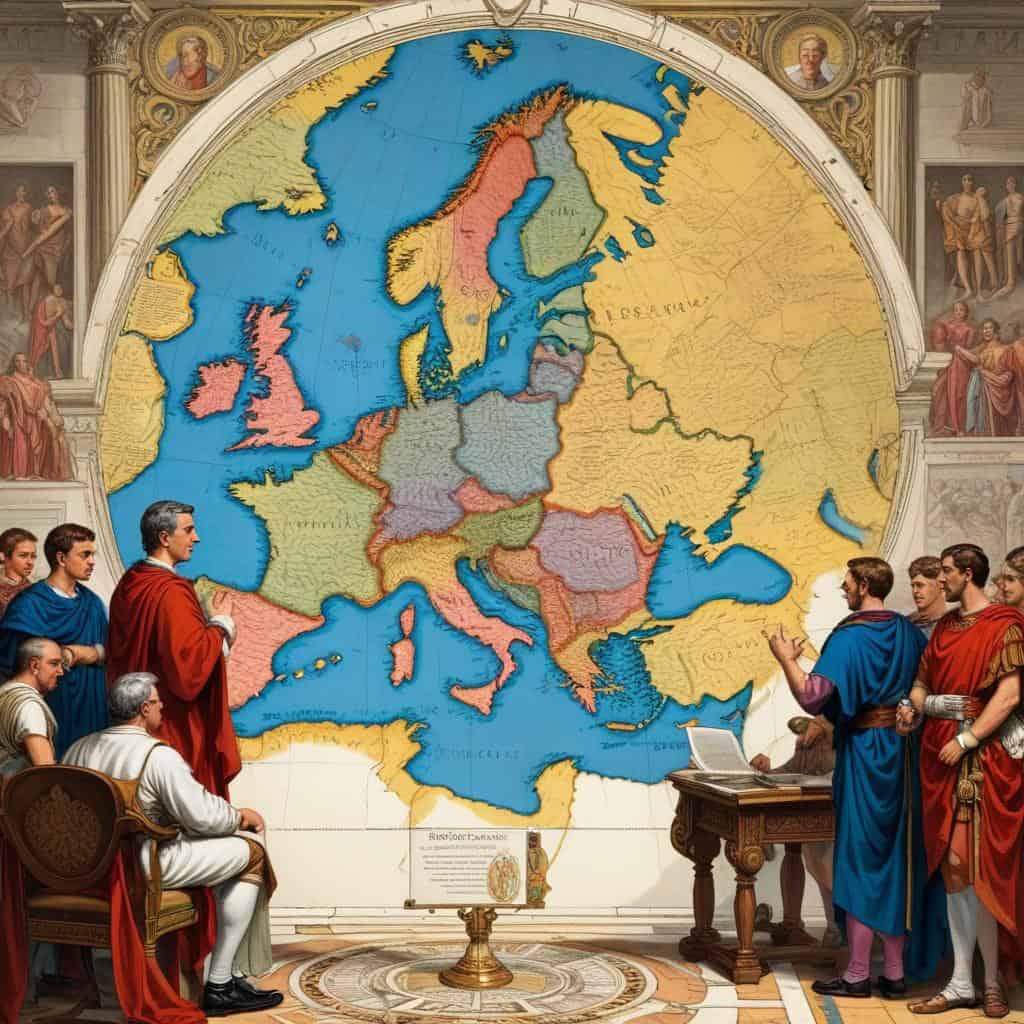
6. Reforms and Administrative Changes
7. Christianization of the Roman Empire
8. Death and Legacy
Lesson Details & Resources
In a Nutshell
- Who: Roman Emperor and founder of Constantinople
- When: Lived: 272 – 337 AD
- Known For: Establishing Christianity as the state religion of the Roman Empire
- Legacy: Uniting the Roman Empire under one ruler and paving the way for the Byzantine Empire
Timeline of Constantine the Great: A Biography of the Roman Emperor
Constantine is born in Naissus, Moesia (modern-day Serbia)
Constantine is proclaimed Emperor of the Roman Empire after the death of his father, Constantius Chlorus
Constantine defeats Maxentius at the Battle of Milvian Bridge and becomes the sole ruler of the Western Roman Empire
Constantine issues the Edict of Milan, granting religious tolerance to Christians in the Roman Empire
Constantine defeats Licinius at the Battle of Chrysopolis and becomes the sole Emperor of the Roman Empire
Constantine establishes the city of Constantinople as the new capital of the Roman Empire
Constantine convenes the First Council of Nicaea to address the Arian controversy in the Christian Church
Constantine issues the Edict of Thessalonica, declaring Christianity the official religion of the Roman Empire
Constantine dies in Constantinople
Constantine is buried in the Church of the Holy Apostles in Constantinople
Constantine is canonized as a saint in the Eastern Orthodox Church
Constantine's remains are transferred to the Church of the Holy Apostles in Rome
Constantine's statue is erected in York, England
Constantine is honored as one of the Four Great Emperors of Rome
Constantine is depicted in the film 'Constantine and the Cross'
Constantine is portrayed in the TV series 'Constantine'
Constantine is featured in the video game 'Total War: Rome II - Rise of the Republic'
Constantine is the subject of the book 'Constantine the Great: And the Christian Revolution'
Constantine's legacy continues to be debated by historians and scholars
Vocabulary List
- Emperor
- Constantine the Great was the Roman emperor from 306 to 337 AD.
- Edict of Milan
- Constantine the Great issued the Edict of Milan in 313 AD, granting religious tolerance to Christians in the Roman Empire.
- Battle of the Milvian Bridge
- Constantine the Great won the Battle of the Milvian Bridge in 312 AD, which was a significant victory that led to his conversion to Christianity.
- Byzantium
- Constantine the Great founded the city of Byzantium, which later became known as Constantinople.
- Christianity
- Constantine the Great played a key role in the spread of Christianity and the establishment of the Nicene Creed.
- Roman Empire
- Constantine the Great was a prominent figure in the history of the Roman Empire, leading it through a period of significant change and transformation.
Key Facts
This is the information used in the fact matching game
- Constantine the Great was born Flavius Valerius Constantinus in 272 AD in Naissus, Moesia (modern-day Niš, Serbia).
- Constantine was the first Roman emperor to convert to Christianity.
- He became emperor in 306 AD after his father's death, and ruled until his own death in 337 AD.
- Constantine is known for issuing the Edict of Milan in 313 AD, which granted religious tolerance to Christians in the Roman Empire.
- He moved the capital of the Roman Empire from Rome to Byzantium, which he renamed Constantinople (modern-day Istanbul).
- Constantine played a crucial role in the Council of Nicaea in 325 AD, which established the Nicene Creed and solidified Christian doctrine.
- He also built several churches in Constantinople, including the Hagia Sophia.
- Constantine is credited with ending the persecution of Christians in the Roman Empire.
- He was known for his military victories, including the Battle of Milvian Bridge in 312 AD, which led to his conversion to Christianity.
- Constantine issued several laws promoting Christian practices and beliefs, such as observing Sunday as a day of rest.
- He was the first Roman emperor to be baptized on his deathbed.
- Constantine was married to Fausta, with whom he had several children, including Constantius II and Constantine II.
- He had a complex relationship with the Roman Senate, often favoring military and administrative reforms over traditional Roman politics.
- Constantine is remembered as a significant figure in the history of Christianity, as he played a key role in its legalization and promotion throughout the Roman Empire.
- He is considered a saint in the Eastern Orthodox Church and the Oriental Orthodox Church.
- Constantine the Great is often referred to as the first Christian emperor of Rome.
- He is also known for his administrative reforms, including the division of the empire into four parts ruled by separate co-emperors.
- Constantine's reign marked a turning point in Roman history, as he ushered in the era of Christian emperors and had a lasting impact on the development of the Christian church.
- He was buried in the Church of the Holy Apostles in Constantinople, which he had built himself.
- Constantine the Great is often depicted in art and literature as a powerful and influential ruler who shaped the course of Roman and Christian history.
Analysis & Significance
Major Accomplishments
Constantine the Great is best known for being the first Roman emperor to convert to Christianity. He also issued the Edict of Milan in 313 AD, which granted religious tolerance to all faiths within the Roman Empire.
Impact on the World
Constantine’s conversion to Christianity had a profound impact on the world, as it led to the eventual establishment of Christianity as the dominant religion in the Roman Empire. His policies also laid the foundation for the Byzantine Empire and influenced the development of medieval Europe.
Enduring Legacy
Constantine the Great is remembered today as a pivotal figure in the history of Christianity and the Roman Empire. His conversion to Christianity and the Edict of Milan marked a turning point in the religious landscape of Europe, and his legacy as a unifier and reformer continues to be studied and debated by historians and theologians.
Constantine the Great: A Biography of the Roman Emperor Games


Take Your Learning Offline
Want a convenient, print-ready study guide for this lesson? Become a Memory Wizards Pro member to unlock the downloadable " Memory Scrolls" for this topic and our entire library!
- ✓ Complete Vocabulary Lists
- ✓ Key Facts & Timelines
- ✓ Beautifully Formatted for Print & Mobile