
Constantine II: A Historical Biography
The Roman emperor who reunited the empire and embraced Christianity.
How Do You Learn Best?
Learn by Reading
Immerse yourself in the 10-minute visual lesson for a comprehensive understanding of the topic.
Learn by Reviewing
Jump directly to the key facts, timeline, and vocabulary lists to build a solid foundation of details.
Learn by Doing
Challenge yourself! Jump straight into the interactive games to learn by trial, error, and discovery.
Constantine II: A Historical Biography in 10 Minutes
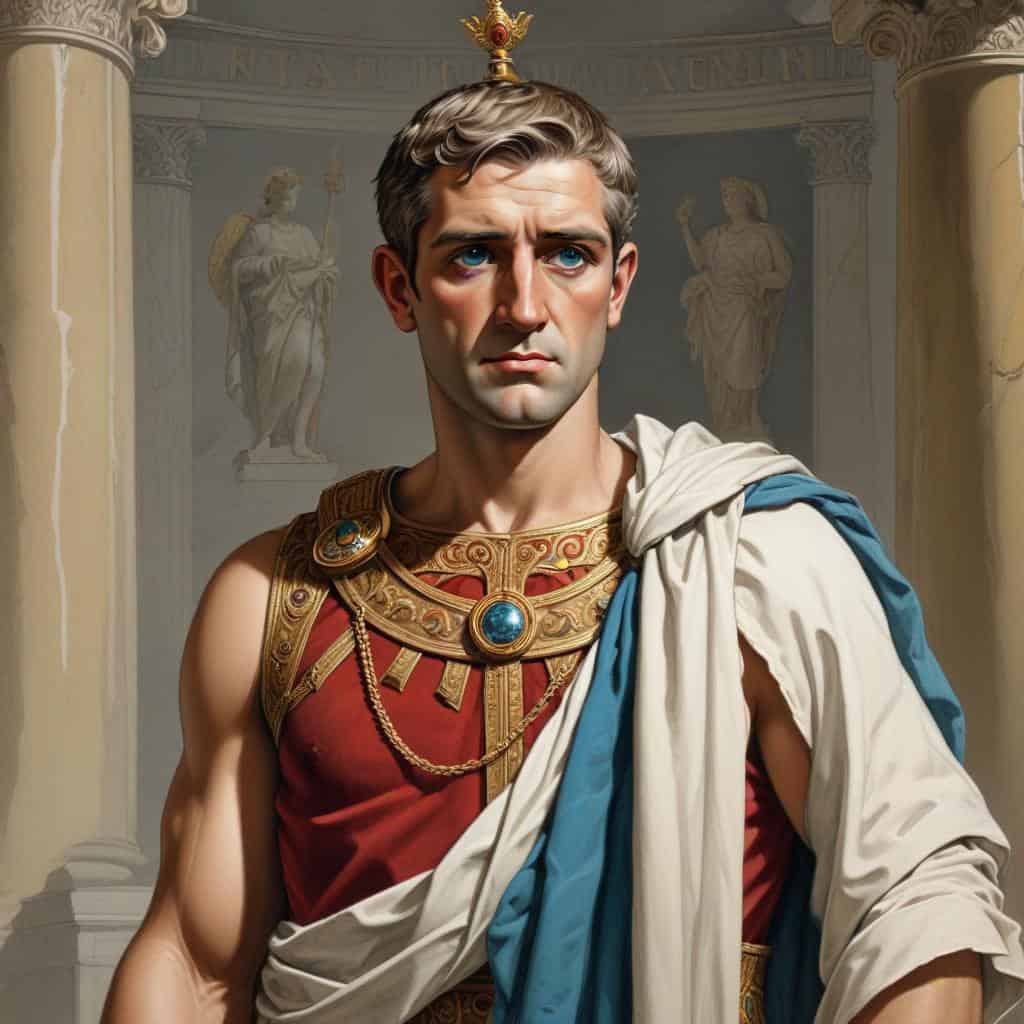
Introduction
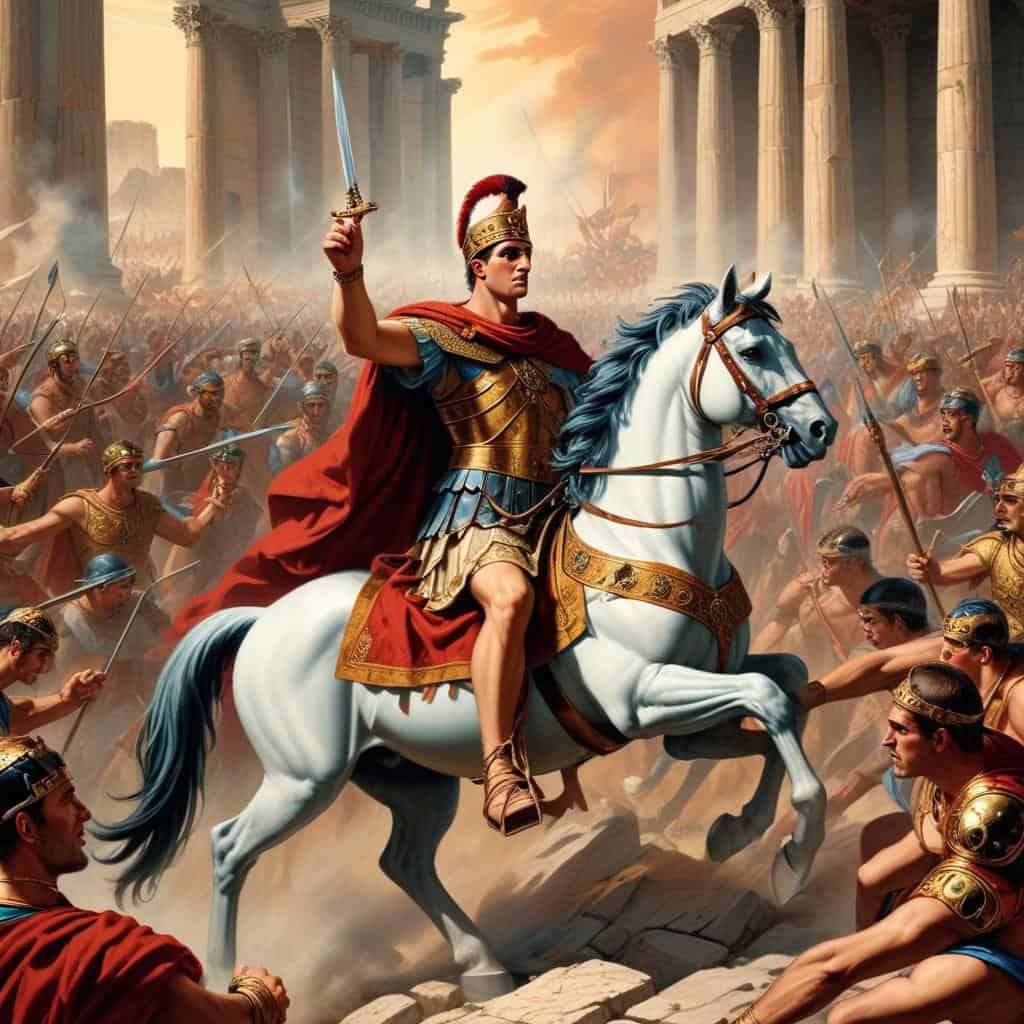
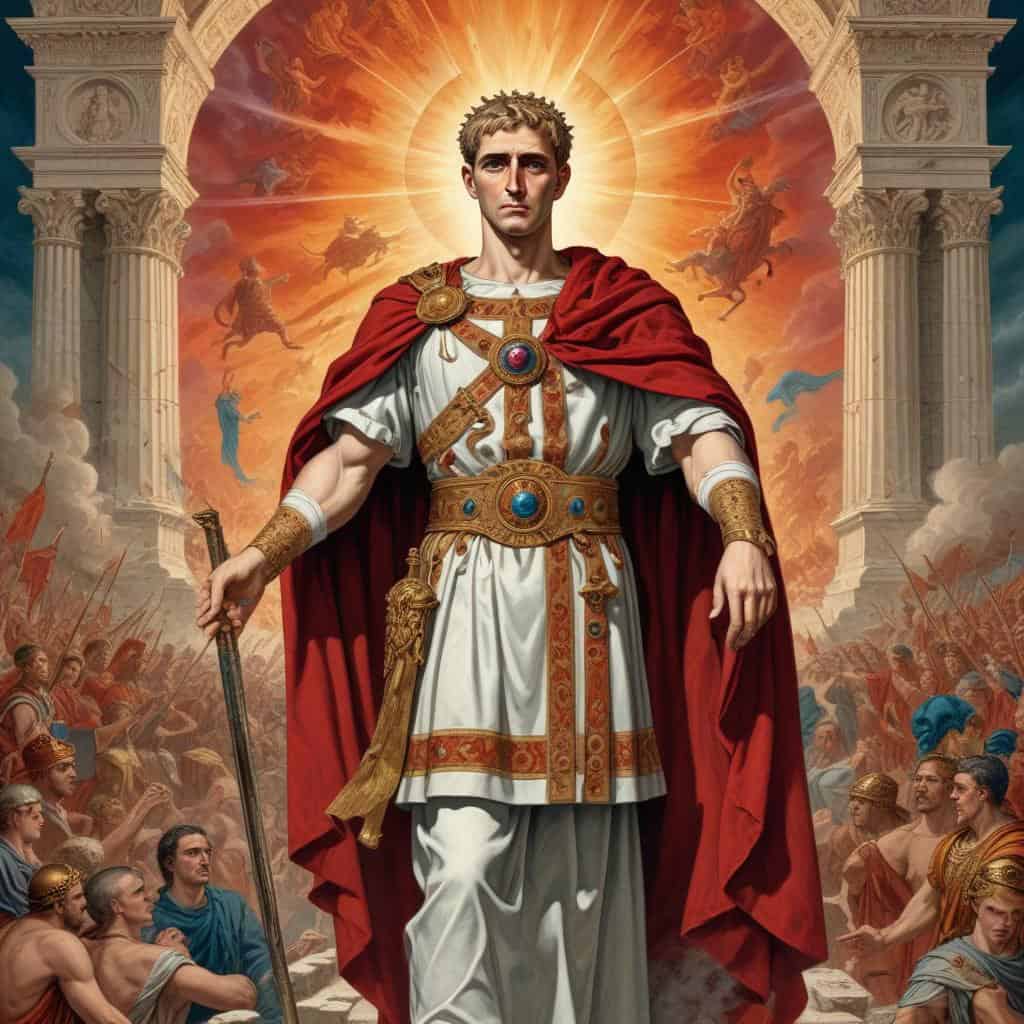
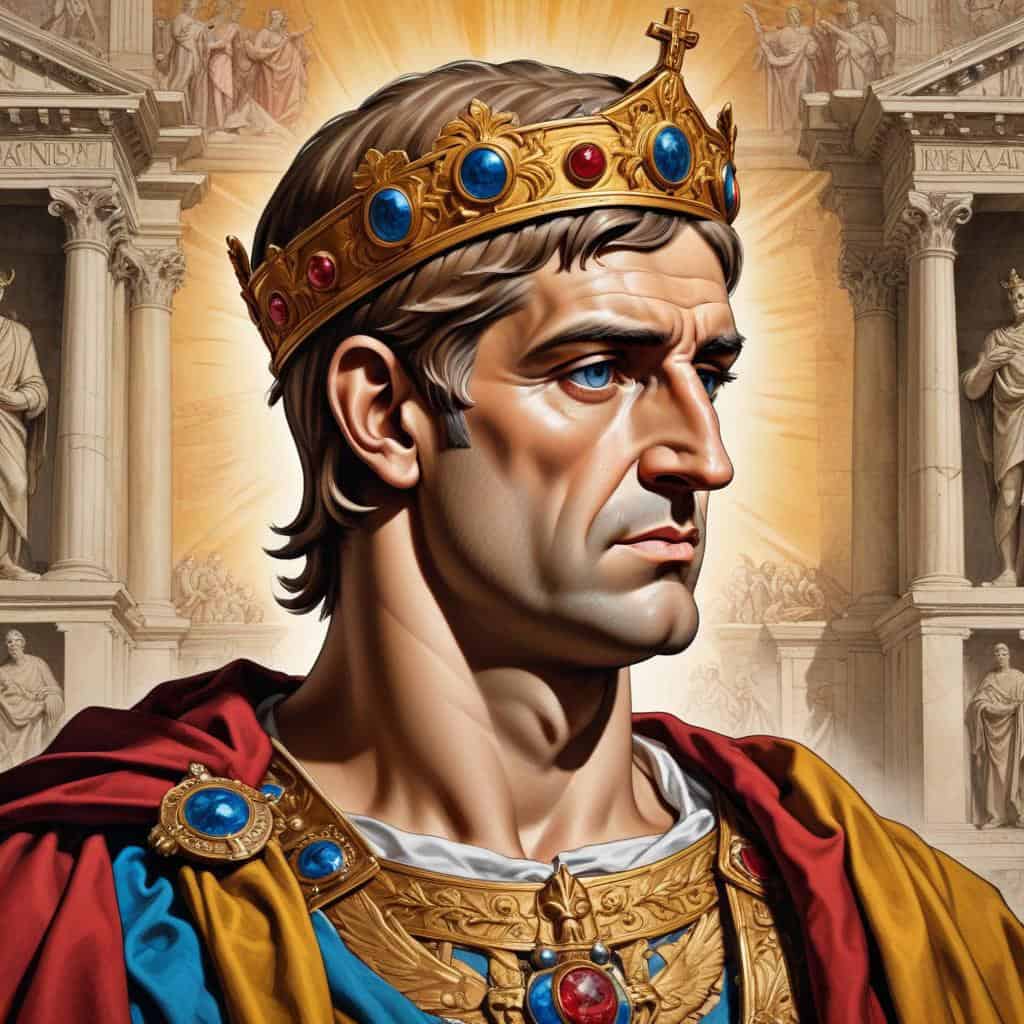
Constantine I (Constantine the Great)
Constantius II
Constans
Early Life and Rise to Power
Military Coup and Exile
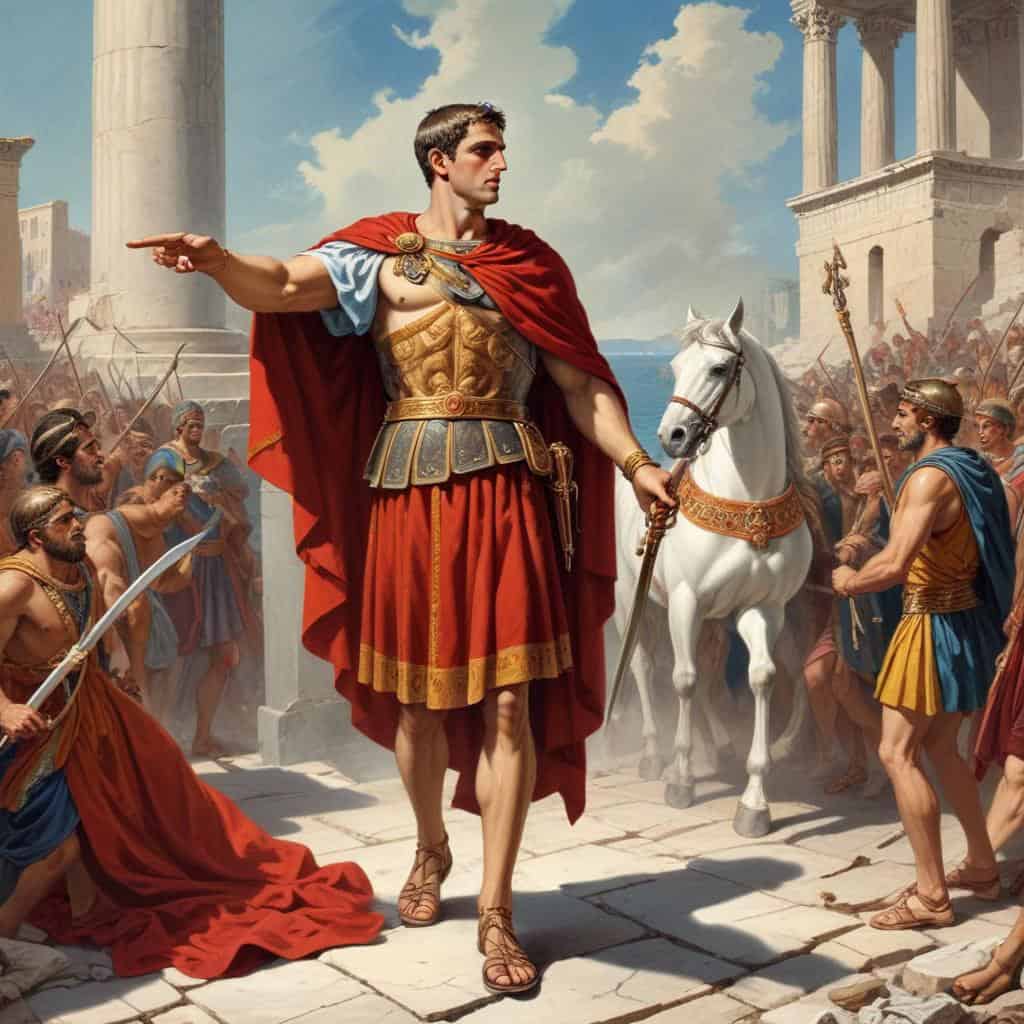
Struggle to Return to Greece

Legal Battles and Restoration of Citizenship
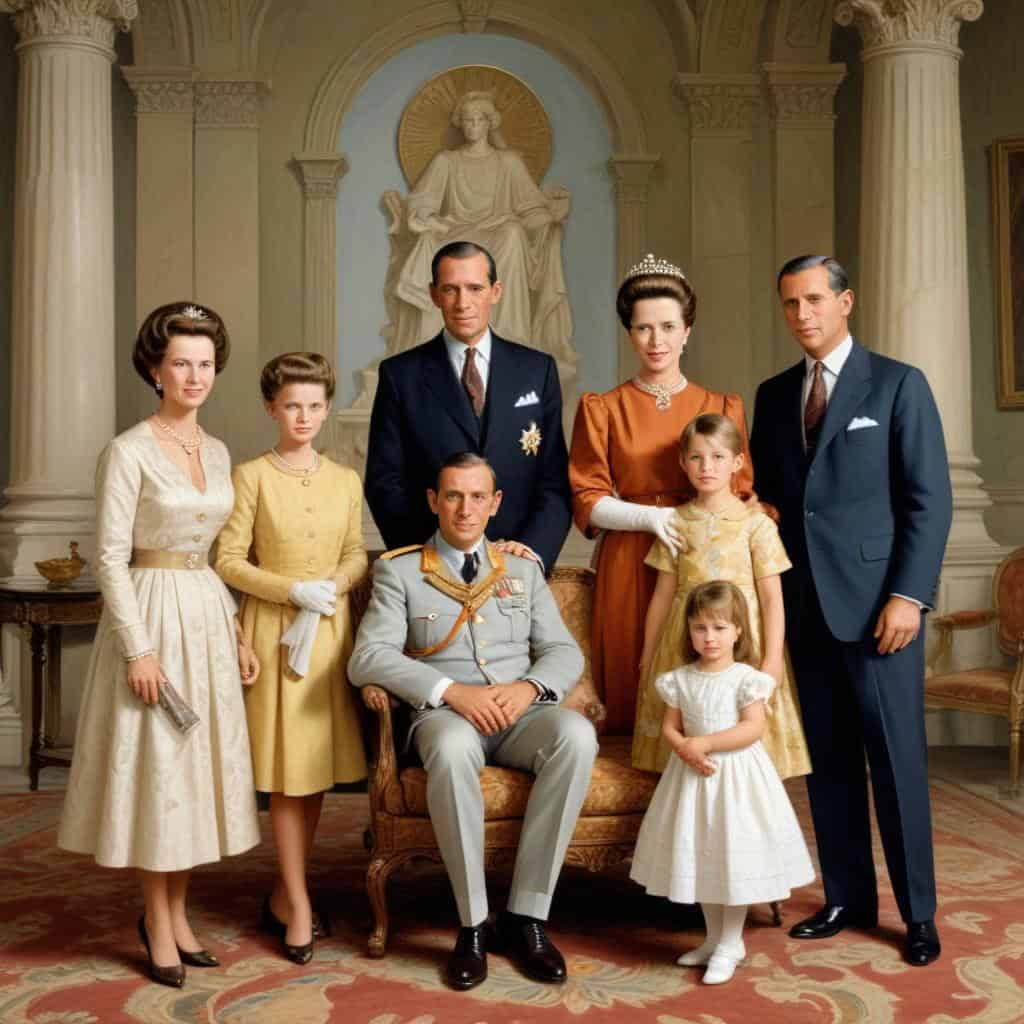
Family Life and Philanthropy
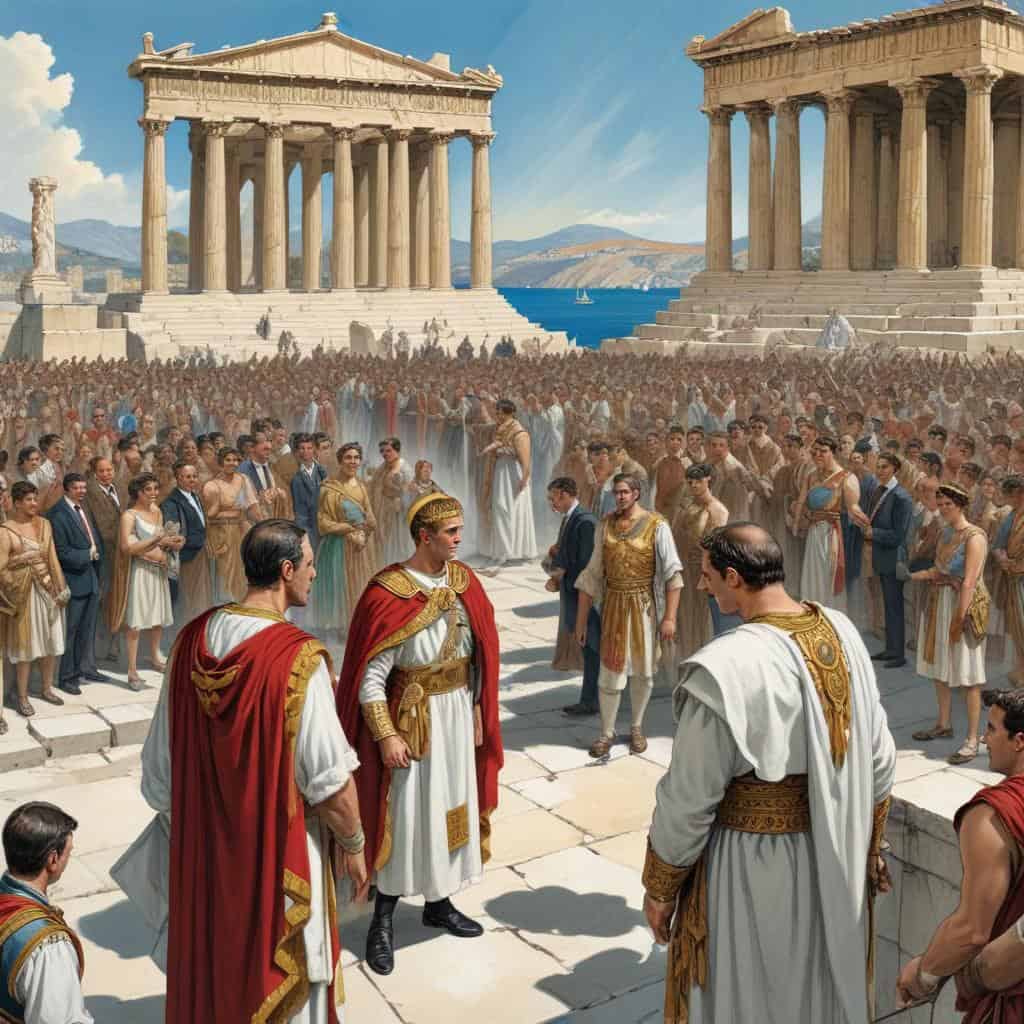
Return to Greece and Controversy
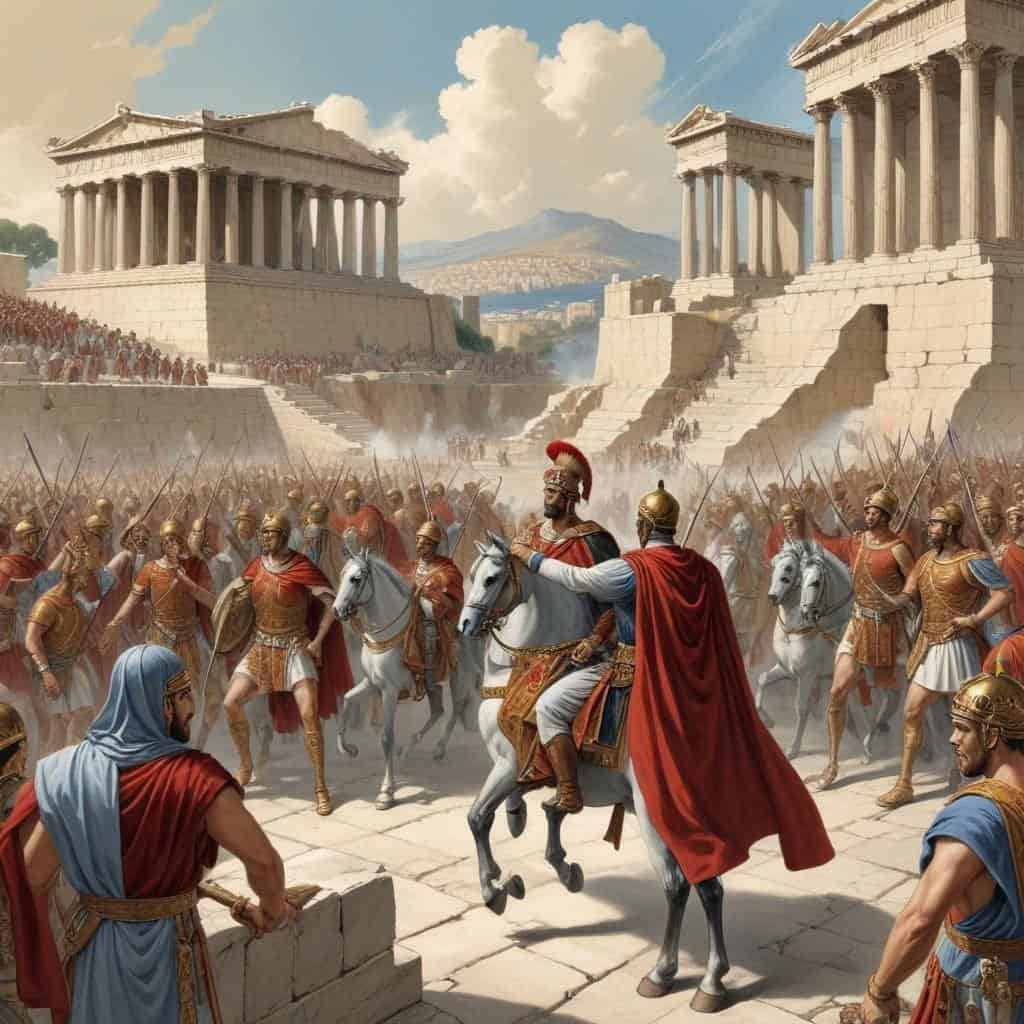
Legacy and Historical Significance
Current Activities and Future Plans
Recognition and Awards
Lesson Details & Resources
In a Nutshell
- Who: King of Greece
- When: Lived: 1940 – present
- Known For: Being the last King of Greece before the monarchy was abolished
- Legacy: Advocating for democracy and constitutional monarchy in Greece
Timeline of Constantine II: A Historical Biography
Constantine II is born in 316 AD
Constantine II is made Caesar by his father, Constantine the Great
Constantine II is appointed as consul
Constantine II participates in the Battle of Adrianople
Constantine II becomes Augustus of the Roman Empire
Constantine II issues a decree granting religious freedom to Christians
Constantine II marries his first wife, Delphina
Constantine II's first son, Julian, is born
Constantine II's second son, Constantius, is born
Constantine II fights against his brother, Constans, for control of the Western Roman Empire
Constantine II is killed in battle against Constans
Constantine II's sons are declared Caesar by Constans
Constantine II's sons are killed by supporters of Constans
Constantine II is buried in the Church of the Holy Apostles in Constantinople
Vocabulary List
- Emperor
- Constantine II was the Roman Emperor from 337 to 340 AD.
- Rome
- Constantine II ruled from the city of Rome.
- Dynasty
- Constantine II was part of the Constantinian dynasty.
- Succession
- Constantine II's reign was marked by struggles over succession.
- Battle
- Constantine II fought in several battles during his reign.
- Christianity
- Constantine II was a Christian ruler.
- Crisis
- Constantine II's reign was marked by political and military crises.
- Civil war
- Constantine II was involved in a civil war against his brother Constans.
- Usurper
- Constantine II was killed by a usurper named Magnentius.
- Legacy
- Constantine II's legacy as a ruler is debated among historians.
Key Facts
This is the information used in the fact matching game
- Constantine II was born on February 2, 316 AD in Arles, Gaul.
- Constantine II was the eldest son of Constantine the Great, the first Christian Roman emperor.
- Constantine II was proclaimed Caesar by his father in 317 AD.
- Constantine II became Augustus in 337 AD after the death of his father.
- Constantine II ruled over Gaul, Britain, and Spain as part of the Roman Empire.
- Constantine II faced rebellions from his younger brothers, Constans and Constantius II, leading to a civil war.
- Constantine II was defeated by his brother Constantius II at the Battle of Mursa in 351 AD.
- Constantine II was killed in battle during the civil war with his brothers in 340 AD.
- Constantine II was buried in the Church of the Holy Apostles in Constantinople.
- Constantine II was the first Roman emperor to be born in Gaul.
- Constantine II was known for his military campaigns in the western provinces of the Roman Empire.
- Constantine II issued coins depicting himself as a soldier and warrior.
- Constantine II was a supporter of Nicene Christianity and opposed Arianism.
- Constantine II married his cousin, the daughter of Constantius II, in a political alliance.
- Constantine II was known for his generosity and patronage of the arts.
- Constantine II was revered as a martyr by some Christian sects after his death.
- Constantine II's reign was marked by instability and conflict with his brothers.
- Constantine II's death marked the end of the first phase of the Constantinian dynasty.
- Constantine II's legacy is debated among historians, with some viewing him as a weak ruler and others as a victim of circumstances.
- Constantine II's memory was honored in later Roman imperial propaganda as a symbol of dynastic loyalty and martyrdom.
Analysis & Significance
Major Accomplishments
Constantine II was known for his military successes, including his victory at the Battle of the Milvian Bridge which solidified his position as Roman Emperor. He also issued the Edict of Milan, granting religious tolerance to Christians in the Roman Empire.
Impact on the World
Constantine II’s conversion to Christianity and support for the religion had a profound impact on the course of history, leading to the eventual establishment of Christianity as the dominant religion in the Roman Empire and beyond. His policies also helped to shape the relationship between church and state.
Enduring Legacy
Constantine II is remembered as the first Roman Emperor to embrace Christianity and played a crucial role in the spread of the religion. He is often seen as a pivotal figure in the transition from the Roman Empire to the Byzantine Empire, and his legacy continues to influence discussions about the intersection of religion and politics.
Constantine II: A Historical Biography Games


Take Your Learning Offline
Want a convenient, print-ready study guide for this lesson? Become a Memory Wizards Pro member to unlock the downloadable " Memory Scrolls" for this topic and our entire library!
- ✓ Complete Vocabulary Lists
- ✓ Key Facts & Timelines
- ✓ Beautifully Formatted for Print & Mobile