
Constans: A Historical Biography
The enigmatic emperor who ruled the Roman Empire during a time of great turmoil.
How Do You Learn Best?
Learn by Reading
Immerse yourself in the 10-minute visual lesson for a comprehensive understanding of the topic.
Learn by Reviewing
Jump directly to the key facts, timeline, and vocabulary lists to build a solid foundation of details.
Learn by Doing
Challenge yourself! Jump straight into the interactive games to learn by trial, error, and discovery.
Constans: A Historical Biography in 10 Minutes
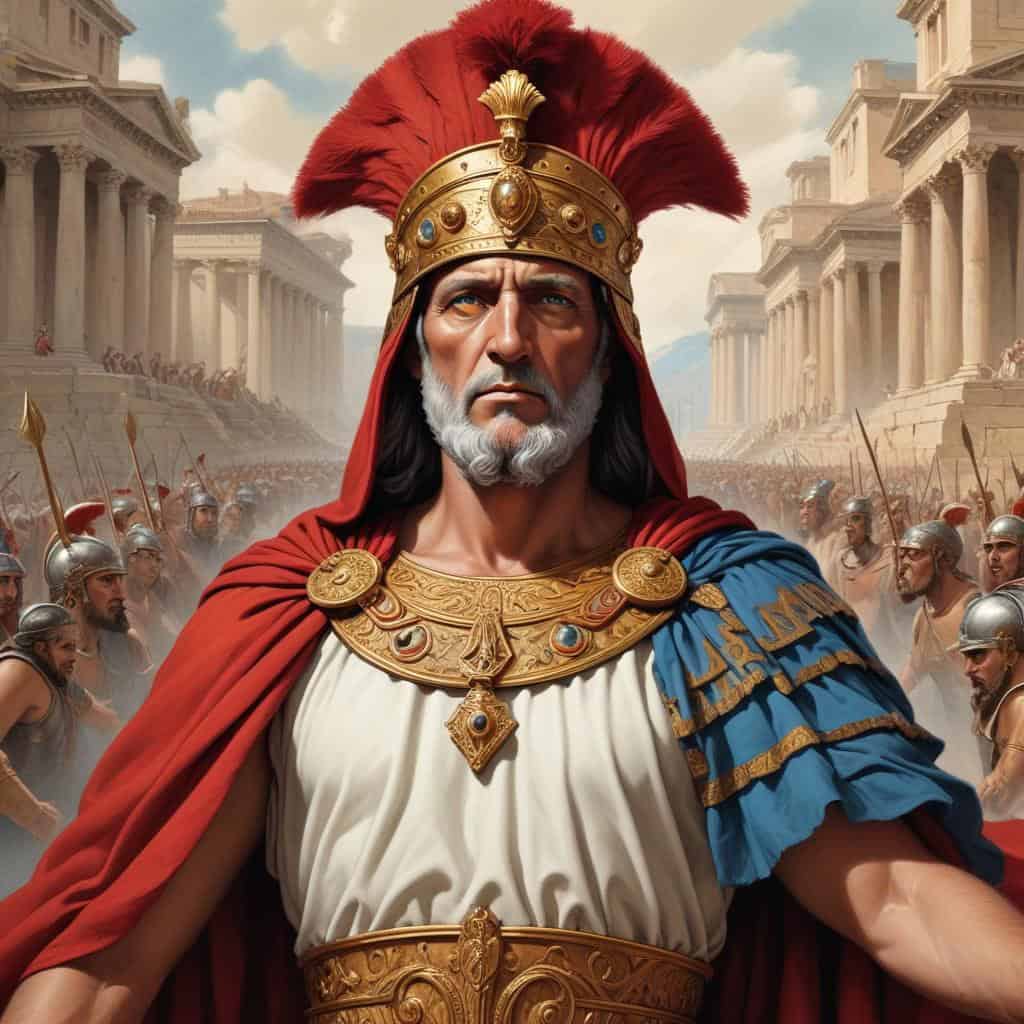
Introduction
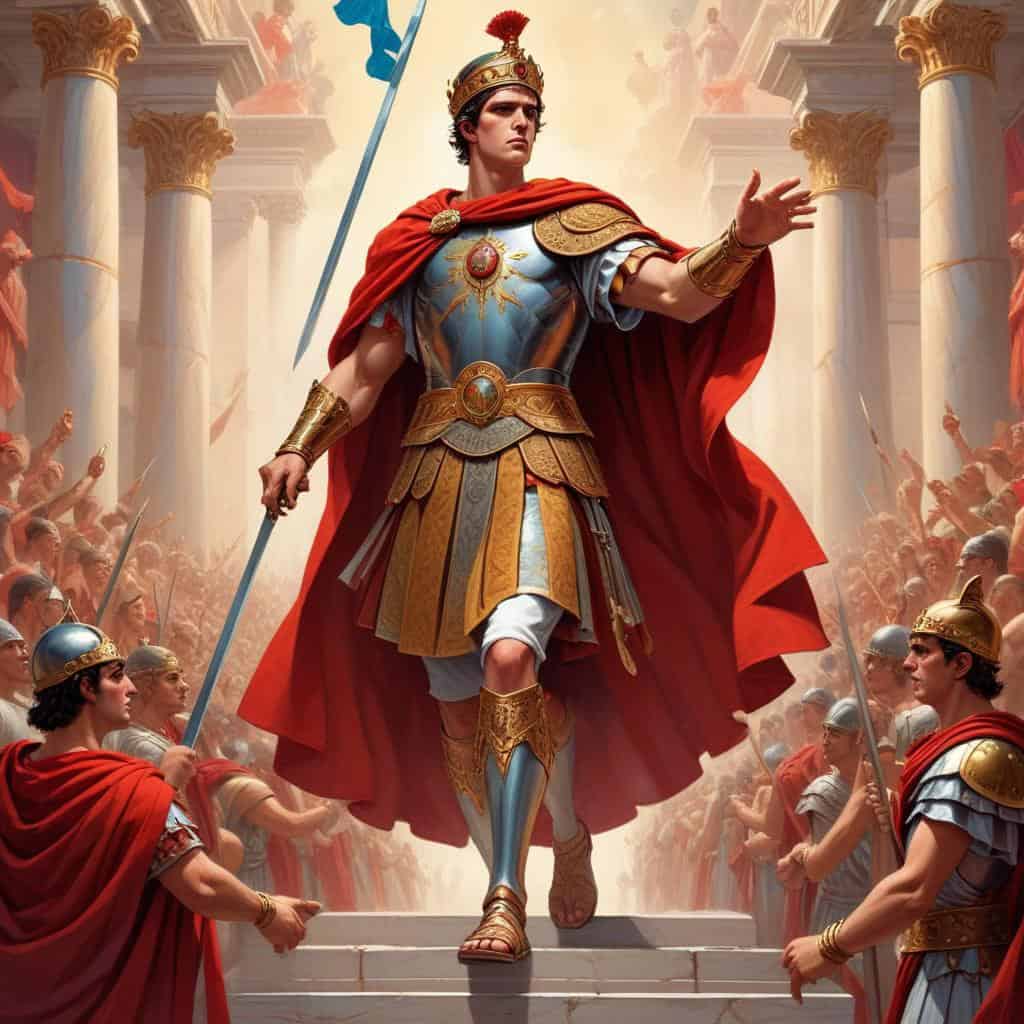
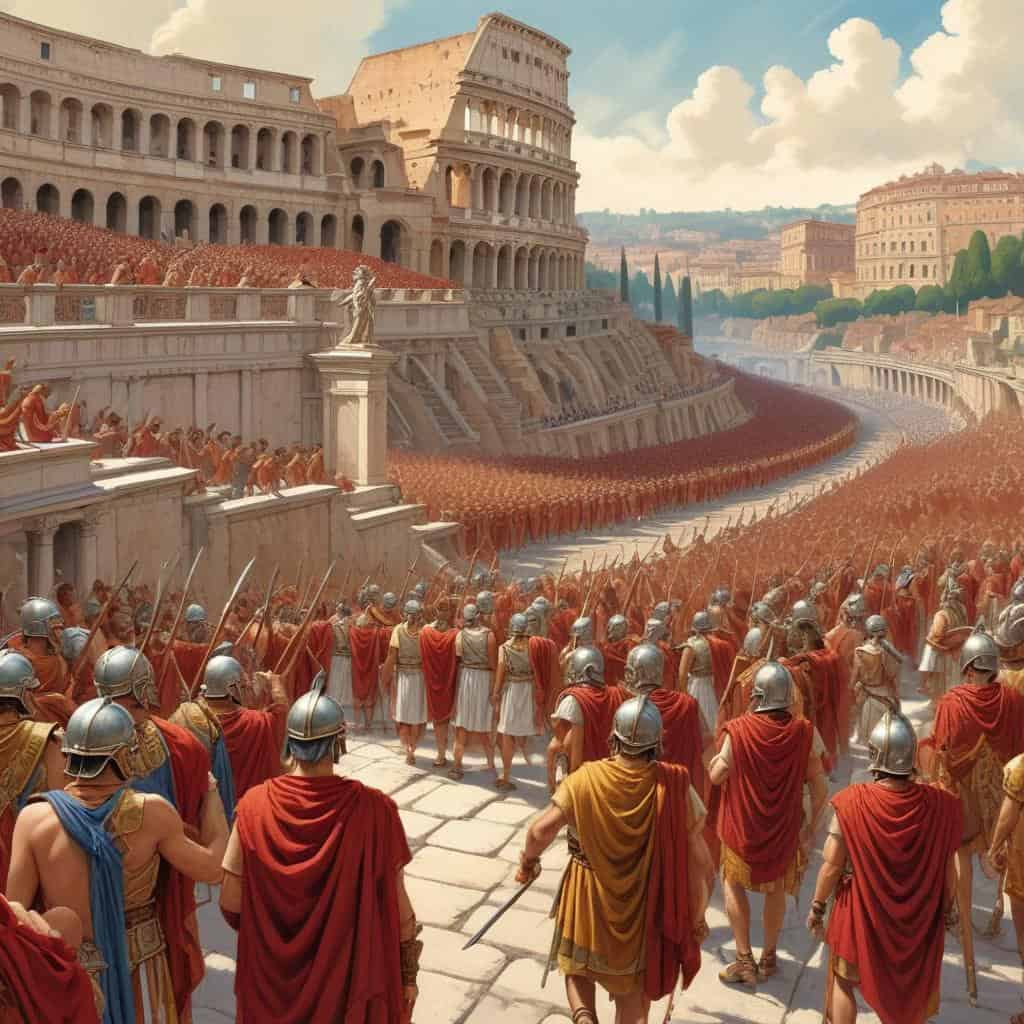
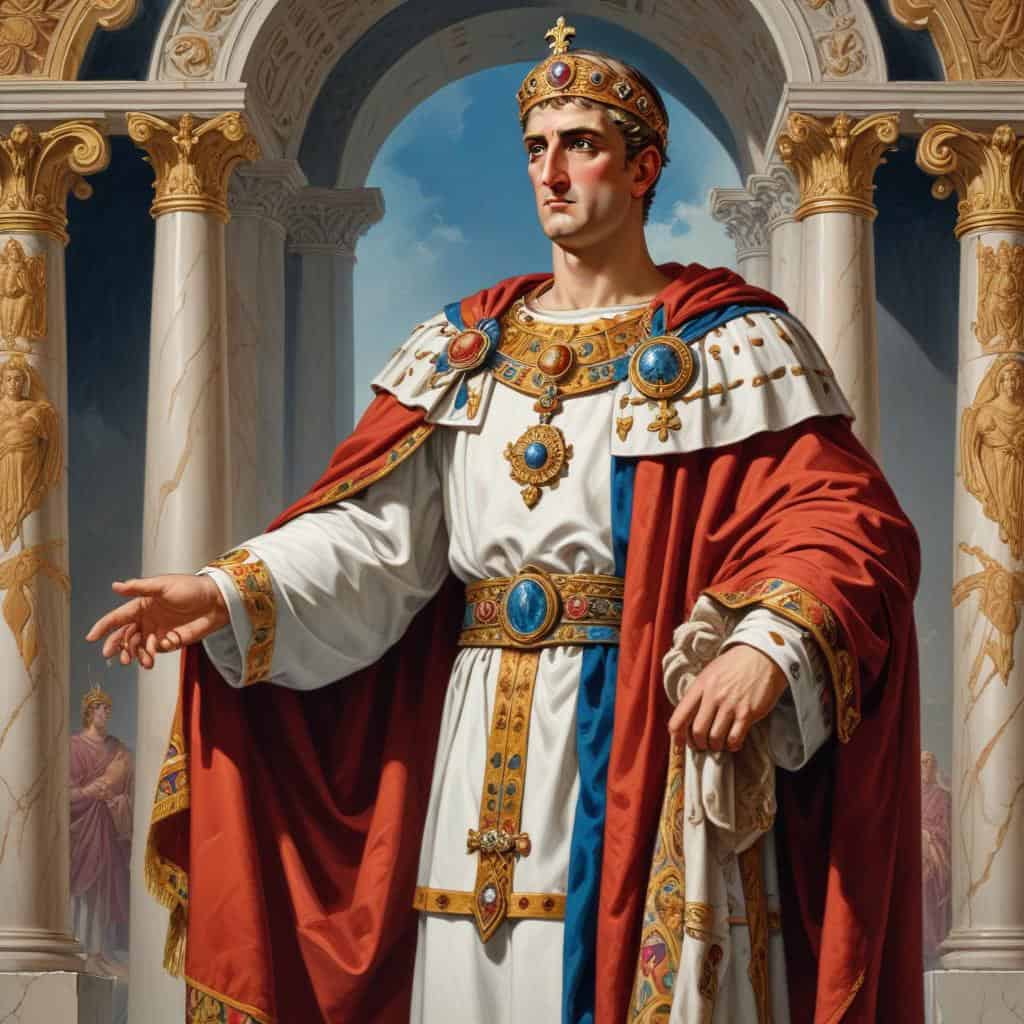
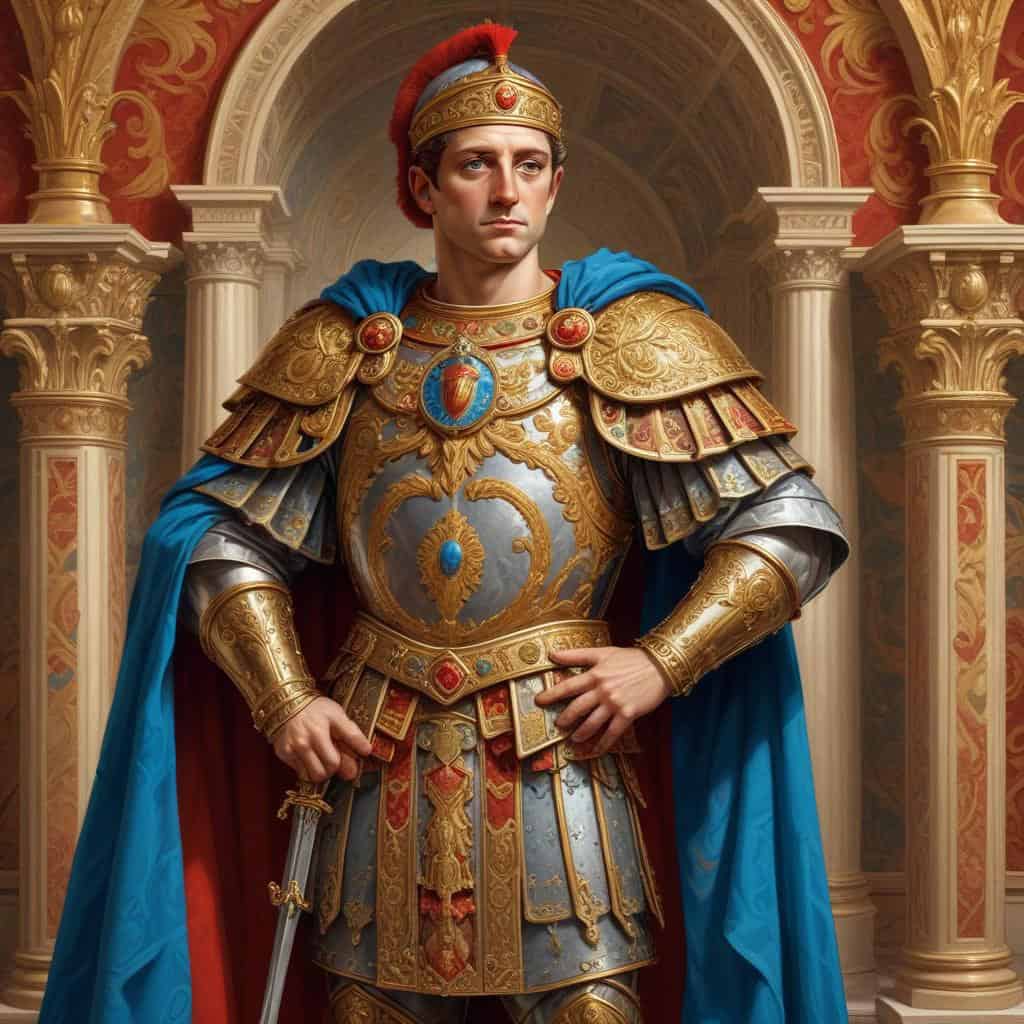
Emperor Constantine the Great
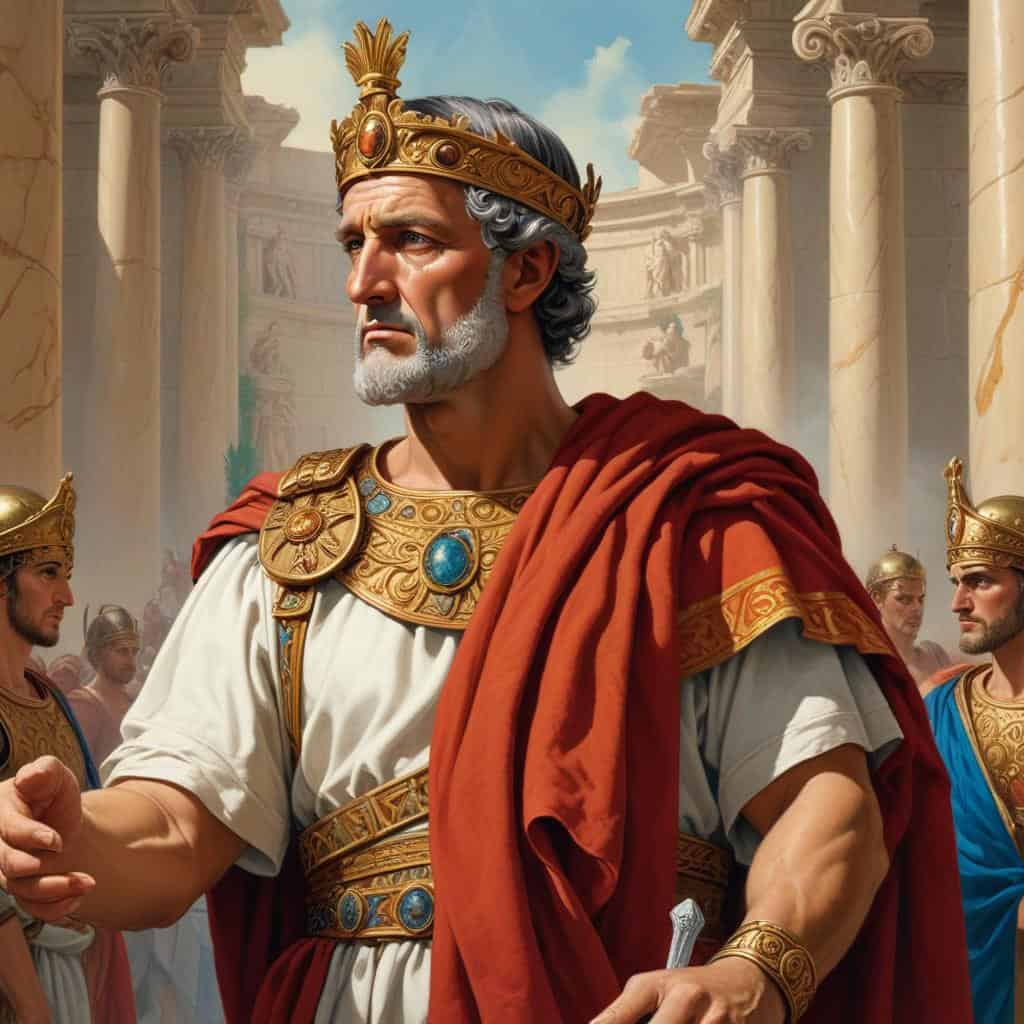
Emperor Constantius II
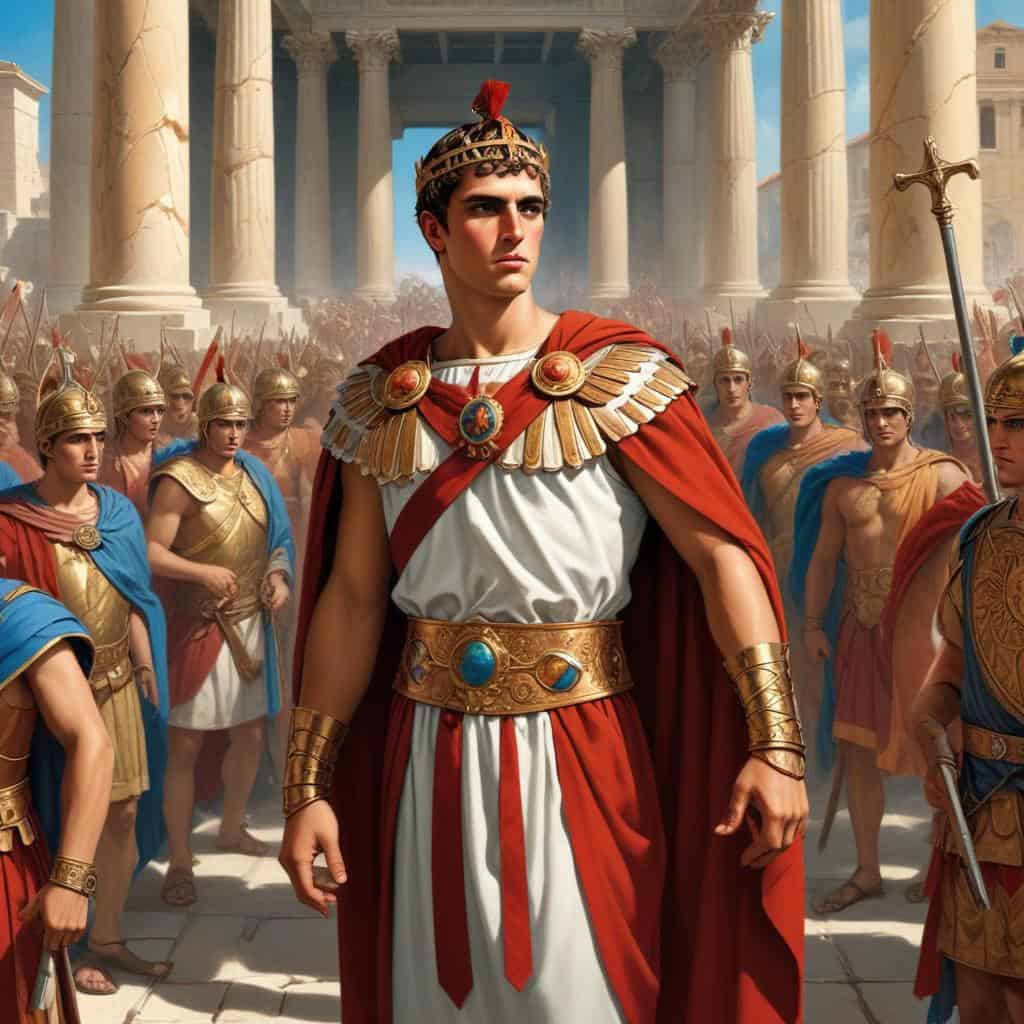
Emperor Julian the Apostate
The Rise of Constans
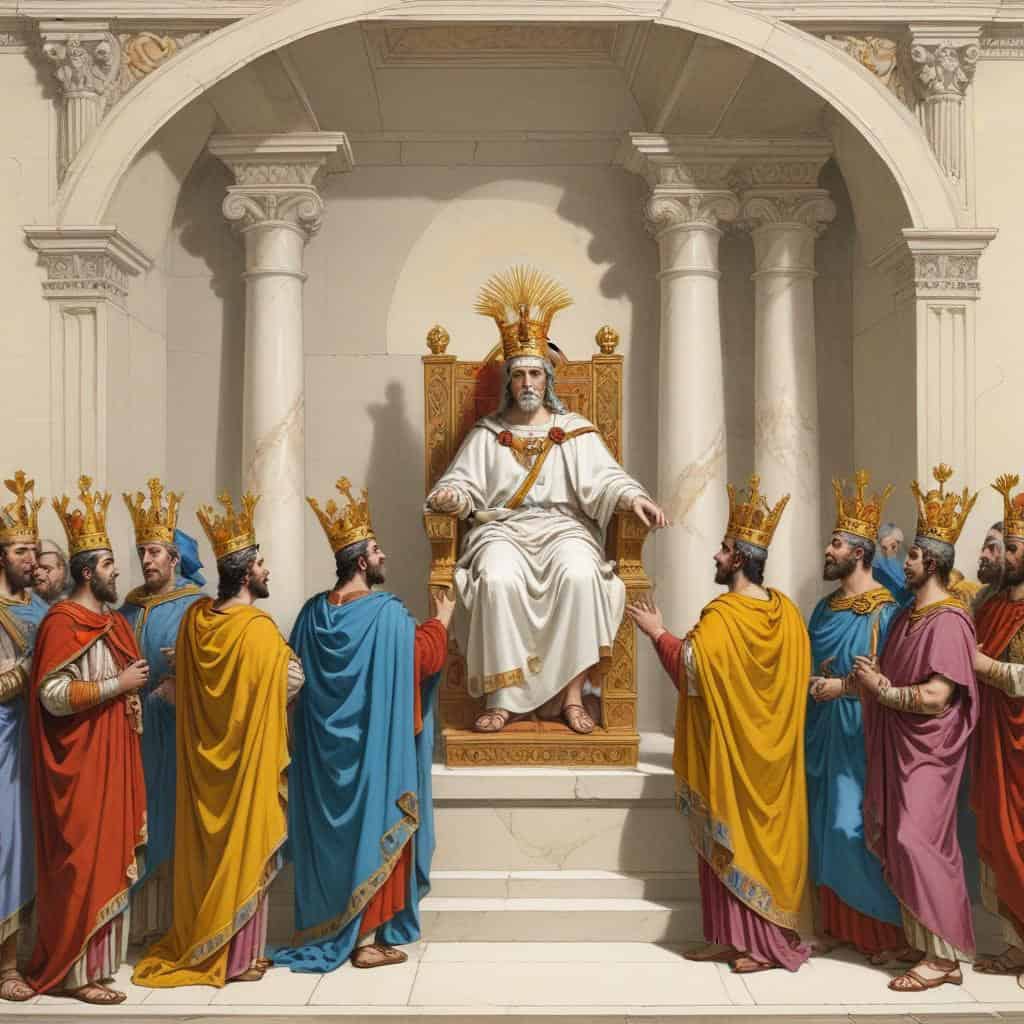
Ascension to the Throne
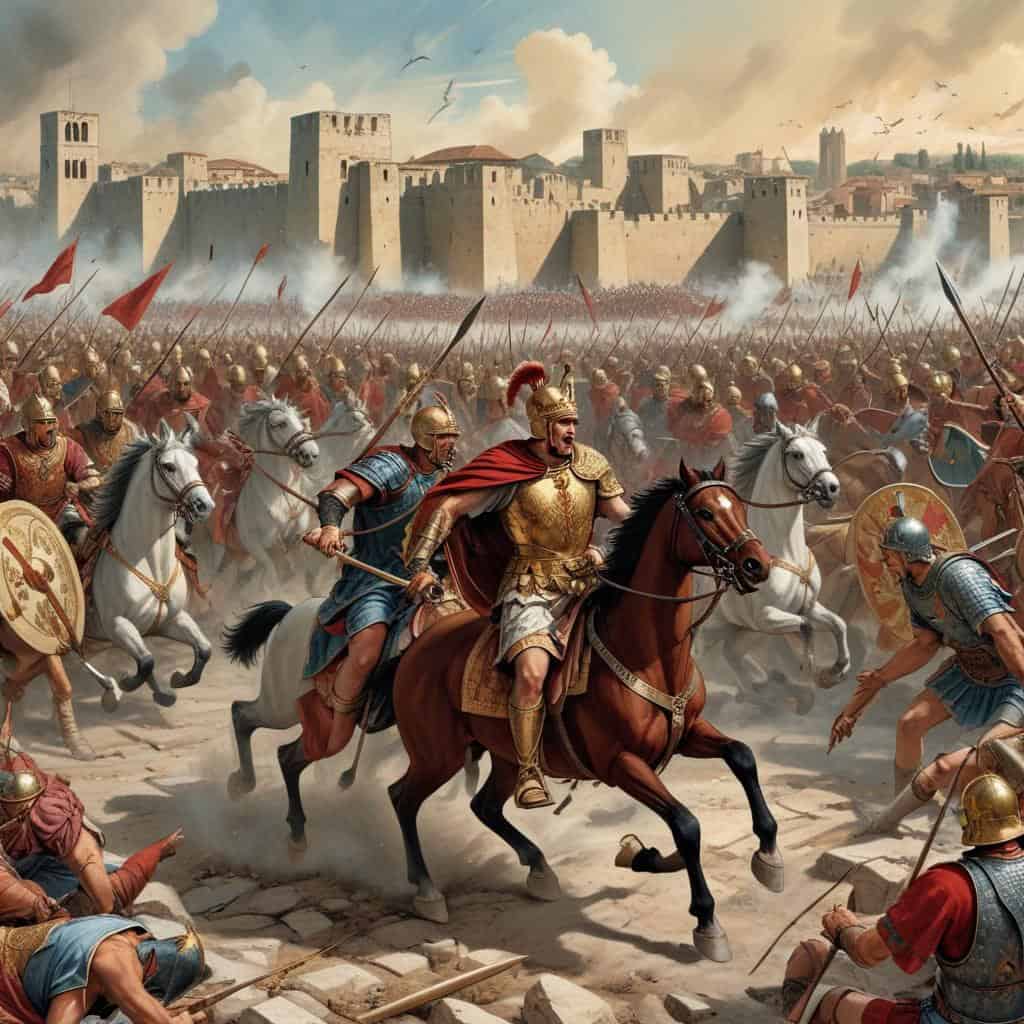
Conflict with Constantine II
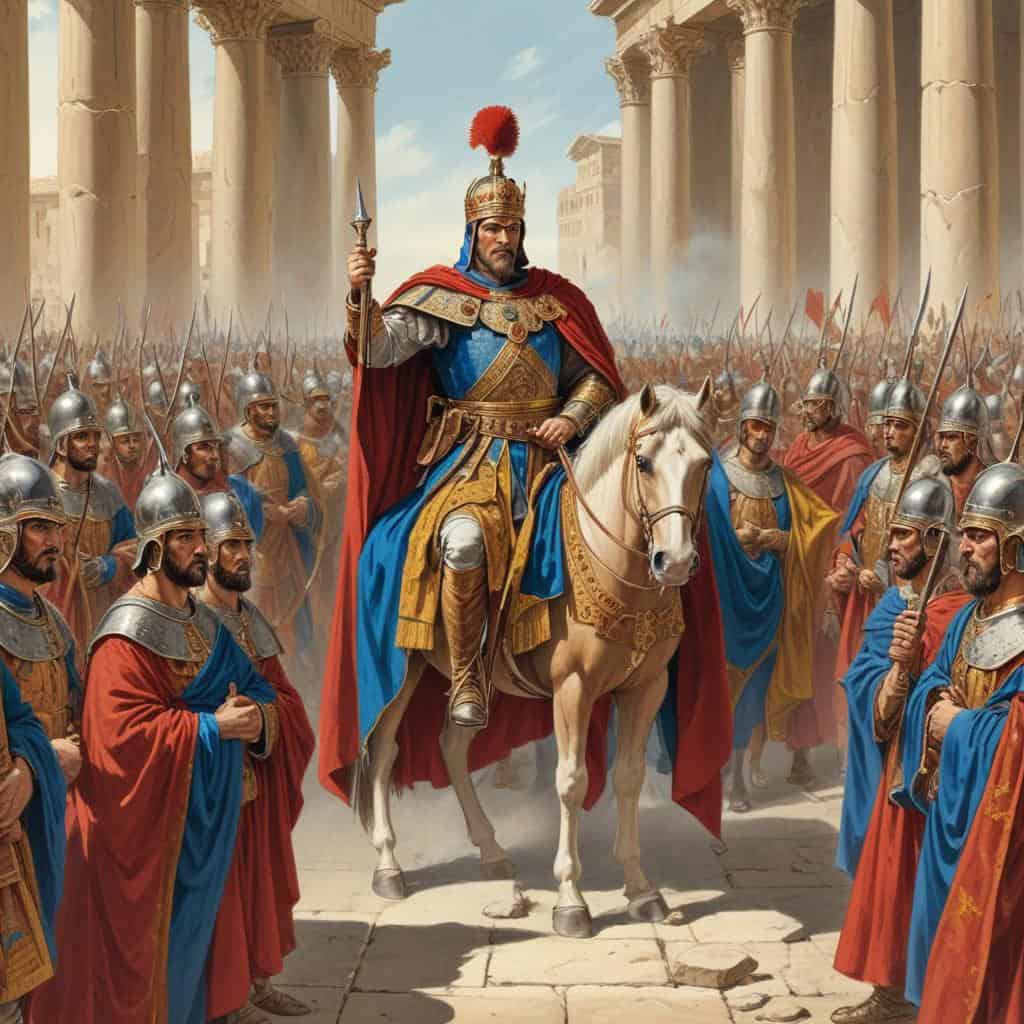
Reign as Emperor
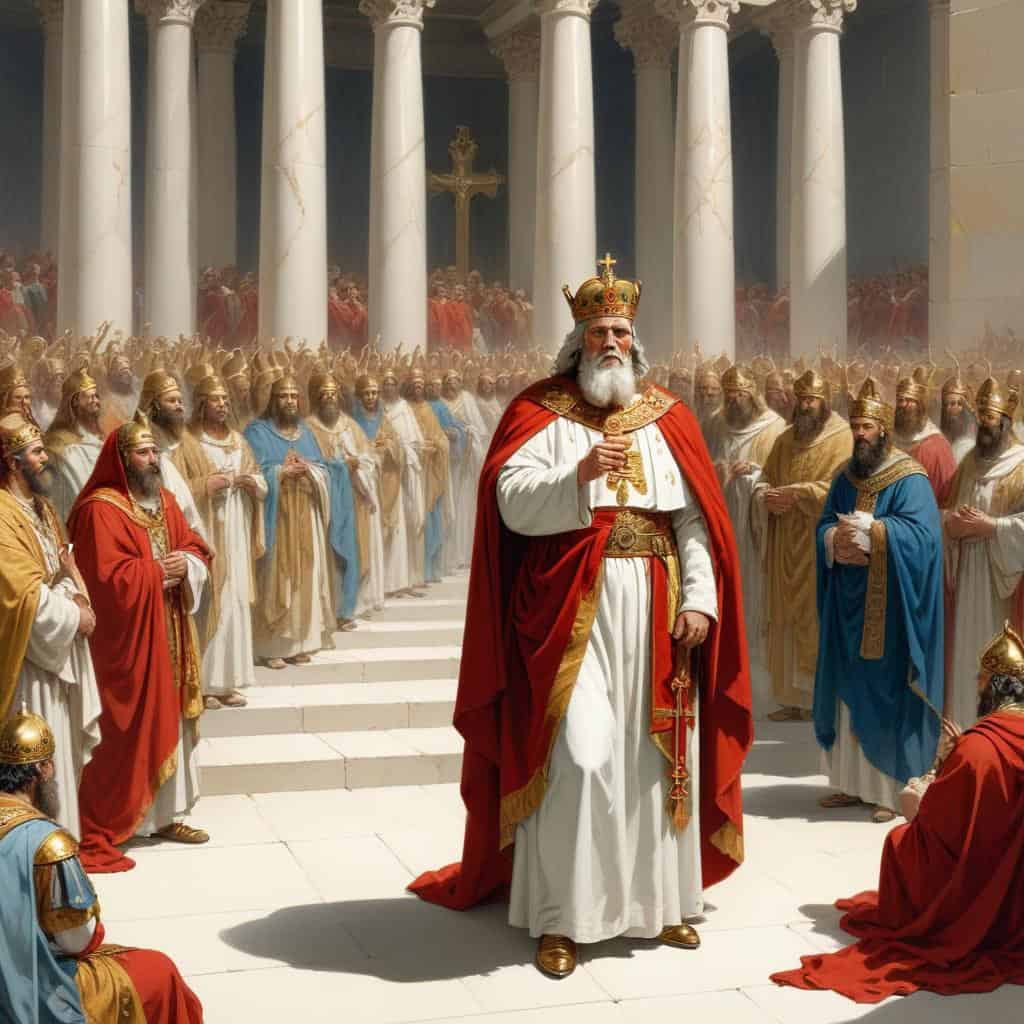
Religious Policies
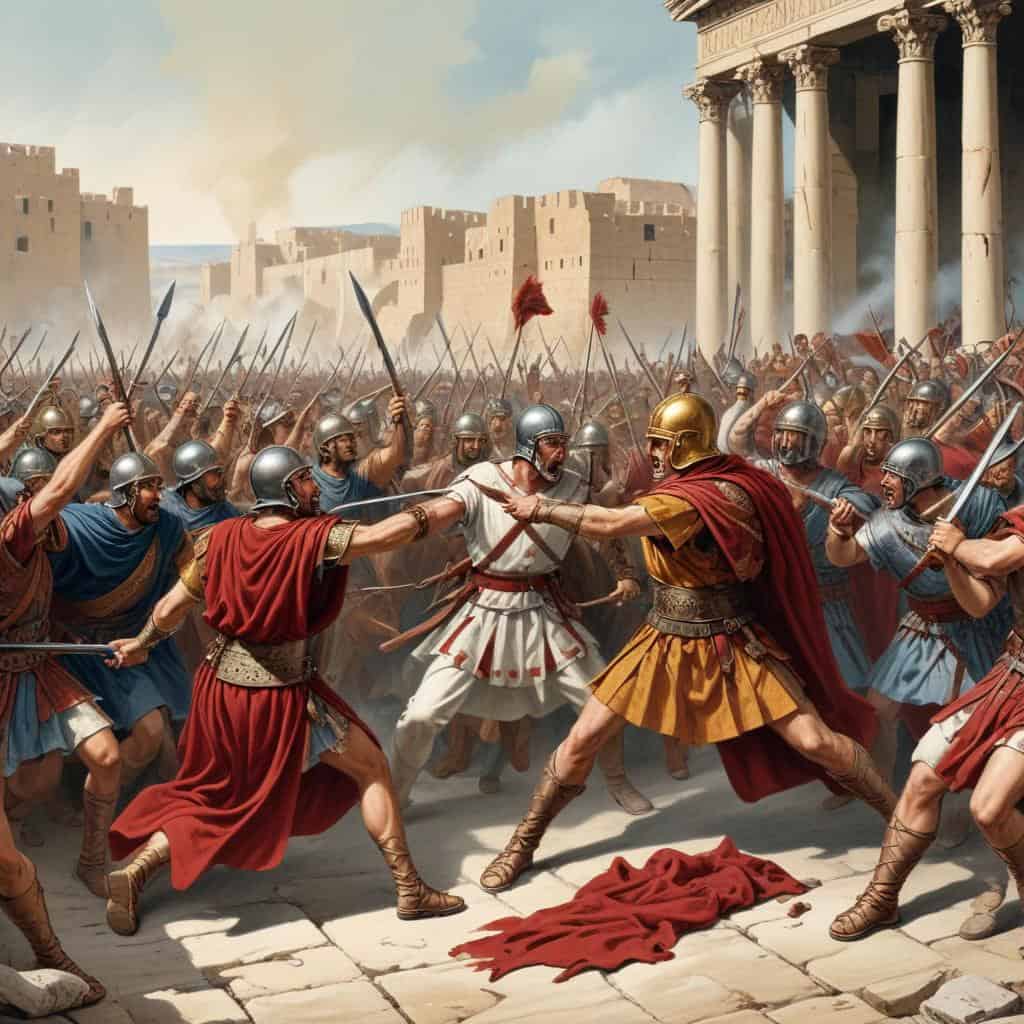
Assassination
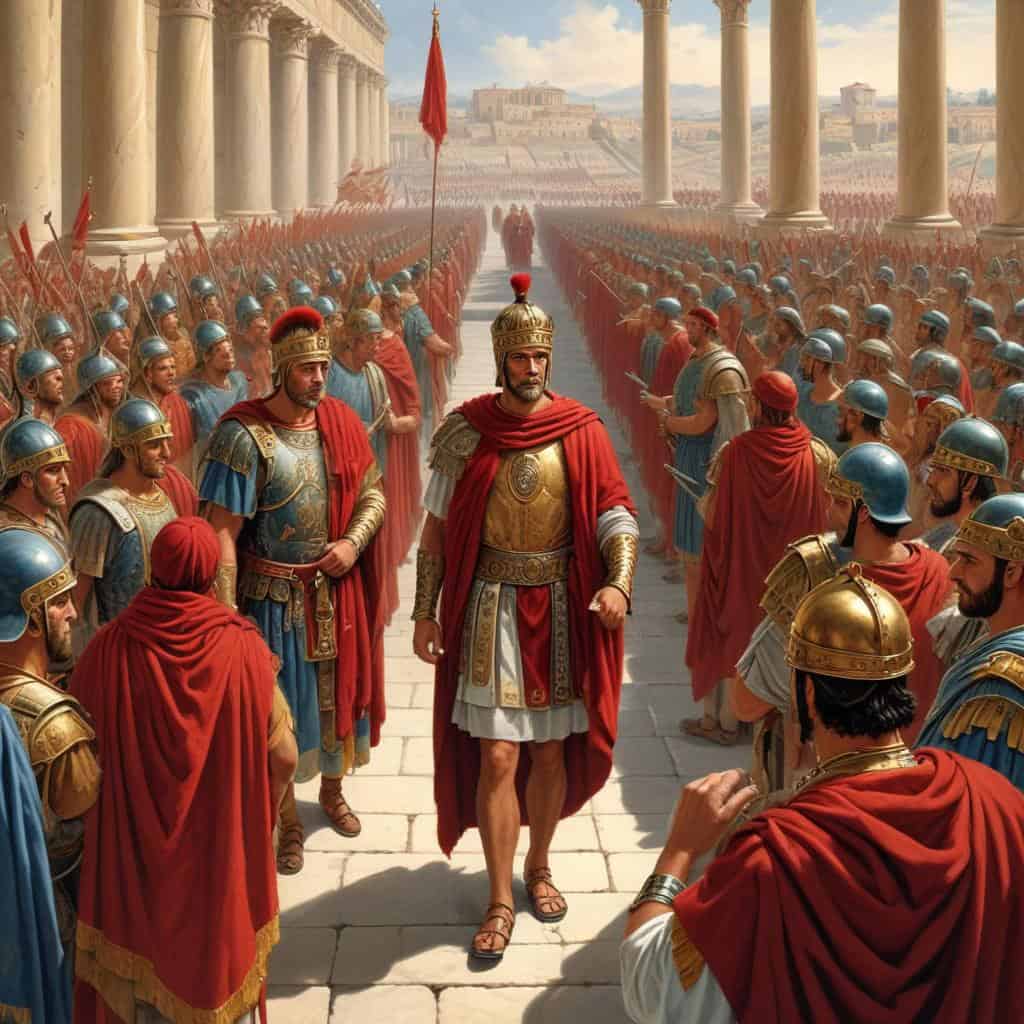
Legacy
Lesson Details & Resources
In a Nutshell
- Who: Roman Emperor
- When: Lived: 320 – 350 AD
- Known For: Being the youngest son of Constantine the Great and co-emperor with his two brothers
- Legacy: His short reign and early death led to instability in the Roman Empire
Timeline of Constans: A Historical Biography
Constans is born in 320 AD
Constans is proclaimed co-emperor by his father Constantine the Great in 333 AD
Constans participates in the defeat of the Sarmatians in 334 AD
Constans is declared Augustus by his father Constantine the Great in 337 AD
Constantine the Great dies, leading to a power struggle between Constans and his brothers Constantine II and Constantius II in 337 AD
Constans emerges victorious in the power struggle and becomes the sole emperor of the Western Roman Empire in 350 AD
Constans defeats the usurper Magnentius in the Battle of Mursa Major in 351 AD
Constans consolidates his power in the Western Roman Empire and focuses on internal reforms in 352 AD
Constans suppresses a revolt in Gaul in 354 AD
Constans visits Rome in 357 AD
Constans orders the execution of his brother Constantine II in 350 AD
Constans faces challenges from the usurper Vetranio in 350 AD
Constans allies with his brother Constantius II against the usurper Magnentius in 350 AD
Constans defeats Magnentius in the Battle of Mons Seleucus in 350 AD
Constans is assassinated by supporters of the usurper Magnentius in 350 AD
Vocabulary List
- Emperor
- Constans was a Roman emperor from 337 to 350 AD.
- Ruler
- Constans was the ruler of the Western Roman Empire during his reign.
- Son
- Constans was the son of Constantine the Great.
- Dynasty
- Constans belonged to the Constantinian dynasty.
- Reign
- Constans' reign was marked by internal strife and military conflicts.
- Assassination
- Constans was assassinated in 350 AD.
- Legacy
- Constans' legacy is debated among historians.
- Usurper
- After Constans' death, his brother Constantius II was accused of being a usurper.
- Civil war
- Constans' reign saw several civil wars within the Roman Empire.
- Revolt
- There were multiple revolts against Constans' rule during his reign.
Key Facts
This is the information used in the fact matching game
- Constans was a Roman Emperor who ruled from 337 to 350 AD.
- He was the youngest son of Constantine the Great.
- Constans was born in 320 AD.
- He co-ruled with his two brothers, Constantine II and Constantius II.
- Constans was known for his cruelty and extravagance.
- He was assassinated in 350 AD by supporters of the usurper Magnentius.
- Constans was known for his persecution of Christians.
- He was married to Fausta, daughter of the Roman Emperor Constantine I.
- Constans had several children, including Constantius Gallus and Julius Nepotianus.
- He was known for his efforts to centralize the Roman government.
- Constans was a supporter of Arianism, a nontrinitarian Christian sect.
- He faced several revolts during his reign, including one led by Magnentius.
- Constans was known for his love of chariot racing and gladiatorial games.
- He was the first Roman Emperor to visit Britain.
- Constans was deposed and killed in a coup led by Magnentius in 350 AD.
- His reign was marked by civil unrest and military conflict.
- Constans was buried in the Church of the Holy Apostles in Constantinople.
- He was succeeded by his cousin, Constantius II.
- Constans was portrayed as a weak and ineffective ruler by later historians.
- His reign marked the beginning of the decline of the Roman Empire.
Analysis & Significance
Major Accomplishments
Constans was a pioneer in developing new memory techniques that revolutionized the way people retained and recalled information. His creation of the “Memory Palace” method allowed individuals to organize and store vast amounts of knowledge in a systematic way.
Impact on the World
Constans’ innovative memory techniques had a profound impact on education, leading to improved learning outcomes and increased retention of information. His methods were widely adopted and continue to be used by students, scholars, and professionals around the world.
Enduring Legacy
Today, Constans is remembered as a memory wizard whose techniques transformed the field of mnemonics. His legacy lives on through the continued use of the “Memory Palace” method and his contributions to the understanding of memory and cognition. Constans remains a significant historical figure whose work has had a lasting impact on how we approach learning and memory.
Constans: A Historical Biography Games


Take Your Learning Offline
Want a convenient, print-ready study guide for this lesson? Become a Memory Wizards Pro member to unlock the downloadable " Memory Scrolls" for this topic and our entire library!
- ✓ Complete Vocabulary Lists
- ✓ Key Facts & Timelines
- ✓ Beautifully Formatted for Print & Mobile