
Commodus: The Life of Rome’s Controversial Emperor
Commodus: The infamous Roman emperor who reveled in gladiatorial combat and tyranny.
How Do You Learn Best?
Learn by Reading
Immerse yourself in the 10-minute visual lesson for a comprehensive understanding of the topic.
Learn by Reviewing
Jump directly to the key facts, timeline, and vocabulary lists to build a solid foundation of details.
Learn by Doing
Challenge yourself! Jump straight into the interactive games to learn by trial, error, and discovery.
Commodus: The Life of Rome’s Controversial Emperor in 10 Minutes
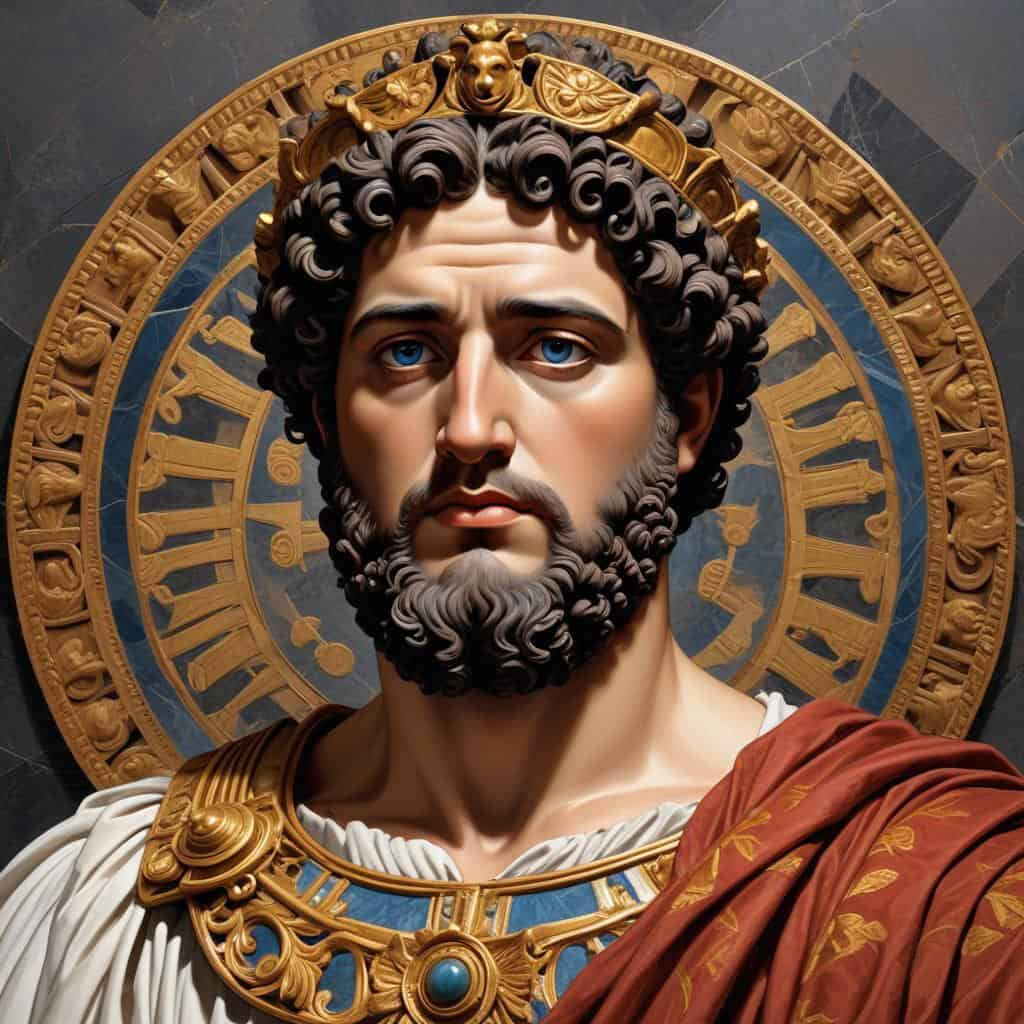
Introduction
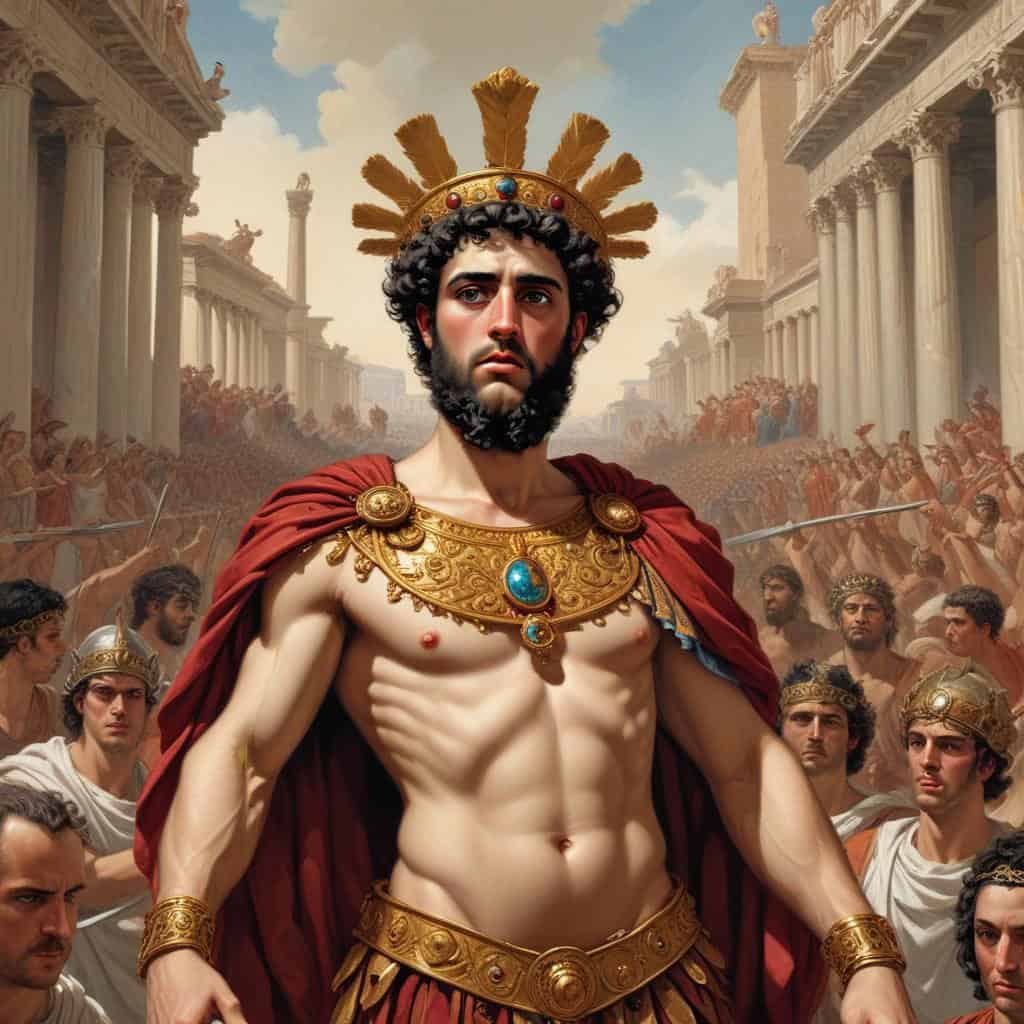
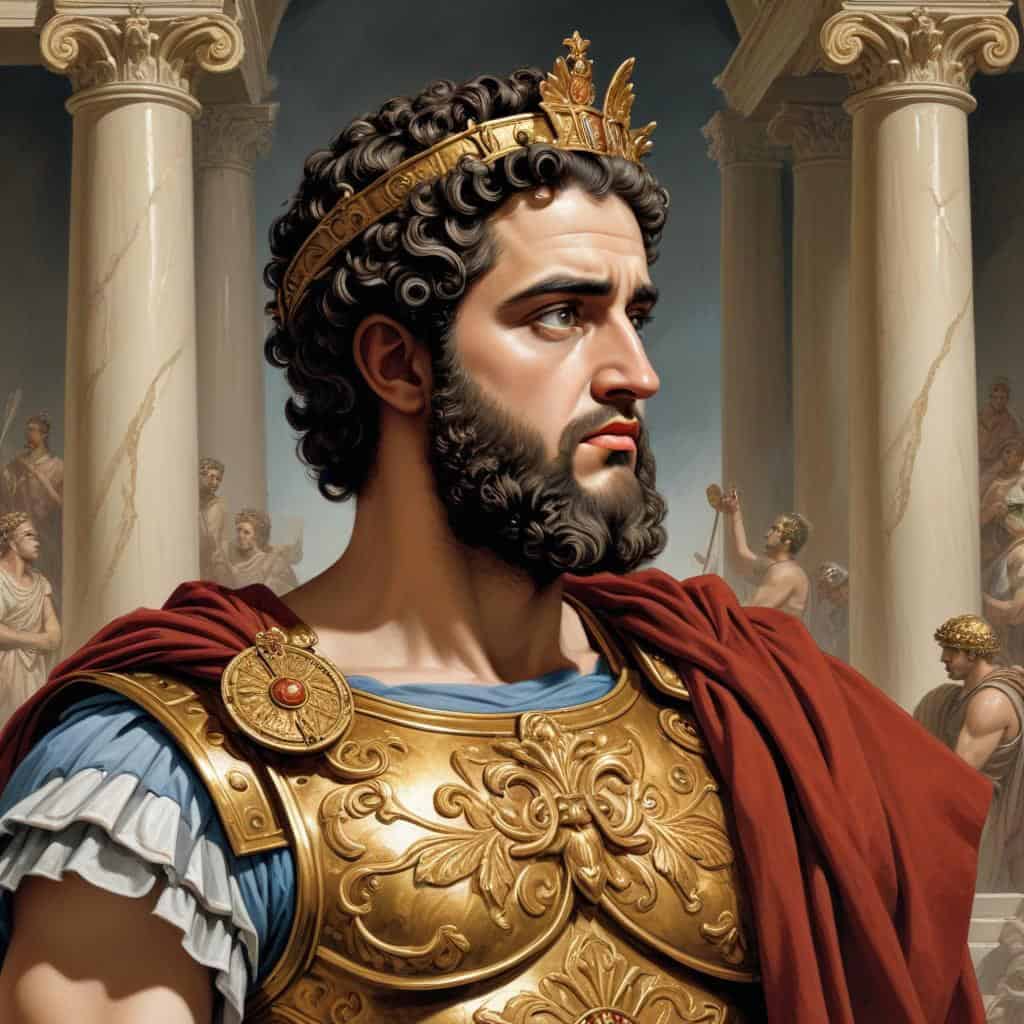
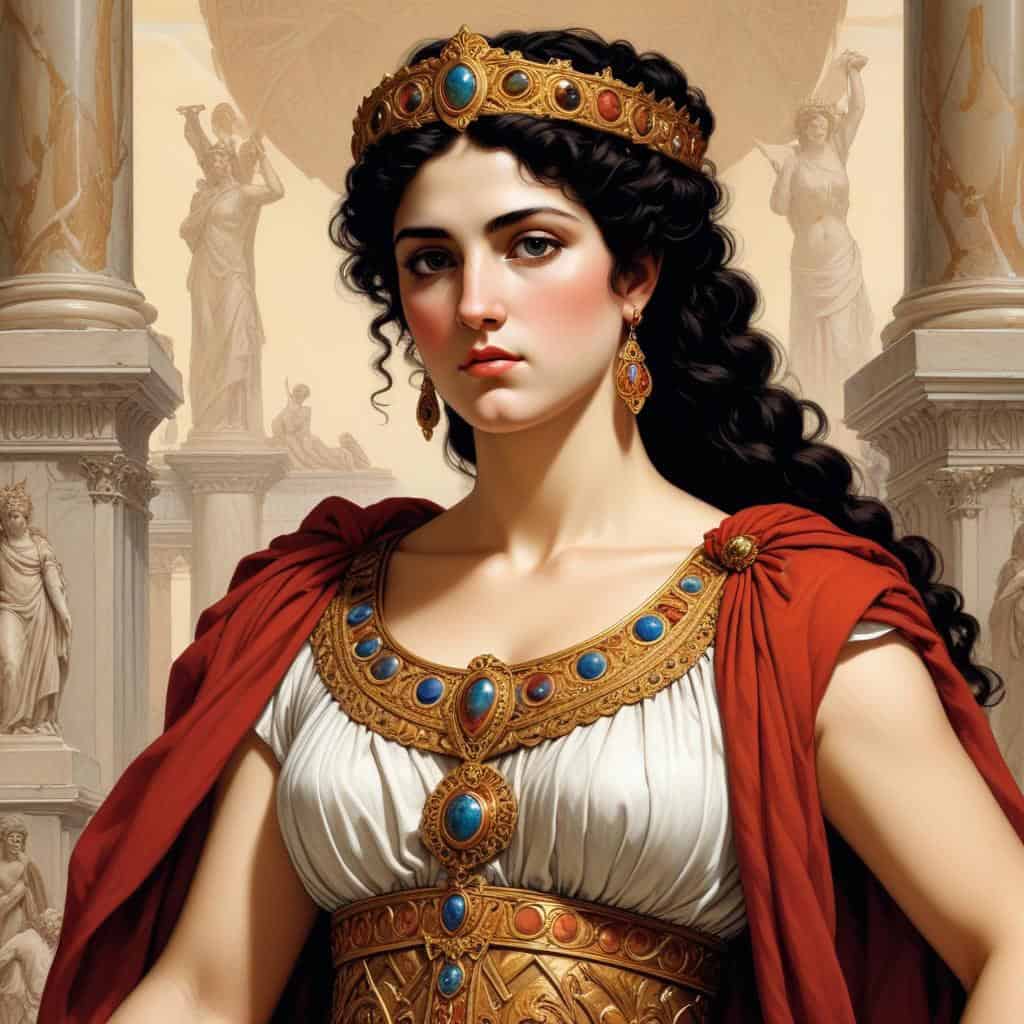
Lucilla
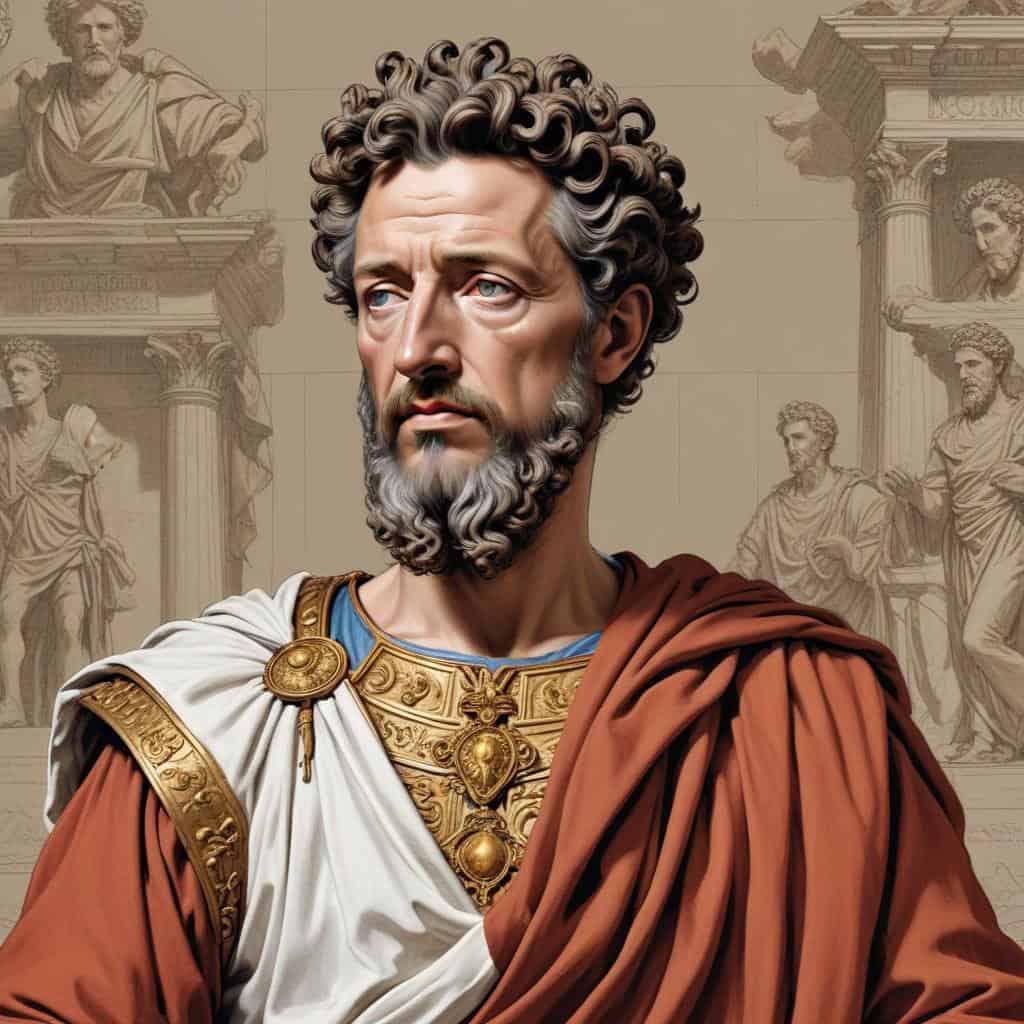
Marcus Aurelius
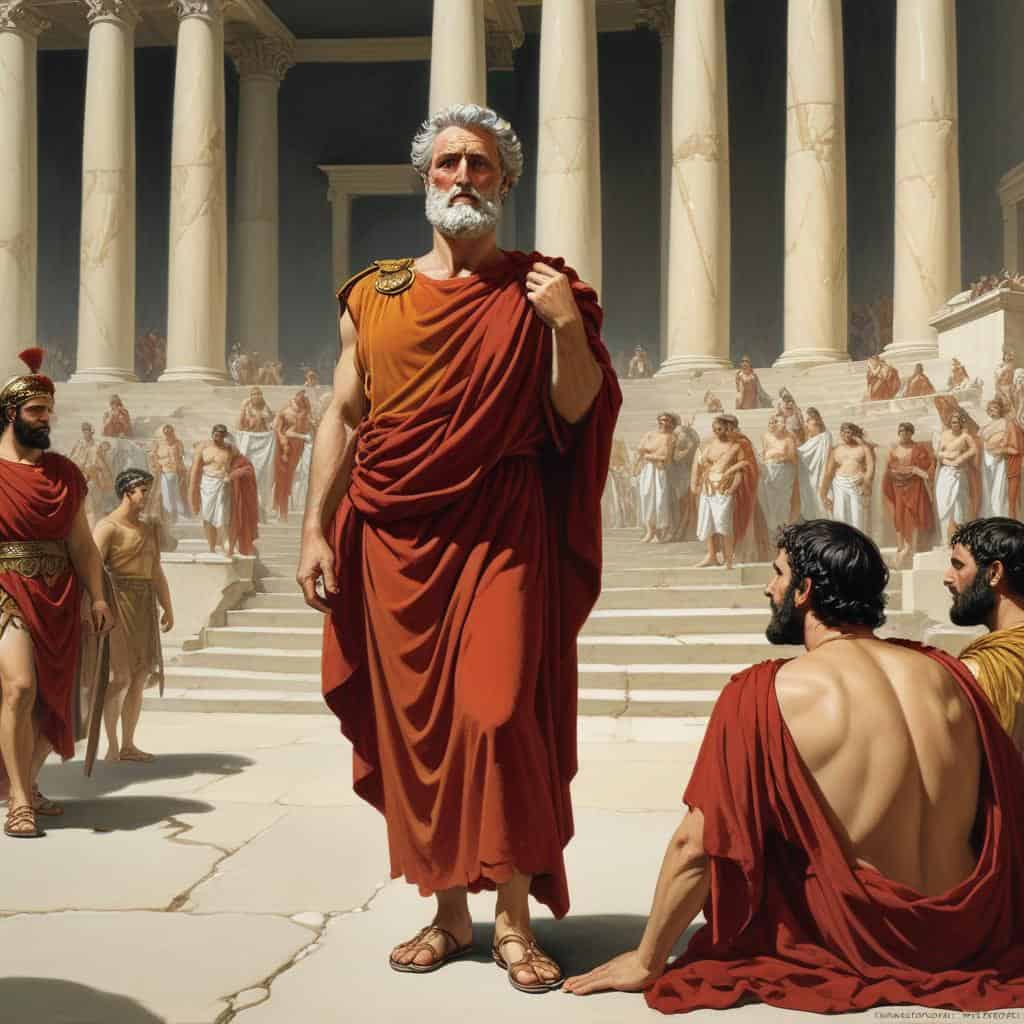
Pertinax
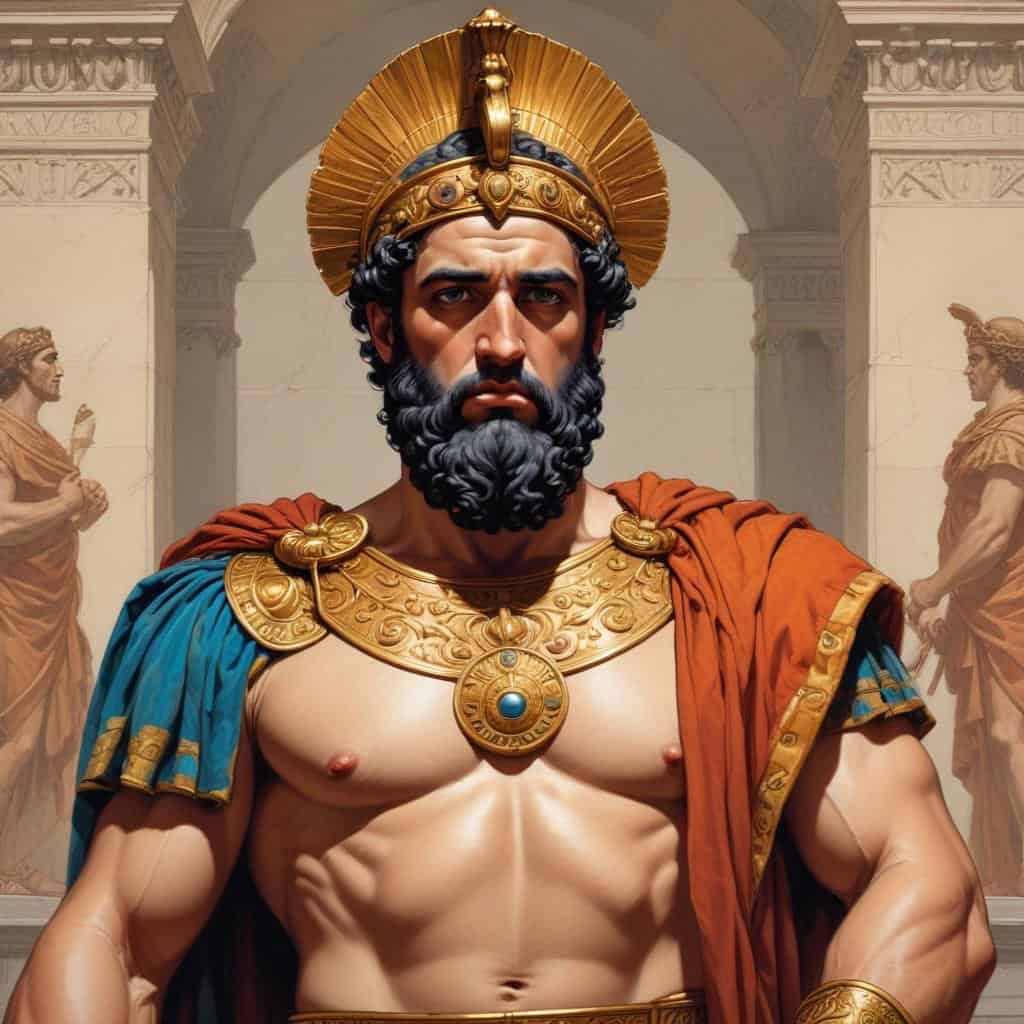
Cleander
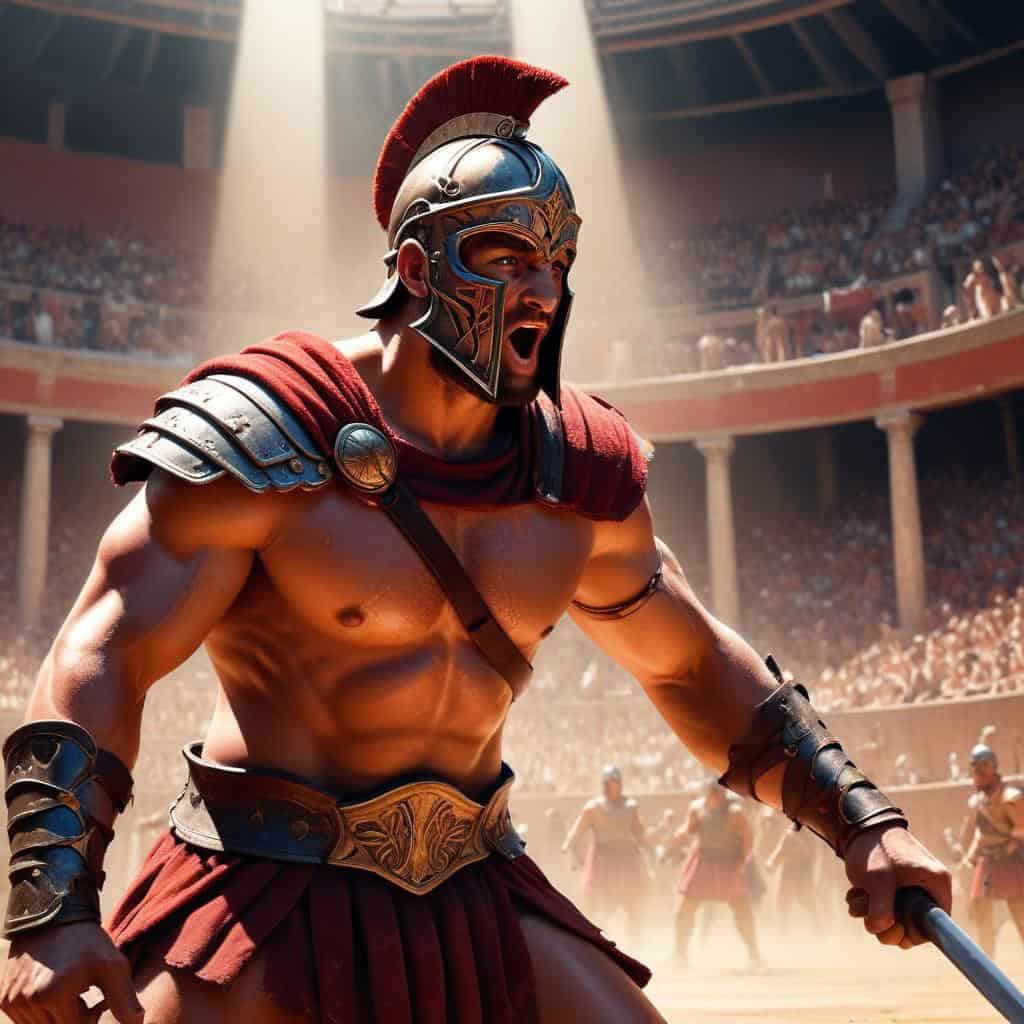
Gladiator Maximus
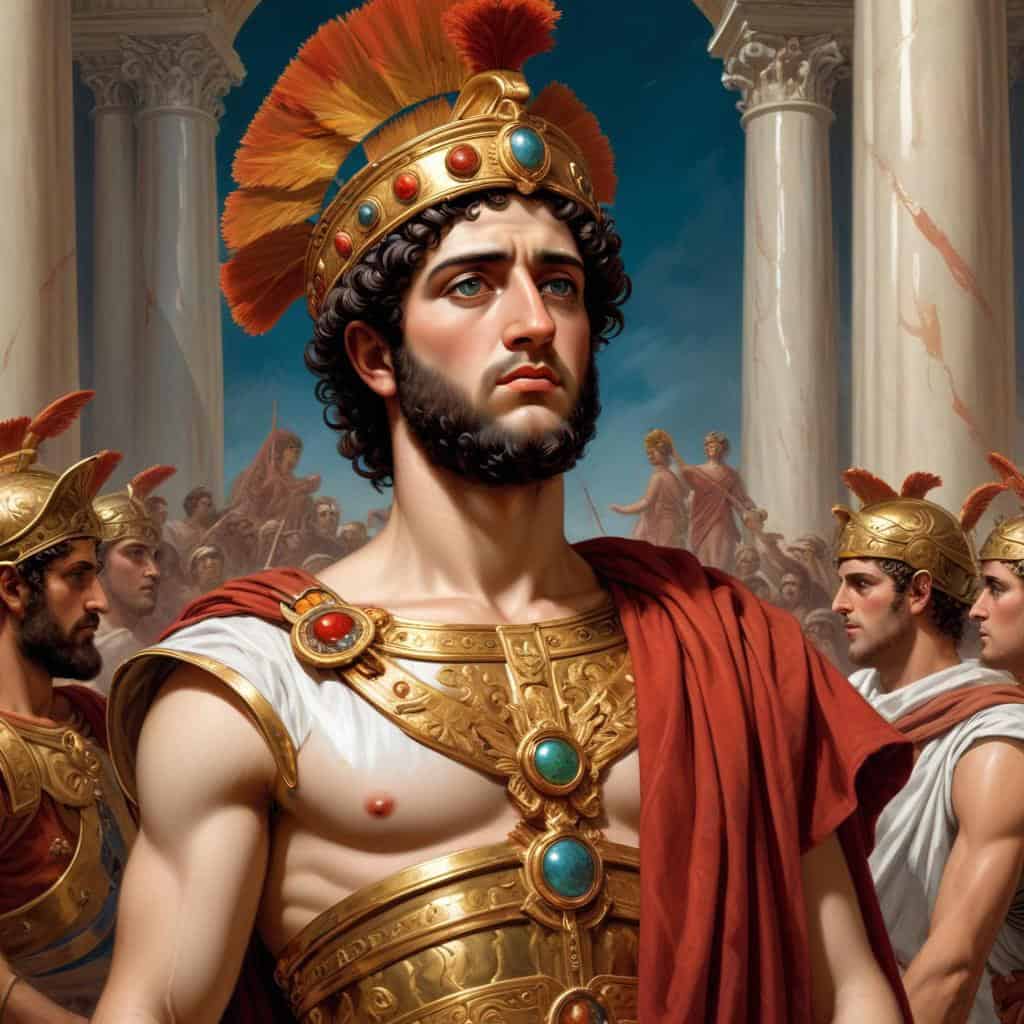
Early Life and Rise to Power
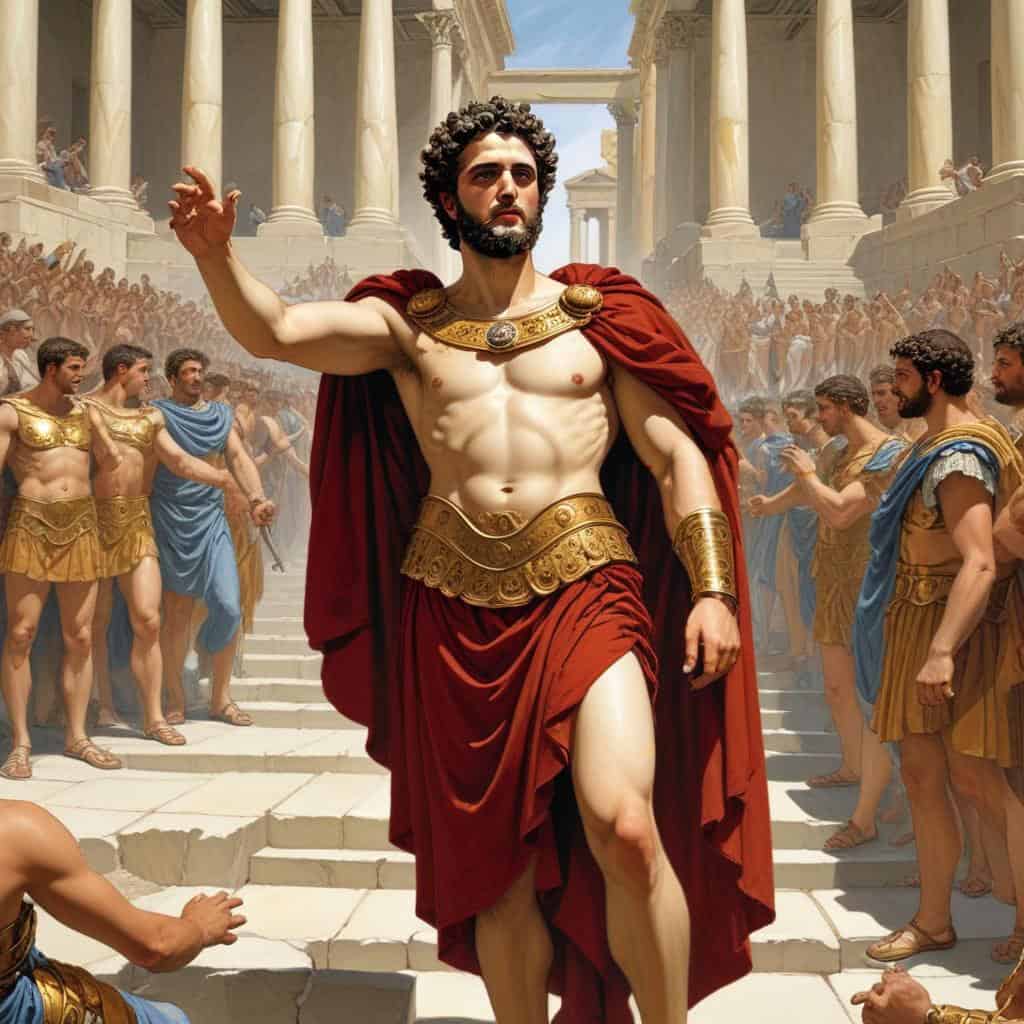
Reign as Emperor
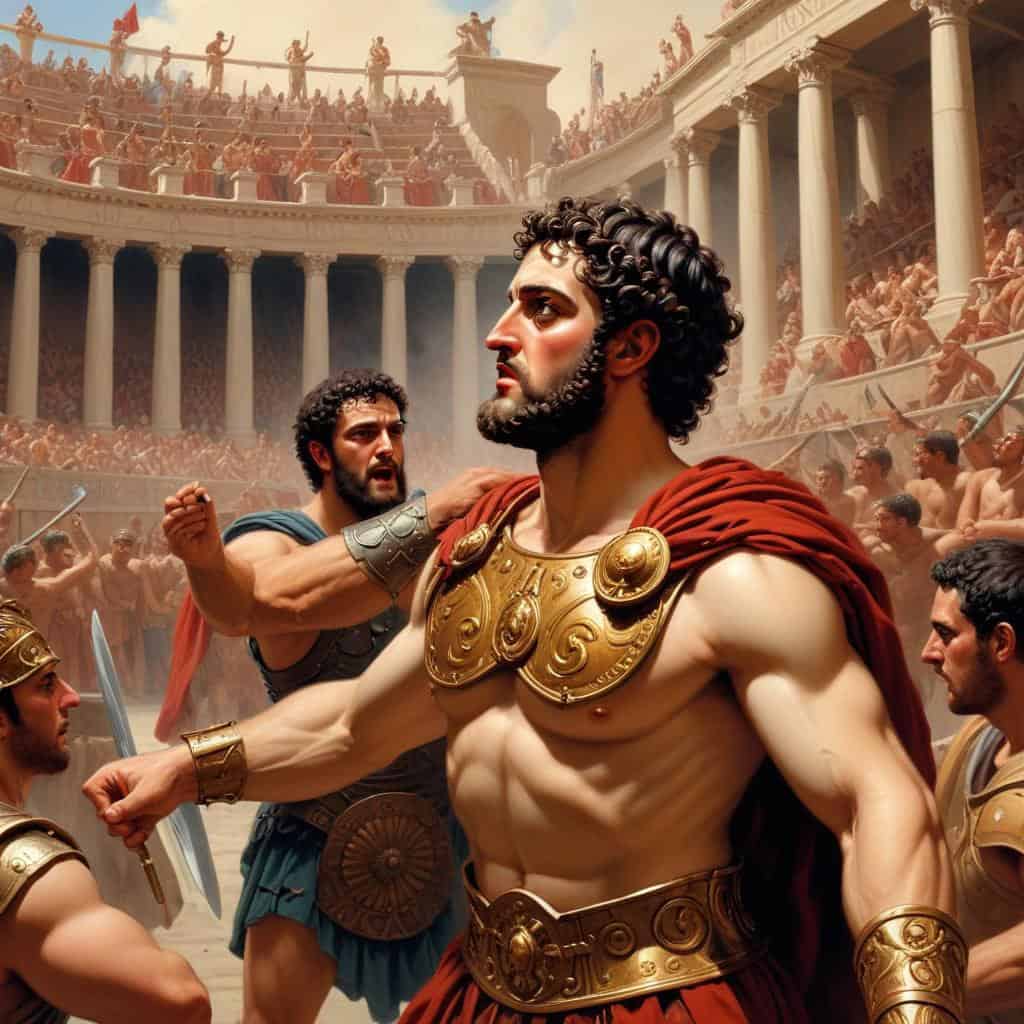
Gladiator Obsession
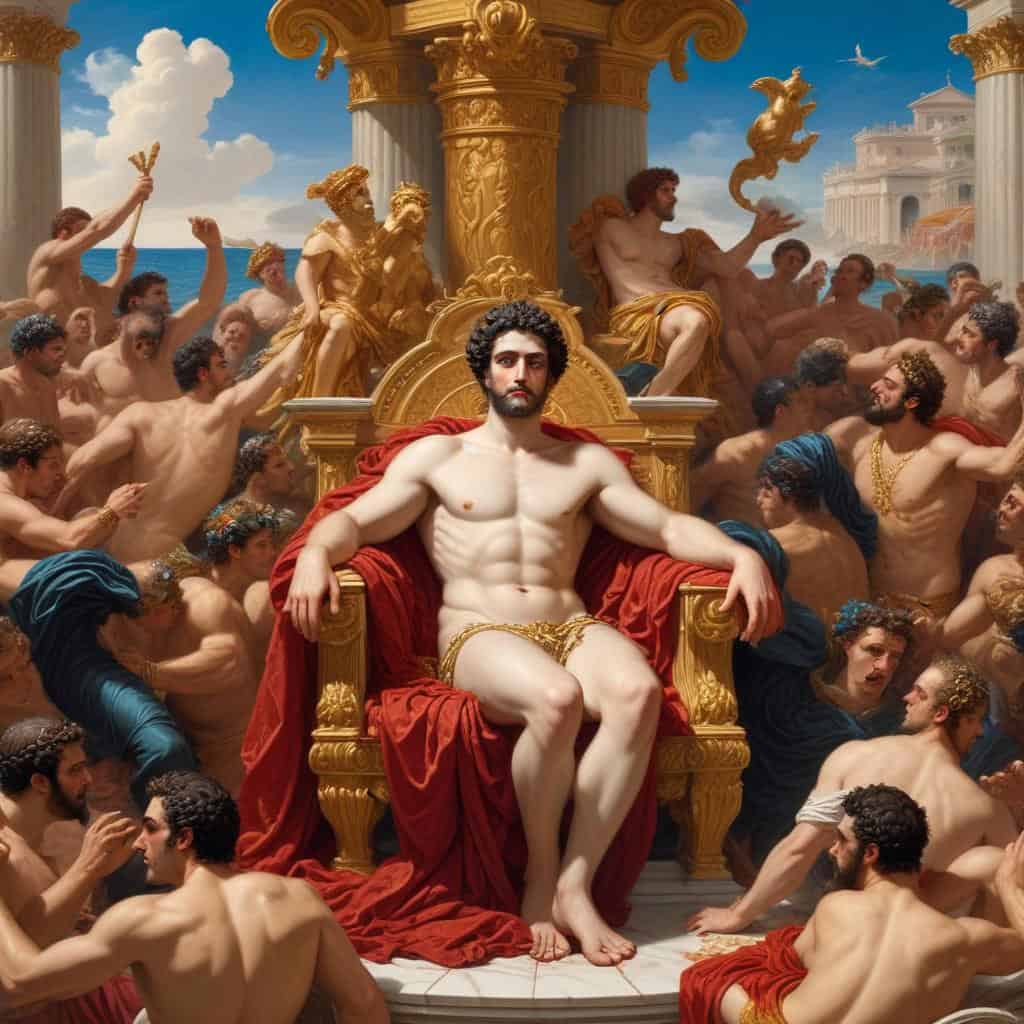
Debauchery and Decadence
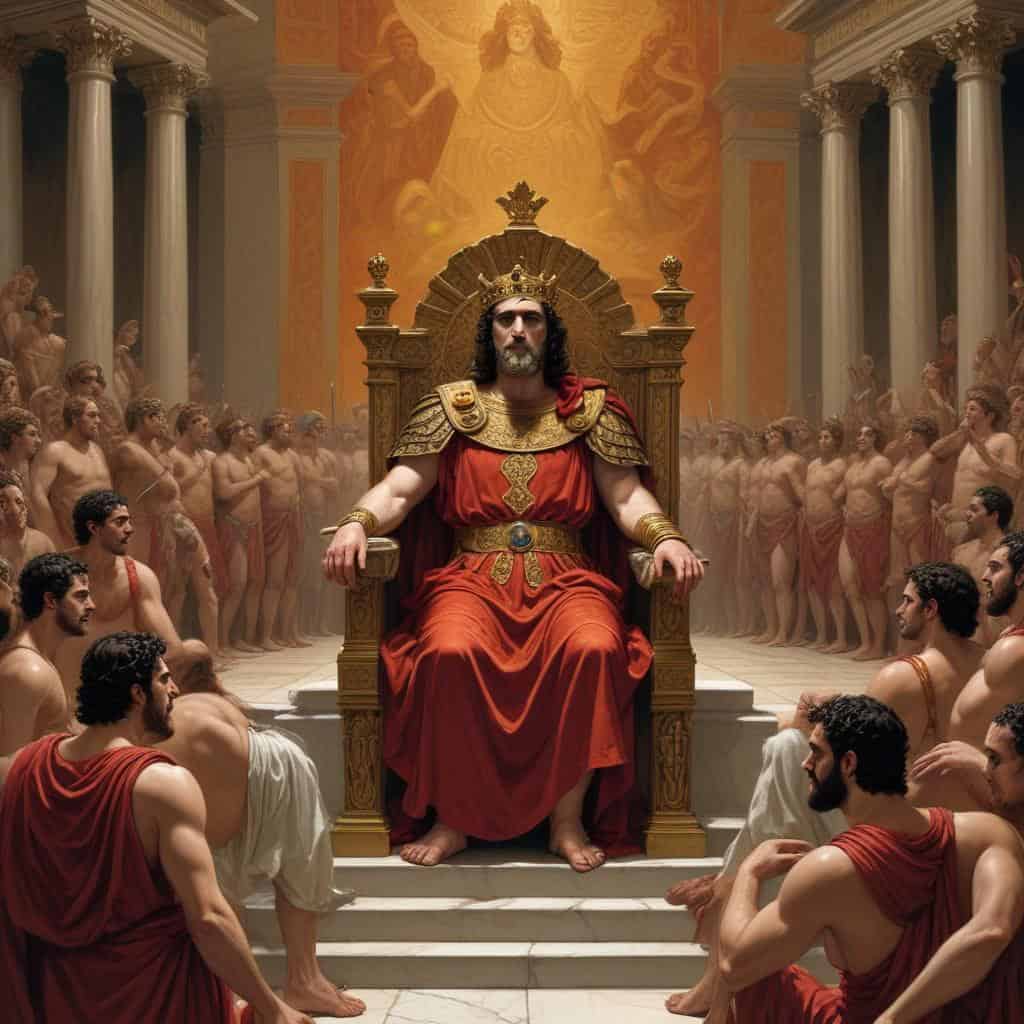
Paranoia and Cruelty
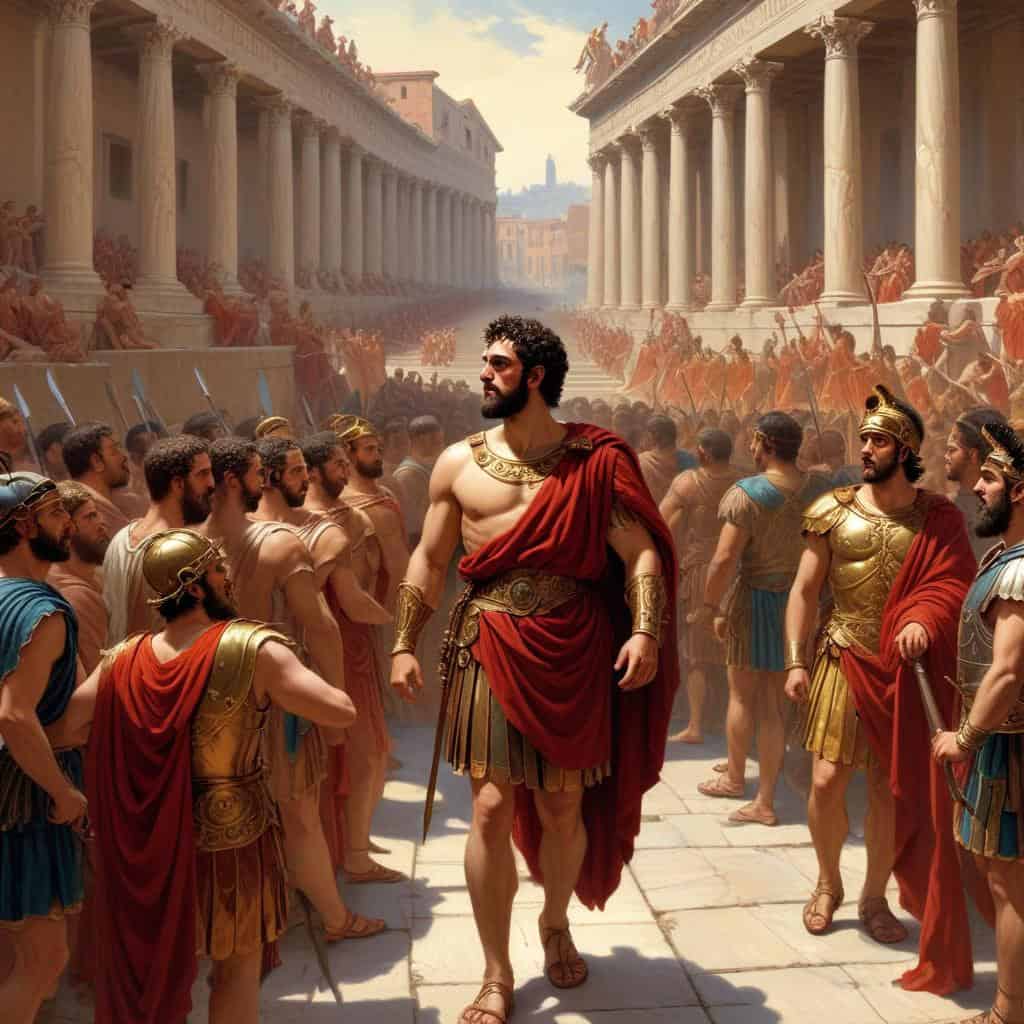
Assassination Attempts
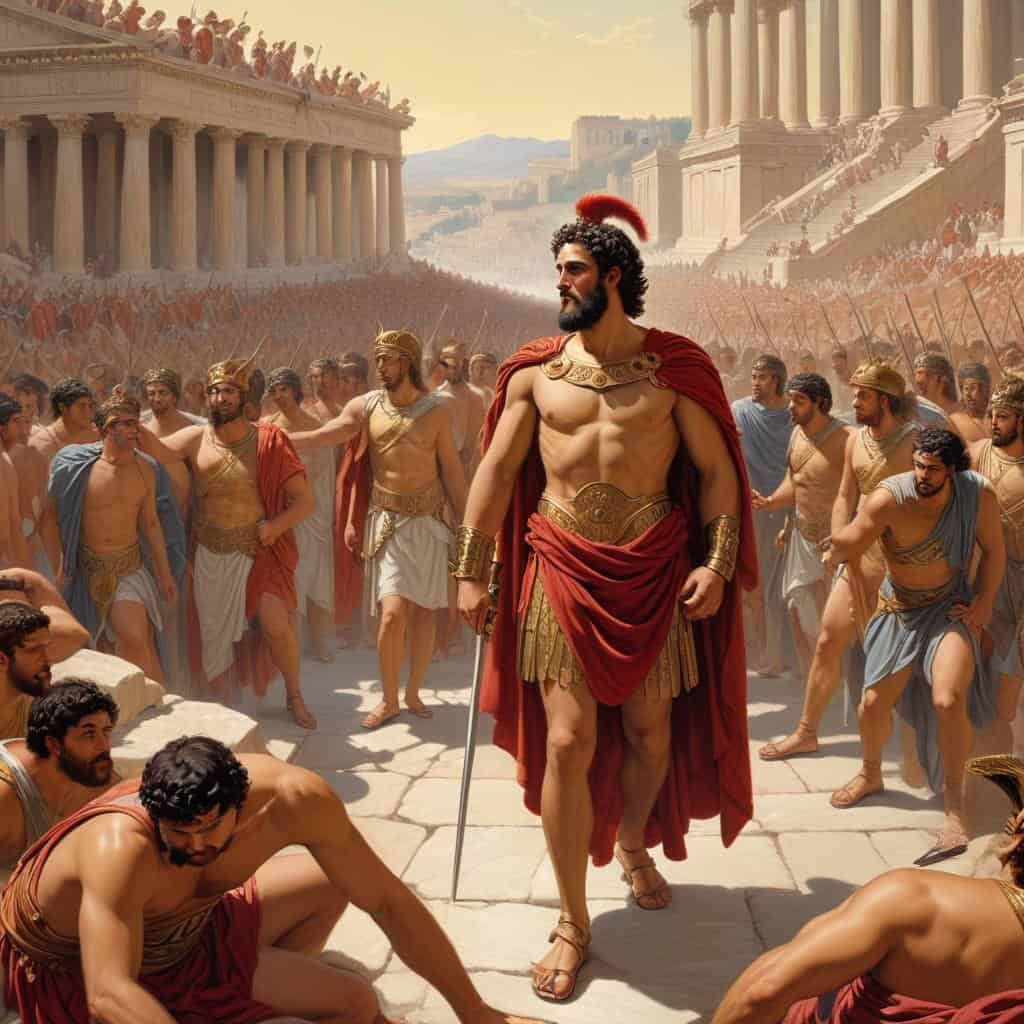
Decline of the Empire
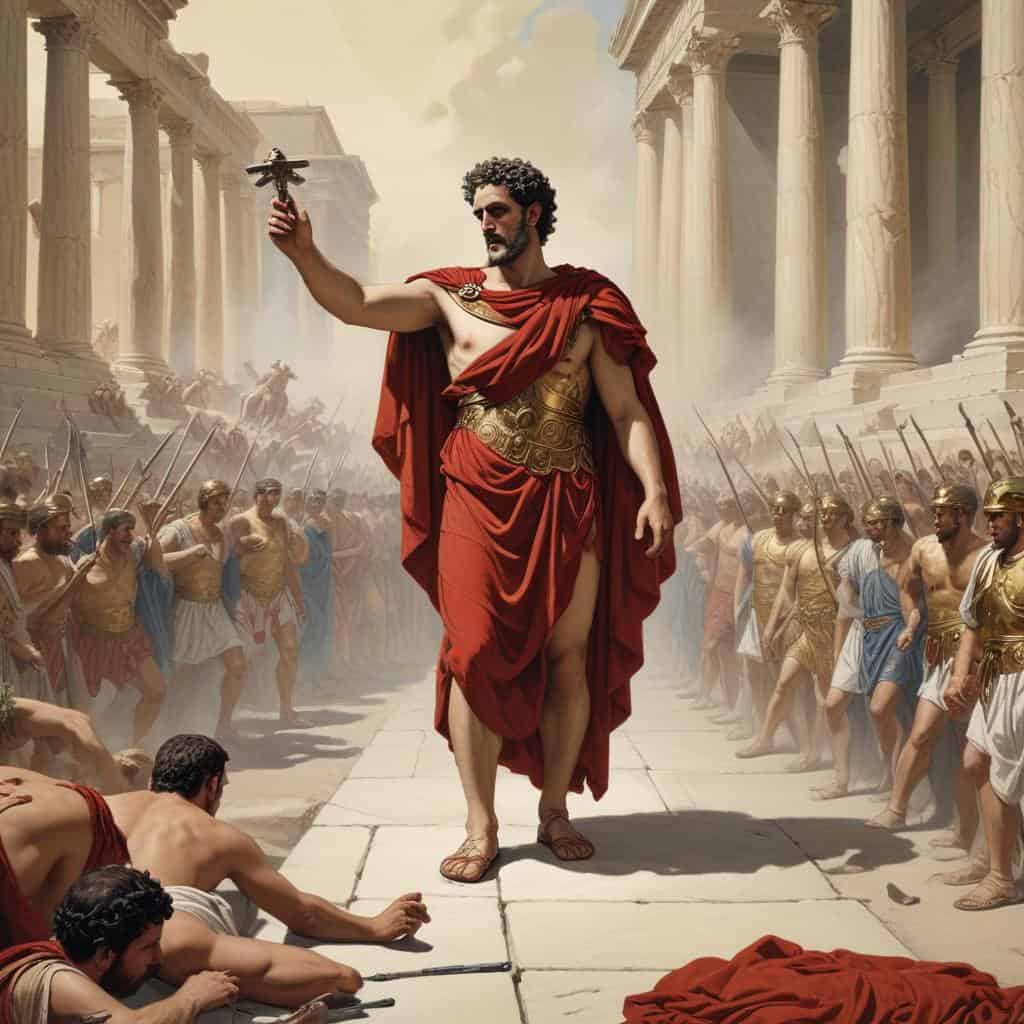
Death and Legacy
Lesson Details & Resources
In a Nutshell
- Who: Roman Emperor and son of Marcus Aurelius
- When: Lived: 161 – 192 AD
- Known For: Being a tyrannical ruler and for his extravagant lifestyle
- Legacy: Contributed to the decline of the Roman Empire
Timeline of Commodus: The Life of Rome’s Controversial Emperor
Birth of Commodus
Commodus is named Caesar and co-emperor by his father Marcus Aurelius
Commodus assumes the title of Augustus
Commodus celebrates his first triumph
Commodus initiates a purge of potential rivals and enemies
Commodus becomes the sole ruler of the Roman Empire
Commodus introduces a series of populist policies to gain popularity
Commodus renames Rome as Colonia Commodiana
Commodus declares himself the reincarnation of Hercules
Commodus begins participating in gladiatorial combats
Commodus survives an assassination attempt
Commodus orders the execution of numerous senators and aristocrats
Commodus celebrates his 10th year as emperor with lavish games
Commodus falls under the influence of his mistress Marcia
Commodus becomes increasingly erratic and despotic
Commodus is strangled to death by his wrestling partner Narcissus
Commodus is deified by the Senate
Commodus' reign officially ends with the accession of Pertinax
Commodus' statues and inscriptions are destroyed throughout Rome
Commodus' name is condemned and erased from records
Vocabulary List
- Emperor
- Commodus was the Roman Emperor from 180 to 192 AD.
- Gladiator
- Commodus considered himself a skilled gladiator and often participated in public fights.
- Narcissism
- Commodus was known for his extreme narcissism and obsession with his own physical appearance.
- Assassination
- Commodus was assassinated by strangulation in a plot orchestrated by his own government officials.
- Debauchery
- Commodus was notorious for his indulgence in lavish parties, orgies, and other forms of debauchery.
- Dynasty
- Commodus was the son of Emperor Marcus Aurelius and belonged to the Antonine Dynasty.
- Corruption
- Commodus's reign was marked by widespread corruption and bribery within the Roman government.
- Colosseum
- Commodus often participated in gladiatorial games held at the Colosseum in Rome.
- Megalomania
- Commodus suffered from megalomania, believing himself to be a god-like figure and demanding divine worship.
- Decadence
- Commodus's rule is often associated with the decline and decadence of the Roman Empire.
Key Facts
This is the information used in the fact matching game
- Commodus was born on August 31, 161 AD.
- He was the son of Roman Emperor Marcus Aurelius.
- Commodus became co-emperor with his father in 177 AD at the age of 16.
- He ruled as the sole emperor of Rome from 180 AD to 192 AD.
- Commodus was known for his extravagant lifestyle and love for gladiatorial combat.
- He renamed Rome to 'Colonia Commodiana' after himself.
- Commodus claimed to be the reincarnation of the Roman god Hercules.
- He often fought in the gladiatorial arena, killing both humans and animals.
- Commodus had a notorious reputation for his cruelty and sadism.
- He executed many senators and political rivals during his reign.
- Commodus participated in over 700 gladiatorial matches, often cheating to win.
- He was assassinated on December 31, 192 AD by a group of conspirators.
- Commodus was succeeded by Pertinax, who was chosen as his successor by the conspirators.
- During his reign, Commodus devalued the Roman currency and caused economic instability.
- He had a fascination with gladiators and often dressed as one in public.
- Commodus was the first Roman emperor to fight in the gladiatorial arena.
- He had a strained relationship with the Roman Senate and often disregarded their authority.
- Commodus ordered the execution of his sister Lucilla for her involvement in a conspiracy against him.
- He declared himself the god 'Hercules Romanus' and demanded to be worshipped as such.
- Commodus was the last emperor of the Nerva–Antonine dynasty.
Analysis & Significance
Major Accomplishments
Commodus was the first Roman Emperor to compete in the gladiatorial arena, participating in fights that were widely criticized by the Senate. He also initiated a series of extravagant games and spectacles during his reign, further fueling his reputation for indulgence and excess.
Impact on the World
Commodus’ actions as Emperor marked a significant decline in the prestige and authority of the Roman Empire. His disregard for traditional Roman values and his focus on personal pleasure weakened the Empire’s political and military standing, contributing to its eventual downfall.
Enduring Legacy
Commodus is remembered as one of the most infamous and decadent Roman Emperors in history. His reign symbolizes the dangers of unchecked power and the consequences of prioritizing personal gratification over the welfare of the state. Despite his negative impact, Commodus serves as a cautionary tale of the dangers of tyranny and corruption in leadership.
Commodus: The Life of Rome’s Controversial Emperor Games


Take Your Learning Offline
Want a convenient, print-ready study guide for this lesson? Become a Memory Wizards Pro member to unlock the downloadable " Memory Scrolls" for this topic and our entire library!
- ✓ Complete Vocabulary Lists
- ✓ Key Facts & Timelines
- ✓ Beautifully Formatted for Print & Mobile