
Claudius Gothicus: A Military Emperor’s Biography
The fearless warrior who restored the Roman Empire from chaos and despair.
How Do You Learn Best?
Learn by Reading
Immerse yourself in the 10-minute visual lesson for a comprehensive understanding of the topic.
Learn by Reviewing
Jump directly to the key facts, timeline, and vocabulary lists to build a solid foundation of details.
Learn by Doing
Challenge yourself! Jump straight into the interactive games to learn by trial, error, and discovery.
Claudius Gothicus: A Military Emperor’s Biography in 10 Minutes
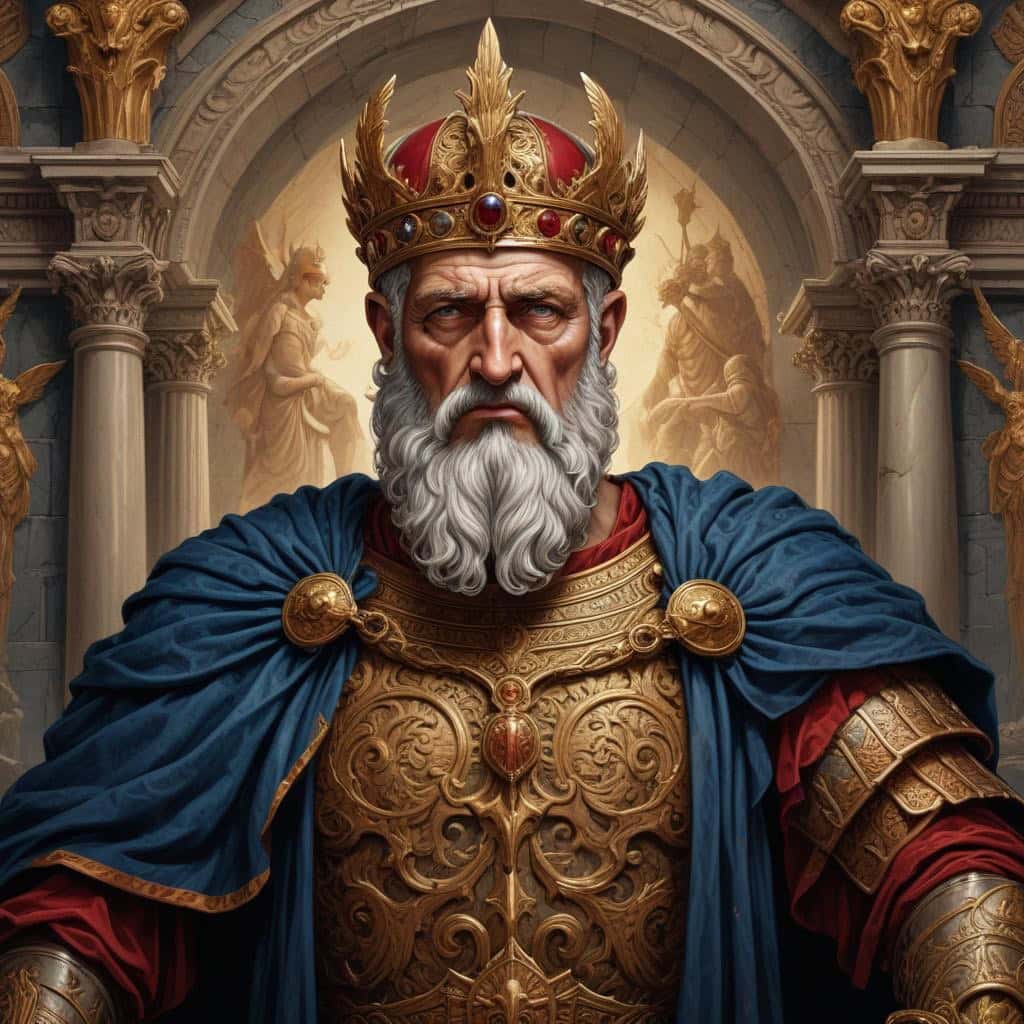
Introduction
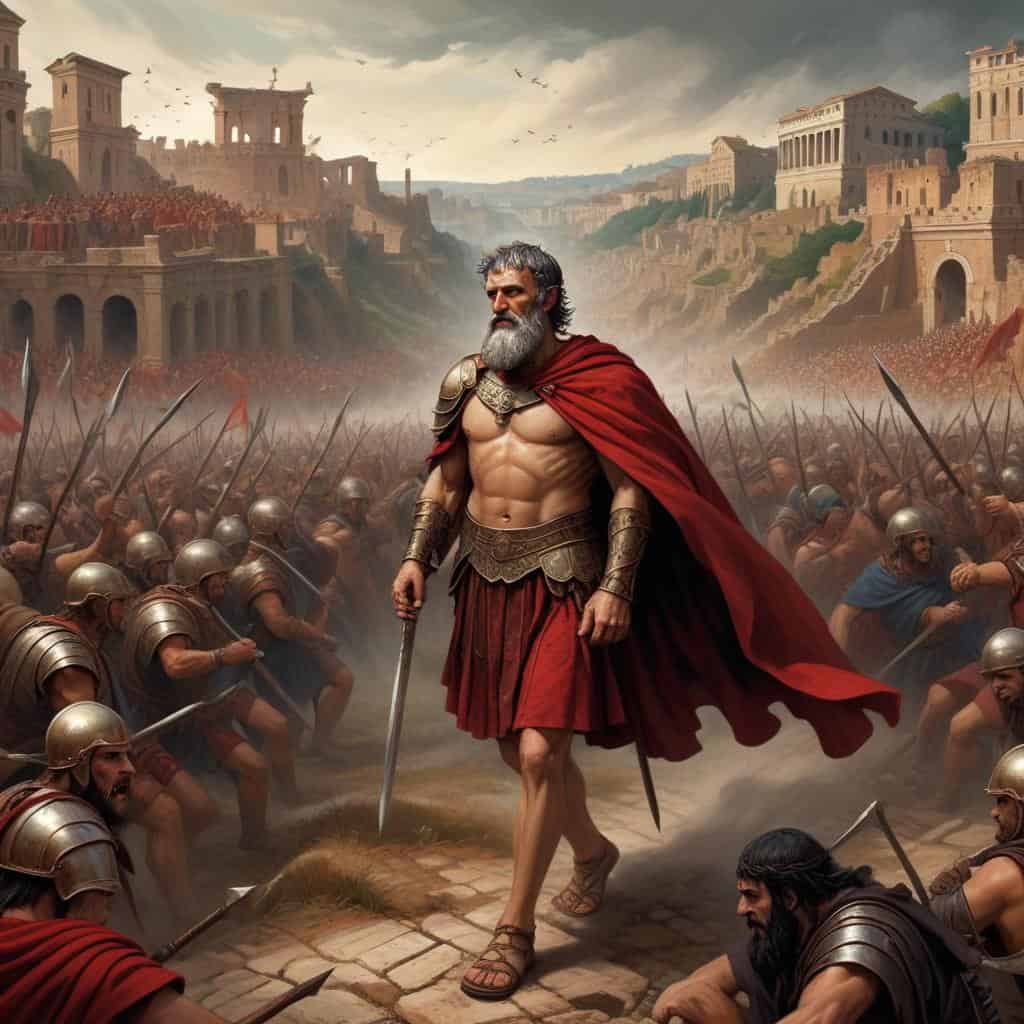
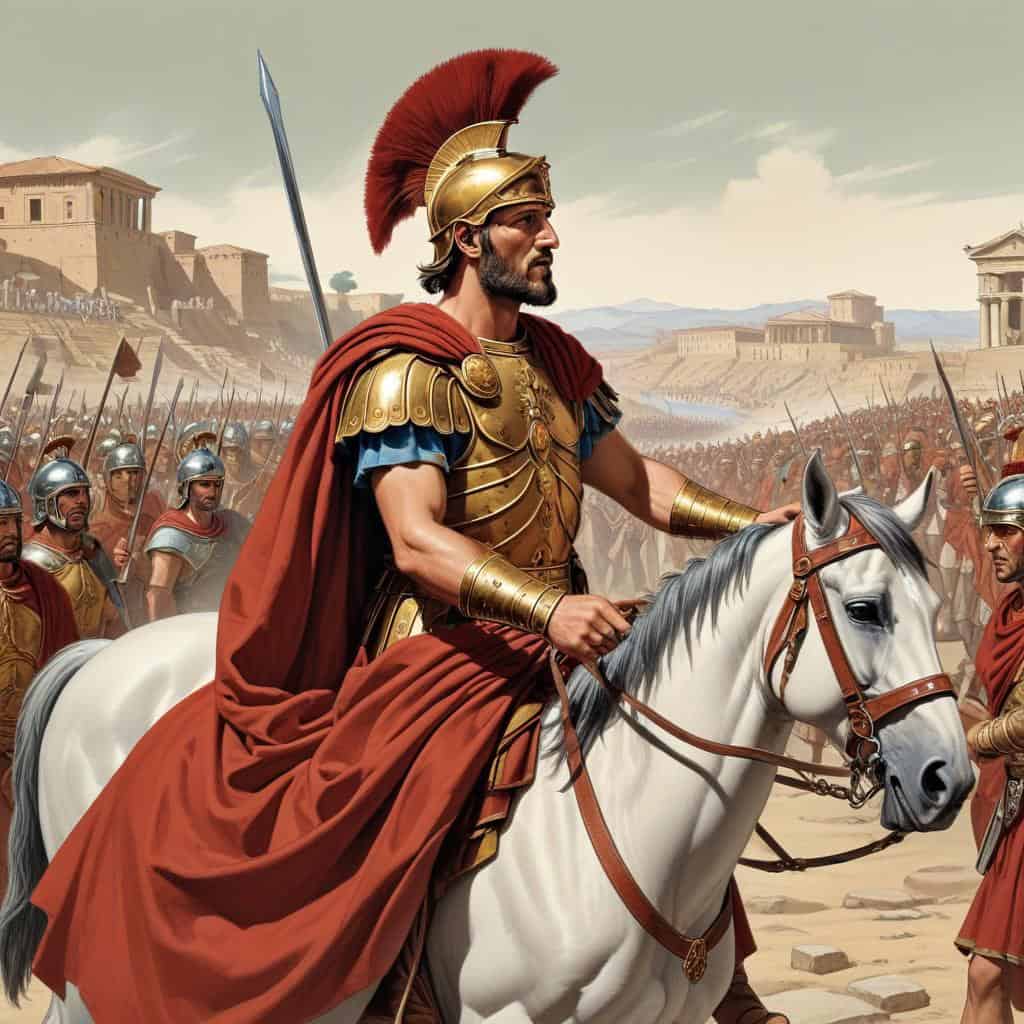
Valerian
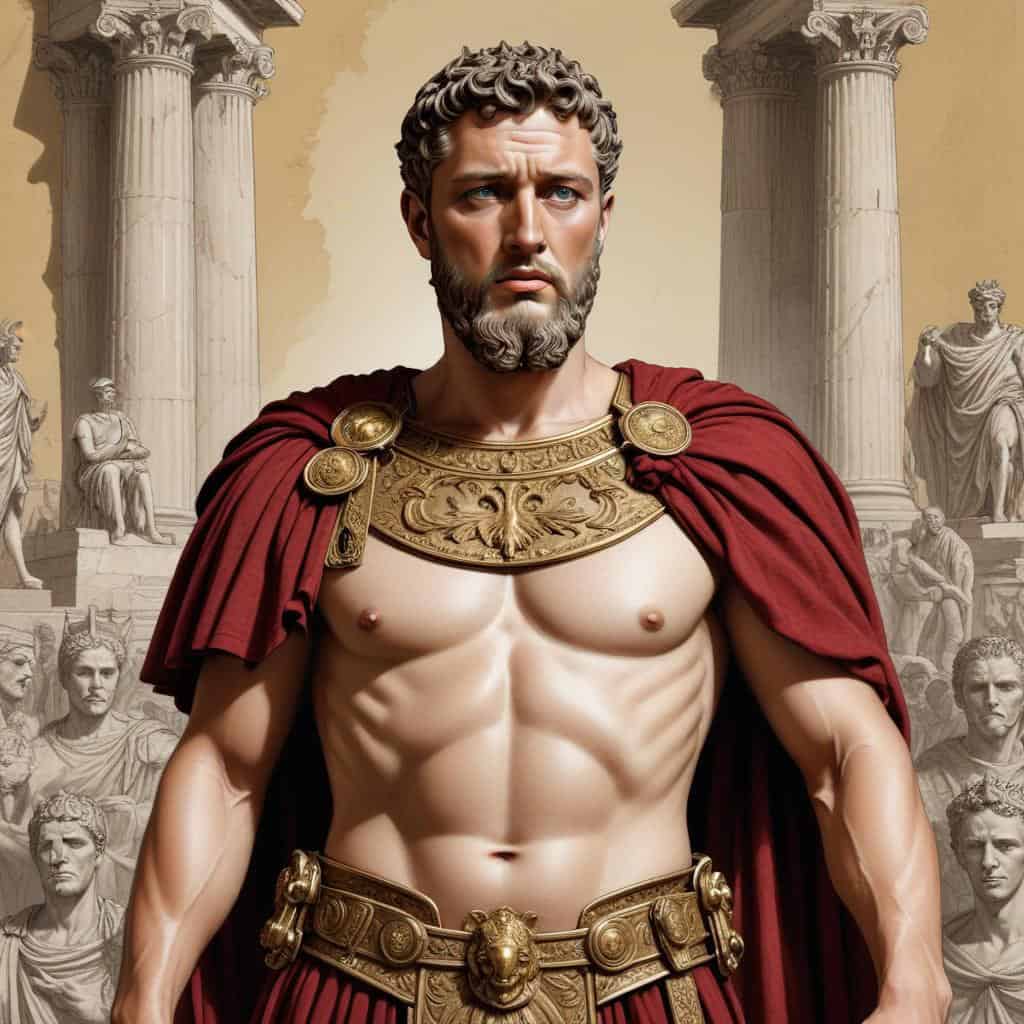
Aurelian
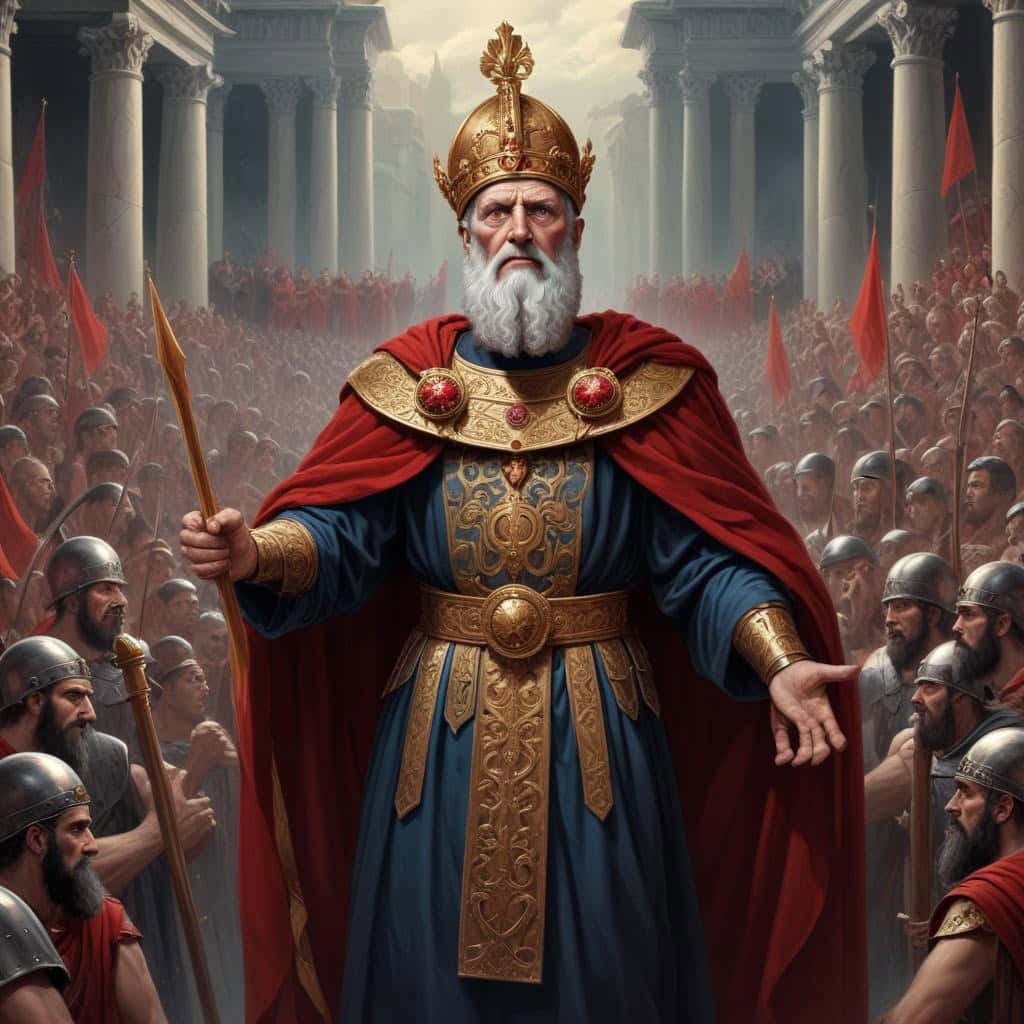
Gallienus
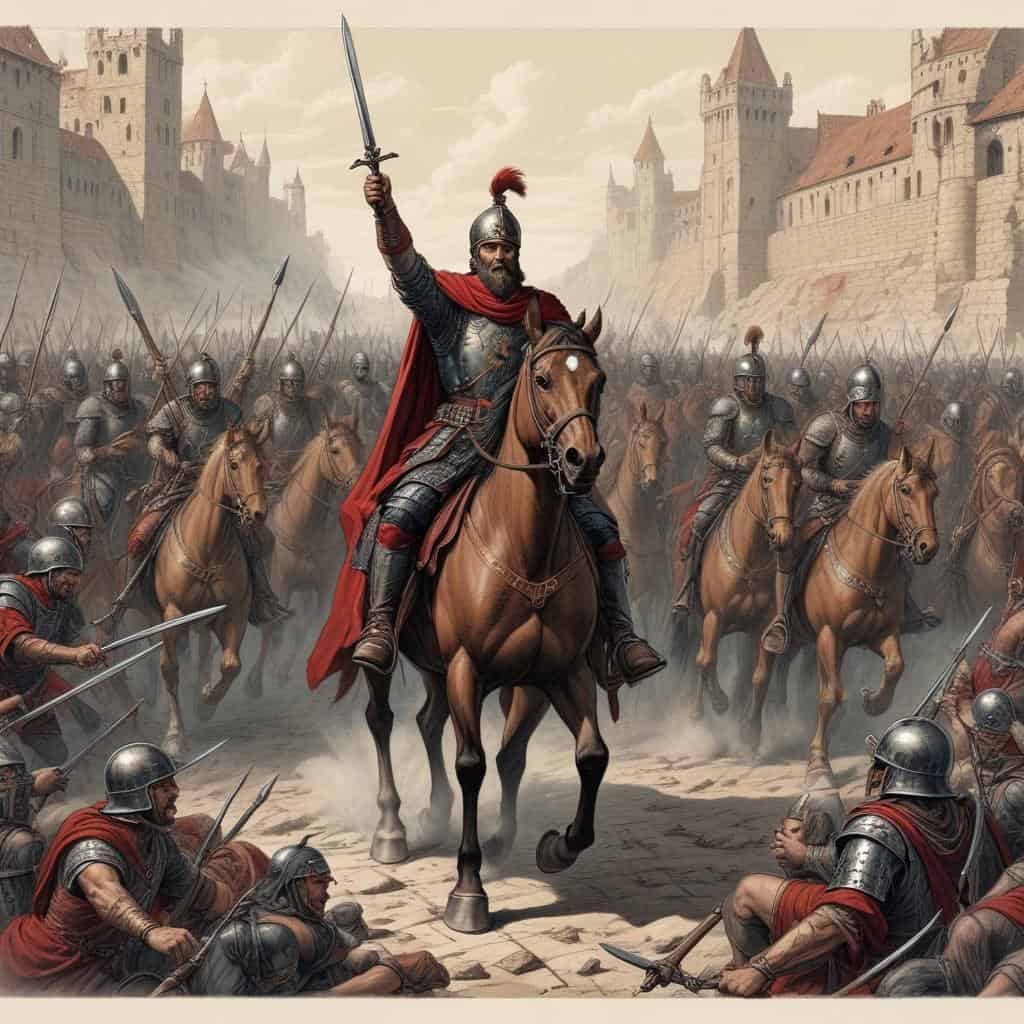
Rise to Power
Military Achievements
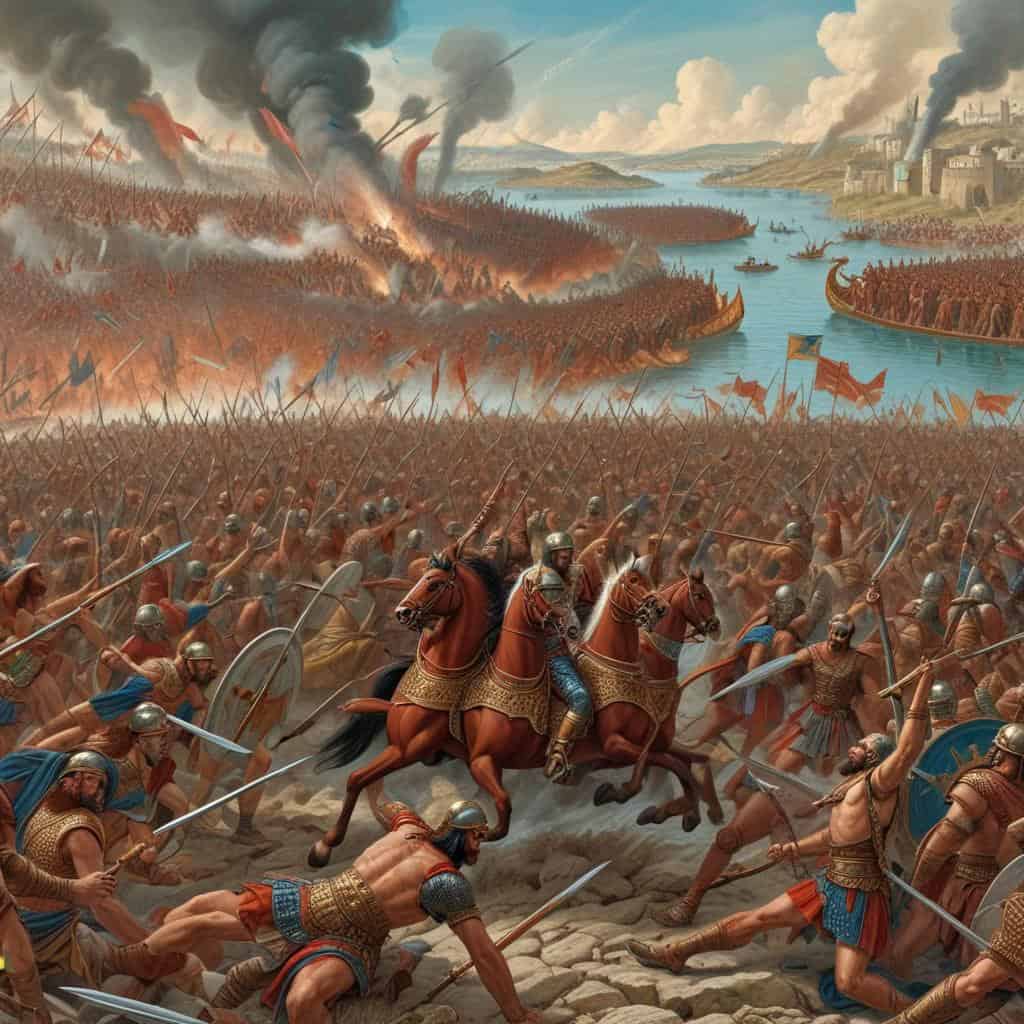
Defeat of the Alamanni
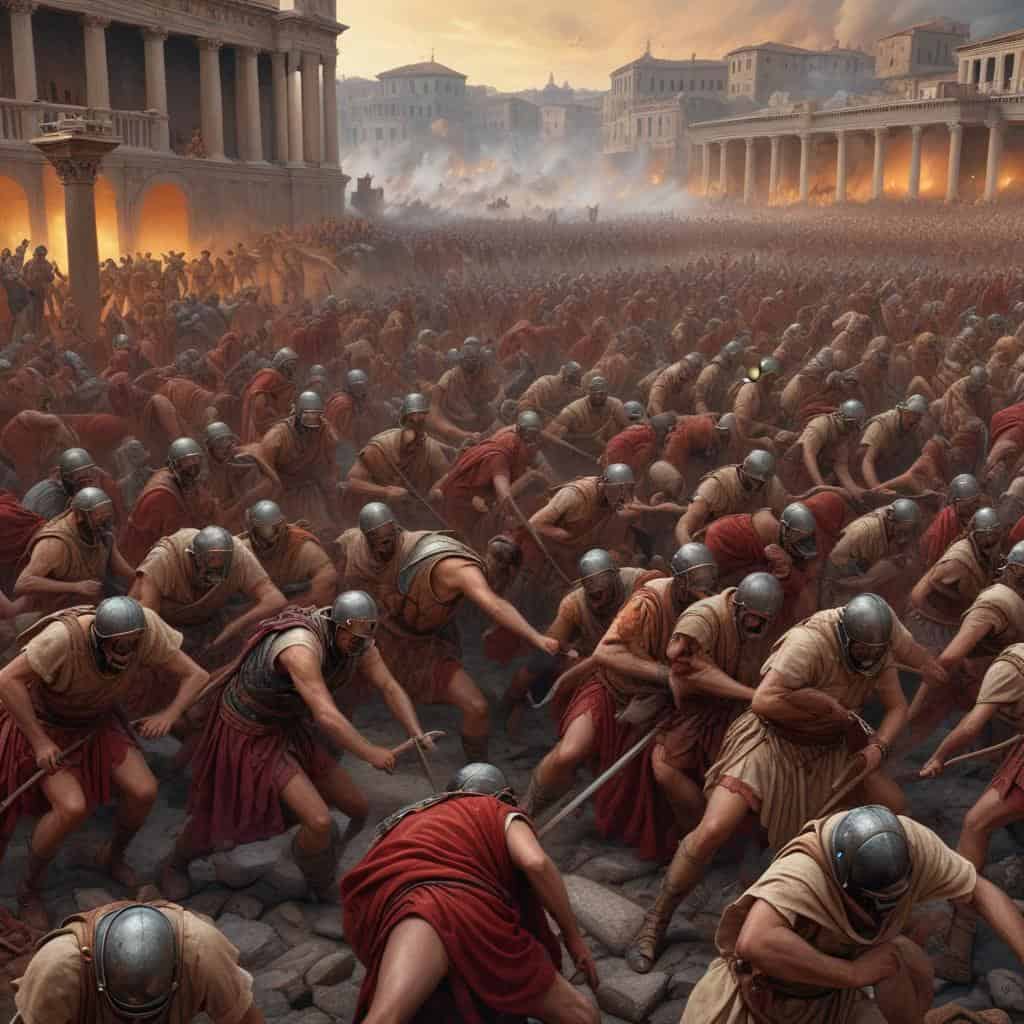
Plague in the Roman Empire
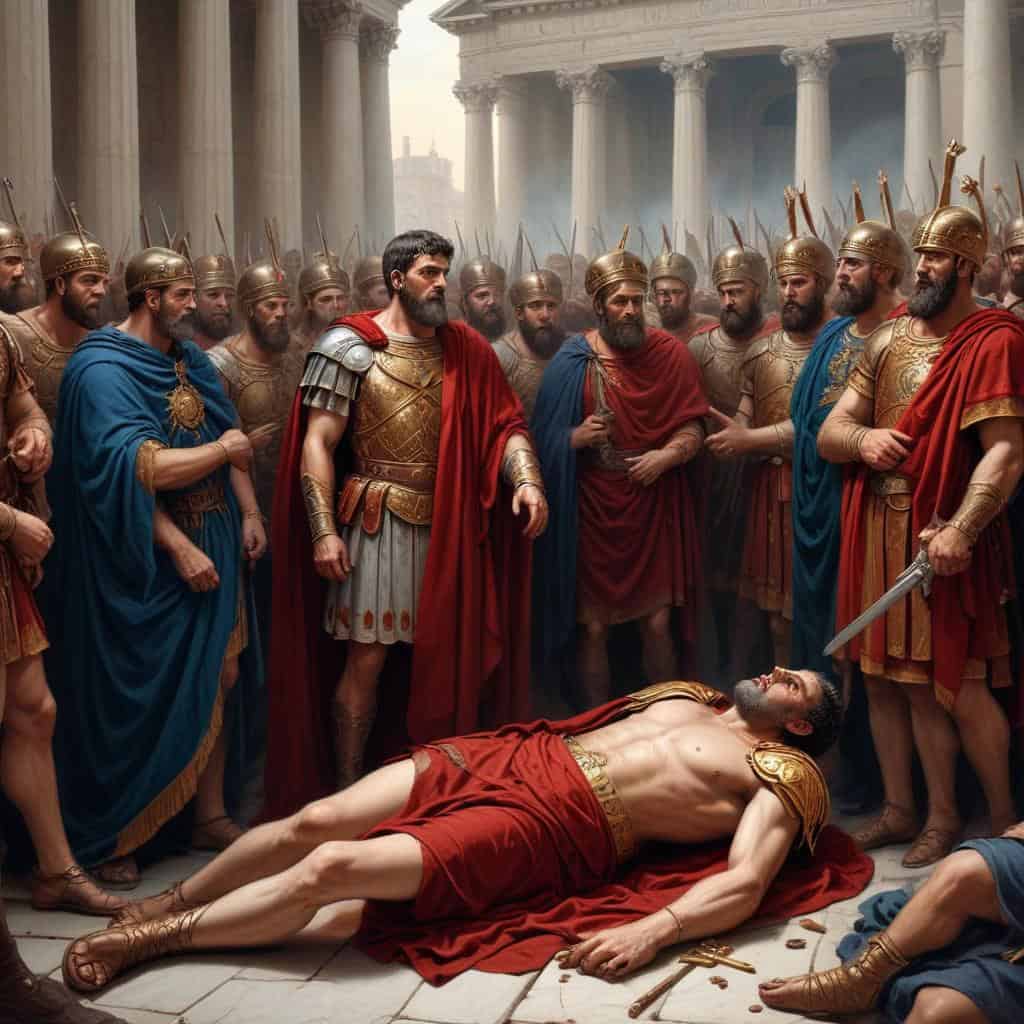
Death and Legacy
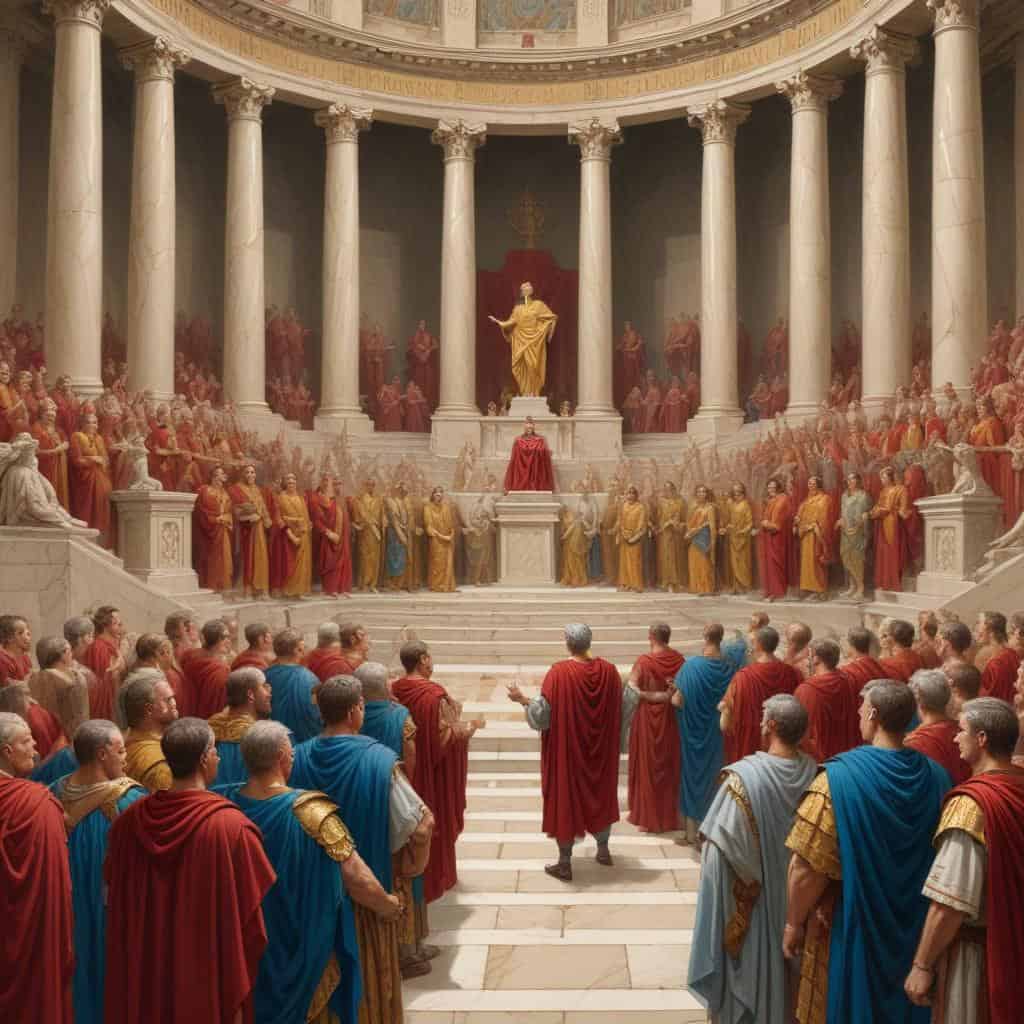
Deification
Impact on the Roman Empire
Historical Legacy
Remembering Claudius Gothicus
Lesson Details & Resources
In a Nutshell
- Who: Roman Emperor
- When: Lived: 214 – 270 AD
- Known For: Leading the Roman Empire during the Crisis of the Third Century
- Legacy: Restoring stability and order to the Roman Empire after a period of chaos and military incursions
Timeline of Claudius Gothicus: A Military Emperor’s Biography
Claudius Gothicus becomes emperor of the Roman Empire
Claudius defeats the Goths at the Battle of Naissus
Claudius dies of plague, possibly assassination
Claudius is succeeded by his brother Quintillus as emperor
Quintillus reigns as emperor for a few months before committing suicide
Aurelian becomes emperor of the Roman Empire
Aurelian defeats the Alamanni at the Battle of Placentia
Aurelian defeats the Juthungi at the Battle of Fano
Aurelian defeats the Vandals at the Battle of Pavia
Aurelian defeats the Goths at the Battle of Fano
Aurelian reconquers the Roman Empire's lost territories
Aurelian is assassinated by his own officers
Tacitus becomes emperor of the Roman Empire
Tacitus dies of illness
Probus becomes emperor of the Roman Empire
Probus defeats the Vandals and Sarmatians in battle
Probus is assassinated by his own troops
Carus becomes emperor of the Roman Empire
Carus dies under mysterious circumstances
Diocletian becomes emperor of the Roman Empire
Vocabulary List
- Claudius Gothicus
- Emperor of the Roman Empire from 268 to 270 AD, known for his military victories against the Goths and his efforts to stabilize the empire after the Crisis of the Third Century.
- Roman Empire
- The vast empire that encompassed much of Europe, North Africa, and the Middle East, ruled by emperors like Claudius Gothicus.
- Goths
- A Germanic tribe that clashed with the Roman Empire, particularly during the reign of Claudius Gothicus.
- Crisis of the Third Century
- A period of political instability, economic turmoil, and invasions that nearly caused the collapse of the Roman Empire, leading to the rise of emperors like Claudius Gothicus.
- Military victories
- Achievements in battle that helped establish Claudius Gothicus as a capable leader and defender of the Roman Empire.
Key Facts
This is the information used in the fact matching game
- Claudius Gothicus was Roman Emperor from 268 to 270 AD.
- He was born in Illyricum, in modern-day Croatia.
- Claudius Gothicus was known for his military prowess and successful campaigns against the Goths.
- He earned the nickname 'Gothicus' for his victories over the Goths.
- Claudius Gothicus was the first Emperor to die of the plague, likely smallpox.
- He was succeeded by his brother Quintillus as Emperor.
- Claudius Gothicus was deified after his death.
- He was a skilled military leader and won several battles against the Alamanni.
- Claudius Gothicus was known for his kindness and generosity towards his soldiers.
- He issued a series of military reforms to strengthen the Roman army.
- Claudius Gothicus was the first Emperor to be born outside of Italy.
- He was a successful military commander before becoming Emperor.
- Claudius Gothicus was known for his piety and devotion to the Roman gods.
- He was hailed as a hero by the Roman people for his victories in battle.
- Claudius Gothicus was married to a woman named Aelia, with whom he had two sons.
- He was known for his love of hunting and outdoor pursuits.
- Claudius Gothicus was a popular Emperor among the Roman people.
- He was known for his fair and just rule over the empire.
- Claudius Gothicus was the first Emperor to adopt the title 'Gothicus'.
- He was posthumously honored with the title 'Restitutor Orbis' (Restorer of the World) for his efforts to stabilize the empire.
Analysis & Significance
Major Accomplishments
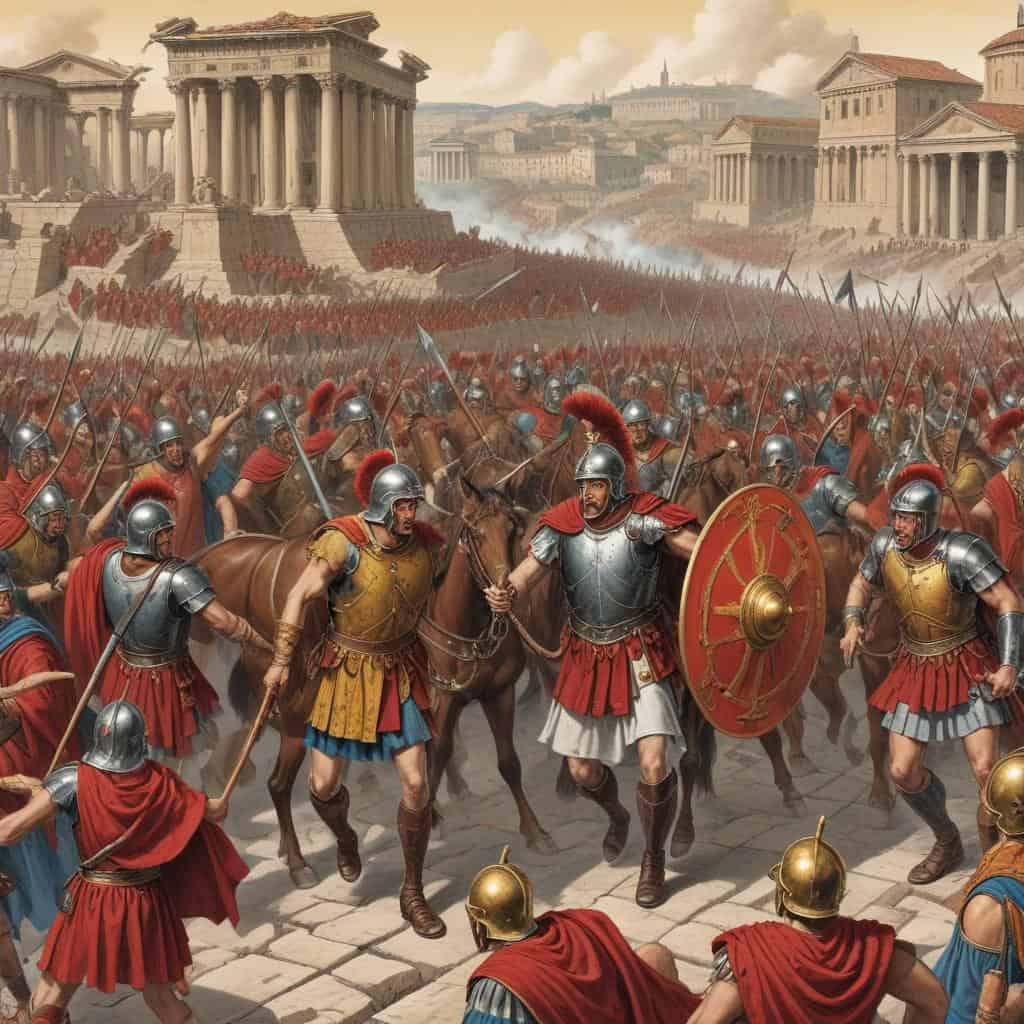
As the emperor of Rome, Claudius Gothicus successfully defended the empire against invasions by the Goths and secured victories in battles against rival claimants to the throne. He also implemented reforms to strengthen the military and improve the economy during his short reign.
Impact on the World
Claudius Gothicus’ military victories and leadership restored stability and confidence in the Roman Empire during a tumultuous period. His reign marked a turning point in the empire’s fortunes, as he managed to repel invasions and restore a sense of security to the people. His legacy as a capable and effective ruler has been praised by historians.
Enduring Legacy
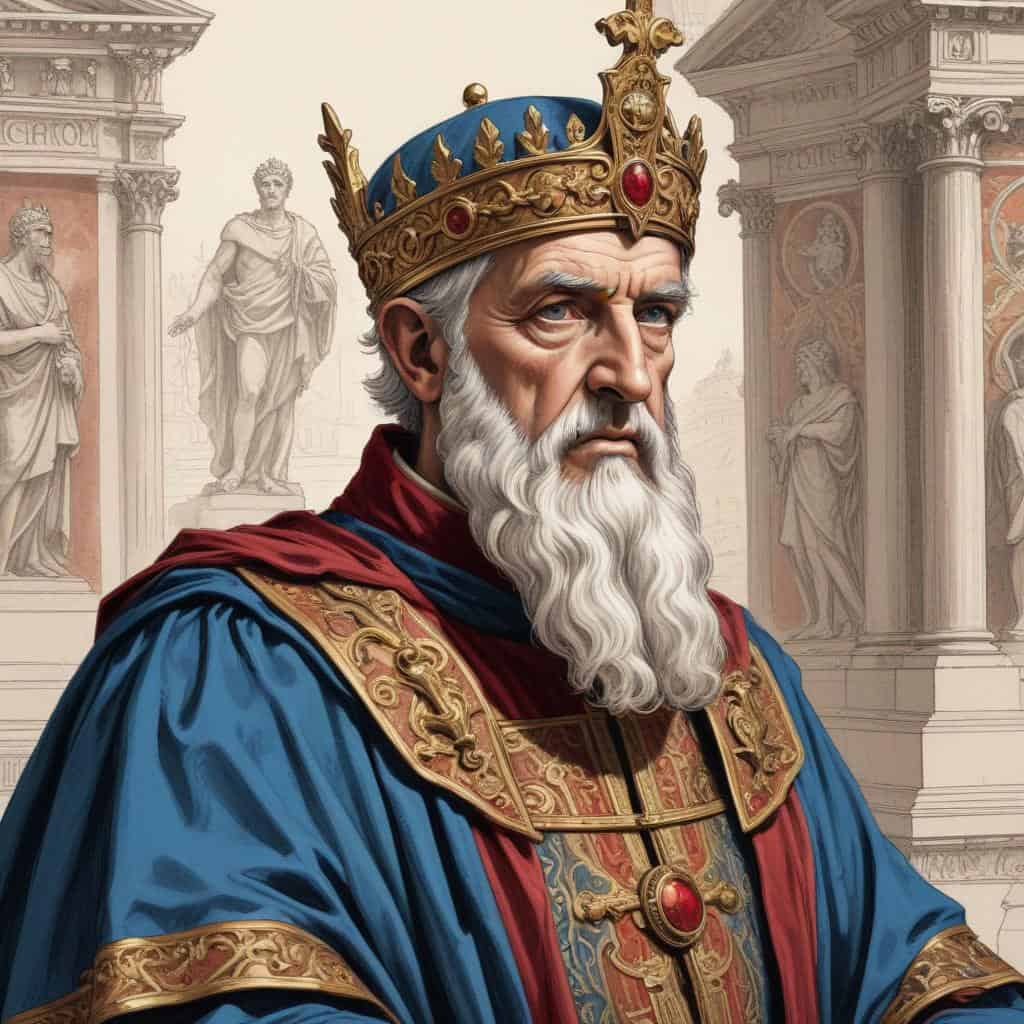
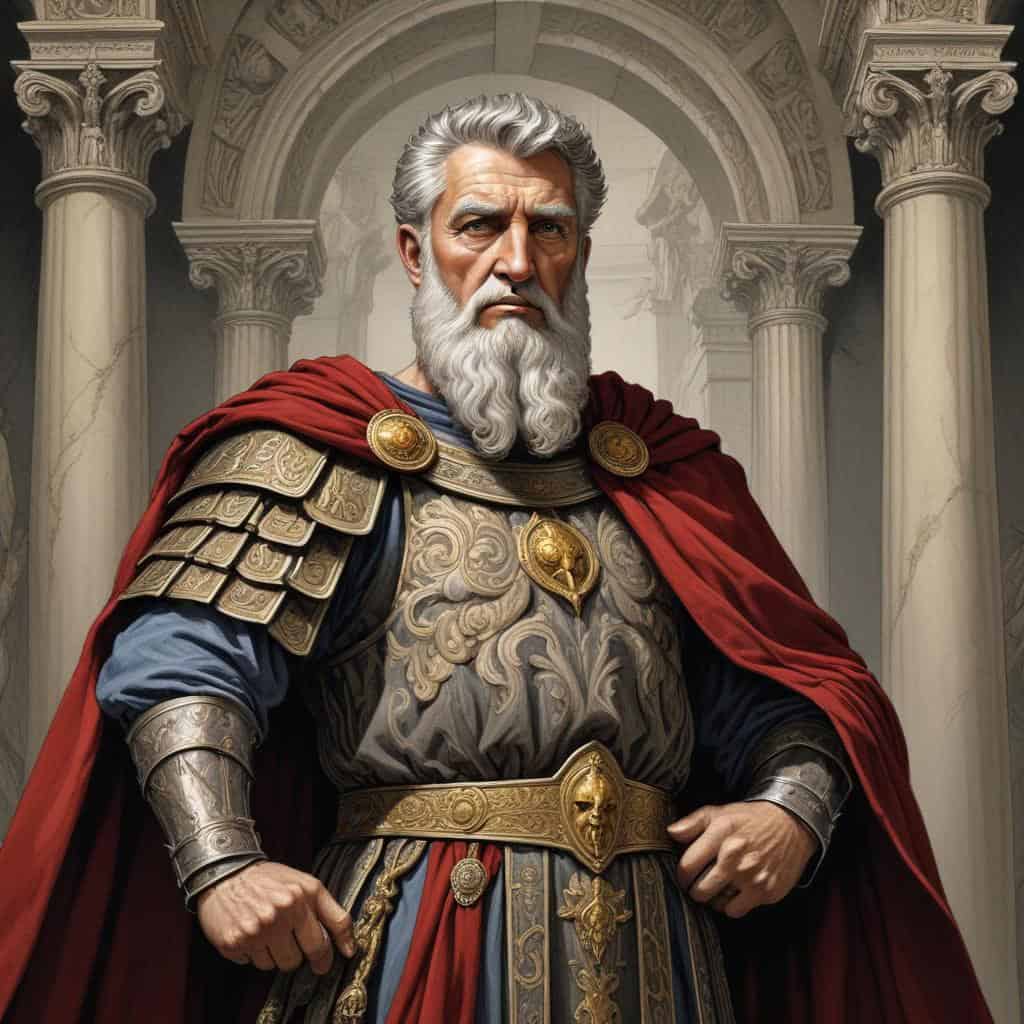
Claudius Gothicus is remembered as one of the ‘Soldier Emperors’ who rose to power through military prowess and successfully defended the empire against external threats. His reign is considered a pivotal moment in Roman history, as his victories helped to stabilize the empire during a challenging time. He remains a significant figure in Roman history for his leadership and military achievements.
Claudius Gothicus: A Military Emperor’s Biography Games


Take Your Learning Offline
Want a convenient, print-ready study guide for this lesson? Become a Memory Wizards Pro member to unlock the downloadable " Memory Scrolls" for this topic and our entire library!
- ✓ Complete Vocabulary Lists
- ✓ Key Facts & Timelines
- ✓ Beautifully Formatted for Print & Mobile