
Carus: A Military Emperor’s Biography
The enigmatic emperor who rose from humble beginnings to rule the Roman Empire.
How Do You Learn Best?
Learn by Reading
Immerse yourself in the 10-minute visual lesson for a comprehensive understanding of the topic.
Learn by Reviewing
Jump directly to the key facts, timeline, and vocabulary lists to build a solid foundation of details.
Learn by Doing
Challenge yourself! Jump straight into the interactive games to learn by trial, error, and discovery.
Carus: A Military Emperor’s Biography in 10 Minutes
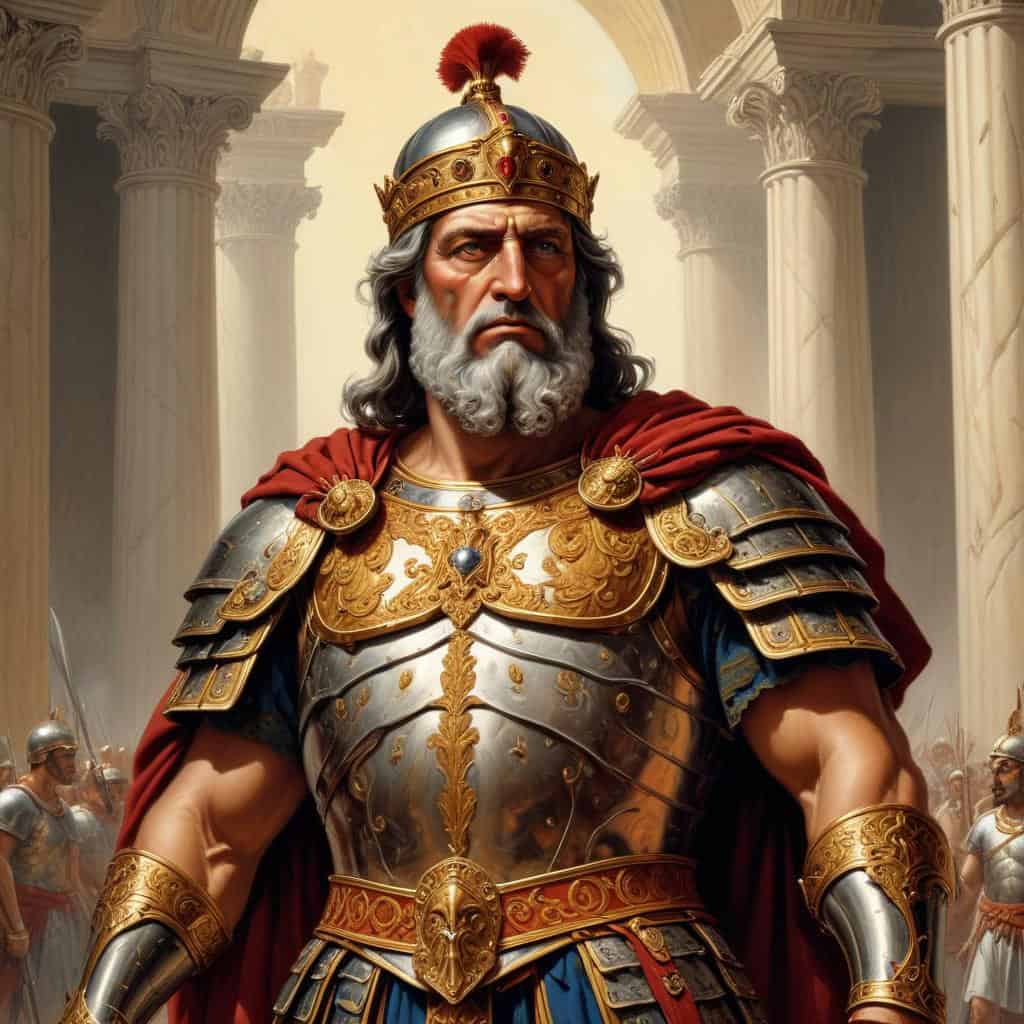
Introduction
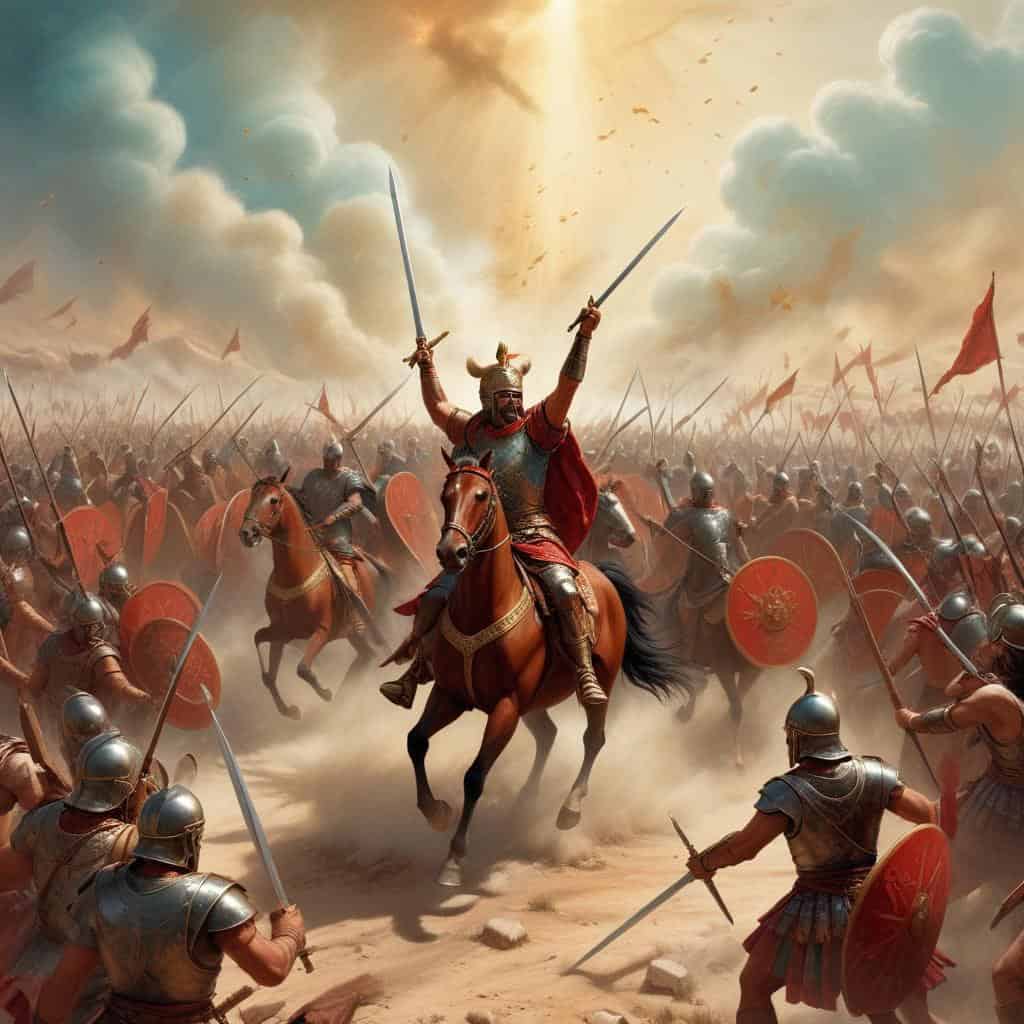
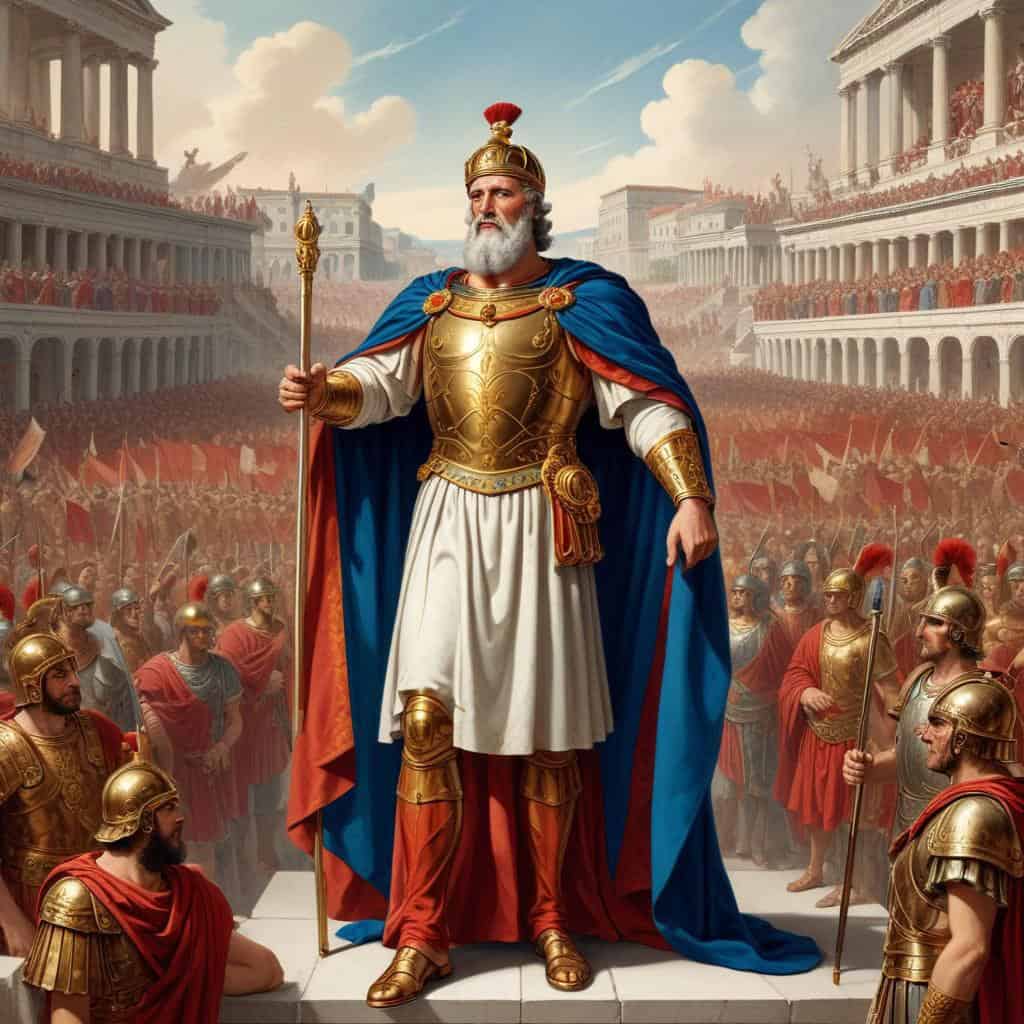
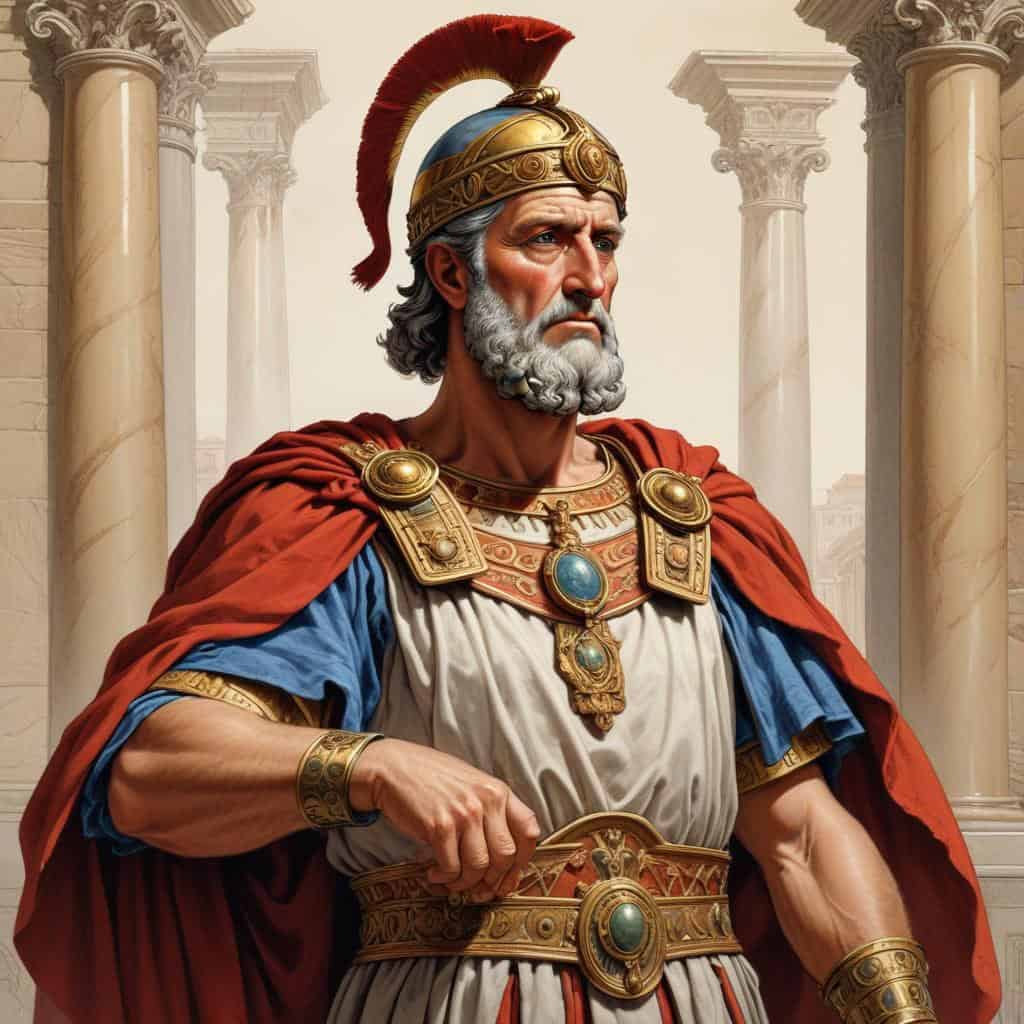
Carinus
Diocletian
Numerian
Early Life and Rise to Power
Succession of Victories
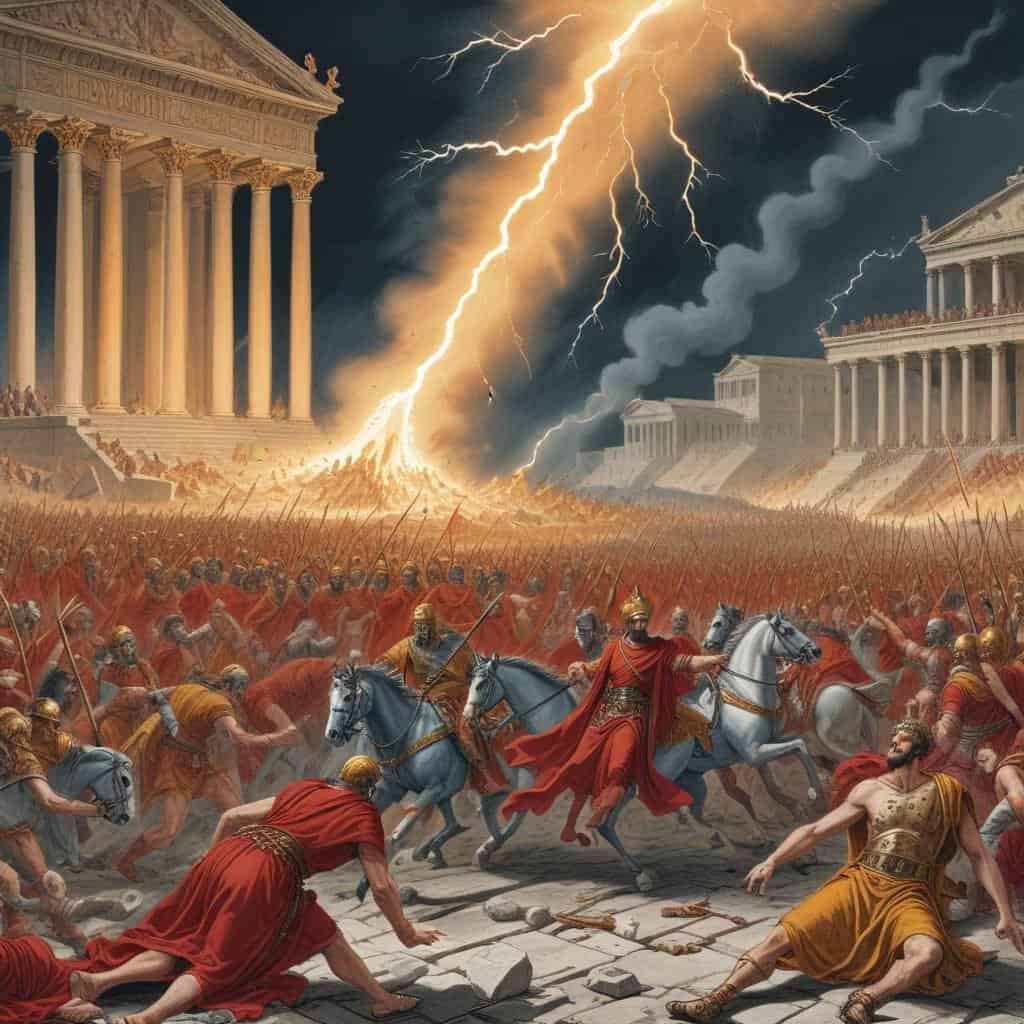
Death and Succession Crisis
Legacy and Impact
Personal Characteristics

Administrative Reforms
Relationship with the Senate
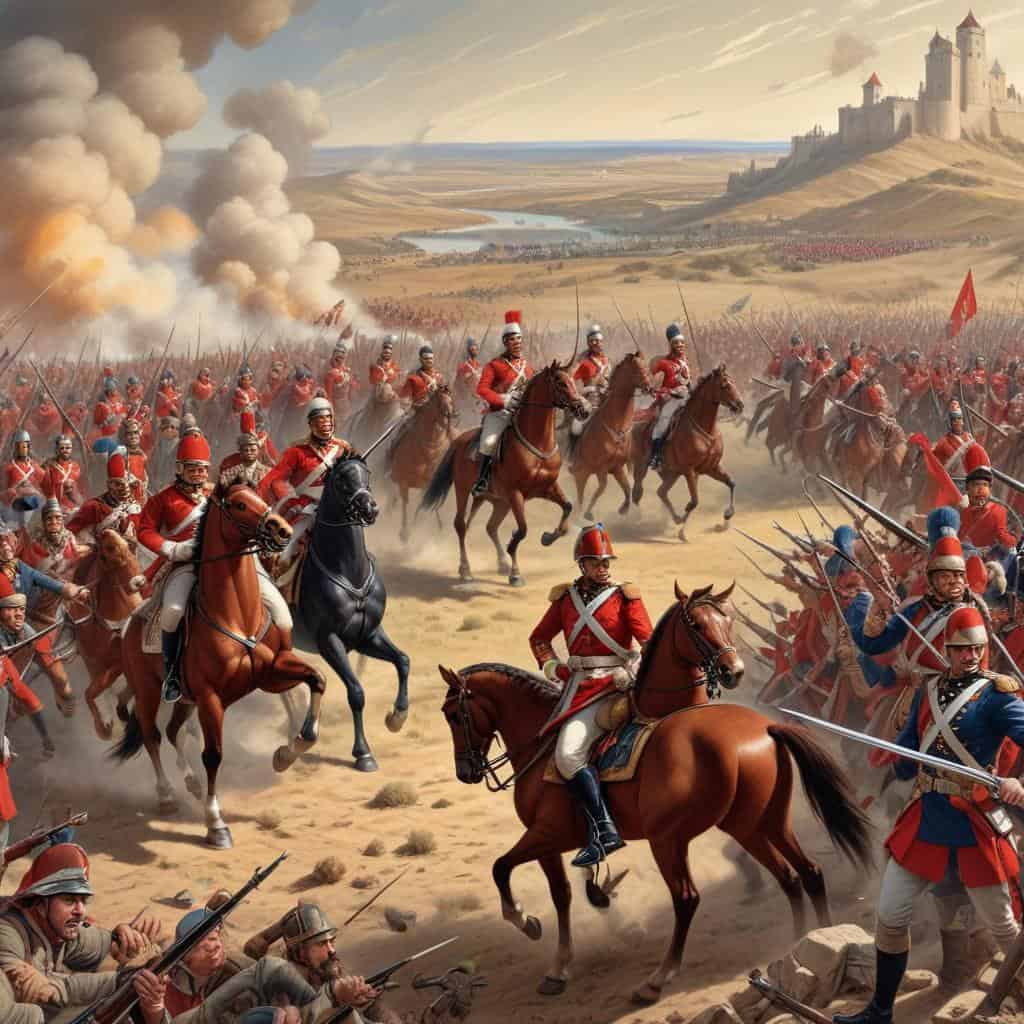
Military Strategy
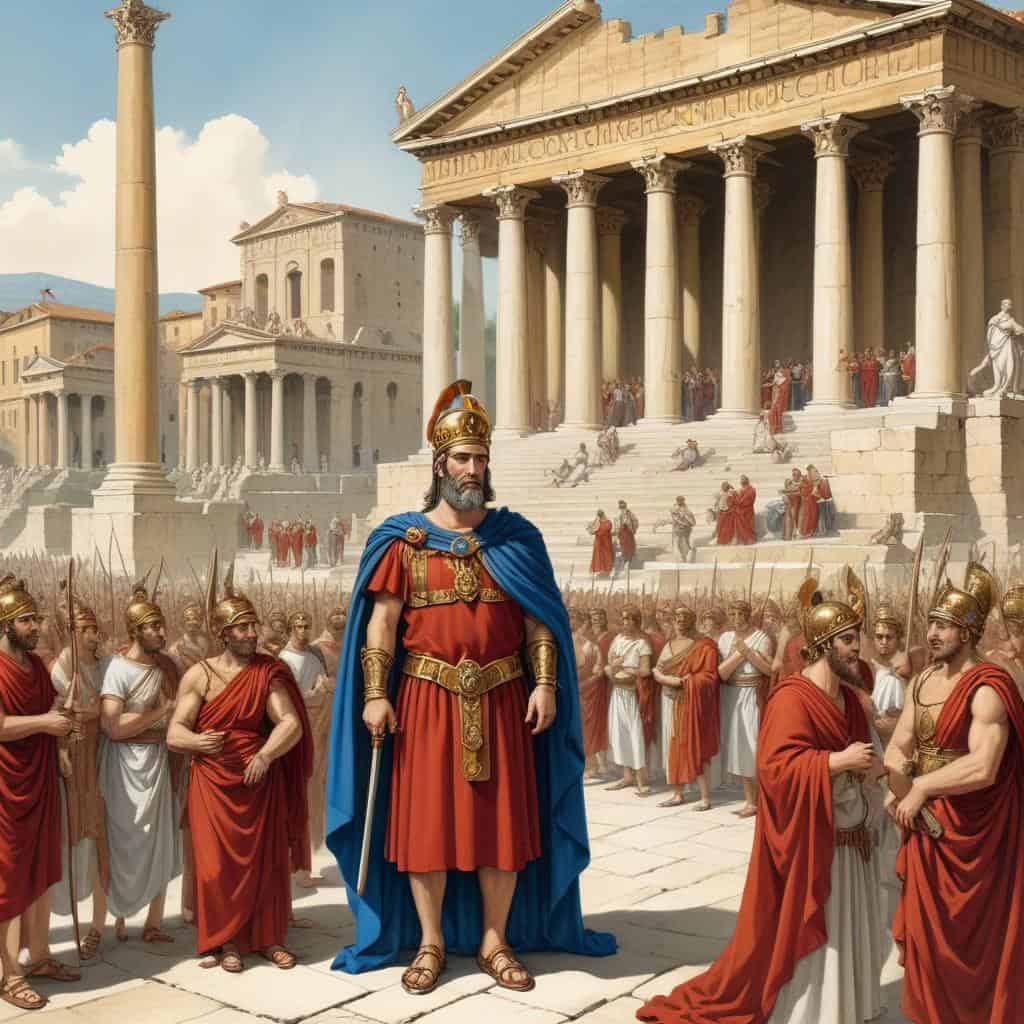
Cultural Contributions
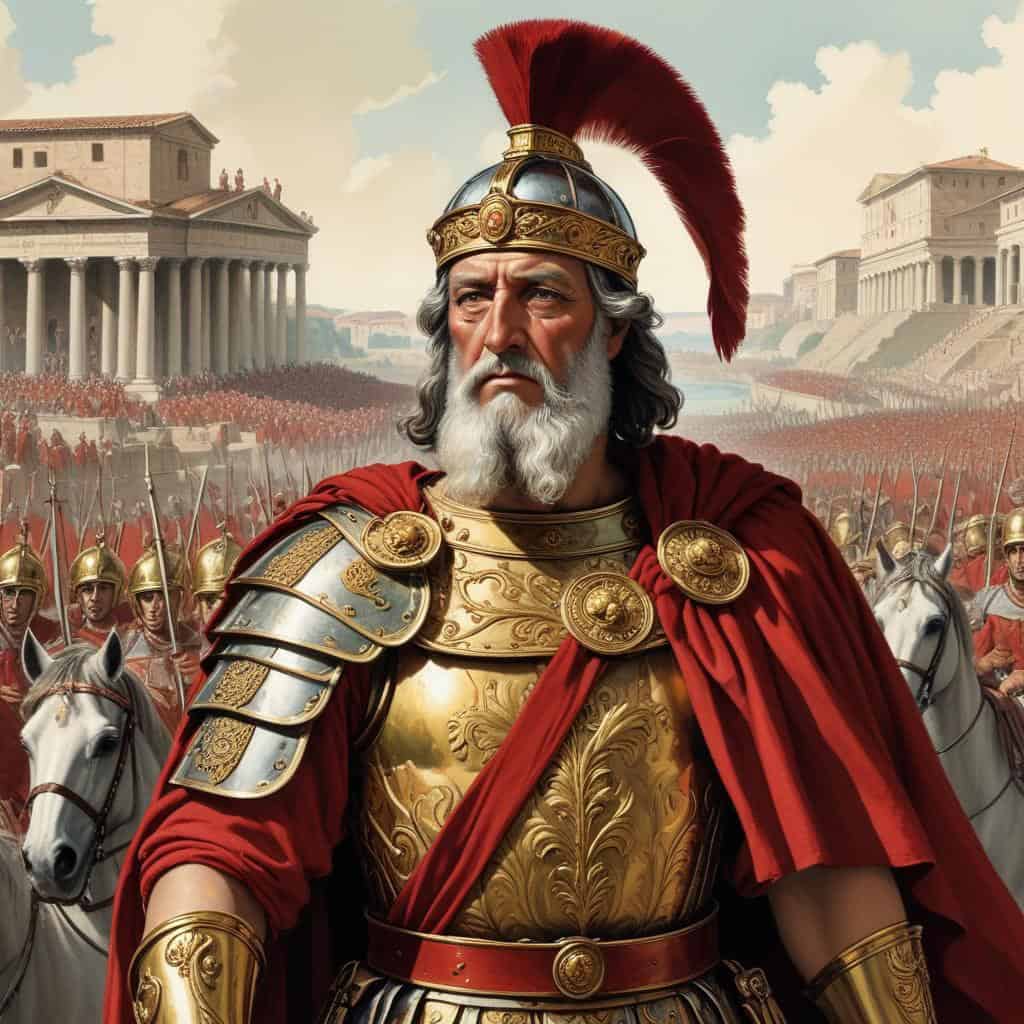
Remembering Emperor Carus
Lesson Details & Resources
In a Nutshell
- Who: Roman Emperor and philosopher
- When: Lived: 12 – 41 AD
- Known For: Being the author of the philosophical work 'Meditations'
- Legacy: Considered one of the most important Stoic philosophers
Timeline of Carus: A Military Emperor’s Biography
Carus is born in Gaul
Carus serves as a Roman military commander in the Danube region
Carus is proclaimed emperor by the army in the Balkans
Carus defeats the Sarmatians and Quadi tribes
Carus launches a campaign against the Persians
Carus and his sons Numerian and Carinus defeat the Persians and capture Ctesiphon
Carus dies under mysterious circumstances while campaigning in Persia
Numerian becomes the new emperor after the death of Carus
Numerian's death leads to Carinus becoming the sole emperor
Carinus is assassinated by his own troops during a campaign against the Quadi
Diocletian is declared emperor after the death of Carinus
The reign of Carus marks the last time that a Roman emperor's sons succeeded him in the throne
Carus is remembered for his military campaigns against the Persians and his sudden death
Carus is succeeded by his sons Numerian and Carinus
Carus is the first Roman emperor to be born outside of Italy
Carus restores discipline in the Roman army and strengthens the imperial administration
Carus is known for his religious tolerance and support for various cults in the empire
Carus is believed to have been struck by lightning during a campaign in Persia
Carus is buried in the city of Tarsus in modern-day Turkey
Carus is succeeded by Diocletian, who goes on to become one of the most successful Roman emperors
Vocabulary List
- Emperor Carus
- The Roman Emperor who ruled from 282 to 283 AD.
- Persian Empire
- During the reign of Emperor Carus, the Roman Empire launched a successful campaign against the Persian Empire.
- Military campaign
- Emperor Carus led a military campaign against the Persians during his reign.
- Roman Empire
- Emperor Carus was the ruler of the Roman Empire in the early 3rd century AD.
- Victory
- Emperor Carus achieved victory in his campaign against the Persians.
- Death
- Emperor Carus died under mysterious circumstances while on campaign in Persia.
Key Facts
This is the information used in the fact matching game
- Emperor Carus was Roman Emperor from 282 to 283 AD.
- Carus was the father of future emperors Carinus and Numerian.
- Carus was known for his military campaigns against the Sassanid Empire.
- Carus campaigned successfully against the Alamanni, a Germanic tribe.
- Carus was the first Roman Emperor to die in battle since Valerian in 260 AD.
- The cause of Carus' death is uncertain, with theories ranging from lightning strike to assassination.
- Carus was reportedly a strict and disciplined ruler.
- Carus elevated his sons, Carinus and Numerian, to the rank of Caesar during his reign.
- Carus was known for his military reforms, including changes to the Roman army's organization and equipment.
- Carus minted coins with his sons' likenesses, a common practice among Roman emperors.
- Carus' reign was relatively short but marked by military successes.
- Carus is sometimes depicted on coins wearing a laurel wreath, a symbol of victory.
- Carus' reign saw a temporary peace with the Sassanid Empire after his successful campaigns.
- Carus' death in 283 AD led to a power struggle between his sons Carinus and Numerian.
- Carus' military successes were attributed to his leadership skills and strategic acumen.
- Carus' reign was marked by stability and economic prosperity in the Roman Empire.
- Carus' reign saw the Roman Empire expand its borders and influence in the eastern regions.
- Carus was posthumously deified by his sons Carinus and Numerian.
- Carus' sudden death raised suspicions of foul play among his contemporaries.
- Carus' military campaigns were commemorated in inscriptions and monuments throughout the Roman Empire.
Analysis & Significance
Major Accomplishments
Carus was renowned for developing a revolutionary memory enhancement technique that allowed individuals to dramatically improve their cognitive abilities in a short period of time. His method involved a unique combination of mnemonic devices and visualization exercises, which proved to be highly effective in boosting memory retention and recall.
Impact on the World
Carus’s innovative memory techniques had a profound impact on education, as students and scholars around the world began to incorporate his methods into their learning practices. His work not only transformed the way people approached memory enhancement but also laid the foundation for further research in cognitive psychology and neuroscience.
Enduring Legacy
Today, Carus is remembered as a pioneer in the field of memory improvement, with his techniques continuing to be studied and utilized by individuals seeking to enhance their cognitive abilities. His legacy lives on through the countless students and professionals who have benefited from his groundbreaking work, solidifying his status as a significant historical figure in the realm of memory wizards.
Carus: A Military Emperor’s Biography Games


Take Your Learning Offline
Want a convenient, print-ready study guide for this lesson? Become a Memory Wizards Pro member to unlock the downloadable " Memory Scrolls" for this topic and our entire library!
- ✓ Complete Vocabulary Lists
- ✓ Key Facts & Timelines
- ✓ Beautifully Formatted for Print & Mobile